Family Day Care Safety Guidelines - 6th Edition August 2014 - Busy Butterflies Family ...
←
→
Page content transcription
If your browser does not render page correctly, please read the page content below
Family Day Care
Safety Guidelines
     6th Edition August 2014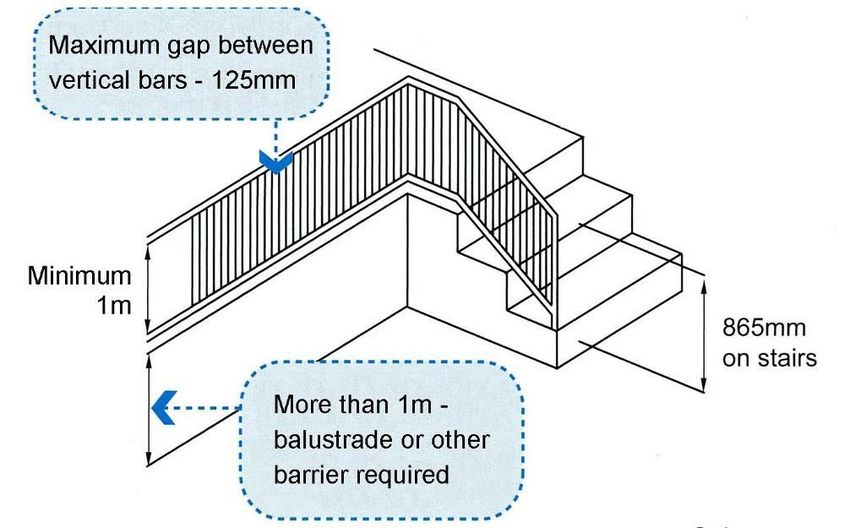
Family Day Care
                                      Safety Guidelines

                                                    August 2014

                      This 6th edition of the Family Day Care Guidelines has been reviewed by Kidsafe NSW.
                                               Funding was originally provided by the
                        Commonwealth Department of Education, Employment and Workplace Relations.
                                                              ………

                   For further information regarding these Guidelines contact Kidsafe in your state or territory:
                                                       www.kidsafe.com.au

                              ACT     (02) 6290 2244                                 NSW    (02) 9845 0890
                              TAS     (03) 6249 1063                                 NT     (08) 8985 1085
                              QLD     (07) 3854 1829                                 VIC    (03) 9036 2306
                              SA      (08) 8161 6318                                 WA     (08) 9340 8509

                                                        Copyright ©2014
                     You are free to download and copy the Guidelines for use in family day care schemes.
                                                       www.kidsafe.com.au
                                        This will not infringe copyright or incur any fee.
                                Such copies must not be offered for sale or published elsewhere.

                                                        ISBN 0 949 630 24 1

Disclaimer
These Guidelines have been prepared from information available to Kidsafe – the Child Accident Prevention Foundation of
Australia (CAPFA, trading as Kidsafe) at the time of preparation. This document is aimed at preventing accidental injury to
children by identifying potential risks and hazards in the home environment. It is not a manual about dealing with emergencies.

Whilst care has been taken to ensure the accuracy of the information provided, Kidsafe takes no responsibility for any errors,
omissions or changes to information that may occur, and disclaims all responsibility and liability to any person for any actions
taken or not taken because of the information within these Guidelines.

This document is a guide only, not a regulation. It does not override state or territory legislation or regulations, national standards
or scheme policies (where applicable).

Individual state and territory legislation and guidelines must be consulted in relation to particular standards or requirements, as
these vary across Australia. Users of this document may need to amend the Guidelines to include specific local obligations or
guidelines. Where applicable, national standards have been included throughout the document.

Family Day Care Safety Guidelines                          1/63                                                    Kidsafe
CONTENTS

Acknowledgements ......................................................................................................................... 3

SECTION ONE – Overview ........................................................................................................... 4

     Introduction ............................................................................................................................... 4

     Guideline aims ........................................................................................................................... 5

     Using the Guidelines ................................................................................................................. 5

     Definitions ................................................................................................................................. 7

SECTION TWO – Risk areas and safety requirements .................................................................. 8

     A risk management approach .................................................................................................... 8

     Australian Standards.................................................................................................................. 9

     Part 1 – Drowning ................................................................................................................... 10

     Part 2 – Falls ............................................................................................................................ 13

     Part 3 – Burns and scalds ........................................................................................................ 21

     Part 4 – Lacerations, cuts and crushing ................................................................................... 25

     Part 5 – Poisoning.................................................................................................................... 29

     Part 6 – Other injuries ............................................................................................................. 31

     Part 7 – Motor vehicles ........................................................................................................... 34

     Part 8 – Safety management .................................................................................................... 37

SECTION THREE – References, resources, standards and contacts ........................................... 39

SECTION FOUR – Hazard reduction checklist............................................................................ 51

Family Day Care Safety Guidelines                                2/63                                                         Kidsafe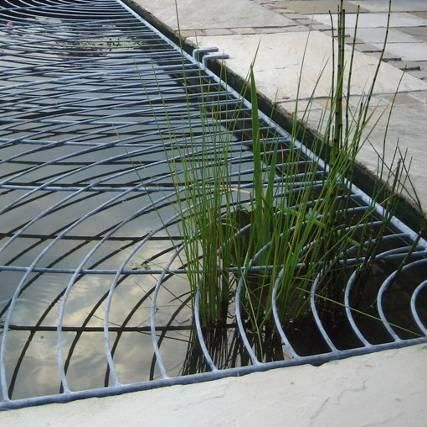
Acknowledgements
The Child Accident Prevention Foundation of Australia (CAPFA), trading as Kidsafe is grateful to the executive
officers and staff from state and territory Kidsafe offices for their support and expertise in the updating of the Family
Day Care Safety Guidelines.

Kidsafe would also like to acknowledge the expert advice and suggestions provided by the following people as part of
the review process for Edition 4. Updates and amendments for following editions have been made with regard to
changes in Standards and Regulations:

Heather Dunn              Policy Officer, Home Based Care                South Australian Department of Education
                                                                         and Children’s Services
Belinda Wallis            Burns Prevention Researcher, RCH Burns         University of Queensland
                          Research Group, Paediatrics and Child
                          Health
Pola Nadas                Policy Manager                                 Family Day Care Australia
Siobhan Connolly          Burns Prevention/Education Officer, NSW        NSW Health Department
                          Severe Burns Injury Service
Lauren Cohen              Health Promotion Officer, Kids Health          Children’s Hospital Westmead
Ross Maxwell              Architect and Director                         Collard Maxwell Earnshaw Architects
Richard Franklin          National Manager, Research and Health          Royal Life Saving Society of Australia
                          Promotions
Kym Groth                 Resource and Advisory Officer                  Family Day Care Association, Queensland
Anita Jovanovski          General Manager                                NSW Family Day Care Association
Bronwyn Keane             Project Worker, Professional Support           NSW Family Day Care Association
                          Services Provider
Liz Chellus               Coordinator                                    Marrickville Family Day Care (NSW)
Casey MacKay              Community Development Officer                  Marrickville Family Day Care (NSW)
Kerry Yates               Coordinator                                    Hurstville Family Day Care (NSW)
Kara Wilson               Community Development Officer                  Botany Family Day Care (NSW)

Family Day Care Safety Guidelines                  3/63                                              Kidsafe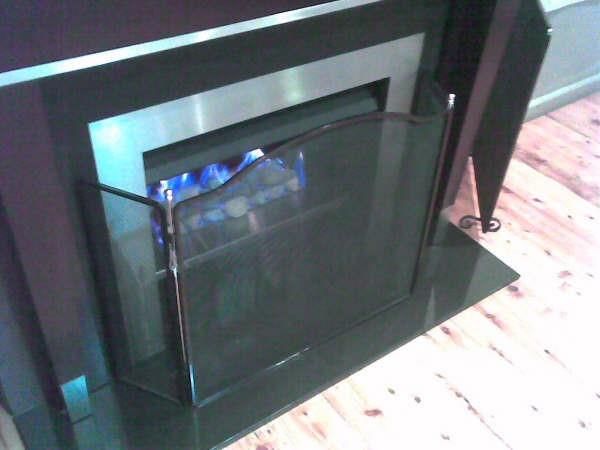
SECTION ONE – Overview

                             SECTION ONE – Overview

Introduction
    Injury is a major health problem for Australian children. Each year approximately 280 children
    die as a result of injury (Henley, Kreisfeld & Harrison, 2007). For every one child that dies, a
    further 160 are hospitalised and 5000 children will need medical attention. Many of these will
    require ongoing medical care (Berry & Harrison, 2007). Half the children injured are younger
    than five years old and more than half of these injuries occur at home.

    Many of these accidental deaths and injuries are avoidable and can either be prevented or injury
    minimised. By recognising potential risks to children, we can take steps to reduce both the
    frequency and severity of accidental injury.

                   Putting simple preventative strategies in place can reduce the
                                       likelihood of injury.

    In response to this problem, the Child Accident Prevention Foundation of Australia (CAPFA),
    known as Kidsafe developed these national Safety Guidelines, which aim to prevent
    unintentional child injury in home-based education and care services e.g. family day care.

    Kidsafe is a nationally based charitable, non-government organisation dedicated to the
    prevention of unintentional childhood injuries and reducing the severity of unintentional injuries
    to children under the age of 15 years. Its aim of a safer world for children is achieved through
    community education, research, advocacy, and environmental and legislative change.

    These Guidelines have been in place since 1986. They are regularly revised with key people
    from all states and territories, including representatives from state and territory health
    departments, accident prevention agencies, researchers, privately-owned child care centres and
    local government-managed family day care schemes.

    The Guidelines are designed to draw attention to potential hazards for children and to suggest
    actions that may be taken to prevent injury. They are not regulations, and they do not override
    state regulations, national standards or scheme policies (where these apply).

Family Day Care Safety Guidelines          4/63                                     Kidsafe
SECTION ONE – Overview
Australian Standards
Throughout this document we refer to Australian Standards. These are listed at the beginning of
each risk area outlined in section two, and also in the references and resources section (section
three).
According to Standards Australia (www.standards.org.au) ‘a Standard is a published document
which sets out specifications and procedures designed to ensure that a material, product, method
or service is fit for its purpose and consistently performs in the way it was intended’.
Standards establish a common language so that consumers can buy products and services
knowing that they have been assessed by experts and are safe and reliable. Furthermore, ‘around
a third of all Australian Standards form some part of Territory, State or Federal law. They are at
the heart of the Australian Building Code and the Trade Practices Act’ (Standards Australia -
www.standards.org.au).
The Guidelines refer to the relevant Standards to assist agencies and service providers locate
recommended safety measures and specifications. This will ensure that products and materials
in home-based education and care services are safe and reliable, limit the hazards to children
and minimise unintentional injury.
Guideline aims
The aim of these Guidelines is to enable home-based education and care service networks
(schemes), coordination units and child development officers to help educators to:
establish a level of safety for the educator’s house and property, which will provide a
reasonably safe environment for children
identify potential hazards so that they can be controlled to reduce the risk of injury to
children.
The intention of the Guidelines is to outline a minimum level of safety. They are designed to be
used as a tool to help create a safer environment for children by:
identifying a number of potential risk areas (section two)
providing information on minimum safety requirements and legislation, and suggestions on
how to deal with the risk (section two)
providing additional resources and contact details (section three)
providing a comprehensive checklist to identify and reduce hazards in and around the home
(section four).
Using the Guidelines
Service networks and child development officers can use this information as part of their overall
program for educators. The Guidelines focus on the age group of children most at risk – those
under five years of age. Child development officers and educators will need to consider
adjustments for school age-children for age-appropriate toys, supervision levels and playground
and safety equipment.
Family Day Care Safety Guidelines 5/63 Kidsafe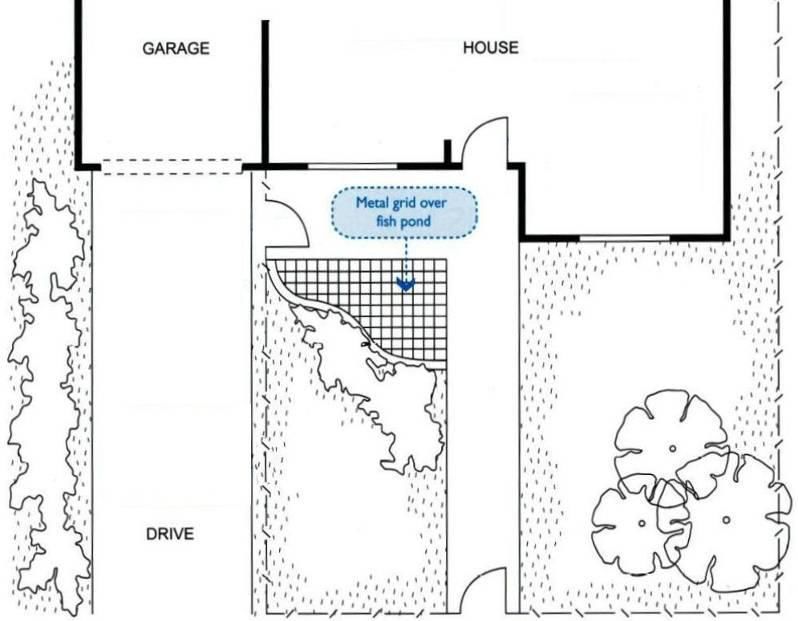
SECTION ONE – Overview
Kidsafe recommends that child development officers:
1: Read the Guidelines fully and have regular professional development to ensure
that knowledge of regulations is current.
2: Check possible local variations or additional requirements with local authorities
and your employer and ensure that these are included with your copy of the
Guidelines.
Local variations must be checked with the relevant standards body
or compliance agency in each state and territory.
3: Discuss the potential risk areas outlined in section two with the educator during the
home assessment. Explain the assessment process and its aim of providing a safe
environment for children.
4: Complete the hazard reduction checklist provided in section three with the
educator. Explain the danger of any hazards you locate, indicate the best way to deal
with them, including an appropriate time frame, and arrange a time for a follow up
visit.
Kidsafe recommends that, at a minimum, a checklist assessment of
the home is carried out annually – or as required by the relevant
compliance agency or registering body.
REMEMBER: child development officers play an important role in raising the educator’s
understanding of child safety needs. To this end:
Make your explanations clear and comment favourably where appropriate action has
been taken.
Reinforce any positive steps that were taken before your first visit.
Encourage educators to be vigilant in recognising and treating hazards as they arise.
Family Day Care Safety Guidelines 6/63 Kidsafe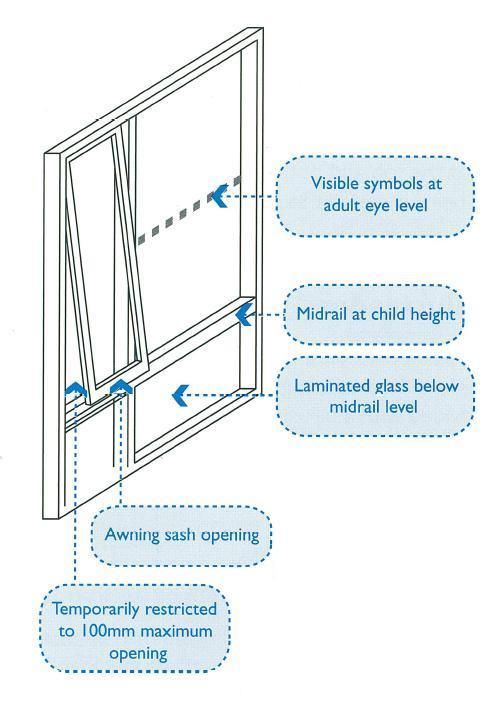
SECTION ONE – Overview
NOTE:
These Guidelines are written principally for use by service networks and child development
officers.
In the event that child development officers provide the Guidelines directly to
educators, Kidsafe recommends that:
Child development officers have a detailed discussion with educators about the
content and aims of the Guidelines, emphasising the following points:
- the hazard reduction checklists provide an opportunity to examine any actual
or potential hazards in the educator’s home and property
- hazards should be dealt with as they arise and a time frame established to
ensure that they are addressed promptly.
Educators participate in a training workshop that is tailored to their needs.
Definitions
Some specific terms used consistently throughout the Guidelines are defined as follows:
Young child: A child under the age of five years.
Child-resistant: Difficult for a young child to operate and/or open.
Appropriate barriers: Mechanisms used to prevent child access.
Supervision: Continuous, direct observation of a child by an adult.
Entrapment: The capacity to trap part or all of a child’s body, hair or clothing.
Hazard: Something unseen or not obvious to the child that may result in
injury.
Risk (challenge): Something obvious to the child where he/she can determine their
ability and decide whether to take that risk.
Fall height: The distance a child could fall from play equipment to the ground
beneath.
Falling Space: The space in, on or around the equipment that can be passed
through by a user falling from an elevated part of the equipment.
Impact Area: The area that can be hit by a user after falling through the falling
space.
Playground surfacing: A certified material designed to absorb the impact of a fall that is
installed within the falling space/impact area of the playground
equipment.
Family Day Care Safety Guidelines 7/63 Kidsafe
SECTION TWO – Risk areas and safety requirements

   SECTION TWO – Risk areas and safety requirements

A risk management approach
Kidsafe recommends a risk management approach to dealing with potential safety hazards in
and around the home. This approach is adapted from the risk management process as outlined
in AS/NZS ISO 31000: Risk management.

STEP 1:     COMMUNICATION AND CONSULTATION
            Successful assessment of risk depends on effective communication and
            consultation with stakeholders including:
              · Identifying or assessing hazards or risks
              · Making decisions on how to control risks
              · Making decisions about procedures

STEP 2:     ESTABLISHING THE CONTEXT
            Identify the external, internal and risk management issues and establish a context
            within which risks are to be managed.

STEP 3:     RISK IDENTIFICATION
            The Standard recommends a systematic approach and use of a structured process
            to help identify any risks. Initially it is useful to ask the following questions in
            relation to a potential hazard:
               · What can happen, where and when? Generate a comprehensive list of
                 potential sources of risk.
               · Why and how can it happen? Consider possible causes and scenarios.

STEP 4:     RISK ANALYSIS
            This will help you decide the best approach for dealing with the risk/s.
              · Evaluate the controls that are already in place, and consider their
                effectiveness.
              · Examine each risk in terms of ‘consequence’ (what could happen) and
                ‘likelihood’ (the probability of something happening). This will help when
                making the decision about treating the risk/s.

STEP 5:     RISK EVALUATION
            Use the information in Step 4 above to make a decision about rating each of the
            risk/s. The matrices on the following page can assist with this process. The risk
            rating can determine the appropriate action. Different risks require different
            levels of action.

STEP 6:    RISK TREATMENT
           There are a range of options for treating risks:
            · Identify the options for treatment. These may include:
                 - removing or avoiding the risk entirely where practicable.
                 - reducing the likelihood of the risk by putting control measures in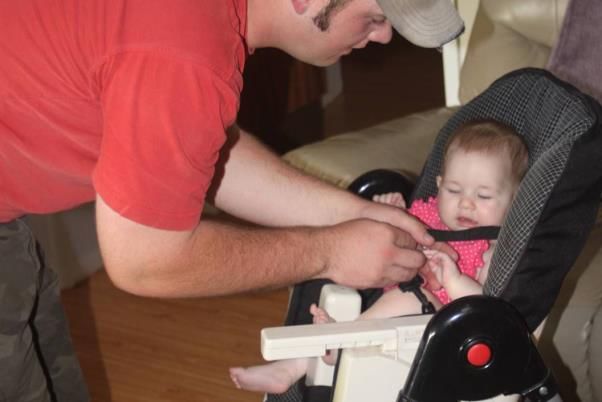
SECTION TWO – Risk areas and safety requirements

                    place, for example, putting in a barrier, or relying on close supervision and
                    keeping within reach of children.
                · Assess the options by preparing a cost-benefit analysis, where appropriate.
                · Implement the treatment.

STEP 7:        MONITORING AND REVIEW
               Ongoing monitoring and review is essential. Regularly review the effectiveness
               of the risk treatment to ensure it is the most appropriate action.

               Handy tool: one example of a simple risk level matrix is the following :
                                                                   Consequence
                    Likelihood                Major                    Moderate                 Minor
                      Likely                    Red                       Red                   Amber
                     Possible                   Red                      Amber                  Green
                     Unlikely                 Amber                      Green                  Green
                                                                                   (Adapted from HB 89:2012)
               Risk treatment key
               Red      Immediate action
               Amber Heightened action
               Green Business as usual

               Note: the matrix should be designed to be appropriate for your circumstances.

Australian Standards
Where possible, we have outlined the relevant Standards for each area of risk. This is not an
exhaustive list, and Kidsafe strongly recommends that child development officers and
educators check with Standards Australia and with local compliance agencies. In addition,
there are some Standards that should be consulted as overall Standards for child safety. These
include the following – please see section three (under ‘resources’) for more information:

 Reference                Title                                                  Area covered
 ISO/IEC Guide            Safety aspects – Guidelines for child safety           Child safety
 50:2002
 HB 136:2004              Safety aspects – Guidelines for child safety
 AS 4226:1994             Guidelines for safe housing design                     Safe housing design
 AS/NZS ISO               Risk management- Principles and guidelines             General risk management
 31000:2009                                                                      practice
 HB 89:2012               Risk management – guidelines on risk assessment
                          techniques
 HB 266:2010              Guide for managing risks in not-for-profit
                          organisations

Family Day Care Safety Guidelines                9/63                                             Kidsafe
SECTION TWO – Risk areas and safety requirements
Part 1 – Drowning
Drowning is the major cause of accidental death for children aged one to four. According to
the Royal Life Saving Society of Australia’s National Drowning Report 2011, there were 12
drowning deaths of children aged 0-4 in swimming pools and 4 drowning deaths of children
aged 0-4 in bathtubs/spa baths.
Although home swimming pools are the most common location for drowning, toddlers can
drown in just a few centimetres of water. Common items such as buckets, pots, water tanks,
water features, fishponds, or even a pet’s water bowl, are all potential hazards for young
children.
It takes only a few seconds for a child to drown. Supervision of
young children in, on, or around water must be constant.
Australian Standards:
There are a range of Standards that can help with safety around pools. For further information
see section three of these Guidelines.
Reference Title Area covered
AS 1926 Set-2010 Swimming pool safety standards Pools and spas (1.1)
Includes:
AS 1926.1-2007 Safety barriers for swimming pools
AS 1926.2-2007 Location of safety barriers for swimming pools
AS 1926.3-2010 Water recirculation systems
AS 2818-1993 Guide to swimming pool safety
AS 2610.2-2007 Spa pools – private spas
AS 3861-1991 Spa baths
1.1 Pools, spas, paddling pools and inflatable pools that can be filled to
more than 300mm of water
Legal requirements for pools, spas, paddling pools and inflatable pools vary across
Australia. Local conditions or requirements may also apply, so it is very important to
check with your local council. National safety standards include the following
recommendations:
(a) Enclose swimming pools and spas, with a barrier that
complies with the current Australian Standard, and
that completely separates them from the house and
other parts of the yard.
(b) Enclose paddling pools and inflatable pools that can
be filled to more than 300mm of water with a barrier
that complies with the current Australian Standard,
Family Day Care Safety Guidelines 10/63 KidsafeSECTION TWO – Risk areas and safety requirements
and that completely separates them from the house
and other parts of the yard.
(c) Make spas inaccessible with a locked pool cover or
an isolation barrier that conforms to the above
Standard.
(d) Isolation barriers should be at least 1.2m high and
without footholds that would allow a young child to
climb over.
(e) Ensure that gates are self-closing, self-latching and
have a child-resistant lock.
(f) Do not allow direct access from the house to the
pool.
(g) If a door allows access to the pool, ensure that it has
a self-closing, child-resistant lock.
(h) Windows that allow direct access to a pool or spa
should not open more than 100mm.
Ensure that the area is clear of (i) Remove objects that could help a child to climb over
footholds that would assist a child to a fence or open a gate, door or window, including
climb over a pool fence.
furniture and climbable plants or shrubs growing on
the pool fence.
(j) Remove the ladder from above-ground pools and
store safely when not in use.
(k) Display a permanent notice within the pool area
detailing resuscitation procedures.
(l) Make pool filters inaccessible to children.
1.2 Bathtubs
If a bathtub contains water, Kidsafe recommends that educators:
(a) maintain constant supervision.
(b) remain within arms reach of children and the water.
(c) empty water immediately after supervised use.
1.3 Ponds
Ponds or garden water features should be:
(a) secured in position; and
(b) covered by material; or
(c) designed so as to prevent a child putting his/her face into the water e.g. installing
large rocks/boulders that will significantly reduce the depth of water
OR
(d) completely enclosed by a barrier, such as a fence, wall, gate or door.
Family Day Care Safety Guidelines 11/63 KidsafeSECTION TWO – Risk areas and safety requirements
1.4 Creeks, rivers and dams
Home-based education and care services that are adjacent to, or provide access to,
bodies of water such as creeks, rivers or dams should have:
(a) a barrier, such as a fence or wall that conforms to the requirements listed under
1.1, that separates the property from that body of water to allow for a safe play
area.
1.5 Plumbing fixtures and appliances
(a) Where there are rooms, areas or cupboards that have a bath, basin, tub, washing
machine or similar plumbing fixture or appliance, it is recommended that
educators:
(i) securely enclose the area with doors or gates that have child-resistant
catches
(ii) store plugs (e.g. bath plugs) out of reach of young children.
(b) Any gully trap should either be:
(i) completely covered by a solid material that can support the weight of an
adult, and which is secured in position, or
(ii) completely enclosed by a barrier, such as a fence, wall, gate or door, that
complies with the requirements listed under 1.1.
1.6 Water containers
Educators should store or enclose any movable water container that is wide enough to
allow a young child’s face to reach the water such as a nappy bucket, animal drinking
bowl and wading/paddling pool (containing less than 300mm of water) out of reach of
young children, as noted in 1.5 (a)(i).
If there are no barriers/fences in place ensure that water features, such as ponds, are covered by
material that will prevent a child putting his/her face into the water.
Family Day Care Safety Guidelines 12/63 KidsafeSECTION TWO – Risk areas and safety requirements
Part 2 – Falls
Falls are the most common cause of injuries to children less than five years, with head injuries
and fractures the most common injuries. Any of the following could provide a potential risk.
Note that this is not an exhaustive list.
slippery/uneven floors
unsecured rugs
protruding/climbable furniture
stairs
change tables
cots
high chairs
baby walkers
play equipment
beds and bunk beds
bathtubs and spa baths
windows and balconies.
Australian Standards:
For further information see section three of these Guidelines.
Reference Title Area covered
AS 4226:1994 Guidelines for safe housing design Stairs and balustrades (2.2)
AS 4685 (Set) Playground equipment and surfacing safety set Play equipment (2.4)
(six parts, detailed in section three of these Height of equipment (2.4.1)
Guidelines)
AS/NZS 4422:1996 Playground surfacing – Specifications, Falling space and Impact area
requirements and test method (2.4.2)
Playground surfacing (2.4.3)
AS/NZS 4486.1—1997 Playgrounds and playground equipment – Playground maintenance and
Development, installation, inspection, safe play (2.4.5)
maintenance and operation
AS 4685.2—2014 Playground equipment and surfacing – Particular Swings (2.4.6)
safety requirements and test methods for swings
AS 4989:2006 Trampolines – Safety aspects Trampolines (2.5)
AS/NZS 2088:2009 Prams and strollers – Safety requirements Furniture and furnishings (2.7)
AS/NZS 2172:2010 Cots for household use – Safety requirements
AS/NZS 2195:2010 Folding cots – Safety requirements
AS/NZS 4220:2010 Bunk beds and other elevated beds
Family Day Care Safety Guidelines 13/63 KidsafeSECTION TWO – Risk areas and safety requirements
2.1 Holes, wells, trenches and excavations
Any hole, well, trench or excavation that a young child could not easily climb out of
without assistance, should be:
(a) completely covered by a solid material capable of supporting the weight of an
adult, and which is secured in position
OR
(b) completely closed by a barrier, such as a fence, wall or door, that conforms with
the requirements outlined in 1.1.
2.2 Stairs and balustrades
The design of stairs and balustrades should be in accordance with relevant codes or
standards, including the Building Code of Australia. Kidsafe recommends the following
safe practices:
(a) Stairways, ramps, corridors, hallways, external access balconies or bridges, with
one or more sides 1m or more above the floor or ground should be bounded by a
wall or balustrade.
(b) Walls or balustrades:
(i) should be at least 865mm above the front edge of stair treads
(ii) should be 1m above a level floor surface
(iii) should not have horizontal rails that facilitate climbing (balconies with a fall
height of more than 4m)
In addition, it is recommended that stairs and balustrades have openings no larger
than 125mm between vertical rails and between the base of the balustrade and the
floor or front edge of stair treads.
(c) All floors should be slip-resistant.
(d) Trip hazards (e.g. loose floor mats) should be removed, secured or installed with
non-slip underlay.
(e) Furniture should be kept away from windows, balconies and banister railings.
(f) Use gates and barriers at the top and bottom of stairs.
Family Day Care Safety Guidelines 14/63 KidsafeSECTION TWO – Risk areas and safety requirements
2.3 Windows and openings
It is recommended that windows or other openings from which a young child could fall:
(a) not open more than 125mm
OR
(b) have permanent bars spaced at no greater than 125mm apart fixed to the window.
2.3.1 Balconies
To prevent children falling from a balcony, it is recommended that:
(a) balcony balustrades (railings) be at least 1m high.
(b) vertical bars in the balustrade are no more than 125mm apart.
(c) furniture, pot plants and other climbable objects are kept away from the edge of
the balcony.
(d) children are always supervised when on the balcony.
(e) doors leading to balconies are locked closed so that children cannot gain access to
them.
2.4 Play equipment
Play is an essential part of childhood
and growing up. Children develop and
learn skills through play and
exploration. Child development officers
and educators have a central role in
promoting this development by
providing a safe and creative play
environment.
The Australian playground safety
Standards aim to reduce the number and
severity of playground injuries and
allow children to play in a safe Cubby houses are considered as play equipment
environment.
Kidsafe recommends that when purchasing any backyard play equipment, educators ask
for a certificate of compliance as evidence that the equipment is compliant with
Australian Standards.
Supervision
Adult supervision reduces the incidence of playground injury. Attention to the
safety of play equipment does not reduce the need for effective supervision of
children.
Family Day Care Safety Guidelines 15/63 KidsafeSECTION TWO – Risk areas and safety requirements
2.4.1 Height of equipment
Falls from play equipment constitute a large component of playground injuries.
Australian Standards restrict the height of play equipment to reduce the distance a
child could fall from the equipment to the ground. The recommended
measurements for maximum fall heights are as follows (these may vary across
states and territories):
0-5yrs: up to 1.8m for supervised early childhood settings (0-
8yrs in SA)
5yrs and above: up to 3m (8yrs and above in SA).
Note that where the fall height is increased, a larger area of impact area/falling
space surrounding the play equipment is required (see 2.4.2).
2.4.2 Falling space/Impact area
The falling space/impact area is the surface under and surrounding playground
equipment, where children may fall. This area is unique for each play
environment so it is important to contact your local Kidsafe office for further
information.
A minimal falling space/impact area of 1500mm is required around and between
fixed equipment items such as an elevated cubby house with attachment slide that
measure 600-1500mm above ground level. Varying falling space/impact areas are
required for fixed equipment 1500-1800mm above ground level, swings and
rocking equipment. Moveable equipment items such as trestles and attachments,
portable forts and climbing apparatus that measure 600-1500mm above ground
level require a minimum falling space/impact area of 1500mm . Refer to Figure 1.
Figure 1. Minimum dimensions of falling space/impact area for moveable equipment items as
required by AS 4685:2014. This is not to scale.
Family Day Care Safety Guidelines 16/63 KidsafeSECTION TWO – Risk areas and safety requirements
2.4.3 Playground surfacing
It is recommended that the measured falling space/impact area surrounding
playground equipment that measures more than 600mm above ground level be
filled with certified playground surfacing material.
Playground surfacing is designed to minimise head injury and absorb the impact
of a fall. Asphalt, concrete and grass are not considered playground surfacing. Fall
heights of 600mm or more above ground level require playground surfacing that
is compliant with AS/NZS 4422. Options include:
loose-fill materials such as pine bark, wood chips, wood fines and sand
synthetic grass with an impact layer beneath
a number of portable mat systems that offer impact absorption
wet-pour rubber surfaces.
Loose-fill material needs to be installed and maintained to a depth of at least
300mm (AS 4685.1). Educators need to be careful with the selection of sand as
surfacing, ensuring that the sand complies with the Australian Standard. All
playground surfacing products, including sand, should be tested and the supplier
should provide a certification of compliance which includes test results.
Play equipment that measures less than 600mm in height and is a moving
equipment item (e.g see saw) or used for climbing (e.g trestle or balance beam),
requires an impact attenuating (soft) surface which does not need to be certified
e.g well maintained grass or non-tested mulch or sand.
It is important to discuss surfacing options and seek advice from your local
Kidsafe office.
2.4.4 Entrapment – head and finger
Head entrapment can occur where there is a gap that is large enough for a child to
fall through feet first, but small enough that the child’s head cannot easily pass
through. This can provide a risk of strangulation. Any enclosed space 600mm or
more above ground level, where the child may not be able to reach the ground to
support their body weight, presents a risk. To prevent head entrapment, ensure
that all enclosed spaces are smaller than 89mm or larger than 230mm.
Any space between 89-230mm at 600mm or more above ground level is a
head entrapment hazard.
Finger entrapment, where the child’s finger is trapped with the weight of the body
below them, can cause serious injury to a child’s hand. This can occur with any
enclosed space 1m or more above ground level, where the child may not be able
to reach the ground for support. To prevent finger entrapment, make sure that all
enclosed spaces are smaller than 8mm or larger than 25mm.
Any enclosed space between 8-25mm at 1m or more above ground level is
Family Day Care Safety Guidelines 17/63 KidsafeSECTION TWO – Risk areas and safety requirements
a finger entrapment hazard.
2.4.5 Playground maintenance and safe play
(a) Ensure that play equipment is strong, sturdy and securely anchored. Secure
ropes top and bottom so they cannot form a noose. Ensure that footings are
at least 200mm below ground level.
(b) Play equipment should not have sharp edges, splinters or protruding parts
that could pierce skin, tangle clothing or remove cords out of clothing.
(c) Assess the condition of all play items for rust, detachments or weakening
from sun exposure. Inspect all chains and metal components for rust, wear
and tear.
(d) Locate play equipment in an area that is densely shaded and easily
accessible, away from driveways, pools or other hazards, and that can be
easily supervised.
(e) Check all play items for spiders and insects before play.
(f) Check sandpits for animal contamination before play.
(g) Conduct regular checks for rubbish and litter in the playspace.
2.4.6 Swings
Kidsafe recommends that educators ensure that swings comply with AS 4685.2.
(a) Swing seats should be made of a soft, flexible plastic and have no more than
two seats per frame.
(b) The connections of the swing at the seat should be checked regularly for
wear or sharp protruding parts.
(c) Ensure swing frames are well anchored into the ground and that playground
surfacing is provided beneath and around the swing frame.
For further discussion regarding the required falling space/impact area for swings,
contact Kidsafe’s playground advisory unit in your state or territory.
2.5 Trampolines
All trampolines should meet the following specifications:
(a) Compliance with AS 4989 – this should be marked on the box or included in the
trampoline’s information package.
(b) The frame and springs are to be covered with a frame padding that is a completely
different colour to that of the trampoline bed.
(c) Trampolines with a bed greater than 600mm in height are not recommended for
children under six years of age.
(d) Check the springs and frame regularly to ensure that each part is secure and in
good condition. Inspect the bed for wear and tear.
(e) Trampolines with a bed between 600mm and 1160mm in height, ensure a clear
falling space/impact area is provided of a minimum 1500mm around the
trampoline that is filled with playground surfacing.
Family Day Care Safety Guidelines 18/63 KidsafeSECTION TWO – Risk areas and safety requirements
(f) Trampolines with a bed of less than 600mm above ground level should be set up
on a soft surface such as mulch or sand (not tested) or well-maintained grass.
(g) Ensure the trampoline is on a flat surface and secure to the ground.
(h) Ensure that the area above the trampoline is also clear. A minimum of 8m from
ground level is recommended.
(i) Do not provide access to the trampoline with linking ladders, planks or chairs.
(j) Supervise children on a trampoline at all times.
(k) Only one child to use the trampoline at any time.
2.5.1 Bicycles and wheeled toys
When using bicycles and wheeled toys, it is recommended that:
a) Helmets are worn that meet the Australian Standards AS/NZS 206.
b) Helmets are fitted correctly and well maintained.
c) The wheeled toys should be appropriate to the age and size of the child.
d) An area for riding is provided that is clear of dangerous obstacles, away from
driveways and traffic.
e) If the helmet is being used by a number of children, sanitise the helmet between
use by each child.
f) Supervision of children on bicycles and wheeled toys is provided for at all times.
2.6 Outdoors
All trees, shrubs, ladders, fences, roofs, walls or other objects from which a young child
might fall (height 600mm or more) should:
(a) be made inaccessible to young children;
(b) contain no hard, jagged or protruding surfaces or objects onto which young
children could fall; and
(c) be regularly maintained and checked.
2.7 Furniture and furnishings
A number of regulations govern this area and it is important to check local
requirements. However, state and territory legislation and guidelines generally include
advice on the following safe practices:
(a) All furniture to which a young child could gain access, and from which a fall
could occur, should be made inaccessible. No child should be left unattended or
unsupervised on any raised surface.
(b) Potentially unstable furniture, such as chests of drawers, bookcases, televisions
and shelving units, should be secured to prevent them falling onto a child.
(c) Rugs and carpets should be secure and in reasonable condition to prevent a child
from tripping and falling.
(d) Strollers/prams must be fitted with a five-point harness, and should comply with
AS/NZS 2088.
Family Day Care Safety Guidelines 19/63 KidsafeSECTION TWO – Risk areas and safety requirements
(e) High chairs should be sturdy and stable, and must be fitted with a five-point
harness and should comply with AS 4684.
(f) Cots must comply with AS/NZS 2172 and all bedding must conform to specific
state and territory regulation or legislation.
(g) Portable/folding cots must comply with AS/NZS 2195.
(h) Baby walkers, jolly jumpers and indoor swings are not recommended for use in a
family day care environment.
(i) Baby bouncers should not be placed on a raised surface.
Cots must comply with AS/NZS 2172. Folding Cots must comply with AS/NZS 2195.
Family Day Care Safety Guidelines 20/63 KidsafeSECTION TWO – Risk areas and safety requirements
Part 3 – Burns and scalds
Children under the age of five are a high-risk category for injury from smoke, hot surfaces
and hot water or fluids. Heaters, fires, barbecues and irons are all potentially dangerous items,
as are places that children can access hot water or fluids.
Burns and scalds from hot water are the most common type of injury, with most of these
injuries occurring in the bathroom. Water at 60oC can cause a severe burn to a child’s skin
within one second; at 50oC, it will take five minutes. Therefore, hot water should be
controlled to a maximum of 50oC in the bathroom. This can be achieved by installing a
thermostatic mixing valve or tempering valve into the hot water system (refer to AS 3500).
Australian Standards:
For further information see section three of these Guidelines.
Reference Title Area covered
HB 170:2002 Wood heating resource handbook guide to the Fuel burning heaters (3.2)
selection, installation and operation of wood
heaters
AS/NZS 2286:2001 Space heaters – Secondary guards Guards (3.2)
Heaters (3.3)
AS/NZS Household and similar electrical appliances – Heaters (3.3)
60335.2.30:2009 Safety – Particular requirements for room heaters
AS/NZS 3350:2002 Safety of household and similar electrical Barbecues (3.5)
appliances Stoves, cooking and electrical
appliances (3.6)
AS/NZS Household and similar electrical appliances – Barbecues (3.5)
60335.2.78:2005 Safety – Particular requirements for outdoor
barbeques (IEC 60335-2-78 Ed 2.0, IDT)
AS/ NZS 3500.4—2003 Plumbing and drainage – Heated water services Hot water (3.7)
3.1 Flammable liquids
Safe practice recommends that all flammable liquids (such as petrol, ethanol and methylated
spirit, paint thinners, kerosene and acetone) be:
(a) stored in a container that is correctly labelled and designed for the storage of
flammable liquids; and
(b) stored out of reach of young children in a secure, child-resistant location.
3.2 Open fires, stoves and fuel burning heaters
Open fires, stoves or other fuel-burning space heaters should be enclosed by a guard
that will:
(a) prevent contact with flames or a hot surface, including flues.
Family Day Care Safety Guidelines 21/63 KidsafeSECTION TWO – Risk areas and safety requirements
(b) prevent contact with clothing that could be ignited.
(c) not be easily removed or displaced by young children.
Open fires, stoves or other fuel-burning space
heaters should be guarded to prevent children
coming into contact with the hot surface.
3.3 Heaters
(a) Kidsafe recommends that portable kerosene heaters should not be used, and
should instead be stored in a secure, child-resistant location.
(b) Bar radiators, electric or gas radiant heaters, blower fan heaters or similar space
heating appliances that have high temperature heating elements or hot surfaces
should be:
(i) secured and placed at least 2m above floor level
OR
(ii) guarded as specified in 3.2 above.
Space heaters or other appliances, such as those listed below, may be regarded as
acceptable if they have a surface temperature that is unlikely to cause a burn. They may
also be acceptable if they have a secondary guard to prevent contact with the primary
heat source, and if this secondary guard itself does not reach a temperature likely to
cause a burn or ignite clothing. Such acceptable appliances include:
air conditioning duct outlets
non-fan convection panel
gas or electric wall furnaces
electric storage heaters or heat banks
fan-forced gas heaters and fan-forced electric heaters with effectively guarded
heating elements
heated towel rails.
Family Day Care Safety Guidelines 22/63 KidsafeSECTION TWO – Risk areas and safety requirements
3.4 Matches, lighters and explosive substances
All matches, lighters, lit cigarettes, lit candles, ashtrays in use and explosive substances
should be stored out of reach of a young child. Cigarette lighters in vehicles should be
made inaccessible to a child.
3.5 Outdoor barbecues and incinerators
(a) It is recommended that outdoor barbecue units be operated with care, and that the
units should be kept out of reach of children. In addition, a barbecue (when in use)
should be guarded as in 3.2 above.
(b) Gas bottles should be made inoperable or made inaccessible to children. Note: gas
bottles are required to be stored in a well-ventilated area.
(c) Incinerators should not be used while children are in care and should not be
accessible to young children.
3.6 Stoves, cooking and electrical appliances
According to AS/NZS 3350, stoves or ovens, including microwave ovens, should be
securely fixed in position and stoves, ovens, cooking appliances, boilers, kettles, irons
or similar electrical appliances should either be:
(a) stored out of reach of young children;
(b) made inoperable for young children; or
(c) if they are within reach of children, be made inaccessible by the use of an
appropriate barrier or child-proof cover such as a power point safety cover.
Safety covers can be used to protect power points that are in use
3.6.1 Electrical Outlets/Power Points
Insert safety plugs in unused electrical outlets/power points. Choose a style that cannot
be easily removed from the outlet.
3.7 Hot water or liquids, foods and hot beverages
(a) All hot water or any liquid over 50ºC in any tap, pipe, vessel or cooking, heating
or other appliance, or in any other container (e.g. saucepan, frying pan) should
either be:
Family Day Care Safety Guidelines 23/63 KidsafeSECTION TWO – Risk areas and safety requirements
(i) out of reach of young children;
(ii) made inaccessible by appropriate barriers; and
(iii) if it is within reach of young children, the outlet should have a child-
resistant tap, operating device, tap cover or be inoperable for young
children.
(b) Hot oil should be inaccessible to any child, and very hot food should be kept out
of reach of children. Any hot food, including microwave meals and hot noodles,
should be tested to ensure it is a safe temperature before it is given to any child.
(c) Care should be taken when heating baby bottles. The best and safest way to warm
bottles is by standing the bottle in warm water or the use of a specially designed
bottle warmer. It is not recommended to heat bottles in the microwave.
(d) Avoid consuming hot drinks when around children. Hot drinks should be kept out
of reach of young children.
(e) Tablecloths should not be used where young children are in care.
Tap covers can be used to protect hot water outlets
3.8 Shade provisions and sun protection
Trees, verandas, securely anchored umbrellas, gazebos, or other shade structures should
be provided in outdoor play areas to allow protection from the sun’s ultraviolet
radiation.
Babies under 12 months should not be exposed to direct sunlight. Young children’s skin
is thin, extremely sensitive and can burn easily. The more sun exposure during
childhood, the greater the risk of skin cancer in later life.
Sun protection tips include:
Plan the day’s activities to reduce exposure to the sun, particularly between the hours of
10am and 2pm(11am and 3pm in daylight saving time)
Cover as much of a child’s skin as possible with loose fitting clothing and a hat to protect
the child’s face, neck and ears.
Provide shade for a child’s pram, stroller or play area.
During higher UV periods, use sunscreen, broad spectrum 30+, at least 20 minutes before
going outdoors. Reapply every two hours.
For further information on sun protection for children in
your local area, please visit your state or territory Cancer
Council website.
Family Day Care Safety Guidelines 24/63 KidsafeSECTION TWO – Risk areas and safety requirements
Part 4 – Lacerations, cuts and crushing
Children can be injured playing with sharp items and by falling on insecure and jagged
objects. Once a baby starts crawling, everything within reach will be of interest and present a
possible danger.
Australian Standards:
For further information see section three of these Guidelines.
Reference Title Area covered
AS 1288:2006 Glass in buildings – Selection and installation Glass (4.1)
(see also AS 2047)
AS/NZS 2208: 1996 Safety glazing materials in buildings
AS/NZS ISO Safety of toys – Part 1: Safety aspects related to Toys (4.5)
8124.1:2010 mechanical and physical properties
AS/NZS ISO Safety of toys – Flammability
8124.2:2009
AS/NZS ISO Safety of toys – Migration of certain elements
8124.3:2012
AS 8124.4:2003 Safety of toys – Experimental sets for chemistry
and related activities
AS 8124.5:2003 Safety of toys – Chemical toys (sets) other than
experimental sets
AS 8124.7:2003 Safety of toys – Finger paints – Requirements and
test methods
AS 2047:1999 Windows in buildings – Selection and installation Glass (4.1)
Open windows (4.6)
4.1 Glass
Safety tips for glass include:
Avoid or prevent contact with glass.
Identify glassed areas clearly.
Be aware of the type of glass in your home/area.
Change to safety glass where necessary and practical.
If changing the glazed area is not an option, consider any of the following:
- protect by guard, barrier rails or recessed sills
- place easy to see stickers (brightly coloured) at adult and child height
on any large glass panel or sliding door
- make sure glass areas are well-lit at all times
- consider applying an organic-coated plastic safety and security film.
Family Day Care Safety Guidelines 25/63 KidsafeSECTION TWO – Risk areas and safety requirements
(a) Glass in doors and windows that is less than 750mm (1m in WA) above floor
level should be either:
(ii) safety glass that complies with AS 1288
(iii) guarded to prevent a young child striking or falling against the glass.
(b) Other types of glass, such as laminated glass and organic-coated glass should
comply with AS/NZS 2208.
4.2 Sharp, pointed and jagged objects
It is recommended that:
(a) Sharp, pointed or jagged objects, or materials such as knives, wire, plants and
building materials and items, including bottles, that could be broken into sharp,
pointed or jagged parts, should not be accessible to a young child.
(b) Benches and corners less than 900mm above floor level should be rounded or
protection added.
Sharp corners on benches and furniture can be
protected with safety devices
4.3 Tools, machinery and appliances
It is recommended that all power tools, electrical appliances, exercise machines, cooling
units (e.g. fans), petrol or fuel-driven machines, mechanical devices, tools or
implements either be:
(a) stored out of reach of young children; or
(b) made inaccessible for young children.
4.4 Falling objects
Children climbing on furniture could cause it to topple over, resulting in serious injury.
Each year several hundred children are injured as a result of falling furniture, some
fatally. Most accidents can be prevented by making small changes to the home
environment.
Family Day Care Safety Guidelines 26/63 KidsafeSECTION TWO – Risk areas and safety requirements
Safety tips for furniture include:
Always discourage children from climbing on furniture.
Move unstable furniture from areas where children play.
Remember that a child may use a chest of drawers or shelves as a ladder.
Put locking devices on drawers to prevent children using them as steps.
Secure all tall furniture to a wall using angle braces or anchors.
Secure large, flat screen televisions to the furniture or wall. Avoid placing
them on small or unstable surfaces.
Never place tempting items such as toys on top of furniture – this
encourages children to climb up.
Avoid using tablecloths where young children are in care.
Install safety straps to secure large televisions.
Family Day Care Safety Guidelines 27/63 KidsafeSECTION TWO – Risk areas and safety requirements
4.5 Play equipment – toys
Toys should comply with AS/NZS ISO 8142 where applicable. Educators must give
consideration to the safety and age-appropriateness of all toys. Recommended safe
practices include:
(a) Storing any toy or item of play equipment that contains sharp edges, sharp points
or hooks, splintery surfaces, parts that crush or which has heavy moving parts, or
which is capable of launching projectiles, or is damaged out of reach of young
children.
(b) Ensuring that items used for toy storage do not have lids that could crush or entrap
a child.
(c) Ensuring that toys or other play equipment do not contain toxic material.
4.6 Open windows
Awning (top-hinged) or casement (side-hinged) windows should not open out over a
path or play area. This will prevent young children from coming into contact with the
edge of the window sash while on the path or in the play area. See also 2.3.
to 125mm maximum
Family Day Care Safety Guidelines 28/63 KidsafeSECTION TWO – Risk areas and safety requirements
Part 5 – Poisoning
Many products and materials that are used and kept in the home are poisonous to children.
Poisonings often happen quickly, when educators are distracted, or when adults are not in the
room. Toddlers are most at risk because of their tendency to put any objects in their mouths.
Many poisonings occur when a product or medicine is not in its usual storage location, such
as when it is in use and left on a bench-top or bedside table, or going between the shop and
home.
A notice, such as the example given in section four (page 51), detailing appropriate phone
numbers for the Poisons Information Centre (phone 13 11 26, Australia-wide, 24 hours a day;
7 days a week) and other relevant contacts in case of a poisoning, should be displayed near
the telephone.
Australian Standards:
Most Standards deal with the transport and storage of industrial poisons, rather than the
storage of poisons with regard to child safety. For further information see section three of
these Guidelines.
Reference Title Area covered
ISO/IEC Guide Safety aspects – Guidelines for child safety Child safety
50:2002
HB 136:2004 Safety aspects – Guidelines for child safety
AS 4226:2008 Guidelines for safe housing design Safe housing design
5.1 Poisonous substances
Avoid poisonings by ensuring that potential poisons, such as medication, household
cleaners, garden products, petroleum products, alcohol and other poisonous substances
are:
(a) stored in their original containers, or in clearly marked refillable containers;
(b) stored out of reach of a young child and/or in a cupboard fitted with a child-
resistant latch; and
(c) returned to their safe place immediately after use.
5.2 Poisonous plants and trees
Poisoning from trees, shrubs, plants and mushrooms rarely causes death or serious
injury in children. This is largely due to the amount of information available regarding
poisonous plants and weeds.
Child development officers and educators should research the plant/s supplied or
already existing in the gardens to ensure a non-toxic play environment. This is of
particular issue for toddlers 0-3yrs, who are still at the stage of development that
Family Day Care Safety Guidelines 29/63 KidsafeSECTION TWO – Risk areas and safety requirements
involves putting objects in their mouths. Plants that produce berries can also be a hazard
for choking.
It is important for educators to contact Kidsafe in their state or territory, as
well as local advisory bodies, for information relevant to the local area.
These might include local councils, or state/territory parks and gardens
departments. The Poisons Information Centre can also be contacted. Refer
also to the Kidsafe NSW Inc. publication, Plants for Playspaces, which
can be ordered from Kidsafe NSW Inc. For safety tips on gardening with
children visit www.kidsafensw.org/growmesafely.
5.3 Bites and stings
There are many different types of spiders, insects (including bees, ticks, scorpions and
centipedes) and snakes in Australia whose bite can cause a reaction, particularly in
children.
There are two poisonous species of spider in Australia – the Red Back Spider and the
Funnel Web Spider – and there are many venomous snakes. Most bites do not result in
death, but may cause severe reactions.
Safety tips for preventing bites and stings:
Outside the home
Educators should inspect outdoor play areas and equipment to ensure
spiders, snakes and any other common local pests are not present.
Keep play areas free from long grass, debris, or household rubbish.
Inside the home
Regularly check inside the home to help keep the area clear of spiders,
snakes and other pests.
Avoid leaving clothing, boxes and rubbish lying around the home, as these
may become hiding places for unwanted pests.
If a child should get bitten, it is vital that educators react quickly. First aid can save lives
and prevent serious injury. For information about first aid and cardiopulmonary
resuscitation (CPR) courses in your local area, contact:
Australian Red Cross www.redcross.org.au 03 9345 1800 (national office)
St John Ambulance www.stjohn.org.au 02 6295 3777 (national office)
Poisons Information Centre 13 11 26
Please refer to your state or territory’s workplace health and safety regulatory
agency for information on approved courses.
Visit Safe Work Australia website: www.safeworkaustralia.gov.
Family Day Care Safety Guidelines 30/63 KidsafeSECTION TWO – Risk areas and safety requirements
Part 6 – Other injuries
Australian Standards:
For further information see section three of these Guidelines.
Reference Title Area covered
AS/NZS 3350:2002 Safety of household and similar electrical Electrocution (6.6)
appliances
Other references: National Firearms Safety Code.
6.1 Animals and pets
Younger children are most at risk of being bitten by animals, as they have limited
understanding of animal behaviour and are more likely to aggravate or intimidate
animals.
Safety tips for animals and pets include:
Always supervise children when they are near animals and pets.
Teach children how to behave toward animals.
Check with the owner if it is OK to pat the animal.
Safety tips for dogs
Ensure your dog is properly trained to sit, stay, drop and come.
Choose a breed that is suited to the family’s lifestyle and environment.
Ensure that your dog always has a safe place to go where it won’t be
bothered by humans.
Supervise young children when they are able to get close to
farm animals, domestic pets, or other potentially dangerous
animals.
Family Day Care Safety Guidelines 31/63 KidsafeYou can also read


