Fashion & clothing Now on the internet - www.connexions-direct.com/ wifashandcloth
←
→
Page content transcription
If your browser does not render page correctly, please read the page content below
Now on the internet

    Working in
                                  www.connexions-direct.com/
                                  wifashandcloth

                     fashion
                     & clothing

Includes 18
real-life case
studies covering:

G   Designing
G   Production
G   Displaying and                            Design, Arts
    marketing                                 and Crafts
Contents
What is this booklet about?                             2
It is one of over 40 in a series covering many              Designing
work sectors, subjects and careers. Each book
contains a number of case studies showing people              Footwear designer
in a variety of jobs. All telling you how it is –                 Fashion designer
including the good things and the bad.
                                                                    Clothing pattern cutter/grader
Each job shows you what qualifications you will need,
                                                                        Handbag designer
what training you can get and how much you might be
paid. Also, you will see which route each person took in
getting that job.                                                             7
How can I find out more?                                                          Production
Look on the website www.connexions-direct.com/jobs4u which                           Tailor
contains background information on these featured jobs plus many                        Clothing alteration hand
more. You can talk to your Connexions personal adviser who will help
you research more details. Or you can contact one of the organisations                        Leather machinist
listed at the back of the book.                                                               Knitwear product development
                                                                                                assistant
How can I contact Connexions?
                                                                                     Footwear manufacturing operative
In person through a Connexions personal adviser who might
be based at your school, college or reached at your local                         Textile technologist
Connexions centre. By telephone, text, webchat or e-mail                      Clothing packer
through Connexions Direct. Open seven days a week,
                                                                            Merchandiser
between 8.00am and 2.00am.
                                                                        Assistant cloth buyer
Check out www.connexions-direct.com or look in the
telephone book to find your local centre. Or ring
080 800 13219 or text on 07766 413219 for                          18
Connexions Direct.
                                                               Displaying and marketing
Other formats of this booklet are available –
                                                            Fashion model
for details see back cover.
                                                         Fashion photographer
Key to salary icons                                   Fashion adviser
      up to £12,000                                Fashion writer/stylist

      £12,001 to £17,000                         Knitwear buyer

      over £17,000
                                            24
This represents the typical
starting salary for the job            Further reading/
featured in the case study.           Useful addresses
Working in fashion & clothing

So you want to work in
fashion and clothing?
The fashion and clothing industry offers an exciting range of careers for
young people at all levels and employs nearly half a million people. Even
though the manufacture of clothes, shoes and textiles increasingly now
takes place overseas, the UK still maintains a significant base, provided by
numerous small companies often centred in specific geographical areas.
Fashion is not all about being a designer. Only about one-in-ten         Are Apprenticeships available?
of the 3,000 fashion graduates each year finds work as designers.        Clothing and textile companies
Most of these are far more likely to be interpreting trends for a        are keen to improve the training
High Street retailer than using their own original creative designs.     which is available for young
This booklet aims to give you an idea of some of the other               people. A wide range of
interesting jobs available, as well as case studies of designers         Apprenticeships (Skillseekers
in different parts of the industry.                                      in Scotland) is now available,
                                                                         including sewing, IT,
Is a degree in fashion an advantage?                                     administration, warehousing
Sometimes, yes – for some careers a degree or Higher National            and distribution, engineering,
Diploma (HND) may be the only way in. The most common                    and customer services.
route is to take a foundation course in art and design before
starting a design degree. One of the advantages of a degree              What else can give me a
course is that it often includes a module on business studies.           head start?
This could be a great help if you go on to set up your own               Experience gained as a sales
business as a designer or making clothes, or if you decide               assistant in clothing or footwear
on a career in buying, merchandising or many of the other                retailing will give you an insight
jobs available.                                                          into the industry and customer
However, there are many other routes of entry into the sector –          knowledge. Prepare a portfolio
specific technical courses, Apprenticeships and NVQs/SVQs.               of art and design or other
Courses which focus on the technical aspects of textiles and             practical work that you can
garment technology, including IT applications, are also                  take to a job interview and
invaluable, both for design and other careers.                           lso use for college or
                                                                         university applications.
What else do I need to consider?                                         Part-time courses, at a local
It is important to be flexible and to keep your options open.            college or adult education
Many companies within the sector offer work experience to                institute, can also provide you
young people, and this provides a real insight to the working            with valuable skills and will
environment. Whatever career you decide upon, you will need              show an employer that you
to be prepared to work hard, which can involve putting in very           are willing to undertake further
long hours, especially if you are running your own business.             study. Make sure you are well
                                                                         informed about the area you
What sort of skills and qualifications are needed?                       are applying for and read
Practical and creative skills are very important for many of the         relevant magazines, books
jobs featured here. If you are still at school, take every opportunity   and websites.
to develop these skills, whether they are in photography, art,
craft, design and technology, sewing, fixing and repairs or
making things. Experience of using computer-aided design
(CAD) programs and other IT applications is also a great help.
Literacy and numeracy are important, and for some jobs you
will need science qualifications to an advanced level.

                                                                                                                            1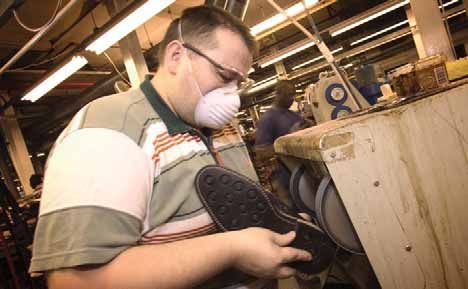
Designing

    The design world is fast moving and exciting. If you’re creative and passionate about fashion, a career in
    design could be for you. Fashion designers are trendsetters, but often meet fierce competition and have to
    work long hours.

    Footwear designer                                                                                 Footwear designer

    Beatrix Ong designs ladies’
    shoes and is the owner of a
    London-based business. She
    has just opened her first
    shop selling her own
    original designs. Beatrix
    finds time to market her
    shoes at trade fairs
    throughout the world.

    What is your role?                            Promoting the brand is an important part     What hours do you work?
    My job involves designing shoes and           of my work, involving regular interviews     Normally, I work from 8.30am to 6.30pm,
    bags, seeing them through from concept        and events. I work in collaboration with     but with the travel and running my own
    to production, as well as controlling and     fashion designers for fashion shows and      business, I regularly work longer hours.
    implementing business strategies.             also design and consult on collections for
                                                  other brands.
                                                                                               What is the working environment like?
    What does your job involve?                                                                It’s important to me that everyone in the
                                                  Why did you decide to run your own
    Researching ideas for future collections is   business?                                    company really enjoys their work. I make
    the first part of the design process, which                                                sure that it is a relaxed atmosphere and
    can involve travelling anywhere in the        I wanted the chance to create my own         we play music in the background. I work
    world. After making some rough drawings       designs. I was also challenged by the        with an assistant, a sales director, a
    in my sketch book, I compile a mood           prospect of making shoes that were           finance director, the press office and
    board, with inspiration for colour, fabric    comfortable enough for women to wear         my manufacturers.
    and shape taken from a range of sources       during the day, and yet special enough
    including poems, pictures and people. The     to be worn in the evening.                   What personal qualities and skills do
    shoes may be made in soft leathers, or                                                     you need?
    other fabrics such as raffia or silk.                                                      You need to be artistically creative and
                                                          Beatrix’s route
    I then design and develop the lasts and                                                    to have a sound business mind. Most
    heels. The last is the model of the shoe,       • BA (Hons) in Graphic and                 importantly, you need to really enjoy
    with the correct dimensions, that I sketch        Media Design.                            your work and be passionate about it.
    my design onto. This is then sent to the                                                   It also helps to have computer skills –
                                                    • Footwear design course.
    manufacturer who produces the shoe.                                                        we use creative computer packages
                                                    • Designer at Jimmy Choo.
                                                                                               such as Adobe Photoshop and Quark,
    Are there any other aspects to your job?        • Designer at Lulu Guinness.
                                                                                               alongside Word, Excel and Entourage.
    Attending fashion events and                    • Short course in business
    participating in trade fairs in New York,         management.                              Why did you choose this career?
    Las Vegas, London, Paris and Milan are          • Launched own collection.                 A shoe comprises 20 different
    all part of my job. I also hold regular                                                    components and I love the challenge
    meetings with my team in London, to                   Beatrix’s tips                       of creating something beautiful but
    discuss progress and to implement                                                          practical. Also, running the business
    strategies for the growth of the business.      • Learn as much as you can and             allows me to be artistic in other areas.
                                                      don’t expect to stop learning.
                                                    • People skills are very important.

2
Working in fashion & clothing

                                            Fashion designer
                                                         Fashion/clothing designer
What do you enjoy about your work?
I love meeting so many different and
                                            Miranda Kirwan works as a
interesting people.                         senior designer of women’s
How do you see your future?                 fashion clothes at the
I’m hoping to slowly expand the range       London head office of High
and to see the business grow.
                                            Street fashion retailer, River
                                            Island. Her team produces
                                            two collections of new
                                            clothes each year.
        Related jobs
  Fashion/clothing designer
  Footwear designer
  Leather craftworker                       What is your role?                          What does your job involve?
  Product designer
                                            I am responsible for three different        At any given time I am working on
  Retail buyer
                                            departments within smart ladieswear,        design collections, both for the following
  Textile designer
                                            which include blouses and dresses,          season and for next year’s season. I have
                                            tailored clothing, coats and leather        a number of themes, such as cowgirl or
        Salary information                  garments. These product areas have their    American-influenced, around which I
  Footwear designers in their first job     own designer who I supervise, alongside     develop a series of different garments
  might earn around £14,000, rising         two departmental assistant designers and    for each season.
  to around £25,000 with some               a design assistant. Together, we produce
                                                                                        I develop the garments from the initial
  experience. Senior designers could        two main collections each year, divided
                                                                                        sketches right through to the manufactured
  earn between £30,000 and £40,000.         into spring/summer and autumn/winter.
                                                                                        products, working closely with other
                                                                                        teams including our buyers. To help me
        Getting in                                                                      with design ideas, I visit other High Street
                                                    Miranda’s route
                                                                                        retailers and markets in London and
  • A degree in footwear or product                                                     overseas. I also attend fashion fairs in
    design is the usual way into this         • BTEC National Diploma in General
                                                Art and Design.                         Paris, Florence and New York.
    very competitive career. A portfolio
    of art work is essential, and many        • BA (Hons) Fashion Design.
                                                                                        What happens after the initial sketches
    people complete a foundation              • Designer/Creative pattern cutter.       of a new design?
    course in art and design before           • Design room manager.
    their degree.                                                                       The next step is to prepare a detailed
                                              • Design manager – evening wear.          specification, which includes the choice
  • Some universities offer degrees which                                               of fabric, buttons, trims, thread, stitch size
    include footwear design, including        • River Island designer, and then
                                                senior designer.                        and pockets. I then liaise with our sample
    the London College of Fashion’s BA                                                  room manager, before a sample garment
    Product Design and Development                                                      is made up.
    for the Fashion Industries and De               Miranda’s tips
    Montfort University’s BA (Hons)                                                     If we are happy with the garment we
                                              • Confidence and self-belief              proceed to a series of ‘fit meetings’,
    Footwear Design.
                                                are essential.                          which might involve making small
  • The London College of Fashion
                                              • Try to find work experience with        changes, before our manufacturers make
    offers a one-year diploma course
                                                a company you would eventually          a further sample. Once accepted, the
    in footwear design for those with
                                                like to join.                           garment moves into full-scale production.
    experience in other areas, and an
    MA course in fashion footwear.            • Make sure you have a strong
    Short courses are also available.           portfolio.

                                                                                                                                         3
Designing

    What else do you do?
                                                        Related jobs                        Jennifer Coyle is a pattern
    Attending meetings with our buyers and
    sales managers, to review sales and           Clothing pattern cutter/grader            cutter and grader for Aero
    develop our ranges, is a big part of my       Costume designer
    working week. These meetings enable us        Footwear designer                         Leather Clothing, a
    to respond to changes in fashion trends       Retail buyer                              Scottish company that
    quickly, and ensure we bring the latest       Tailor/dressmaker
    and most popular fashions into our stores.    Textile designer                          makes and restores leather
    What are your working hours?                        Salary information                  jackets. These include
    I usually work from 9.30am until 6.00pm,      Starting salaries for junior designers
                                                                                            flying jackets from World
    although I sometimes need to work later       can be between £12,000 and £17,000.       War II as well as other
    in the evening if we are busy.                With experience, this may rise to
                                                  around £24,000. Senior designers can
                                                                                            specialist garments.
    What is your working environment like?        command salaries of over £50,000.
    I work in a large open plan environment
    with all the designers and the sample               Getting in
    room team. The atmosphere is relaxed
    and friendly, with a great creative buzz.     • Most designers have degree or
                                                    HND qualifications. Many courses
    What skills do you need for this type           are available, and those which
                                                    include business studies and           What is your role?
    of work?                                                                               My job is to make the patterns needed for
                                                    clothing technology can be
    Creativity and strong communication             advantageous. In England and           our clothing, which may involve making
    skills are essential, combined with an          Wales, many students complete          new patterns from scratch, or using
    assertive and confident approach to             a foundation course in art and         existing clothes to make a pattern. I also
    present your ideas effectively. The ability     design before their degree.            grade the pattern into different sizes.
    to work in a team is important in such
                                                  • BTEC national diploma courses
    a competitive, fast-moving environment.                                                What does your job involve?
                                                    in fashion and clothing are also
    Good drawing skills are also important,
                                                    available, which can lead to degree    I make the patterns using special blocks
    although computer drawing packages
                                                    or HND options.                        which give me the basic shape, and then
    are available to help in this area.
                                                  • A portfolio of art and fashion         these are developed according to the
                                                    design work is normally essential      different designs. A typical jacket block
    What do you like about your job?                                                       pattern would include pattern pieces for
                                                    for entry to courses.
    I love the fast-changing and exciting                                                  the front and back body, sleeves, collar,
    environment. I find the busy atmosphere                                                facings and the lining. To restore an old
    stimulating. Fashion has always been my                                                jacket, my job might involve making the
    hobby and I really enjoy following the                                                 pattern for a new lining.
    trends and developing new looks.
                                                                                           I also help the fabric cutter with the
    Is there anything you dislike?                                                         laying out of the fabric, which is then
                                                                                           cut using a special machine.
    Balancing several different demands
    can be challenging at times.                                                           What is pattern grading?
    How do you see your future?                                                            Grading the pattern begins by drawing
                                                                                           around a base pattern size, which can
    I would like to continue within the                                                    then be reduced or enlarged to produce
    company and progress to a more                                                         clothes across a range of sizes. I do this
    senior role in management.                                                             manually, although larger companies
                                                                                           might use a computer.

4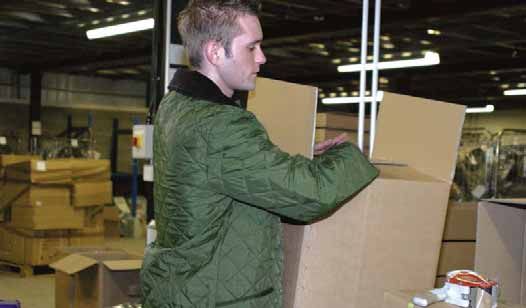
Working in fashion & clothing

Clothing pattern
cutter/grader
              Clothing pattern cutter/grader
                                          What is the working environment like?           How do you see your future?
                                          The sewing machines make the                    I would like to develop my design skills
                                          environment fairly noisy, and there can         further, possibly working on ladies’
                                          be quite a lot of dust and fibres from          leather jeans and jackets.
                                          the fabrics.
                                                                                          What are the challenges in your work?
                                          Do you work alone?                              Leather is much more difficult to work
                                          No, I liaise closely with other members of      with than other fabrics and requires
                                          the manufacturing team, including the           special consideration in terms of the
                                          cutter and sewing machinists. This helps        way it handles and drapes.
                                          to ensure that the finished garments are
                                          of the highest quality.

                                          What personal qualities and skills do
                                          you need?
                                          Accuracy is vital – you need to be
                                          prepared to check and re-check your                     Related jobs
                                          work to ensure the pattern fits together
                                          properly. You also have to be very logical        Clothing sewing machinist
                                          and able to think things through clearly.         Costume designer
What hours do you work?                   Numerical skills are important for                Fashion/clothing designer
                                          working out the right measurements                Leather technologist
I usually work a normal day from 9.00am                                                     Retail buyer
                                          needed for different sizes.
until 5.00pm. Each new pattern takes                                                        Tailor/dressmaker
around two to three hours, with a new
pattern grading taking around an hour     Why did you choose this career?
                                                                                                  Salary information
and a half.                               I like being creative and have always
                                          been interested in fashion, sewing,               Salaries can vary greatly. Pattern
                                          dressmaking and crafts. My degree                 cutters might start on around
        Jennifer’s route                  has enabled me to develop my creative             £12,000. With experience this could
                                          skills further.                                   rise to £20,000, and very skilled staff
  • H grades in English, chemistry
    and Latin.                                                                              could earn more.
                                          What training have you done?
  • BSc Degree in Clothing Design
    and Manufacture.                      My degree course included pattern cutting               Getting in
                                          and when I started with the company
  • Six-month university placement        I shadowed an experienced worker.                 College or university based training
    with Aero Leather Clothing.                                                             is usually essential. Available
  • Pattern cutter.                       Do you use any special tools?                     courses include:
                                                                                            • City & Guilds 7802-27 Pattern
                                          I use scissors, measuring tapes, rulers
        Jennifer’s tips                                                                        Cutting and 7802-71 Computer
                                          and a set square to enable me to draw
                                                                                               Pattern Cutting.
                                          parallel lines for grading.
  • There is great competition for jobs                                                     • BTEC National Diploma in Clothing
    in this changing industry – it’s      What do you enjoy about your work?                   and Fashion.
    important to work hard and aim                                                          • HND courses in fashion and clothing
    for the highest marks at college.     I find it rewarding making garments for
                                          people who may have difficulty getting               related subjects.
  • Visit potential colleges and check    clothes to fit, due to their size and shape.      • Degree courses in fashion and
    course content.                                                                            clothing. A portfolio of design
  • Have confidence in your ability,      Is there anything you dislike?                       work is often necessary.
    because anything is possible if                                                         • NVQs/SVQs in Manufacturing
                                          The noise of the sewing machines in the
    you put your mind to it.                                                                   Sewn Products at Levels 1 and 2.
                                          factory can make concentration difficult.

                                                                                                                                      5
Designing

    Handbag designer
                   Fashion/clothing designer

    Sophie Scott is based in
    London and works as a
    handbag designer for
    Jane Shilton. Part of
    her role is researching
    and developing new
    ideas, which involves
    overseas travel.

    What does your job involve?                   Are there any other aspects to your job?      What personal qualities and skills do
    At the start of a new season, I travel to     I travel overseas regularly, attending        you need?
    New York, Paris, Milan and Hong Kong          trade fairs and markets to source materials   You have to be very artistic and creative,
    to look at fashion trends in the designer     for the handbags, including leather, nylon,   with an eye for current trends. The ability
    shops and department stores, as well as       fabric and polyurethane. I also work          to sketch ideas is also important. Excellent
    attending trade fairs and visiting London     closely with our Hong Kong office.            communication skills are needed to ensure
    shops. I also work closely with a company                                                   our ideas are interpreted correctly, both
    who updates me on the latest styles and       How do you actually design a handbag?         within the design team and with our
    colours. Regular meetings are held with       Once the research phase is underway,          overseas suppliers.
    the design team, chairman and sales           I sketch ideas and then use a computer
    director, where we discuss ideas and          drawing program to produce a detailed         Why did you choose this career?
    develop the range.                            technical drawing. I need to consider size,   I have always loved art and design.
                                                  shape and colour, and also the fabric,        Although I studied jewellery design, I
            Sophie’s route                        linings, stitch colour, trims and zips.       had the chance to design handbags in
                                                  This detailed drawing is then sent to a       my final year, using my own gold and
      • Foundation course in Art and Design.      pattern cutter, who will make a sample        silver fastenings. A tannery sponsored
      • Degree in Jewellery and Silversmithing.   of the handbag.                               me to make my own range of handbags.
      • Short course – Design for Handbags.                                                     After graduating, I sold my range of
      • Self-employed, selling own range          What hours do you work?                       leather bags at craft fairs and undertook
                                                  I work from 8.30am to 5.30pm each day,        private commissions.
        of handbags.
      • Handbag designer.                         with occasional extra hours if needed.

            Sophie’s tips                         What is the working environment like?
                                                  Jane Shilton is a family business and
      • Experience gained using IT design         the working environment is very friendly.
        packages is invaluable.                   The design room is spacious and light.
      • Gain knowledge of the industry
        by reading fashion magazines,             Who do you work with?
        using the internet and visiting           There are three designers in our team.
        factories if possible.                    I also work closely with our chairman,
      • Be energetic and passionate               sales director and overseas contacts.
        about what you do!

6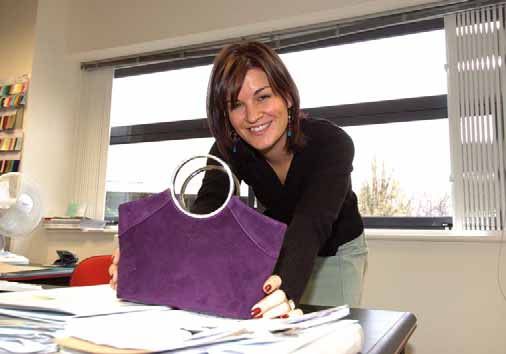
Working in fashion & clothing

                                            The production side of the fashion industry offers a wide range
                                            of job opportunities. Those working in production have the
                                            satisfaction of bringing designers’ creations to life and delivering
                                            them to the customer.

What about the training?
                                            Tailor                                          Tailor/dressmaker

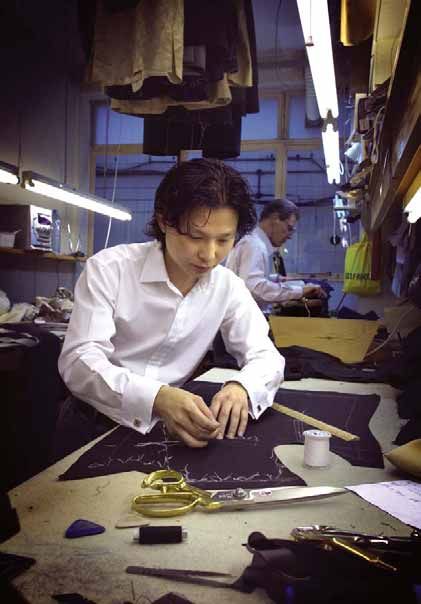
Before joining the company, I completed       Stanley Tow is a tailor
an intensive course in handbag design         working for Kilgour in
and construction. Since then, all my
training has been on the job, working         Savile Row, a highly
alongside experienced designers.              prestigious company
Do you use any special equipment?             making bespoke clothing
Special design packages on the computer       for men, including royalty
help me with my work.
                                              and celebrities. He became
What do you enjoy about your work?            an apprentice as soon as
I love the travel.The job is constantly
changing and is always exciting. It’s so
                                              he left school.
satisfying to see someone wearing a
handbag that I have designed!

                                            What is your role?                                How is the jacket finished?
        Related jobs
                                            My job is to make made-to-measure                 After a further fitting with the customer,
 Footwear designer                          jackets of the highest possible quality,          which may result in alterations, the jacket
 Leather craftworker                        using a combination of hand and machine           is sewn by machine, with the addition of
 Product designer                           sewing techniques. The jacket pieces are          the linings, breast and outside pockets. Each
 Retail buyer                               handed to me by the cutter, who meets             buttonhole is hand sewn, followed by the
 Textile designer                           the customer to take measurements and             buttons. Throughout the process I use a
                                            to discuss the choice of design, fabric           steam iron to shape and press the fabric.
        Salary information                  and trims.
                                                                                              What hours do you work?
  Handbag designers in their first job      How do you start to make a jacket?                I work freelance and I’m paid for each
  might earn £17,000 a year, rising to      My first task is to work out from the pieces      completed garment. I can therefore
  around £23,000 with experience.           I am given the style of the jacket, be it         choose my hours – I usually work from
  Senior designers could earn from          single or double breasted, and the number         8.45am until at least 6.00pm, including
  around £30,000 to over £40,000.           of buttons and pocket designs. Using              Saturdays. Each jacket takes between
                                            hand sewn tailor tacks, I mark the position       two and three days to complete.
        Getting in                          of buttonholes, front edges and seams.
  • A degree in fashion or a design-        After this, I carefully cut out the canvas
    related subject is essential for this
                                                                                                       Stanley’s route
                                            and other fabrics which form three layers
    very competitive career. A portfolio    inside the jacket. This essential preparation       •   Apprentice cutter.
    of art work is essential, and many      helps to give weight and shape. These               •   Apprentice tailor.
    people complete a foundation            layers are then loosely stitched into the
    course in art and design before         front piece, known as the forepart. In a            •   Tailor – various companies.
    their degree.                           similar way, I stitch the other sections of         •   Tailor – Kilgour.
  • Some universities offer degrees         the jacket together – first the back seam,
    which cover accessory design,           followed by the shoulder, collar and                       Stanley’s tips
    including the London College            sleeves. Darts are sewn by machine,
    of Fashion’s BA Product Design          giving additional shape.                            • Visit tailors to find out about the job.
    and Development for the                                                                     • Develop an interest in clothes and
    Fashion Industries.                                                                           how they are made.
  • Short courses in accessory and                                                              • Experience of making your own
    handbag design are also available.                                                            clothes is an advantage.

                                                                                                                                              7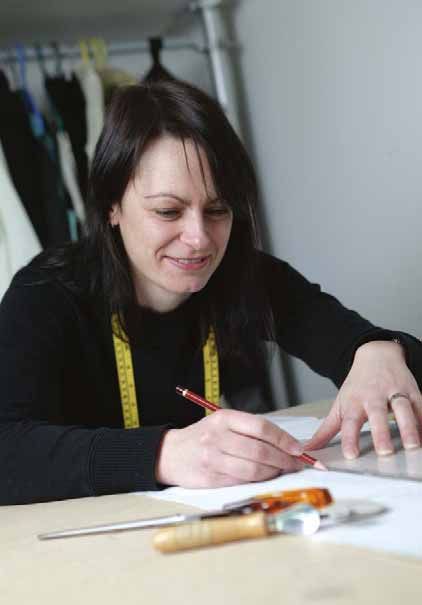
Production

    What is your working environment like?
                                                            Related jobs                            Lucy Welsh works as
    I work in a small workroom with another
    tailor, next to other workrooms with            Clothing alteration hand                        a self-employed dressmaker
    tailors and cutters. The atmosphere is          Clothing pattern cutter/grader
    friendly, with everyone working hard            Clothing sewing machinist                       in the Midlothian area of
    together to produce top quality menswear.       Costume designer                                Scotland. Working from
                                                    Fashion/clothing designer
    What personal qualities and skills do           TV/film/theatre wardrobe assistant              her own studio, she makes
    you need?                                                                                       and alters garments for
    Patience is the most important quality,                 Salary information
    particularly when you are learning your                                                         customers, mainly women’s
                                                     The starting salary for an apprentice
    craft. You also need to be practical, with
                                                     tailor is around £9,000. An experienced        day and eveningwear.
    an interest in sewing. I am paid for each
    jacket I complete, so the ability to work
                                                     tailor could expect to earn £23,000.           Sometimes, she makes
                                                     Highly skilled and experienced tailors
    very accurately at speed is essential.                                                          new clothes for customers.
                                                     can earn as much as £50,000. These
                                                     earnings are often based on piece work.
    Why did you choose this career?
    My mother always made clothes and as a                  Getting in
    child I played with her sewing machine.
    When I left school, I worked as an               • Some people enter tailoring following      What does your job involve?
    apprentice cutter for two years and                a BTEC national certificate/diploma,       A customer might bring me a skirt or a
    then became an apprentice tailor.                  a HND or degree course in fashion          dress to be shortened or taken in at the
                                                       or clothing. However, it is still          seams. A more complex alteration could
    What training have you received?                   necessary to complete lengthy              be shortening the sleeves of a tailored
                                                       on-the-job training or an                  jacket. Having pinned the garment, I
    My apprenticeship took five years to
                                                       Apprenticeship, which usually              then alter it using the sewing machine,
    complete. Different companies also have
                                                       takes over three years.                    or by hand.
    their own way of tailoring and, if you move
    around, you will learn new skills. All of my     • City & Guilds 7822 Level 2                 If a customer requests a new garment,
    training has been on the job, learning from        Certificate in Design and Craft            I then make the garment in the chosen
    an experienced person, perfecting and              has a tailoring option.                    fabric, using the sewing machine. At
    practising my own skills and gaining speed.      • The London College of Fashion              the next fitting I check the finer details,
                                                       offers relevant courses, such as the       such as hem length, strap length and
    What are the main challenges?                      Certificate in Handcraft Tailoring         positioning. The garment is then
    If you make a mistake you need to be very          and the Diploma in Production              completed, using machine and hand
    persistent to work out what is wrong and           Tailoring.                                 sewing, ready for customer collection.
    rectify the problem, perhaps by unpicking        • Short courses in tailoring are often
    a seam. Very light or heavy materials can          available, as well as City & Guilds        What sort of equipment do you use?
    also be more difficult to sew. I ensure            sewing courses.                            I use an industrial sewing machine, an
    each jacket I make is better than the last.      • Skillfast-UK is developing an              overlocker to sew fabric edges, an iron,
                                                       Apprenticeship in tailoring, and           scissors, a set square, a pattern wheel
                                                       a group of tailors in Savile Row           and a tape measure.
                                                       is organising accredited
                                                       Apprenticeships.                           What hours do you work?
                                                                                                  I usually work from 9.00am until 7.00pm
                                                   What do you enjoy about your work?             about four days a week, although I might
                                                   I love everything about this job – it’s very   finish later if I’m really busy. I combine
                                                   satisfying to see a quality garment at the     my dressmaking business with a part-time
                                                   end of the process. I also enjoy making        fashion retail job.
                                                   clothes for famous people.

8
Working in fashion & clothing
Clothing
alteration hand
Clothing alteration hand
Why did you choose this career?
A love of sewing since childhood led me
to this career. At school, I also enjoyed
art and had a strong interest in fashion.
What are the main challenges?
Meeting deadlines and managing your
own time can be a challenge – you
have to be very organised to run your
own business.
Related jobs
Clothing alteration hand
Clothing pattern cutter/grader
Clothing sewing machinist
Costume designer
Do you work alone? What is the working environment like? Fashion/clothing designer
Although I sew alone, there is a lot of My purpose-built studio is light and airy, TV/film/theatre wardrobe assistant
contact with customers and suppliers, and I work surrounded by fabrics, threads
both in person and on the telephone. and trimmings. Salary information
What personal qualities and skills do Salaries for a trainee usually start at
£9,000. More experienced dressmakers
you need?
Lucy’s route might earn £14,000, and this can be
You need to be patient, organised and considerably higher for successful
• HND in Fashion Design with able to plan ahead in a logical way. Good dressmakers/designers. Self-employment
Technology. communication skills are also important, is common and income can vary greatly
as you have to be able to express your according to the type of work you do.
• Degree in Fashion Design with
ideas clearly. Creativity is essential and
Technology.
the ability to draw is an advantage. Getting in
• Worked in fashion retail.
• Alteration hand. What do you enjoy about your work? • Formal academic qualifications are
• Seamstress – evening and bridal wear. It is very satisfying when a customer has not always necessary to start work
• Own business as had an input into the design and you have as a clothing alteration hand.
dressmaker/designer. made a garment they like. I also enjoy However, sewing craft or fashion
being my own boss. Working with fabrics courses are a great advantage.
Lucy’s tips gives me the chance to be creative. • City & Guilds offer the 7822 Level
2 Certificate in Design and Craft
• Try to gain experience, perhaps in Is there anything you dislike? with a Fashion Wear option, and
a clothing alteration shop during I find it hard to take time out from the 7815 in Basic Sewing Skills.
school or college holidays. designing and sewing to do the book • A wide range of BTEC national
• Take every opportunity to study keeping, which is a core part of running certificates/diplomas, HNDs and
art-based courses. your own business. degree courses in fashion and
• Take business studies as well as design provide training and skills
fashion and clothing, as this will What about the training? for this field.
help you if you set up a business Much of the training has been on the • Apprenticeships (Skillseekers in
in the future. job, although I learnt a lot about garment Scotland) may also be available.
construction at university.
9Production
Leather machinist
Clothing sewing machinist
What sort of equipment and tools do
Julie Kelly works as a you use?
machinist technician for I use a heavy duty sewing machine
designed for working with leather and
a company that makes another machine to sew the linings. A
leather jackets. Each jacket sharp knife helps me to make precise cuts
on the leather. Sometimes the leather
is unique and presents needs to be pressed down on the seams
different challenges. Julie using a hammer, and I also use pliers to
reduce the number of teeth in a zip.
also repairs specialist
leather clothing. How do you see your future?
I would like to stay within the same
company and develop my skills in
training others in the work.
Related jobs
What does your job involve? What skills do you need for this type
of work? Clothing alteration hand
When making a new jacket, I am given Clothing pattern cutter/grader
all the necessary pre-cut pieces. It is my Patience and meticulous attention to Tailor/dressmaker
job to sew the garment together correctly detail are vital, along with the ability to Textile technician
following individual specifications, using concentrate for long periods and to work TV/film/theatre wardrobe assistant
a heavy duty industrial sewing machine. I accurately at speed. Upholsterer
specialise in sheepskin and it is important
not to make any mistakes when sewing, Why did you choose this type of work? Salary information
as it is very difficult to rectify afterwards. After leaving school I trained as a
The other part of my job is making hairdresser, which I didn’t enjoy. The A clothing sewing machinist might
repairs to old jackets which are of great advertised post for a general assistant expect to earn between £12,000 and
value to their owners. This can include here looked interesting. I have always £14,000 with some experience. Salaries
anything from inserting zips and enjoyed practical work. for new staff may be lower, and those
renewing stitching, to replacing worn with extensive experience could earn
linings. Much of this work involves hand What did your training involve? in excess of £16,000. A leather
sewing as well as machine work. My training for this work has been on machinist is paid around £15,500.
the job. Very experienced staff in leather
What are your working hours? machining are always on hand to help. I Getting in
I work from 8.30am until 5.00pm from have also completed a certificate in first aid.
Monday to Thursday, and until 2.00pm on • Formal academic qualifications are
Fridays. A new jacket takes me about two not needed, although experience
Julie’s route using a sewing machine is
and a half hours from start to finish, whilst
restoring an old jacket can take two days. often essential.
• General assistant – clothing company.
• Apprenticeships are available,
Do you work alone? leading to NVQ/SVQ Level 2 in
Julie’s tips
Manufacturing: Sewn Products.
No, I work as part of a team of eight
• A high level of motivation and Apprenticeships in clothing at
people, including my manager.
commitment is essential. NVQ/SVQ Level 3 are also offered.
• Be prepared to start at the bottom • Relevant City & Guilds courses
of a company and turn your hand include Basic Sewing Skills 7815 and
to anything. Clothing and Knitting Crafts 4600.
10Working in fashion & clothing
Knitwear product
development assistant
Manufacturing production planner
What is the atmosphere like?
Jackie Nason works as I work in an office environment, in a
a product development team of ten technical and support staff.
There is a friendly atmosphere. It can be
assistant in Nottingham hectic at times, but I love the buzz when
for the designer, Paul we reach our goals!
Smith. She is part of a What personal qualities and skills do
team which produces top you need?
You need strong communication skills,
quality ladies designer along with tact in dealing with both the
knitwear. Her job involves manufacturers and designers. In addition
to technical skills and experience, a flair
trips abroad to seek new for colour and style, plus a love of fashion
raw materials. is vital.
What is your role? My job also involves a lot of administration,
Related jobs
My job involves co-ordinating all the including dealing with the manufacturers
technical aspects of the production of to ensure the whole process runs Clothing pattern cutter/grader
ladies knitwear, including jumpers, smoothly within tight deadlines. Fashion/clothing designer
cardigans and jackets. Working closely Knitting machinist
with our design team, I follow this process What hours do you work? Quality control inspector
through to our suppliers, ensuring quality I usually work from 8.30am to 5.00pm each Retail buyer
finished products. day. Occasionally, I work late if we are busy. Textile technician
What does your job involve? Salary information
From a designer’s sketch I use a specialist
Knitwear product development
computer design package to develop a
assistants can expect to start on
technical specification. I advise on the Jackie’s route around £17,000. Salaries for
selection of suitable yarns, as well as
• GCSEs. experienced staff are usually
the amount and thickness. Working out
between £20,000 and £25,000.
detailed measurements and the fit of the • Assistant with a leather
garment is also part of the job. manufacturer. Getting in
Once I have finished the technical • Assistant – Jaeger Knitwear.
specification, I instruct our manufacturer • Part-time Degree in Textiles and • Degree or HND qualifications are
to make a sample. On receipt of the Knitwear Technology. normally essential.
completed garment, I check the dimensions • Knitwear product development • A limited number of specialist
and quality, making changes as necessary. assistant – Paul Smith. fashion knitwear courses are
available, although a general
What else do you do? Jackie’s tips fashion design or technology course
I go to Italy twice a year to visit yarn fairs, would provide a good background
where I source the raw materials for our • It is important to be fully trained – for this career.
knitwear. I am always looking out for new aim for a specialist clothing • Entry is with a good portfolio and
products, such as sheer, lightweight yarns technology degree. either a foundation course in art
and those with elastic in their composition, • Organisational skills are important and design or a BTEC National
which give shape and stability to the as they help with the administrative Diploma in Clothing, or equivalent
garments. The yarn suppliers give me aspects of the job. qualifications.
swatches that I pass to our designers.
11Production
Footwear manufacturing
operative
Footwear manufacturing operative
Colin Wilson works as a
heel scourer for Church’s
and Co in Northampton, a
manufacturer of traditional
gentlemen’s hand-finished
shoes. Each pair of shoes
takes eight weeks to make
and his job is to create a
perfect finish to the heels.
What is your role? The heels that are passed to me for What did your training involve?
My job involves scouring shoe heels scouring are rough and unfinished. I use All my training has been on the job.
to give a smooth and fine finish. I a special scouring machine, which has When I started, an experienced operative
occasionally help with staining the sole, differing abrasive wheels, to achieve the showed me how to use the heel scouring
using ink to ensure the colour matches desired finish. Knowing how to apply the machines and the inking and rub up
the leather on the uppers, and rubbing right amount of pressure to the heel is an processes for heels.
up the outside of the soles, using wax important skill I need.
to create a perfect heel. What challenges do you face?
Why did you choose this type of work?
Each day presents a challenge, as I have
What are your working hours? Previously, I worked as a butcher, which to get people’s conversations translated
I work from 7.30am until 4.30pm from I didn’t enjoy. I decided to change my by writing or gestures. I attend company
Monday to Thursday, with half an hour career and I heard about this job through meetings with a sign language interpreter
for lunch, finishing at 12.30pm on Fridays. my family. As I have a hearing impairment who helps me understand the
my mother came to the interview with conversations – this helps a lot.
me to act as an interpreter.
Who do you work with?
I work as part of the finishing room team,
although when I use the heel scouring
machine I work alone.
Colin’s route
What is your working environment like?
• Apprentice butcher.
Church’s and Co is an old factory
• Footwear manufacturing operative
building, with three levels of floors for
– Church’s and Co Footwear.
different types of work. I work on the
ground floor, which is warm and light.
Colin’s tips
What special skills or qualities do you • Try to get experience of practical or
need for your job? mechanical work.
Accuracy is important, as a perfect finish • Keep an open mind about what you
to the shoes is vital. This is a very practical want to do in the future and be
job, so the ability to work with your hands prepared to undertake training and
is important. You also need to be able to try new things.
work at speed.
12Working in fashion & clothing
Textile technologist
Textile technologist
What do you like about your job?
This job gives me an opportunity to Sushank Agarwal is a
communicate with other people. Although textile technologist for
I have hearing and speech difficulties,
I tend to use gestures and writing for Marks and Spencer and
my conversations.
is based in London. His
role is to make sure that
their customers can buy
Related jobs clothes manufactured
Clothing sewing machinist
from the latest and most
Engineering craft/CNC machinist innovative fabrics.
Leather craftworker
Leather technologist
Shoe repairer
Textile technician
What does your job involve? What is the working environment like?
Salary information Part of my job involves working with I work in an open-plan office alongside
The minimum wages set by the shoe overseas manufacturers to develop other members of the team, which is
industry are £7,126 at aged 16 years, exciting new fabrics for the next season’s light, spacious and airy.
£8,144 at 17, and £10,180 for those garments. Developing contacts within
aged 18 and over. Highly skilled textile manufacturing is important to Who do you work with?
experienced staff could earn well in keep up to date with new technologies. Our team comprises a garment
excess of the minimum adult rate – I do this by visiting manufacturers, fabric technologist, a merchandiser and a product
up to around £20,000 a year. fairs and other High Street retailers. developer, as well as the manager. Two
Liaising with fabric testing houses is administrators provide valued support.
Getting in another part of my job, as all fabrics must
meet the highest standards. I also visit Sushank’s route
• Jobs in footwear manufacture are fabric mills overseas to find new suppliers
available in certain parts of the UK and check that they are complying with • A levels in chemistry, physics
only; the largest area is Northampton. these standards. and mathematics.
• Formal academic qualifications are • Degree in Textiles Technology
not always necessary, depending on Are there any other aspects to your job? and Management.
the job. English and mathematics I also monitor stock quality using customer
at GCSE/S grade are helpful, along • Part-time retail work whilst studying.
feedback. I need to ensure the fabrics we
with practical subjects such as craft, • Textile technologist – Marks
use meet our performance standards, for
design and technology. Practical and Spencer.
example, for colour fastness, tear strength
skills and experience of using tools and durability. This involves liaising with
are a great advantage. Manual Sushank’s tips
industry experts and dyeing and finishing
dexterity is very important and technologists.
may be tested at interview. • Try to develop leadership and
team skills, perhaps through
• NVQ/SVQ Level 2 in Footwear What hours do you work? sporting activities.
Manufacture, and Level 3 in Footwear
I start at around 8.30am and finish at • Choose science subjects at school
and Leather Manufacture are offered.
6.00pm. I can work longer hours when or college, particularly chemistry.
Apprenticeships are also available.
I’m overseas. I usually travel overseas
A foundation degree in technical • Retail experience is a great
about six times a year.
textiles with related modules in advantage as it helps to develop
footwear is being developed. customer awareness.
13Production
What personal qualities and skills
do you need? Related jobs Jonathan Bell works as
As well as a strong background in textiles, Leather technologist a clothing packer for
commercial awareness is essential, along Quality control inspector
with good analytical and leadership skills. Retail buyer J Barbour and Sons, a
A background in science, particularly Textile designer company that manufactures
chemistry, is useful. Textile dyeing technician
Textile technician waxed jackets and other
Why did you choose this career? outdoor clothing. He packs
The sciences were my favourite subjects Salary information
at school and I love clothing and fashion. clothes into boxes and
A trainee graduate textile technologist
might earn from £14,000 to £20,000. helps to dispatch the
What about the training? This could rise to between £25,000 and
My training lasted two-and-a-half years,
goods throughout the
£43,000 with experience, rising above
beginning with a six-month period spent £50,000 for those in senior positions. UK and overseas.
shadowing an experienced technologist.
During the next year I was given more Getting in
responsibility, dealing with customer
service returns and visits to suppliers. • A degree in textile technology
In the final six months my role developed is essential. Courses with strong What does your job involve?
to that of a normal technologist, with science content provide the I use a computer to scan the different
responsibility for running the department. best background. items of clothing which arrive from our
• Textile science and technology manufacturing factory. They are then
Do you use any special equipment? degree courses often require carefully packed into boxes, ensuring
Computers are at the centre of our A levels/H grades in maths and they are not crushed or damaged. It is
work and I also use some fabric analysis either chemistry or physics, or important to use as few boxes as possible
equipment, such as a magnifying glass equivalent qualifications. to minimise transport costs.
to examine fabric construction. The computer prints out labels for the
boxes and I check the addresses to
What do you enjoy about your work? Is there anything you dislike? make sure they are delivered to the
There is great satisfaction when you Overseas travel can be very demanding. right customers.
have developed a major order for fabric On returning to the UK office, there is
which is then manufactured into usually a backlog of work to catch up on. What else do you do?
popular garments. If we are not busy, I help out in other
What are the main challenges? sections of the warehouse. This can include
This job has a lot of responsibility, as helping to off-load the products as they
I must always ensure the quality and arrive from the factory and selecting the
range of new fabrics meet our high goods ready for packing. Some shops
performance standards. have their own special labels and I attach
these to the garments.
How do you see your future?
I would like to become an industry expert Do you use any special equipment?
within the same company, progressing to Once the boxes are ready, I use a motorised
head of technology. pallet truck to move them to the dispatch
area, as well as a special stacker for the
larger ones. A special tape gun helps to
ensure the boxes are securely fastened.
All of our systems are computerised and
we share one computer between two
people in the warehouse.
14Working in fashion & clothing
Clothing packer
Clothing packer
Has the company provided any training?
On joining the company, I spent two
weeks shadowing another member of the
packing team, learning all aspects of the
job. The company has also provided
training in health and safety, and is now
introducing NVQ Level 2 qualifications in
Packaging Operations.
What do you enjoy about the work?
I enjoy the busy and friendly atmosphere.
There is great satisfaction in completing
the work to a high standard.
Is there anything you dislike?
The work can be hectic and you have to
be careful not to make mistakes, which
can be costly.
What hours do you work? What is the working environment like? Related jobs
I work an eight-hour day from 8.00am The working environment is fast paced
until 4.30pm each day, with half an hour and friendly – we all work hard together. Assembler (Light industry)
for lunch. Overtime is available during The warehouse can become hot in the Lift truck operator
peak operating periods. summer and cold in the winter, but the Removals operative
company provides special clothing to Warehouse worker/manager
Who do you work with? keep us comfortable. Salary information
There are 13 of us in the packing team,
as well as a team leader. What skills and qualities are needed for Starting salaries for packers are usually
this role? around £8,500, rising to £11,000 with
Patience is the most important quality. experience. Pay could rise to £16,000
You need to be hard working with a and above for jobs requiring additional
positive approach. The ability to use a experience, or for supervisory roles.
Jonathan’s route computer is also necessary, as is the need
to be fit and healthy due to the physical Getting in
• GCSEs. demands of the work. • Formal academic qualifications
• GNVQ Intermediate in Leisure are not usually needed, although
and Tourism. GCSEs/S grades (A-C/1-3) in English,
• Canvasser with double-glazed maths and ICT (Information and
windows company. Communication Technology) are
• Clothing packer with J Barbour an advantage.
and Sons. • You need practical skills, with the
ability to work at speed. This is
Jonathan’s tips sometimes tested during the
interview. Knowledge of computers,
• Be willing to work hard. or a willingness to learn, is important.
• The ability to work well alone and Physical fitness is also an important
as part of a team is important. requirement for most jobs.
• Try to maintain a good level of • NVQ/SVQ Levels 1 and 2 in
fitness, perhaps by playing a sport. Packaging Operations are available.
15Production
Related jobs
Merchandiser Distribution manager
Purchasing manager/administrator
Retail buyer
Sales assistant
Sales manager
Merchandiser Store owner/manager
Farhan Wasti works as a Salary information
merchandiser for River An assistant merchandiser might earn
from £18,000 to £27,000, depending
Island, dealing with upon experience. Merchandisers are
approximately 200 stores paid between £25,000 and £35,000,
rising to £55,000 for senior positions.
across the UK and Ireland.
He ensures all the stores Getting in
have the right stock levels • A degree is normally required in a
business related subject or another
of men’s knitwear, which relevant discipline, such as fashion
involves keeping extensive or retail management.
• Some companies offer graduate
sales records for each store. training schemes and may accept
graduates in any subject, if they can
offer strong analytical skills.
What does your job involve? Who do you work with? • Numeracy and analytical skills are
Each season, the buyer and I make a series I am responsible for managing and important and may be tested at
of decisions about our new range of developing an allocator, senior allocator interview, although maths A level/H
knitwear, in terms of colours, styles and and an assistant merchandiser. We also grade is not essential.
prices. Using a specialist software system, work closely with the buying team and
I extract previous sales figures to help have regular meetings with our designers,
What personal qualities and skills do
predict what will sell well in our shops. and fashion and buying directors.
you need?
Managing the distribution process of Merchandisers need a combination of
garments is one of the major elements What are the main challenges?
analytical and numerical skills to analyse
of my role. Deciding on the appropriate You have to constantly think on your feet, and interpret data. Excellent organisation
quantities and styles for each store is make quick decisions and always be flexible and time management skills are also
based on a number of factors, such as enough to adapt to customer demands. essential. A sense of humour helps to
store size and location. Certain lines go keep the job in perspective!
to every store, whereas some of the more
high fashion orientated lines are selected
Farhan’s route
Why did you choose this career?
for specific stores. • Degree in Business Decision Analysis. Having always loved fashion, I found a
• Retail experience with River Island. temporary opportunity in a local River
Are there any other aspects to your job? Island store after graduating. I really
• Allocator – River Island.
Gauging what customers want is vital. enjoyed the work and my manager
This involves monitoring sales and liaising • Assistant merchandiser – River Island.
encouraged me to consider a career
with our factories in Hong Kong to ensure • Merchandiser – River Island. with the company.
supply meets demand. Organising repeat
garment orders and the transportation Farhan’s tips What do you enjoy about your work?
of goods, by air or ship, is also a key
• Retail experience gives you an I love the buzz when I see garments
responsibility.
understanding of the fashion market. I have put into the stores selling well.
The team atmosphere here is great and
What hours do you work? • Numerical skills are a great advantage. we also enjoy socialising together outside
Our office hours are 9.30am until 5.30pm • Personal qualities are important of work.
each day, although I occasionally need to in the retail industry and if you
work later during busy periods. combine talent with working hard,
promotion is usually possible.
16Working in fashion & clothing
Assistant
cloth buyer
Buyer
What do you enjoy about your work?
Joanna Cattanach works as It is very satisfying seeing clothes for
an assistant cloth buyer for sale in the shops, knowing that you have
been part of the team responsible for
Jaeger in London. She helps their production.
to source and buy the
What are the main challenges?
fabrics needed to make If I make a mistake, thousands of metres
sample garments. Part of of expensive fabric could be wasted.
The job therefore carries responsibility,
her job involves regular although my manager and the rest of
contact with fabric suppliers the team are always available to offer
support. Working within the timescales
throughout the world. can also be a challenge.
How do you see your future?
I would like to continue learning as
much as possible and to progress within
What is your role? Do you have a typical day? the company.
My role is to assist the cloth buyer at My first task each morning is to respond
Jaeger. I work closely with fabric mills to to my emails. The rest of the day is spent
ensure we can source the latest fabrics on a wide range of tasks, including
for the collection and maintain high developing new designs, prints and Related jobs
quality standards. colourways, and sourcing new base
Clothing pattern cutter/grader
fabrics and suppliers. I also manage our
Fashion/clothing designer
What does your job involve? fabric budget, deal with invoices and
Merchandiser
Keeping in regular contact with fabric chase the mills for deliveries.
Purchasing manager/administrator
suppliers around the world is an important Store owner/manager
aspect of my work. Visiting trade fairs What hours do you work? Textile designer
and shows is another way I keep up to I work from 9.00am until 5.15pm, although
date with fabric trends and fashions. I can work longer hours if we are very busy. Salary information
I meet regularly with our buyers, designers
and cloth manager to develop colours Do you work alone? An assistant cloth buyer might earn
No, I work closely with the cloth manager, between £20,000 and £24,000. A
and cloth for new garment ranges.
who is my boss. We work as part of a team junior buyer may earn from £24,000
with the buyers and designers, collaborating to £30,000. Experienced buyers can
to research and develop ideas. earn between £30,000 and £40,000,
with higher salaries possible for head
What is the working environment like? buyers in charge of large departments.
Joanna’s route
I work in bright and airy open-plan Getting in
• Degree in Textiles and Fashion offices. The atmosphere is very friendly
Design Management. and energetic. • Buying as a career is very
• Assistant merchandiser. competitive, with many more
• Assistant cloth buyer – Jaeger. What personal qualities and skills do applicants than vacancies.
you need? • It is often necessary to start as an
Joanna’s tips You need to be hard working and able administrator and you will usually
to prioritise a huge volume of work. need a degree or HND qualification,
• Keep a scrap book of all your ideas. A diplomatic approach to problem either in fashion, business or a
• Work experience is a big advantage. solving is also important, along with combination of the two.
communication skills.
17You can also read


