Developing a Digital Artifact for the Sustainable Presentation of Marketing Research Results
←
→
Page content transcription
If your browser does not render page correctly, please read the page content below
sustainability

Article
Developing a Digital Artifact for the Sustainable
Presentation of Marketing Research Results
Zheng Shen 1,2, *        and Armida de la Garza 2
 1    Department of Management & Marketing, University College Cork, Cork T12 K8AF, Ireland
 2    Department of Digital Arts and Humanities, University College Cork, Cork T12 K8AF, Ireland;
      adelagarza@ucc.ie
 *    Correspondence: 115220146@umail.ucc.ie

 Received: 18 October 2019; Accepted: 18 November 2019; Published: 20 November 2019

 Abstract: The rapid development of technology transforms the way researchers conduct projects,
 communicate with others, and disseminate findings. In addition to traditional presentations of
 research results, this paper argues that building a digital artifact is another optional method for the
 dissemination of research findings from the perspective of marketing. Thus, 20 Irish and Chinese
 micro-influencers were investigated from March 2016 to March 2019, and their microblogs were
 analyzed by text mining techniques. Consequently, the paper finds four types of keywords that
 micro-influencers apply to their marketing on social media. Based on the marketing keywords, a
 digital tool is designed to label fashion keywords in the microblogging automatically. The proposed
 tool not only contributes to model fashion bloggers’ content and increase the influence of marketing
 on social media but also enlightens marketing scholars to develop digital tools for the sustainability
 of disseminating research results.

 Keywords: digital artifact; sustainability; marketing; social media; fashion microblogging; text mining

1. Introduction
     With the invention of Web 2.0 in 1999, social media starts to play an influential role in our daily life
nowadays. It changes the form we “interact, play, shop, read, write, work, listen, create, communicate,
collaborate, produce, co-produce, search, and browse” [1]. For example, consumers prefer to buy
fashion products online rather than in-store. In China, the profit of online shopping is estimated at
over 150 billion CNY [2]. Likewise, the revenue in Ireland 2019 amounts to €680m with an annual
growth rate of 17.3% [3]. At present, consumers admit that they make final purchase decisions with
the assistance of social media [4]. Specifically, they gather fashion information, read others’ blogs,
communicate with other consumers, and express their experiences of purchase. The surveys of Angella
J. Kim et al. and Amanda Lenhart et al. indicate that 63% of adults get information from social media,
more than 73% of adults use Facebook to blog their status such as what they are wearing, and 60% of
online fashion consumers incline to communicate their experiences on brands and products with others
through social media [4,5]. Consequently, “social media content has been used by various brands for
competing with the competitors, promoting products and offers, and maintaining a reputation” [6].
As a are a number of brands engaged with social media content, Sonja Jefferson and Sharon Tanton
argue that the key to the success of social media marketing is how to make quality content [7]. The
high-quality content can help outstand brands in amounts of content marketing, and enhance the
marketing influence. For this reason, the enterprise marketing departments are advised to use smart
content to impact consumers on social media [8].
     In content marketing, influencer-generated content can further increase marketing significance.
Referring to Robert V. Kozinets et al., consumers can be influenced by members of the consumer

Sustainability 2019, 11, 6554; doi:10.3390/su11236554                      www.mdpi.com/journal/sustainability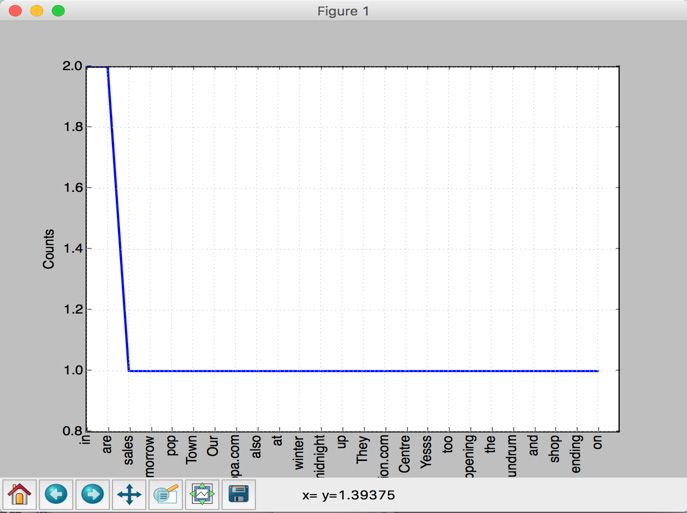
Sustainability 2019, 11, 6554                                                                        2 of 22

network through exchanging marketing messages deliberately and directly [9]. When the influence of
messages is overwhelming, the members of the consumer network should be noticed because they turn
out to be influencers. Theo Araujo et al. analyzed over 5300 tweets to figure out the role of influential
individuals for branding [10]. The result shows that the influence of brand messages hugely depends
on the number of influencers who retweet the messages. Hence, nowadays companies realize the
significance of influencers, try their best to find power-users or people who already have a significant
effect on the social network, and collaborate with them for targeting potential consumers [11]. However,
Christian Hughes et al. argue that “influencer marketing is prevalent in firm strategies, yet little is
known about the factors that drive the success of online brand engagement at different stages of the
consumer purchase funnel” [12]. As a result, the content analysis in the research reveals the successful
factors of influencers, and make up for previous studies.
      So as to examine micro-influencers, currently there are three main approaches: User Attributes
Analysis, Network Structure Analysis and Text Mining Analysis. The User Attributes Analysis
concentrates on influencers’ individual characteristics. For instance, Gabrela Ramirez-de-la-Rosa et
al. suggest examining users’ writing styles and behaviors to identify opinion leaders on Twitter [13].
In terms of Network Structure Analysis, studies can be further categorized into two trends. The first
trend is to discover influencers based on the classical network typology analysis, and another trend
is to look for leaders by means of Social Network Analysis [14,15]. The frequently used methods
consist of questionnaires and content analysis. Last but not least, Text Mining Analysis aims to find
influencers on the large scale of social media networks through automated computational techniques.
By comparison, Text Mining Analysis is more appropriate for this study. Due to the popularity of social
media, innumerable data are produced every day. The large quantity of data causes the difficulties
of analysis like User Attributes Analysis and Network Structure Analysis. However, the automated
text mining techniques are considered to help researchers identify features of leaders in the large scale
of social networks efficiently [16]. More importantly, it can not only recognize influencers but also
deal with social media content. Sofus A. Macskassy’s research certifies that text mining enables the
topic-based analysis of blogging and finding influencers in large social networks [17]. Thus, the study
applies text mining to analyze influencers and their marketing content in the microblogging.
      Also, social media alters scholars’ communicative patterns of research in the academy. Previously,
book and journal publishing took prominent roles for researchers to communicate research results
with others [18]. At present, it is argued that publication patterns in the social sciences and humanities
should be diverse [19]. One of the most successful stories is Jack A. Heinemann et al.’s research paper
on agricultural sustainability. It was published on Twitter, retweeted by 496 accounts and viewed over
8000 times in two weeks. The fast dissemination indicates that a social media platform like Twitter is
an ideal venue for researchers to engage with public audiences and transcend the traditional venues
for academic knowledge dissemination [20,21]. As a result, recent research has attempted to study
the prevalence, volume, and meaning of sharing of research on various platforms [22]. In such a case,
this paper further urges marketing researchers to create digital artifacts as an alternative method of
communicating research results. Correspondingly, scholars begin to admit that an approach based on
artificial intelligence already is vital to marketing and is used increasingly [23]. Furthermore, artificial
intelligence is “paving the way for the future of marketing and business transformation” [24]. Therefore,
this paper addresses the analysis of content marketing in micro-influencers’ fashion microblogs by
means of text mining at first. Afterward, it presents how the results are applied to develop the digital
artifact for disseminating findings sustainably.

2. Smart Content Marketing
     Content marketing has been a top strategy for many years. Successful content marketing can
increase brand visibility, drive traffic to websites, help educate and convert customers [25]. With the
popularity of social media, blogging becomes a significant channel for content marketing. However,
content marketing in blogging has a problem of oversaturation at present. Marketers’ blogs are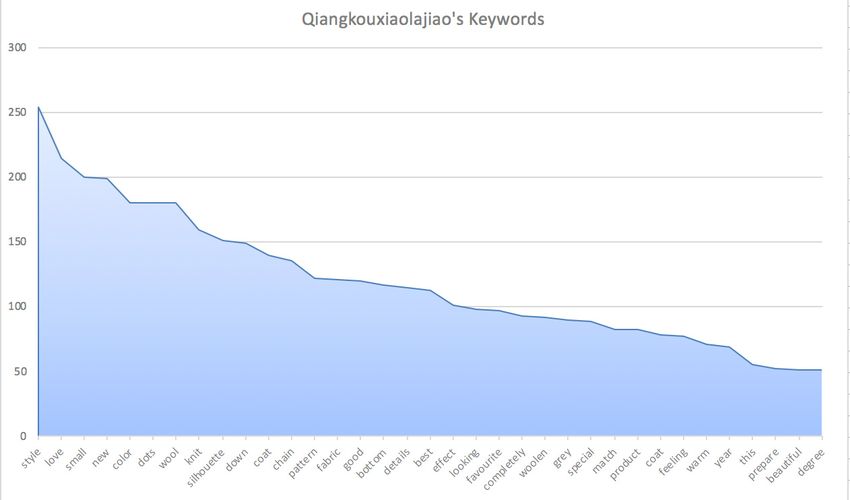
Sustainability 2019, 11, 6554                                                                      3 of 22

considered to be “the templated, mass-distributed messaging of the past” [26]. In other words,
marketers are too lazy to check others’ viewpoints in blogging and copy articles simply [27]. As a
consequence, a large number of blogs on social media turn out to be monotonous and meaningless
from the perspective of marketing, because they hardly convince consumers. Hence, current marketers
are eager to distinguish themselves from others on social media utilizing smart content marketing.
The smart content marketing is consumer-oriented, innovative and interactive. The highly targeting
and segmenting content for audiences remains one of 10 powerful marketing tools and tactics that
shake up the industry in 2019 [28]. For this reason, the study focuses on the examination of Irish and
Chinese micro-influencers’ content marketing, and reveals the successful factors of their influence on
marketing. well-established methods can be briefly described and appropriately cited.
      In terms of content marketing, a keyword is the core of smart content marketing. Marketers can
take advantage of critical terms to help marketing content appear online frequently. Rebecca Lieb
claims that keywords are crucial for content marketing and Search Engine Optimization (SEO) [29].
That is to say, consumers search for information and receive relevant information on the ground of
keywords. For instance, Kinshuk Jerath et al. investigated the relations between keyword popularity
and consumers’ click behaviors [30]. The result shows that keywords affect consumers’ receiving
content online and lead them to click on sponsored links. As a result, keywords benefit from reaching
target consumers at the right time. Marketers can motivate consumers through critical terms. At the
same time, consumers are not missed in the social network if marketers optimize their content based
on keywords. Andrey Simonov and Chris Nosko analyzed how focal brands use keywords to compete
with other relevant firms [31]. The research result finds that competitors can steal 10–20% of clicks on
average when focal brands are not shown in the top rank of keyword searching. Otherwise, competitors
can steal merely 1–5% of clicks when focal brands are top ranks. Thus, keywords contribute to the
traffic of content marketing and superiority in the competitions.
      More importantly, traffic influence can affect the final sales. Shijie Lu and Sha Yang conducted a
study on the influence of keyword market entries in sponsored search advertising. The result indicates
that “the keyword-specific competition information provided by infomediaries can improve the search
engine’s revenue by about 5.7%” [32]. In other words, keywords assist marketers in defeating their
competitors by means of top ranking on the search engines and increasing online marketing revenues.
In particular, keywords in content marketing are essential in the current era of big data. Among
tons of posts every day, how to make a specific blog stand out for drawing consumers’ attention is a
serious question for digital marketers. In order to answer this question, the proper keyword selection
in developing the content of blog marketing tends to be the right solution. Supported by Arokia R.
Terrance et al., the website developer should apply keyword analysis to digital marketing in order
to rank the content result in the first place of search engines [33]. In short, the top rank of content
enables the high visibility for consumers online. Eventually, it increases the traffic of consumers and
the overall sales of products. As a result, this study concentrates on the identification of keywords for
the development of a digital artifact on micro-influencers’ content marketing.
      Referring to the Content Marketing Institute, 62% of the most influential content marketers have a
documented strategy [34]. Varieties of influencers’ strategies make other marketers hardly to perceive
the pattern of content marketing in the short term. The analyzing increased diversity and volume of
content marketing strategies are beyond the competence of the human mind [35]. Thus, it not only
urges to develop smart content for social media marketing but also finds an appropriate way to detect
the model of content marketing. Consequently, this study applies the computer-assisted method—text
mining analysis to help understand micro-influencers’ smart content marketing on social media.

3. Text Mining Methods
    Nowadays, it is estimated that people generate 2.5 Exabytes data (1 Exabyte = 1,000,000 Terabytes)
every day [36]. This incredible growth of data is considered mainly from social media posts [37].
According to Wenbo Wang et al., Twitter produces at an enormous speed of 340 million posts every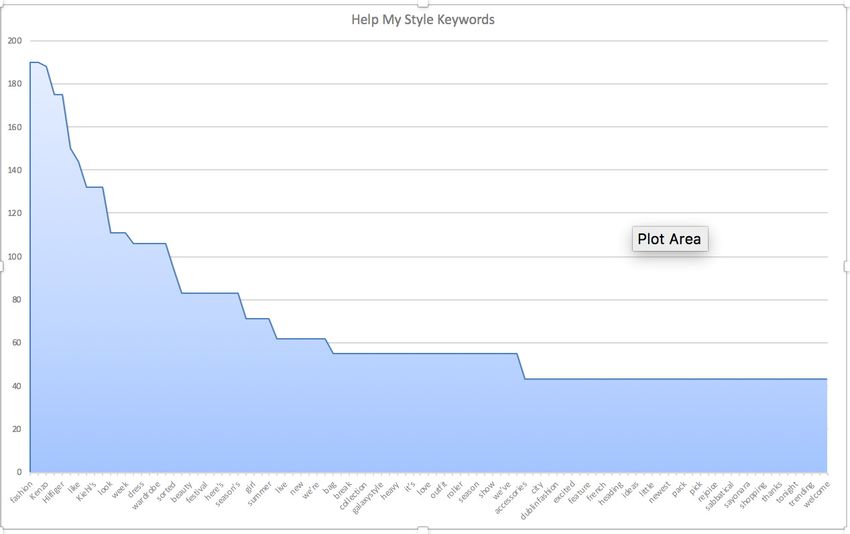
Sustainability 2019, 11, 6554                                                                     4 of 22

day [38]. As a result, big data challenges marketers to understand, use, store, and present. Ramzan
Talib et al. compare a variety of techniques, and point out that “the selection of right and appropriate
text mining technique helps to enhance the speed and decreases the time and effort required to extract
valuable information” [39]. Text mining is considered as one of the best practices because it can find
predictive patterns for both structured and unstructured texts [40]. It offers an alternative method to
collect market insights [41]. Hence, text mining benefits to derive high-quality information from a
large scale of data and discover the pattern of content marketing on social media efficiently.
      For years, text mining has been conducted in a broad range of fields like healthcare [42,43],
politics [44,45], arts [46,47], and education [48,49]. Concerning social media marketing, Mohamed M.
Mostafa investigated 3516 tweets for analyzing consumers’ sentiments on global brands by text mining
techniques, and reveal the value of using text mining in studies on blogging and social media [50].
Besides, Aron Culotta and Jennifer Culter used their research to mine brand perceptions from 200
brands ranging from apparel and cars to food and personal care [51]. In comparison to costly as
well as time-consuming traditional methods, the research proves that text mining is certified to be a
novel, general, automated, reliable, flexible, and scalable approach to monitor brand perceptions, and
understand brand-consumer relationships on social media. As a consequence, this study employs
text mining to explore content marketing in fashion microblogging at first, and then develop a digital
artifact to present research results.

3.1. Data Collection
      The data come from fashion microblogs written by 20 Irish and Chinese bloggers from March
2016 to March 2019. The number of fashion bloggers is enormous and growing every day. Thus,
not all fashion bloggers in Ireland and China can be studied at one time. For this reason, the study
concentrates on fashion micro-influencers who have the most influence on consumers through social
media marketing. For measuring the influence of social media activities on consumers, Jeremiah
Owyang from Altimeter Group and John Lovett from Web Analytics Demystified suggest utilizing Key
Performance Indicators (KPIs) [52]. They conclude four measurement frameworks—Foster Dialog,
Promote Advocacy, Facilitate Support and Spur Innovation—in line with business objectives. Among
these four measurement frameworks, Promote Advocacy is the framework closely related to the
measurement of influence, which “allows businesses to extend their reach beyond their immediate
circles of influence by taking advantage of word of mouth and viral activity” [11]. It has three Key
Performance Indicators—Active Advocates, Advocate Influence as well as Advocacy Impact. Among
three KPIs, Advocate Influence is chosen for the project because it can indicate “the unique advocate’s
influence across one or more social media channels” [11]. The influence is measured by the number of
comments, reach, relevant contents and shares. The active influence is calculated by dividing a single
advocate’s influence by the total number of advocates (see the following equation):

                Active Influence = Unique Advocate’s Influence/Total Advocate’s Influence,           (1)

     In order to calculate the active influence of micro-influencers, we investigated the lists of most
influential bloggers in Ireland and China for determining the ranges in the selection at the beginning.
According to their volume of comments, reach, relevant contents and shares of fashion microblogs,
consequently 20 most influential Irish and Chinese micro-influencers were chosen for this study. The
results are shown in Tables 1 and 2.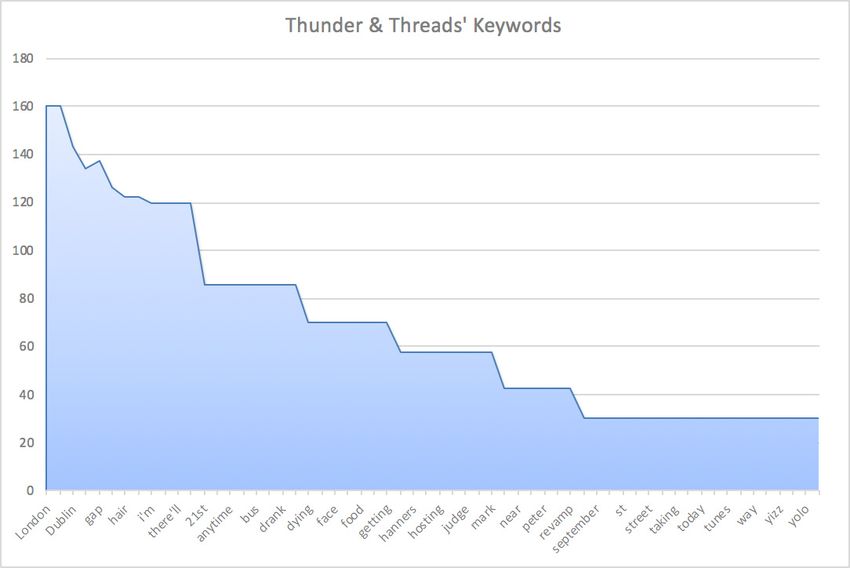
Sustainability 2019, 11, 6554                                                                                   5 of 22

                                          Table 1. Top 10 Irish Micro-influencers.

        Irish                                                   No. of Relevant
                          No. of Comments       No. of Reach                          No. Shares   Active Influence
  Micro-Influencers                                                Contents
       Sosueme                  4016              605,207            11,974              5663            0.88
    Thunder and
                                3512              569,453            11,855              4540            0.82
       Threads
        Pippa                   3244              493,959            11,547              4505            0.81
   Help my style                3303              424,584             9255               4132            0.78
      Anouska                   3453              389,824             8090               3949             0.7
      Fluff and
                                3371              390,842            7998                3988             0.7
      Fripperies
   The Style Fairy              3200              276,472            6367                3323            0.63
   What she wears               3169              276,228            6163                3585            0.63
     Just Jordan                2179              195,426            5222                2340            0.57
    Love Lauren                 2112              174,200            5230                2255            0.53

                                         Table 2. Top 10 Chinese Micro-influencers.

       Chinese                                                  No. of Relevant
                          No. of Comments       No. of Reach                          No. Shares   Active Influence
   micro-Influencers                                               Contents
   Shiliupobaogao               22,630            9,534,440          41,340             81,980           0.94
    Yang Fan Jame               36,500            9,077,270          31,908             61,790           0.89
     Han Huohuo                 14,892            9,028,789          31,056             51,914           0.87
       Chrison                  25,404            8,884,001          30,156             62,791           0.86
       Peter Xu                 23,215            8,490,286          23,372             51,134           0.77
       Gogoboi                  24,528            8,320,808          18,945             29,200           0.72
       Mr. Kira                 12,410            5,337,882          16,733             12,118            0.7
  Qiangkouxiaolajiao            29,200            5,227,843          13,663             25,477           0.69
  Miss Shopping Li              15,630            3,605,081          10,079             20,300           0.68
      Boy Mr. K                 17,305            1,342,843          11,631             24,090           0.51

     Influencers are defined as a “third party who significantly shapes the customer’s purchasing
decision” [53]. In business marketing, representative influencers include industry analysts, consultants,
and journalists. With the development of technologies, influencers are not limited to these occupations.
For instance, Thunder and Threads is a college student, and Help my style is a TV presenter. They
are keen on using social media, especially microblogging, to communicate with other members of
the network and achieve a significant influence on them. Also, all of them have a large number of
followers on social media compared with other bloggers. Sophie C. Boerman defines micro-influencers
as “‘normal’ people who turned Instafamous and typically have dozens to hundreds of followers” [54].
Tables 1 and 2 show that they have a considerable number of reach in the social network. Therefore,
they can be further identified as micro-influencers, who significantly shape the purchasing decision of
consumers in the same social network through social media marketing.
     In relation to online fashion marketing, micro-influencers are featured by loving fashion and
specializing in fashion. Referring to Sosueme, she has started to microblog since 2010 because she is
very interested in fashion. The other Irish micro-influencers also began microblogging in 2009 and
2013. By comparison, Chinese micro-influencers have started earlier. Most of them started in 2007
because of their jobs. For example, Han Huohuo and Gogoboi work as fashion editors. One part of
their work is to read fashion news abroad and introduce it to Chinese consumers. Hence, fashion
microblogging becomes a channel for them to diffuse fashion and influence consumers’ purchase
behaviors. Besides, these 20 micro-influencers indicate new characteristics of fashion micro-influencers.
For one thing, Chinese fashion micro-influencers are more masculine than Irish micro-influencers. In
the study, only one Irish micro-influencer is a man while eight out of ten Chinese micro-influencers are
men. The result shows the difference from previous studies that prove fashion influencers are mostly
females [55,56]. For another, most of 20 influencers are in between the thirties and forties, which are
not young described in the previous research [57,58]. As a result, fashion micro-influencers can be
described as middle-aged, loving fashion, expertizing in fashion, owning a large number of followers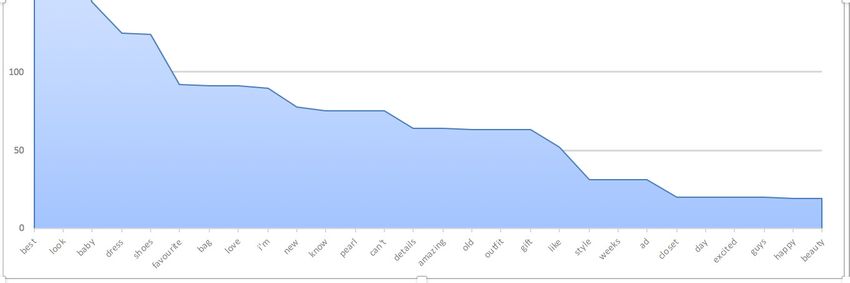
micro-influencers.
micro-influencers.
micro-influencers.
micro-influencers. InIn the
In the
theIn study,
study,
study, only
only
only one
the study, one Irish
onlyIrish
one micro-influencer
onemicro-influencer
Irish micro-influencer
Irish micro-influencer isis
is aaa man
man while
is awhile
man man eight
while eight
eight out
while out
out of
eight of ten
ten
ofouttenof ten
Chinese
Chinese
Chinese micro-influencers
micro-influencers
micro-influencers are
are
are men.
men.
men. The
The
The result
result
result shows
shows
shows the
the
the difference
difference
difference
Chinese micro-influencers are men. The result shows the difference from previous studies that prove from
from
from previous
previous
previous studies
studies
studies that
that
that prove
prove
prove
fashion
fashion
fashion influencers
influencers
influencers
fashion influencers are
are mostly
aremostly
mostly females
females
females
are mostly [55,56].
[55,56].
[55,56].
females For
For
[55,56]. another,
Foranother,
another,
For another,most
most
mostof of
of 20
most 20 influencers
20influencers
influencers
of 20 influencers are
are
arein in between
inbetween
between
are the
the
in betweenthe the
thirties
thirties
thirties and
and
and
thirties forties,
forties,
forties,
and which
which
which
forties, are
are
are
which not
not
notare young
young
young
not described
described
described
young describedin
in
in the
the
the inprevious
previous
previous
the research
research
research
previous [57,58].
[57,58].
[57,58].
research As
As
As
[57,58]. a result,
aa result,
result,
As a result,
Sustainability 2019, 11, 6554 6 of 22
fashion
fashion
fashion micro-influencers
micro-influencers
micro-influencers can
can
can be
be
be described
described
described as
as
as middle-aged,
middle-aged,
middle-aged,
fashion micro-influencers can be described as middle-aged, loving fashion, expertizing in fashion, loving
loving
loving fashion,
fashion,
fashion, expertizing
expertizing
expertizing in
in
in fashion,
fashion,
fashion,
owning
owning
owning aaa large
owning large number
largea number
number
large of
of
number followers
of followers
followers
of followers and
and
and reachreach
and in
reach in
reach the
in the
thein social
social network,
the network,
social network,
social diffusing
diffusing
diffusing
network, fashion
fashion
fashion
diffusing on
on social
on social
fashion social
on social
media,
media,
and reach
media, and
and
andin
media, influencing
influencing
the
andsocial
influencing other
other
network,
influencing members
othermembers diffusing
members
other members of
of the
ofthe
thesame
fashion same
same
of theon network
network
socialnetwork
network
same significantly.
significantly.
media, and
significantly. influencing other members of
significantly.
the same network significantly.
3.2.
3.2. Data
3.2.Data Analysis
3.2.Analysis
Data Analysis
Data Analysis
3.2. Data Analysis
In
In general,
In general,
general,
In general,the
the techniques
the techniques
techniques
the techniques ofof text
of text mining
textofmining
mining
text mining consist
consist of
consistconsistof information
of information
information
of information retrieval,
retrieval,
retrieval, natural
natural
natural
retrieval, language
language
language
natural language
processing,
In
processing,
processing, general,
processing, information
the
information
information
information extraction
techniques
extraction
extraction of from
text
from text,
mining
text,
from text,
extraction fromtext text
text summarization,
consist of
summarization,
text,summarization, information
text summarization, unsupervised
unsupervisedretrieval,
unsupervised
unsupervised learning
natural
learning
learning methods,
language
methods,
methods,
learning methods,
supervised
processing,
supervised
supervised
supervised learning
information
learning
learning methods,
methods,
methods,
learning extractionprobabilistic
from
probabilistic
probabilistic
methods, probabilisticmethods,
text, textmethods,
methods,
methods, text
text streams,
summarization,
textstreams,
streams, and
and
text streams, and social
unsupervised
social media
and media
social media
social mining,
learning
mining,
mining,
media opinion
methods,
opinion
opinion
mining, opinion
mining
supervised
mining
mining and
and
mining sentiment
learning
sentiment
and sentiment
and sentiment analysis,
methods,
analysis,
analysis, and
and biomedical
probabilistic
biomedical
and biomedical
analysis, methods,
and biomedical text
text mining
text
mining
text mining streams,
text mining [59].
[59]. Among
and
Among
[59]. Among social
[59]. Among them,
them,media
them, them, Natural
mining,
Natural
Natural Language
opinion
Language
Language
Natural Language
Processing
mining
Processing
Processing
Processing (NLP)
and(NLP) sentiment
(NLP) isis
(NLP) the core
theanalysis,
is the core
core
is theofof
of text
and
text
textof
core mining.
biomedical
mining.
mining.
text mining. ItIt contains
textItmining
It contains
contains word
word
word
contains [59].segmentation,
Among
segmentation,
segmentation,
word them,
segmentation, part-of-speech
Natural
part-of-speech
part-of-speech Language
part-of-speech (POS)
(POS)
(POS)(POS)
tagging,
Processing
tagging,
tagging, named
named (NLP)
named
tagging, entity
entity
entity
named recognizers
is therecognizers
core ofrecognizers
recognizers
entity (NER),
text mining.
(NER),
(NER),(NER), topic
It contains
topic
topic detection
detectionword
detection
topic and
and classification,
segmentation,
andclassification,
detection classification,
and classification, etc.
part-of-speech
etc. Referring
etc.Referringetc. (POS)
Referring toto
Referring Atefeh
totagging,
Atefeh
Atefehto Atefeh
Farzindar
named
Farzindar
Farzindar entity
Farzindarand
and Diana
recognizers
Diana
and Diana and DianaInkpen,
Inkpen,
Inkpen, (NER), “Natural
topic
“Natural
“Natural
Inkpen, language
detection
language
language
“Natural processing
and
processing
languageprocessing is
classification,
is
processing one
one
is one is of
of etc.
ofone the
the
the of most
Referring
most
most promising
to
promising
thepromising Atefeh
most promising avenues
Farzindar
avenues
avenues for
for
for for
avenues
social
and
social Diana media
media
social social Inkpen,
mediamedia data
data processing”
“Natural
data processing”
processing”
data language
processing” [60].
[60].
[60]. They They
processing
They They
[60]. indicate
is one
indicate
indicate of three
the
three
indicate most
three three stages
stagespromising
stagesstages for
for natural
for naturalavenues
natural
for natural language
for
languagesocial
language language
processing—Linguistic
mediaprocessing—Linguistic
data processing”Pre-processing,
processing—Linguistic
processing—Linguistic Pre-processing,
[60]. They
Pre-processing, indicate
Pre-processing, Semantic
Semantic
Semanticthree Analysis,
stages
Analysis,
Analysis,
Semantic forand and
natural
and
Analysis, finally
finally
finally
and applications.
language
applications. processing—Linguistic
applications.
finally applications.
Pre-processing, Semantic Analysis, and finally applications.
3.2.1.
3.2.1. Linguistic
3.2.1.Linguistic
Linguistic
3.2.1. Linguistic Pre-processing
Pre-processing
Pre-processing
Pre-processing
3.2.1. Linguistic Pre-Processing
The
The Linguistic
The Linguistic
Linguistic
The Linguistic Pre-processing
Pre-processing
Pre-processing
Pre-processing includes
includes
includes text
text
includes normalization,
text normalization,
normalization,
text normalization, part-of-speech
part-of-speech
part-of-speech
part-of-speech taggers
taggers
taggers and
and named
and named
taggers named
and named
entity
entity The Linguistic
recognizers for Pre-processing
re-training data includes
for the text
final normalization,
application. In part-of-speech
order to achieve taggers
this and
stage, named
Natural
entityrecognizers
recognizers
entity for
recognizersforre-training
re-training data
for re-trainingdatafor for the
thefor
data final
finaltheapplication.
application.
final application. In
Inorder
order Into toachieve
orderachieve this
thisstage,
to achieve this Natural
stage, Natural
stage, Natural
entity recognizers
Language
Language Toolkit
Toolkit for
(NLTK) re-training
(NLTK) is
is data which
utilized,
utilized, for
whichthe is final
is one
one application.
of
of the
the most
most Inwell-known
order to achieve
well-known tools
tools this
for
for stage,
NLP.
NLP. Natural
“NLTK
“NLTK
Language Toolkit (NLTK) is utilized, which is one of the
Language Toolkit (NLTK) is utilized, which is one of the most well-known tools for NLP. “NLTK most well-known tools for NLP. “NLTK
Language
was
was originally Toolkit (NLTK)
created in is
2001utilized,
as part which
of aaais one of the most
computational well-known
linguistics tools
course infor theNLP. “NLTK was
Department of
was originally
originally
was originally created
created in
in 2001
created 2001 inasas part
2001part asof
ofpart computational
computational
of a computational linguistics
linguistics course
linguisticscoursecourse in
in thethein Department
Department
the Department of
of of
originally
Computer
Computer created
and
and in 2001
Information as part
Science of a atcomputational
the University linguistics
of Pennsylvania” course in the
[61]. Department
According of
to Computer
Bird et al.,
ComputerComputer andInformation
Information
and Information Science
Science at
atthe
Science theUniversity
University
at the University of
ofPennsylvania”
Pennsylvania”
of Pennsylvania” [61].
[61].According
According
[61]. According to
toBird
BirdtoetetBird
al.,
al., et al.,
and Information
NLTK
NLTK isis characterized Science by at the University
simplicity, consistency,of Pennsylvania”
extensibility, [61].
and According
modularity. toMoreBird importantly,
More et al., NLTK itis it
NLTKNLTK ischaracterized
characterized
is characterized by
bysimplicity,
simplicity, consistency,
by simplicity, consistency,
consistency,extensibility,
extensibility,
extensibility,and
andmodularity.
modularity.
and modularity. Moreimportantly,
importantly,
More importantly, it it
characterized
supports
supports many
many by simplicity,
NLP
NLP consistency,
techniques
techniques such
such extensibility,
as
as tokenization,and modularity.
tokenization, POS
POS More importantly,
tagging,
tagging, NER,
NER, and
and itsemantic
supports
semantic
supportssupports many many NLP NLP techniques techniques such such as tokenization,
as tokenization, POS POS tagging, tagging,NER, NER, and semantic
and semantic
many NLP techniques
interpretation.
interpretation. Therefore,
Therefore, such theas tokenization,
the micro-influencers’ POS tagging,microblogs NER, and semantic
were analyzed interpretation.
by NLTK in Therefore,
the study.
interpretation.
interpretation. Therefore, themicro-influencers’
Therefore, micro-influencers’
the micro-influencers’ microblogs
microblogs microblogs were
wereanalyzed
analyzed
were analyzed by
byNLTK NLTK by NLTKin
inthe
thein study.
study.
the study.
the
Take
Take micro-influencers’
one
one of
of Pippa’s
Pippa’s microblogs
microblogs
microblogs as
as were
an
an analyzed
example,
example, and by
and NLTK
the
the in
analysis
analysis the study.
of
of NLTK
NLTK Take is
is one of
illustrated
illustrated Pippa’sstep
step microblogs
by
by step
step as
as
Take oneTake ofone Pippa’s
of Pippa’smicroblogsmicroblogsas an example,
as an example, and the and analysis
the analysis of NLTK is illustrated
of NLTK step by
is illustrated step
step by asstep as
as an
below:
below: example, and the analysis of NLTK is illustrated step by step as below:
below:below:
Example:
Example:
Example:
Example:
Example:
Pippa O’Connor
Pippa O’Connor30
30December
30 December2016
2016
Pippa
PippaO’Connor
O’Connor
Pippa 30 December
December
O’Connor 2016
2016 2016
30 December
Yesss
Yesss Our
Yesss Yesss Our winter
Our winter
winter
winter sales
sales
sales
Our winter on
salesonon
on pocobypippa.com
pocobypippa.com
pocobypippa.com
salespocobypippa.com and
on pocobypippa.com and
and
and pippacollection.com
pippacollection.com
pippacollection.com
pippacollection.com
and pippacollection.comare
are are
endingending
are ending
ending
are ending
tomorrow
tomorrow
tomorrow at
at midnight
midnight
at midnight
at midnight
tomorrow at midnight TheyThey
They are
are
They are
Theyalso
also
also happening
happening
happening
arehappening in
in the
the
inthe
in
also happening pop-up
pop-up
theinpop-up
pop-up shop
shop in
in
shopin
shop
the pop-up Dundrum
Dundrum
inDundrum
shop Dundrum Town
Town
Town Town
in Dundrum
Centre
Centre too
too
CentreCentre
Town too too
Centre (From
(From Pippa
Pippa
(From(From O’Connor
O’Connor
PippaPippa
(From O’Connor
Pippa on
on 30
on30
O’Connor
O’Connor December
30December
December
on
on 2016)
2016)
2016) 2016)
30 December
30 December 2016)
As
As seen
Asseen
seen Asin in
in the
the
seen example,
theexample,
example,
in the
the
theraw
the example, raw
rawthe content
content
content of
of
raw content fashion
offashion
fashion microblogging
microblogging
microblogging
microblogging
of fashion microblogging contains
contains
contains
contains texts,emojis,
texts,
texts,
texts,
contains emojis,
emojis,
emojis,
texts, dates,dates,
dates,
dates,
dates,
emojis,
bloggers’
bloggers’
bloggers’ names,
names,
names,
names,
bloggers’ and
and errors
errors
and errors
and
names, errors sometimes.
sometimes.
sometimes.
sometimes.
and errors For
For
For
sometimes. instance,
instance,
For instance,
instance, the word
the
the
For instance, word
the word “Yesss”
the “Yesss”
word is
“Yesss”
“Yesss”
word a modified
isis
is aaa modified
“Yesss” form
modified
modified of
form
form the
form of
is a modified of
ofword
form the
the
theof the
“Yes”.
word
word For
“Yes”.
“Yes”.
word word NLTK, For
For
“Yes”.“Yes”. the
NLTK,
NLTK,
For NLTK, wrong the
the
For NLTK, words
wrong
wrong
the wrong can be
words
words
the wrong extracted
wordswords can
can be
can becanfrom
be the
extracted
extracted
extracted content
from
from
be extracted because
from the the
the content
fromcontent of
content spaces between
because
because
the contentbecause of
of words,
spaces
spaces
of spaces
because of spaces
but they
between
between
between can
words,
words,
words,
between notwords,
be
butidentified
but
but they
they
butcan
they can
can innot
they the
not
notcanbePOS
be
be and
identified
identified
identified
not NERin
be identified insubsequently.
in the
the
thein POS
POStheand
POS and
and
POS Hence,
NER
NER it is necessary
subsequently.
and subsequently.
NER subsequently.
NER to normalize
Hence,
Hence,
subsequently.Hence, itit
it isis
Hence, is it is
the microblogging
necessary
necessary
necessary to
to
to normalizecontent
normalize
normalize thebefore
the
the text
microbloggingmining
microblogging
microblogging analysis.
content
content
content Similarly,
before
before
before text
text
text
necessary to normalize the microblogging content before text mining analysis. Similarly, it is it is essential
mining
mining
mining to clear
analysis.
analysis.
analysis. emojis
Similarly,from
Similarly,
Similarly, it
it
it the
is
isis
data, which
essential
essential
essential to
to
essential cannot
clear
toclear
clear be analyzed
emojis
toemojis
emojis
clear from
from
fromthe
emojis bydata,
the
the
from NLTK
data, at present.
which
thewhich
data, which
data, cannot
cannot
cannot
which As be
be
bea analyzed
cannot result,
analyzed
analyzed theby
be analyzed example
by
by NLTK
NLTK
NLTK by is atnormalized
at
at
NLTK present.
present.
present. As
As
Asasaaafollows:
at present. result,
result,
result,
As a result,
the
the example
theexample
example
the is
example normalized
isisnormalized
normalized
is as
as
as
normalized follows:
follows:
follows:
as follows:
Text Normalization: Yes Our winter sales on pocobypippa.com and pippacollection.com are
ending tomorrow at midnight They are also happening in the pop-up shop in Dundrum
Text
Text Normalization:
Text Normalization:
Normalization:
Text Normalization: Yes
Yes
Yes OurOur
Our winter
Yeswinter
winter sales
sales
sales on
Our winter on
on pocobypippa.com
pocobypippa.com
salespocobypippa.com
on pocobypippa.com and
and pippacollection.com
and pippacollection.com
pippacollection.com
and pippacollection.com are
are
are are
Town Centre too
ending
ending
endingendingtomorrow
tomorrow
tomorrow tomorrowat
at midnight
atmidnight
midnight They
They
at midnightTheyare are
are
They also
also
alsoare happening
happening
happening
also happening in
in
inthethe pop-up
thepop-up
pop-up
in the pop-up shop
shop
shopin in
in Dundrum
Dundrum
Dundrum
shop in Dundrum Town
Town
Town Town
Centre
Centre too
too
After Centre
Centre the
tootexttoo normalization, each word is tokenized from fashion microblogs by tokenization
of NLTK. The tokenization separates each word in the text data. The correctness of tokenization is
After
After
Afterthe
fundamental the
the
After text
text
for
text
thenormalization,
normalization,
text mining.
normalization,
text each
each
Referring
normalization, word
eachword isis
to Sonali
word
each is
wordtokenized
tokenized
Vijay
tokenized from
from
Gaikwad
is tokenized fashion
fromfashion et al.,
fashion
from microblogs
microblogs
“information
microblogs
fashion microblogsby
by tokenization
tokenization
byextraction
tokenization is the
by tokenization of
of
of of
NLTK.
NLTK.
NLTK. The
The
initialNLTK.
step
Thefor tokenization
tokenization
computer
tokenization
The separates
separates
to
tokenization analyze
separates each
each word
word
unstructured
each
separates word
each word in
in the
the
in text
theinbytext
text
text data.
data.
identifying
the data.
text TheThe
The correctness
correctness
data.keyThephrases
correctness of
of
and
of
correctness tokenization
tokenization
relationships
tokenization
of tokenization is
isis is
within text” [62]. Therefore, the example is tokenized as below:
NLTK Tokenization:
>>> nltk.word_tokenize(text)Sustainability 2019, 11, 6554 7 of 22
>>> ['Yes', 'Our', 'winter', 'sales', 'on', 'pocobypippa.com', 'and', 'pippacollection.com', 'are',
'ending', 'tomorrow', 'at', 'midnight', 'They', 'are', 'also', 'happening', 'in', 'the', 'pop', 'up',
'shop', 'in', 'Dundrum', 'Town', 'Centre', 'too']
In the process of tokenization, it is found that NLTK is a good indicator of tokenizers, especially
in English, but it has difficulties in dealing with text data in relation to fashion. For instance, the
words “Dundrum”, “Town” and “Centre” are regarded as three tokenizers in the example. From the
perspective of semantic analysis, “Dundrum”, “Town” and “Centre” can be considered as one tokenizer.
Besides, it is challenging for NLTK to handle tokenization in Chinese because there is no space between
Chinese words. In general, researchers try to teach computers to understand Chinese text data based
on the comparison with Chinese dictionaries and a large number of previous statistics. That is to say, it
is crucial to establish a database of fashion microblog marketing for accurate tokenization in English
and Chinese.
Additionally, Part-of-speech (POS) identifies the parts of words taken in the sentences. More
concretely, the parts include nouns, verbs, adjectives, adverbs, and conjunctions. Each word of the
text data is tagged as these parts respectively. The text data can be tagged by the program code
“nltk.pos_tag (nltk.word_tokenize (text))” in the NLTK (see the following instance). According to
Farzindar and Inkpen, “POS taggers clearly need re-training in order to be usable on social media
data. Even the set of POS tags used must be extended in order to adapt to the needs of this kind of
text” [60]. Therefore, POS taggers are re-trained for fashion-related content marketing in the study
when designing the digital artifact, which is elaborated in the subsequent section.
NLTK POS:
>>> nltk.pos_tag (nltk.word_tokenize (text))
>>> [('Yes', 'VB'), ('Our', 'PRP$'), ('winter', 'NN'), ('sales', 'NNS'), ('on', 'IN'),
('pocobypippa.com', 'NN'), ('and', 'CC'), ('pippacollection.com', 'NN'), ('are', 'VBP'), ('ending',
'VBG'), ('tomorrow', 'NN'), ('at', 'IN'), ('midnight', 'NN'), ('They', 'PRP'), ('are', 'VBP'), ('also',
'RB'), ('happening', 'VBG'), ('in', 'IN'), ('the', 'DT'), ('pop', 'NN'), ('up', 'RP'), ('shop', 'NN'), ('in',
'IN'), ('Dundrum', 'NNP'), ('Town', 'NNP'), ('Centre', 'NNP'), ('too', 'RB')]
Moreover, Named Entity Recognizers refers to the classification of unstructured text data in line with
pre-defined named entities such as person names, locations, time and quantities. Leon Derczynski
et al. state, named entity recognition has achieved 90% accuracy generally on more extended texts,
however, it only has 30% - 50% accuracy on microblogs [63]. In other words, it remains challenging to
apply named entity recognition to microblogs. In the study, fashion microblogs are analyzed through
named entity recognition in NLTK. As seen in the following instance, NER classifies text data of fashion
microblogs into general categories, which are insignificant for understanding the content marketing
in fashion microblogging. Hence, the study re-trains pre-defined named entities to further identify
distinctive entities in the fashion industry, such as brands and products.
NLTK NER:
>>> nltk.chunk.ne_chunk(nltk.pos_tag (nltk.word_tokenize (text)))
>>> Tree ('S', [('Yes', 'VB'), ('Our', 'PRP$'), ('winter', 'NN'), ('sales', 'NNS'), ('on', 'IN'),
('pocobypippa.com', 'NN'), ('and', 'CC'), ('pippacollection.com', 'NN'), ('are', 'VBP'), ('ending',
'VBG'), ('tomorrow', 'NN'), ('at', 'IN'), ('midnight', 'NN'), ('They', 'PRP'), ('are', 'VBP'), ('also',
'RB'), ('happening', 'VBG'), ('in', 'IN'), ('the', 'DT'), ('pop', 'NN'), ('up', 'RP'), ('shop', 'NN'), ('in',
'IN'), Tree ('GPE', [('Dundrum', 'NNP')]), ('Town', 'NNP'), ('Centre', 'NNP'), ('too', 'RB')])
3.2.2. Semantic Analysis
The second stage is the Semantic Analysis, which consists of Geo-Location Detection, Opinion
Mining, Topic Detection, and Automatic Summarization. It concentrates on the discussion of topic'RB'), ('happening', 'VBG'), ('in', 'IN'), ('the', 'DT'), ('pop', 'NN'), ('up', 'RP'), ('shop', 'NN'), ('in',
'IN'), Tree ('GPE', [('Dundrum', 'NNP')]), ('Town', 'NNP'), ('Centre', 'NNP'), ('too', 'RB')])
Sustainability 2019, 11, 6554 8 of 22
3.2.2. Semantic Analysis
detectionThe andsecond stage isfrom
classification the Semantic Analysis,
the perspective which
of text consists
mining analysis.of Geo-Location Detection,
Referring to Ismail HmeidiOpinion
et
Mining, Topic Detection, and Automatic Summarization. It concentrates on
al., text classification, usually referring to text categorization, is defined as a process of “classifying the discussion ofan
topic
detection and
unstructured classification
text document from
in its the perspective
desired of text mining
category(s) depending on itsanalysis.
contents” Referring to Ismail
[64]. Among Hmeidi
methods
et al., text classification, usually referring to text categorization, is defined
of text classification, automatic keyword extraction is an important research direction in text miningas a process of “classifying
andannatural
unstructured
language text documentbecause
processing in its desired category(s)
it enables depending
us to summarize theonentire
its contents”
document [64]. Among
[65,66].
methodsthe
Therefore, of microblogs
text classification, automaticonkeyword
are categorized the basisextraction
of keyword is an important research
classification direction
in the study. For in
text mining and natural language processing because it enables
instance, the keywords of Pippa’s microblog mentioned above can be further extracted by NLTK (seeus to summarize the entire
Figure 1). The program code “nltk.FreqDist(nltk.tokenize.word_tokenize(text))” reveals the word in
document [65,66]. Therefore, the microblogs are categorized on the basis of keyword classification
the study.
frequency For word
of each instance,
in the themicroblogs,
keywords and of Pippa’s microblog
shows words from mentioned
the most toabove canfrequent.
the least be further
extracted by NLTK (see figure 1). The
The “nltk.FreqDist(nltk.tokenize.word_tokenize(text)).freq(' ')”presents the frequency of a specific program code
word “nltk.FreqDist(nltk.tokenize.word_tokenize(text))”
in the microblog. For instance, the frequency ofreveals the word the word
“sales” frequency of each word
in the microblog in the
is 0.037.
Finally, the program code “nltk.FreqDist(nltk.tokenize.word_tokenize(text)).plot()” allows researchersThe
microblogs, and shows words from the most to the least frequent.
“nltk.FreqDist(nltk.tokenize.word_tokenize(text)).freq('
to demonstrate the distribution of word frequency in the microblog ')”presents the frequency
through line charts.ofPlease
a specific word
see the
in the microblog.
following details. For instance, the frequency of the word “sales” in the microblog is 0.037. Finally,
the program code “nltk.FreqDist(nltk.tokenize.word_tokenize(text)).plot()” allows researchers to
>>> nltk.FreqDist(nltk.tokenize.word_tokenize(text))
demonstrate the distribution of word frequency in the microblog through line charts. Please see the
following details.
>>> FreqDist({'in': 2, 'are': 2, 'sales': 1, 'tomorrow': 1, 'pop': 1, 'Town': 1, 'Our': 1,
'pocobypippa.com': 1, 'also': 1, 'at': 1, ...})
>>> nltk.FreqDist(nltk.tokenize.word_tokenize(text))
>>> nltk.FreqDist(nltk.tokenize.word_tokenize(text)).freq('sales')
>>> FreqDist({'in': 2, 'are': 2, 'sales': 1, 'tomorrow': 1, 'pop': 1, 'Town': 1, 'Our': 1,
>>> 0.037037037037037035
'pocobypippa.com': 1, 'also': 1, 'at': 1, ...})
>>> nltk.FreqDist(nltk.tokenize.word_tokenize(text)).plot()
>>> nltk.FreqDist(nltk.tokenize.word_tokenize(text)).freq('sales')
>>> 0.037037037037037035
>>>
>>> nltk.FreqDist(nltk.tokenize.word_tokenize(text)).plot()
>>>
Figure
Figure 1. Semantic
1. Semantic Analysis
Analysis by NLTK
by NLTK.
3.3. Data Results
As a result, the keywords from microblogs in the study are classified into four groups: brands,
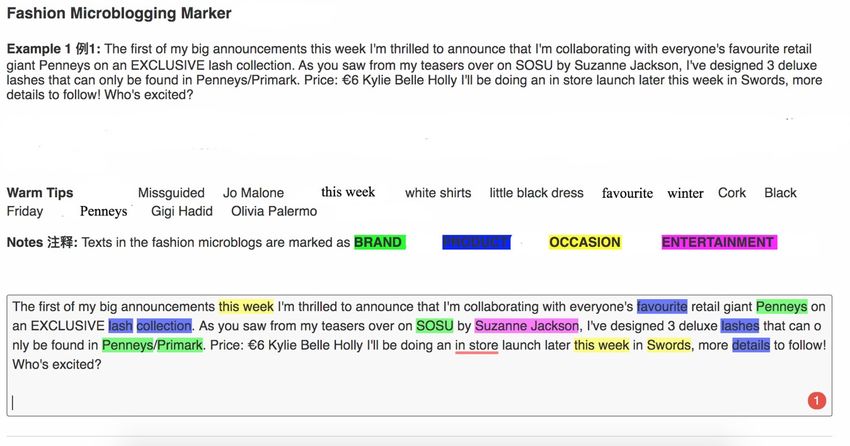
products, occasions, and entertainments.Sustainability 2019, 11, 6554 9 of 22
3.3.1. Brands
Since micro-influencers are eager to be the first for spreading the latest news on fashion brands,
without doubt, brands are one of the most frequently mentioned words in content marketing. The
study finds micro-influencers, Help My Style and Boy Mr K in particular, microblog many brand
names in the posts (see Figure 2). The brands are various, ranging from luxury brands (e.g., Gucci,
Armani) to affordable brands (e.g., Kenzo, Kiehl’s). For Irish microblogging, the study finds that most
of the luxury brands are mentioned by market mavens. They attract consumers to notice the styles of
luxury brands in content marketing and then recommend affordable products from other brands or
online shops. Except for market mavens, other Irish micro-influencers rarely introduce luxury brands.
Sustainability
Instead, they 2019, 11, xaffordable
market FOR PEER REVIEW
brands directly. By contrast, Chinese micro-influencers hardly ever 9 of 23
talk
about affordable brands. Luxury brands such as Louis Vuitton are overwhelmed by content marketing.
3.3. Data Results
However, both Irish and Chinese micro-influencers prefer to emphasize brands in the capital and bold
Asthe
letters in a result, the keywords from microblogs in the study are classified into four groups: brands,
microblogging.
products, occasions, and entertainments.
3.3.2. Products
3.3.1. Brands
The study discovers that micro-influencers (Love Lauren, Just Jordan, Fluff and Frippers,
Since micro-influencers
Qiangkouxiaolajiao, Hanhuohuo,are eager
and to be the
Yang Fanfirst for spreading
Jame) prefer tothe latest news
review on fashion
fashion brands,
information and
without
give doubt, brandsfor
recommendations areproducts
one of theonmost
the frequently
basis of theirmentioned words
experience to in content
target marketing.Among
consumers. The
study
them, finds
Irish micro-influencers,
micro-influencers, Help
Just My for
Jordan Style and Boyuse
example, Mrwords
K in particular,
such as look,microblog many and
dress, shoes, brand bag
names in the posts (see Figure 2). The brands are various, ranging from luxury brands
frequently in content marketing (see Figure 3a). They tend to introduce a variety of fashion products in (e.g. Gucci,
Armani) to affordable brands (e.g. Kenzo, Kiehl’s). For Irish microblogging, the study finds that
the microblogs by selfies, photos, and links. Unlike company marketers’ branding, micro-influencers’
most of the luxury brands are mentioned by market mavens. They attract consumers to notice the
evidence of using products is more persuasive. Besides, they incline to use positive verbs and
styles of luxury brands in content marketing and then recommend affordable products from other
adjectives (e.g., best, favorite, love) in the content of marketing. Relatively, Chinese micro-influencers,
brands or online shops. Except for market mavens, other Irish micro-influencers rarely introduce
Qiangkouxiaolajiao for instance, the most frequently used words consist of small, color, dots, wool,
luxury brands. Instead, they market affordable brands directly. By contrast, Chinese
knit, silhouette, down,
micro-influencers etc. ever
hardly (see Figure 3b).affordable
talk about They further reveal
brands. the details
Luxury brandsof fashion
such products
as Louis Vuittonsuch
are as
fabric (e.g., wool, down), color (grey), and silhouette (e.g., pattern, bottom). The
overwhelmed by content marketing. However, both Irish and Chinese micro-influencers prefer to specified information
of products
emphasizeguidesbrandsconsumers to understand
in the capital fashion
and bold letters in thetrends and decide to purchase.
microblogging.
(a)
Figure 2. Cont.Sustainability 2019, 11, 6554 10 of 22
Sustainability 2019, 11, x FOR PEER REVIEW 10 of 23
(b)
Figure2.2.The
Figure TheKeywords
Keywords from
from (a)
(a) Help
HelpMy
MyStyle
Styleand
and(b)
(b)Boy
BoyMr
MrK.K.
3.3.3. Occasions
3.3.2. Products
OnThe
thestudy
ground of product
discovers thatadvice, micro-influencers,
micro-influencers especially
(Love Lauren, Irish
Just micro-influencers
Jordan, Anouska,
Fluff and Frippers,
TheQiangkouxiaolajiao,
Style Fairy, ThunderHanhuohuo,
and Threads,and Whatshewears,
Yang Fan Jame) combine
prefer to review fashion information
the recommendation with and give
consumers’
recommendations for products on the basis of their experience to target
fashion needs for occasions and enhance consumers’ acceptance of marketing messages. Take consumers. Among them,
Irish micro-influencers,
Whatshewear Just
for instance. Jordan
The for example,
frequent occasionsuse words
consist of such
four as look, dress,
seasons, weather,shoes, and bag
holidays (e.g.,
frequently in content marketing (see Figure 3a). They tend to introduce a variety of fashion
Christmas, New Year), and other special occasions (e.g., Irish Payday, Tuesday Shoe day) (see Figure 4a). products
Thein micro-influencers
the microblogs give by consumers
selfies, photos, and links.
their opinions Unlike
on what company
to wear accordingmarketers’ branding,
to different occasions
micro-influencers’ evidence of using products is more persuasive. Besides,
and help to solve consumers’ needs. Additionally, another frequent occasion is the location. As they incline to seen
use in
positive verbs and adjectives (e.g. best, favorite, love) in the content of marketing.
Figure 4b, Thunder and Threads, for instance, prefer to microblog fashion according to various places Relatively,
Chinese micro-influencers, Qiangkouxiaolajiao for instance, the most frequently used words consist
like Dublin, London, and England. In such a case, the micro-influencers connect fashion marketing to
of small, color, dots, wool, knit, silhouette, down, etc. (see Figure 3b). They further reveal the details
tourism and advise proper fashion styles for various places.
of fashion products such as fabric (e.g. wool, down), color (grey), and silhouette (e.g. pattern,
bottom).
3.3.4. The specified information of products guides consumers to understand fashion trends and
Entertainments
decide to purchase.
Compared with Irish microblogging occasions, Chinese micro-influencers (Mr Kira, Miss Shopping
Li, Peter Xu, Chrison, Gogoboi, and Shiliupobaogao) focus on gossiping entertainment news to engage
with fashion consumers online. For instance, Figure 5 presents Peter Xu’s fashion microblogs contain
many names of celebrities like Wu Yifan and Liu Yifei. It indicates that micro-influencers incline to
use celebrities’ fashion styles to influence consumers in the social network. Considering keyword
results from other Chinese fashion micro-influencers, the entertainments in the microblog marketing
are summarized as three categories: (1) Celebrities. The micro-influencers introduce celebrities'
latest fashion styles and criticize them in the microblogs. (2) Popular movies and TV dramas. The
micro-influencers analyze the fashion styles of main characters, find similar products, and persuade
consumers to buy them. For example, 1345 pieces of the red lipstick from Yves Saint Laurent in the
movie named My Love from the Star were sold in 30 days on account of its outstanding role for leading
actor and actress on the film [67]. (3) Hot issues. The micro-influencers try their best to link content
marketing with hot issues to arouse consumers’ attention and maintain relations with them actively.You can also read


