African American Holistic Resource Center - FEASIBILITY STUDY
←
→
Page content transcription
If your browser does not render page correctly, please read the page content below
1 of 54                                                                        Information Items
                                                                           Planning Commission
                                                                                  March 6, 2019

     African American Holistic Resource Center

                  2019
     Berkeley, California                                               Feasibility Study, 2018

                          African American Holistic
                          Resource Center
                          FEASIBILITY STUDY
                          An assessment of the viability, sustainability, and feasibility of the
                          development of an African American Holistic Resource Center
                          (AAHRC) in South Berkeley

                          Prepared for:
                          The City of Berkeley, the African American Holistic Resource
                          Center Steering Committee, and the African American Holistic
                          Resource Center Community Leadership Committee

                        Prepared by:
                        Neguse Consulting
                        Babalwa Kwanele, MS, LMFT – AAHRC Steering Committee Member, and
                        Barbara Ann White, MA – AAHRC Steering Committee Member

                                                                                     i|Page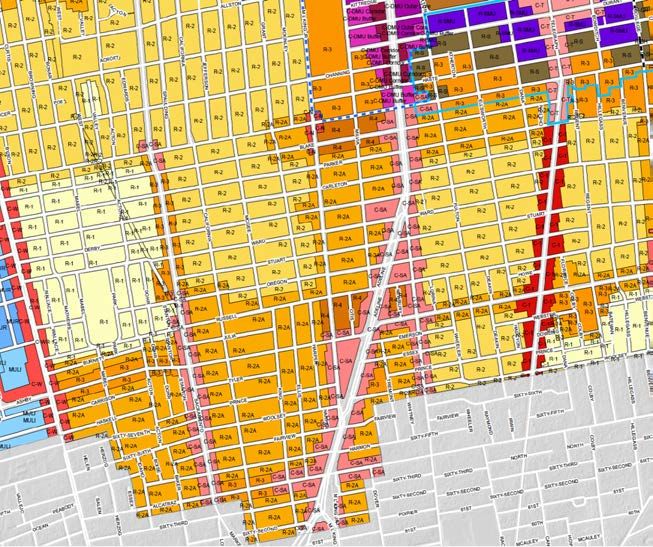
2 of 54                                                                             Information Items
                                                                                Planning Commission
                                                                                       March 6, 2019

     African American Holistic Resource Center
     Berkeley, California                                                    Feasibility Study, 2018

          African American Holistic Resource Center

     ACKNOWLEDGMENTS
     This feasibility study would not have been possible without the input and support of the African
     American Holistic Resource Center (AAHRC) Steering Committee, the AAHRC Community
     Leadership Committee, the Berkeley NAACP, City of Berkeley Mayor and Councilmembers, City
     Manager and Deputy City Manager, City of Berkeley Community Health Commission, Peace and
     Justice Commission, City of Berkeley Department of Health, Housing, and Community Services,
     Subject Matter Experts, and members from the Berkeley community.

                                                                                          ii | P a g e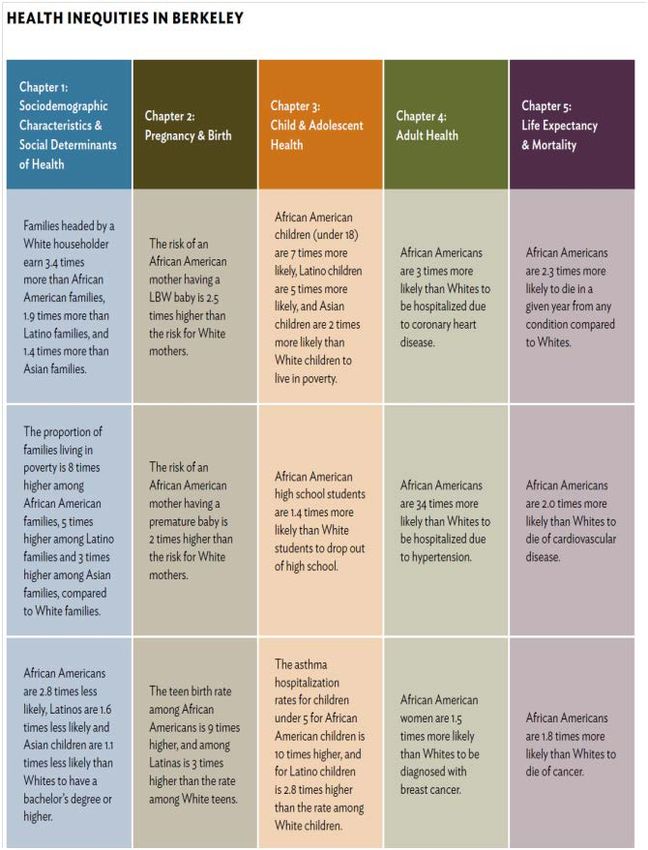
3 of 54                                                                                Information Items
                                                                                   Planning Commission
                                                                                          March 6, 2019

     African American Holistic Resource Center
     Berkeley, California                                                       Feasibility Study, 2018

                                     EXECUTIVE SUMMARY
     INTRODUCTION
     The purpose of this Feasibility Study is to assess the viability, sustainability, and feasibility of
     developing an African American Holistic Resource Center (AAHRC) in South Berkeley. This
     study provides a community assessment, highlights similar models, and identifies potential
     funders. The report outlines options for financing construction of the facility, and includes an
     analysis of the technical and financial feasibility of the project. The findings and recommendations
     in this study offers guidance to the City of Berkeley (COB), the AAHRC Steering Committee, and
     the AAHRC Community Leadership Committee, in order to assist them with making informed
     decisions regarding next steps in the development of the African American Holistic Resource
     Center and the creation of a Culturally Centered Engagement System of Care for African
     Americans in the city.

     BACKGROUND
     In April 2011, the African American/Black Professional & Community Network (AABPCN)
     crafted the report titled A Community Approach for African American/Black Culturally Congruent
     Services. In the AABPCN report it identified challenges that the African American community
     face in areas of education, employment, health, and mental health, housing, and community
     relationships. The report also provided recommendations that included the use of culturally
     congruent practices embedded in an integrated service delivery system, which would help to
     decrease inequities and disparities in the African American community in Berkeley.
     Members from the AABPCN and Berkeley NAACP (BNAACP) have been advocating and leading
     the efforts in the city for the past 8 years for the creation of the AAHRC. Members of the AABPCN
     shared the vision of the AAHRC and began gathering information from the community via focus
     groups, town hall meetings, small group discussions, and formal presentations to several Berkeley
     Commissions, the Berkeley City Council, and other stakeholder groups.
     The 2016 City of Berkeley Community Health Commission report, strongly recommends the City
     of Berkeley “Take immediate action steps towards the development and support of the African
     American Holistic Resource Center in South Berkeley”1. The Peace and Justice Commission also
     submitted a letter of support to the City Council on behalf of the creation of an AAHRC. Following
     the commission reports and community advocacy, councilmembers responded with overwhelming
     support for the development of an AAHRC and they allocated funding for a feasibility study, as
     well as other required activities needed for the establishment of the facility.
     The AABPCN created the AAHRC Steering Committee. The AAHRC Steering Committee
     developed the AAHRC Community Leadership Committee, in order to include additional
     community voices in the project. The City Manager supported the AAHRC project by adding the
     African American Holistic Resource Center in the City of Berkeley’s Strategic Work Plan; the
     AAHRC is also included in the Mayor’s and Councilmember of District #3 work plans. The
     Department of Health, Housing, and Community Services provided funding to start the AAHRC
     feasibility study. In February of 2018, the City of Berkeley’s Health, Housing and Community
     Services entered into a contract with a consultant to complete the AAHRC feasibility study.

                                                                                              iii | P a g e
4 of 54                                                                                  Information Items
                                                                                     Planning Commission
                                                                                            March 6, 2019

     African American Holistic Resource Center
     Berkeley, California                                                        Feasibility Study, 2018
     The AAHRC Community Leadership Committee developed the mission statement for the
     AAHRC; see below.
     The African American Holistic Resource Center Mission Statement
     The mission of the African American Holistic Resource Center (AAHRC) is to eliminate inequities
     and disparities by using community-defined best practices and approaches. Culturally responsive
     services are offered in order to address social determinants of overall health, mental wellness and
     equity across the life span. The AAHRC provides advocacy, support and referral services for an
     array of educational issues, legal matters and programming and services for cultural, social and
     recreation. A strong focal point is on promoting self-awareness and strengthening connections by
     fostering unity in the African American community.

     STATEMENT OF PROJECT NEED
     The African American/Black community in Berkeley has the highest rate of morbidity and
     mortality of any racial/ethnic group. According to the City of Berkeley’s Health Status Summary
     Report 2018, “African Americans are 2.3 times more likely to die in a given year from any
     condition compared to Whites”2. The report further indicates that “The risk of an African American
     mother having a low-birth weight (LBW) rate baby is 2.5 times higher than the risk for White
     mothers”1.
     In comparing 2013 and 2018 COB Health Status Summary Reports, the rate of poverty among
     African American families has quadrupled. During a five-year period the poverty rate for African
     Americans has gone from two times more likely to live in poverty to eight times more likely to
     live in poverty in the City of Berkeley. According to both Health Status Summary Reports, children
     under the age of eighteen are seven times more likely to live in poverty. Unfortunately, this implies
     that White wealth is increasing, while Black wealth is rapidly decreasing in the city. This level of
     wealth inequity has numerous negative implications for African Americans, as it relates to, but is
     not limited to, housing, mental health, physical health, education, criminal justice, social and
     recreational activities, and overall community sustainability.
     It is well documented that poverty is linked to poor quality health outcomes and shorter life
     expectancy for African Americans. Middle class and affluent Black people’s health is worse
     compared to their white counterparts in Berkeley. The intersectionality between wealth,
     race/ethnicity and class has a small positive effect on the health status of African Americans, due
     to institutionalized racism and implicit bias. Unfortunately, the Black community in Berkeley is
     experiencing poor quality outcomes in terms of adverse health indicators across the life span.
     The data indicates that health inequities disproportionately impact the Black community in the city
     and have persisted for a long period of time. As suggested in the AABPCN report, “Health
     inequities and disparities have been caused by trenched social and racial injustices in American
     systems. It has been stated that every social determinant, including but not limited to education,
     employment, physical and mental health and housing, is impacted by the rules of law and the
     institutions that uphold the laws”2.
     Socioeconomic factors, birth outcomes, and morbidity rates that stretch across the life span of
     African Americans indicates they are not thriving in the City of Berkeley. The results clearly
     illustrate in this feasibility study that Black individuals and families in Berkeley are not
     experiencing optimal life outcomes in all areas. Therefore, it is essential that a paradigm shift take
     place for this population in the delivery of care and services. Culturally appropriate services and

                                                                                               iv | P a g e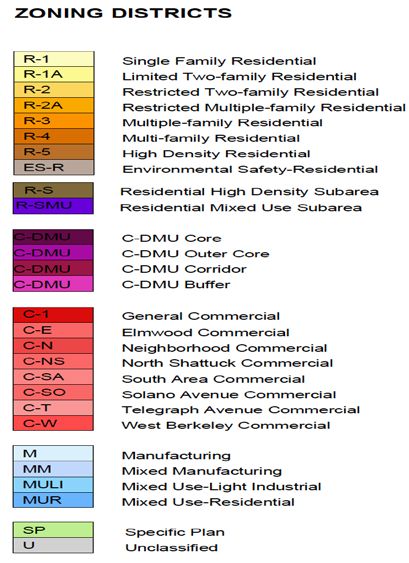
5 of 54                                                                                Information Items
                                                                                   Planning Commission
                                                                                          March 6, 2019

     African American Holistic Resource Center
     Berkeley, California                                                      Feasibility Study, 2018
     community-defined practices that are imbedded in the creation of a Culturally Centered
     Engagement System of Care that is effective in welcoming, supporting, healing, and empowering
     the Black community in the City of Berkeley must be developed. Insanity is defined as doing the
     same thing and expecting different results; the time for a new integrated holistic approach to care
     and services for Berkeley’s African American community is long overdue.
     The AAHRC facility is slated to be a state-of-the-art green building ranging in size of 5000 - 6000
     square feet, that includes but is not limited to a multipurpose room, library, medical screening
     room, two therapy offices, two classrooms, dance studio, game room, kitchen, and an office with
     a reception area. The delivery of culturally congruent services at the AAHRC will provide African
     Americans with the support they need to decrease inequities and disparities in their community.

     OBJECTIVES
     The overall goal of the feasibility study is to offer guidance to City of Berkeley staff, the AAHRC
     Steering Committee, and the AAHRC Community Leadership Committee to assist them in making
     an informed decision regarding the next steps in the development of the African American Holistic
     Resource Center.
     The six contractual objectives that Neguse Consulting was responsible for completing are outlined
     below:
            Objective 1: Conduct a community assessment to gather feedback and input from
            various stakeholders in Berkeley, as they relate to the development of the AAHRC.
            Objective 2: Explore existing programs and/or models with similar geographic
            dynamics, demographic populations, and economic stratifications to those within the
            City of Berkeley.
            Objective 3: Research and assess potential funding opportunities from public and private
            sector organizations.
            Objective 4: Identify options for facility location and financing. Investigate
            requirements for construction or rehabilitation of a building, inclusive of completion
            timeline and projected annual operational budget for the AAHRC.
            Objective 5: Provide a comprehensive report that outlines the findings and
            recommendations of the overall assessment of the feasibility study for the development
            of the African American Holistic Resource Center.
            Objective 6: Consultant will work closely with City staff and the AAHRC Steering
            Committee in order to maintain fidelity to the process and final outcome for the
            successful development of the AAHRC in the City of Berkeley.
     Meetings with City staff, the AAHRC Steering Committee and the AAHRC Community
     Leadership Committee were held to discuss expectations, gather information, design the survey
     tool, and administer focus groups. The community survey was created and administered with input
     and support from committee members, focus groups were held, and community outreach to various
     stakeholders was done.

                                                                                             v|Page
6 of 54                                                                                 Information Items
                                                                                    Planning Commission
                                                                                           March 6, 2019

     African American Holistic Resource Center
     Berkeley, California                                                       Feasibility Study, 2018
     In addition, an examination of similar community program models was completed, and potential
     public and private funding organizations were researched, and options for constructing and
     financing the facility were investigated. The completion of all aspects required to prepare a
     comprehensive feasibility study was accomplished and includes floor plans, summary of a cost
     analysis, and findings and recommendations for the project and next phase of development of the
     African American Holistic Resource Center.
     RECOMMENDATIONS
     Based on the findings of the AAHRC feasibility study, below are recommendations for next steps
     for the development of the AAHRC in South Berkeley. The City of Berkeley will need to invest
     additional funding and support to this project, in order for it to come to fruition.
     Acquisition of Professional Expertise in the Areas of Funding and Building Design
             •   Hire a Fund Developer and/or Grant Writer
             •   Obtain a Real Estate Agent/Broker to assist with securing building
             •   Secure an Architect to draft facility design/blueprints
     Secure Physical Location for the AAHRC
             •   Identify location to house the facility (Recommended Property-People’s Bazaar)
             •   Decide if an existing building will be rehabbed or a newly constructed facility will be
                 built
     Fundraising Campaign
             •   Establish a building fundraising campaign
             •   Engage community members in fundraising activities
             •   Contact local Berkeley businesses for donations and support
     Marketing and Promotions
             •   Secure professional support in marketing and branding for the AAHRC
             •   Use social media such as but not limited to Facebook and Instagram for effective
                 communication and outreach
             •   Create a website for the AAHRC
     Continued Community Engagement
             •   Provide ongoing updates to community survey respondents
             •   Continue to engage community members and leaders in the AAHRC project process
             •   Conduct ongoing community presentations and forums about the AARHC

     CONCLUSION
     In summation, most African American/Black community members who live, work and/or have a
     connection to Berkeley believe that the City of Berkeley needs to show their community a sign
     that they are valued citizens and that their lives matter. Currently, in the City of Berkeley African
     Americans represent approximately 7% of the population, yet they have the worst outcomes and/or
     highest penetration rates in areas such as Health, Mental Health; Homelessness; Unemployment;
     Displacement out of Berkeley; Living in Poverty; Racially Profiled by BPD; Failing Students in
     BUSD; as well as, a Shorter Life Expectancy than any other racial or ethnic group in the City of
     Berkeley.
     An investment in the Black community in the City of Berkeley is needed and required, in order to
     address the issues associated with inequities and disparities for this population. Advocacy and

                                                                                              vi | P a g e
7 of 54                                                                                                                                   Information Items
                                                                                                                                      Planning Commission
                                                                                                                                             March 6, 2019

     African American Holistic Resource Center
     Berkeley, California                                                                                                       Feasibility Study, 2018
     funding for the development of an African American Holistic Resource Center should be a top
     priority for every city official, city department head, and all large-scale organizations and
     corporations in the city. With financial support and collaboration from all the aforementioned
     entities the AAHRC could be built and operational within the next two years, which would allow
     for the healing and restoration process to begin for African Americans in the city. The City of
     Berkeley should take every step possible to build an African American Holistic Resource Center
     and have it be a beacon of light and hope for Berkeley’s Black community.

          1.   City of Berkeley Community Health Commission Recommendation to City of Berkeley City Council, September 27, 2016, Action Item
          2.   A Community Approach for African American/Black culturally Congruent Services; ABPCN 2011

                                                                                                                                               vii | P a g e
8 of 54                                                 Information Items
                                                    Planning Commission
                                                           March 6, 2019

     African American Holistic Resource Center
     Berkeley, California                        Feasibility Study, 2018

                           BLANK PAGE

                                                            viii | P a g e
9 of 54                                                                                                                                            Information Items
                                                                                                                                               Planning Commission
                                                                                                                                                      March 6, 2019

     African American Holistic Resource Center
     Berkeley, California                                                                                                               Feasibility Study, 2018

                                                                      Table of Contents
     ACKNOWLEDGMENTS ........................................................................................................................ II
     EXECUTIVE SUMMARY ..................................................................................................................... III
          INTRODUCTION................................................................................................................................................... III
          BACKGROUND..................................................................................................................................................... III
          STATEMENT OF PROJECT NEED ...................................................................................................................... IV
          OBJECTIVES .......................................................................................................................................................... V
          RECOMMENDATIONS ........................................................................................................................................ VI
          CONCLUSION ....................................................................................................................................................... VI
            Culturally Centered Engagement System of Care................................................................................................. 1
     AFRICAN AMERICAN HOLISTIC RESOURCE CENTER ...................................................................... 2
          INTRODUCTION ................................................................................................................................................... 2
          BACKGROUND ...................................................................................................................................................... 2
          STATEMENT OF PROJECT NEED ........................................................................................................................ 3
            Table 1: Health Status Summary Report 2018...................................................................................................... 5
            Table 2: Health Status Summary Report 2013..................................................................................................... 6
     OVERVIEW OF OBJECTIVES ............................................................................................................... 6
     OBJECTIVE 1: COMMUNITY ASSESSMENT ........................................................................................ 7
          OVERVIEW OF SURVEYS ADMINISTERED ................................................................................................................... 7
            Table 3: Survey Distribution Data ....................................................................................................................... 8
            Table 4: Demographic Snapshot of Survey Respondents..................................................................................... 9
          SURVEY FINDINGS .............................................................................................................................................. 9
     OBJECTIVE 2: INVESTIGATE SIMILAR AFRICAN AMERICAN RESOURCE CENTERS ................... 13
     OBJECTIVE 3: POTENTIAL FUNDING SOURCES AND OPPORTUNITIES ......................................... 17
     OBJECTIVE 4: BUILDING AND CAPITAL EXPENDITURES ............................................................... 17
          COST ANALYSIS AND BUILDING DESIGN.................................................................................................................. 17
          METHODOLOGY ....................................................................................................................................................... 18
          OPTIONS FOR BUILDING AND FINANCING THE FACILITY .......................................................................................... 19
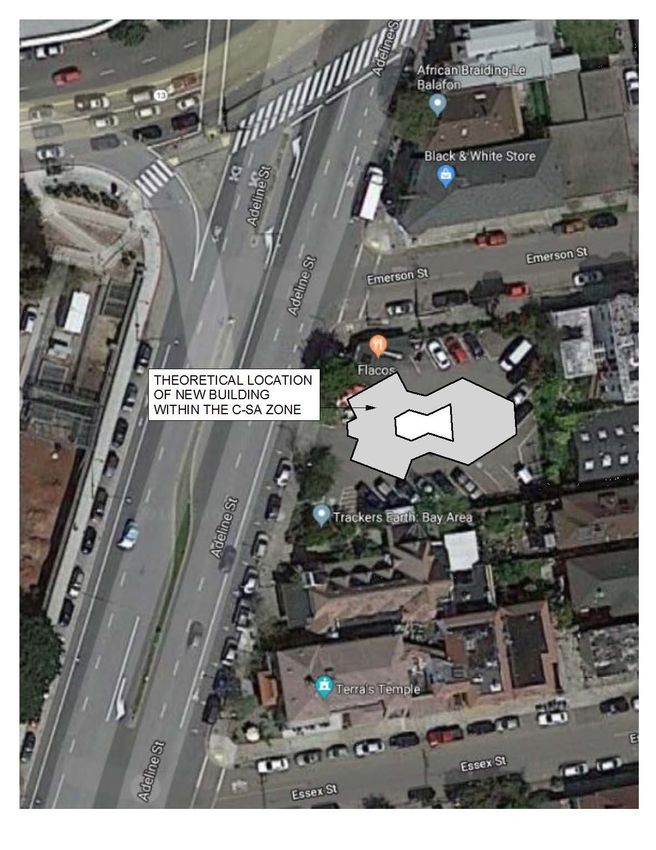
          ZONING CONSIDERATIONS ....................................................................................................................................... 21
            Table 10: Zoning Districts and Types ..................................................................................................................21
            Floor Plans ......................................................................................................................................................... 23
            Table 11: Estimates for New Construction vs. Rehabilitation (Project Cost In Millions) .................................. 26
          POTENTIAL LOCATIONS FOR THE AAHRC (FURTHER CONSIDERATION AND DISCUSSIONS NEEDED) ......................29
     OBJECTIVE 5: FEASIBILITY FOR AN AFRICAN AMERICAN HOLISTIC RESOURCE CENTER IN
     SOUTH BERKELEY .............................................................................................................................. 31
     RECOMMENDATIONS ......................................................................................................................... 31
     OBJECTIVE 6: CONSULTANT WILL WORK CLOSELY WITH CITY STAFF AND THE AAHRC
     COMMITTEES TO MAINTAIN FIDELITY TO THE PROJECT ............................................................ 32
               Culturally Centered ........................................................................................................................................... 33
     APPENDIXES ....................................................................................................................................... 34

                                                                                                                                                                 ix | P a g e
10 of 54                                                                    Information Items
                                                                        Planning Commission
                                                                               March 6, 2019

     African American Holistic Resource Center
     Berkeley, California                                            Feasibility Study, 2018

       African American Holistic Resource Center
           Culturally Centered Engagement System of Care

                                             Community
                                            Meeting Space
                                                                        Educational
                Referrals &                                             Support &
              Support Services                                           Resources

                                              Culturally
                                             Responsive
           Cultural – Social                 Practices &
                                              Services                    Legal Support
           Programming &
              Activities

                               Health and                   Mental Wellness
                               Nutrition

                                                                                          1
11 of 54 Information Items
Planning Commission
March 6, 2019
African American Holistic Resource Center
Berkeley, California Feasibility Study, 2018
African American Holistic Resource Center
Feasibility Study
INTRODUCTION
This Feasibility Study was commissioned to assess the viability, sustainability, and feasibility for
the development of an African American Holistic Resource Center (AAHRC) in South Berkeley.
A community assessment was completed with the use of a survey, focus groups and a community
forum. Research with agencies and services that represent a similar model to that of the AAHRC
was investigated and potential funders were identified.
The report also outlines options for building the facility and it provides an analysis for technical
and financial viability of the project. The findings and recommendations in this feasibility study
will offer guidance to the City of Berkeley (COB), the AAHRC Steering Committee, and the
AAHRC Community Leadership Committee, in order to assist them with making an informed
decision regarding next steps in the development of the African American Holistic Resource
Center and the creation of a Culturally Centered Engagement System of Care for African
Americans in the city.
BACKGROUND
The African American/Black Professional & Community Network (AABPCN), established in
2010, believes that culturally congruent services are vital in order to reduce inequities and
disparities for African Americans. The report, A Community Approach for African American/Black
Culturally Congruent Services, was written in April 2011 by members of the AABPCN. The
document defines the delivery of culturally congruent services as providing appropriate efficacy
and support to clients, respecting cultural traditions of African Americans, and recognizing the
effects of institutionalized racism and historical trauma in the lives of Black people.
The AABPCN report identifies numerous challenges that African Americans face in the areas of
education, employment, health, mental health, housing, and in community relationships. The
report outlines recommendations for culturally congruent and integrated services that can be used
to help African Americans to overcome barriers and increase the quality of their lives.
A vision and framework were provided in the report for the development of an African American
Holistic Resource Center in Berkeley. Members from the AABPCN and BNAACP have been
advocating and leading the efforts in the city for the past 8 years for the creation of the AAHRC.
The AABPCN created the AAHRC Steering Committee and that group formed the AAHRC
Community Leadership Committee, in order to include additional community voices in the project
and to broaden support and advocacy for the center.
The AAHRC Community Leadership Committee members developed the mission statement for
the AAHRC; see below.
The African American Holistic Resource Center Mission Statement
The mission of the African American Holistic Resource Center (AAHRC) is to eliminate inequities
and disparities by using community-defined best practices and approaches. Culturally responsive
services are offered in order to address social determinants of overall health, mental wellness and
equity across the life span. The AAHRC provides advocacy, support and referral services for an
212 of 54 Information Items
Planning Commission
March 6, 2019
African American Holistic Resource Center
Berkeley, California Feasibility Study, 2018
array of educational issues, legal matters and programming and services for cultural, social and
recreation. A strong focal point is on promoting self-awareness and strengthening connections by
fostering unity in the African American community.
The AAHRC Steering Committee garnered community support through various community
meetings and forums in Berkeley. They received support for the development of the AAHRC from
the Mayor, numerous Councilmembers, the area’s Board of Supervisors, the Berkeley NAACP,
the Peace & Justice Commission, the Community Health Commission, Parents of Children of
African Decent (PCAD), Healthy Black Families, Black Lives Matter, Friends of Adeline, the East
Bay Northern Chapter ACLU, and other community stakeholders and residents.
In a 2016 report, the Community Health Commission strongly recommended that the City of
Berkeley “Take immediate action steps towards the development and support of the African
American Holistic Resource Center in South Berkeley.1” This recommendation led to an
overwhelming response of support and funding for a feasibility study from the City Council.
Subsequently, the City Manager added the African American Holistic Resource Center to the City
of Berkeley’s Strategic Work Plan, and the Mayor and the Councilmember for District #3 (South
Berkeley) also put the AAHRC in their work plans. In addition, the Department of Health,
Housing, and Community Services (HHCS) allocated funds to commission a feasibility study for
the development of the AAHRC. Financial support from the department of HHCS allowed city
staff and AAHRC Steering Committee members to submit an RFP to hire a consultant for the
AAHRC project. A consultant was selected to perform the feasibility study for the AAHRC in
February of 2018.
STATEMENT OF PROJECT NEED
The African American/Black community in Berkeley has the highest rate of morbidity and
mortality of any racial/ethnic group. According to the City of Berkeley Health Status Summary
Report 2018, “African Americans are 2.3 times more likely to die in a given year from any
condition compared to Whites”2. The report further indicates that “The risk of an African American
mother having a low-birth weight (LBW) rate baby is 2.5 times higher than the risk for White
mothers”1.
In comparing 2013 and 2018 COB Health Status Summary Reports, the rate of poverty among
African American families has quadrupled. During a five-year period, the poverty rate for African
Americans has gone from two times more likely to live in poverty to eight times more likely to
live in poverty in the City of Berkeley. According to both Health Status Summary Reports, children
under the age of eighteen are seven times more likely to live in poverty. Unfortunately, this implies
that White wealth is increasing, while Black wealth is rapidly decreasing in the city. This level of
wealth inequity has numerous negative implications for African Americans, as it relates to but is
not limited to housing, mental health, health, education, criminal justice, social and recreational
activities, and overall community sustainability.
It is well documented that poverty is linked to poor quality health outcomes and shorter life
expectancy for African Americans. Middle class and affluent Black people’s health are also worse
compared to their white counterparts in Berkeley. The intersectionality between wealth,
race/ethnicity and class has a slight positive effect on the health status of African Americans, due
to institutionalized racism and implicit bias. Unfortunately, the Black community in Berkeley is
experiencing poor quality outcomes in terms of adverse health indicators across the life span.
313 of 54 Information Items
Planning Commission
March 6, 2019
African American Holistic Resource Center
Berkeley, California Feasibility Study, 2018
The data indicate that health inequities disproportionately impact the Black community in the city
and have persisted for a long time. As suggested in the AABPCN report, “Health inequities and
disparities have been caused by trenched social and racial injustices in American systems. It has
been stated that every social determinant, including but not limited to education, employment,
physical and mental health and housing, is impacted by the rules of law and the institutions that
uphold the laws”2.
Socioeconomic factors, birth outcomes, morbidity and mortality rates that stretch across the life
span of African Americans indicates that they are not thriving in the City of Berkeley. The results
from this feasibility study clearly illustrate that Black individuals and families in Berkeley are not
experiencing optimal life outcomes. Therefore, it is essential that a paradigm shift in the delivery
of care and services for this population takes place. Culturally appropriate integrated services and
community-defined practices that are imbedded in the creation of a holistic system of care that is
effective in welcoming, supporting, healing, and empowering the Black community in the City of
Berkeley must be developed. Insanity is defined as doing the same thing and expecting different
results; the time for a new integrated approach to care and services for Berkeley’s African
American community is long overdue.
Socioeconomic Factors Racism, Institutional Racism, and Structural Racism Health
414 of 54 Information Items
Planning Commission
March 6, 2019
African American Holistic Resource Center
Berkeley, California Feasibility Study, 2018
Table 1: Health Status Summary Report 2018
Source: Health Status Summary Report 2018, City of Berkeley
Table 1 captures data from the Health Status Summary Report 2018 which illustrates health
inequities that plague the Black community in Berkeley. As indicated in the table, various
inequities disproportionately impact the health, wealth, education, and safety of African
Americans across their life span. This report is a clear illustration that Black individuals and
families in Berkeley are not experiencing optimal life outcomes. The systems of care and services
in the city are failing this population.
1 City of Berkeley Community Health Commission Recommendation to City of Berkeley City Council, September 27, 2016, Action
Item
2 City of Berkeley Health Status Report, 2018
3 City of Berkeley Health Status Report, 2013
4 A Community Approach for African American/Black culturally Congruent Services; ABPCN 2011
515 of 54 Information Items
Planning Commission
March 6, 2019
African American Holistic Resource Center
Berkeley, California Feasibility Study, 2018
Table 2: Health Status Summary Report 2013
Health Inequities in Berkeley
Compared to a White resident, an African American living in Berkeley is:
Demographics Pregnancy Child & Adult Health Mortality
& Birth Adolescent
Health
4 times more
likely to have
3 times 20 7 times more 2 times more
been
less times likely to live likely to die in a
diagnosed
likely to more in poverty given year from
with diabetes
have a likely any condition
and 14 times
college to be a more likely to
degree teen be
parent hospitalized
for diabetes
9 times more 12 times more 2.5 times more
2 times 2.5 likely to be likely to be likely to die of
more times hospitalized hospitalized cardiovascular
likely to more for asthma due to disease
live in likely (16 of 54 Information Items
Planning Commission
March 6, 2019
African American Holistic Resource Center
Berkeley, California Feasibility Study, 2018
The six contractual objectives that Neguse Consulting was responsible for completing are outlined
below:
Objective 1: Conduct a community assessment to gather feedback and input from
various stakeholders in Berkeley, as they relate to the development of the AAHRC.
Objective 2: Explore existing programs and/or models with similar geographic
dynamics, demographic populations, and economic stratifications to those within the
City of Berkeley.
Objective 3: Research and assess potential funding opportunities of public and private
sector organizations.
Objective 4: Identify options for facility location and financing. Investigate
requirements for construction or rehabilitation of a building, inclusive of completion
timeline and projected annual operational budget for the AAHRC.
Objective 5: Provide a comprehensive report that outlines the findings and
recommendations of the overall assessment of the feasibility study for the development
of the African American Holistic Resource Center.
Objective 6: Consultant will work closely with City staff and the AAHRC Steering
Committee in order to maintain fidelity to the process and final outcome for the
successful development of the AAHRC in the City of Berkeley.
Source: AAHRC RFP Objectives
Meetings with City staff, the AAHRC Steering Committee, and the AAHRC Community
Leadership Committee were held to discuss expectations, gather information, design the survey
tool, and administer focus groups. The community survey was created and administered with input
and support from committee members, focus groups were held, and community outreach to various
stakeholders was done.
Also, an examination of similar community program models was completed, and potential public
and private funding organizations were researched, and options for constructing and financing the
facility were investigated. The completion of all aspects required to prepare a comprehensive
feasibility study were accomplished and include floor plans, summary of a cost analysis, and
findings and recommendations for the project and next phase of development for the African
American Holistic Resource Center and creation of a Culturally Centered Engagement System of
Care.
OBJECTIVE 1: COMMUNITY ASSESSMENT
Methodology
The community assessment process for the AAHRC Feasibility Study consisted of the
development and administrating of a survey, hosting community forums, and getting input from
various stakeholders. Qualitative information was collected, analyzed and tabulated; see Table 3.
Corresponding raw survey data and a list of community stakeholders is in the appendixes.
Overview of Surveys Administered
A total of 133 surveys were completed and submitted. Of those, 28 surveys were administered
digitally online and the other 105 surveys were hard copies. Table 3 list the events and platforms
717 of 54 Information Items
Planning Commission
March 6, 2019
African American Holistic Resource Center
Berkeley, California Feasibility Study, 2018
where the surveys were administered, the format by which they were done, and the total number
of surveys completed. Also, documented is the percentage of surveys completed, per the different
formats and administration sites. Overall, the survey response rate was 53% and the qualitative
data that was collected provided a wealth of information.
Table 3: Survey Distribution Data
Survey Distribution Survey # of % of Surveys
Events/Platforms Format Surveys Completed
Completed
Berkeley Juneteenth Festival Hard copies 50 38%
(June 2018)
State of Black Berkeley Forum Hard copies 35 26%
(May 2018)
Black Organizing Project – Berkeley Hard copies 9 7%
Community Listening Session
(May 2018)
Parents of Children of African Descent Hard copies 11 8%
(PCAD) Meeting
(May 2018)
Online Surveys (May-June 2018) Digital 28 21%
Total Number of Surveys Administered 133 100%
Survey Respondents
The survey was tailored for individuals who are intimately connected to the City of Berkeley and
that fit into one of the following stakeholder categories. The connection data points measured
individuals that are currently or were previously a city resident, have family members that reside
in the city, those that work, worship, attend school or have children in school in Berkeley, a
member of an organization or association in the city and/or own a business in the community.
Some respondents selected multiple responses related to their connection to Berkeley. It was also
important to include survey questions about business ownership and the faith community, in order
to capture information related to these two elements. It is worth noting that 11% of respondents
indicated that they worship in Berkeley and 5% own a business in the city.
Survey participants varied by race and ethnicity, gender, age, sexual orientation, housing status
and group affiliations in Berkeley. Demographic highlights are reflected in Table 4 (gender and
age were not captured in this survey).
818 of 54 Information Items
Planning Commission
March 6, 2019
African American Holistic Resource Center
Berkeley, California Feasibility Study, 2018
Table 4: Demographic Snapshot of Survey Respondents
81%: African American/Black (N=108)
34%: Current Berkeley residents (N=45)
29%: Former Berkeley Residents (N=33)
39%: Work in Berkeley (N=52)
17%: Have a child in Berkeley schools (N=23)
Survey Data Points and Questions
The survey format was designed to elicit yes or no responses and short written comments to
questions. It consisted of nineteen questions. The first five questions attained the participant’s
contact and demographic information. The other questions explored familiarity with the AAHRC,
the need for an AAHRC, types of services respondents would like the AAHRC to provide, and
community support and concerns. A full list of the survey questions is located in the appendixes.
SURVEY FINDINGS
Survey Respondents Familiarity with the AAHRC Plans
35% stated “yes” they are familiar with the AAHRC plans. Of those who answered “yes,” their
replies varied, per responses below:
• Berkeley NAACP
• AAHRC Steering Committee Members
“The data proves there
• African American Black Professionals & Community
Network is a need to address the
• Healthy Black Families crisis Black people face
• Through a Friend every day.”
• The Community Health Commission
Survey Respondents Attendance at a Meeting and/or Forum
17% responded that they attended a community meeting or forum pertaining to the development
of the AAHRC. Data suggest that a marketing and mass media campaign may be worth utilizing
as a method of outreach for future community meetings and forums to increase attendance.
Awareness of the Leadership Groups of the AAHRC Project
14% indicated that they were aware that the African American/Black Professionals & Community
Network and the Berkeley NAACP were leading the efforts to develop an AAHRC. Due to limited
public awareness of the AAHRC leadership teams, it may be worthwhile to identify members of
the groups at future community engagements and events and highlight the organizations as the
leads on this project.
The Need for an AAHRC in South Berkeley
95% replied that there is a need to have an AAHRC in South Berkeley. The responses varied,
however there was strong support for the creation of a center.
919 of 54 Information Items
Planning Commission
March 6, 2019
African American Holistic Resource Center
Berkeley, California Feasibility Study, 2018
Table A.1 provides a comprehensive list of responses to this question in the Appendixes. Below
are the themes that emerged.
Black-Centered Space with Culturally Appropriate Services
Respondents conveyed the need to have spaces that offer culturally-appropriate services that focus
on the needs of the African American/Black community. Notable survey comments:
“The African American community needs a space to concentrate and meet to develop
strategies to support its members. The stresses of living/working in an urban area
necessitate it.”
“Berkeley’s Black/AA’s residents are being displaced,
mistreated from police, facing major health disparities, and
generally not treated like valuable members of the city by
95%
non-Black residents. This center, like other existing
programs like Healthy Black Families, has the potential to
Indicated the need for
support [the] decrease [of] health disparities by providing an African American
culturally-based services.” Holistic Resource
Haven for the African American/Black Community Center.
The assessment identified the need to have a haven or safe space for
members of the African American/Black community to gather and
unwind from the daily stressors of being Black in America. Survey respondents expressed the need
to have a safe healing space to address the traumas and challenges of life. Notable survey
comments:
“Need a place to de-stress and place to keep up the spirit and energy to struggle.”
“The data proves there is a need to address the crisis Black people face every day.”
As indicated in the 2013 and 2018 Berkeley Health Status Reports, there are numerous stressors
associated with health, housing, employment, education and other socioeconomic indicators that
disproportionately impact the wellbeing of African Americans. Therefore, it is essential to have
places for community members to de-stress, de-compress, and be supported and valued.
Autonomy, Collective Power and Visibility
Respondents expressed a need to have a place where they can gather and organize in order to
develop leadership skills and improve community engagement. It was evident from the data
collected that respondents want a place for the Black community, where they can unite, organize,
and develop action plans, as it relates to uplifting the African American community. The
information shared in this category appears paramount in terms of Black people wanting to
problem-solve for themselves and find solutions to issues that negatively impact their community.
Notable survey comments:
“We need an autonomous space and collective power to keep even a small
African-American community footprint in Berkeley.”
“There needs to be a central place that Black community organizations can offer
their services as a unified front and meet in a culturally-relevant environment.”
“We need a resource center in order to pool our collective efforts, pertaining to Black
[people].”
1020 of 54 Information Items
Planning Commission
March 6, 2019
African American Holistic Resource Center
Berkeley, California Feasibility Study, 2018
Adequate Resources and Information
Resource allocation and information sharing was another area of concern for the Black community
in Berkeley. Some comments addressed limited resources in the African American community in
the city and the need to increase access to resources, such as, but not limited to: housing, jobs and
job training, entrepreneurship, quality education, financial literacy, a framework for resource
creation, and sharing within the community. Notable survey comments:
“Collectivism; Resources.”
“To create more resources for the African American community.”
Gentrification
Rapid housing development of market rate rents, the discontinuation of city-owned public housing,
and limited home ownership opportunities in Berkeley have increased the displacement of African
Americans out of the city. Respondents expressed concerns about the negative impact of
gentrification; primarily the high cost of living in the city and the lack of implementation of
initiatives and policies to decrease the widespread gentrification in South Berkeley. Some feel a
sense of not belonging and being welcomed in a place that has been home to them, their families
and friends for decades. Notable survey comments:
“Yes, because of gentrification, we need to hold our space in Berkeley because it’s our
home and we belong.”
“My perception is that Black people in Berkeley are being pushed on by the cost of living
so any initiative to alleviate those costs (healthcare, housing, etc.) would likely be very
helpful.”
Need for Access to Quality Holistic Health Care Services
Survey respondents stated that current medical care agencies are
“To have a safe space to
not serving the needs of the Black community in a holistic be in community where I
manner. Some responses indicated the need for healthcare would feel welcome and
services that are respectful and welcoming to African
Americans and that provide holistic services for the physical,
supported.”
mental, spiritual, and emotional needs of Black people that are
also embed in a culturally-appropriate service delivery system
of care. Notable survey comments:
“I feel [that] current medicine does not address the concerns and needs of African-
Americans.”
“To help Black people feel respected and heard when seeking healthcare services and
to enhance mental, physical, and spiritual health of African Americans.”
“With rampant racism in our society, we need to promote our emotional health.”
Reason Why Survey Respondents Would Use the AAHRC
Participant comments focused on being treated with respect, being welcomed, feeling comfortable
and supported by people who look like them. Safety was another area that respondents felt they
were currently lacking for themselves and their children.
Table A.2 provides a comprehensive list of responses to this question in the Appendixes. Below
are the themes that emerged.
1121 of 54 Information Items
Planning Commission
March 6, 2019
African American Holistic Resource Center
Berkeley, California Feasibility Study, 2018
Welcoming and Culturally Congruent Services and Staff
A sense of belonging and receiving culturally-appropriate services were commented on by
numerous survey respondents. There was an emphasis on the significance of Black people being
treated with respect and their presence being acknowledged by professional staff when they show
up for services. Also highlighted was the creation of a safe space for the African American
community. Notable survey comments:
“The staff and professionals would understand the needs of African Americans.”
“It would be a comfortable place to seek help.”
Community Connection and Protection
Respondents conveyed the need to have welcoming, safe spaces and environments where they can
connect as a community. Having safe neighborhoods to raise their children in was stated as
important, along with ensuring their children’s protection from
harm and danger. Notable survey comments:
“To have a safe space to be in community where I
Culturally Responsive
would feel welcome and supported.” Support throughout the
“Much needed way to grow and protect Black life span.
community and Berkeley children.”
Additional Services and Activities Survey Respondents Would Like the AAHRC to Offer
Survey respondents were asked if there were any additional services and/or activities they would
like the AAHRC to offer. The responses varied and touched on issues such as small businesses,
healthy eating, and support at all stages in the life span, college preparation and youth mentorship,
and social and recreational activities.
Table A.3 provides a comprehensive list of responses to this question in the Appendixes. Below
are the themes that emerged.
Support for Small Businesses
Participants identified as small business owners and they would like to have funding and
supportive spaces to assist with the development of Black-owned businesses, as well as
opportunities to network with other business owners. They also specified the importance of having
affordable retail rental space for Black entrepreneurs. Notable survey comments:
“Innovative Entrepreneurial/economic development programming for people of color.”
“Retail space for Black-owned businesses.”
Healthy Eating and Active Living
There were concerns about healthy eating and active living for African American people.
Participants commented on the significance of having harmony of mind, body, and spirit. Outdoor
activities, such as gardening and exercising with family, were also stressed. Notable survey
comments:
“Food discussions to change our behavior regarding sugar.”
“Physical activity, yoga, meditation.”
In light of the findings in the 2013 and 2018 Berkeley Health Status Reports, it is evident that
African Americans in the City of Berkeley have a disproportionate rate of morbidity and mortality
1222 of 54 Information Items
Planning Commission
March 6, 2019
African American Holistic Resource Center
Berkeley, California Feasibility Study, 2018
as compared to other populations in the city. Due to safety issues some Black people don’t venture
too far from their neighborhoods, thereby not allowing for things like biking, hiking, running, and
even walking as forms of exercise. Therefore, having a community center that offers support for
healthy eating and physical activity in a way that is culturally sensitive would be welcomed and
appreciated.
Support Throughout the Life span, College Preparation and Youth Mentorship
Respondents indicated the need to have services and support throughout the different stages of the
life span. The data collected specified a need to provide culturally responsive services and support
for African Americans from conception to older adulthood. They also identified the necessity for
youth mentorship programs and college preparation courses for students. Notable survey
comments:
“Pregnant and parenting support.”
“Elder support.”
“Workshop session on attending college.”
Social/Recreational Bonding and the Arts
Participants conveyed interest in having a place to socialize with each other and increase
community bonding. Creative arts as well as live entertainment and recreational activities were
cited, and art therapy was also highlighted as a healing form that could be used to support the
health and mental wellness of African Americans. Notable survey comments:
“Gallery or concert hall for live performance.”
“Creative writing and poetry. Black Art and photography.”
Community Willingness to Support the AAHRC
Respondents indicated overwhelming support for ensuring the successful development of the
African American Holistic Resource Center. As stated in other responses, the data show there is
willingness in the community to support the AAHRC project in numerous ways.
Table A.4 provides a comprehensive list of responses to this question in the Appendixes. Below
are the responses in percentages to several questions:
Fifty-two percent indicated they would attend City Council meetings
Fifty-five percent stated that they would attend community meetings and events.
Seventy-eight percent expressed their willingness to share information about
the AAHRC.
Relevant Concerns about the AAHRC
Survey respondents expressed concerns about funding for the project, location of the facility, the
operational budget, and they wonder if this facility will actually be built for the African
American/Black community in the City of Berkeley.
OBJECTIVE 2: INVESTIGATE SIMILAR AFRICAN AMERICAN RESOURCE
CENTERS
Examination of several agencies that provide culturally responsive services to the Black
community was researched. Investigation was done via telephone interviews and online
compilation. The programs vary in geographic location and service delivery. The information
1323 of 54 Information Items
Planning Commission
March 6, 2019
African American Holistic Resource Center
Berkeley, California Feasibility Study, 2018
collected for this feasibility study from similar African American Resource Centers all seems to
stress the importance of addressing inequities and disparities in the Black community. The
foundation of the agencies is in delivering services that use best practices, community-defined
approaches, and African-centered models of excellence; these methods and techniques provide for
culturally congruent service delivery to African American/Black people.
Evaluation of Similar African American/Black Cultural Resource Centers
The emphasis of this investigation focused primarily on organizations that are similar to the City
of Berkeley in relationship to geographic location and size, and population. Preliminary research
of African American/Black Resource Centers nationwide found that most centers are located on
college campuses or affiliated with colleges and universities. The few African American/Black
Resource Centers that are not located on or in partnership with a college or university are
membership-based organizations.
The African American Community Service Agency (AACSA) located in San Jose, California and
the African American Cultural Center of the Capital Region, Inc., located in Albany, New York
are two membership-based resource centers. The City of Portland also developed a partnership
with the City’s economic development agency, and a local nonprofit health institution, in order to
explore the building of an African American Resource Center. They are looking to locate the center
in an area of the city that has encountered historic displacement of African American residents.
The program structure of the three aforementioned African
American Resource Center models focus on the holistic These agencies understand
wellbeing of the African American/Black community. These
agencies seem to understand the significance of empowering, the value of addressing
fostering unity, self-determination, and preserving the dignity inequities and disparities;
and culture of African American people. The investigation
into these organizations provided insight, information about
preserving the dignity and
best practices, and program models of excellence that can be culture of the community.
used in the creation of the AAHRC in the City of Berkeley.
Below is information about the agencies.
Organizational Profile #1: The African American Cultural Center of the Capital Region, Inc.
The African American Cultural Center of the Capital Region, Inc. is a nonprofit organization
committed to educating, enriching, and empowering residents of the Capital Region; through a
variety of educational, cultural and performing arts, programs, activities, and exhibits that promote
awareness and raise the collective consciousness of all ethnicities to the rich and vibrant history,
contribution, and culture of African Americans. The Center seeks to strengthen communities by
fostering unity, self-determination, cooperative economics, collective work, and creativity. The
facility is located at 135 South Pearl Street, Albany, NY and was founded by AVillage, Inc, Urban
Arts Experience, Inc. and Center for Law and Justice, Inc. The Capital District, also known as the
Capital Region, refers to the metropolitan area surrounding Albany, which is the capital of the
State of New York. As of 2013 its population was 1,170,483 and the Capital District is the fourth
largest metropolitan region in the state and the 45th largest in the country.
Source: African American Cultural Center of the Capital Region, Inc. Website
14You can also read


