First Grade - Squarespace
←
→
Page content transcription
If your browser does not render page correctly, please read the page content below
First Grade                                         Week 9
                                                              (May 11 - May 15)

              Home Learning
Hello Families,                          Hola familias,

Welcome back! We hope you and your       Hola familiasBienvenido de nuevo!
child enjoyed this time off from         Esperamos que usted y su hijo hayan
remote learning and were able to         disfrutado este tiempo libre del
spend some time together.                aprendizaje remoto y hayan podido
                                         pasar un tiempo juntos.
Please be advised that our ZOOM
schedule has changed. This week we       Tenga en cuenta que nuestro horario
will be introducing NEW learning         de ZOOM ha cambiado. ¡Esta semana
material for our last unit of the        presentaremos NUEVO material de
school year!                             aprendizaje para nuestra última
                                         unidad del año escolar!
In Writing, students will be writing
facts about a topic they are familiar    En Escritura, los estudiantes
with. They will also write about what    escribirán datos sobre un tema con el
they learned from reading a short        que están familiarizados. También
passage. Friday’s writing assignment     escribirán sobre lo que aprendieron al
will be scored using the new writing     leer un breve pasaje. La tarea de
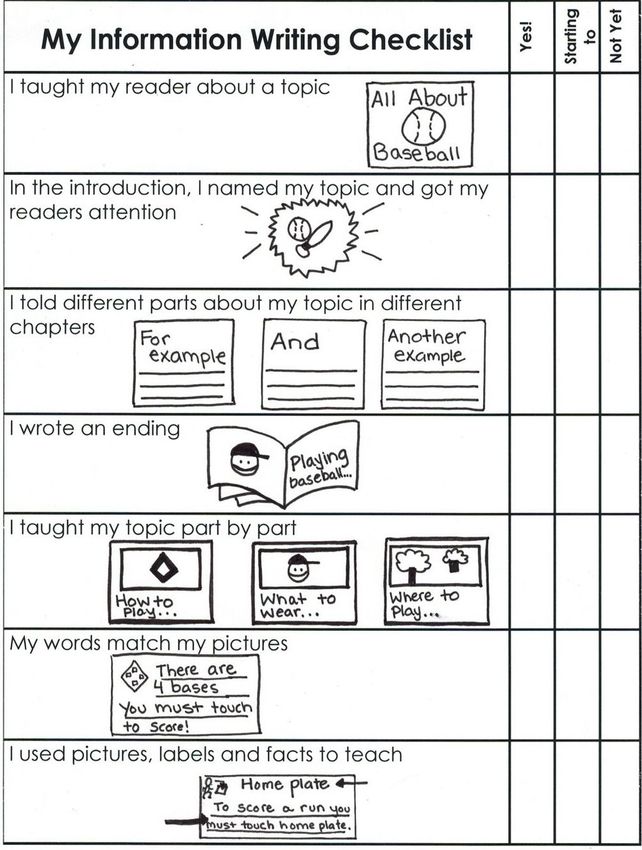
checklist included in this packet.       escritura del viernes se puntuará
                                         utilizando la nueva lista de verificación
In Reading, students will be reviewing   de escritura incluida en este paquete.
the differences between fiction and
non-fiction. There will be a focus on    En Lectura, los estudiantes revisarán
Non-Fiction passages.                    las diferencias entre ficción y no
                                         ficción. Habrá un enfoque en pasajes
Lastly, in Math, students will be        de no ficción.
working on using non-standard
measurement to find the length.          Por último, en Matemáticas, los
Your child will be taking an EXIT        estudiantes trabajarán en el uso de
TICKET on Friday.                        medidas no estándar para encontrar
                                         la longitud. Su hijo tomará un BOLETO
                                         DE SALIDA el viernes.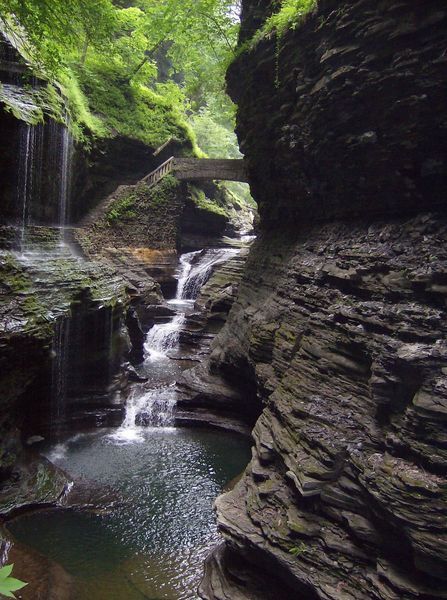
Informational Writing Checklist
Math Monday, 5/11/2020
Math Monday, 5/11/2020
Writing                            Monday, 5/11/2020

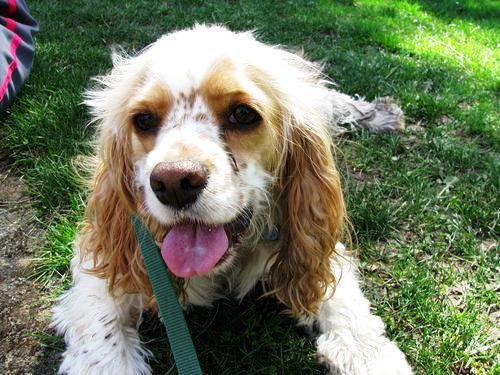
What do you know about dogs? Write 3 FACTS you know
         about a dog in complete sentences.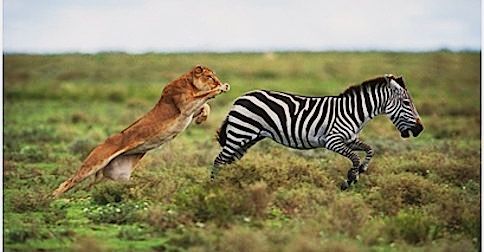
Reading Monday, 5/11/2020
Phonics   Monday, 5/11/2020

          key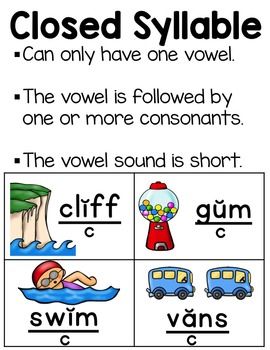
Math Tuesday, 5/12/2020
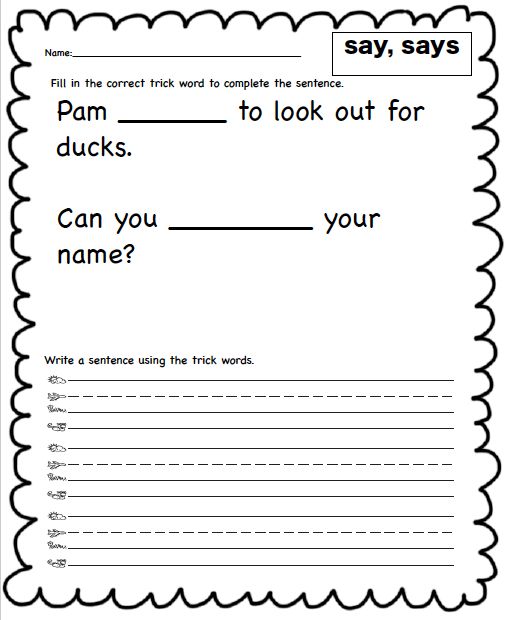
Writing                                               Tuesday, 5/12/2020

     Read the passage and write 3 things you LEARNED.
A bird is an animal with feathers and wings.
Most birds can fly. Birds have two legs. They can
walk, run, or hop. All birds have a backbone. It is
also called a spine. Birds have many hollow
bones. Hollow bones have empty space inside.
They make a bird’s body lighter. That helps birds
fly. Birds are warm-blooded. They make their
own body heat. Birds lay eggs. The shells are
hard. Birds keep the eggs warm. How? They sit
on them until the eggs hatch! Then the bird
takes care of its chicks.
Reading Tuesday, 5/12/2020 Read each line and decide whether it is a ’fact’ or an ‘opinion’.
Phonics Tuesday, 5/12/2020
Math Wednesday, 5/13/2020
Math Wednesday, 5/13/2020
Writing                          Wednesday, 5/13/2020

 Observe this photograph. What animals do you see?
     What is happening? Why is this happening?
Reading Wednesday, 5/13/2020
Read this Non-Fiction passage and answer the questions.
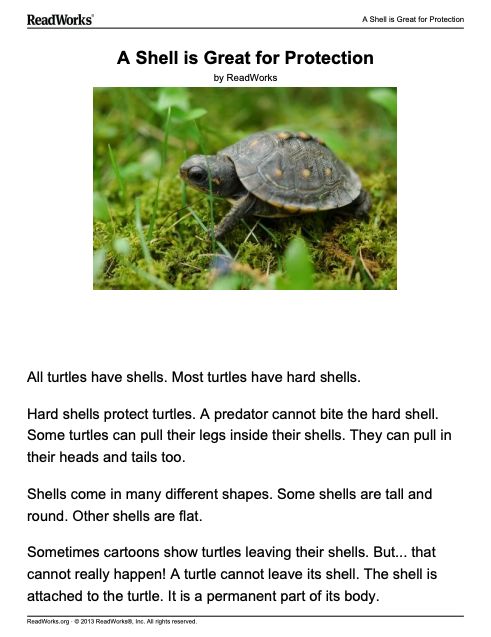
A Shell is Great for Protection
All turtles have shells. Most
turtles have hard shells. Hard
shells protect turtles. A predator
cannot bite the hard shell. Some
turtles can pull their legs inside
their shells. They can pull in
their heads and tails too.
Shells come in many different shapes. Some shells are tall and
round. Other shells are flat. Sometimes cartoons show turtles
leaving their shells. But... that cannot really happen! A turtle
cannot leave its shell. The shell is attached to the turtle. It is a
permanent part of its body.
1. What do ALL turtles have?
2. How does this passage describe turtle shells?
3. How does a turtles shell protect it from predators?
4. What did you learn from "A Shell is Great for Protection"?Phonics Wednesday, 5/13/2020
coinMath Thursday, 5/14/2020
Writing                                                Thursday, 5/14/2020

     Read the passage and write 3 things you LEARNED.
Our planet is Earth. Water covers most of our
planet. Almost all of that water is salt water. Salt
water is very salty. People, animals, and plants
need fresh water to live. Fresh water is not
salty. Earth does not have as much fresh water
as salt water. People should remember to use
fresh water carefully. They should never waste
it. Where is Earth’s fresh water? Fresh water is
found in rivers, lakes, and streams. It can also be
found under the ground. Machines pump the
water to the surface for people to use.
Reading Thursday, 5/14/2020
Re-read this Non-Fiction passage and answer the questions.
We Need Fresh Water
Our planet is Earth. Water covers most of
our planet. Almost all of that water is salt
water. Salt water is very salty. People,
animals, and plants need fresh water to
live. Fresh water is not salty. Earth does
not have as much fresh water as salt
water. People should remember to use
fresh water carefully. They should never
waste it. Where is Earth’s fresh water?
Fresh water is found in rivers, lakes, and
streams. It can also be found under the
ground. Machines pump the water to the
surface for people to use.
1. What covers most of our planet?
2. Why it is so important to use fresh water carefully?
3. What is the main lesson of “We Need Fresh Water”?Phonics Thursday, 5/14/2020 Use this as a reference for Phonics today.
Phonics Thursday, 5/14/2020
Math Page            Friday, 5/15/2020

      Complete
     EXIT TICKET
 (find the EXIT TICKET on
  the Class Story on Dojo)
      Send a PHOTO of your
        child’s Exit Ticket
        answers to their
          teacher, once
            completed.
Writing Friday, 5/15/2020
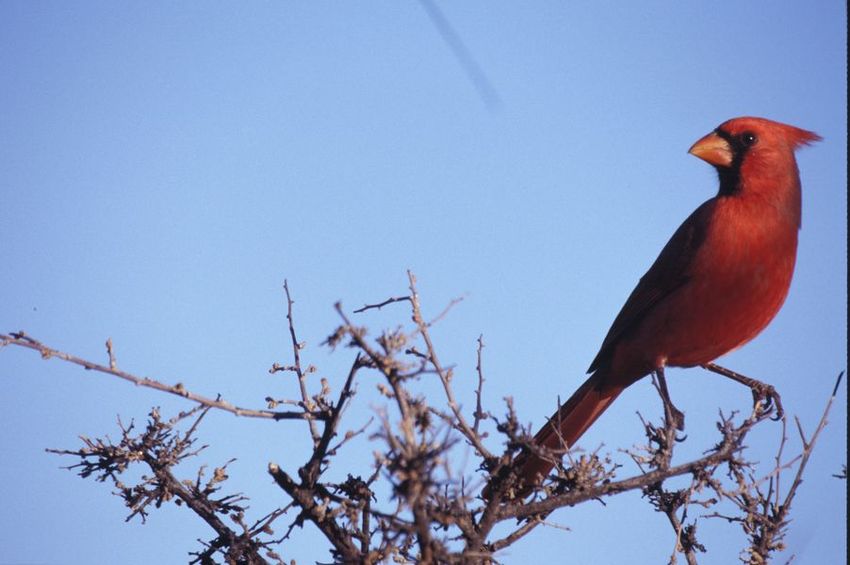
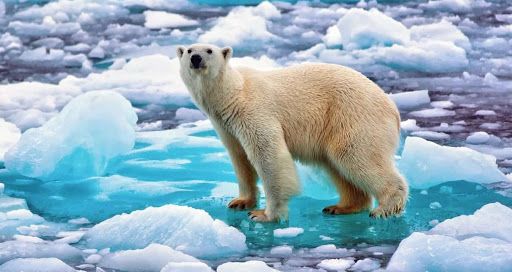
Observe this photograph. What is this animal?
Where is the animal? What do you know about this animal?
Today’s Writing Assignment will be scored.Reading Friday, 5/15/2020
Re-read this Non-Fiction passage and answer the questions.
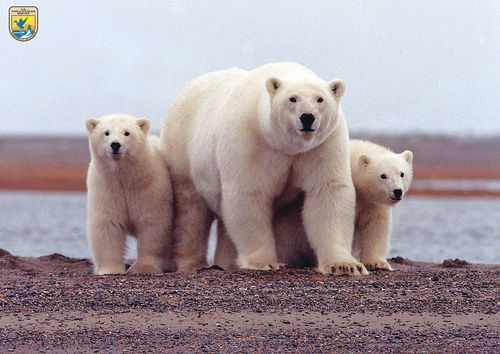
Animals of the Arctic
The Arctic is a snowy place.
Come meet some animals that
live in this icy habitat. Polar bears
live in the Arctic. These big white
animals live mostly on land. They
also spend time in the cold Arctic
Ocean. Polar bears look for food
in holes in the ocean ice.
They like to eat seals and walruses. The white snowy owl flies in
the Arctic. In the daytime, it hunts for food. The snowy owl can
eat some small animals whole. Seals swim in the Arctic Ocean.
They catch fish to eat. They like to slide on the ice, too!
1. What is the weather like in the Arctic?
2. This text gives us information about animals that live in the Arctic. What
are some of the animals that live in the Arctic?
3. What did you learn from "Animals of the Arctic"?Phonics Friday, 5/15/2020
boyYou can also read


