FLOURISHING CHURCHES, FLOURISHING COMMUNITIES - Church and community mobilisation process in Sierra Leone
←
→
Page content transcription
If your browser does not render page correctly, please read the page content below
FLOURISHING CHURCHES,
FLOURISHING COMMUNITIES
Church and community mobilisation process in Sierra Leone
About QuIP
The QuIP (Qualitative Impact Assessment Protocol) is designed to help organisations to assess, learn
from and demonstrate the social impact of their work. It places intended beneficiaries’ voices at the
centre of reporting, and demonstrates a genuine commitment to learning about what works and what
doesn’t work. The QuIP reveals what the most important stakeholders in any programme feel is most
significant.

The QuIP’s starting point is the belief that, while important, quantitative change data is rarely a
sufficient source of evidence of social impact; however, it can be difficult to access and apply good
qualitative research methods within limited budgets. It can also be difficult to convince funders that
qualitative research is rigorous and reliable enough. The QuIP has been developed to try to address all
these issues, creating an innovative and trusted approach that has already gained recognition from
leading donors and non-governmental organisations.

The QuIP was developed and tested in the Centre for Development Studies (CDS) at the University
of Bath, and is now curated and nurtured by Bath Social & Development Research Ltd (BSDR) – a
non-profit research organisation founded by a small team of CDS researchers. BSDR specialises in QuIP
training and studies, with a view to promoting better standards of mixed method impact evaluation of
projects with explicit social and development goals.

bathsdr.org/about-the-quip
tearfund.org/quip

Acknowledgments
This report has been produced by Tearfund’s Impact and Effectiveness team. The report was compiled and
written by Michelle James, Independent QuIP Consultant. We would like to extend huge thanks to all those at
Tearfund who have contributed to this report, particularly Charlotte Flowers, Esther Lindop, Lahai Amara, the
Communications for Development team and the Global Fundraising Group (Partnerships team). We are also
thankful to our Executive team and senior leaders for their support for this research.

Special thanks goes to the University of Bath and BSDR, particularly to Fiona Remnant and Professor James
Copestake for their expertise, guidance, coordination of the research and analysis, and dissemination of the results.

The research was only possible due to the resourcefulness and willingness of the Baptist Church Sierra Leone
(BCSL) staff in Ascension and Nikibu and the New Harvest Ministries Development Office (NEHADO) staff in
Grafton and Kebbie Town in allowing Tearfund and BSDR to work in collaboration with them.

Finally, we would like to thank all the individuals and communities who participated in this research, who gave
their valuable time, shared crucial insights and were part of a mutual learning exercise. The research is intended
to enable our partners and their communities to understand what is working and what is not working so that they
can adapt, and continue to see long-lasting change in their communities.

Front cover: Freetown, Sierra Leone. Photo: Joshua Eaves
Design: Wingfinger Graphics

Tearfund is a Christian relief and development agency working with partners and
local churches to tackle poverty and injustice in over fifty countries.

© Tearfund 2021

Published by Tearfund. A company limited by guarantee.
Registered Charity No. 265464 (England and Wales)
Registered Charity No. SC037624 (Scotland)
CONTENTS
		INTRODUCTION                                                                                                                                                                       3

		 BACKGROUND TO THE RESEARCH                                                                                                                                                        5

		METHODOLOGY                                                                                                                                                                        8

		 THE FOUR SAMPLED COMMUNITIES                                                                                                                                                    10

		 RESEARCH LIMITATIONS                                                                                                                                                             12

		 OVERALL CHANGE                                                                                                                                                                  14

		 POSITIVE DRIVERS OF CHANGE                                                                                                                                                      16
        Faith........................................................................................................................................................................ 16
        Capabilities........................................................................................................................................................... 17
        Relationships........................................................................................................................................................ 18
        External investment and development initiatives.................................................................................... 18

		 NEGATIVE DRIVERS OF CHANGE                                                                                                                                                       19
        Lack of assets/resources................................................................................................................................... 19
        Relationship breakdown...................................................................................................................................20
        Lack of capabilities, participation and influence.......................................................................................20
        Ill health................................................................................................................................................................ 21

		 COMMUNITY-SPECIFIC FINDINGS                                                                                                                                                     22
        Bo District: Kebbie Town..................................................................................................................................22
        Bo District: Nikibu..............................................................................................................................................24
        Western Urban Area: Ascension Town..........................................................................................................26
        Western Urban Area: Grafton.........................................................................................................................28

		 CONCLUSION AND RECOMMENDATIONS                                                                                                                                                  30

		BIBLIOGRAPHY                                                                                                                                                                     34

        FLOURISHING CHURCHES, FLOURISHING COMMUNITIES, SIERRA LEONE                                                                                                                        1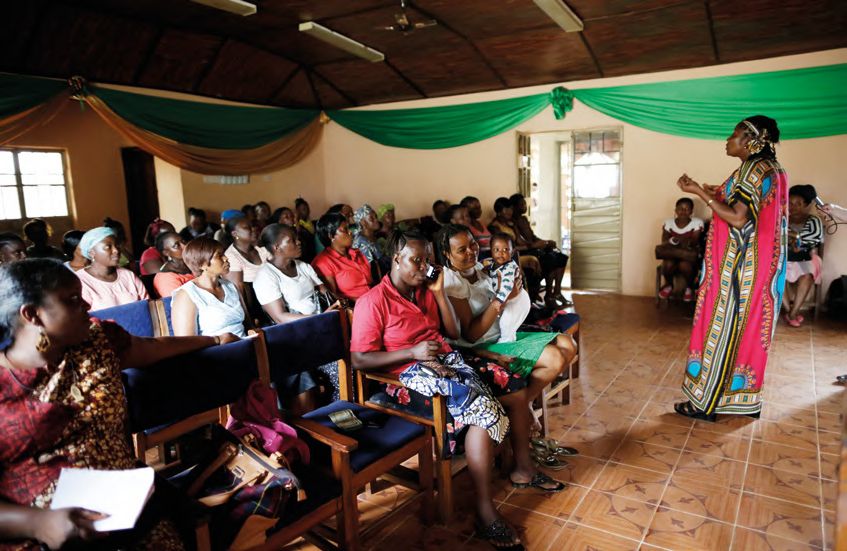
2 FLOURISHING CHURCHES, FLOURISHING COMMUNITIES, SIERRA LEONE

INTRODUCTION
       Tearfund is a Christian NGO that has supported church and community transformation (CCT) in 41 countries
       for more than 15 years as a tool for overcoming poverty sustainably and holistically.

       Tearfund understands poverty as the result of a social and structural legacy of broken relationships with God,
       a distorted understanding of self, unjust relationships between people, and exploitative relationships with
       the environment. These broken relationships not only affect individuals’ lives, decisions and actions, but also
       create broken systems, leading to problems such as power imbalances and corrupt governments. The aim of
       CCT is to envision local churches to mobilise communities and individuals to achieve ‘holistic transformation’,
       in which these broken relationships are restored and whereby people flourish physically, emotionally
       and spiritually. There are a variety of specific contextualised CCT processes around the world. In Africa, a
       predominant approach that is used is the church and community mobilisation process (CCMP).1

       In 2018 Tearfund commissioned Bath Social & Development Research Ltd to undertake a Qualitative Impact
                                                                    2
       Assessment Protocol (QuIP) study on CCMP in Sierra Leone. This followed the successful completion of a
                                       3
       similar study in Uganda in 2016. QuIP identifies significant drivers of change that contribute to well-being in
       a community. The methodology puts people’s voices at the centre, and enables an independent view on the
       change that has taken place within the participating CCMP communities.

       Tearfund has supported and promoted CCMP in Sierra Leone since 2008. This QuIP study focused on two
       partners, New Harvest Development Office (NEHADO) and Baptist Church of Sierra Leone (BCSL). Four
       communities were randomly selected for the study, and in-depth, semi-structured interviews with 48
       households and eight focus groups were conducted.

       The results provide clear evidence that CCMP is having a positive impact on individuals and communities.
       Some 43 per cent of households cited CCMP as a positive driver of change in their lives over the last three
       years. The outcomes mentioned most often related to changing perceptions surrounding how individuals and
       the church viewed their roles and responsibilities in the community. This had improved personal relationships,
       social connections, self-worth and confidence. It had also encouraged involvement in holistic ministry,4 which
       had led to the development of communal assets and resources.

       After the QuIP study, a follow-up review in Sierra Leone identified that the four communities in this
       study were still in the early stages of CCMP implementation and that improvements were required in the
       facilitation. The study was therefore premature, in hindsight. However, these initial results are encouraging
       and provide key areas for improvement moving forward.

       ‘When we did the “church awakening” part of CCMP, we began to understand the
       church’s holistic responsibility – physical, social, economic. We discussed these
       issues with the community, and it has brought two divided communities together.’
       Male, Ascension Town

   1   For more information:
       • CCMP Introductory booklet – https://learn.tearfund.org/en/resources/tools-and-guides/ccmp-in-africa
		     • Njoroge (2019) Church and community mobilisation process: Facilitator’s manual, available at
          https://learn.tearfund.org/en/resources/tools-and-guides/ccmp-facilitators-manual
		     • CCMP in Africa film – https://vimeo.com/423538846/b98c24ced6
  2    For more information on the QuIP approach, see http://bathsdr.org/about-the-quip
  3    See Flowers (2018) Flourishing churches, flourishing communities, available at https://learn.tearfund.org/-/media/learn/resources/reports/2018-
       tearfund-flourishing-churches-flourishing-communities-ccm-in-uganda-en.pdf
   4   Tearfund defines holistic mission as where a church or individuals endeavour to care for the whole person – materially, physically, emotionally,
       socially, economically and spiritually. This is also sometimes referred to as ‘integral mission’.

       FLOURISHING CHURCHES, FLOURISHING COMMUNITIES, SIERRA LEONE                                                                                        3
Key reflections
          Four main reflections can be drawn from the research findings:

      1   The Christian faith has an important role to play in improving well-being and resilience
          Poverty is not only an economic issue; it is multi-faceted and complex. Poverty also relates to the emotional
          and spiritual aspects of people’s lives, lowering self-esteem, robbing people of their dignity, provoking
          conflict and reducing mental and emotional well-being. Therefore, tackling the material aspects of poverty
          alone will only lead to a partial improvement of wellbeing. The church has an important role to play in
          tackling these aspects of poverty by communicating biblical truths about self-worth, empowerment and
          personal responsibility, and facilitating holistic personal and community development. Over 75 per cent of
          the households interviewed linked the Christian faith to positive outcomes, including hope for the future,
          living out their faith, increased self-worth and confidence, improved community relationships and reduced
          antisocial behaviour.

      2   The local church can facilitate effective change – but the process and facilitation play a
          key role
          Local churches are embedded in society and can play an effective role in their communities, inspiring positive
          behaviour change and facilitating holistic development. Tearfund aims to promote the theology of integral
          mission with local churches, which encourages living out the Christian faith to bring about both spiritual,
          social and physical transformation. This is achieved through a systematic process, CCMP, bringing the church
          and the community together to improve their situation and overcome poverty. However, the quality of
          facilitation, and the consistency of implementation by the church and community are key to the effectiveness
          of CCMP. The study identified a clear correlation between the quality of facilitation and the longevity of
          CCMP, and the number of positive outcomes attributed to the process.

      3   Economic constraints still matter, but CCMP can mitigate the full effect in some instances
          High rates of inflation and a lack of employment opportunities in Sierra Leone continue to have a significant
          negative impact on the well-being of households, particularly those in urban areas who lack agricultural land
          and are reliant on markets for their food. CCMP can mitigate against the full impact of economic poverty
          on well-being by improving personal and community relationships, building up self-worth and agency, and
          encouraging the acquisition of new skills and the diversification of livelihoods. However, a lack of financial
          resources still played a part and many households reported being motivated to carry out development
          activities in their communities but felt they lacked the financial resources to move forward. Households with
          a high wealth ranking reported nearly three times as many positive changes in their lives compared to those
          with a low wealth ranking.5

      4   The QuIP is an effective research tool, providing solid evidence of success, opportunities and
          challenges. However, appropriate sampling is vital.
          QuIP is an effective methodology for understanding the impact of CCMP. Both QuIP and CCMP aim to put
          people at the centre and seek to empower those involved. QuIP has allowed an exploration and identification
          of significant drivers and causes of change, both positive and negative, without being biased towards the
          intended results of the intervention. The research has enabled Tearfund and partners to understand the
          local contextual factors that are contributing to positive change in communities, as well as those that may
          be undermining the positive impact. However, a lack of reliable sampling information resulted in some of
          the data collection occurring in communities where CCMP was at an early stage or had not been effectively
          implemented at all. Although this affected the quality of the findings produced, it did offer important insights
          into the impact that facilitation quality and CCMP progress have on the scale of positive outcomes reported
          by households.

      5   The study used observational lifestyle and material possessions to categorise households as higher or lower wealth ranking. However, the field team
          reported that some of the ‘wealthy’ respondents identified did not consider themselves wealthy and there was not a clear difference between high
          and low wealth ranks.

4         FLOURISHING CHURCHES, FLOURISHING COMMUNITIES, SIERRA LEONE
BACKGROUND TO THE RESEARCH

                                                                               ‘CCMP has benefited my community a
                                                                               lot. We were so deprived before. CCMP
                                                                               has enlarged our knowledge; we have
                                                                               developed roads, and we didn’t wait for
                                                                               anyone, we did it ourselves. We were
                                                                               also having problems with water, so
                                                                               we dug wells and constructed them
                                                                               by ourselves. The church is now much
                                                                               closer to the community.’
                                                                               Mrs Memuna Koroma, interviewed for
                                                                               Tearfund’s West Africa church and community
                                                                               transformation (CCT) film in 2019

                                                                                    Photo: Joshua Eaves

		 Church and community mobilisation process (CCMP)
           Tearfund understands poverty theologically as ‘broken relationships with God, damaged understanding of self,
                                                                                                    6
           unjust relationships between people and exploitative relationships with the environment’.

           Tearfund aims to encourage the restoration of these relationships by supporting the church to live out integral
           mission. One of several tools that Tearfund uses to help the church do this is CCMP. The process acts as a
           catalyst for self-discovery by using participatory Bible studies and activities to awaken church leaders and
           their congregations to the biblical mandate for integral mission. CCMP then facilitates the church to work
           alongside the community to identify and address the community’s needs using their own local resources.

           CCMP is owned and led by the local church and community, and thus the outcomes it produces are organic
           and context-specific. This allows communities to develop in the ways they deem most important, leading
           to relevant, long-term change. However, the lack of traditional, clearly defined development objectives or
           beneficiary lists makes measuring the impact of CCMP difficult.

           Tearfund has collected a large amount of anecdotal evidence of the success of CCMP, which suggests that the
           local church can have a central role in establishing flourishing communities. To provide more robust evidence
           of the contribution of the local church to holistic change, Tearfund has commissioned research studies to build
           a better understanding of how CCMP helps to bring about positive change.7 To add to this body of evidence,
           Tearfund commissioned Qualitative Impact Assessment Protocol (QuIP) studies in Uganda in 2016, and Sierra
           Leone and Bolivia in 2018.

       6   Tearfund, Understanding Poverty, available at https://www.tearfund.org/-/media/learn/resources/tools-and-guides/2019-tearfund-understanding-
           poverty-en.pdf
       7   Other CCT impact reports are available at https://learn.tearfund.org/en/how-we-work/what-we-do/church-and-community

           FLOURISHING CHURCHES, FLOURISHING COMMUNITIES, SIERRA LEONE                                                                                    5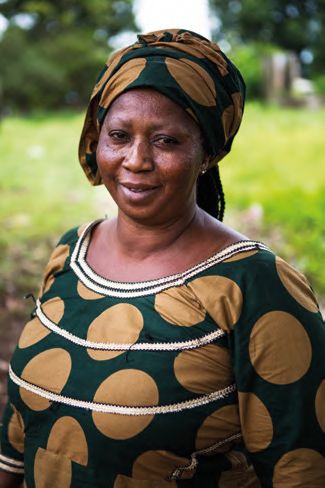
Diagram 1 The five stages of CCMP ‘I feel I can contribute to the well-being of the
community in the future because I love development
and want to see my community develop and grow.’
Female, 42, Kebbie Town
STAGE 1: AWAKENING
STAGE 4: ANALYSIS
THE CHURCH
Objective: The Objective: The church
church understands its and community
deeply understand STAGE 5: DECISION
biblical mandate for
holistic ministry and STAGE 2: CHURCH AND their situation and are
begins to apply it, and COMMUNITY DESCRIPTION motivated to transform Objective: The church
thus truly becomes it positively and and community make
‘salt and light’ in the NB: People are the best holistically. informed decisions that, if
community. experts regarding their implemented, will cause their
situation! STAGE 3: INFORMATION- situation to be transformed in
a holistic and God-honouring
Objective: People GATHERING manner.
‘read’ into their reality
and desire to transform Objective: The church and
it themselves, using the community have accurate
resources available. information that truly
describes their situation, ACTION
and when analysed, will
enable them to make
informed decisions.
STAGE 5: DECISION
Step 1: Facilitate church
and community to reach
informed decisions to
transform their situation
• desire to change – do we
STAGE 1: AWAKENING want to change or not,
THE CHURCH in the context of the
Step 1: Envision the baseline above?
church leadership and • vision for the desired
the local church future – what change do
we want to see in our
• leaders and the local situation?
church commit to
integral mission • priorities – where should
we begin?
• leaders select target
sites • goals – what shall we
STAGE 3: specifically aim to achieve
• leaders select
INFORMATION- STAGE 4: ANALYSIS in terms of targets?
facilitating teams STAGE 2: CHURCH
GATHERING • action plans – what
AND COMMUNITY Step 1: Facilitate church and
Step 2: Train the team on specifically should we do
DESCRIPTION Step 1: Facilitate church and community to analyse all
church awakening to achieve each target,
community to determine the information compiled –
• understanding integral and who should do
Step 1: Facilitate the the need for additional get them to become ‘angry’
mission what, when, using what
church to describe its information about their situation so they
• skills to conduct Bible resources?
situation will want to change it!
studies Step 2: Facilitate church and • indicators and monitoring
• facilitation skills Step 2: Facilitate the community to select teams Step 2: Facilitate the church systems – how will we
community to describe of information-gatherers to draw conclusions from know we are achieving
Step 3: Conduct Bible its situation the analysis – this will our targets/desired
studies with the church Step 3: Facilitate teams include identifying the most changes and what
Step 3: Facilitate the to gather and compile the feasible solutions to the methods shall we use to
Step 4: Facilitate the church and community to information emerging issues track the changes?
church to take action understand the general
(critical step: going out to situation they are in (they Step 4: Facilitate church and Step 3: Facilitate church Step 2: Church and
build relationships with may decide to work together community to validate the and community to write the community take action to
the community) to address it) information baseline from the analysis change their situation
Source: Tearfund (2017), Church and community mobilisation in Africa, ‘The five stages: church and community mobilisation step by step’. Illustration: vadimmmus/Adobestock & Vecteezy.com
6 FLOURISHING CHURCHES, FLOURISHING COMMUNITIES
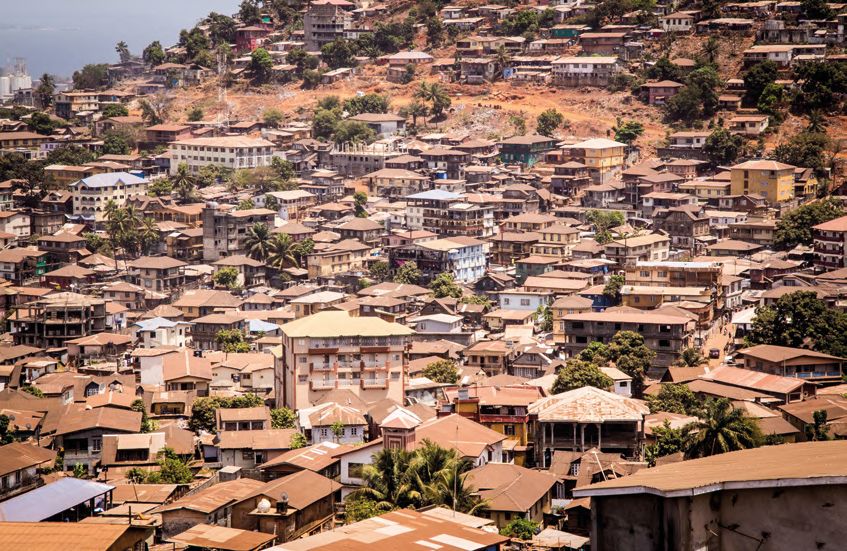
A view over Freetown, Sierra Leone. Photo: Layton Thompson/Tearfund

           ‘People do not want to depend on other people, but they do not know how to go
           about it. Once people are able to grasp the benefits of this thing, trust me, they will
           grab on to it!’
           CCMP facilitator, unblindfolding workshop, Kebbie Town

		 Sierra Leone context
           Since the civil war in Sierra Leone ended in 2002, the country has remained largely peaceful and is slowly
                                                                                                                       8
           rebuilding itself. However, it remained the ninth-poorest country in the world in 2019, according to the UN.
           During the three-year period covered by the QuIP study, Sierra Leone was recovering from the aftermath of an
           Ebola outbreak, which impacted the country between 2014 and 2015 and contributed to a 21.5 percent drop
                            9
           in GDP in 2015. In 2017 the Western Urban Area (Freetown) was also struck by a major flood and mudslide
           disaster, which left 1,141 people dead or missing and affected 6,000 individuals, destroying homes and
                        10
           possessions. In addition, high inflation and unemployment rates continue to have a significant impact on the
           well-being of the population, threatening long-term stability.

       8   United Nations Development Programme (2019).
       9   World Bank Group (2016).
      10   World Bank Group (2017).

           FLOURISHING CHURCHES, FLOURISHING COMMUNITIES, SIERRA LEONE                                                     7
METHODOLOGY
                The robust qualitative QuIP methodology puts people’s voices first
                and mitigates against pro-project bias by conducting ‘blindfolded’
                research – the local interviewers are given no knowledge of the                                           ‘The QuIP methodology
                NGO or the programme, and the participants do not know who                                                puts people’s voices
                commissioned the study. Semi-structured household interviews and                                          first while providing
                focus group discussions ask respondents about the broad changes
                                                                                                                          an independent and
                in their lives over the last three years rather than about the project
                specifically. These broad areas are based on Tearfund’s Light Wheel                                       robust review of a
                framework (see below).11                                                                                  programme’s impact.’

    Diagram 2   The Light Wheel

                                                                       SOCIAL                         PERSONAL
                                                                    CONNECTIONS                     RELATIONSHIPS

                                               LIVING                                                                             EMOTIONAL &
                                                FAITH                                                                           MENTAL WELL-BEING

                                                                                       THE                                                   PHYSICAL
                            CAPABILITIES
                                                                                      LIGHT                                                   HEALTH

                                                                                      WHEEL

                                 MATERIAL ASSETS                                                                                    PARTICIPATION
                                  & RESOURCES                                                                                        & INFLUENCE

                                                                                   ENVIRONMENTAL
                                                                                    STEWARDSHIP

                         INSTITUTIONS        LAW         ENVIRONMENT        SOCIETY      SERVICES      POLITICS     TECHNOLOGY        SECURITY      ECONOMY

                                                                                  CONTEXT

           11   For more information, see Tearfund (2016) The LIGHT Wheel toolkit: a tool for measuring holistic change, available at http://tearfund.org/lightwheel

8               FLOURISHING CHURCHES, FLOURISHING COMMUNITIES, SIERRA LEONE
Therefore, the approach relies on self-reported attribution to generate evidence of change and its causes,
rather than statistical inference. Analysis of the data was carried out by an independent researcher who coded
the data against agreed criteria.
The QuIP sample is not statistically representative of the wider population; findings cannot be extrapolated
across wider project target areas, nor is that the intention. The aim of a QuIP study is to conduct a ‘deep dive’
assessment with a purposefully selected group of people to understand to what extent they have experienced
change in different ‘domains’, and what has driven that change.
‘Unblindfolding’ workshop
Once the findings were released, an ‘unblindfolding’ workshop was organised in Sierra Leone. This workshop
brought together the lead researcher, Sierra Leone’s team of CCMP trainers and some CCMP facilitators
(including those whose communities had featured in the QuIP study) to discuss the findings and consider
recommendations for CCMP facilitation and implementation. The workshop attendees also visited field
sites to thank the participants, verify findings and give and receive feedback from the communities involved
in the study.
The format of the workshop was as follows:
Day one:
• The facilitators from the communities featured in the QuIP study shared their experiences of CCMP,
including the timeline of the process, the activities they had carried out, any activities that had been
missed or changed, the engagement of the church and community in the process, and what outcomes they
had experienced. This gave a clear context to the communities and an insight into the facilitation quality.
• The methodology of QuIP was shared, along with the reasons why it was ‘blindfolded’. The QuIP findings
for the communities were shared and the facilitators discussed why they believed these findings were the
case. This helped identify whether the negative drivers of change could have been avoided had the quality
of the CCMP facilitation been higher, or whether other external factors were at play.
Day two:
• The attendees from day one visited the communities that had participated in the QuIP review. Each
community gathered a group of those who had been interviewed during the QuIP and other CCMP
participants. Church and community members were then given space to share their experiences of CCMP
and the impact it had in their lives.
This learning report is produced from the QuIP initial analysis and the observations and evaluation by the
CCMP trainers and facilitators in Sierra Leone. The aim is to give a snapshot of CCMP in Sierra Leone and
provide clear recommendations for improvements to CCMP implementation across the region.
FLOURISHING CHURCHES, FLOURISHING COMMUNITIES, SIERRA LEONE 9THE FOUR SAMPLED COMMUNITIES
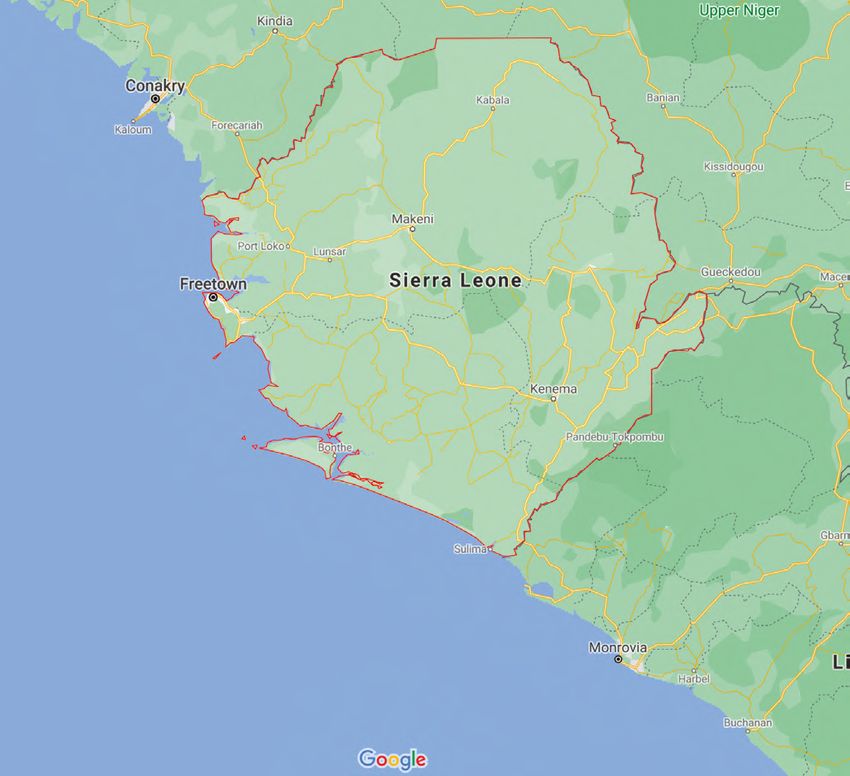
The research was carried out in four communities in Sierra Leone: Ascension Town (Western Urban Area
District), Grafton (Western Rural Area District), and Kebbie Town and Nikibu (Bo District).
Diagram 3 Map of Sierra Leone with Western Urban area district and Bo district highlighted in yellow
GUINEA
KOINADUGU
KAMBIA
BOMBALI
PORT LOKO
KONO
W/A URBAN TONKOLILI
W/A RURAL
KENEMA KAILAHUN
MOYAMBA BO
LIBERIA
BONTHE
PUJEHUN
Ascension Town, Grafton, Nikibu, Kebbie Town,
Western Urban Area Western Rural Area Bo District Bo District
Partner: BCSL Partner: NEHADO Partner: BCSL Partner: NEHADO
Setting: Urban Setting: Urban Setting: Rural Setting: Rural
Twelve in-depth, semi-structured interviews and two focus groups were conducted in each community. These
12
included participants of different genders, ages and wealth rankings.
12 To read the breakdown of interviews, see the full report at http://tearfund.org/quip
10 FLOURISHING CHURCHES, FLOURISHING COMMUNITIES, SIERRA LEONEThe unblindfolding workshop identified the following points regarding the participating communities:
13
Nikibu, Bo District Partner: BCSL Setting: Rural
• CCMP began in 2015 and by November 2018 had reached Stage 3 (but with the church members only).
• Some key activities were missed out, eg there was no vision statement.
• The church did not follow the recommended ‘community entry’ activities, which invite the wider
community to be involved and participate in the process. Instead, church members had tried informally
to rebuild fractured relationships gradually with the community. The process had stalled because the
Information Gathering Team (IGT) went to university.
Kebbie Town, Bo District Partner: NEHADO Setting: Rural
• CCMP started in 2014. The process had stalled since the Stage 1 Bible studies were completed.
• The pastor (facilitator) is the deputy of the denomination and travels regularly.
• There was no formal community entry facilitated; however, there were existing good relationships with
the community.
Ascension Town, Western Urban Area Partner: BCSL Setting: Urban
• CCMP started in 2015, and by November 2018 had reached Stage 3.
• Community entry and Stage 2 activities were facilitated with the church and community. However, the
church congregation alone comprised 300 people, so it was difficult to include everyone.
• The pastor (also the facilitator) applied principles learnt in the relationship-building activities to bring two
neighbouring communities together who had had long-standing disputes.
• There were long pauses in the process activities due to the elections and the rainy season.
14
Grafton, Western Rural Area Partner: NEHADO Setting: Urban
• The pastor (facilitator), who was trained in CCMP, was transferred to Grafton from January to September
2016. At that point there was no formal church congregation.
• The pastor discussed CCMP (particularly resource mobilisation) with two church members, but did not
facilitate any specific activities.
• The pastor used CCMP principles to mobilise a football team and work with the school.
• The new pastor, who was transferred into the church from September 2016, has not been trained in CCMP,
and no CCMP had taken place since his arrival.
13 Although Kebbie Town and Nikibu are characterised as rural here, they are not remote and are closely connected to Bo main town.
14 Although Grafton is in the Western Rural Area District, it is treated here as an urban setting. It is situated on the outskirts of Freetown, along a new
road that links Freetown to the provinces, and therefore has grown and urbanised over recent years.
FLOURISHING CHURCHES, FLOURISHING COMMUNITIES, SIERRA LEONE 11RESEARCH LIMITATIONS
Women at New Harvest Ministries International Church, Bo. Photo: Layton Thompson/Tearfund
There were three major criteria that the sampling strategy attempted to fulfil:
• Choose communities where CCMP was happening
• Interview households that had had some involvement in the process
• Interview households with both high and low wealth rankings.
Given the lack of local information provided prior to sampling and the blindfolded nature of the data
collection, this proved problematic.
Sampling
The data received by Tearfund’s country office in Sierra Leone suggested that each church had recently moved
into Stage 2. The unblindfolding workshop revealed that this was not the case.
At the time, no Tearfund staff member in Sierra Leone was trained in CCMP. Therefore, there was no scrutiny
given to the data provided for the sampling.
Blindfolding
Because no formal community entry had been carried out in three of the four communities, most community
members were not aware of CCMP. In addition, a small number of non-Christians were interviewed in three of
the four communities, which led to interviewees with no knowledge of CCMP being questioned.
To maximise the chances of interviewing households exposed to CCMP without revealing the nature of
the study, the local church leader was asked to generate a list of potential interviewees. However, the
interviewees visited were non-churchgoers who had little or no knowledge of CCMP. As such, it was deemed
necessary to partially unblindfold the lead field researcher, who was then told that the beneficiaries should be
members of the Christian faith. He was not told why, to ensure the focus on CCMP was not revealed.
12 FLOURISHING CHURCHES, FLOURISHING COMMUNITIES, SIERRA LEONEWealth ranking
Those tasked with identifying the richer and poorer zones of the community mainly used lifestyle and
material possessions, such as cars, clothing and home ownership, to make their judgement. However, the field
team reported that some of the ‘wealthy’ respondents identified did not consider themselves wealthy.
There was not a clear difference between high and low wealth ranks.
Limited explicit attribution to CCMP
Those involved with the process often do not know it as CCMP. Instead, they might refer to holistic ministry,
integral mission, Bible studies in the church, a specific activity or just the respective church.
This impacted the analyst’s ability to link outcomes explicitly with CCMP. Many of the implicit associations
were likely due to CCMP but could not always be verified.
FLOURISHING CHURCHES, FLOURISHING COMMUNITIES, SIERRA LEONE 13OVERALL CHANGE
Figure 1 Percentage of participant responses indicating whether change had taken place across a range of areas
over three years
Access to food
Cash income
Choice and control over income
Purchasing power
Household relationships
Community relationships
Overall well-being
0 10 20 30 40 50 60 70 80 90 100
Percent
Changed positively No change Changed negatively
‘Because of CCMP, people’s eyes are
now open. Before, we thought that we
cannot do things, but now we believe
that we can. We can now develop our
own community. Let’s not wait for the
government or for people coming from
abroad; let’s do it ourselves.’
Aiah Mac Momoh, interviewed for Tearfund’s
West Africa CCT film in 2019
Photo: Joshua Eaves
14 FLOURISHING CHURCHES, FLOURISHING COMMUNITIES, SIERRA LEONEParticipants interviewed were asked about seven areas: access to food; cash income; choice and control over
income; purchasing power; household relationships; community relationships and overall well-being. The
graph above highlights that the majority of people have experienced a negative change in assets over the
last three years; however, the majority also reported that their overall well-being had improved in the last
three years.
‘I have become involved in a very big
agricultural project this year because of
CCMP that means I will not have to beg
again. I am so happy to do this.’
Osman Kalokoh, interviewed for Tearfund’s West
Africa CCT film in 2019
Photo: Joshua Eaves
‘Ninety-six per cent of
OVERALL FINDINGS
interviewees said their
Positive change hope for the future has
• Some 96 per cent of interviewees said their hope for improved over the last
the future had improved. three years.’
• Over 40 per cent of households reported that their
wellbeing had improved.
• Some 86 per cent linked the Christian faith to positive change, including hope in the future,
increased self-worth and improved community relationships.
• Tearfund partners were mentioned as key agents of change more than any other actor.
Negative change
• Some 79 per cent said that the amount and quality of their material assets or resources had
reduced over the last three years.
• Some 71 per cent cited the worsening national economic situation, unemployment, high
inflation and increased food and commodity prices as a driver for this.
• Some 68 per cent expressed a sense of ‘stuckness’ and disempowerment.
FLOURISHING CHURCHES, FLOURISHING COMMUNITIES, SIERRA LEONE 15POSITIVE DRIVERS OF CHANGE
The study found the most frequently cited positive drivers of change could be grouped into four main
categories: faith, capabilities, relationships and assets/resources.
Faith
In nearly all cases, personal religious faith was cited as an important driver of positive change. This
mainly referred to actively pursuing the Christian faith, but also to the Muslim faith for a small number
of respondents. Alongside this personal faith, CCMP and holistic ministry were also regularly linked to
a host of positive outcomes. Interviewees discussed how Bible studies had inspired them to adopt a
lifestyle centred on love and forgiveness. This had often led to improved relationships at home and with
neighbours, and the cessation of antisocial behaviour. Respondents also reported an improvement in
their self-esteem, confidence and belief that they could initiate change, which in turn increased their
overall well-being and hope in the future. These are all themes that are explicitly discussed in CCMP.
‘My well-being is better now; I now relate well with people. My family is happy, and
we are now learning new skills. I think I have a better chance now than before, as
my ability is now better than before. All of these things are happening because of
Christianity and the church to which I belong.’
Male, 32, Kebbie Town
Figure 2 Outcomes of having a Christian faith – respondent count
Improved overall
Improved well-being
spiritual 4%
well-being
Improved 5% Community-
self-worth/confidence 5% mindedness
Taking on 10%
positions of
responsibility
4% 3%
Improved community Believer ‘living out Emotional
relationships their faith’ resilience
10% 15%
Personal
relationships 3%
improved
4%
Empowerment/
Anti social agency to create
behaviour change
Hope in the future reduced
16% 7%
Holistic 5%
ministry
Changed
perceptions 3% 6% Interfaith
collaboration/tolerance
16 FLOURISHING CHURCHES, FLOURISHING COMMUNITIES, SIERRA LEONECapabilities
Half of those interviewed deemed improving household capabilities through education and training a
significant positive driver of change, especially childhood education and practical adult training. Many
respondents said CCMP or their Christian faith had encouraged them to access education, gain skills or trial
new income-generating activities. These activities were often linked to outcomes such as improved self-
esteem, raised confidence, increased material assets and food consumption, livelihood resilience, a sense of
empowerment and hope for the future.
‘I can say our ability to earn cash as a household has changed in the last three years.
Before, I only depended on my husband, but now I also contribute through the
proceeds from my business.’
Female, 32, Ascension Town
‘My wife is engaged in the vocational institute to learn to tailor, and I am also at
the school of theology. When we come out of the learning institutes, things will be
different.’
Male, 32, Kebbie Town
‘The Bible studies taught me to share
and do good to my neighbours. I learnt
that it is necessary to be together as
one family – how to behave towards one
another, not just with church members,
but for the church and community to
mingle together. This enables us to do
greater things in the community.’
Fatmata A. Kamara, interviewed for Tearfund’s
West Africa CCT film in 2019
Photo: Joshua Eaves
FLOURISHING CHURCHES, FLOURISHING COMMUNITIES, SIERRA LEONE 17Relationships
Improving community relationships led to a sense of empowerment, a willingness to work across social
boundaries and, in a small number of cases, the ability to express opinions more confidently. It was also linked
to improving personal relationships, increased access to communal assets/resources, and hope in the future.
‘There is an improvement in community relationships. People used to disagree a lot
on so many things, but now they communicate.’
Female, 48, Nikibu
‘In the future, CCMP will really help people to live as one. If there is a problem for
one, it is a problem for everyone, if there is joy for one, there is joy for everyone. In
the past, people would just isolate themselves, now people have concern for one
another.’
Mrs Memuna Koroma, interviewed for Tearfund’s West Africa CCT film in 2019
External investment and development initiatives
An increase in financial resources was a positive driver of change for many households, with over 60 per cent
reporting the benefits of external investment in the community. Some 37 external organisations were
named, including NGOs, the government and private businesses. These had delivered a variety of community
improvements, such as building water tanks and toilets, donating tools and seeds, offering vocational training
and building a health centre.
The study found that CCMP enabled resource mobilisation and community ownership. In the unblindfolding
workshops, one CCMP facilitator suggested that CCMP could encourage self-reflection and mobilisation,
which could improve the outcomes of external investment by NGOs.
‘CCMP will help communities to initiate and own the projects. They will then
recognise issues, prioritise, mobilise resources and fix what needs to be fixed.
So when an NGO goes to the community, the community is ready with their list
of what they need and are empowered to make the NGO fit with their plans.’
Pastor Francis Jabba, CCMP facilitator in Kebbie Town, interviewed during the QuIP unblindfolding
workshop
18 FLOURISHING CHURCHES, FLOURISHING COMMUNITIES, SIERRA LEONENEGATIVE DRIVERS OF CHANGE
The study identified a range of negative drivers of change that were affecting households in the four sampled
communities.
Figure 3 Most frequently cited negative drivers of change
Worsened national economic situation
Lack of awareness of community resources
Unemployment
Community tensions
Exploitative relationships
Fragmented community
Lack of assets and resources
Ill health/disability
High cost of schooling
Poor education level
0 10 20 30 40 50 60 70 80
Respondent count per cent
Lack of assets/resources
The most frequently cited negative driver of change was a lack of assets and resources. The worsening
national economic situation was discussed by over 70 per cent of households, affecting respondents in
all communities and those with both high and low wealth rankings. High rates of inflation were cited
as having a significant effect on the cost of food and commodities. This was most notably felt in urban
areas, where most interviewees had no access to agricultural land and relied on the market for food.
Given the importance placed on childhood education by many households, the high cost of schooling
was also of concern, alongside a general lack of access to assets and resources deemed necessary for
development.
In nearly half of all households, particularly those in Ascension Town, men and respondents with a
high wealth ranking recognised that a lack of employment, income or financial resources had reduced
their capacity to provide for their family’s needs or to complete development plans over the last three
years. Unemployment, sporadic work and low salaries were experienced widely across the sample
communities, and in a small number of cases the loss of income had caused family breakdown.
Many respondents engaged in petty trading as a way to survive, but this was generally out of
desperation and only produced low levels of income. The Ebola outbreak had impacted a small number
of families through job losses or the death of family members. A lack of land to engage in agriculture,
either due to urban living or because land had been taken back by landlords to sell as building plots,
reduced households’ ability to provide for themselves.
FLOURISHING CHURCHES, FLOURISHING COMMUNITIES, SIERRA LEONE 19‘We only earn money from petty trading, although we receive very little from
trading because the number of petty traders has increased… My husband used to
do carpentry but he stopped because there are no buyers for the furniture.’
Female focus group member, Ascension Town
Relationship breakdown
Despite many respondents citing improved community relationships, there were also references to relationship
breakdown – in particular, a growing individualism, a sense of exploitation and the fragmentation of
communities. Grafton (where CCMP was not implemented) had the most references to negative relationships
and fragmented communities. Exploitative relationships were most often cited by women, those in an urban
context and individuals with a low wealth ranking, with Grafton having the highest number of responses.
‘There have been some changes, but people only care about their own affairs
because lack of trust still exists.’
Male, 57, Grafton
Lack of capabilities, participation and influence
CCMP helps individuals and communities understand their God-given value and skills, empowering them to
advocate for and create change. Though there was evidence to suggest that CCMP had inspired the desired
changes in some interviewees’ levels of self-belief, participation and influence, nearly half of the households
sampled mentioned a lack of community resources, power or agency. A considerable number of households
reported feeling inspired to develop their communities but also felt they lacked the necessary financial
resources or technical knowledge to do so. However, many felt that they were not listened to and had no
influence over community decisions. Lack of access to education, training and resources meant that many did
not feel able to influence change in their community. Illiteracy and poor education were also mentioned as an
obstacle to gaining employment and improving their community.
‘Most people, including myself, always feel left out and marginalised when issues
are raised in the community. Our voices are not heard! “Poor man nor get voice”
[Meaning: A poor man has no say].’
Female, 47, Ascension Town
‘I have not been able to improve myself; I could not go back to school or acquire
new knowledge or even skills training.’
Male, age unknown, Ascension Town
20 FLOURISHING CHURCHES, FLOURISHING COMMUNITIES, SIERRA LEONEIll health
Poor health or the disability of a family member had had a negative impact on nearly a quarter of interviewees
over the last three years, reducing their ability to provide financially for the household. The majority of
responses were from rural communities and covered a wide variety of issues, such as blindness, accidents,
caring for relatives in hospital or the death of the family breadwinner.
‘My wife has been sick since last year. Because of that I am psychologically
traumatised. She was also involved in an accident that hospitalised her for three
months before this current illness. One of my children should have entered college,
but that didn’t happen because I couldn’t afford to pay.’
Male, 58, Nikibu
Freetown, Sierra Leone. Photo: Michael Duff/Tearfund
FLOURISHING CHURCHES, FLOURISHING COMMUNITIES, SIERRA LEONE 21COMMUNITY-SPECIFIC FINDINGS
BO DISTRICT Kebbie Town
Top 3 cited drivers of change Top 3 cited outcomes
93% Having a Christian Faith 52% Holistic ministry
86% CCMP 52% Hope in the future
No awareness of Believer ‘living out
71% 48%
community resources their faith’
Figure 4 Kebbie Town pathway of change from cited driver – ‘CCMP’
Believer ‘living 8x
Awareness raising
out their faith’ campaign –
3x CCMP equality, women
and child rights
Diversification
of livelihoods
2x Changed
perceptions –
24x
tolerance and
equality
Improved 5x
physical Improved
health quality and Membership
4x
access to Faith groups putting of a Savings
resources 13x faith into action group
6x 3x 2x
Access to Community Improved
Disaster
higher quality mindedness – caring spiritual
resilience
education for others, sharing wellbeing
and working together
Improved Interfaith People empowered
external collaboration to think and act
relationships themselves
Willingness to Improved Hope for
express opinions/ community the future
speak out relationships
22 FLOURISHING CHURCHES, FLOURISHING COMMUNITIES, SIERRA LEONEKEY FINDINGS – KEBBIE TOWN
• Kebbie Town had the highest number of positive responses overall.
• CCMP was linked to a new appreciation of how local resources can be utilised by the
community, leading to the construction of a well, church, school, vocational institute and
road, and the provision of loans for food to people living in poverty. This was then linked to
increased employment, improved confidence, reduced antisocial behaviour and improved
community relationships.
• The main external inputs were provided by Women of Grace Foundation (delivering women’s
vocational training); Unicef (constructing a well); SALWACO (a government water project);
and government support for Farmers Base Organisations (FBOs).
• The most common negative outcomes reported were a sense of ‘stuckness’/disempowerment,
worsening overall well-being and an increase in the cost of living/percentage of income spent
on food.
• Some 71 per cent cited a lack of awareness of community resources/power/agency as a
negative driver of change. Ill health, lack of employment and the worsening national economic
situation were also significant in respondents’ lives.
‘It has helped us a lot, especially to take ownership. It broke the dependency.’
Pastor Francis Jabba, Kebbie Town
FLOURISHING CHURCHES, FLOURISHING COMMUNITIES, SIERRA LEONE 23
BO DISTRICT Nikibu
Top 4 cited drivers of change Top 3 cited outcomes
93% Having a Christian Faith 54% Holistic ministry
Diversification
71% 46% Hope in the future
of livelihoods
Believer ‘living out
71% Community mindedness 44%
their faith’
National economic
71%
situation worsened
‘The church had teachers, nurses, carpenters… We had human resources that we
had never realised before. We put our talents together and we achieved a lot.’
Nikibu church member, participant in an unblindfolding workshop
Figure 5 Nikubu pathway of change from most cited driver – ‘Having a Christian faith’
4x
Believer ‘living 8x Having a
out their faith’ Christian faith 4x Access to
higher quality
education
4x
Improved self-worth
and confidence 4x
Taking on positions of
community responsibility
5x 2x
Improved
overall
wellbeing Hope for the future Improved spiritual
wellbeing
People empowered to think
and act themselves
Improved quality and
access to resources
24 FLOURISHING CHURCHES, FLOURISHING COMMUNITIES, SIERRA LEONEKEY FINDINGS – NIKIBU
• 43 per cent saw CCMP and/or the partner church as a positive driver of change.
• The main outcomes linked to CCMP were the construction of a church and a school, and the
provision of education scholarships for less privileged children in the community.
• The main external inputs were provided by the Latter-day Saints (installing water hand pumps
and toilets and giving gifts to children); BRAC (an agricultural programme providing tools
and seeds); Welthungerhilfe (delivering women’s vocational training); Jonathan Childcare
Centre (running an orphanage); World Vision (setting up savings groups); and the Sierra Leone
government (subsidising schooling and constructing water tanks).
• Respondents also reported that awareness-raising concerning self-development had taken
place, village savings groups (called osusu) had been formed and community relationships had
improved, with people feeling empowered to express their opinions.
• Half of the respondents cited individualism as a significant negative driver of change.
• Other negative outcomes reported were a reduction in the amount/quality of material assets/
resources, a sense of ‘stuckness’/disempowerment and the rising cost of living/percentage of
income spent on food.
‘We have NGOs and other external actors, but it can make us feel more dependent,
not independent. We desire to be transformed, not to just sit and wait.’
Nikibu church member, participant in an unblindfolding workshop
FLOURISHING CHURCHES, FLOURISHING COMMUNITIES, SIERRA LEONE 25
WESTERN URBAN AREA Ascension Town
Top 3 cited drivers of change Top 3 cited outcomes
86% External investment 63% Reduction in amount/
in community quality of material
assets/resources
National economic
86%
situation worsened 48% Hope for the future
64% Having a Christian faith Improved quality/access
42%
to communal resources
‘Previously the two communities had a bad relationship, but the CCMP mapping
helped us realise why this was, and it brought people together. It brought peace.’
Male, Ascension Town
Figure 6 Ascension Town pathway of change from most cited driver – ‘External investment in community’
Investment in Awareness raising
disaster mitigation
External investment 3x campaign –
activities in community equality, women
and child rights
16x
Changed perceptions –
Improved quality and tolerance and equality
access to resources Improved
quality and access
to communal
2x resources
Willingness to express
12x opinions/speak out
Access to higher Improved Hope for
quality education physical health the future
26 FLOURISHING CHURCHES, FLOURISHING COMMUNITIES, SIERRA LEONEKEY FINDINGS – ASCENSION TOWN
• Some 36 per cent considered CCMP a positive driver of change.
• The most frequently mentioned positive outcomes in Ascension Town were hope in the future,
improved quality of/access to communal assets/resources, and improved physical health.
• The main outcomes linked to CCMP were improved community relationships, better working
across social boundaries, reduced antisocial behaviour, and increased interfaith tolerance and
understanding. BCSL was also specifically named as having cared for flood victims, providing
food, clothing, school materials and scholarships, and offering counselling to those affected.
• A considerable amount of external investment was mentioned in Ascension Town. The main
external inputs were provided by Concern Worldwide (building a health centre, toilets and
water tanks); GOAL Sierra Leone (providing information to the community on teenage
pregnancy and children’s rights); the Sierra Leone government (supplying water tanks);
Save the Children (building a library); Plan International (constructing drainage); and a local
Christian group (building water hand pumps).
• Some 64 per cent mentioned a lack of employment, income or financial resources as a
negative driver of change.
• The most frequently mentioned negative outcomes were a reduction in the amount/quality of
material assets/resources, the rising cost of living/percentage of income spent on food, and a
sense of ‘stuckness’/disempowerment.
FLOURISHING CHURCHES, FLOURISHING COMMUNITIES, SIERRA LEONE 27
WESTERN URBAN AREA Grafton
Top 3 cited drivers of change Top 3 cited outcomes
93% Having a Christian faith 63% Reduction in amount/
quality of material
National economic assets/resources
71%
situation worsened
50% Hope for the future
57% Diversification
of livelihoods Improved community
40%
relationships
‘Being a Christian helps to guide me and [helps me] relate peacefully with people
– loving and forgiving more, relating well with people in my household and
community. There has been a change in the different faith groups spiritually; they
work together, especially when it comes to development issues in the community.’
Male, 55, Grafton
Figure 7 Grafton pathway of change from most cited driver – ‘Having a Christian faith’
Diversification Changed perceptions –
of livelihoods tolerance and equality
Having a
Believer ‘living
out their faith’ Christian faith
3x Faith groups
putting faith
into action
Taking on 3x
positions of 2x
community Community
4x
2x Interfaith responsibility mindedness – caring
collaboration for others, sharing
and working together
Improved self-worth 2x
and confidence
Reduced
anti social Disaster
behaviour Working together
across social resilience
4x boundaries/inclusion
Improved Improved community Hope for Improved quality Improved
personal relationships the future and access to overall
relationships communal resources wellbeing
28 FLOURISHING CHURCHES, FLOURISHING COMMUNITIES, SIERRA LEONEKEY FINDINGS – GRAFTON
• The most frequently mentioned positive outcomes in Grafton were hope in the future,
improved community relationships and increased self-worth and confidence.
• Other key positive drivers of change were a diversification of livelihood activities and the
acquisition of education or training.
• There were no explicit mentions of CCMP or the Tearfund partner church. This is unsurprising,
given that we now know CCMP was not implemented in the church or community. Despite
this, a commitment to the Christian faith was linked to a range of positive outcomes, including
reduced antisocial behaviour and exploitative relationships; changed perceptions; tolerance
and love for others in the community; interfaith collaboration; and community awareness-
raising for peace.
• Some 43 per cent cited external investment in the community as a positive driver of change.
• A host of actors provided external inputs, including the World Food Programme (supplying
food and commodities to people living in poverty); Jesus is Lord Ministries (supporting
widows with food); the Cotton Tree Foundation (supplying school materials and education
scholarships); the Red Cross (providing humanitarian aid during the Ebola crisis); FORUT
(providing vocational training); Handicap International (training young people in metalwork);
and the Tamaraneh Agricultural Organisation (engaging young people in vegetable farming).
• Over 50 per cent cited exploitative relationships and/or a fragmented community as a
negative driver of change.
• The most common negative outcomes reported were a reduction in the amount/quality
of material assets/resources, worsening overall well-being, a sense of ‘stuckness’/
disempowerment, and reliance on others for change.
FLOURISHING CHURCHES, FLOURISHING COMMUNITIES, SIERRA LEONE 29You can also read


