Game Tracks - ISSUE 23- 2018 - Department of Primary Industries, Parks, Water and ...
←
→
Page content transcription
If your browser does not render page correctly, please read the page content below
Game Tracks

ISSUE 23- 2018

Department of Primary Industries, Parks, Water and Environment
Wildlife Management Branch
Bettinsoli Evo Series
    Silver/Black/Colour Cased Hardened
                        28” or 30” Barrels
          5 Thin Wall Chokes 1” Extended
                  3.5” Magnum Chamber
                   Steel Shot Proofed .
                       Right or Left-hand
                          5 Year Warranty
                       Negrini Hard Case

        Available from your local dealer.
    www.sjstradingco.com.au

2
Contents
 About Game Tracks                                          Contents                        .......... 3
 Purpose of Game Tracks                                     About Game Tracks               .......... 3
To keep landholders, hunters and other stakeholders
informed on issues relating to wildlife management and      Message from the Minister .......... 4
control in Tasmania.
To promote and facilitate ethical, responsible and humane   Open Seasons                    .......... 5
hunting and harvesting practices that are consistent with
State and Federal wildlife management and conservation      General Regulations             .......... 6
programs.

 Published by                                               Fallow Deer                     .......... 8
Wildlife Management Branch                                  Deer Management                 .......... 11
Department of Primary Industries, Parks, Water and
Environment                                                 Wallaby                         .......... 14
GPO Box 44, Hobart, Tasmania, 7001
(03) 6777 2084                                              1080 Poison                     .......... 15
 Advertising and Production                                 Wild Duck                       .......... 16
Stevens Publishing Pty Ltd
PO Box 7504 Launceston 7250                                 Waterfowl Identification Test......... 19
Phone 0418 129 949
 Publication and Distribution                               Plastic in Ducks Research       .......... 20
Game Tracks is an annual publication with a print           Brown Quail                     .......... 21
run of 14,000, which is provided free of charge
to Tasmanian Game Licence holders and rural
landholders.                                                Ringneck Pheasant               .......... 23
To be placed on the mailing list, please forward
relevant details to wildlife.reception@dpipwe.tas.
                                                            Muttonbird                      .......... 24
gov.au. Extra copies are available from the Wildlife
Management Branch or Service Tasmania.                      Wombat Mange                    .......... 26
 Disclaimer                                                 Crime Stoppers                  .......... 28
The material and information contained in Game Tracks
is intended as a guide only. Whilst every care has been     Firearm Storage                 .......... 30
taken to ensure the accuracy of such material and
information at the time of printing, the Department         Hunting on Public Land          .......... 31
of Primary Industries, Parks, Water and Environment
(DPIPWE) does not guarantee this publication is without     Ranger News                     .......... 32
error.
The Crown in right of the State of Tasmania disclaims any   Wildlife Management Branch
liability for any loss or damage which may arise from any
reliance upon any material or information contained in      Changes                         .......... 33
this publication.
Products advertised in Game Tracks are not necessarily      Offender File                   .......... 36
endorsed by the Department of Primary Industries,
Parks, Water and Environment or any other agency of         Organisation Contacts           .......... 38
the Crown. Readers rely upon material and information
contained in such advertisements at their own risk.
                                                            Contacts                        .......... 39
                                                                                                            3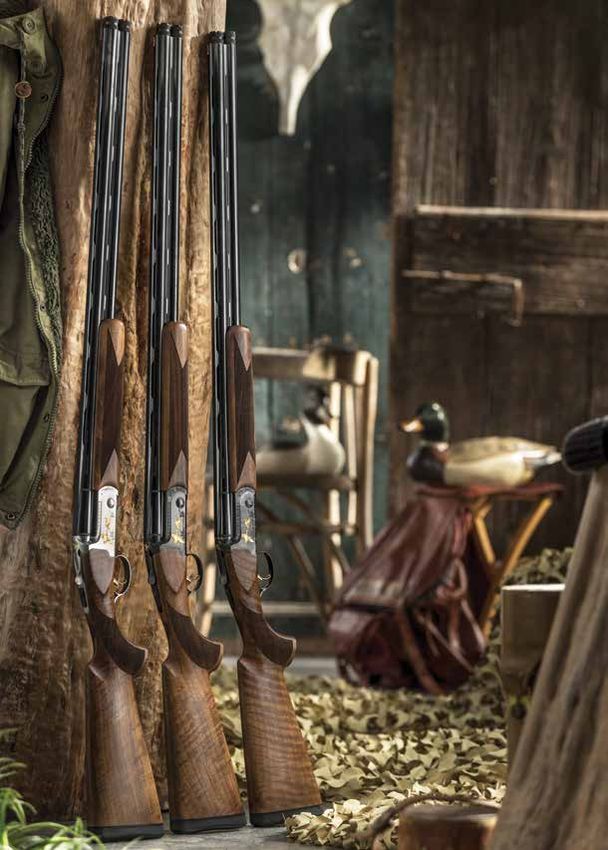
Message from the Minister
    As Minister for Primary Industries and Water,    control deer
    I am pleased to welcome you to the 2018          in sensitive
    edition of Game Tracks.                          areas
    The Hodgman Liberal Government values            outside the
    and supports hunting as an important             core range,
    traditional recreation in Tasmania. We also      such as the
    recognise the important role that hunters and    Tasmanian
    farmers together play in ensuring the balanced   Wilderness
    and sustainable management of Tasmanian          World
    game and wildlife.                               Heritage
                                                     Area, where
    The past year has seen several Government
                                                     their presence needs to be carefully managed.
    initiatives continue to be implemented,
                                                     A complete copy of the Government’s
    including improvements to the crop
                                                     response to the deer inquiry is available from
    protection permit system for browsing
                                                     the Department of Primary Industries, Parks,
    animals involving extension of permit length
                                                     Water and Environment (DPIPWE) website.
    to five years, combined wallaby and possum
    permits, and a single male deer permit.          I acknowledge the valuable assistance that
                                                     hunters and landholders provide to DPIPWE
    I was pleased to meet with many groups and
                                                     and Tasmania Police through Crime Stoppers
    individuals around the state following the
                                                     to control illegal activity and to deliver safe
    release of the report from the Legislative
                                                     game management. I encourage all hunters,
    Council inquiry into the wild fallow deer
                                                     landowners and other members of the
    population in Tasmania. There are different
                                                     community to use the anonymous Crime
    and diverse views in the community about
                                                     Stoppers service to report any suspicious or
    deer. The Government listened. As a result
                                                     unusual behaviour by ringing 1800 333 000.
    of the feedback from hunters, farmers and
    landholders, we are making some sensible         I wish you successful and safe hunting and
    improvements to positively reset our deer        trust that you will enjoy this issue of Game
    management and ensure a balanced approach        Tracks.
    for the future.                                  Jeremy Rockliff
    For example, the Government is committed         Minister for Primary Industries and Water
    to working with stakeholders through a
    new Tasmanian Game Council to clearly
    articulate modern Quality Deer Management
                                                           OCK JAW TOURS
    (QDM) in Tasmania, and advise on hunting,
    browsing animal and deer farming matters.             R
    With a primary industries focus, and by
    working closely with hunters, landholders, and
                                                           Flinders Island
    farmers, the dedicated team of staff in the          Hunting & Fishing
    new Game Services Tasmania will support                    Tours
    quality deer management and other game,
    as a hunting resource and to support all the          Chris (Rockjaw) Rhodes
    wildlife management needs of landowners.                    Mobile: 0427 596 506
    Importantly, a new comprehensive state-wide
    census of wild fallow deer will assist in the
    development of QDM and deer management
    strategies. The Government is also looking           email: chris_rhodes@bigpond.com
    to work with landholders and hunters to               web: www.rockjawtours.com.au
4
Open Seasons 2018
 Who needs a recreational game licence?        Open Seasons and Licence Fees.
Any person wishing to recreationally hunt
deer, wild duck, muttonbird, wallaby, brown    Adult Male Fallow Deer
quail or pheasant during the gazetted open     24 February – 1 April 2018                  $69.75
seasons in Tasmania will require a Game        (NB: this price includes antlerless deer)
Licence.
                                               Antlerless Fallow Deer
 Purchasing a Recreational Game Licence
                                               10 March – 1 April 2018
Hunters can purchase Game Licences for
one or more game species at the same           12 May – 1 July 2018
time, or individually as required from 1
February each year.
                                               Wild Duck
 There are three ways to apply for a
 Game Licence:                                 10 March – 11 June 2018                     $31.00

1. in person at any ServiceTasmania shop
                                               Muttonbird
2. complete an application form and post
this with your cheque or money order to:       31 March – 15 April 2018                    $31.00
The Wildlife Management Branch
Department of Primary Industries, Parks,       Wallaby
Water, and Environment
                                               26 February 2018 – 24 February 2019 $31.00
GPO Box 44
HOBART TAS 7001
                                               Brown Quail
3. apply online via the DPIPWE website
above.                                         12 May – 24 June 2018                       $31.00
A 20 per cent discount on the cost of a
licence is available to holders of a current   Ringneck Pheasant
Pensioner Concession Card, a Health
Care Card (or for beneficiaries and/or         9 June – 10 June 2018 		                    $15.50
dependents named on the Card) or a
Tasmanian Seniors Card.
                                               NOTE: Season dates for the following year
For further assistance, please contact the     are available from the DPIPWE website once
Wildlife Management Branch                     finalised by December: www.dpipwe.tas.gov.
on (03) 6165 4305.                             au/wildlife-management/management-of-
                                               wildlife/recreational-game-licences.

 NEW NORFOLK GUN and FISHING SHOP
      Now with all your fishing and firearms needs.
    Large range of fishing gear, lures, tackle, lines, nets, waders,
              gun safes, ammunition and accessories.
                     41 HIGH ST, NEW NORFOLK Ph: 6261 3444
                            www.newnorfolkgunshop.com
                                                                                                    5
Open Seasons 2018
     Firearms Licence                                 ServiceTasmania and tags have been issued.
                                                      However, if a deer licence is purchased
    A current Firearms Licence is required when       through the mail or the internet, hunting
    purchasing a Game Licence where a firearm         cannot commence until you have received the
    is to be used for hunting unless an exemption     licence card and deer tags. If the licence card
    is provided under the Firearms Act 1996 and       is not received within ten working days, please
    the Wildlife (General) Regulations 2010.          contact the Wildlife Management Branch.
    Persons aged between 14 and 18 years               Lost or Damaged Licence Cards and Tags
    are required to hold a current Tasmanian
    Minor’s (Firearms) Permit. For information        To replace a lost or damaged licence card,
    on international visitor permits and other        please forward a recreational game licence
    exemptions please contact the Tasmania            application form with the replacement option
    Police Firearms Services by telephone on (03)     selected.
    6173 2720.                                        To replace lost or damaged deer tags, please
     Renewals                                         contact the Wildlife Management Branch. A
                                                      statutory declaration is required.
    Prior to the open seasons each year, renewal
    application forms are posted to hunters who        Seasonal Take (Harvest) Returns
    held a Recreational Game Licence during           Once the game seasons have closed for
    the previous year and have provided their         species other than wallaby, the Wildlife
    seasonal take return (harvest) information.       Management Branch will write to Game
     New Applicants                                   Licence holders requesting information on
                                                      their hunting activity.
    New licence applicants (or previous licence       This information is required annually from
    holders that did not submit seasonal take         hunters and is used to ensure the sustainable
    information) must complete a licence              management of Tasmania’s game species
    application form which is available from          and forms the basis of the season reports
    ServiceTasmania shops, via the DPIPWE             provided in this publication.
    website above, or by contacting the Wildlife
    Management Branch on (03) 6165 4305.              Licence holders that provide their take
                                                      information are automatically sent a licence
    When applying for a Game Licence, applicants      renewal application for the following game
    must advise of any offence under the Nature       season.
    Conservation Act 2002, Animal Welfare Act
    1993, Firearms Act 1996, National Parks and       Take information is required in written form.
    Reserves Management Act 2002, Threatened          If, for any reason, a game licence holder does
    Species Protection Act 1995; or regulations       not receive their take return form, this can be
    made under any of those Acts within the           completed at any ServiceTasmania Shop.
    period of 5 years immediately preceding the        General Regulations
    day on which the application is made.
                                                      There are a number of regulations applicable
     Plastic Recreational Game Licence Card           to all species subject to an open season.
    When a Game Licence is purchased, an              Some important ones are listed below:
    interim licence receipt is issued and a plastic   Hunting at night is prohibited (‘night’ means
    licence card is posted within ten working days.   the period between one hour after sunset
    This interim receipt may be used as a             and one hour before sunrise).
    temporary licence to hunt all species             The use of baits, live decoys, traps, snares,
    for which you have purchased a licence,           spears, bows and arrows, explosives, poison,
    including deer if purchased in person at
6
General Regulations
bird lime and chemical compounds is                 by decapitation or by a heavy blow to the
prohibited.                                         skull.
Solid jacketed military ammunition is               For further information, please contact the
prohibited.                                         Wildlife Management Branch on (03) 6165
The use of dogs to catch, kill or injure wildlife   4305, or email: wildlife.reception@dpipwe.tas.
is prohibited.                                      gov.au.
The laws that govern hunting in Tasmania can         Other Species
be viewed at http://www.thelaw.tas.gov.au.
Search for the Wildlife (General) Regulations        Rabbits
2010.                                               Rabbits are classified as vermin under the
 Use of Hunting Dogs                                Vermin Control Act 2000 and may be hunted
                                                    at any time on Crown land, State forest and
Hunting dogs may only be used during                on private land with the permission of the
daylight hours to flush out quarry from bush        landholder.
cover for accurate shooting at close range;
                                                    There is no bag limit and rabbits are normally
and to locate and retrieve shot or wounded
                                                    taken with shotguns and rim-fire rifles,
quarry to be humanely dispatched.
                                                    although any non-prohibited firearm may be
For health and welfare reasons, hunting dogs        used.
should be kept muzzled to avoid the risk
of them eating carcasses and transmitting            Hares
diseases.                                           While not classified as vermin, hares can be
Hunters are reminded to ensure their dogs           hunted under the same conditions that apply
have received up-to-date worm treatments            for rabbits.
which include treatment for hydatids.
                                                     Feral Domestic Animals
Unwormed dogs can spread sheep measles
(Cysticercus ovis) which can cause lamb             Some domestic animals, such as pigs and
carcasses to be condemned; and the false            goats, have become feral and programs
hydatid parasite (Cysticercus tenuicollis) which    have been implemented to reduce the
can cause liver damage.                             wild populations. Hunters and landholders
Treatment containing praziquantel, used at          can assist these programs by reporting any
a rate of 5 mg per kg of body weight, will          sightings of feral pigs and goats to DPIPWE
protect against hydatids. If a dog’s worm           Officers.
treatment status is unknown, it should be
wormed one week prior to visiting a property.
 Important Notice to Tasmanian Hunters
DPIPWE is seeing increased numbers of
animals requiring rehabilitation through the
Injured and Orphaned Wildlife Program
during the wallaby and brushtail possum
breeding seasons.
Hunters are reminded that under the Animal
Welfare Guidelines, all adult female wallabies
and possums shot in Tasmania should be
inspected promptly and any pouch young
found should be humanely destroyed, either

                                                                                                     7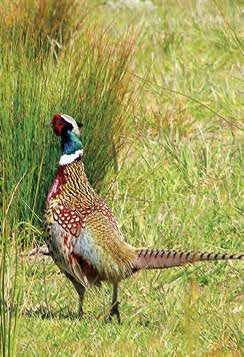
Fallow Deer
    The bag limit for fallow deer is:                                2017 Season Report
    - one adult male deer and two antlerless deer;
    or                                                            During 2017, a total of 5 171 Fallow deer
                                                                  licences were sold, allowing up to 15 513 deer
    - three antlerless deer                                       to be taken. Hunters report a total of 6,721
    Spikies may not be taken.                                     deer being taken during the 2017 deer season
                                                                  (Figure 1).
     Regulation Snapshot
                                                                  A total of 1,997 bucks were reported as being
    • Deer may only be taken with a firearm                       taken by licenced hunters during the 2017
    using a minimum calibre of not less than 6                    deer season with the buck harvest over the
    mm, which is capable of delivering a projectile               past three years remaining largely unchanged.
    having kinetic energy of 1,350 J at a distance                It is noteworthy that the harvest of bucks
    of 100 m from the rifle. It is recommended                    during the game season has remained stable
    that a calibre of .243 or greater be used.                    despite a significant increase in the number
    • The use of dogs and spotlights are not                      of male deer being taken for crop protection
    permitted when taking deer.                                   purposes.
    • The head of a deer must not be removed                      A total of 4,724 antlerless deer were
    or the body severed at a place other than                     reported as being taken during the 2017 deer
    the usual residence of the Recreational Game                  season. The increased harvest of antlerless
    Licence holder, unless they label all of the                  deer seen following the introduction of an
    parts with their name, address, deer licence                  additional antlerless deer tag for the 2016
    number and tag number.                                        deer season has been maintained during the
    • A hunter must immediately tag each deer                     2017 deer season.
    they take using the official tag issued to them               These results indicate that while the demand
    with their Recreational Game Licence.                         for crop protection permits for deer has
    • When taking adult male deer, fix and lock                   continued to increase considerably during
    the tag to the antler between the brow tine                   2017 this did not appear to impact adversely
    and the trez tine (see demonstration photos                   on deer hunting opportunities during the
    below)                                                        season.
                                       • When taking            Crop Protection Permits for Deer
                                       antlerless
                                                             During 2017, the permitted take of deer
                                       deer, fix and
                                                             under Crop Protection Permit has continued
                                       lock the tag
                                                             to increase to historically high levels with
                                       through
                                      Figure     theLicence sales and reported take for the period 2006-2017
                                             1: Deer
                                                             permits issued allowing over 24,000 deer to
                                       lower jaw.       Deerbe Licence
                                                                  takenSales 20062).
                                                                         (Figure   ‐ 2017

                                       6000
                                                                  Deer Licence Sales 2006-2017
                                       5000

                                       4000

                                       3000

                                       2000

                                       1000

                                          0
                                                2006   2007   2008    2009   2010   2011   2012    2013    2014   2015   2016   2017

                                                Number of Licences Sold      # Antlerless Reported Taken     # Bucks Reported Taken

                                              Figure 1: Deer Licence sales and reported take for the period 2006–2017
8                                    Crop Protection Permits for Deer

                                     During 2017, the permitted take of deer under Crop Protection Permit has continued to
Deer Licence Sales 2006 ‐ 2017

                                                 6000
                                                                                                                   Fallow Deer
Of these deer, approximately 14,000  5000
                                          were                  Deer Season Buck Permits
antlerless deer, continuing the steady increase
in numbers evident since 2011.       4000                     Since 2011, the DPIPWE Game and Browsing
Over the same period, approximately 10,000
                                     3000                     Animal Management Unit have worked with
male deer were permitted to be taken,                         landowner and hunter groups on properties
                                     2000
continuing the steady increase in numbers                     to address deer herd management objectives.
evident since 2011.                  1000                     Permits to take buck deer are made available
Based on return data from previous 0years,                    at a time of year when hunters are active
it is expected that approximately sixty-five
                                             2006 2007 2008   on 2009
                                                                   the property.
                                                                            2010 2011 They          assist2014
                                                                                            2012 2013        land2015
                                                                                                                    holders      by
                                                                                                                         2016 2017

percent of these deer will be taken.                          providing
                                             Number of Licences Sold           for   crop
                                                                            # Antlerless      protection,
                                                                                         Reported Taken         while
                                                                                                              # Bucks    deer
                                                                                                                      Reported Taken

                                                              hunters use them to manage deer quality.
  Open Seasons for Fallow Deer in 2018                        Permits to take buck deer during the 2018
                                  Crop Protection Permits for Deer
In order to improve deer hunting                              Deer Season will be available to landholders.
arrangements and assist farmersDuring
                                    manage2017, the permitted Thetakepermits
                                                                         of deer willunderallow     landholders
                                                                                             Crop Protection     Permittohasissue
                                                                                                                               continued to
                                  increase to historically high levels with permits issued allowing over 24,000 deer to be taken
deer on their land, several measures
                                  (Figurewere
                                           2).
                                                              tags    to  licensed        recreational        hunters     of   their
introduced in 2016. These included extending                  choice for use during the deer season to take
the length of the deer seasons by Of these deer, approximately
                                     one week                 adult14,000
                                                                       malewere  deer     during
                                                                                     antlerless  deer,daylight
                                                                                                        continuinghours.
                                                                                                                    the steady increase in
                                  numbers evident since 2011.
and increasing the hunting bag limit by an
additional antlerless deer.       Over the same period, approximately 10,000 male deer were permitted to be taken, continuing
                                  the steady increase in numbers evident since 2011.
These arrangements, introduced during 2016,
will remain in place for 2018 andBased
                                    areondetailed
                                            return data from previous years, it is expected that approximately sixty-five percent of
                                  these deer will be taken.
below:
                                  Figure 2: Deer crop protection tags issued from 2006-2017
• The bag limit for antlerless
deer continues to be three                           Crop Protection Tags Issued for Deer 2006 ‐ 2017
deer per deer licence, whilst         25000
the bag may only comprise one
buck and two antlerless deer          20000

or alternatively three antlerless 15000
deer.
                                      10000
• The buck hunting season
continues to be a period of five 5000
weeks.                                    0
                                               2006 2007 2008 2009 2010 2011 2012 2013 2014 2015 2016 2017
• The first antlerless deer
                                                                     Antlerless Deer      Male Deer     Total
hunting season continues to be
a period of three weeks.                        Figure 2: Deer crop protection tags issued from 2006-2017
                                                                                                                                     Page 2 of 4

                                  Tasmanian Deer Advisory Committee
                                  ‘Supporting quality deer management and property
                                              based game management.’
                                                C/- PO Box 2079, Spreyton TAS 7310
                                    Enquiries: 0413 999 279 Email: acca.winwood@bigpond.com

                                                                                                                                               9
Fallow Deer
      Deer Ballots                                            • Fallow Deer Adult Male: Saturday 24th of
                                                              February to Sunday 1st of April
       Land Managed by the Parks and Wildlife                 • Fallow Deer Female: Saturday 10th of March
       Service                                                to Sunday 1st of April
     The Central Highlands deer ballot this year              • Fallow Deer Female: Saturday 12th of May
     will once again manage hunting in the Great              to Sunday 1st of July
     Western Tiers, Top Marshes, and Five Mile                Within these periods, successful ballot
     Pinnacles Conservation Areas.                            applicants will be permitted to hunt EITHER
     It is intended that these areas be made                  during the weekend period, from a Friday to
     available by ballot to a small number of                 a Sunday OR during the week, from a Tuesday
     recreational hunters who have not secured                to a Thursday.
     access to other areas to hunt.                           Further details, including an application form
     In 2018, this ballot will provide successful             to register, can be found online at http://
     hunters with the opportunity to hunt during              dpipwe.tas.gov.au/wildlife-management/
     the following periods;                                   management-of-wildlife/game-management/
                                                              game-hunting-requirements
                                                                             The Tasmanian Wilderness World
                                                                             Heritage Area (TWWHA)
                                            Want to learn the ropes          Management Plan 2016 provides
                                            from experienced hunters?        details for the recreational

                to                                                           hunting of designated game

          hunting?
                                                                             species in the defined areas
                                                                             within the TWWHA.
                                                                             The TWWHA Management Plan
                                                                             2016 can be viewed at
                                                                             http://dpipwe.tas.gov.au/
                                                                             Documents/TWWHA_
                                                                             Management_Plan_2016.pdf
                                                                       Land Managed by Sustainable
          Join the Australian
                                                                       Timber Tasmania
          Deer Association today
          • Experienced and committed hunters and
                                                                       Deer hunting in the Big Den
            deer managers                                              State Forest area is managed
          • Australian Deer Magazine subscription                      using a ballot system.
          • Information on best hunting techniques
                                                                       In early November each year,
          • Interesting guest speakers
                                                                       Sustainable Timber Tasmania
          • Bimonthly meetings
          • Members public liability & personal
                                                                       commences the registration
            accident insurance                                         and ballot entry process for the
                                                                       coming deer season. The ballot is
          Become a member today at:
                                                                       run at this time to allow hunters
          www.austdeer.com.au
                                                                       the opportunity to plan for their
                                                                       hunt the following year.
                                                                       Prospective hunters should
                                                                       contact the Sustainable Timber
          “Conservation is a State of Harmony
           between Men and Land”
                                                                       Tasmania Office at Perth on (03)
                                      Aldo Leopold
                                                                       6398 7000.
10
Deer Management — Getting the right balance
The report from the Legislative Council and sustainable access to the resource for
enquiry into the wild fallow deer population hunters.
in Tasmania was released in July 2017. From 2018, the Government will establish an
The Government has considered the independent advisory body, the Tasmanian
recommendations contained in report Game Council, to replace the GMLC.
and has undertaken extensive consultation
The Terms of Reference of the new Council
with stakeholders on their views of deer
will include advising on the delivery of Quality
management issues.
Deer Management (QDM) in Tasmania,
In the Government’s response it hunting and game management, and browsing
acknowledges that there are diverse views animal management.
in the community about the management
Because deer are regulated as partly
of wild fallow deer and accordingly is
protected wildlife in Tasmania, it is appropriate
committed to maintaining a sensible balanced
that matters affecting the deer farming
policy for deer across hunting, agricultural,
industry are also considered by the Council
environmental and wider community interests.
to ensure sound and balanced policy advice
The Government’s response also highlights that also supports farmed deer industry
its support for deer hunting as an important development.
traditional recreation and maintaining deer
Membership will be appointed by the Minister
as a world class hunting resource. The
and include representatives from the hunting
Government also supports:
community, farmers and graziers, deer
• landholders to manage the impacts of farmers, natural resource management, private
deer on agricultural productivity and the land conservation and additional members
environment through providing for efficient appointed by the Minister based on skills and
and contemporary management tools and experience.
programs;
Department support for Game
• the right for farmers to responsibly farm
Management
deer as a legitimate and valuable livestock
enterprise, and the fostering of a strong deer A new body, Game Services Tasmania, will be
farming industry; and established in the Department of Primary
• farmers developing value-adding Industries, Parks, Water and Environment to
opportunities for deer products, which support landholders, farmers and hunters to
is consistent with Tasmania’s Sustainable effectively manage deer and issues relating to
AgriFood Plan and the Government’s target game and browsing animals.
to grow the value of agriculture to $10 billion Game Services Tasmania will have a strong
by 2050. functional alignment to primary industries
The Government’s response outlines a and will manage all issues relating to hunting,
number of actions and strategies in its game and browsing animals in Tasmania
balanced approach to managing deer and in an integrated way. It will have a charter
other game going forward. Some key actions to develop, administer and implement
are outlined below. contemporary Quality Deer Management.
Advice on Game Management Positive Reset of Quality Deer
Management
The Game Management Liaison Committee
(GMLC) has operated since 2001 to provide The Government has confirmed its
the Minister of the day with advice from key support for the principles of Quality Deer
stakeholders on the operation of the game Management (QDM) to manage a healthy
seasons, and the provision of orderly, equitable deer herd in balance with their habitat.
11When it comes to the
outdoors we have
ALL the best brands
All conditions, all location, all the best brands
Launceston
ALLGOODS Launceston Hobart Devonport
Cnr York & St John Sts Tent City 168 Liverpool St 6 Formby Road
Ph: (03) 6331 3644 60 Elizabeth Street Ph: (03) 6236 9969 Ph: (03) 6424 7099
Tasmanian owned and operated www.allgoods.com.auDeer Management — Getting the right balance
Game Services Tasmania will work with meat. The new Tasmanian Game Council is
stakeholders and the Tasmanian Game set to advise on the feasibility of a limited trial
Council to define QDM in a modern context using special permits for deer farmers and
and as the basis for the future management landholders to supply wild deer products for
of wild fallow deer across the Tasmanian the regulated food or restaurant trade.
landscape. The Government intends to provide
Estimating the Wild Deer Population additional support to the deer farm industry
with branding, marketing, processing
The Department, in collaboration with the opportunities and product integrity.
University of Tasmania and other stakeholders,
The Government’s approach to deer will
will undertake a comprehensive state-wide
also align with Tasmania’s Sustainable Agri-
census of wild fallow deer in Tasmania to assist
Food Plan and its target to grow the value of
in Quality Deer Management strategies and
agriculture to $10 billion by 2050.
to provide a basis for monitoring trends in
wild fallow deer populations into the future. For a complete copy of the Government’s
response to the enquiry, please visit: www.
The Department will also assess the
dpipwe.tas.gov.au
distribution and numbers of wild fallow deer
in parts of the Tasmanian Wilderness World
Heritage Area (TWWHA).
Managing unwanted impacts of wild fallow
deer
Game Services Tasmania will work with
public land managers, landholders and
the private land conservation sector to
HUNTER
coordinate targeted control programs to Australian
manage emerging satellite populations, and
populations moving into and/or impacting
on areas with significant conservation values
including the Tasmanian Wilderness World
Heritage Area (TWWHA). A U S T R A L I A’ S FAV O U R I T E H U N T I N G M A G A Z I N E
This will include investigating opportunities
for regulated recreational hunting in the
TWWHA and other Reserves in a legal,
ONLY
$39
safe and responsible manner where land
management frameworks allow.
Farmers will benefit from the introduction of for four issu
posted es
5 year crop protection permits for deer and
further opportunities to support landholders
to manage deer by streamlining or reducing If you’re into hunting, get into the
red tape will be explored. Australian Hunter. Hunting stories,
Supporting deer farmers and landholders hunting tips, firearm and product
to develop value-adding opportunities reviews and a great camp kitchen
section - all in one magazine!
Tasmanian wild deer could also be on
menus soon, as the Government is carefully Subscribe now - it’s easy
considering allowing it to be sold as game membership.ssaa.org.au/forms/hunter
13Wallaby
Bennetts and Rufous (Tasmanian authorising the use of vehicles and spotlights
Pademelon) Wallaby to assist them to control browsing damage
by wallabies. Information on take returned
The twelve month recreational hunting season during this period indicates that approximately
on Bennetts and rufous wallaby includes King 190,000 wallabies of both species were taken
Island and Flinders Island. over the previous year.
There is no bag limit for either of these From 1 January 2016, a combined wallaby
wallaby species. and brushtail possum Crop Protection Permit
A Commercial Wallaby Hunter’s Licence is has been available to primary producers. This
required to allow the sale of wallaby products. permit is issued for a period of five years and
permit holders are required to keep records
Regulation Snapshot of their yearly take for five years and provide
• The use of snares and steel-jawed traps is returns to the Department on request.
prohibited. The Department will continue to conduct
• The use of spotlights and shooting from a spotlight surveys of wallabies between
vehicle is prohibited. November and February each year to
Wallaby monitor population trends.
• A landholder can obtain a Crop Protection
Permit
Bennetts andto allow(Tasmanian
Rufous shootingPademelon)
from a vehicle
Wallabywith Animal Welfare for Pouch Young
the aid of a spotlight.
The twelve month recreational hunting season on Bennetts and rufous wallaby There hasKing
includes been a reported increase in the
• and
Island A landholder
Flinders Island. may issue a copy of their
number of orphaned wallabies being delivered
Therepermit to licensed
is no bag hunters
limit for either to wallaby
of these enablespecies.
them to to the Injured and Orphaned Wildlife
assist in the control of wallaby.
A Commercial Wallaby Hunter’s Licence is required to allow the sale Program as a result of the adults being shot
of wallaby
• Any adult female wallaby taken must be
products. by hunters. It is the responsibility of the hunter
examined for pouch young, which should be to humanely dispatch pouch young and under
humanely
Regulation killed without delay.
Snapshot no circumstances should the pouch young be
The use of snares and steel-jawed traps is prohibited. left to die.
2017–2018 Season Report
The use of spotlights and shooting from a vehicle is prohibited. When shooting wallaby under a Crop
The 2017–2018
A landholder wallaby
can obtain a Cropopen season
Protection Permitsaw Protection
to allow shooting from a vehiclePermit
with it is a condition of the
the aid of a spotlight.
7,741 licences sold as at 4 October 2017. permit that all females must be examined for
A landholder may issue a copy of their permit to licensed hunters to enable them to
These licences are current until 25 February
assist in the control of wallaby. pouch young, and if one is present it must be
2018. Figure 1 shows the increasing trend in
Any adult female wallaby taken must be examined for pouch young, killed
which humanely
should be immediately upon discovery.
Wallaby
humanely Licence salesdelay.
killed without since 2012. It is recommended that this is done by either
Crop Protection
The 2016-2017 open wallaby Permits
season sawto takelicences
7 741 sold as at 4 decapitation,
Wallaby October 2017. These a heavy blow to the skull to
licences are current until 26 February 2017. Figure 1 shows the increasing
Licence sales since 2012.
destroytrendthe brain,
in Wallaby or by shooting.
Since 1 January 2016, a total of 2,199 Crop
Protection
Figure 1: WallabyPermits werefrom
Licence Sales issued
2012 to landholders
to 2017 1080 Poison
Wallaby Licence Sales Summary of Use
Wallaby Licence
Browsing by wallabies and possums can
7741 cause significant damage to farmer’s
7583 crops and pastures which may result in
7480 major financial loss. The Government has
7236
7349
7249
maintained access by farmers to 1080
poison to manage browsing damage and
has implemented a number of initiatives
2012 2013 2014 2015 2016 2017
to streamline services to farmers to assist
Figure 1: Wallaby Licence Sales from 2012 to 2017 them in managing browsing animals.
141080 Poison
The process of obtaining approval to use Landholders wishing to use 1080 poison are
1080 poison for browsing animal management still required to demonstrate that alternatives
has been streamlined, while maintaining to 1080 poison have been considered and
As at 31 October 2017, a total of 0.76 kg of 1080 poison had been used for browsing animal
appropriate safety and environmental
control on 19 properties duringapplied
controls. as far
the 2017-18 as practicable.
financial Applications
year. This compares willkg for the
with 0.43
The total use of 1080 poison
same across 2016-17 and 1.13be
period inTasmania kg approved
for the sameand periodpermits issued only where
in 2015-16.
for the 2016–17 financial year was 0.89 kg there is a genuine need and alternatives such
Landholders wishing to use 1080 as poison
fencingareandstill shooting
required toaredemonstrate that alternatives to
not physically,
with 30 poisoning operations
1080 (see
poisonFigure 2). considered
have been and applied as far as practicable. Applications will be
This was the lowest use ofapproved
1080 poison
and permitssince
issued onlyeconomically
where there isor whollyneed
a genuine effective.
and alternatives such as fencing
2011–12 and less than halfandthe amount
shooting used
are not physically, The Department
economically or whollyof Primary Industries, Parks,
effective.
in 2015–16 (2.55 kg). Recent usage of 1080 Water and Environment provides landholders
The Department of Primary Industries, Parks, Water and Environment provides landholders with
poison remains well belowassistance
the 15.2 in the development with
kg used in assistance
of effective in the
mitigation development
approaches of browsing animal
to address
1999–2000. management on their properties,effective mitigation
including fencing approaches
and shooting options.to address
The decrease in use of 1080 poison during browsing animal management on their
2016–17 is attributed to the very
Figure 2: wet springuse of properties,
Cumulative
including fencing and shooting
1080 poison in Tasmania from 2014 to 2017
conditions of 2016 resulting in exceptional options.
grass growth and 3.00
limited opportunities
to plan and effectively
Cumulative 1080 usage (kg)
2.50
use 1080 poison.
2.00
As at 31 October
2017, a total of 0.76 1.50
kg of 1080 poison had
been used for browsing 1.00
animal control on 19 0.50
properties during the
2017–18 financial year. 0.00
This compares with
0.43 kg for the same
period in 2016–17 and
2014‐15 2015‐16 2016‐17 2017‐18
1.13 kg for the same
period in 2015–16. Figure 2: Cumulative use of 1080 poison in Tasmania from 2014 to 2017
Page 3 of 3
41 Besser Crescent Camdale |0400 592 796 | thehuntingshed@gmail.com
15Wild Duck
Wild Duck time they purchase a Recreational Game
Licence to hunt duck. Thereafter, verification
The bag limit for wild duck is 10 duck per will occur via the game licence database.
licensed hunter per day.
2017 Season Report
Legal Species
Only black duck, grey teal, chestnut teal, The number of duck hunting licences sold for
mountain duck and wood duck may be taken the 2017 season remained similar to number
in Tasmania. sold each year since 2014 and well up on the
number sold each year prior to 2014 (Table
Other species may be encountered in 1).
Tasmania but may not be taken. These include
the blue winged shoveler, hardhead (or white Hunters reported taking 44 392 ducks over
eyed) duck, musk duck, freckled duck, pink- the three month open season, which equates
eared duck, blue-billed duck and plumed tree to an average of 49.5 birds per licence return.
duck. This is an increase of 10 birds per hunter by
comparison with last season and is similar to
Regulation Snapshot the average take between 2012-1014.
• Decoys, including feathered decoys, are Based on this, it is estimated that
permitted when taking ducks in Tasmania but approximately 58,000 duck were taken in
the use of any bait, live birds, tape recorders 2017, an increase of 27% on that for 2016.
or other electronic devices is prohibited. The relatively high take’ in 2017 followed a
• The use of a boat propelled by an engine is wet and warm spring in 2016 during which
prohibited when taking ducks. multiple clutches were regularly reported for
all species. In contrast the spring breeding
• The use of aircraft for rousing ducks is season of 2015 (prior to the 2016 hunting
prohibited. season) was very dry and the number of
• Ducks may only be taken with a shotgun ducks shot was relatively low.
not greater than 12 gauge. Table 1 compares licence return and harvest
• Duck hunters are not permitted to use lead figures for the 2017 season with previous
shot when hunting over wetlands, lakes, dams, years.
harbours, estuaries, lagoons, rivers, creeks, The composition of the 2017 duck harvest
canals or other watercourses, whether on was similar to that of recent years for most
public or private property. species (see Figure 1). Black duck continue to
• Hunters must retain either the head or the make up the largest proportion of the harvest
wings on a harvested duck until the hunter (38 per cent) and chestnut teal remain at
has arrived at their normal place of residence, around 20 per cent of the harvest, as they
shack or camp. have for several years. The least frequently
• Hunters must produce their Waterfowl taken species was mountain duck.
Identification Test (WIT) Certificate the first
Table 1: Wild Duck Hunting Licences issued and reported take from 2011–17
Harvest Season 2011 2012 2013 2014 2015 2016 2017
Licences Sold 959 1 032 967 1 100 1 192 1 158 1 178
Reported Take 39 366 44 865 44 140 44 565 43 758 35 765 44 392
Take per Licence Return 46.5 49.8 50.5 53.6 42.4 39.4 49.5
Total Estimated Take 44 604 51 417 48 837 58 991 50 529 45 603 58 298
16Wild Duck
Wood Duck
Wood Duck
Wood Duck
Wood Duck Mountain
Mountain 15% 15%
18% 18% Duck Duck
7% 7% Black Duck
Black Duck
Black Duck Black Duck
Mountain
Mountain 38% 38% 38% 38%
Duck Duck
12% 12%
Grey TealGrey Teal
Grey TealGrey Teal 22% 22%
14% 14%ChestnutChestnut ChestnutChestnut
Teal Teal Teal Teal
18% 18% 18% 18%
2016 2016 2017 2017
Figure 1: Statewide reported wild duck harvest by species for 2016 and 2017
The proportion of grey teal taken remains The geographical distribution of the wild
The high.
geographical
geographical may bedistribution
distribution
This toofanthe
of the wild
in response duck
wild
influx of duck duck
harvest
harvest
across
across
acrossthe
the State
harvest theState
has
hasremained
remained
State has remained
consistent
consis
over recent
recentbirds seasons
from mainland
seasons (Figure 2).(Figure
Australia 2).
Thedue north The
to the north east and
wetand Central
east Central
consistentPlateau Plateau
over recent seasons
regions regions remain
(Figurethe
remain mostthe m
2). The
ficant areas for duck hunting in 2017, with 26 per cent and 20 per cent of the respectiverespec
significant
spring areas for
throughout duck
Tasmania hunting
plus an in 2017,
increase with 26
north per
east cent
and and
Central 20 per
Plateau cent
regions of the
remain
est harvest
occurringoccurring
in breeding
there. there.
success
The with The Furneaux
multiple
Furneaux clutches
Islands hadIslands
thehad
most
a greater a proportion
greater
significantproportion
areas
of for duckof
ducks ducksinharveste
hunting
harvested in
2017 being
than reported.
in 2016. When bird numbers are 2017, with 26 per cent and 20 per cent of
7 than inhigh
2016.
hunters will often select grey teal in the respective harvest occurring there. The
preference to mountain duck. Furneaux Islands had a greater proportion of
The west
north north(16
west
per (16 persouth
cent), cent),eastsouth(11east
per (11 perharvested
cent), cent),
ducks and
and
Moulting Moulting
Lagoon
in 2017
Lagoon (11 per c
than in (11
2016.per cent)
The have
regions abundance of
remained grey stable
teal in Tasmania
in terms of the proportion of the total harvest
ons havecanremained stable from
vary considerably in terms
year toofyear
thein proportion of the
The north westtotal harvest
(16 per in taken
takeneast
cent), south those in th
(11
s. areas.
response to climatic conditions here and on per cent), and Moulting Lagoon (11 per cent)
the mainland that cause birds to move across regions have remained stable in terms of the
re 2: Bass2:Strait.
Figure
Statewide Statewide
reported reported
Historically, grey teal
wild duckwild duck harvest
typically
harvest byfor
region
proportion
by region of thefor
2016 and2016
total 2017and
harvest 2017
taken in those
account for less than 15 per cent of the areas.
annual harvest.
Unknown UnknownFurneaux Furneaux Unknown UnknownKing Is King Is
King
3%Is King Is
3% 5% 3% 3% 3% Furneaux
3% 5%3% 3% Furneaux South
South West South West South
1% 9% 9%
1% West West
1% 1%
Central Central
Central Central Plateau Plateau
North West North West
20% 20% North North
Plateau Plateau 14% 14%
27% 27% West West
Moulting Moulting 16% 16%
L L
North East North East 11% 11%
Moulting L Moulting L
8% 8% East
28% 28% South North
South North
South South East East EastEast East
11% 11%
11% 11%26% 26%
2016 2016 2017 2017
Figure 2: Statewide reported wild duck harvest by region for 2016 and 2017
17Wild Duck
Health Update from Biosecurity Tasmania are circulating in wild birds and we are very
appreciative of the contribution duckhunters
Avian Influenza Survey make to our Surveillance Program.
Throughout 2017, DPIPWE has once again Of the 300 intestinal samples collected and
been involved in the National Wild Birds submitted by duckhunters in 2017, 21 were
Avian Influenza Surveillance Program, which positive for Avian Influenza (compared to
aims to help prevent outbreaks of Avian only 9 in 2016) and 9 were positive for avian
Influenza in Australia. paramyxovirus. This year the Avian Influenza
strains found included H4, H6 and H11.
Each year, each state undertakes a survey
The strains of AI and avian paramyxovirus
of wild birds (with a focus on wild duck
detected, as with all strains of AI detected
populations that may come in contact with
in previous years, are not strains of the
migratory shorebirds). Faecal samples and,
virus that causes widespread disease in wild
where possible, cloacal samples are collected
birds, poultry or humans, but our results are
for analysis to check for the presence of
extremely useful in allowing us to understand
viruses that maybe a problem if transferred
what strains are out there and allowing us to
to domestic poultry or humans. In Tasmania,
monitor them over time.
this has seen us collecting samples from wild
ducks across the state and checking these Once again, thank you to all who assisted
samples at the laboratory at Mt Pleasant with our sample collection. The success of
for the presence of the Avian Influenza our program is in a large part due to your
virus. When collecting these ‘environmental’ assistance. We will be continuing this program
samples we mostly target wetland sites again next year and hope that we may again
where ducks congregate that are near our be able to work with duck hunters to get
poultry production areas. For the first time, further fresh shot duck samples during the
this year the Commonwealth government duck season. For those who may be able to
allocated extra funding so these samples assist us, what we will need is for the guts
could also be checked for the presence of (and head if possible) of the duck to be
avian paramyxovirus. This is another virus, collected into a single plastic bag and the bag
which can sometimes cause serious disease if to be labelled with the date and area the duck
introduced into intensive chicken populations. was shot in and for these samples to be kept
Until this year’s survey, it was not known if as cool as practical - in an esky with ice bricks
avian paramyxovirus was present in wild birds would be ideal, but just in the shade, covered
in Australia. with wet cloth is OK for up to 48 hours
depending on weather conditions. These
In 2017, 300 faecal samples were collected.
samples can be put into the deep freezer
All of these samples tested negative for both
and we can arrange to collect them from
Avian Influenza virus and Avian Paramyxovirus.
anywhere in the state. We can also provide
Once again this year, duck hunters assisted you with plastic bags and labelling pens if this
greatly with these surveys by collecting the makes it easier for you.
intestines of wild ducks that were shot during
If you think you may be able to assist and
the duck hunting season and forwarding them
would like some further information please
onto us so that these samples could also be
contact Sue Martin at the Department of
checked for Influenza and Avian Paramyxo
Primary Industries (03 6777 2155 or 0419
viruses.
258 127). Your help is very much appreciated.
These samples were important in enabling us
to gain a better understanding of which strains
of avian influenza and avian paramyxovirus
18Wild Duck
Waterfowl Identification Test • View and study this DVD in detail in order
to prepare for the upcoming test.
Intending duck hunters who wish to obtain
a licence to hunt wild duck in Tasmania must • Once you are confident of your ability to
first pass a Waterfowl Identification Test identify waterfowl in flight, sit the practice test
(WIT). This testing process is coordinated and that is available on the DPIPWE website link
administered by the Department. above.
Applicants who successfully pass this test are • Sitting the practice test will inform you if
issued with a Certificate of Proficiency and you are ready to take the test or give you
are provided with a unique WIT number. To feedback that further study on identification
purchase your first duck hunting licence you is required.
must present this WIT number. The application form advises applicants to
Information on the WIT assessment process is select one of the pre-determined test dates
available online via the DPIPWE website: but please note that there is flexibility to set
additional test dates and locations. Applicants
http://dpipwe.tas.gov.au/wildlife-management/
are encouraged to book in early and discuss
management-of-wildlife/game-management/
with the WIT Coordinator if you require any
species-of-game/waterfowl-identification-
additional support.
testing
Applicants are requested to: Further Information
• Complete an application form and forward WIT Coordinator details:
it to the postal or email address given below. Matt Byrne Contact details:
• Once your application is received, you will Telephone: 0429 408 103
be posted a Waterfowl Identification Test Post: Wildlife Management Branch
package, including a free copy of the training Waterfowl Identification Test Applications
DVD – Duck WISE. GPO Box 44 HOBART 7001
Email: wildlife.reception@dpipwe.tas.gov.au
Fax: (03) 6777 5154
Southern Range Sports
4/34 Mertonvale Cct, Kingston
(03) 6229 8444
19Wild Duck
Plastic in Ducks — Research wetlands. We will be collecting samples again
next year and welcome more participation
Project Update across the state. We are collecting guts, breast
A huge thank you to the many feathers, wings, and
hunters who contributed neck and head from an
samples during the opening individual bird in a plastic
weekend at Moulting Lagoon bag, labelled with date
last year, and to the hunters who and location shot, kept as
collected samples throughout the cool as possible (ideally
season. We are very grateful your on ice or frozen). We
warm welcome and enthusiastic can supply bags, pens,
participation. The year 2017 and eskies for collecting
was the first year of sample samples, and sample
collection in conjunction with pickup. Hunters able and
the avian influenza survey, and interested in providing
we successfully collected many samples are asked to
samples that are currently being contact Angela Hansen
analysed. at UTAS by email on
(angela.hansen@utas.edu.au) or call 0473734744
This project is looking at plastic ingestion for more information. We look forward to seeing
by waterfowl, and plastic levels in Tasmanian many of you in March.
Water bird hunters – we need you! feral ducks, geese, and swans)
in Tasmania in relation to age,
The University of Tasmania, in collaboration
sex, and foraging mode (diving
with BirdLife Tasmania, are seeking the support
vs dabbling). The information
and involvement of local hunters (‘citizen
will contribute to an improved
scientists’) as well as council workers who
understanding of the types and
are interested in contributing to research by
sources of plastics and whether it poses a
donating collection data (date, location) and
hazard to aquatic birds.
tissue samples from harvested birds, including
the March opening weekend. To register your interest, or request
information on sample collection, please visit
The project is focused on the ingestion of
(www.jenniferlavers.org/ducks-wanted) and
plastic debris by freshwater birds (native and
email Angela.Hansen@utas.edu.au
41 Besser Crescent Camdale |0400 592 796 | thehuntingshed@gmail.com
20Brown Quail
Brown Quail
A bag limit of 20 birds per day applies when
taking brown quail.
Only brown quail may be taken. Other quail
species, such as stubble quail and painted quail
are protected and may not be taken.
Regulation Snapshot
Brown Quail may only be taken with a
shotgun not greater than 12 gauge. 2017 Season Report
Brown Quail Licence sales declined in 2017
Table 1: Brown Quail Hunting Licences issued with the second lowest number of licences
and reported take from 2011 to 2017 being issued since
Harvest Season 2011 2012 2013 2014 2015 2016 2017 2011. The take
per licence return
Licences Issued 237 247 179 253 258 230 208 increased from
Reported 8826 9286 6289 6325 6747 4296 5400 the low of 28.3
Harvest birds per hunter
Birds per 54.2 55.16 46.0 42.2 40.0 28.3 43.5 seen in 2016 to
Licence Return 43.5 birds per
hunter, a figure
Estimated Total 12848 13625 8217 10668 10223 6509 9048 similar to that
Harvest seen during the
period 2013 to
Table 2: Brown quail harvest by region in 2017
2015 (Table 1).
Tasmanian No of % of all Total Average % of The decline in 2016
Harvest licenced hunters quail no. of total is attributed to the
Region hunters that have harvest quail quail record high rainfall
that provided reported taken per harvest across Tasmania
provided a a per licence during the quail
return+ return* region^ return hunting season that
North West 19 15.3 524 28 9.7 impacted on hunter
activity by limiting
North East 41 33.1 880 21 16.3 access to hunting
Central 29 23.4 522 18 9.7 areas as well as
South East 5 4.0 115 23 2.1 reducing survival of
birds.
Furneaux 51 41.1 3104 61 57.5
Group Licence returns also
include information
King Island 2 1.6 120 60 2.2 on the location of
South West 0 0 0 0 0 where quail were
Unknown 4 3.2 135 34 2.5 taken and this has
allowed a regional
All regions 124 59.6% 5400 43.5 100 breakdown of the
+ Some hunters are active in more than one region hence the sum of the regions is greater than the total number of returns. quail harvest (see
* As some hunters hunted quail in more than one region, the total percentage for all regions combined is greater than 100%.
^ Not all hunters reported the region in which they hunted. Table 2).
21Brown1:Quail
Figure Percentage of quail hunters by region in 2017.
50 Figure 1: Percentage of quail hunters by region in 2017.
40
50
30 40
Percentage
20 30
Percentage
10 20
10
0
0
North North east
North Central
North eastSouth
Centraleast Furneaux
South east Furneaux King
King Unknown
Unknown
west west Group Group Island
Island
Figure 1: Percentage of quail hunters by region in 2017
Licence returns indicate that in 2017 the The Furneaux Group was also the most
islands of the Furneaux Group were again productive quail hunting region in 2017,
the most popular region for 2:
Figure quail huntingbreakdown
Regional in with
of the
the average
2017 quail takeharvest
being 61 birds per
Tasmania, with 41 per hunter. Two hunters were
Figure 2: Regional breakdown King of the 2017 quail harvest
Unknown active on King Island
cent of those hunters Island 3%
who providedKinga return, 2% Unknown
and reported taking an
operating in that region North average of 60 birds, a
Island 3% west
(Figure 1) and 2%
taking 10%
figure comparable with the
57.5 per cent of the North Furneaux Group.
total reported harvest west North east
16%
In mainland Tasmania, an
there (Figure 2). Thirty 10% average of 21 birds per
three per cent of those hunter was taken in the
Central
hunters who provided a Furneaux North east north east, 28 birds per
10%
return operated in the Group 16% hunter in the north west,
57%
north east, and 23 per and 23 birds per hunter in
cent hunted in central South east
Central 2%
the south east. There was
Tasmania. Furneaux no reported quail hunting
10%
Group Figure 2: Regional breakdown of the 2017 quail harvest. activity in the south west.
57%
South east
2%
22Ringneck Pheasant
Ringneck Pheasant
A bag limit of three adult male pheasant per
day applies during the season.
Hunters are:
• Encouraged to become a member of the
King Island Game Bird Association; and
• Ensure they have permission
Ringneckto access land
Pheasant
for hunting.
A bag limit of three adult male pheasant per day applies during the season.
Regulation Snapshot Hunters are:
• The open season appliesonly to male to
Encouraged birds
become a member of the King Island Game Bird Association; and
on King Island. Ensure they have permission to access land for hunting.
• Pheasants may only be taken with a shotgun
not greater than 12 gauge.
Regulation Snapshot
2017 Season Report
The open season applies only to male birds on King Island.
Ninety-three Recreational Game Licences
Pheasants to be taken with a shotgun not greater than 12 gauge.
may only
take pheasant were sold in the 2017 season
and hunters have reported a take of 131
cocks. 2017 Season Report
Figure 1 shows that Game LicenceRecreational
Ninety-three sales for Game Licences to take pheasant were sold in the 2017 season and
this species have remained consistent
hunters over athe
have reported take of 131 cocks.
last few years with approximately 90 licences Anyone considering a hunting trip to King
sold. Figure 1 shows that Game Licence Island
salesfor
for the 2018 Pheasant
this species Season
have remained must over the last
consistent
few years with approximately 90ensure licences they
sold. have appropriate permission to
Annual take for 2017 was the lowest
recorded over the last Annual
six years hunt on private land.
takeand
for is
2017 was the lowest recorded over the last six years and is consistent with
consistent with roadside surveys
roadside for the
surveys for same For general
the same period enquiries
which indicate regarding
a declining pheasant
pheasant population as a result o
period which indicate achanging
declining pheasant
agricultural hunting
practices and on King
the cessation Island,
of the please
captive breedcontact the program
and release King
population as a result ofpreviously
changingundertaken Island
by the King
agricultural IslandGame
Game Bird Association on 0428 611
Bird Association.
practices and the cessation of the captive 254.
Figure 1: Pheasant Licence sales and reported take from 2012 to 2017
breed and release program previously
undertaken by the
King Island Game Bird King Island Pheasant Season Licence Sales
Association. and Reported Take 2012 ‐ 2017
A reminder to Licence Sales Take
hunters that 216
trespassing with a
153 181
firearm is a serious 172
165
offence and this 127 131
behaviour damages 123
93
relationships on 101 93
89
the Island between
hunters and
landowners.
2012 2013 2014 2015 2016 2017
Figure 1: Pheasant Licence sales and reported take from 2012 to 2017
23Short-tailed Shearwater
Short-tailed Shearwater (Muttonbird)
A bag limit of 25 muttonbirds per day per
licence holder applies on colonies in the King
Island Group, the Hunter Group and the
Furneaux Group.
A bag limit of 15 muttonbirds per day per
licence holder applies on Tasmanian mainland
colonies.
The Non-commercial (Recreational)
Muttonbird Season 2018 Open Colonies
Schedule lists muttonbird colonies open for
harvesting. It is available by telephoning the • The use of pointed, sharpened, barbed,
Wildlife Management Branch on (03) 6165 hook shaped or sharpened implements is
4302 or online via the DPIPWE website: prohibited.
http://dpipwe.tas.gov.au/wildlife-management/ • Dogs may not be used.
management-of-wildlife/game-management/ • Interfering with muttonbird burrows during
game-hunting-requirements the closed season or without a licence during
Regulation Snapshot the open season is prohibited.
• A Recreational Game Licence is issued to
• Night-birding is prohibited (‘night’ is one person only – the taking of muttonbirds
between 1 hour after sunset and 1 hour under another person’s licence (including that
before sunrise). of a family member) is illegal.
Furneaux Long Term Monitoring
80
70
60
50
40
30
20
10
0
% Burrows with adult birds % Burrows containing chicks
Figureoccupancy
Figure 1: Percent burrow 1: Percent burrow occupancy
of adult of adult short-tailed
short-tailed shearwaters shearwaters surveyed
surveyed in
in December and chicks
surveyed in the following March.December and chicks surveyed in the following March.
24
However, despite this increase in breeding bird numbers, chick numbers in March 2017You can also read


