GENDER-RESPONSIVE BUDGETING PROJECT IN UKRAINE: Results and Reflections 2013-2020
←
→
Page content transcription
If your browser does not render page correctly, please read the page content below
GENDER-
RESPONSIVE
BUDGETING
                            FUNDED BY

PROJECT IN                 MAIN PARTNER

UKRAINE:
Results and Reflections   IMPLEMENTED BY

2013–2020
This Results & Reflections is dedicated
                                to the memory of Olena Machulna who
                                worked tirelessly to promote the GRB
                                agenda in Ukraine.

2   Ukraine Gender-Responsive Budgeting Project:
    Results And Reflections
Contents
●   Foreword                                                                         4
●   What is Gender-Responsive Budgeting (GRB)                                        8
●   About the project                                                              10
●   Results: some numbers                                                          16
●   Stories on changes:                                                            18
		        o     Changes at the macro/institutional level 			                       19
		        o     Changes at community level and changes in practices                25
		        o     Changes at the individual level 			               		               28
●   What have we learned? Lessons learned and challenges 			                       30

                                           Ukraine Gender-Responsive Budgeting Project:   3
                                                                Results And Reflections
Foreword
       t is with great pleasure that I write these words
      as the “Gender Budgeting Project in Ukraine”              " Ukraine is now among around 80
    funded by the Swedish Government draws to a                 countries in the world working with
close. This seven-year project has had the challenging          gender-responsive budgeting and is
task of introducing an approach to budgeting that               often used as an example of how
places the needs of different groups, women and men,
                                                                to integrate gender and social
girls and boys, at the center of decision making. Gender
budgeting has been internationally recognised as a tool         considerations into the budget cycle."
with which we can ensure that real needs of people
are recognised and addressed through budget policies.      that have happened as a result of our joint work
Gender budgeting also makes sure that political            with the Ministry of Finance, line ministries, oblasts,
commitments to gender equality translate into reality.     amalgamated territorial units, universities and other
                                                           partners. You will learn about a range of changes
     " It is with great pleasure that I write              and results that we have achieved: from legislative
     that gender budgeting has been                        initiatives that ensure that budget and decentralisation
     internationally recognised as a tool with             decisions are gender sensitive, to changes ensuring that
     which we can ensure that real needs of                budget programmes now capture previously excluded
     people are recognised and addressed                   groups.
     through budget policies."                             It is with great pleasure that I read that women can
                                                           now attend military schools – thanks to gender budget
                                                           analysis – that we have more men and women getting
In the years of implementation, despite the                tested for HIV/AIDS, and more girls practicing sports.
challenging times for Ukraine and a global COVID-19        Key spending units in Ukraine today regularly analyse
crisis,gender-responsive budgeting has really made         their budget programmes from a gender perspective.
it onto the agenda of the Ministry of Finance of
Ukraine and become an integral part of the work of         Gender justice in the distribution of public finances
ministries and institutions at all levels. Ukraine is      is not only a human rights value but the basis for an
now among around 80 countries in the world working         efficient, fair and transparent budget. Sweden has
with gender-responsive budgeting and is often used         supported gender equality and public finance manage-
as an example of how to integrate gender and social        ment in Ukraine for many years. We will remain at the
considerations into the budget cycle. In this Results      forefront of support for gender equality.
and Reflections,you will read about many changes

 4    Ukraine Gender-Responsive Budgeting Project:
      Results And Reflections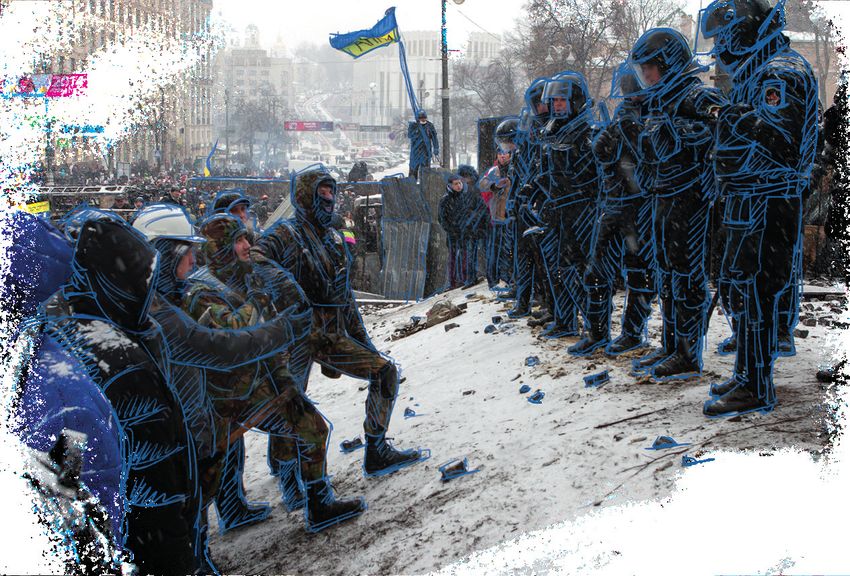
“Gender budgeting ensures that
      important discussions on equality
      translate into decision-making and
      changes peoples’ lives for the better.
      This is particularly important in times of
      crisis, such as the one caused by the
      COVID-19 pandemic."

Gender budgeting ensures that important discussions on
equality translate into decision-making and changes peo-
ples’ lives for the better. This is particularly important
in times of crisis, such as the one caused by the pandem-
ic. At times like this, it is more important than ever that
our budget decisions protect the most vulnerable women,
men, boys and girls in Ukraine.

We are glad to be part of the Ukrainian journey on
gender-responsive budgeting. This journey is only just
getting started. The work for fairer, more transparent
and more equitable budgeting never ends.

Tobias Thyberg
Ambassador of Sweden to Ukraine

                                                              Ukraine Gender-Responsive Budgeting Project:   5
                                                                                   Results And Reflections
1
Introduction
The Gender-Responsive Budgeting (GRB) project in Ukraine was
implemented between 2013 and 2020. During this period, it was
the largest global international project working with GRB. Funded
by the Swedish Government and implemented in partnership with
the Ministry of Finance (MF) of Ukraine, the main purpose of the
GRB project was defined as “Increased economic efficiency and
transparency in budget allocations that take into account the
different needs of different groups of women and men”.

 6   Introduction

In this Results and Reflections, we proudly present some of the results of the GRB project, structured according to the types of results
  achieved: from micro/individual transformations, organisational changes, and those on community level, to macro-level outcomes,
  reflecting in changed policies, laws and institutional frameworks. However, these key outputs are just a fraction of the overall scope
  of achievements realised through the joint work of the GRB project team, headed by NIRAS, and our partners from the Ministry of
  Finance and other institutions. We are proud to say that GRB has become a concept embraced by both individuals and institutions
  in Ukraine, which sets for the foundation for more comprehensive work on more equitable budget processes. Further
  institutionalisation of GRB will ensure that fiscal policies also include gender perspectives, the forthcoming Budget Codes will
  provide for GRB, and budget programmes will be gender-responsive right from their creation.

                                                                      among the various international finance institutions that work
                                                                      with the issue more prominently. The International Monetary
                                                                      Fund (IMF) has heralded GRB as part of good public finance
                                                                      management (PFM) practice and included Ukraine as a leading
                                                                      example for others.1 It considers GRB as an effective approach
                                                                      that employs fiscal policy and PFM instruments by focusing
                                                                      on expenditure policy, budgetary allocations, and tax policy to
                                                                      reduce gender inequality and promote gender equality.
                                                                      At the same time, the World Bank together with its partners
                                                                      at the Public Expenditure and Financial Accountability (PEFA)
                                                                      Secretariat published the PEFA Assessment of Gender
                                                                      Responsiveness of Public Finance Management (PEFA GR PFM),
                                                                      which is a diagnostic tool that helps define entry points for GRB
                                                                      around the budget process. The OECD has also launched GRB
                                                                      events and conferences and issued several publications on GRB,
                                                                      including an Overview of Gender Budgeting in OECD Countries
                                                                      from 2016.2
No obstacle big enough
All seven years of the GRB project implementation were                          “Hats off to what you are doing
marked by turbulent times for Ukraine, from the Revolution of
Independence that coincided with the project launch in late                     there in Ukraine and Austria.”
2013, through many changes of Government and finally,                           Former head of the IMF, Christine Lagarde, speaking at the 2017
the global COVID-19 pandemic, which hit in the last year of                     Conference on Fiscal Policies and Gender Equality in reference to a
implementation. Despite the many challenges, GRB has become                     comment on Ukraine and Austria’s efforts to inject gender
                                                                                perspectives into national budgeting.
a prominent and recognised public finance reform in Ukraine.
Gender equality discussions, which are often far removed from
fiscal and financial debates, are now a central part of public
finance discourse, and an important segment of measuring and          These international developments drew lessons from the GRB
reporting performance of budget programmes across sectors.            work done in Ukraine as this long-term project focused on
The GRB project has laid the foundation for sustainable and           PFM-focused GRB approach, which has fiscal policies and
continuous work on making budget process more equitable,              institutions in focus, generating significant knowledge in
transparent and gender responsive.                                    this regard.

In parallel with the development of the GRB project, significant      The IMF’s Janet Stotsky once said “Gender budgeting is good
changes on the global GRB landscape have been happening               budgeting.” We want to add to that by saying “Gender budgeting
                                                                      is better budgeting!” Only by acknowledging and understanding
                                                                      the various impacts fiscal policies and PFM practices can have
                                                                      on different groups of women and men, can we ensure that
                                                                      we are making the right decisions and that public funds give
                                                                      everyone the same opportunity to develop their potential and
                                                                      contribute to society.

                                                                      We hope you find this publication interesting and useful.

                                                                      1
                                                                       www.imf.org/en/Publications/WP/Issues/2016/12/31/Europe-A-Survey-of-
                                                                      Gender-Budgeting-Efforts-44148
                                                                      2
                                                                          http://www.oecd.org/gender/Gender-Budgeting-in-OECD-countries.pdf

                                                                                                                               Introduction           7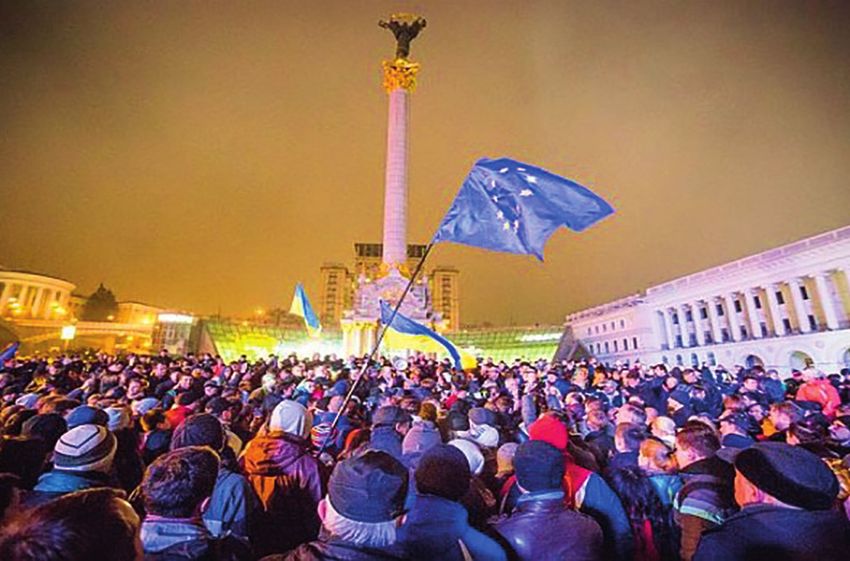
2
What is GRB and
why is it important?
Since its emergence in the mid-1980s, GRB work has taken many         contribute to a closing of the existing gender gap but rather
forms, but the aim has always remained the same: applying a           perpetuate poverty and gender inequality. By collecting and
gender lens to PFM institutions and practices to ensure women         assessing data on various aspects of society from a gender
and men get an equal piece of the public service pie. Budgetary       perspective, government can make informed decisions about
decisions reflect values, power relations and real political          how to apply spending in a way that promotes equality and
priorities. It is often assumed that, as such, national budgets       delivers services more effectively.
and targeted measures will benefit all citizens equally. The
population is assumed to be constituted of homogenous groups          GRB is therefore an approach through which we ensure
who are able to equally take advantage of the offerings and           specific data on and knowledge of women and men’s situations
incentives arising from budget implementation.3 Experience            is included in all PFM processes. Simply put, it implies a budget
worldwide has shown that this assumption does not hold true,          that works for everyone’s benefit through an equitable and fair
and that without understanding and accounting for different           distribution of resources, both in regular budget processes, and
needs of groups of women and men, budget decisions will not           in particular when it comes to emergency crisis measures.

  GRB has been “developing                    “GRB is an application of                      “Using the gender-responsive
  incrementally as a strategy                 gender mainstreaming in the                    approach in the budget
  for advancing gender                        budgetary process. It means                    process is a demand of the
  equality and women’s                        a gender-based assessment                      society which expects fair,
  rights and securing the                     of budgets, incorporating a                    effective and transparent
  transformation of public                    gender perspective at all                      allocation of expenditures with
  policy institutions.”                       levels of the budgetary                        account of the interests, needs
                                              process and restructuring                      and opportunities of women
  (O’Hagan/Klatzer 2018).                     revenues and expenditures                      and men in all their diversity.”
                                              in order to promote                            A quote from the Final Conference on
                                              gender equality.”                              GRB in Ukraine, November 2020
                                              (Council of Europe, 2009).

  8    What is GRB and why is it important?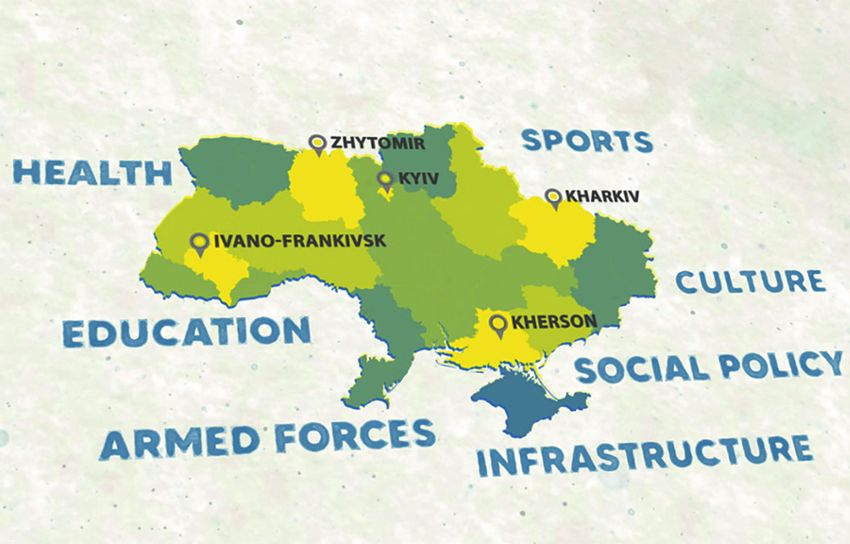
Ukraine's place in the world
                                                                           Albania, Austria, Belgium, Finland, Iceland,
                                                                           Ireland, Netherlands, Norway, Northern
                                                                           Macedonia, Sweden, Ukraine

Canada

                            MORE THAN               80
                                         COUNTRIES APPLY
                                  SOME FORM OF GRB                                                                            Bangladesh,
                                                                                                                              Indonesia, India,
                                                                                                                              Japan, Korea,
                                                                                                                              Pakistan,
                                                                                      Ethiopia,                               Philippines, Sri Lanka...
 Argentina, Barbados,                                                                 Morocco,
 Chile, Dominican                                                                     Rwanda,
 Republic, Mexico,                                                                    Senegal,
 Saint Kitts and                                                                      South Africa,
 Nevis...                                                                             Tanzania,
                                                                                      Uganda...
                                                                                                                             Australia, Fiji,
                                                                                                                             Samoa...

Source: PEFA GR PFM Presentation 2020

Today, GRB is being implemented across more than 80 countries    women and the differential effects of fiscal policies on women
to different degrees.                                            and men, building this information into budget classification and
                                                                 monitoring systems.
As part of their GRB efforts, some countries have adopted or
modified fiscal policies and programmes to ensure that the
budget contributes to the closing of gender gaps and women’s
advancement. Others have begun a process of trying to collect,   3
                                                                  Angela O’Hagan and Elisabeth Klatzer, “Gender Budgeting in Europe:
in a systematic manner, information on the different needs of    Developments and Challenges”, (Palgrave Macmillan, 2018).

  “GRB does not require a new approach to                            Integrating GRB into the budget process helps
  budgeting, rather an explicit recognition of                       overcome the gap between the declared
  the existence of gender elements paired with                       gender equality policy and the allocation of
  an adaptation and reinforcement of existing                        resources for its implementation. It concerns
  institutions and tools. GRB is, therefore an                       not only direct financing of the gender equality
  approach that uses fiscal policy (tax and                          policy (for example the State Programme on
  spending policies) and public financial                            Ensuring Equal Rights and Opportunities of
  management instruments to promote                                  Women and Men) but also indirect financing,
  gender equality and girls’ and                                     i.e. integration of a gender perspective into the
  women’s development.”                                              process of formulation of policies, strategies,
                                                                     plans and programmes in various sectors.
  IMF, GRB in G7 countries, 2017

                                                                                           What is GRB and why is it important?                 9
3
A closer look at the
GRB project in Ukraine
In 2012, the Swedish Government through Sida (the Swedish       holders and popularising the process. As a result of the success-
International Development Cooperation Agency) launched pilot    es seen in these pilot areas, the Ministry of Finance of Ukraine of-
projects in the Ivano-Frankivsk and Lugansk oblasts (regions)   ficially requested bilateral cooperation with Sweden to facilitate
aimed at showcasing the benefits of GRB to government stake-    the national introduction of GRB in February 2013. Implemented

 10    A closer look at the GRB project in Ukraine
by NIRAS in partnership with
CPM, the GRB project was                                  The project had four key expected outcomes:
designed to run concurrently
on the national and oblast state
                                           ●     GRB is introduced in Ukraine and rolled out nation-wide
levels to improve understand-
ing of GRB and encourage its               ●     Selected line ministries introduce GRB in regular budget preparation
implementation in all levels of            ●     Oblasts introduce GRB in the regular budget preparation
the Ukrainian Government.
The Theory of Change                       ●     All relevant actors at State and Oblast level are actively engaged and
illustrated below explains how                   cooperating on GRB
these outcomes are connected

GRB project Theory of Change 2017-2020

      Sphere of control            Sphere of direct influence              Sphere of indirect influence

                                                                                Outcome
                                                                        A. MF has strengthened
            Project                         Intermediate                necessary regulatory
                                              Outcomes                  framework and applies GRB               Impact
           Strategies                                                                                                                    Development
                                                                        at state and oblasts level             Objectives
                                     Changes at MF level are to be                                                                        Objective
    Develop capacity in GRB          identified as part of adaptive     B. Selected line ministries     1. Budget policies and
                                     planning process                   introduce GRB in the            allocations at national
                                                                        regular budget preparation      level reflect objectives of         Increased
                                    Changes at line ministry level                                      gender equality                     economic
    Method development              are to be identified as part of     Local level:                                                       efficiency &
                                    adaptive planning process           C1. Oblasts introduce            2. Budget policies and
                                                                        GRB in the regular budget                                       transparency in
                                                                                                         allocations at local level
                                                                        preparation                      reflect objectives of         budget allocations
    Networking/ coordination        Changes at local levels are to      C2. Gramadas introduce           gender equality                 that take into
                                    be identified as part of            GRB in the regular budget                                         account the
                                    adaptive planning process           preparation                      3. Relevant actors            different needs of
                                                                                                         (CSOs, media, citizens)         both genders
    Policy influence                                                    D. Relevant actors (cabinet      are empowered to
                                     Changes at the wider actor         of ministers, parliamentary
                                     level are to be identified as                                       participate in budget
                                                                        committees, training insti-      processes and demand
                                     part of adaptive planning          tutes, universities, targeted    access to gender aware
                                                                        non-governmental actors,         related information
                                                                        other donors' initiatives)
                                                                        actively participate and
                                                                        support the GRB process

                                                                            Gender equality
                                                                            goals measured                                            Ministry of Finance

                                                     MF include GRB                                                                   Line Ministries
     Piloting GRB pilot    Test GRB at pilot         budget documents       GRB included in         GRB introduction
     ministires & oblast   ministries & oblast       (regulation)           full budget cycle       in Ukraine                        Local level; Oblasts & Gramadas

                                                                            Policy                                                    Wider actors
                                                                            formulation

with other interventions and how they
feed into the impact and development
objective of applying more effective
and transparent budget allocations,
which take into account the needs of
different groups of women and men.

Gender analysis at the
heart of GRB in Ukraine
At the beginning of the project’s
implementation, the Ministry of
Finance suggested to start by
“collecting data on inequalities in
programmes, as an evidence base for
further work on GRB”. Thus, gender
analysis was at the centre of the GRB

                                                                                                A closer look at the GRB project in Ukraine             11
work in Ukraine from the earliest stage. Data collected from analysed), the State Statistic Service, a GRB expert from the
gender analyses of budget programmes supported not only project and a group facilitator. This multi-faceted group views
relevant changes in the programmes to make them more the programme from different perspectives and ensure that all
gender responsive but also helped to further institutionalise aspects and data are taken into account in the gender analysis.
GRB. As a first step, the project supported training on gender equality
concepts, objectives and tools. This was often the most impor-
The three core elements of the GRB process are: 1) gender tant part of the work, as it was critical that financial officers and
budget analysis; 2) amending programmes and budgets; and others recognise and understand gender gaps in the sector.
3) consistent integration of GRB into the budget process
and documents. There are two important questions that need to be answered
when conducting a gender budget analysis:
What is gender budget analysis?
1. What is the impact of the sectoral and/or budget policy
Over the project’s lifespan, the process of gender analysis in on gender equality?
all institutions at state and local level started with the estab- 2. Do the programme activities and funds, allocated to
lishment of working groups consisting of representatives from reducing gaps between women and men, strengthen
finance departments, sectoral departments (the sector being or weaken gender inequality?
Identify gender issues in a sector
STEP (situation analysis). This step aims to
01
identify key target groups of the
programme, understanding their
situation and capabilities.
Collect information (input data about the
STEP programmes under analysis). This step aims
02
at gathering key data about the programme,
its goal and objectives, principal
beneficiaries, implementers, and expenses.
Conduct gender analysis of activities
STEP (measures, services). This step aims at
03
studying the key programme activities
and determining their impact upon
gender equality in a given sector.
Conduct gender analysis of budget
STEP allocations/expenditures. This step allows
04
assessing the allocation of budget funds
between different groups of women and
men as the programme beneficiaries.
Developing objectives and recommendations
STEP to improve gender equality (measures/
05
services). This step aims at preparing
recommendations to achieve greater
gender equality within the programme.
12 A closer look at the GRB project in UkraineDefining
Gender Performance Defining Defining Budget
Analysis Objectives Indicators Activities Allocations
● Understanding ● Improving ● Making progress ● Activities to ● Making sure that
existing performance towards gender achieve the enough budget
(in) equalities with regard to equality gender equality is allocated to
gender aspects measurable performance implement the
● Define gaps objectives activities well
that can be
improved by
the programme
Based on the results of gender analysis of budget programmes, Zhitomir) and city of Kyiv and pilot line ministries (Ministry of
working groups made recommendations on changing Social Policy, Ministry of Youth and Sports, Ministry of
objectives, activities, indicators and finally, resources that are Education) from year to year expanded to other oblasts,
relevant for making budget programmes more equitable. ministries and sectors. Today GRB is part of the work processes
What started in pilot oblasts (Kharkiv, Kherson, Ivano-Frankivsk, in almost all of Ukraine.
A closer look at the GRB project in Ukraine 13The work on GRB was divided in the following stages:
Stage 1: Stage 2:
Introduction of GRB Piloting (2016)
(2014-2015) ● Mainstreamed gender into relevant
documents of pilot ministries and oblasts
● Established working groups in pilot based on findings of gender analysis of
line ministries and oblasts budget programmes in stage 1
● GRB capacity built of pilot line ● Developed GRB Action Plans for pilot line
ministries, oblasts and Ministry ministries and oblasts
of Finance ● Expanded the piloting to include more
● Gender analysis of selected budget oblasts and line ministries
programmes of pilot line ministries in GRB
and oblasts ● Developed
proposals for
changes in
statistical
reporting to reflect
GRB needs
(Meeting with the members of all oblasts Working groups
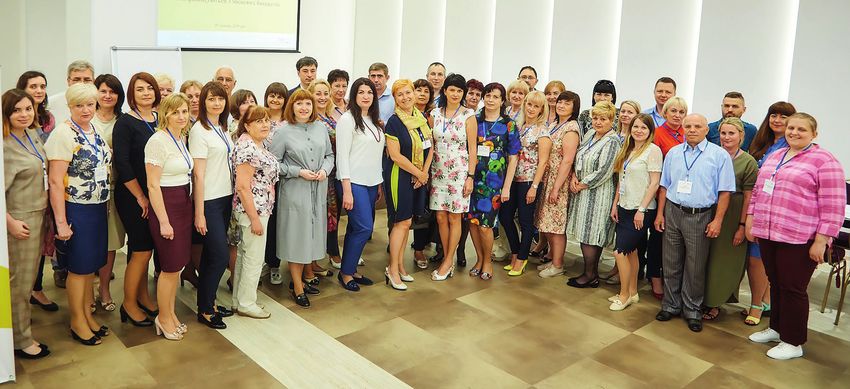
working on GRB at the local level, May, 2019)
14 Ukraine Gender-Responsive Budgeting Project:
Results And ReflectionsStage 3: Stage 4:
Institutionalising Rolling out
(2017) (2018-2020)
● Developing the Methodological ● Final changes of the legislative and regulatory
Recommendations on GRB legal frame work by means of mainstreaming
implementation at state and gender into the budget process at state and
local levels local levels
● Improving budget documents and ● Strengthening MF staff capacity and all key
depart mental regulatory legal acts spending units for GRB integration in PPB by
based on results of piloting at means of providing systematic informational,
line ministries methodological, expert and advisory support.
● Improving the work planning system
in line ministries and structural units
of local administrations to ensure
gender equality considerations
in planning
● Expanding the scope of activities at
new administrative & territorial levels
(rayons, cities, ATCs)
Representatives of all Key Spending Units receiving certificates
after gender analysis of their budget programmes in 2019
Ukraine Gender-Responsive Budgeting Project: 15
Results And Reflections4
Some numbers that
talk about results of
GRB Ukraine Project
have been analysed and of all ministries in Ukraine
many improved from gender have submitted budget
perspective (118 at local requests with gender
and 100 at the state level). considerations in 2020
gained knowledge and practical
skills on GRB application, many
becoming GRB advocates
the Ministry of Finance included information on the
application of gender-responsive approach in the budget
process in the Explanatory Note to the draft Law of Ukraine
is being collected and published
on the State Budget of Ukraine for 2021
in all oblasts of Ukraine
governing budget relations have been made
gender responsive
16 Some numbers that talk about results
of GRB Ukraine ProjectFrom 6 budget programme “passports” that contain gender perspective (objectives,
activities, and indicators that are gender responsive) in 2017 to 1,075 in 2020
1,075
325
2020
60
2019
Methodological
Recommendations for GRB
for all Key Spending Units
2018 6
issued by the Ministry
of all oblasts local budget
programmes are analysed of Finance 2017
from a gender perspective
persons in Ukraine completed
made for including GRB within amendments
an online ‘GRB Gender
to the Budget Code of Ukraine
Budgeting for Community
Development’ course
Draft Strategy for
Reforming the
Public Financial
Management System
budgets passports at the local for 2021–2025
level include gender aspects
COVID-related work
In the today’s world – changed by the COVID-19 crisis – it is clear that “business
as usual” is not possible. This is particularly the case when it comes to fiscal and Ґендерний
financial processes, that are now done in emergency circumstances with the вимір пандемії
objective to reduce incidence of the disease, limit the pressure on healthcare COVID-19
systems and prepare for a stronger rebound as mitigation measures are relaxed.
In the time of COVID-19, and post-crisis period, there has never been a more
important time to ensure public finance management systems take into
consideration the needs of all citizens, in all their diversity, to avoid the
perpetuation of gender and other types of inequality. Fiscal measures planned to
respond to COVID-19 that are gender blind, will deepen pre-existing inequalities,
and expose vulnerabilities in social, political and economic systems which are in
turn amplifying the impacts of the pandemic.4 Public finance management (PFM)
systems are the first barrier of defence in both health and economic
emergencies, as emergency fiscal and financial responses are first being used to
respond to the crisis. Making these actions and funds gender responsive is
essential to ensure that the needs of women and men and all parts of society,
including vulnerable groups, are being considered when using PFM systems to
respond to COVID-19. Київ,
травень
2020 року
4
UN Women, “Policy Brief of the Impact of Covid-19 on Women”, April 2020.
Some numbers that talk about results 17
of GRB Ukraine Project5 Stories on changes Introducing gender considerations in budget processes and In the text bellow, we have highlighted some of the results and institutions require multitude of changes and realisation of changes that we have seen happening at three different levels: favourable conditions at different levels: from institutional, legislative, change in processes to changes at level of • Macro/institutional level communities, and of course changes that are often most difficult • Community level and changes in practices to measure – changes on the individual level. • Individual level 18 Stories on changes
Changes on macro / institutional level
                    1. Creation of a gender-                                                  include gender considerations and account for any implications
                    responsive budget cycle                                                   of budget decisions on women and men.

               A budget cycle is the life of a budget from its                                In Ukraine, we have worked with every step in the budget
preparation, approval, through to execution and evaluation.                                   process at state and local level and today ensure that gender is
GRB aims to ensure that all phases of the budget cycle in PFM                                 considered in all of them.


           Preparation and

                                              Development of

                                                                                  Budget approval

                                                                                                                    Budget execution

                                                                                                                                                       Budget reporting
         consideration of the                   the budget
      Budget Declaration of the
      draft budget (local budget
              forecast).

     LOCAL LEVEL Order                    Instructions sent by               Explanatory note                    MF Order №1536 of                    ● MF Order № 223 of
     of Ministry of Finance               MF to the KSUs in                  with the draft                      10.12.2010 “On                       19.05.2020 “On evalu-
     №130 of March 29,                    regard to preparation              Budget Law                          performance                          ation of effectiveness
     2019 “On approval                    of budget requests-                contains information                indicators of the                    of budget programmes
     of Methodogical                                                                                                                                  of the state budget”
                                          request for inclusion              on all KSUs budget                  budget programmes”                   contains provisions on
     recommendations for                  of results of gender               programmes that are                 contain gender                       evaluation from gender
     preparation of local                 analysis into budget               gender responsive                   indicators                           perspective.
     budgets for the                      submissions                                                                                                 ● MF Order № 446
     medium term                                                                                                                                      of 23.10.2019 “On
     perspective in 2019”,                                                                                                                            spending review of state
     gender-responsive                                                                                                                                budget expenditures”
                                                                                                                                                      contains gender provi-
     approach is included                                                                                                                             sions on gender impact
     in the Article 33                                                                                                                                of programmes

The GRB project submitted recommendations to include a gender-responsive approach to Article 53 of the Budget Code on the preparation and approval of the Budget Declaration.

                    Project contribution                                                      and sets the foundation for further work with other budget in-
                                                                                              stitutions and processes to make them more gender responsive
                During the past seven years, the project team re-                             (public investment management, public procurement, audit
                viewed all the documents and steps used in the                                and other).
budget process of Ukraine,
and made suggestions on
inclusion of gender consid-
erations in every relevant
step and document. Aside
from the regulatory docu-
ments that are now made
gender-responsive, MF
included gender and social
considerations in the newly
developed orders and doc-
uments regulating budget
process, such as spending
reviews. This shows a strong
commitment towards more
transparent and equitable
budget process in Ukraine,

                                                                                                                                                Stories on changes              19
“Implementation of a policy of
equal rights and opportunities
for women and men is not just an
2. GRB in draft “Law of Ukraine
imperative of our time, but also
on the State Budget for 2021” an urgent need of our society.
One of the most important milestones of any
And we are ready to actively
GRB work is to ensure that the budget law implement all the necessary
discusses the gender implication of budget submissions. For
the first time, the “Law of Ukraine on the State Budget for 2021”
policies and practices in
includes information on gender mainstreaming in the budget our department.”
programmes of the government ministries. Budget programmes
Dmytro Hladchuk, Head of the Human Rights Monitoring Department of
are notes of budget allocations in different sectors and are the Ministry of Internal Affairs of Ukraine.
traditionally considered “gender neutral” (having the same
impact on women and men in all their diversity). However,
without gender considerations they more often than not deepen
or maintain existing gender gaps. This is why it was considered
a major success when 35% of all key spending units (KSUs) of Some of the programmes that contain gender
the state budget funds included gender aspects in their selected aspects are:
budget programmes based on gender analyses that showed
gender gaps. A total of 41 budget programmes were improved, ● Ukrainian Parliament’s “Implementation of
submitted and reported with the Budget Law and will contribute legislative activities of the Verkhovna Rada
to closing gender gaps in their scope. Basically this means that of Ukraine”
institutions not only analysed their programmes and public ● Ministry of Internal Affairs’ “Training of
services with a gender lens but also decided how to make them specialists by higher education institutions with
more responsive to the needs of all citizens. specific learning conditions”
● Ministry of Finance’s “Leadership and
In addition, 10 KSUs (12%) are improving the collection and pro- management in the field of control over state
cessing of data necessary for gender analysis, introducing new budget implementation”
and/or revised forms of statistical and administrative reporting, ● Ministry of Internal Affairs’ “Ensuring the
and implementing changes to the legal and regulatory frame- implementation of tasks and functions of the
work, with the aim of closing gender gaps within programmes. National Guard of Ukraine”
Project contribution strategic gender needs and reflecting them in the budget pro-
grammes was a long-term mission that finally resulted in much
In early stages of the project implementation, needed changes of programmes that were presented with the
we worked with four pilot ministries (Ministry Budget Law.
of Education, Ministry of
Health, Ministry of Education
and Ministry of Youth and
Sports). Since 2019, the
project team cooperated
with all KSUs to assist them
with gender analysis of the
selected programmes and
to make them more gender
responsive. Each KSU either
established working groups
or trained individuals to car-
ry out ex-post gender analy-
sis of budget programmes.
Collection of sex-
disaggregated data, anal-
ysis of data and budget
allocations, understanding
20 Stories on changesGRB Academy for the representatives of the Ministry
of Finance of Ukraine, November 2019
“All budget process stake-holders should realise that narrowing gender
inequality is not only a matter of the country’s dignity, but also a
potential for increasing labour productivity, for economic growth. This is
a powerful factor for the growth of budget revenues; therefore, the
analysis of budgetary decisions’ influence on gender equality should
become a reflexive action for our economists, politicians and civil
servants. It is vital to understand the essence and importance of this
instrument through painstaking training, through examples and
dissemination of information.”
Dmytro Hladchuk, Head of the Human Rights Monitoring Department of the Ministry of Internal Affairs of Ukraine.
3. Methodological tions, the Ministry approved their use in the preparation of local
recommendations on GRB budgets for a medium-term period (MF Order No. 130 of 29
for KSUs March 2019) and changes have also occurred in state budget
documents. For example, a 2010 MF order on drafting per-
The MF's first order in 2019 was related to GRB and was issued as formance indicators for budget programmes was updated to
a symbolic first order in that year. The Order on Methodological ensure a gender perspective is conducted as part of the process
Recommendations for Using the Gender-Responsive Approach in (MF Order No. 145 of 8 April 2019). In addition, state spending
the Budget for Key Spending Units was an important milestone reviews, which the Government conducts to understand the
for GRB in Ukraine. The Ministry of Finance developed effectiveness and efficiency of public spending in a specific area
a framework for GRB targeted at all and define the key improvements that the public can expect
ministries and agencies at the state from these resources, were revised to ensure they include
and local level. gender considerations (MF Order No. 446 of 23 October 2019)
Making these documents gender responsive ensures that
With a thorough explanation of the gender impact is being regularly considered when assess-
concept of GRB, the Methodologi- ing effectivnes of programmes, and making decisions of
cal Recommendations set out all the possible budget cuts.
steps in gender analysis that ministries
and other institutions should undertake to These changes significantly strengthen the regula-
fully understand the gender impacts of their pro- tory framework for GRB in Ukraine and place gen-
grammes and how to include gender considerations in der equality issues in the focus of discussions related to
the programmes’ outcomes, activities and indicators. public spending.
Following the issuance of its Methodological Recommenda-
Stories on changes 21“GRB is a tool that will help us better manage our
public finances”.
Deputy Director of the State Budget Department of the Ministry of Finance of Ukraine Mykhailo Bosak during the GRB
workshop at the Ministry of Finance on November 17 .
Project contribution ed working with GRB. The GRB project team provided expert
assistance and trainings to all institutions to help them under-
The GRB project team developed the stand how to apply this new framework document and how to
Methodological Recommendations in numerous ensure their budget programmes provide equitable service to all
consultations with international and national project experts Ukraine citizens.
and in close
collaboration with
MF. The consulta-
tion process took
over a year and was
based on the pilot
work in Ukraine,
best international
practices and the
vision of MF on GRB
process for Ukraine.
Following
issuance of the
recommendations,
all institutions
and ministries in
Ukraine have start-
4. Ukraine A shining example on Project contribution
the global stage
Three countries of the South Caucasus –
During the project's lifespan, Ukraine became a Georgia, Armenia and Azerbaijan – visited
focus for development partners and other countries for the work Ukraine with the support of Germany's GIZ in December 2019 to
it has been doing on GRB. The GRB project team hosted several learn from the Ukrainian experience of implementing and apply-
delegations: for example, the IMF’s Fiscal Affairs Department ing the gender approach in the budget process at state and local
Division Chief for PFM, Carolina Renteria Rodrigez visited levels. What is the place of gender budgeting in implementing
Ukraine to examine GRB work and participate in the gender equality policy? What were the first steps of gender
medium-term and gender budgeting conference in 2017, and budgeting implementation in Ukraine? How important is the
there were multiple study visits and internships by experts from application of the gender approach in the budget process at the
countries interested to emulate Ukraine’s GRB model. state and local levels? These and many other important
questions were answered during the study
visit by experts from the Ministry of Finance,
the Ministry of Communities and Territories
Development, the Ministry of Education and
Science, the Association of Ukrainian Cities,
and other Project partners.
In addition, during the study visit to the
Zhytomyr region, the foreign guests had a
chance to learn about the possible
challenges at the local level. Ukrainian
representatives were also invited to a
number of international conferences
and round tables, and GRB project
representatives participated in developing
UN indicator SDG 5 c.1 within a joint working
group by UN Women and OECD.
22 Stories on changes“We are proud to
be able to share the
experience of GRB
implementation.
Don’t be afraid to
use this progressive
tool!”
Olena Mykhailenko, Head of the
Department of Mid-Term Budgetary
Forecasting and Development of the
Programme-Oriented Method of the State
Carolina Renteria, Division Chief of IMF, Public Finance Management, Budget Department of the Ministry
at Fiscal Affairs Department- speaking at the Conference on Medi- of Finance.
um-Term and Gender Budgeting in 2017
Study visit of Armenia, Georgia and
Azerbaijan in 2019
International conference "Gender budgeting and Senior national expert Maryna Sopilka at the
gender equality", South Korea, November 2017 international GRB conference, Ethiopia, March 2019
Stories on changes 23Project contribution
Aside from cooperating with the oblasts and
newly established amalgamated territorial com-
munities (ATCs), the project team worked closely with all the ac-
tors engaged in the process of administrative and fiscal decen-
tralisation. Ministry of Regional Development, MF, Association of
ATCs and other institutions and organisations were key partners
5. GRB in the draft Law on Local to ensure that gender considerations are part of on-going de-
Self- Governance centralisation reform. The project team helped review guiding
in Ukraine laws and regulations and gave number of recommendations on
how to include needs of women and men in decentralisation
The Law on Local Self-Governance from 1997 regulates all issues processes. The Law on Local Self-Governance is the guiding
regarding organisation, legal status and responsibilities of local document, so we take pride in ensuring principles of equal right
communities. In order to adjust this law to the new decentralisa- and opportunities are part of this important document.
tion process that Ukraine is implementing, a new law has been
drafted, and GRB has been included in this draft regulation,
upon the subimission of a proposal by the GRB project to the
Ministry of Communities and Territories of Ukraine. The inclu-
sion of GRB recognises the importance of this tool for effective
allocation of expenditures at the local level but also achieve-
ment of gender equality outcomes. According to this new draft
law, every development strategy of amalgamated territorial
units (ATUs) need to adhere to the principle of gender equality
and each strategy must undergo gender analysis.
The draft Law on Local Self-Governance:
● The principle of equal rights and opportunities
for women and men is included among the
principles of local self-governance;
● Gender equality is among the general
requirements of legislative acts and local officials:
◉ legislative acts on the local level
should take into account the principle
of equality between women and men;
◉ ATUs development strategies should
ensure equal rights and opportunities
for women and men based on
gender analysis;
◉ development strategies should be
evaluated based on how well they
manage to narrow the gender gap;
◉ the gender analysis underpinning ATU
development strategies and legal acts
should be made public.
24 Stories on changesChanges at the Community level
1. Vinnytsia- more men tested
for HIV and AIDS
As a result of gender budget analysis of HIV/AIDS
programme in Vinnytsia, now more men in risk
groups are being tested for HIV, and the number of early
detection cases has been steadily increasing. This is
because a gender budget analysis of the budget programme
“Counteracting HIV Infection and AIDS” (2016–2020) in 2018
showed significant gender differences in the way preventive People who received counselling and People who have viral
testing for HIV/AIDS, % hepatitis, %
measures are carried out. Namely, there was a significant
prevalence of men (61.1%) who had viral hepatitis, compared to The Vinnytsia oblast administration therefore decided to
women (38.9%). At the same time, testing and prevention was purchase a mobile laboratory, testing equipment and fast
primarily focused on urban areas and sectors in which women testing kits. Since 2018, the number of tested and early detection
dominate (education, health). Therefore, in analysing those cases has increased, in particular among men who are in risk
receiving consultation and testing, women comprised 62% groups and rural areas.
between 2015 and 2016 in comparison to men (38%). Another
upsetting finding was that testing was being done mostly on In addition to purchasing a mobile vehicle, the
urban populations, while rural areas were being neglected analysis showed the importance of improving
in testing. HIV/AIDS centres, so a special-purpose room
was built for children and in-patient services
were improved. In addition, recommendations
were made for continued collection of sex-dis-
“Due to the relevant decisions aggregated data both at local and state level.
and funds allocation, we are now
preparing everything for our Project contribution
mobile outpatient clinic, which is The GRB project
helping us better serve the rural team guided the
areas of our oblast. This would work of the GRB working group
in Vinnytsia that consisted of
be impossible to accomplish representatives of the Finance
without gender Department, the Department of
Health, the Statistical Service
responsive budgeting.” and a GRB expert, who jointly Rate of rural and city population
among registered patients, %
led the process of anal-
Igor Matkovskyi, Director of the ysis, development and
Vinnytsia Oblast Clinical Center for
AIDS Prevention and Control. implementation of recommendation for change.
Members of the working group had never worked
with gender equality issues before, so first meet-
ings were dedicated to discussions on gender
gaps in the health sector in Ukraine, and how
they can be tackeled by the health programmes
in Vinnytsia. During the 6-month process of gen-
der analysis of the budget programme, serious
gender gaps were discovered that highlighted not
only unequal distribution of funds, but also inef-
fective preventive measures in the area of HIV and
AIDS. After the improvement of this programme,
Vinnytsia oblast continued working with GRB and
made significant changes in other analysed pro-
grammes in different sectors.
Stories on changes 252. Chernivtsi oblast saved regularly looking into the new indicators that have been
UAH 6 million and included developed and has regular savings in addition to collecting and
gender statistics in registry monitoring sex dissagregated data on patients that enables
of patients further gender analysis and gender responsive planning
and budgeting.
Project contribution
Chernivtsi was one of the first oblasts that started
working with GRB, and is continuing to analyse
and improve programmes every year. The project team not only
lead the work of the team that performed this gender analysis,
but also enabled communication between the Chernivtsi oblast
and MF as well as the Ministry of Health. In order for meaningful
changes of budget programme, connection between oblast
administration and the sector ministry is one of the most impor-
tant preconditions.
3. Military schools all over
Ukraine now accept girls
Thanks to gender analysis of a budget of only
Oblast of Chernivtsi saved over UAH 6 million, created a register one Regional Boarding Military School, now
of patients that is sex-dissagregated and rearranged drug girls can be educated in all military and navel schools
distribution all after a gender analysis of the budget programme throughout Ukraine!
“Treatment of patients with diabetes mellitus and diabetes
insipidus in 2017”. In some budget programmes, already a first step in gender
analysis showed discriminatory provisions. Namely the girls
After the Finance Department of Chernivtsi started with gender could not participate. One such educational programme was
analysis of this budget programme, it became clear that in Zakarpattia oblast. When the working group established to
there was a lack of sex disaggregated data, which made further
gender analysis more complex. Therefore, one of the first Zakarattia Koropets
recommendations of the working group that led the gender
school school
analysis was to start collecting this data. However, one more (due to the amendments
issue became clear in the gender analysis and that is that there introduced to the Charter
is a persistent lack of funds for the purchase of insulin and of the institution)
other sugar reducing drugs, and that there is a need for further
analysis of the way drugs are distributed per patient, women
and men.
Following a gender analysis, in which the main issue identified
was lack of sex disaggregated data on patients, the Oblast
Administration established patients registry, with sex
disaggregated data and organised a different way to administer
drugs, which was now done at the beginning of the budget year. 100% 70%
In addition, the GRB working group suggested further
improvements of the programme that led to the new way of
reimbursement of medicines trough the pharmacy system
which is now done annually and saves around UAH 6 million
from the local budget of Chernivtsi Oblast.
This examples shows that gender analysis often discloses not
only gender gaps but other inefficiencies and can help
make budget programmes not only more gender responsive but 0% 30%*
more effective overall. Starting with 2017 this Oblast is
26 Stories on changesconduct a gender analysis of the
regulatory framework supporting
the Regional Boarding School with
Intensive Military and Physical
Training began its work they found
the 1999 Resolution of the Cabinet
of Ministers of Ukraine dictated
that only boys can be educated
in such institutions. This means,
that girls did not have access to
these budget funds, and schools
funded from them, and therefore
could not be trained in naval and
military education.
Project
contribution
boys) of different ages and their parents to find out which sports
The GRB working group suggested introducing
they would like to engage in. The survey showed that that girls
changes to the above Resolution that would
practiced sports but not within public sports schools. The reason
allow for equal access for girls and boys to study
for this is in the range of sports offered, primarily football, there
in these schools. The Ministry of Defence of Ukraine has devel-
are no girls sections. As girls are not encouraged to practice the
oped a draft Order that will allow girls to acquire education in all
sports on offer, they choose other types of activities, such
military and naval schools in Ukraine. These changes took effect
basketball, artistic gymnastic, cheerleading and sports not of-
from 2019. At the same time, the restrictions on admission of
fered by the city of Kyiv.
women to higher military educational institutions and military
training units were lifted and, at present, females comprise 8%
Based on the survey results, sports clubs and groups were
of military school students. According to the Ministry of Defence,
established in Kyiv according to girls’ and boys’ likings, and only
such a decision will contribute to gender-balanced armed forces
in the first two years the number of girls who engaged in sports
of Ukraine.
activities in city of Kyiv was 9% higher.
4. More girls now practicing 5. Around 9000 persons passed
sports in the city of Kyiv on-line course on GRB
In all of the more than 20 budget programmes
In less than two years, over 9000 women and men in Ukraine
that were analysed in sports, serious gender
have received a certificate of completion in the online course on
gaps were found. Girls and women have less opportunities and
GRB for ATCs. The success of the course showed that GRB is in-
access to practice facilities within all sports programmes funded
separable from from the ongoing decentralisation reform process
from the state and local budget. This was true for the pro-
in Ukraine.
grammes we analysed as women comprise maximum 30% of
the beneficiaries covered by the programmes. In Olympic sports,
ATC representatives have engaged in the course to learn how to
the Ministry of Youth and Sport that showed that even though
(1) contribute to closing to gender gaps in their communities,
women programmes are significantly less funded, it is women
(2) develop budget programmes that will respond to the need of
competitors who bring Olympic medals, which is the main
all groups of women and men, and (3) institutionalise
purpose of the Olympic sports programme.
these requirements.
Project contribution Project contribution
In the city of Kyiv, findings of GRB analysis of all
In November 2018, the Prometheus website
programmes in the physical training and sports sector revealed
launched an innovative online education course "Gender-respon-
a low rate of girls’ involvement in sports (girls make up only
sive budgeting for community development" for anyone who
28.8% among pupils of Kyiv sports schools). The working group
wants to learn more about gender budgeting and gender budget
that performed this gender analysis was surprised to see these
analysis methodology. The development of the online course was
results and decided to carry in-depth research for the reasons
made possible due to the fruitful cooperation and partnership of
behind such low number of girls within sports activities offered
the GRB project and the USAID Policy for Ukraine Local Self-Gov-
by the City of Kyiv.
ernance (PULSE) programme. The course was prepared by the
"Bureau of Gender Strategies and Budgeting" public organisation
Therefore, KCSA representatives, assisted by the project,
upon request of the GRB project.
launched a sociological survey among schoolchildren (girls and
Stories on changes 27Individual/micro level change
Work on gender budgeting always starts with talks on
gender equality and human rights. Understanding gender
gaps in Ukraine, their roots and consequences sets the
foundation for next steps in the process of making budget
decisions more fair and equitable. Financial officers were
a main target groups of the work on GRB, and – for most
of them – this was their first time engaging with gender
equality discussions, examining gender gaps in the sectors,
and making connections with their work within financing of
public services and budget programmes. We consider our
biggest success the change we have seen with our part-
ners, the financial officials with whom we cooperated at the
state and local level. Many of them became not only experts Mr Marceniuk speaking at the meeting of all ATCs, with representa-
tives of GRB Project and U-Lead
in gender analysis of budgets but convincing advocates for
GRB in Ukraine. In this chapter we present some of these say I was negative towards connecting gender and budgets and
individuals. I did not understand what kind of connection could be found
there. However, after working with GRB for almost five years, I
Viktor Kviat, Head of the socio- have myself submitted suggestions for introducing gender con-
siderations in the Budget Code of Ukraine”.
cultural sector and local authority’s
Finance Division of the Finance Department This statement says a lot about the personal change this finance
in Vinnytsia oblast. expert underwent since participating in the working group that
led the process of gender analysis of Vinnytsia budget
Today, Vinnytsia oblast state administration is one of the biggest programmes. From 2017 to today, this oblast has analysed a
advocates for GRB. Thanks to Viktor Kviat and his colleagues, four programmes and improved all of them as a result of
this oblast is one of the best examples of how to make state making them more gender responsive.
budgets more gender responsive. Viktor and his team
recently increased the number of persons tested for HIV/AIDS Mr Kviat is also proud that he transferred his discussions about
following a gender analysis of their budget programme in gender equality and gender budgeting to his family. “One of my
health, despite GRB not being the most familiar topic for Mr Kvi- daughters is currently writing a university paper on the topic of
at. “When I started working with gender budgeting I could really gender equality,” he remarked.
Sergei Marceniuk, Deputy Head of
Interbudgetary Transfers and Local Budgets of
the Ministry of Finance
The lead expert on GRB with the Local Budget Department,
Sergei Marceniuk has been working with gender budgeting and
analysis since 2017. Sceptical of the approach at the beginning,
in his own words, it took several trainings and participation in
study tours to Austria and Albania to convince Mr Marceniuk that
gender budgeting is a tool that can ensure budget funds reach
all Ukrainians.
28 Stories on changesToday he is the one to convince others of the effectiveness of
this instrument, in particular in his role as a member of GRB
Vadym Turski, Deputy Director of
Coordination Group organised by the MF. Finance Department of Zytomir Oblast
Mr Marceniuk cooperates with oblasts and provides advice on Mr Turski first heard about GRB in 2015 during the first gender
the work with GRB, which ensures that programmes transition analysis of the budget programmes in Zytomir oblast. The first
from being gender blind to gender responsive. In numerous analysed programme was on tuberculosis. One of the
discussions with oblast representatives, he presents the position WG members was head of the Tuberculosis Institute who
and suggestions of the MF and supports oblasts in working immediately shared concerns about the very different ways
with GRB. tuberculosis is diagnosed in women and men and also the
different behaviours men and women show when infected.
When Mr Marceniuk changed his position in 2018, becoming
Head of Interbudget Regulations and Medium-term Budgeting, Further analysis of this
he carried his passion for GRB with him to his new work. In a programme confirmed
recent Final GRB Conference in November 2020, Mr Marceniuk these concerns. It has
said he will always support and gladly coordinate the work on been found that men
GRB at the local level. comprise over 70% of
tuberculosis patients
and more than 80% of
Andjela Djakova, Finance those with multi-
resistant forms. This is
Department Director of Chernivci Oblast because men are often
not tested for tuber-
culosis and when the
illness is confirmed they tend to have more “relaxed” attitude on
the further steps in curing the illness. While this WG made impor-
tant recommendations at the state level and within oblasts on
how to tackle this, this process of analysis convinced Mr Turski
that gender budgeting is the most effective way to ensure that
unequal distribution of public funds is avoided.
Since 2015, Zytomir has analysed seven budget programmes,
every year choosing the programme that has not been analysed
before in other oblasts, which led to many new discoveries and
opportunities to make a difference and close gender gaps.
As Mr Turski says “ during the work with GRB, I not only learned
Since childhood, Andjela Djakova said she was sceptical in about the importance of addressing gender inequalities in my
relation to “gender talks” as her parents were very traditional. work, but this also translated to my personal life”. He added:
However, in the past six years since she has worked with GRB “We are not stopping now, our oblast is continuing to work with
that has changed. gender budgeting, we have seen the results and there is no way
back”. Mr Turski highlighted the importance of further improving
“Work with gender budgeting enabled a completely different the existing financing system to ensure GRB is part of legislation,
view on the budget, we understood better the human face administrative reporting and all the related processes. We are
behind it. Who is paying taxes, who is benefiting from the public convinced he will be a part of this change!
services, are women, men, children, other social groups satisfied
and being taken into account? I personally love the phrase we
use a lot 'Budget for all and everybody' because it highlights
that we cannot afford to deepen gender and social gaps with
the budget, but we should understand the needs of all. For us,
this has started to be the main criteria in the budget planning.”
At the time of writing this report, the working group of Chernici
oblast had looked at seven programmes from gender perspec-
tive. As Andzela says, during the time of work with GRB they not
only changed their views, but also administrative and manage-
rial decisions within Chernivci but also in other oblasts, which is
perhaps the most significant development.
Turski and Marceniuk at one of the coordination groups
for GRB between Ministry of Finance and oblasts
Stories on changes 29You can also read


