Gestational Weight Gain and Its Effects on Maternal and Neonatal Outcome in Women With Twin Pregnancies: A Systematic Review and Meta-Analysis
←
→
Page content transcription
If your browser does not render page correctly, please read the page content below
SYSTEMATIC REVIEW
                                                                                                                                                    published: 09 July 2021
                                                                                                                                           doi: 10.3389/fped.2021.674414

                                                Gestational Weight Gain and Its
                                                Effects on Maternal and Neonatal
                                                Outcome in Women With Twin
                                                Pregnancies: A Systematic Review
                                                and Meta-Analysis
                                                Wei Zhong 1† , Xiaojiao Fan 2† , Fang Hu 1 , Meiqin Chen 1 and Fanshu Zeng 3*
                                                1
                                                  Department of Obstetrics, Chengdu Traditional Chinese Medicine University Affiliated Hospital, Chengdu, China,
                                                2
                                                  Department of Pediatrics, Chengdu Traditional Chinese Medicine University Affiliated Hospital, Chengdu, China,
                                                3
                                                  Department of Emergency, Chengdu Traditional Chinese Medicine University Affiliated Hospital, Chengdu, China

                                                Background: The incidence of twin pregnancies has risen recently. Such pregnancies
                                                are associated with an increased risk for poor maternal and infant outcomes. Gestational
                                                weight gain, particularly in singleton pregnancies, has been well-linked with maternal
                                                and infant outcomes. The aim of the current meta-analysis was to evaluate the effects of
                         Edited by:             gestational weight gain on maternal and fetal outcomes in women with twin pregnancies.
                          Offer Erez,
         Soroka Medical Center, Israel
                                                Methods: A systematic search was conducted using the PubMed, Scopus, and Google
                        Reviewed by:
                                                Scholar databases. Studies, either retrospective or prospective in design, evaluating the
            Ewa Wender-Ozegowska,               effects of gestational weight gain (defined using Institute of Medicine (IOM) guidelines)
          Poznan University of Medical
                                                maternal and/or fetal/neonatal outcomes in women with twin pregnancies were included.
                     Sciences, Poland
             Antonio Simone Laganà,             Statistical analysis was performed using STATA software.
            University of Insubria, Italy
                                                Results: Eleven studies were included in the meta-analysis. Mothers with inadequate
                   *Correspondence:
                         Fanshu Zeng
                                                weight gain had increased risk for gestational diabetes mellitus (OR 1.19; 95% CI: 1.01,
                  jian82714@163.com             1.40) and decreased risk for gestational hypertension (OR 0.58; 95% CI: 0.49, 0.68)
     † These authors have contributed           and cesarean section (OR 0.94; 95% CI: 0.93, 0.96). Neonates born to mothers with
    equally to this work and share first        inadequate weight gain were susceptible to increased risk for preterm delivery (OR 1.17;
                            authorship          95% CI: 1.03, 1.34), very preterm delivery (gestational age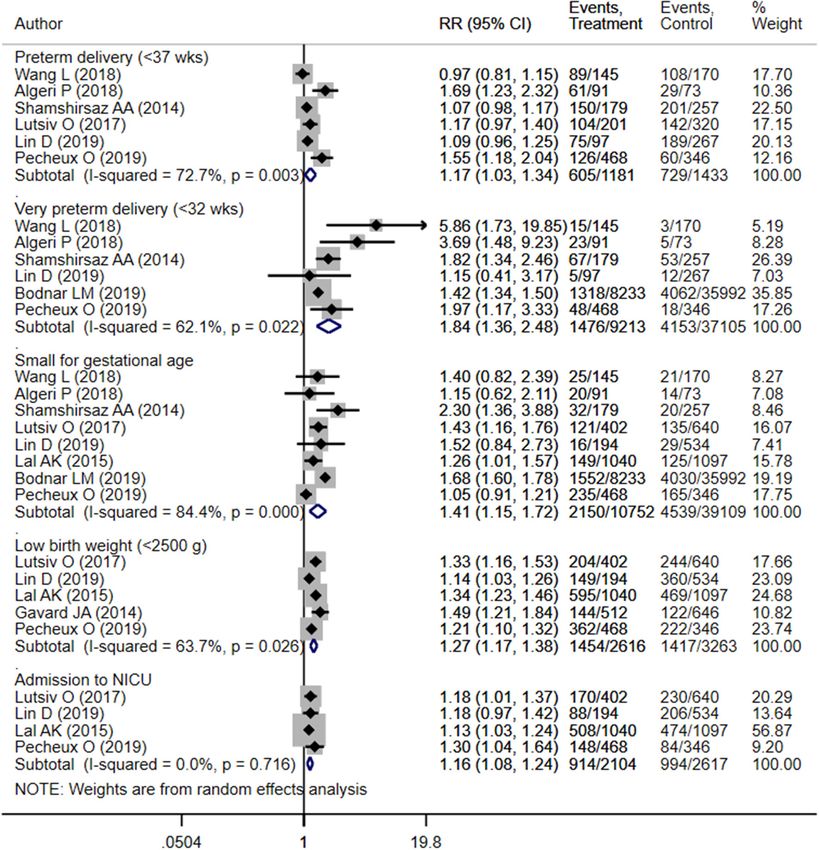
Zhong et al.                                                                                                     Maternal and Neonatal Outcome

INTRODUCTION                                                              on gestational weight gain were marked for potential inclusion.
                                                                          Reference sections for included studies were also screened for
The incidence of twin pregnancies has increased over the last             additional potential study candidates.
2–3 decades (1, 2), and given that twin pregnancies have
been linked with increased risk of poor maternal and infant
outcomes (3–6), this could potentially emerge as a substantial            Selection Criteria and Methods
clinical and public health problem. Furthermore, a wide array             The literature screen was conducted by two experts. Potential
of obstetric and perinatal complications are linked to multiple           candidate articles were first examined to remove duplicates,
gestation, including hypertensive disorders, gestational diabetes,        following which full texts were reviewed and evaluated. Disputes
prematurity, low birth weight, small sizes for gestational age, and       concerning study inclusion were resolved via discussion between
perinatal death (3–8). In particular, prematurity is one of the           all study authors.
common outcomes of multiple gestation and adds a substantial
burden on the health care system (9, 10). According to a reliable
estimate, while twin pregnancies constitute only around 3–4% of
                                                                          Inclusion Criteria
                                                                          Studies must have been either retrospective record-based or
all birth globally, they contribute to more than one-fifth (20%) of
                                                                          prospective in design to be considered for inclusion. Included
the burden of preterm births (11, 12).
                                                                          studies must have examined the relationship between maternal
    Among a multitude of factors that could potentially impact
                                                                          gestational weight gain during pregnancy and maternal
pregnancy outcomes, one of the readily modifiable factors is
                                                                          and fetal/neonatal outcomes of interest such as gestational
gestational weight gain (13, 14). The Institute of Medicine
                                                                          diabetes mellitus, gestational hypertension/pre-eclampsia,
(IOM) has developed recommendations for singleton and twin
                                                                          premature rupture of membranes, cesarean delivery, postpartum
pregnancies, determining optimum weight gain on the basis
                                                                          hemorrhage, preterm delivery, small for gestational age state,
of the mother’s pre-pregnancy body mass index (BMI) (15,
                                                                          low birth weight, and admission to neonatal intensive care
16). For the twin pregnancies, the IOM guidelines suggest the
                                                                          unit (NICU).
optimal weight gain to be 16.8–24.5 kg (37–54 lb) or 0.45–0.66
kg/weeks for normal pre-pregnancy BMI (18.5–24.9 kg/m2 ),
14.1–22.7 kg (31–50 lb) or 0.38–0.61 kg/weeks for overweight              Exclusion Criteria
BMI (25–29.9 kg/m2 ) and 11.3–19.1 kg (25–42 lb) or 0.31–                 Case-reports or review articles were excluded. Also, studies that
0.52 kg/weeks for obese BMI (≥30 kg/m2 ) mothers (15, 16). A              did not provide data on the above listed outcomes of interest
recently published meta-analysis using 23 studies documented              were excluded.
an increased risk of small for gestational age (SGA) status and
preterm birth in mothers with inadequate gestational weight gain
                                                                          Data Extraction and Quality Assessment
(13). Furthermore, the review noted a 34% lower risk of SGA
                                                                          Data from included studies was extracted and compiled by two
and 23% lower risk of preterm birth in mothers with excessive
                                                                          separate individuals. The following data was extracted: study
gestational weight gain (13), although this was countered by an
                                                                          identification information, study setting, design characteristics,
increased risk of cesarean delivery.
                                                                          operational definition of adequate gestational weight gain,
    Despite this work and the guidelines that have been
                                                                          sample size, comparison groups, and main findings. The quality
established as a result, various gaps in our understanding still
                                                                          of all included studies was assessed using the Newcastle-Ottawa
require further research. To date, several studies have analyzed
                                                                          Quality Assessment Scale (17).
the influence of high and low gestational weight gain (relative
to IOM guidelines) in women with twin pregnancies. However,
no study has attempted to pool and analyze this evidence. Thus,           Statistical Analysis
the aim of the current study was to conduct a meta-analysis               This meta-analysis was conducted using STATA software
to evaluate maternal and fetal outcomes in women with twin                (version 13.0). Effect sizes were reported as pooled odds ratios
pregnancies depending on gestational weight gain.                         with 95% confidence intervals (CIs) for categorical outcomes.
                                                                          For continuous outcomes, effect sizes were reported as weighted
MATERIALS AND METHODS                                                     mean differences (WMDs). Since the effect of gestational weight
                                                                          gain on birth outcomes was affected by maternal pre-pregnancy
Search Strategy                                                           BMI, subgroup analysis was done based on maternal pre-
This meta-analysis was conducted according to Preferred                   pregnancy body mass index. Maternal pre-pregnancy BMI was
Reporting Items for Systematic Reviews and Meta-Analyses                  categorized as normal (18.5–24.9 kg/m2 ); overweight (25–29.9
(PRISMA) guidelines. Three academic databases (PubMed,                    kg/m2 ), or obese (BMI ≥ 30 kg/m2 ). I 2 was used as a measure
Scopus, and Google Scholar) were systematically searched                  to denote heterogeneity. In instances where I 2 exceeded ∼40%,
for English language publications made available prior to                 a random effects model was used (18). For reporting statistical
31st January 2021. The search strategy included medical                   significance, a p < 0.05 was considered. Egger’s test was employed
topic heading (MeSH) terminology and free text words                      to assess for the presence or absence of publication bias.
(Supplementary Table 1). Studies involving twin pregnancies               Bias assessment was further supported by visual inspection of
that evaluated maternal and/or fetal/neonatal outcomes based              funnel plots.

Frontiers in Pediatrics | www.frontiersin.org                         2                                      July 2021 | Volume 9 | Article 674414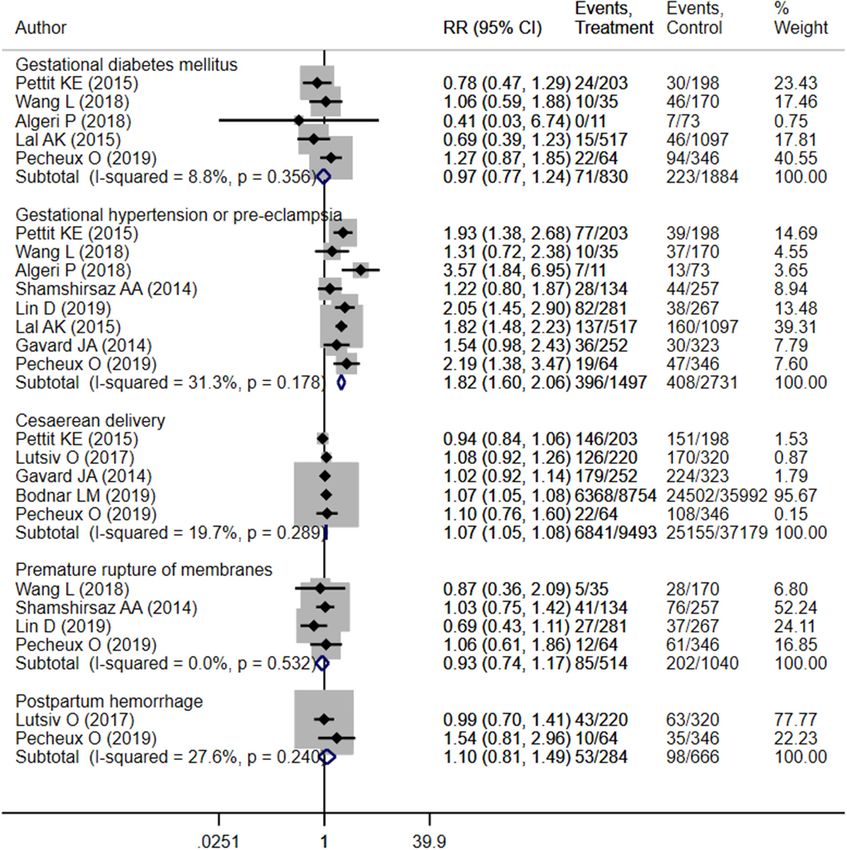
Zhong et al.                                                                                                      Maternal and Neonatal Outcome

 FIGURE 1 | Study inclusion selection process.

RESULTS                                                                  weight gain had lower risk of gestational hypertension (OR
                                                                         0.58; 95% CI: 0.49, 0.68; I 2 = 11.7%; N = 7) and cesarean
Selection of Articles, Study                                             section (OR 0.94; 95% CI: 0.93, 0.96; I 2 = 0.0%; N = 4).
Characteristics, and Quality of Included                                 Risk of premature membrane rupture (OR 1.09; 95% CI: 0.91,
Studies                                                                  1.31; I 2 = 0.0%; N = 4) or postpartum hemorrhage (OR
Literature search revealed 128 unique studies for consideration          0.96; 95% CI: 0.73, 1.26; I 2 = 0.0%; N = 2) did not differ
(Figure 1). Additional screening resulted in the exclusion of            significantly between mothers with adequate and inadequate
92 studies. Out of the remaining 36 studies, another 16                  weight gain (Figure 2). There was no evidence of publication bias
were excluded after abstract review, while another nine were             using Egger’s test and a funnel plot (Supplementary Figure 1,
removed after detailed review. A final total of 11 articles were         P = 0.71).
included in this meta-analysis (Supplementary Table 2). (19–
29). All included studies used Institute of Medicine (IOM)
guidelines to classify adequacy of gestational weight gain
according to the pre-pregnancy maternal body mass index                  Neonatal Outcomes
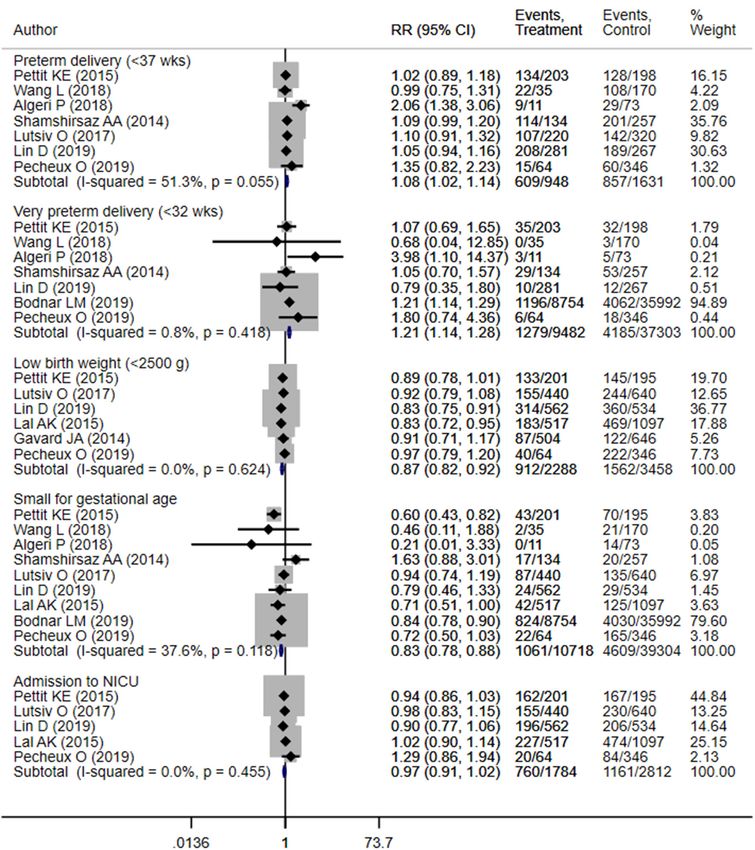
(BMI). All included studies performed retrospective analysis of          Children born to mothers with inadequate weight gain presented
previously collected data. Newcastle-Ottawa Quality Assessment           an increased risk of preterm delivery (OR 1.17; 95% CI: 1.03, 1.34;
Scale analysis indicated that all included studies were of good          I 2 = 72.7%; N = 6), very preterm delivery (gestational age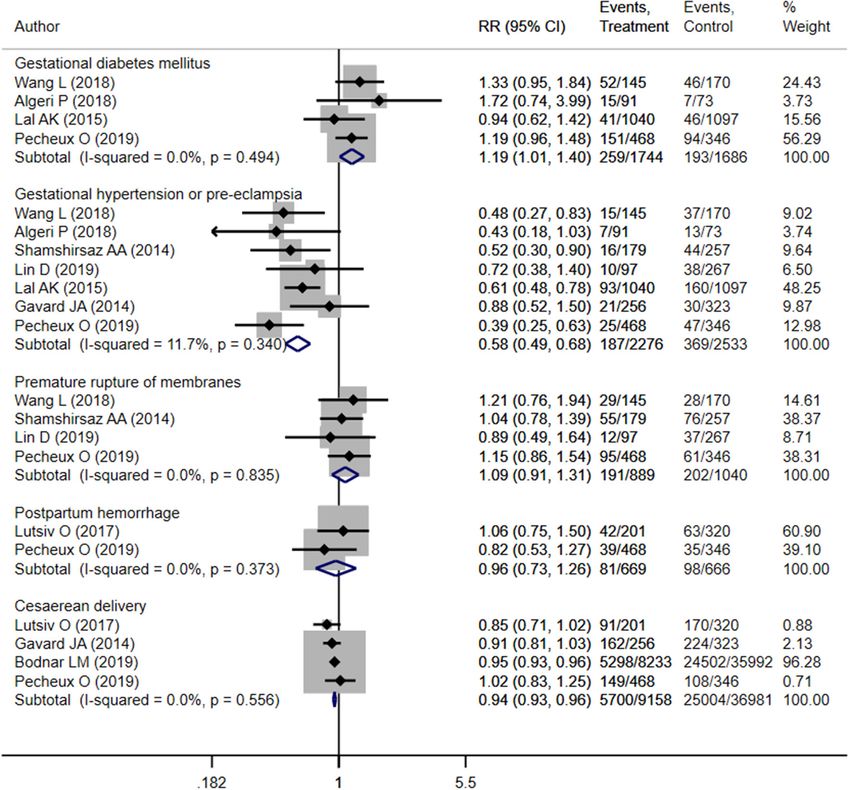
Zhong et al.                                                                                                                Maternal and Neonatal Outcome

 FIGURE 2 | Pooled analysis of inadequate or adequate pregnancy weight gain effects on maternal health outcomes.

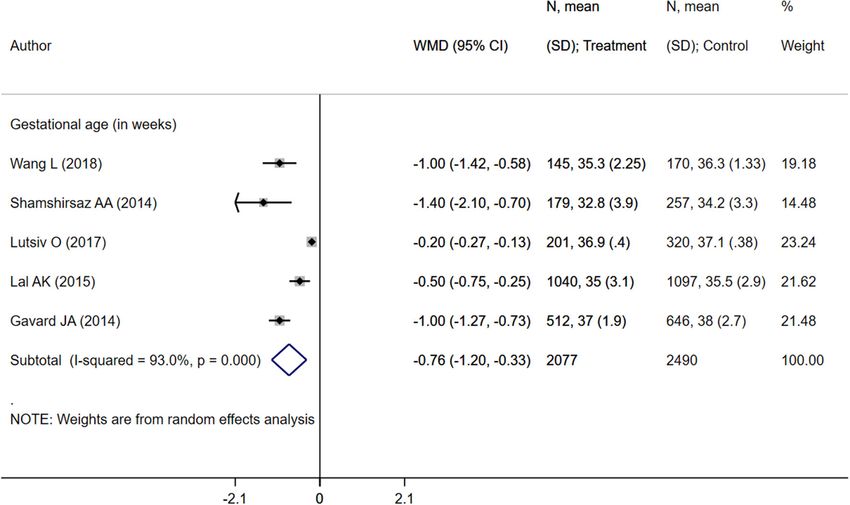
−92.2; I 2 = 92.1%; N = 4) compared to those born to mothers                       weight gain (Figure 6). There was no evidence of publication
with adequate weight gain (Figures 4, 5).                                          bias (Supplementary Figure 3, P = 0.29).

                                                                                   Neonatal Outcomes
Excessive Weight Gain Compared to Adequate                                         Neonates born to mothers with excessive weight gain were at
Weight Gain                                                                        increased risk of preterm delivery (OR 1.08; 95% CI: 1.02, 1.14; I 2
Maternal Outcomes                                                                  = 51.3%; N = 7) and very preterm delivery (gestational age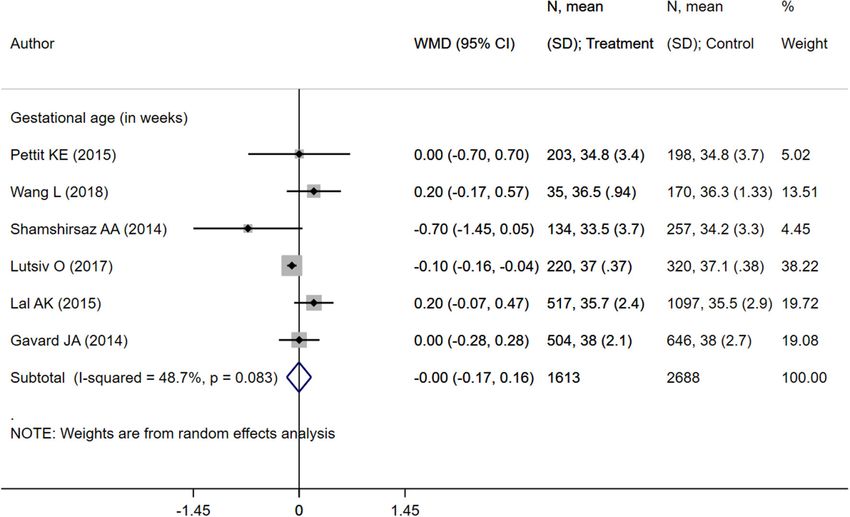
Zhong et al.                                                                                                             Maternal and Neonatal Outcome

 FIGURE 3 | Pooled analysis of inadequate or adequate pregnancy weight gain effects on neonatal health outcomes.

pooled mean birth weight (in grams) (WMD 42.3; 95% CI: −16.2,                      1.02, 1.30; N = 1) (Supplementary Figure 5). However, the risk
100.8; I 2 = 90.3%; N = 5) was higher by roughly 42 grams, no                      of gestational hypertension (OR 0.57; 95% CI: 0.44, 0.73; I 2 =
statistically significant difference was observed (Figures 8, 9).                  0.0%; N = 4) and cesarean delivery (OR 0.93; 95% CI: 0.91, 0.96;
                                                                                   N = 1) was lower (Supplementary Figure 6).
Subgroup Analysis Based on Maternal                                                    Maternal excessive gestational weight gain, compared to
Pre-pregnancy BMI                                                                  adequate weight gain, was associated with an increased risk
Mothers With Normal Pre-pregnancy BMI                                              of gestational hypertension (OR 1.92; 95% CI: 1.56, 2.35;
Maternal inadequate or low gestational weight gain, compared                       I 2 = 44.4%; N = 5), cesarean delivery (OR 1.07; 95%
to adequate weight gain, was associated with an increased risk of                  CI: 1.04, 1.09; I 2 = 37.6%; N = 2), and very preterm
small for gestational age status (OR 1.62; 95% CI: 1.30, 2.02; I 2 =               delivery (OR 1.20; 95% CI: 1.10, 1.31; I 2 = 0.0%; N
52.6%; N = 5), very preterm status (OR 2.38; 95% CI: 1.39, 4.09;                   = 5) (Supplementary Figure 7 and Supplementary Figure 8).
I 2 = 76.8%; N = 4), low birth weight (OR 1.25; 95% CI: 1.15,                      However, the risk of small for gestational age status was lower
1.37; I 2 = 8.3%; N = 2), and NICU admission (OR 1.15; 95% CI:                     (OR 0.80; 95% CI: 0.72, 0.88; I 2 = 0.0%; N = 5). The risk

Frontiers in Pediatrics | www.frontiersin.org                                  5                                     July 2021 | Volume 9 | Article 674414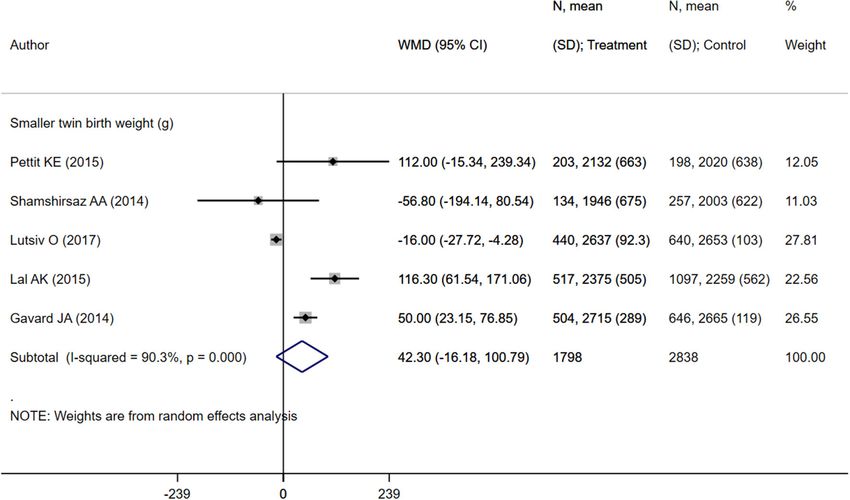
Zhong et al.                                                                                                                     Maternal and Neonatal Outcome

 FIGURE 4 | Pooled analysis of inadequate or adequate pregnancy weight gain effects on gestational age.

 FIGURE 5 | Pooled analysis of inadequate or adequate pregnancy weight gain effects on maternal health outcomes mean birth weight.

of gestational diabetes mellitus, premature membrane rupture,                       Overweight Mothers (Pre-pregnancy BMI: 25–29.9 KG/M2 )
preterm delivery, low birth weight, and NICU admission did not                      Maternal inadequate or low gestational weight gain, compared
differ significantly between those with adequate and excessive                      to adequate weight gain, was associated with an increased risk
weight gain.                                                                        of small for gestational age status (OR 1.47; 95% CI: 1.04, 2.06;

Frontiers in Pediatrics | www.frontiersin.org                                   6                                            July 2021 | Volume 9 | Article 674414
Zhong et al.                                                                                                              Maternal and Neonatal Outcome

 FIGURE 6 | Pooled analysis of excessive or adequate pregnancy weight gain effects on maternal health outcomes.

I 2 = 44.8%; N = 3) and very preterm status (OR 1.47; 95%                          Supplementary Figure 12). However, the risk of gestational
CI: 1.31, 1.65; I 2 = 0.0%; N = 2) (Supplementary Figure 9).                       diabetes mellitus reduced (OR 0.21; 95% CI: 0.07, 0.58; I 2 =
There was a non-statistically significant lower risk of cesarean                   0.0%; N = 2). The risk of cesarean delivery, premature membrane
delivery in mothers with inadequate or low weight gain (OR                         rupture, preterm delivery, low birth weight, small for gestational
0.96; 95% CI: 0.93, 1.00; N = 1) (Supplementary Figure 10).                        age status, and NICU admission was not statistically different
The risk of gestational diabetes mellitus, hypertension, premature                 between those with adequate and excessive weight gain.
membrane rupture, preterm delivery, low birth weight, and
NICU admission did not differ significantly between those with                     Obese Mothers (Pre-pregnancy BMI: ≥30 KG/M2 )
adequate and inadequate/low gestational weight gain.                               Maternal inadequate or low gestational weight gain, compared
    Maternal excessive gestational weight gain, compared to                        to adequate weight gain, was associated with an increased risk
adequate weight gain, was associated with increased risk of                        of low birth weight (OR 1.33; 95% CI: 1.06, 1.66; I 2 = 70.9%;
gestational hypertension (OR 1.65; 95% CI: 1.18, 2.30; I 2 =                       N = 3), small for gestational age status (OR 1.41; 95% CI: 1.16,
0.0%; N = 3) and very preterm delivery (OR 1.24; 95% CI:                           1.71; I 2 = 7.6%; N = 3), and very preterm baby (OR 1.32; 95%
1.10, 1.39; I 2 = 0.0%; N = 3) (Supplementary Figure 11,                           CI: 1.14, 1.52; I 2 = 2.1%; N = 2) (Supplementary Figure 13).

Frontiers in Pediatrics | www.frontiersin.org                                  7                                      July 2021 | Volume 9 | Article 674414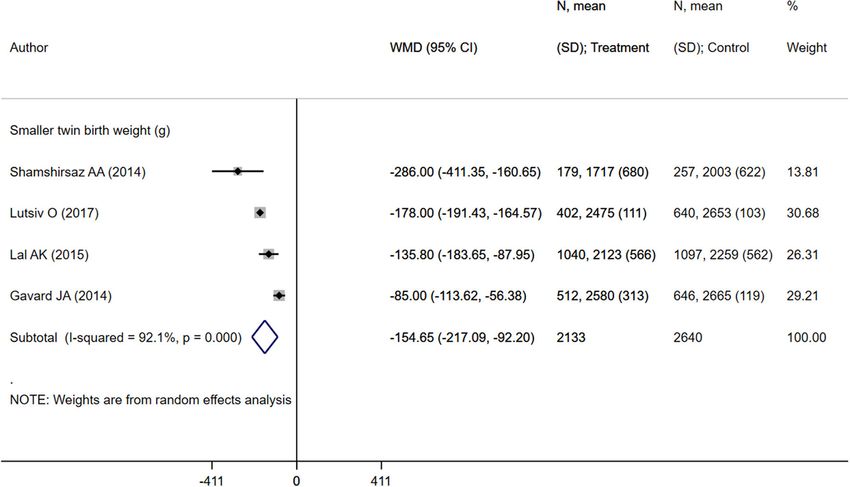
Zhong et al.                                                                                                            Maternal and Neonatal Outcome

 FIGURE 7 | Pooled analysis of excessive or adequate pregnancy weight gain effects on neonatal health outcomes.

There was a reduced risk of cesarean delivery (OR 0.95; 95%                        gestational hypertension (OR 1.45; 95% CI: 1.13, 1.86; I 2 =
CI: 0.93, 0.98; I 2 = 0.0%; N = 2) and gestational hypertension                    0.0%; N = 4), cesarean delivery (OR 1.07; 95% CI: 1.05, 1.10;
(OR 0.62; 95% CI: 0.44, 0.87; I 2 = 30.1%; N = 3) in mothers                       I 2 = 0.0%; N = 3), and very preterm delivery (OR 1.20; 95%
with inadequate or low weight gain (Supplementary Figure 14).                      CI: 1.06, 1.34; I 2 = 54.8%; N = 3) (Supplementary Figure 15,
The risk of gestational diabetes mellitus, premature membrane                      Supplementary Figure 16). The risk of small for gestational
rupture, preterm delivery, and NICU admission did not differ                       age status was reduced (OR 0.85; 95% CI: 0.74, 0.98; I 2 =
significantly between those with adequate and inadequate/low                       21.5%; N = 3). The risk of premature membrane rupture,
gestational weight gain.                                                           gestational diabetes, preterm delivery, low birth weight, and
   Maternal excessive gestational weight gain, compared to                         NICU admission did not differ significantly between those with
adequate weight gain, was associated with an increased risk of                     adequate and excessive weight gain.

Frontiers in Pediatrics | www.frontiersin.org                                  8                                    July 2021 | Volume 9 | Article 674414
Zhong et al.                                                                                                      Maternal and Neonatal Outcome

 FIGURE 8 | Pooled analysis of excessive or adequate pregnancy weight gain effects on mean gestational age.

 FIGURE 9 | Pooled analysis of excessive or adequate pregnancy weight gain effects on mean birth weight.

Frontiers in Pediatrics | www.frontiersin.org                                   9                             July 2021 | Volume 9 | Article 674414
Zhong et al.                                                                                                        Maternal and Neonatal Outcome

DISCUSSION                                                                  the current evidence suggests that glucose intolerance during
                                                                            pregnancy increases the likelihood of developing abnormal
This meta-analysis aimed to evaluate the effects of gestational             glucose tolerance and diabetes later during life (37). In
weight gain on maternal and fetal outcomes in women with                    this context, it is important to ensure a healthy lifestyle
twin pregnancies. We herein found an increased risk of negative             and nutritional habits starting from early in the pregnancy.
maternal and fetal outcomes in women experiencing either                    Additional to that, myo-inositol, one of the promising molecules
inadequate or excessive weight gain relative to mothers with                that has not only shown to positively affect fertility but also
optimal gestational weight gain. Mothers with inadequate weight             prevention of gestational diabetes mellitus, could be used during
gain were at increased risk for gestational diabetes mellitus,              pregnancy (38, 39). In a recent Cochrane review, it was found
preterm delivery, very preterm delivery, small for gestational age          to reduce the incidence of gestational diabetes mellitus by 10–
status, low birth weights, and NICU admission. The study also               22% (40). Myo-inositol functions by participating in several
noted an increased risk for gestational hypertension and cesarean           signaling processes involving insulin and gonadotropins (38–40).
section among mothers with excessive weight gain. Neonates                  Furthermore, women developing abnormal glucose tolerance
born to mothers with excessive weight gain were at increased risk           during pregnancy should closely monitor their glucose levels
for preterm delivery and very preterm delivery. The findings were           post-delivery as well.
largely the same when analysis was conducted based on maternal                 This study does have several limitations. First, the included
pre-pregnancy BMI.                                                          studies were mostly conducted in developed settings with
   A similar meta-analysis, containing 23 studies, was previously           minimal representation from low/middle-income demographic
conducted for singleton pregnancies (13), finding a higher risk             groups. This may make the findings difficult to generalize.
for small for gestational age status and preterm birth when                 Second, while included studies reported preterm birth data, no
gestational weight gain was below recommended amounts.                      clear distinctions between spontaneous and induced preterm
Moreover, gestational weight gain above baseline was associated             birth were included. Studies also did not mention how
with decreased risk for SGA and preterm birth, but increased                gestational age was assessed, which may affect prematurity-
risk for cesarean delivery (13). Additionally, a large population-          related observations. However, the studies reported on small
based cohort study in United States found that mothers                      for gestational age based on the standard definition of weight
with low gestational weight gain presented increased risk for               below the 10th percentile for the gestational age (41). The
serious adverse birth effects including maternal and perinatal              studies did not demarcate elective and emergency cesarean
death (30). The American study also noted an increased                      deliveries. Most of the studies included in this review were
risk for poor maternal and fetal outcomes in mothers with                   from developed settings and as part of the standard care
excessive gestational weight gain—however, this increased                   in these settings, twin pregnancies are usually delivered
risk was not found in maternal overweight at the time                       through elective cesarean section. Therefore, the observed
of conception (30).                                                         pooled effect sizes for cesarean section as an outcome may
   Low pregnancy weight gain usually indicates the presence of              be less reliable. Finally, the findings from this meta-analysis
nutritional deficiencies, inadequate expansion of plasma volume             are based on observational data and therefore may not
and an underlying metabolic state that is supportive of increased           be suitable for establishing causality. Our meta-analysis is
risk of infections and inflammation (31, 32). Similarly, it is well-        limited by the use of studies involving retrospective data
documented that overweight and obesity is a pro-inflammatory                procurement and analysis, meaning that data on important
state and excessive weight gain during pregnancy is associated              confounding factors are not always available. Consequently, the
with surge in pro-inflammatory cytokines (33–35). All these                 observed associations reported by individual studies may not be
factors increase the risk of preterm and very preterm delivery.             accurate, thereby affecting the reliability of the findings of this
Also, inflammation leads to activation and subsequent expression            present meta-analysis.
of several proteins, cytokines and interleukins that suppress the              One important aspect to acknowledge is that the IOM
insulin signaling pathways, lead to less sensitivity to insulin             guidelines for adequate weight gain lay a wide range and it
and consequent insulin resistance (36). These factors could, in             is often confusing to decide on what ideal minimum weight
some way, explain the increased risk of preterm delivery and                gain to aim for. Previously conducted studies, especially
gestational diabetes in women with either low or high gestational           in overweight and obese women, have shown that weight
weight gain.                                                                gain below the IOM recommendations seemingly does
   Together with the present study, these findings call for                 not have any significant negative effect of maternal and
prenatal and antenatal programs to support maternal nutrition               neonatal outcomes (14, 42, 43). This may indicate that
and encourage optimal gestational weight gain. Pre-conception               fetal growth is more important to assess, as opposed to
nutrition programs should be devised that target normal BMIs                maternal weight gain. Future studies should aim to answer
for expectant mothers. These programs are currently lacking                 the question of minimum optimal pregnancy weight gain
in both developed and developing countries. In addition,                    in twin pregnancies across various maternal pre-pregnancy
mothers should be educated about the health advantages of                   BMI categories.
maintaining normal BMI and achieving optimal weight gain                       The findings of the meta-analysis place emphasis
during pregnancy. Lifestyle and nutritional interventions may               on the importance of attaining optimal gestational
assist in these endeavors. It is also important to note that                weight gain in mothers for twin pregnancies. Doing so

Frontiers in Pediatrics | www.frontiersin.org                          10                                       July 2021 | Volume 9 | Article 674414
Zhong et al. Maternal and Neonatal Outcome
would possibly aid in preventing adverse maternal and AUTHOR CONTRIBUTIONS
fetal/neonatal outcomes. Counseling on optimal weight
gain during pregnancy as part of routine antenatal visits is WZ and XF conceived, designed the study, and wrote the paper.
therefore desirable. FH and MC were involved in literature search, data collection,
and analyzed the data. FZ reviewed and edited the manuscript.
All authors read and approved the final manuscript.
DATA AVAILABILITY STATEMENT SUPPLEMENTARY MATERIAL
The original contributions presented in the study are included The Supplementary Material for this article can be found
in the article/Supplementary Materials, further inquiries can be online at: https://www.frontiersin.org/articles/10.3389/fped.
directed to the corresponding author/s. 2021.674414/full#supplementary-material
REFERENCES 18. Higgins JPT, Green S, editors. Cochrane Handbook for Systematic
Reviews of Interventions. London: The Cochrane Collaboration (2008).
1. Collins J. Global epidemiology of multiple birth. Reprod Biomed Online. Available online at: https://onlinelibrary.wiley.com/doi/book/10.1002/
(2007) 15 (Suppl. 3):45–52. doi: 10.1016/S1472-6483(10)62251-1 9780470712184 doi: 10.1002/9780470712184
2. Smits J, Monden C. Twinning across the developing world. PLoS ONE. (2011) 19. Pettit KE, Lacoursiere DY, Schrimmer DB, Alblewi H, Moore TR,
6:e25239. doi: 10.1371/journal.pone.0025239 Ramos GA. Maternal and neonatal outcomes in women with twin
3. Walker MC, Murphy KE, Pan S, Yang Q, Wen SW. Adverse pregnancies with excessive gestational weight gain. J Matern Fetal
maternal outcomes in multifetal pregnancies. BJOG. (2004) Neonatal Med. (2016) 29:2182–5. doi: 10.3109/14767058.2015.10
111:1294–6. doi: 10.1111/j.1471-0528.2004.00345.x 79613
4. Vogel JP, Torloni MR, Seuc A, Betrán AP, Widmer M, Souza JP, et al. Maternal 20. Wang L, Wen L, Zheng Y, Zhou W, Mei L, Li H, et al. Association
and perinatal outcomes of twin pregnancy in 23 low- and middle-income between gestational weight gain and pregnancy complications or adverse
countries. PLoS ONE. (2013) 8:e70549. doi: 10.1371/journal.pone.0070549 delivery outcomes in chinese han dichorionic twin pregnancies: validation
5. Rao A, Sairam S, Shehata H. Obstetric complications of of the institute of medicine (IOM) (2009). Guidelines. Med Sci Monit. (2018)
twin pregnancies. Best Pract Res Clin Obstet Gynaecol. (2004) 24:8342–7 doi: 10.12659/MSM.911784
18:557–76. doi: 10.1016/j.bpobgyn.2004.04.007 21. Algeri P, Pelizzoni F, Bernasconi DP, et al. Influence of weight gain,
6. Gebremedhin S. Multiple births in sub-saharan africa: epidemiology, according to institute of medicine 2009 recommendation, on spontaneous
postnatal survival, and growth pattern. Twin Res Hum Gen. (2015) preterm delivery in twin pregnancies. BMC Pregnancy Childbirth. (2018)
18:100–7. doi: 10.1017/thg.2014.82 18:6. doi: 10.1186/s12884-017-1645-5
7. Chowdhury S, Hussain MA. Maternal complications in twin pregnancies. 22. Shamshirsaz AA, Haeri S, Ravangard SF, Sangi-Haghpeykar H, Gandhi
Mymensingh Med J. (2011) 20:83–7. M, Ozhand A, et al. Perinatal outcomes based on the institute of
8. Cheong-See F, Schuit E, Arroyo-Manzano D, Khalil A, Barrett J, Joseph medicine guidelines for weight gain in twin pregnancies. J Matern
KS, et al. Prospective risk of stillbirth and neonatal complications Fetal Neonatal Med. (2014) 27:552–6. doi: 10.3109/14767058.2013.8
in twin pregnancies: systematic review and meta-analysis. BMJ. (2016) 36177
354:i4353. doi: 10.1136/bmj.i4353 23. Ozcan T, Bacak SJ, Zozzaro-Smith P, Li D, Sagcan S, Seligman N, et al.
9. Bornstein E, Proudfit CL, Keeler SM. Prematurity in twin pregnancies. Assessing weight gain by the 2009 institute of medicine guidelines and
Minerva Ginecol. (2009) 61:113–26. perinatal outcomes in twin pregnancy. Matern Child Health J. (2017) 21:509–
10. Kurdi AM, Mesleh RA, Al-Hakeem MM, Khashoggi TY, Khalifa HM. Multiple 15. doi: 10.1007/s10995-016-2134-6
pregnancy and preterm labor. Saudi Med J. (2004) 25:632–7. 24. Lutsiv O, Hulman A, Woolcott C, Beyene J, Giglia L, Armson BA,
11. National Institute for Health and Care Excellence. Multiple Pregnancy: et al. Examining the provisional guidelines for weight gain in twin
Antenatal Care for Twin and Triplet Pregnancies. Clinical Guideline no. 129. pregnancies: a retrospective cohort study. BMC Pregn Childbirth. (2017)
London: NICE (2011). Available online at: https://www.nice.org.uk/guidance/ 17:330. doi: 10.1186/s12884-017-1530-2
cg129 25. Lin D, Fan D, Wu S, Chen G, Li P, Ma H, et al. The effect of
12. Fuchs F, Senat MV. Multiple gestations and preterm birth. Semin Fetal gestational weight gain on perinatal outcomes among Chinese twin gestations
Neonatal Med. (2016) 21:113–20. doi: 10.1016/j.siny.2015.12.010 based on institute of medicine guidelines. BMC Pregn Childbirth. (2019)
13. Goldstein RF, Abell SK, Ranasinha S, Misso M, Boyle JA, Black MH, 19:262. doi: 10.1186/s12884-019-2411-7
et al. Association of gestational weight gain with maternal and infant 26. Lal AK, Kominiarek MA. Weight gain in twin gestations: are the institute
outcomes: a systematic review and meta-analysis. JAMA. (2017) 317:2207– of medicine guidelines optimal for neonatal outcomes?. J Perinatol. (2015)
25. doi: 10.1001/jama.2017.3635 35:405–10. doi: 10.1038/jp.2014.237
14. Oken E, Kleinman KP, Belfort MB, Hammitt JK, Gillman MW. Associations of 27. Gavard JA, Artal R. Gestational weight gain and maternal and neonatal
gestational weight gain with short- and longer-term maternal and child health outcomes in term twin pregnancies in obese women. Twin Res Hum Genet.
outcomes. Am J Epidemiol. (2009) 170:173–80. doi: 10.1093/aje/kwp101 (2014) 17:127–33. doi: 10.1017/thg.2013.91
15. IOM. Weight Gain During Pregnancy: Reexamining the Guidelines. Institute 28. Bodnar LM, Himes KP, Abrams B, Lash TL, Parisi SM, Eckhardt CL, et al.
of Medicine (US) and National Research Council (US) and Committee to Gestational weight gain and adverse birth outcomes in twin pregnancies.
Reexamine IOM Pregnancy Weight Guidelines. Washington, DC (2009). Obstet Gynecol. (2019) 134:1075–86. doi: 10.1097/AOG.0000000000003504
16. Gilmore LA, Redman LM. Weight gain in pregnancy and application of the 29. Pécheux O, Garabedian C, Drumez E, Mizrahi S, Cordiez S, Deltombe
2009 IOM guidelines: toward a uniform approach. Obesity. (2015) 23:507– S, et al. Maternal and neonatal outcomes according to gestational weight
11. doi: 10.1002/oby.20951 gain in twin pregnancies: are the institute of medicine guidelines associated
17. Wells G, Shea B, O’Connell D, Peterson J, Welch V, Losos M, et al. The with better outcomes? Eur J Obstet Gynecol Reprod Biol. (2019) 234:190–
Newcastle-Ottawa (NOS) for Assessing the Quality of Nonrandomized Studies 4. doi: 10.1016/j.ejogrb.2019.01.010
in Meta-Analysis. Ottawa: Ottawa Hospital Research Institute. Available 30. Ukah UV, Bayrampour H, Sabr Y, Razaz N, Chan WS, Lim KI,
online at: http://www.ohri.ca/programs/clinical_epidemiology/oxford.asp et al. Association between gestational weight gain and severe
Frontiers in Pediatrics | www.frontiersin.org 11 July 2021 | Volume 9 | Article 674414Zhong et al. Maternal and Neonatal Outcome
adverse birth outcomes in washington state, Us: a population- 39. D’Alterio MN, Sigilli M, Succu AG, Ghisu V, Laganà AS, Sorrentino F, et al.
based retrospective cohort study, 2004-2013. PLoS Med. (2019) Pregnancy outcomes in women with polycystic ovarian syndrome (PCOS).
16:e1003009. doi: 10.1371/journal.pmed.1003009 Minerva Obstet Gynecol. (2021). doi: 10.23736/S2724-606X.21.04758-4. [Epub
31. Carmichael SL, Abrams B. A critical review of the relationship between ahead of print].
gestational weight gain and preterm delivery. Obstet Gynecol. (1997) 89(5 Pt 40. Crawford TJ, Crowther CA, Alsweiler J, Brown J. Antenatal dietary
2):865–73. doi: 10.1016/S0029-7844(97)00047-1 supplementation with myo-inositol in women during pregnancy
32. Dietz PM, Callaghan WM, Cogswell ME, Morrow B, Ferre C, Schieve LA. for preventing gestational diabetes. Cochr Database Syst Rev. (2015)
Combined effects of prepregnancy body mass index and weight gain during 2015:CD011507. doi: 10.1002/14651858.CD011507.pub2
pregnancy on the risk of preterm delivery. Epidemiology. (2006)17:170– 41. de Onis M., Habicht J.P. Anthropometric reference data for international use:
7. doi: 10.1097/01.ede.0000198470.26932.9a recommendations from a world health organization expert committee. Am J
33. Ellulu MS, Patimah I, Khaza’ai H, Rahmat A, Abed Y. Obesity and Clin Nutr. (1996) 64:650–8 doi: 10.1093/ajcn/64.4.650
inflammation: the linking mechanism and the complications. Arch Med Sci. 42. Langford A, Joshu C, Chang JJ, Myles T, Leet T. Does gestational weight gain
(2017) 13:851–63. doi: 10.5114/aoms.2016.58928 affect the risk of adverse maternal and infant outcomes in overweight women?
34. Lee H, Lee IS, Choue R. Obesity, inflammation and diet. Pediatr Gastroenterol Matern Child Health J. (2011) 15:860–5. doi: 10.1007/s10995-008-0318-4
Hepatol Nutr. (2013) 16:143–52. doi: 10.5223/pghn.2013.16.3.143 43. Beyerlein A, Schiessl B, Lack N, von Kries R. Optimal gestational weight gain
35. Hrolfsdottir L, Schalkwijk CG, Birgisdottir BE, Gunnarsdottir I, Maslova E, ranges for the avoidance of adverse birth weight outcomes: a novel approach.
Granström C, et al. Maternal diet, gestational weight gain, and inflammatory Am J Clin Nutr. (2009) 90:1552–8. doi: 10.3945/ajcn.2009.28026
markers during pregnancy. Obesity. (2016) 24:2133–9. doi: 10.1002/oby.
21617 Conflict of Interest: The authors declare that the research was conducted in the
36. Shoelson SE, Lee J, Goldfine AB. Inflammation and insulin absence of any commercial or financial relationships that could be construed as a
resistance. J Clin Invest. (2006) 116:1793–801. doi: 10.1172/JCI potential conflict of interest.
29069
37. Corrado F, D’Anna R, Laganà AS, Di Benedetto A. Abnormal glucose Copyright © 2021 Zhong, Fan, Hu, Chen and Zeng. This is an open-access article
tolerance later in life in women affected by glucose intolerance during distributed under the terms of the Creative Commons Attribution License (CC BY).
pregnancy. J Obstet Gynaecol. (2014) 34:123–6. doi: 10.3109/01443615.2013.8 The use, distribution or reproduction in other forums is permitted, provided the
41658 original author(s) and the copyright owner(s) are credited and that the original
38. Gambioli R, Forte G, Buzzaccarini G, Unfer V, Laganà AS. Myo-Inositol as a publication in this journal is cited, in accordance with accepted academic practice.
key supporter of fertility and physiological gestation. Pharmaceuticals (Basel). No use, distribution or reproduction is permitted which does not comply with these
(2021) 14:504. doi: 10.3390/ph14060504 terms.
Frontiers in Pediatrics | www.frontiersin.org 12 July 2021 | Volume 9 | Article 674414You can also read


