Global Future Council on Financial and Monetary Systems Vision 2030: A Stocktake - Community Paper - Weforum
←
→
Page content transcription
If your browser does not render page correctly, please read the page content below
Community Paper

Global Future Council on
Financial and Monetary
Systems
Vision 2030: A Stocktake

November 2019
World Economic Forum
91-93 route de la Capite
CH-1223 Cologny/Geneva
Switzerland
Tel.: +41 (0)22 869 1212
Fax: +41 (0)22 786 2744
Email: contact@weforum.org
www.weforum.org

© 2019 World Economic Forum. All rights
reserved. No part of this publication may be
reproduced or transmitted in any form or by any
means, including photocopying and recording, or
by any information storage and retrieval system.
Contents

Introduction                                                                         5

Financial Inclusion                                                                  6

   The good news on pensions: sustainable equals profitable                          6

   China as a confidence booster amid precarious world                               7
   economy

   Dr Z’s perspective: A Chinese nanny and global financial                          9
   illiteracy

The emerging ecosystem and the decline of cash                                       14

   The future of crypto-assets, from opportunities to policy                         14
   implications

   Why Sweden’s cashless society is no longer a utopia                               15

Operational resilience                                                               17

   Do we need a global technology regulator for financial                            17
   services?

   These three technologies will permanently change the                              18
   banking sector

   Three things I learned at Davos 2019                                              19

Conclusion and Outlook                                                               21

Co-chairs and Members                                                                23

                                                               Global Future Council on Financial and Monetary Systems – Vision 2030: A Stocktake   3
4 Global Future Council on Financial and Monetary Systems – Vision 2030: A Stocktake
Introduction

                   Broad and reliable access to safe and efficient financial services is essential for a resilient economy,
                   growth and social cohesion. However, the global financial and monetary system is going through a
                   major multi-year shake-up, driven by two seemingly opposite forces: integration and decentralization.
                   Using the visionary document The Global Financial and Monetary System in 2030 as a starting point,
                   the 2018–2019 WEF Global Future Council on Financial and Monetary Systems focuses on three
                   themes: 1) financial inclusion, 2) the emerging ecosystem and decline of cash, and 3) operational
                   resilience in the financial sector.

                   These three themes are non-exhaustive and may look disparate but they have one common
                   ingredient: Technological changes are creating tremendous opportunities, but at the same time also
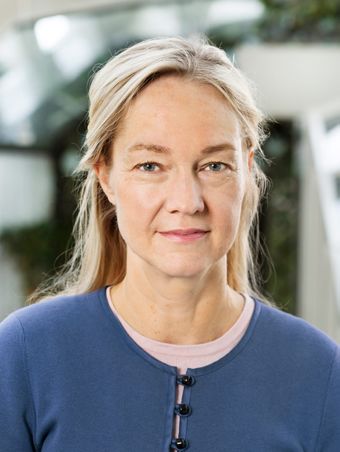
Cecilia            disrupting existing business models as well as the interactions between the private and public sectors,
Skingsley,         affecting the global and domestic playing fields.
Deputy Governor,
Swedish Central    The globalized economy relies on an international financial system. Yet increased political instability
Bank (Sveriges     and regulatory fragmentation pose a great risk to our ability to realize the full potential offered by this
Riksbank)          efficient financial system.

                   Knowledge knows no boundaries, and with technological breakthroughs including digitalization, artificial
                   intelligence (AI) and automation, it is critical to encourage joint and coordinated policy developments. In
                   this stocktaking, council members outline views on the necessary public regulations and supervision,
                   as well as the necessary standards for an innovative, effective and resilient financial industry.

                   A financial system that excludes certain individuals and businesses is failing in its purpose. Efforts
                   to broaden access to financial services are therefore critical. More than 1.5 billion adults remain
                   unbanked in the world. Improvements are being made: For example, the 2017 Global Findex database
                   shows that 1.2 billion adults have obtained an account since 2011. But access to an account is only
                   the beginning. In order to make individuals financially healthy, acquiring knowledge (financial literacy) is
                   a prerequisite to enabling informed decision-making.
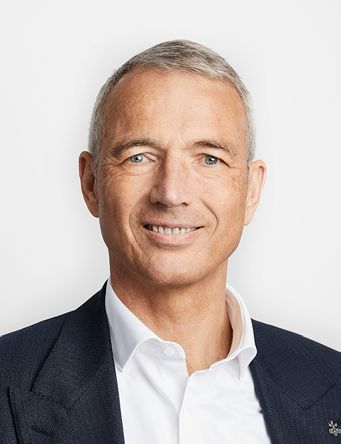
Axel P. Lehmann,
Member of the
                   The Global Future Council of 2018–2019 decided in particular to highlight and support innovations
Group Executive
                   that help individuals find, understand and use financial services that meet their needs. To this end,
Board, President
                   during spring 2019 we launched an innovation challenge to encourage and support fintech firms that
Personal &
                   enhance financial literacy in innovative ways. Fineazy won the challenge thanks to its distinct product
Corporate
                   and potential for scalability (more information about Fineazy, and the challenge, is available in the
Banking,
                   financial inclusion section of this report).
President
Switzerland, UBS
                   The rapid transformation of the global financial and monetary system will continue in the years to come
                   and so will the work of the Global Future Council. Thought leadership from both the public and private
                   sectors is more important than ever to ensure a joint approach to the necessary evolution of globally
                   coordinated international standards that are vital to underpinning inclusive growth. We hope that this
                   stocktaking will provide a helpful contribution.

                                                                    Global Future Council on Financial and Monetary Systems – Vision 2030: A Stocktake   5
Financial inclusion
The 2018 White Paper The Global Financial and Monetary This is a false dichotomy. Being sustainable does not
System in 2030 published by the members of the previous mean rejecting economic growth and financial well-
Global Future Council on Financial and Monetary Systems being in any way. Sustainability, as stated in the 1987
foresaw that universal financial inclusion and access Brundtland Report, is "to ensure that it meets the
to financial services will become a reality, enabled by needs of the present without compromising the ability of
the development of new technologies and decreasing future generations to meet their own needs".
intermediation by traditional banks. The current council
picked up on this theme, exploring in particular the One way to do this with a significant and immediate
consequences of improved access. Members saw impact is to allow workers who are obliged to contribute
significant policy gaps, as the heightened need for improving to their pension fund to distribute their savings towards
financial literacy and education remains unaddressed and sustainable funds. In Chile, for instance, the current
the risks stemming from access to digital financial services pension system allows all citizens to choose between five
are not well understood. China stands out as a market alternative funds with varying risk profiles, from the most
that has made tremendous progress in enhancing access conservative, in which the investments in equities are
to financial services through technology-based solutions, only 5% of the value of the fund, to the most aggressive,
and council member Wan Zhe discusses the Chinese which can reach up to 80% in equity investments.
achievements and remaining challenges in two op-eds.
Given that financial and pension education in Chile is
The council addresses the need to increase financial literacy low, it can be a complex decision to make. In addition
with a challenge that recognizes fintech firms that enhance to reducing fund options, an easier, more committed
financial literacy in innovative ways. The challenge winner and meaningful decision would be to offer the possibility
Fineazy enables consumers in South Africa and Ghana to to invest part or all of the savings in companies that
make better financial decisions with the help of an AI- behave better than their peers. This performance should
powered chatbot. The challenge winner was announced in be measured in terms of companies’ environmental (E),
a media briefing on financial literacy at the Forum’s Annual social (S) and governance (G) aspects. These are the so-
Meeting of the New Champions in July 2019 in Dalian. called ESG criteria.
The good news on pensions: sustainable equals The traditional form of recognizing the "social
profitable, Eric Parrado and Enric Sala responsibility" of companies is represented by the ideas
Published on the World Economic Forum Agenda Blog on 7 of Milton Friedman in the 1970s, stating that the social
February 2019 responsibility of managers is “to conduct the business
in accordance with their desires (the owners), which
Would you be interested in investing in companies generally will be to make as much money as possible
that produce nuclear weapons? Or companies that while conforming to the basic rules of the society, both
damage the environment, pollute our seas or violate those embodied in law and those embodied in ethical
human rights? Or companies that have been related to custom”. The downside of this argument is that it does
corruption scandals? If your answer is “no”, unfortunately not consider the so-called “negative externalities” that
it is likely that you are investing in some way in these are the damaging impacts of industrial activities on third
types of companies today. parties or the environment.
How can we avoid this? The solution could be in your In contrast, Hart and Zingales in 2017 incorporated the
pension funds, given the global investments they make possible negative externalities in their analysis, concluding
on your behalf. Companies with excellent certified that the welfare of the shareholders is not equivalent to
behavior currently represent only between 20% and 45% maximizing the market value of the companies. Companies
of the total. The question for both policymakers and and asset managers must follow policies consistent with
citizens is: would you be willing to invest in companies the preferences of their investors to maximize their well-
that avoid unacceptable behavior? being, which includes not only monetary aspects, but also
priorities related to environment, democracy and social
Many of us would be willing to sacrifice some return on well-being, among others.
our investments in order to contribute to environmental
conservation, for trusting companies that are concerned Investors voting on corporate policy is one way to achieve
about the impact on communities, and for supporting this. This is precisely what our proposal seeks: for citizens
good business management. However, it seems that to express their well-being and sustainability convictions
worrying about our future as a society is incompatible with through their pension funds. In the case of Chile, Pension
the pursuit of personal financial well-being, because of the Fund Administrators (AFPs) could maintain the traditional
ingrained belief, for example, that we must choose between five risk profile funds, but could also offer in parallel the
economic growth and environmental sustainability. same composition of funds with ESG certification.
6 Global Future Council on Financial and Monetary Systems – Vision 2030: A StocktakeNo other measure has as much impact on sustainability China as a confidence booster amid a precarious world
and depends directly on a personal decision as investing economy, Wan Zhe
in sustainable funds. According to the calculations made Republished with permission from Huanqiu, original
by the Nordea Bank's sustainable finance team, moving publishing date 3 July 2019
personal savings to sustainable funds can be 27 times
more efficient in terms of improving your personal carbon
footprint as eating less meat, using public transportation, My feeling at the Annual 2019年世界经济论坛(夏季
reducing water use and air travel combined. It Meeting of the New 达沃斯)新领军者年会正在
seems that the solution is within immediate reach of Champions 2019 in Dalian, 中国大连举行,从今年笔
policymakers and later on, citizens. China was that the world 者参加夏季达沃斯所感受
economy has reached a 到是,世界经济走到了转
This proposal would create at least two important turning point. 角处。
incentives. First, it would push pension funds and other
asset managers around the world to subscribe and From the opening plenum 从主会场到分论坛,笔者的
incorporate responsible investments within their portfolios. to specific sessions, 第一个感受是:对全球经济
Second, it would pressure companies to play a more my first observation 未来表现,各界人士普遍抱
prominent role in addressing critical challenges associated was the widespread 有矛盾心理与焦虑情绪。
with the Sustainable Development Goals (SDGs), such as ambivalence and anxiety 从横向看,无论是来自发
economic inclusion, closing gender gaps, and reducing that was felt among various 达国家还是发展中国家的
climate change. Companies with a vision of the future communities. Horizontally, 代表,都对自身深层次结
already understand that performance in areas associated participants from both 构性问题、政策摇摆以及转
with ESG criteria affects long-term performance. developed and developing 型期间外部压力与自身矛盾
countries were worried 的冲突存在焦虑,而发达国
A reasonable question is whether you would have to about their structural 家与发展中国家之间的利益
sacrifice monetary returns in order to invest in ESG funds. problems, indecisive 平衡和未来关系也让人们忧
The answer is no. According to one of the best-known policies, as well as external 心忡忡。从公开的表述上来
and global ESG stock indices, the MSCI ACWI ESG, pressure hindering their 看,大家普遍承认保护主义
its returns between September 2007-2018 were 81%, transition and internal 正在全球兴起,但对如何解
compared to the standard MSCI ACWI index return of issues. They are also 决问题,看法却不尽相同,
70% over the same period. The same MSCI company has concerned about how to 也说明各国在政策推动过程
shown that companies with ESG profiles exhibit higher balance interests between 中本身就存在自我意识上的
cash flows, lower idiosyncratic risk and higher valuations. developed and developing 矛盾。
countries as well as their
Is there enough volume of ESG companies to be able to relations. Participants openly
transfer those savings? The answer is yes. Investment acknowledged the rise of
in ESG companies is estimated at more than $20 trillion, protectionism around the
or about a quarter of all professionally managed assets world, but they were divided
worldwide. Additionally, strong growth in sustainable in how to address the issue,
assets is expected to be driven by global agreements a sign of inconsistency in
in carbon emissions reductions, disinvestment in fossil the policy implementation of
fuels and a change in preferences, especially of women various countries.
and millennials interested in investing in long-term
sustainability factors.
Today, we have the opportunity to generate changes for
a better future with the possibility of allocating part of our
savings in pension funds to sustainable funds. Citizens
can shape our future immediately, changing behavior
and creating incentives for more companies to address
what is important for the well-being of our current society
and future generations.
Global Future Council on Financial and Monetary Systems – Vision 2030: A Stocktake 7Vertically, there exists a 从纵向上看,存在现在与未 My second observation was 笔者的第二个感受是,焦虑
contradiction between the 来的矛盾。笔者所在的达沃 that despite anxiety expressed 中也交织着解决问题的方
present and the future. 斯全球未来理事会针对全球 by participants, solutions 案。尽管各国代表的观点看
The World Economic 科技金融行业做了一个评 were also shared. Participants 法不尽相同,但在摸索中前
Forum’s Global Future 比,探讨新技术兴起到底能 may hold divergent views, 进的意图依然明显,对一些
Council of which I’m a 够惠及哪些人、对全球经济 but they remain obviously 问题能够有深入的共识。比
member conducted a 有多少帮助。就新技术对全 committed to moving forward 如承认全球化依然是大势所
global assessment of 球经济的作用,大家普遍有 and have developed a deep 趋;保护主义的兴起无论对
fintech in an attempt to 共识,但新技术能以怎样的 understanding of certain 全球政治、经济还是对全人
identify which population 方式帮助全球经济,同时又 issues. For example, they 类福祉来说都是不利的;包
groups will benefit from 会带来哪些挑战,仍然有很 acknowledge globalization 容而非撕裂是最有利的相处
emerging technologies and 多值得讨论的空间。 as an inevitable mega trend; 方式;创新是未来经济发展
how instrumental these protectionism as a detriment 的重要助力。问题是,怎么
technologies will be to the 各界人士普遍承认解决环境 to international politics, 让这些共识变得更坚实并转
global economy. There 问题已经到了刻不容缓的地 economy and mankind’s 化为实践。
was a universal consensus 步,但很多国家所面临的经 wellbeing; inclusion, not
regarding the positive effects 济社会等问题,使得他们在 division, as the best way of 在金融科技方面,全球化大
of new technologies, but 面对大气污染、多样性减少 coexistence; and innovation 潮下仍有相当一部分民众至
how new technologies will 这些问题时不得不放慢脚 as a major driver of future 今没有享受过金融服务,
support the world economy 步,即使对一些发达国家来 economic growth. Now 有约20亿成年人没有银行账
and what challenges will 说也是如此,环境和发展的 the question is how we 户, 发展中国家拥有银行
come with them remain 平衡在某种程度上并不容易 can solidify these 账户的成年人占比只有54%
open to debate. 把握。 consensuses and translate 。怎么能在新技术帮助下突
them into actions. 破这一困境,提高金融的包
Participants also 容性,帮助金融基础设施以
acknowledged In terms of fintech, a sizeable 更低成本扩容,惠及更广泛
environmental pollution as percentage of population have 的民众,在经济快速发展的
a pressing issue, but due never been financially served. 基础上帮助大众提高经济金
to economic, social and Globally, an estimated 2 billion 融素质,使之更有效的享受
other considerations, many adults remain unbanked; in 经济与金融发展带来的福
countries have shown a developing countries, only 祉?目前已经有金融科技公
tendency to slow down in 54% of adults own bank 司利用智能技术做大数据整
addressing environmental accounts. In this context, 合,使得即使是普通人也能
concerns such as air how can we leverage new 借助操作比较简单的工具与
pollution and reduced technologies to boost financial AI机器人对话,满足一些
biodiversity. This is even true inclusion and help expand 基础的金融素养培训和理财
in developed countries, as financial infrastructure to 指南需要。对于科技创造未
it is really elusive to balance benefit more people? How 来,大家都报以极大的希望
environmental protection can we help the general public 和热忱。
and development. to improve their financial
literacy, so that they can enjoy
the benefits of economic and
financial progress? Now some
fintech companies are already
combining AI with big data
to enable ordinary people to
grasp the basics of finance
and wealth management—by
providing them with intuitive
tools such as an interactive AI-
powered robot. Participants
were all full of hope and
enthusiasm about technology
as a re-shaper of future.
8 Global Future Council on Financial and Monetary Systems – Vision 2030: A StocktakeMy third observation was 笔者的第三个感受是,中国 Dr Z’s perspective: A Chinese nanny and global financial
that China plays a very 在鼓舞世界经济信心方面起 illiteracy, Wan Zhe
positive role in boosting 着非常积极的作用。李克强 Republished with permission from The Paper, original
confidence about the 总理在开幕式上发表的特别 publishing date 5 July 2019
world economy. Chinese 致辞中强调,中国将坚定不
Premier Li Keqiang 移推动全方位对外开放,致 It was felt at the Annual 2019年世界经济论坛(夏季
emphasized in his speech 力于发展更高水平的开放型 Meeting of the New 达沃斯)新领军者年会在中
at the opening plenum that 经济。着力打造市场化、法 Champions 2019 (AMNC 国大连举行。今年的感受
China will unwaveringly 治化、国际化的营商环境。 2019) in Dalian, China that 是,世界经济走到了转角
advance its opening efforts 深入推进大众创业万众创 the world economy has 处。
and stay committed to 新。坚持经济全球化大方 reached a turning point this
developing a high-quality 向,促进贸易和投资自由化 year. 一方面,对全球经济的未来
open economy; create 便利化。现场嘉宾对李克强 表现,各界人士普遍抱有矛
a business environment 的致辞多次报以热烈掌声。 On the one hand, 盾心理与焦虑情绪。从横向
based on rule of law that 无论当前矛盾是平面的、立 ambivalence and anxiety 看,无论是来自发达国家还
is market-oriented and 体的还是跨越时间的,大 about the future of the 是发展中国家的代表,都对
internationalized; further 家都肯定中国所倡导的坚持 global economy was 自身深层次结构性问题、政
unleash the potential of 全球化与开放、包容、可持 felt among various 策摇摆以及转型期间外部压
entrepreneurship and 续发展的理念,认为这起到 communities. Horizontally, 力与自身矛盾的冲突存在焦
innovation; and champion 了坚定信心的作用,同时也 participants from both 虑,而发达国家与发展中国
economic globalization as 看到了中国在这个方向上所 developed and developing 家之间的利益平衡和未来关
well as liberal trade and 付出的实际努力。目前全球 countries were worried 系也让人们忧心忡忡。另一
investment. His speech was 对经济形势的预期不佳,包 about structural problems, 方面,对全球经济的未来,
met with several rounds 括美国在内,有些时候市场 indecisive policies, external 大家都看好科技带来的改变
of applause. Participants 信心明显低于应有基本面。 pressure hindering their 和帮助。从各个国家和各个
acknowledged China’s 其缘由可能就是所谓的不确 transition and internal 行业、领域的讨论看来,认
advocacy of an open, 定性加重了恐慌情绪的蔓 issues. They also expressed 为技术已经改变我们的生
inclusive and sustainable 延。而中国在当下展现出的 concern about how to 活、并将继续更深入的改变
approach to globalization 开放、包容、稳定的状态, balance interests between 我们的社会是共识。当然,
as a confidence stabilizer as 给风雨飘摇中的世界经济传 developed and developing 新技术能以怎样的方式帮助
well as its concrete efforts in 递出信心。大家普遍对中国 countries as well as their 全球经济,同时又会带来哪
this regard. Currently, there 经济的确定性与稳定性报以 relations. On the other hand, 些挑战,仍然有很多值得讨
is widespread pessimism 较高的评价,对中国经济的 participants also expressed 论的空间。
about the prospects of 韧性抱有信心和期待。(作 optimism about helpful
the global economy, 者是中国黄金集团首席经 changes brought about by 可以说,所谓“拐点”,可能
including the economy of 济学家) technology. Discussions 既是空间上的,也是时间
the US. Sometimes, market regarding every field, sector 上的。
confidence becomes too and country all point to
low relative to economic technology as a change
fundamentals, which may agent transforming our lives
be driven by rising panic as well as to its potential
over so-called uncertainties. to continue to reshape
However, the open, societies. Of course, how
inclusive and stable stance new technologies will
adopted by China has support the world economy
bolstered confidence amid a and what challenges will
precarious global economy. come with them are still
Participants universally open to debate.
praised China’s economic
certainty and stability and In this sense, the turning
expressed their optimism point has both spatial and
about its economic temporal dimensions.
resilience.
Global Future Council on Financial and Monetary Systems – Vision 2030: A Stocktake 9In terms of finance, 从金融方面看,科技的助力 Sometimes they had to 有的时候,有几万甚至更多
the positive impact of 和影响也非常明显,而且随 carry tens of thousands 些的现金需要携带,而回程
technology is significant 着时间的推移,大家的思考 of RMB or even more on 通常是乘坐普通列车的漫漫
and with the passage of 变得越来越深入和全面。 themselves, on slow train 长途。可想而知,极其之不
time, people’s thought has journeys that could take 方便又不安全。
become increasingly deep 我所在的GFC全球未来 days. You can imagine how
and comprehensive. 理事会金融组对全球发 unsafe and inconvenient it 但这种做法非常普遍。事实
起了一个“金融素质创新 was. 上,这位保姆对我讲述的
During AMNC 2019, the 挑战”Financial Literacy 时候也是以一种“自夸”的方
WEF’s Global Future Council Innovation Challenge,并且 But it was a common 式,表明自己勇敢又机灵。
on Financial and Monetary 在年会上公布了结果。这 practice. In fact, when telling
Systems—of which I’m 是一个比较新的尝试。过 her story, the nanny was 有人对此的解释是,中国人
a member—released the 去,GFC所做的研究多数都 somewhat “boastful” of her 喜欢现金,这是一种文化、
results of its innovative 聚焦于Financial inclusion, courage and cleverness in 传统、习惯等。
attempt, Financial Literacy 有些人将之翻译成为金融普 doing so.
Innovation Challenge. 惠,我更愿意将之称为金融 然而恐怕并非如此。
包容性。当然,两者紧密 Some people believe that
The story of a nanny: 相关。 the practice has its roots 我们会发现,从三个层次看
financial inclusion and in Chinese’ preference for 这个问题,能够找出原因。
financial literacy Financial inclusion和 cash as well as in their 首先,好不容易挣了钱,日
Financial literacy,保姆的 culture, tradition and habit. 常花销后,钱怎么办?其实
What is financial literacy? 故事 But the truth may turn out 是个“投资”的问题。由于投
Why has it attracted so otherwise. 资观念没有建立,投资渠道
much attention? How can Financial Literacy金融素质 也不畅通,我们能够看到,
technology improve financial 是什么?为什么它现在这么 We can identify the reasons 当时他们几乎都把钱投向了
literacy and financial 受关注?科技如何影响金融 from three perspectives— 一种资产,就是在老家盖房
inclusion? The answers 素质和金融包容性?全球都 First, what did they do 子。尽管大多数出来打工
to these questions asked 关心的问题,而中国本身就 with their hard-earned 的人已经不怎么回去住。其
globally can all be found in 是一个很好的例子。 money left over after daily 次,那时候在乡下,能够用
China. expenses were paid? Or 的只有现金,有卡也没法
从一个很微小的例子出发, more precisely, how did 用。就算是小一些的城市,
Perhaps one small example 或可以说明这个不容易说清 they “invest” their money? 无现金支付也不是很容易。
can provide clarity on these 的问题。 Due to a lack of investment 最后,银行布点较少,取现
elusive questions. consciousness and access 一次得跑很远很远。
有一个真实的故事。一位在 to investment opportunities,
This is a true story. A 北京工作的保姆,老家是西 nearly all of them spent their
woman who comes from 南某省较偏远地区的乡下, money doing one thing—
a remote rural area in a 她曾经告诉我,十几二十年 building homes in their
southwest province in 前,她就在北京“打工”做保 hometowns, despite the fact
China and is now working 姆。那个时候,一般来说, that most of them seldom
in Beijing once told me 大家一年到头只回一次家, live in them. Second, as
that she started to work in 自然是春节。而这一年一次 rural residents, they had to
the city as a nanny about 的回乡,一定包含一个很重 use cash because there was
20 years ago. At that 要的项目——把一年的收入 no place to swipe a bank
time, migrant workers like (剩余)带回家。问题的在 card. Even in some small
her would return home 于,这个“带”,是真“带”, cities, they found it difficult
only once a year, during 也就是说,都是揣着现金 to make cashless payments.
the Spring Festival. The 走的。 The third reason is the
long-awaited journey was limited availability of bank
also part of an important outlets in rural areas. To
mission—bringing home withdraw cash, they would
the money they had saved have to go long distances.
throughout the year, in the
form of cash.
10 Global Future Council on Financial and Monetary Systems – Vision 2030: A StocktakeChina’s financial story 中国的金融故事 However, the past 10-plus 但是,在近十几年中,中
years saw a rapid economic 国飞速发展,《2018年
In fact, the lack of financial 要问为什么?看看硬件条件 growth in China. According 世界支付报告》(World
infrastructure is blamed for 就清楚了。 to World Payments Report Payments Report 2018)显
their situation. 2018, the US ranks 1st in 示,在统计期内的无现金
往十年前看,截至2008年 terms of number of non- 支付总次数方面,美国以
If we rewind 10 years, as of 底,银行卡跨行支付系统联 cash transactions, reaching 1485亿次占据榜首,欧元
2008, China only recorded 网商户118.17万户、联网 148.5 billion transactions, 区(Eurozone)以745亿次
1,181,700 merchants POS机具184.51万台、ATM followed by Eurozone (74.5 位居第二,中国以480亿次
connected with an interbank 16.75万台,这个数字, billion) and China (48 billion). 居第三。中国非现金交易占
payment system, 1,845,100 已经较2007年底分别增加 China is also ranked 2nd 总结算份额增速排名世界第
connected POS terminals 44.25万户、66.39万台和 in terms of growth speed 二。报告预测,在支付宝和
and 167,500 ATMs, 3.99万台。 in non-cash transaction 微信支付的带头下,中国的
which respectively grew volumes. The report also 数字支付力量不可忽视。在
by 442,500, 663,900 and 再往前看,银联是2002年 highlights the considerable 2021年前,中国的无现金
39,900 from 2007. 成立的,其提供线下跨行清 potential of digital payment 支付总量将超越美国,成为
算服务,才开始解决了当时 in China, led by Alipay 全球第一。
If we look further back, 银行卡线下跨行刷卡消费的 and WeChat Pay, and
consumers could not make 困境。可以说,2008年以 predicts that the US will 这种“飞跃”,主要得益于互
payments across banks 前的金融服务数量和条件, lose leadership in non-cash 联网发展。线上交易场景出
offline until 2002, when 肯定更不足一些。 transaction volumes to 现,电子商务时代到来,国
UnionPay was established China by 2021. 内支付行业迎来电子商务时
to provide offline interbank 这么一看,就很明了。金融 代。接着是智能手机时代,
clearing and settlement 基础设施建设不足,导致金 The “leapfrog” is mainly 交易场景移动化,促进了移
services. Therefore, we 融服务的包容性较弱,惠及 powered by the Internet. 动支付的诞生与发展。
can safely say that financial 的人群规模小,自然也导致 The advent of online
services in China before 人的金融素养不足。所谓总 transactions and the arrival 可以说,数字基础设施建设
2008 must have been 是携带现金、投资单一等“ of E-commerce took 弥补了金融基础设施建设的
inadequate in terms of both 文化”,其实是这么来的。 China’s payments sector 不足。金融的包容性就大大
quantity and quality. into a digital era, which 提高了。
was followed by the age of
Now it’s obvious that smartphones and mobile 有了硬件,还需扫盲
Chinese people’s lack commerce that gave rise
of financial literacy is a to and promoted mobile 但是,事物总是遵循“遇到
result of a combination payment. 问题——解决问题——遇到
of factors, including an 新问题”的三段论规律。
underdeveloped financial Therefore, it’s safe to
infrastructure, the weak say that China’s digital
inclusion of financial infrastructure is a
services and the limited supplement to its lack of
number of served people. financial infrastructure,
This provides explanations which in turn has
for the so-called “culture” significantly enhanced
of using cash and investing financial inclusion.
solely in home building.
A new issue: financial
illiteracy
But people are always faced
with a three-phase cycle of
“identify an issue, solve the
issue and have a new issue”.
Global Future Council on Financial and Monetary Systems – Vision 2030: A Stocktake 11In the age of mobile shopping 到了移动交易和支付为王的 A survey shows that two 据调查,全球三分之二的人
and payment, nannies and 时代,保姆阿姨们从过去 thirds of the global population 都是“金融文盲”。
babysitters, who used to 的“太少选择不能选”转瞬来 are financially illiterate.
have very limited choices, 到了“太多选择不能选”的困 因此,这一次,“金融素质
suddenly find themselves 境中。以前害怕的,是火车 This is how the initiative 创新挑战”也是基于这个思
overwhelmed by too many 上的小偷、强盗把血汗钱给 Financial Literacy Innovation 路,想要找出金融科技公司
options. Their previous fear 劫走了;现在害怕的,是网 Challenge was brought 中,能够用一些创新性的方
of having their hard-earned 络上的骗子把血汗钱给劫 into play. It was designed 式帮助人们提高金融素养
money being stolen or 走了。 to identify innovative ways 的,或者说,金融科技怎
robbed on trains now turns to help people improve 么“扫金融盲”。
into paranoia about losing 面对纷繁芜杂的新时代,金 financial literacy, or how we
money to Internet theft. 融素养变得愈加重要。 can reduce financial illiteracy 面对“文盲”,亟需“教育”
这和全球发展的趋势也是一 with financial technology.
This complex new era 致的。 而且,通过中国的例子也能
calls for improved financial Education urgently 够发现,金融的包容性或者
literacy, a trend which is 数字化解决方案使金融的包 needed for illiterates 普及型与金融素养或文化其
emerging globally. 容性得到了极大提高,越来 实有着双向的影响关系。当
越多的人得到了享受金融服 Moreover, Chinese case 金融包容性不足,金融素养
Digital solutions have 务的机会。 studies point to a positive 想得到普遍提高当然没戏;
greatly expanded financial correlation between financial 但反过来,当金融素养普遍
inclusion, allowing more 尽管仍有大约17亿成年人没 inclusion and financial 不足,金融包容性也不容易
and more people to access 有银行账户,但全球社会在 literacy—Inadequate 得到延伸。
financial services. 改善正规金融系统和移动支 financial inclusion will make
付的可及性方面取得了实质 it impossible to universally 在非洲,72%的成年人没有
As estimated 1.7 billion 性进展。根据2017年全球 improve financial literacy; in 银行账户,超过了4亿人。
adults remain unbanked, Findex数据库,自2011年以 turn, widespread financial 据测算,这个市场对金融服
but the world has made 来,已有12亿成年人获得了 illiteracy will also make 务需求的潜力可能到2020
substantial progress in 金融账户。 it challenging to boost 年会有1300亿美元。但
improving the accessibility of financial inclusion. 是,当67%的金融服务客户
formal financial systems and 过去我们关注的科技与金融 都是“金融文盲”,金融机构
mobile payment. The 2017 的关系是,怎么能够让数字 In Africa, 72% of adults, 也要好好考量,将要面临的
Global Findex database 化影响金融机构、金融服务 or more than 400 million 休眠账户、高违约率、糟糕
shows that 1.2 billion adults 提供商,使得这些服务变得 people, remain unbanked. 的投融资决策等等。
have obtained some type of 更普及。但现在除了这个, The market is estimated
financial account since 2011. 也许更重要的是,当金融服 to be as valuable as USD 面对“文盲”,亟需“教育”。
务已经“唾手可得”,得到的 130 billion by 2020, but 参选的公司来自全球,他们
We used to focus on 人是否能够用好它? 人们是 financial institutions must 做的事情都非常有意思。
the interplay between 不是有足够的金融知识储备 seriously consider such
technology and finance, 和技能,让他们面对金融服 risks as dormant accounts,
trying to empower financial 务作决定的时候,足够了解 high default rates and bad
institutions and financial 情况,知道自己在做什么? financing and investment
service providers with digital decisions—when 67% of
technology to make their their clients are financial
services more accessible. illiterates.
But now there has arisen a
more important issue—Can Companies applying to the
people really make good use initiative came from around
of financial services at their the world. They are doing
fingertips? Are these people really interesting things.
equipped with enough
financial knowledge and
skills to allow them to make
informed decisions when
using financial services?
12 Global Future Council on Financial and Monetary Systems – Vision 2030: A StocktakeFor example, the winner of 比如这次挑战的最终赢家是 For example, they still 比如承认全球化依然是大势
this initiative was Fineazy, Fineazy,一家在加纳和南 acknowledge globalization 所趋;保护主义的兴起无论
a British start-up operating 非开展业务的英国初创公 as an inevitable mega trend; 对全球政治、经济还是对全
in Ghana and South Africa. 司。他们通过定制内容,讲 protectionism as a detriment 人类福祉来说都是不利的;
The company provides 本地故事和个性化学习提 to international politics, 包容而非撕裂是最有利的相
personalized financial 供金融教育。他们设计了 economy and mankind’s 处方式;创新是未来经济发
education by telling local 一款小Chatbot,很容易上 wellbeing; inclusion, not 展的重要助力。问题是,怎
stories. It has designed a 手,可以与之对话、互动。 division, as the best way of 么让这些共识变得更坚实并
small, intuitive chatbot with 这种方式很独特,而且具有 coexistence; and innovation 转化为实践。
which users can interact. 可扩展性的潜力。其主要对 as a major driver of future
This is a very unique way of 象是非洲和一些发展中国家 economic growth. Now the 对于金融科技的讨论一直很
improving financial literacy 居民。 question is how we can 多,金融科技和其他科技一
and offers much potential solidify these consensuses 样,怎么能够更多更好地影
in scalability. The company 也有其他一些金融科技公 and translate them into 响个人、社会和经济?是大
mainly targets people in 司,他们正在想办法,通过 actions. 家想知道的问题。
Africa and other 科技手段,使普通人获取数
developing countries. 据和信息更加容易;也有的 Despite considerable 当个人每天都要作出许多与
直接与学校合作,组织一些 debate on fintech, what 金融有关的决定,多数人却
Some other fintech 课程,尽早教育孩子们基本 people really want to know 并不一定明白一些基本的概
companies are also 的财务概念。 is how fintech, as have other 念和决策可能带来的后果,
developing technological technologies, can positively 尤其是对于较低收入的人群
tools to facilitate ordinary 所有的尝试都很有意义,而 impact individuals, societies 而言。他们对金融系统更为
people’s access to data 且做得好的公司也获得了投 and economies? 陌生,却又更为脆弱,怎么
and information. By directly 资人的青睐。 能够用技术进步来帮助他
partnering with schools, Although individuals make 们?这是我们今天在考虑的
some of them have designed 后记 many finance-related 问题。
courses to teach children decisions every day, most
basic financial concepts. 在达沃斯,在焦虑中也交织 of them may not be aware 对于科技创造未来,大家都
着解决问题的方案。尽管大 of consequences of their 报以极大的希望和热忱。那
All these are meaningful 家的观点看法不尽相同,但 decisions made without a 是因为,我们都希望能够以
attempts, and some 在摸索中前进的意图依然明 clear knowledge of some 更加开放、包容、分享、互
successful start-ups in this 显,对一些问题能够有深入 basic concepts. This is 助的方式完成世界经济和结
field have already won the 的共识。 particularly so for low- 构的转型。
hearts of investors. income population groups, (作者万喆为经济学家,
who are more vulnerable 澎湃新闻特约评论员)
Conclusion and less knowledgeable
about financial systems.
Despite anxiety expressed The question we should
by participants at AMNC think about today is how we
2019, solutions were also can leverage technology to
shared. Participants may help them.
hold divergent views, but
they remain obviously We are all full of hope
committed to moving and enthusiasm about
forward and have developed technology as a re-shaper
a deep understanding of of future. This is because
certain issues. we all want to help
complete the economic and
structural transformation of
this world—in a way that is
open, inclusive, shared and
mutually supportive.
Global Future Council on Financial and Monetary Systems – Vision 2030: A Stocktake 13The emerging ecosystem and the decline of cash
The 2018 White Paper predicted that acceptance and The IMF and World Bank recently presented their Bali
adoption of cryptocurrencies will continue to spread and Fintech Agenda, with a set of 12 policy elements aimed
challenge the conduct of monetary policy with implications at helping member countries harness the benefits and
for financial stability. These dynamics have certainly only opportunities of rapid advances in financial technology,
intensified since. The decline of cash and the changing while managing the inherent risks. Regarding crypto-
financial services ecosystem thus formed the second focus assets, the Bali agenda cautions that their rising spread
area for the Council, and both co-chairs addressed the may increase the complexity of assessing the drivers of
decline of cash and rise of cryptocurrencies in op-eds for financial interdependencies across borders. Likewise, the
the Forum’s Agenda blog. The rapidly changing financial Financial Stability Board (FSB) noted in a recent paper
services ecosystem was also the focus of a detailed report that crypto-assets could have implications for financial
published by the Bank of England in June 2019, authored stability in the future, should they continue to evolve,
by council member Huw van Steenis. even though current risks were considered not material.
The future of crypto-assets, from opportunities to policy Which way forward?
implications, Axel Lehmann
Published on the World Economic Forum Agenda Blog on 6 At this stage, it is still very unclear whether
December 2018 cryptocurrencies will ever become a mainstream
means of exchange. Technological shortcomings,
Crypto-assets and cryptocurrencies have soared in such as processing capacity and the enormous energy
popularity since 2008, with more than 1,000 of the consumption for their mining, may be solved. The
latter in existence today. Recently, large gains followed potential KYC/AML concerns and requirements can be
by steep declines led to intense media coverage and addressed so that cryptocurrencies are not used for
widespread interest. Crypto-assets have also featured breaking the law (e.g. with real-time transaction checks
prominently in recent work by the World Economic embedded on blockchain).
Forum's Global Future Council on Financial and Monetary
Systems, which Cecilia Skingsley and I co-chair. However, the main problem with cryptocurrencies is their
inelastic supply. What supporters of cryptocurrencies
In particular, a report called “The Global Financial and consider their greatest advantage - their limited
Monetary System in 2030” argues that the increasing supply – is in fact their greatest disadvantage. With an
acceptance and adoption of cryptocurrencies will inelastic supply, demand fluctuations will always result
contribute to bringing markets, institutions and in fluctuations in value, which makes cryptocurrencies
infrastructure together in a multi-polar, complex and unsuitable to serve as money. In other words,
interconnected world. This in turn will present a challenge cryptocurrencies lack a central bank.
to the conduct of monetary policy, and have implications
for financial stability and financial crime prevention. I am much more optimistic about the use of the
blockchain as the main underlying technology. The
Regulators and supervisors have started to take greater potential benefits of blockchain are many. They range
interest, but are still debating how best to provide a from real-time transactions allowing risk reduction and
framework for this new asset class. Treatment has better capital management, to improved regulatory
been very diverse, ranging from outright bans (China), effectiveness, e.g. by using blockchain for Know-your-
warnings (US, UK) and guidance (Singapore) to liberal Customer or anti-money-laundering checks. I also
permissive positions (Japan, Korea). Most recently, the see huge potential for integration with other emerging
Hong Kong Securities and Futures Commission (SFC) technologies, such as artificial intelligence and the
outlined its new regulatory framework for virtual asset Internet of Things, to implement the future of finance.
portfolio managers, fund distributors and trading platform
operators, aiming to bring them under its regulatory net. Mindful of the paradigm shift predicated by blockchain
enthusiasts, banks and exchanges will need to make joint
Some regulators do not sufficiently distinguish between efforts, including cross-border collaboration within the
tokens used as a utility, and crypto-assets as a financial blockchain ecosystem, and sharing of knowledge and
instrument based on securities. Distinguishing between experience with the wider blockchain community.
the two is key, and education on the different types of UBS recently cooperated with other banks on
tokenized assets is important. Not every virtual currency blockchain-based trade finance platform We.Trade, which
needs cryptography, nor has decentralized issuance. allows bank customers to create trade orders easily
Not every digital token issued through an ICO is a online and manage the entire trade process from order to
cryptocurrency. It is important to understand what the payment. Meanwhile, the financial infrastructure provider
underlying asset is. SIX has announced plans for a "SIX Digital Exchange",
14 Global Future Council on Financial and Monetary Systems – Vision 2030: A Stocktakethe first market infrastructure in the world to offer a fully By connecting a bank account in any bank with a
integrated end-to-end trading, settlement and custody mobile phone number, Swish has become a popular
service for digital assets based on blockchain. It aims way to share a restaurant bill, distribute pocket money
to launch in the first half of 2019, subject to regulatory to children, collect money for a birthday gift at the office
approval. The service will provide a safe environment and to pay for goods at street markets. Settlement takes
for issuing and trading digital assets, and enable the place with the help of the Riksbank’s real time gross
tokenization of existing securities and non-bankable settlement system. To “swish” money has even become
assets to make previously untradeable assets tradeable. a verb in the Swedish language.
I would encourage a consistent regulatory approach to Within a few years, if the current trend in cash usage
cryptocurrencies by aligning national approaches, and continues, Swedes could therefore find themselves in a
moving regulation and supervision to the international situation where cash is no longer generally accepted as a
level, to the G20 and the FSB. Regulators and means of payment.
supervisors should be guided by level playing field
principles, and should protect consumers without The development raises some crucial issues regarding
restraining innovation. the state’s role in the payment market. Norway is
seeing a similar trend, and the two central banks are
As we are at the start of the journey, crypto-assets cooperating in this area. In the Eurozone, cash is still
and blockchain will continue to feature prominently in used to a high degree. The value of the outstanding
the work of the Global Future Council on Financial and amount of cash is equivalent to 10% of the Eurozone
Monetary Systems. To facilitate workable solutions and GDP, versus the Swedish equivalent of only 1%.
informed debate, we see the need for a continued close
dialogue between public and private sectors. Introducing the e-krona
Why Sweden’s cashless society is no longer a utopia, In the coming years, some hard choices will be required.
Cecilia Skingsley One option is to do nothing, meaning we accept that the
Published on the World Economic Forum Agenda Blog on general public no longer has access to central bank money.
10 November 2018 Such a future would imply a changed scope for the public
sector. The payment market would have to be regulated
The Swedish retail payment market is rapidly moving and supervised in new ways to meet fulfil the objective to
away from using cash. The outstanding value of cash have a safe, efficient and inclusive payment market.
in circulation has dropped to 1% of Swedish GDP. This
development raises some crucial issues regarding the A second alternative is to issue central bank money in
state’s role in the payment market. a digital form, as a complement to cash and the money
held in bank accounts. We call the concept “e-krona”
For hundreds of years, the public has been offered – after the Swedish currency, krona. Central bank-
central bank notes and coins. If cash stopped working, it issued digital currency is a new and relatively unexplored
would leave all individuals to rely on the private sector for possibility, but it is attracting growing interest from a
access to money and payment methods. It would be a number of central banks.
historical change without precedence. The central bank
of Sweden, the Riksbank, is therefore investigating the The basic concept for e-krona is as follows: it would be
potential consequences of this change, including how to digital, and have a 1-to-1 conversion with an ordinary
design a central bank digital currency, called the e-krona. krona held in an account at the Riksbank or stored
But what is the e-krona exactly? locally, for example on a card or in a mobile phone app.
Swedish legislation makes it possible for retailers, From the individual’s perspective, e-krona could be held
restaurants and other companies to refuse to accept either in a value-based form like a card or an app, or in
cash, for instance by putting up a sign at the entrance an account-based structure. For the payment industry,
or by the till. Together with banks that stop offering cash the Riksbank would provide an infrastructure for e-krona
services, refusal of cash is an increasingly widespread transactions to which payment service providers can
phenomenon. Furthermore, Swedes on average are connect and in which they can build payment services
happy to adapt to new technologies, so cards are for end users.
widespread and the instant payment app Swish has
been downloaded by more than half of the population.
Global Future Council on Financial and Monetary Systems – Vision 2030: A Stocktake 15Depending on the scope, and on design choices, there
could be different consequences. Its impact on the
financial system depends on how large the demand
for the e-krona is in different circumstances. Whether
it will earn interest or not is another key question. If the
e-krona offers zero interest, which makes it equivalent
to cash in this regard, it could have negative effects for
conducting expansionary monetary policy if interest rates
in the economy are low. On the other hand, an e-krona
with interest could become a new policy tool for the
central bank.
The technology to build a functioning e-krona is already
available today. It is not dependent on using distributed
ledger technology and it is not to be confused with
cryptocurrencies.
The next step is to build a prototype that could be issued
under the current legal mandate of the Riksbank. The
knowledge we acquire along the way will give us room
for manoeuvre in the future.
For hundreds of years, the private sector and the public
sector have interacted on how to provide money that
works as a store of value and as an efficient medium of
exchange. In 2018, the Riksbank is celebrating its 350th
anniversary, and looking back at its origins in the 1660s,
when bulky and heavy copper coins were exchanged
for efficient paper notes. But as technology improves,
people’s preferences also change – in our case away
from cash. Therefore, we are looking ahead, to see
how we can continue to provide society with a safe and
efficient payment system for the future.
16 Global Future Council on Financial and Monetary Systems – Vision 2030: A StocktakeOperational resilience
The 2018 White Paper highlighted that technological And these tendencies are deeply concerning. Our global
progress and its rapid adoption by consumers is disrupting economy is characterised by unprecedented levels
the essential elements of financial services. However, many of interconnectedness and these connections have
financial institutions have yet to grasp the scale and depth of benefited many citizens, investors and corporations.
how digitization is transforming their industries, argues Mohit
Joshi in a 2019 op-ed highlighting three technologies that will The new challenge posed by technology
have a particularly long-lasting impact on the industry. While
technology provides many opportunities for business leaders, While certainly not a global crisis, technology is
it poses significant challenges to operational resilience. currently positioned to cause tremendous change in
Cybersecurity is only one of the new challenges industry financial services at a global level. Distributed ledger
leaders must tackle in transforming their organizations into technologies, artificial intelligence, machine learning and
digital powerhouses. The Council dedicated significant time other innovations have the potential to change business
and resources to thinking through the resilience challenge models and value chains across the financial industry.
and – seeing a critical need for industry leaders to formulate
solutions – also put the issue on the agenda for the Forum’s A recent example of new opportunities made possible
Annual Meeting in Davos 2019. through technology is the development of digital
identities (E-IDs). E-IDs are particularly significant as
Technology-enabled transformation not only poses an verifiable identities are key to the next phase of the
operational challenge for business leaders but also calls digital financial experience. The main benefit of an E-ID
the effectiveness of the current regulatory architecture will be its transportability, enabling clients to access
into question. Building on their call for global regulatory their optimal choice of services wherever and whenever
coordination to safeguard the health of the financial they choose in a borderless online world. Important
architecture and global economic growth in their Vision 2030 policy advances have been made in some economies,
document, Axel Lehmann and Steffen Kern have revisited but E-IDs will only work if there are common regulatory
their discussion in an op-ed asking whether there is a need standards and recognition of various E-ID schemes at
for a global technology regulator for financial services. international level.
Do we need a global technology regulator for financial Aligning international regulation is not a challenge
services?, Axel Lehmann and Steffen Kern isolated to E-ID technology. Rapid technological change
Republished with permission from FT Alphaville, original has the potential to usher in a new phase of financial
publishing date 18 February 2019 globalisation, with benefits for investors and households
in both developed and developing countries. However,
Consistent international standards are vital to underpin making effective use of technology's potential will require
the efficient flow of capital to the best opportunities. a new wave of global policy co-ordination.
Cross-border financial intermediation provides the
necessary connection between borrowers and savers, Why technology in financial services requires co-
which supports GDP growth. ordinated regulation
We saw this exemplified following the financial crisis, As new technology multiplies and becomes ubiquitous in
when the international community, through the G20 and the financial sector, new risks will need to be contained
the Financial Stability Board (FSB) developed an ambitious and regulatory frameworks will need to be internationally
global response. A global crisis demanded a global co-ordinated and upgraded.
reaction. International co-operation among regulators was
central to making financial markets more resilient. From a risk perspective, cyber security and cyber
resilience are top priorities. According to the World
This said, the world of 2008 was very different to the one Economic Forum Centre for Cybersecurity, economic
in which we are currently operating. Increasingly, inward- loss due to cyber crime is predicted to reach $3tn
focused domestic policy perspectives are shaping policy by 2020, and 74 per cent of the world’s businesses
agendas. Evidence of this shift in political strategy is can expect to be hacked in the coming year. Digital
seen in the US “doctrine of patriotism”, the UK’s decision connectivity makes cyber crime a global threat that
to leave the European Union, and escalating trade requires a standardised approach, yet, as recognised
disputes as a few examples. The belief that going it alone by the FSB, regulatory and supervisory approaches to
yields better outcomes than international co-operation cyber security are becoming increasingly fragmented,
continues to gain traction. undermining the effectiveness of financial institutions'
efforts to address cyber threats.
Global Future Council on Financial and Monetary Systems – Vision 2030: A Stocktake 17Additionally, new products, business models and players These three technologies will permanently change the
fall out of the current remit of existing regulatory and banking sector, Mohit Joshi
supervisory mandates of banking and capital markets Published on the World Economic Forum Agenda Blog on
authorities. This requires reflecting on the need for 21 January 2019
adaptation of existing mandates as well as on the
necessity of aiming for a single regulatory approach to There’s general agreement within financial institutions
technology in financial services at international level. that digitization is transforming their industries in
fundamental ways, but many have yet to grasp the
Unlocking the benefits of new technology scale and depth of these changes. Today’s emerging
technologies will not merely speed up transactions and
Despite the regulatory challenges, the opportunities reduce their cost through automation. They will also drive
made possible with new technology are too great to a significant restructuring of the entire financial sector,
ignore. Such changes range from product design to alter the balance of power between established players
client interaction to back office operations to compliance and newcomers, and change the way ordinary people
and reporting. And they can translate into significant manage and spend their money.
benefits for consumers of financial services as well as
society in general. Three technologies will play particularly influential roles in
this transformation.
Mobile and internet-based services are being made
available independent of physical location. Only via Artificial intelligence advances
co-operation will global resilience be ensured and the
necessary level playing field emerge, enabling higher The revolution brought by AI will enable financial services
liquidity in financial products, safer transactions, fair organizations to better predict their customer needs
pricing, lower compliance costs and less complexity and offer unprecedented levels of personalization. Most
— all to the ultimate benefit of corporate and retail sectors, including financial services, have recognized
consumers of financial services. that AI-ready business applications are becoming
mainstream, and that they help accelerate digital
In terms of inclusion, new technologies also have transformation initiatives.
great potential for supporting access to finance in less
developed regions of the world, with mobile payment AI’s capability to predict outcomes with a high degree
platforms in Kenya or India being prime examples. Yet, of accuracy opens up new possibilities in many areas.
the challenges from multinational payment systems in In the lending space, for example, business applications
terms of investor protection, information security and with data-driven intelligence platforms powered by
system integrity will be similar around the world and they advanced machine learning are helping organizations
will require a cohesive response. reduce delinquency rates, boost recoveries and improve
operational efficiencies. Fortune 500 banks have
Global policy co-operation on emerging technology saved millions of dollars by intelligently automating the
is necessary to enable better finance reconciliation of fraudulent transactions using data-
processing bots and conversational AI technology.
Opportunities will emerge from these technological
changes. And they have immense potential. Globally As AI evolves, the potential to open new paths to
aligned standards, data templates, protocols, economic development is immense. Traditionally,
conduct-of-business and anti-fraud rules are consumers looking for a loan are evaluated on their
necessary preconditions for optimal development of previous credit history, captured by companies such
new technological advances to support growth and, as Equifax, Experian, TransUnion and others. With AI
ultimately, societal wellbeing. The conclusions of the algorithms, the capability to predict credit worthiness
recent G20 Summit in Buenos Aires send a reassuring through alternative credit scoring can potentially expand
message, highlighting the commitment to continued the marketplace to cover over 45 million people in the
regulatory and supervisory co-operation. US alone who have no credit score. Globally, the unmet
financing needs of small businesses with no credit data
is estimated at $5.2 trillion.
18 Global Future Council on Financial and Monetary Systems – Vision 2030: A StocktakeBlockchain benefits The migration of core systems to the cloud is in part
driven by technology giants such as Google, Amazon,
Blockchain has emerged as a potential alternative mode Facebook and Alibaba. All of these companies (and
for payments, clearance and settlement transactions many others) have developed proprietary cloud
and numerous other financial functions. The details of assets, with database, infrastructure and application
blockchain technology are somewhat complex, but the offerings that are available on an “as-a-service” basis.
benefits for financial markets are very clear: Performance and availability service level agreements
for these cloud-based offerings now rival those available
– Disintermediation – There is no middleman in a from on-premise solutions, while security – which is
blockchain network, and the elimination of middlemen essential in building and maintaining consumer trust – is
poses a real challenge to many established equivalent or even better.
businesses.
Another factor boosting the viability of cloud computing
– Transparency – Every participant in a blockchain for financial institutions is a friendlier regulatory
network has real-time visibility into to every environment. Many cloud service providers are working
transaction, which means parties who don’t with regulatory bodies worldwide to help increase cloud
necessarily trust one another can feel safe doing adoption among their members. For example, Amazon
business. Web Services has more than 70 data centres that are
now compliant with regulations in 18 geographic regions.
– Security – Every transaction is cryptographically
protected. All of these cloud-related developments taken together
will mean that consumers will have faster access to new,
– Unhackability – While there is no system that cannot convenient ways of managing their money.
be hacked, blockchain comes very close.
As we enter a global dialogue on shaping our financial
– Automation – Blockchain has another important and monetary systems for sustainable growth and long-
feature called smart contracts. Smart contracts term societal well-being at the World Economic Forum’s
essentially take action when certain conditions are 49th Annual Meeting, it’s important we consider these
met. This feature can be used to automate processes technologies and understand how they might change our
such as insurance claims processing, digital order conventional thinking about the way our systems can work.
fulfillment and much, much more.
Three things I learned at Davos 2019, Huw van Steenis
Though blockchain is a promising technology, Published on the World Economic Forum Agenda Blog with
widespread commercial acceptance is still 3-5 years permission from Financial News on 29 January 2019
away. Nonetheless, some early adopters are already
having success with it. For example, Infosys Finacle has The mood at Davos 2019 was the most uncertain
formed a blockchain-based trade network, India Trade in years. Trade tensions between the US and China,
Connect, that is being used by a group of banks to run slowing global growth, the backlash against big tech,
a blockchain-based trade finance-processing solution. It volatile markets and political standoffs are sowing seeds
will enable increased automation and transparency, while of doubt with investors and business leaders. It’s a long
helping efficiently manage risks in trade and supply chain way from the heady exuberance of last year.
financing operations.
Conversation was dominated not only by who was there,
Cloud computing spreads but by who was not. Numerous political leaders stayed
at home. One investor argued we are seeing the biggest
As cloud technology evolves and becomes more political and policy uncertainty since the 1970s.
sophisticated, its role in the financial sector also evolves,
from a cost cutter for peripheral systems like HR, Behind the scenes, I found three big themes with special
procurement and receivables to a business enabler that relevance to finance.
can bring flexibility and innovation to traditionally on-
premise systems. DBS Bank, the largest bank in South-
East Asia, is a case in point. The bank has moved almost
50% of its compute workload to the cloud.
Global Future Council on Financial and Monetary Systems – Vision 2030: A Stocktake 19You can also read


