Government Rules of Sourcing - Rules for planning your procurement, approaching the market and contracting
←
→
Page content transcription
If your browser does not render page correctly, please read the page content below
Growing world-class procurement

Government Rules of
Sourcing

Rules for planning your
procurement, approaching the
market and contracting

                 Second edition, 2014
ISBN: 978-0-478-43316-6 (Online)

Published June 2014       [second edition]           In force from 26 May 2014
Published April 2013      [first edition]            In force from 1 October 2013 to 25 May 2014

Government Procurement Branch | Ministry of Business Innovation & Employment (MBIE)
PO Box 1473, Wellington 6140, New Zealand
www.mbie.govt.nz | www.procurement.govt.nz

This work is licensed under the Creative Commons Attribution-Non-commercial-Share Alike
3.0 New Zealand Licence. In essence, you are free to copy, distribute and adapt the work
non-commercially, as long as you attribute the work to The
Crown and abide by the other licence terms. To view a copy of this licence, visit
http://www.creativecommons.org.nz

Please note that no departmental or governmental emblem, logo or Coat of Arms may be
used in any way that infringes any provision of the Flags, Emblems, and Names Protection
Act 1981. Attribution to The Crown should be in written form
and not by reproduction of any such emblem, logo or Coat of Arms.

Foreword
 As Procurement Functional Leader, I am pleased to issue the Government
 Rules of Sourcing. These Rules represent the government’s standards of good
 practice for the sourcing stages of the procurement lifecycle.

 Government spends billions of dollars every year buying all sorts of things, from
 medical equipment to school building upgrades, police uniforms to IT systems.
 Public services are increasingly supported and delivered by businesses as
 suppliers, so choosing and managing these relationships well is critical to
 achieving the best results.

 We need to attract creative, clever and commercial suppliers to help us deliver
 innovative and effective solutions to get the best value for New Zealanders -
 which isn’t always the cheapest price. To become an attractive customer, it is
 essential that government forges closer links with businesses and fosters more
 productive relationships with suppliers.

 If we are successful in increasing productive engagement with businesses, then
 those winning government contracts will become more competitive in
 international markets, increasing exports and supporting New Zealand’s
 economic growth.

 The Rules give us the foundations. By applying the Rules we demonstrate that
 our government is open, transparent and accountable. The Rules help us to
 design processes that are robust, and build confidence in government
 procurement practices. This will build greater public trust that our spending is
 well-planned and well-executed.

 Smart public procurement can help deliver better public services and support
 economic growth.

 I would like to thank everyone who contributed to the development of the Rules,
 especially those who gave generously of their time and expertise.

 David Smol
 Chief Executive

                                                                                     i
Context
What are the Rules?
The Government Rules of Sourcing replace the Mandatory Rules for Procurement by
Departments issued by the Ministry of Economic Development in 2006. They have been
endorsed by Cabinet (CAB Min (13) 10/4A).

Focus on sourcing
The term ‘procurement’ covers all aspects of acquiring and delivering goods, services and
works (eg refurbishment and new construction). It starts with identifying the need and
finishes with either the end of a service contract or the end of the useful life and disposal of
the asset. This is called the procurement lifecycle. The MBIE Guide to Mastering
Procurement explains the 8 stages of the procurement lifecycle.
These Rules focus mainly on the process of sourcing. Sourcing is only part of the
procurement lifecycle. It covers planning your procurement, market research, approaching
the market, evaluating responses, negotiating and awarding the contract.
The Rules must be read along with the government’s Principles of Procurement and other
good practice Guidance. You can read more about these at: www.procurement.govt.nz

Changes
The purpose of the Rules is to:
  •   provide a refreshed plain English format that is easier for agencies and suppliers to use
  •   modernise the government’s approach to procurement to align with good international
      practice and provide better value for the New Zealand public
  •   encourage agencies to use more strategic approaches and commercial expertise when
      procuring – including e-procurement
  •   encourage agencies to engage early with the market to stimulate competition and
      innovation, and work with suppliers to develop better solutions
  •   include Cabinet-directed procurement requirements and legislation.

Application to agencies
Agencies that are required to apply the Rules may be audited for their compliance with them.
Suppliers have a right to complain if they think that such an agency has not complied with the
Rules. See the suppliers’ guide How to provide feedback and complain at:
www.procurement.govt.nz
The Rules are a compulsory requirement for Public Service departments, New Zealand
Police, and New Zealand Defence Force. For these agencies, where the Rules use the term
must, the Rule is mandatory and non-compliance is a breach of the Rules. Where the Rules
use the term should, this indicates good practice.
Other agencies in the wider Public Sector are encouraged to apply the Rules as good
practice. These agencies can interpret must as should.

                                                                                                   ii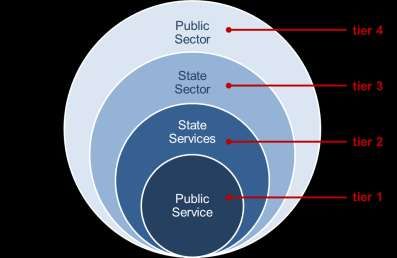
Context
How to use the Rules
The Rules contain headers and boxes with more information, definitions, links to guides,
tools and templates and examples. Information in these boxes does not form part of the
Rules. It is there to assist with interpretation and to give greater context for the reader.

 Icons
 The following icons are used to
                                          more                      guides, tools
 show supplementary information.                       definition                     example
                                       information                  & templates

Words and phrases that have a special meaning are marked in italics, (eg Request for
Tender and new construction). Special meanings are defined in the ‘Definitions’ section at
the end of the document.
Agencies can refer to the Rules as the single source of all New Zealand’s international
commitments on government procurement. Readers do not need to refer directly to these
treaties and agreements. Chapter 6 contains a summary of New Zealand domestic
requirements for government procurement. Readers are directed to additional sources and
will be required to refer to them directly.

For more information
You can read more about New Zealand government procurement policy and practice at
MBIE’s website: www.procurement.govt.nz

                                                                                                iii
Contents
Chapter 1 Getting started ....................................................... 1
Why have rules? ........................................................................................................... 2
The five Principles of government procurement ........................................................ 6
What values underpin the Rules? ..................................................................... 7
Rule 1 Principles ...................................................................................................... 7
Rule 2 Integrity......................................................................................................... 8
Rule 3 No offsets ..................................................................................................... 8
Rule 4 Non-discrimination ........................................................................................ 8
Rule 5 Protection of suppliers’ information ............................................................... 9
Who do the Rules apply to? ............................................................................ 10
Rule 6 Who the Rules apply to ................................................................................10
Rule 7 When the Rules apply - goods or services or refurbishment works .............11
Rule 8 When the Rules apply - new construction works ..........................................12
Rule 9 Estimating value ..........................................................................................13
Rule 10 Non-avoidance ............................................................................................14
Rule 11 Types of contract .........................................................................................14
When the Rules do not apply .......................................................................... 15
Rule 12 Non-procurement activities ..........................................................................15
Rule 13 Opt-out procurements ..................................................................................15
Do I have to openly advertise? ....................................................................... 18
Rule 14 Requirement to openly advertise .................................................................18
Rule 15 Exemption from open advertising.................................................................19
Chapter 2 Planning your procurement ................................ 25
Procurement planning ..................................................................................... 26
Rule 16 Strategic Procurement Outlooks ..................................................................26
Rule 17 Annual Procurement Plans ..........................................................................26
Rule 18 Extended Procurement Forecasts................................................................27
Rule 19 Significant business cases ...........................................................................28
Preparing to approach the market .................................................................. 29
Rule 20 Third-party agents........................................................................................29
Rule 21 Procurement advice .....................................................................................29
Rule 22 Subcontracting.............................................................................................29
Rule 23 Delivery date................................................................................................30
Rule 24 Technical specifications ...............................................................................30
Rule 25 Pre-conditions..............................................................................................31
How much time should I give suppliers to respond? ................................... 32
Rule 26 Sufficient time ..............................................................................................32
Rule 27 Minimum time periods ..................................................................................34
Rule 28 Allowable reductions ....................................................................................34
Rule 29 Business day ...............................................................................................36
Rule 30 Fair application of time.................................................................................36
Rule 31 Minimum time periods by process ................................................................37
ivChapter 3 Approaching the market ..................................... 39
Rule 32 Open advertising .........................................................................................40
How do I openly advertise? ............................................................................. 40
Rule 33 GETS listing.................................................................................................40
Rule 34 Notice of Procurement .................................................................................41
Rule 35 Content of Notice of Procurement ................................................................42
Rule 36 Other tender documents ..............................................................................44
Managing the procurement process............................................................... 45
Rule 37 Responding to queries .................................................................................45
Rule 38 Additional information ..................................................................................45
Rule 39 Changes to process or requirements ...........................................................46
Evaluating responses ...................................................................................... 47
Rule 40 Treatment of responses ...............................................................................47
Rule 41 Reasons to exclude a supplier .....................................................................47
Rule 42 E-auction .....................................................................................................48
Chapter 4 Awarding the contract ......................................... 49
Awarding the contract ..................................................................................... 50
Rule 43 Awarding the contract ..................................................................................50
Rule 44 Informing suppliers of the decision...............................................................51
Rule 45 Contract Award Notice .................................................................................51
Rule 46 Debriefing suppliers .....................................................................................52
Rule 47 Supplier complaints .....................................................................................53
Contract administration ................................................................................... 54
Rule 48 Prompt payment ..........................................................................................54
Rule 49 Maintaining records .....................................................................................54
Rule 50 Audit ............................................................................................................54
Chapter 5 Types of supply lists ........................................... 55
Rule 51 Types of supplier lists ..................................................................................56
Rule 52 Registered Suppliers List .............................................................................57
Rule 53 Pre-qualified Suppliers List ..........................................................................58
Rule 54 Panel of Suppliers........................................................................................60
Chapter 6 Other Rules you need to know ........................... 64
Rule 55 All-of-Government Contracts (AoGs) ...........................................................65
Rule 56 Syndicated Contracts...................................................................................66
Rule 57 Common Capability Contracts .....................................................................67
Rule 58 Web standards ............................................................................................68
Rule 59 Approved Government Model Templates.....................................................68
Rule 60 Geospatial information and services ............................................................69
Rule 61 Intellectual Property .....................................................................................70
Rule 62 Public Private Partnerships (PPPs) ..............................................................71
Rule 63 Capital business cases ................................................................................72
Rule 64 Gateway assurance .....................................................................................73
Rule 65 Timber and wood products ..........................................................................74
Rule 66 Employee transfer costs ..............................................................................75
Definitions ................................................................................................................... 76
vChapter 1
Getting started
MBIE-MAKO-3827073
1What’s so special about government procurement?
Delivering good public services to New Zealand starts with good
procurement.
How well money is spent has a direct impact on the quality of services
New Zealanders experience. It also reflects government agencies’
efficiency and effectiveness. It can provide opportunities to increase
competition and productivity that lead to innovation and contribute to
greater economic growth.
Why have rules?
To strengthen accountability Examples of commercial law legislation:
• Sale of Goods Act 1908
Government agencies must account for how • Frustrated Contracts Act 1944
they spend taxpayers’ money. The Rules, • Commerce Act 1986
along with the Principles of Government • Fair Trading Act 1986
Procurement and the Office of the Auditor- • Minors’ Contracts Act 1969
General’s Procurement Guidance for Public
• Illegal Contracts Act 1970
Entities, provide a framework that promotes
• Contracts (Privity) Act 1982
responsible spending when purchasing goods,
• Contractual Mistakes Act 1977
services, and works. This framework supports
• Contractual Remedies Act 1979
proactively managing procurement process and
• Construction Contracts Act 2002
delivery risks.
• Sale of Goods (United Nations
The Rules also establish processes that are Convention) Act 1994
consistent and predictable, making it easier for Example of commercial law case:
agencies and suppliers to engage with each • Pratt Contractors Limited v
other. Palmerston North City Council
Agencies must also be aware of, and comply
with the common law of contract, public law
and, where appropriate, commercial law
obligations.
Examples of public law legislation:
• Public Finance Act 1989
• Public Audit Act 2001
• Public Records Act 2005
• Official Information Act 1982
• State Sector Act 1988
• Ombudsmen Act 1975
• Public Bodies Contracts Act 1959
Example of public law case:
• Diagnostic MedLab Ltd v Auckland
District Health Board
Agencies must comply with other relevant legislation and should make sure they cover all relevant
risks when selecting and managing suppliers (eg health and safety). For more information see: A
principal’s guide to contracting to meet the Health and Safety in Employment Act 1992 at:
www.osh.govt.nz
MBIE-MAKO-3827073
2Why have rules?
To promote our values
New Zealand is committed to open,
transparent and competitive government Value for money
procurement that:
Value for money isn’t always the cheapest
delivers best value for money (which isn’t price. Value for money means using
always the cheapest price) resources effectively, economically, and
does not discriminate against suppliers without waste, and taking into account:
(whether domestic or international), and • the total costs and benefits of a
procurement (total cost of
meets agreed international standards.
ownership), and
The Rules reflect these values and standards. • its contribution to the results you are
trying to achieve.
To encourage commercial The principle of value for money is about
practice getting the best possible outcome over the
whole-of-life of the goods, services or
Early market engagement and continued
works.
open dialogue with suppliers are essential to
the results we can achieve. There are sound Selecting the most appropriate
commercial reasons why building stronger procurement process that is proportionate
relationships with business is important. The to the value, risk and complexity of the
Rules aim to encourage better commercial procurement will help achieve value for
practice by promoting these types of money. Good procurement is about being
behaviours and achieving greater value for risk aware, not necessarily risk averse.
money.
Value for money over the whole-of-life
An agency publishes a Request for Tender to supply steel mesh fencing for a new depot. It does not specify any
quality standards and accepts the lowest price bid.
The fencing is installed. Within 1 year it begins to rust, within 3 years it is beginning to fail, and by 6 years it needs
to be replaced.
Had the agency specified quality standards, it could have assessed bids based on best value for money over the
whole of the life of the product. There was another supplier whose price was slightly higher, but whose fencing
carried a 15-year warranty. Despite the higher initial cost, this supplier’s product would have represented the
best value for money over the whole-of-life.
MBIE-MAKO-3827073
3Why have rules?
To support economic
The Rules implement New Zealand’s
development international commitments, including:
As a small, remote trading economy, New • Australia New Zealand Government
Zealand needs to export to survive. A Procurement Agreement
competitive economy trading successfully with • Closer Economic Partnership Agreement
the world is one way to build ongoing economic with Singapore
growth. This creates jobs and grows incomes. • Trans-Pacific Strategic Economic
New Zealand suppliers need greater access to Partnership (P4) agreement.
international markets to increase their export
opportunities.
The Rules incorporate New Zealand’s
international treaty obligations. Access to
markets is secured through Free Trade
Agreements (FTAs). Under FTAs, countries
offer reciprocal access to their government It is important that you consider the longer-
contracts. The Rules reflect New Zealand’s term impacts of your procurement decisions
FTA commitments and align with the World and not just the immediate results (eg will the
Trade Organization’s Agreement on decision substantially reduce competition or
Government Procurement (GPA). create a monopoly in the future market
place?).
Following the Rules is essential:
to provide open and fair competition that
supports innovation and helps create a
competitive, productive supply base in New
Zealand – that supports economic growth
and development
for New Zealand being valued as a
desirable trading partner – that
demonstrates professional practice and has
a reputation for integrity.
MBIE-MAKO-3827073
4How do the Rules fit with other guidance?
The Rules are only one part of what makes up good procurement
practice. The framework that supports good practice consists of the
Principles, Rules and good practice Guidance.
What’s good procurement?
Public value Principles
The Principles of government procurement apply
Agencies that maximise their return on
to all government agencies and provide our
spending will achieve the best possible results
overarching values. The Principles apply even if
for New Zealanders. Good procurement means
the Rules do not. Agencies can use the
better public value.
Principles for guidance and to help make good
Policy framework procurement decisions.
Government procurement is based on
Principles, Rules and good practice Guidance.
Other Guidance
Collectively, these provide a broad framework Other procurement Guidance provides
that supports accountability for spending, information and advice on good practice. This
sound business practice and better results. Guidance can be found at:
www.procurement.govt.nz
Good practice isn’t just mechanically applying
the Rules. It’s about developing a strong
understanding of all of the aspects of the
procurement lifecycle and skillfully applying
these to deliver the best results. While you still
need to comply with the Rules, you should
design your process proportionate to the value, Examples of Guidance on government procurement
risk and complexity of the procurement. It’s practice include:
about applying sound commercial judgement to • Office of the Auditor-General’s Procurement
achieve the best value for money, which isn’t Guidance for Public Entities www.oag.govt.nz
always the cheapest price, and drive innovation
and performance. • MBIE’s Guide to Mastering Procurement
www.procurement.govt.nz
Understanding suppliers and the market is part
of the careful planning essential to developing
the right approach to market. All procurement
covered by the Rules should be supported by a
robust business case or procurement plan
that’s level of detail reflects the size, value and
complexity of the procurement.
Procurement also covers proactively managing
supplier and other key stakeholder
relationships throughout the sourcing process
and for the duration of the contract. This
embraces continuing to develop the supplier
and driving value for money through ongoing
efficiency gains.
MBIE-MAKO-3827073
5The five Principles of government procurement
Take time to read the five Principles. You need to understand how they
apply to the work that you do.
MBIE-MAKO-3827073
6What values underpin the Rules?
The government’s five Principles are the foundations for good
procurement. The Principles must be reflected in everyday practice.
Everyone engaged in procurement must understand and know how to
apply the Principles.
Rule 1
Principles
1. Each agency must have policies in place Procurement planning
that incorporate the five Principles of Good procurement starts with good planning.
government procurement. The Principles Knowing what you need to buy and
apply to all procurements, even if the Rules understanding the market makes government
do not apply. an ‘intelligent customer’.
2. Each agency must make sure that: The following Guidance is helpful when it
comes to planning a major project:
a. all staff engaged in procurement have
been trained in the five Principles of • Governance and Oversight of Major IT
procurement Projects by Office of the Auditor-General
(2000) www.oag.govt.nz
b. its procurement practices reflect the five
Principles • Gateway Assurance by the State Services
Commission www.ssc.govt.nz
c. it is able to show how it has used sound
research to plan an appropriate
approach to market strategy that is
proportionate to the nature, risk, value
and complexity of each procurement.
Procurement planning
Before you choose a procurement process, you should think about the nature of the goods, services or works
you need, and assess the best way to approach the market. You must make sure that:
• all suppliers get fair notice of the contract opportunity
• the process encourages competition
• suppliers have enough time to respond.
You should base your decisions on a clear understanding of your agency’s needs and an appropriate level of
market research. It’s important that the process you choose reflects the value and complexity of the
procurement. Don’t overcomplicate a straightforward tender simply because the Rules apply.
MBIE-MAKO-3827073
7What values underpin the Rules?
There is no discrimination and no favouritism in New Zealand government
procurement. This means treating all suppliers equally – both domestic
and international.
Rule 2 Rule 4
Integrity Non-discrimination
1. Each agency must have in place policies 1. All suppliers must be given an equal
that safeguard the integrity of its opportunity to bid for contracts. Agencies
procurement activities and processes. The must treat suppliers from another country no
policies must require that: less favourably than New Zealand suppliers.
a. the agency and all staff involved in 2. Procurement decisions must be based on
procurement can justify their the best value for money, which isn’t always
procurement decisions the cheapest price, over the whole-of-life of
the goods, services or works.
b. those involved in procurement
decisions stay impartial 3. Suppliers must not be discriminated against
because of:
c. procurement processes are fair,
transparent and reasonable a. the country the goods, services or works
d. all staff involved in procurement act come from
responsibly, lawfully and with integrity. b. their degree of foreign ownership or
2. Each agency must have policies in place foreign business affiliations.
that help all staff involved in procurement
to identify, notify and manage conflicts of
interest. Each agency must be able to
show how it uses sound judgement to
Rule 4 contains the expression ‘must treat suppliers from
manage conflicts of interest.
another country no less favourably than New Zealand
suppliers.’
Rule 3 This is a standard phrase in international agreements and
No offsets has significant meaning in that context. So while it’s not
plain English, we need to include it in the Rules!
1. An agency must not ask for, take
account of, or impose any offset at any
stage in a procurement process.
Offset has a special meaning within the context of the Rules. An example of an offset is where, in order to be
awarded a contract, a supplier is required to purchase in return national goods, services or works. The purpose of an
offset is to impose a condition intended to develop the local economy or improve balance-of-payments accounts. Offsets
are not permitted in New Zealand. Examples of offsets include:
• requiring goods, services or works from a specific country
• applying weighted evaluation criteria that favour local content or give local suppliers a price preference.
MBIE-MAKO-3827073
8Dealing with commercially sensitive information
Agencies often have access to sensitive information about a supplier’s
business. This could be new ideas or pricing structures. This information
must be protected.
Rule 5
Protection of suppliers’
information Commercially sensitive information is
information that, if disclosed, could
1. Each agency must protect suppliers’ prejudice a supplier’s commercial interests.
confidential or commercially sensitive It includes:
information. This includes information that • the design and content of a tender
could compromise fair competition
• trade secrets and ‘know how’
between suppliers.
• new ideas
2. An agency must not disclose confidential
• innovative solutions
or commercially sensitive information
unless: • intellectual property
• copyright
a. the supplier has already agreed to it in
• pricing structures
writing, or
• profit margins
b. the disclosure is required by law (eg
• market strategies.
under the Official Information Act
1982), convention or Parliamentary or Agencies must understand what
Cabinet Office practice, or commercially sensitive information is and
how to handle that information.
c. it is a limited disclosure expressly
notified in a Notice of Procurement Examples of prohibited disclosure of
which suppliers have consented to by information include:
participating in the process. • disclosing commercially sensitive
information to a supplier’s competitor
• using or adopting an idea or solution
without the supplier’s agreement.
It is good practice to include instructions to
suppliers (in your Notice of Procurement) to
mark their responses, or the relevant parts
of their responses, ‘commercial in
confidence’.
If, as part of the evaluation process, you
need to share responses with other
agencies or advisors you will need to seek
permission for such disclosure by making
this a condition of participation in your
Notice of Procurement.
MBIE-MAKO-3827073
9Who do the Rules apply to?
The government encourages all Public Sector agencies to apply the
Rules as good procurement practice. Specifically:
• all departments, NZ Police and NZ Defence Force must apply the
Rules.
• wider State Services agencies are expected to apply the Rules.
• wider State Sector and Public Sector agencies are encouraged to
apply the Rules.
Rule 6
Who the Rules apply to
Required application
1. The following agencies must apply the Rules:
a. all Public Service departments
b. New Zealand Police Public Service departments are the core
c. New Zealand Defence Force. departments and ministries listed in the
State Sector Act 1988, Schedule 1.
2. These agencies may be audited for compliance
with the Rules (eg by the Auditor-General under A complete list of Public Service, State
Services, State Sector and Public Sector
the Public Audit Act 2001).
agencies is published at: www.ssc.govt.nz
Good practice guidance only For convenience, the Rules refer to all of
3. Wider State Services agencies are expected to these as ‘agencies’.
have regard to the Rules as good practice
guidance.
4. Wider State Sector and Public Sector agencies are
encouraged to have regard to the Rules as good
practice guidance.
5. In applying the Rules as good practice guidance
wider State Services, State Sector and Public
Sector agencies are to interpret all ‘must’ Rules as
‘should’ Rules.
The 4 tiers of the Public Sector
MBIE-MAKO-3827073
10When do the Rules apply?
The Rules apply when the value of a procurement meets or exceeds a
value threshold set by the Rules ie:
• goods or services or refurbishment works: $100,000
• new constructions works: $10 million.
Rule 7
When the Rules apply -
goods or services or
refurbishment works
1. The Rules apply:
a. to the procurement of goods or
services or refurbishment works, or a
In the context of the Rules, refurbishment
combination of goods or services or
works relate to the refurbishment of an
refurbishment works, when
existing building, road, bridge or dam. It
b. the maximum total estimated value covers renovating, repairing or extending.
(Rule 9) of the procurement meets or
It does not include replacing an existing
exceeds the value threshold of construction as this is deemed to be new
$100,000 (excluding GST). construction works (Rule 8).
2. To estimate the maximum total estimated
value (Rule 9) for goods or services or
refurbishment works an agency must take
into account:
a. all related services (eg installation,
training, servicing, management An example of goods purchased for
consultancy services) commercial resale could be items that a
b. all types of goods (eg operating museum purchases for resale in its gift
consumables) shop.
c. all subcontracted goods or services or
works.
3. This Rule does not apply to goods,
services or refurbishment works that are
purchased for commercial resale.
Disposals at the end of the useful life of a
contract are not commercial goods, services
or works purchased for resale. Disposals are
not subject to these Rules.
MBIE-MAKO-3827073
11Rule 8
When the Rules apply -
new construction works
1. The Rules apply:
a. to the procurement of goods or
services or works for new construction
works, when No ‘salami slicing’
When dealing with new construction works,
b. the maximum total estimated value individual contracts for goods, services or
(Rule 9) of the procurement meets or works valued at less than $10 million are
exceeds the value threshold of $10 deemed to be part of the whole and should
million (excluding GST). be openly advertised.
2. To estimate the maximum total estimated
value (Rule 9) for new construction works
an agency must take into account all:
a. related services (eg design,
architecture, engineering, quantity
surveying, and management
consultancy services)
b. types of goods (eg construction
material, health and safety equipment)
c. phases of the construction through to
completion
d. subcontracted goods, services and
works.
MBIE-MAKO-3827073
12How do I estimate the value of a procurement?
The Rules apply if the value of a procurement meets or exceeds a certain
value threshold. There are several things you need to know when you
estimate the value of your procurement.
Rule 9
Estimating value
1. Each agency must estimate the total 5. When an agency calculates the
value of a procurement to determine maximum total estimated value of a
whether it meets or exceeds the relevant procurement, it must include everything
value threshold (set out in Rules 7 and 8). required for the full delivery of the goods,
Agencies must act in good faith and use services or works. This includes the
good judgement to estimate the value of a value of:
procurement. Agencies must include the
a. options to purchase additional goods,
estimated value in their business case or
services or works
procurement plan. This estimate is
referred to as the maximum total b. options to extend the term of the
estimated value. contract
2. Each agency must consider the total c. paying any premiums, fees or
value over the whole-of-life of the commissions to the supplier or a
contract/s when estimating the broker
procurement’s maximum total estimated d. any revenue streams a supplier
value. The estimate must include the receives
value of all of the contracts that may result
from the procurement. e. any other form of remuneration or
payment due to the supplier or to a
3. The value is the total amount excluding third party or any interest payable.
GST.
4. If an agency cannot estimate the
maximum total estimated value of a
procurement it must apply the Rules.
Estimating value
Even if the value of a procurement is less than the value threshold (set out in Rules 7 and 8), agencies are still
expected to follow good procurement practice. This means applying the Principles and having regard to other good
practice Guidance.
It’s better to be cautious. If your estimated value is getting close to the value threshold (eg services valued at
$98,000), always consider using an open tender process. After all, your calculation is only an estimate.
An example of revenue streams: a supplier receives tolls from a highway built under a Public Private Partnership
(PPP).
MBIE-MAKO-3827073
13Non-avoidance
You must not intentionally avoid applying the Rules.
Rule 10 Rule 11
Non-avoidance Types of contract
1. An agency must not intentionally avoid 1. The Rules apply to all contract types,
applying the Rules when planning for, including:
valuing or undertaking a procurement.
a. when purchasing outright
2. When calculating a procurement’s
b. purchasing through hire-purchase
maximum total estimated value (Rule 9),
an agency must not intentionally avoid c. when renting or leasing
applying the Rules by either: d. where there is an option to buy
a. designing, structuring or dividing a e. ‘build-operate-own’ type contracts (eg
procurement into separate parts Public Private Partnerships (PPP))
b. using a non-standard or alternative f. contracts accessed through a third-
valuation method to lower the party commercial supplier or broker.
estimated value.
Third-party commercial supplier or broker
You can’t avoid applying the Rules by purchasing
through a third-party commercial supplier (eg GSB
Supplycorp Ltd).
Number of contracts
You can’t split a procurement into smaller contracts to avoid applying the Rules. However, you may indicate in your
Notice of Procurement the possibility, or your intention, that the procurement may be let in separate lots. For
example, having undertaken the evaluation of responses, you could consider ‘chunking’ the work into separate parts
and awarding these to more than one supplier.
MBIE-MAKO-3827073
14When the Rules do not apply
The Rules don’t apply to non-procurement activities, such as an
employment contract. And there are some types of procurement
activities that are exempt from the Rules, such as disposals.
Rule 12
Non-procurement
activities
1. For the purposes of the Rules the
following activities are deemed not to be
Category 1 Legal Services are defined in the Cabinet
procurement activities:
Directions for the Conduct of Crown Legal Business
a. employing staff (excluding the 2012 (reference: Cabinet Office Circular CO (12) 8).
engagement of contractors and These are contained in the Cabinet Manual.
consultants) All requirements by a department for external legal
b. disposals and sales by tender services that fall within Category 1 must be referred to
the Solicitor-General and are usually dealt with by the
c. investments, loans and guarantees Crown Law Office.
d. gifts, donations and any form of Ministerial appointments cover government board
unconditional grants appointments under the Cabinet Manual. A situation
where a Minister instructs an agency to appoint a
e. statutory appointments named consultant to undertake a piece of work is not
f. Ministerial appointments a Ministerial appointment.
g. Category 1 Legal Services.
Rule 13
Opt-out procurements
1. If a procurement is covered by the Rules (meets the requirements of Rules 6 and 7 or Rules 6
and 8), in certain circumstances an agency can opt-out of applying the Rules. These
circumstances are listed in Rule 13.3 and are called ‘opt-out procurements’.
2. Even if an agency opts-out of applying the Rules, it is still expected to conduct its procurement
according to the Principles and other procurement good practice Guidance. An agency should
achieve the best value for money over the life of the contract, which isn’t always the cheapest
price, regardless of whether or not the Rules apply.
MBIE-MAKO-3827073
15Rule 13 continued
Opt-out procurements
Opt-out procurements
3. The following is the list of valid opt-out procurements:
a. Between government departments, New Zealand
Police or New Zealand Defence Force: Where a
government department, New Zealand Police or New
Zealand Defence Force purchases goods, services or
works from another government department, New
Zealand Police or New Zealand Defence Force.
However, if the purchaser chooses to use an open
competitive process, then the Rules must apply.
b. Overseas: Goods, services or works purchased outside
of New Zealand for use outside of New Zealand.
c. Offices overseas: Any procurement relating to
constructing, refurbishing or furnishing New Zealand
government offices overseas.
d. Non-contractual arrangement: Any non-contractual
arrangement (eg a Memorandum of Understanding
between two government departments) or any form of
assistance including cooperative agreements (eg
diplomatic assistance to another government).
e. Land and buildings: Purchasing or renting land or
existing buildings or other immovable property. This does
not include refurbishment works or construction works
which are covered by Rules 7 and 8.
f. Conditional grant: Any form of conditional grant.
However, an agency must not design or structure a
procurement as a form of conditional grant to avoid
applying the Rules.
g. International development assistance: Providing
international development assistance through multilateral
or bilateral assistance, including aid in the form of
conditional grants, budget support or any form of
contribution or diplomatic assistance.
MBIE-MAKO-3827073
16Rule 13 continued
Opt-out procurements
3. h. International funding: Any procurement funded by an international
grant, loan or other assistance or that must comply with an
international organisation’s procedure where that procedure is
inconsistent with the Rules.
i. International organisation: Any procurement conducted under a
procedure required by an international organisation or funded by an
international grant, loan or other assistance that is inconsistent with
the Rules.
j. International agreements between countries: Agreements
between countries for the joint implementation of a project.
k. Public services: The provision of certain types of public health
services, education services and welfare services. Refer to the
Definitions section for more information.
l. Government’s central financial control functions: Central
banking control functions on behalf of government such as those
carried out by the Reserve Bank, and Crown debt management
functions such as those carried out by the Treasury. See Definitions
section for more information.
m. Military and essential security interests: Measures necessary for
the protection of essential security interests, procurement
indispensable for national security or for national defence, the
maintenance or restoration of international peace or security, or to
protect human health, including:
i. procurement of arms, ammunition or war materials
ii. stationing military or implementing a joint military project under an
international agreement (eg a peace-keeping deployment)
ii. a measure to protect: public morals, order or safety; human,
animal or plant life or health; intellectual property; or relating to
goods, services or works of persons with disabilities, philanthropic
or not-for-profit institutions, and prison labour.
MBIE-MAKO-3827073
17Do I have to openly advertise?
The default position for government procurement is to openly advertise all
contract opportunities. This gives all suppliers a fair chance to bid for the
contract. It also encourages competition which leads to better value for
money and stimulates innovative new ideas and solutions.
Rule 14
Requirement to openly
advertise
1. Wherever possible an agency should use
open competitive procurement processes
to give all suppliers the opportunity to
compete. Open competitive process
2. An agency must openly advertise on the Good procurement is about good process
Government Electronic Tenders Service and good results.
(GETS):
Open competitive processes that comply
a. if the maximum total estimated value with the Rules include:
(Rule 9) of the procurement meets or a. one-step processes such as Requests for
exceeds the relevant value threshold Quote or Requests for Tender
(Rules 7 or 8), and
b. multi-step processes such as a
b. there is no exemption from open Registration of Interest followed by a
advertising (Rule 15). shortlisting and then a Request for
3. Agencies may advertise using other Proposal or Request for Tender.
media, as well as GETS.
The Government Electronic Tenders Service (GETS) is a free service. It supplies information about New Zealand
Government contract opportunities. GETS promotes open, transparent and fair competition.
GETS is accessible to all interested suppliers, both domestic and international. It meets New Zealand’s
commitments under Free Trade Agreements.
MBIE manages GETS on behalf of the New Zealand Government. You can read more about GETS at:
www.gets.govt.nz
MBIE-MAKO-3827073
18When don’t I need to advertise?
There are some limited situations where the Rules apply, but where an
agency does not need to openly advertise. These are called
exemptions to open advertising.
Where one of these exemptions arises, an agency may choose not to
openly advertise the contract opportunity, but must still meet all of the
other requirements of the Rules.
Rule 15
Exemption from open
advertising
1. An agency does not need to openly
advertise a contract opportunity on GETS
if an exemption from open advertising
under Rule 15.9 applies. Closed competitive and direct source
2. If the procurement is exempt from open Processes that comply with the Rules where
advertising, an agency must use either a there is a valid exemption from open
closed competitive process (with a limited advertising are:
number of known suppliers) or a direct
• Closed competitive: a Request for
source process (with a known supplier). Quote, Request for Tender or Request
3. An agency must not exempt a for Proposal restricted to a limited
procurement from open advertising to: number of known suppliers
• Direct source: a closed Request for
a. avoid competition Proposal or Request for Tender
b. protect domestic suppliers restricted to a known supplier.
c. discriminate against any domestic or If an exemption from open advertising
international supplier. applies, an agency must still comply with all
the other Rules.
If an agency uses a direct source process
(with one known supplier) it does not mean
that it can instantly contract that supplier. It
should request a formal proposal from the
supplier and evaluate the proposal, assess
its value for money, which isn’t always the
cheapest price, and undertake due diligence
before deciding to negotiate a contract. It
must not simply approach one supplier and
award a contract without proper evaluation
of capacity, capability, risk, value for money
and due diligence.
MBIE-MAKO-3827073
19Rule 15 continued
Exemption from open
advertising
Document the rationale GETS Contract Award Notice
4. If an agency exempts a procurement from 8. Agencies must publish a Contract
open advertising under Rule 15.9, it must: Award Notice (Rule 45) on GETS for
any procurement that it has exempted
a. obtain evidence of the facts and
from open advertising.
circumstances to verify the reason/s for
the exemption before starting the
procurement, and
b. document the rationale for the decision.
This rationale may form part of the
business case or procurement plan or
may be a stand-alone document.
5. The rationale document must include:
a. the name of the agency
b. a description of the goods, services or
works
c. the maximum total estimated value
(Rule 9) of the goods, services or
works
d. the specific exemption/s, that applies
(from the list in Rule 15.9)
e. details of the facts and circumstances
which justify the exemption.
6. A senior manager must endorse the
rationale before the agency undertakes
the procurement. The agency must retain
the documented rationale for audit
purposes.
7. If MBIE asks for the documented
rationale, the agency must promptly make
it available.
MBIE-MAKO-3827073
20What happens when there is an exemption from
open advertising?
Where one of these exemptions arises, an agency may choose not to
openly advertise the contract opportunity, but must still meet all of the
other requirements of the Rules.
Rule 15 continued
Exemption from open
advertising
Valid exemptions
9. Valid exemptions from open advertising are:
Read the Quick Guide to Emergency
a. Emergency: A genuine emergency as
Procurement at:
defined by MBIE’s Quick Guide to
www.procurement.govt.nz
Emergency Procurement. Urgent
situations that are created by an agency,
such as lack of advance planning, do not
constitute an emergency.
b. Following an open tender:
An agency may use a closed competitive Read more about collusion and bid
process or direct source process to rigging in the Commerce Commission’s
procure goods, services and works if: Guidelines, How to recognise and deter
bid rigging at: www.comcom.govt.nz
i. it has openly advertised the contract
Collaboration is not necessarily unlawful.
opportunity in the last 12 months, and
In certain types of procurement you may
ii. it has not substantially changed the want suppliers to collaborate (eg to form
core procurement requirements, and a joint venture). You can allow for this in
your Notice of Procurement and include
iii. the first time the opportunity was conditions that suppliers must be
advertised it: transparent about their collaboration (eg
(a) did not receive any responses, or suppliers must state who they have
collaborated with to prepare their
(b) did not receive any responses that response).
complied with the pre-conditions
(Rule 25) or conformed with or met If you have reasonable grounds to believe
the requirements (including that suppliers have colluded, you should
quantity), or alert the Commerce Commission which
has the role of investigating this kind of
(c) received responses from suppliers conduct. You can read more about this at:
who it has reasonable grounds to www.comcom.govt.nz
believe have colluded, and this can
be verified, and no other responses
complied with the pre-conditions
(Rule 25) or conformed with or met
the requirements.
MBIE-MAKO-3827073
21Rule 15 continued
Exemption from open
advertising
9. Valid exemptions from open advertising continued:
c. Only one supplier: If the goods, services or
works can only be supplied by one supplier and
there is no reasonable alternative or substitute
because:
i. for technical reasons there is no real
competition, or
ii. the procurement relates to the acquisition of
intellectual property or rights to intellectual
property, (including patents or copyrights) or
other exclusive rights, or
iii. the procurement is for a work of art.
A technical reason could be:
• a need to match with existing equipment, software or services
• where an agency has a bespoke IT system that was custom designed for it and only the supplier that
designed it fully understands the code base
• where one supplier has, over a period of time, developed such an intimate knowledge of an outdated or
complex system that the agency can reasonably claim that other suppliers would not have a similar level
of readily available knowledge
• where a spare part or component is only available from one supplier.
A procurement relating to intellectual property rights could be:
• where an agency is purchasing an online subscription to content or other services with unique
characteristics
• where an agency is purchasing software licences from a proprietary supplier for software that is
embedded in its operating environment
• a unique piece of art that is protected by copyright and not available elsewhere.
MBIE-MAKO-3827073
22Rule 15 continued
Exemption from open
advertising
9. Valid exemptions from open advertising continued:
d. Additional goods, services or works: Goods,
services or works additional to the original
requirements that are necessary for complete
delivery. This Rule applies where all three of the Examples of additional goods,
following conditions are met: services or works include:
i. the original contract was openly advertised, • in a construction contract,
and additional ground works that
ii. a change of supplier cannot be made for were only discovered on
economic or technical reasons, and excavating the site
iii. a change of supplier would cause significant • supplying replacement parts
inconvenience or substantial duplication of • additional consultancy services
costs for the agency. where an unexpected issue
arises
e. Prototype: Purchasing a prototype for
research, experiment, study or original • an enhancement or change to an
development. Original development may include integrated IT system.
a limited production or supply if this is
necessary to:
i. carry out field tests and incorporate the
findings, or
ii. prove that the good or service or works can
be produced or supplied in large numbers to The term commodity market refers
an agreed quality standard. to legally regulated exchanges where
raw or primary products, such as
Once the contract for the prototype has been
agricultural produce, metals and
fulfilled, an agency must openly advertise any
electricity are bought and sold
subsequent procurement. This exemption does through standardised contracts (eg
not apply to quantity production or supply to the London Metal Exchange).
establish commercial viability or to recover
research and development costs.
f. Commodity market: Goods purchased on a
commodity market.
MBIE-MAKO-3827073
23Rule 15 continued
Exemption from open
advertising
9. Valid exemptions from open advertising j. Unsolicited unique proposal: Where
continued: an agency receives an unsolicited
proposal, as described in MBIE’s Guide
g. Exceptionally advantageous
to Unsolicited Unique Proposals, and all
conditions: For purchases made in
of the following apply:
exceptionally advantageous conditions
that only arise in the very short term. i. the proposal is unique
This exemption does not cover routine
ii. the proposal aligns with government
purchases from regular suppliers.
objectives
h. Design contest: Where a contract is
iii. the goods, services or works are not
awarded to the winner of a design
otherwise readily available in the
contest. To meet this exemption:
market place
i. the design contest must have been
iv. the proposal represents value for
organised in a manner which is
money.
consistent with the Rules, and
ii. the contest must be judged by
panel whose members understand
that the winner will be awarded a
contract, and Exceptionally advantageous conditions include a
sale by public auction or a sale resulting from
iii. members of the panel do not have
liquidation, bankruptcy or receivership.
any conflict of interest in carrying out
the judging of the contest.
i. Panel of Suppliers: Where an agency
has established a Panel of Suppliers
(in accordance with Rule 54) it does An unsolicited unique proposal is an approach
not need to openly advertise individual
initiated by a supplier proposing a unique solution
contract opportunities that are awarded
which is not available in the market place. Read
through the Panel.
more in MBIE’s Guide to Unsolicited Unique
Proposals.
MBIE-MAKO-3827073
24You can also read


