GUIDE TO RESPONSIBLE TRAVEL 2020 - Roseisle Campervan Hire ...
←
→
Page content transcription
If your browser does not render page correctly, please read the page content below

GUIDE TO RESPONSIBLE TRAVEL 2020
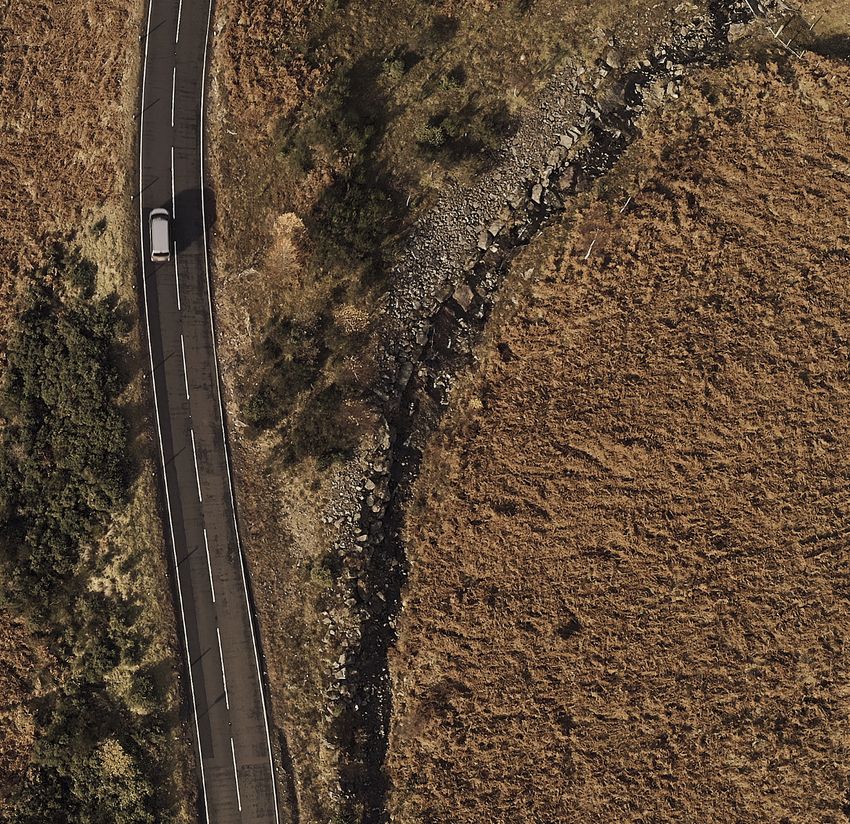
A MESSAGE FROM
ROSEISLE
Scotland is an abundantly beautiful and welcoming country. Renowned for our hospitality, it is unsurprising that our incredible country
attracts visitors and tourists from around the world.

As lockdown restrictions gradually ease in Scotland and tourism begins to restart, it is entirely understandable that Scottish communities
and tourists might feel anxious about the ‘new normal.’

The need to respect and protect local communities has never been greater, helping to ensure that we strike the right balance between
supporting tourism and keeping the public safe (Visit Scotland).

After months of lockdown and restrictions, people are keener than ever to explore Scotland with staycations and holidays.

In order to warmly welcome visitors, tourists and operators alike have a significant role to play in mitigating the issues which have caused
problems for residents, wildlife and our fragile environment in recent years - namely increased road traffic and irresponsible tourism.

Through this guide, we have compiled information and advice from the Scottish Government and various industry bodies to offer a series
of responsible tourism recommendations - helping to ensure that all of us can be as well informed and responsible as possible.

Ranald Watt, Managing Director

Roseisle Luxury Campervans
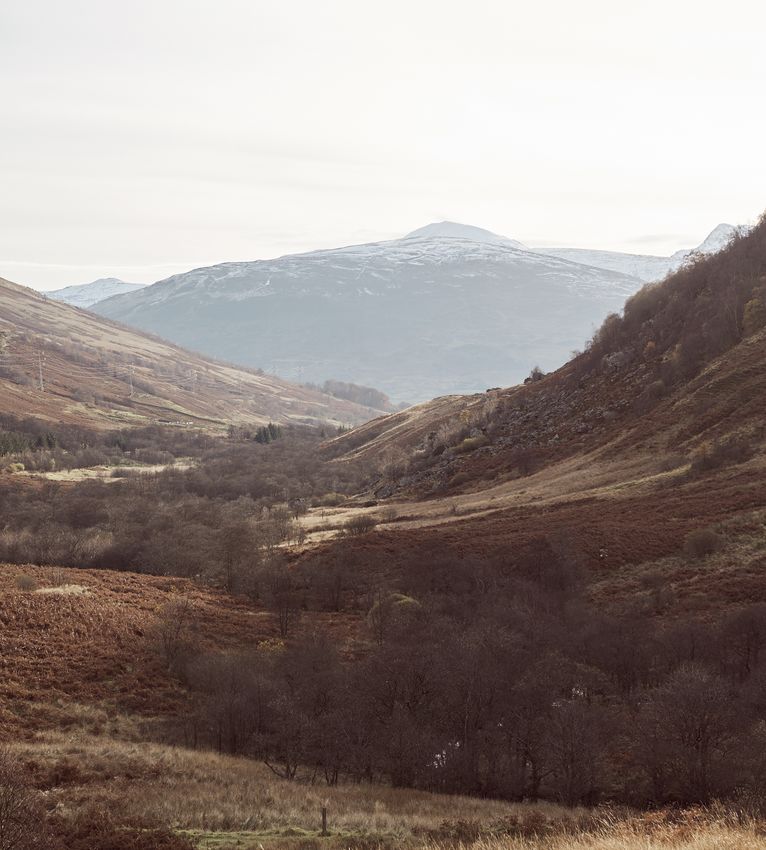
Coronavirus
Guidance Across
the UK
Each of the UK’s four nations has a different route map out of lockdown, as well as regularly changing advice which differs
across borders. Please familiarise yourself with the latest advice in your country and those you plan to visit before you travel.
For the most part, we will be referring specifically to the advice in Scotland throughout this guide. All recommendations should
be taken in the context of relevant Governmental guidance below.

Scotland                                        Northern Ireland                             England
Scottish Government Advice on                   Northern Irish Government Advice on          UK Government Advice on Coronavirus
Coronavirus                                     Coronavirus

Scottish Government Advice for Tourists
During the Pandemic                             Wales
Visit Scotland’s Advice for Tourists            Welsh Government Advice on
During the Pandemic                             Coronavirus

Transport Scotland Advice on Travelling
Scotland During the Pandemic
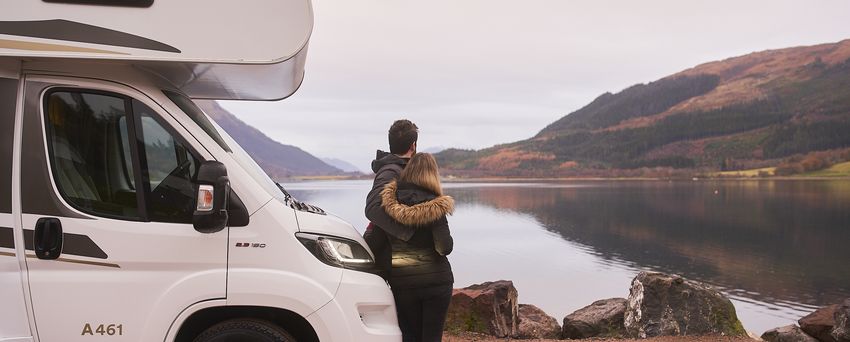
Use Official Campsites
Wherever Possible

We always encourage tourists using motorhomes or campervans to
use official campsites or designated overnight parking areas where
possible. These sites support the local economy and offer a fantastic
base from which to explore our nation’s beauty.

                          These are rapidly changing times

                          With many campsites across Scotland
                          reopening from 3rd July 2020, the
                          Scottish Government’s advice is that
                          shared facilities remain closed until 15th
                          July 2020 at the earliest, however we are
                          aware that some campsites may choose
                          to keep shared facilities closed for the
                          2020 season. Therefore you should be
                          prepared to rely on the facilities within
                          your self-sufficient campervan (many
                          campsites will request this even if shared
                          facilities become available).

                          These are rapidly changing times, so
                          please check with your chosen
                          campsite(s) before you travel regarding
                          safety procedures (e.g. contactless
                          check-in, pitch and site social distancing
                          etc.) and available facilities.
Formal
Camping at
a Campsite

If and where you are using shared facilities, please be prepared to queue at the recommended social distance and follow
guidance on the maximum number of people that should be inside. In addition, we ask that guests:
•   Respect and follow each campsite’s social distancing and coronavirus policies.

•   Empty their toilet cartridge at a campsite facility only.

•   Empty their grey water tank at a campsite drain only.

•   Wash their hands regularly (ensuring they have taken sufficient soap and/or hand sanitiser for the duration of their trip) especially after
    using service points.
“Be respectful of the
 surroundings, take only
 memories and leave no
 trace.”
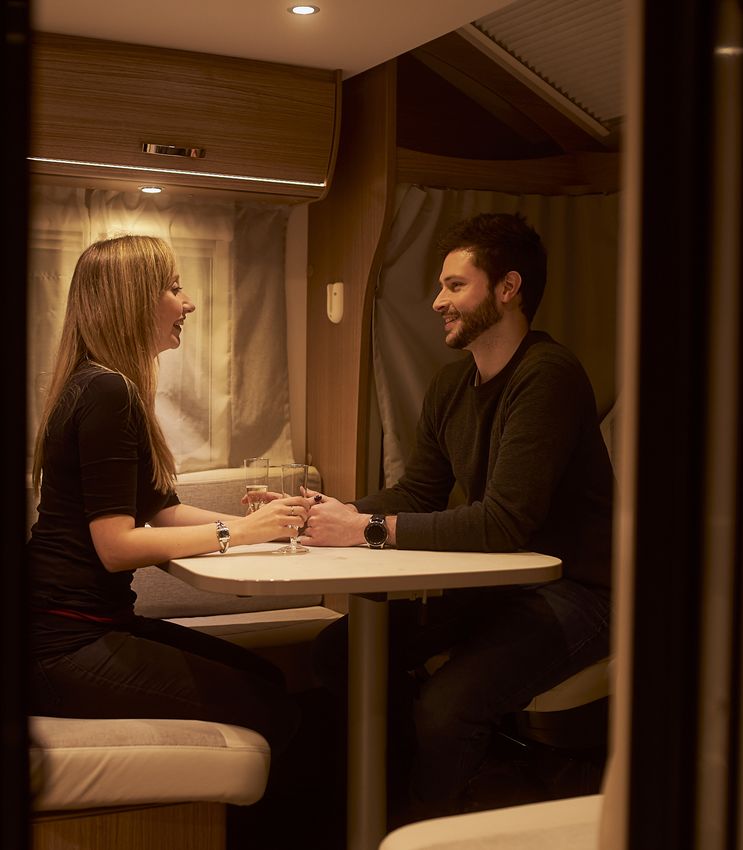
Informal Camping or
‘Wild Camping’
We understand that it is not always
possible to stay in a campsite. It is
important to remember that in
Scotland informal camping or wild
camping is not a right and
historically has relied upon the
goodwill of landowners.

Furthermore ‘wild camping’ legally
refers to small tents in remote
mountainous areas – “it does not
apply to motorhomes, campervans
or cars parked at the side of roads,
access tracks or car parks”
(CAMPA).

To camp informally
responsibly, we recommend
following these guidelines
outlined by CAMPA:

When Informal Camping,
                                           Please Do:
Roseilse guide to resonsible travle 2020

                                           Keep informal camping discrete and away          Allow at least 4 metres between parked        Wherever you choose to visit or stay,
                                           from residential areas (remember, just           vehicles at night for fire safety.            please be considerate of others (including
                                           because you’ve seen another campervan            Motorhomes and campervans often have          wildlife) around you and keep noise
                                           parked up doesn’t mean it is acceptable or       gas tanks on board which can pose a fire      disturbance to a minimum at all times.
                                           legal). Please park at least 100 metres          risk. When everyone is awake you can
                                           from a house or another campervan.               respond quickly to a fire, but when           Br prepared by taking sufficient food,
                                                                                            sleeping you need more time to evacuate       water, soap and/or hand sanitiser and gas
                                           Avoid putting up washing lines or picnic         a vehicle. 4 metres between units will help   with you for the duration of your trip (it
                                           areas in car parks - it is not appropriate.      give everyone those extra few minutes         may be more difficult to source these
                                                                                            and could save lives.                         items in some areas at present).
                                           Make sure you park on a hard surface
                                           suitable for the size and weight of your         Use only biodegradable detergents and
                                           vehicle. Ensure you will be parked safely        drain waste-water tanks in campsites at
                                           and completely off the road (at least 20         designated areas only.
                                           metres from the edge of the road). Do not
                                           cause dangerous situations for yourself or       Ensure your vehicle is self-contained with
                                           others.                                          toilet facilities (such as a Porta-potti or
                                                                                            cassette toilet) and waste-water tanks.
                                           Take great care to avoid fragile ground/
                                           sensitive habitats (e.g. wild flowers/rich       Support the sustainable tourism industry
                                           machair on the Western Isles). Never drive       and local communities - buy groceries in
                                           down to beaches or onto grass verges as          local shops, have a coffee or enjoy a meal
                                           it destroys the habitat.                         in a local pub or restaurant.

                                           Avoid overcrowding and overuse. If               Be conscious of the cumulative effect of
                                           another vehicle is parked in a secluded          informal camping in some secluded areas.
                                           spot, try not to park next to it. Instead find   If the ground underfoot looks worn and
                                           your own spot elsewhere. Respect other           overused, find another spot.
                                           people’s privacy.
When Informal Camping,
                                           Please Don’t:
Roseilse guide to resonsible travle 2020

                                           Park in areas where signs state ‘no             Negatively affect the local wildlife or          Act irresponsibly or anti-socially -
                                           parking,’ ‘no overnight parking’ or where       plants in any way, including by feeding          including noise pollution, threatening or
                                           there is a campsite nearby. Whether the         them human food or by hand.                      aggressive behaviour, loud music, parties
                                           signs are legal or not, respect the fact that                                                    or gatherings.
                                           the sign is there for a reason e.g. to mark     Light BBQs or fires unless it is safe to do so
                                           private property or required access to an       and you can supervise them properly.             Share locations of informal camping spots
                                           area of land.                                   BBQs and fires should be fully                   online. It leads to overcrowding in some
                                                                                           extinguished when finished, any remnants         areas and often the websites do not keep
                                           Stop in a passing place – it’s against the      cleared away and no evidence at all left         up with the latest guidance.
                                           law.                                            behind. Be aware that some areas may
                                                                                           have complete fire bans due to fire risk in
                                           Park overnight within sight of houses           dry weather. Always check before starting
                                           unless it is within a designated motorhome      a campfire.
                                           overnight parking area. Respect local
                                           residents’ privacy at all times. Many           Empty toilet waste anywhere other than a
                                           harbours and village car parks are used         designated chemical waste disposal area
                                           for overnight parking, but these are often      on a campsite or motorhome service
                                           unsuitable locations. Church car parks/         point.
                                           graveyards are also not acceptable for
                                           overnight stays.                                Leave litter. Dispose of all waste (including
                                                                                           animal waste) properly and consider
                                           Block access to roads, entrance ways or         picking up any other litter as well. The
                                           tracks to estates and fields – estate           Scottish Outdoor Access Code has good
                                           owners need access 24/7 all year round.         guidance on how to safely dispose of litter
                                                                                           and human waste.
Exploring Scotland
Responsibly
The Scottish Outdoor Access Code provides guidance on how to enjoy
our beautiful country responsibly. As a result of the coronavirus
pandemic the guidance has been refreshed, with additional
considerations which are especially important for rural communities.

Important considerations
We recommend reading Visit Scotland’s full guide, ‘Outdoor Access
Guidelines During COVID-19 Recovery Phases,’ for full and thorough
guidance on enjoying the Scottish outdoors responsibly. One
consideration particularly important to highlight is:

“Make sure you're not putting additional pressure on an area
that may have a particularly vulnerable community or still be
learning to operate post-lockdown. This is particularly true for
Scotland's island communities, which are mainly accessible via
ferry - which will have limited capacity due to physical
distancing. Please consider the impact of your trip before you
leave the house.” - (Visit Scotland)

                                                                       Keep in mind that regardless of     Furthermore, some communities
                                                                       the coronavirus pandemic,           (such as Loch Lomond) have
                                                                       Scottish access rights and the      established their own guidance
                                                                       Scottish Outdoor Access Code        for campervans and the use of
                                                                       don’t apply to motor vehicles.      designated overnight parking
                                                                       This is particularly important if   spaces with seasonal permits. If
                                                                       you are looking for somewhere       you are in a place with its own
                                                                       suitable to park your motorhome     bylaws, follow the guidance
                                                                       or campervan overnight              (CAMPA).
                                                                       (Scottish Outdoor Access Code).
Eco-Friendly Tourism
Keeping an Eye on Our Carbon Tyre Print
Travel of many kinds incurs a carbon cost and can take its toll on
our planet. As custodians of Scotland’s natural environment, we
all must take our responsibilities very seriously. There are a
number of things we recommend you do to protect the
environment while exploring Scotland
(including a number of great ideas from Visit Scotland):
Look for caravan parks which have received the David Bellamy
Conservation Award, reflecting their commitment to protecting
and enhancing Britain’s environment.
Use the Visit Scotland website to find holiday parks which have
been awarded Green Tourism certification.
Spend more time in one location, embracing the benefits of slow
travel.
Visit during off-peak seasons to minimise overcrowding and
overuse.
Recycle your waste wherever you can.
Use reusable water bottles and coffee cups on the go wherever
possible.
By choosing a Roseisle campervan you will be equipped with
eco-friendly toilet tabs and washing up liquid, efficient diesel
heaters and kitchen utensils that have been consciously chosen
to last.How We’re Making Our Campervans Safer In addition to our responsible travel recommendations for guests, there are a number of actions we have taken to support public health and infection prevention in light of the coronavirus pandemic and inline with Government advice. Appointment-Only Showroom Visits Whether you’re visiting us to hire, buy or service a campervan, all of our clients and guests are being welcomed by appointment only to manage footfall on the premises. Remote Check-In Not only is your hire booking completed remotely, but we can also now verify your driver’s license and check-in your booking without you having to step foot in the showroom. Vehicle Sanitation Our vehicles are always pristine, however our sanitisation process is now even more enhanced. ‘Proof of cleanliness’ tags, as well as seat and steering wheel covers, signify that a campervan has been fully sanitised. Ozone Filtration In addition to enhanced sanitation procedures we have employed a new ozone filtration system designed to remove viruses and bacteria from each of our campervans at the point of turnaround between bookings.
We hope you’ve found this
  responsible travel guide
  informative and helpful
  Our aim is to lead industrial change by giving our guests detailed
  information on how to respect and protect the communities they visit,
  as well as doing all we can to make the campervan adventures we
  facilitate as responsible as possible.

  Planning a staycation or Scottish holiday?
  Let us bring your adventure to life.
  Email: campers@roseisle.com

  Call: +44 (0)131 653 5023

  Visit: roseislemotorhomehire.com

DISCLAIMER:
 This article has been produced for guidance only and does not
 constitute advice.
 Copyright © 2020 Roseisle Luxury Campervans.
 All rights reserved.
Sources
Scottish Government: Coronavirus in Scotland                         Visit Scotland: Green Tourism Certification

Scottish Government: Coronavirus (COVID-19): Guidance for Retail,    Visit Scotland: How to Become an Eco Tourist in 10 Simple Steps
Tourism and Hospitality Customers
                                                                     Visit Scotland: The Impact of Tourism in Our Communities
Transport Scotland: Advice on How to Travel Safely
                                                                     Visit Scotland: Get Tourism Ready
UK Government: Coronavirus (COVID-19)

NI Direct: Coronavirus (COVID-19)

Welsh Government: Coronavirus (COVID-19)

The Camping and Caravanning Club: Steps To Safer Camping

CAMPA: Informal Camping

Scottish Outdoor Access Code: Overnight Stays in Campervans and
Motorhomes

Scottish Outdoor Access Code: Litter

Scottish Outdoor Access Code: Human Waste

Visit Scotland: Outdoor Access Guidelines During COVID-19 Recovery
Phases

Visit Scotland: COVID-19 Recovery Phases in Scotland

Visit Scotland: Green Tourism Holiday Parks
You can also read


