THE GREAT NORTH ROAD - Serviced Mobile Safari - Lewis Safaris
←
→
Page content transcription
If your browser does not render page correctly, please read the page content below
THE GREAT NORTH ROAD – Serviced Mobile Safari
Duration:             10 Nights / 11 Days
Routing:              Maun to Kasane
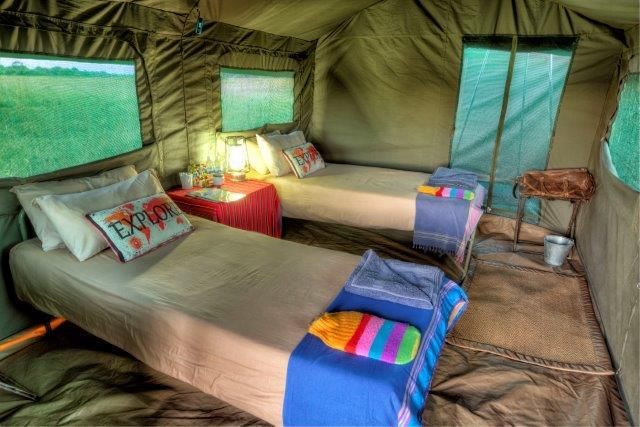
Accommodation:        Serviced Camping in meru style en-suite tents on a mobile safari

Itinerary – Overview
2 Nights camping in the Xakanaxa / 3rd bridge area of Moremi Game Reserve
3 Nights camping in the Khwai Community Area bordering Moremi Game Reserve
3 Nights camping in Savute, Chobe National Park
2 Nights camping in Chobe, Chobe National Park

Highlights:
Okavango Delta & Moremi Game Reserve
The Okavango is a unique ecosystem, a river delta located in the middle of the world’s largest stretch of
continuous sand – the Kalahari basin. An oasis in an otherwise arid and inhospitable landscape, the Okavango
Delta supports an incredible diversity of animal and birdlife. Where land and water meet, a mosaic of
pans, grasslands, forests and lagoons provides an extremely varied range of habitats which is home to one of
Africa’s greatest concentrations of wildlife. The Okavango is one of the natural wonders of the world, a still-
pristine yet fragile ecosystem that richly rewards exploration.

The Moremi Game Reserve lies in the eastern corner of the Okavango Delta. One of the most beautiful and
diverse of all the great game reserves of Africa, it protects both huge concentrations of wildlife and incredible
scenery. The reserve consists of both seasonally-inundated areas such as Xakanaxa, and drier areas such as
Khwai. On this safari, we will set out to reveal some of the secrets of this dynamic ecosystem.

Chobe National Park
Chobe National Park is one of Africa’s finest game sanctuaries. Situated in the far north of Botswana, Chobe
encompasses a wide variety of habitats that are home to a breath-taking variety of animals and birds.

Savute
The Savute is noted for the shifting shapes and transience of its most important landmarks: the Savute Marsh
and the Savute Channel which supplies it. The Marsh itself is one of the most exciting wildlife destinations in
Africa – anything can, and often does, happen there. Rising above the otherwise level landscape of Savute are
the Ghoha and Gubatsa Hills which hide perfectly preserved San Bushmen paintings. The Savute hills have a
very healthy population of leopard and the best time to see them is either at first or last light as they leave
their stony refuges to hunt in the surrounding bush.
The Savute Channel is known as the ‘stolen river’ and its recent history includes several episodes where it has
dried up for several years, only to flow again - seemingly at random, but in fact due to tectonic movements.
This means that you could encounter either a river, or a ribbon of dry savannah grassland. The skeletons of
numerous dead trees stand as mute witnesses to the erratic ebb and flow of this most unpredictable of rivers.
Beyond the channel, this area consists of large open game-filled plains and is home to a variety of dry-land
animals, including zebra, wildebeest, kudu, giraffe, wild dog, cheetah and lion.
The Chobe River Front
The lush Chobe River Front is renowned for its abundance of elephant – almost certainly the highest
concentration of these magnificent creatures to be found anywhere in the world. Chobe is also noted for its
huge herds of buffalo, its rich birdlife and exquisite sunsets reflected in the ripples of the river. It all adds up to
an unmissable wildlife experience.
Your Safari Includes:
Comfortable walk-in tented accommodation in Meru-style tents with built-in floors and mosquito gauze
at the windows and entrance. Comfortable beds include all bed linen and a towel
En-suite bathrooms with a traditional hot water safari bucket shower and bush loo
Experienced, licensed professional guide for the duration of your safari
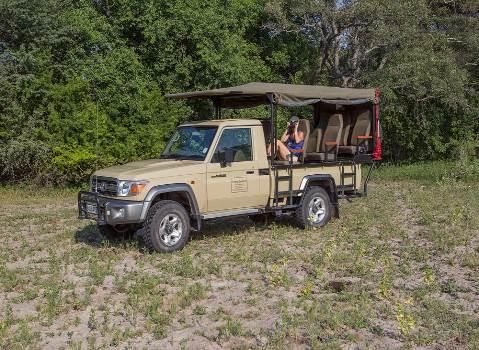
Game drives and local transfers in custom-made open game drive vehicles with shade roof, game
viewing seats and long-range fuel tanks
A scenic flight charter Maun to Moremi in a fixed wing aircraft
All entrance and camping fees for National Parks and Game Reserves. Exclusive private campsites are
used wherever possible.
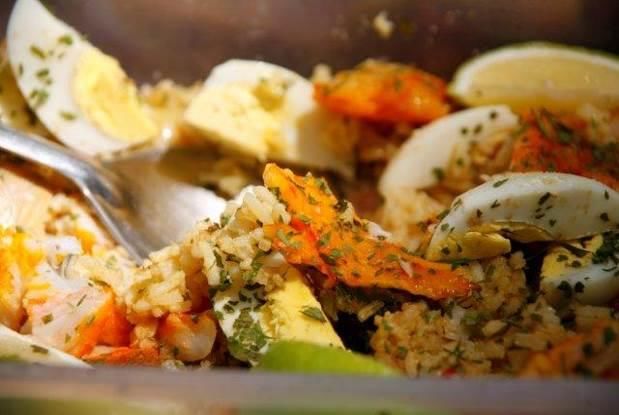
All meals and selected drinks (wine, beer, G&T, selected soft drinks, fruit juice, bottled water, Amarula)
Dedicated safari team including cook, camp assistant and back-up driver
Bathroom amenities (soap, shampoo and insect repellent)
Medical evacuation insurance
All activities as specified in the itinerary
Your Safari Excludes:
International and domestic or charter flights and airport departure taxes
Visas (these are your own responsibility to organise)
Laundry service
Travel, cancellation and medical insurance (essential on all safaris)
Optional safari extensions
Spirits (other than gin)
Items of a personal nature
Tips and gratuities – see our suggested guidelines on the “Useful Information” page on our website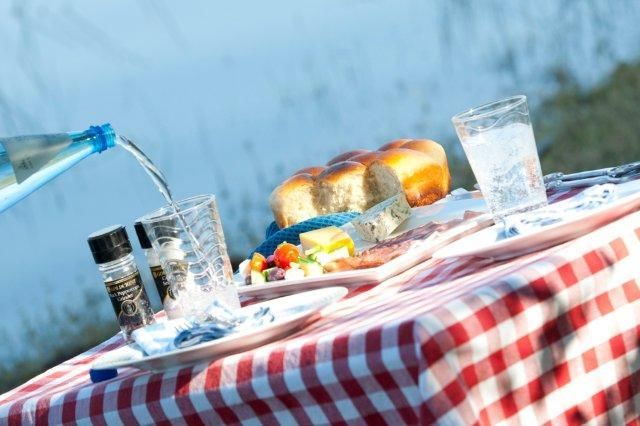
DETAILED ITINERARY (Maun – Kasane)

Day 1 & 2: Camping in the Xakanaxa / 3rd Bridge Area of the Moremi Game Reserve & Okavango Delta.
“Dumela / Hello! Welcome to Botswana!” We will be there to give you a warm Botswana welcome when you
land at Maun Airport. We will provide you with a snack pack before your meet your pilot for your stunning light
aircraft scenic flight over the Okavango Delta and Chief’s Island. This flight gives you a fish eagle’s eye view of
this amazing ecosystem. When you land at your remote bush airstrip within the Moremi Game Reserve, your
guide will be waiting to transfer you to your mobile camp - with a game drive en route. The friendly, attentive
staff will help you feel immediately at home and brief you on what to look forward to on your safari. The magic
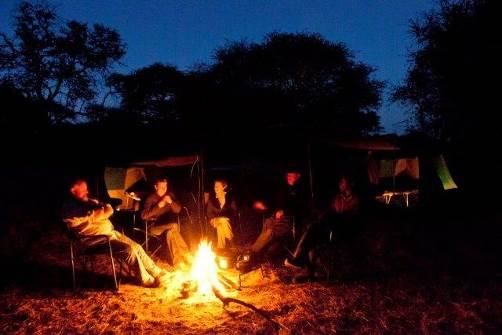
of a mobile camp becomes apparent as the sun sets and you enjoy drinks around the fire before a starlit dinner
and a great night’s rest after falling asleep to the sounds of the African bush.
Spending our first two nights camping in the Xakanaxa / Third Bridge area, we explore the surrounding
wilderness on game drives during the day. The Moremi Game Reserve protects around a third of the entire
Okavango Delta ecosystem – some 5 000km2 (1 930 square miles).

Day 3 & 4 & 5: Camping in the Khwai Community Area Bordering the Moremi Game Reserve
Following an early breakfast, we pack up the camp and continue our journey to Khwai, stopping for a bush
picnic lunch en route. The Khwai River forms the boundary between the reserve and the local Khwai
Community Area. We spend the next three nights camping at a campsite in the community area, exploring the
Khwai floodplains on day and night game drives. You will also experience a 2½-hour mokoro trip, discovering
channels and lagoons at a relaxed pace in a traditional dug-out canoe.

Night drives (using filtered spotlights to find game without affecting their night vision – or yours) offers a
unique opportunity to encounter less well-known nocturnal species, as well as possibly witness hunting and
other behaviour which more often takes place under the cloak of darkness. As night drives are not permitted
within Botswana’s national parks and reserves, we conduct these nocturnal safaris in the Khwai Community
Area.
Day 6 & 7 & 8: Camping at Savute within the Chobe National Park
We head further north en route to Chobe National Park, were we spend the following three nights camping at
a pristine bush campsite in the Savute region and exploring the dry landscape on game drives. Savute is an area
that can change dramatically, with the character of the place changing completely depending on the flowing or
drying up of the Savute Channel. In 2010, water from the Savute Channel reached the Marsh for the first time
in three decades (after a long dry period during which resident lions learned to prey on elephants coming to
drink at isolated waterholes). The presence of water can transform these dynamics and the only way to find
out what will happen next, is to visit Savute with us and see for yourself!

Day 9 & 10: Camping at Chobe River front within the Chobe National Park
Leaving this parched landscape, we continue our journey north to the contrasting Chobe region of the park. We
spend the last two nights camping in a wilderness campsite near the Chobe River, exploring the riverbanks and
surrounding flood plains on game drives. On Day 9 you will enjoy an afternoon boat cruise on the Chobe River
which departs from Kasane.

Day 11: Safari ends in Kasane
Following breakfast and a short game drive your safari will end in Kasane at around 09h00.

DISCLAIMER: Although we make every effort to adhere to the details of this itinerary and the listed
activities, these are subject to change due to changing local conditions and factors outside of our control such
as the weather and the condition of the roads, as well as availability. We reserve the right to substitute a motor
boat cruise for the mokoro excursion where necessary. In the event of any necessary changes, we will always
keep you informed.

Safari rates are subject to National Park fees increases imposed by the Botswana Government without prior
notice.

                                 Private Bag BO13, Maun, Botswana, PH: +267 6861 211
           www.okavangoexpeditions.com Skype okavangoxpeditions.com Email: res1@okavangoexpeditions.com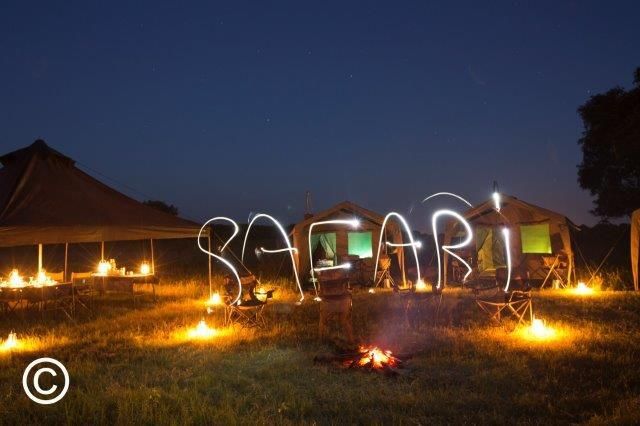
A TYPICAL DAY ON SAFARI
The safari day starts as the sun rises. Your wake-up call will be between 5am and 6am - a gentle “koko” (knock-
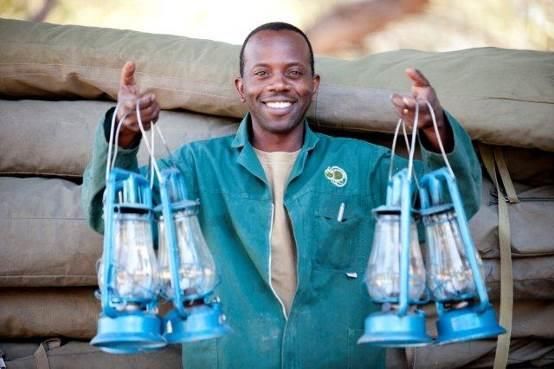
knock in Setswana) at the entrance to your tent. A camp assistant will be on hand to fill your wash basin with
steaming hot water, and freshly made tea and coffee will be served around the campfire.

Before the early morning game drive, a light breakfast will be offered. This will include tea, plunger coffee,
juice, rusks, fruit, cereal, toast and jams – just enough to boost your energy without using up too much of the
golden hours of early morning, which is one of the best times of the day to see animals. Later on, as the
temperature rises, many of them will retreat to the shade before becoming active again in the late afternoon.

Having spent the morning exploring the surrounding wilderness in search of Botswana’s hidden treasures, you
will return to camp for lunch under a shady tree (if the elephants have not pushed them all over!). Lunch
typically consists of salads, bread (freshly baked over the campfire), cold meats and pickles. Just as the animals
retreat to escape the heat of midday, we recommend that you do too. This is your chance to catch up on your
reading, write about your adventures in your journal, take a siesta – or all three!

Later in the afternoon you will head out into the wilderness once more as the animals begin to feed and drink
again. As the sun dips below the horizon, marvel at the sheer splendour of an African sunset and toast the
beauty of Nature. This is best done with the traditional sundowner choice: a G&T.
On your return to camp, enjoy a starlit hot shower and then gather around the warmth of the campfire to
relive the day’s events with your fellow adventurers. A three-course dinner accompanied by South African
wines is served beneath the magical canopy of the African night sky. Listen carefully and you may hear lions
roaring, hyaenas whooping – or smaller creatures rustling in the leaves nearby… We can confidently say that
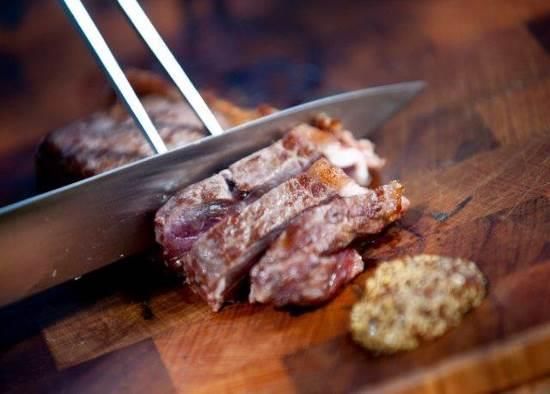
Botswana beef is the best in the world – and our slow-cooked potjie is just as delicious. And that’s before we
even mention our mouth-watering desserts!

Retreating to the comfort of your tent after enjoying a nightcap around the campfire and fall asleep to the calls
of the African wild. Good night and sleep tight!

On days when we move to a new campsite, the safari team will strike the camp, then travel to the next
campsite and prepare everything for us. When travelling between campsites, we choose routes through
wildlife areas wherever possible which means that each transfer is really an extended game drive. A picnic
lunch will be served at a suitably scenic spot en route.

                                 Private Bag BO13, Maun, Botswana, PH: +267 6861 211
          www.okavangoexpeditions.com Skype: okavangoxpeditions.com Email: res1@okavangoexpeditions.com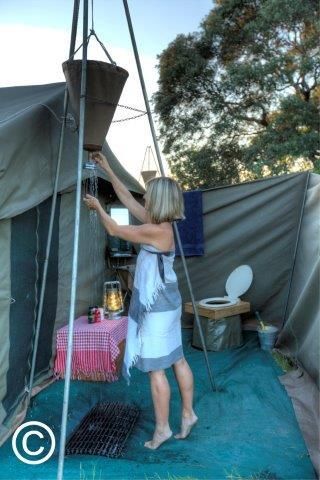
You can also read


