Guidelines for Reducing Cockatoo Damage - Wildlife Management Methods
←
→
Page content transcription
If your browser does not render page correctly, please read the page content below
Guidelines for Reducing
     Cockatoo Damage
       Wildlife Management Methods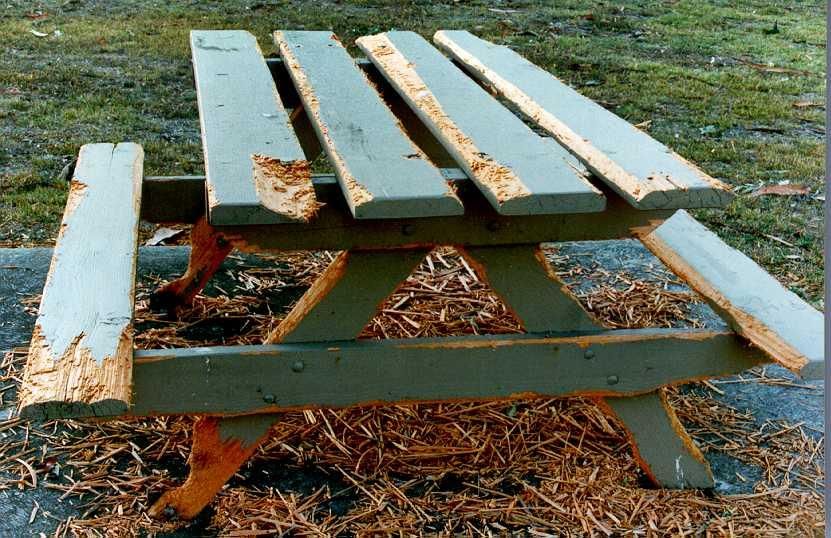
Photo and Figure credits
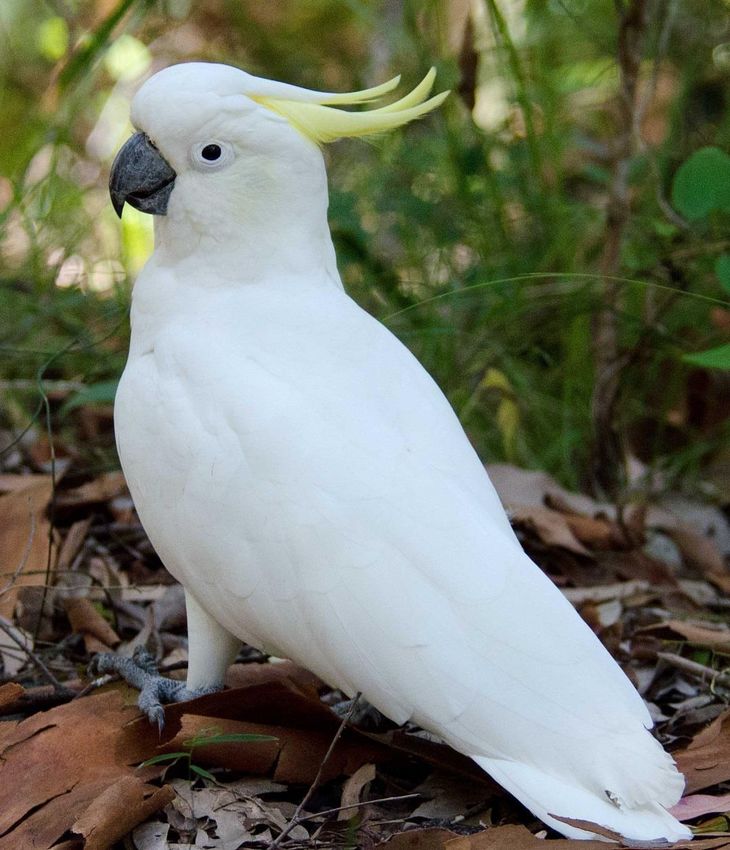
Cover photograph: Sulphur Crested Cockatoo – Nick Talbot
Figure 1: Long-billed Corella – Drawing courtesy of Jess Davies
          Sulphur-crested Cockatoo and Galah – Drawings courtesy of Nic Day
Figure 2: Kite to simulate bird of prey – Zoe Elliott
Figure 3: Galah – Nick Talbot
Figure 4: Long-billed Corella – Ian Temby
Figure 5: Cockatoo damage to timber frames – Jim O’Brien
Figure 6: Cockatoo damage to outdoor furniture – Ian Temby
Figure 7: Cockatoo damage to sporting ground – Mark Breguet
Figure 8: Corellas feeding on grain – Mark Breguet
Figure 9: Cockatoo damage to crops – Ian Temby

© The State of Victoria Department of Environment, Land, Water and Planning 2018
                  This work is licensed under a Creative Commons Attribution 4.0 International licence. You are free to re-use the work
                  under that licence, on the condition that you credit the State of Victoria as author. The licence does not apply to any
                  images, photographs or branding, including the Victorian Coat of Arms, the Victorian Government logo and the
Department of Environment, Land, Water and Planning (DELWP) logo. To view a copy of this licence, visit
http://creativecommons.org/licenses/by/4.0/
ISBN 978-1-76047-876-6 pdf/online

Disclaimer
This publication may be of assistance to you but the State of Victoria and its employees do not guarantee that the publication is without
flaw of any kind or is wholly appropriate for your particular purposes and therefore disclaims all liability for any error, loss or other
consequence which may arise from you relying on any information in this publication.

Accessibility
If you would like to receive this publication in an alternative format, please telephone the
DELWP Customer Service Centre on 136186, email customer.service@delwp.vic.gov.au
or via the National Relay Service on 133 677 www.relayservice.com.au. This document is
also available on the internet at www.delwp.vic.gov.au.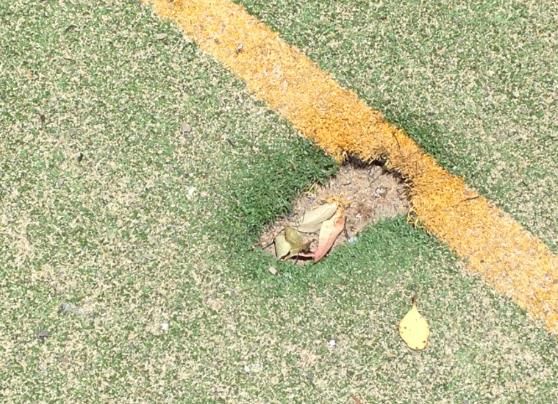
Contents

Introduction ....................................................................................................................... 3
About this guideline ........................................................................................................................................ 3

Cockatoos ......................................................................................................................... 3
Historical background ..................................................................................................................................... 3
Cockatoo behaviour ........................................................................................................................................ 3
  Cockatoos’ beaks constantly grow ............................................................................................................. 3
  Cockatoos are sociable ................................................................................................................................ 3
  Cockatoos are creatures of habit ................................................................................................................ 3
  Cockatoos have favourite foods ................................................................................................................. 3
  Cockatoo damage is seasonal ..................................................................................................................... 4
  Cockatoos are scared of birds of prey ....................................................................................................... 4
Legal Status ..................................................................................................................................................... 4
  Wildlife Act 1975 ............................................................................................................................................ 4
  Authority to Control Wildlife ........................................................................................................................ 4
  Governor in Council Order ........................................................................................................................... 4
Illegal methods of control ............................................................................................................................... 5
  Trap and Gas ................................................................................................................................................. 5
  Poisoning ....................................................................................................................................................... 5
  Birds of Prey .................................................................................................................................................. 5

Managing impacts from cockatoos ................................................................................. 5
Cockatoo Damage Management Plans .......................................................................................................... 5
  Step 1: Define the Problem .......................................................................................................................... 5
  Step 2: Develop a Plan .................................................................................................................................. 5
  Step 3: Implement the Plan .......................................................................................................................... 6
  Step 4: Monitor and evaluate the results .................................................................................................... 6

Management methods ...................................................................................................... 6
The role of bird destruction ............................................................................................................................ 6
Management methods for various settings .................................................................................................. 7
Damage around the house.............................................................................................................................. 7
  Light fixtures, powerlines and other fixtures ............................................................................................. 7
  Damage to timber fittings and outdoor furniture ....................................................................................... 7
Damage to newly planted tree seedlings ...................................................................................................... 8
Damage to horticultural crops, fruits, nuts, grapes and flowers ................................................................ 8
Damage to roost trees through excessive pruning and noisy roosting behaviour .................................. 8
Damage to sporting grounds (bowling greens and golf courses) ............................................................. 8
Damage to feedlots .......................................................................................................................................... 9
Damage to feed trails and stubble ................................................................................................................. 9

                                                                                                     Guidelines for Reducing Cockatoo Damage                       1
                                                                                                                    Wildlife Management Methods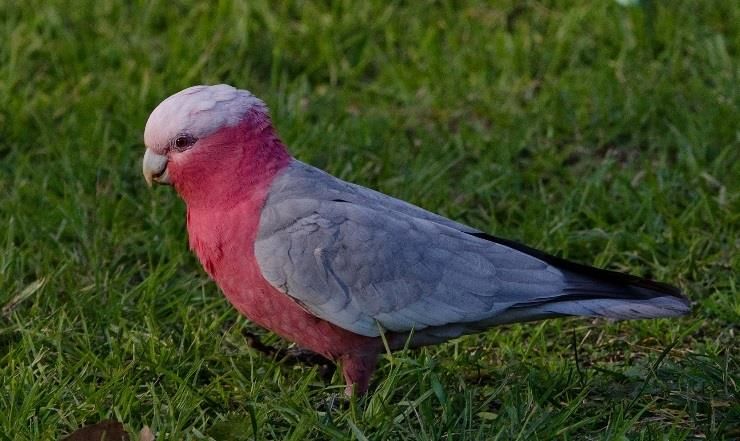
Damage to hay and straw bales ...................................................................................................................10
Damage to silage and grain covers .............................................................................................................10
Damage to ripening crops or around trees, dams and bare or thin patches within the crop ...............10
Further information .......................................................................................................................................11
Services and equipment ...............................................................................................................................11
    Gas Guns .....................................................................................................................................................11
    Bird Frite cartridges ....................................................................................................................................11
    Bird of Prey Kites ........................................................................................................................................11
    Eye-Spot Balloons ......................................................................................................................................11
    Electric Shock Perches ..............................................................................................................................11
    Recorded alarm calls ..................................................................................................................................11
Table 1: Summary of actions to reduce damage in various situations ...................................................12
Strategic approaches ....................................................................................................................................12
Exclusion methods ........................................................................................................................................12
Building alterations / maintenance ..............................................................................................................12
Good crop management ...............................................................................................................................12
Scaring (Kites, scarecrows, hides and vehicles) and shooting ...............................................................12
Decoy feeding ................................................................................................................................................12

2      Guidelines for Reducing Cockatoo Damage
       Wildlife Management Methods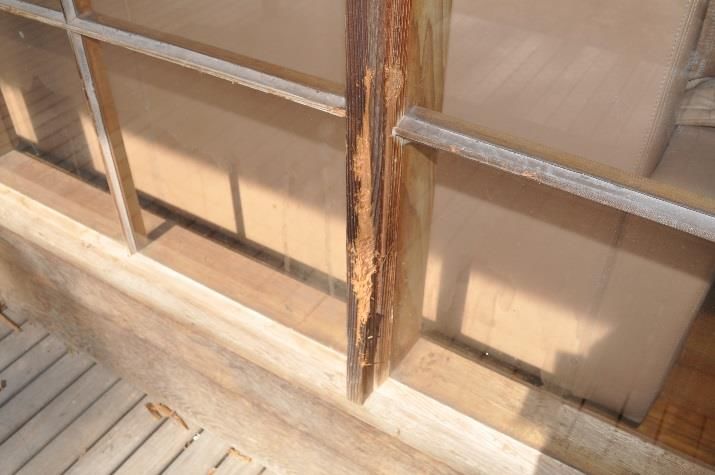
Introduction
                                                         to this change, but competition with rabbits kept their
About this guideline                                     numbers low.
Cockatoo damage is a significant problem for many        With the introduction of myxomatosis in the 1950s
Victorians, especially in regional and rural areas.      cockatoos no longer competed with large numbers
Impacts are experienced across many different            of rabbits for remnant grain left in stubble after the
farming ventures, on community assets and private        harvest each summer and as a result their numbers
residences.                                              have increased. Long-billed Corellas have now
                                                         recolonised their traditional range whilst Galahs are
This guideline provides information about ecological
                                                         spreading further and further south.
and behavioural traits of cockatoo species to explain
why the birds can sometimes cause damage to
property or agriculture. It sets out the legal and
                                                         Cockatoo behaviour
policy framework in place for the protection,            Understanding cockatoo ecology and behaviour is
conservation and management of these birds in            the first step in managing the problems they cause,
Victoria.                                                and can help you to modify your property or
                                                         processes to lessen negative impacts.
This guideline also provides practical tips and
management methods applicable to different               Cockatoos’ beaks constantly grow
situations, to build people’s capacity to mitigate the
impact that cockatoos can have on the built and          Cockatoos need to chew items in their environment,
natural environment.                                     including artificial structures, to maintain their beaks
                                                         at the correct length and condition. Wherever
                                                         cockatoos land, either feeding or beak maintenance
Cockatoos                                                occurs.

                                                         Cockatoos are sociable
Cockatoos, corellas and galahs, collectively referred    Cockatoos flock and roost together. Flocks form
to as “cockatoos”, are some of Australia’s most          through a process known as “local enhancement”.
widely recognised native birds. In this guideline, the   Birds in the air see birds feeding below and join
term cockatoo is used to refer to the following three    them. This pattern continues until a large flock forms
species, which exhibit similar behavioural traits.       at a favourable food source. To avoid cockatoos
                                                         flocking together, you can monitor crops regularly
                                                         and act as soon as the first birds arrive to prevent a
                                                         large flock forming.

                                                         Cockatoos are creatures of habit
                                                         Cockatoos use regular flight paths and return to
                                                         good feeding areas repeatedly, so deter the birds
                                                         early before regular feeding patterns develop.
                                                         Cockatoos can be attracted to an area when
      1.                 2.               3.             someone feeds them. The feeding of wildlife is
                                                         discouraged in all situations. If you are experiencing
Figure 1:                                                impacts because your neighbour feeds cockatoos,
1. Long-billed Corella      Cacatua tenuirostris         ask them to stop.
2. Sulphur-crested Cockatoo Cacatua galerita
                                                         Cockatoos have favourite foods
3. Galah                    Eolophus roseicapillus
                                                         Cockatoos have adapted well to feeding on
Historical background                                    commercial crops but they prefer Onion Grass
                                                         corms. Some farmers have ploughed up an area of
When large areas of Victoria were cleared for
                                                         Onion Grass away from their crop to expose the
farming, cockatoo numbers, particularly the Long-
                                                         corms and create a decoy during sowing.
billed Corella, were severely reduced due to loss of
natural foods like Native Yam (Microseris                Cockatoos are also attracted to germinated cereal
scapigera). Exotic grain crops and introduced weeds      crops, such as wheat, oats and barley, and oilseed
like Onion Grass (Romulea rosea) replaced the            crops like sunflower and safflower. Monitor crops
Native Yam as their food. Cockatoos adjusted well

                                                                    Guidelines for Reducing Cockatoo Damage      3
                                                                                   Wildlife Management Methods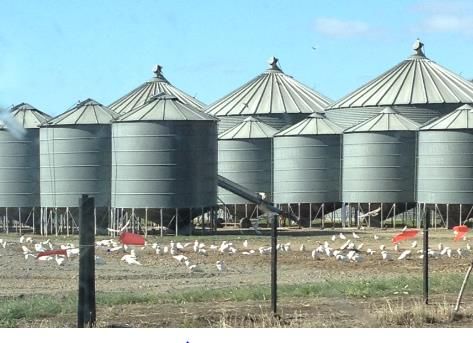
closely and be prepared for periods of peak                 Environment, Land, Water and Planning (DELWP)
cockatoo activity.                                          for an ATCW.

Cockatoo damage is seasonal                                 It is DELWP policy that an ATCW applicant must try
                                                            non-lethal control options, if available, before being
Cockatoos feed on different crops as they germinate         able to apply for an ATCW for lethal control.
and ripen, with most damage being caused to                 Examples include putting chicken wire on wooden
germinating crops in autumn.                                balustrades, installing rolling perches over fixtures,
In cropping areas, plan your cockatoo management            using scare guns or big eye balloons. The
in the three to four months leading up to sowing and        Management methods section of this guideline
work with your neighbours or local Landcare group.          provides advice on management options available
                                                            for cockatoos in various situations.
Try to lessen cockatoos’ access to grain, by feeding
grain to sheep at or after dusk and minimise grain          Where an ATCW for lethal control using a firearm is
residue in the stubble.                                     applied for, the applicant will most likely also require
                                                            a populous place permit. The definition of a
Cockatoos are scared of birds of prey                       populous place includes, but is not limited to,
                                                            residential areas, public open spaces and
Birds of prey, such as Peregrine Falcons, Little
                                                            thoroughfares. Victoria Police is the responsible
Eagles and Wedgetail Eagles may feed on adult
                                                            authority for issuing populous place permits and
cockatoos, whilst newly-fledged birds are vulnerable
                                                            should be contacted for advice on when and how to
to predation by Brown Falcons and Australian
                                                            apply.
Goshawks. Consequently, cockatoos are wary of
birds of prey and this fear may be exploited to scare       Governor in Council Order
cockatoos away using kites to simulate birds of prey.
                                                            Notwithstanding that cockatoos are protected wildlife
                                                            under the Wildlife Act 1975, Galahs, Long-billed
                                                            Corellas and Sulphur-crested Cockatoos have been
                                                            declared “unprotected wildlife” by a Governor in
                                                            Council Order (GiC Order) in certain situations in
                                                            Victoria.
                                                            Galahs, Long-billed Corellas and Sulphur-crested
                                                            Cockatoos are unprotected when they are causing
                                                            serious damage to trees, vineyards, orchards,
                                                            recreational reserves or commercial crops. In these
                                                            situations, they may be shot by landowners, their
                                                            employees and members of their families on the
                                                            property where the damage is occurring.
                                                            Committees of Management members are also
                                                            permitted to shoot these species on recreational
                                                            reserves where they are causing severe damage.
Figure 2: Kite to simulate bird of prey
                                                            This means that anyone specified in the GiC Order
Legal Status                                                does not need an authorisation (such as an ATCW)
                                                            from DELWP to shoot cockatoos when they are
Wildlife Act 1975                                           causing serious damage on their properties. Anyone
                                                            not specified in the GiC Order, who seeks to control
Galahs, Long-billed Corellas and Sulphur-crested
                                                            cockatoos must still apply to DELWP for an ATCW.
Cockatoos are native wildlife and as such are
protected under the Wildlife Act 1975. It is illegal to     The provisions of the Firearms Act 1996 and any
wilfully disturb or to destroy protected wildlife without   other relevant legislation still apply. People should
approval.                                                   liaise with Victoria Police to make sure they obtain
                                                            any required permits (e. g. populous place permit) or
Authority to Control Wildlife                               licences.
The most common approval to scare, disperse or              In all situations not specified in the GiC Order
destroy protected wildlife is an Authority to Control       cockatoos are fully protected and must not be shot
Wildlife (ATCW). Landholders who are experiencing           or harmed in any way without authorisation from
damage and wishing to scare, disperse or destroy            DELWP.
cockatoos must apply to the Department of

4   Guidelines for Reducing Cockatoo Damage
    Wildlife Management Methods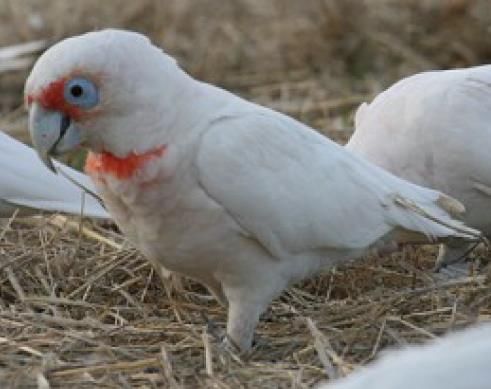
Illegal methods of control                                In most situations, this process will confirm that the
                                                          level and frequency of damage requires damage
Trap and Gas                                              mitigation. However, some may find that the costs of
It should be noted that the GiC Order includes a          control exceed the benefits and that reducing or
condition which permits defined persons to take or        altering current efforts or doing nothing are more
destroy cockatoos using trapping and gassing              economic options.
equipment approved by DELWP. However, no such             Developing and implementing an effective damage
equipment is approved by DELWP. This option is            mitigation plan involves four steps:
thus effectively illegal.
                                                          1.   Defining the nature and extent of the problem.
Poisoning                                                 2.   Developing a plan.
                                                          3.   Implementing the plan.
Poisoning of cockatoos is illegal.                        4.   Monitoring and evaluating the effectiveness of
                                                               the actions.
Birds of Prey
Use of birds of prey to scare other birds is illegal in   Step 1: Define the Problem
Victoria.
                                                          The first stage in developing a damage management
                                                          plan is determining the nature and extent of
Managing impacts from                                     damage. Before spending time or money on
                                                          controlling birds, it is important to understand the
cockatoos                                                 problem, including when the damage occurs, where
                                                          it occurs and how much money the birds are costing
                                                          you.
Cockatoos are highly intelligent, so not all damage
                                                          It is also important to establish with certainty that it is
control measures will be effective in every situation
                                                          actually cockatoos who are the cause of the
or for sustained periods of time. However, there are
                                                          problem. Sometimes cockatoos may be sighted in or
greater chances of success if your control program:
                                                          near a damaged area, but they are not actually the
• is carefully planned,                                   cause.
• is based on an understanding of cockatoo
                                                          All this information is critical to determining the most
  behaviour,
                                                          appropriate management measures and when and
• varies frequently and is persistent,
                                                          how they should be implemented. It also provides a
• reinforces scaring stimuli with some shooting, and
                                                          benchmark to determine the effectiveness of
• integrates a variety of different measures.
                                                          mitigation measures.

                                                          Step 2: Develop a Plan
                                                          Once the problem is defined and the nature and
                                                          extent of damage is understood, document the
                                                          objectives of your management plan and the way
                                                          you will track progress towards achieving your aims.
                                                          For example, you may wish to set an objective of
                                                          reducing damage losses by half and to measure this
                                                          through a reduction in fruit loss or control costs, or
                                                          through increased fruit quality.

                                                          After your objectives are set, and you have worked
                                                          out how you will measure the success of your
                                                          controls, you can then select the best damage
Figure 3: Galah
                                                          reduction options. The Management Methods
                                                          Section below, and Table 1 at the end of this
Cockatoo Damage Management Plans                          guideline show some of the techniques that are
Before you implement any cockatoo management              available. Wherever possible, it is best to deploy a
actions, it is recommended that you develop a             range of actions when the crop is vulnerable to bird
Cockatoo Damage Management Plan that is tailored          damage.
to your location and likely nature of damage, based
on past experience or local knowledge.

                                                                      Guidelines for Reducing Cockatoo Damage      5
                                                                                     Wildlife Management Methods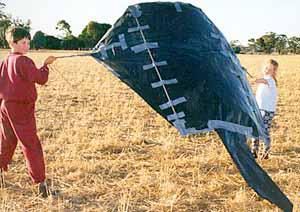
Step 3: Implement the Plan
When your plan is complete, prepare a timetable for
action and begin implementation. Coordinating your
plan with your neighbours may also be necessary to
maximise the effectiveness of the program.

Step 4: Monitor and evaluate the results
It is important that you measure the results of your
control program to reduce the guesswork in
determining the effectiveness of your actions.
Monitoring is usually undertaken on two levels:
operational monitoring and performance monitoring.
Operational monitoring aims to evaluate the
efficiency of the control program through an
assessment of all relevant equipment, transport and        Figure 4: Long-billed Corella
operational costs.
Importantly, operational monitoring should include
an assessment of labour costs, including the cost of       Management methods
time that you and any others (e.g. staff) spend
implementing the control actions. Some control
                                                           When planning your approach, it is important to
strategies are cheap in terms of equipment and
                                                           choose the appropriate method, or combination of
materials, but very labour intensive. It may be more
                                                           methods to maximise your chance of successfully
cost-effective to select a technique with high up-front
                                                           deterring cockatoos. Before describing various
costs but minimal ongoing labour costs, like
                                                           methods that have been utilised in different
permanent netting.
                                                           situations with differing degrees of success, the
Performance monitoring aims to determine how well          following section outlines the role of bird destruction
your management plan performs. This is usually a           in a cockatoo deterrence campaign and DELWPs
measure of damage levels or lost production.               policy approach to lethal versus non-lethal control.
Measured reductions in damage that occur as a
result of bird control allow the benefits of the control   The role of bird destruction
activity to be quantified.
                                                           As noted earlier, cockatoos are unprotected wildlife
The final step is to evaluate your operational     and     in certain situations allowing anyone specified in the
performance monitoring data. Refinements           and     GiC Order to shoot these birds on the property
changes to the control program both within         and     where the damage is occurring.
between seasons can then be made using             the
knowledge gained.                                          Shooting is a common technique used to control
                                                           cockatoos, and may result in a short-term behaviour
                                                           change. However, this can often be achieved at less
                                                           expense by using non-lethal means, such as using
                                                           decoy food, scaring, or making visual barriers.
                                                           Several things need to be considered before
                                                           shooting cockatoos:
                                                           • Shooting is usually only a short-term measure, and
                                                             is unlikely to have much impact on the overall
                                                             population size or its ability to recover to former
                                                             numbers.
                                                           • Unless shooting is carried out over a large area,
                                                             new birds will quickly move in to replace those that
                                                             have been shot or scared away.
                                                           • Shooting may increase the extent of damage if
                                                             birds are constantly moved around.
                                                           • Shooting may cause friction with neighbours,
                                                             especially if shooting is to occur in built-up areas

6   Guidelines for Reducing Cockatoo Damage
    Wildlife Management Methods
(it also requires a populous place permit from with 5 cm lengths of polyethylene pipe. When the
Victoria Police). birds land, the pipe sections roll under their feet so
they are unable to balance. For the rolling perches
For all those reasons DELWP does not recommend
to be effective, they should be the only perch sites
shooting of cockatoos as a sole solution to a
on the fixture and should prevent birds from
cockatoo problem. Rather, shooting a small number
perching on the fixture itself. Commercially produced
of birds should be one of several methods
‘spike clusters’ are also available to prevent
incorporated into a carefully designed and
perching.
implemented cockatoo management plan, so that
cockatoos learn to relate the noise, and other Polyethylene pipe can also be used to prevent
elements of the campaign, with real danger. perching on the cross-sections of aerials. Sheathing
communications cables in PVC or metal conduit
Management methods for various reduces bird perching and damage.
settings Loose roof nails should be replaced with roofing
Cockatoos impact lives and property at various screws, because cockatoos are attracted to loose
scales, and methods that are appropriate in some nails and roofing screws remain firm.
scenarios are ineffective or unaffordable in others. Damage to fixtures can also be reduced by
The following sections provide tips on how to removing nearby food sources that are attracting the
manage cockatoos in a variety of settings. birds, or by scaring them from their roost sites and
Due to the intelligence of cockatoos it is important to moving them on to other areas.
monitor effectiveness of approaches and, if Cockatoo damage to power lines can be avoided by
necessary, adapt methodologies. putting the lines underground.
Table 1 at the end of this guideline provides a
Damage to timber fittings and outdoor furniture
summary of damage reduction actions, for quick
reference. Damage to timber fittings and outdoor furniture often
occurs when someone is providing food for the birds
Damage around the house and attracting them to the area. To avoid this
problem, try to find out who is feeding the birds and
Light fixtures, powerlines and other fixtures explain that the birds are causing the problem
In some situations, bird damage to light fixtures, because they are being fed, and ask them to stop.
powerlines and other fixtures can be avoided Timber can be protected with metal sheathing or by
through their design and placement. Even existing hanging netting or shade cloth from the eaves on
fittings can be altered to provide better protection. rollers. You can roll the shade cloth up and out of
Fine wires are difficult for birds to perch on, so using the way when you are home. Electric shock perches
them above a roosting structure can be an effective can provide another way to protect timber fittings.
deterrent. In some scenarios using polyethylene When replacing western red cedar window frames
pipe “rolling perches” provides the best protection. and door frames, use hardwood or metal and
consider excluding birds with permanent protective
screens or netting.
Another option is to start a scaring strategy using
recorded alarm calls and loud noises. However, this
can be difficult in built-up areas where you may also
disturb neighbours.
Figure 5: Cockatoo damage to timber window
frames
Light fittings can be protected by building perches
above them or by enclosing the existing perches
Guidelines for Reducing Cockatoo Damage 7
Wildlife Management MethodsDamage to roost trees through
excessive pruning and noisy roosting
behaviour
Cockatoos roosting in trees can sometimes cause
damage to the trees as the birds prune sections to
maintain beak condition. Disturbance through noise
can also occur as a flock settles in to roost, or in the
morning as birds call to each other from first light.
Deterring birds from roosting in certain trees
requires an integrated scare campaign ideally
started as flocks begin roosting in summer, to
Figure 6: Cockatoo damage to outdoor furniture prevent establishment of large flocks at a site.
During the planning stage for the campaign all
Damage to newly planted tree seedlings permits must be obtained. That is, an ATCW from
DELWP and a Populous Place Permit (for shooting)
Visual screens can be used to reduce cockatoo from Victoria Police.
damage to tree seedlings, such as uprooting or
snipping off seedlings. One way to create a visual It is also crucial to engage with neighbours to ensure
screen is to plant or leave strips of vegetation such there is consensus that action is needed and that
as long grass on either side of the lines of tree people are fully aware of the disturbance that will be
seedlings and across them at intervals. caused throughout the scaring programme, which
may need to be sustained for several weeks.
The screens should be 0.6 to 1 metre high before
the tree seedlings are planted. For small area The intent of the scare campaign is to unsettle the
plantings, fences of hessian or shade cloth can be birds to the degree that they will abandon the roost
used and the effect of these screens can be site. Initially there should be some shooting to kill a
enhanced by some patrolling combined with small number of birds. The shooting should be done
shooting if necessary. Effective weed control is at various times, from different sites, and by
important when using this system. dissimilar people. This should be immediately
followed by scaring measures, so that birds
Direct seeding and natural regeneration are other associate humans with real danger. Deployment of
ways of reducing cockatoo damage, as individual Bird Frite® cartridges, which are pyrotechnic
plants germinate at different times thus making the ‘crackers’ fired from a 12-gauge shotgun, recorded
food source less obvious to the birds. alarm calls, flashlights and big-eye balloons should
be constantly varied to keep birds on edge and to
Damage to horticultural crops, fruits, deter them from returning to the tree for roosting
nuts, grapes and flowers after the scare campaign ends each day.
The scale of many horticultural crops, such as fruits, It’s important to keep in mind that even though tree
vines or nuts or commercial flower farm lends itself pruning by cockatoos can appear obvious and major
to the only proven long-term solution to bird initially, it does not always result in long-term
damage: exclusion netting. damage.
Netting is the most effective means of reducing Cockatoos are known for damaging trees, but other
damage and improving the quality and yield of fruit factors can also contribute to the damage including
crops in areas where damage occurs. Netting also defoliating and sap-sucking insects, raised nitrogen
help to protect fruit from wind and hail. content of soils, especially where stock camp under
trees and altered soil hydrology through soil
However, netting can be expensive to erect and
compaction. Rising water tables, fungal attack and
maintain and unlikely to be an economic solution for
damage to roots by hoofed stock or machinery can
low value crops or those that sustain a low level of
also damage a tree.
bird damage. Netting may also be impractical in
some situations, such as in difficult terrain or where
large trees hinder the erection of netting structures.
Damage to sporting grounds (bowling
greens and golf courses)
Where netting is not a viable option, a strategic
integrated approach (like a scare campaign, outlined Cockatoos can sometimes cause damage to
below) is recommended. sporting grounds such as bowling greens and golf
courses.
8 Guidelines for Reducing Cockatoo Damage
Wildlife Management MethodsTry to work out why the birds are being attracted to
the area and whether it is possible to reduce the
attraction. If the birds are roosting nearby, a scaring
program will reduce the attractiveness of the roost
site and encourage them to move on.
Figure 8: Corellas feeding on grain
Placing hoods over feed troughs, or erecting shade
cloth screens on three sides and above the troughs
may reduce cockatoo feeding. The localised
destruction of birds may also be necessary.
Figure 7: Cockatoo damage to sporting ground Farmers should be aware that cockatoos are also
For relatively small sites, such as bowling greens, attracted to feedlots to eat undigested grain from
removable vertical screens of shade cloth or hessian cattle droppings. Young cockatoos that have just left
2 to 2.5 metres high can be used when the greens the nest use this grain as a food source at a time
are not in use. when little else is available. The grain in cattle
droppings actually helps enhance the survival rates
If the birds are attracted to Onion Grass, try to of cockatoos and assists in increasing their
remove the grass from the site with herbicides. numbers.
Bird hides can be used to reduce damage to golf
courses, where birds are shot at from the hides with Damage to feed trails and stubble
both live ammunition and Bird Frite® cartridges, Feed trails and stubble often attract cockatoos, who
combined with playing recorded alarm calls. The can poach feed intended for livestock or prevent
hides should be moved frequently. lambs from feeding.
All permits (an ATCW from DELWP and a populous Limiting cockatoo access to grain at this time is very
place permit from Victoria Police) must be obtained important. Having grain easily available just after
prior to shooting cockatoos on golf courses. young cockatoos leave the nest increases their
Damage to feedlots chances of surviving and maturing. Without access
to grain fewer young birds will survive leading to a
Cockatoos can sometime cause damage to feedlots decrease in the overall cockatoo population.
due to feeding behaviour and fouling.
Feed trails for stock should be placed late in the day
Cockatoos like to have a clear view around them when cockatoos are returning to their roosts and
when feeding. stock can then feed through the night undisturbed.
Feed out just enough grain so there is little left the
next morning. Feed smaller amounts more
frequently, or keep birds away until stock has
finished feeding.
Wastage can be reduced by placing feed in bird-
proof troughs.
Set harvesting machines to minimise the amount of
grain left in stubble after harvest and collect chaff
and grain for stock feed.
Guidelines for Reducing Cockatoo Damage 9
Wildlife Management MethodsDamage to hay and straw bales The on the ground program should start with
shooting as this establishes the link between loud
Cockatoos cause damage to hay and straw bales by
noise and danger.
feeding on the seed heads within them.
Shoot from several hides near the birds’ main
You can reduce damage to the outermost bales on
approach routes. Bird hides can be made of hessian
the open side of the stack by placing shade cloth or
or other material. Vehicles can also be used as
hessian on three sides of haystacks. Removable
mobile hides and left near the crop. Shoot from
panels can be used, so that access to other sides of
these ‘approach route’ hides, but switch to other
the stack is still possible. If damage is severe, all
hides regularly.
four sides of the stack can be covered.
Damage to round bales in paddocks can be reduced
by erecting temporary walls. Walls made of shade
cloth or hessian should encircle the bales at 2 to 2.5
metre high. Shade cloth lasts longer than hessian
and can be reused in later seasons.
Damage to silage and grain covers
Cockatoos can perforate grain covers on silage pits,
which lets in air and reduces silage quality. As with
the hay bale walls, silage covers can be protected
by erecting shade cloth or hessian walls at 2 to 2.5
metre high around them. Shade cloth lasts longer
than hessian and can be reused in later seasons. Figure 9: Cockatoo damage to crops
Damage to grain covers generally occurs when birds Scarecrows can also be used, dressed in bright
are attracted to spilt grain on, or around the covers. colours. Remember to move the scarecrows
When care is taken to reduce grain spillage, or to regularly.
remove spills immediately, grain cover damage is Scare guns can be introduced at this stage. Set the
much less likely. If damage continues, visual guns to operate at long intervals, and only when
screens of shade cloth or other material can be birds are likely to be feeding in the crop, usually
used. early and late in the day. Move the scare guns every
A combined scaring and shooting strategy, using two to three days. They may be more effective if
bird hides, Bird Frite® cartridges (pyrotechnic hidden - use the bird hides and keep scare guns out
‘crackers’ fired from a 12-gauge shotgun), recorded of sight when not in use.
alarm calls and gas guns may also be effective, and Reinforce the scaring with some shooting, and with
may enhance the effect of the visual barriers the use of Bird Frite® cartridges. While the approach
outlined above may sound unusual, it has been
Damage to ripening crops or around shown to be effective.
trees, dams and bare or thin patches Farmers should also consider providing an
within the crop alternative, low-cost food source such as rice hulls
Cockatoos sometimes attack the outer edges of a as a decoy and to enhance the scaring strategy.
ripening crop, or around trees, dams and bare or Decoy food should be at least 500 metres away from
thin patches within the crop. the crop so that scaring activities do not disturb the
birds at the decoy site. No control should be
Reducing the crop edges can reduce the number of undertaken near the decoy, no matter how tempting
sites from which cockatoos can attack it. It is also this is.
important to discourage the development of ‘feeding
patterns’ at the crop site. The first few birds on the Decoy sites are more effective when they are close
crop are the most important ones to deter because to the birds’ flight path and close to trees that can be
their presence will attract other birds. used as perches or roost sites.
A crop protection program should be carefully Decoy model cockatoos in the feeding posture can
planned and, at the outset, the land owner should be used to lure birds to the decoy feed site.
check if any permits are required. That is, an ATCW
from DELWP and a populous place permit from
Victoria Police.
10 Guidelines for Reducing Cockatoo Damage
Wildlife Management MethodsFurther information
Please contact the DELWP Customer Contact
Centre on 136 186 between 8 am and 6 pm,
Monday to Friday, for more information, or visit the
DELWP website at
https://www.wildlife.vic.gov.au/managing-
wildlife/wildlife-management-and-control-
authorisations/cockatoos.
Services and equipment
A range of services and equipment can be used
during your cockatoo management programs.
Following is a list of where they can be sourced:
Gas Guns
Rural hardware or farm machinery outlets
Bird Frite cartridges
Ask your local ammunition dealer
Bird of Prey Kites
Search for “kite bird scarer” on the internet
Eye-Spot Balloons
Look for “scare-eyes” on the internet
Electric Shock Perches
Bird-shock Flex Track can be installed by some
licensed pest controllers who specialise in birds.
Search for “Bird Ban Shock Tape”, “Bird Jolt” or Bird
Shock Flex Track on the internet.
Netting
DELWP recommends the use of wildlife safe netting
and has prepared this fact sheet Wildlife Safe
Netting with useful information.
Recorded alarm calls
Alarm calls of Sulphur-crested Cockatoos and Long-
billed Corellas can be downloaded from the internet.
Guidelines for Reducing Cockatoo Damage 11
Wildlife Management MethodsTable 1: Summary of actions to reduce damage in various situations
▪ Develop a Bird Damage Management Plan
▪ Co-operate with your neighbours and the local Landcare group.
▪ Work with neighbours to monitor bird numbers and location of birds.
Strategic ▪ Plant as many paddocks as possible at the same time and reduce crop
approaches edges to reduce number of sites for cockatoos to attack from.
▪ Where practical, sow at the same time as your neighbours
▪ Ask your neighbour to not feed cockatoos
▪ Erect nets to protect your horticultural crops, or to manage damage at
Exclusion smaller scales (sports grounds).
methods
▪ Use chicken wire to protect furniture, wooden window frames.
▪ Install rolling perches, spike clusters, electric shock perches or wiring to
prevent birds perching on fixtures.
▪ Place cables underground.
▪ Use retractable shade-cloth to protect wooden surfaces or windows during
your absence.
▪ Cover timber surface with metal sheathing.
▪ As structures age and need replacing, consider installing metal framed
Building windows instead of more vulnerable wooden frames.
alterations /
▪ Replace roofing nails with screws, which can’t be pulled out by cockatoos.
maintenance
▪ When replacing western red cedar window or door frames, use hardwood or
metal finishes.
▪ Sow crops at the recommended rate.
Good crop
▪ Thoroughly cover all grain, avoid and clean up spillage.
management
▪ Minimise residual grain in the stubble.
▪ Direct drill to avoid exposing onion grass corms.
▪ Feed sheep away from paddocks to be cropped.
▪ Protect silage or hay bales by placing shade cloth or hessian on three sides
of storage structures (haystacks)
▪ Design, then implement, a scare campaign.
Scaring (Kites,
▪ Combine several methods of scaring.
scarecrows,
hides and ▪ Scaring must be unpredictable and remember to shift scarers often to
vehicles) and unsettle the birds.
shooting ▪ Kites that simulate birds of prey, such as eagles and peregrine falcons, may
work on small paddocks.
▪ Scare early in the season and early in the day.
▪ Monitor bird activity regularly and scare as soon as the first birds arrive to
prevent a large flock from forming.
▪ Reinforce scaring with the use of a registered firearm.
▪ Try broadcasting cockatoo alarm calls.
▪ Place decoy feed as far away as possible from crop.
Decoy feeding
▪ Use ‘seconds’ seed, or plough onion grass to expose corms.
▪ Continue scaring at crop.
▪ Extra food will not increase population numbers, it only diverts existing birds
from the crop. Food is abundant during cropping time in autumn.
12 Guidelines for Reducing Cockatoo Damage
Wildlife Management MethodsYou can also read


