Hair after Cancer Treatment
←
→
Page content transcription
If your browser does not render page correctly, please read the page content below
Hair after Cancer Treatment
Basic Facts about Hair
The cells that produce our hair have the fastest growth rate of all cells in
the human body. Each hair goes through an independent cycle of growth,
which lasts on average 5 years. Each day we shed approximately 100 hairs
as part of this cycle.

When new hair grows back
There are some differences between hair and growth rates across different
ethnic groups.

                       Caucasian           Asian            Afro-Caribbean
Hair Shaft             Oval                Round            Flat
Thickness              Mid-thickness       Thickest         Finest
Key Characteristics    Most variable       Straight. Most   Curly, tight
                       type. Can be        regular type     coiled. The

                                                                                 Hair after Cancer
                       straight, wavy or                    shape hinders

                                                                                     Treatment
                       curly                                the spread of
                                                            natural sebum
                                                            across the hair,
                                                            leaving it fragile
                                                            and easily
                                                            damaged.
Colour                 Blonde, brown,      Black            Black
                       red
Rate of Growth         1.2cm/month         1.3cm/month      0.9cm/month
Density of Follicles   Most dense          Least dense      Mid-density

                                                                                        19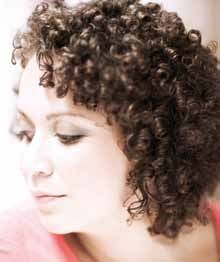
On average our hair grows around          Hair and Cancer
                    1 cm per month (dependent on
                    ethnicity). Healthy hair is actually      Cancer cells also reproduce
                    rather strong; each hair can              rapidly. Chemotherapy and
                    withstand up to 100gm. Made up of         radiotherapy are designed to
                    3 layers, the outer layer (the cuticle)   target these fast growing cells,
                    offers a protective function. The         which is why our hair can be
                    cuticle can be damaged by daily           affected. Radiotherapy causes hair
                    combing and brushing, as well as          loss only in the area being treated.
                    environmental influences, e.g. the
                    sun.                                      The hair that grows back following
                                                              treatment for cancer can be
                    Hair is composed partially from a         weak due to a lack of protein.
                    special protein called keratin. When      With chemotherapy, your hair may
                    we colour hair, it is the protein         start to grow back before the end
                    in hair that the colour pigments          of the treatment. You may have
                    attach to and so it is essential to       a full head of hair between 3-6
                    have the correct protein levels.          months following the end of your
                    The rest of our hair is made up of        chemotherapy. There may be a
                    water, fatty acids and other trace        number of differences between
                    elements.                                 your new hair and your hair before
                                                              treatment. For example, the hair
                                                              often grows back very fine at first
                                                              and may be a different texture,
                                                              colour and possibly curly, even if
                                                              it was previously straight. In most
                                                              cases, your hair will revert over time
Hair after Cancer

                                                              back to its pre-cancer treatment
                                                              condition and colour.
    Treatment

                                                              With radiotherapy, your hair re-
                                                              growth may be slower than with
                                                              chemotherapy; it usually takes 6-12
                                                              months before you have a full head
                                                              of hair and it may grow back finer
                                                              than before the treatment. Some
                                                              people’s hair never grows back
                                                              following radiotherapy or it may
                                                              grow back patchy. The process of
                                                              re-growth can be a lot slower if you
                                                              tend to wear your wig or cover your
                                                              scalp 24 hours a day. If your new
                                                              hair is exposed to daylight it tends
                                                              to speed up the growth of your hair
                                                              after treatment.

   20
If you do not lose your Please note, due to the effect of
the chemotherapy drugs on the
hair through treatment hair, the end colour result may be
affected. You may not end up
Some people do not experience
with the exact colour you were
hair loss throughout their cancer
expecting.
treatment.
We do not recommend that hair Caring for Hair
is coloured during treatment.
However, we recognise that some As we have discussed, hair growing
people will want to colour their hair back after chemotherapy or
and therefore we offer the following radiotherapy treatment is often
advice: weak and low in protein. Therefore
it is recommended to avoid
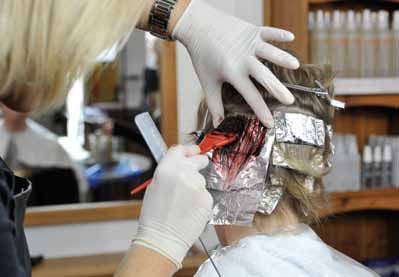
• Advise your hairdresser of your strenuous or harsh brushing. Use the
medical treatment so they can hairdryer on a gentle heat setting,
allow for any influence this might rather than high heat.
have on the colour result.
• A strand test is also advised. In addition, the condition of the hair
may be improved through regular
• A skin sensitivity test should cutting by removing the damaged
always be carried out, hair and promoting positive hair
according to the manufacturer’s regrowth.
instructions.
• If there is any sign of a reaction Thinning Hair
– redness, soreness, itching,
irritation, etc – the colour should Thinning hair needs gentle
Hair after Cancer
be immediately washed off the treatment. Avoid vigorous or
Treatment
hair. strenuous brushing and combing.
Paddle brushes often include
• Use foiling techniques to keep
nodules on the bristles, which offer
the colour from coming into
gentle massage of the hair and
contact with the scalp.
scalp. This encourages sebum
• Avoid colours containing harsh production and stimulates blood
chemicals, such as ammonia or flow. There are also massage
resorcinol. brushes available for use during
shampooing. These offer a gentle
• Choose a semi-permanent
scalp massage, as well as helping
colour and so avoid oxidative
to distribute the product across the
pigments (PPDs/PTDs).
head.
• If using permanent colours, avoid
the darker shades, as these have
higher percentages of PPDs/PTDs
(subject to hair analysis results).
20 21Avoid shampoos containing harsh They can also help to repair and
sulphates. Instead look for ones moisturise your scalp, reducing
with natural plant oils (eg; Jojoba irritation and inflammation.
and Sweet Almond Oil), which work
in a similar way to the naturally Some ingredients used in such scalp
occurring oils from our scalp and treatments include:
condition the hair. Other key
ingredients are UV filters, to protect Biotin, Folic Acid, Niacin, Thiamine
the hair from harmful environmental HCL, Pantothenic Acid (Panthenol):
influences and anti-oxidants, (eg; B vitamins, required for healthy skin,
green tea and fennel), which help hair and nails.
to prevent damage. Remember
to advise your hairdresser of your Chamomile, Aloe Vera,
treatment, so they can recommend Geranium, Rosemary extracts:
the most suitable products for you anti-inflammatory, anti-septic and
to use. soothing agents.
When using hairdryers, use a low Fennel, green tea and tocopherol
heat setting and minimise use of (vitamin E): anti-oxidants, which
hair straighteners and other styling help to prevent damage caused
appliances, as these operate at by unstable molecules.
high temperatures. Regular trims
may help to stimulate positive hair Until such time that your hair is
regrowth. Also, avoid tight hair-up long enough to shampoo, an
styles, to prevent stress on the hair. aqueous cream may be suitable for
cleansing and moisturising the hair
The Scalp and Hair and scalp. Once your hair is long
Hair after Cancer
enough, you can begin to use a
Re-Growth gentle shampoo and conditioner.
Treatment
Selected ingredients that can have
Healthy hair requires a healthy a positive influence on hair and
scalp. Hair needs the correct scalp include the following:
amount of nutrients which are
supplied through the network of Proteins, for example, Hydrolysed
vessels and nerves in the scalp and Wheat Protein, Hydrolysed
which stimulate growth. Your scalp Keratin and Wheat Amino Acids
can be very dry, sensitive and scaly are ingredients in some hair
following chemotherapy. There conditioners. They help to build up
are special treatments available the strength and stability of the hair.
for scalps. These treatments deliver The structure of these proteins is
nutrients to the scalp and protect similar to that of naturally occurring
it from harmful environmental keratin in our hair.
influences.
22Plant oils, such as Jojoba and Sweet Surfactants are the cleansing agent
Almond Oil, are popular ingredients. in a shampoo. They are partly
They work in a similar way to the water soluble, partly oil soluble and
natural occurring oils from our scalp increase the spreading and wetting
(sebum), form a thin film over the properties of a liquid. They are often
hair’s cuticle and condition and the foaming agent in shampoos.
soften the hair. This can improve Disodium Cocoamphodiacetate is
the feel, suppleness and shine of an example of an extremely mild
the hair. Dry hair lacks sebum and surfactant made from coconut
can be helped by using products derivatives.
which contain Pantothenic Acid
(also called Panthenol). This is used (The above information is endorsed
in both rinse off and leave in hair by the Institute of Trichologists)
conditioner.
Colouring Hair Post-
Sunflower Seed Oil contains a high
content of Vitamin E and may give Cancer Treatment
other beneficial properties when
applied to skin and hair. It can Although there is little evidence-
also protect from UV light. UV filters based research in this area, current
are important to help protect the medical guidance suggests waiting
hair from harmful environmental six months before permanently
influences, such as damage from colouring your hair. This is due to
the sun, pollution, etc. scalp sensitivity and the fragility of
the new hair growth. Even after
Anti-inflammatory, anti-septic a suitable period of time, a hair
and soothing agents are useful professional should always do a
skin sensitivity test to highlight any
Hair after Cancer
for sensitive scalps, for example
Aloe Vera, Geranium, Rosemary, potential allergic reaction to the
Treatment
Bergamot and Chamomile extracts. colour, as well as doing a wet
stretch test on your hair to check
Conditioning and moisturising strength and elasticity before
agents include Panthenol (Vitamin colouring. Finally, a strand test to
B12) and Comfrey extract. check the colour result should be
completed.
If you are distressed by the colour
of your new hair, professionals
advise that temporary or semi-
permanent hair colours be used
until the hair becomes stronger. If
using permanent colours, avoid the
darker shades, as these have higher
percentages of pigments (PPDs and
PTDs).
23It is recommended to use off- any discomfort. It is very difficult
the-scalp (foiling) techniques to to achieve a satisfactory colour
begin with, to stop the colour from result on hair which is not in good
coming into contact with the scalp. condition and different results
Also, avoid aggressive chemicals achieved can be due to hair in
in hair colours, such as ammonia or different condition. It is important
resorcinol. that you seek expert stylist advice
prior to any attempts to colour your
Before you begin to colour your hair.
hair, consult a hair professional, who
will be able to assess the strength In the initial period following
and condition of your hair and chemotherapy, hair may not
advise any specific products you respond to colour in the normal
should use. It is essential to note that way and a trained hair professional
colouring should not take place will draw this to your attention.
if your hair and scalp are brittle, The final colour result can be
excessively dry or flaky, irritated or affected by many things such as
breaking. Colouring must only be medication, condition of hair and
carried out once your scalp and previous colouring. A professional
hair are both healthy and able to colourist, who is familiar with these
go through the colouring process considerations, will be able to
without damage or causing you advise you.
Types of Hair Colour
Hair after Cancer
Technique Pigment Type Effect on Hair Example
Products
Treatment
Temporary Direct Pigment Coats the hair and Colour mousse
lasts 1 wash
Semi-permanent Direct Pigment Coats the hair and Semi-permanent
lasts 6-8 washes colour
Demi-permanent Oxidative Penerates the Permanent
Pigment cuticle and lasts colour with a
more than 8 low level of
washes peroxide
Permanent Oxidative Changes the Permanent
Pigment existing colour in colour with
the hair medium to high
level of peroxide
24Hair colour has been extensively Relaxing/Straightening
tested to ensure it is safe to use
under the conditions stated by Hair Post-Cancer
the manufacturer. However, it is Treatment
possible to be or become allergic
to one or more of the ingredients The relaxing and straightening of
used in hair colour. Other factors hair is only recommended for hair
which can cause an adverse that is in good condition and of
reaction to hair colour include a suitable length. The repeated
tattoos, permanent make-up and combing of the hair during the
medication. process can put it under a lot of
stress and particularly hair that is
If any of these apply to you or weak in protein can be prone to
you have experienced a previous breaking under these conditions.
reaction to hair colour or have Damaged hair should be treated
other allergies, always advise your according to the results of the wet
stylist. A skin sensitivity test should stretch test until it is in a suitable
always be carried out before condition for relaxing/straightening.
colouring.
Hair after Cancer
Treatment
25The straightening of Afro Caribbean method you choose, hair extensions
hair is not advised at all until the and weavings can also lead to
hair and scalp are fully recovered. further hair loss or thinning. When
As with colouring, relaxing or the weave is done too tightly it
straightening should not take place can pull on existing hair and lead
if the hair and scalp are brittle, to premature shedding. Weaving
excessively dry or flaky, irritated or can also damage hair follicles
breaking. causing breakage at the point of
attachment. To help reduce the
chance of damage or shedding,
Benefits and Side Effects professional stylists should only
apply extensions and proper care
of Hair Extensions and should be taken of existing hair
Weaving and extensions as long as they are
attached.
Hair extensions and weaving can As this technique can be damaging
offer some temporary benefits, to existing hair strands, individuals
including giving hair more volume. need to think about the risk of
For individuals with healthy hair, this procedure. If you have very
extensions offer an alternative little hair, or excessive thinning,
to thinning hair and hair loss. extensions may increase the risk of
However, for damaged hair this is further hair loss.
not generally encouraged. Many
individuals do not like the worry
that accompanies temporary hair
extensions. These extensions can
fall out easily, must be removed
Hair after Cancer
before bathing or swimming, and
can be blown off in the wind.
Treatment
However, depending on the
We hope that you have found this information helpful. If you have further
queries regarding hair loss that you would like to discuss, please do
contact us.
Helpline: 01798 812547
www.mynewhair.org
email: info@mynewhair.org
Registered charity number 1130815
We rely solely on donations to continue our work
26You can also read


