Health Care in Ukraine - Commissioned by the Netherlands Enterprise Agency
←
→
Page content transcription
If your browser does not render page correctly, please read the page content below
Health Care in Ukraine

Commissioned by the Netherlands Enterprise Agency

APPEARING ON THE HORIZON

 HEALTH CARE IN UKRAINE

 Opportunities for Doing Business

   Orange Health Consultants – Understanding Health Care

                     November 2018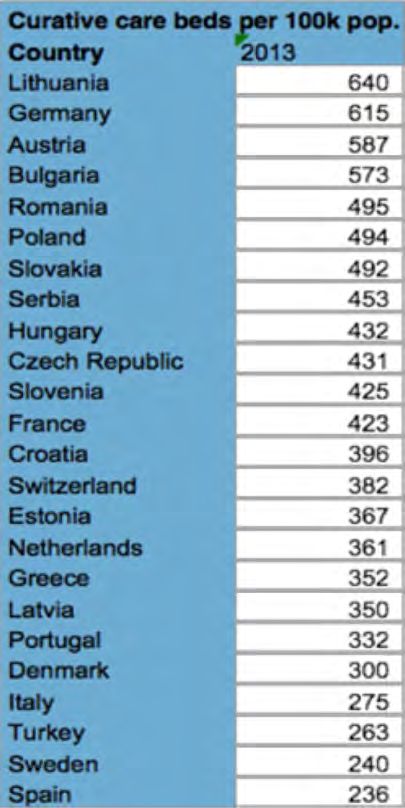
Acknowledgements

This report about opportunities for doing business in the health care sector in
Ukraine was commissioned and financed by the Embassy of the Kingdom of the
Netherlands in Ukraine in cooperation with the Netherlands Enterprise Agency
(RVO).

This report has been prepared by Orange Health Consultants (OHC) an advisory firm
based in Rotterdam, The Netherlands, with extensive exposure to the health sector
in Ukraine through various assignments. The report was prepared in the period
October and November 2018 and included interviews with stakeholders and
policymakers in Ukraine during a visit to Kiev in October 2018..

OHC would like to thank all interviewees and respondents who contributed their
time, knowledge and experience to the this market scan. In particular we would like
to mention here a.o. :                Ministry of Health
                                                                                      Disclaimer
                                      World Bank
                                                                                      Orange Health Consultants considers the sources used to prepare this report as
                                      USAID
                                                                                      authentic and reliable. OHC is not responsible for the information being correct,
                                      EBRD
                                                                                      accurate and complete. OHC does not take responsibility for any damages that may
                                      UNDP
                                                                                      result from information contained in this report, which has been prepared with
                                      World Health Organization
                                                                                      utmost care. OHC does not take responsibility or liability in any form for errors in
                                      State Agency for E-health
                                                                                      facts or opinions stated
                                      Kiev City Health Department
                                      American Chamber of Commerce

                                      Standing Committee on Health Care of the
                                      Ukrainian Parliament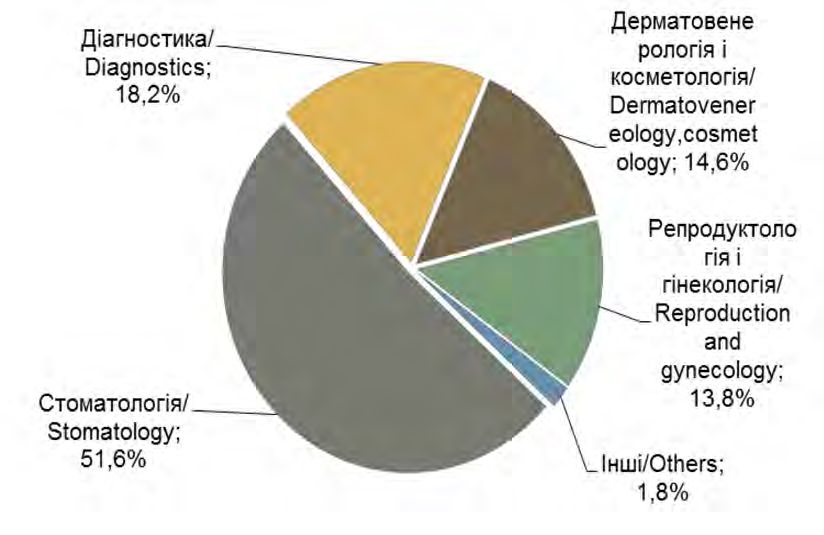
TABLE OF CONTENT

I.     Introduction
II.    Basic Information on Ukraine
III.   Health Care System of Ukraine
IV. Health Policy & Reforms
V.     SWOT Analysis
VI. Business Opportunities
VII. Procurement
VIII. Contact Details
Executive Summary
_________________________________________________________________________

The health sector In Ukraine is beginning to change in recent           In recent years important health reforms have been approved by
years. The sector, based on a system of health care (Semashko)          Parliament. These reforms are being implemented at great speed
originating from the Soviet Union, had been stagnant for many           and promise to deliver on much needed changes a.o. by altering the
years. Remarkably little had changed since Independence and             financing incentives in primary health care, introducing a National
the health care system is as of today still characterized by a very     Health Service (NHS), e-Health and making hospitals autonomous
hierarchical and territorial system with large numbers of beds in       (2019). To a large extent these reforms are considered irreversible
institutional care settings. At the same time the Government of         even if upcoming elections would change the government in 2019 .
Ukraine has only limited resources available that are spread thin
over the existing infrastructure.
                                                                        The reforms will strengthen primary care and are expected to open
The population of 42 million is shrinking and pays almost as            up and relieve the secondary care sector, which itself will be able to
much as the government directly to public and private providers         attract financing and decide on contracting of services, including
as out-of-pocket payments for consultations, diagnostics and            from the private sector. The Ministry of Health has started
lab-tests. These types of services are typically provided by            promoting Public Private Partnership models to improve service
private sector providers that are relatively small. Private hospitals   delivery and stimulate investment in the sector. Transparency and
are still few but increasing. Financial access to services is           predictability will increase once the National Health Service (2018)
skewed. Cardiovascular diseases, alcohol disorders, HIV/AIDS            has become fully operational as a contracting agency. The
and TB and injuries and accidents have a relatively large impact        installation of the E-health State Company will streamline the
on the health of the Ukrainian population.                              introduction of information technology in the Ukrainian health
                                                                        sector.
Executive Summary
__________________________________________________________________________
The development of the health sector in Ukraine opens up new                 e-Health is picking up fast. IT-services in general is one of
business opportunities for Dutch health care organizations and               Ukraine’s strong local economic assets. The new system is
companies.                                                                   using open source solutions. This creates opportunities in :
                                                                             •     Systems and software solutions for patient registration

Advisory services to be (partly) funded by international                     •     Solutions on scoring data to calculate likelihood of illness and
                                                                                   other risks
development partners and IFIs. Priority topics include:
                                                                             •     Pharmaceutical solutions for stocking, distribution and prescription
• Health financing
                                                                             •     Health data analysis for use in policy, prescriptions services, HTA
• Development of primary care
                                                                             •     Data security services – EU’s GDPR is reference point
• Rehabilitation
• Standardization and quality in the area of Public Health
• Planning and design of infrastructure
                                                                             Medical education will be crucial element determining speed
• Public Private Partnerships
                                                                             and success of reform of Ukrainian health system.
Medical goods and consumables                                                Collaboration and partnerships will be necessary in particular
• High value products e.g. diagnostic imaging                                in:
• Private sector for diagnostics and imaging. Few public sector investment   •     Curriculum development both for doctor’s and nursing education
  projects                                                                   •     Standardization and introduction of protocols both in primary care
• Dental market (stomatology) is booming                                           and for hospital care
• Development partners investing in health care technology through           •     Ukrainian medical universities will come to seek partnerships with
  ongoing programs include a.o. World Bank, USAID, JICA, DfID.                     established international universities in search for exchange
• UNDP and two other organization in charge of procurement for medicines           programs of students and staff and possibly accreditation
  & medical devices also in the conflict areas for Government of Ukraine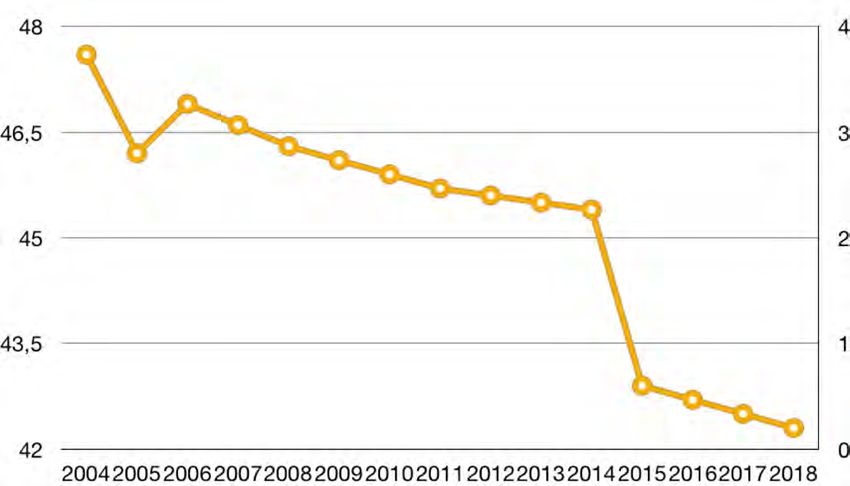
Executive Summary
__________________________________________________________________________
The speed and quality of implementation of health reforms as well as macro-economic
progress will be crucial for further market opportunities to arise for Dutch companies
active in Ukraine. Indicative fields that are expected to become interesting in the
medium to longer term future include:

•   Construction and equipping of new health infrastructure country-wide. Existing
    infrastructure is too old to last much longer in many cases

•   To alleviate pressure on hospitals additional infrastructure will be needed in the
    areas of long term care, elderly care and hospices

•   PPP-construction (e.g. Turkey-model) of hospitals may become feasible in longer
    term once experience has been gained with contracting out of services and legal
    framework is considered robust

•   Mental health care is still very institutionalized, but will require attention both in
    terms of de-institutionalized infrastructure and in treatment protocols, education

•   Prevention and treatment of alcohol and drug abuse will gain further prominence
    and the Dutch health sector is well-known for its expertise in these areas
Ukraine is about as large and nearby as Spain but needs much more thorough introduction in NL

Some basics:
•   Current population of Ukraine is 42,3 million

•   GDP per capita is USD 2,600 or 8,600 (PPP)

•   Relative low income inequality (formal)

•   GDP growth between 2-4 %

•   Well educated workforce

•   Ukrainian official language

•   Proficiency in English is limited

•   Difficult political situation as a result of
    ongoing military conflict in parts of Eastern
    Ukraine

                                                    For the Dutch Ukraine feels much farther away than other European countries whereas actual
                                                    distance and effective travel times are are as good as popular destinations within Europe:
                                                    Utrecht – Lviv is appr. 1500 kilometers which is equal to travelling to Barcelona or Croatia and
                                                    less than Rome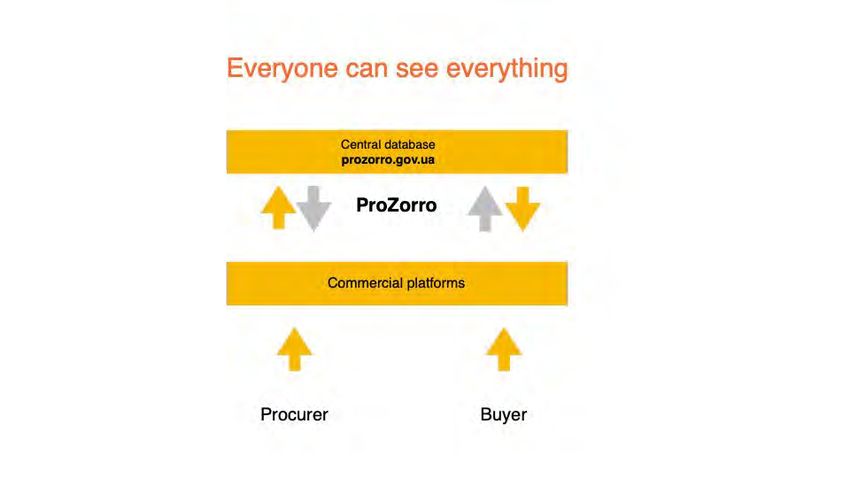
The population of Ukraine is declining

                                                                                                                                   Age structure
       Million people
                                                                                                                                   0-14 years:       15.76%   (male 3,57/ female 3,36)
                                                                                                                                   15-24 years:       9.86%   (male 2,22/ female 2,11)
                                                                                                                                   25-54 years:      44.29%   (male 9,57/ female 9,92)
                                                                                                                                   55-64 years:      13.8%    (male 2,60/ female 3,46)
                                                                                                                                   > 65 years:       16.3%     (male 2,40/ female 4,77)
                                                                                                                                   (2017 est.)

                                                                                                                                   Huge difference   in male and female also in life
                                                                                                                                   expectancy:
                                                                                                                                   Male:             67.6 years
                                                                                                                                   Female:           77.1 years
                                                                                                                                   Average:          72.5 years

                                                                                                                                   Low life expectancy attributed to unhealthy
                                                                                                                                   lifestyle, alcohol consumptions, smoking,
                                                                                                                                   psychological stress, etc.

                                                                                                                                   In recent years migration is contributing as well. In
Year
                                                                                                                                   particular to Poland
             * According to the State Service of Statistics of Ukraine

                                                        Note: starting 2015 territories of the Autonomous Republic of Crimea,
                                                        the city of Sevastopol and part of the anti-terrorist operation zone are
                                                        not included in Demographics of Ukraine. This can be seen on the
                                                        scale. During 2015-2018 years population rate is between 43 to 42
                                                        million of people with a declining tendency.
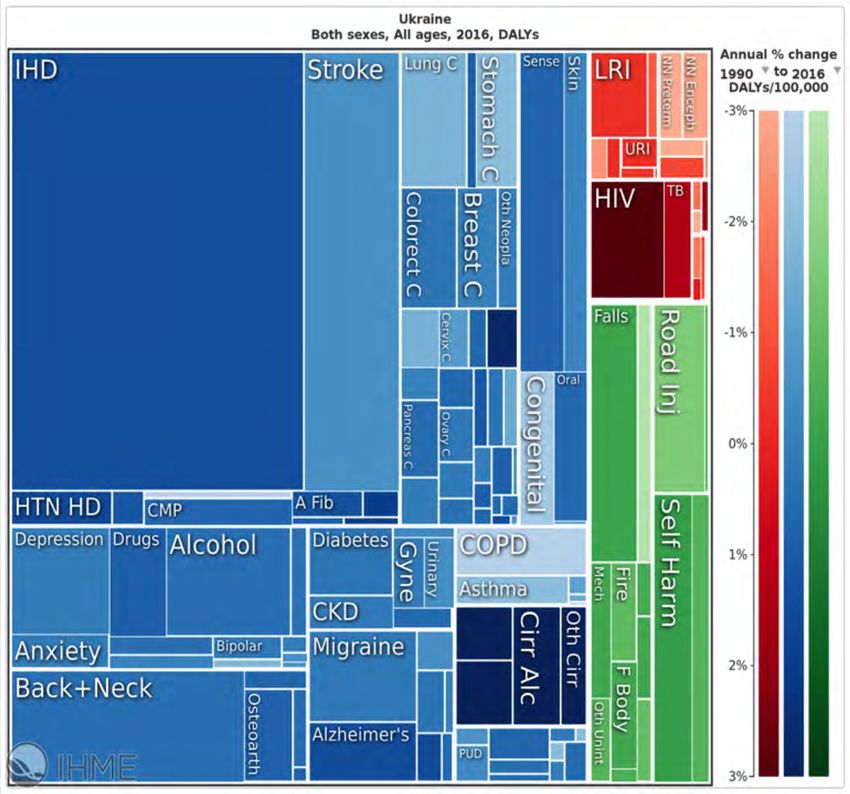
Burden of Disease                        Der
                                                   O
                                                   ra
                                                                                     43
                                                   n
         Ukraine 2016                              g
                                                   e

Relative importance
of impact (BOD) of
diseases and injuries                              25%              25%
shows a.o.:
• Importance of cardiovascular
  diseases (e.g. IHD & Stroke)
• Impact of HIV/AIDS and TB
                                                          25%
• Alcohol disorders are a major
  factor
• Relative large impact of
  injuries, accidents and self-
  harm                            ADD TEXT               ADD TEXT         ADD TEXT
Organization of the health care system
The health care system is divided into three levels: national, oblast and sub-oblast (local)
1 2
National Oblast (Province)
Presented by the Ministry of Health and Presented by the Ministry of Health, health authorities at Oblast
other state entities accountable directly state administrations and public health care institutions and
to the Ministry of Health, Central public health institutions that are jointly owned by territorial
Executive Organs and the National communities. For example, oblast hospitals, diagnostic centers,
Academy of Medical Sciences etc.
3
Sub-oblast (local) level
Presented by the oblast state administrations, authorities of
the rural and local self-government, and health facilities that
are subordinated to these bodies on communal property
rights (control object).Decentralization
In Ukraine, the health system is a State regulation of health care providers is concentrated at the national level, with few regulatory
complex, multi-layered, sometimes activities under the authority of lower level government
parallel systems in which
responsibilities in the health care The Ministry of Health develops and approves state quality standards and clinical protocols, and is
sector are fragmented. responsible for the organization and implementation of the mandatory accreditation of health care
facilities and the issuing of licenses:
• to legal entities
• Individuals engaged in the delivery of medical services
• production and sale of pharmaceuticals and
• medical equipment
Responsibility is shared between the
central government (the Ministry of Oblast and local health authorities are responsible for health care facilities in their territory and are
Health, other ministries and public functionally subordinate to the Ministry of Health, but managerially and financially answerable to
authorities), 27 oblast regional and local government.
administrations and numerous
administrative bodies at oblast, At the community level, these responsibilities are delegated to councils and their executive bodies,
municipal, district and community which are by law also responsible for managing the local health care facilities
levels.
Local governments face a division of accountability – to the Ministry of Health for compliance with
norms and standards, and to the local administrations for funding and management.Functional Organization
Primary & Secondary care Tertiary care
preventive care
is provided mainly by general can be received in separate can be received in specialized
The three functional practitioners (since 2018 - departments of city hospitals, republican hospitals, republican
family doctor). central rayon hospitals or partially dispensaries, specialized sanatoria,
layers of the in oblast hospital. clinics at research institutes,
According to the Article 49 of subordinated to the Academy of
health care system the Constitution of Ukraine The management of the Medical Sciences of Ukraine and the
«Everyone has the right to institutions of the secondary level Ministry of Health of Ukraine, clinical
are organized in health protection, medical care carries out: health care institutions (city, oblast
and medical insurance; … hospitals), in which work the
their own way State and communal health - Central rayon hospital - the corresponding academic departments
protection institutions provide chief rayon physician; of medical academies, institutes and
medical care free of charge…». - City hospitals – Health Care universities, institutes of improving
Department of the Executive doctor’s qualification.
Management of the entities Committee of the City Council;
provides: - Oblast hospitals - Health Care The management of the institutions of
- City hospitals - Health Care Department of the Oblast State the tertiary level is carried out:
Department of the Executive Administration. - City hospital – Health Care
Committee of the City Department of the Executive
Council; Committee of the City Council;
- Hospitals in small - Oblast hospitals - Health Care
towns/villages - the chief Department of the Oblast State
rayon physician. Administration;
- Central specialized hospitals,
clinics, medical universities,
academies and institutes of
improving doctor’s qualification -
the Ministry of Health of Ukraine.Changes in Primary Health Care
Since Independence (1991) Ukraine hasn’t been able to change its healthcare system much so as to provide the population with quality
and affordable medical services.
In 2017, after years of debates and gridlock, major steps towards health care reform in the primary care sector was made. On 19 October,
Ukraine’s Verkhovna Rada approved the draft law No. 6327 “On state financial guarantees for the provision of medical services and
medicines. The reform focusses on primary care, making a shift from financing a medical institutions to financing (the services provided to)
the patient.
At the same time the model of a National Health Service was confirmed and the National Health Service of Ukraine became the main
central executive organ which administers budgetary funds allocated for financing the services, contracts providers of health care and
controls quality of services.
As of November 2018 more than 20 million of Ukrainians chose and contracted a family doctor, the first step in the reform.
2017 2018 (April)
- GP’s practice provided in policlinics; - Introducing family medicine: patients can chose and contract
family doctor by themselves;
- Financing of institutions; - Financing based on actual registered patients by doctor
- Number of patients for one family doctor: 2000 – 2500;
- Number of patients for one family doctor: 1500 – - Introduction of the principle “money follows patients”;
4000; - For one patient a family doctor receives payment of:
for children: 0-5 – UAH 1480
- Financing according to the number of registered 6-17 – UAH 814
patients on a specific territory. for adults: 18-39 - UAH 370 (appr. 12 euro)
40-64 – UAH 444
> 65 – UAH 740Secondary Care
The hospital sector is Ukraine is in many aspects quite uniformly organized as a result of past practices. According to the
State Statistics Service of Ukraine as of end of 2017 year in Ukraine the following providers are in Ukraine:
1,700 medical entities in Ukraine and and additional 10,400 polyclinics.
309,000 beds, calculated as 73,1 for 10,000 people.
Many hospitals combine large physical (bed) capacity with limited capacity utilization, although formal
utilization figures do not reveal this.
The health system still relies heavily on hospital based treatment of patients
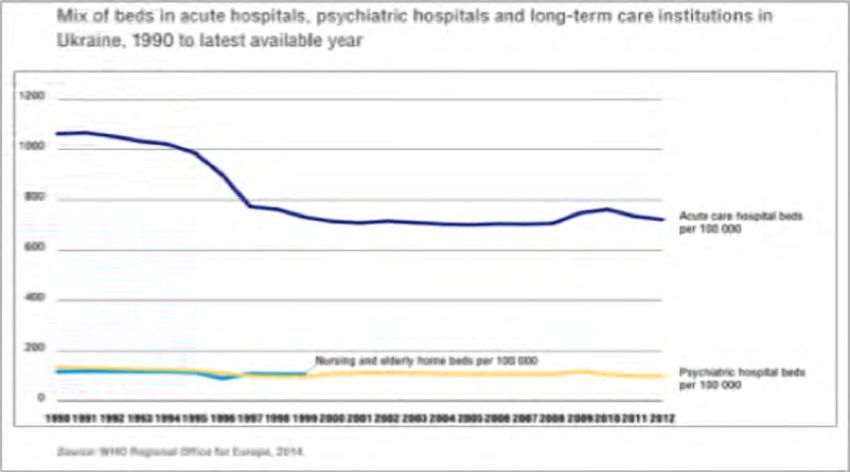
Existing standards and practices for hospital planning and financing stifle quality and innovation in the sectorSecondary care - bed comparison
After initial reforms in the mid 1990s when the bed capacity was axed, in rural areas
in particular, the availability of beds has not changed much, while it is still very high
compared to countries in the European Union.
As the graph and table indicate, the bed capacity is almost double the bed capacity
in some countries of the EU.Under Article 49 of the Constitution of Ukraine of 1996, Ukrainian citizens are entitled to a comprehensive guaranteed package of health care services, provided free of charge at the point of use, as a constitutional right. However, this broad commitment to universal coverage free at the point of use for all citizens has not been backed by sufficient financing. Officially the system is financed by general taxation (VAT, business income taxes, international trade and excise taxes). At the same time, due to chronic underfunding of health services out- of-pocket payments constitute a considerable proportion of the expenditures in Ukraine, reaching approximately up to 3% of GDP. About 55 % of all health expenditure in Ukraine consist of private out-of-pocket payments. Patients are used to pay for everything—exams, diagnostic tests, hospital stays, pharmaceuticals, even linens, bandages, and soap. Recent survey “Cost(less) medicine” made by CF “Patients of Ukraine” in partnership with USAID showed that every other patient in Ukraine refuses treatment or postpones it because of money shortages. High cost of medications is considered by 94% of patients involved in the focus-group discussions as the major problem. For the 2018 year UAH 86 billion was allocated from the budget for health care. It means - 9,1 % from the whole budget - 2,6 % from GDP. According to official estimates in 2018 calculations per capita amount to USD 75 per person.
Size of the healthcare market in 2016

       Total healthcare market in Ukraine, 2016                 More than UAH 131 billion

       of which:
       Budgetary funds (state and local budgets)                UAH 75.5 billion / ~EUR 2.5 billion (UAH 12.5
                                                                billion and UAH 63 billion, respectively)

       Cash paid by patients for health services provided       UAH 55.8 billion (~ 1.8 billion EUR)

       Only one third of the above amount relates to the        approximately UAH 18–19 billion (600 mln
       private healthcare sector                                EUR), of which UAH 3.6 billion are income of
                                                                private practitioners
       Number of new Medical Practice Licenses,                 Approximately 860 (of which 260 are for legal
       Ukraine (2016)                                           entities and 560 – for physical persons, mostly
                                                                private practitioners at private offices)

       Relative share of private facilities in the healthcare   8-10%
       sector of Ukraine

       Shadow health market (Pro-Consulting, 2015)              45-50%

       Source: Data provided by the State Treasury Service, MedExpert Company

                                                                                                                  20
Estimated Health Market in Ukraine, 2016 (only cash flow from patients)
Amount, UAH,
“Live” flow to private health centers million
Official income of market participants 10,573
Non-declared income of market participants 4,758
Private practitioners 3,567
TOTAL — to private health centers 18,899
“Live” flow to state health centers
Doctor’s appointments 13,927
Inpatient interventions 8,004
Inpatient stay 5,081
Outpatient interventions 2,974
Deliveries 1,511
US examinations 2,745
X-Ray examinations 2,505
CT examinations 167
MRT examinations 58
TOTAL— to state health centers 36,972
GRAND TOTAL 55,871
Comparing to 2015, the cash flow to private centers has increased by more than UAH 1.5 billion, as preliminary
estimated, but analytics claim actual growth of at least 15%
21Structure of private health services (in monetary terms), %, 2016
22Expectations private health service market development
Private health actors to
enlarge and expand the
range of their services,
including through
amalgamation/associati
Foreign on Proactive and more efficient
use of public-private
investors partnerships within the
entering the health system, provision of
Ukrainian state support in the sphere
of public-private
market entrepreneurship
Use of more
complicated health Generation of additional
services and surgical investments through
interventions as well amendments to fiscal
laws related to
as advanced voluntary health
diagnostic and National currency insurance can become a
treatment stabilization (on this powerful driver for the
technologies in the condition, there is an private health service
sector of private expected approximate 30% market
(UAH) growth for the
health services private healthcare
business)
23Organization of E(lectronic) Health in Ukraine
State Enterprise
Ministry of Health “eZdorovya” National Health Service
Set rules and policies in health Administrates central data base and Central state organ for financial guarantees.
sector control the development of eHealth Set requirements for eHealth system.
Companies provided users Services providers
with interfaces
Medical entities contract NHS to joint the
system and contract private providers for
interface
Central component
(registers of patients,
medical entities, doctors,
declarations)
eHealth structure
Medical information
systems
(interfaces for users)U21 Ranking 2015
Medical Education
Rank Country Score
Ukraine’s higher medical education is 41st in a world ranking 1 USA 100
Capacity today in Ukraine: 2 Switzerland 87,1
• 20 higher education institutions (under the Ministry of Health)
• 4 Medical faculties in simple universities (under the Ministry of Health)
• 3 Academies of Postgraduate Education 3 Denmark 85,3
• 130 medical colleges
4 Finland 85,2
~ 95,000 students in institutions of higher education and medical faculties
~ 12,000 teachers
~ 59,000 students in medical colleges 5 Sweden 84,7
On September 12, 2018 on the Development of Medical Education, with the 41 Ukraine 43,8
main aim to raise the quality of medical care in Ukraine, was published on the
official web-site for public discussion.
Observations:
• Specific medical specialism are considered more prestigious and profitable (e.g. gynaecology and surgery) whereas others are not
(such as care of patients with tuberculosis or pediatrics)
• Students choose their medical specialization based on the return expectations and are willing to pay the universities to get submitted
to the most promising specialism (or are children/relatives of medical leaders)
• Nursing education is not so popular as doctorsFalling number medical doctors in Ukraine, however… growing per capita.
250 50
49
200 48
47
150 46
45
100 44
43
50 42
41
0 40
2006
2014
2015
2016
1990
1991
1992
1993
1994
1995
1996
1997
1998
1999
2000
2001
2002
2003
2004
2005
2007
2008
2009
2010
2011
2012
2013
• Note: the years 2014-2016 exclude the
temporarily occupied territories of the
Medical practitioners (doctors) total, thsd. Autonomous Republic of Crimea, the city
of Sevastopol and part of the anti-terrorist
Medical practitioners (doctors) per 10,000 population operation zone. From 2013 onwards also
dentist are excluded.
• Source: State statistics service of Ukraine,
the ministry of Health of Ukraine.
26The quality of higher medical education varies, criteria for re-accreditation are lacking
Physicians
■ Higher medical education for physicians consists of ■ Five out of the six additional nongovernmental institutes offering higher
undergraduate and postgraduate training provided by 18 state medical education lost their license and were closed due to the poor
university-level medical schools and facilities quality of training provided.
■ Undergraduate medical education provides training in two main ■ There are no caps on the number of students (a law regarding state
streams: medicine (general medicine, pediatric, disease budgeted students and caps on the number of students allowed to
prevention and dentistry) and pharmacy. Postgraduate medical enter different specializations has been canceled May 2017.
training involves a main specialization by an internship.
■ Budgeted medical students (40% of the students which are paid by the
■ Admittance to higher educational medical institutions has government) can be placed by the government on specific jobs and
fluctuated over the years, but overall it is growing, especially specializations depending on the need. More than 50% of the students,
after tuition fees are permitted resulting into a large proportion of which paid for their education are free to choose their jobs and
fee-paying students choosing particular specializations. specialization.
■ Specializations which receive too many applications are: surgeons,
dermatologists, gynecologists, neurosurgeons, dentists,
■ All practicing physicians are subject to reaccreditation at least
ophthalmologists. Specializations which shortages include family
every five year. The Ministry of Health is planning to pass over
physicians, infectious disease specialists, laboratory doctors,
the responsibility for accreditation of health workers to the
radiologists and neurologists.
Doctors’ Association.
■ However, there are no clear appraisal criteria for the quality of the
doctor's performance. Besides the absence of clinical audits and the
lack of incentive factors most medical documentation is in handwriting
making it difficult to control and check diagnostic and treatment
processes.
27The current system does not deliver qualified health care managers
Mid-level staff (nurses)
Mid-level staff are trained at the vocational medical schools, ■ Limited opportunities for professional development
provided among 100, mainly public, schools across the region.
■ The competitiveness and quantity of nurses is higher
There are three categories of mid-level medical specialist. The in Kiev resulting in to higher competency and skills
schools can train for accreditation levels between I-II, III-IV up to compared to other regions in Ukraine. However there
degree level. Training takes up to three years for students with a is a general lack of education and professional
general secondary education, and four years for student with a training for nurses.
basis secondary education. ■ The duration of the specialist training and the content
don’t ensure high quality, therefore many managers
take a second higher education degree in
Health care managers management.
Health care managers must have a higher education degree in
■ At the same time health care management is not
medicine and a specialization in health care organization and
officially recognized as a medical specialty, resulting
management.
in insufficient opportunities after graduation.
28Health sector reforms – milestones
• The healthcare system reform has been dealing with adoption of new legal acts and amendments to the valid legal framework for the last
5-7 years, including:
– Implementation of the pilot project in the healthcare system reforming in Vinnytsya, Dnipropetrovsk, Donetsk oblasts as well as the
city of Kyiv was launched on 1 January 2012
– Implementation of the “New Life” (new quality for maternity and child care) (perinatal care development in Ukraine) and “Timely
Care” (establishment of integrated regional operating departments with the use of advanced GPS technologies to cut the arrival
time for emergency care units to a patient)
• Further primary healthcare development in both pilots and other regions of Ukraine.
– Establishment of PSHC centers, expansion of geographical access via expansion of outpatient facility networks.
– Introduction of a referral and primary GP free choice system.
– Concentration of financial resources for provision of the above on rayon and municipal budgetary levels, use of new financial
mechanisms for healthcare service fees, introduction of contractual relations
• Introduction of an incentive-based remuneration system for medical workers engaged in primary care provision while considering the
volumes and quality of the services provided in the pilot regions
• Forming legal opportunities for rearrangement of community healthcare facilities into community non-commercial businesses or
establishments (autonomy for the above facilities).
– This norm was implemented under the pilot project at primary and secondary outpatient facilities in the City of Kyiv. As a result,
today PSHC centers as well as consulting and diagnostics centers (CDC) in Kyiv operate as community non-commercial
companies
• Development of a legal and regulatory framework to implement the hospital sector reform, specifically, the order of establishing hospital
districts and detailed criteria for intense care facilities
• Adoption of a legal framework for organization and operations of an emergency healthcare (EHC) system
29Health sector reforms – milestones 2
• Adoption of the State Strategy for Sustainable Development “Ukraine – 2020”** (approved by the Edict of the President of Ukraine as of 12
January 2015), which defined the basic reforming directions till 2020:
– raising personal public responsibility for personal health,
– ensuring free choice of healthcare providers of proper quality and
– providing target assistance for the most socially insecure layers of population for the above reason,
– creation of a business-friendly environment on the healthcare market
• Decentralization of powers and implementation of the Local Self-Governance and Territorial Governance Reforming Concept in Ukraine
• Amending the public procurement legal framework in terms of international organizations engaged in medicine procurements (2015)
• Approval of the upper threshold for inpatient bed fund supply, which is estimated as no more than 60 beds per 10,000 people****
(enhancing the bed fund capacity and structure) (2015)
• Support to reforms provided by international organizations.
– Specifically, the World Bank loan (USD 214.7 million) under the “Serving People, Improving Health” Project aimed at improving the
quality of healthcare in 8 oblasts (Vinnytsya, Volyn, Dnipropetrovsk, Zakarpattya, Zaporizhzhya, Lviv, Poltava and Rivne)
30Health sector reforms – Positive Results
• Primary care redefined
– Legal, structural and financial delimitation between primary and secondary care in the pilot regions, establishment of a new
type of primary healthcare (PHC) facilities, investments into development of an outpatient facility network, implementation of
complete and current repairs, equipment, creation of automated workstations, transport, establishment of regional and
territorial training centers
• Increased PHC expenditures (from 4-6% of the consolidated budget in the beginning of the reform to 18-22% in 2013-2014
• Development of a transfer from cost estimated financing to contractual relations, which partially occurred at the PHC level
•
Introduction of an incentive-based remuneration system encouraging for intense and high-quality work
• Positive dynamics in the sphere of providing the primary level with general practitioners (family doctors)
• Emergency healthcare reforming, establishment of regional systems for the above care provision, delimitation of emergency and
urgent care, renovated vehicle fleet as well as provision of medicines for emergency care units
• Introduction of a patient pathway system
• Initiated process of concentrating technical and human resources at powerful hospitals (Dnipropetrovsk Oblast)
31Health sector reforms – Risks
• Low level of managerial operability and efficiency
• Low level of officials’ and medical staff’s capacity to implement the bed fund rearrangement as well as redistribution and
concentration thereof depending on the need in care intensity
• Lack of capacity within the primary and emergency care system to fulfill the functions allocated (preventive activities and pre-
hospital care provision)
• Non-acceptance of the changes by the general public and healthcare workers, specifically, chief doctors
• Lack of sufficient number of healthcare organizers (trained in healthcare facility management within new financial conditions
and structural changes) as well as a legal framework defining the competence thereof
• Low public awareness of the basic changes within the system and the essence of healthcare reforming
• Lack of a comprehensive communication system, which had a negative impact on the adherence to the reforming process
32New hospital reforms
• A set of legal and regulatory acts related to hospital operations has been approved on the following:
• legal regulation for acquisition of financial and managerial autonomy to ensure efficient use of financial as well as material and
technical resources*
• criteria for defining the contents and limits of a hospital district, service coverage (geographical accessibility within the 60 km
range), structure and specialty of the above hospitals, general organizational and procedural basics for hospital district
activities, development plans thereof while considering ultimate function allocation on health service provision between the
participants
• The Government has approved the contents of hospital districts in 16 Ukrainian regions to establish hospital councils, 5-year district
strategic planning and healthcare investment generation
• MOH Ukraine has drafted a set of guidelines:
• on rearrangement of community healthcare facilities by reformation thereof from budgetary facilities into community-based
non-commercial companies
• framework requirements to the first- and second-grade multi-specialized intense care hospitals describing the functions
thereof, functional capacity requirements
33New requirements 1st & 2nd grade multi-specialty intensive care hospitals
ICH, ICH,
Grade І Grade ІІ
Healthcare assistance, acute myocardial infarction
Not available No less than 125 coronographic activities per year per 1
intervention surgeon, of which 75 procedures constitute urgent
stenting
Healthcare assistance, acute ischemic stroke
Not available 500 hospitalizations with a confirmed AIS diagnosis
Treatment and diagnostic services for pregnant, maternity patients and newborns
No less than 400 deliveries per year No less than 1,500 deliveries per year, no less than 200 deliveries
per year per 1 ob/gyn
34www.derorange.com Der Orange 13
It Takes
Both Side
To Build
The Bridge
Opportunities in the health sector in Ukraine
The health care sector in Ukraine is getting into flux as reforms start to kick in. How far will it go and how
attractive is the sector to do business in? A SWOT analysis distinguishes between strengths and weaknesses
inherent to the sector as well as the opportunities and risks that confront the sector. The analyses reflect inputs
from discussions with sector specialist, policymakers and other stakeholdersSWOT of The Ukrainian Health Sector Market
Strengths Weaknesses
■ The government of Ukraine has adopted far reaching ■ The health sector is fragmented with a multitude of parallel
systems and a diverse private sector, often directly linked to
reforms which are being implemented expeditiously since the public sector
2017 and many are considered irreversible
■ Government reforms will increase transparency of public ■ Ukrainian Governmental bureaucracy is substantial and
health care market and increase opportunities for authorities are rigid to change.
contracting services
■ Unrealistic expectations concerning implementation of change
linked to standardized solutions: ‘blueprint-thinking’
■ Ukraine’s economy stabilized, after heavy contraction of
economy in 2014/15, and is projected to grow at moderate
growth levels of about 3 percent in the coming years ■ Corruption is looming large over Ukraine including the health
sector (Transparency International Perception Index: 130 out of
180 countries).
■ Ukraine is a large country with a sizeable population and a
workforce with sound educational standards
■ Limited understanding of the English language compared to
■ IFI’s continue to support the health sector financially as other countries (EPI ranking is #43 compared to #2 for The
well through technical support Netherlands, #32 for Spain and #16 for Poland)
■ Ease of doing business in Ukraine is slowly improving ■ Condition of health infrastructure is very poor with outdated
again (WB Kiev) hospital designs and limited adoption of modern (medical)
technology
■ Myriad of small private diagnostic enterprises
■ Medical education is still to be reformed and medical doctors
■ Increasing alignment to EU-procedures and standards, are not fully exposed to modern medicine in traditional
including conformity assessment for medical products and curriculum
devices
■ Inequality in the health sector is high as people have to pay
■ Visa-free travel to EU since 2017 substantial amounts for accessing health services including in
the public sector.
■ Increasing desire to change existing system and learn from
other countries’ systems and practices
■ Physical access to health care facilities can be limited in rural
areas
36SWOT of The Ukrainian Health Sector Market
Opportunities Threats
■ The new reforms started in 2017 will strengthen primary care and ■ The ongoing conflict in Eastern part of Ukraine and
are expected to open up the secondary care sector tensions around status of Crimea continues to feed
uncertainty about strategic direction of Ukraine and stability
■ Many hospitals will become autonomous and will be able to of business environment
attract financing and decide on contracting of services, including
from the private sector
■ Macro-economic forecasts are moderate and country will
remain dependent upon IMF-support to maintain stability
■ The Ministry of Health is actively pushing Public Private
Partnership models to improve service delivery and stimulate
investment in the sector ■ Financial resources within Ukraine will remain modest and
public spending is expected to remain constrained in short
■ Transparency and predictability will increase once the National to medium term
Health Service (2018) has become fully operational as a
contracting agency ■ Investments will be dependent upon access to external
financing including from donor agencies and International
■ The installation of the E-health State Company will streamline the Financing Institutes (IFIs)
introduction of information technology in the Ukrainian health
sector
■ Migration of younger generations in particular may
contribute to labor market shortages and slow readiness to
■ Companies starting doing business may benefit from first mover modernize systems and practices in the sector
advantages in terms of building networks and establishing
partners
■ In 2019 Presidential elections are being held which could
■ An increasing awareness and openness in the sector for change the political landscape and influence speed and
introducing and learning from health practices in other countries direction of health sector reforms
■ Enormous need for renovation and upgrading of health care ■ Conditions for PPP such as a sound legal framework are
infrastructure and introduction of new medical technologies not yet in place
■ Demand for infrastructure for chronic and elderly patients to ■ Choice for NHS-style model of public health service
accommodate reduction in hospital beds delivery may focus attention of policymakers on countries
with similar systems as learning examples
■ The fragmented and over dimensioned system provides large
opportunities for consolidation of capacity to reach scale
economies
■ Overhaul of Ukrainian building code will be completed in 2019
diminishing restrictions on modern health facility design.
37Business Opportunities The development of the health sector in Ukraine opens up new business opportunities for Dutch health care organizations Opportunities are divided in: • Short-term 2018-2019 • Medium term 2020-2024
Business Opportunities in The Ukrainian Health Sector - Short Term

                       Advisory Services
                       Expertise and experts will continue to be in short supply in Ukraine in the immediate and medium term.
                       International expertise will be (partly) funded by international development partners and IFIs. Priority topics include:
                       • Health financing in particular hospital financing and costing (DRG) to support making hospitals autonomous
                       • Primary care in particular towards organization of general practitioners
                       • Rehabilitation; both physical and psychological in particular in relation to people and soldiers affected by conflict in
                         Eastern Ukraine
                       • Standardization and quality in the area of Public Health (e.g. Ongoing open EU tender)
                       • Planning and design of renovation of existing infrastructure and new infrastructure are requested. Potential PPP hospital
                         in Kiev through financing by International Finance Corporation (IFC)
                       • Ministry of Health adopted active PPP policy in 2018 aiming to introduce PPPs as a major reform tool across the country

                       Medical goods and equipment
                       • Markets for medical goods and consumables are largely served through imports with a relative large reliance on non-
                         EU markets for cheap imports of consumables, medical furniture etc.
                       • High value products such as for diagnostic imaging still largely focused on imports from the EU and the USA.
                       • Short-term opportunities mostly in private sector for diagnostics and imaging. Few public sector investment projects
                       • Dental market (stomatology) is booming and to a large extent privatized across Ukraine
                       • Substantial funds available through ongoing WB-program including investment in hospitals, clinics and medical
                         equipment in 5 oblasts. (Details available in WB procurement plan)
                       • Other development partners investing in health care technology through ongoing programs include USAID, JICA, DfID.
                       • UNDP is in charge of procurement for medicines & medical devices in conflict areas for Government of Ukraine
Business Opportunities in The Ukrainian Health Sector - Medium Term
E-Health
The newly established e-health infrastructure is picking up fast. The database built and maintained as part
of a Public Private Collaboration model, eZdorovyaby , already has more than 17 million patients, 24,000
doctors and 1,382 medical institutions. 14 medical information systems (all of them are representatives of
business) are already connected to the central infrastructure. IT-services in general is one of Ukraine’s
strong economic assets. The system is using open source solutions. This creates opportunities in :
• Systems and software solutions for patient registration and maintenance for patient records
• Software solutions on scoring data to calculate the likelihood of illness and other risks. Also in relation to small
but growing complementary health insurance markets
• Pharmaceutical solutions for stocking, distribution and prescribing medicines
• Health data analysis services for the use in public health policy, prescriptions services, HTA
• Data security services – Ukraine takes the EU’s GDPR as its reference point
Medical Education
A key component for the success and speed with which the Ukrainian health system may reform is the
extent to which it can modernize its medical education system quickly. Current curricula are still steeped in
traditional practices and in an limited way expose students to more modern medicine practices and
protocols and medical technologies. Collaboration and partnerships will be necessary in particular in:
• Curriculum development both for doctor’s education and nursing education
• Standardization and introduction of protocols both in primary care and for hospital care
• Ukrainian medical universities will come to seek partnerships with established international universities in search
for exchange programs of students and staff and possibly accreditationBusiness Opportunities in The Ukrainian Health Sector – Future Directions
Strategic areas
The speed and quality of implementation of health reforms as well as macro-economic progress
will be crucial for further market opportunities to arise for Dutch companies active in Ukraine.
Indicative fields that are expected to become interesting in the medium to longer term future
include:
• Construction and equipping of new health infrastructure country-wide. Existing infrastructure is too
old to last much longer in many cases
• To alleviate pressure on hospitals additional infrastructure will be needed in the areas of long term
care, elderly care and hospices.
• PPP-construction (e.g. Turkey-model) of hospitals may become feasible in longer term once
experience has been gained with contracting out of services and legal framework is considered
robust
• Mental health care is still very institutionalized, but will require attention both in terms od de-
instituionalised infrastructure and in treatment protocols, education
• Prevention and treatment of alcohol and drug abuse will gain further prominence and Dutch health
sector is well-known for its expertise in these areasInternational support to the Ukrainian Health Sector
Several international development partners are supporting
the Government of Ukraine in the reform of the health
sector. These include:
The WHO Country Office, Ukraine is the focal point for WHO activities in Ukraine.
The country team consists of 25 people, including 15 experts on: HIV/AIDS,
immunization and vaccine preventable diseases, maternal and child health,
noncommunicable diseases, tobacco control, tuberculosis, communications and
The Worldbank has been an active supporter of the health sector in IT.
Ukraine. In recent years it contributed through the project Improving Health
in the Service of People which works in eight regions of Ukraine and helps The priorities for the Country Office are set out in the biennial collaborative
provide quality medical care and prevention. agreement between WHO/Europe and the host country. The Office implements
the agreement in close collaboration with national institutions and international
The project started in 2015 and runs till 2020 with a total budget of USD partner agencies.
261 million. The project helps improve service delivery at the local level in
eight oblasts by financing investments. In addition the project supports the http://www.who.int/countries/ukr/en/
governance by the MOH in the areas of Payment System Reform, e-
Health24/Information Systems Development, Public Health, Information
and Communication, and Capacity Building. A detailed procurement plan
can be found at:
http://documents.worldbank.org/curated/en/docsearch/projects/P144893
The European Union and its Member States have provided financial support to the
most vulnerable people. Humanitarian aid totals €222 million, of which €88.1 million
has been provided by the EU. This funding provides support to the most vulnerable
people affected by the conflict in the non-government controlled areas and along
both sides of the contact line. This assistance addresses the basic needs of those
USAID/Ukraine works with the Ukrainian government, civil society, non- most affected by the conflict, wherever they are. This includes provision of shelters,
governmental organizations, and other donors and partners to build health care, protection, food and non-food items, water, sanitation and other
Ukraine’s overall health system. Specific areas of support include:
emergency aid.
• HIV/AIDS & Tuberculosis
https://eeas.europa.eu/delegations/ukraine/1937/ukraine-and-eu_en
• Health Reform
• Mental Health Several other development partners are active in the Ukrainian health sector:
• Disabilities
Swiss Development Cooperation:
https://www.eda.admin.ch/countries/ukraine/en/home/international-cooperation/projects.html
• Immunization UNDP: http://www.ua.undp.org/content/ukraine/en/home.html
42Procurement in Ukraine Buyers – state/local authorities, legal entities having specific features, including state/municipal ownership Tenderer individuals (incl. individual entrepreneurs), legal entities (residents/non-residents) Types of public procurement procedure: • Open tender • Competitive dialogue • Negotiated procedure Ukraine’s implementation of e-procurement system in August 2016 enhanced opportunities for domestic and international companies to participate in Ukrainian public tenders. Public procurement thresholds: Buyer ≥ UAH 200,000 for goods/services / UAH 1,500,000 for works Buyer ≥ UAH 1,000,000 for goods/services / UAH 5,000,000 for works Announcements of a procurement procedure shall also be published in English on the Authorized Agency’s Web Portal, provided that the estimated contract value exceeds the amount equivalent to: EUR 133,000 for goods/services contracts; EUR 5,150,000 for works contracts. * State-owned companies, companies with state/municipal ownership exceeding 50% and companies enjoying dominant market position, which are active in sectors listed in Article 4 of the Law «On Public Procurement».
Procurement and registration of medical products

Ukraine continues to move towards harmonization with            The main state licensing and control organ for medicines
European     standards     in      the   field   of   medical   and medical products is the
products/devices.                                               State Service of Ukraine on medicines and drug control.
In   2016,   a    new   national    conformity   assessment
procedure governing the registration of medical devices
was introduced.                                                 The main state licensing and control organ for medical
                                                                nuclear devices
New products can enter the Ukrainian medical device             State Nuclear Regulatory Inspectorate of Ukraine.
market if they conform with the technical regulations that
based on the EU Directives for medical devices (see             Licensing conditions and rules for conducting activities on the
sources 1,2,3,4 from the List).The changes removed              use of sources of ionizing radiation in radiation therapy are
legislative barriers and ensured a smooth transition from       developed in accordance with the Ukrainian legislation (see
the medical device registration procedure to the                sources 5,6 from the List).
conformity assessment procedure.
Organization Activity Website Contact details
Ministry of Health The main healthcare body in the system of www.moz.gov.ua 7 Hrushevskoho Street, Kyiv, Ukraine, 01601
central government +380 (44) 253-61-94
Fax: +380 (44) 253-40-17
moz@moz.gov.ua
Hotline 0-800-801-333
State Expert Center of the MoH of Specialized expert www.dec.gov.ua Office 601, 40, К. Ushynskyi Str., Kyiv, 03151,
Ukraine institution authorized by the MoH of Ukraine Ukraine
in the sphere of preclinical study, clinical +380 (44) 498-43-01
trials and state registration of medicinal
products
State Service of Ukraine on National law enforcement agency of www.dls.gov.ua 120A Peremohy Avenue, Kyiv, Ukraine, 03115
Medicines and Drugs Control executive authority responsible for +380 (44) 422-55-77
drafting state policy, legal +380 (44) 422-55-73
regulation, control and monitoring in dls@dls.gov.ua
combating trafficking drugs, psychotropic
substances, medications and their
precursors.
National Health Service of Ukraine New governmental body that will manage www.nszu.gov.ua 19, Stepana Bendery Ave, Kyiv, 04073
the financial system of healthcare in +380 (44) 426—67-77
Ukraine. info@nszu.gov.ua
Head: Oleh Petrenko
E-zdrorovya Administrator of e-health central data base https://ehealth.gov.ua/
The National Academy of Sciences Organization responsible for medical http://www.nas.gov.ua/ 4, Volodymyrska Str., Kyiv, Ukraine, 01030
education and running large tertiary care +380442396444
facilities
National university of Kyiv-Mohyla Well-known University in Kiev with https://www.ukma.edu.ua/eng/i 2 Hryhoriia Skovorody Str., Kyiv, 04070
Academy influential Public Health Department ndex.php/kontakti +380444256059
pr@ukma.edu.uaOrganization Website Contact details
The European Bank for Reconstruction and www.ebrd.com Kiev Resident Office 46-46A Antonovycha Str., Kyiv
Development (EBRD) Phone: +380 (44) 277-11-00
American Chamber of Commerce in Ukraine www.chamber.ua Horizon Park Business Center, 12 Amosova
Street, Kyiv, 03038
Phone: +380 (44) 490-58-00
World Health Organisation (WHO) https://www.who.int/countries/ukr/ 30, Borychiv Tik Street, Kyiv, Ukraine, 04070
Phone: +380 (44) 425-88-28
whoukr@euro.who.int
USAID https://www.usaid.gov/uk/ukraine 4 Igor Sikorsky Street, Kyiv, Ukraine, 04112
Phone 380-44-521-5000
Fax 380-44-521-5245
Email kyvinfo@usaid.gov
UNDP http://www.ua.undp.org/content/ukraine/uk/home.html 1 Klovskyi decent, Kyiv, 01021
Phone: +380442539363
World Bank https://www.worldbank.org/en/country/ukraine 1, Dniprovskiy Uzviz, 2nd Floor, Kyiv 01010, Ukraine
Email: ukraine@worldbank.org
Swiss Development Cooperation www.eda.admin.ch/countries/ukraine/en/home/international- Embassy of Switzerland - International Cooperation
cooperation/projects.html vul. Kozyatynska 12, 01015 Kyiv, Ukraine
Phone: +380 44 281 61 28
kyiv@eda.admin.chThis is a publication of Netherlands Enterprise Agency Prinses Beatrixlaan 2 PO Box 93144 | 2509 AC The Hague T +31 (0) 88 042 42 42 E mailto:klantcontact@rvo.nl http://www.rvo.nl This publication was commissioned by the ministry of Foreign Affairs. (c) Netherlands Enterprise Agency | March 2019 Publication number: RVO-019-1901/RP-INT NL Enterprise Agency is a department of the Dutch ministry of Economic Affairs and Climate Policy that implements government policy for Agricultural, sustainability, innovation, and international business and cooperation. NL Enterprise Agency is the contact point for businesses, educational institutions and government bodies for information and advice, financing, networking and regulatory matters. Netherlands Enterprise Agency is part of the ministry of Economic Affairs and Climate Policy.
You can also read


