HIMACHAL PRADESH CLIMATE CHANGE AND CONSTRUCTION PRACTICE IN - Development Alternatives - Climate and Development Knowledge Network
←
→
Page content transcription
If your browser does not render page correctly, please read the page content below
CLIMATE CHANGE AND CONSTRUCTION PRACTICE IN
                                              HIMACHAL PRADESH
  FOR LCCR CONSTRUCTION
OLICY

                                              Development Alternatives
                                                                    1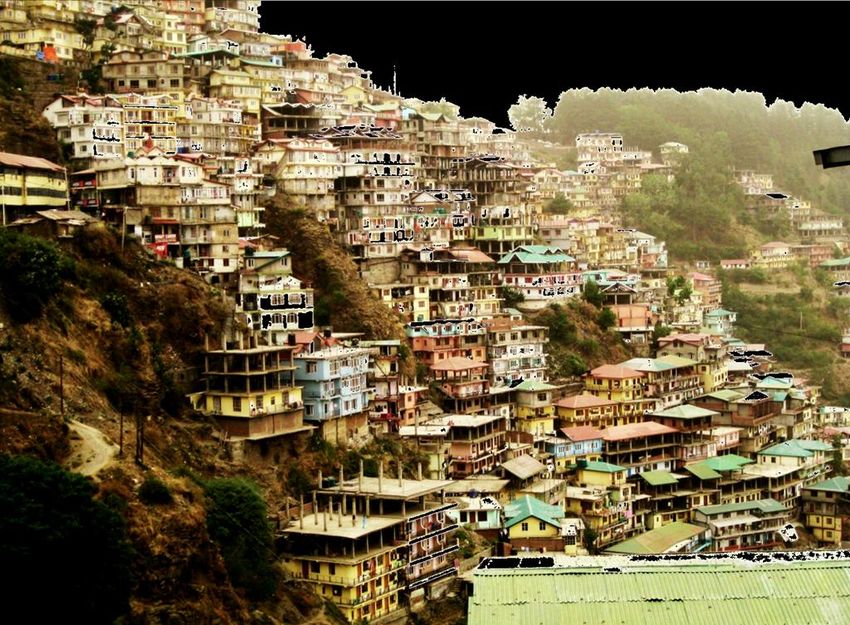
Defining Climate Change
  FOR LCCR CONSTRUCTION

                          Climate is…
                          “ the mean and variability of relevant parameters like temperature, precipitation,
                          and wind over a period of time, usually averaged over 30 years.”
                                                            -The Intergovernmental Panel on Climate Change
                          Climate change is…
                          the fluctuations in the “average weather” or variations in patterns of temperature,
                          wind and precipitation over extended periods as well as the occurrence of extreme
                          weather events.

                                                                             “Human      activity    alters   the
OLICY

                                                                             composition of global atmosphere
                                                                             both directly and indirectly, and is,
                                                                             to a large extent, responsible for
                                                                             climate change.”
                                                                                      - United Nations Framework
                                                                                   Convention on Climate Change

                             GHG Concentrations during the last 2000 years                                     2
                             Source: IPCC’s Fourth Assessment Report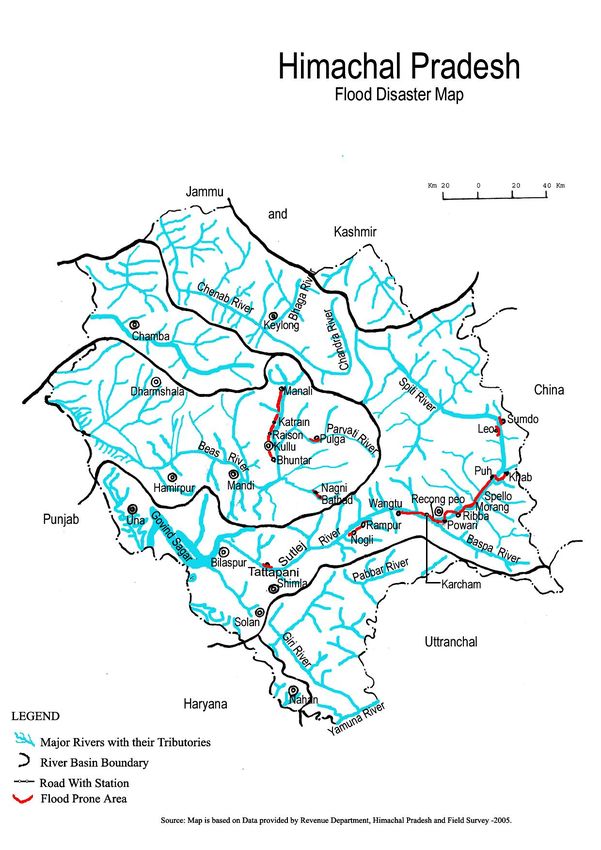
Global Impacts of Climate Change
  FOR LCCR CONSTRUCTION

                          76% of all disaster
                          events(1988-2007)
                             were hydrological,
                              meteorological or
                          climatological in nature.

                                           79% of
OLICY

                           45% of        economic     Over the period 1991-2005,
                          deaths by        losses     • 3,470 million people were affected by disasters
                           natural       caused by    • 960,000 people died
                           disaster       natural     • US$ 1,193 billion economic losses
                                          hazards.         -International Strategy for Disaster Reduction,
                                                                                           United Nations

                                                                                                     3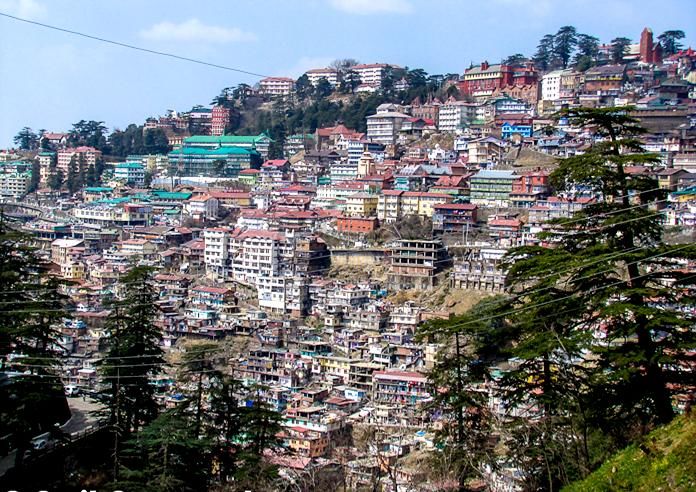
Global Impacts of Climate Change
  FOR LCCR CONSTRUCTION

                                                       PREDICTED CHANGE
                                        Fluctuating precipitation   Increased droughts,
                                                patterns              cyclones, floods.

                                        Temperature extremities      Increased heat &
                                                                        cold waves

                                           Rise in sea levels         Submerging of
                                                                     low-lying coasts
                                                   PROJECTED IMPACTS ON
OLICY

                          Agriculture         Health                      Shelter

                                                                                          4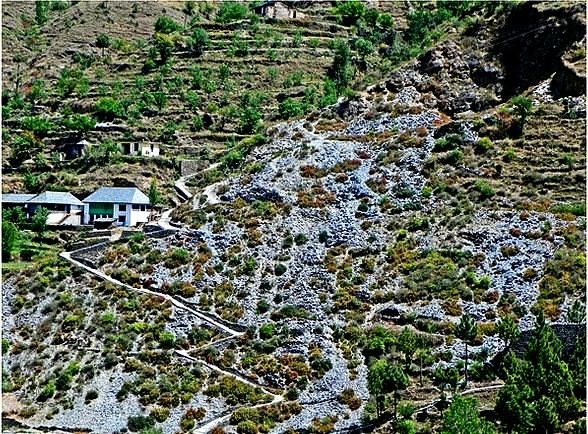
Global Impacts of Climate Change
  FOR LCCR CONSTRUCTION

                              Climate change mostly affects the developing countries of the world.
                          In developing countries a large proportion of the population is more strongly
                                               connected with natural resources.

                                                                            “Most economies relying
                                                                            on agriculture and natural
                                                                            resources, are expected to
                                                                            be seriously affected by
                                                                            the adverse impacts of
OLICY

                                                                            climate change.”
                                                                                  - IPCC 4th Assessment
                                                                                           Report, 2007

                           Global Climate Change Vulnerability Map
                            Source: Centre of Global Development
                                                                                                      5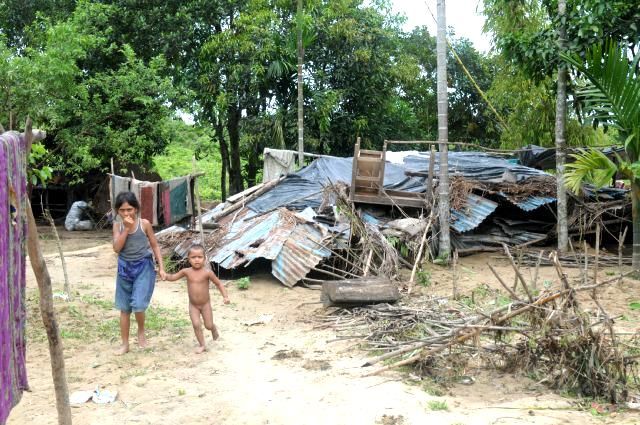
Impacts of Climate Change in South Asia
  FOR LCCR CONSTRUCTION

                                               PREDICTED CHANGE
                                • Increased droughts, tropical cyclones, floods
                                • Rise in sea level
                                • Rise in air and sea temperatures

                                          PROJECTED IMPACTS ON
                           Agro-based livelihoods        Water systems
OLICY

                            Ecosystems                    Habitat

                                                                                  6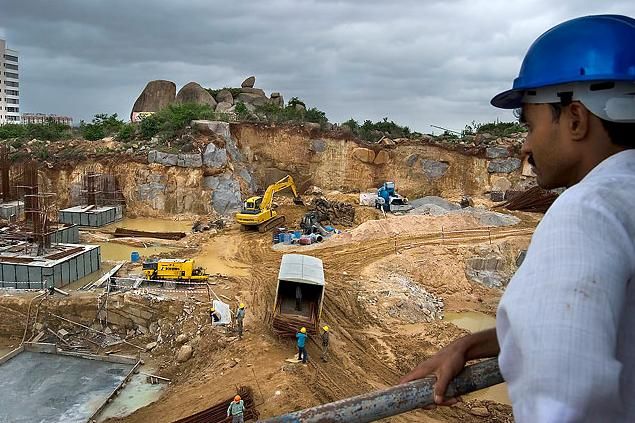
Impacts of Climate Change in Himachal Pradesh
  FOR LCCR CONSTRUCTION

                                                                     RECORDED CHANGES

                          • Rise in temperature in the NW Himalayan region by about 1.60C in the last
                          century.
                          • Decline in the average snowfall days in Shimla over a period of 30 years from
                          1970 to 2010.
                          • 17% decrease in rainfall in Shimla observed from 1996-2000 onwards till 2007.
OLICY

                                Snowfall Days in Shimla During the Winter Season (Dec-Mar)

                                                                                                       7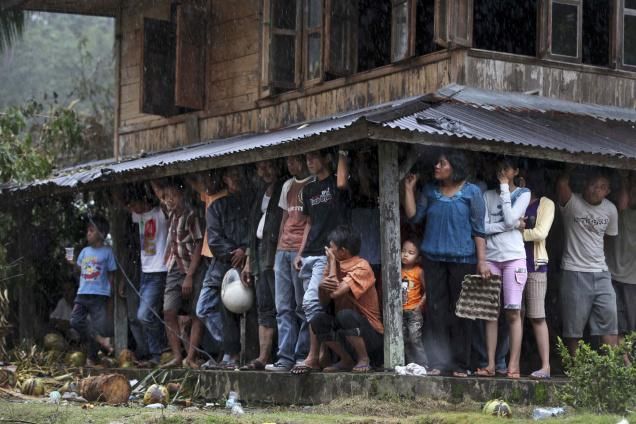
Impacts of Climate Change in Himachal Pradesh
  FOR LCCR CONSTRUCTION

                                                                          PREDICTED CHANGE
                                                                • Increase in mean monthly air
                                                                 temperature
                                                                • Intensification of precipitation

                                                                           PROJECTED IMPACTS
                                                                • Increase in flash floods and landslides
                                                                • Increase in soil erosion
                                                                • Threat to the natural resources like
                                                                  forests.
OLICY

                                                                “Global warming in the Himalayan
                                                                region has been much greater than
                          The Western Himalayas is one of the   the global average.”
                          most vulnerable ecosystems in the        - International Centre for Integrated
                          world.                                                Mountain Development

                                                                                                        8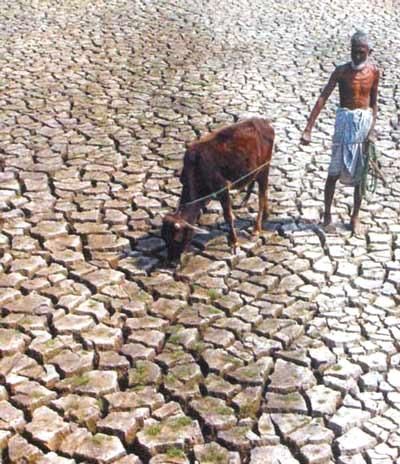
Calamities and Extreme Weather Events
                                               in Himachal Pradesh
  FOR LCCR CONSTRUCTION

                          Floods and landslides:                          Flashflood          Landslide
                          • Flash flooding caused by cloudbursts leads
                          to landslides.
                          • Since 2000, there have been 3 major flash
                          floods in river Satluj in 2000, 2001 and 2005
                          which have affected regions in Kinnaur,         Earthquake
                          Kullu, Mandi, Shimla, Solan, Hamirpur and
                          caused damage to crops, houses and public
                          utilities worth more than Rs. 15000 crores.

                          Earthquakes:
                          • Lies in seismic zones IV and V with very
OLICY

                          high risk earthquakes of magnitude > 8.
                          • Largest earthquake: Kangra (1905) killing
                          at least 28,000 people.                         “Of all the natural disasters that hit
                          • Lesser magnitude earthquakes: Kullu           the State and cause damage to,
                          (1906), Sultanpur (1930), Lahaul-Spiti          both, life and property, floods are
                          (1955), Chamba-Udhampur (1962), Dutung          most widespread in the state.”
                          (1975) and Kangra (2004).                              - Floods and Flash Floods in HP:
                                                                                         A Geographical Analysis
                                                                                                                    9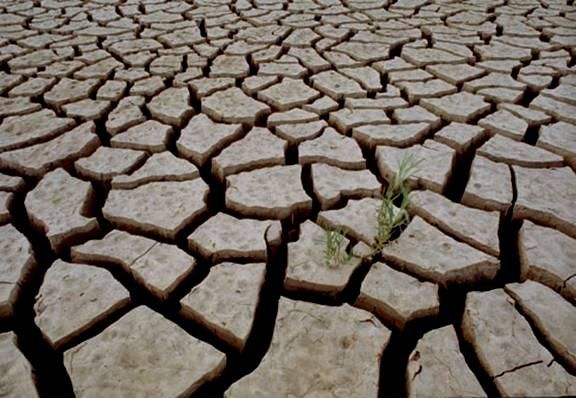
Factors Contributing to Climate Change
                                             in Himachal Pradesh
  FOR LCCR CONSTRUCTION

                          • Deforestation that removes natural
                          carbon sinks and alters natural
                          geographical buffers to climatic
                          extremes

                          • Alteration of the land profile with
                          road cutting to meet demands of
                          increasing urbanization.
OLICY

                                                                  • Detrimental methods of sourcing
                                                                  building materials like mining mine
                                                                  natural resources such as limestone for
                                                                  cement, slate, etc, have been carried
                                                                  on unrestricted for years.

                                                                                                     10
Importance of the Construction Sector
FOR LCCR CONSTRUCTION
GLOBALLY, the construction sector :
• Accounts for 40% of the total flow of
raw materials into the global
economy every year.
• Contributes 9% of global Gross
Domestic Product (GDP).
IN INDIA, the construction sector:
• Is amongst the fastest growing sectors
OLICY
today : 156% growth from 2000 to 2007,
providing employment to 18 million people
directly.
• Was estimated at 70.8 billion dollars in
2008-09, in a trillion dollar economy.
• Has been steadily contributing about 8%
to the national GDP over the last 5 years.
11How does Climate Change affect Construction?
Changed needs of habitat and shelter in response to climate change.
FOR LCCR CONSTRUCTION
Water shortage Water efficiency and
capture
Uncomfortably hot or cold Climate resilience in
temperatures, high design and
velocity winds and intense construction of
precipitation buildings
Increased incidence of Increased durability
extreme weather events and performance
OLICY
Flood and earthquake Building design and
proneness of HP location
Generation of huge Appropriate disposal
amounts of debris from and reutilization of
damaged buildings debris
12How does Construction affect Climate Change?
FOR LCCR CONSTRUCTION
Building construction and operation activities have extensive direct and indirect
impacts on the environment.
At the national level, Emission of about 22% of the total annual
activities of the national CO2 emissions (80% results mainly
construction sector from production of energy intensive building
materials - steel, cement, bricks and lime)
Alteration of water cycle, land degradation,
Rapid increase in housing
impact on local communities and impact on
construction
air quality
Extraction of naturally materials
OLICY
Disturbance of the natural carbon balance
such as building stone, wood,
and drastically alteration to natural
limestone (for cement) and
geographies in the long-term
soil for making bricks
Operational energy needs of
buildings contributes to peak in Green house gas (GHG) emissions
electricity consumption 13FOR LCCR CONSTRUCTION Conventional Building Practice
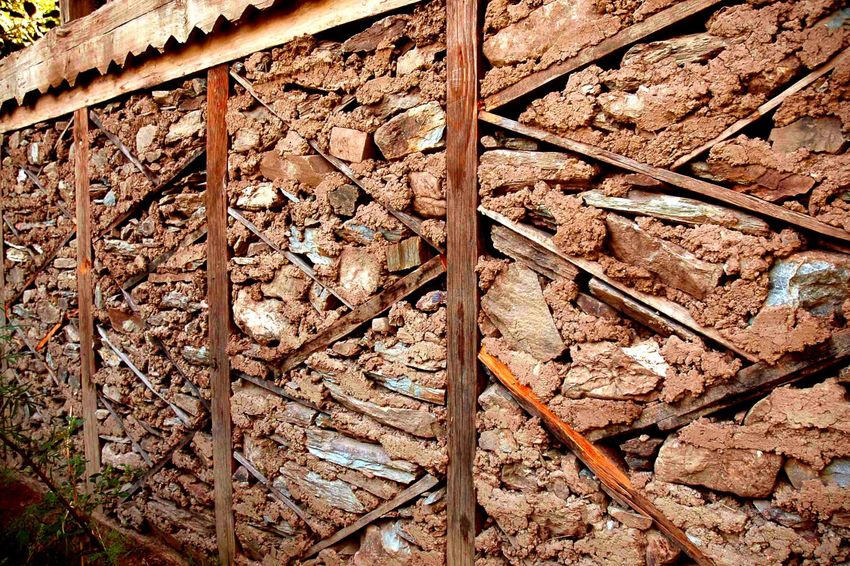
RICH TRADITION OF CLIMATE
RESPONSIVE VERNACULAR
ARCHITECTURE
(timber, soil and stone)
Design based on:
•Thermal performance
•Earthquake resistance
Increasing rate of urbanization
Locally sourced RURAL AREAS
material like earth,
OLICY
stone, thatch and
timber is still used
to construct
houses. CGI roofs URBAN AREAS
are the most Conventional construction uses burnt
prevalent option brick masonry or stone masonry in RCC
for sloping roofs. framed buildings and flat RCC roofs or
CGI sheet sloping roofs. 14FOR LCCR CONSTRUCTION
Growth trends and implications
Urban population growth in Himachal Pradesh:
1941-51 8%
1971-81 34.7%
2001-11 15.6%
While number of pucca houses in India has increased from 6.44 million
units in 1961 to 41.17 million units in 2001, the number of kuchha houses
decreased from 1.96 million units to 1.70 million units in corresponding
period
• Stress on housing would increase sharply,
OLICY
transferring its impact on limited material
resources.
The Himachal Pradesh urban • The growing trend of building pucca houses
population increase is expected will further promote greater use of high
to reach 12.45% by 2021. energy materials without enhancing the
quality of habitat.
15FOR LCCR CONSTRUCTION
Resources in Himachal Pradesh
WATER RESOURCES
RICH NATURAL RESOURCE BASE
• Glaciers
• Perennial streams draining into rivers
9 major river systems with a total
catchment area of 55,673 sq. km.
• Natural lakes
• Man-made reservoirs
• Water springs
• Large stocks of sub soil water
OLICY
“About 70 per cent of the total
geographical area of HP can be affected
CONCERNS: by floods.”
Erratic changes in seasonal flows. - Central Water Commission (2000)
Threat of floods and landslides.
16FOR LCCR CONSTRUCTION Resources in Himachal Pradesh
FOREST RESOURCES
FOREST COVER
• 26.66% per cent of the area is under forest
and tree cover.
FOREST PRODUCE:
Accounts for 8% of the state GDP
• Timber : used extensively in the region’s
vernacular architecture from local deodar
easily available and other mixed forests. Now,
as a counter measure to deforestation, the use
of timber has largely gone out of practice.
• Medicinal plants and herbs, resin, bamboo,
OLICY
charcoal, fuel-wood, bhabhar grass, khair.
“At least two-thirds of the geographical
area should be under forests in
CONCERNS: mountainous states like Himachal
Reduced forest cover. Pradesh.”
Sustainable harvesting of timber. - National Forest Policy (1988)
17FOR LCCR CONSTRUCTION Resources in Himachal Pradesh
MINERAL RESOURCES
• Building Stone: Limestone is the most heavily
quarried mineral and provides raw material for 3
major cement plants.
• Soil: Approximately 35 lakh tonnes of sand,
gravel and boulders are extracted annually from
river/streams to meet the demand of road
construction, bridges, building material, etc. 260
stone crusher units set up based on these.
As per the land capability map of HP:
• 21.4% of land is suitable for agriculture
• 37.9% of land is suitable for grazing and
OLICY
forestry
• 40.7% of land is permanently snow
covered
Soil is hence a very critical resource.
Therefore, it is not feasible to use clay bricks
as a mainstream material without a large
transportation component. 18Pressures of Extracting & Processing
Building Materials in Himachal Pradesh
FOR LCCR CONSTRUCTION
Indiscriminate mining and Over 50,000 hectares of land affected
other construction activities negatively
Large scale deforestation and loss Loss of carbon sinks, irregular water flow
of forest cover (drying up of natural springs and increased
vulnerability to flash floods during rains).
Uncontrolled and illegal mining Altered riverbank ecosystems,
of sand, concrete and stones Increased risk of avalanches and flash floods
OLICY
Construction of big power The dust, smoke and silt coming out of these
projects, roads and buildings plants are heavy sources of pollution.
Large scale destruction of natural resources
Cement is one of the biggest
with open cast mining of limestone, turning
industries
green hills barren.
19FOR LCCR CONSTRUCTION Challenges faced in Himachal Pradesh
Under the increasing pressure of urbanization, the rapidly expanding footprint of
built-up area in the State needs to take into account various factors.
OLICY
20FOR LCCR CONSTRUCTION Challenges faced in Himachal Pradesh
Excessive heat storage in the mass
Urban heat islands
of buildings in a concrete jungle
Over-exploitation of ground water Water imbalance
Transportation of building materials over
large distances to meet the massive Vehicular pollution
requirement and use for infrastructure
Cutting of slopes for construction Landslides
OLICY
Building debris aggregation Disposal issues
Material extraction land clearing Deforestation
Earthquakes, landslides & floods High susceptibility to loss of lives & property
21FOR LCCR CONSTRUCTION
Thank you
OLICY
Development Alternatives
22Disclaimer
FOR LCCR CONSTRUCTION
This document is an output from a project funded by the UK Department for International Development (DFID) and the
Netherlands Directorate-General for International Cooperation (DGIS) for the benefit of developing countries. However, the views
expressed and information contained in it are not necessarily those of or endorsed by DFID or DGIS, who can accept no
responsibility for such views or information or for any reliance placed on them. This publication has been prepared for general
guidance on matters of interest only, and does not constitute professional advice. You should not act upon the information
contained in this publication without obtaining specific professional advice. No representation or warranty (express or implied) is
given as to the accuracy or completeness of the information contained in this publication, and, to the extent permitted by law, the
entities managing the delivery of the Climate and Development Knowledge Network do not accept or assume any liability,
responsibility or duty of care for any consequences of you or anyone else acting, or refraining to act, in reliance on the
information contained in this publication or for any decision based on it.
© Copyright Climate and Development Knowledge Network 2013.
All content / information present here is the exclusive property of Development Alternatives (DA). The content / information
contained here is correct at the time of publishing. The views expressed in this document do not necessarily reflect the views of
any organization(s) associated with DA. This document contains details of a number of organizations, events, publications,
projects and individuals. However, this does not imply that these entities are either endorsed or recommended
by DA in preference to others of a similar nature. These entities shall not be liable for any damages incidental to the use of the
OLICY
information contained in this document. No material from here may be copied, modified, reproduced, republished, uploaded,
transmitted, posted or distributed in any form without prior written permission from DA. Unauthorized use of the content /
information appearing here may violate copyright, trademark and other applicable laws, and could result in criminal or civil
penalties.
© Development Alternatives 2013
Development AlternativesYou can also read


