IMPACT2021 - Responding to the Pandemic P.18 - Brown University
←
→
Page content transcription
If your browser does not render page correctly, please read the page content below
IMPACT
Leading the Dialogue
on Race P.14

The Big World of
Tiny Nanocrystals P.40
                         RESEARCH AT BROWN   2021

Student Focus:
Social Issues P.32

SPECIAL REPORT

Responding to
the Pandemic                 P.18
STARTING OFF CONTENTS
THE COVID-19 PANDEMIC is one digital media: Dr. Ashish Jha, the new dean of the School of
RESEARCH BRIEFS
of the most devastating Public Health, is informing the nation on public health matters;
public health challenges of economist Emily Oster is providing data-driven advice for 2 Saving “God’s Little Acre”
modern times, but it has parents of school-age children; and Dr. Megan Ranney rallied her 4 Take the Sting Out of Mosquitos
also given the world the ER coworkers as she called for national health care changes and 5 Alumni Impact: Suzanne Rivera
most remarkable validation became a regular contributor on a major national news network. 5 The Dean of Urban Politics
of the importance of Our research community successfully resumed most 6 Immunotherapy Enhanced
government-supported operations over the summer, with rigorous new safety 6 Innovation to Impact in Medicine
university research that we protocols and double shifts to accommodate reduced staffing 6 Alumni Impact: Alina Moran
have seen in our lifetimes. densities. Brown faculty, staff, and students have been working 7 A New Approach to Genetic Testing
Across the United States with dedication and innovation throughout the pandemic. As a 8 Everything in Moderation, Even Sports
and the world, university laboratories closed for all but result, we’ve garnered many highly competitive awards. As one 9 Natural Language for Computers
essential activities as COVID-19 cases increased and hospitals example, the National Science Foundation awarded Brown 9 Alumni Impact: Nicole Alexander-Scott
and health care workers were overwhelmed. Yet, despite the $23.7 million for renewal of the Institute for Computational 10
The Unique Identities of
uncertainty and losses, we have made extraordinary advances
in research and in our understanding of the human experience.
and Experimental Research in Mathematics (ICERM).
In this issue of Impact, you will find stories about Brown 10
Immigrant Activists
Research Honors
10 14
It has been an exceptional year for Brown research—one of research achievements in numerous fields, including a special 11 How Stimulants Really Work
resilience and accomplishment. section devoted to COVID and a feature on the Center for the 11 Alumni Impact: Jonathan Karp
In mid-March 2020, non-essential research ramped down at Study of Race and Ethnicity in America. Led by Tricia Rose, 12 Short Takes
the same time most students left campus and the governor of CSREA is one of most highly regarded academic centers 13 Unpacking Lunar Ice
Rhode Island issued a stay-at-home order. The emergency focused on scholarship on race and ethnicity—a topic brought
reduction of laboratory research took only days to effect. into sharp relief as the nation grappled with anti-Black racism
FOCUS
Almost immediately, researchers galvanized to assist Rhode in 2020. This issue’s spotlight on undergraduate research
Island’s health care system, with donations of PPE and other focuses on the work of our students in social issues. 36 Mathematics, Reimagined
supplies to hospitals and frontline health care workers. It has been gratifying to see our University research 38 Books Born Digital
Just as quickly, our researchers turned attention to urgent community respond to a challenging year so quickly, effectively, 40 The Big World of Tiny Nanocrystals
questions related to the pandemic. The University’s COVID-19 and creatively. 41 School Discipline: The Race Gap
Research Seed Fund, announced in April, accelerated innova-
tive work of faculty and students on therapies, technology, and
BROWN RESEARCH INDEX
medical interventions. With this fund, 15 important projects
launched, including a statewide Biobank providing patients’ 43 Books
biological samples to researchers at Brown, as well as to Rhode 46 Selected Faculty Honors
Island’s Lifespan and Care New England health systems. Jill Pipher
Throughout this global crisis, many Brown researchers have
been prominent voices in newspapers and in broadcast and
Vice President for Research
Elisha Benjamin Andrews Professor of Mathematics
END NOTES 18
52 Ashish Jha and Megan Ranney:
IMPACT
Speaking Out
14 A Community in Conversation
A Brown center has carved out a critical role in racial
research and dialogue. BY SARAH C. BALDWIN ’87
RESEARCH AT BROWN 2021 18 Special Report: COVID-19
On the Cover: Amanda Jamieson, assistant Brown faculty have launched a wide range of research and
Editor: Noel Rubinton Vice President for Research Office of Research Development Office of Foundation Relations professor of molecular microbiology and
other projects to fight the pandemic. BY NOEL RUBINTON ’77
Designer: 2COMMUNIQUÉ Vp_research@brown.edu research_opps@brown.edu foundationrelations@brown.edu immunology at Brown, is working with
401-863-7408 Graphene Composites (GC), a nanomaterials
Impact: Research at Brown is
published annually by the Office of the
Brown University
Box 1937
Brown Technology Innovations
tech-innovations@brown.edu
For ongoing news about
Brown research, follow
engineering company, to develop and test a
graphene and silver nanoparticle ink that has
32 Independent Inquiries
Vice President for Research and the 350 Eddy Street us on Twitter @BrownUResearch. the potential to reduce the spread of COVID-19. Many undergraduates are succeeding in research related
Office of University Communications Providence, R.I. 02912 Image by Graphene Composites to pressing social issues. BY MAURA SULLIVAN HILL
PHOTOGRAPH BY NICK DENTAMARO/BROWN UNIVERSITY IMPACT 2021 1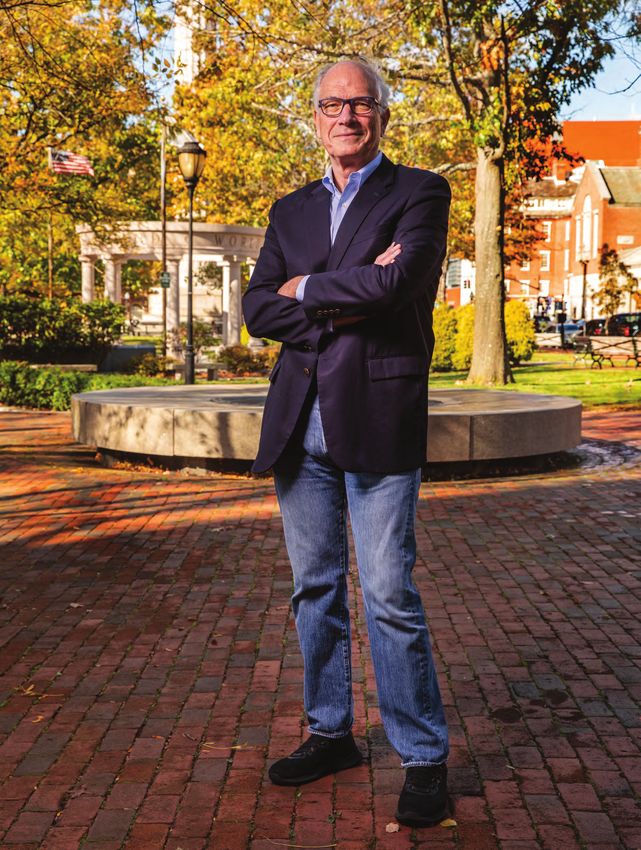
RESEARCH
BRIEFS                 A COMPENDIUM OF
                       RECENT HIGHLIGHTS
                       OF BROWN RESEARCH

                                                                      Saving “God’s
                                                                      Little Acre”
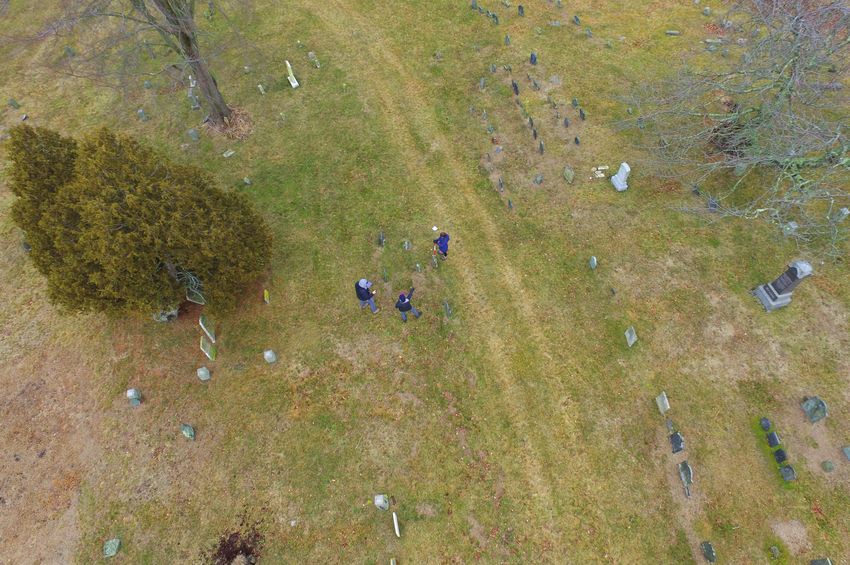
                                                                      Archaeology students are reviving the history of
                                                                      one of the oldest African-American cemeteries.
                                                                      FOR YEARS, STORIES of those buried in         cans, many of whom were enslaved. Few
                                                                      God’s Little Acre in Newport, Rhode           stories of people buried were preserved,
                                                                      Island, one of the oldest United States       and the only known cemetery map dated
                                                                      cemeteries for Africans and African           back to 1903 and was incomplete.
                                                                      Americans, had been slipping away                 Using three-dimensional images and
                                                                      despite a dedicated team of descendants       aerial drone footage, graduate students
                                                                      and volunteers.                               Alex Marko, Dan Plekhov, and Miriam
                                                                          Stories like that of Charity “Dutchess”   Rothenberg undertook an intense
                                                                      Quamino—who was brought to the                investigation, recording the extensive
                                                                      United States from West Africa as a slave     details on grave markers. They created
                                                                      in the 1700s and eventually became a          an interactive map and database they
                                                                      pastry chef and caterer, later serving        intend to make available to researchers
                                                                      George Washington for at least one            and tourists.
                                                                      event—have been in danger of disap-               “We know the bigger picture of the
                                                                      pearing as gravestones weather or recede      slave trade and how inhumane it was,”
                                                                      into the Earth.                               Plekhov said. “You learn even more when
                                                                          Then three Brown archaeology              you focus on individual people and
                                                                      graduate students were drawn into the         individual experiences.”
                                                                      project by a volunteer at Newport’s               Soon, Rothenberg said, “people can
                                                                      Historic Cemetery Advisory Commis-            use a map on their phone or tablet to
                                                                      sion, and they became a key part of           identify specific graves and interact with
                                                                      efforts to preserve and revive the history    this site and its history more personally.”
                                                                      through a long-needed site map.                   Said Plekhov, “Making people aware
Brown graduate                                                            The cemetery, founded in the late 17th    of this lesser-known history, telling these
students surveyed
hundreds of grave                                                     century, is the final resting place of at     stories . . . could drive us all toward a
markers on the site.                                                  least 500 Africans and African Ameri-         more inclusive future.” —jill kimball

2   IMPACT 2021                            PHOTOGRAPH BY ALEX MARKO                                                                                               IMPACT 2021 3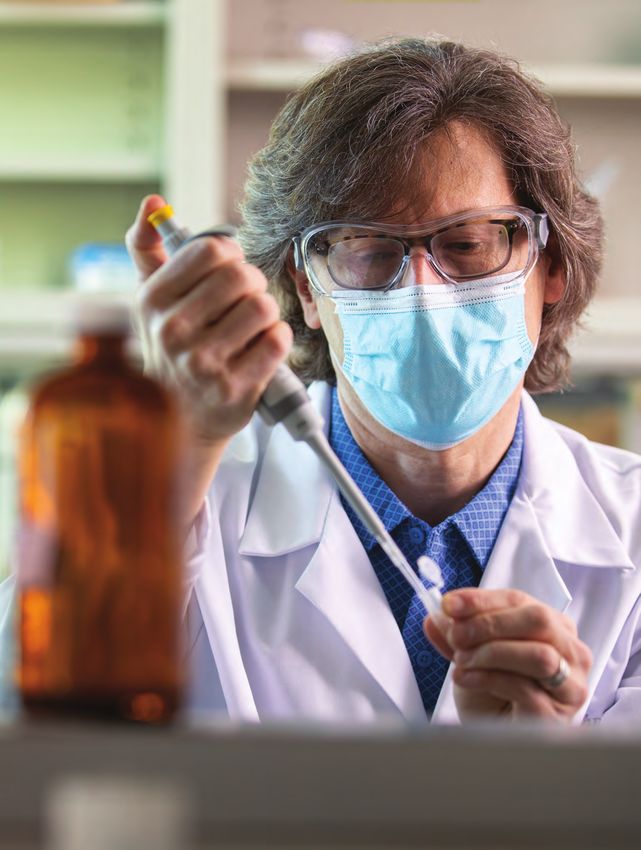
RESEARCH BRIEFS
ALUMNI Marion Orr specializes
in urban, racial, and
IMPACT
ethnic politics.
SUZANNE RIVERA ’91
became president of
Experiments showed Macalester College in June
graphene, a carbon
2020, the school’s first
nanomaterial, could
be a potent defense female and Latinx president.
against mosquitos. She concentrated in
American Civilization
at Brown.
“The best research
The Dean of
experience I had at Brown
was a summer fellowship with
Professor Greg Elliott in
sociology, developing a new
course on poverty in the
United States. That research
Urban Politics
experience demystified the A veteran scholar brings the “hidden”
work of academia and
fostered in me the joy of
into the open in his examinations of
discovery. I’d never have been race and ethnicity.
capable of serving in this role
at Macalester College WHEN HE WAS AN UNDERGRADUATE student at Savannah State University,
Take the Sting Out of Mosquitos
without the excellent Marion Orr was inspired by a professor who “made political science come
preparation and the courage to life.” Thirty-five years after he graduated, the American Political Science
of convictions I got at Brown.” Association (APSA) made Orr, a Brown professor, the recipient of the 2019
Engineering researchers find a promising new tool to stop bites: graphene. Hanes Walton Award, which honors political scientists who have made
significant contributions to the study of racial and ethnic politics—named
after the man who compelled Orr to pursue his field of study.
SOMETIMES, SCIENTIFIC breakthroughs are graphene can provide a two-fold defense cheesecloth. Cintia Castillho PhD ’20, Orr has authored or edited seven books, and his pioneering research
made when researchers are looking for against mosquito bites. The ultra-thin the study’s lead author, said the graphene in urban politics and racial and ethnic politics has been widely recog-
something else. material acts as a barrier that mosqui- material “was a chemical barrier that nized by experts in his field. His book The Color of School Reform: Race,
Robert Hurt, professor in Brown’s toes are unable to bite through. prevents mosquitoes from sensing that Politics, and the Challenge of Urban Education was named the best book
School of Engineering and leader of the Experiments also showed that graphene someone is there.” in the ASPA’s Urban Politics Section. He has chaired the governing
university’s Superfund Research blocks chemical signals mosquitoes use Within days of its release, the board of the Urban Affairs Association, and at Brown has served as the
Program, had been working with his to sense that a blood meal is near, study—funded by the National Institute director of what is now known as the Taubman Center for American
team on fabrics that incorporate blunting their urge to bite. of Environmental Health Sciences, the Politics and Policy and as chair of the political science department.
graphene as a barrier against toxic The study was based on research with Superfund Research Program, and the For the past several years, Orr has been working on an upcoming
chemicals. “We started thinking about participants who placed their arms in a National Science Foundation—drew a biography of former U.S. Representative Charles Diggs, the first African
what else the approach might be good mosquito-filled enclosure so that only a large amount of international media American in Congress from Michigan, a staunch civil rights activist, and
for,” he recalled. small patch of their skin was available to and scientific attention. Hurt said founder and first chair of the Congressional Black Caucus. Orr has
A novel idea emerged from the the mosquitoes. Researchers compared properly engineered graphene linings interviewed dozens of Diggs’s family members and former colleagues and
brainstorming: mosquito bite protection. the number of bites participants received could be used to make mosquito-pro- has visited the six libraries of the presidents who served during his tenure.
In a paper published in Proceedings on their bare skin, on skin covered in tective clothing, and “there’s a lot of While Diggs is often mentioned in histories, “no one has brought him
of the National Academy of Sciences, cheesecloth, and on skin covered by a interest in non-chemical mosquito bite together in one place,” Orr said. “My book, I hope, will bring this hidden
Hurt’s lab showed that multilayer graphene oxide film sheathed in protection.”—kevin stacey figure out into the open.” —li goldstein ’22
4 IMPACT 2021 PHOTOGRAPH BY ISTOCK PHOTO; HURT LAB/BROWN UNIVERSITY (INSET) PHOTOGRAPH BY DAVID J. TURNER (RIVERA); BROWN UNIVERSITY (ORR) IMPACT 2021 5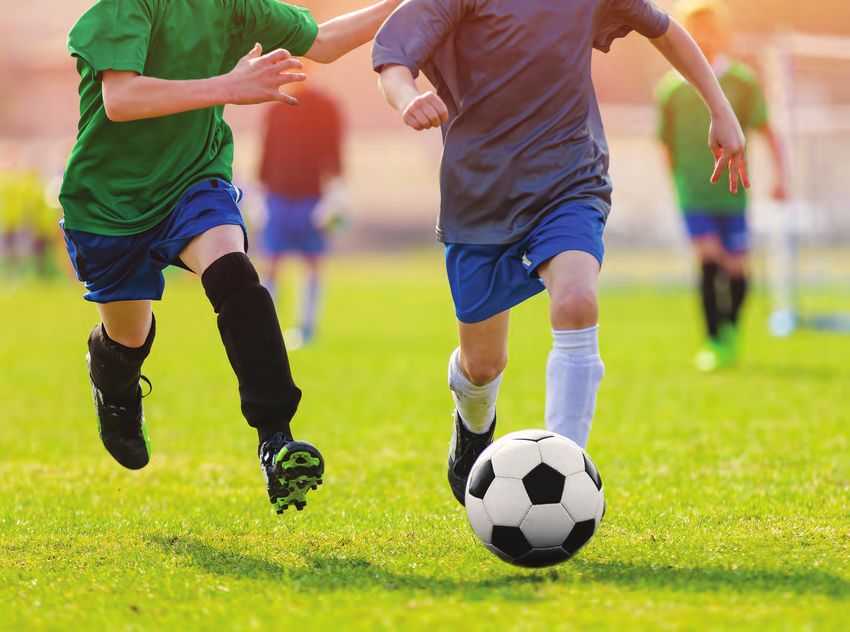
RESEARCH BRIEFS
Immunotherapy Innovation “We have been focused on supporting
and building capacity for translational A New Approach to
Enhanced to Impact science,” said Dr. Jack A. Elias, senior
vice president for health affairs and dean Genetic Testing
in Medicine
of medicine and biological sciences. “The
Scientists are working to block BBII awards have been a great tool to help Two biomedical engineers are teaming up
researchers move their discoveries along
a key tumor-promoting protein. that pathway toward commercialization.”
to make procedures less invasive.
Five teams receive Part of the Brown and the Innovation
IMMUNOTHERAPY—an important form of medical grants to make Economy initiative, BBII was started with GENETIC TESTS are the only way to The labs of Tripathi, an
treatment that uses the body’s immune system to advances into $8 million in philanthropic gifts from definitively diagnose a range of engineering professor who focuses
recognize, attack, and kill cancerous tumor Brown donors and is run by the medical conditions in developing on molecular diagnostics, and
cells—has successes, but still fails with a
commercial products University’s Division of Biology and fetuses, but getting samples is Shukla, an assistant professor of
significant proportion of patients. benefiting patients. Medicine in collaboration with Brown invasive and risky. That has driven engineering who specializes in
Now Brown scientists have found evidence Technology Innovations, part of the Brown researchers, led by biomedi- smart biomaterials, are collaborat-
of a way to block a key tumor-promoting IN ITS PROGRAM to accelerate medical Office of the Vice President for Research. cal engineering professors ing on a new technique. They have
protein, MDM2, that has been a significant discoveries becoming commercial “BBII is a cornerstone of Brown’s Anubhav Tripathi and Anita found a way to enrich trophoblasts
roadblock to greater effectiveness in immunotherapy. technologies, Brown Biomedical efforts to inspire and support innovative Shukla, to advance a less invasive, from simple cervical swabs using a
“Immunotherapy has been one of the biggest breakthroughs in Innovations to Impact (BBII) gave five research that will improve people’s lives, equally reliable alternative. low-cost and rapid methodology.
biomedical science and medicine of the last two decades,” said Dr. Wafik awards to faculty research ranging from including treatments and cures for Currently, the most common The technique could enable doctors
El-Deiry (pictured), a professor of pathology and laboratory medicine and analyzing infant cries for signs of opioid diseases,” said Jill Pipher, vice president way to diagnose genetic disorders to diagnose a wide range of genetic
associate dean for oncologic sciences, and his lab’s finding could enhance withdrawal, to developing anti-malaria for research. during pregnancy is by retrieving disorders without using needles to
immunotherapy. treatment, and more. Project proposals were reviewed by an trophoblasts—cells found in a harvest cells from the placenta.
El-Deiry’s team found a drug that appears to be inhibiting the MDM2 Each research team was awarded advisory committee including venture mother’s placenta that carry the One of the project’s researchers,
protein. “It’s tapping into a vulnerability within tumors to help immuno- $100,000 to help translate their scientific capitalists and pharmaceutical experts. complete fetal genome—through Christina Bailey-Hytholt PhD ’20 in
therapy work better,” he said. Results of the study were published in the discoveries into commercial products amniocentesis or chorionic villus biomedical engineering, said,
Nature journal Cell Death Discovery, and the research continues. benefiting patients. “The goal of the Project awardees are: sampling, both of which are “There is a large need for biomedical
El-Deiry is inaugural director of the recently launched Cancer Center at program is to support biomedical QIAN CHEN, a professor of orthopedic invasive procedures that carry a engineering techniques toward
Brown University, which in June became part of the highly selective technologies that need additional work research and medical science, to develop a gene risk of miscarriage. A less invasive advancing prenatal and women’s
Association of American Cancer Institutes. The center builds on Brown’s to become products that have commer- therapy treatment for post-traumatic alternative involves blood tests that health.” A study about the new
growing focus on translational science, aiming to have breakthroughs in cialization potential,” said Karen Bulock, osteoarthritis. look for fetal genetic material in a procedure was published by the
basic research advanced to the point where they can make a meaningful the managing director of BBII, “includ- mother’s bloodstream. But those team in the journal Scientific
medical difference for patients. “Establishing the Cancer Center at Brown ing navigating the gap between the time The team of KAREEN COULOMBE, an tests can’t be used for definitive Reports, and the work has been
will support the programmatic integration of innovative cancer-relevant when federal research funding ends and assistant professor of engineering and medical diagnoses, and there’s a limited funded by the National Science
research,” said El-Deiry. private investors are ready to invest.” science; BUM-RAK CHOI, an associate range of disorders that can Foundation and PerkinElmer Inc.
professor of medicine (research); and ULRIKE be screened. —kevin stacey
ALUMNI IMPACT
MENDE, a professor of medicine, to design a
test to make new therapeutic drugs that are
safer for the heart. New technique could
avoid using needles
to harvest cells.
JONATHAN KURTIS, chair of pathology and
laboratory medicine, to develop antibody-
ALINA MORAN ’93 was named president of Dignity Health–California Hospital Medical based therapeutics for malaria.
Center in Los Angeles in February 2020. At Brown, she was an engineering concentrator.
“Growing up in the Bronx, I did not have many opportunities to learn about how research can inform BARRY LESTER, director of the Brown Center
action or prove a theory. As an engineering student, I was exposed to scientific observation— for the Study of Children at Risk, to search for
identifying the problem, reviewing information, developing my hypothesis, and analyzing results. signs in newborn infants of opioid withdrawal.
I used this in all aspects of life, in class, with my Hermanas sorority sisters, and with family. Decades
later, research plays a prominent role in my profession.” ANITA SHUKLA, an assistant professor of
engineering, to develop treatments to reduce
dangerous fungal infections.
—noel rubinton ’77
6 IMPACT 2021 PHOTOGRAPH BY ISTOCK PHOTO IMPACT 2021 7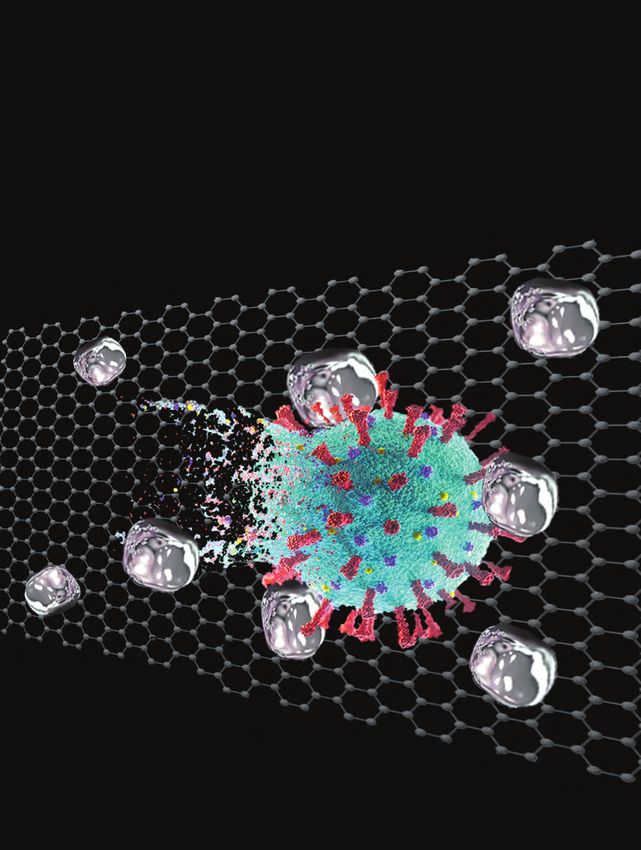
RESEARCH BRIEFS
Natural Language
for Computers ALUMNI
Communication is key to better
interaction between humans
IMPACT
and computers. DR. NICOLE ALEXANDER-SCOTT MPH ’11
is director of the Rhode Island Department
WHEN A COMPUTER program of Health. At Brown, she completed a
encounters a word like four-year fellowship in adult and pediatric
“apple,” explains Ellie infectious diseases at the Warren Alpert
Pavlick (pictured), an Medical School and earned a master’s
assistant professor of degree in public health.
computer science at Brown, “COVID-19 is challenging us in unprecedented
it will often comprehend ways. I am thankful that I can rely upon the tools
it as a string of symbols— and values I developed as an infectious disease
a-p-p-l-e—to be encoded into fellow and public health student at Brown to
bytes. The driving question is: “What does the help me understand and respond to this
computer actually need to know about the word pandemic. I draw upon these tools to ensure
‘apple’ to know what an apple is?” that every Rhode Islander has an equal
Through her research in the area of natural opportunity to be healthy and safe.”
language processing, Pavlick is working to answer
that question by teaching computers to encounter
language as a human might, in order to facilitate more
versatile and meaningful interactions between
humans and systems. Ever since her PhD, Pavlick has
Risks of injuries for girls and
boys in sports can be reduced. studied how to represent the nuances of language in
computers, studying what a computer may need to
know about a particular word in order to fully
Everything in Moderation, Even Sports
comprehend its meaning, on its own and in composi-
tion with other words.
At Brown, she conducts much of this research in
collaboration with the Cognitive, Linguistic, and
Intense, specialized training can hurt children. Psychological Sciences department. “We’re trying to
figure out how humans represent language so that we
“IT’S WONDERFUL for a child to love a Field said a common fear among Risk patterns differed for girls versus can reverse engineer it and implement it in computers,”
sport and to want to engage in it,” said parents is that, if their children don’t play boys. For girls, no particular sport stood Pavlick said.
Alison Field, professor of epidemiology more, they’ll fall behind in their sport. out as being extra risky to specialize in. Two recent grants, from the Defense Advanced
and pediatrics. “But we must keep in “But it may actually be the opposite,” she However, specialization in general Research Projects Agency (DARPA) and the Intelli-
mind the number of hours spent playing. said. “If children do too much, they may increased girls’ risk of injury by about gence Advanced Research Projects Activity (IARPA),
They add up pretty quickly.” get injured and fall behind.” 30 percent. In contrast, specialization are enabling Pavlick to deepen her research. The first
Field, who is affiliated with Brown’s Her findings, drawn from a multi-year in general did not significantly increase is tackling grounded language acquisition, an attempt
School of Public Health and Warren study of 10,138 older children and teens boys’ risk of injury, but certain sports— to mimic in a computer how young children learn and
Alpert Medical School, found in a study throughout the United States, suggest such as baseball and gymnastics— master language. With the IARPA grant of $6
published in the Orthopaedic Journal of that, although activity is good for health, increased risk. million—the largest received by the computer science
Sports Medicine that injury dangers are there can be too much of a good thing. Field hopes the study’s conclusions department to date—Pavlick is teaming up with
significantly higher for children who The youth engaging in the most hours of will help lead to less intense, less colleagues at Ohio State and the University of
specialize in a sport from a young age intense activity per week, often involving specialized training, and include more Pennsylvania to design “cross-lingual search engines”
and practice more frequently and specializing, are most likely to be cross-training and conditioning. that can return highly specific results and can
intensely. seriously injured. —kerry benson function in any language. —li goldstein ’22
8 IMPACT 2021 PHOTOGRAPH BY ISTOCK PHOTO IMPACT 2021 9
RESEARCH BRIEFS
Kevin Escudero’s goal: Research artificial intelligence,
How Stimulants Really Work
Honors
“Texturing the narratives that machine learning, and human-
I present about the activists.” computer interaction.
Neuroscientists find that drugs like Ritalin operate
Seven professors
PETER MONTI (alcohol and
addiction studies) for building
by the brain doing a cost-benefit analysis.
receive Brown’s understanding of the bio-
THE COMMON ASSUMPTION has long been Brown postdoctoral researcher
top awards. behavioral mechanisms that
underlie addictive behavior as that Ritalin, Adderall, and other drugs Andrew Westbrook, the study’s lead
well as its prevention and for the treatment of attention deficit author, added, “Our brains have been
IN ITS ANNUAL program to treatment. hyperactivity disorder (ADHD) work by honed to orient us toward the tasks that
honor exceptional scholars helping people focus. It turns out there’s will have the greatest payoff and the least
across a wide variety of JOHN SEDIVY (molecular more to it. cost over time.”
disciplines, Brown awarded biology, cell biology, and A study from researchers at Brown Westbrook and Frank hope their study
Research Achievement biochemistry) for making marked the first time scientists examined will help future researchers and medical
Awards to seven faculty advances in basic research on a precisely how stimulants such as Ritalin professionals better understand cognitive
members. form of cellular aging and death alter cognitive function. They discovered mechanisms, allowing them to identify
“It is a great pleasure to known as cell senescence. something new: The drugs actually work connections between levels of the
recognize the singular by directing the brain to fix its attention neurotransmitter dopamine and disorders
accomplishments of these on the benefits, rather than the costs, of such as anxiety, depression, and ADHD.
The Unique Identities of
The winners of 2020
seven researchers,” said Vice Early Career Research completing difficult tasks. “Our research is focused on disentan-
President for Research Jill Achievement Awards are: Study author Michael Frank, a gling neural and cognitive functions to
Immigrant Activists Pipher. “Beyond exceptional
achievements, these awards
are about something larger—
SILVIA CHIANG (pediatrics) for
clinical and epidemiological
research on pediatric and
professor of cognitive, linguistic, and
psychological sciences and director of the
Carney Institute’s new Center for
understand people’s different thought
processes and evaluate what’s best for
their needs,” Frank said.
A researcher digs deep to show the multifaceted Brown is truly making a adolescent tuberculosis. Computational Brain Science, said the The study, published in the journal
difference in the world, study shows the drugs “increase your Science, was done in collaboration with
world of youths. through both fundamental NICOLAS FAWZI (molecular cognitive motivation: Your perceived Radboud University in the Netherlands
and translational research.” pharmacology, physiology, and benefits of performing a demanding task and funded by the National Institutes of
WHEN KEVIN ESCUDERO began the research process for his book “Organizing While Provost Richard M. Locke biotechnology) for research are elevated, while the perceived costs are Health and the Netherlands Organiza-
Undocumented: Immigrant Youth’s Political Activism under the Law,” he knew he said, “With its culture of centering on increasing under- reduced. This effect is separate from any tion for Scientific Research.
faced a stiff challenge. With a renewed national focus on immigrant activism and the collaboration and excellence, standing of a class of RNA changes in actual ability.” —jill kimball
federal government’s emphasis on creating “deserving” and “underserving” distinc- Brown is uniquely positioned processing assemblies whose
ALUMNI IMPACT
tions within the immigrant community, he needed to bring a fresh perspective to an to address critical societal dysfunction has implications
area that had already been extensively researched and discussed. issues through rigorous for several neurodegenerative
The difference, he decided, would come through his research approach and the research, teaching, and diseases.
book’s overarching argument. Over the next five years, Escudero, an assistant service. Our faculty are
professor of American Studies and ethnic studies at Brown, conducted a close central to these efforts. RAMELL ROSS (visual arts) for
ethnographic study in San Francisco, Chicago, and New York, epicenters of immi- Research helps us understand his creative work as a writer,
grant political activism. and mitigate great challenges, photographer, and filmmaker, JONATHAN KARP ’86 became CEO of Simon
Escudero worked hard to honor his subjects’ unique identities in the book published and this year’s winners are including his film Hale County This & Schuster in May 2020. He concentrated in
in March 2020, “texturing the narratives that I present about the activists.” He outstanding examples.” Morning, This Evening, nominated American Civilization at Brown.
emphasized their multi-faceted identities as immigrants, people of color, and queer Nominations for the for a 2018 Academy Award for Best “When I wasn’t at the Brown Daily Herald learning to
individuals, and the impact on the movement’s political strategies. awards were reviewed by Documentary Feature. ask ‘Who? What? When? Where? Why? How?’
UCLA Chicana/o studies professor Leisy Abrego, who spoke at a Brown sympo- panels of distinguished (essential questions for any manager), I was at the
sium about Escudero’s book, praised his approach, saying, “Working honestly Brown faculty. ANITA SHUKLA (engineering), Rock, omnivorously browsing. Once, I discovered an
through discussions on privilege, race, homophobia, transphobia, and inequalities for research focusing on obscure study of popular fiction. Years later, as an
ultimately builds more trust and allows people to show up as their whole selves.” The winners of 2020 designing responsive and editor evaluating new works, I would think of that
Also in 2020, Escudero received a CAREER award from the National Science Distinguished Research targeted biomaterials for musty book and its archetypes. I still carry my Rock
Foundation, a highly selective early career honor. With the award’s five years of Achievement Awards are: applications in drug delivery ID in my wallet, in case I’m ever in the neighborhood.”
funding, he will set up a research lab studying educational career pathways of immi- MICHAEL LITTMAN (computer and regenerative medicine.
grant students, from college to graduate school to the workforce. —li goldstein ’22 science) for research focusing on —noel rubinton ’77
10 IMPACT 2021 PHOTOGRAPH BY BROWN UNIVERSITY PHOTOGRAPH BY GETTY IMAGES (PILLS) IMPACT 2021 11
RESEARCH BRIEFS

SHORT TAKES
A long-lost city from ancient Maya                                   When organizations take a stand against actions to
                                                                     combat climate change, they get more news coverage
civilization, Sak Tz’i’, was uncovered                               than their pro–climate action peers, according to a
in a Mexican backyard by a research                                  study from Assistant Professor of Environment and
                                                                     Society and Sociology Rachel Wetts.
team including Associate Professor
of Anthropology Andrew Scherer.
                                                              New Rhode Island high school hockey safety
Painter Jackson Pollock’s “drip” technique was geared         guidelines were based on the concussion
to avoid a classic fluid mechanical instability, whether he   research led by Dr. Peter Kriz, clinical
was aware of it or not, according to a study by Professor
of Engineering Roberto Zenit.
                                                              associate professor of orthopaedics and
                                                              pediatrics at Warren Alpert Medical School.

Research from Dr. Rebekah Gardner,
associate professor of medicine, and                               Proving Einstein Right, a book by                                                                                                                                                    The Moon’s Shackleton
                                                                                                                                                                                                                                                     Crater appears to be home
                                                                                                                                                                                                                                                       to deposits of water ice.
colleagues at UC San Francisco, showed                             Professor of Physics S. James
that the narrative evaluations of medical                          Gates Jr. about the theory of
students used for clerkships contained                             relativity, won the Brown Univer-                                       Unpacking Lunar Ice
significant gender and minority bias.                              sity Book Award and was given
                                                                                                                                           A surprising discovery on the Moon’s south pole could assist future astronauts.
                                                                   to high-achieving high school
                                                                   juniors around the country.                                             FUTURE EXPLORERS ON the Moon will need more information             sources and distribution of water in the inner solar system,”
                                                                                                                                           about resources available for fuel and other purposes, and new      Deutsch said. “We need to understand the distributions of these
                                                                                                                                           research from planetary scientists at Brown could provide           deposits to figure out how best to access them.” After receiving
                                                                                                                                           important clues.                                                    her PhD, Deutsch became a postdoctoral fellow at the NASA
                                          Victoria Almansa-Villatoro, a PhD student in                                                         The research’s discoveries about the age and sources of         Ames Research Center to help further study the ice deposits.
                                                                                                                                           water ice on the Moon are expected to help both basic science          The study, published in the journal Icarus, continues Brown’s
                                          Egyptology, worked with learning designers                                                       and exploration planning. The majority of the reported ice was      long ties to NASA and planetary research. Deutsch worked with
                                                                                                                                           found within large craters dating back about 3.1 billion years or   Brown professor James Head PhD ’69 and Gregory Neumann
                                          at Brown to create an interactive online                                                         longer, but the researchers also found evidence of ice in smaller   PhD ’93 from NASA’s Goddard Space Flight Center.
                                                                                                                                           craters that appear to be relatively recent.                           Head said, “When we think about sending humans back to
                                          course about the pyramids, kings, and                                                                “That was a surprise,” said Ariel Deutsch PhD ’20, the          the Moon for long-term exploration, we need to know what
                                                                                                                                           study’s lead author. “There hadn’t really been any observations     resources are there that we can count on, and we currently
                                          societies of the third millennium B.C.,                                                          of ice in younger cold traps before.”                               don’t know. Studies like this one help us make predictions
                                                                                                                                               “The ages of these deposits can potentially tell us something   about where we need to go to answer those questions.”
                                          based on her fieldwork in Egypt.                                                                 about the origin of the ice, which helps us understand the                                                            —kevin stacey

12 IMPACT 2021                                                                            PHOTOGRAPH COURTESY VICTORIA ALMANSA-VILLATORO   PHOTOGRAPH BY NASA/GSFC/ARIZONA STATE UNIVERSITY                                                                     IMPACT 2021 13
Brown’s Center for the Study of Race and Ethnicity in America
                                                   has carved out a crucial role in dialogue and research.

                                               A Community
                                                 in Conversation
                                                        BY SARAH C. BALDWIN ’87 | PHOTOGRAPH BY ALEX GAGNE

                                                                         LAST SUMMER, DEMONSTRATIONS against police brutality, racism,
                                                                         and white supremacy rocked cities and towns from coast to
                                                                         coast. For many white Americans, the mobilization represented
                                                                         an awakening. For people of color—not to mention scholars of
                                                                         this country’s history—the moment felt all too familiar. But
                                                                         this time one thing was different: for many people, denying
                                                                         that racism is a foundational feature of the United States had
                                                                         become all but impossible.
                                                                            As Brown moved to advance understanding of this
                                                                         profoundly teachable moment, the Center for the Study of Race
                                                                         and Ethnicity in America (CSREA) became the heart of
                                                                         campus efforts. Based on its history, it was natural that,
                                                                         starting in September 2020, the center would host, along with
                                                                         other programs, “‘Race &’ in America,” a year-long series of
                                                                         panel discussions with distinguished researchers from around
                                                                         the university.
                                                                            Established in 1986, the CSREA was one of the earliest
                                                                         academic centers in the country focused on scholarship on race
                                                                         and ethnicity; at Brown, it is a site for research and dialogue
                                                                         about a topic that has arguably never been more urgent. Its
                                                                         move in 2016 to its current location in Lippitt House, in the
                                                                         heart of campus, mirrors the growing centrality of race and
Tricia Rose, CSREA’s
                                                                         ethnicity in American academic and popular discourse.
director: “Race is at the
heart of whatever
happens in our14country.”
                    IMPACT 2021   ART CREDIT                                                                                               IMPACT 2021 15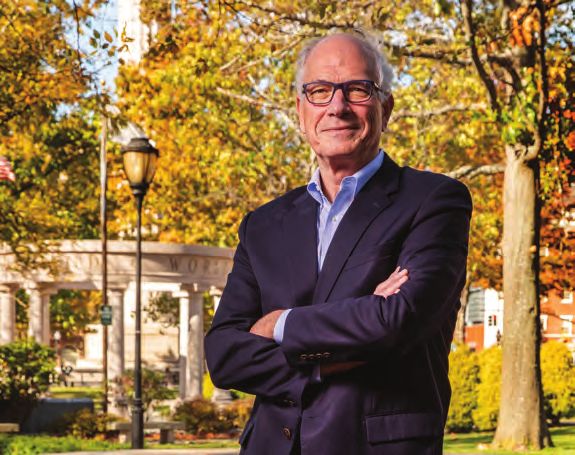
In January 2020, the CSREA, along with centers at Yale
                                                                                                                                                                                                                                University, the University of Chicago, and Stanford University,
                                                                                                                                                                                               Tricia Rose led a conversation   received a $4 million grant from the Mellon Foundation to
                                                                                                                                                                                              with Trevor Noah, host of “The
                                                                                                                                                                                              Daily Show,” at Brown in 2017.    expand the study of race in the humanities across all four
                                                                                                                                                                                                                                campuses. In addition to creating a faculty fellows program
                                                                                                                                                                                                                                that will bring humanities scholars to the center for race-based
                                                                                                                                                                                                                                research, the grant will make possible new multi-campus
                                                                                                                                              in 2019 that helped her refine an edited volume she’d been                        courses, free public events, exhibits, and conferences. One of
                                                                                                                                              working on with colleagues around the world. The event brought                    the signatures of Brown’s contribution is a humanities lab, a
                                                                                                                                              scholars from Jamaica, Brazil, and Ghana to the center—as well                    seminar-like space in which faculty and students can collabo-
  Providence, like elsewhere                                                                                                                  as others who joined via technology—for two days of workshops.                    rate in innovative, boundary-pushing ways and engage in what
  in the United States, was                                                                                                                                                                                                     Rose calls “disciplined freestyling.” She says the lab will be a
  the site of many racial
  justice protests in 2020.                                                                                                                   CENTRIPETAL FORCE                                                                 highly creative space in which to ask, “What if?”
                                                                                                                                              Reflecting her own multidisciplinary approach, Rose says the
                                                                                                                                              center invites people from within and beyond the humanities                       IT’S NEVER OVER
                                                                                                                                              and social sciences to contribute to the conversation. “If we were                The CSREA records the vast majority of the events it convenes,
    “Race is at the heart of whatever happens in our country,”      tion—through lectures, discussions, and workshops—of the                  just a center that’s a subset of a given discipline, we wouldn’t need             and the nearly 200 videos in its ever-growing library can be
says Tricia Rose AM ’87, PhD ’93, professor of Africana Studies     range of normalized and interconnected policies, practices, and           to be able to talk across lots of spaces. We’d have a specialized                 accessed for research purposes by anyone at any time because
and, since 2013, director of the CSREA. “If we do not develop a     attitudes that drive racial inequality in this country.                   language, and we would go deep instead of wide. But I think it’s                  race-related issues tend to be cyclical, receding and recurring
more sophisticated understanding of how race works in                   When Rose accepted the CSREA directorship, she envi-                  much more important to create an interdisciplinary hub for                        across time.
American society, we will not be able to produce a just,            sioned the center as an “ideas hub” that would spawn new ways             research and learning. Sociologists have to be able to talk to                        “The conversation evolves,” Rose says, “but it also continues
multiracial democracy.”                                             of thinking and talking about race, and a widely valued campus            people in public health, who have to be able to talk to historians,               to revolve around a set of issues. You can’t [look at the protests]
    What distinguishes racism in America, she says, is the          asset: productive for faculty, important for students, engaging           who have to be able to talk to people who work in biomed and                      of summer 2020 and suddenly say, What’s all this racial talk?
enduring myth that it’s going away. In the post-civil rights era,   for the public.                                                           genetics,” she says. “A center should bring people together.”                     What’s going on? You have to know there’s a long-term
the fallacy of colorblindness—the idea that if, we refuse to            “I have always been invested in making complicated ideas                  The center also supports fellowship programs to further the                   conversation about these issues. It’s important to be able to see
acknowledge race and racial inequality, discrimination will         that matter in the world interesting, relevant, and engaging.             work of graduate students and faculty, and, with the Watson                       the conversation unfolding.”
vanish—became entrenched across the political spectrum. The         That to me is the point of being a teacher and a researcher,”             Institute for International and Public Affairs, co-sponsors a                         Case in point: the “‘Race &’ in America” series draws on
center is using scholarship and discussion to close the gap         Rose says. It’s also the spirit that animates the CSREA.                  postdoctoral research associate in race and ethnicity. Ronald                     Brown scholars to probe the effects of race and anti-Black
between the notion that racial and ethnic inequalities are a            Through programming and rigorous research, she set about              Aubert, current visiting professor of the practice, appreciates                   racism from a variety of perspectives, such as public health,
thing of the past and the glaring truth that they are not.          “building a community in conversation about race.” The                    the CSREA’s “unparalleled exposure to senior thought                              media depictions, and incarceration rates. In her virtual
    “Racism has been at the root of our darkest periods, and        conversation would be both informed by scholars and accessi-              leadership as well as the exciting intellectual energy of                         conversation series “Underlying Conditions,” also launched in
despite the efforts of many across generations—including civil      ble to all. The center has since convened many prominent                  emerging scholars across multiple disciplines.” Former postdoc                    2020, Rose engages experts to explore the disproportionate
rights activists, students and scholars—we know that racism is      intellectuals, activists, and artists. One of the first public            Mariaelena Huambachano credits the support she received                           impacts of the COVID-19 pandemic on communities of color
pervasive today, and remains an obstacle to achieving true          programs Rose organized, in 2014, took place shortly after a              from the CSREA with encouraging her to continue her                               through a variety of lenses, including health disparities and the
peace and justice for all,” says Provost Richard Locke. “At         jury declared George Zimmerman not guilty of the murder of                research and her work with the United Nations as an advocate                      effects on black businesses.
Brown, we are committed to revealing and addressing legacies        unarmed Black teenager Trayvon Martin: a teach-in featuring               of indigenous people’s rights. Participating in a round table                         To maintain connections—and conversations—during the
of structural racism and discrimination in our society, and we      experts on the targeting of young people of color.                        discussion as part of “How Structural Racism Works,” says                         pandemic, the center created the e-newsletter “The Art of the
are fortunate to have significant scholarly resources to draw           That same year, as its public programming found its                   former Presidential Diversity Postdoctoral Fellow Yalidy                          Matter,” and started another that features a video pulled from
upon in our work. Chief among these is CSREA, which brings          audience on campus and beyond, the center began designing                 Matos, helped her expand her thinking about how structural                        its archive. And in June 2020 Rose partnered with another
together thought leaders to investigate history and reflect and     programs to support scholars in myriad ways—eventually                    racism interfaces with immigration, her area of study.                            public intellectual, Harvard scholar Cornel West, to create “The
shape contemporary thought, policy, and practice.”                  offering manuscript workshops, writing retreats, course                       Notable among the CSREA’s extensive menu of research-fo-                      Tight Rope,” a virtual conversation/podcast on subjects
                                                                    innovation grants, and CSREA Faculty Grants. Intended to                  cused initiatives, which includes first-book events and informal                  ranging from pop culture to peace and justice.
TIMELY, RELEVANT, AND SUPPORTIVE                                    cultivate an intellectual community drawn from across Brown,              workshops on current projects, are programs that support and                          Rose, who signs emails and letters “joy + justice,” admits to
Rose, whom Ms. magazine called a “legendary Black feminist          Faculty Grants provide funding and staffing for campus events             showcase writers, artists, and performers. Past art exhibits have                 becoming weary at times in the battle for justice and its
scholar,” has spent her career studying Black history, culture,     and research groups that faculty members themselves devise                explored microaggressions, appropriation of indigenous                            backlash. These, she says, are “bigger than the human spirit, if
and sexuality in the post-civil rights era. She is perhaps best     according to their academic interests. Over the years, these              culture in modern media, and resilience, among other topics.                      you let them be.” But she’s also heartened by the speed with
known for her pioneering 1994 book, Black Noise: Rap Music          have included performances, films, seminars, and lectures on                  “Artists have always been the most powerful of voices for                     which things that were impossible to change five years ago
and Black Culture, which helped establish hip-hop as a topic of     topics as timely and diverse as school segregation, Latina                helping us see things around us in ways that are often invisible                  seem to be changing today.
scholarly focus. In 2015, she was tapped to direct the new “How     feminism, indigenous language revival, the whiteness of food              to those of us who don’t have that gift,” Rose says. “They have                       Of joy and justice, she says, “You can’t have one without the
Structural Racism Works” series, another collaboration between      movements, and refugees and immigration.                                  the capacity to get at the heart of something in a way that                       other. We need a joyful approach to create justice. And joy can’t
the Office of the Provost and the CSREA. Based on her ongoing           Such a grant enabled Elena Shih, assistant professor of               engages your spirit and soul as well as your intellect. They help                 happen in its full sense until we’re really invested in trying to
research project, the initiative offers a campus-wide examina-      American Studies, to hold a manuscript development workshop               us connect in ways that words don’t.”                                             produce a just world. Right?”

16 IMPACT 2021                                                                                                  PHOTOGRAPH BY DAVID DELPOIO   PHOTOGRAPH BY NICK DENTAMARO/BROWN UNIVERSITY                                                                                       IMPACT 2021 17
SPECIAL REPORT: COVID-19
“Our faculty and their research are
Bring in
defined by extraordinary resilience,
creativity, and generosity. I always knew
these were characteristics of Brown, but
to witness their impact in the context of
this pandemic is amazing.”
—Vice President for Research Jill Pipher
the Sc ientists Dozens of Brown faculty launched COVID-19 research in
the weeks and months after the pandemic started,
attracting internal and external funding for projects
stretching from biology and medicine to public health,
engineering, computer science, economics, and more.
While the recently started research is in its early stages,
Brown’s COVID projects have already generated hundreds
of published papers in respected journals, multiplied initial
funding through additional sources, and grown through
new collaborations within Brown and externally.
18 IMPACT 2021 ILLUSTRATION BY ISTOCK PHOTO IMPACT 2021 19SPECIAL REPORT: COVID-19
For four researchers,
COVID-19 provided immediate
new possibilities.
BEFORE COVID, VINCENT MOR was engaged Vincent Mor: “This is the
in a broad range of research, including epitome of what applied
research is all about.”
co-leading the largest federal grant in
University history, a $53.4 million award
from the National Institute on Aging to
help people with Alzheimer’s and their
caregivers. At the end of January 2020,
Mor, professor of health services, policy,
and practice at Brown’s School of Public
Health, chaired an Alzheimer’s meeting in
Washington, D.C., with about 80 col-
leagues from around the country, and
COVID wasn’t a topic of any conversation.
That quickly changed.
A COMMUNITY RESPONDS “Right now there are already hundreds of millions of people in
Brown faculty have become prominent voices during China whose lives have been completely turned upside down by
BY NOEL RUBINTON ’77
the pandemic. Here are selected highlights of their the response to the virus.”
—Katherine Mason, assistant professor of anthropology, PHOTOGRAPHS BY ALEX GAGNE
expert commentary.
The Scientific Inquirer, February 18
20 IMPACT 2021 ART CREDIT IMPACT 2021 21SPECIAL REPORT: COVID-19
Little information about the effects of the virus week, on initiatives and to disseminate the results Harris describes the early weeks as a “sprinted
on people in nursing homes had been released by of their research. marathon,” with work often going through the
China, but it was clear that it was devastating Mor said an important goal of his research is to night, seven days a week. He and others got the
residents of long-term facilities in Italy. “We knew build a counter-narrative, setting the record straight model ventilator operational for the first time at 4
that all hell was breaking loose in Italy and it was and informing future action. Many people have a.m. one night in late March.
just a matter of time before it hit the United States,” accused nursing home companies, especially The Brown-designed ventilator went far in the
Mor said. His team knew the window for action for-profit ones, for not taking enough care to mitigate challenge competition, getting to the top 65 of the
would be brief: “I knew that nursing homes were the havoc of COVID. But Mor believes a more more than 1,000 entries worldwide, and the team
going to feel the brunt of this.” accurate picture is that most nursing homes “are decided to refocus for the longer term. It combined
By mid-March, Mor was talking to his program doing their very best” with little financial or scientific its work with two bio-engineering labs, one at
officer at the National Institutes of Health (NIH) to support, facing waves of community transmission of Stanford University and one at the University of
see what research would be most helpful. “He the virus that are not under their control. He said Utah. The expanded team then gained core
impressed on us the importance of having data in solutions need to be on a broader scale: “Our data is international partners in India, Nepal, and Kenya.
real time as quickly as possible,” Mor said. He pretty compelling, and outbreaks are not due to the The team’s communication network expanded from
turned to Genesis HealthCare, a company he’d nursing homes’ behavior as much as they are one Slack channel to 20 different channels, on top
worked with before and one of the largest nursing attributable to prevalence in the community.” of frequent Zoom calls. The research has had
home providers in the country, with nearly 400 unexpected offshoots too. “This crisis has
homes in 26 states. unearthed a lot of inequities in the medical device
Quickly, Genesis agreed to give Mor’s team huge market globally,” Harris said, and the project
data files on a daily basis in return for Brown leaders hope to spin off a foundation to help reduce
Daniel Harris:
researchers’ help in unraveling the many mysteries JUST BEFORE THE PANDEMIC, Daniel Harris, an assistant “I didn’t want to sit these inequities.
of COVID, including its transmission and possible professor of engineering, was running a busy fluid on the sidelines.” As summer turned to fall, Harris’s research
treatment at nursing homes. “We threw lots of mechanics lab in the new Engineering Research work shifted backed toward fluid dynamics projects
resources at designing a system to receive nightly Center, including many graduate and undergradu- after his lab reopening plans were approved. Yet he
downloads of data,” Mor said. It rapidly grew into a ate students. Suddenly all the work stopped in expects that his research trajectory will be forever
large research initiative that is generating new ideas mid-March when Brown ramped down all but changed by the COVID experience: “I see a huge
and knowledge about the effects of COVID in essential research. “It was a sad moment to leave a few weeks, even though they initially lacked a opportunity to use some of these skills for a very
nursing homes. “This is the epitome of what applied vibrant lab and community,” he said. physical lab headquarters. But the group’s work different cause.” What has he learned about Brown
research is all about,” he said. But the inactivity didn’t last more than a few quickly required a place for assembly and testing of from the experience? “How inter-disciplinary the
Mor’s Alzheimer’s Collaboratory group found days. An engineering colleague, Roberto Zenit, equipment. Harris’s lab was allowed to reopen as a program is at Brown, with very few barriers . . . ,
additional ways to address COVID, receiving seven contacted Harris about the “Code Life Ventilator site for essential research, and he and some students and the passion and the capability of our under-
supplemental awards from the NIH totaling over Challenge,” a global innovation effort to inspire started working in a deserted engineering building. graduate students.”
$10 million. New project aims include advance teams to rapidly design a more efficient and easier to “It was an eerie feeling,” Harris said.
care planning in assisted living facilities, strength- produce ventilator, a critical piece of life-saving At the same time, Harris took on another job,
ening infection control, enhancing testing for equipment for many COVID patients. Harris joined unusual for a faculty researcher: delivery person. It
historically underserved populations in nursing right away. “I didn’t want to sit on the sidelines,” he was temporarily impossible to deliver needed
homes, messaging strategies to increase COVID said, even though he had never worked on medical equipment to the lab, and many on the team WHEN AMANDA JAMIESON went to Galveston, Texas, at
vaccination uptake among nursing home residents devices before. couldn’t go into the restricted lab space anyway, the end of February for an international conference
and staff, and monitoring incidence of adverse A rapid round of emails and phone and Zoom forcing them to build at home. The workaround on the Biology of Acute Respiratory Infection, she
reactions to COVID vaccinations in nursing homes calls generated a Brown team, including faculty, was that Harris had packages delivered to his heard a lot about the dangers of COVID and its
and the general population of older persons. His students, clinicians, and industry consultants. The house, and then he drove them to dorms and exponentially increasing spread. Back at Brown, she
group has worked “flat out,” often seven days a team designed the Brun02 ventilator prototype in a apartments so teammates could use them. heard people talking about having a few more weeks
“W hen it pops [in prisons], and it’s about to, it’s going to be “My experiences in Liberia [during Ebola] taught me that courage is “This pandemic is a wake-up call from the future. It tells us that we “The crisis has made clear that the United States has welcomed the
really ugly.” not the absence of fear—it is doing what you know you must even need to re-imagine what we mean by the term ‘security threat.’” benefits of planetary interconnection but avoided the responsibili-
—Josiah Rich, professor of medicine and epidemiology, when you are terrified.” —Stephen Kinzer, senior fellow at Watson Institute, ties that would help us weather the disasters that spread across
Huffington Post, March 10 —Adam Levine, associate professor of emergency medicine, Boston Globe, March 18 the same global networks.”
STAT, March 21 —Samuel Zipp, associate professor of American studies and urban studies,
Washington Post, March 27
22 IMPACT 2021 IMPACT 2021 23SPECIAL REPORT: COVID-19
Amanda before any possible shutdown. Jamieson, an assistant THE APPLIED MICROECONOMICS work of economics
Jamieson:
professor of molecular microbiology and immunol- professor John Friedman involves analyzing huge
“Being an
immunologist, ogy, was ready to start ramping down right away. amounts of data. “When the pandemic hit, we lost
there had to be While shutting down many projects was painful access to some data sets,” Friedman said, and
something we
and caused significant research losses, Jamieson was progress on his work was greatly slowed. But before
could do.”
already looking forward: “Being an immunologist, long, he said, “We were trying to think about what
there had to be something we could do.” She talked we could do to be helpful.”
with members of her lab team and others, and, after Friedman does much of his research through
the university announced its COVID-19 Research Opportunity Insights, a nonprofit that he is a
Seed Fund in April, Jamieson applied for and codirector of and which is dedicated to using “big
became the only researcher to be funded by two data” to turn its findings into policy change. He
Seed awards. brainstormed with his fellow directors, Raj Chetty
Working with Graphene Composites (GC), a and Nathaniel Hendren of Harvard, and soon a new
nanomaterials technology company whose CEO is idea came up: to develop a real-time economic
Brown alumnus Sandy Chen ’88, Jamieson is testing activity tracker. During the pandemic, they believed John Friedman:
“Now this is a tool
a graphene/silver nanoparticle ink formulation to be that businesses and others would especially want the that is out there for
used in personal protective equipment as a way of most up-to-date statistics on income and spending policymakers.”
reducing virus transmission rates. She said initial to help make policy decisions and adjustments.
results have been promising. By May 7, the tracker was in operation and
In her other Seed project, Jamieson teamed up publicly available, following successful negotiations
with faculty from pathology and laboratory with many private companies to allow use of their
medicine, as well as economics, to try to map the data on an anonymous basis. “It has been quite a bit At first, it was “an all-hands-on deck moment,”
spread of COVID in the Rhode Island population of work on our part but a testament to the public- Friedman said. After a couple of months, he and
and assess the role of asymptomatic cases. mindedness of these companies,” Friedman said. others have been able to get back to other research,
Buoyed by her seed success, Jamieson applied for a A month later, Friedman and his colleagues but the tracker has continued to be a major project.
highly competitive COVID Fast Grants opportunity, published a major research paper based on the He thinks the tracker is headed toward “chang-
a program from Emergent Ventures in the Mercatus tracker, showing its ability to document—faster than ing things in a few different ways for economic
Center at George Mason University. She won a had been done before—consumer spending, business research and policy.” The idea of a real-time tracker
$300,000 award that she can use for anything related revenues, employment rates, and other key indica- had been talked about in the past, but never
to COVID and which she plans to use for bioinfor- tors. By tapping into private companies’ data, accomplished. “What we capitalized on here was
matics-related research to look at possible causes of important information and insights that previously that we are in a pandemic,” he said, “and it moti-
blood coagulation defects in COVID patients. were not available for months through usual vated companies to do things they wouldn’t
For several months, Jamieson’s whole team government sources were now possible within days ordinarily do. Now this is a tool that is out there for
concentrated on COVID work, but was subsequently or a few weeks. Government websites became among policymakers.”
able to resume its previous grant-funded research. the users of the data from Friedman and his team. Friedman added, “This is going to affect the way
“In terms of techniques, it’s things we do a lot,” The response to the tracker was tremendously policy is made,” explaining that real-time data could
Jamieson said of the COVID work. “But the subjects positive. Policymakers started using it, as did private allow for more targeted decisions, including by
are completely new. It’s been really interesting companies and other academics. Media around the government. “We’re not going to give up on
learning a new field. I have always felt that how world wrote about the tracker and its results and thinking about long-term upward mobility,” which
people can survive respiratory disorders is impor- used the newly public data to do their own analysis. had been Opportunity Insights’ previous largest
tant, and people are appreciating it more. It is more Friedman and colleagues started briefing U.S. research niche, “but we will keep going on this. This
urgent now.” senators and House members using the tracker. is a space we are going to continue on.”
“Counting on people’s memory [for COVID contact tracing] is less “Oil fields are not like wine bottles, where you can put in a cork “As a liberal, a 72-year-old, a bioethicist, and most of all as a human “If there’s one thing we learned in this crisis it’s that we can’t fall
than perfect, especially when you have a really busy life.” [because of COVID] and return to it later. Shutting an oil field being, I am appalled that some states have set forth guidelines . . . behind the information curve. We need the most up-to-date
—Anna Lysyanskaya, professor of computer science, down can damage it.” that call for discrimination against people in my age group in the information to make decisions.”
WPRI-TV, April 17 —Jeff Colgan, associate professor of political science event of a shortage of ventilators or ICU beds.” —John Friedman, professor of economics,
and international and public affairs, —Felicia Nimue Ackerman, professor of philosophy, MSNBC “Morning Joe,” May 7
The Guardian, May 8 New York Times, April 23
24 IMPACT 2021 IMPACT 2021 25You can also read


