Importanza dell'ottimizzazione del trattamento farmacologico sull'outcome cardiovascolare e sulla qualità di vita - Samuele Baldasseroni (Firenze)
←
→
Page content transcription
If your browser does not render page correctly, please read the page content below
Importanza
dell’ottimizzazione del
      trattamento
     farmacologico
      sull’outcome
cardiovascolare e sulla
     qualità di vita

Samuele Baldasseroni (Firenze)
…quando mi sono chiesto cosa si deve valutare per ottimizzare la
terapia farmacologica nell’ anziano con cardiopatia ischemica cronica
tre DILEMMI mi sono sembrati evidenti………
Di quale fenotipo clinico-fisiopatologico di
cardiopatia ischemica cronica vogliamo discutere.
Su quali evidenze cliniche dobbiamo basarsi
Su quali OUTCOMEs dobbiamo valutare l’efficacia
delle diverse terapia farmacologiche
?
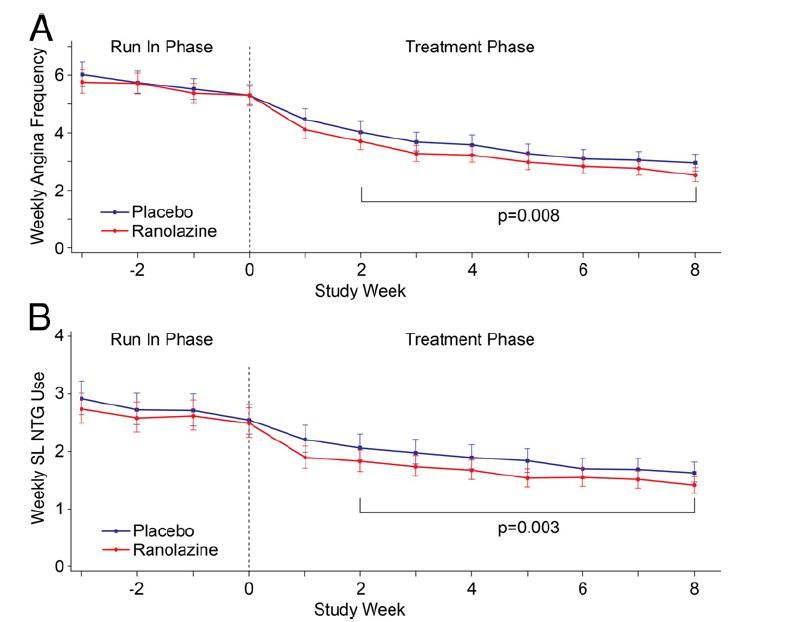
…studiando studiando mi sembrano evidenti questi 4 KEY Messages… Esistono molteplici FENOTIPI CLINICI con diverso profilo di rischio ed impatto clinico sintomatologico. Esistono terapie e farmaci che agiscono sulla sintomatologia anginosa (ANGINA relief) e altri sulla prevenzione degli eventi cardiovascolari (DISEASE modifiers) Lo stesso farmaco puo avere effetti positivi o neutri sui diversi fenotipi clinici della cardiopatia ischemica cronica (es. RANOLAZINA) Ma non bisogna dimenticare che in buona parte dei Fenotipi clinici una terapia farmacologica ottimizzata (OMT) è efficace TANTO-QUANTO una strategia invasiva ( ISCHEMIA trial-message)
…I fenotipi Clinici delle -Chronic Coronary Syndromes-…
Comorbosità
Older Anemia patients
Insuff. Renale Cronica
Diabete
Valvulopatia associata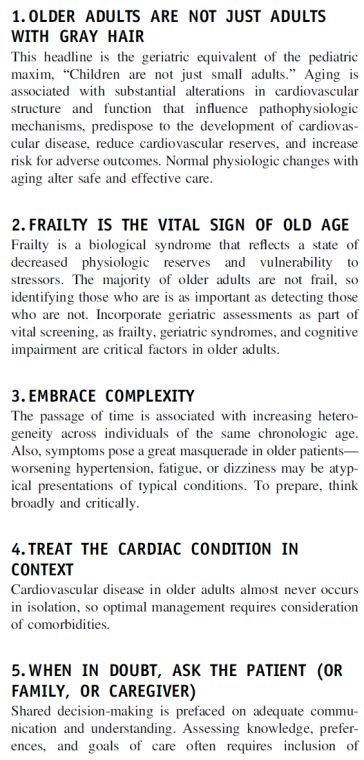
In patients with a high risk of           In patients with a moderately
           ischaemic events                 increased risk of ischaemic events

Diffuse multivessel CAD with at least   CCS with at least one of the following:
one of the following:
                                        •   multivessel/diffuse CAD
• diabetes mellitus requiring           •   diabetes mellitus requiring medication
  medication
                                        •   recurrent MI
• recurrent MI
                                        •   PAD
• PAD
                                        •   HF
• CKD with eGFR 15-59 mL/min/1.73
                                        •   CKD with eGFR 15-59 mL/min/1.73 m2
  m2.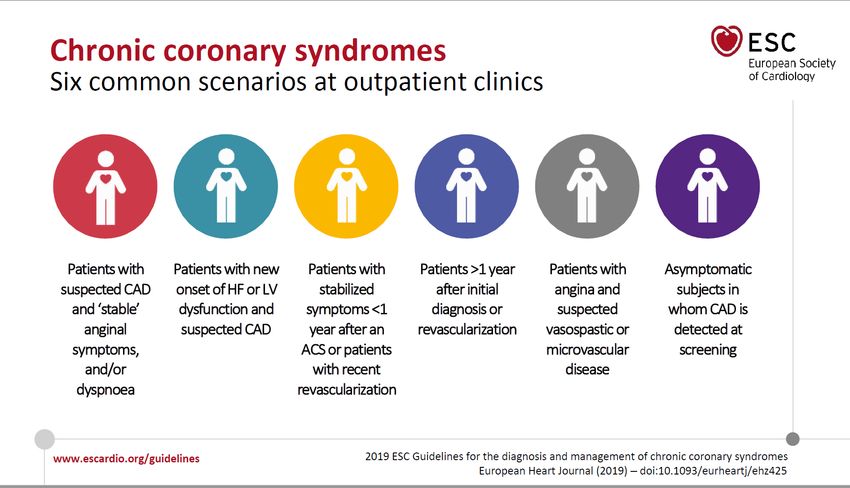
HF
Più dubbi che certezze
                     sulla terapia
November 2019-AHA congress

                             ISCHEMIA-Trial results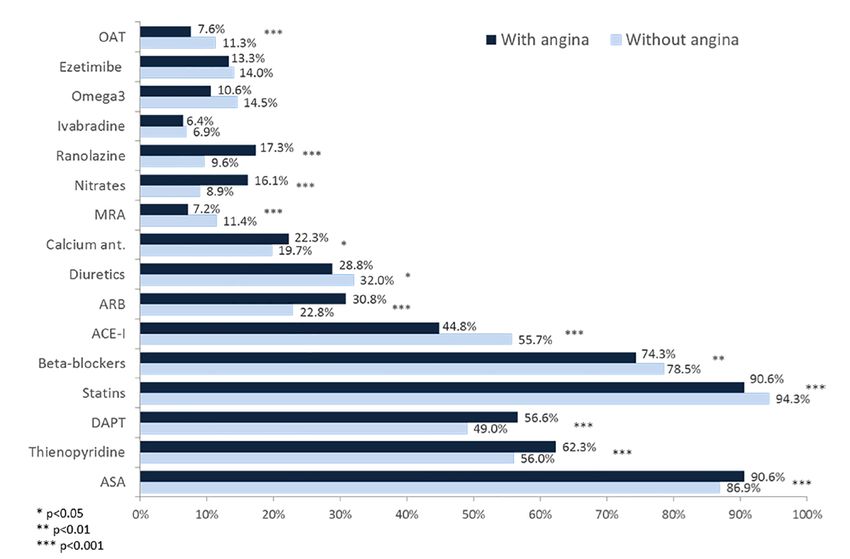
Presented by Judith S. Hochman at the American Heart
Association Annual Scientific Sessions (AHA 2019),
Philadelphia, PA, November 16, 2019.
Interpretation:
Among patients with stable ischemic heart disease and
moderate to severe ischemia on noninvasive stress testing,
routine invasive therapy failed to reduce major
adverse cardiac events compared with optimal
medical therapy.
There was also no benefit from invasive therapy regarding
all-cause mortality or cardiovascular mortality/myocardial
                                                                  Optimal Medical Therapy (ies)
infarction. One-third of subjects reported no angina                È un opzione terapeutica
symptoms at baseline.
Routine invasive therapy was associated with harm at 6                     valida…….
months (increase in periprocedural myocardial infarctions)
and associated with benefit at 4 years (reduction in
spontaneous myocardial infarction).                               e.. forse bisognerebbe almeno
These results do not apply to patients with current/recent
acute coronary syndrome, highly symptomatic patients, left
                                                                  smetterla di definirla in modo
main stenosis, or left ventricular ejection fraction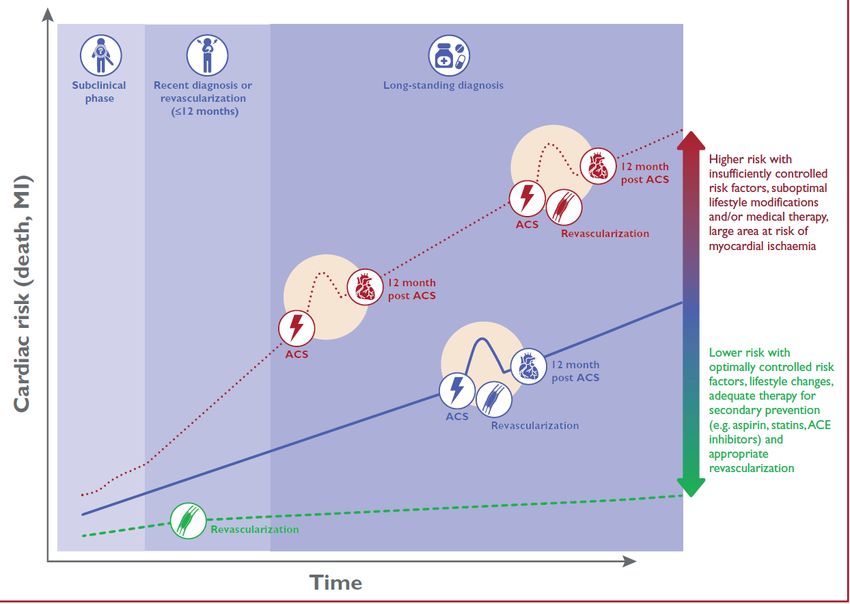
Treatment of stable coronary artery disease patients with or without angina:
                       Insights from the START study

                                                      De Luca L et al. Plos One; July 12, 2018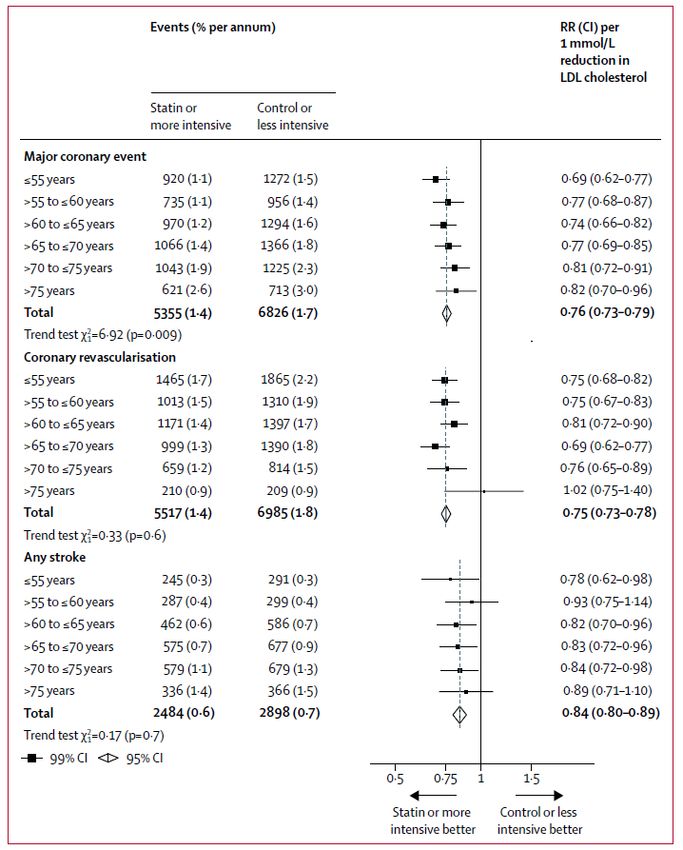
…Angina relief therapies
                                       (ANMCO point of view)…

                                             Associazione con:            Da valutare:
                   Sintomi non controllati
                                              Ranolazina                   Ca – antagonisti
                                                                              Nitrati LA
Terapia di prima linea:                                                     Trimetazidina
                                                   Ivabradina *
β –bloccante
                                    * In pz in RS, FC ≥70 bpm, FEVS≤40%

                                                                          Da valutare:
                                             Ranolazina                    Ca – antagonisti
                      Controindicazioni o                                     Nitrati LA
                          intolleranza                                      Trimetazidina
                                             Ivabradina *
…Angina relief therapies
(ESC point of view)…Ferrari R, Eur Heart J 2019
…Antithrombotic therapies…

                          antitrombotica

      …ma non possiamo dimenticare che esistono pazienti candidati a…

 DAPT prolongation                         Dual Pathway inhibition (DPI-approach)

                        Pagando un aumentato
                          rischio emorragico

PEGASUS-timi 34                                   COMPASS Trial
Tailoring secondary prevention strategies to the underlying
pathophysiology following an arterial thrombosis event
Acute phase1–10 Chronic phase11–14
Prevention strategy: DAPT Prevention strategy: DAPT, SAPT or DPI
Relative risk
of secondary
event
Platelet activation through vWF
Tissue factor-mediated thrombin generation
Tissue factor-mediated thrombin generation
Arterial thrombosis event 12 months Time
Plaque rupture causes platelet activation through two distinct Hypercoagulability persists due to ongoing thrombin
pathways, leading to amplification and aggregation1–2 generation11–12
DAPT is therefore effective in this setting because this is where platelet Adding rivaroxaban vascular dose to aspirin may be effective
recruitment, activation and amplification is strongest3–10 in this phase13–14
For Internal Use OnlyTWILIGHT Trial
…in conclusion, statin therapy produces
significant reductions in major vascular
events, irrespective of age. There is less
definitive direct evidence of benefit in
the primary prevention setting among
patients older than 75 years, but
evidence supports the use of statin
therapy in older people considered to
have a sufficiently high risk of occlusive
vascular events.
Il consiglione
   per l’anziano

Elderly patients (age >75 years) have the greatest mortality and morbidity risk
attributable to CCS, which is enriched by the high prevalence of comorbidities (e.g.
hypertension,diabetes mellitus, CKD, etc.). Although the prevalence of elderly
patients with CAD is increasing, this population is usually undertreated,
underdiagnosed, and under-represented in clinical trials. Elderly patients often present
with atypical symptoms, which may delay proper diagnosis. The treatment of CCS in the
elderly is complicated by a higher vulnerability to complications for both conservative
and invasive strategies, such as bleeding, renal failure, and neurological impairments, all
of which require special attention.
PRIMARY ENDPOINTS FUNCTIONAL CAPACITY FRAILTY DISABILITY
J Am Geriatr Soc 64:1640–1645, 2016.

           Conclusion
this study demonstrates that a CR
program initiated soon after discharge
from acute medical or surgical wards
is safe and produces improvements
in exercise tolerance and muscle
strength even in very old adults after
an acute coronary event or cardiac
surgical interventions. Data also
suggest that older adults with the
greatest      post-acute       physical
impairment are probably the most-
appropriate candidates for CR
incorporating     physical    exercise
programs, from which they appear to
benefit the most.
dedicarsi alla complessità
considerare la cardiopatia nel contesto
lo stato funzionale è priorità della cura
Valutare bene le LG e EBM
less may be more
(OMT vs invasive strategy può essere un
alternativa valida) Alexander K, Am J Med 2016- Dean Smith –
The Coaches’ Coach
“Play Hard and Play Together.”You can also read


