Indian defence sector - September 2020 - a bold step which has long term potential - Primus Partners
←
→
Page content transcription
If your browser does not render page correctly, please read the page content below
Indian defence sector
                 The ‘101 list’
  - a bold step which has long term potential

     Part-I of analysis of the negative list

            September 2020
Negative list - a positive development

   An action with a vision

   The Ministry of Defence (MoD) on 09th August         relevant stakeholders. Hence with the list now
   2020 released a negative list of 101 items for       in the public domain, it is unlikely that there
   import embargoes phased over a period of             would    be    any    second   thoughts    on    its
   time – mainly between 2020 and 2024. The             contents.     While   emergency       powers     to
   negative list was announced in light of the          purchase      products   and    equipment       are
   COVID impact on the domestic businesses, as          arguably out of the ambit of this list, the list is
   part of the stimulus measures announced              expected to be applicable for the normal
   during the Atmanirbhar Bharat Abhiyaan a             processes. A clarification that is required is on
   few months back. The Make in India initiative        the mandated IC levels for products in this
   in defence picked up pace around 5-6 years           particular list. While the embargo lies on the
   ago as steps were taken to align the                 products/items, its constituents could still be
   champion sectors (defence being one of               imported especially where their availability in
   them)     with   the   broader     objective    of   India is not yet ascertained / where the
   indigenization and self-reliance. However, this      requirements are not being met. Hence, with
   negative list of items acts as a significant         the ultimate aim of indigenization and self-
   chapter      because      it      specifies    the   reliance, this is a great opportunity for the
   items/products which India will not import           domestic industry to not only ensure that the
   after the corresponding specified year.              end product is made in the country but that
   The list has reportedly been compiled after          the supply chain is also localized.
   considerable thought and discussions with all

   There are only a few equipment which have
   100% indigenous content. This first list includes
                                                            It is important that this ‘no import
   complex systems which are at various stages
   of development. This will require a lot of                     ban’ is followed up by a
   investment in R&D, industry, particularly SME,               progressive reduction of the
   and     academia.      Besides,    an    efficient        import component if we wish to
   independent and neutral mechanism for
                                                            achieve any worthwhile degree
   monitoring indigenous content must be put in
                                                                        of self-reliance.
   place to achieve the policy intent.
   Given the types of equipment systems and                     The L1T1 concept with ‘Price
   the timeline for implementation of the ‘no                 Indexing of Technology’ must
   import’ list, the procurement procedure will
                                                              be undertaken expeditiously.
   have to be modified to ease single source
   procurements for many of the items.
Negative list - a positive development

For an entity to qualify as an Indian vendor,                for anywhere between 2-4 years for most of
additional     conditions     of     “ownership       and    them.
control by resident Indian citizen(s)” were                  While     plans      are      under        discussion       to
introduced under draft Defence Procurement                   corporatize       OFs    so     that      there    is   more
Procedure (DPP) 2020. Subsequently, the FDI                  efficiency in operations, the order backlogs
limit   for   the   defence        sector    under    the    for DPSUs are not really expected to reduce in
automatic route was proposed to be hiked                     the near future. More so with DPSUs and OFs
from 49% to 74%.                                             expected      to    become           system integrators,
                                                             going forward it is essential to have more of
The draft DAP 2020 has done away with the                    the private industry into the mix so that the
additional     conditions     of     ownership        and    demand is optimally met from within the
control. It now permits companies complying                  country. In that context, the negative list
with the FDI regime to qualify as an Indian                  provides the opportunity for all stakeholders to
vendor, thereby permitting companies which                   ensure that an ecosystem is created wherein
are compliant with extant FDI (i.e. proposed to              the indigenous supply chain supports the end
be 74%) to be eligible as Indian vendor.                     product being assembled within the country.

                                                             The      critical       issue        when         importing
As such, it would imply that a foreign                       products/equipment              is   in    being        overly
company         with    74%          holding         while   dependent on them without a system in place
collaborating with a minor holding Indian                    to keep finding alternate indigenous solutions.
entity, will be eligible to provide products in              The list of the 101 items are spread across all
the Negative List of Imports. If the aim of the              segments from aerospace to land to naval
negative list of import items is largely to restrict         systems. In this paper, we have endeavored
the production of the items to domestic                      to segment the list at a slightly more tiered
industry, the 74% holding with eligibility as                level    rather     than      just    from    a     Services
Indian vendors would allow a majority foreign                perspective.
holding       company    with        full   control     of
technology also to be included within the
purview. It, however, would allow an avenue
for niche technology products to be made in
India, but not to the full consonance of
Government          objectives         and      industry
enablement. The Indian government entities
including the DPSUs and the Ordnance
Factories (OFs) have a confirmed order book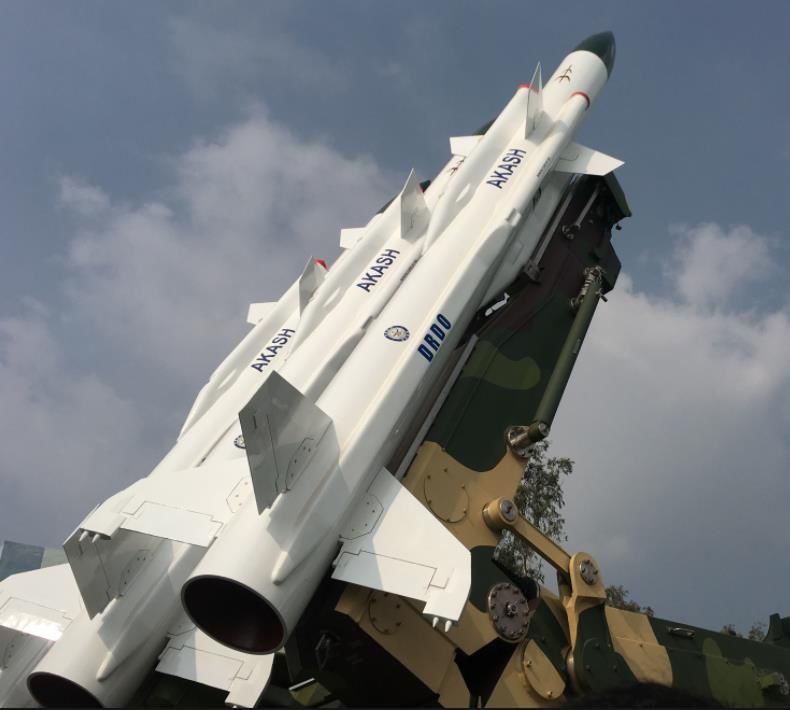
Negative list - a positive development

   The list

                                                                 Effective December              Effective December
     Segment             Effective December 2020
                                                                         2021                      2022 onwards
                    • 7.62x51 Sniper rifle
                                                             • Light Machine guns
  Arms              • Dragunov upgrade system                                                             -
                                                             • Assault rifles 7.62x39mm
                    • PKMG upgrade system
                                                                                             • 40mm UBGL
                                                             • 125mm FSAPDS new
                    • 120mm FSAPDS Mark II                                                   •   155mm artillery
                                                                 generation ammunition
                         ammunition                                                              ammunition
                                                             •   30mm ammunition for
                    •    General purpose pre                                                 •   30mm HEI / HET
                                                                 infantry fighting systems
                         fragmentation bombs                                                 •   23mm ZU ammunitions
  Ammunition                                                 •   Mine fragmentation
                         between 250-500 kgs                                                 •   30mm VOG17
                                                             •   Mine anti-tank
                    •    All variants of depth charges                                       •   Electronic fuses for
                                                             •   Mine anti-personnel
                    •    Anti-submarine rockets                                                  artillery ammunitions
                                                                 blast
                    •    Chaff rockets                                                       •   BMCS
                                                             •   Multi-purpose grenade
                                                                                             •   GRAD BM Rocket

                     •   SRSAMs (Land variant)
                     •   Ship borne cruise missiles
                     •   MBRL (Pinaka variant)
                                                                                             • Light weight rocket
   Missiles /        •   Shipborne close in
                                                                                               launcher
                         weapon systems
   Torpedoes /                                                                               • Astra Mk-I BFRAAM
                     •   Anti-submarine rocket
                                                                           -                 • Close in Weapon
   Weapon                launchers
                                                                                               system (land based)
                     •   Shipborne medium range
   systems                                                                                   • Long range – land
                         guns
                                                                                               attack cruise missile
                     •   Torpedo tube launchers
                         for light weight torpedoes
                     •   Chaff rocket launchers
                    •    Tracked SP Gun (155x52 cal)
                    •    Towed Artillery Gun (155mmx52
                         cal)
  Artillery systems •    155mm / 39 cal ULHs                               -                              -
                    •    Next generation maritime
                         mobile coastal battery (long
                         range)
                    •    Simulators presenting smart
                         ranges and multi-function
                         targets
                    •    Battalion support weapons
                         simulators
                    •    Container based simulators for
                         live fire training
                    •    Tailor based simulators for
                         counter insurgency / counter
                         terrorism based training
  Simulators                                                               -                              -
                    •    Force on force live tactical
                         simulators / infantry weapon
                    •    Tank simulators (driving as well
                         as crew gunnery)
                    •    Simulators for A vehicles / B
                         vehicles
                    •    Simulators for towed and self-
                         propelled guns of air defence
                    •    Simulators for correction of fire
                         by observers
     Segments considered in this paper for analysis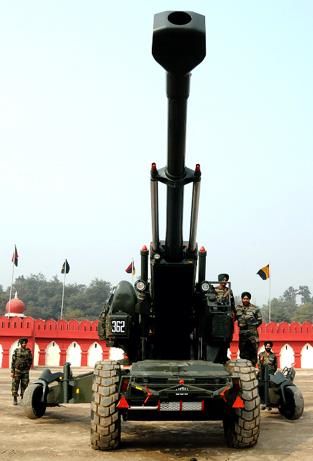
Negative list - a positive development

                                                                                Effective           Effective December
   Segment                     Effective December 2020
                                                                             December 2021            2022 onwards

                 •   Successor of Flycatcher & upgraded USFM / Air
                     Defence Fire Control Radar
                 •   Ship borne sonar system for large ships
                 •   Hull mounted submarine sonar
                                                                                                •    EW systems
                 •   Integrated Ship’s bridge system                     •    Inertial
                                                                                                •    EW Suite for Mi-17 V5
                 •   Radar warning receiver for transport aircraft            navigation
Electronics                                                                                          helicopters
                 •   Ground based Mobile ELINT System                         system for ship
                                                                                                •    Light low level terrain
                 •   Digital tropo scatter / LOS communication                applications
                                                                                                     radar
                     system
                 •   Low level transportable radar
                 •   High power Radar (HPR)
                 •   Software defined radio for IN
               •     Bullet proof jackets
Personnel gear •                                                                     -                        -
                     Ballistic helmets

                •    Missile Destroyers
                •    MPVs
                •    OPVs
                •    Next Gen missile vessels
                •    Anti-submarine warfare shallow water crafts
Naval platforms •    Water jet fast attack craft
                •    Ammunition barges                                   •    Conventional
/ vessels and                                                                                                 -
                •    50 ton bollard pull tugs                                 submarines
allied items    •    Survey vessels
                •    Floating Dock
                •    Diving support vessels
                •    Pollution control vessels
                •    Magneto - Rheological Anti Vibration Mounts
                •    500 ton self-propelled water barges

                 •   Military trucks of 4x4 and above variants: 12x12,
Land Platforms                                                                                  •    Material handling
                     10x10, 8x8, 6x6
                                                                         •    Wheeled AFVs           crane 2.5 to 7.5 tons
Vectors          •   Field Artillery Tractor 6x6 for medium guns
                                                                                                     (vehicle mounted)
                 •   Component level repair facility for T-90 tanks

                 •   Short range maritime reconnaissance aircraft
                                                                                                •    Basic Trainer aircraft
                 •   LCA Mk-1A enhanced IC
Aerial platforms •                                                                              •    Expendable aerial
                     LCH
                                                                                     -               targets
and allied       •   Transport aircraft (light)
                                                                                                •    Small jet engines with
                 •   Aerial delivery systems for transport aircraft
                                                                                                     120kgf thrust
                 •   Fixed wing mini UAVs

Space and                                                                                       •    Communication
                 •   GSAT-6 satellite terminals                                      -               satellite GSAT-7C
allied                                                                                          •    Satellite GSAT 7R
                 •   CBRN Detection and Monitoring system
                 •   CBRN decontamination and protection system
Miscellaneous    •   Parachute tactical assault (PTA) – G2                           -                        -
                 •   Advance landing ground communication
                     terminals for AGLs

  Segments considered in this paper for analysis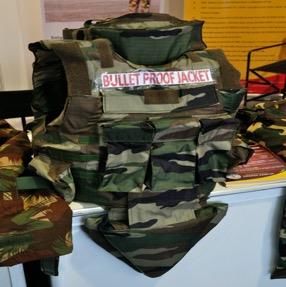
Negative list - a positive development

   A high level overview
   In this section of our research, we have             separate discussion owing to it being a more
   highlighted segments most relevant for the           recurring requirement and arguably deserving
   Indian Army from this list of 101 items. We          an individual space!
   have omitted ammunition here as it is a

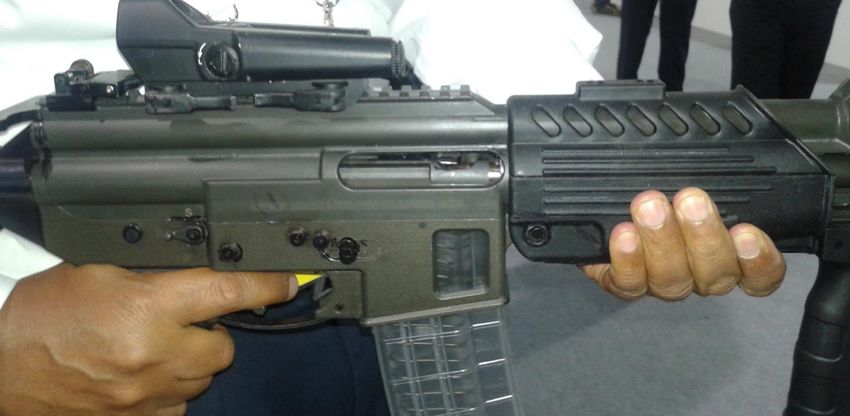
   Small arms
   The overall inventory requirement of small arms       In 2018, 72,400 assault rifles of SIG SAUER were

   for the Indian forces are estimated to be             ordered, and another 72,400 units’ order is

   around 5-6 million split between defence,             under discussion. Close to 93,985 carbines

   paramilitary and police forces. There is an           (CQB) are in the process of being ordered from

   evident capability gap primarily due to the           UAE’s Caracal International under the FTP

   vintage designs coupled with varied types of          category. It is important to note that demand

   existing inventory like that from the US (M4A1        for such carbines is estimated at around 3.5

   Carbine), Israel (Galil 7.62), Russia (AK-47s),       lakh units.

   South Africa (Denel NTW-20), Hungary (Gepard          A contract to procure 16,479 light machine

   GM6 Lynx) etc. The total requirement of small         guns (against an RFI for 40,949 LMGs issued in

   arms in the coming decade or so is expected           2018) was signed with IWI, Israel for their Negev

   to be around 2 million units covering small arms      7.62x51mm LMG. IWI had a JV with Punj Lloyd

   and light weapons like revolvers, pistols, rifles,    whereby their Gwalior facility was expected to

   carbines, machine guns, assault rifles, grenade       manufacture machine guns, carbines and

   launchers etc. In the last few years, attempts        other weapons – the Adani Group reportedly

   have been made to plug the immediate                  bought the Gwalior unit early this year.

   requirements and also to focus on indigenous
   production of the balance.
Negative list - a positive development

                                                     While the above are planned imports, Indo
                                                     Russian Rifles Pvt Ltd (a JV of Ordnance
                                                     Factory Korwa with a Russian company) was
                                                     expected      to    start   production       this    year
                                                     whereby close to ~7.5 lakh 7.62x39mm AK-
                                                     203s were to be manufactured. The plan was
                                                     to gradually increase indigenization so that
                                                     after the first 1.2 lakh rifles, the product
                                                     becomes 100% indigenous.

                                                     The DRDO has also been involved in the
                                                     development of the 5.56 INSAS family of rifles
                                                     along with the 7.62mm Self Loading Rifle (SLR)
                                                     which are in use by the forces. DRDO is also
                                                     involved in the development of the Joint
                                                     Venture Protective Carbine (JVPC) which is
                                                     being produced by OFB and few private
                                                     companies. The OF in Trichy, Small Arms
                                                     Factory in Kanpur           and    Rifle Factory in
                                                     Ishapore are also involved in the manufacture
                                                     of small arms. The Rifle Factory in Ishapore, for
                                                     example,      was     earlier     involved      in    the
                                                     manufacture of .303 British calibre Short
                                                     Magazine Lee–Enfield Mk III,             7.62×51mm
                                                     NATO calibre Ishapore 2A1 rifle, and the

7.62mm NATO L1A1 Self-Loading Rifle; and             infantry small arms and light weapons to small
now the product range also includes 5.56mm           and    medium        caliber      ammunition.        The
INSAS rifle assault rifle for the Indian Army,       company is also reportedly completing the
Kalantak rifle, Ghatak rifle (7.62×39mm AKM-         design and development of the 7.62x39mm
style assault rifle) and other weapons like Pistol   rifle, which is part of the negative list.
Auto 9mm 1A, .22 revolver and .315, .30-06, .22      The Kalyani Group also reportedly has an MoU
sporting rifles both for military and civilian       with Bulgaria’s Arsenal to manufacture the
markets.                                             ‘AR’ 7.62x39mm assault rifle and the ‘MG’
There are a few private companies also in the        7.62x51mm machine gun series.
small arms space. Companies like the SSS
Defence’s    product    portfolio   ranges   from
Negative list - a positive development
Jindal Defence has a JV with Brazil’s Taurus segment with or without ToTs from foreign
Armas and is expected to manufacture companies. Sufficient capacity and capability
carbines, assault rifles, pistols and revolvers in are being built that can now be fast-tracked
India based on ToT from Taurus. MKU has a to be able to meet the mandate of the
venture with Thales to manufacture the F90 negative list by December 2021. While the
CQBs at its Kanpur facility. The Union Home DRDO and OFB are working on the R&D and
Ministry has reportedly held discussions with 17 production of small arms, it is important that
private Indian companies including L&T, private companies also get the opportunity to
Godrej, Kalyani Group and VEM Technologies prove the quality of their products. A
for manufacturing of small arms for CAPFs. collaborative effort will go a long way in
It is sufficient to highlight that many private ensuring that imports in small arms are minimal
companies in India are involved in or have going forward.
invested for the development of small arms
Artillery systems
Until a few years back, artillery systems was one of
the major equipment in the requirement list for
the Army. The fact that after 1986 there were no
new artillery systems procured is reflective of the
gap that was present in the ecosystem. In the last
few years, however, there has been a lot of
development on this front.
As part of the larger INR 50,000cr Field Artillery
Rationalization Plan (FARP) approved in 1999, a
target of around 3000 guns was set to be
achieved by 2027 including 814 mounted guns,
1580 towed guns, 100 tracked self-propelled
guns, 180 wheeled self-propelled guns and 145
ultra-light howitzers. In the last few years:
• The contract for 145 M777s was signed with
BAE Systems in 2016 out of which 120 ULH were
to be assembled, integrated and tested in
India by Mahindra Defence Systems Ltd from
its facility in Faridabad, Haryana. BAE
reportedly has identified around 40 Indian
suppliers to join the supply chain of the M777s.Negative list - a positive development
• The K-9 Vajra tracked self-propelled and Tata Power SED. While the overall order
howitzer order was signed in 2017 with L&T is expected to be for around 2000 such
being the Indian partner in the contract. guns, the initial order is expected to be for
The first 51 guns were delivered by January 150 units with the L1 being given an order
this year, and the remaining 49 are for 107 units and L2 given the balance
expected to be delivered by end of 2020 – order.
all reportedly ahead of schedule. Clearly, there has been a lot of activity in the
• The OFB received orders for 114 units of artillery systems segment and with entities like
155mm 45 cal Dhanush towed guns OFB, Mahindra, L&T, Bharat Forge and the Tata
(having achieved 81% IC levels) out of Group involved, significant investment has
which 6 have been delivered till date. gone into this segment. More importantly with
Apart from that OFB’s Gun Carriage military materials being given importance in
Factory in Jabalpur in 2018 had received draft DAP 2020 companies including Bharat
an order to upgrade 300 of the 130mm M46 Forge, who also have casting and forging
towed guns to 155mm 45 cal standard abilities at their core, have a lot of
guns, rechristened as Sharang guns. opportunities in land platforms like artillery
• The ATAGS is another program for the systems, to continue increasing their
towed guns segment, prototypes of which indigenous content.
are being developed by both Bharat Forge
Simulators
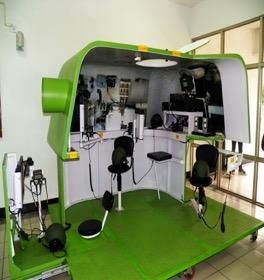
The list of 101 items has identified 9 simulator systems:
Simulators presenting smart ranges and multi-
Tank simulators (driving as well as crew gunnery)
function targets
Battalion support weapons simulators Simulators for A vehicles / B vehicles
Simulators for towed and self-propelled guns of air
Container based simulators for live fire training
defence
Tailor based simulators for counter insurgency /
Simulators for correction of fire by observers
counter terrorism-based training
Force on force live tactical simulators / infantry
weaponNegative list - a positive development
Simulators are possibly the most cost and
time-effective method of training in the usage
of the system and its maintenance. While
almost half of the simulators in the Indian
ecosystem are flight/air-based, land-based
training and simulation systems account for
almost half of the remaining market share
(~25% of the whole market). While there have
been instances of driver and gunnery
simulator systems being inducted into the
Indian Army, there is scope for a lot more. The
current defence simulation and training
market in India has few established players
including the DRDO, Zen Technologies, Alpha
Design Technologies and CAE India, among
others.
While there are a lot of product portfolios in and artillery forward observers simulators.
flight simulators, there are a few in land Zen Technologies also exports simulators,
systems simulators as well. CAE India, for especially its 4 and 6 lane systems to facilitate
example, reportedly has among others, a marksmanship training in several countries.
BMP-II Integrated missile simulator, a driver
simulator and a gunnery training simulator for
No doubt a key requirement for the
the Arjun MBT in its range of product offerings.
forces, simulators in the negative list is an
Zen Technologies, for example, has among
others, a driving and a crew gunnery simulator important inclusion and should ideally
for the T-72 and T-90 tanks, a driving simulator lead to cost savings and development of
for the ICV, infantry weapons training more such capabilities indigenously.
simulators, medium machine gun simulatorsNegative list - a positive development
Land platform vectors
The Indian Armed Forces have historically production of 464 T-90S tanks whereby
sourced most of their land platforms like the T- UralVagonZavod and Rosoboronexport will be
72 and T-90 tanks from Russia. More than 4,000 paid $1.2bn for ToT and OFB would be paid
tanks power the country’s armoured $1.92bn for local production of the tanks.
regiments with a sizable mix including T-72 and While attempts have been made to
T-90 / T-90S tanks along with Arjun MBTs. indigenize content on the tanks, still the
Complementing the T-72/90 tanks in armoured engines and transmission systems that make
and mechanized infantry formations are BMP- up 45% of the cost of a T-90S tank, for
2 mechanized infantry combat vehicles. India example, are imported.
has further signed a $3.12bn contract for local
The negative list highlights an embargo on
component level repair facility for T-90 tanks.
In February 2020, 14 MoUs were signed
between Indian and Russian companies for
setting up JVs covering a range of equipment
that included T-90 tanks. The need for
indigenous availability of spares has further
come to the fore in recent times where the
Indian Army sought support for an urgent and
emergency supply of spares for their MBTs
among others. Spares and components
coupled with repairs are a frequent
requirement for equipment, and hence an
indigenous supply chain is the only long-term
solution that should be sought. The current
embargo is in the correct direction.
With indigenous engines (V-46-6 and
V92S2) also being attempted, it is hoped
that in the forthcoming additions to this list
of 101 items, engines will also soon be
able to figure.Negative list - a positive development
Personnel gear
There is an imminent demand for bulletproof Maoists unit called Greyhounds. Ballistic
jackets for the Indian Armed Forces out of helmets is another part of the personnel gear,
which SMPP Ltd won an order for 1.86 lakh and an overall requirement is estimated to be
BPJs in 2018 and the tendering process for for over a million helmets. An order for 1.6 lakh
further supply is reportedly in progress. DRDO helmets was given to MKU in 2018, and a
handed over its technology to manufacture recent RFI in June 2020 was to procure 100,000
bulletproof jackets to MKU Ltd. OFB reportedly ballistic helmets – the RFP for the same is
received requests for around 200,000 ‘Bhabha expected sometime in February 2021.
Kavach’ BPJs in 2019 including around 50,000
each for the CRPF and BSF, 25,000 for the ITBP, In both the jackets and the helmets, the
25,000 for the CISF. The Tata Group via TASL, most critical component is that of the
manufactures lightweight bulletproof jackets material with which it is made - light but
and has also supplied the same to the elite
strong, effective and durable.
counter-terrorism wing OCTOPUS and an anti-
In both the jackets and the helmets, the most
critical component is that of the material with
which it is made. The material needs to be light
but strong, effective and durable. In most of the
cases, the material is carbon fiber and/or Kevlar,
and that is where the importance given to military
materials in draft DAP 2020 should be able to get
more companies into this business and eventually
the supply chain.
Even from an export perspective, companies like
MKU, SM Carapace Armor and Indian Armor
Systems Pvt Ltd have reportedly exported BPJs
and helmets to foreign countries.Negative list - a positive development Key areas to look into With the technological advancements in all sectors, it is crucial to keep pace with the same. That is probably where an element of challenge is in the current establishments. In small arms for example, the INSAS rifles lines established in OF Tiruchirappalli, Small Arms Factory Kanpur and Rifle Factory Ishapore are a significant investment but since they are insufficient to meet the requirements, it is important to also provide the opportunity to the private sector. With private sector in some cases already having invested time and money, it is essential that it be considered. It is also important that private industry be given an assurance of regular orders (with regular quality checks, of course) so that it has an incentive to further conduct R&D and make capacity and capability related investments. There is no lack of intent in participating in the ecosystem in any of the above areas from both the public and private industries. A more confirmed order book coupled with incentives would go a long way to give confidence especially to the private companies to invest in R&D for these segments. The DRDO also released a list of 108 military sub-systems and components that have been identified for design and development only by the Indian industry, with support from DRDO. Both these evolving negative lists will give significant opportunities to the private entities to develop capabilities, collaborate with established companies and be a part of the ecosystem.
About Primus Partners
Primus Partners has been set up to partner with clients in ‘navigating’ India, by
experts with decades of experience in doing so for large global firms. Set up on
the principle of ‘Idea Realization’, it brings to bear ‘experience in action’.

‘Idea Realization’— a unique approach to examine futuristic ideas required for
the growth of an organization or a sector or geography, from the perspective of
assured on ground implementability.

India is and will continue to be a complex opportunity. Private and Public sector
need trusted advisory partners in order to tap into this opportunity. Primus
Partners is your go-to trusted Advisory for both public and private sector
organizations involved intricately with nation building, and the creation and
growth of robust corporations as engines of progress.

Our core strength comes from our founding partners, who are goal-oriented,
with extensive hands-on experience and subject-matter expertise, which is well
recognized in the industry. Our core founders form a diverse cohort of leaders
from both genders with experience across industries (Public Sector, Healthcare,
Transport, Education, etc), and with varied specialization (engineers, lawyers, tax
professionals, management, etc).

Primus Partners brings experience of working in more than 30 countries with
private and public sector, including working with Government of India, building
and leading large consulting teams at the leadership level, and creating one
of the largest public sector consulting practice in India. They also represent 200
person years of experience in leading global and Indian consulting firms and the
public sector.

The founding team is supported by a distinguished advisory board that includes
experts with leadership experience across government, large corporate and
notable civil society organizations.
DISCLAIMER
The report is prepared using information of a general nature and is not intended to
address the circumstances of any particular individual or entity. The report has been
prepared from various public sources and the information received from these sources is
believed to be reliable. The information available in the report is selective and subject to
updation, revision and amendment. While the information provided herein is believed to
be accurate and reliable, Primus Partners Pvt. Ltd. does not make any representations or
warranties, expressed or implied, as to the accuracy or completeness of such
information and data available in the public domain.

While due care has been taken while preparing the report, Primus Partners Pvt. Ltd. does
not accept any liability whatsoever, for any direct of consequential loss arising from this
document or its contents.
You can also read


