Inher iting the World: The Atlas of Children's Health and the Environment Bruce Gordon, Richard Mackay and Eva Rehfuess - World Health Organization
←
→
Page content transcription
If your browser does not render page correctly, please read the page content below
I n h e r i t i n g t h e Wo r l d :
T h e A t l a s o f C h i l d r e n ’s H e a l t h
      a n d t h e E nv i r o n m e n t

  Bruce Gordon, Richard Mackay and Eva Rehfuess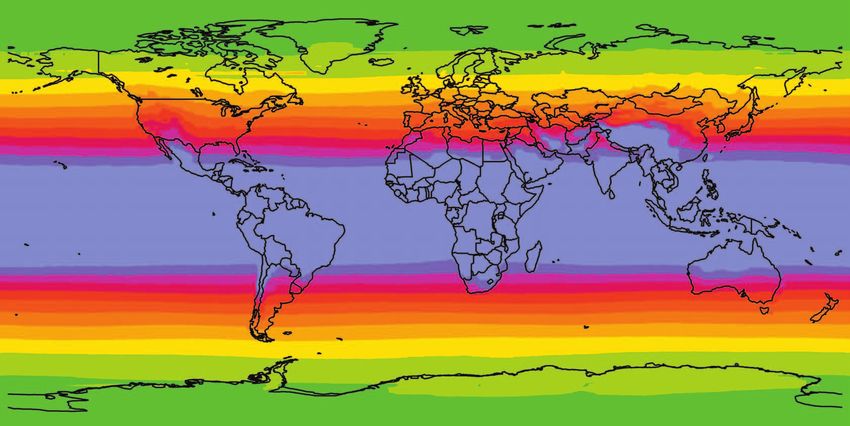
Inheriting the World: the Atlas of Children’s Health and the Environment © World Health Organization 2004
                                                                                                                                                                                             Contents
                                                   All rights reserved                                                                    Acknowledgements                                                 4
                                                                                                                                          About the Authors                                                6
                                                 First published 2004                                                                     Foreword by
                                               1 3 5 7 9 10 8 6 4 2                                                                       Dr LEE Jong-wook, Director-General, World Health Organization    7

                                                  ISBN 92 4 159156 0
                                                                                                                             Part One     Child Health and Poverty
                                   Produced for the World Health Organization by                                             1            The World’s Forgotten Children                                   8
                                            Myriad Editions Limited
                                                                                                                             2            Two Worlds: Rich and Poor                                       10
                                     6–7 Old Steine, Brighton BN1 1EJ, UK
                                       http://www.MyriadEditions.com                                                         3            Traditional Hazards, New Risks                                  12

                                 Co-ordinated for Myriad Editions by Candida Lacey                                           Part Two     Global Environmental Issues
                                               Edited by Jannet King
                                            Design by Corinne Pearlman                                                       4            Water for All: Making it Happen                                 14
                                        Maps and graphics by Isabelle Lewis                                                  5            Hurry Up in the Toilet: 2.4 Billion are Waiting                 16
                                                                                                                             6            To Fetch a Pail of Water                                        18
                                    WHO Library Cataloguing-in-Publication Data                                              7            Malaria                                                         20

                                                   Gordon, Bruce.                                                            8            Fluoride and Arsenic in Drinking Water                          22
                    Inheriting the world : the atlas of children's health and the environment /                              9            Indoor Smoke: Breaking Down Respiratory Defences                24
Bruce Gordon, Richard Mackay, Eva Rehfuess. 1.Child welfare 2.Infant mortality - trends 3.Environmental health
4.Environmental pollution - adverse effects 5.Forecasting 6.Atlases I.Mackay, Richard. II.Rehfuess, Eva. III.Title           10           Passive Smoking: Children Protest                               26
                           IV.Title: The atlas of children's health and the environment.                                     11           Polluted Cities: The Air Children Breathe                       28
                                                                                                                             12           Child Injuries are Preventable                                  30
                      Publications of the World Health Organization can be obtained from:                                    13           Child Labour: Growing Up Too Quickly                            32
    Marketing and Dissemination, World Health Organization, 20 Avenue Appia, 1211 Geneva 27, Switzerland
                  tel: +41 22 791 2476; fax: +41 22 791 4857; email: bookorders@who.int
                                                                                                                             14           Lead: IQ Alert                                                  34
                     Requests for permission to reproduce or translate WHO publications,                                     15           Safe Food: Crucial for Child Development                        36
                               whether for sale or for noncommercial distribution,
                            should be addressed to Publications, at the above address
                                                                                                                             16           Poisoning: Hidden Peril for Children                            38
                              fax: +41 22 791 4806; email: permissions@who.int
                                                                                                                             Part Three   A Look to the Future
The designations employed and the presentation of the material in this publication do not imply the expression of any
                                                                                                                             17           Getting the Lead Out                                            40
    opinion whatsoever on the part of the World Health Organization concerning the legal status of any country,
territory, city or area or of its authorities, or concerning the delimitation of its frontiers or boundaries. Dotted lines   18           Healthy Schools: Empowering Children                            42
              on maps represent approximate border lines for which there may not yet be full agreement.                      19           Enjoying the Sun Safely                                         44
 The mention of specific companies or of certain manufacturers’ products does not imply that they are endorsed or
recommended by the World Health Organization in preference to others of a similar nature that are not mentioned.             20           Climate Change                                                  46
    Errors and omissions excepted, the names of proprietary products are distinguished by initial capital letters.
 The World Health Organization does not warrant that the information contained in this publication is complete and                        Highs and Lows of Environmental Health                          48
                      correct and shall not be liable for any damages incurred as a result of its use.                                    WHO Sub-Regions                                                 49
                 The named authors alone are responsible for the views expressed in this publication.                                     World Data Table                                                50
                                                                                                                                          Sources                                                         58
                                         Printed and bound in Hong Kong
                                                                                                                                          Index                                                           64
                            Produced by Phoenix Offset Limited under the supervision of
                                     Bob Cassels, The Hanway Press, London
A c k n ow l e d g e m e n t s
We are most grateful to Margaret Chan, Director,             Lorna Fewtrell, Centre for Research into Environment     Michel Thieren, WHO                                        The publishers are grateful to the following
Protection of the Human Environment, WHO, for her              and Health, United Kingdom                             Lana Tomaskovic, WHO                                       organizations and photographers for permission to
vision to produce an atlas on children’s health and the      Chuck Gollmar, WHO                                       Niels Tomijima, WHO                                        reproduce their photographs:
environment. Her support, together with that of              Frank Hagemann, ILO                                      Michael Walsh, United States
Kerstin Leitner, Assistant Director-General, Sustainable     Laurence Haller, WHO                                     Wick Warren, Centers for Disease Control &                 page 8 WHO/H. Bower; 10 Nigel Bruce; 14 WHO/C.
Development and Healthy Environments, WHO, made              Alexander von Hildebrand, WHO-SEARO                        Prevention, United States                                Gaggero; 16 WHO/C. Gaggero; 18 WHO/H.
this atlas possible.                                         Anna Maria Hoffmann, UNESCO                              Martin Weber, WHO                                          Anenden; 19 WHO/P. Virot; 26 WHO; 28 Steve
                                                             Mollie Hogan, WHO                                        Sattar Yoosuf, WHO-SEARO                                   Turner; 30 WHO/H. Anenden; 32 (top) ILO/P.
Special thanks go to the Office of Children's Health         Honorat Hounkpatin, WHO-AFRO                             Maged Younes, WHO                                          Lissac; 32 (bottom) WHO/C. Gaggero; 34 WHO/C.
Protection, United States Environmental Protection           Jose Hueb, WHO                                                                                                      Gaggero; 36 WHO/A. Waak; 38 Donald Cole, with
Agency, for their generous financial contribution            Mie Inoue, WHO                                           International Network to Promote Household Water           thanks to Phil Landrigan, Mount Sinai School of
towards this atlas, and to Judith Mackay, who                Josefa Ippolito-Shepherd, WHO-AMRO                         Treatment and Safe Storage:                              Medicine and with the permission of Donald Cole,
contributed a wealth of experience and inspiration.          Jack Jones, WHO                                          Robert Ainslie, Johns Hopkins University, United States    Associate Professor Public Health Sciences, University
                                                             Michal Krzyzanowski, WHO-EURO                            Mansoor Ali, UNICEF                                        of Toronto; 42 WHO/C. Gaggero; 43 WHO/T. Kelly;
For their creativity, artistic talent and innovative         Philip Landrigan, Mount Sinai School of Medicine,        Greg Allgood, Procter & Gamble, United States              44 The Cancer Council Victoria; 47 WHO; 48 (left)
suggestions in the design and cartography of this atlas,       United States                                          Thomas Clasen, First Water, United States                  ILO/P. Lissac; 48 (middle) WHO/C.Gaggero;
we would like to thank the Myriad Editions team of           Rolaf van Leeuwen, Rijksinstituut voor Volksgezondheid   Camille Dow Baker, Centre for Affordable Water and         48 (right) WHO/C.Gaggero
Candida Lacey, Isabelle Lewis, Jannet King and Corinne         en Milieu, The Netherlands                               Sanitation Technology, Canada
Pearlman.                                                    Matt Livermore, University of East Anglia, United        Sumita Ganguly, UNICEF-India, India                        The publishers are grateful to the following
                                                               Kingdom                                                Willie Grabow, University of Pretoria, South Africa        organizations for supplying maps:
This Atlas could not have been written if not for the        Peter Matz, ILO                                          Stephen Gundry, University of Bristol, United
rich pool of information already available. We extend        Sumi Mehta, WHO                                            Kingdom                                                  Malaria in Africa, page 21
our gratitude to colleagues around the world who             Gerry Moy, WHO                                           Tara Meidl, Centre for Affordable Water and Sanitation     Africa malaria distribution map, theoretical model.
responded to impossible deadlines with data, literature,     Leda Nemer, WHO-EURO                                       Technology, Canada                                       Mapping Malaria Risk in Africa, 2003.
photographs and insightful suggestions. Their                Hisashi Ogawa, WHO-WPRO                                  Adrian Mol, MEDAIR, Madagascar
enthusiastic help and encouragement made this atlas a        Lesley Onyon, WHO                                        Susan Murcott, Massachusetts Institute of Technology,      The sun’s rays, page 44
true collaborative effort. Our heartfelt thanks to all the   Margie Peden, WHO                                          United States                                            Unpublished data from Schmalwieser AW, Institute of
colleagues listed below and to all those we may have         Jenny Pronczuk, WHO                                      Rob Quick, Centers for Disease Control & Prevention,       Medical Physics and Biostatistics, University of
omitted in error.                                            Federico Properzi, WHO                                     United States                                            Veterinary Medicine, Vienna, Austria
                                                             Annette Pruess, WHO                                      Henk van Norden, UNICEF-India, India                       by model calculations described in: Schmalwieser AW
Houssain Abouzaid, WHO-EMRO                                  Thebe Pule, WHO-AFRO                                     Martin Wegelin, EAWAG/SANDEC, Switzerland                  et al., Global validation of a forecast model for
Said Arnaout, WHO-EMRO                                       Sawat Ramaboot, WHO-SEARO                                Giveson Zulu, UNICEF-Zambia, Zambia                        irradiance of the solar, erythemally effective UV
Carmen Audera-Lopez, WHO                                     Vivian Rasmussen, WHO-EURO                                                                                          radiation, Journal of Optical Engineering, 2002,
Hamed Bakir, WHO-EMRO                                        Mike Repacholi, WHO                                      Putting together an atlas on children's health and the     40:3040-3050.
Jamie Bartram, WHO                                           David Rivett, WHO-EURO                                   environment in less than three months has the tendency
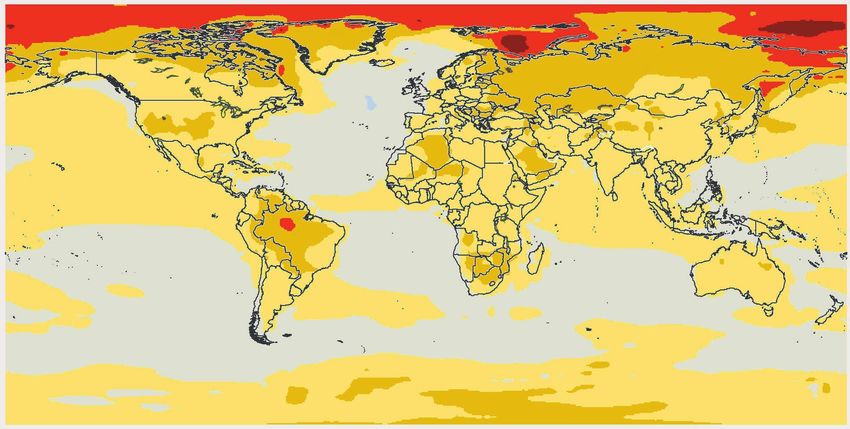
Roberto Bertollini, WHO-EURO                                 Colin Roy, Australian Radiation Protection and Nuclear   to take over your life. We are immensely grateful to our   A warming planet, page 46
Tony Blakely, Wellington School of Medicine and                Safety Agency, Australia                               partners and families without whose practical and          Livermore M (University of East Anglia), Campbell-
  Health, New Zealand                                        Yasmin von Schirnding, WHO                               moral support these months would have been difficult.      Lendrum D (WHO). Generated in 2004 based on data
Robert Bos, WHO                                              Jorgen Schlundt, WHO                                                                                                from the Hadley Centre. Climate change observations
Cynthia Boschi-Pinto, WHO                                    Alois Schmalwieser, University of Vienna, Austria                                                                   and predictions. Exeter, UK Meteorological Office,
Diarmid Campbell-Lendrum, WHO                                Gabriele Schöning, European Environment Agency,                                                                     2003.
Richard Carr, WHO                                              Denmark
Carlos Corvalan, WHO                                         Hawa Senkoro, WHO-AFRO
Marlies Craig, Mapping Malaria Risk in Africa, South         Victor Shatalov, Meteorological Synthesizing Centre of
  Africa                                                       EMEP, Russia
Dafina Dalbokova, WHO-EURO                                   Kenji Shibuya, WHO
Gerry Eijkemans, WHO                                         Amr Taha, ILO, Egypt
Anaclaudia Fassa, Universidade Federal de Pelotas,           Joanna Tempowski, WHO
  Brazil                                                     Thomas Teuscher, WHO

4                                                                                                                                                                                                                                      5
F o r ewo r d
About the authors                                           In the same series:

Bruce Gordon is a member of the Healthy
Environments for Children Alliance Secretariat of
WHO, and a researcher in the area of health and
sustainable development. Prior to joining WHO in
2002, he participated in environmental management
and development studies in Thailand, Vietnam, and
Peru. He was the recipient of a Canadian International
Development Agency Innovative Research Award for
his work in Peru on capacity-building and
environmental management. He has a degree in
Biochemistry from the University of British Columbia,
and a Master’s degree in Environmental Design from
the University of Calgary. His fascination with the links
between poverty, health and the environment continues
to grow.
                                                                                  E  very child has the right to live in a healthy, supportive environment – an environment that encourages growth and
Richard Mackay is an environmental consultant. He                                 development, and protects from disease. Many of the world’s children, however, are exposed to hazards in the very
has a science degree from the University of Cambridge,                            places that should be safest – the home, school and community. Considering that their growing bodies are
UK and a Master’s degree in Environmental                                         particularly sensitive to environmental threats, the final burden of childhood disease is substantial. Every year, more
Management. He has implemented environmental and                                  than three million children die due to unhealthy environments.
safety programmes for the University of Cambridge
and for the business and government sectors. He is a                              The majority of these child deaths are caused by unsafe water, lack of sanitation, indoor air pollution, and
member of the British Institute of Environmental                                  mosquitoes bearing malaria. Other environmental hazards include passive smoking, lead and pesticides, road traffic
Management and Assessment. He is the author of The                                accidents, and global environmental changes.
Atlas of Endangered Species (Penguin USA/Earthscan UK,
2002), also produced by Myriad Editions. He takes a                               Persistent poverty aggravates these environmental threats. The children worst affected are those in the developing
keen interest in environmental protection and ecology,                            world, and the enormous burden of ill-health falling on their youngest citizens constrains the social and economic
including work on the Aride Island Nature Reserve,                                development of these countries.
Seychelles and nature reserves in Britain.
                                                                                  Children are helpless in the face of environmental risks and, all too frequently, adults do not listen to the voices of
Eva Rehfuess, a scientist with WHO’s Department                                   children or act upon their most urgent needs. But we must listen. Children are our most precious resource.
for the Protection of the Human Environment, is                                   Together, now is the time to focus our efforts on combating environmental threats to children’s health and to work
responsible for the agency’s programme on indoor air                              towards a sustainable and brighter future.
pollution, a key environmental risk for childhood
respiratory illness in the developing world. Since
joining the WHO in 2000, she has also managed
activities on topics as diverse as children’s
environmental health indicators and ultraviolet
radiation. She is pursuing a PhD in Epidemiology at
Imperial College London, on the links between
environment, socio-economic factors and child health.                                                                                                                               Dr LEE Jong-wook
She has a Master’s degree in Biological Sciences from                                                                                                                                  Director-General
the University of Oxford. As the recipient of a Robert                                                                                                                         World Health Organization
Bosch Foundation Fellowship in International                                                                                                                                                    Geneva
Relations, she undertook work on sun protection in                                                                                                                                          March 2004
primary schools in the Middle East between 1999
and 2000.

6                                                                                                                                                                                                           7
01 The World’s Forgotten Children CYAN MAGENTA YELLOW BLACK
Child mortality rate
1 The World’s Forgotten ICELAND
FINLAND Under-five mortality rate per 1000 live births
Children NORWAY
SWEDEN
ESTONIA
RUSSIAN
2000
over 175 11 – 25
Beacons of hope
Aiko is safely delivered in Kumamoto, UNITED LATVIA FED. greatest improvement
Today, 35% of Africa’s children are KINGDOM
Japan, and can expect to live about 85 DENMARK LITHUANIA
101 – 175 10 and under in child mortality rate
years. At the same time, Mariam comes
at higher risk of death than they IRELAND
1970–2000
into this world in one of the poorest areas were ten years ago. NETH. BELARUS
GERMANY
POLAND 26 – 100 no data
of Freetown, Sierra Leone. She is BELGIUM
CZECH UKRAINE
underweight and vitamin-deficient, and REPUBLIC SLOVAKIA
LUX. REP.
has a 30% chance of dying before her AUSTRIA HUNGARY
ROMANIA
MOLDOVA
FRANCE SWITZ. BOSNIA &
fifth birthday. SLOVENIA
HERZEGOVINA
S. MARINO
CROATIA SERBIA & BULGARIA RUSSIAN FEDERATION
MONTENEGRO
ITALY
O ANDORRA MONACO
ver 10 million children ALBANIA
FYR MACEDONIA
under five die every year – C A N A D A PORTUGAL
SPAIN
GREECE
98 per cent of them in developing KAZAKHSTAN
MALTA
countries. Widespread MONGOLIA
malnutrition hampers children’s GEORGIA KYRGYZSTAN
DPR
KOREA
UZBEKISTAN JAPAN
growth and development, opening TURKEY
AZERBAIJAN
ARMENIA TURKMENISTAN
TAJIKISTAN
the door to the biggest killers of U S A CYPRUS SYRIAN ARAB
ISL . RE P.
REP.
TUNISIA REPUBLIC C H I N A KOREA
children under five: perinatal MOROCCO LEBANON
ISRAEL IRAQ IRA N AFGHANISTAN
JORDAN
diseases, pneumonia, diarrhoea, KUWAIT
PAKISTAN BHUTAN
MARSHALL ISLANDS
KIRIBATI
BAHAMAS ALGERIA LIBYAN BAHRAIN
and malaria. This presents a sharp MEXICO
CUBA ARAB QATAR
NEPAL
JAMAHIRIYA EGYPT NAURU
contrast to the situation in the DOMINICAN SAUDI
UAE
INDIA BANGLADESH TUVALU
REP. LAO
industrialized world, where junk BELIZE
JAMAICA
HAITI MAURITANIA
ARABIA
OMAN
MYANMAR
PDR
VIET NAM
SAMOA COOK
ISLANDS
GUATEMALA HONDURAS
ST KITTS & NEVIS ANTIGUA & BARBUDA MALI FIJI
food and a sedentary lifestyle have EL SALVADOR ST VINCENT & GRENADINES
DOMINICA CAPE VERDE
SENEGAL NIGER
CHAD ERITREA YEMEN
THAILAND VANUATU
ST LUCIA GAMBIA PHILIPPINES TONGA NIUE
NICARAGUA SUDAN
triggered an unprecedented GRENADA
BARBADOS
GUINEA-BISSAU
BURKINA
FASO DJIBOUTI
CAMBODIA
COSTA RICA TRINIDAD & TOBAGO GUINEA
epidemic of obesity in children,
BENIN
VENEZUELA NIGERIA
GHANA
TOGO
PANAMA GUYANA CÔTE SRI LANKA
SIERRA LEONE CENTRAL AFRICAN ETHIOPIA MALDIVES PALAU
leading to diabetes and heart COLOMBIA
SURINAME
LIBERIA
D’IVOIRE
REPUBLIC
BRUNEI DAR.
EQUATORIAL CAMEROON SOMALIA
disease in adult life. GUINEA UGANDA
MALAYSIA
MICRONESIA,
KENYA SINGAPORE FED. STATES OF
ECUADOR SAO TOME
GABON
SEYCHELLES
The last three decades have & PRINCIPE
CONGO
DEM. REP.
CONGO
RWANDA
BURUNDI
witnessed an impressive decline in PERU UNITED REP.
I N D O N E S I A
PAPUA
NEW
TANZANIA
child mortality, from 17 million a BRAZIL ANGOLA COMOROS
GUINEA SOLOMON
ISLANDS
TIMOR-LESTE
year in the 1970s. Yet these gains
"It is not enough ZAMBIA
MALAWI
have not been enjoyed to prepare our children for the world; BOLIVIA MADAGASCAR
ZIMBABWE MAURITIUS
everywhere. In some countries of we must also prepare the world NAMIBIA
BOTSWANA
sub-Saharan Africa, child for our children.” PARAGUAY
MOZAMBIQUE
Luis J. Rodriguez (1954– ) US$ 17 billion
mortality is rising as wars and the CHILE SWAZILAND
A USTR A LIA
SOUTH
ravage of the AIDS epidemic AFRICA LESOTHO
undermine the medical, social and URUGUAY
economic structures of society. ARGENTINA
At the turn of the century, the
world joined together in the fight The price of life NEW
ZEALAND
against poverty, and committed
itself to the Millennium The biggest killers of children under five
Development Goals, adopted by US$ 7.5 billion
Main causes of child mortality
the United Nations in 2000. “To 2002
reduce by two-thirds the Diarrhoea 15%
Acute respiratory
under-five mortality rate between infection 18%
1990 and 2015” may be the most Malaria 11%
ambitious of these goals.
Deaths associated
with malnutrition: Measles 5%
54% Annual expenditure on pet food Annual cost of scaling-up vaccination,
Other Human Immunodeficiency malaria prevention and
in North America and Europe
24% Virus (HIV) 4% essential treatment to reach
1998
Perinatal diseases every child in the developing world
8 (within 7 days of birth) 2001 9
23%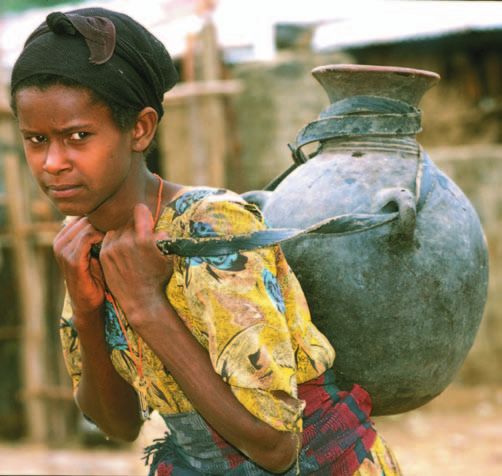
02 Two Worlds: Rich and Poor CYAN MAGENTA YELLOW BLACK
The rich…
2 Two Worlds: Rich and Poor Percentage of people living on more than two dollars a day
who use solid fuel for cooking
2004
by WHO sub-region
“We are all responsible for all.”
Fyodor Dostoevsky (1821–1881)
51% – 75% 25% and under
P overty is the single biggest
threat to children’s health.
Poor children are more likely to POLAND
EST.
LATVIA
LITH.
BELARUS
RUSSIAN FEDERATION
KAZAKHSTAN
26% – 50% no data
UKRAINE
die as infants, and are sick more SL.
HUN ROM. REP.
MONGOLIA
MOLDOVA
S. &
often and more seriously than B-H M. BUL.
GEORGIA
AZERBAIJAN
UZBEKISTAN KYRGYZSTAN
DPR
KOREA
ALB.
TURKEY REP.
better-off children. FYR
MAC. ARMENIA
TURKMEN. TAJIKISTAN
C H I N A
KOREA
AFGHANISTAN
IRAQ
MOROCCO
The poor and the marginalized – PAKISTAN BHUTAN
MARSHALL
ISLANDS
BAHAMAS ALGERIA NEPAL
especially children – often bear MEXICO
EGYPT NAURU
KIRIBATI
TOKELAU
INDIA BANGLADESH
the brunt of environmental JAMAICA HAITI DOMINICAN REP.
BELIZE ANTIGUA & BARBUDA MAURITANIA MYANMAR
LAO
PDR VIET NAM
TUVALU SAMOA
COOK
GUATEMALA HONDURAS ST KITTS & NEVIS MALI ISLANDS
degradation. Yet, because of their EL SALVADOR
NICARAGUA
ST VINCENT & GRENADINES
DOMINICA
ST LUCIA
CAPE VERDE
SENEGAL
GAMBIA BURKINA
NIGER
CHAD SUDAN
ERITREA YEMEN PHILIPPINES VANUATU
TONGA
GRENADA BARBADOS CAMBODIA FIJI NIUE
vulnerability, children are the COSTA RICA TRINIDAD & TOBAGO
GUINEA-BISSAU
GUINEA
FASO DJIBOUTI
BENIN
VENEZUELA
GHANA
NIGERIA
TOGO
LIA
PANAMA GUYANA CÔTE CENTRAL
SIERRA LEONE
MA
ETHIOPIA
very group that can least afford to COLOMBIA LIBERIA
D’IVOIRE AFRICAN REP.
MALDIVES PALAU
SO
EQUATORIAL CAMEROON UGANDA
MALAYSIA
be exposed to environmental ECUADOR
GUINEA
GABON KENYA
MICRONESIA,
FED. STATES OF
SAO TOME DEM. REP. RWANDA SEYCHELLES
hazards. They are not “little & PRINCIPE CONGO CONGO BURUNDI
PAPUA
PERU UNITED REP. NEW
adults”: they breathe more air, BRAZIL ANGOLA
TANZANIA
COMOROS
GUINEA SOLOMON
ISLANDS
consume more food, and drink ZAMBIA
MALAWI
MADAGASCAR
more water in proportion to their BOLIVIA
NAMIBIA
ZIMBABWE MAURITIUS
BOTSWANA
weight. Children’s behaviour CHILE PARAGUAY
MOZAMBIQUE
further puts them at risk. Their SOUTH
SWAZILAND
AFRICA LESOTHO
life takes place closer to the URUGUAY
ground and young children ARGENTINA Households on higher incomes mostly use electricity or gas for cooking.
frequently put their fingers in Those on lower incomes are more likely to use polluting solid fuels, such as dung, wood and coal.
their mouths. As a result, children living in these households suffer disproportionately from the adverse health
effects of indoor smoke (map 9).
Exposure to environmental risks is
one of the reasons for poor
RUSSIAN FEDERATION
children being worse off than their EST.
LATVIA
wealthier peers. In developing LITH.
Every year POLAND BELARUS
countries, environmental risks are smoke from burning SL. UKRAINE
KAZAKHSTAN
MONGOLIA
HUN ROM. REP.
compounded in the poorest solid fuels in the home B-H BUL.
MOLDOVA
GEORGIA
DPR
UZBEKISTAN KYRGYZSTAN KOREA
settlements, where housing is kills one million children ALB. FYR AZERBAIJAN
T U R K E Y ARMENIA TURKMEN. TAJIKISTAN REP.
MAC. KOREA
under five years. C H I N A
inadequate, water and sanitation IRAQ
AFGHANISTAN
MOROCCO
are lacking, garbage collection is BAHAMAS ALGERIA
PAKISTAN
NEPAL
BHUTAN
MARSHALL
ISLANDS
KIRIBATI
non-existent, and smoke fouls MEXICO
EGYPT
BANGLADESH
NAURU
TOKELAU
JAMAICA HAITI DOMINICAN REP. INDIA
indoor air. In rich countries, BELIZE ANTIGUA & BARBUDA MAURITANIA
MALI
MYANMAR
LAO
PDR VIET NAM
TUVALU SAMOA
COOK
GUATEMALA HONDURAS ST KITTS & NEVIS CAPE VERDE PHILIPPINES VANUATU
ISLANDS
NIGER
low-income or minority EL SALVADOR ST VINCENT & GRENADINES
NICARAGUA GRENADA
DOMINICA
ST LUCIA
BARBADOS
SENEGAL
GAMBIA BURKINA CHAD SUDAN
ERITREA YEMEN
CAMBODIA
TONGA
GUINEA-BISSAU FASO FIJI NIUE
DJIBOUTI
neighbourhoods are sometimes COSTA RICA TRINIDAD & TOBAGO GUINEA
BENIN
VENEZUELA NIGERIA
GHANA
TOGO
PANAMA GUYANA CÔTE CENTRAL
SIERRA LEONE ETHIOPIA MALDIVES PALAU
D’IVOIRE
disproportionately located near COLOMBIA SURINAME LIBERIA AFRICAN REP.
EQUATORIAL CAMEROON SOMALIA MALAYSIA
UGANDA
GUINEA
hazardous waste sites or polluting ECUADOR SAO TOME GABON
DEM. REP. RWANDA
KENYA
SEYCHELLES
MICRONESIA,
FED. STATES OF
& PRINCIPE CONGO
industries. CONGO BURUNDI
PAPUA
…and the poor PERU
BRAZIL ANGOLA
UNITED REP.
TANZANIA
COMOROS
NEW
GUINEA SOLOMON
A rising income gap between the MALAWI
ISLANDS
rich and the poor within countries Percentage of people living on less than one dollar a day ZAMBIA
MADAGASCAR
BOLIVIA ZIMBABWE MAURITIUS
who use solid fuel for cooking NAMIBIA
around the world means that BOTSWANA MOZAMBIQUE
2004 CHILE PARAGUAY
millions of children may be by WHO sub-region SWAZILAND
SOUTH
excluded from the health benefits URUGUAY
AFRICA LESOTHO
of emerging prosperity. over 75% 26% – 50%
ARGENTINA
51% – 75% no data
10 11
03 Traditional Hazards, New Risks CYAN MAGENTA YELLOW BLACK

                                                                                                            Environmental health risks
                                 3           Traditional Hazards,                                           Sized according to significance of risk

                                             New Risks                                                      2002 by WHO sub-region

  “The problems we have today cannot be                                                                                         lack of safe water,                                    lead and other
   solved by thinking the way we thought                                                                                        sanitation and hygiene                                 hazardous chemicals
                  when we created them.”
               Albert Einstein (1879–1955)                                                                                      indoor air pollution                                   malaria and other
                                                                                                                                from solid fuel use                                    vector-borne diseases

C     hildren today live in an
      environment that is vastly
different from that of a few
                                                                                                                                urban outdoor
                                                                                                                                air pollution
                                                                                                                                                                                       child injuries

generations ago. Global challenges                                                                          This simplified overview illustrates how certain environmental risks differ in magnitude between WHO sub-
include industrialization, rapid                                                                            regions. It does not account for the often large variation between countries within a given region, nor is it a
urban population growth, the                                                                                comprehensive summary of all environmental risks to children’s health.
unsustainable consumption of
natural resources, the increasing
production and use of chemicals,
and the movement of hazardous
wastes across national borders.
Homes, schools, streets and fields
– the settings where children live,
learn, play and work – all present
environmental hazards. Yet,
children born into different
countries, cities or rural areas,
and even different
neighbourhoods, face risks that
may be poles apart.
As countries develop, many of the
most serious “basic risks” to child
health gradually vanish with
improvements in water and
sanitation, hygiene and cleaner
fuels for cooking. Their decline,
however, is accompanied by an
increase in “modern risks”.
Industrialization brings with it an
increase in road traffic, air
pollution, and the use of
chemicals that infiltrate the air                                                 Environmental health risk transition
children breathe and the food
                                                                                                                                                            Summary of risks
they eat.                                                                                                                                                   by income
It is too early to judge the exact                                                significance of risk                                                      2004
                                                 Each year over three million
impact of “emerging risks”, such                children die from illnesses and                                                                                      basic risks: lack of safe water, sanitation
as endocrine disruptors and global                other conditions caused by                                                                                         and hygiene, indoor air pollution,
warming. These add to the                           environmental hazards.                                                                                           vector-borne diseases, hazards that cause
challenges we must confront to                                                                                                                                       accidents and injuries
safeguard our children’s health
                                                                                                                                                                     modern risks: unsafe use of
and future.                                                                                                                                                          chemicals, environmental degradation

                                                                                                                                                                     emerging risks: climate change, ozone
                                                                                      Low-income         Middle-income              High-income                      depletion, persistent organic pollutants,
                                                                                      populations         populations               industrialized                   endocrine disruptors
                                                                                       in poverty         in transition               societies
12                                                                                                                                                                                                                            13
04 Water for All CYAN MAGENTA YELLOW BLACK
Water supplies
4 Water for All: FINLAND Percentage of households with access to an improved water supply
Making it Happen NORWAY
SWEDEN
ESTONIA
RUSSIAN
2000 or latest available data
An improved water supply is defined according to the type
“By means of water we give life UNITED FED. of technology (piped drinking water, protected well or
KINGDOM
to everything.” DENMARK spring, rainwater), the distance from the source (available
Koran within 1 km of the home) and water quantity
NETH. BELARUS
(at least 20 litres per day).
Striving ahead
W ater is the essence of life
and human dignity. As a
fundamental human right
SWITZ.
AUSTRIA
SLOVENIA
SLOVAKIA
UKRAINE
ROMANIA
REP.
MOLDOVA
over 95%
81% – 95%
41% – 60%
40% and under
multiple projects on
household water
management are
SERBIA & BULGARIA
“sufficient, safe, acceptable, C ANAD A MONTENEGRO
no data underway
ANDORRA MONACO
ALBANIA 61% – 80%
physically accessible and 2004
affordable water for personal and
domestic uses” is vital for all. MALTA RUSSIAN FEDERATION
Governments are responsible for
ensuring that this human right is The United Nations proclaimed the years 2005 to 2015
Halving the proportion KAZAKHSTAN
as the Decade of Water for Life.
progressively fulfilled. As a result of people without access to MONGOLIA
of their action, in collaboration a safe water supply by 2015 DPR
requires connecting 125 000 GEORGIA UZBEKISTAN KYRGYZSTAN KOREA
with partners, 900 million more U S A
people every day and sustaining TURKEY
AZERBAIJAN
REP.
TAJIKISTAN KOREA
people gained access to an existing connections. CYPRUS SYRIAN ARAB
TUNISIA REPUBLIC C H I N A
improved water supply during MOROCCO
LEBANON
IRAQ ISL . RE P.
AFGHANISTAN
the 1990s. WEST BANK
AND GAZA
JORDAN IRA N
PAKISTAN BHUTAN KIRIBATI
BAHAMAS ALGERIA LIBYAN NEPAL
ARAB
Yet 1.1 billion people in rural MEXICO CUBA
JAMAHIRIYA EGYPT
BANGLADESH TUVALU SAMOA
areas and urban slums still rely on DOMINICAN
SAUDI ARABIA INDIA
JAMAICA REP. MYANMAR LAO
HAITI COOK
BELIZE PDR ISLANDS
MAURITANIA OMAN
unsafe drinking water from HONDURAS
ST KITTS & NEVIS ANTIGUA & BARBUDA
CAPE VERDE
MALI VIET NAM
VANUATU
FIJI NIUE
ST VINCENT
DOMINICA SENEGAL NIGER ERITREA YEMEN
THAILAND
rivers, lakes and open wells. GUATEMALA EL SALVADOR
NICARAGUA & GRENADINES
ST LUCIA
BARBADOS
GAMBIA CHAD
SUDAN CAMBODIA PHILIPPINES TONGA
BURKINA
Children, in particular, suffer COSTA RICA
GRENADA
TRINIDAD & TOBAGO
GUINEA-BISSAU FASO DJIBOUTI
BENIN
GUINEA NIGERIA
VENEZUELA
GHANA
TOGO
PANAMA
from water-related illnesses. Each COLOMBIA
GUYANA
SURINAME
SIERRA LEONE CÔTE
D’IVOIRE CENTRAL ETHIOPIA MALDIVES
SRI LANKA
PALAU
AFRICAN REPUBLIC
episode of diarrhoea sets back a EQUATORIAL CAMEROON
MALAYSIA
GUINEA UGANDA
SINGAPORE
child’s growth by lowering their ECUADOR GABON
KENYA
RWANDA
appetite and reducing their CONGO
DEM. REP.
CONGO BURUNDI
calorie and nutrient uptake. PERU UNITED REP.
TANZANIA
I N D O N E S I A PAPUA
NEW
Persistent diarrhoea and severe BRAZIL ANGOLA COMOROS
GUINEA SOLOMON
ISLANDS
diseases, such as typhoid and MALAWI
dysentery, jeopardize children’s Health effects ZAMBIA
MADAGASCAR
ZIMBABWE MAURITIUS
healthy development. Every year, Intestinal diseases caused BOLIVIA NAMIBIA
BOTSWANA
nearly 2 million children do not by unsafe drinking water: CHILE PARAGUAY
MOZAMBIQUE
survive this struggle. • Diarrhoea A USTR A LIA
627
• Cholera SOUTH
AFRICA LESOTHO
Continued progress towards • Dysentery URUGUAY
providing everyone with access to • Typhoid ARGENTINA Preventing diarrhoea 539
protected wells and, ultimately, • Guinea worm
piped water supplies will radically Hygiene- and sanitation-related Annual number of deaths of children under five years
diseases (map 5) 2002 434
reduce childhood illness. In the NEW
thousands ZEALAND
meantime, disinfection and 370
filtration at home are simple and from diarrhoea
cheap measures that make an that would be averted by piped water supply and sanitation
• Water is essential for hygiene, especially for hand-washing after defecation (map 5)
immediate difference to the lives
that would be averted 226
of the worst affected. • Pools and marshes are breeding sites for malaria-carrying mosquitoes (map 7) by household water treatment
• Arsenic and high levels of fluoride in drinking water cause severe illness (map 8) 148
114
• Children and women often spend many hours collecting water (map 6)
45 4 15
30 33
• During daily water collection, children face the risk of drowning and injuries (map 12)
14 Latin America Eastern Mediterranean Africa South-East Asia 15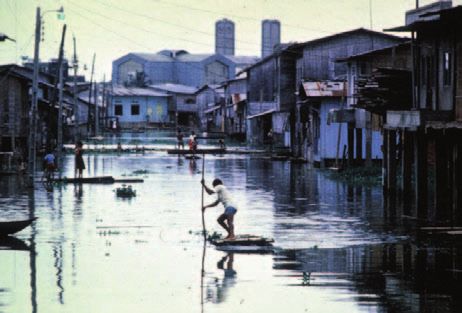
05 TOILET/sanitation CYAN MAGENTA YELLOW BLACK
! Meagre sanitation
Highly
Neglected
Issue
5 Hurry Up in the Toilet: FINLAND
Percentage of households without access to improved sanitation
2.4 Billion are Waiting SWEDEN
2000 or latest available data
Improved sanitation facilities include flush toilets and pit latrines, if they are not shared
UNITED between households and provide privacy.
“Are we to decide the importance of KINGDOM
issues by asking how fashionable or
glamorous they are? Or by asking how over 75% 6% – 25%
NETH.
seriously they affect how many?”
Nelson Mandela (1918– ) 51% – 75% 5% and under
UKRAINE
SLOVAKIA
REP.
HUNGARY MOLDOVA
26% – 50% no data
I
AUSTRIA ROMANIA
magine a life without a clean, SWITZ. SLOVENIA
private place to defecate and SERBIA & BULGARIA
MONTENEGRO
MONACO
urinate: the embarrassment of CANADA
ANDORRA
ALBANIA
going to the toilet in an
abandoned plot or on the open
KAZAKHSTAN
street and, for girls, the fear of MALTA MONGOLIA
assault at night. DPR
GEORGIA UZBEKISTAN KYRGYZSTAN KOREA
AZERBAIJAN
This is the reality of life for a TURKEY
TAJIKISTAN
REP.
KOREA
staggering 2.4 billion people, U S A
TUNISIA
CYPRUS SYRIAN ARAB
REPUBLIC
AFGHANISTAN
C H I N A
MOROCCO LEBANON
most of whom live in extreme IRAQ ISL . RE P.
IRA N
WEST BANK JORDAN
poverty in Africa and Asia. BAHAMAS ALGERIA LIBYAN
AND GAZA PAKISTAN
NEPAL
BHUTAN KIRIBATI
CUBA
Inadequate sanitation in the home MEXICO
ARAB
JAMAHIRIYA EGYPT
TUVALU
and in public places erodes human JAMAICA
DOMINICAN
REP.
SAUDI ARABIA INDIA BANGLADESH
MYANMAR LAO
SAMOA
HAITI PDR COOK
MAURITANIA
dignity, undermines GUATEMALA
BELIZE
HONDURAS
ST KITTS & NEVIS ANTIGUA & BARBUDA MALI
OMAN VIET NAM
VANUATU
FIJI ISLANDS
DOMINICA CAPE VERDE NIGER THAILAND
development, and causes disease. EL SALVADOR
NICARAGUA
ST VINCENT & GRENADINES
ST LUCIA
SENEGAL
GAMBIA CHAD
ERITREA YEMEN
PHILIPPINES NIUE
BARBADOS BURKINA SUDAN CAMBODIA
NETH. ANTILLES GRENADA GUINEA-BISSAU FASO
COSTA RICA TRINIDAD & TOBAGO DJIBOUTI
Putting fingers into their mouth GUINEA NIGERIA
BENIN
VENEZUELA
GHANA
TOGO
PANAMA GUYANA CÔTE SRI LANKA
SIERRA LEONE ETHIOPIA
puts young children most at risk COLOMBIA
SURINAME D’IVOIRE CENTRAL
AFRICAN REPUBLIC
MALDIVES PALAU
of catching diarrhoea. For EQUATORIAL CAMEROON
GUINEA UGANDA
SINGAPORE
families, preventing faecal-oral ECUADOR GABON
RWANDA
KENYA
DEM. REP.
contamination depends on proper CONGO BURUNDI
PERU UNITED REP. Every minute PAPUA
hygiene, and disposing of TANZANIA
1.1 million litres of raw sewage
I N D O N E S I A NEW
GUINEA
BRAZIL SOLOMON
children’s faeces safely. The ANGOLA COMOROS
are dumped into the Ganges river. ISLANDS
availability of sufficient water ZAMBIA
MALAWI The same story is repeated
enables both children and adults BOLIVIA MADAGASCAR in rivers, lakes and oceans
ZIMBABWE MAURITIUS
around the world.
to wash their hands before meals NAMIBIA
BOTSWANA
MOZAMBIQUE
PARAGUAY
and after defecating. Simple hand- CHILE
washing could save up to one A USTR A LIA
SOUTH
million lives every year. One gram of faeces AFRICA LESOTHO
may contain 10 million viruses, URUGUAY
Realizing the Millennium 1 million bacteria, a thousand ARGENTINA 100%
parasite cysts
Development Goal of halving the and a hundred worm eggs. Sewerage services
proportion of people without 86%
access to sanitation by 2015 2000
would still leave almost a quarter percentage of population with a flush toilet
connected to a sewer
of humanity without a basic 65%
percentage of urban wastewater that is not treated
latrine. Hopes of achieving even
this modest goal are fading fast. Health effects A sewerage connection is an effective
system for removing human faeces from 49%
Diseases caused by inadequate sanitation a household. However, sewage is
and hygiene: frequently discharged, untreated, into
• Intestinal worms (including rivers, lakes and oceans, where it
ascariasis, trichuriasis and hookworm) contaminates food and water supplies,
• Schistosomiasis causing illness, in particular among the 18%
• Trachoma poor. Even in industrialized countries not 13%
Intestinal diseases (map 4) all sewage is treated. This dilemma will
continue to plague the sewerage debate. Africa Asia Latin America
& Caribbean
16 17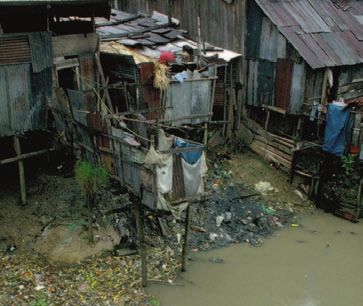
06 To Fetch a Pail of Water CYAN MAGENTA YELLOW BLACK
A heavy burden
6 To Fetch a Pail of Water Percentage of people who must travel
more than half an hour
to fetch water and return home
2001 or latest available data
A mother and her children take turns
trekking 14 km to the nearest water
over 50%
source. The journey is exhausting. They
each carry a bucket weighing up to 20 kg,
causing backache and, over the years,
26% – 50%
spinal injury. Some women have been
picked on by men; others have been 25% and over
attacked by stray dogs or bitten by snakes.
Water is so hard to come by that there is no data
barely sufficient for drinking.
F etching water prevents
mothers from looking after
their children and generating
household income. The time
children spend carrying heavy
buckets, queuing at the water
source or being sick with
diarrhoea could be spent in school
or on other productive tasks. In MOROCCO
urban slums, paying hefty sums of
money to a water vendor may be
the only way to obtain drinking
Time ticking away EGYPT
water at all.
With scarcely enough water to Average number of hours
quench children’s thirst, even less per household
spent each month MALI
remains for hand-washing. Dirty,
on essential water collection SENEGAL NIGER CHAD
insufficient water causes 2001 or latest available data
diarrhoea and other intestinal BURKINA
diseases in children: the worst hit FASO
GUINEA
BENIN
families often have no access to NIGERIA
GHANA
CÔTE
medical care and are least able to D’IVOIRE CENTRAL ETHIOPIA
pay for the cost of treatment, 25
AFRICAN REPUBLIC
such as oral rehydration salts. CAMEROON
UGANDA
Difficulty in obtaining water KENYA
causes disease, and denies families RWANDA
opportunities for education and
income generation, perpetuating
poverty. UNITED REP.
TANZANIA
Halving the proportion of
12 Africans without access to an
improved water supply and improved MALAWI
sanitation would save US$ 1.2 billion in ZAMBIA
8 8 health treatment costs. Universal access for
Africans to a piped water supply and
ZIMBABWE MADAGASCAR
5 sewerage connection in their homes
would save US$ 6.4 billion. NAMIBIA
MOZAMBIQUE
Pakistan India Nepal Philippines Indonesia
Time spent on water collection represents time lost to household and national SOUTH
economies. Every month, the Indian economy misses out on over 100 million AFRICA
working days in this way. With its large population, Asia loses more time than
18 any other continent. 197 malaria CYAN MAGENTA YELLOW BLACK
Malaria in Africa
7 Malaria Suitability of climate conditions for the transmission of malaria
2004
climate suitable, Africa bears the overwhelming burden
malaria endemic of malaria. It is home to the deadliest
T he name “mal aria” was
coined in Italy, as people
believed that “bad air” brought
Malaria around the world
2004
form of the malaria parasite and to
climatic conditions where mosquitoes
flourish. Local environmental
about the disease. In truth, the conditions, such as wetlands and
cause of malaria is a parasite malaria transmission occurs drainage patterns, also influence the
transmitted from person to abundance of mosquitoes.
limited risk Consequently, dams and irrigation
person through the bite of the
female Anopheles mosquito. no malaria schemes must be carefully planned
climate unsuitable, and managed in order to reduce
The environment is a key malaria absent opportunities for mosquitoes to breed.
determinant of the spread of
malaria – the deadliest of all the
vector-borne diseases. Malaria
flourishes within a certain
temperature range and altitude,
where favourable rainfall patterns
and humidity prevail, and where
animal or human blood is
available. Any clean standing
water provides a potential
breeding site for mosquitoes.
Ninety per cent of the at least one
million deaths a year from malaria
occur in Africa, mostly among
young children. Malaria also
hampers children's education:
because they miss school when ill, 978 661
and because severe episodes of
the disease may cause permanent
neurological damage. Malaria has Child deaths from malaria
been estimated to cost Africa Annual deaths from malaria
more than US$ 12 billion every of children under five years
year in lost GDP. The disease 2002
could be controlled for a fraction by WHO region
Other vector-borne diseases
of that sum.
Schistosomiasis Flat worms, whose life cycle partly takes place in freshwater snails,
Preventive measures, such as burrow through the skin. 200 million people, many of them children,
insecticide-treated bed nets, stop are currently infected with schistomiasis.
mosquitoes biting children.
Drugs, such as chloroquine, are Japanese This is a virus transmitted by mosquitoes in Asia. 90% of the cases
available, but drug resistance encephalitis occur in children under five years.
means that new remedies are
Leishmaniasis Transmitted by sand flies, this parasite causes skin lesions and
urgently being sought. Malaria is damage to internal organs. It killed 59 000 people in 2001.
one of the major public health
challenges undermining Dengue fever Mosquitoes transmit the virus, which kills more than 10 000
development. Long-term children every year.
solutions are needed to stop an 57 877 51 059
African child dying every Lymphatic Worms lodging in the lymphatic system can cause deformations in 9443 1266 44
filariasis children as young as 12 years.
30 seconds. Africa South-East Eastern Western The Europe
Asia Mediterranean Pacific Americas
20 218 Fluoride and Arsenic in Drinking Water CYAN MAGENTA YELLOW BLACK
Fluorosis
8 Fluoride and Arsenic 2004 or latest available data
in Drinking Water cases of dental or skeletal fluorosis reported
In Kachariadih village, India, a group of no data
children with limbs twisted out of shape
hobble forward with the help of walking
sticks. They grin with embarrassment
because they cannot run like other CANADA NORWAY
children their age — fluoride poisoning
has crippled their limbs.
GERMANY
M illions of children are
exposed to excessive
amounts of fluoride through
U S A
SPAIN
CHINA
JAPAN
ISRAEL
drinking water contaminated from PAKISTAN
natural geological sources. In MEXICO There are 2 million cases
China, the burning of fluoride- SAUDI ARABIA INDIA of skeletal fluorosis
in China.
rich coal adds to the problem. SENEGAL NIGER
SUDAN
ERITREA THAILAND
Small amounts of fluoride are NIGERIA
SRI LANKA
ETHIOPIA
good for teeth; it is added to
UGANDA
toothpaste and, in some countries, KENYA
to drinking water. At higher
“The dose makes the poison.” UNITED REP.
TANZANIA
doses, it destroys teeth and Paracelsus, physician BRAZIL
accumulates in bones, leading to (1493–1541)
crippling skeletal damage. With
their bodies still growing, children
are most at risk. SOUTH
AFRICA
Like fluoride, arsenic is widely
distributed throughout the earth's NEW
ZEALAND
crust, and is present in almost all
waters in very small amounts. In
Some estimates suggest
certain areas, however, there are arsenic in drinking water
dangerous levels of this toxin in will cause 200 000 to
children’s drinking water. The Arsenicosis 270 000 deaths
from cancer in
most tragic example is 2004 or latest available data Bangladesh alone.
Bangladesh, where thousands of
wells are causing a mass poisoning elevated levels of arsenic (over 50 µg/l) reported in water
of the population. Unsafe wells Arsenic poisoning in Bangladesh
are marked with red paint, ill-health has been reported due to arsenic-contaminated water Sylhet
warning people that this water is Hawabganj BANGLADESH Percentage of boreholes tested
Rajshashi where arsenic levels are
not for drinking. Natore Habiganj
Moulvibazar
above 50 micrograms per litre (µg/l)
1999
C A N A D A FINLAND
Pabna
ria
Health effects
ba
Dhaka The provisional WHO guideline value for arsenic
an
Kushtia
m
j
Meherpur
in drinking water is set at 10 µg/l
an
Manikganj
ah
ng
Br
Rajbari
ya
U S A Dhaka
Fluorosis
ra
Na
Chuadanga
ah
HUNGARY ROMANIA Munshiganj 75% and over
aid
• Tooth discoloration and decay C H I N A Faridpur Cornilla
en
Magura
Jh
PAKISTAN NEPAL
• Crippling skeletal damage Shariatpur
Chandpur
MEXICO INDIA
MYANMAR Madaripur 50% – 74%
VIET NAM Jessore Narail
Gopalganj
Arsenicosis BANGLADESH CAMBODIA Lakshmipur Feni
25% – 49%
Barisal
• Skin pigmentation changes and skin THAILAND
Pirojpur
Noakhali
thickening (hyperkeratosis) Khulna Jhalakati under 25%
PERU Satkhira Bagerhat
• Cancer of the skin, lungs, bladder Chittagong
and kidney BOLIVIA
no data
CHILE
ARGENTINA
Cox’s
22 Bazar
2309 Indoor Smoke CYAN MAGENTA YELLOW BLACK
! Cooking with solid fuel
Highly
Neglected
Issue
9 Indoor Smoke: Breaking
g ICELAND
D
FIN
NLAND Percentage of households
Down Respiratory Defences NORWAY
NO
SWEDEN
EN
ESTON
TO
ONIA
RUSSIAN
using solid fuel for cooking
2000 or latest available data
UNITED
UNITE
C LATVIA
LA FED.
ooking is central to our KI
KINGDO
KINGDOM
DENMARK
MARK
K
over 75% 25% and under
LITHUA
ANIA
lives, yet the very act of IRELA
ELAND
51% – 75% no data
cooking is a threat to children’s
health and well-being. 26% – 50%
A
Half of the world’s population
rely on solid fuels, such as dung, C A N A D A RUSSIAN FEDERATION
wood, crop waste or coal to meet
their most basic energy needs. In PAIN
most developing countries, these
fuels are burned in open fires or
rudimentary stoves that give off U S A DPR
D
K
KOREA
JAPAN
APA
black smoke. Children, often REP.
KOREA
OREA
carried on their mother’s back
A
during cooking, are most TU
UNISIA LE
exposed. The indoor smoke
BAHAMAS LGERIA LIBYAN
inhaled gives rise to pneumonia MEXICO
ARAB BAHRAIN Q MARSHALL KIRIBATI
JAMAHIRIYA EGYPT ISLANDS
U
and other respiratory infections – CUBA DOMINICAN NAURU
RE
REP. SAUDI ARABIA
the biggest killer of children ZE
JAMAICA
A
HAITI
TI
MAURITTANIA
TUVALU
GU NDURAS
N D
ST KITTS & NEVIS ANTIGUA & BARBUDA MALI
under five years of age. Indoor air EL SALVADOR
DOMINICA
ST LUCIA
CAPE VERDE
SENE
NEGAL NIGER ERIT
ITREA YEMEN FIJI
SAMOA
NIUE
NICARA
NIC GA PHILIPPINES
LIPPINE
pollution is responsible for nearly BARBADOS
GUINEA-
UDAN VANUATU
TONGA
COOK
ISLANDS
COSTA RICA
CA TRINIDAD & TOBAGO
half of the more than 2 million PA UYANA
U ETHI SRI LANKA
PALAU
deaths each year that are caused COLOMB
SURINAME
SUR
RI
R
MALDIVES
DAR.
by acute respiratory infections. EQU SOMAL
MALIA MALAYSIA
MICRONESIA,
YA SINGAPORE
INGAPORE FED. STATES OF
ECUAD
DOR SAO
Good ventilation and improved & PR
cooking stoves can dramatically PERU I N D O N E S I A
PAPUA
NEW
A
reduce children’s exposure to BRAZIL GUINEA
UIN SOLOMON
I LA
ISLANDS
A
smoke. Ultimately, making the
transition to gas and electricity MADAGASC
S
will save lives and reduce the NA
physical toll on women and UE
children from gathering wood, A USTR A LIA
freeing time for education and
development.
This problem has been largely Smoky homes
ignored by policy-makers. The Energy Ladder
Electricity Typical 24-hour mean concentration NEW
Increasing cleanliness, of particulate matter of ZEALAND
D
efficiency, less than 10 micrometres
Health effects petroleum gas,
convenience ural gas in diameter (PM10)
Established effects: early 2000s
• Pneumonia and other respiratory infections Kerosene micrograms per cubic metre
• Chronic obstructive pulmonary disease (µg/m3)
(including bronchitis, emphysema)
Charcoal, coal
Suspected effects:
• Tuberculosis
Wood European Union standard 50
• Cataracts
• Asthma
• Low birth weight Crop waste, dung
• Middle ear infection (otitis media) Increasing prosperity
Hut with an open fire Bangkok roadside Berlin city centre
24 2510 Passive Smoking CYAN MAGENTA YELLOW BLACK
Children’s voices
10 Passive Smoking: Percentage of students aged 13–15 years Framework Convention
Children Protest SWEDEN
ESTONIA
who want bans on smoking in public places
1999–2003
on Tobacco Control
first five countries
“Child abuse doesn’t have to mean broken LATVIA
over 75% no data to ratify convention
bones and black and blue marks.
Young growing tissues are far more 51% – 75% sub-national data
POLAND
vulnerable to carcinogens than those of available only
adults. Knowingly subjecting children to CZECH
respiratory tract disease is child abuse.” REPUBLIC SLOVAKIA
UKRAINE 26% – 50%
Dr. William Cahan, Memorial Sloan SLOVENIA BOSNIA &
Kettering Cancer Center, USA, 1993 HERZEGOVINA
CROATIA
SERBIA &
MONTENEGRO BULGARIA RUSSIAN FEDERATION
T he burning of tobacco
produces a cocktail of
dangerous chemicals. Almost half
FYR MACEDONIA
the world’s children (about 700 MALTA
million) are exposed to smoke
GEORGIA
from burning tobacco and exhaled
smoke at home. Environmental SYRIAN ARAB
C H I N A
tobacco smoke has particularly REPUBLIC
ISL . RE P.
IRA N
harmful effects on foetuses and WEST BANK
AND GAZA
JORDAN
young children, causing MEXICO
BAHAMAS LIBYAN
ARAB
NEPAL
JAMAHIRIYA
respiratory infections and other CUBA
HAITI
INDIA
illness. JAMAICA ANTIGUA & BARBUDA
OMAN
LAO
PDR
MONTSERRAT (UK) VIET NAM
GUATEMALA ST KITTS & NEVIS
HONDURAS
DOMINICA
Children do not choose to inhale EL SALVADOR ST VINCENT & GRENADINES ST LUCIA
SENEGAL YEMEN
PHILIPPINES
FIJI
GRENADA BARBADOS COOK
a mix of over 4000 chemicals, COSTA RICA TRINIDAD & TOBAGO
NIGERIA
CAMBODIA ISLANDS
BENIN
VENEZUELA
including carcinogens. In fact,
GHANA
TOGO
PANAMA GUYANA SRI LANKA
SURINAME ETHIOPIA
the majority of children
UGANDA
worldwide urge people to stop
smoking in public places. At
SEYCHELLES
home, it is the responsibility of PERU I N D O N E S I A
parents to protect their children BRAZIL
and stop smoking. Media MALAWI
ZAMBIA
campaigns, combined with
BOLIVIA
smoking restrictions in public ZIMBABWE
BOTSWANA
places and the workplace, can CHILE PARAGUAY
MOZAMBIQUE
help make homes tobacco-free.
Other tobacco control measures SOUTH
AFRICA LESOTHO
include taxation, bans on tobacco URUGUAY
advertising and health warnings ARGENTINA
BRAIN
on cigarette packs. The • Possible association with
Framework Convention on Health effects on children brain tumours and long-term
Tobacco Control, an international mental effects
treaty instigated by WHO, is • Increased risk of sudden
currently in the process of EARS
infant death syndrome
• Middle ear infections
signature and ratification. (chronic otitis media)
58% 58% HEART
Children whose parents and 50% Exposure in the home • Adverse effect on oxygen
LUNGS
friends smoke are more likely to 47% uptake and arteries
• Respiratory diseases
become addicted themselves; 41% Percentage of children exposed to (including bronchitis and
36% tobacco smoke in the home BLOOD
250 million children alive today pneumonia)
• Possible association with
will be killed by tobacco if 1999–2003 • Asthma induction and
lymphoma
by WHO region exacerbation
Mediterranean
current consumption trends • Chronic respiratory symptoms
South-East
continue. BURNS
(wheezing, coughing,
Americas
Western
• From fires caused by tobacco
Eastern
Europe
Pacific
breathlessness)
Africa
Asia
The
• Decreased lung function
26 2711 Polluted cities CYAN MAGENTA YELLOW BLACK
ICELAND
Dirty air: the silent killer
11 Polluted Cities:
Oulu
FINLAND
Kuopio
Average concentration of small particles (PM10)
The Air Children Breathe NORWAY
SWEDEN
Helsinki
Tallinn
in outdoor urban air by WHO sub-region
2000
micrograms per cubic metre (µg/m3)
“The widespread exposure of large UNITED ESTONIA
numbers of children to heavily polluted air Gothenburg RUSSIAN
KINGDOM
LATVIA FED. over 25
in developing countries has skyrocketed.” Glasgow
World Resources Institute 1999 DENMARK Malmo LITHUANIA
21 – 25 11 – 15
Dublin Leeds
Hamburg
P ower plants, factories and
vehicles spew out harmful
gases and small particles that can
IRELAND
Birmingham
London
Brussels
NETH.
Amsterdam
Rotterdam
GERMANY Prague
POLAND
Lodz
Berlin
Wroclaw
Warsaw
Krakow
BELARUS
UKRAINE
16 – 20
Average concentration of small particles (PM10)
no data
BELGIUM
LUX. Brno in selected European cities
penetrate deep into children’s Brest
Stuttgart CZECH REP. SLOVAKIA Kosice
2001
Bratislava REP.
Linz
lungs. In strong sunlight, oxides of Paris Metz Munich
Graz HUNGARY
MOLDOVA micrograms per cubic metre (µg/m3)
AUSTRIA
nitrogen from vehicle exhaust FRANCE SWITZ.
Zurich
SLOVENIA Ljubljana ROMANIA
over 30
Brescia
fumes form ozone at ground level, Modena CROATIA B-H
SERBIA &
Ruse
Florence MONTENEGRO 21 – 30
which can trigger asthma attacks. Burgos Toulon BULGARIA Burgas
Rome FYR MACEDONIA 20 and under
ALBANIA
Air pollution does not respect PORTUGAL Guadalajara ITALY PM10 refers to particles less than 10 micrometres in
Thessaloniki
national borders. Heavy metals SPAIN diameter, which can penetrate deep into the lungs
Lisbon Albacete
and persistent organic pollutants Athens and cause adverse health effects. The European
Palermo GREECE Union standard for 24-hour mean PM10 levels is set
are carried by winds, at 50 µg/m3, not to be exceeded more than 35 days
contaminating water and soil far C A N A D A MALTA per year.
from their origin. In the late
RUSSIAN FEDERATION
1990s, forest fires, mainly in
Indonesia, caused a haze of smoke
to hang for months over see inset
KAZAKHSTAN
MONGOLIA
neighbouring South-East Asian
DPR
countries. Schools and U S A GEORGIA
AZERBAIJAN
UZBEKISTAN KYRGYZSTAN KOREA
JAPAN
kindergartens were forced to TURKEY ARMENIA TURKMENISTAN
TAJIKISTAN
REP.
KOREA
close, while local hospitals CYPRUS SYRIAN ARAB
REPUBLIC C H I N A
LEBANON AFGHANISTAN
TUNISIA
reported large numbers of haze- MOROCCO ISRAEL IRAQ ISL . RE P.
IRA N
WEST BANK JORDAN
related illnesses in young BAHAMAS ALGERIA LIBYAN
AND GAZA KUWAIT PAKISTAN
NEPAL
BHUTAN
ARAB
children. MEXICO JAMAHIRIYA
BAHRAIN QATAR
UAE
MARSHALL
ISLANDS
KIRIBATI
TOKELAU
EGYPT
CUBA DOMINICAN INDIA BANGLADESH NAURU
SAUDI ARABIA
The Great London Smog of 1952 BELIZE
JAMAICA
HAITI
REP.
MAURITANIA OMAN
MYANMAR LAO
PDR
VIET NAM
TUVALU
ST KITTS & NEVIS ANTIGUA & BARBUDA MALI
focused the world’s attention on GUATEMALA HONDURAS
DOMINICA CAPE VERDE
SENEGAL NIGER ERITREA YEMEN
THAILAND
FIJI
SAMOA
NIUE
EL SALVADOR ST VINCENT & GRENADINES ST LUCIA CHAD
GAMBIA PHILIPPINES
the problem of air pollution, and NICARAGUA
GRENADA BARBADOS
GUINEA-BISSAU
BURKINA
FASO
SUDAN
CAMBODIA VANUATU
TONGA
COOK
ISLANDS
COSTA RICA TRINIDAD & TOBAGO DJIBOUTI
since then there has been a
BENIN
VENEZUELA
GUINEA CÔTE NIGERIA
GHANA
TOGO
PANAMA GUYANA SRI LANKA
SIERRA LEONE D’IVOIRE CENTRAL ETHIOPIA
marked improvement in air COLOMBIA
SURINAME
LIBERIA AFRICAN REPUBLIC
MALDIVES BRUNEI DAR.
PALAU
quality in developed countries. EQUATORIAL CAMEROON SOMALIA MALAYSIA
GUINEA UGANDA
MICRONESIA,
Nevertheless, every year outdoor ECUADOR SAO TOME
GABON
DEM. REP.
KENYA
SEYCHELLES
SINGAPORE FED. STATES OF
RWANDA
& PRINCIPE
air pollution is responsible for the CONGO CONGO
BURUNDI
PAPUA
death of hundreds of children in PERU UNITED REP. I N D O N E S I A NEW
TANZANIA GUINEA
BRAZIL SOLOMON
Europe, and of more than 24 000 ANGOLA
COMOROS
TIMOR-LESTE ISLANDS
globally. ZAMBIA
MALAWI
The entire bus fleet
MADAGASCAR
Industrial growth and rapid
BOLIVIA
ZIMBABWE MAURITIUS of New Delhi has converted to
NAMIBIA
BOTSWANA compressed natural gas to ease
urbanization aggravate the CHILE PARAGUAY
MOZAMBIQUE
the city’s infamous pea-soup
problem, with the pressure felt smog. A USTR A LIA
most acutely in the megacities of Health effects on children SOUTH
SWAZILAND
AFRICA LESOTHO
the developing world. Use of • Pneumonia and other lower
URUGUAY
cleaner fuels and technologies, respiratory infections ARGENTINA
refined motor engines, and public • Asthma
transport are crucial in ensuring • Low birth weight
NEW
that children breathe clean air. ZEALAND
28 2912 Child Injuries CYAN MAGENTA YELLOW BLACK
Dying on the roads
12 Child Injuries ICELAND
FINLAND Deaths due to road traffic accidents of children aged 0–14 years
are Preventable NORWAY
SWEDEN
ESTONIA
RUSSIAN
per 100 000
2002
by WHO sub-region
UNITED LATVIA FED.
Emeka slipped while drawing water from KINGDOM
DENMARK LITHUANIA
the river near her village in Nigeria and 20.0 and over 2.5 – 4.9
IRELAND
did not return home . . . NETH. BELARUS
POLAND
BELGIUM GERMANY
CZECH
10.0 – 19.9 under 2.5
UKRAINE
D
REPUBLIC SLOVAKIA
rowning is the most LUX. REP.
AUSTRIA HUNGARY MOLDOVA 5.0 – 9.9 no data
common cause of injuries FRANCE SWITZ. SLOVENIA ROMANIA
CROATIA B-H SERBIA &
for infants, killing approximately C A N A D A MONTENEGRO BULGARIA
ITALY RUSSIAN FEDERATION
60 000 children under five every PORTUGAL
ALBANIA
FYR MACEDONIA
SPAIN
year and leaving roughly the same
GREECE
number permanently disabled. KAZAKHSTAN
MALTA
Children also suffer burns from U S A
MONGOLIA
open fires and kerosene stoves, GEORGIA UZBEKISTAN KYRGYZSTAN
DPR
KOREA
JAPAN
AZERBAIJAN
and are injured in falls at home, at Deaths from road accidents TURKEY ARMENIA TURKMENISTAN
TAJIKISTAN
REP.
KOREA
school and at playgrounds. are projected to rise by 65% CYPRUS SYRIAN ARAB
C H I N A
REPUBLIC
by 2020, mostly in TUNISIA LEBANON
ISRAEL ISL . RE P.
AFGHANISTAN
MOROCCO IRAQ
In older children, however, the developing countries. WEST BANK JORDAN IRA N
AND GAZA KUWAIT PAKISTAN BHUTAN
BAHAMAS ALGERIA LIBYAN
overriding cause of injuries is ARAB BAHRAIN QATAR
NEPAL
MARSHALL KIRIBATI
MEXICO JAMAHIRIYA ISLANDS
TOKELAU
road traffic accidents, killing CUBA DOMINICAN
EGYPT UAE
INDIA BANGLADESH NAURU
REP. SAUDI ARABIA LAO
approximately 180 000 children BELIZE
JAMAICA
HAITI ANTIGUA & BARBUDA
MAURITANIA OMAN
MYANMAR
PDR
VIET NAM
TUVALU
GUATEMALA HONDURAS ST KITTS & NEVIS MALI SAMOA
under 15 each year. Children are EL SALVADOR ST VINCENT & GRENADINES
DOMINICA
ST LUCIA
CAPE VERDE
SENEGAL NIGER ERITREA YEMEN
THAILAND
FIJI NIUE
NICARAGUA GAMBIA SUDAN PHILIPPINES
CHAD
rarely the cause of road traffic GRENADA BARBADOS
GUINEA-BISSAU
BURKINA
FASO DJIBOUTI
CAMBODIA
VANUATU
TONGA
COOK
ISLANDS
COSTA RICA TRINIDAD & TOBAGO
BENIN
GUINEA NIGERIA
accidents but suffer as pedestrians, VENEZUELA
GHANA
TOGO
PANAMA GUYANA CÔTE SRI LANKA
SURINAME SIERRA LEONE D’IVOIRE CENTRAL ETHIOPIA MALDIVES PALAU
BRUNEI DAR.
cyclists and passengers. Boys, COLOMBIA LIBERIA AFRICAN REPUBLIC
EQUATORIAL CAMEROON SOMALIA MALAYSIA
often given greater freedom to GUINEA UGANDA
SINGAPORE
MICRONESIA,
KENYA FED. STATES OF
ECUADOR GABON
roam, are more likely to be SAO TOME DEM. REP. RWANDA SEYCHELLES
& PRINCIPE CONGO CONGO BURUNDI
injured than girls. PERU UNITED REP.
PAPUA
I N D O N E S I A NEW
TANZANIA
BRAZIL GUINEA SOLOMON
Injuries are unnecessary and ANGOLA COMOROS
TIMOR-LESTE ISLANDS
avoidable. The use of seatbelts ZAMBIA
MALAWI
and child car seats, and the BOLIVIA
ZIMBABWE
MADAGASCAR
MAURITIUS
wearing of helmets are essential NAMIBIA
BOTSWANA
MOZAMBIQUE
PARAGUAY
CHILE
to prevent the death of child
A USTR A LIA
passengers or cyclists. Traffic SOUTH
SWAZILAND
AFRICA LESOTHO
measures such as checking vehicle URUGUAY
roadworthiness, enforcing speed ARGENTINA
How children are injured
limits and prosecuting drunk Causes of deaths worldwide
drivers are particularly important 111 559 due to unintentional injuries
NEW
in developing countries, where for children under 15 years ZEALAND
roads tend to be poorly 2002
89 955
maintained and the number of
vehicles is growing rapidly. 71 261
Injuries from road traffic 55 104
accidents already cost developing
countries US$ 65 billion a year – 39 969
34 238
more than the annual amount of
development assistance they 22 294 19 818
14 713 15 797
receive.
boys girls boys girls boys girls boys girls boys girls
30 Road traffic accidents Drowning Fires Falls Poisonings 31You can also read


