Intercepting autoimmunity to prevent chronic diseases - March 2021 - Provention Bio | Investor ...
←
→
Page content transcription
If your browser does not render page correctly, please read the page content below
Intercepting autoimmunity
to prevent chronic diseases
March 2021

                              1
Provention Bio
Forward-looking statements
This presentation contains forward‐looking statements including, but not limited to, the potential safety, efficacy, regulatory review or approval and
commercial success of teplizumab and our other product candidates and those relating to the Company’s product development, clinical studies, clinical
and regulatory milestones and timelines, market opportunity, competitive position, possible or assumed future results of operations, business strategies,
potential growth opportunities and other statements that are predictive in nature. “Forward-looking statements” are statements that are not historical
facts and involve a number of risks and uncertainties, which may cause actual results to be materially different from any future results expressed or
implied in the forward-looking statements. These statements may be identified by the use of forward‐looking expressions, including, but not limited to,
“expect,” “anticipate,” “intend,” “plan,” “believe,” “estimate,” “potential,” “predict,” “project,” “should,” “would,” and similar expressions and the
negatives of those terms.
Forward-looking statements are based on the Company's current expectations and assumptions. Forward-looking statements are subject to a number of
risks, uncertainties, and other factors, many of which are beyond the Company’s control, including, but not limited to: our lack of operating history; our
ability to satisfy our capital needs; our dependence on our product candidates, which are still in preclinical or various stages of clinical development; our
dependence on third parties to manufacture our product candidates; our reliance on third-party vendors, such as contract research organizations and
contract manufacturing organizations; the uncertainties inherent in clinical testing; our ability to complete required clinical trials for our product
candidates and obtain approval from regulatory authorities for our product candidates; our ability to protect our intellectual property; the potential
impact of COVID-19; the loss of any executive officers or key personnel and the other factors listed under “Risk Factors” in our annual report on Form 10-
K for the year ending in December 31, 2020; and any subsequent filings with the Securities and Exchange Commission (SEC).
The Company cautions investors not to place undue reliance on any such forward-looking statements, which speak only as of the date of this
presentation. The Company disclaims any obligation, except as specifically required by law and the rules of the SEC to publicly update or revise any such
statements to reflect any change in expectations or in events, conditions, or circumstances on which any such statements may be based, or that may
affect the likelihood that actual results will differ from those set forth in the forward-looking statements.

                                                                                                                                                                2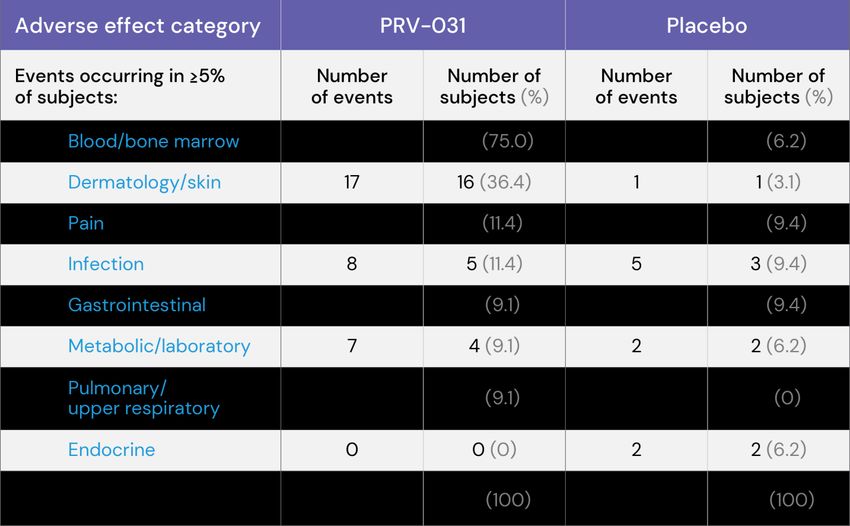
Provention Bio
Change the World

        Mission                                    Vision
        Seek out autoimmunity early to intercept   Change the world by unleashing the full
        and prevent debilitating and life-         potential of lives otherwise burdened or
        threatening diseases.                      cut short by autoimmune disease.

                                                                                              3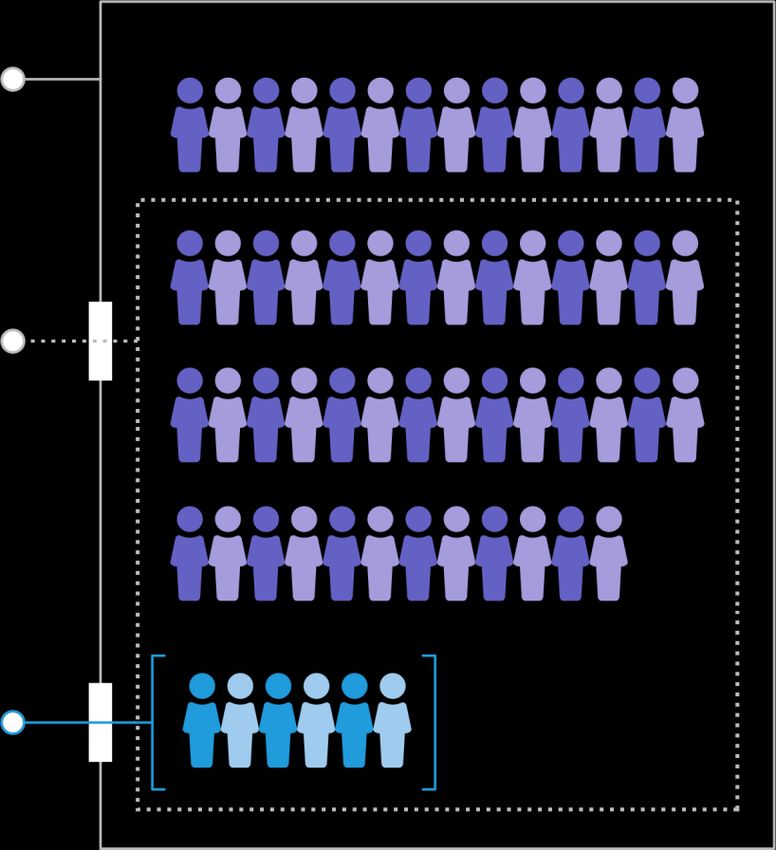
Company Overview
The value of interception & prevention in autoimmunity
 Intercept and prevent                   Four programs with significant upside                Fiscal strength to build a better
 life-altering and life-threatening      potential across multiple diseases                   future in autoimmunity
 autoimmune diseases
                                         •   PRV-031 (teplizumab) an investigational          •   $121.8 million in cash, cash
 •   Focused on chronic autoimmune           monoclonal antibody, for the delay or                equivalents, and marketable
     diseases with compelling                prevention of T1D in “at-risk” patients and          securities as of December 31, 2020
     biological and commercial               the treatment of “newly diagnosed” patients
     rationale                                                                                •   Completed follow-on offering in Q1
                                         •   PRV-3279 an investigational bispecific DART®         2021 that generated net proceeds
 •   Advancing autoimmune                    targeting B-cell-driven disease such as              of approximately $102.3 million
     investigational therapies in            systemic lupus erythematosus with multi-
     partnership with industry leaders       indication potential
       •   Amgen, Huadong, Vactech       •   PRV-015 an investigational monoclonal
 •   Focused on the patient voice and        antibody for nonresponsive celiac disease
     committed to working with           •   PRV-101 an investigational vaccine for the
     patient advocacy groups                 prevention of coxsackievirus B and potentially
       •   JDRF and Beyond Type 1            T1D and celiac disease

                                                                                                                                       4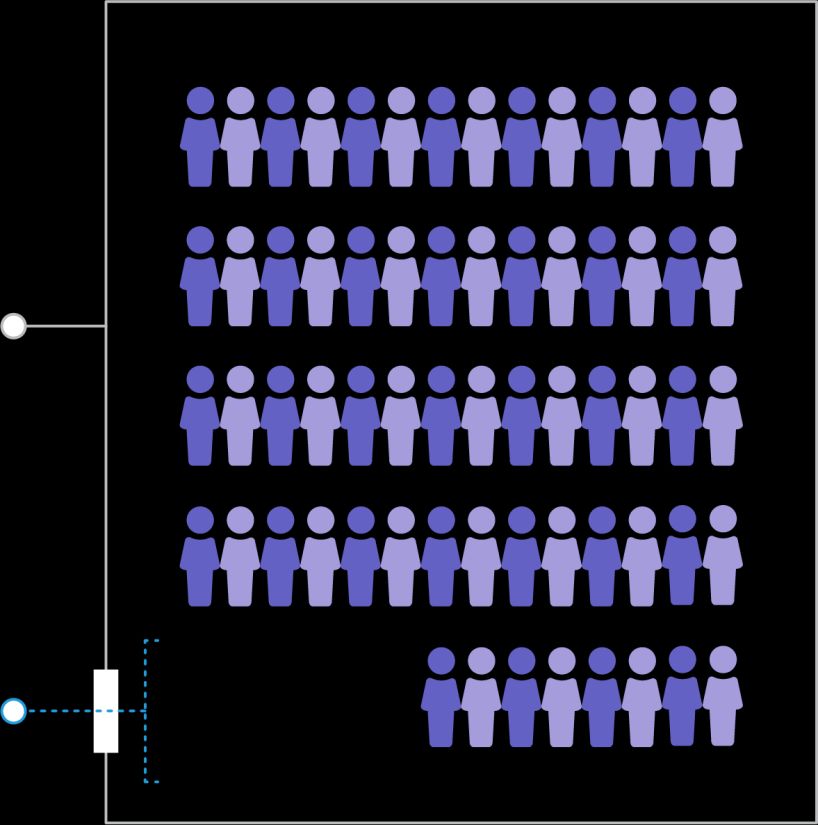
Company Overview
Intercept & prevent before it happens
Our goal is to intercept autoimmunity early to modify disease development and reduce chronic morbidity
                               Infection/Trigger              Tissue inflammation

                Predisposition                     Autoimmune                                               Chronic
                                                                                    Early onset
                susceptibility                     phenomena                                                disease
                                                                                    Evident tissue damage
                Healthy individual                 Autoantibodies                                           Advanced-stage tissue
                                                                                    Early symptoms
                (genetic risk)                     Biomarkers                                               damage and symptoms

                                     Prevent                        Intercept                                    Treatment

                                     PRV-101*                       Teplizumab                                   Conventional
                                                                    (PRV-031)*                                    biopharma
                                                                                                                   approach
                                                                    PRV-3279*

                                                                     PRV-015*

 * Product candidate under clinical investigation
                                                                                                                                    5
Company Overview
A diversified autoimmune pipeline
Focus                     Target Indication       Preclinical      Phase 1         Phase 2         Phase 3            Regulatory   Next expected milestone

                          Delay onset                                                                                              PDUFA date of July 2, 2021
                                                  Teplizumab (PRV-031)
                          in at-risk patients
Type 1                    Newly diagnosed
                                                  Teplizumab (PRV-031)                                                             Expect to complete PROTECT
diabetes (T1D)            patients                                                                                                 enrollment in H2 2021*
autoimmunity
                          Prevention              PRV-101                                                                          Expect top-line Phase 1 first-
                                                                                                                                   in-human data Q4 2021

                          Systemic lupus                                                                                           Initiate Phase 2a trial in
B-cell                                            PRV-3279
                          erythematosus                                                                                            lupus in H2 2021
autoimmunity
checkpoint                Prevention of
                                                  PRV-3279
                          immunogenicity

GI autoimmunity           Celiac disease          PRV-015                                                                          Expect top-line Phase 2b
                                                                                                                                   data in 2022

        *Enrollment in PROTECT was paused in Mar 2020 due to the COVID-19 outbreak; enrollment resumed in Jun 2020;
        enrollment dependent on status of COVID in each country/site

                                                                                                                                                                    6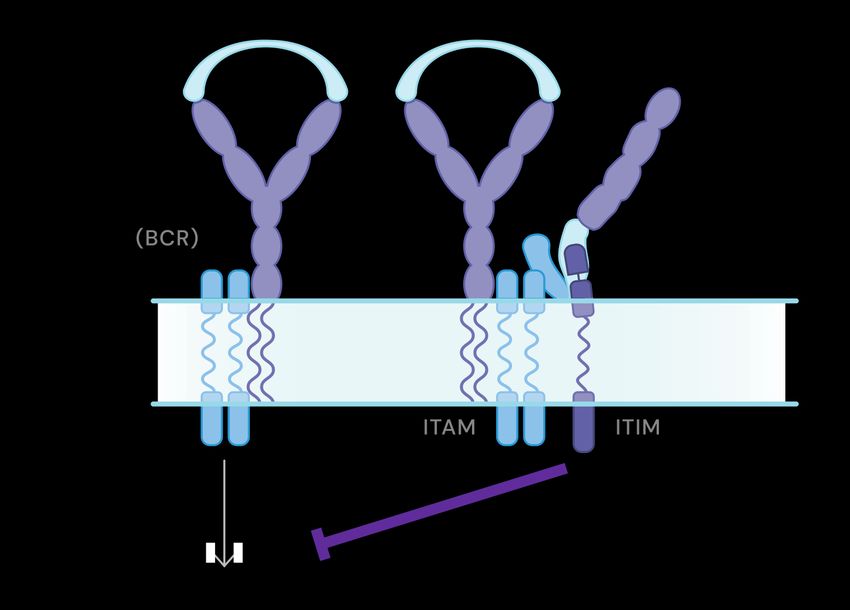
Aiming to Intercept Type 1 Diabetes

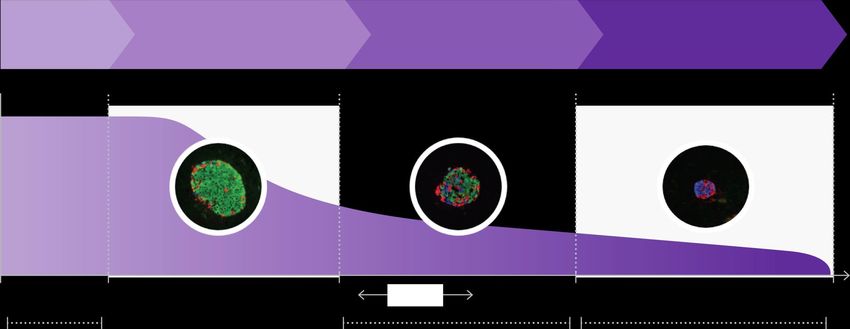
      T1D continuum leads to destruction of β cells
      Natural history of β-cell loss and T1D onset

                                                                                                                            Stage 2              Stage 3
                                                                                                       Stage 1
                                                                          Pre-stage 1                                 Dysglycemia and     Newly diagnosed
                                                                                                  Autoantibodies       autoantibodies     symptomatic T1D

                                                                   100%
             Functional β-cell mass
                                      Illustrative; not actual %

                                                                    0%
                                                                                                                   Time

     T1D Clinical                                                         Vaccination                                At-Risk study        PROTECT study
      Programs:                                                         PRV-101 (polyvalent                        PRV-031 (teplizumab)   PRV-031 (teplizumab)
                                                                      coxsackievirus B vaccine)

Staging Presymptomatic Type 1 Diabetes. Insel et al. Diabetes Care. 2015;38(10):1964-1974.                                                                       7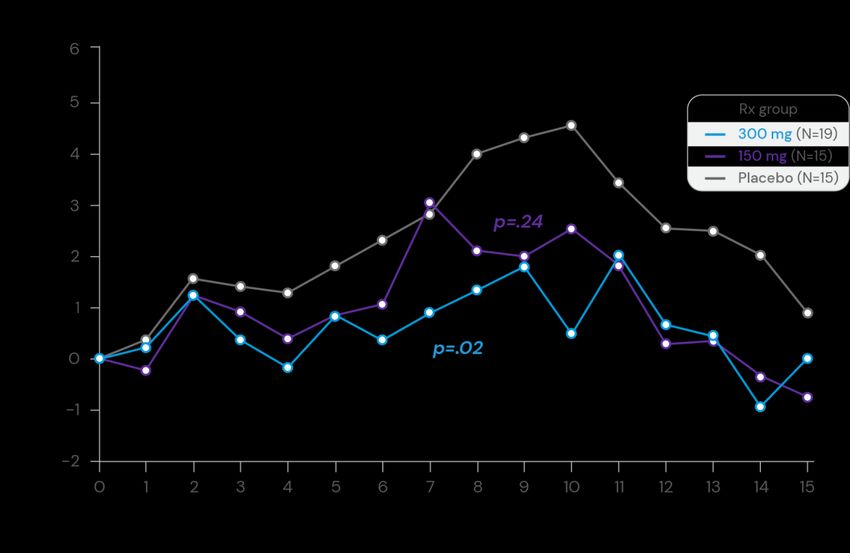
Aiming to Intercept Type 1 Diabetes
T1D: high disease burden and unmet need in the US

  Genetically predisposed                                       Unmet need
  autoimmune disease

  • Newly diagnosed T1D is an orphan indication                 • Currently no preventive or disease-modifying treatments
  • ~50% of newly diagnosed T1D patients present with a life-   • Standard of care places considerable daily burden on
    threatening condition called diabetic ketoacidosis (DKA)      patients
  • ~60% of cases associated with coxsackievirus B infection    • >75% of people with T1D are poorly controlled (HbA1c
                                                                  >7%), leading to cardiovascular disease, kidney disease,
                                                                  retinopathy, and metabolic syndrome
                                                                • Life expectancy ~16 years shorter if diagnosed with T1D
                                                                  before the age of 10

                                                                                                                             8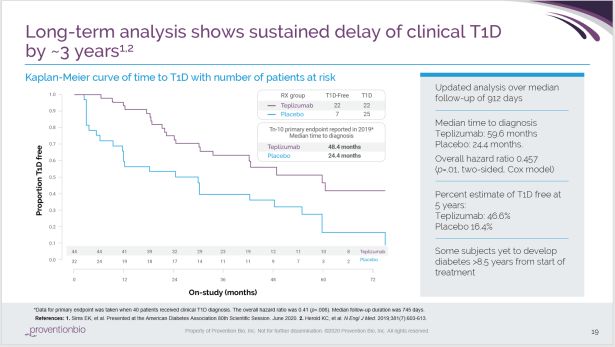
Aiming to Intercept Type 1 Diabetes
Potential commercial opportunity for at-risk indication
Estimated US patient prevalence
                                                 Up to 2.3 million people may be at
                                                 risk of T1D globally
           300,000
     2 or more autoantibodies
                                                 Broader population screening is expected
                                                 to identify additional patients beyond
                                                 familial direct relatives
           200,000                               Label expansion initiatives will potentially
     2 or more autoantibodies                    include multiple courses of treatment
          and dysglycemia

                                                 "While technology (i.e., CGMs, insulin pumps)
             30,000                              can help, they do not fully restore normalcy or
      Familial direct relatives                  confer total peace of mind.”
         of T1D patients                Launch   - Pediatric endocrinologist
      (relatives represent ~15% of      focus
    the pool of 200,000 patients with
   2 autoantibodies and dysglycemia)
                                                                                                9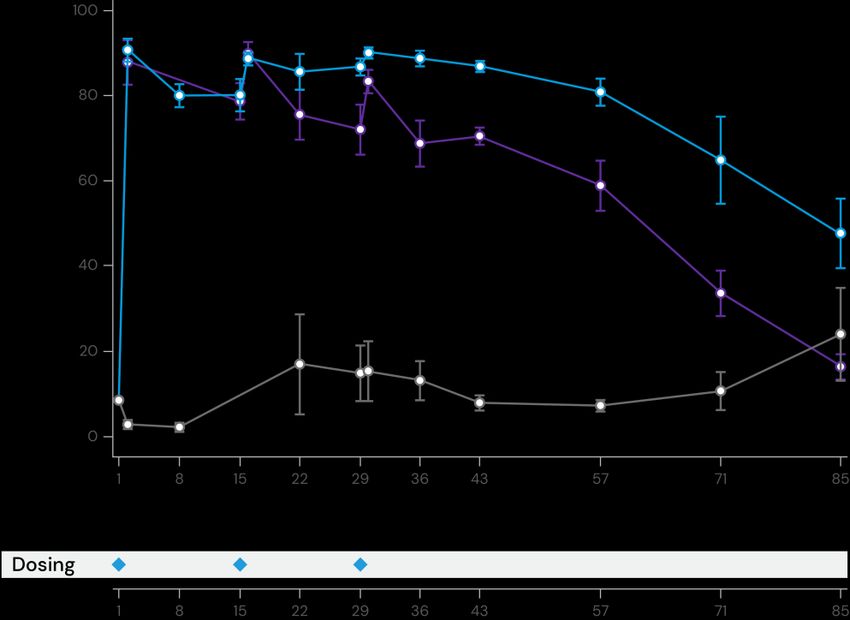
Teplizumab – (PRV-031)
 The T-cell approach to potentially
 intercept T1D and delay onset
 Mechanism of action
 • Humanized monoclonal antibody
 • Binds to T-cell co-receptor CD3; acts as partial agonist
 • Administered as a ~30-minute IV infusion over a 12-
   day or 14-day outpatient treatment

 Supporting clinical data
 • >800 patients dosed across multiple clinical studies
 • Consistent slowdown of C-peptide decline1
 • “At-Risk” study results: significantly delayed T1D
   onset2                                                                                    Designed to eliminate
                                                                                             autoreactive T cells while
                                                                                             sparing regulatory T cells
1. See slide 15 for Newly Diagnosed and Sims 2020 for At Risk, p=0.02
2. “At-Risk” study results: significantly delayed T1D onset by a median of 3 years (hazard ratio 0.457, p=0.01) [Sims 2020]
                                                                                                                              10
Teplizumab – (PRV-031)
At-Risk study in T1D
Teplizumab (n=44) PRIMARY ENDPOINT
At-risk
subjects Placebo (n=32) Onset of clinical T1D
Primary endpoint
• Time to development of T1D from randomization
after single 14-day course of teplizumab by IV infusion
Population
• ≥8 years old, relative of a patient with T1D
• Abnormal glucose tolerance
• ≥2 T1D-related autoantibodies
Conducted by TrialNet
• Funded by the NIH and JDRF
11Teplizumab – (PRV-031)
At-Risk study: clinical T1D delay = ~3 years
Median time to clinical T1D diagnosis
Teplizumab: 59.6 months
Placebo: 27.1 months
Overall hazard ratio 0.457
(p=.01, 2-sided, Cox model)
Single 14-day course of PRV-031 significantly
delayed the clinical onset of T1D by 32.5 months
One subject yet to develop clinical diabetes >8.5
years from start of treatment
Patient numbers on x-axis represent number of patients who have reached that time point.
Note: Chart above is as of March 2021; adapted from Sims et al; Teplizumab improves and stabilizes beta cell function in antibody-positive high-risk
individuals. Science Translational Medicine. 03 Mar 2021: Vol. 13, Issue 538
12Teplizumab – (PRV-031)
At-Risk study: reversal of C-peptide decline
• C-peptide levels not only stabilized but
reversed/increased (p=.02) upon teplizumab treatment,
while placebo-treated subjects kept declining (p=.002 for
teplizumab vs placebo)
• Improvement in C-peptide translated to:
• Improved (higher) insulin secretion (p=.004)
• Improved (lower) glucose levels (p=.04)
• Correlated with induction of exhausted T cells
(p=.01) and fewer inflammatory cytokines (pTeplizumab – (PRV-031)
At-Risk study: safety profile
Transient events as expected, due to drug
mechanism:
• Transient adhesion of lymphocytes and
leukocytes to blood vessel walls due to partial
activation (margination)
• Transient mild rash and neutropenia due to
mild cytokine release
No increased clinical Epstein-Barr virus
(EBV) reactivations, no increased
opportunistic infections
Data source: Herold et al. N Engl J Med. 2019;381(7):603-613.
Possibly Related Treatment-Emergent Adverse Events (TEAEs) by MedDRA High-Level Terms.
Events occurring in ≥5% of subjects.
14Changing the future of T1D screening and care
We believe the prospect of a disease-modifying therapy receiving regulatory approval will increase screening, facilitate
commercialization, and revolutionize T1D management
Screening today Expectations for screening tomorrow
• Standard blood tests available • Focus initially on screening direct • Disease awareness increases with
• >1.5 million people screened relatives of T1D patients more screenings and availability of
• Identification rates for • Availability of treatment options may treatment
2 autoantibodies: encourage broader population screening • Guidelines for T1D management
• Family history ~1 : 1001 • Early-stage diagnosis helps reduce disease evolve
morbidity: • Tests become more affordable and
• No family history ~1 : 1,0002
• DKA reduced from ~50% to ~10%3,4 more accessible
Taking steps today to get there tomorrow
"With that knowledge for Unbranded campaigns to increase awareness and educate patients and
hope, more would test.” doctors on screening
- T1D patient
1. Rewers et al. ASK poster at EASD 2018. 2. Bonifacio et al. PLOS Medicine April 3, 2018. 3. Ziegler et al. Yield of Public Health Screening of Children
for Islet Autoantibodies in Bavaria Germany; JAMA. 2020;323(4):339-351. doi:10.1001/jama.2019.21565. 4. Rewers et al. ASK poster at EASD 2019. 15Teplizumab – (PRV-031)
Securing payer access
Understanding payers’ baseline knowledge of T1D and current
management is critical to developing our strategy
Critical insights gained from payer advisory PRVB Market Access Team direct
board and market research interviews: payer engagements began in Q3
• Attended by medical directors • To date: 19 major payer meetings
representing 73 million lives representing > 70 million lives
(Commercial and Medicaid) • Discussions confirm the need for
• Majority of payer diabetes budget disease education, and reinforce
and management focused on enthusiasm for teplizumab
type 2 diabetes
Critical HEOR work will anchor the
• Low awareness of the unmet need in teplizumab value story
T1D that exists today
• Real-world evidence study,
• High enthusiasm for teplizumab data; building robust budget impact
expect strong coverage (to approved and cost-effectiveness models,
label) for potential novel T1D disease- and developing AMCP dossier
modifying drug
Pricing Research Underway
16Teplizumab – (PRV-031)
Potential expansion strategy for teplizumab
T1D potential strategy Additional potential indications
Repeat dosing Age expansion Rheumatology
• At risk • At risk (ages 2-8) • Psoriatic arthritis
• Newly diagnosed • Newly diagnosed (ages 2-8 and >18) • Rheumatoid arthritis
Combinations in T1D Subcutaneous formulation GI immunology
• Antigens • Improve on current IV dosing • Crohn’s disease
regimen by creating a subcutaneous • Celiac disease
• Metabolic drugs (e.g., GLP-1
formulation
agonist) • Autoimmune hepatitis
• Immune modulator (e.g., B-cell
inhibitor PRV-3279)
• β-cell transplant
17Teplizumab – (PRV-031)
PROTECT phase 3 study: newly diagnosed T1D
Objective Trial design
• Understand β-cell function preservation in T1D
patients who are most responsive to teplizumab
Primary endpoint
• Difference in C-peptide at 18 months (detect a 40%
difference with 90% power)
Secondary endpoints
• Insulin use; HbA1c; Hypoglycemic episodes; Safety
• 300 participants • Newly diagnosed: within 6
Status
• Randomized 2:1 weeks of T1D diagnosis
• Enrollment paused in Mar 2020 due to COVID-19; • Baseline C-peptide >0.2
(teplizumab:placebo)
enrollment resumed in Jun 2020; enrollment pmol/mL
dependent on status of COVID in each country/site • Age range: 8-17 years • T1D-related autoantibodies
• Expect to complete enrollment in H2 2021 and
report top-line results in mid-2023
18Teplizumab – (PRV-031)
Historical Data in Newly Diagnosed T1D Patients
Study Phase 2: Phase 2: Phase 2: Phase 3:
Study 1 AbATE Delay** Protégé*
Number of Subjects
42 77 60 305
T1D diagnosis < 6 weeks < 8 weeks 4 - 12 months < 12 weeks
Subject population Age 7-30 years Age 8-29 years Age 8-26 years Age 8-35 years
Mean 14.4 years Mean 12.5 years Mean 12.3 years Mean 18.6 years
Difference in C-peptide 92% 71% 21% 20%
P-value 0.036 0.001 0.028 0.028
Consistent C-peptide benefit at 2 years indicating long-term preservation of beta cells
* Full 9.0 mg/m2/course 14-Day regimen was explored in 207 treated patients and 98 placebos
**Delay study based on 12-month time-point. All other studies based on 24-month time-points. Missing data imputed as submitted to the FDA in the BLA.
19Teplizumab – (PRV-031)
Opportunity to intercept T1D in thousands of newly diagnosed patients
Estimated US patient prevalence
Large commercial market for potential
newly diagnosed indication
~64,000
new cases of T1D in
the US per year Planned outreach to pediatric and adult
endocrinologists to support identification of
newly diagnosed type 1 diabetes patients
Future age groups expected to include
2- to 7-year-old and >18-year-old patients
Ages 8-17
POTENTIAL FOR 26%
MARKET LAUNCH
20PRV-3279 B-Cell Autoimmunity Checkpoint Inducer Candidate
Bispecific DART® program with multi-indication potential
Mechanism of action
• Humanized, bispecific scaffold (DART®) targeting both
CD32B and CD79B
• Designed to trigger inhibition of B-cell function,
suppression of autoantibody production, and CD40
expression
• Designed to boost negative feedback loop regulating B cells
without causing B-cell or platelet depletion
Established proof of mechanism
• Inhibition of the production of antibodies to hepatitis A
vaccination in previously unvaccinated individuals
• Durable effect: 1-month B-cell inhibition after single dose
Multiple potential applications
• Intercept autoimmune diseases, such as lupus
• Prevent immunogenicity of a variety of therapeutic
proteins and gene therapy vectors
21PRV-3279 B-Cell Autoimmunity Checkpoint Inducer Candidate
PREVAIL phase 1b/2a study: systemic lupus erythematosus
PREVAIL phase 1b data study design
PREVAIL Phase 2a (lupus) trial design
• Multiple-ascending dose (MAD) Phase 1b study
in 16 healthy adult volunteers
• Randomized, double-blind, placebo-controlled
Positive PREVAIL phase 1b study results
• Well tolerated; no serious adverse events
• PK parameters were generally dose proportional
• Durable pharmacodynamic responses
• PRV-3279 durably inhibited the function of B cells
• Phase 2a 24-week prevention of relapse proof-of-concept
without depletion
• Lupus is a quintessential chronic autoimmune disorder
Status
driven by autoreactive B cells
• Expect to commence Phase 2a in lupus patients
• Polymorphisms in CD32B associated with lupus
H2 2021
*except very low-dose steroids and/or anti-malarial
22PRV-3279 B-Cell Autoimmunity Checkpoint Inducer Candidate
PREVAIL Phase 1b Results
~90% of B cells engaged by PRV-3279 Durable inhibition of serum IgM by PRV-3279
High levels of B-cell engagement resulted in PRV-3279 durably inhibited the function of
durable pharmacodynamic responses B cells without depletion
23PRV-3279 B-Cell Autoimmunity Checkpoint Inducer Candidate
Strategic Collaboration with Huadong for Greater China
• Strategic Collaboration with Huadong Medicine to develop and
commercialize PRV-3279 in Greater China
• $6 Million Upfront Payment; Up to $11.5 million in research, development and
manufacturing funding
• Up to $172 million in potential development, regulatory and commercial
milestones
• Low double-digit royalties as a percentage of net sales in Greater China
• Provides Provention Bio access to the second largest pharmaceutical market
in the world
• Advances the funding and development pathway for PRV-3279 in systemic
lupus erythematosus (SLE)
• We believe this provides external validation for Provention Bio’s pioneering
business model focused on intercepting and preventing serious, debilitating
and life-threatening autoimmune diseases
24PRV-015 GI Autoimmunity Candidate Phase 2a data shown at 2018 DDW, published in The Lancet
Anti-IL-15 for gluten-free diet
nonresponsive celiac disease
Poorly managed celiac disease is associated with deteriorating
general health, multiple serious intestinal and extraintestinal
medical complications, and increased morbidity and mortality.
The gluten-free diet is not effective in ~50% of patients, and flare-ups
can occur after accidental exposure to gluten.
Fully-human anti-IL-15 monoclonal antibody
• 21-day half-life; subcutaneous administration every 2-4 weeks
Proof of concept (POC) established
• Well tolerated in 6 prior clinical trials with ~300 patients
Gluten challenge study:
• Achieved POC in Phase 2a studies in celiac disease and no Weeks 0-2 gluten-free cookies; Weeks 2-12 gluten-containing cookies
known dose-limiting toxicity Statistically significant across multiple celiac and gastrointestinal
• Also POC in refractory celiac disease Type II (in situ T-cell endpoints, as well as local inflammation
lymphoma)
Status Safety and efficacy of AMG 714 in adults with coeliac disease exposed to gluten challenge: a phase 2a,
randomized, double-blind, placebo-controlled study.
• Initiated Phase 2b trial in Q3 2020; expect top-line data in 2022 Lähdeaho et al. Lancet Gastroenterol
Hepatol. 2019;4(12):948-959.
25PRV-015 GI Autoimmunity Candidate
Trial design
PROACTIVE Phase 2b study:
nonresponsive celiac disease
Objective
• Dose-finding Phase 2b study testing 3 dose levels of
PRV-015 against placebo (1:1:1:1)
Primary endpoint
• Validated CeD-PRO (celiac disease patient-reported
outcome) (GI symptoms)
Secondary endpoints
• Symptoms: BSFS Score • Histology
• Inflammation (IELs: • Safety • ~220 adult celiac patients not responding to gluten-free diet
intraepithelial • Initiated Phase 2b trial in Q3 2020
lymphocytes)
Amgen has the right to reacquire PRV-015 for $150 million up front, milestones and royalties
26PRV-101 Candidate for Prevention Type 1 Diabetes
Vaccine Candidate to prevent T1D and celiac disease
Vaccinating against coxsackievirus B (CVB) Phase 1 first-in-human study started December 2020
PRV-101 is a polyvalent inactivated investigational vaccine Randomized, double-blind, placebo-controlled, dose-
designed to prevent acute CVB infection. escalation study to evaluate the safety, tolerability, and
immunogenicity of PRV-101 in 32 healthy volunteers.
The role of CVB in T1D and celiac disease
Two dose levels, each with a sentinel group. Three vaccine
CVB is a common, potentially serious infection: administrations, every 4 weeks.
• Damages insulin-producing cells and gut-lining cells,
triggering a T-cell immune response
First-in-human data expected in Q4 2021
CVB is the only persistent infection significantly associated
with development of T1D and celiac autoimmunity†:
• Found in the pancreas of ~60% of patients with T1D
and in the gut of ~20% of patients with celiac disease CVB vaccine has the potential to prevent acute
• 50% reduction in T1D was observed in the offspring of coxsackie infection and to prevent up to ~50% of
mothers with immunity to CVB during pregnancy T1D and ~20% of celiac disease.
†TEDDY study of >400,000 children screened
27Corporate
Structured for success: Provention Bio financials
Balance sheet Operations
• $121.8 million of cash, cash equivalents, and marketable • Net loss by quarter 2020:
securities as of December 31, 2020 • Q1 20 $12.6 million
• Completed follow-on offering in Q1 2021 which • Q2 20 $22.1 million
generated net proceeds of approximately $102.3 million
• Q3 20 $31.3 million
• No debt
Ownership and capital structure • Q4 20 $32.6 million
• 63.4 million shares outstanding • Net loss for the year ended December 31, 2020 was
$98.6 million
• 74.5 million shares fully diluted
• Net cash-based operating expenses of $86.5 million*
• All directors and officers as a group own ~8%
for the year ended December 31, 2020
Nimble organizational structure * GAAP Operating Expenses of $99.7M less Stock Comp of
$13.2M
• 59 full-time employees
28Corporate
Aligning science and experience to change the world
Ashleigh Palmer Francisco Leon Eleanor (Leni) Ramos Andrew Drechsler Jason Hoitt Heidy Abreu King-Jones
CEO AND CO-FOUNDER CSO AND CO-FOUNDER CMO CFO CCO CLO
30+ years in Biopharma Basic and clinical Transplant nephrologist 23 years in Biotech 20 years in Biotech 7 years in Biotech and 12
immunologist by training total years in legal roles
Previously CEO of INO Drug developer at BMS Previously CFO of Insmed Previously CCO of
Therapeutics, bought by Drug developer at BMS, and Roche, with 25+ years from 2012-2017, took Dova, which was Previously SVP and GC of
Ikaria, then by pre-AZ MedImmune, and experience including 5 company from $100M to acquired by Sobi in Q4 Axcella Health
Mallinckrodt for $2.3B Centocor/Janssen, with drugs currently on the $1B, raised $400M in 2019 Legal roles at Sarepta
20+ years experience, and market public markets, and built
At INO took inhaled NO Commercial leadership including head of Corp
5 drugs on the market CMO at both organization from 30 to Law Department, lead
for neonatal hypoxia 175 employees roles at Insmed,
through Phase 3 Co-founded Celimmune, ZymoGenetics, acquired Sarepta, Vertex, and commercialization
development, approval focused on celiac disease, by BMS for $1B, and Father of 3 children with Gilead attorney for Exondys51
and launch, sales reached as CEO and CMO and ran Global Blood Therapeutics T1D and personally
Launches include Started career at Ropes
$250M in first 2 years two Phase 2 trials for our involved with JDRF & Gray Securities &
Previously ran all clinical DOPTELET, Arikayce,
anti-IL-15, later acquired trials for immune Public Company Practice
Executive Chairman and Exondys 51, and
by Amgen tolerance induction at ITN Group
co-founder of Celimmune, Incivek
focused on celiac disease with Jeff Bluestone,
and later sold to Amgen including for teplizumab
29Corporate
Milestones to advancing autoimmune care
2021 Q1 Q2 Q3-Q4 FY2022
Teplizumab Teplizumab Teplizumab PRV-101 PRV-015
BLA for At-Risk FDA Advisory PDUFA Date for Expect top-line data Top-line data from
Indication Accepted Committee Meeting At-Risk Indication from first-in-human Phase 2b trial in non-
for Review by FDA May 2021 July 2021 Phase 1 trial responsive celiac
Completed Q4 2021 disease
Expect to launch 2nd Half 2022
At-Risk indication, PRV-3279
if approved Expect to commence
Phase 2a trial in lupus
Teplizumab 2nd Half 2021
Expect to complete
enrollment of PROTECT
Phase 3 study in newly
diagnosed T1D
2nd Half 2021
30Company Overview
The value of interception & prevention in autoimmunity
Intercept and prevent Four programs with significant upside Fiscal strength to build a better
life-altering and life-threatening potential across multiple diseases future in autoimmunity
autoimmune diseases
• PRV-031 (teplizumab) an investigational • $121.8 million in cash, cash
• Focused on chronic autoimmune monoclonal antibody, for the delay or equivalents, and marketable
diseases with compelling prevention of T1D in “at-risk” patients and securities as of December 31, 2020
biological and commercial the treatment of “newly diagnosed” patients
• Completed follow-on offering in Q1
rationale • PRV-3279 an investigational bispecific DART® 2021 that generated net proceeds
• Advancing autoimmune targeting B-cell-driven disease such as of approximately $102.3 million
investigational therapies in systemic lupus erythematosus with multi-
partnership with industry leaders indication potential
• Amgen, Huadong, Vactech • PRV-015 an investigational monoclonal
antibody for nonresponsive celiac disease
• Focused on the patient voice and
committed to working with • PRV-101 an investigational vaccine for the
patient advocacy groups prevention of coxsackievirus B and potentially
• JDRF and Beyond Type 1 T1D and celiac disease
31© 2021 Provention Bio, Inc.
32You can also read


