Jolt Bernard Beckett Some Teaching Tips
←
→
Page content transcription
If your browser does not render page correctly, please read the page content below
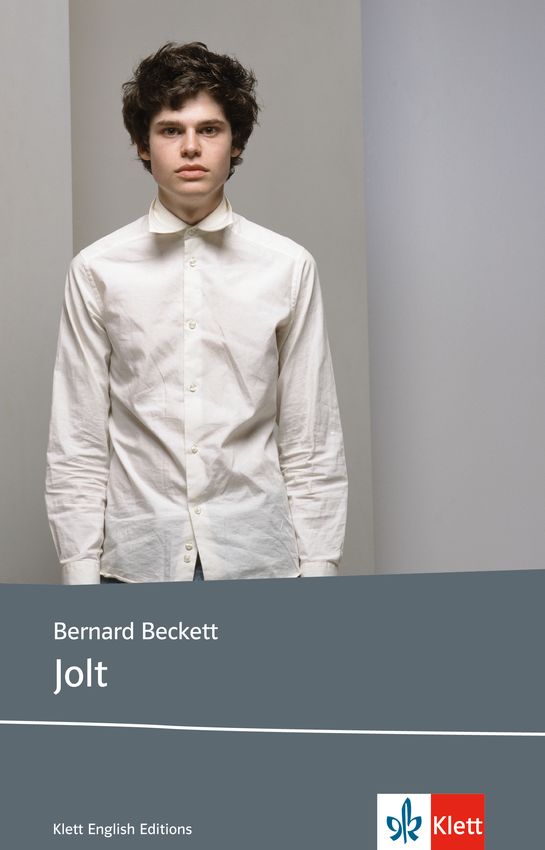
Bernard Beckett
Jolt

Some Teaching Tips

       © Ernst Klett Sprachen GmbH, Stuttgart 2015 | www.klett-sprachen.de
       Alle Rechte vorbehalten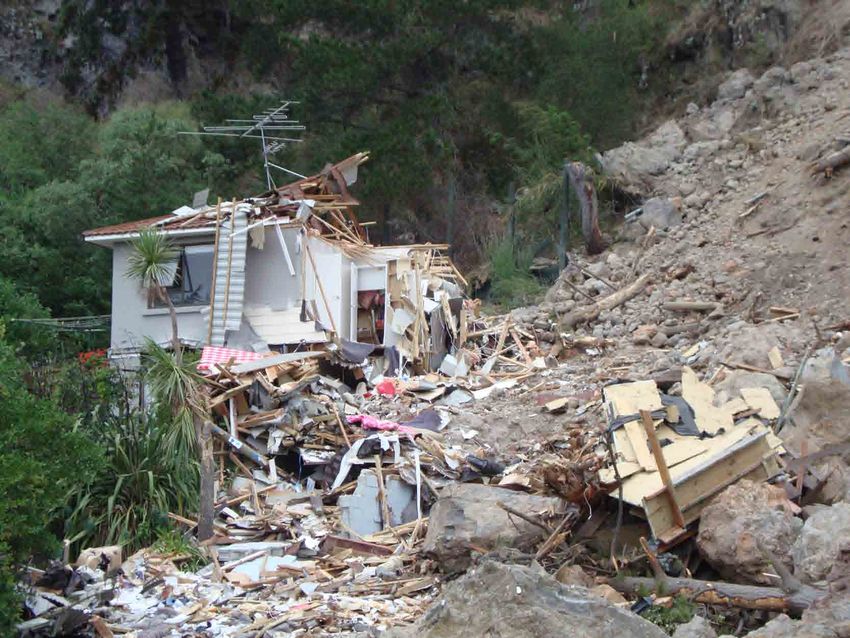
Welcome

                                                          “I like standing in front of a
                                                         classroom and I like that I’m
                                                     author as schoolteacher.” This is
                                                       a kind of credo. In an interview
                                                              with Megan D. Corcoran,
                                                         Bernard Beckett confesses: “I
                                                     really enjoy watching teenagers
                                                      rearranging the furniture when
                                                     they’re introduced to new ideas.
                                                          Plus, all of this is something
                                                           that I really like to explore.”
                                                                                                                © Bernard Beckett

Dear colleague!

Isn’t this what all teachers like to do? Certainly, you like working with young people
too. You also know that on their way from teenagers to adults, your students face a
variety of problems. Is there anything that we teachers can do to help them solve these
problems? – Bernard Beckett has found a way: “I like trying to work out these ideas, to
translate them for myself into story and to share my thoughts.“ 1 As a teacher of English,
mathematics and drama, he knows what he is writing about. His experience gives him
instant credibility as a writer of teen literature.

Do you also share your thoughts about your students, their development and problems
with your colleagues? Or with other people? Do they help you to do your job as an
educator? Do any pieces of YA fiction and their authors?

If you’re reading this, you’ve probably already read the novel Jolt by Bernard Beckett.
Thus, you know who Marko Turner is, why he is in hospital, and why it is his firm
intention to kill the Doctor. Reading the story, you accompanied Marko and his
classmates on their thrilling Coast to Coast cycling expedition. You know about the
tensions between the boys and girls, and you learned that the teenagers shared a dark
secret …

This online material offers you a number of teaching suggestions and worksheets that
you may use before, while and after reading the book with your students. Click on
whatever link you might find interesting enough to be used in your English classroom.

Enjoy reading JOLT!
Enjoy talking with your students about this exciting piece of New Zealand fiction!

  1
      All quotes taken from: http://nzetc.victoria.ac.nz/iiml/turbine/Turbi12/interview/t1-g1-g5-t1-g1-t1-body-d1.html.

                © Ernst Klett Sprachen GmbH, Stuttgart 2015 | www.klett-sprachen.de | Alle Rechte vorbehalten
                Kopieren für den eigenen Unterrichtsgebrauch gestattet.
                                                                                                                                    1
                ISBN 978-3-12-578149-8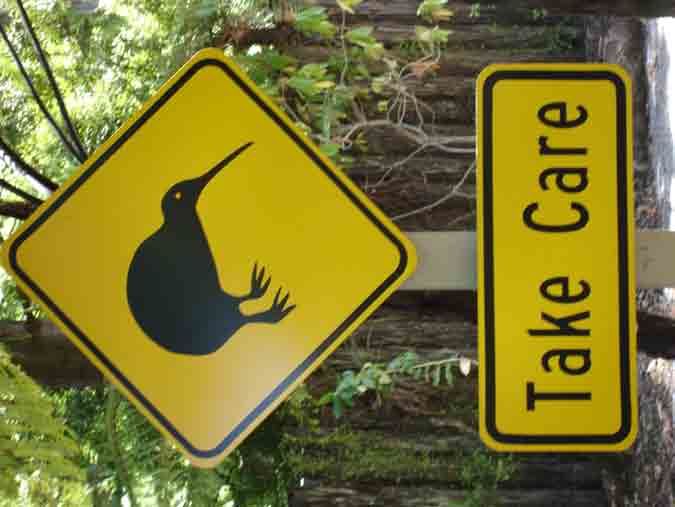
Contents

Contents

I    Getting started: pre-reading tasks
     1.   Introducing New Zealand
     2.   Who is the author?
     3.   Analysing the cover and the title
     4.   Diving in: first encounters

II   Getting stuck in: while and post-reading tasks
     1.   Character study of Marko
     2.   Mediation / Summarizing tasks: reviews of Jolt
     3.   Keeping a reading log
     4.   Analysis and discussion of the main themes
     5.   Further ideas for while and post-reading tasks

III Literature and Links

Explanation of symbols:

                           1

                                   Link to the relevant worksheet (from p. 14 of the pdf)

                         J
                                   Link to an external URL

                                   Reference to the relevant section of Jolt

             © Ernst Klett Sprachen GmbH, Stuttgart 2015 | www.klett-sprachen.de | Alle Rechte vorbehalten
             Kopieren für den eigenen Unterrichtsgebrauch gestattet.
                                                                                                                   2
             ISBN 978-3-12-578149-8
I Getting started: pre-reading tasks
I Getting started: pre-reading tasks
1. Introducing New Zealand
a) As a basis for discussion present to the class a photo showing something typical
of the country (e.g. the picture right › click to enlarge).
Assignments / Discussion points
[ Class discussion:
1. Do the students know this bird?
2. Why does the warning sign say “Take Care”? © Rainer Berthelmann
1.
[ kiwi !*ki"wi"?; national symbol of New Zealand; flightless bird (no wings)
[ ‘Kiwi’ also an informal term used for New Zealanders
[ NB: the kiwi fruit is not endemic, it was brought to NZ from Asia
2.
[ kiwis crossing roads; run over; cars; accidents; killed by predators such as
possums; endangered species; strictly protected by law
b) Find out how much your students already know about NZ.
Assignments / Discussion points
GA: Class discussion or small groups: five-minute brainstorming: What do you know
about New Zealand?
[ geography: two main and several smaller islands down under; oceans &
mountains; volcanoes, geysers, earthquakes
[ member of the Commonwealth; British history; Maori; population: 4.5 million
(Dec 2014); capital: Wellington; biggest city: Auckland
[ agriculture: export of fruits, wool, wine etc.
[ sports: rugby (All Blacks), bungee jumping, sailing
[ culture: Lord of the Rings filming locations, Grammy winning singer and
songwriter Lorde etc.
1/2
Alternatively EA or PA: Multiple-choice quiz, discussion of answers WS 1: What do you know about New Zealand?
in class or with a partner. WS 2: Key
J
Possible extension tasks, GA: Find out about Maori culture. Watch a video clip
of a traditional haka. Then discuss what it is meant to express. www.newzealand.com/de/feature/haka/
© Ernst Klett Sprachen GmbH, Stuttgart 2015 | www.klett-sprachen.de | Alle Rechte vorbehalten
Kopieren für den eigenen Unterrichtsgebrauch gestattet.
3
ISBN 978-3-12-578149-8I Getting started: pre-reading tasks
[ Aotearoa
Maori name for NZ
[ Maori
native people of NZ; about 16 % of NZ population; own language and culture
[ Pakeha
Maori term for New Zealanders of European descent
[ haka
traditional Maori war dance and cry; rhythmic chanting and stamping; nowadays
performed by NZ rugby team the All Blacks before a match; also performed to
welcome important guests, at funerals and other important occasions
2. Who is the author?
a) Find out who the author is from his photograph and his welcome letter to the
reader.
Assignments / Discussion points
Open discussion: What does the photo tell us about the author? Ask the students to
try to “read” his face. Who do they think he is? What might he be like? Would your photograph, Jolt, p. 6
students like him to be one of their teachers?
[ open, friendly, casual, mischievous, happy, cheerful …;
yes, we would like him to be our teacher because … vs. no, we wouldn’t like him
to be our teacher because …
b) Find out who the author is from his letter to the German reader.
Author’s welcome, Jolt, pp. 9 – 10
Assignments / Discussion points
Open discussion: Ask the students to sum up the main facts of the author’s welcome
letter. 1. What is the introductory paragraph of his letter about, and what function
does it have? 2. What might be meant by the expression ’such moments translate
across languages and cultures’? 3. Make the students tell the story of how the novel
came into being. 4. What is the story based upon? What is its general theme? 5. Ask
your students how they would answer this letter, if they had to.
1. Introduction: Mario Götze scoring the winning goal in the final match of the
Football World Cup 2014; author is interested in sports/football and this way
feels close to young people.
2. ‘Such moments translate across languages and cultures’ here refers to a
moment that everyone can appreciate, regardless of who they are, where
they’re from, which team they support etc. And in that moment of shared
appreciation people can be joined, connected.
3. Written back in 1999, when the author was cycle touring through France and
Germany.
4. The story is based on a real event; earthquake and murder are fiction; Jolt
illustrates how young people behave under extreme pressure; vengeance is
another theme
© Ernst Klett Sprachen GmbH, Stuttgart 2015 | www.klett-sprachen.de | Alle Rechte vorbehalten
Kopieren für den eigenen Unterrichtsgebrauch gestattet.
4
ISBN 978-3-12-578149-8I Getting started: pre-reading tasks
This could lead into:
c) Find out more about the author from his biography in the book OR the more About the author, Jolt, pp. 7 – 8
detailed version online.
OR J
Assignments / Discussion points
https://bernardbeckett.wordpress.com/bio/
EA: students read the (auto)biography and complete both tasks on worksheet 3.
The biography online contains more information, therefore the answers may be and
3
more detailed.
WS 3: About Bernard Beckett
1. born 1967 in Featherston, small farming community
2. he has 6 brothers and/or sisters; he is No. 5; he’s now married and has twins
3. studied Economics in Wellington; became high school teacher; started writing
and directing school plays; started writing in 1993; has so far published 11
novels
4. while teaching English part time in Tokyo in 1993 he had lots of spare time and
started writing novels; finally, after three years and some failed attempts, he
published his first novel Lester
5. he wrote Jolt while cycling through France: plotted the novel in the mornings
while cycling, and wrote in the afternoon; it was published in 2001
6. he won a fellowship to the Allan Wilson Centre for molecular biology. Genesis is
the best known of his novels
7. known internationally, his books have been translated into more than 20
languages
Possible extension task; GA: Find out about the author from a video clip in which he
J
speaks about his work.
www.youtube.com/watch?v=KssqywuHkEk
Assignments / Discussion points
Students read questions on worksheet 4 (so they know what to listen out for). Then
they watch the video clip taking notes while listening and watching. What are their
4
first impressions?
WS 4: An interview with Bernard Beckett
Class discussion of first impressions of the man and writer.
NB: The video clip is approx. 6 mins long and the author speaks in fast New
Zealand English – for students unfamiliar with this dialect, this will prove a
challenging listening task.
b) [ while in Tokyo, decided to have a go (“have a crack”) at writing books; taught
English in the evenings, had the days free to write; wrote a few bad books, but
learned from his mistakes and improved; has now published 10 books; wrote 5
books before the first was published
c) [ learn from your mistakes; patience, courage and determination (“grit”); write
because you want to write, because you love writing, not because you want to be
famous
© Ernst Klett Sprachen GmbH, Stuttgart 2015 | www.klett-sprachen.de | Alle Rechte vorbehalten
Kopieren für den eigenen Unterrichtsgebrauch gestattet.
5
ISBN 978-3-12-578149-8I Getting started: pre-reading tasks
3. Analysing the cover and the title
a) Discuss what Jolt could be about based on the cover. If you wish, include
international editions of the novel in the discussion too. Cover pictures can be found J
under the links on the right.
https://www.textpublishing.com.au/books/jolt
http://www.script5.de/titel-2-2/wie_du_ihr-5378/
Assignments / Discussion points
Open discussion: Describe the cover picture(s). What does it reveal about the story?
Describe the boy on the cover. Who do you think he is? What is he thinking? How does
he look? Where is he?
[ adolescent boy, not fully mature, high school student, looks intense, scared,
crazy
[ international editions: people running, maybe fleeing something; background
unclear; blood; unclear, mysterious, exciting scenes
[ the book seems to be about a boy having some serious problems
b) Discuss why the novel is called “Jolt”. If necessary, students may look up the word
‘jolt’ in their dictionary.
Assignments / Discussion points
Open discussion: What does the word “jolt” mean? Why is the novel called Jolt? Why did
the author choose this title for his novel?
[ jolt n sudden bump or shake, a sudden violent movement; a shock or surprise;
vb to move suddenly and violently
[ the title seems to suggest that something very bad - shocking and violent -
happens
4. Diving in: first encounters
5
a) Students discuss on the basis of a number of quotes from the novel what the story WS 5: Quotes from the novel
might be about.
Assignments / Discussion points
Tandem work: 1. Photocopy the worksheet and cut it in half. One group reads quotes
A, the other group reads quotes B. Within each group students discuss: What could
the novel be about? What do you think happens in the story? Which events happen? 2.
Afterwards each group presents their theories to the other group.
© Ernst Klett Sprachen GmbH, Stuttgart 2015 | www.klett-sprachen.de | Alle Rechte vorbehalten
Kopieren für den eigenen Unterrichtsgebrauch gestattet.
6
ISBN 978-3-12-578149-8I Getting started: pre-reading tasks
Quotes A: Coast to Coast trip
PE class, expedition within a limited period of time; the trip starts badly, gets
worse; earthquake, the teacher (Ms Jenkins) is expected to help the students out
of a dangerous situation; in this situation one of the characters (the boy from the
cover picture?) feels like a coward, somebody (“they”) has killed the teacher; the
narrator (the boy?) goes wild and becomes aggressive
[ What has happened during the Coast to Coast? Who has killed the teacher and
why? What does the boy have to do with it?
Quotes B: The Doctor
narrator (the boy?) is in hospital, it seems after an earthquake occurred; he feels
he has to kill the Doctor within three days because he thinks he is in danger;
it seems the boy has lost his memory but he is beginning to feel optimistic,
however, a little later he fears the Doctor wants to kill him
[ What has happened? Why is the boy in hospital? Why does he intend to kill the
Doctor, and why is he afraid of him? Will one of them be killed in the end?
This could lead into:
b) Possible extension task about earthquakes in NZ.
Assignments / Discussion points
PA/GA:
6
1. Students complete tasks 1-2 on the worksheet.
2. Students prepare a short presentation on one of two possible topics WS 6: Earthquakes in New Zealand
(internet research etc.).
3. The groups give their presentations.
NB: These tasks are a good opportunity to work together with the geography
teacher.
[ 1. The house may have been destroyed by earthquake, landslide, gas explosion,
bombing etc.
[ 2. first wave hit (l. 5), pitching, rolling (l. 12), rumbling, shaking (l. 19), waves, as
if the earth had tired of us and was trying to shakes us free (ll. 20-21), ground
breaking apart, hillsides slipping away (l. 22), screaming (l. 23)
[ 3. sudden violent shaking of the ground; result of seismic waves which are
caused by the movement of the earth’s crust / geological plates; can
cause landslides, tsunamis, floods, fires, damage to buildings, roads etc.;
“earthquake belts”, occur e.g. around the edge of the Pacific Ocean - known
as the “Ring of Fire”; in Germany too, but not very strong
[ 4. 22 February 2011, earthquake in Christchurch, magnitude 6.3, severely
damaged NZ’s second-largest city, 185 people killed, thousands injured, many
buildings destroyed
© Ernst Klett Sprachen GmbH, Stuttgart 2015 | www.klett-sprachen.de | Alle Rechte vorbehalten
Kopieren für den eigenen Unterrichtsgebrauch gestattet.
7
ISBN 978-3-12-578149-8II Getting stuck in: While and post-reading tasks
II Getting stuck in: While and post-reading tasks
1. Character study of Marko
a) Listening and reading competence, language analysis: consider who Marko is Chapter 1, Jolt, pp. 13 – 14
based on the information in chapter 1.
Assignments / Discussion points
Read chapter 1 to your students. Open discussion: What are students’ first
impressions?
[ nasty school boy (kills pets of a classmate); students might have a lot of
questions: Who is the boy? Is he mentally ill? Is he in hospital? Why? Does he
really want to kill his doctor? Why? etc.
GA: students read chapter 1 themselves and take notes on what it reveals about
Marko’s character and what he intends to do.
[ Marko is a thief (has stolen the teacher’s chalk), is brutal (has killed Susanna’s
pet rabbits), was treated by a psychologist because of an overdeveloped
revenge instinct, is watchful and clever (in hospital he observes the doctor),
intends to kill the doctor (unclear why), something happened to him twelve
days ago (what?)
Open discussion: 1. discuss what Marko, at the same time narrator and protagonist,
means when he says “Surprise is the only weapon I have.” (p 13, l 22). 2. Make sure
students know what the word “revenge” means, then discuss whether revenge is an
appropriate means of solving problems.
[ Surprise is the only weapon I have: Marko thinks that the Doctor is making
plans to harm him, and knows that he has more power and better ways to hurt
him here in his territory (the hospital) than he, the boy and patient has. So
Marko pretends to be weak and ill because then he will be able to surprise the
Doctor.
[ revenge: returning an injury, hurting sb who has hurt you, doing sth bad to sb
who has done sth bad to you etc.
This leads into:
Reading competence: building a more detailed picture of Marko based on the
information in chapter 2. Students may if necessary use a good dictionary, e.g. Chapter 2, Jolt, pp. 15 – 16
www.pons.com. Give your students hints on how they should read (reading for gist,
detailed reading of important passages).
© Ernst Klett Sprachen GmbH, Stuttgart 2015 | www.klett-sprachen.de | Alle Rechte vorbehalten
Kopieren für den eigenen Unterrichtsgebrauch gestattet.
8
ISBN 978-3-12-578149-8II Getting stuck in: While and post-reading tasks
Assignments / Discussion points
7
EA: students read chapter 2 and then complete worksheet 7 and present
WS 7: Marko, his school and the trip
their ideas and reading results to the class. For task 2 students should come
up with different ways to visualize their findings (wanted poster, mind map etc.).
1. [ Marko: at 16 Marko is not really keen on Outdoor Ed; but he’s bored and
needs sth different and exciting. Marko is observant - he knows his mother
is worried about the cost of the Coast to Coast, even though she hasn’t said
anything. And he sees the reaction of the other teachers to Mr Camden (they
roll their eyes). He seems to like and admire Mr Camden (PE teacher) for not
caring about what the other teachers think about him.
School: in year 11 students have to choose from a choice of options (to
help with career choices?), the Coast to Coast trip is one of them; there is
an options day at the end of year 10 where students find out more; many
of the teachers seem unconvinced or somehow bored, but Mr Camden
is interesting and excited about what he does and can convey this to the
students; he makes Outdoor Ed seem exciting as it includes kayaking, first
aid, aquatics etc.
3. [ Marko sees the trip as a welcome change, as something different, a
challenge worth accepting, although in the first paragraph of this chapter he
confesses that nobody knew “what the real cost would be” (interpretation of
this phrase!).
4. [ Possible difficulties and problems: technical problems with the bicycles and
other equipment (do they have enough provisions?), big physical challenges
(is everyone fit enough?), social problems within the group etc.
2. Mediation / Summarizing tasks: reviews of Jolt
8
a) Mediation competence: retelling a German review in English. WS 8: Mediation task: German reviews of Jolt
Assignments / Discussion points
PA: working in pairs, each student chooses a review. Ensure students: 1. read the text
carefully, without dwelling on words they do not understand (the general message
of the text is more important), 2. identify important words/phrases/statements
(underlining, highlighting etc.), 3. make notes, 4. retell the review using simplified
language.
Review 1 [
Jolt was written by New Zealand author Bernard Beckett. 17-year-old Marko wakes
up in a psychiatric hospital and doesn’t know why. Slowly his memories return: an
outdoor course, an earthquake, the murder of their teacher by three men, one of
whom is his doctor. He decides to take revenge and kill him.
© Ernst Klett Sprachen GmbH, Stuttgart 2015 | www.klett-sprachen.de | Alle Rechte vorbehalten
Kopieren für den eigenen Unterrichtsgebrauch gestattet.
9
ISBN 978-3-12-578149-8II Getting stuck in: While and post-reading tasks
Review 2 [
Jolt (German title „Wie du ihr“) is a thriller by Bernard Beckett, a New Zealand
author who has already mastered several genres in his earlier novels. It tells the
story of 17-year-old Marko who wakes up in a psychiatric hospital and doesn’t
remember how he got there. He recognizes sb there and realizes they want to
kill him. Slowly his memories return: a trip with his classmates, an earthquake,
he witnessed a murder. Now he only wants justice and revenge: he must save
himself and punish his teacher’s murderer.
Jolt is a thrilling novel that successfully describes the dilemma Marko is in: torn
between revenge and conscience, his desire to act vs the helpless situation he’s
in.
Or 9
b) Summarizing English reviews. WS 9: Summarizing task: English reviews of Jolt
Assignments / Discussion points
GA/PA: working in pairs, each student chooses a review to summarize. Ensure
students: 1. read the text carefully, without dwelling on words they do not understand
(the general message of the text is more important), 2. identify important words/
phrases/statements (underlining, highlighting etc.), 3. make notes, 4. write a summary
using simplified language.
Review 3 [
Jolt is a pyschological thriller by New Zealand writer Bernard Beckett. It tells the
story of Marko who wakes up in a psychiatric hospital. Because he thinks his
doctor wants to kill him, he decides to kill the doctor first. Before Marko was in
hospital there was an earthquake and another terrible event he experiences. Is
Marko really paranoid? Is the doctor really trying to kill him? The story becomes
more and more dramatic.
Review 4 [
Marko and his classmates are on an outdoor expedition when a terrible
earthquake happens. They are forced to run away. Later Marko wakes up in a
psychiatric hospital and thinks his doctor wants to kill him, so he plans revenge.
He doesn’t know how he got to the hospital or what happened to his classmates
or who he can trust. Jolt is an excellent thriller.
Review 5 [
Jolt is a great teen thriller that has it all: a catastrophic earthquake, teen
relationships, a spooky story, an evil doctor and a flawed hero. Marko wakes up
in a psychiatric hospital but doesn’t know how he got there or who he can trust.
Certainly not the doctor, who Marko thinks wants to kill him. He has important
choices to make, ones that will affect his life forever.
© Ernst Klett Sprachen GmbH, Stuttgart 2015 | www.klett-sprachen.de | Alle Rechte vorbehalten
Kopieren für den eigenen Unterrichtsgebrauch gestattet.
10
ISBN 978-3-12-578149-8II Getting stuck in: While and post-reading tasks
3. Keeping a reading log
a) Keeping a reading log (or book journal) in order to remember the core content 10
of the book and to highlight aspects such as comprehension issues, passages of WS 10: Keeping a reading log
particular interest, important vocabulary, or questions that come up while reading.
Assignments / Discussion points
Hand out the sheet on keeping a reading log. Discuss any unclear points
with the students. Check the students' reading logs at intervals agreed upon
with them.
4. Analysis of titles and themes
11
a) Analysing the main themes of the novel. Discussing the theme of revenge
WS 11: Discussion of titles and themes
in relation to the titles “Jolt” and “Wie du ihr” (title of the German edition).
Assignments / Discussion points
Open discussion: analysis of title and main themes. 1. Why “Jolt” and “Wie du ihr”?
What do they mean? What does “Wie du ihr” allude to? How do the titles differ? 2.
What are the main themes of the novel? 3. Is the title well-chosen? Does the title
reflect the themes?
1.
jolt: sudden bump or shake; a sudden violent movement; a sudden shock or
surprise
[ suggests a shocking and unexpected event
Wie du ihr: alludes to the saying „Wie du mir, so ich dir“ (reference to the biblical
phrase “an eye for an eye“; translates into English as “tit for tat” which dates back
to the mid 16th century and probably originated from the terms “tip” and “tap”,
meaning light blow)
[ suggests the principle of retaliation, revenge
2.
[ Main themes: revenge as a means of justice (?); sudden, life-threatening and
traumatic events we have no control over and facing and overcoming these
challenging situations; teenage relationships; group dynamics etc.
3.
[ Most obviously, the title Jolt refers to the sudden earthquake (= sudden and
violent shaking of the earth). On a second level it refers to the psychological
shocks the kids experience on their trip as a result of traumatic events
(earthquake, murder, their dramatic escape through the bush). These jolts /
shocks shift landscapes, leave gaping holes, tear the surface of the earth etc - but
not only is the landscape changed, the events change the kids too and leave scars
behind (physical and psychological). In contrast to the German title there is no
obvious reference to the theme of revenge or how Marko wishes to act, it focuses
on the shocking and violent events in the story.
[ the German title makes no reference to the natural disaster or the ensuing
events, instead it focuses on Marko’s feelings - on his desire to exact revenge on
the man he sees as responsible for both the murder of his teacher and wanting to
kill him.
[ Whereas the German title is more literal, Jolt is perhaps a more complex,
multilayered title.
© Ernst Klett Sprachen GmbH, Stuttgart 2015 | www.klett-sprachen.de | Alle Rechte vorbehalten
Kopieren für den eigenen Unterrichtsgebrauch gestattet.
11
ISBN 978-3-12-578149-8II Getting stuck in: While and post-reading tasks
EA: ask students to consider whether they have ever experienced revengeful feelings,
what caused them and how they made them act. Ask students to write a diary entry
about it.
5. Further ideas for while and post-reading tasks
Relationships
1. The Year 11 Coast to Coast expedition reveals the complex relationships between
the students. Sum up how and why the relationships in Marko’s group change
during the course of the story.
2. Have you ever been on a field trip with your class or others? Did your group have
any problems? What were the relationships in the group like? How did they
develop? Write an essay.
3. Do you think the relationships between Marko & Lisa and Rebecca & Jonathan
will last? In two groups discuss this question and write a continuation of these
relationships in narrative or dialogue form. Read your continuation to the other
group.
Characterization
1. Think of adjectives to describe Marko. You may also find them in the novel. Discuss
your suggestions in class, and decide whether they fit him, his feelings and
behaviour.
2. How has Marko changed by the end of the novel? Explain why and how.
3. Write a short summary of one of the main characters: Marko, Rebecca, Jonathan or
Lisa.
Style and language
1. Describe how the tension in the story builds and falls away. Which stylistic means
does the author use to build tension? Name and explain them.
2. Why are some chapters in the novel written in italics and others not? Discuss your
ideas in class.
Creative tasks
1. Draw a cartoon or comic strip of your favourite scene. If you are going to draw a
comic strip, write a short script: what do the figures say in which situation? How
many panels (i.e. pictures) and rows do you want to draw? For one-row strips, three
to four panels are the norm. Keep it simple. Don’t include too much. Don’t put too
much text in your speech bubbles (or word balloons). Use emoticons, interjections
(Wow!, Cry!, Gulp!) or internet slang (e.g. l8r = later, CU = see you!) too.
2. In groups, creat short plays of important scenes.This will help you to better
understand the story, the characters and their conflicts. In addition, it will help
develop your oral language skills. Helpful advice on how to dramatize a story can be
found here.
ð http://www.penguinreaders.com/pdf/downloads/pyr/PYRTGDramStories.pdf
3. Design your own version of the cover after you have read the book.
© Ernst Klett Sprachen GmbH, Stuttgart 2015 | www.klett-sprachen.de | Alle Rechte vorbehalten
Kopieren für den eigenen Unterrichtsgebrauch gestattet.
12
ISBN 978-3-12-578149-8II Getting stuck in: While and post-reading tasks
Writing tasks
1. In Chapter 17, p. 108, lines 13-15, Marko makes a list of all the things he has never
done. What would you include on such a list? You need not tell anybody about it,
but, if you wish, compare with one of your best friends what you have written down.
2. While reading, collect and note down phrases that express thoughts of revenge.
Then write an essay on the theme of revenge in the novel.
3. Write a one or two page review for your favourite magazine. First, give a short
summary of the plot: Who are the main characters and what are their problems?
Are the conflicts solved in the book or not? If yes, how were they solved? If not,
why? What are the most important scenes? Is the book interesting and worth
reading? Why? What have you learned from the book?
Speaking tasks
1. Imagine you are going on a five-day bike trip through one of Germany’s national
parks. What would you pack? Do a brainstorming and write the items on the board.
Then decide which of the things listed are really necessary and which are luxury.
Background research
1. In the book, Marko mentions different hiking huts (e.g. Cone Hut). Do some
research and draw a picture. Display your picture in the English classroom, and
present it to your class.
© Ernst Klett Sprachen GmbH, Stuttgart 2015 | www.klett-sprachen.de | Alle Rechte vorbehalten
Kopieren für den eigenen Unterrichtsgebrauch gestattet.
13
ISBN 978-3-12-578149-81
What do you know about New Zealand?
Tick the answers that you think or guess are right. Multiple answers are allowed.
1. Down Under is a colloquial word for …
a) New Zealand b) Australia c) both NZ and Australia
2. What is New Zealand’s geographical status?
a) It’s a continent. b) It’s mainland. c) It’s an island country.
3. Where is New Zealand?
a) in the Pacific Ocean b) in the Indian Ocean c) in the Atlantic Ocean
4. What is the capital of New Zealand?
a) Auckland b) Christchurch c) Wellington
5. What is the population of New Zealand?
a) about 4.5 million b) about 13.5 million c) about 22.5 million
6. Which country is closest to New Zealand in surface area?
a) Spain b) Germany c) UK
7. What are New Zealand’s official languages?
a) English b) Maori c) NZ Sign Language
8. What is a !*ki"wi"??
a) a New Zealander b) a bird c) a NZ dollar
9. What sport do the All Blacks play?
a) bungee jumping b) rugby c) cricket
10. Which of these films was produced in New Zealand?
a) The Lord of the Rings b) Crocodile Dundee c) South Pacific
© Ernst Klett Sprachen GmbH, Stuttgart 2015 | www.klett-sprachen.de | Alle Rechte vorbehalten
Kopieren für den eigenen Unterrichtsgebrauch gestattet.
14
ISBN 978-3-12-578149-82
What do you know about New Zealand? – Key
1. Down Under is a colloquial word for …
a) New Zealand b) Australia c) both NZ and Australia
2. What is New Zealand’s geographical status?
a) It’s a continent. b) It’s mainland. c) It’s an island country.
3. Where is New Zealand?
a) in the Pacific Ocean b) in the Indian Ocean c) in the Atlantic Ocean
4. What is the capital of New Zealand?
a) Auckland b) Christchurch c) Wellington
5. What is the population of New Zealand? (as of August 2014)
a) about 4.5 million b) about 13.5 million c) about 22.5 million
6. Which country is closest to New Zealand in surface area?
a) Spain b) Germany c) UK
7. What are New Zealand’s official languages?
a) English b) Maori c) NZ Sign Language
8. What is a !*ki"wi"??
a) a New Zealander b) a bird c) a NZ dollar
9. What sport do the All Blacks play?
a) bungee jumping b) rugby c) cricket
10. Which of these films was produced in New Zealand?
a) The Lord of the Rings b) Crocodile Dundee c) South Pacific
© Ernst Klett Sprachen GmbH, Stuttgart 2015 | www.klett-sprachen.de | Alle Rechte vorbehalten
Kopieren für den eigenen Unterrichtsgebrauch gestattet.
15
ISBN 978-3-12-578149-83
About Bernard Beckett
Assignments:
1. In your copy of Jolt, read the author’s biography on pp. 7-8. Or you can also go to
https://bernardbeckett.wordpress.com/bio/ and read the longer biography there.
Then answer these questions:
1. Where and in what social environment did Bernard Beckett grow up?
2. What do we learn about his family?
3. What has been the author’s career path?
4. Why did he start creative writing? Describe the author’s development as a
writer.
5. In the text, Jolt is mentioned several times. What do you learn from these
passages about the novel? Sum up as many facts as you can.
6. What led Bernard Beckett to write his novel Genesis? What is so special about
this book?
7. Is Bernard Beckett only a Kiwi writer, or is he known world-wide? Give reasons
why you think so.
2. Vocab lab
Write down at least five words and/or phrases in the text that were new to you, and
which are, to your mind, worth learning and using in your own future text production.
English Meaning German
1
2
3
4
5
6
7
8
9
10
© Ernst Klett Sprachen GmbH, Stuttgart 2015 | www.klett-sprachen.de | Alle Rechte vorbehalten
Kopieren für den eigenen Unterrichtsgebrauch gestattet.
16
ISBN 978-3-12-578149-84
An interview with Bernard Beckett
Assignments:
1. You’re about to watch an interview with Bernard Beckett: www.youtube.com/watch?v=KssqywuHkEk.
2. Before watching the interview, read these questions:
a) Is Bernard Beckett’s voice how you imagined it to be? Does it meet your description of his
character? How would you describe him to somebody who has not seen the interview?
Find two or three words to describe him.
b) What does Bernard Beckett tell the interviewer about his writing career? (how and when he
started, how many books he has written so far etc.)
c) What advice does he give to young writers?
3. Now listen to the interview and take notes. Listen carefully! Bernard Beckett speaks quite quickly and
with a strong New Zealand accent.
4. In a class discussion, sum up what you have learned about the writer.
Your notes:
© Ernst Klett Sprachen GmbH, Stuttgart 2015 | www.klett-sprachen.de | Alle Rechte vorbehalten
Kopieren für den eigenen Unterrichtsgebrauch gestattet.
17
ISBN 978-3-12-578149-85
Quotes from the novel
Assignments: Assignments:
1. Work in groups. 1. Work in groups.
2. Read the quotes and try to guess from them what 2. Read the quotes and try to guess from them what
the novel is about. What happens in the story? the novel is about. What happens in the story?
Discuss in your group. Discuss in your group.
3. Tell Group B about the results of your discussions. 3. Tell Group A about the results of your discussions.
Quotes A: Quotes B:
The Coast to Coast trip The Doctor
“The challenge of the Coast to Coast was for the “Last night I saw the Doctor and immediately knew
whole Outdoor Education class to get itself from one what I have to do. I have no choice. I will kill him.”
side of the island to the other in under six days.” (Chapter 1, p. 13)
(Chapter 4, p. 22)
“I should tell what little I know about how I came
“As I wriggled into my sleeping bag that night, I was to be here. I remember the five days up in the bush
certain we’d got off to the worst possible start. It after the earthquake, ...”
was going to get much worse.” (Chapter 3, p. 19)
(Chapter 6, p. 33)
“I have set myself a target. Three days. In three days
“The rumbling turned to shaking and the shaking the Doctor will be dead.”
turned to waves. It was as if the earth had tired of us (Chapter 11, p. 64)
and was trying to shake us free.”
(Chapter 10, p. 60) “The fear had pumped me full of adrenalin and my
mind was still racing, looking for a way out, a chance
(about Ms Jenkins, the teacher) “Her role was clear to keep the upper hand.”
now. She was in charge and she would get us out (Chapter 13, p. 80)
safely. The rules had changed.”
(Chapter 12, p. 66) “I am beginning to feel optimistic again. For the first
time since I came here the Doctor has lost sight of
“The truth is, when I was tested, I turned out to be a me.”
coward.” (Chapter 15, p. 97)
(Chapter 12, p. 74)
“I was dying. I felt that final fear creeping up through
“Everything about it could only be wrong. my bones. The Doctor’s crime was close to complete,
‘I saw them. They killed her. She’s dead. Ms Jenkins close to perfect.”
is ...’” (Chapter 19, p. 124)
(Chapter 14, p. 82)
“I get aggressive when I lose my temper. I just go
wild. I’ve always been like that.”
(Chapter 18, p. 120)
© Ernst Klett Sprachen GmbH, Stuttgart 2015 | www.klett-sprachen.de | Alle Rechte vorbehalten
Kopieren für den eigenen Unterrichtsgebrauch gestattet.
18
ISBN 978-3-12-578149-86
Earthquakes in New Zealand
Assignments:
1. Work in pairs or groups. Look at the photo below. What do you think has happened?
There can be different reasons for such terrible destruction. Name a few of them.
© Wikimedia Commons (Schwede66)
Possible causes:
2. Read p. 60 of Jolt. Look for words and phrases the author uses to describe the
earthquake. Underline them, highlight them or write them down.
3. Working in groups, choose either topic A or B and prepare a short presentation:
A. Explain what earthquakes are, what causes them and what effect they can have.
Where do they occur? Do earthquakes happen in Germany?
B. Research the 2011 Christchurch earthquake, one of the worst earthquakes to hit
New Zealand. When did it happen? How big was it? What happened?
© Ernst Klett Sprachen GmbH, Stuttgart 2015 | www.klett-sprachen.de | Alle Rechte vorbehalten
Kopieren für den eigenen Unterrichtsgebrauch gestattet.
19
ISBN 978-3-12-578149-87
Marko, his school and the trip
Assignments:
Read chapter 2 of Jolt (pp. 15-16). If absolutely necessary, you may use a good dictionary
to translate the words and phrases you do not know, e. g. www.pons.com. Complete the
following tasks:
1. What does Marko tell you about himself and his school in this chapter? Write your findings
down in the table below.
Marko Marko’s school
2. Now display visually the information you have written in the table. For example this could
be a ‘Wanted’ poster, a mind map, an infographic etc. If you wish, include what you have
learned about Marko in chapter 1. Your task is to create a visual picture of Marko.
3. Find out what Marko thinks about the Coast to Coast expedition in Year 11. Do you share his
opinion? Are such trips useful? Write a short comment on this question.
………………………………………………………………………………………
……………………………………………………………………………………….
………………………………………………………………………………………
………………………………………………………………………………………
………………………………………………………………………………………
……………………………………………………………………………………….
………………………………………………………………………………………
……………………………………………………………………………………….
4. What difficulties and problems might Marko and the others possibly face during this
demanding expedition? Brainstorm with your classmates.
© Ernst Klett Sprachen GmbH, Stuttgart 2015 | www.klett-sprachen.de | Alle Rechte vorbehalten
Kopieren für den eigenen Unterrichtsgebrauch gestattet.
20
ISBN 978-3-12-578149-88
Mediation task: German reviews of Jolt
Assignment:
Work in pairs. Each of you should choose one of the following reviews. Mediate to your
partner what the review says about Bernard Beckett’s novel.
Remember:
[ read the text carefully
[ don’t worry about words you don’t understand (the main ideas of the text are more important!)
[ underline the important words/phrases/statements
[ make notes
[ structure your notes
[ tell your partner what the main points of the review are
Review 1 Beckett. Der siebzehnjährige
des neuseeländischen Autors Bernard
Jolt (Wie du ihr) ist ein Jugendroman ächst noch verwirrt darüber,
en Station eines Krankenhauses. Zun
Marko erwacht auf der psychiatr isch nerungen zurück und er
gelangte, kehren nach und nach die Erin
was ihm geschah und wie er hierher
sein Leben ist in Gefahr.
hält diese in einem Notizbuch fest, denn
in den Bergen von einem
en vier Schüler und eine junge Lehrerin
Während eines Outdoorkurses werd Marko, wie drei Männer die
nden Ausnahmesituation beobachtet
Erdbeben über rascht. In der nachfolge er sich nun befindet und
der Täter ist Arzt in der Klinik, in der
Lehrerin bedrängen und töten. Einer
Marko beschließt, ihn zu töten.
on:
(extract taken from Esme’s review
?book _sho w_ac tion= true& page =1)
http://www.goo dreads.com/review/show/293528386
Review 2
Der neuseeländische Autor Bernard Beckett tobt sich ganz offensichtlich
in so einigen Genres aus, denn
„Das neue Buch Genesis“ war ja eher ein Science-Fiction-Roman, während
„Stechzeit“ in verfilmter
Form die perfekte Teenie-Komödie abgeben würde. Und auch „Wie du ihr“
ist wieder völlig anders,
denn dieses Mal wagt sich der Kiwi an einen Thriller, und nach der Lektüre
dieses guten Stücks darf man
staunen, wie der Schriftsteller auch diese Disziplin ohne Schwier igkeiten
meistert.
Der siebzehnjährige Marko wacht völlig desorientiert in einer psychiatrischen
Klinik auf und rätselt:
Wie kam er dorthin? Weshalb wurde er betäubt? Was wird fortan mit ihm
geschehen? Ein wenig später
erkennt er jemanden aus der präklinischen Zeit wieder und stellt entsetzt
fest, dass sein Leben wohl
ausgelöscht werden soll. Er muss auf Zeit spielen und durch das heimlich
e Niederschreiben seiner
Geschichte seine Erinnerungen wieder auffrischen. Es werden schrittweise
Erinnerungen wach –
Erinnerungen an einen ganz normal beginnenden Ausflug, der mit einem
schweren Erdbeben sein jähes
Ende findet und alles durcheinander bringt. Zudem wird er einziger Zeuge
eines Mordes, der niemals
bestraft wurde. Für Marko steht fest: Der Täter muss dafür bezahlen. Oder
wie es auf der Rückseite des
Buches prangt: „Alles, was du willst, ist Gerechtigkeit. Das, was dir bleibt,
ist Rache.“
Bernard Beckett ist mit „Wie du ihr“, das zweigleisig beginnt und erst gegen
Ende den gemeinsamen
Punkt der Gabelung findet, ein wirklich packender Roman aus den Gehirnw
indungen und Fingern
geflossen, in welchem sehr präzise die Gefühle des Protagonisten wiederg
egeben werden. Mordlust
versus Gewissen. Tatendrang versus Machtlosigkeit. Hoffnung und Hass versus
Resignation und den Wert
des Lebens, ohne dass der Leser eine Ahnung hat, wann der Spannungsbogen
zerbirst.
(extract taken from Chris Popp’s review on:
http://www.booknerds.de/2013/02/bernard-beckett-wie-du-ihr-buch/)
© Ernst Klett Sprachen GmbH, Stuttgart 2015 | www.klett-sprachen.de | Alle Rechte vorbehalten
Kopieren für den eigenen Unterrichtsgebrauch gestattet.
21
ISBN 978-3-12-578149-89
Summarizing task: English reviews of Jolt
Assignments:
Work in pairs. Each of you should choose one of the following texts. Summarize in English
for your partner what the review says about Bernard Beckett’s novel.
Remember:
[ read the text carefully
[ don’t worry about words you don’t understand (the main ideas of the text are more important!)
[ underline the important words/phrases/statements
[ make notes
[ structure your notes
[ write a summary for your partner
Review 3
Bernard Beckett is a NZ writer. In 2002 Beckett wrote the
psychological thriller Jolt.
The book flicks back and forth between two narratives by
the same narrator:
Review 4
a) Marko finds himself in a psychiatric ward. We discover
via his diary that he is convinced his doctor is trying to ‘The challenge of the Coast to Coast was for the whole PE class to
kill him and later decides to kill the doctor. get itself from one side of the island to the other in under six days.
‘Where to?’ ‘The bush,’ I croaked. ‘Hide.’ We cut back to the right,
b) The other narrative relates something in the past – his down off the track, crashing through the undergrowth and sliding
gruelling school trip which turns to disaster after an down steep slopes. After a couple of minutes we stumbled to a stop,
earthquake and when Marko witnesses something he pressed in close … we waited and listened, the others with their
wishes he hadn’t. heads bursting with questions, mine spinning with answers I didn’t
At first the two narratives seem separate, but the reader gets want to believe.’
more and more involved in each as dramatic tension builds
up. Marko surfaces from a drug-induced haze to find himself hidden
from the world in a psychiatric ward. He is certain the ‘Doctor’
Throughout the book you ask yourself: Is Marko paranoid? means to kill him, but he in turn has vengeful plans of his own.
Is the doctor really evil? Who are these people and what happened to the others? Who
A relationship he develops with one of the girls on the can Marko trust and how much time does he have? Time enough
school trip ends up saving his life. to write it all down, his story of a coast to coast trip and the
earthquake that ripped his world apart. A ‘top-notch thriller’.
(taken from tsheko’s review on:
http://www.librarything.com/work/2561337)
(taken from:
http://www.randomhouse.co.nz/books/bernard-beckett/jolt-9781877460296.aspx)
Review 5
This book has it all: the dark, claustrophobic New Zealand bush, a catastrophic earthquake, the aggressive vulnerability of
teenagerhood and teenager social relationships, spooky psycho-thriller-type abduction, an evil doctor with psychotic drugs
at his fingertips ... and the overarching certainty that decisions made, whether right or wrong, will affect your life forever.
Marko, a difficult, diffident, flawed ‘hero,’ awakes out of a drug-induced sleep into a living nightmare: hidden from the world,
he now resides in a psychiatric ward presided over by a mysterious doctor who Marko knows wants to kill him. Whom can
he trust, and how did he get there?
This is a great teenage thriller – one of the best New Zealand kidult books I’ve read - and I can’t recommend it highly
enough.
(review by Margie Thomson on:
http://www.nzherald.co.nz/lifestyle/news/article.cfm?c_id=6&objectid=199937)
© Ernst Klett Sprachen GmbH, Stuttgart 2015 | www.klett-sprachen.de | Alle Rechte vorbehalten
Kopieren für den eigenen Unterrichtsgebrauch gestattet.
22
ISBN 978-3-12-578149-810
Keeping a reading log
Try keeping a chapter by chapter reading log or book journal while you’re reading Jolt -
either by hand on paper or electronically.
Here’s how:
[ After reading a chapter, write down the main ideas, facts or problems the chapter
is about and add your thoughts. What do you think about the people and situations
described in this chapter? Would you behave in the same way as the characters in
the book?
[ Write down, for example, the answers to the following questions:
• What emotions did you have when you were reading the text? Did it make
you laugh, cry, smile, or were you angry? Record some of your reactions.
• Do some of the characters touch you? Do you like or hate them?
• Does a situation remind you of events that have happened to you or someone
else you know?
• Who is your favourite character?
• Would you like to be one of the characters? Who? Why?
[ What character or scene do you not understand? Is there anything you are
confused about? Try to express what it is.
[ Are there any questions you would like to ask the author? Write down your
questions.
[ Is there an idea in the book that makes you stop and think? Identify the idea and
try to explain it.
[ If you were the author, would you have changed a character or a scene? Sketch
your ideas about that.
[ What are your favourite words, phrases, lines or sections? Copy them into your
reading log. Think about why these items caught your attention.
Example:
Chapter 1
set in April. .. .. .. .. .. .. .. .. .. .. .. .. .. .. .. .. .. .. .. .. .. .. .. .. when? year? (unimportant?)
boy in hospital .. .. .. .. .. .. .. .. .. .. .. .. .. .. .. .. .. .. .. .. .. .. name? who is he?
as a child, he killed a girl’s pet rabbits .. .. .. .. .. .. .. .. .. .. crazy!!
‘revenge instinct’ .. .. .. .. .. .. .. .. .. .. .. .. .. .. .. .. .. .. .. .. .. what’s that? (ASK!)
„I will kill the doctor.“ .. .. .. .. .. .. .. .. .. .. .. .. .. .. .. .. .. .. .. why?
twelve days since earthquake (700 people died) .. .. .. .. .. no idea: what earthquake? Wow!
boy spent five days in the bush before he was found .. .. why? because of the earthquake? lots of questions
‘revenge’ .. .. .. .. .. .. .. .. .. .. .. .. .. .. .. .. .. .. .. .. .. .. .. .. .. .. again this word!!!
the boy plans to take revenge .. .. .. .. .. .. .. .. .. .. .. .. .. .. .. he fears the Doctor will kill him?
› Setting unclear
› I don’t understand:
Boy – a killer? Who is he?
Why is he in hospital?
Why does the Doctor want to kill the boy?
I know ‘killer instinct’, but ‘revenge instinct’?
Is this a detective story?
© Ernst Klett Sprachen GmbH, Stuttgart 2015 | www.klett-sprachen.de | Alle Rechte vorbehalten
Kopieren für den eigenen Unterrichtsgebrauch gestattet.
23
ISBN 978-3-12-578149-811
Discussion of titles and themes
Assignments:
In class discuss the following questions:
1. Why is the novel called “Jolt”? Why is the German edition called “Wie du ihr” and
what does this allude to? What do the titles mean? How are the titles different?
2. What are the main themes of the novel?
3. Are the titles well-chosen? Do they reflect the themes of the novel?
4. Were there any situations in your life when you experienced revengeful feelings? What
caused them or what would somebody have to do in order to make you have such
feelings? Think of a situation where somebody has offended or hurt you and describe
how you reacted - did you take revenge or did you find another solution? Write a diary
entry about it.
MY DIARY
© Ernst Klett Sprachen GmbH, Stuttgart 2015 | www.klett-sprachen.de | Alle Rechte vorbehalten
Kopieren für den eigenen Unterrichtsgebrauch gestattet.
24
ISBN 978-3-12-578149-8 Literature and links
Literature and links
Beckett, Bernard: Jolt. Ernst Klett Sprachen. Stuttgart 2014.
Beckett, Bernard: Wie Du ihr. Script 5. Bindlach 2011.
Alexandra Albert: Ein Schuljahr in Neuseeland. MANA. Berlin 2014.
http://bernardbeckett.wordpress.com/
(author information and occasional blog; bio, novels, plays, contact)
https://www.youtube.com/watch?v=KssqywuHkEk
(interview with Bernard Beckett in Sydney; it is possible to watch using subtitles in English or German, BUT: There are
a lot of mistakes in the electronic translation!)
http://www.goodreadingmagazine.com.au/data/teaching_notes/9175.pdf
(Teacher’s Resource Kit written by Bernard Beckett)
http://bernardbeckett.wordpress.com/2012/10/30/ncea-essay-notes-for-jolt-by-bernard-beckett/
(essay notes about “Jolt” by the author himself)
http://www.cram.com/flashcards/quotes-from-the-novel-jolt-by-bernard-beckett-1876957 (flashcards with quotes from
the novel “Jolt” and how to work with them)
http://englishonline.tki.org.nz/English-Online/Teacher-needs/Teacher-resource-exchange/NCEA-English/Level-1/Jolt
(short summaries of all chapters of Jolt)
http://www.kmk.org/fileadmin/veroeffentlichungen_beschluesse/2003/2003_12_04-BS-erste-Fremdsprache.pdf
(Bildungsstandards für die erste Fremdsprache Englisch/Französisch für den Mittleren Schulabschluss)
http://www.kmk.org/fileadmin/veroeffentlichungen_beschluesse/2012/2012_10_18-Bildungsstandards-Fortgef-FS-Abi.
pdf
(Bildungsstandards für die fortgeführte Fremdsprache Englisch/Französisch für die allgemeine Hochschulreife)
© Ernst Klett Sprachen GmbH, Stuttgart 2015 | www.klett-sprachen.de | Alle Rechte vorbehalten
Kopieren für den eigenen Unterrichtsgebrauch gestattet.
25
ISBN 978-3-12-578149-8You can also read


