KENNEDY AND THE BILL OF RIGHTS - LESSON PLAN - The Sixth Floor ...
←
→
Page content transcription
If your browser does not render page correctly, please read the page content below
LESSON PLAN

                          KENNEDY AND THE
                           BILL OF RIGHTS

                                                                    Cecil Stoughton. White House Photographs. John F. Kennedy Presidential Library and Museum, Boston

        Grade
           9th – 12th

        Time
           90-minute class period

        Brief Synopsis
           Discover how events surrounding the assassination of President Kennedy relate to and help illustrate issues
           raised in the Bill of Rights. The Museum’s education and curatorial team has connected each amendment to
           primary source artifacts from the Museum’s collection. Follow the links to see the object in detail and learn more.

        Essential Questions
           1. Do constitutional amendments have broad or limited application to people in the United States of America?
           2. How does the Bill of Rights apply to everyday people?

Lesson Plan | Kennedy and the Bill of Rights | 2021–2022                                                                                                       Page 1 of 34
Learning Objectives
           • Students will analyze and evaluate the U.S. Constitution, including the Bill of Rights by connecting them to
             primary sources and historical events.
           • Students will identify the freedoms and rights protected and secured by each amendment in the Bill of Rights.
           • Students will make inferences and use evidence to support understanding.

        Texas Essential Knowledge and Skills for English Language Arts and Reading (TEKS)
           §113.41. United States History Studies Since 1877
             §113.41. (c)(1)(A) analyze and evaluate the text, intent, meaning, and importance of the Declaration of
             Independence and the U.S. Constitution, including the Bill of Rights.

            §113.44. United States Government
              §113.44. (c)(12)(C) identify the freedoms and rights protected and secured by each amendment in the Bill of Rights.

            §110.36. English Language Arts and Reading, English I
              §110.36. (c)(4)(F) make inferences and use evidence to support understanding.

            §110.37. English Language Arts and Reading, English II
              §110.37. (c)(4)(F) make inferences and use evidence to support understanding.

            §110.38. English Language Arts and Reading, English III
              §110.38. (c)(4)(F) make inferences and use evidence to support understanding.

            §110.39. English Language Arts and Reading, English IV
              §110.39. (c)(4)(F) make inferences and use evidence to support understanding.

        Vocabulary Words
          Amendments – An addition or change to a text or piece of legislation with the intent to improve the document.

            Bill of Rights – First ten amendments in the United States Constitution

            Constitution – Fundamental principles a state or organization acknowledges and by which it is governed.

            Freedom – The power to speak, act or think without the interference or hinderance of another.

            Enumeration – To specify or list things out

            Individual Rights – Freedoms afforded to an individual without the interference of the state and/or government.
            Definitions are derivatives of dictionary.com

        Resources Needed
          Access to emuseum.jfk.org/start

Lesson Plan | Kennedy and the Bill of Rights | 2021–2022                                                                     Page 2 of 34
Instructions
           1. Divide the students into groups of two to three.
           2. Each group should be assigned one or two Amendments (depending on time) to evaluate using the
              following primary source handouts.
              a. First Amendment        | “Welcome Mr. Kennedy” Newspaper Ad
              b. First Amendment        | “Wanted for Treason” Flyer
              c. Second Amendment | American Rifleman magazine, February 1963
              d. Third Amendment        | PT-109 Comic Book
              e. Fourth Amendment | Affidavit for search warrant for Ruth Paine’s home
              f. Fifth Amendment        | Photograph of the Dallas County Grand Jury in October 1963 for the
                  		 Jack Ruby murder trial
              g. Fifth Amendment        | Handwritten note from Jack Ruby to his lawyer, Melvin Belli
              h. Sixth Amendment        | Waymon Rose’s journal of the Ruby trial
              i. Sixth Amendment        | Image of Lee Harvey Oswald during the midnight press showing
                  		 on November 23, 1963
              j. Sixth Amendment        | Image of people awaiting jury selection for Jack Ruby
                  		 change of venue hearing in 1964
                  		 Image of the jurors selected for the Jack Ruby trial
              k. Seventh Amendment | “U.S. Jury Sets Value Of Zero on Oswald Rifle” Dallas Morning News article
              l. Eighth Amendment | Bail bond card located among Jack Ruby’s belongings.
              m. Ninth Amendment        | Poster carried in the March on Washington on August 28, 1963.
              n. Tenth Amendment        | Waggoner Carr oral history
              o. Tenth Amendment        | Dr. Earl F. Rose oral history

            3. Have each group select a speaker who will give a summary of their amendment and object. Then, the
               student designated as the speaker will select one question and answer to share out to the whole class.

Lesson Plan | Kennedy and the Bill of Rights | 2021–2022                                                                Page 3 of 34
Lesson Plan | Kennedy and The Bill of Rights

                   First Amendment | Freedom of Religion, Speech and the Press

         ——————————————————————————————————————————

                  Congress shall make no law respecting an establishment of religion or
                 prohibiting the free exercise thereof or abridging the freedom of speech
                      or of the press, or the right of the people peaceably to assemble
                          and to petition the government for a redress of grievances.

                                             United States Constitution | First Amendment

         ——————————————————————————————————————————

        Anti-Kennedy ad by the American Fact-Finding Committee

            “Welcome Mr. Kennedy” was a full-page advertisement run in
            The Dallas Morning News on the morning of Friday, November
            22, 1963. The ad, funded by Bernard Weissman, the chairman
            of the American Fact-Finding Committee, asks a series of
            questions showing the author’s negative feelings and opinions
            towards President John F. Kennedy. In a 2010 oral history for
            the Sixth Floor Museum, Chuck Altman recalled attending secret
            political meetings Weissman and others held attempting to get
            Barry Goldwater elected president in 1964. The organization
            wanted President Kennedy out of the White House “by any
            means possible”. Additionally, Dallas was considered a
            conservative headquarters with influential businessmen and
            politicians who believed the same ideals as the group led by
            Weissman. The writer of the ad exercised his First Amendment
            right to freedom of speech when writing and publishing this
            newspaper advertisement.
                                                                                                  Bill Winfrey Collection, The Dallas Morning News /
                                                                                                             The Sixth Floor Museum at Dealey Plaza
        Transcript                                                                                                                22 November 1963

            WELCOME MR. KENNEDY TO
            DALLAS...
            ...A CITY so disgraced by a recent Liberal smear attempt that its citizens have just elected two more
            Conservative Americans to public office.
            ...A CITY that is an economic “boom town,” not because of Federal handouts, but through conservative
            economic and business practices.
            ...A CITY that will continue to grow and prosper despite efforts by you and your administration to penalize it for
            its non-conformity to New Frontierism.
            ...A CITY that rejected your philosophy and policies in 1960 and will do so again in 1964--even more
            emphatically than before.
Lesson Plan | Kennedy and the Bill of Rights | 2021–2022                                                                                     Page 4 of 34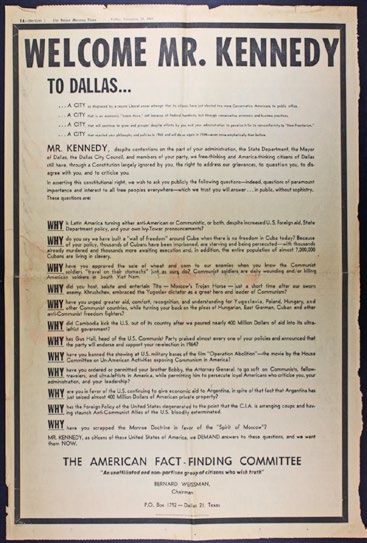
MR. KENNEDY, despite contentions on the part of your administration, the State Department, the Mayor of
            Dallas, the Dallas City Council, and members of your party, we free-thinking and America-thinking citizens of
            Dallas still have, through a Constitution largely ignored by you, the right to address our grievances, to question
            you, to disagree with you, and to criticize you.

            In asserting this constitutional right, we wish to ask you publicly the following questions--indeed, questions of
            paramount importance and interest to all free peoples everywhere--which we trust you will answer. . .in public,
            without sophistry.

            These questions are:

            WHY is Latin America turning either anti-American or Communistic, or both, despite increased U. S. foreign
            aid, State Department policy, and your own Ivy-Tower pronouncements?

            WHY do you say we have built a “wall of freedom” around Cuba when there is no freedom in Cuba today?
            Because of your policy, thousands of Cubans have been imprisoned, are starving and being persecuted--with
            thousands already murdered and thousands more awaiting execution and, in addition, the entire population of
            almost 7,000,000 Cubans are living in slavery.

            WHY have you approved the sale of wheat and corn to our enemies when you know the Communist soldiers
            “travel on their stomachs” just as ours do? Communist soldiers are daily wounding and or killing American
            soldiers in South Viet Nam.

            WHY did you host and entertain Tito--Moscow’s Trojan Horse--just a short time after our sworn enemy,
            Khrushchev, embraced the Yugoslav dictator as a great hero and leader of Communism?

            WHY have you urged greater aid, comfort, recognition, and understanding for Yugoslavia, Poland, Hungary,
            and other Communists countries, while turning your back on the pleas of Hungarian, East German, Cuban and
            other anti-Communists freedom fighters?

            WHY did Cambodia kick the U.S. out of its country after we poured nearly 400 Million Dollars of aid into its
            ultra-leftist government?

            WHY has Gus Hall, head of the U.S. Communist Party praised almost every one of your policies and announced
            that the party will endorse and support your re-election in 1964?

            WHY have you banned the showing at U.S. military bases of the film “Operation Abolition”--the movie by the
            House Committee on Un-American Activities exposing Communism in America?

            WHY have you ordered or permitted your brother Bobby, the Attorney General, to go soft on Communists,
            fellow-travelers, and ultra-leftists in America, while permitting him to persecute loyal Americans who criticize
            you, your administration, and your leadership?

            WHY are you in favor of the U.S. continuing to give economic aid to Argentina, in spite of the fact that
            Argentina has just seized almost 400 Million Dollars of American private property?

Lesson Plan | Kennedy and the Bill of Rights | 2021–2022                                                                   Page 5 of 34
WHY has the Foreign Policy of the United States degenerated to the point that the C.I.A. is arranging coups
            and having staunch Anti-Communists Allies of the U.S. bloodily exterminated.

            WHY have you scrapped the Monroe Doctrine in favor of the “Spirit of Moscow”?
            MR. KENNEDY, as citizens of the United States of America, we DEMAND answers to these questions, and we
            want them NOW.

             THE AMERICAN FACT-FINDING COMMITTEE
            “An unaffillated and non-partisan group of citizens who wish truth”

            BERNARD WEISSMAN,
            Chairman

            P.O. Box 1792 --- Dallas 21, Texas

Lesson Plan | Kennedy and the Bill of Rights | 2021–2022                                                                  Page 6 of 34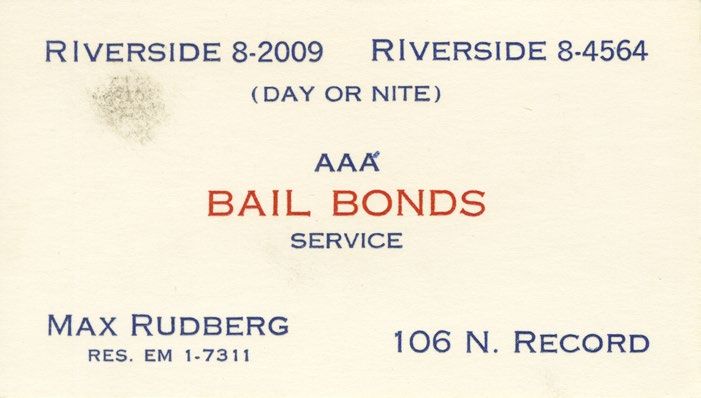
Lesson Plan | Kennedy and The Bill of Rights

                   First Amendment | Freedom of Religion, Speech and the Press

         ——————————————————————————————————————————

                                   A N A LY S I S Q U E S T I O N S
                                              “Welcome Mr. Kennedy” Newspaper Ad

            1. How does the First Amendment of the United States Constitution protect the person who wrote the
               “Welcome Mr. Kennedy” newspaper ad?

            __________________________________________________________________________________

            __________________________________________________________________________________

            2. Is all the language in this newspaper advertisement protected by the First Amendment?
               Why or why not?

            __________________________________________________________________________________

            __________________________________________________________________________________

            3. What is your opinion?
               Should freedom of speech include all the speech represented in this newspaper article?
               Yes or No / Why or why not?

            __________________________________________________________________________________

            __________________________________________________________________________________

            4. Should there be limits to the First Amendment right to freedom of speech?
               Example: Should speech that includes threats, emotional harm to others and/or creates imminent
               danger be protected?

            __________________________________________________________________________________

            __________________________________________________________________________________

Lesson Plan | Kennedy and the Bill of Rights | 2021–2022                                                         Page 7 of 34
Lesson Plan | Kennedy and The Bill of Rights

                   First Amendment | Freedom of Religion, Speech and the Press

          —————————————————————————————————————————

                  Congress shall make no law respecting an establishment of religion or
                 prohibiting the free exercise thereof or abridging the freedom of speech
                      or of the press, or the right of the people peaceably to assemble
                         and to petition the government for a redress of grievances.”

                                             United States Constitution | First Amendment

         ——————————————————————————————————————————

        Wanted for Treason Flyer

            General Edwin A. Walker was a decorated Army leader
            who served in WWII and the Korean War, led the Arkansas
            Military District during integration and was commander
            of the 24th Infantry Division. He resigned from the United
            States Army in 1961 after President Kennedy ordered
            an investigation into claims Walker distributed political
            literature from the John Birch Society to his troops, a
            violation of the Hatch Act. After resigning from the Army,
            Walker became politically active giving speeches against
            communism. In the fall of 1963, approximately 5,000
            of the “Wanted for Treason” flyers were distributed by
            anti-Kennedy propagandists, overseen by Robert Surrey,
            an associate of Gen. Walker’s, in downtown Dallas a
            day or two prior to President Kennedy’s November 1963
            visit. General Walker’s organization was subsequently
            investigated after the assassination of President Kennedy
            but was cleared by the Warren Commission. This example
            of citizens exercising their right to free speech may be
            controversial,
                                                                            Joe M. Dealey, Jr. Collection / The Sixth Floor Museum at Dealey Plaza. November 1963
            but it is protected under the First Amendment.

Lesson Plan | Kennedy and the Bill of Rights | 2021–2022                                                                                                   Page 8 of 34
Lesson Plan | Kennedy and The Bill of Rights

                   First Amendment | Freedom of Religion, Speech and the Press

         ——————————————————————————————————————————

                                   A N A LY S I S Q U E S T I O N S
                                                     “Wanted for Treason” Flyer

            1. How does the First Amendment of the United States Constitution protect the people who created and
               distributed this flyer?

            __________________________________________________________________________________

            __________________________________________________________________________________

            2. Is all the language in this flyer protected by the First Amendment?
               Why or why not?

            __________________________________________________________________________________

            __________________________________________________________________________________

            3. What is your opinion?
               Should freedom of speech include all the speech represented in this flyer?
               Yes or No / Why or why not?

            __________________________________________________________________________________

            __________________________________________________________________________________

            4. Should there be additional limits to the First Amendment right to freedom of speech?
               Example: Should speech that includes religious beliefs and cultural background not be protected?

            __________________________________________________________________________________

            __________________________________________________________________________________

Lesson Plan | Kennedy and the Bill of Rights | 2021–2022                                                           Page 9 of 34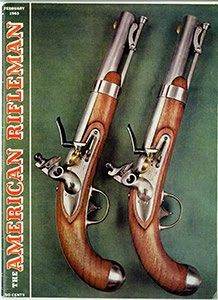
Lesson Plan | Kennedy and The Bill of Rights

                                Second Amendment | The Right to Bear Arms

         ——————————————————————————————————————————

                                        A well-regulated militia being necessary
                               to the security of a free state, the right of the people
                                    to keep and bear arms shall not be infringed.

                                            United States Constitution | Second Amendment

         ——————————————————————————————————————————

        American Rifleman magazine, February 1963

            This February 1963 American Rifleman magazine, published by the National Rifle Association, includes a Klein’s
            Sporting Goods ad and coupon like the one Lee Harvey Oswald used to order a 6.5 Italian Carbine rifle in March
            1963. Oswald ordered a 36” rifle but received a 40” rifle and telescope costing $19.95 plus shipping. The rifle
            Oswald ordered was later connected to the assassination of President John F. Kennedy. American readers of this
            magazine had and have the constitutionally protected right to order, possess, and bear arms.

                                                                                      The Sixth Floor Museum at Dealey Plaza Collection. November 1963

Lesson Plan | Kennedy and the Bill of Rights | 2021–2022                                                                                      Page 10 of 34
Lesson Plan | Kennedy and The Bill of Rights
Second Amendment | The Right to Bear Arms
——————————————————————————————————————————
A N A LY S I S Q U E S T I O N S
American Rifleman magazine, February 1963
1. How did the Second Amendment of the United States Constitution protect people who chose to order a
gun advertised in the American Rifleman magazine?
__________________________________________________________________________________
__________________________________________________________________________________
2. Does the Second Amendment include any type of guns, such as a Mannlicher Carcano rifle or a small
pistol like the ones available in this magazine?
Why or why not?
__________________________________________________________________________________
__________________________________________________________________________________
3. What is your opinion?
Should freedom to bear arms include all the types of firearms represented in the advertisement?
Yes or No / Why or why not?
__________________________________________________________________________________
__________________________________________________________________________________
4. Should there be additional criteria added to the Second Amendment right of the freedom to bear arms?
Example: Should the right to bear arms include or exclude assault rifles, automatic weapons, and
military grade explosives? Should there be an age limit for gun ownership?
__________________________________________________________________________________
__________________________________________________________________________________
Lesson Plan | Kennedy and the Bill of Rights | 2021–2022 Page 11 of 34Lesson Plan | Kennedy and The Bill of Rights
Third Amendment | Quartering of Troops
——————————————————————————————————————————
No Soldier shall, in time of peace be quartered in any house,
without the consent of the Owner, nor in time of war,
but in a manner to be prescribed by law.
United States Constitution | Third Amendment
——————————————————————————————————————————
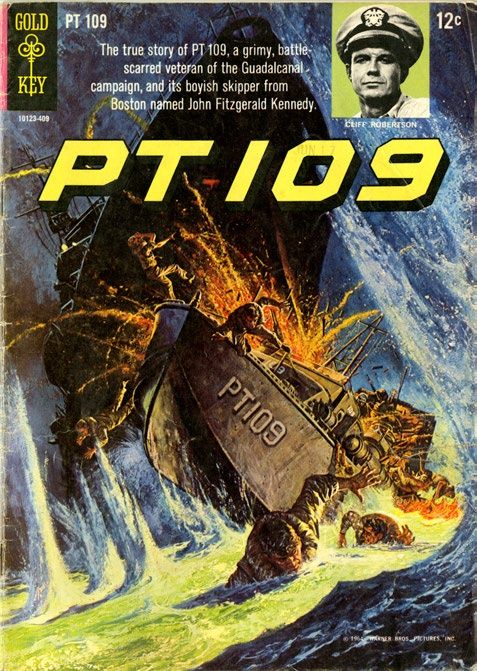
PT-109 Comic Book
President Kennedy served in the U.S. Naval Reserve from 1941 to 1945 and was a war hero during World War
II. The comic book PT-109 was published by Golden Press Inc. in 1964 and details the events surrounding the
sinking of Lt. John F. Kennedy’s PT-109 boat after colliding with the Japanese warship, Amagiri. Soldiers, like the
ones portrayed in the PT- 109 comic book are prohibited by the government from being housed in the homes of
everyday people in the United States without a prescribed law to that affect. The Third Amendment is the only
amendment to directly address the actions of soldiers in time of peace and war.
Indra Family Collection / The Sixth Floor Museum at Dealey Plaza. 1964
Lesson Plan | Kennedy and the Bill of Rights | 2021–2022 Page 12 of 34Lesson Plan | Kennedy and The Bill of Rights
Third Amendment | Quartering of Troops
——————————————————————————————————————————
A N A LY S I S Q U E S T I O N S
PT-109 Comic Book - 1964
1. How does the Third Amendment of the United States Constitution impact soldiers and civilians, during
times of peace and war?
__________________________________________________________________________________
__________________________________________________________________________________
2. How does the Third Amendment protect civilians from the actions of active-duty soldiers?
__________________________________________________________________________________
__________________________________________________________________________________
3. What is your opinion?
Should the armed forces be able to take shelter with citizens during time of war?
Yes or No / Why or why not?
__________________________________________________________________________________
__________________________________________________________________________________
4. Could quartering soldiers in private homes be a concern for today’s homeowner? Why or why not?
__________________________________________________________________________________
__________________________________________________________________________________
Lesson Plan | Kennedy and the Bill of Rights | 2021–2022 Page 13 of 34Lesson Plan | Kennedy and The Bill of Rights
Fourth Amendment | Protection from Unreasonable Searches and Seizures
——————————————————————————————————————————
The right of the people to be secure in their persons, houses, papers, and effects
against unreasonable searches and seizures shall not be violated, and no warrants
shall issue but upon probable cause, supported by oath or affirmation, and particularly
describing the place to be searched and the persons or things to be seized.
United States Constitution | Fourth Amendment
——————————————————————————————————————————
Affidavit for search warrant for Ruth Paine’s home
This photo is of an affidavit for a search warrant for Ruth Paine’s Irving, Texas home. Lee Harvey Oswald’s wife,
Marina Oswald, and their children lived with Paine, Marina Oswald’s friend, at the time of the assassination of
President John F. Kennedy. Oswald visited his wife and daughters at Paine’s home often and slept there the night
of November 21, 1963. The affidavit was filed the morning of November 23rd, 1963, one day after Lee Harvey
Oswald was arrested. The Fourth Amendment prohibited the police from searching Ruth Paine’s house until an
official warrant was issued even if they suspected they would find evidence connected to Lee Harvey Oswald.
Judge Joe B. Brown, Jr. Collection / The Sixth Floor Museum at Dealey Plaza. November 1963
Lesson Plan | Kennedy and the Bill of Rights | 2021–2022 Page 14 of 34Lesson Plan | Kennedy and The Bill of Rights
Fourth Amendment | Protection from Unreasonable Searches and Seizures
——————————————————————————————————————————
A N A LY S I S Q U E S T I O N S
Affidavit for search warrant for Ruth Paine’s home
1. What rights does the Fourth Amendment protect?
__________________________________________________________________________________
__________________________________________________________________________________
2. Are the affidavit and search warrant required because of the Fourth Amendment?
Why or why not?
__________________________________________________________________________________
__________________________________________________________________________________
3. What is your opinion? Should protection from unreasonable search and seizure include all the types of
private residences and commercial property? Yes or No / Why or why not?
__________________________________________________________________________________
__________________________________________________________________________________
4. Should there be additional criteria to the Fourth Amendment right to protection from unreasonable
search and seizure?
Example: Should protection from unreasonable search and seizure exclude open backyards?
__________________________________________________________________________________
__________________________________________________________________________________
Lesson Plan | Kennedy and the Bill of Rights | 2021–2022 Page 15 of 34Lesson Plan | Kennedy and The Bill of Rights
Fifth Amendment | Protection of Rights to Life, Liberty and Property
——————————————————————————————————————————
No person shall be held to answer for a capital or otherwise infamous crime unless
on a presentment or indictment of a grand jury, except in cases arising in the land
or naval forces, or in the militia, when in actual service in time of war or public
danger; nor shall any person be subject for the same offense to be twice put in
jeopardy of life or limb; nor shall be compelled in any criminal case to be a witness
against himself, nor be deprived of life, liberty, or property without due process of
law; nor shall private property be taken for public use without just compensation.
United States Constitution | Fifth Amendment
——————————————————————————————————————————
Photograph of the Dallas County
Grand Jury in October 1963
This is a photograph of the grand
jury, a group of people assembled
to determine the validity of the
accusations against Jack Ruby, a
local Dallas night club owner, and
decide whether to indict him for the
murder of Lee Harvey Oswald, the man
accused of assassinating President
Kennedy. Ruby shot Oswald in front of
police, newsmen and a live television
audience on Sunday, November 24,
1963, in the basement of the Dallas
police headquarters. Ruby was indicted
Ruth Sharp Altshuler Collection / The Sixth Floor Museum at Dealey Plaza. October 1963
on November 26, 1963 by Dallas
County Grand Jury, two days after his arrest. Jack Ruby, never testifying on his own behalf in court, was tried
and convicted of the murder of Oswald on March 14, 1964, by a jury trial of his peers in Dallas, Texas. Ruby’s
conviction was overturned in 1966, and he was awaiting a retrial when he died of cancer in 1967. The grand jury
pictured above ensured Jack Ruby’s Fifth Amendment right to not answer for a capital or infamous crime unless
indicted by a grand jury.
Lesson Plan | Kennedy and the Bill of Rights | 2021–2022 Page 16 of 34Lesson Plan | Kennedy and The Bill of Rights
Fifth Amendment | Protection of Rights to Life, Liberty and Property
——————————————————————————————————————————
A N A LY S I S Q U E S T I O N S
Photograph of the Dallas County Grand Jury in October 1963
1. What rights does the Fifth Amendment of the United States Constitution provide Jack Ruby?
__________________________________________________________________________________
__________________________________________________________________________________
2. Does the Fifth Amendment only require a grand jury, or does it require a jury trial for the defendant as
well? Explain your answer.
__________________________________________________________________________________
__________________________________________________________________________________
3. What is your opinion? Should a grand jury be required in all types of crimes and offences including
criminal and civil cases? Yes or No / Why or why not?
__________________________________________________________________________________
__________________________________________________________________________________
4. Should there be additional criteria to the Fifth Amendment right to a grand jury requirement?
Example: Should the grand jury requirement include non-capital offences such as assault?
__________________________________________________________________________________
__________________________________________________________________________________
Lesson Plan | Kennedy and the Bill of Rights | 2021–2022 Page 17 of 34Lesson Plan | Kennedy and The Bill of Rights
Fifth Amendment | Protection of Rights to Life, Liberty and Property
——————————————————————————————————————————
No person shall be held to answer for a capital or otherwise infamous crime unless
on a presentment or indictment of a grand jury, except in cases arising in the land
or naval forces, or in the militia, when in actual service in time of war or public
danger; nor shall any person be subject for the same offense to be twice put in
jeopardy of life or limb; nor shall be compelled in any criminal case to be a witness
against himself, nor be deprived of life, liberty, or property without due process of
law; nor shall private property be taken for public use without just compensation.
United States Constitution | Fifth Amendment
——————————————————————————————————————————
Handwritten note from Jack Ruby to his lawyer, Melvin Belli
Jack Ruby wrote this note to his lawyer, Melvin Belli, after
Detective Jim Leavelle’s testimony during Ruby’s 1964 trial for
the murder of Lee Harvey Oswald. Ruby, a local Dallas night club
owner, shot Lee Harvey Oswald, the man accused of assassinating
President Kennedy, on Sunday, November 24, 1963, in the
basement of the Dallas police headquarters. Ruby wrote this
note as a response to Jim Leavelle, who was handcuffed to Lee
Harvey Oswald when Ruby shot and killed him. Ruby suggested
in the letter that his hat would have obscured his face to others
and therefore Leavelle could not have seen his facial expression.
During the trial, Belli presented Ruby’s defense and while Ruby
may have expressed his thoughts to his attorney through methods
such as writing letters, Ruby exercised his Fifth Amendment right
not to testify on his own behalf.
Transcript
Anthony Pugliese Collection / The Sixth Floor Museum at Dealey Plaza. March 1964
“R” (circled) IMPORTANT
The gun did not have a hammer, and is almost impossible to stop from firing even if you grasp same.
Also I was wearing a hat, so how could he tell the expression on my face, and he was hand-cuffed to the prisoner”
Lesson Plan | Kennedy and the Bill of Rights | 2021–2022 Page 18 of 34Lesson Plan | Kennedy and The Bill of Rights
Fifth Amendment | Protection of Rights to Life, Liberty and Property
——————————————————————————————————————————
A N A LY S I S Q U E S T I O N S
Handwritten note from Jack Ruby to his lawyer, Melvin Belli
1. What rights does the Fifth Amendment of the United States Constitution provide Jack Ruby?
__________________________________________________________________________________
__________________________________________________________________________________
2. How does the Fifth Amendment of the United States Constitution protect Jack Ruby’s desire not to
testify at trial?
__________________________________________________________________________________
__________________________________________________________________________________
3. What is your opinion? Should a defendant’s right to not testify at trial be protected by the Fifth
Amendment? Yes or No / Why or why not?
__________________________________________________________________________________
__________________________________________________________________________________
4. Should there be exclusions to the Fifth Amendment right to not testify against yourself?
Example: Should the defendant have to testify if the charges include murder to get a wholistic
understanding of both sides of the events that occurred.
__________________________________________________________________________________
__________________________________________________________________________________
Lesson Plan | Kennedy and the Bill of Rights | 2021–2022 Page 19 of 34Lesson Plan | Kennedy and The Bill of Rights
Sixth Amendment | Rights of Accused Persons in Criminal Cases
——————————————————————————————————————————
In all criminal prosecutions, the accused shall enjoy the right to a speedy and
public trial by an impartial jury of the state and district wherein the crime shall have
been committed, which district shall have been previously ascertained by law,
and to be informed of the nature and cause of the accusation; to be confronted
with the witnesses against him; to have compulsory process for obtaining
witnesses in his favor; and to have the assistance of counsel for his defense.
United States Constitution | Sixth Amendment
——————————————————————————————————————————
J. Waymon Rose’s journal of the Ruby trial
J. Waymon Rose wrote in this notebook while he served as a juror during the Jack Ruby trial. Jack Ruby shot and
killed Lee Harvey Oswald, the man accused of assassinating President Kennedy, on Sunday, November 24, 1963,
in the basement of the Dallas police headquarters. Rose’s wife suggested he keep a detailed account of his time
as a juror on the Jack Ruby trial. His journal included the living conditions of the jurors and his personal thoughts
on the proceedings. Rose’s journal depicts how the court helped to ensure Jack Ruby’s trial was protected from
media exposure to help maintain an impartial jury of Ruby’s peers which is protected under the Sixth Amendment.
Waymon and Ann Rose Collection / The Sixth Floor Museum at Dealey Plaza. 1964
Lesson Plan | Kennedy and the Bill of Rights | 2021–2022 Page 20 of 34Lesson Plan | Kennedy and The Bill of Rights
Sixth Amendment | Rights of Accused Persons in Criminal Cases
——————————————————————————————————————————
A N A LY S I S Q U E S T I O N S
J. Waymon Rose’s journal of the Ruby trial
1. How does J. Waymon Rose’s journal of the Ruby trial show how the Sixth Amendment right to an
impartial jury is implemented?
__________________________________________________________________________________
__________________________________________________________________________________
2. Are the steps taken in J. Waymon Rose’s journal of the Ruby trial required by the Sixth Amendment?
Why or why not?
__________________________________________________________________________________
__________________________________________________________________________________
3. What is your opinion? Should a public trial be protected by the Sixth Amendment?
Yes or No / Why or why not?
__________________________________________________________________________________
__________________________________________________________________________________
4. Should there be changes to the Sixth Amendment when considering media coverage and attempting to
select an impartial jury of the defendant’s peers?
Example: If the defendant is a celebrity or of notoriety and therefore it would be virtually impossible to
find a group of jurors who were unfamiliar with the individual should they get to delay trial or move the trial to
another location?
__________________________________________________________________________________
__________________________________________________________________________________
Lesson Plan | Kennedy and the Bill of Rights | 2021–2022 Page 21 of 34Lesson Plan | Kennedy and The Bill of Rights
Sixth Amendment | Rights of Accused Persons in Criminal Cases
——————————————————————————————————————————
In all criminal prosecutions, the accused shall enjoy the right to a speedy and
public trial by an impartial jury of the state and district wherein the crime shall have
been committed, which district shall have been previously ascertained by law,
and to be informed of the nature and cause of the accusation; to be confronted
with the witnesses against him; to have compulsory process for obtaining
witnesses in his favor; and to have the assistance of counsel for his defense.
United States Constitution | Sixth Amendment
——————————————————————————————————————————
Image of Lee Harvey Oswald during the midnight press showing
This photo shows Lee Harvey Oswald, the primary suspect in the assassination of President John F. Kennedy,
during the midnight press showing at Dallas police headquarters. Lee Harvey Oswald had been arrested for
assassinating President Kennedy and for the murder of Dallas Patrolman J.D. Tippit. In this photo Oswald is
surrounded by law enforcement and a large crowd of journalists. During the press conference, Oswald alluded to
being aware of several of his constitutional rights in the Sixth Amendment, including the right to counsel and his
right to know what charges were being made against him.
Dallas Times Herald Collection / The Sixth Floor Museum at Dealey Plaza. 23 November 1964
Lesson Plan | Kennedy and the Bill of Rights | 2021–2022 Page 22 of 34Transcript
During this press conference, Oswald spoke to the reporters.
Oswald – Well I was questioned by a judge [unintelligible]. I was not allowed to have legal representation during
that very short and sweet hearing. Uh, I really don’t know what the situation is, nobody has told me anything
except I am accused of murdering a policeman. I know nothing more than that. I request someone to come
forward and give me a legal assistance.
Unidentified Reporter – Did you kill the President?
Oswald – No, I’ve not been charged with that, in fact nobody has said that to me yet. The first thing I heard about
was when the newspaper reporters in the hall, uh, asked me that question.
Unidentified Reporter – How did you hurt your eye?
Oswald – A policeman hit me.
Lesson Plan | Kennedy and the Bill of Rights | 2021–2022 Page 23 of 34Lesson Plan | Kennedy and The Bill of Rights
Sixth Amendment | Rights of Accused Persons in Criminal Cases
——————————————————————————————————————————
A N A LY S I S Q U E S T I O N S
Image of Lee Harvey Oswald during the midnight press showing.
1. What Sixth Amendment rights did Lee Harvey Oswald allude to during the midnight press showing?
__________________________________________________________________________________
__________________________________________________________________________________
2. Is Oswald’s request for counsel and to be notified of why he is being detained required by the Sixth
Amendment? Explain.
__________________________________________________________________________________
__________________________________________________________________________________
3. What is your opinion? Should a suspected killer’s right to counsel and right to know the charges
against them be protected by the Sixth Amendment?
Yes or No / Why or why not?
__________________________________________________________________________________
__________________________________________________________________________________
4. Should there be changes to the Sixth Amendment right to an attorney and to know the charges against you?
Example: Should the defendant be afforded additional information such as preliminary and circumstantial
evidence including eyewitnesses and suspected motives.
__________________________________________________________________________________
__________________________________________________________________________________
Lesson Plan | Kennedy and the Bill of Rights | 2021–2022 Page 24 of 34Lesson Plan | Kennedy and The Bill of Rights
Sixth Amendment | Rights of Accused Persons in Criminal Cases
——————————————————————————————————————————
In all criminal prosecutions, the accused shall enjoy the right to a speedy and
public trial by an impartial jury of the state and district wherein the crime shall have
been committed, which district shall have been previously ascertained by law,
and to be informed of the nature and cause of the accusation; to be confronted
with the witnesses against him; to have compulsory process for obtaining
witnesses in his favor; and to have the assistance of counsel for his defense.
United States Constitution | Sixth Amendment
——————————————————————————————————————————
Image of people awaiting jury selection for Jack Ruby change of venue hearing in 1964
Image of the jurors selected for the Jack Ruby trial
The photo of potential jurors during the selection process for Jack Ruby’s February 1964 change of venue
hearing and the photo of the twelve jurors along with the two bailiffs selected for the Jack Ruby trial depicts
Ruby’s Sixth Amendment right to a trial in front of a jury of his peers. The number of people in the central jury
room and the ten-day process of selecting the final twelve jurors demonstrates how the court’s procedure is
designed to meet its responsibility to select an impartial jury of Ruby’s peers. The Dallas location also fulfills
Ruby’s right to a trial in the “state and district wherein the crime shall have been committed.” Jack Ruby was
tried and convicted of the murder of Lee Harvey Oswald, the primary suspect in the assassination of President
Kennedy, on March 14, 1964, by a jury of his peers in Dallas, Texas. Ruby was sentenced to the death penalty.
However, Ruby’s conviction was overturned because the appellate court found the change of venue request in his
original trial should have been granted. While awaiting a retrial Ruby died of cancer on January 3, 1967.
The Dallas Morning News Collection / The Sixth Floor Museum at Dealey Plaza. Bill Winfrey Collection, The Dallas Morning News /
Donated by The Dallas Morning News in the interest of preserving History. February 1964 The Sixth Floor Museum at Dealey Plaza. 1964
Lesson Plan | Kennedy and the Bill of Rights | 2021–2022 Page 25 of 34Lesson Plan | Kennedy and The Bill of Rights
Sixth Amendment | Rights of Accused Persons in Criminal Cases
——————————————————————————————————————————
A N A LY S I S Q U E S T I O N S
Image of the jurors selected for the Jack Ruby trial
and
Image of people awaiting jury selection for Jack Ruby change of venue hearing in 1964
1. How are the rights protected in the Sixth Amendment of the United States Constitution represented in the
image of the jurors selected for the Jack Ruby trial and image of people awaiting jury selection for
Jack Ruby’s change of venue hearing in 1964?
__________________________________________________________________________________
__________________________________________________________________________________
2. Is the selection of jurors in the Jack Ruby case required by the Sixth Amendment? Why or why not?
__________________________________________________________________________________
__________________________________________________________________________________
3. What is your opinion? Should the Sixth Amendment protect a defendant’s right to a jury of his peers or
allow the judge to make the final determination? Explain.
__________________________________________________________________________________
__________________________________________________________________________________
4. Should there be qualifications to the Sixth Amendment right to a jury of your peers.
Example: Should the jury be educated on the law, know how to apply the law or have experience in the
subject areas that are at issue?
__________________________________________________________________________________
__________________________________________________________________________________
Lesson Plan | Kennedy and the Bill of Rights | 2021–2022 Page 26 of 34Lesson Plan | Kennedy and The Bill of Rights
Seventh Amendment | Rights in Civil Cases
——————————————————————————————————————————
In suits at common law, where the value in controversy shall exceed twenty dollars,
the right of trial by jury shall be preserved, and no fact tried by a jury,
shall be otherwise reexamined in any Court of the United States,
than according to the rules of the common law.
United States Constitution | Seventh Amendment
——————————————————————————————————————————
“U.S. Jury Sets Value of Zero on Oswald Rifle” Dallas Morning News Article
This Dallas Morning News article from February
25, 1969, titled “U.S. Jury Sets Value of Zero on
Oswald Rifle” describes how John King lost his civil
suit requesting payment from the government for
seizing Lee Harvey Oswald’s rifle that King purchased
from Oswald’s wife, Marina. Lee Harvey Oswald, the
primary suspect in the assassination of President
John F. Kennedy, purchased the rifle out of a
magazine and subsequently left the rifle on the sixth
floor of the Texas School Book Depository building on
November 22, 1963. A federal jury found Lee Harvey
Oswald abandoned the rifle and therefore Marina
Oswald did not own the rifle to sell to John King.
Additionally, the jury found the rifle was valued at
zero and the government did not owe King monetary
compensation for seizing the rifle for placement in
the National Archives after Congress passed a law
making it a part of the National Archives collection.
The Dallas Morning News. Phil Willis Collection / The Sixth Floor Museum at Dealey Plaza. 1969
Lesson Plan | Kennedy and the Bill of Rights | 2021–2022 Page 27 of 34Lesson Plan | Kennedy and The Bill of Rights
Seventh Amendment | Rights in Civil Cases
—————————————————————————————————————————
A N A LY S I S Q U E S T I O N S
“U.S. Jury Sets Value of Zero on Oswald Rifle” Dallas Morning News Article
1. How does the Seventh Amendment protect rights the Sixth Amendment does not protect?
__________________________________________________________________________________
__________________________________________________________________________________
2. If a judge, instead of a jury, listened to John King’s argument and found the government did not owe King
any money would this violate King’s Seventh Amendment rights? Why or why not?
__________________________________________________________________________________
__________________________________________________________________________________
3. What is your opinion? Should all civil cases above $20 have a trial by jury? Yes or No / Why or why not?
__________________________________________________________________________________
__________________________________________________________________________________
4. Should there be additions/updates to the Seventh Amendment?
Example: Civil trials above $1000 have the right to be decided by a jury.
__________________________________________________________________________________
__________________________________________________________________________________
Lesson Plan | Kennedy and the Bill of Rights | 2021–2022 Page 28 of 34Lesson Plan | Kennedy and The Bill of Rights
Eighth Amendment | Excessive Bail, Fines and Punishments Forbidden
——————————————————————————————————————————
Excessive bail shall not be required,
nor excessive fines imposed,
nor cruel and unusual punishments inflicted.
United States Constitution | Eighth Amendment
——————————————————————————————————————————
Bail bonds card located among Jack Ruby’s belongings
This bail bonds card was a piece of evidence collected from Jack Ruby’s car after he was arrested and taken
to the Dallas County District Attorney’s Office by the Dallas police for shooting and killing Lee Harvey Oswald,
the primary suspect in the assassination of President Kennedy. Jack Ruby had this bail bonds card although
the court did not set a bail amount. Presumably, contacting the number on the card would have allowed him to
acquire the money to pay a bail if the court chose to issue an amount. The Eighth Amendment protects individuals
from excessive bail if the court issues a monetary amount to pay for release from jail before the defendant must
appear in court.
Loaned Courtesy the Dallas County District Attorney’s Office. The Sixth Floor Museum at Dealey Plaza
Lesson Plan | Kennedy and the Bill of Rights | 2021–2022 Page 29 of 34Lesson Plan | Kennedy and The Bill of Rights
Eighth Amendment | Excessive Bail, Fines and Punishments Forbidden
—————————————————————————————————————————
A N A LY S I S Q U E S T I O N S
Bail bonds card located among Jack Ruby’s belongings
1. How is the Eighth Amendment of the United States Constitution prohibiting excessive bail important to Ruby?
__________________________________________________________________________________
__________________________________________________________________________________
2. Should the denial of bail in capital cases (example: murdering police officers during a robbery) be a
violation of the Eighth Amendment and be considered cruel and unusual punishment?
Why or why not?
__________________________________________________________________________________
__________________________________________________________________________________
3. What is your opinion? Should reasonable bail be protected by the Eighth Amendment?
Yes or No / Why or why not?
__________________________________________________________________________________
__________________________________________________________________________________
4. Should there be restrictions to the Eighth Amendment protection against excessive bail?
Example: Higher bail should be allowed in cases dealing with more than $1 million worth of damages?
__________________________________________________________________________________
__________________________________________________________________________________
Lesson Plan | Kennedy and the Bill of Rights | 2021–2022 Page 30 of 34Lesson Plan | Kennedy and The Bill of Rights
Ninth Amendment | Additional Rights
——————————————————————————————————————————
The enumeration in the Constitution, of certain rights,
shall not be construed to deny or disparage others retained by the people.
United States Constitution | Ninth Amendment
——————————————————————————————————————————
Poster carried in the March on Washington on August 28, 1963
This “We Demand Full Employment NOW!” poster was carried in the March on Washington on August 28, 1963.
Organizations such as the National Association for the Advancement of Colored People, Student Non-Violent
Coordinating Committee, Congress of Racial Equality and the Southern Christian Leadership Conference helped
to organize and participate in the March on Washington. Protestors used signs like the one shown here. This
sign is advocating for equality and equal protection in all areas of society including employment and pay. These
rights, including the right to full employment and pay equality, although not enumerated in the Constitution, are
interpreted as protected under the Ninth Amendment.
The Sixth Floor Museum at Dealey Plaza Collection. 1963
Lesson Plan | Kennedy and the Bill of Rights | 2021–2022 Page 31 of 34Lesson Plan | Kennedy and The Bill of Rights
Ninth Amendment | Additional Rights
—————————————————————————————————————————
A N A LY S I S Q U E S T I O N S
Poster carried in the March on Washington on August 28, 1963
1. How is the March on Washington Poster demanding full employment and thus the opportunity for economic
stability protected by the Ninth Amendment?
__________________________________________________________________________________
__________________________________________________________________________________
2. Is the Ninth Amendment a right or a protection of rights? Is there a difference?
Why or why not?
__________________________________________________________________________________
__________________________________________________________________________________
3. What is your opinion? Should people be given only the rights prescribed in the Constitution, our
governing document, and simply add amendments as issues come up?
Why or why not?
__________________________________________________________________________________
__________________________________________________________________________________
4. Is the Ninth Amendment effective in everyday life.
Yes or No / Why or why not?
__________________________________________________________________________________
__________________________________________________________________________________
Lesson Plan | Kennedy and the Bill of Rights | 2021–2022 Page 32 of 34Lesson Plan | Kennedy and The Bill of Rights
Tenth Amendment | Undelegated Powers Kept by the States and the People
——————————————————————————————————————————
The powers not delegated to the United States by the Constitution,
nor prohibited by it to the states, are reserved
to the states respectively, or to the people.
United States Constitution | Tenth Amendment
——————————————————————————————————————————
Waggoner Carr Oral History
Dr. Earl F. Rose Oral History
Waggoner Carr served as Attorney General of Texas from
1963 to 1967 and traveled throughout the state with
President John F. Kennedy’s team during the November
1963 trip to Texas. After the assassination of President
Kennedy on November 22, 1963, Carr began setting
up an investigation into the assassination of President
Kennedy at the state level. However, Carr was asked to
serve as the Texas liaison to the Warren Commission,
who led the federal investigation into the assassination
of President Kennedy. The Tenth Amendment should
protect the state government’s right to conduct a murder
investigation that occurred in Dallas County. However, the The Sixth Floor Museum at Dealey Plaza Collection. 1963
federal government stepped in and utilized a state official to help conduct
their national investigation of the assassination of President Kennedy.
Dr. Earl Rose, the Dallas County medical examiner from 1963 to 1968, performed the autopsy on Officer J.D.
Tippit, a Dallas patrol officer allegedly shot and killed by Lee Harvey Oswald. Rose also performed autopsies
on Lee Harvey Oswald, the primary suspect in the assassination of President John F. Kennedy, and Jack Ruby,
the man who shot and killed Lee Harvey Oswald. The Dallas Police Department was originally in charge of the
investigation and the pending autopsy of President Kennedy that was required by Texas law. However, Secret
Service agents were ordered to take the president’s remains, along with Mrs. Kennedy, back to Air Force One at
Dallas Love Field. Lieutenant Carl Day, head of the Dallas Crime Scene Search Unit, was not able to complete his
investigation because the Federal Bureau of Investigation took the rifle and all the evidence to Washington, D.C.
Dr. Rose would have performed the autopsy on President Kennedy had his body not been taken immediately back
to Washington, D.C. The Tenth Amendment protects the states’ rights to powers that are not explicitly given to
the federal government or kept from the state government. Presumably, the local government should have had
jurisdiction over a murder that happened in Dallas County without the interference from the federal government.
Therefore, under the Tenth Amendment in 1963, Dr. Rose should have had the authority to conduct the autopsy.
Lesson Plan | Kennedy and the Bill of Rights | 2021–2022 Page 33 of 34Lesson Plan | Kennedy and The Bill of Rights
Tenth Amendment | Undelegated Powers Kept by the States and the People
—————————————————————————————————————————
A N A LY S I S Q U E S T I O N S
Waggoner Carr and Dr. Earl Rose‘s Oral History
1. How does the Tenth Amendment of the United States Constitution delegate power to the states?
__________________________________________________________________________________
__________________________________________________________________________________
2. Was the FBI taking over the investigation of the assassination of President Kennedy a violation of the
Tenth Amendment?
Why or why not?
__________________________________________________________________________________
__________________________________________________________________________________
3. What is your opinion? Should reserving rights to the states, such as investigating crimes that occur in
their jurisdiction, be protected by the Tenth Amendment even if it is a federal official?
Yes or No / Why or why not?
__________________________________________________________________________________
__________________________________________________________________________________
4. Should the Tenth Amendment reserve more power to the states?
Example: Should reserved powers include coining money, negotiating treaties, and regulating interstate
commerce?
__________________________________________________________________________________
__________________________________________________________________________________
Lesson Plan | Kennedy and the Bill of Rights | 2021–2022 Page 34 of 34You can also read


