Key Stage 4 - Supporting your Child - King Henry VIII School Ysgol Brenin Harri'r VIII - King Henry VIII ...
←
→
Page content transcription
If your browser does not render page correctly, please read the page content below

Key Stage 4 - Supporting your Child
   Cyfnod allweddol 4 - cefnogi eich plentyn

                                     King Henry VIII School
                                    Ysgol Brenin Harri’r VIII
Key Stage 4 - Supporting your Child
   Cyfnod allweddol 4 - cefnogi eich plentyn

Information for Parents and Carers
        Gwybodaeth i rieni a gofalwyr

                                               2
At Key Stage 4 standards continue to improve at KHS. Our students share the same ethos as the school and
demonstrate high levels of engagement and motivation in their learning. A positive learning culture is
embedded in the school, and this, along with consistently high quality teaching and learning, enables
students to make excellent progress.
During Key Stage 4, parents and carers will be kept up to date with progress with interim and full reports, we
are currently are planning how parents evening will take place, if virtually, but will ensure we keep you
updated. All students will have many different assessments throughout Key Stage 4, including internal and
external examinations and controlled assessment tasks.
This booklet aims to...
Explain key dates and advice for parents and carers
Provide ideas for what can be done at home to help
Outline sources of further support and information
What we do to support revision in school
Students will be provided with advice regarding revision techniques by their subject teachers. They
will also be provided with some revision materials, where appropriate, and directed to helpful sources
of support.
We provide additional revision sessions which students are encouraged to attend. These can take
place at lunchtime and after school. Class teachers will make students aware when they are taking
place.
We provide additional revision support to certain students at risk of under achievement when
necessary. This takes a variety of forms. Some students/classes may receive support during their
lessons via an additional adult who may be a teacher or teaching assistant. Another form of support
is when students are withdrawn from lessons to be taught by a teacher or a specialist teaching
assistant in small groups.
Prior to examinations Walking Talking Mocks (WTM) will run during the school day for all core
subjects prior to exams.
“King Henry VIII School Community will work together to create an
inclusive, safe and happy learning environment in which all are
challenged and supported to achieve their potential. Everyone is
committed to learning today for a fulfilling life tomorrow.”
3
Assessment tasks, controlled assessments and examinations 2020-21

                                                Year 10                                                             Year 11
     Subject
                       Autumn Term            Spring Term         Summer Term            Autumn Term              Spring Term           Summer Term
English Language      English Literature   English Literature    English Literature    English Literature      English Language       English Literature
        &             Unit 3 Non Exam            Unit 3            Unit 1 Exam               Unit 3             Unit 2 internal         Unit 1 Exam
English Literature      Assessment -       Welsh Poetry Non     Of Mice and Men &      Welsh Poetry Non          mock exam           Of Mice and Men &
                        Shakespeare        Exam Assessment        Unseen Poetry        Exam Assessment          February 2021          Unseen Poetry
                          Macbeth           February 2021        (not all students)     September 2020                                (not all students)
                        October 2020            (12.5%)         Thursday 20th May           (12.5%)                                  Thursday 20th May
                           (12.5%)                                  2021 (35%)                                 English Literature        2021 (35%)
                                                                                          Individual            Unit 1 internal
                     Oracy task 1 – Mock   English Literature    English Language       Presentation –           mock exam             English Language
                          Individual        Unit 1 internal       Unit 2 internal      Oracy Assessment          March2021               Unit 2 Exam
                        Presentation.        mock exam           mock exam June         December 2020                                  Monday 7th June
                                             March2021                 2021                  (20%)                                       2021 (40%)
                                                                                                              English Language
                                                                                        English Language      WTM Units 2 and 3        English Language
                                                                                         Unit 3 internal                                     Unit 3
                                                                                          mock exam                                   Thursday day 10th
                                                                                        November 2020                                  June 2021 (40%)

                                                                                      ‘You don’t have to be great to start, but you have to start to be great”

                                                                                                                   Zig Ziglar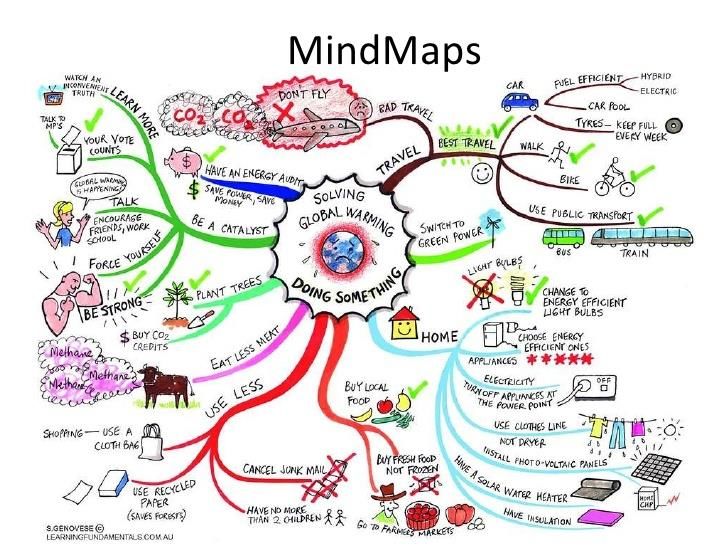
Year 10                                                  Year 11
Subject
          Autumn Term   Spring Term    Summer Term         Autumn Term           Spring Term         Summer Term
Maths                                 Year 10 internal   Year 11 2020--21                            GCSE Numeracy
                                           exam          Mathematics and                               Unit 1 (non-
                                                         numeracy internal                         calculator) Monday
                                                          exam November                              17th May 2021.
                                                               2020.                                Unit 2 (Calculator)
                                                                                                    Tuesday 25th May
                                                             For identified                                2021.
                                                            students GCSE                              GCSE Maths
                                                               numeracy                                Unit 1 (non-
                                                              Unit 1 (non-                         calculator) Tuesday
                                                         calculator) Tuesday                          8th June 2021.
                                                         3th November 2020.                         Unit 2 (calculator)
                                                          Unit 2 (Calculator)                       Tuesday 15th June
                                                             Thursday 5th                                  2021.
                                                           November 2020.                           Additional Maths
                                                              GCSE Maths                            Wednesday 23rd
                                                              Unit 1 (non-                              June 2021.
                                                         calculator) Monday
                                                         9th November 2020.                        ALL ABOVE DATES
                                                          Unit 2 (calculator)                      ARE PROVISIONAL
                                                           Wednesday 11th
                                                           November 2020.
Science                                Unit 1 Biology    Applied science task   Unit 7 Practical     Unit 4 Biology
                                      Unit 2 Chemistry       based exam.             exam           Unit 5 Chemistry
                                       Unit 3 Physics                                                Unit 6 Physics

                                                                                                                          5
Year 10                                                       Year 11
   Subject
                 Autumn Term     Spring Term        Summer Term          Autumn Term            Spring Term         Summer Term
     Art                          Coursework         Coursework            Coursework            April 2020
                                Deadline Unit 1    Deadline Unit 1        Final Deadline     External 10hr exam
                                Researching and    Researching and         Researching,          paper 40%
                                Planning, Design   Planning, Design   Planning, Design and   Cancelled for 2021
                                   and making        and making              making –            candidates
                                                                         December 2020
                                                                          Internal exam
                                                                       Cancelled for 2021
                                                                            candidates

   Business                      Completion of      Completion of            Unit 1           Unit 2 on screen      Work on Unit 3
                                  Coursework         Coursework       assignment 1A & 1B      exam February        Enterprise in the
                                      Unit 4            Unit 1        Deadline December        Completion of        Business World
                                assignment 4B –    assignment 1B &            2019             assignment 1C      assignment 3A, 3B
                               Promoting a Brand    1C Introducing     Unit 2 Finance for                                & 3C
                                      Unit 1           Business             Business
                                 assignment 1A
                                  Introducing
                                    Business
                                                                            Unit 2
                                                                          Non Exam
                                                                                                              Unit 1
                                                                       Assessment Task
    D&T                                                                                                   Written Exam
                                                                        35 Hours (50%)
Product Design                                                                                               2 Hours
                                                                         (100 Marks)
                                                                                                              (50%)
                                                                       Design and Make
                                                                                                           (100 Marks)
                                                                             Task
                                                                                                       To be sat June 2021
                                                                      Deadline: 30th April
                                                                             2021
                                                                                                                                       6
Year 10                                                     Year 11
      Subject
                         Autumn Term             Spring Term            Summer Term       Autumn Term         Spring Term           Summer Term
                                                                                                       Unit 2                            Unit 1
                                                                                             Non Exam Assessment Task                Written Exam
      D&T                                                                                         25 Hours (60%)                   1 Hour 30 Minutes
 Food & Nutrition                                                                                   (120 Marks)                          (40%)
                                                                                             Food & Nutrition in Action                (80 Marks)
                                                                                                                                  Principles of Food &
                                                                                                                                        Nutrition
                       Unit 2: Producing Engineered         Unit 3: Solving Engineered                   Unit 1: Engineering Design
    D&T WJEC                      Products                           Problems                           Internal Design Assessment
 Engineering Level     Internal Practical Assessment          External Examination                       30 Guided Learning Hours
       1/2               60 Guided Learning Hours           30 Guided Learning Hours

                       Digital Graphics      Digital Animation       The Online World             Digital Animation                 Digital Portfolio
                       Internal exam
ICT BTEC Level 1/2     25%                   Internal exam 25%          External                 Internal exam 25%                 Internal exam 25%
                                                                  examination (Duration
                                                                   - 1hour online) 25%

            ‘I am not telling you it is going to be easy –I am telling you it will be
                                            worth it

                                          -Art Williams
                                                                                                                                                         7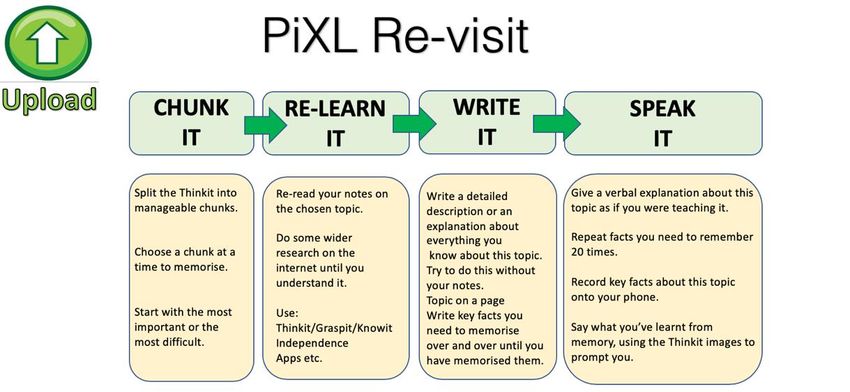
Year 10                                                          Year 11
 Subject
            Autumn Term   Spring Term         Summer Term            Autumn Term          Spring Term           Summer Term
 Drama                                      Begin work on Unit      Unit 1: Devising     Unit 3: Interpreting Theatre (40% exam)
                                            1: Devising Theatre     Theatre (40%)
                                                   (40%)             Performance          Unit 2 cancelled for 2021 candidates
                                               Performance            Controlled
                                                                     Assessment
                                                                     (Evaluation)
Geography                                                                                                     Unit 1 examination
                                                                                                              Unit 2 examination

 History                                                          Unit 4 – Controlled                       Unit 1 - The
                                                                  assessment                                Elizabethan Age
                                                                  Two assignments                           1558-1603
                                                                  set by the WJEC                           Unit 3 – Changes in
                                                                  completed in class                        Crime & Punishment
                                                                  20% of qualification                      c1500 to present day

                           “The great aim of education is not knowledge but action.”

                                              — Herbert Spencer                                                                    8
Year 10                                                            Year 11
    Subject
                     Autumn Term            Spring Term          Summer Term           Autumn Term             Spring Term          Summer Term
 GCSE Physical          Internal          PEP coursework                                                      GCSE PE Practical     GCSE PE Theory
  Education           examination                                                                                 external              external
                                                                                                             examination (50%)        examination
Sport BTEC Level                                                                       Unit 5 – Training for Personal Fitness       Unit 6 – Leading
      1/2                                                                                           coursework                    Sport Performance
                                                                                                                                      coursework
     Music            Performance           Performance           Performance            Performance       Final performance       Final examination
                   assessment internal   assessment internal   assessment in June    assessment internal        for visiting          (appraising)
                     exam between          exam between        internal exam and      exam in October.     examiner between
                    October half term      March and May.         first draft of          2nd draft of      March and May.
                     and Christmas.                             programme note       programme note to     Programme notes        Due to covid-19,
                                           Completed first         completed.           be completed.          (final) to be      current year 11
                   Composition 1 (for    draft composition 1                                                  submitted to        have some changes
                    submission at the                             Deadline for        Internal exam in          examiner.         to specification:
                     end of year 10)                            Composition 1 -          September                                Only 1 composition
                   begins in November                             end of June                              Composition 1 and      to be submitted,
                                                                                     Composition 2 set.       2 submitted to      performance time
                                                                Summer internal                             examiners before      reduced to 3
                                                               exam on all of year                                 Easter.        minutes instead of
                                                                   10 work.                                       Internal        4
                                                                                                               examination
 GCSE Health &     Human growth and       Public Health and    Revision for Unit 1   Revision for Unit 1   Human growth and       Revision for Unit 1
  Social Care         development            promotion             exam May              exam May              development            exam May
                     preparation and       preparation and                                                   preparation and
                      production of         production of                                                     production of
                    coursework task 1     coursework task 2                                                 coursework task 1
                   20% (10 supervised    30% (15 supervised                                                20% (10 supervised
                   hours to complete)    hours to complete)                                                hours to complete)

                                                                                                                                                        9
Year 10                                                               Year 11
     Subject
                         Autumn Term             Spring Term           Summer Term             Autumn Term              Spring Term           Summer Term

  BTEC Health &                                                                                  Completion of      Resit Unit 1 January      Completion of
 Social Care (Y11)                                                                              Unit 3 Effective           2020              Unit 6 - Nutrition
                                                                                                communication        Unit 6 - Nutrition       Assignment 6b
                                                                                               December 2019          assignment 6a
                                                                                                Revision of Past
                                                                                                  paper Unit 1
  GCSE Religious       December series-             Internal               Internal           December series-             Internal         Unit 1 examination
Studies Full Course    internal exam of         examination of         examination of          Internal exam of       examination of                2 hours
                      work completed so       work completed in      work completed in       topics completed in    work completed in                (50%)
                         far of topics             this term:        this term: Issues of    this term: Hinduism         this term:         Core Christianity 1
                      covered: Hinduism       Christianity Core 1       Good and Evil              Core 2 &               Issues of           Core Hinduism 1
                            Core 1            & Issues of Life and                            Christianity Core 2     Relationships &          Issue of life and
                                                     Death                                                           Issues of Human                 death
                                                                                                                            Rights          Issues of Good and
                                                                                                                                                      evil
                                                                                                                                            Unit 2 examination
                                                                                                                                                    2hours
                                                                                                                                                     (50%)
                                                                                                                                            Core Christianity 2
                                                                                                                                              Core Hinduism 2
                                                                                                                                                   Issues of
                                                                                                                                                 relationships
                                                                                                                                              Issues of Human
                                                                                                                                                     Rights
Level 2 Certificate   Internal assessment                            Internal assessment                            Internal assessment
 in Equality and       for unit 1: Equality                           for unit 2: Equality                           for unit 3: Equality
    Diversity            and Diversity in                             and Diversity in the                           and Diversity in the
                             Society                                      Community                                      Workplace

                                                                                                                                                                   10
Year 10 Year 11
Subject
Autumn Term Spring Term Summer Term Autumn Term Spring Term Summer Term
Sociology first assessment at second assessment Final revision focus internal assessment internal exam Unit 1 examination
half term Easter for lessons – with recap of year 10 Paper 1 & 2 Unit 2 examination
(culture ) (family and whole year 10 topic internal assessment 3 timed writing
education) assessment on stratification assessments
French, German Reading exam Mock reading Unit 1 Oral Reading paper
and Spanish Listening exam Mock listening Examination Listening paper
Writing exam Mock writing 25% of final grade Writing paper
Speaking exam Mock oral (French and
Spanish only in
2021)
Welsh Second Unit 1 Oral Unit 2 Oral Unit 3 Reading and
Language Examination Examination Writing
New Specification Date tbc Date tbc Examination
All students in year Group response to Reading 15%
10 will sit this visual stimulus. Writing 10%
examination. Speaking 15% 25% Overall 100
Group response to Listening 10% Marks
visual stimulus. 25% Overall Unit 4 Reading and
Listening 15% 50 Marks Writing
Speaking 10% examination
25% Overall Reading 10%
50 Marks Writing 15%
25% Overall 100
Marks
Skills Challenge Global Citizenship Enterprise and Employability Challenge Individual project Community
Certificate (WBQ) Challenge (15%) (20%) (50%) Challenge (15%)
11Subject Publication / Website
English BBC Bitesize http://www.bbc.co.uk/education/guides/z3ydv4j/revision
BBC Bitesize http://www.bbc.co.uk/education/guides/z8ydv4j/revision
WJEC website – resources and past papers
University of Bristol - http://www.bristol.ac.uk/arts/exercises/grammar/grammar_tutorial/index.htm
Google Scholar
Google Books
BBC Bitesize http://www.bbc.co.uk/education/subjects/zr9d7ty
http://www.revisioncentre.co.uk/gcse/english/
http://www.englishbiz.co.uk/ - great for revising the writing part of the Unit 02 exam. Look at the grammar, spelling,
punctuation and writing articles areas of the website.
http://www.s-cool.co.uk/gcse/english.html - has good sections on writing to describe and writing to persuade, argue and
advise. Don’t worry about the other sections.
englishplus.com - site on English grammar; try the grammar slammer to help students gain full marks on the
spelling/punctuation and sentence structure marking criteria.
Maths Corbettmaths: https://corbettmaths.com
Mr Hegarty - www.youtube.com/hegartymaths or http://www.hegartymaths.com/
BBC Bitesize - http://www.bbc.co.uk/education/subjects/z6pfb9q
Mr Barton maths - http://www.mrbartonmaths.com/
PiXL MathsApp
Science KHS science revision website – www.tinyurl.com/sciencepassgcse
Bangor University GCSE revision guides - https://www.bangor.ac.uk/ccm/gcserevision.php.en
GCSE Bitesize - http://www.bbc.co.uk/education/subjects/zrkw2hv
WJEC past papers and mark schemes –
http://www.wjec.co.uk/qualifications/qualification
resources.html?subject=Science&level=GCSE&pastpaper=true
WJEC KS4 Science resources –
http://resources.wjec.co.uk/Pages/ResourceByArgs.aspx?subid=27&lvlid=2
12Subject Publication / Website
Art http://sarahgraham.info/
https://www.paul-cezanne.org/
http://lichtensteinfoundation.org/
http://www.theartstory.org/artist-warhol-andy.htm
http://joelpenkman.com/
http://www.hollylevell.com/
https://www.pinterest.co.uk/pin/138626494756767129/?lp=true
Business BBC Bitesize https://www.bbc.com/bitesize/subjects/zpsvr82
Tutor2u https://www.tutor2u.net/business/topics
BusinessEd https://www.businessed.co.uk/index.php/home/theory/gcse/edexcel-gcsetheory
BeeBusinessBee – You Tube - BTEC First Award in Business Playlist
https://www.youtube.com/user/beebusinessbee/playlists
Drama http://www.bbc.co.uk/education/subjects/zbckjxs
Book: ISBN 9781908682888 ‘WJEC/Eduqas GCSE DRAMA - Garry Nicholas
D&T Students to access resources relevant to their specific course via the WJEC website listed below;
Product Design http://www.wjec.co.uk/qualifications/design-and-technology/
There are links to recommended websites and publications identified on these pages.
D&T Students to access resources via the WJEC website listed below;
Food & Nutrition http://www.wjec.co.uk/qualifications/food-and-nutrition/
There are links to recommended websites and publications identified on these pages.
D&T BTEC Students to access resources via the Pearson’s website listed below;
Engineering http://qualifications.pearson.com/en/qualifications/btec-firsts/engineering-2012-nqf.html
There are links to recommended websites and publications identified on these pages.
D&T Students to access resources via the WJEC website listed below;
Child Development http://www.wjec.co.uk/qualifications/home-economics/home-economics-child-development.html
There are links to recommended websites and publications identified on these pages.
13Subject Publication / Website
Geography http://www.bbc.co.uk/schools/gcsebitesize/geography/
www.edmodo.com
Revision Guide - My Revision Notes: WJEC GCSE Geography. ISBN 9781471887406
History WJEC Website – specific resources and past papers
Edmodo – past papers, revision activities and resources produced by the department
My revision notes: WJEC GCSE History
ISBN: 9781510403833
ICT BTEC Students to access resources via the Pearson’s website listed below;
Level 1/2 https://qualifications.pearson.com/en/qualifications/btec-firsts/information-and-creative-technology-2012-nqf.html
Physical Education WJEC Website http://www.wjec.co.uk/qualifications/physical-education/r-gcse-physical-education-from-2016/wjec-gcse-physical-
education-spec-from-2016-e.pdf?language_id=1
Religious Studies Books New Specification (Year 10 students)
In house text book available on Edmodo / iBooks
WJEC Religious Studies Unit 1 Religion and Philosophical themes –Hodder education (be aware this does not cover Hinduism)
Books New Specification (Year 11 students)
In house notes/ booklets also available on Edmodo
WJEC Religious Studies Unit 2 Religion and Ethical themes- Hodder education (be aware this does not cover Hinduism)
Teacher revision and lesson resources notes
Available on Edmodo
https://www.bbc.com/bitesize/examspecs/z3xvfcw (Christianity and Hinduism)
Skills Challenge WBQ bitesize
Certificate (WBQ) http://www.bbc.co.uk/education/levels/z9wtgdm
14Subject Publication / Website
Welsh WJEC Website http://resources.wjec.co.uk (Select Welsh Second Language: KS4)
Revision book: available to purchase from the welsh department
Apps: Duolingo, Saysomething in Welsh, HWB, Apgeiriaduron (dictionary), www.clwb.org
BBC bitesize: Welsh Second language GCSE
Welsh WJEC Website http://resources.wjec.co.uk (Select Welsh Second Language: KS4)
Revision book: available to purchase from the welsh department
Apps: Duolingo, Saysomething in Welsh, HWB, Apgeiriaduron (dictionary), www.clwb.org
BBC bitesize: Welsh Second language GCSE
“The beautiful thing about learning is that nobody can take it away
from you.”
― B.B. King
15Subject Publication / Website
MFL BBC
http://www.bbc.co.uk/schools/gcsebitesize
French/German/Spanish Excellent website provided by the BBC, organized by skill (eg Reading or Listening) and then by topic
http://www.bbc.co.uk/learningzone/clips/topics/secondary.shtml - video clips of French/German/Spanish people speaking about
different topics.
Exam boards
http://www.wjec.co.uk/index.php?subject=57&level=7&list=paper
2012-2014 French/German/Spanish Listening and Reading papers but no audio
http://www.aqa.org.uk/subjects/french/gcse/french-4655/past-papers-and-mark-schemes
AQA GCSE French/German/Spanish Past Papers with the audio (the topics are very similar to WJEC) 01- Listening 02 - Reading
Other websites
https://www.senecalearning.com/
Vocabulary and grammar tasks on all of the GCSE themes. Ask your languages teacher which course to sign up to.
http://www.wildfrench.co.uk/GCSEPapers/paperslist.htm
Edexcel French GCSE Past Papers (the topics are very similar to WJEC)
http://zut.languageskills.co.uk/intermediate/year10.html
French/German/Spanish GCSE revision practice available after 4pm for free
http://www.languagesonline.org.uk/
French/German/Spanish : grammar, topics and vocabulary practice
www.quizlet.com/subject/spanish - French/German/Spanish vocabulary revision - just type in the topic you need to revise for a
variety of games
http://www.ashcombe.surrey.sch.uk/07-langcoll/02-MFL-resources.shtml
French/German/Spanish A Surrey secondary school’s website with games and listening activities.
Try the interactive quizzes.
http://www.revisioncentre.co.uk/gcse/french/index.html
French GCSE general revision site with revision advice
http://www.tv5.org/index.php - Watch French TV
https://www.linguascope.com/
See your Languages teacher for the login details. Extra vocabulary and games for reinforcing vocabulary learning.
16Student Progress and Reporting
Year 10
Autumn Term Spring Term Summer Term
Tuesday 26th November Student Thursday 4th February Careers Fayre Tuesday 22 June Student
Development Session 1 Development Session 3
Tuesday 11th February Student
nd
Wednesday 2 November Interim Development Session 2 Wednesday 23rd June issue full
Report issued school report
Thursday 18th March Parent’s
Monday 9th November Maths Paper Evening
1 – identified students
Wednesday 11th November Maths
Paper 1 – identified students
Year 11
Autumn Term Spring Term Summer Term
th th th
Wednesday 4 November Year 11 Tuesday 12 January issue full Friday 26 March Interim Report
Taster Day 1 school report issued
Tuesday 26th November Student Wednesday 13th January Year 11 Tuesday 22 June Student
Development Session 1 Taster Day 2 Development Session 3
Tuesday 2nd November Start of Thursday 4th February Careers Fayre
English Oracy NEA
Tuesday 11th February Student
Development Session 2
17Helping your child to cope with exam pressure and stress
Tests and exams can be a challenging part of school life for both children and parents but there are ways
to ease the stress. Remind your child that feeling anxious is normal. Nervousness is a natural reaction to
exams. The key is to put these nerves to positive use. Being reminded of what they do know and the hard
work and time they have put into study can help them feel confident.
If your child is feeling stressed and anxious about exams, please speak to their teachers, form tutor or
Wellbeing Leader. We have a team of staff who can help and support students through exam periods.
http://www.nhs.uk/Conditions/stress-anxiety-depression/Pages/Coping-with-exam-stress.aspx
What you can do to support revision at home
How should revision be done?
Subject teachers will be able to provide ideas for effective revision techniques as these vary depending
on the subject. Different strategies will work better for some students than others. Copying out long
passages of text in a bid to memorise them can be time consuming and may work for some children but
be no use to others. Practising exam style questions under timed conditions is recommended for all
subjects and teachers can provide these. For languages important vocabulary could be written on
flashcards and these could be used for quick fire quizzes. For mathematics it could be helpful to practise
mental calculations such as multiplication tables or finding fractions and percentages of quantities by
posing questions whilst in the car. Other ideas include creating small revision posters with key facts that
can be put up around the house so that they are seen constantly e.g. next to the kettle or on the fridge
door. Nowadays, it is easy to record yourself on your smartphone and listen back to yourself. Mindmaps
are also very popular and work well with many students. These can be done on paper, but there are
several apps available to be used with tablets and computers. If you are able to, it is often an incentive if
new stationary is available to create revision materials.
1819
20
21
How much revision should be done?
Whilst we run revision sessions in school, this is not sufficient revision time for students. All students
need to carry out additional revision at home. We believe this is important as it further develops
students’ independent learning skills. We want them to be resourceful, knowing where to look for
sources for support and identifying their own areas for improvement. It also provides an opportunity
to hone time management skills.

Make sure your child understands the importance of starting revision early rather than leaving things
until the last couple of weeks before exam season. Starting early will allow them to build their
confidence gradually. The amount of time each student needs for revision will depend on them. Some
subjects will require more time each week than others. Discuss with your child which subjects they feel
least confident with and encourage them to spend more time on these. Some subjects require a little
and often approach e.g. 45 minutes three times per week rather than a longer session once per
fortnight. Consider at what time of day your child works best and try to work family life around this
where possible. If they work best during the morning, can a family outing be delayed until the
afternoon?

Implementing a revision timetable can be helpful in ensuring students manage their time well.
Encourage them to plan this themselves each week building in other commitments such as school and
any clubs, sporting activities or social events first. Fill in the gaps with short blocks of subject based
revision dependent on what they feel is most necessary but make sure they are realistic and the
timetable is achievable. It is important to build in time for breaks and treats.

                                                                                                       22
23
Where should revision be done?
Revision can take place at school in our Resource Area after school every day, at home, in a local library,
at a friend’s house, anywhere! It is helpful for students to have a designated work space at home for
revision. Where possible, a desk and chair in a quiet, well-lit and ventilated area works best. Equipment
and stationery can be kept in the same place. Some students will not like absolute silence and may
prefer to have some background music on. Try to minimise distractions such as television, computer
games and web browsing/social media. Build in time to enjoy these or other favoured activities once
revision is completed. For some revision, access to a computer or another device may be necessary.
Don’t forget to provide snacks!

                     "I find that the harder I work, the more luck I seem to have."

                                          --Thomas Jefferson

                                                                                                        24
REVISION TIMETABLE
9-10 10-11 11-12 12-1 1-2 2-3 3-4 4-5 5-6 6-7 7-8
MON
TUES
WEDS
THURS
FRI
SAT
SUN
25Who should help with revision?
Teachers, parents, friends, tutors, siblings can all help with revision. Students may want you to test
them on recall of facts or help them understand something they are finding challenging. They may also
want to be left alone. Some students may want to revise with their friends in a study group. This will
work well for some and not for others, it may be more suitable for some subjects than others. It is
advisable to let them try it if they are keen and then afterwards encourage them to reflect on whether
it was successful or whether, in that instance, independent revision would have been better. Revision,
whilst necessary, does not have to be an unbearable task, and if it is possible to make it more enjoyable,
take every opportunity.
Ensuring your child fulfils their potential
We have high expectations of all students; we expect them to perform to the best of their ability in
both lessons and assessments.
Some subjects at our school enter the students for examination earlier in the school year. We do this
for a number of reasons. If students have a good chance of achieving their target grade it can reduce
the number of exams they have to revise for in the summer. It allows more able students to study for
additional qualifications and for some students who find the subject more challenging it provides them
with two chances to be successful so they do not have to resit in Year 12.
This opportunity has been put in place to maximise opportunities for students not limit them. We want
our students to be ambitious. If they achieve a grade early but we feel they have not achieved their
potential, we will advise them to resit. This is due to the fact that places on sixth form course, university
courses and in the job market are in greater demand and competition is higher. This allows these places
to be more demanding in terms of the grades they want students to have. Many courses are raising
the expectation for GCSE mathematics to be a grade B instead of the more traditional grade C. Another
reason is that whilst students may have chosen a course now that only requires a grade C we do not
want them to be disadvantaged if they change their minds at a later date and find they have to retake
qualifications later.
"Knowing is not enough; we must apply. Willing is not
enough; we must do.”
- Bruce Lee
26Further support:
http://www.familylives.org.uk/advice/teenagers/school-learning/exam-stress/
http://www.bbc.co.uk/schools/parents/helping_with_exams/
https://revisionapp.co.uk/gcse-revision-essential-guide-parents/
http://www.youngminds.org.uk/for_parents/parents_guide
http://www.mindmapping.com/
http://theconversation.com/eight-ways-you-can-help-your-children-revise-59490
https://tutorful.co.uk/guides/a-parent-s-guide-to-gcses
27English Language GCSE Adaptation for 2021
Exam Board: WJEC
There is only one tier of entry for English Language – everyone does the same exam.
Unit 1 Non Examination Assessment Oracy 20% 2 hours
Task 1 (20%) – Individual Presentation
Research a theme and give a presentation to the class.
The presentation should last between 5 – 7 minutes including questions.
Themes:
o Wales
o Leisure
o The World of Work
o The World of Science/Technology
o Citizenship
This task will be recorded by your son / daughter’s teacher.
Half of the marks available will be awarded for spoken accuracy.
Students have one week to prepare the presentation.
How you can help your child with oracy
Make sure you know the date for the Individual Presentation task in December 2020.
Help them to research and find additional resources on the set themes / topics.
Listen to your son / daughter as they rehearse their presentation.
Go through the suggested questions to help your son / daughter develop ideas on the themes.
Look at BBC bitesize with them (Spoken Language section for Wales)
o http://www.bbc.co.uk/education/guides/z3ydv4j/revision
o http://www.bbc.co.uk/education/guides/z8ydv4j/revision
Make sure that they can back up their opinions with evidence.
28Unit 2 Exam 40% 2 hours Reading and Writing Description, Narration and Exposition
Section A (20%) – Reading (40 marks) (1 Hour)
Answer questions on different extracts.
There will be at least three texts, could be up to five or six.
This section will also include an editing task focusing on understanding short texts (2.5% of
qualification total).
Section B (20%) – Writing (40 marks) (1 Hour)
One writing task from a choice of two: description (describe a moment in time or a
travelogue) or exposition (discursive essay).
This section will also include one proofreading task focusing on writing accurately (2.5% of
qualification total).
20 marks for this section will be awarded for content (meaning, purpose, readers and
structure) and 15 marks for writing accurately (language, grammar, punctuation and spelling).
Unit 3 Exam 40% 1 ½ hours Reading and Writing Argumentation, Persuasion and Instruction
Section A (20%) Reading (1 Hour)
Answer questions on different extracts.
There will be at least three texts, could be up to five or six
Section B (20%) Writing (30 minutes)
One writing task from a choice of two: argumentation or persuasion
(Letter/article/speech/review etc.)
Linked thematically to Section A.
Half of the marks for this section will be awarded for content (meaning, purpose, readers and
structure) and the other half for writing accurately (language, grammar, punctuation and
spelling).
Accuracy
Half of the marks for the oracy and the writing sections are for accuracy.
Students must be able to write in full sentences and spell words correctly.
They must be able to shape sentences for effect.
How can you support this?
Proof reading activities
Editing tasks
Encourage your child to speak in full sentences.
29Support we offer
As a department we are keen to provide as much support as we can to students. Staff provide after
school revision sessions at lunchtime and after school closer to exam periods. These will be updated
regularly and posted on the English office door and near form rooms.
We use the school’s In Touch system to regularly send out information to parents. Please ensure that
the school has a current valid email address so that we can contact you in this way.
Students say they can’t revise for English … they can!
Encourage your child to read. This does not have to be novels but could be articles about things in
which they are interested:
Newspapers
Articles
On-line articles
How can you help with revision?
Ask questions about their reading of newspaper and magazine articles:
What does [this word] mean?
What is the article about?
Who is the audience and how do you know?
What is the attitude of the writer to the topic and how do you know?
Does the article show bias? How?
What is the purpose of the article?
What does revision look like?
Students might make revision ‘how to videos’ on specific question types (Explain Everything,
Snitch)
Record success criteria / writing layout on a mobile phone / tablet and play back when doing
something else
Peer tutoring work with a partner and teach them the success criteria for different question
types.
Complete practice papers / questions - electronic and paper form
BBC Bitesize
Completion of proof reading tasks
Short burst tasks making use of commercially available materials CGP (Spelling, punctuation
and grammar packs for GCSE) revision guides
Examine modelled answers for D/C and A/A* grades
Summarise success criteria for various reading questions
Summarise formats for different types of writing
Highlight key facts from articles
Learn key words or phrases for responses
Use spider diagrams, mind maps or make revision cards
Use mnemonics to remember information
30Mathematics
Qualification information
Your child will take two mathematics qualifications. These are
GCSE Mathematics and GCSE Mathematics-Numeracy
The examination board is WJEC.
Each qualification has two examinations, one is taken without a calculator and a calculator is allowed
for the other. For the two qualifications, students will take four examinations in total.
There is no coursework and no controlled assessment.
There are three tiers of entry. These grades available for each tier are shown below.
Higher A* A B C
Intermediate B C D E
Foundation D E F G
We may enter different qualifications at different tiers e.g. higher for mathematics, intermediate for
mathematics-numeracy. Your child will know their tier of entry. Some students have already achieved
a C or above in one or both of the mathematics qualifications and be aiming for a higher grade. Some
may have chosen stick with the grade already achieved and to concentrate on other subjects.
Support we offer
As a department we are keen to provide as much support as we can to students. Staff provide after
school revision sessions and a timetable detailing when these are available is earlier in this document.
Some of the maths department have twitter accounts, which can be followed at @KHSMrsCMaths
@KHSMrsCTMaths, @KHSMrsT, which tweet general revision tips and occasional questions. In
addition, we use the school’s In Touch system to regularly send out information to parents. Please
ensure that the school has a current valid email address so that we contact you in this way.
What you can do to help your child?
Helping your child take a positive approach to mathematics will be beneficial. In the UK many people
lack confidence in this key subject but being negative and making statements such as “I don’t like
maths” or “I was never any good at maths” makes it difficult for children to understand why they need
to learn the subject.
31In addition to the general revision advice provided you can also encourage your child to:
Spend time on their mathematics homework ensuring they complete and understand the tasks
set.
Seek support when necessary. If they are struggling in class or with homework they should ask
their maths teacher for help. If homework is proving challenging they should see their teacher
before it is due to be handed in, if possible.
Come well equipped to their mathematics lessons and tests. They will need a pen, pencil, ruler, a
pair of compasses, an angle measurer or protractor and a scientific calculator. We recommend the
Casio Scientific calculators that are available to buy in school or most supermarkets as the screen
allows the user to see the entire calculation entry, thus reducing the chance of errors.
Pay attention to and act on the advice of their teacher’s feedback. Feedback may be verbal or
written. If they have missed work or not completed tasks this will be identified in their exercise
books and should be completed as soon as possible. They should always try to correct any incorrect
work and ensure they understand where they have gone wrong.
Sources of further support
Revision Guides
It is not essential to buy a revision guide but some students find them helpful. Hodder Education
produce the only revision guide associated with the WJEC qualifications your child is sitting and
these are available in shops or online. If you have mathematics revision guides already that you
have purchased for older children these will still be useful but be wary that there are now
different tiers and additional content on the GCSE so these should be used in conjunction with
the revision list for the correct tier.
"It is not that I’m so smart. But I stay with the questions
much longer."
32
-- Albert EinsteinScience GCSE
Qualification information
There are two main pathways that student can follow in studying GCSE Science
Triple Science
If your child is sitting triple science, they will sit three examination courses in Biology, Chemistry and
Physics. Each course has three elements of assessment.
The examination board is WJEC.
Calculators are allowed in all examinations.
There are two tiers of entry. These grades available for each tier are shown below.
Higher A* A B C
Foundation D E F G
Double science
If your child is sitting Double Award Science they will attain two GCSEs at the end of Year 11 through a
mixture of Chemistry, Biology and Physics assessment
The examination board is WJEC.
Calculators are allowed in all examinations.
Higher A* A B C D
Foundation C D E F G
33Support we offer
As a science faculty were offer a range of lunchtime and after school sessions which help students
improve their knowledge, understanding and exam technique. We provide digital materials for home
learning which include revision material, past paper questions and model answers. These are given in
bite size chunks to students prior to internal tests so that students can prepare thoroughly for internal
tests. Mr Hebert-Jones runs extra tutorial sessions for students identified in needing further help and
support during registration.
What you can do to help your child?
Provide a structure and routine for your child to enable their independent learning. Students must
produce revision notes throughout the year, which should be short summaries of key words and
key concepts. These could be done weekly at a regular time.
Science homework are usually past paper questions requiring concise responses. Often students
need help in summarising their answers and including all key words.
Provide written feedback in your child’s books of concerns regarding their learning and
understanding.
Ensure that your child is well equipped for the lesson. Most science lessons require access to a
calculator, 30cm ruler, pen, pencil and glue.
Read the feedback provided by the classroom teacher. This will provide information for targeted
support.
Check that your child has copied up any missing work as a result of absences
Practice past paper questions. These are available on the WJEC website as are the answers. Those
student who regularly do this soon realise there are only a finite number of questions that can be
asked and this produces confidence and improvements in exam technique.
Mathematics and interpretations of patterns in graphs form a large proportion of the marks
available in the exams. Focused practice and support here could gain valuable marks.
34Key Contacts
We welcome contact from parents when you have any questions or issues you need to discuss. For subject
specific matters we ask that you contact your child’s teacher through your child in the first instance, where
possible, before contacting the KS4 Leaders.
School phone number: 01873 735373 School email: info@khs.schoolsedu.org.uk
Headteacher Mrs E Lewis FAO The Headteacher
info@khs.schoolsedu.org.uk
Wellbeing Leader Mrs J Davies Daviesja2@KHS.SchoolsEdu.org.uk
Wellbeing and Learning Miss L Warren WarrenL@khs.schoolsEdu.org.uk
Support Officer
KS4 Leader Mathematics Mrs R Taylor TaylorR1@KHS.SchoolsEdu.org.uk
KS4 Leader English Mrs L Flynn FlynnLJ@KHS.SchoolsEdu.org.uk
Curriculum Leader Mr M Herbert-Jones JonesMJ@KHS.SchoolsEdu.org.uk
Science
Leader of Lifeskills Miss L Trew Trewl@KHS.SchoolsEdu.org.uk
35Old Hereford Road,
Abergavenny,
NP7 6EP.
Tel: 01873 735375
www.kinghenryviiischool.org.uk
36You can also read


