STUDY ABROAD PROGRAMS 2021 - Institute of Spanish ...
←
→
Page content transcription
If your browser does not render page correctly, please read the page content below
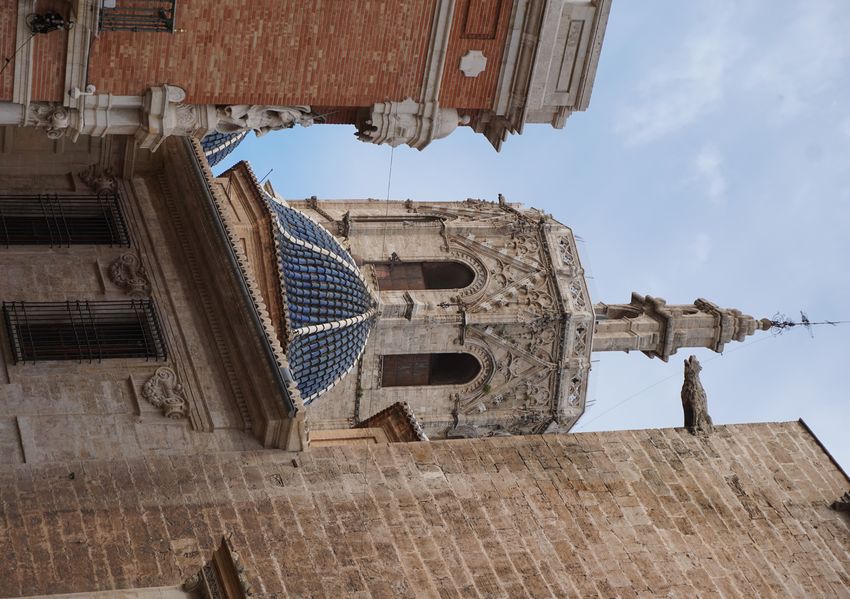
STUDY ABROAD PROGRAMS 2021
1
                      Valencia, Spain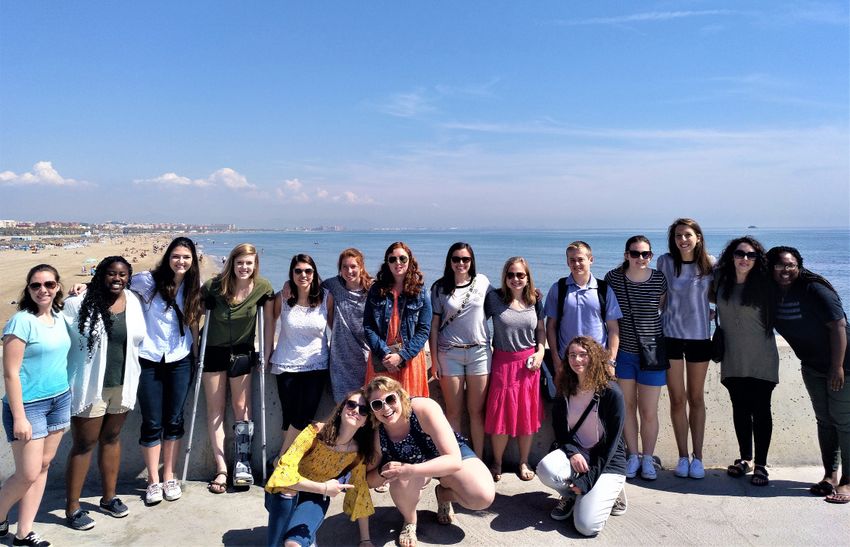
We are proud to present our Study Abroad Programs for the Spring Semeste, Summer and Fall
    Semester 2021 in Valencia, Spain.

                 Quality, Experience and Excellence
    Our 70 years of experience enable us to offer the highest quality programs.
    Our professors have been selected for their outstanding teaching abilities and their knowledge of
    the American system of education.
    Our curriculum is designed so that students adapt easily to any of the programs we offer.

    Whether you are a college student, a teacher on sabbatical leave, or a person simply interested
    in the Spanish language and culture, we offer you the opportunity to improve your fluency and
    knowledge of Spanish while pursuing your personal interests. All our courses are less than 90
    days so there is no need to apply for a visa.

                   We are accredited by the “Instituto Cervantes” the sole international accreditation
                   for institutions teaching Spanish as a foreign language. This accreditation means
                   that we meet the conditions, requirements and criteria required for teaching
                   Spanish as a foreign language in regards to their academic activity, teaching staff,
                   premises and facilities, administration, information and publicity.

    The Institute of Spanish Studies is an authorized SIELE language testing center. SIELE is the In-
    ternational Service for Spanish Language Assessment, a system that assesses and certifies Spanish
    language skills among students and professionals, on all five continents, using electronic means.

    We hope that these programs will be of interest to you.

                                                                                                Index

                                                  WHY THE ISS?                                       2
                                                  LOCATION                                           2
                                                  VALENCIA                                            3
                                                  PROGRAMS 2021                                      4
                                                  COURSES AVAILABLE                                  6
                                                  COURSES OF INSTRUCTION                              7
                                                  IMPORTANT INFORMATION                              12
                                                  FREQUENTLY ASKED QUESTIONS. School Norms           14
                                                  FREQUENTLY ASKED QUESTIONS. Lodging and Meals      15
                                                  PRACTICAL INFORMATION ABOUT VALENCIA               15
                                                  FINANCIAL INFORMATION                             16
                                                  APPLICATION PROCEDURE                             16
2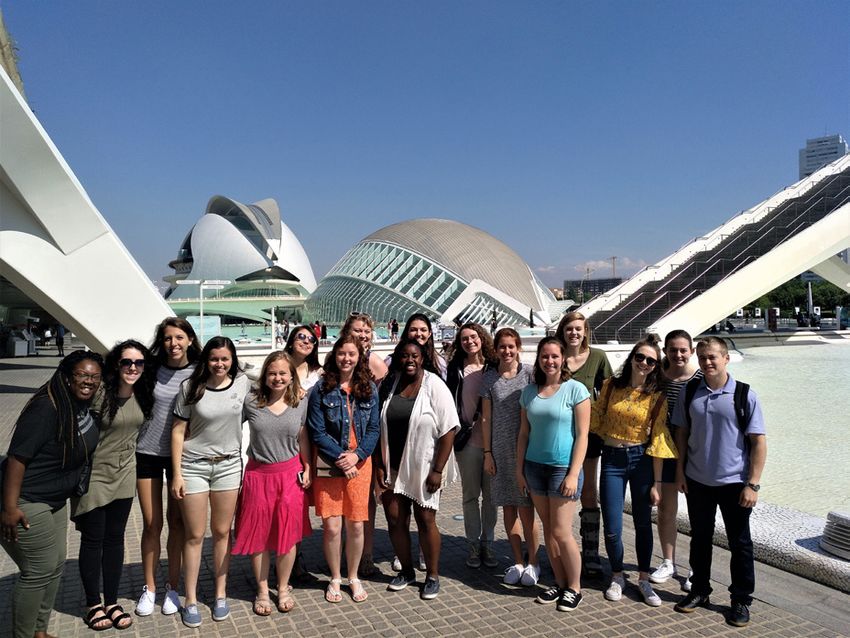
WHY THE INSTITUTE OF SPANISH STUDIES?

  The Institute of Spanish Studies was established in 1950 in cooperation with the Universities of San
  Francisco and Valencia. In 1985 the Institute became an independent program; at present it is associated
  with Cedarville University. Classes in Valencia are held at the American Institute, with its own fully
  equipped premises.
  In addition, the Institute of Spanish Studies has established collaboration agreements with other American
  Institutions such as Oral Roberts University, Marywood University, Framingham University, and others.
  Credits for the courses taken at the Institute of Spanish Studies may be obtained directly from Cedarville
  University.

  Experience
  We offer a proven method to acquire in-depth knowledge of the Spanish language, literature and
  culture. In addition to regular classes, our program of cultural activities and direct contact with Spanish
  people are ideal ways to attain this objective. The faculty is composed of highly qualified professors from
  Spanish Universities, and most US educational institutions accept credits for our courses.
  The Institute is proud of having had over 20,000 satisfied students since 1950. Many American colleges
  and universities have sponsored our Institute and entrusted us with their students.

  Personal attention
  At the Institute, our students come first. The small classes and individual attention paid to each student
  allow very close interaction between students and teachers. As a result, most students talk about the
  feeling of being in a large family, where their personal needs are addressed.

  Location
  The best place to learn Spanish is unquestionably the country of origin. To be in Spain is to have
  access to its rich history and culture, to be studied and enjoyed in depth through its monuments
  and landscapes.
  Spain’s location and its integration with Europe are perfect for students to travel to other countries
  during weekends or vacation, using excellent means of transportation by bus, train or airplane.
  The Institute of Spanish Studies is located in the university area of Valencia, in a residential area near
  “Los Viveros,” the largest park in the city. It takes about 20 minutes to walk from the school to the
  historical downtown area.

This enchanting city offers a most splendid site to any person
seeking the culture and personality of Spain.

  3
HOUSING
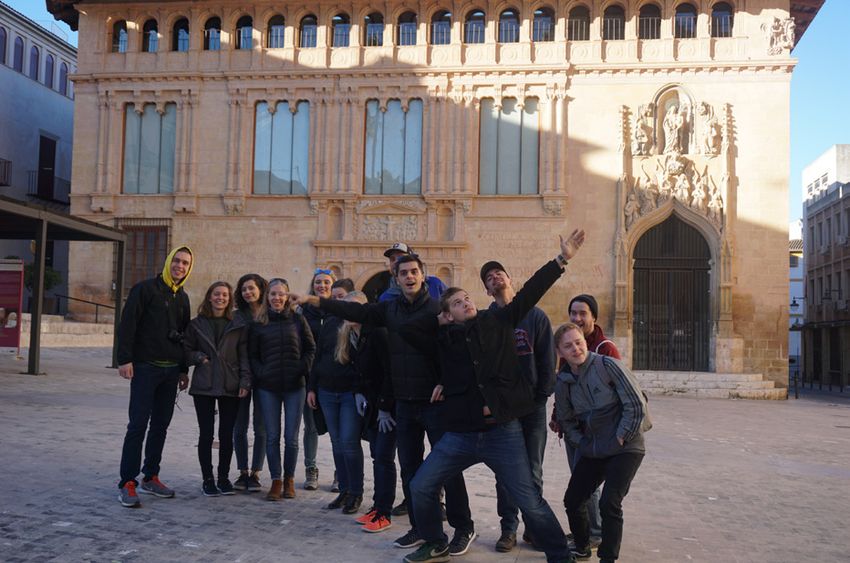
    We have chosen all our families after a rigorous selection process to make sure that you will feel at home.
    The distance from the host family to the Institute is under 30 minutes, walking or by bus.
    The home stay includes 3 meals a day, laundry and room cleaning once a week.
    During the home stay a student will have his/her own room (single or shared depending on your
    selected option) and will be able to use the rest of the common areas such as living/dining room,
    kitchen, bathroom.
    We recommend a home stay for all our students. In this way the student will learn more about Spanish
    culture and customs and will have more opportunities to practice Spanish.
    If you prefer not to stay with a host family. We can help you find another type of accommodation. Please
    contact us.

    VALENCIA

    Valencia is an ideal location to spend time learning Spanish. These are some of the reasons: With
    almost 1 million inhabitants, Valencia is neither too big nor too small. It is the third largest city in
    Spain, large enough to offer a rich variety of culture and entertainment, such as theaters, expositions,
    conferences, concerts, sport activities, etc., and small enough for the visitor to know and enjoy.
    Valencia’s Mediterranean weather means mild, sunny winters, and warm summers to enjoy the
    beach. If you like swimming and sunbathing, several beaches along the Mediterranean seashore offer a
    special attraction. It can’t get any better!
    Conveniently connected to all major cities in Spain, less than two hours by train or plane from
    cities such as Madrid, Barcelona, Sevilla and the Balearic Islands. We are also conected to major
    European cities by airplane.
    This enchanting city offers a splendid site to any person seeking the culture and personality of
    Spain.
    During the school term as in the Summer Sessions, some Saturday excursions to nearby places have
    been planned as described in the program. These activities will enable students to enjoy full access to
    the Spanish cultural treasures .These excursions will be free of charge.

4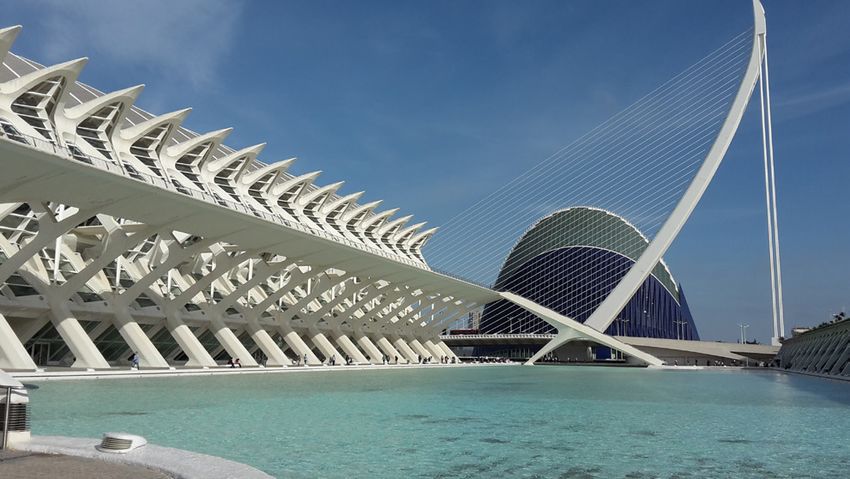
PROGRAMS 2021

    During the Summer we offer two sessions where attending one or both sessions will be a wonderful
    experience. Students will be able to take up to three classes (9 credits) in the summer and during the Fall
    and/or Spring Semesters can take a maximum of 15 semester hours of credits.

    This course is complemented with our immersion process with learning outside the classroom, creating a
    holistic language learning experience. Living with Spanish families allows for constant practice of Spanish
    and total interaction with the culture. We also organize individual language partners with Spanish
    students where students can put into practice, in a fun and dynamic way, what they have learned in class.

        - Experience the culture of everyday Spanish life as you live and interact with your host family,
    participate in cultural activities and trips to other cities in Spain.

       - Travel Europe on your own or with your friends.

       - Interact with Spanish students through our special programs and language partners.

    FIRST SUMMER SESSION 2021                             SECOND SUMMER SESSION 2021
    May 16 to June 18, 2021                               June 20 to July 23, 2021

    Sunday, May 16                                        Sunday, June 20
    Home stay accommodation in Valencia begins on         Home stay accommodation in Valencia begins on
    this day.                                             this day.
    Monday, May 17                                        Monday June 21
    Inauguration of the School Term. Orientation          Inauguration of the School Term. Orientation
    Meeting.                                              Meeting.
    Panoramic bus tour of Valencia                        Panoramic bus tour of Valencia.
    Tuesday May 18                                        Tuesday June 22
    Classes begin                                         Classes begin.
    Saturday May 22                                       Saturday, June 26
    Full day excursion to Teruel and Albarracin.          Half day excursion to Roman town of Sagunto
    Saturday, May 29                                      and Castle.
    Full day excursion to Peñíscola.                      Saturday, July 3
    Saturday, June 5                                      Visit to “Oceanogràfic”.
    Half day excursion to “Albufera” lake                 Saturday, July 10
    June 12 - 13                                          Full day excursion to Peñíscola.
    Free time to travel on your own                       July 17 - 18
    Thursday, June 17                                     Free time to travel on your own
    Final examinations in the morning.                    Thursday, July 22
    Friday June 18                                        Final examinations in the morning.
    End of session.                                       Friday July 23
    Home stay accommodation in Valencia ends on           End of session.
    this day.                                             Home stay accommodation in Valencia ends on
                                                          this day.

5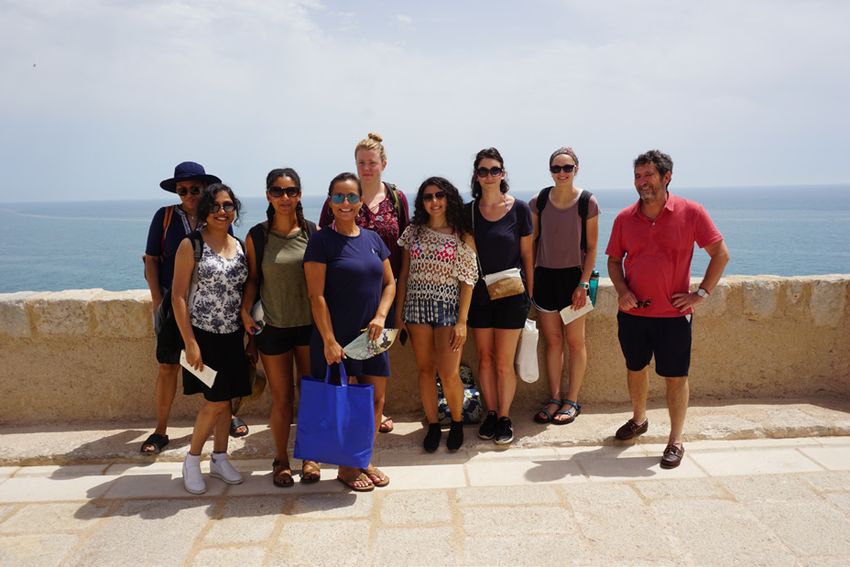
NO visa required
    SPRING SEMESTER 2021                                         FALL SEMESTER 2021
    January 24 to April 17, 2021                                 September 26 to December 17, 2021

    Sunday, January 24                                           Sunday September 26
    Home stay accommodations in Valencia begins                  Home stay accommodations in
    on this day.                                                 Valencia begins on this day.
    Monday, January 25                                           Monday, September 27
    Orientation Meeting                                          Panoramic bus tour of Valencia.
    Panoramic bus tour of Valencia.                              Tuesday, September 28
    Tuesday, January 26                                          Classes begin.
    Classes begin.                                               Saturday October 2
    Saturday, January 30                                         Full day excursion to Peñíscola.
    Half day excursion to Roman town of Sagunto                  October 9-12
    and Castle.                                                  Local holiday - Free time to travel.
    March 1 to March 4                                           Saturday, October 16
    Mid-Term examinations.                                       Half day excursion to Roman town of Sagunto
    March 17 to March 19                                         and Castle.
    Festival of Las Fallas.                                      October 26-28
    Saturday, March 27                                           Mid-Term examinations.
    Full day excursion to Teruel and Albarracin.                 October 30 - November 1
    April 1 to April 5                                           National holiday - Free time to travel.
    Spring break                                                 December 4 - December 8
    Free time to travel.                                         National holiday - Free time to travel.
    April 13 to April 16                                         December 14 to 16
    Final examinations.                                          Final examinations.
    Friday, April 16                                             Thursday December 16
    Farewell party.                                              Farewell party.
    Saturday, April 17                                           Friday, December 17
    End of semester.                                             End of semester.
    Home stay accommodation in Valencia ends on                  Home stay accommodation in Valencia ends on
    this day.                                                    this day.
 Roman town of Sagunto and Castle.
 Sagunto Castle is a fortress overlooking the town of Sagunto, near Valencia in Spain. The site’s history extends
 back over two thousand years and includes Iberian, Roman and medieval remains. The castle was declared a
 National Monument in 1931.
 Albufera Lake Albufera is a shallow coastal lagoon, situated around 11 km south of the city. It is the largest lake
 in Spain and one of the most important wetlands on the Iberian peninsula.Declared a Natural Park in 1986,
 Albufera is known for its large variety of birds
Teruel and Albarracin.
Teruel preserves an important medieval legacy in its historic centre. Its Mudejar monuments have beendeclared
a World Heritage Site.
The medieval town of Albarracín was declared a National Monument in 1961, and there is talk of it being granted
UNESCO status such is its uniqueness and beauty. Albarracin is known for its archaological sites and Moorish
influenced architecture.
 Peñíscola.
 Visit to the Castle of Peñíscola, the 14th century castle built by the knights Templar, and which later belonged
 to the Spanish Pope “Papa Luna” and was used in the filming on the movie El Cid and the TV Series Game of
 Thrones.
 Visit to “Oceanogràfic”. The bigest aquarium in Europe, located in the “Ciudad de las Artes y las Ciencias”.
6
Courses                                                                                                         Summer           Fall       Spring

division       reference          course name                                                                                                 season
LD             SPAN 101           Elementary Spanish
LD             SPAN 102           Elementary Conversation
LD             SPAN 201           Intermediate Spanish
LD             SPAN 202           Intermediate Conversation
UD             SPAN 311           Upper Intermediate Spanish and Written Expression
UD             SPAN 312           Upper Intermediate Conversation
UD             SPAN 316           Spanish for Professionals
UD             SPAN 330           History of Spain
UD             SPAN 330A          History of Spain I
UD             SPAN 330B          History of Spain II
UD-G           SPAN 331           History of Spanish-America
UD-G           SPAN 331A          History of Spanish-America I
UD-G           SPAN 331B          History of Spanish-America II
UD             SPAN 335           History of Spanish Art
UD             SPAN 335A          History of Spanish Art I
UD             SPAN 335B          History of Spanish Art II
UD             SPAN 341           Survey of Spanish Literature I
UD             SPAN 342           Survey of Spanish Literature II
UD-G           SPAN 352           Survey of Spanish American Literature
UD-G           SPAN 352A          Survey of Spanish American Literature I
UD-G           SPAN 352B          Survey of Spanish American Literature II
LD             SPAN 364           Introduction to Hispanic Literature
UD             SPAN 401           Advanced Grammar and Written Expression
UD             SPAN 402           Spanish Phonetics
UD             SPAN 403           Advanced Conversation
UD-G           SPAN 405           General Translation
UD-G           SPAN 406           Advanced Medical Spanish
UD-G           SPAN 412           Cervantes and the Literature of the Golden Age
UD-G           SPAN 413           Spanish Literature of the 19th and 20thCenturies
UD-G           SPAN 414           Contemporary Spanish Literature
UD-G           SPAN 435           The Jews in Spain
UD-G           SPAN 440           Present Day Spain
UD             SAPN 451           Sociolinguistics

                 LD: Lower Division (no prerequisite). UD: Upper Division (16 Units of Lower Division Spanish). G: Graduate (Special Arrangements).
           7
     7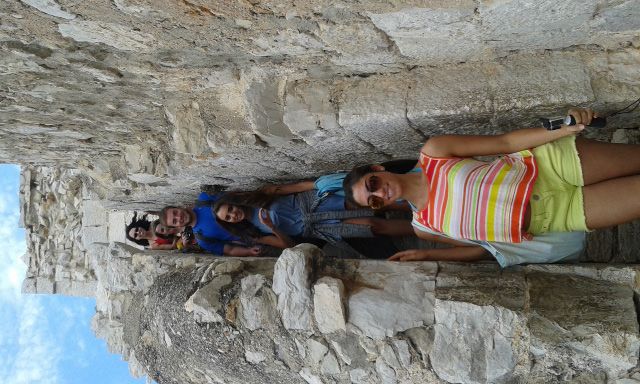
SPAN 101   Elementary Spanish (LD)
               Essentials of grammar; written and conversational exercises; reading of selected material
               based on cultural approach and knowledge of Spain and Spanish-America; systematic
               training in pronunciation. Instruction mainly conducted in Spanish.
    SPAN 102   Elementary Conversation (LD)
               A course intended to introduce the student to very simple every day conversational topics.
               No written work. To be taken concurrently with Spanish 101.
    SPAN 201   Intermediate Spanish (LD)
               Review of grammar, composition and conversation. Intensive reading of contemporary
               texts. Outside assignments and conversation. Classes will be mostly conducted in Spanish.
               Prerequisite: Spanish 101 or 2 years of high school Spanish.
    SPAN 202   Intermediate Conversation (LD)
               Conversation arranged among students, with the help of the instructor, on assigned topics
               dealing with contemporary life and culture. Prerequisite: Spanish 102 or the equivalent. To
               be taken concurrently with Spanish 201.
    SPAN 311   Upper Intermediate Spanish and Written Expression (UD)
               Study of the more complex grammatical structures: the verbs “ser” and “estar”; use of
               prepositions; uses of “por” and “para”: the imperative and the subjunctive.
    SPAN 312   Upper Intermediate Conversation (UD)
               Practical course in which students are encouraged to use the various verb tenses and
               modes as well as more complex sentences with a richer vocabulary. Preferably to be taken
               concurrently with SPAN 311.
    SPAN 316   Spanish for professionals (UD)
               The course is designed to help students meet the changing needs of professionals who are
               in contact with Spanish-speaking customers. The course addresses situations encountered
               by front-line workers in a variety of fields (tourism and travel, customer service, call centers,
               banking), with a special emphasis on health care professionals.

8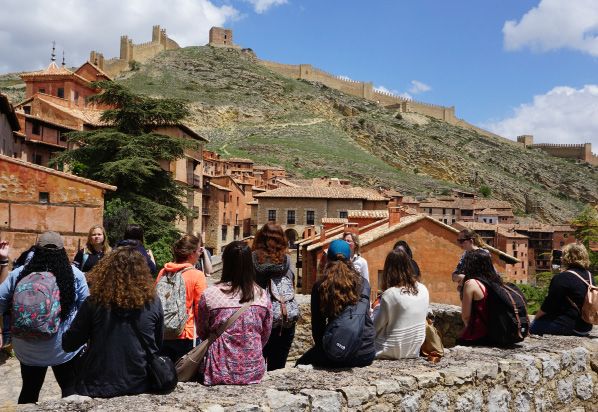
SPAN 330    History of Spain (UD)
            Geography and Prehistory. Primitive Spain. Roman and Visigothic Spain. Moslem Spain. The
            Reconquest. The Catholic Kings. The Spanish domination during the XVI Century. The Spanish
            crisis of the XVII Century. Reformism in the 18th Century. The origins of contemporary Spain.
            The epoch of Isabel II and the Revolution (1868- 1875). The era of the Bourbon Restoration
            (1875-1902). Carlism and the Restoration. The XX Century. Political parties.
SPAN 330A   History of Spain I (UD)
            Geography Prehistory. Primitive Spain. Roman and Visigothic Spain. Moslem Spain. The
            Reconquest. The Catholic Kings. The Spanish domination during the XVI Century. The Spanish
            crisis of the XVII Century.
SPAN 330B   History of Spain II (UD)
            Reformism in the XVIII Century. The origins of contemporary Spain. The era of Isabel II and
            the Revolution (1843-1875). The era of the Bourbon Restoration (1875-1902). Carlism and the
            Restoration. The XX Century. Political parties.
SPAN 331    History of Spanish-America (UD / G)
            America as a cultural unity; geographical background. Cultures of the Mayans, Incas
            and Aztecs. Hispanidad; outline of Spanish culture. Discovery and conquest of America.
            Colonization, culturization of Spanish-America. Independence.
SPAN 331A   History of Spanish-America I (UD / G)
            America as a cultural unity. Geographical background. Historical sources. Primitive America.
            The Hispanidad. General outline of Spanish culture.
SPAN 331B   History of Spanish-America II (UD / G)
            Spain 1492. The beginnings of the Modern Age. Discovery and Conquest of America. The
            colonization and its problems. The Spanish administration. The culturization of Spanish
            America. Independence.
SPAN 335    History of Spanish Art (UD)
            Introduction. Prehistoric art: Paleolithic and Neolithic. Spanish-Romanic art. Pre-Romanic art.
            Spanish-Moslem Art. The great international styles of the Middle Ages and its special Spanish
            version. A comparative study of the Romanic and Gothic styles. Romanic art: its beginnings
            and evolution in architecture, sculpture and painting. Santiago de Compostela. Gothic art.
            Renaissance art. Baroque art. Neoclassical art. Present-day art.

9
SPAN 335A   History of Spanish Art I
            Introduction. Prehistoric art: Paleolithic and Neolithic. Spanish-Romanic art. Pre-Romanic art.
            Spanish-Moslem Art. The great international styles of the Middle Ages and its special Spanish
            version. A comparative study of the Romanic and Gothic styles. Romanic art: its beginnings
            and evolution in architecture, sculpture and painting. Santiago de Compostela. Gothic art.
SPAN 335B   History of Spanish Art II
            Renaissance art. Baroque art. Neoclasical art. Modernism, Picasso, Dalí, Subrealism. Present
            Day Art.
SPAN 341    Survey of Spanish Literature I (UD)
            Historical background. Primitive poetry. The beginning of prose. The literature of the XIV
            Century. The XV Century. Humanism. The theater: its origins. Period of the Catholic Kings.
            The Renaissance. El Romancero. The pastoral novel. Introduction to the Siglo de Oro. The
            new poetry .Epic poetry of the Renaissance. The theater before Lope. Chivalric books.
            Cervantes. The Picaresque Novel. The Baroque. The Conceptismo. The School of Calderon.
            Outside reading of representative works. Written reports.
SPAN 342    Survey of Spanish Literature II (UD)
            From the XVIII Century to Modern Times. The XVIII Century: characteristics. Decline of
            traditional lyrics and novels. The Neoclassic theater. Lyrics and fabulists. The XIX century.
            Origins of Romanticism. Romantic lyrics. The Novel: Costumbrismo. Critics of the Romantic
            Period. Post-Romantic Lyrics. The realistic theater. The realistic novel. The regional novel.
            The Generation of ‘98 and Modernism: the essay and theater. Rejuvenescence of the
            Generation of ‘98. The Generation of ‘27: poetry and theater. The Generation of ‘36: novel,
            theater and poetry. The postwar generation: novel, poetry and theater. Outside reading of
            representative works. Written reports.
SPAN 352    Survey of Spanish-American Literature (UD / G)
            Precedents: The Colonial Period and the struggle for independence. The XIX Century before
            Modernism. Modernism and Realism, and the Contemporary Period. Required reading and
            written assignments. Lectures in Spanish.
SPAN 352A   Survey of Spanish-American Literature I (UD / G)
            “Las cronicas” and the Colonial. Sor Juana Ines de la Cruz and the Baroque period and
            the struggle for independence. Romanticism . Peruvian Costumbrismo. R. Palma.The XIX
            Century before Modernism.

10
SPAN 352B Survey of Spanish-American Literature II (UD / G)
Modernism, Realism, Regionalism and Vanguard. Ruben Dario. The contemporary period:
novel, poetry and theater. Neruda, Benedetti, Borges, García Marquez. Vargas Llosa. Magic
realism. Required reading and written assignments.
SPAN 364 Introduction to Hispanic Literature (LD)
Introduction to some of the best authors from Spain and Latin America of the past and
present and their outlook on life by reading and reflecting on some their works. Analysis
and appreciation of the structural elements typically associated with the various genres
(fiction, poetry, essays and drama). Examine and reflect on universal themes and messages
and/or in particular what these works want to communicate.
SPAN 401 Advanced Grammar and Written Expression (UD)
Revision and intensive study of the more difficult points of Spanish grammar and their
application in written expression.
SPAN 402 Spanish Phonetics (UD)
The pronunciation of the Spanish language as spoken today by the educated people of Spain
and Spanish America. Particular emphasis on vowels, consonants, sound changes, intonation of
sentences, Spanish American pronunciation. General concepts of phonetics: intensity, quantity,
intonation. Articulation drills. Use of phonetic texts and transcriptions. Intonation drills. Etc.
SPAN 403 Advanced Conversation (UD)
Advanced level conversation course where students will be able to put into practice their
command of the language. Preferably to be taken concurrently with SPAN 401
SPAN 405 General Translation (UD / G)
Vocabulary and terminology used in literary texts of general interest: newspapers,
magazines, news bulletins, prose, etc. Translation from English to Spanish and Spanish to
English.
SPAN 406 Advanced Medical Spanish (UD / G)
This course is a Spanish language course geared toward individuals studying or working in
health-related areas. The course is devoted to the study of medical Spanish terminology
and the cultural issues related to successful interactions with Spanish-speaking patients and
their families in the clinical encounter.
11SPAN 412 Cervantes and the Literature of the Golden Age (UD / G)
A study of the literature of the “Golden Age” in the context of the 16th Century society.
Including: Lazarillo de Tormes and the great works of Lope de Vega, Tirso de Molina,
Calderon de la Barca and in depth study of the life and works of Miguel de Cervantes with
special attention to Don Quijote de la Mancha and its place as a masterpiece of world
literature. Written reports on assigned topics.
SPAN 413 Spanish Literature of the 19th and 20th Centuries (UD / G)
19th Century Spanish literature, including Neo-classicism, Romanticism, Realism, Naturalism
and post-Romantic poetry. Works by Moratin, Zorrilla, Galdós, PardoBazán, Bequer and Blasco
Ibañez. Literary and philosophical movements from the “Generation of ´98” to the 1960´s.The
“Generation of ´98”: Valle-Inclán, Azorin, Unamuno and Baroja. The “Generation of ´27”: Lorca,
Aleixandre and Salinas. The “Generation of ´36”: Post-war literature and social literature
SPAN 414 Contemporary Spanish Literature (UD / G)
The writers of present-day Spain and their work. A study of contemporary authors including:
Rosa Regás, Javier Marías, Paloma Pedreró, Jose Luis Alonso de Santos, Els Joglars, Felípe
Benitez and Ana Rosetti.
SPAN 435 The Jews in Spain (UD / G)
Historical panorama: The roman, visigothic and Arab Spain. Principal centers of the Jewish
community. Toledo. Mediterranean Community. Sevilla and Córdoba. The «Reconquista».
Reinsertion of the Jews in Christian territories. The National Unity: The Catholic King and
Queen. The Inquisition. The expulsion of the Jews. Contemporary history. The return of the
«Sefarditas». Culture and Society. Structure of the Jewish-Spanish society. Ghettos .Laws and
«fueros». Spanish economy and the «conversos».Traditions, rites and customs .Language,
literature and sciences. Medieval art. The Synagogue, spiritual center of sefardite Spain.
SPAN 440 Present Day Spain (UD / G)
As the title indicates, this course is a round table discussion class about the various facets of
Spain: political, economical, cultural, educational, etc.
SPAN 451 Sociolinguistics (UD)
This course offers upper-division undergraduate students an introduction to the field
of sociolinguistics for non-linguistics majors. The course reviews general topics in
sociolinguistics, such as ethnicity, social strata, immigration, demographics, and how these
categories affect language phenomena. The course puts special emphasis on the classroom
instruction of minority students.
12Important information
CLASSIFICATION OF STUDENTS
The Summer Sessions and the School Year in Spain programs are open to all students,
teachers of Spanish, and to all persons interested in the Spanish Language and culture either
working for credits, or as auditors. Classes at the graduate level are available by special
arrangements. Students working for credits must submit, with their application, a transcript
of credits from the institution where they are, or were regular students.
Requirements:
FOR BEGINNERS: LDS
· None
FOR UPPER DIVISION COURSES: UDS
· Two years of college Spanish or its equivalent.
· 2.5 GPA
· Study Abroad Approval Form.
· Faculty Recommendation Form.
· Transcript of your college work
CREDITS
Credits are expressed in semester hours. For the School Year program students will be
allowed to take a maximum of 15 units (credits) per semester. Summer Session students will
be allowed to take a maximum of 9 units (credits) per session.
CLASSES
Classes are held daily during the morning and/or afternoon at the Institute of Spanish
Studies’ own building, El Bachiller, 13, Valencia, Spain. Classes are conducted by experienced
Spanish University professors and are specially designed for American students; they will
students; they will be given in accordance with the American system of teaching. Lectures for
all courses are in Spanish unless otherwise stated. During the Summer Sessions, courses meet
for 1 1/2 hours daily from Monday to Friday. During the Fall and Spring Semesters courses
meet for 1 hour daily from Monday to Thursday.
Class attendance and examinations are compulsory. The Institute of Spanish Studies reserves
the right to cancel or change any courses.
ATTENDANCE
Class attendance is compulsory. All absences are recorded and made a part of the student’s
final record. Those whose absences in any course exceed 15% of the scheduled meeting of
the class will not be admitted to the final examination and a grade of F will be recorded.
10EXAMINATIONS
Important
Mid-term examinationsinformation
in each course are held as set forth in the program and a grade is given
indicating the progress of the student. Final examinations are compulsory for all courses.
CLASSIFICATION OF STUDENTS
TRANSCRIPTS
The Summer Sessions and the School Year in Spain programs are open to all students,
Transcripts will of
teachers beSpanish,
issued upon
and torequest by the
all persons Instituteinofthe
interested Spanish
SpanishStudies:
Language c/ El
andBachiller,
culture 13,
46010-Valencia, Spain;for
either working Phone +34or
credits, 96as369-6168;
auditors. Fax +34 at
Classes 96the361-5189; email
graduate levelinfo@issvalencia.com
are available by
special arrangements. Students working for credits must submit, with their application, a
TEXT BOOKS
transcript of credits from the institution where they are, or were regular students.
Books will be sold at the school during the first days of class. Students should count on spending an
average of $120.00 depending on the courses taken.
Requirements:
DISCIPLINE
FOR BEGINNERS: LDS
All students are expected to conduct themselves in good behavior. Officers of the Institute are
· None
authorized to exercise full control in matters of discipline, including the right to require withdrawal of
any student whose moral DIVISION
FOR UPPER or academic behavior
COURSES: UDS warrants such a measure.
· Two years
EXTRACURRICULAR of college Spanish or its equivalent.
ACTIVITIES
· 2.5 GPA
During the school term as in the Summer Sessions, some Saturday excursions to nearby places have
· Study Abroad Approval Form.
been planned as described
· Faculty in the program.Form.
Recommendation These excursions will free of charge for students and will
always be accompanied by of
· Transcript a professor.
your college work
Valencia offers a wide variety of cultural activities such as lectures, concerts, festivals and museums. Visits
and activities
CREDITS will be organized throughout the summer and the school year.
REFUND Credits
POLICYare expressed in semester hours. For the School Year program students will be
allowed to take a maximum of 15 units (credits) per semester (Longwood University
In case will
of cancellation by the student,
grant a maximum this refund
of 9 graduate policyper
credits is necessary
semester toforcover the large
graduate amount
level of non-
courses).
refundable deposits
Summer that the
Session Institutewill
students mustbepay in advance
allowed to the
to take a suppliers
maximumof of services.
9 units (credits) per
session (Longwood
Before commencement University will grant a maximum of 6 graduate credits per session for
of classes
graduate level courses).Students may receive credit directly from the Institute of Spanish
If rejected or upor
Studies to through
75 days before departure:
Longwood University. If you wish to receive credit from Longwood
University
· Full refund you should indicate this on the application form; once registered, you may
not change credit options. Credits will be given by Longwood University only to those
Between 75 and
who 45 days
register before Longwood
through departure: University; Students may not elect to receive credits
through Longwood
· $250 cancellation fee. University after the commencement of the session or later. Teachers
should check with their Board of Education to make certain that credits will be accepted.
Between 45 andstudents
College 15 days before
shoulddeparture:
check with the Registrar of the University to which credits are to
· $500 cancellation fee. order to avoid problems with the acceptance of those credits at the end
be transferred in
of the school year or the Summer Sessions. Longwood University is accredited by the
Between 15 days and departure:
Southern Association of Colleges and Schools (SACS).
· $1000 cancellation fee. After departure/commencement of classes
Tuition:CLASSES
No refund
Classes
Room and areRefund
Board: held daily
is $20during the morning
per unused and/or
day of room afternoon at the Institute of Spanish
and board.
Studies’ own building, El Bachiller, 13, Valencia, Spain. Classes are conducted by
experienced Spanish University professors and are specially designed for American
14
11
14 14FREQUENTLY ASKED QUESTIONS
School Norms
· Can one take more than five courses per semester, or more than three in the
summer sessions? Yes. But in order to take more courses you must consult with your
university to confirm that they will accept more credits. Also, there will an extra charge for
additional courses. In general, we don’t recommend that the student take more than the
prescribed number of courses.
· Can one take less than five courses per semester, or less than three in the summer
sessions? Yes. You can take fewer courses if you don’t need them and if you prefer to have
a lighter academic schedule.
· How many students are there in each class? The class limit is 15 students, but we try to
have smaller classes of 10 students or so.
· Are all classes taught in Spanish? Yes. Classes are taught completely in Spanish, with
three exceptions: “History of Spanish Art”, “Spanish Civilization” and “Present day Spain”.
These three courses are offered to students who are starting to learn Spanish, but who are
interested in those aspects of the Spanish culture.
· Do all teachers speak English? No. Some of them speak some English and can help the
students occasionally, but the idea is for the students to get used to Spanish. The director
and program coordinators speak fluent English.
· Are there any tests? Oh... yes. In addition to the normal homework there are two tests
(one midterm and one final) in each session.
· Do students need to purchase textbooks? How much do they cost? Most courses
require that the student purchase textbooks. The average price is 20 euros (about $29),
so each student should budget approximately $120 for books each semester and about
$90 for the summer courses. In some courses the teachers give out printed materials
instead of textbooks.
· What’s the schedule of classes? During the semester, each course takes place four
hours per week o from Mondays to Thursdays, either in the morning or in the afternoon.
During the summer the courses are one hour and half per day from Monday to Friday, and
all classes take place between 9 a.m. and 2:30 p.m.
· Can one come for a session (either a semester or a summer program) and stay
longer? Yes. The student only needs to notify the school and make the appropriate
arrangements prior to the end of the first session.
· Are there other Spanish students in the school? Yes, but they come to learn
English. Quite often we organize activities in which both Spanish and American
students participate, thus getting to know each other and practicing the languages.
We also organize conversation exchanges among the students so that they can freely
practice with each other.
12Lodging and Meals
During the school term and the Summer Sessions lodging and three daily meals will be provided
in private homes. Families who usually receive foreign students as boarders in their homes live in
apartments or flats. Families and accommodations have been carefully reviewed and approved by our
director of housing (rooms are double occupancy). All homes are located close to public transportation
so that both the school and the center of town can easily be reached.
· How are the homes students live in? In Spain, almost everyone lives in apartments, and they are
normally smaller than those in the US.
· Will I live very far from the school? The homes can be in any area of the city, although we try to
have them close enough to the school. If they are a little far, there is always a bus that will pass near
the school.
· Do the families speak English? In most cases, no. That forces the student to speak Spanish, and
that’s the whole idea.
· What if I have special needs related to diet, health, etc.? If you do (for example, if you are
vegetarian or are allergic to certain foods, etc.), you must notify the Institute as soon as possible so
that we can find a family that can cater to your needs. Normally there is no additional cost associated
with this, unless the special need is quite unusual and special efforts must be made to accommodate
the student.
· Is there more than one student in each home? Normally there will be two of our students in each
home. Our experience tells us that this is psychologically good for the students and gives them more
confidence. In some instances, there are other Spanish students in the same family.
· What happens if I have a problem with the family? All the families in our program have been
carefully selected and they have had the experience of hosting American students in the past. However,
if there is ever a problem with any of the families, the Institute will help the students solve the problem,
even if it requires switching to another home.
PRACTICAL INFORMATION ABOUT VALENCIA
· How big is Valencia? Valencia is the third largest city in Spain, after Madrid and Barcelona. Including
its suburbs, Valencia has almost one million inhabitants.
· How is the climate? Valencia’s climate is Mediterranean, i.e., very mild. Summers are warm but
temperatures seldom exceed 30º C (86º F). In winter they are rarely below 10º C (50º F).
It doesn’t rain much, and the rainy seasons are normally the fall (September-October) and the spring
(April-May). It is normally sunny and in winter it’s very pleasant to walk outdoors and enjoy the open
air cafes during the day.
· How far is the beach? The closest beach is about 15 to 20 minutes from downtown, and there are
other beaches some 30 minutes away. There are regular buses to all of them, especially during the
summer.
· Where is the school? The Institute of Spanish Studies is located in the university area of Valencia,
in a residential area near “Los Viveros,” the largest park in the city. It takes about 20 minutes to walk
from the school to the downtown area.
· Is there public transportation? There is a large network of public buses and metro that connects
practically every point in the city. It’s quite easy to get from the school to the center or to the students’
homes.
13
16Financial Information
COST OF PROGRAMS
Summer 2021
JUNE SUMMER SESSION: May 16 to June 18, 2021 $4,300.00
Aplication and deposit deadline April 23
JULY SUMMER SESSION June 20 to July 23, 2021 $ 4,300.00
Aplication and deposit deadline May 28 2021
TWO SESSIONS: May 16 to July 23 2021 $ 8,300.00
Aplication and deposit deadline April 23, 2021
Year 2021
SPRING SEMESTER 2021: January 24 to April 17, 2021 $ 8,800.00
Aplication and deposit deadline November 18, 2020
FALL SEMESTER 2021: September 26 to December 17, 2021 $ 8,800.00
Aplication and deposit deadline July 30, 2021
*After these deadlines applications must be accompanied by full payment.
PRICES INCLUDE:
In all cases:
· Medical Insurance.
· Excursions as stated in the program.
Summer Sessions:
· Tuition (for up to 3 classes per session).
· Room and full board (breakfast, lunch and dinner) in private homes. during the school term
(May 16 to June 18 or June 20 to July 23 for both Session May 16 to July 23).
Fall / Spring semester:
· Tuition for Fall and/or Spring semesters, with a maximum of 15 semester hours of credit per semester.
· Room and full board (breakfast, lunch and dinner) in private homes during the school term
(Spring 2021: January 24 to April 17, Fall 2021: September 26 to December 17).
NOT INCLUDED:
· Air transportation, Excess Baggage charges, Local Transportation, Personal Expenses, Optional trips.
Application Procedure
REQUIRED DOCUMENTS
· Application for Admission Form.
· Study Abroad Approval Form.
· Faculty Recommendation Form.
· Transcript of your college work.
The Application for admission form, Study abroad approval form and the Faculty recommendation form can be
downloaded from our web page http://www.issvalencia.com
Please email all the documents to: applications@issvalencia.com
Mail deposit of $400 to:
INSTITUTE OF SPANISH STUDIES
C /El Bachiller 13
46010 - Valencia (Spain).
17For further information
Please visit our web page:
www.issvalencia.com
or contact us at
El Bachiller, 13. 46010 Valencia (Spain)
Phone: Int’l +34 96 369 6168
email: info@issvalencia.com
We will be happy to answer any questions or assist you in any way.
18El Bachiller, 13
46010 Valencia (Spain)
email:
19 info@issvalencia.com
Web: http://www.issvalencia.com Authorized SIELE language testing centerYou can also read


