KIWISPORT INVESTMENT PLAN FOR AUCKLAND 2015 - 2018 - Harbour Sport
←
→
Page content transcription
If your browser does not render page correctly, please read the page content below
KIWISPORT
INVESTMENT PLAN
  FOR AUCKLAND
    2015 – 2018

              1
TABLE OF CONTENTS
Introduction                                           3
Development of the 2015 – 2018 Investment Plan         3
Summary of Consultation Across Auckland                4
Priorities for Auckland Regional KiwiSport Fund        7
Fund Allocation                                        9
Contestable Investment                                 10
Non Contestable Investment                             11
Timeframes                                             12
KiwiSport Advisory Group                               13
Contestable approval process                           14
Local Community & Auckland Regional KiwiSport Fund     14
FastFund (Under $5000, $3000 for Harbour)              16
Non-contestable approval process                       18
Ineligible Projects                                    19
Contracting Payments                                   19
Term                                                   20
Communicating                                          20
Monitoring and Reporting                               21
Complaints Procedure                                   21
Managing Poor Performance                              21
Risk Management                                        22
Appendices
Appendix 1: Approval requirements and considerations   25
Appendix 2: Child protection in sport                  26
Appendix 3: Minimum Coaching Requirements              27
Appendix 4: Regional Breakdown                         28
Appendix 5: Complaints Process                         29
Appendix 6: Conflicts Register                         31
Appendix 7: Transparency                               32

                                                            2
INTRODUCTION
KiwiSport is a national initiative that was launched in 2009 by the Prime Minister.
KiwiSport aims to:
Increase the number of school-aged children participating in organised sport – during school,
after school and by strengthening links with sports clubs.
Increase the availability and accessibility of sport opportunities for all school-aged children to
participate in organised sport.
Support children in developing skills that will enable them to participate effectively in
organised sport.
Sport New Zealand (Sport NZ) requested Aktive - Auckland Sport & Recreation (Aktive) to consult with
the sector regarding new KiwiSport investment for financial year 2015-2018. During February and
March 2015, Aktive, in conjunction with local Regional Sport Trusts (RSTs) (Sport Auckland, Counties
Manukau Sport, Harbour Sport and Sport Waitakere) facilitated community consultation to identify and
establish Auckland’s priorities for KiwiSport investment and distribution from 2015-2018.
Aktive led regional consultation with national sport organisations (NSOs), Auckland Council, regional
sport organisations (RSOs), other regional stakeholders and funding organisations. Local RSTs
consulted locally with clubs, schools, young people and other community organisations.
This is the plan that has been accepted By Sport New Zealand. To date investment has been confirmed
by the Sport NZ Board for the financial year July 2015- June 2016. A decision on the remaining two
years of KiwiSport funding will be made by Sport NZ in December 2015.
DEVELOPMENT OF THE 2015 – 2018 INVESTMENT PLAN
The 2015 KiwiSport plan is the first time that there has been a single Auckland plan covering both
regional and local KiwiSport investment and processes. Aktive undertook consultation with national and
regional stakeholders and each of the 4 local RSTs completed consultation with their local community.
All five organisations communicated via email, phone, and in person with a wide representation of
stakeholders involved in the sport sector across Auckland as well as other providers who are interested
in KiwiSport including funders and Auckland Council.
The community was given the opportunity to provide feedback on processes that are currently used
across the region both at regional and local level, as well as to provide their views on what the priorities
should be for KiwiSport investment in Auckland.
This investment plan has been developed from the raw data collated from the comprehensive
consultation that has been conducted across Auckland. In this plan Aktive has standardised a number
of processes across the region. In this plan Aktive has standardised a number of processes across the
region with the aim of achieving a robust and transparent system for KiwiSport across the region. (Refer
Appendix 7). However within the plan there are local variances based on local consultation. The
summary feedback forms from each local community can be found here Auckland Regional, Waitakere,
North Harbour, Counties Manukau, Central Auckland. (Please email jacqui.johnston@aktive.org.nz if
you are unable to access these documents).
3SUMMARY OF CONSULTATION ACROSS AUCKLAND
Consultation Across The Region
Consultation that occurred across the region included over 643 stakeholder representatives and
organisations, including:
National sport organisations
Regional sport organisations
Auckland Council
Other regional stakeholders
Sports clubs
Schools and
Community organisations.
Over 856 school-aged young people were also consulted on what they believed the KiwiSport
priorities should be for their local area.
Regional Consultation - Led by Aktive
Since the inception of KiwiSport a regional fund has existed in Auckland, this has been in place for
organisations that seek to implement projects across multiple local RST boundaries within the region.
Aktive led regional consultation with NSOs, RSOs, Auckland Council, other regional stakeholders and
funding organisations. In total 93 different organisations were involved in regional consultation,
including:
36 NSOs
35 RSOs
6 local sports organisations
12 other regional organisations
4 Auckland Council Officers and Local Board members
Aktive conducted consultation via the following media:
3 consultation workshops
Online survey
One on one meetings
Phone conversations
From the three consultation workshops, Aktive was able to listen and understand the perspective of
regional and national organisations in relation to:
Issues and barriers around participation for 5-18 year olds
Issues around creating availability and access for children to participate in organised sport
The current factors inhibiting skill development in children and
Innovative ideas on how to achieve the objectives of KiwiSport
The data from the survey was used in conjunction with the summarised findings from the three
consultation sessions to develop a regional perspective.
4Local Consultation – Led by each local RST
Waitakere Community
Sport Waitakere led local consultation with RSOs, clubs, schools, community organisations and
students. In total 203 stakeholder representatives and organisations including regional sport
organisations, sports clubs, schools and community organisations were involved in Sport Waitakere’s
consultation, including:
8 sport and school workshops (4 Public workshops; 4 education cluster workshops)
9 secondary school principals and 10 sport coordinators
53 principals and teachers from across approx. 70 schools
63 students completed online survey from 13 secondary schools in the region
8 He Oranga Poutama consultation representatives
Sport Waitakere conducted consultation via the following media:
Public consultation workshops
Education consultation meetings
Online surveys
Face to face meetings in Local Board areas
Session with He Oranga Poutama
One on one meetings
Phone conversations
The main focus of the questions through each medium was background information since 2009 with
examples of projects and insights to date, previous priorities and achievement against the outcomes.
Attendees were provided with an area/project breakdown about which local KiwiSport priority each
project was/is addressing. In addition, Sport Waitakere put together a cumulative report of activity
since 2009.
North Harbour Community
Harbour Sport led local consultation with RSOs, clubs, schools, community organisations and
students. A large number of different organisations were involved in Harbour Sport’s consultation,
including:
76 stakeholder representatives and organisations including regional sport organisations,
sports clubs, schools and community organisations
10 sport and school workshops
48 secondary school principals and sport coordinators
329 students from six schools in the region
Harbour Sport conducted consultation via the following media:
Localised consultation workshops
School Focus groups
Online surveys
Face to face meetings in Local Board areas
One on one meetings
Phone conversations
The main focus of the questions through each medium was what are the key barriers to school aged
children not participating in sport, the level and direction of the investment allocated to the Harbour
Community, including “contestable versus non-contestable”, school investment (primary, intermediate
and secondary) and questions regarding the application process, reporting and communication.
Counties Manukau Community
5Counties Manukau led local consultation with local sports club representatives, primary and
secondary school representatives (principals, teachers), regional and local RSO staff and other
service providers e.g. Kelly Sports, Youthtown.
A large number of different organisations were involved in Counties Manukau Sport’s consultation,
including:
18 clubs
6 primary schools
1 secondary school
4 RSOs
6 others
Counties Manukau Sport conducted consultation via the following media:
5 community consultation workshops (local board boundaries)
School focus groups
Online surveys
Face to face meetings in Local Board areas
Youth (11-17yrs) who attended Breakaway Holiday programmes
The main focus of the questions through each medium was what are the key barriers to school aged
children not participating in sport, the community impact of the investment allocated to the Counties
Manukau Community, including “contestable versus non-contestable”, school investment (primary,
intermediate and secondary) and questions regarding the application process, reporting and
communication.
Central Auckland Community
Sport Auckland led local consultation with RSOs, clubs, schools, community organisations and
students. In total 147 stakeholder representatives from 81 organisations, including regional sport
organisations, sports clubs, schools and community organisations were consulted, including
14 focus groups with 176 children from 13 different primary and intermediate schools
5 focus groups with 143 young people from secondary schools
13 different primary and intermediate schools
378 students completed online survey
210 parents completed online survey
119 primary and secondary school representatives (principals, teachers, sport coordinators,
Directors of Sport).
Sport Auckland conducted consultation via the following media:
Localised consultation workshops
School focus groups
Online surveys
Face to face meetings in Local Board areas
One on one meetings
Phone conversations
The main questions posed were feedback around the current Primary School Cluster Partnership
model and the positive impact of the Community Sports Coordinators, regional funding, the key
barriers to school aged children not participating in sport, the level and direction of the investment
allocated to Sport Auckland, including “contestable versus non-contestable” and school investment
(primary, intermediate and secondary).
Sport Auckland produced a discussion document to provide information to the community to allow
them to make an informed decision when completing the surveys. During the forum attendees were
6asked to provide their perspectives on the feedback arising from the consultation conducted with our
children and young people and also the feedback from their online community survey.
PRIORITIES FOR AUCKLAND KIWISPORT REGIONAL FUND
The following key priorities were confirmed during the 2015 consultation process. They are broken
down by regional and local priorities. Each set of priorities applies to the specific locality of the fund
e.g. regional priorities apply over all regional funds both contestable and non-contestable, local
priorities apply to specific areas and apply over both contestable and non-contestable funds in those
localities.
Although consultation occurred before the Sport NZ Community Sport Strategy was released a
number of these priorities fit the strategic priorities around local delivery, particularly in low
participation communities. Aktive has an expectation that KiwiSport projects that address participation
by girls aged 10-18, ethnic communities (Indian, Samoan, and Chinese) & Maori will be prioritised.
The following priorities are broadly consistent with recommendations from previous KiwiSport
consultation, although some regions reduced the number of priorities. Harbour community priorities
have changed with the inclusion around perceived ability levels required to participate and lack of
local competitions – time / cost / travel, Waitakere included coordination of sport in schools.
Regional Priorities
Following Linking Schools and Clubs together to form meaningful partnerships that enable
participation
Improve capacity and capability of deliverers. This includes but is not limited to volunteers,
coaches and teachers
Improve sport accessibility. This includes but is not limited to local competitions and facility
access
the external consultation, Aktive’s KiwiSport regional priority areas for the region are:
Linking Schools and Clubs together to form meaningful partnerships that enable participation
Improve capacity and capability of deliverers. This includes but is not limited to volunteers,
coaches and teachers
Improve sport accessibility. This includes but is not limited to local competitions and facility
access
Local Priorities (based on boundaries as defined in Appendix 4)
Following the external consultation, the local priority outcomes (in no particular order) are:
Central Auckland Community:
Improve Fundamental Movement Skills
create school/club Links
Increase in volunteers (emphasis on coaching)
Counties Manukau Community:
Low cost opportunities for sport
Local or cluster delivery to avoid transport costs
Increase club/school links
Coaching - recruitment, retention and development
Training of volunteers
Funding opportunities for emerging sports versus targeted and traditional sports
North Harbour Community:
7 Development of skilled coaches, volunteers and teachers
Addressing issue of lack of time (parents working, teacher workload and volunteers working)
Creation of local competitions/time/cost/travel
Change perceptions around ability levels required to participate (this refers to the competitive
nature of sport and selection of players and perception of this discouraging people to play)
Development of social sport opportunities
Waitakere Community:
Fundamental Movement Skills
Increase school/club/community links
Coordination of sport in schools
Coaching
Cost of sport
8FUND ALLOCATION
As Sport NZ’s agent in Auckland, Aktive is responsible for the KiwiSport fund. To date investment has
been confirmed by the Sport NZ Board for the financial year July 2015- June 2016. A decision on the
remaining two years of KiwiSport funding will be made by Sport NZ in December 2015.
As part of the consultation stakeholders and participants were asked what % of the total fund should
be allocated to regional and local funds. As a consequence of the consultation Aktive has
recommended that the Auckland KiwiSport fund for Auckland be allocated be allocated in a number of
ways.
Distribution of the investment for Auckland will be split into regional and local investment. The regional
process will be administered by Aktive and local process will be administered by each local RST for
their community. Due to the variances in the communities, there are variances for allocating the local
investment.
The percentage of distribution of the total investment for Auckland will be as follows:
Regional investment: 20% - administered by Aktive
Local investment: 80% - administered by local RSTs. This 80% will be distributed to the local
RSTs and is calculated via the number and percentage of young people in the communities
they serve (please refer to Appendix 4). Summaries of local RST plans and regional
variances of fund allocations can be found here Waitakere, North Harbour, Counties
Manukau, Central Auckland . (Please email Jacqui.johnston@aktive.org.nz if you are unable
to access these documents)
% Pop. Auckland Regional Partnership Fund (RPF)
% of RPF
Organisation Young $2,941,181 confirmed for 2015-2016
allocated
people
Aktive-Auckland Sport & Recreation 100% 20% $588,236
Local Investment
Counties Manukau Sport 37% 29.6% $868,568
Harbour Sport 22% 17.6% $540,304
Sport Auckland 26% 20.8% $606,912
Sport Waitakere 15% 12% $337,159
TOTAL 100% $2,941,181
The consultation asked whether there should be non-contestable funding based around strategic
outcomes. The majority of feedback was in support of having both contestable and non-contestable
funds. Therefore across Auckland there will be a range of non-contestable investment:
Contestable Investment: this process will involve the lead organisation developing a project
and submitting via the relevant application form provided. Please refer to the contestable
approval process pg. 14
Non-contestable Investment: this process will identify community needs through a selected
lead agency and its partners. The lead agency will develop a business case and submit it to
the relevant organisation. E.g. Aktive to Aktive Board, Local RSTs to Aktive Board. It is
envisaged there will be two or three applications per year per organisation. Please refer to the
non-contestable approval process pg.18
The following tables outline the investment type, the split of regional and local, and criteria for each
fund for Auckland.
9CONTESTABLE INVESTMENT
Title of No and dates Term of Max RPF value
Outcome/Priority RPF Amount
Contestable of funding Projects that can be Minimum partnership contribution criteria Who can apply Region
being addressed Allocated ($)
Fund rounds (min-max) applied for ($)
REGIONAL INVESTMENT
Auckland One or more
Regional regional priorities/ Two funding No minimum requirement although NSOs, RSOs,
8% of Total Min1yr –
KiwiSport One or more rounds per N/A projects will not be 100% KiwiSport Regional ALL
RPF Fund Max 3yrs
(administered KiwiSport annum funded. Organisations
by Aktive) priorities
LOCAL INVESTMENT
FastFund One or more local Open all year $5,000 NSOs, RSOs, Clubs,
No minimum requirement although
(administered priorities/ One or 8% of Total until all of the $3,000 in North Schools, Trusts,
Max 1yr projects will not be 100% KiwiSport ALL
by Local more KiwiSport RPF Fund investment is Harbour Private Providers,
RSTs) funded.
priorities allocated. Community Community Groups
In North Harbour Community:
Schools must contribute equivalent
of 50% of their direct fund.
Local over $5,000
Sports and other partners must
Community One or more local Between $3,000 NSOs, RSOs, Clubs,
Two funding contribute 10% of local community
Fund priorities/ One or 48% of Total and $30,000 per Schools, Trusts,
rounds per Max 3yrs fund invested. ALL
(administered more KiwiSport RPF Fund annum in North Private Providers,
annum
by Local priorities Harbour Community Groups
RSTs) All other areas cash contribution must
Community
be made by one or more partners
projects will not be 100% KiwiSport
funded.
10NON-CONTESTABLE INVESTMENT
Title of Non- No and dates Term of Max RPF value
Outcome/Priority RPF Amount
Contestable of funding Projects that can be Minimum partnership contribution criteria Who can apply Region
being addressed Allocated ($)
Fund rounds (min-max) applied for ($)
REGIONAL INVESTMENT
Auckland More Kids, More 12% of Total Two funding Minimum N/A No minimum requirement although NSOs, RSOs, ALL
Regional Opportunities, RPF Fund rounds per 1 Year- projects will not be 100% KiwiSport Regional
KiwiSport Better Skills annum Maximum funded. Organisations
(administered 3 Years
by Aktive)
LOCAL INVESTMENT
School One or more local 24% of Total Open all year Maximum N/A Waitakere Secondary School projects Schools in ALL
Sport Fund priorities/ One or RPF Fund until 3 years must have a minimum of four schools partnership with
(administered more KiwiSport investment is involved in project. No minimum cash provider/s
by Local
priorities allocated investment required. Central Auckland
RSTs)
maximum $10,000 per project, per
cluster, per annum
More information about the local breakdown of funds can be found at the attached link Waitakere, North Harbour,
Counties Manukau, Central Auckland.
11TIME FRAMES
Funding rounds have now been aligned across the region. Local rounds (based on local RST
Boundaries, refer Appendix 4) will follow on from regional rounds of funding. This will minimise any
potential duplication, whilst also allowing codes who are unsuccessful at the regional level to apply to
a local round.
The Auckland Regional KiwiSport Fund will be open for one round in 2015 and for two rounds in each
of the following years. The first round in 2015 will open 1 September. The first round in 2016 opens on
1 January and closes on 31 March. The second round opens on 1 June and closes on 31 August.
The contestable funds will be split equally between round 1 and round 2, however for projects that the
KiwiSport Advisory Group deems to be “significant,” the option will exist to utilise funds set aside for
the next funding round. If any funds are not fully utilised, they will be rolled over into the following
round. FastFund projects (applications under $5,000 or $3,000 for North Harbour) will run year round
from 1 March or until funds are exhausted.
Refer below for more specific dates, including approval timeframes for each round:
AUCKLAND KIWISPORT FUNDS
CONTESTABLE
2015 2016 2017 2018
ROUND 1
Regional round 1 opens 1-Sept-15 1-Jan-16 1-Jan-17 1-Jan-18
Local round 1 opens 1-Sept-15 28-Feb-16 28-Feb-17 28-Feb-18
Regional round 1 closes 30-Sep-15 31-Mar-16 31-Mar-17 31-Mar-18
Projects for Regional round 1 approved 30-Oct-15 30-Apr-16 30-Apr-17 30-Apr-18
Local Round 1 Closes 14-Oct-15 15-May-16 16-May-17 17-May-18
Projects for Local round 1 approved 14-Nov-15 16-Jun-16 16-Jun-17 16-Jun-18
ROUND 2
Regional round 1 opens 1-Jun-16 1-Jun-17 1-Jun-18
Local round 2 Opens 1-Jun-16 1-Jun-17 1-Jun-18
Regional round 1 closes 31-Aug-16 31-Aug-17 31-Aug-18
Regional Projects for round 1 approved 30-Sep-16 30-Sep-17 30-Sep-18
Local Round 2 Closes 15-Sep-16 16-Sep-17 17-Sep-18
Projects for Local round 2 approved 15-Oct-16 15-Oct-17 15-Oct-16
To date investment has been confirmed by the Sport NZ Board for the financial year July 2015- June
2016. A decision on the remaining two years of KiwiSport funding will be made by Sport NZ in
December 2015.
12KIWISPORT ADVISORY GROUP
Aktive and each local RST will have a KiwiSport Advisory Group. These groups exist to provide a
robust independent decision making process that will make transparent decisions around KiwiSport
investment. It is important therefore that these advisory groups are structured to uphold those
principles.
Each advisory group will have a one over one approval process to confirm the membership of these
groups: Aktive will approve local KiwiSport advisory groups, Sport NZ will approve the regional
advisory group.
The purpose of these groups is to make recommendations for the distribution of the KiwiSport Fund
and to ensure that the projects utilising the KiwiSport funding meet the agreed priorities and outcomes
of KiwiSport.
The Regional KiwiSport Advisory Group will consist of:
Auckland Council Officer
Aktive-Auckland Sport & Recreation
College Sport
Primary school representative
Counties Manukau Sport
Harbour Sport
Sport Auckland
Sport Waitakere
Independent Chair
The Local KiwiSport Advisory Group’s will consist of a combination of representatives made up from
the following organisations:
Education e.g. principals, sport coordinators, College Sport
Local RST
Sport organisations e.g. NSOs/RSOs
Auckland Council e.g. Local Board Chair, officer
Facility Providers
Youth
Independent Chair
All meetings will be recorded via meeting minutes to ensure that Aktive and Sport NZ has accurate
records of any decisions or conclusions made.
Disclosure of Conflicts
Each KiwiSport Advisory Group will perform their tasks honestly, impartially and in good faith.
Members should avoid situations that might compromise their integrity or otherwise lead to conflicts of
interest.
The Regional and Local KiwiSport Advisory Group members will complete a conflicts register
(Appendix 6) at each meeting. Each meeting agenda will include a disclosure of conflicts section
arising as a result of the items on the agenda. In the case where a member is conflicted, the Chair will
request the member to stand aside whilst the issue is discussed. In the case of the Chair being
conflicted, he or she will temporarily stand aside, and the Advisory Group will appoint a Chair for this
section of the meeting.
13CONTESTABLE APPROVAL PROCESS
The regional and local contestable approval process is broken down into two groups: applications
over $5,000 (Local Community Fund, Auckland Regional KiwiSport Fund) and applications under
$5,000 (FastFund). The FastFund is only available at local level.
Local Community Fund & Auckland Regional KiwiSport Fund
(over $5,000)
INFORMATION
Local Community Fund and Auckland Regional KiwiSport Fund have 2 rounds per year
Applications must be on the Local Community Fund/ Auckland Regional KiwiSport Fund
expression of interest/full application forms, provided online
The relevant KiwiSport Advisory Group will make recommendations for distribution to the local
RST Board or the Aktive Board
Applicants will be notified of the outcome within 25 days of closing date of applications.
If the project application is successful, baseline data, delivery plans and investment schedules
will need to be supplied PRIOR to the project commencing
CRITERIA
All projects must show partnerships
Cash and in-kind contribution is required from one or more partners - see local variances in
plans (Page 3)
Projects will not be 100% KiwiSport funded
Project must be endorsed from the relevant regional sport organisation (RSO) and/or national
sport organisation (NSO)
Must meet one or more of the KiwiSport Outcomes
Must address one or more of the Local/ Regional Community priorities
APPROXIMATE TIMEFRAME
WORKING DAYS ACTION
Day 0 Expression of Interest form submitted online
Day 2 Relationship Manager (RM) appointed. RM will notify the applicant to progress to the full
application with support from the relationship manager.
Day 20 Closing date for full application
Day 21 KiwiSport Advisory Group to receive applications
Day 30 KiwiSport Advisory Group to meet and finalise distribution of fund
Day 35 KiwiSport Advisory Group to make recommendations on distribution to Local RST/Aktive Board
Day 40 Local RST / Aktive Board finalise allocated funds
Day 45 All applicants will be notified of outcome
Day 46 + If approved, contract conditions drawn up prior to project starting
14CONTESTABLE APPROVAL PROCESS – Applications over $5,000
15FastFund (under $5000, under $3000 for Harbour) (Local RSTs
Only)
INFORMATION
FastFund is open all year around until the fund is exhausted.
Applications must be complete on online FastFund application form.
KiwiSport Working Group will make recommendations for distribution.
Applicant notified by local RST of the outcome within 23 days of submitting the application.
CRITERIA
Maximum amount to be funded is $5000, and $3000 in the North Harbour Community (excl
GST)
All projects must show partnerships
Cash and in-kind contribution is required from one or more partners - check local variances
Projects will not be 100% KiwiSport funded
Projects must be delivered within one year of application date
Project must be endorsed from the RSO and/or NSO
Must meet one or more of the KiwiSport Outcomes
Must address one or more of the Local Community priorities
Can only apply once per year (per region)
APPROXIMATE TIME FRAME
WORKING DAYS ACTION
Day 0 Application submitted
Day 1 Application forwarded to Relationship Manager
Day 6 Relationship Manager discusses the project with the lead organisation
Day 10 Application forwarded to KiwiSport Working Group
Day 12 KiwiSport Working Group approves/declines. Recommendation on distribution to
Local RST Board
Day 19 Local RST Board approve allocated funds
Day 22 Funds allocated
Day 23 Relationship Manager confirms outcome with lead organisation
Day 24+ If approved, contracted conditions drawn up prior to project starting
16FASTFUND APPROVAL PROCESS – Applications under $5,000,
$3,000 for Harbour
17NON-CONTESTABLE APPROVAL PROCESS
The non-contestable approval process is broken down into regional and local funds. For non-
contestable projects Aktive or the four local RSTs will play a role in the scoping of each project,
alongside the lead agency. Each lead agency involved will be required to provide evidence of their
involvement in the project to ensure that expectations are agreed to prior to funds being allocated.
All non-contestable funds will operate under the principle of one over one approval. This will require a
business case to be submitted to the Aktive Board. This will ensure transparency, and protect the
reputation of organisations receiving non-contestable investment.
NON-CONTESTABLE APPROVAL PROCESS
18INELIGIBLE PROJECTS
KiwiSport funds cannot be used for any of the following:
1. Applications for facility and/or amenity development
2. One-off events
3. Projects that do not involve partnerships
4. Projects that do not have support of the relevant NSO(s)
5. Projects that are retrospective in nature
6. At a regional level, projects that are currently receiving other KiwiSport funding from any of
the 4 local RSTs. (Applicants can apply for different projects or extension of projects across
the Auckland region e.g. project began in one region and applicant wants to expand it to
other regions.)
7. Projects that represent ‘business as usual’ for stakeholders
8. Projects that are predominantly social marketing campaigns
9. Projects that are predominantly nutrition or physical activity focused
10. Sponsorship
11. Funding cannot be used for administration or coordination expenses including but not limited
to salaries, office and stationery expenses, vehicle or mileage, phone, computer
CONTRACTING PAYMENTS
Aktive will mirror the Sport NZ payment schedule and allocate the local investment to local RSTs once
received. Investment schedules will be developed with local RSTs as part of the investment process.
Auckland Regional KiwiSport Fund
Successful applicants will be asked to sign an investment schedule with Aktive outlining the initiative
and timelines to achieve key milestones. The investment schedule will outline key stages in the
initiative where Aktive will meet with the lead organisation to assess the effectiveness of the initiative.
Frequency of reporting and monitoring will be agreed by both parties based on the scale and nature of
the project.
FastFund
Will be paid 100% up front - Successful applicants will be asked to sign an investment schedule with
local RSTs outlining the initiative and timelines to achieve key milestones
Local Community Fund
Successful applicants will be asked to sign an investment schedule with the local RST outlining the
initiative and timelines to achieve key milestones. The investment schedule will outline key stages in
the initiative where the local RST will meet with the lead organisation to assess the effectiveness of
the initiative. Frequency of reporting and monitoring will be agreed by both parties based on the scale
and nature of the project.
19Non-Contestable Fund
Auckland Regional KiwiSport Fund
Successful applicants will be asked to sign an investment schedule with Aktive outlining the initiative
and timelines to achieve key milestones. The investment schedule will set out the roles and intended
requirements for investment. Aktive to develop business case around investment schedule for
approval from Aktive Board.
School Sport Fund
Successful applicants will be asked to sign an investment schedule with the local RST outlining the
initiative and timelines to achieve key milestones. The investment schedule will set out the roles and
intended requirements for investment. The local RST will develop a business case around the
investment schedule for approval from Aktive.
TERM
Aktive and Local RSTS are willing to fund programmes or projects over a three year time frame to
ensure a level of security and sustainability for the project and to enable a bigger difference across
the region.
COMMUNICATING
Aktive and the local RSTs will inform Auckland stakeholders about KiwiSport through:
Website
E-newsletters
Local Board presentations
Face to face meetings
Media Releases
Schools- cluster meetings, visits
NSOs, RSOs, Clubs
Aktive and local RSTs will communicate regarding successful KiwiSport investment in the following
ways:
Website
E-Newsletters
Annual Reports
Approved and declined decisions will made available to the public on Aktive and Local RSTs website.
20MONITORING AND REPORTING
Monitoring is an essential tool that provides benefits to Aktive, local RSTs, project deliverers and
Sport NZ in delivering more effective services. Aktive places importance on ensuring that the
KiwiSport initiatives within the region are delivered to a high standard and meet the expected
outcomes. To ensure this, we will put in place the following monitoring process:
Aktive and local RSTs to play a role in project scoping (where timing allows)
Evidence of all partner involvement is provided with the submission and clearly outlines
expectations
Project approved by Regional or Local KiwiSport Advisory Group
Lead organisation to submit reports on project progress as agreed in the contract
Aktive/local RSTs’ relationship manager to observe delivery at least once during the project
Evaluation and final report completed by lead partner
COMPLAINTS PROCEDURE
Aktive has a new complaints process that will be used at both regional and local level. (refer Appendix
5). Aktive will record all complaints and comments received about KiwiSport services and procedures
and the subsequent action taken. A record of all complaints will be kept for three years from the date
on which the complaint was received. The number of complaints, their nature and the speed with
which they are dealt with, will be monitored regularly.
MANAGING POOR PERFORMANCE
Through the process outlined above, Aktive expects instances of poor performance to be negligible.
However, it is important to have a process that can manage projects that are not tracking as planned.
This is outlined below:
1. Identify problem: At the point where it has become apparent that a project is slipping or poor
performance has been identified the relationship manager will immediately meet with the project lead
and other key project partners.
2. Action plan developed: An action plan will be developed at this meeting to determine the
necessary steps to get the project back on track in the shortest time frame.
3. Monitor: Regular meetings between the relationship manager and the project lead will be held to
ensure the action plan is being followed until the project is deemed to be back on track by the
KiwiSport Advisory Committee. Further payments may be withheld until a minimum standard is
reached.
4. Failure to fix: Should the project fail to resume on a successful path, then the Regional or Local
KiwiSport Advisory Group will review whether to re-scope the project or terminate the project. For
projects that are terminated, Aktive or the local RST has the right to request that the RPF contribution
to the project to be refunded.
21RISK MANAGEMENT
Classification: Show Stopper (high severity, high probability), Insure (high severity, low probability), Manage (low severity,
high probability), Ignore (low severity, low probability)
IDENTIFIED RISK CLASSIFICATION MITIGATION
Project partners not found Show Stopper Aktive and leader partner/s to utilise existing
relationships and networks to encourage
partnerships for the successful delivery of
each project.
Unqualified deliverers Insure Reference and Police checks to be
working into schools completed where appropriate.
Comprehensive job descriptions outlining
specific requirements for role.
Project does not meet Insure All projects to follow the monitoring process
expected outcomes to ensure they are on track to meet expected
outcomes.
Schools don’t have Insure Evidence of all partner’s involvement to be
time/resources to provided with submission prior to project
assist with project approval
development/delivery
Disgruntled Insure Clearly communicate KiwiSport process
RSOs/schools who do including requirements and considerations.
not receive funding Meet face-to-face with groups who may be
disengage from other at risk of becoming disengaged to further
Aktive/ Local RST explain process. Complaints policy
services established and used if sports wish to
challenge decision. (see appendix 5)
Lack of engagement Insure All four local Auckland RSTs do not fully
from all four local engage in Greater Auckland KiwiSport
Auckland RSTs resulting in poor performance of the
investment fund. Mitigation: Aktive has a
strong relationship including regular
meetings/communication at multiple levels
e.g. Board, Chief Executive, Young People’s
Manager.
22IDENTIFIED RISK CLASSIFICATION MITIGATION
The community do not Insure Aktive have consulted, as have local
support a Regional fund RST’s. All RSTs stated that they would
be investing in a Auckland Regional
KiwiSport Fund in their summary to the
community.
Uneven distribution of Insure Delivery will be based on the amount of
investment across the contribution made by each region. The
region delivery structure will be clearly outlined
in the application and contract.
Organisations access Manage 1) Local rounds will follow the regional
funding through Auckland round 2) KiwiSport Managers from all
Regional KiwiSport and four RSTs will review all Auckland
Local KiwiSport funds Regional KiwiSport applications and be
leading to double-dipping involved in the contracting process. It is
important that there is strong
communication at multiple levels across
the KiwiSport applications in Auckland.
Over-subscription to fund Manage Ensure that all communications set
realistic expectations and develop a
protocol and robust processes for
notifying unsuccessful applicants.
Organisations do not have Manage Contracts will identify geographical
capacity to deliver across priorities (and can be multi-year).
the greater geographical Strong contract management with
region identified Relationship Managers
23Community do not agree Insure Robust and transparent system in place
with funding decisions for decision-making. Follow-up support
for unsuccessful applicants. Complaints
policy established and used if sports
wish to challenge decision.
IDENTIFIED RISK CLASSIFICATION MITIGATION
Negative media coverage Manage Communication strategy to proactively
(due to political nature of promote KS success online and to
KiwiSport) media - supplying media releases,
photos etc. - of "good news" stories on a
regular basis
Community concerned Manage Plan endorsed by Sport NZ; 2) 1-over-1
about transparency of the approval process: regional projects
non-contestable fund approved by Sport NZ; local projects
approved by Aktive. 3) transparent
communication
Police Vetting / Clearance Manage Police Vetting/ Clearance checks takes
checks takes too long up to 20 days. Relationship Managers to
make applicants aware of this when EOI
comes through to ensure plenty of time
for organisations to comply.
RSOs fail to provide Manage Provide user-friendly reporting
monitoring & evaluation processes; Alignment of data
data requirements across all RPF
investments; Timelines documented in
contracts; Contracts confer ability on
Aktive or Local RST to withhold funding
or terminate for failure to report
adequately
Staff change-over at Manage Aktive and Local RSTs maintain
partner organisations relationship with contracted sports
results in a lack of organisations to ensure continuity in
understanding/commitment delivery of projects
to initiative
A dispute / disagreement Insure Conflict resolution process clearly
occurs between partners articulated
and threatens the future
progress of the initiative
24APPENDIX 1
APPROVAL REQUIREMENTS AND CONSIDERATIONS
Requirements
Child Protection Project has all aspects of child protection covered. Refer appendix two
Funding Funding partners secured
Impact Identify how the project will increase the number of school-aged children
participating in organised sport
KiwiSport Objectives Meets one or more of the objectives of KiwiSport
Partnerships Partnerships identified with NSOs, RSOs, schools, clubs, facility providers, holiday
programmes, etc.
Planning Lead organisation has a current strategic and/or business plan
Regional/Local Priorities Meets one or more of the Aktive’s regional or Local RSTs priorities
Risks Risks to the successful delivery of the project identified, alongside strategies to
manage these risks
Sustainability Considers ongoing funding outside of KiwiSport RPF e.g. the RPF is not intended
for funding long term projects, it should be considered as seed funding
Targets Clear, measurable targets set
Coaching Requirements Refer Appendix three
25APPENDIX 2
CHILD PROTECTION IN SPORT
The lead organisation will be required to have a Safe Sport for Children policy to ensure safe sport
practices are in place. The policy must include police clearance checks made on any person/s that
are delivering to students. For further details:
http://www.sportnz.org.nz/assets/Uploads/attachments/managing-sport/young-people/Safe-Sport-for-
Children.pdf
Keeping children and young people safe as they participate in sport and recreation activities is one
factor that helps to increase the level of enjoyment and enhances the attractiveness of sport and
recreation.
Ensuring that organisations and groups that receive KiwiSport funding have appropriate practices and
procedures in place to keep children and young people safe is vital to the success of KiwiSport in our
region.
Aktive/ local RST will check that funding recipients have all aspects of child protection covered. In the
absence of a policy (or appropriate code of conduct) an organisation should cover off the following
procedures for protecting children and young people:
Identification of a person (or people) with responsibility for child safety;
Clear guidance on matters such as supervision ratios and emergency procedures;
A process for recording incidents/accidents, concerns and referrals and appropriate storage
of these;
A process for dealing with complaints;
When recruiting staff/volunteers - assess their suitability for working with children;
Referee checks on staff and volunteers;
Induction and training for staff and volunteers;
Emergency contact information collated from each child/young person;
Medical information gathered;
Attendance registers kept;
Equipment checklists maintained;
A health and safety checklist applied; and
First aid available
26APPENDIX 3
MINIMUM COACHING REQUIREMENTS
Attend “KiwiSport Coaching Workshop” (in line with Sport NZ’s induction to coaching module
outcomes)
All coaches to complete Sport NZ code of ethics
Hold a coaching qualification recognised by their sport
All coaches to complete Aktive Coaching and Talent Development Safety Net on line module
Agree to random observation of coaching sessions based on KiwiSport coaching guidelines
Aktive requires that all coaches are police vetted before delivering coaching sessions.
27APPENDIX 4
REGIONAL BREAKDOWN
COUNTIES MANUKAU SPORT HARBOUR SPORT
37% OF POPULATION 22% OF POPULATION
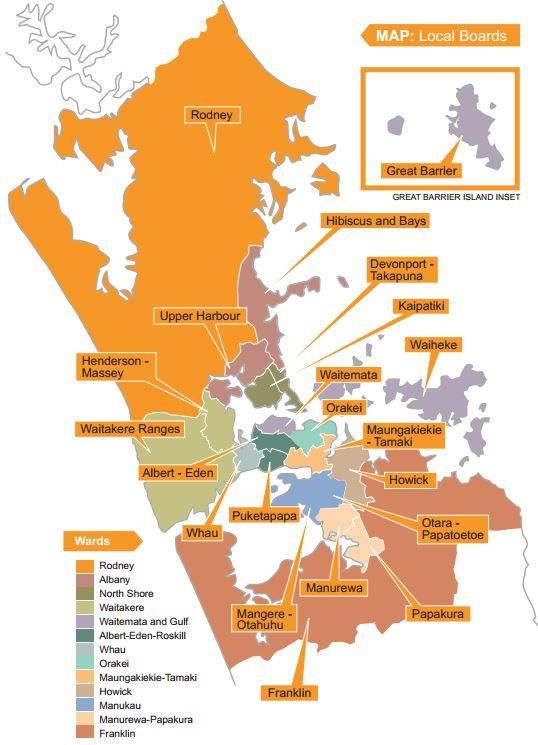
Franklin Local Board Devonport-Takapuna Local Board
Howick Local Board Hibiscus and Bays Local Board
Mangere-Otahuhu Local Board Kaipatiki Local Board
Manurewa Local Board Rodney Local Board
Otara-Papatoetoe Local Board Upper Harbour Local Board
Papakura Local Board
SPORT AUCKLAND SPORT WAITAKERE
26% OF POPULATION 15% OF POPULATION
Albert-Eden Local Board Henderson-Massey Local Board
Great Barrier Local Board Waitakere Ranges Local Board
Maungakiekie-Tamaki Local Board Whau Local Board
Orakei Local Board
Puketapapa Local Board
Waiheke Local Board
Waitemata Local Board
28APPENDIX 5
COMPLAINTS PROCEDURE
If you want to make a complaint regarding either regional or local KiwiSport, Aktive - Auckland Sport &
Recreation has a standard procedure for you to use and this is described below.
Making a complaint will not affect in any way the level of service you receive from us. For example, if
your complaint is about an application for funding, this will not affect your chances of getting a grant in
the future.
What is a complaint?
You can complain if you think that:
you received unsatisfactory customer service
the correct procedures were not followed in relation to a funding process or decision.
This procedure cannot be used for appeals against funding decisions if the Regional or Local
KiwiSport Advisory Group has followed the decision-making process correctly.
How do you make a complaint?
Stage One
If you are not happy with the service you have received, contact the staff member you first dealt with.
They will try to resolve your complaint immediately. If this is not possible or you are still not satisfied,
you will be referred to a formal complaints procedure.
Stage Two
If you were not satisfied with the response you initially received you can make a formal complaint in
writing to:
Aktive, Sport Waitakere, Sport Auckland, Counties Manukau Sport or Harbour Sport
What do you include when making a formal complaint?
Your name and postal or email address
Briefly what the complaint is about
When it happened
Who originally dealt with the matter
What action is expected to put things right.
Your complaint will be acknowledged within seven working days of receiving it and a full response
issued within 14 working days. If we cannot give a full reply in this time, we will tell you why and when
you are likely to receive it.
29If you are still not satisfied with the response at this stage you can refer your complaint to the CEO
and Board of the local RST or Aktive.
MONITORING COMPLAINTS AND IMPROVING OUR RECORD
Aktive will record all complaints and comments received about our services and procedures and the
subsequent action taken. A record of all complaints will be kept for three years from the date on which
the complaint was received. The number of complaints, their nature and the speed with which they
are dealt h, will be monitored regularly.
POLICY PRINCIPLES
Commitment – Management and staff are committed to the right of clients to complain. Complaints
are seen as an opportunity for improving service.
Visibility – How to complain and to whom will be obvious to staff and customers.
Simple and Assisted – The steps in the complaints procedure will be straightforward and easy for
customers to follow. Support and advice will be available to help customers complain.
Fair and Confidential – All complaints will be dealt with equally, with respect. Respect includes
maintaining confidentiality and a complainant’s right to privacy.
Responsive – All complaints will be acknowledged promptly and an approximate time frame for action
given.
Communication – Complainants and other affected parties will be kept informed of the progress of a
complaint.
30APPENDIX 6
CONFLICTS REGISTER
Name:
Organisation:
Date Advised of interest:
Interest Disclosed:
Nature of potential conflict:
Action taken/Recommendations:
Date implemented:
Reviews/ comments:
31APPENDIX 7
TRANSPARENCEY AND EFFICIENCY
In this plan Aktive has standardised a number of processes across the region with the aim of
achieving a robust and transparent system for KiwiSport. This has been done through:
TIME FRAMES
Funding rounds have now been aligned across the region. Local rounds (based on local RST
Boundaries, refer Appendix 4) will follow on from regional rounds of funding. This will minimise any
potential duplication, whilst also allowing codes who are unsuccessful at the regional level to apply to
a local round.
FUND TERMINOLOGY
Fund names have been changed so they are consistent across the region:
Contestable: Auckland Regional KiwiSport Fund, FastFund, and Local Community Fund
Non Contestable: Auckland Regional KiwiSport Fund, School Sport Fund
APPROVAL PROCESS
The regional and local approval processes have been streamlined across the region.
KIWISPORT ADVISORY GROUP
Aktive and each local RST will have a KiwiSport Advisory Group. These groups exist to provide a
robust independent decision making process that will make transparent decisions around KiwiSport
investment.
NON-CONTESTABLE APPROVAL PROCESS
To ensure transparency, and protect the reputation of organisations receiving non-contestable
investment, especially where local RSTs or Aktive are the recipient of KiwiSport funding, all non-
contestable funds will operate under the principle of one over one approval. This will require a
business case to be submitted to Aktive in the case of local RSTs, and to Aktive Board in the case of
Aktive.
COMPLAINTS PROCESS
Aktive has a new complaints process that will be used at both regional and local level. (refer Appendix
5). Aktive will record all complaints and comments received about KiwiSport services and procedures
and the subsequent action taken. A record of all complaints will be kept for three years from the date
on which the complaint was received. The number of complaints, their nature and the speed with
which they are dealt with, will be monitored regularly
32You can also read


