LEAP Learning Edge Academic Program - LEAP into summer and breeze into your fall semester
←
→
Page content transcription
If your browser does not render page correctly, please read the page content below
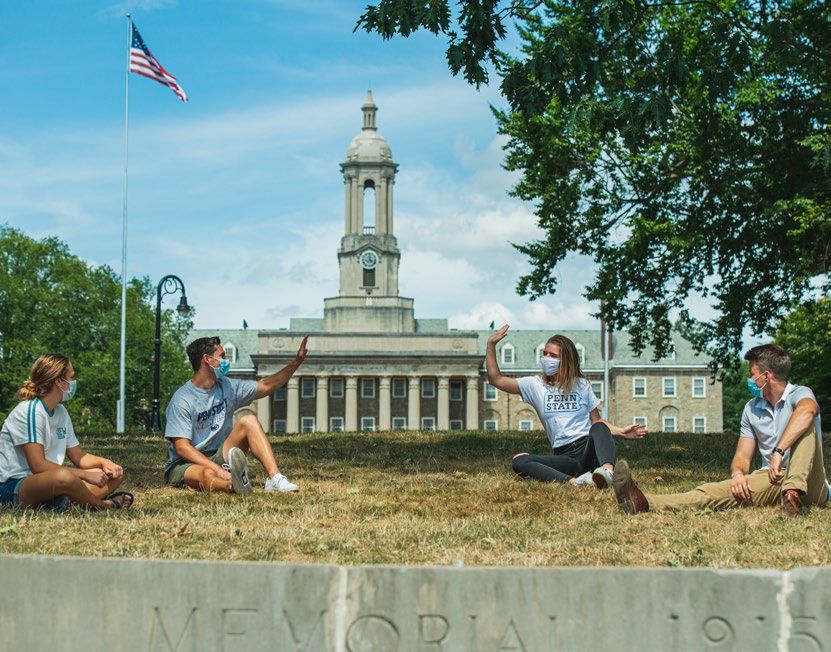
SUMMER 2021

LEAP
                                     Learning
                                     Edge
                                     Academic
                                     Program

LEAP into summer and breeze into your fall semester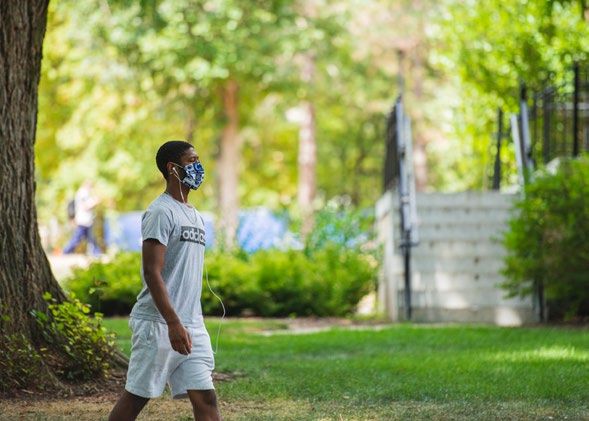
LEAP                                                                                OVERVIEW OF THE
                                                               Learning
                                                               Edge

                                                                                    LEAP PROGRAM
                                                               Academic
                                                               Program

Every year, about 2,000 Penn State                                                  WHO: LEAP is open to any first-year student offered admission to the
                                                                                    University Park campus.
first-year students begin their college                                             • Offered admission for the summer? Just follow the registration steps
                                                                                      to sign up!
careers by enrolling during the
                                                                                    • Offered admission for the fall? Before you can sign up, you will need
Summer Session at the University                                                      to contact Admissions and have your start term changed to summer.
                                                                                      This change must be made by May 3, 2021. Once you have done so,
Park campus.                                                                          you can follow the steps below to sign up!

                                                                                    WHAT: LEAP is a program that helps students transition into their
About 1,400 of these students                                                       first year by combining required coursework with opportunities to get
                                                                                    to know other students, become familiar with University expectations,
choose to take advantage of LEAP,                                                   interact with Penn State faculty, and learn your way around campus.
                                                                                    As part of LEAP, students take two courses (6 academic credits unless
a specially designed and unique                                                     otherwise noted in the pride description) that will count toward their
learning experience sponsored by                                                    graduation requirements. The two courses are linked together to form
                                                                                    what we call prides (because we are the Nittany Lions!). We cap each
the Office for Summer Session in                                                    class at twenty-four students to keep the class size small. Each pride is
                                                                                    also assigned a student mentor to answer questions, plan programs, and
Undergraduate Education.                                                            serve as a resource.
                                                                                    WHEN: LEAP takes place during Penn State’s second six-week summer
Now in its twenty-sixth year, LEAP                                                  session. Move-in for summer 2021 is on Monday, June 28, 2021. Classes
                                                                                    begin on Wednesday, June 30, 2021, and the program ends on Friday,
gives students an early start to their                                              August 13, 2021. There is one week between when the LEAP Program
                                                                                    ends and when students move in for the Fall 2021 semester.
Penn State experience. Research
                                                                                    WHERE: LEAP students live on campus during the program and are
shows that LEAP students are more                                                   housed together in the South Residence Hall area. Students who are from
                                                                                    Centre County do not have to live on campus to participate in LEAP.
successful academically and socially
                                                                                    WHY: Penn State is a large research university with more than 45,000
than students who don’t participate                                                 undergraduate and graduate students at the University Park campus.
                                                                                    The transition to learning in a new environment, making new friends,
in the LEAP program.                                                                and being away from home can be a challenge. Enrolling in LEAP helps
                                                                                    you transition into the first year by combining required coursework
                                                                                    with opportunities to get to know other students, become familiar with
                                                                                    University expectations, interact with Penn State faculty, and learn your
                                                                                    way around campus. After completing LEAP, you will be ready to begin
This publication is available in alternative media on request. The                  your fall semester with a level of confidence that will make your Penn
University is committed to equal access to programs, facilities, admission          State experience even more fulfilling.
and employment for all persons. It is the policy of the University to maintain
an environment free of harassment and free of discrimination against any            HOW: Registration for the LEAP program opens on Monday, March 15,
person because of age, race, color, ancestry, national origin, religion, creed,     2021, at 6:00 p.m. and closes on Monday, May 7, 2021, at 11:59 p.m.
service in the uniformed services (as defined in state and federal law),
veteran status, sex, sexual orientation, marital or family status, pregnancy,
                                                                                    ( students who are admitted for a summer start who do not register
pregnancy-related conditions, physical or mental disability, gender, perceived      for LEAP by May 7 can sign up at New Student Orientation as space
gender, gender identity, genetic information or political ideas. Discriminatory     allows ). Popular LEAP prides will fill very quickly. Act early to ensure a
conduct and harassment, as well as sexual misconduct and relationship
                                                                                    space in this exciting program. Follow the registration steps to enroll!
violence, violates the dignity of individuals, impedes the realization of the
University’s educational mission, and will not be tolerated. Direct all inquiries
regarding the nondiscrimination policy to the Affirmative Action Office, The
Pennsylvania State University, 328 Boucke Building, University Park, PA 16802-
5901, Email: aao@psu.edu, Tel (814) 863-0471. UGE 21-53 MPC S158037

2 leap.psu.edu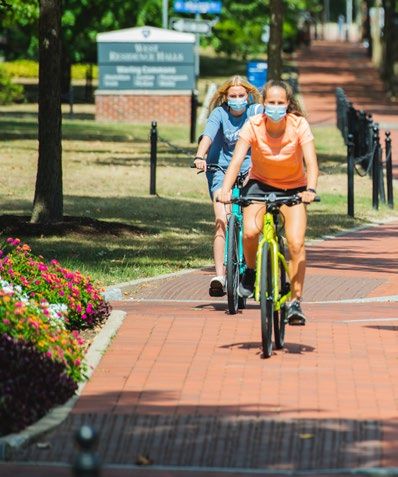
COVID-19 and LEAP
The health and safety of our students, faculty, staff, and community is at the forefront of
our summer planning. Alongside these concerns, student, faculty, and staff interaction is an
integral part of the LEAP experience. The circumstances surrounding the COVID-19 pandemic
remain unpredictable at the time of our summer planning. We will offer students the option to
select an in-person LEAP experience or a remote LEAP experience based upon their unique
situation and preference. The mode of instruction for each pride is listed in this brochure and
described in the table below. We will continue to monitor COVID-19 and communicate with
program participants as we approach the summer should any plans change.
Instruction Method Admissions to change your start term to
In-Person: All class sessions will meet in summer by May 3, 2021, before you can
person and students will be expected to complete LEAP registration.
attend class in person. Physical distancing Step 3: Sign up for a LEAP Pride
and masks will be required in the classroom. Beginning March 15, 2020, at
Remote: All class sessions will be held 6:00 p.m.
through video-based technology like Zoom TIP: The earlier you sign up, the more likely
at a specified time each day. Students it is there will be a space in the pride you are
are expected to be present at class and interested in!
attendance is taken each day. n Go to orientation.psu.edu/reservation
Mixed: Some class sessions will be held and log in using your PSU credentials
in person and some class sessions will be n Click the LEAP link in your student task list
held online at the discretion of the course
n Select the LEAP pride you would like to
instructor. Students are required to attend
class in person and online at the time
sign up for and submit the selection How do I select a
assigned for the course. Step 4: Complete the Pre-Registra LEAP pride?
tion Guide for Summer 2021 in
If a student selects a pride that has an in
LionPATH Some LEAP prides help you fulfill a course
person or mixed course, they must live on
TIP: Signing up (Step 3) reserves your space in your intended major. All LEAP prides
campus (except for local students who live in
in your LEAP pride. Completing the Pre- help you make progress toward your
Centre County). If students select a remote
Registration Activity Guide for summer 2021 General Education requirements. Almost a
pride, they have the option of living at home
in LionPATH allows us to officially enroll you third of the classes required for your degree
or living on campus. More information will be
in your LEAP courses. If you do not complete will be outside your major.
released by May about how students who do
this step, we will get an error when we
not plan to live on campus should go about
attempt to enroll you in your LEAP courses. All Penn State students complete 45 credits
cancelling their summer housing contract.
This poses a risk of you losing your seat in of General Education courses across seven
LEAP programming will also occur both in- your LEAP courses. domains: arts [GA], humanities [GH], social
person and remote. In-person experiences and behavioral sciences [GS], writing and
n One business day after you sign up for
will follow mask and physical distancing speaking [GWS], quantification [GQ],
a LEAP pride, log in to LionPATH at
guidelines. Remote experiences will occur natural sciences [GN], health and wellness
lionpath.psu.edu using your Penn State
via remote technology like Zoom. [GHW], and integrative studies (signified
credentials.
Please Note: This publication has been with an N or Z in the course number). These
NOTE: If the Pre-Registration Activity
printed in January 2021. Uncertainty remains courses are intended to broaden and enrich
Guide is not showing in your to-do list,
around the COVID-19 pandemic and what your education and can be used to explore
wait until evening and try again. If it is not
the status of the pandemic will be in the areas of interest, to complement your
showing two business days after you sign
summer of 2021. Penn State will keep the major courses, and to help you integrate
up, call or email the LEAP office and we
health and safety of students central to knowledge across interconnected contexts.
will assist you.
any decisions that are made about summer
courses. It is possible that in-person courses n Select Pre-Registration Activity Guide To see how the General Education
could be changed to remote courses. If this from your to-do list and complete the requirements fit into the course of
were to happen, we would notify students in guide. study for your intended major, visit
the LEAP program. For the most up-to-date bulletins.psu.edu, find your intended
n You must complete this step by
information related to Penn State’s response degree program, then open the suggested
May 10, 2021.
to COVID-19, visit virusinfo.psu.edu and academic plan. Next, look for the General
keeplearning.psu.edu. Once you have completed all the steps Education abbreviations in the brochure
above, the LEAP courses associated to see how each LEAP pride will help you
with the LEAP pride you sign up for will make progress toward your degree.
LEAP Registration Steps be displayed in your LionPATH Student
Step 1: Review the List of LEAP Schedule by Monday, May 10, 2021. If you are still unsure which LEAP pride
Prides to choose or want to further discuss
TIP: Not sure how to choose a pride…see All LEAP students must attend New your options, contact LEAP staff at
the sidebar on this page for guidance! Student Orientation (NSO) prior to the leap@psu.edu or 814-863-4174 and we
start of the summer session. You can begin can assist you with your choice.
Step 2: Accept your Offer of to make your reservation for NSO in April.
Admission For more information about General
Watch your email for more information
TIP: If your offer of admission was for the Education, visit gened.psu.edu.
about NSO!
fall 2021 semester, you’ll need to contact
SUMMER 2021 3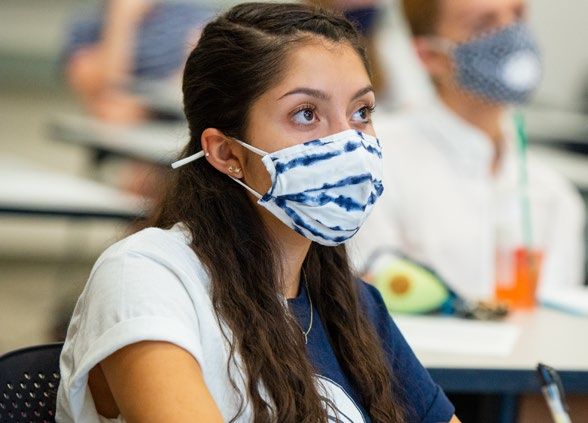
LISTING OF LEAP PRIDES
IN-PERSON American Politics Business Seminar This pride is only available to
students in the Eberly College
Class 1: PLSC 001 (GS) In Person and Race, Ethnicity,
LEAP PRIDES: Class 2: ENGL 15 (GWS) Remote
and Culture
of Science and the Division of
Undergraduate Studies
The LEAP prides listed This pride provides an overview
Class 1: SOC 119 (GS, GH) Remote
in this section include at
of American government and
politics at the national level. In this
Class 2: BA 197 In Person Cybersecurity Lion
course, we will first learn about the Class 3: PSU 6 (FYS) In Person Class 1: CYBER 100S (FYS)
least one course that meets In Person
political institutions that comprise This pride is designed to both
as an in-person or mixed our political system. We will discuss give students an introduction into Class 2: ENGL 15 (GWS) Remote
mode course. Students who their origins and the ways in which their study in the Smeal College of This pride provides an introduction
they structure our society. We then Business through PSU 6 (1 credit) to computer systems literacy.
select one of these LEAP will transition into learning about and BA 197 (1 credit) and to The history, architecture, and
prides are required to live the behavior of both the American engage students in contemporary operation of computing systems and
mass public and political elites. We issues around race, ethnicity, and underlying computing theory are
on campus and attend will discuss how everyday Americans culture through SOC 119 (4 credits). covered. The intent of this course
class in person. Students make political decisions and how Students will be able to understand is to ensure that students with
their elected representatives respond the extent and pervasiveness of diverse backgrounds can gain the
from Centre County can to the public’s political sentiments. racial, ethnic, and cultural inequality information technology fundamental
elect to live at home but and discrimination in the U.S. and skills and understanding to succeed
are required to attend class Art and Mythology explain how unequal systems impact
different ancestry groups both in
with subsequent in-depth courses
in the Cybersecurity Analytics and
Class 1: CAMS 45 (GH) In Person
in person. the U.S. and around the world. Operations curriculum. At the
Class 2: ARTH 100 (GA) In Person Students will be able to compare same time, the general nature
In this pride, students will learn historical causes and consequences of the introduction may make it
the myths of ancient Greece and of sociological processes such useful for other programs that
Rome. These stories include the as immigration, assimilation, and involve education in concepts and
Olympian gods and goddesses multiculturalism, and they will skills relating to information and
Key to General Education (familiar to many from the Percy develop new ways of understanding computing systems.
Requirements Jackson series), and the heroes of how these processes are expressed
There are two sections of the
epics like Homer’s Iliad and Odyssey. in popular culture (e.g., art, music,
Requirement Cybersecurity Pride: (1) Lion – In
Students will explore both the most literature) and intergroup dynamics.
Person and (2) Nittany – Virtual.
FYS—FIRST-YEAR SEMINAR famous versions of these myths Students will be provided with
Students should enroll in one
GA—ARTS in the canonical texts of classical intellectual tools to formulate more
section.
literature and interpretations of myth thoughtful questions and responses
GH—HUMANITIES
in art, music, theater, and literature when they engage others in
GHW—HEALTH AND WELLNESS from the classical era to the modern everyday discussions about the many Earth and Mineral
GN—NATURAL SCIENCES day. This course will be especially racial, ethnic, and cultural factors and Sciences
GQ—QUANTIFICATION beneficial for those students forces that pull people and groups
Class 1: EMSC 100S (GWS, FYS)
interested in art history, cultural together and push them apart.
GS—SOCIAL AND BEHAVIORAL In Person
anthropology, gender theory, ancient Students will also explore pathways
SCIENCES Class 2: ENGL 15 (GWS) Remote
civilizations, and world religions. to allow them to discover new ways
GWS—WRITING/SPEAKING to understand their own racial and This pride is designed to encourage
students to begin the important
N—INTERDOMAIN Business Problem ethnic place in the world and the
history of their own families. process of “‘thinking for a living.”’
INTEGRATIVE STUDIES
Solving This pride is only open to students
The primary focus of the seminar
Z—LINKED INTEGRATIVE Class 1: MIS 250 In Person is to promote critical reading and
enrolled in the Smeal College
STUDIES Class 2: ENGL 15 (GWS) Remote thinking skills, and to help students
of Business or the Division of
develop effective written and oral
Through this course, students Undergraduate Studies.
arguments. We want our students to
will gain a well-rounded level
think about some of the major issues
of competency in the use of Chemistry facing the world today, the role that
spreadsheet software as a tool.
Students will develop problem- Research science and technology have played
in defining and addressing these
solving strategies while gaining Experience issues, the way in which present-
insight on the tactical use of Class 1: CHEM 297S (FYS) day thinking has been shaped by
spreadsheets. Concepts are In Person the past, and the development of
contextualized in a broader
Class 2: CAS 100A (GWS) Remote scientific thought. The seminar’s
discussion of information systems
This lab-based pride is designed to content focuses on communication
management including data
introduce you to the process and skills, but these are addressed within
security, ethical issues, social media,
practice of chemical research. The the context of issues relevant to the
distributed (cloud) services, and
research will focus on the knowledge disciplines represented in Earth and
emerging trends. This is a required
and application of two core Mineral Sciences. EMSC 100S is a
course for all majors in the Smeal
concepts central to understanding required course for all students in
College of Business.
compound’s structure-reactivity the College of Earth and Mineral
There are five sections of the relationship: polarity and pH. You will Sciences.
Business Problem Solving Pride: be required to think about structures
(1) Blue, (2) Lion, (3) Nittany, (4) Roar, of organic compounds as they
and (5) State. relate to certain periodic trends and
This pride is only open to students the connectiveness to these core
enrolled in the Smeal College concepts. You will be shown how
of Business or the Division of these studies tie into the research
Undergraduate Studies. projects of Dr. Xin Zhang, a chemical
biologist at Penn State.
4 leap.psu.edu
Education in
American Society
Class 1: EDTHP 115 In Person
Class 2: ENGL 15 (GWS) Remote
The goals of this pride are (1) to
enable students to develop a
multifaceted understanding of
the social, historical, political, and
philosophical contexts in which
American teachers work, students
are educated, and education policies
are made, and (2) to enable students
to gain a better understanding of
contemporary educational issues
that they might encounter. This
understanding will provide the
foundation for working within
the American education system,
especially its public schools.

Education:
Learning and
Instruction
Class 1: EDPSY 14 (GS) In Person
Class 2: ENGL 15 (GWS) Remote
The human mind has been
considered one of the “last frontiers”
of science. In this pride, students
will learn the psychology underlying
student and teacher academic
behavior, motivation, assessment,
                                         with mass media: What is                  First Aid and CPR                        course pairing, students will satisfy
                                         newsworthy? What is the whole                                                      the integrative studies General
and more. This course is designed                                                  Class 1: NURS 203 (GHW)
                                         story, and what makes it true?                                                     Education requirement.
around state-of-the-art research                                                       In Person
                                         How ought media’s form influence
of human learning and behavior.                                                    Class 2: CAS 100A (GWS) Remote
Students are introduced to prolific
                                         the power of its content? What
                                         authorizes journalists to interpret the   NURS 203 is an introductory first
                                                                                                                            Human-Centered
theories of learning and effective       facts? How much does individual           aid course designed to provide the       Design
instructional practice—including         self-understanding and social             basic knowledge and skills to assist     Class 1: HCDD 113S (FYS)
classroom management techniques,         organization depend on media              someone who is injured or ill. The           In Person
motivation, and assessment.              images and tropes? Does it make           course covers safety precautions         Class 2: ENGL 15 (GWS) Remote
Students pursuing education-related      sense to speak of “the media” as a        of the responders including legal
majors and/or professions centered                                                                                          This pride provides a rigorous
                                         unified phenomenon? As we work            and ethical issues, teaches one-
on teaching, human development, or                                                                                          introduction to the theories, models,
                                         to formulate and answer these             person CPR and airway obstruction,
speech pathology will find this pride                                                                                       and tools that inform human-
                                         questions, students will acquire          common injures resulting in bleeding
valuable.                                                                                                                   centered design and development.
                                         ethical understanding, media              and how to control bleeding,
                                                                                                                            It lays the groundwork for
                                         literacy, and an appreciation for the     common medical emergencies, e.g.
                                                                                                                            subsequent courses in the sequence
Ethical Leadership                       role media plays in the formation         bleeding, water, ice, shock, thermal
                                                                                                                            by examining the relationship
                                         of cultural expectations about            injuries. Heart attack, stroke and
Class 1: PHIL 119 (GH) Mixed                                                                                                between physical capabilities,
                                         knowledge, values, and technology.        head injuries are a focus, and the
Class 2: CAS 100A (GWS) Remote                                                                                              cognitive and social models, and
                                                                                   proper way to transfer individuals
Leaders, in whatever context, make                                                                                          philosophical issues pertinent to
                                                                                   with injuries. Environmental
difficult decisions, distribute scarce   Film Music                                emergencies include disaster
                                                                                                                            human-centered analysis, design,
resources, direct and influence the      Class 1: MUSIC 4 (GA) In Person                                                    and development work. The course
                                                                                   preparation, terrorism, and triage.
conduct of others, and represent                                                                                            is practice-based, which means that
                                         Class 2: ENGL 15 (GWS) Remote
the goals of the enterprise they                                                                                            it instructs more abstract concepts
lead. Thus, they ought to exemplify
                                         This pride explores the role of           Fitness as Disease                       through practical activities and
                                         music in narrative film. It is not a
prudence, fairness, integrity,           history of film music, although our       Prevention                               practice-based inquiry. Students will
honesty, trustworthiness, sincerity,                                                                                        learn how to apply cognitive models
                                         approach will in some respects be         Class 1: KINES 84Z (GHW) Mixed
and morally upright behavior. This                                                                                          and philosophical concepts to real-
                                         historic. The purpose is for students     Class 2: BMB 1Z (GN) In Person
pride investigates these concepts                                                                                           world problems.
                                         to gain an understanding of the           In this pride, students make
and the moral dilemmas that arise        role of music in film, to observe
in developing or applying them.          various artistic approaches to the
                                                                                   connections between disease and
                                                                                   lifestyle through health, wellness,
                                                                                                                            iLEAP
It also explores, philosophically as     use of music in film, and to examine                                               Class 1: ESL 15 (GWS) In Person
                                                                                   and biochemical and molecular
well as practically, the ways leaders    how music interacts with the other        changes. KINES 84Z is designed           Class 2: CAS 100A (GWS) Remote
might identify ethical challenges,       elements of sound—sound effects           to give students a complete              This pride is designed specifically
analyze them, imagine possible           and dialogue—in an artistically           understanding of fundamental             for students whose first language
solutions, and be motivated to do        unified sound track that, in turn,        principles of physical fitness with an   is not English. ESL 15 is a first-year
the right thing.                         accompanies and interacts with the        appreciation for disease prevention.     academic writing course which
                                         movie’s visual component to create        In BMB 1Z, students will learn           includes work in composition, oral
Ethics of Media                          a compelling and satisfying work          about the scientific process and         presentations, library research, and
Class 1: PHIL 123 (GH) Mixed             of art.                                   how science has contributed to the       full participation in the steps of
Class 2: CAS 100A (GWS) Remote                                                     knowledge used in the medical            the writing and research process:
This pride surveys the core                                                        field to diagnose, treat, and prevent    brainstorming, basic research,
philosophical questions connected                                                  disease. Through this unique linked
                                                                                                                                                 SUMMER 2021 5
drafting, peer review, revising,          understanding of the power and
editing, and proofreading.                influences associated with media
Because the course is designed for        messages and practices.
international students, there is a        There are two sections of the Mass
strong focus on the expectations of       Media pride: (1) Lion and (2) Nittany.
American university instructors for       Students should enroll in one
time management, ethical writing,         section.
and class participation. ESL15 fulfills
the first-year General Education
(GWS) writing requirement.                Media and Society
                                          Class 1: COMM 118 (GS) In Person
There are three Sections of iLEAP,
(1) Lion, (2) Nittany, and (3) Roar.      Class 2: ENGL 15 (GWS) Remote
Students should register for one          Aside from working and sleeping,
section.                                  individuals in the United States
                                          spend more time consuming media
Language, Culture,                        than any other single activity. By the
                                          time the average person reaches
and Society                               the age of 65, he or she will have
Class 1: APLNG 200 (GH)                   spent over six full years of life
    In Person                             watching television—not to mention
Class 2: CAS 100A (GWS) Remote            the additional time spent reading
                                          newspapers and magazines, listening
Using the lens of applied linguistics,
                                          to the radio, using the internet, and
the pride explores how language
                                          playing video games. Given the
and culture, language and society,
                                          centrality of media in the lives of
and language and personal
                                          most people, it is imperative that we
development interact.
                                          understand and critically explore the
                                          variety of ways in which we perceive
Macroeconomics                            and are influenced by media
Class 1: ECON 104 (GS) In Person          messages. The purpose of this pride
Class 2: ENGL 15 (GWS) Remote             is to introduce students to the study
Why are some countries rich and           of the effects of media on individuals
other countries poor? Is our national     and society.
debt a problem? Why can’t we just
print a large amount of money to          Microeconomics
pay off the debt? Macroeconomics          Class 1: ECON 102 (GS) In Person
takes a “macro” view of economies,                                                 and democracy in Europe; and             of major figures in moral thinking
                                          Class 2: ENGL 15 (GWS) Remote
studying the big picture.                                                          Europe’s political and economic          and enters into the full complexity
                                          How do individuals, firms, and
Students will understand GDP,                                                      roles in the modern world.               of contemporary moral problems.
                                          governments make decisions? What
the unemployment rate, inflation,                                                                                           Students will study and evaluate
                                          determines prices? Are monopolies
and economic growth. Fiscal and
monetary policies are examined.
                                          always bad? This pride is designed       Peace and Conflict                       competing accounts of the right
                                                                                                                            way to live, including their overall
                                          to develop the basic concepts and        Class 1: PLSC 291 (GS) In Person
Other topics include aggregate                                                                                              plausibility, their background
                                          techniques of microeconomic theory       Class 2: CAS 100A (GWS) Remote
supply and demand, interest rates,                                                                                          assumptions, and their practical
                                          and its applications. Considerable       This pride is designed to introduce
and the Federal Reserve.                                                                                                    implementation.
                                          emphasis is placed on the basic          students to the study of political
                                          principles of economics, methods
Mass Media                                of economic analysis, price
                                                                                   conflict: its workings, its underlying
                                                                                   theories, and the means by which
                                                                                                                            Photography
LION                                      determination, consumer behavior,        it can be ended, and peace can           Class 1: PHOTO 100 (GA)
                                          theory of the firm, and market           be maintained. To support this,              In Person
Class 1: COMM 100N (GH, GS)               structures.                                                                       Class 2: CAS 100A (GWS) Remote
                                                                                   PLSC 291 is divided into three
    In Person
                                                                                   primary sections based on level          This pride provides an introduction
Class 2: ENGL 15 (GWS) Remote
                                          Modern European                          of analysis. The first will focus on     to the aesthetics, history, and science
NITTANY
                                          History                                  general theories of peace and
                                                                                   conflict through an examination
                                                                                                                            of photography including practical
                                                                                                                            and critical approaches to the art of
Class 1: COMM 100N (GH, GS)               Class 1: HIST 120N (GH, GS)              of works of political philosophy         photography. This course introduces
    In Person                                 In Person                            and anthropology. The second will        students to photography both as
Class 2: CAS 100A (GWS) Remote            Class 2: ENGL 15 (GWS) Remote            look at peace and conflict between       an art form and as a key method
This pride examines mass                  This pride traces the political,         states through an examination of         of visual communication in today’s
communications in the United States,      economic, and military history           international relations. And the         society. Students will be exposed
including the organization, role,         of modern Europe. After a brief          third will explore peace and conflict    to various photographic techniques
content, and effects of newspapers,       contextual background of the French      within societies via scholarship         and learn to create stronger, more
magazines, television, radio, books,      Revolution and the Napoleonic            on comparative politics and              compelling photographs.
and films. Students receive an            era, the course then focuses on          development.
overview of the interaction between
mass media and society. By drawing
                                          the political, economic, and social                                               Science of Fitness
from selected topics, the course
                                          developments in Europe from the
                                          rise of the European nation state
                                                                                   Persons, Morals,                         Class 1: KINES 61S (GHW, FYS)
pays particular attention to the          during the nineteenth century            and the Good Life                            Mixed
social influences (e.g., economics,       through the present day. The             Class 1: PHIL 003 (GH) In Person         Class 2: CAS 100A (GWS) Remote
politics, technology, law, and culture)   course examines several broad            Class 2: CAS 100A (GWS) Remote           Fitness Theory and Practice is a
that shape media messages. The            topics, including the political and                                               course designed to emphasize
                                                                                   This pride offers students an
course examines the nature of             ideological developments of this                                                  the fundamental principles of
                                                                                   overview of ethical issues, moral
media controllers as well as the          period in European history; the                                                   physical fitness and skills necessary
                                                                                   reasoning, and questions concerning
character of users and consumers of       origins and enduring impact of two                                                to implement a personalized
                                                                                   the good and flourishing life for
media products. Students will gain        world wars; the developments of                                                   fitness program that will evolve
                                                                                   individuals and groups. It engages
                                          totalitarianism, fascism, socialism,                                              over the lifespan. Students also
                                                                                   the work and critical interpretation
6 leap.psu.edu
consider factors which affect their      Social Justice in                       Successful                                 Successful
performance in executing a fitness
plan such as nutritional concerns, the   Education                               Scientists of the                          Scientists of the
impact of stress, choice of proper       Class 1: CI 185 (GS) In Person          Future                                     Future: History of
equipment, matching personal goals       Class 2: CAS 100A (GWS) Remote
to proper execution, and personal
                                                                                 Class 1: BMB 205 In Person                 Disease
                                         This course explores the foundations    Class 2: CAS 100A (GWS) Remote
motivation. In their pursuit of an                                                                                          Class 1: BMB 205S (FYS) In Person
                                         of equity-based educational
active and healthy lifestyle, students                                           Have you ever thought the best             Class 2: SC 125N (GH, GN)
                                         practices and helps students
assess personal health, fitness, and                                             way to learn about science is to do            In Person
                                         construct individual working
wellness using pre/post intervention                                             it? Would you like to isolate a virus?
                                         definitions of social justice. The                                                 Have you ever thought the best
strategies, and engage in physical                                               In this pride, students will learn
                                         course includes engagement                                                         way to learn about science is to
exercise to practice concepts                                                    about the nature of science by taking
                                         with foundational, historical, and                                                 do it? Would you like to isolate a
presented in the course training                                                 part in a research project conducted
                                         contemporary scholarly and popular                                                 virus? In this Course-Based Research
techniques.                                                                      entirely by first-year students. In this
                                         literature; guest lecturers from the                                               Experience, students will learn about
                                                                                 Course-Based Research Experience
                                         University and local communities;                                                  the nature of science by taking part
                                                                                 (CURE), you will isolate a virus,
Security and Risk                        and multimedia. Students explore
                                                                                 called a phage, that infects bacteria.
                                                                                                                            in a research project conducted
                                                                                                                            entirely by first-year students. You
Analysis                                 tensions between theory and
                                         practical application and begin
                                                                                 After naming and purifying your
                                                                                                                            will isolate a virus, called a phage,
Class 1: SRA 111 (GS) In Person                                                  virus, you will extract the genomic
                                         developing a language of critique for                                              that infects bacteria. After naming
                                                                                 DNA and take an image with an
Class 2: CAS 100B (GWS) Remote           considering issues within the world                                                and purifying your virus, you will
                                                                                 electron microscope. At the end
Introduction to Security and Risk        of education. Progress is assessed                                                 extract the genomic DNA for
                                                                                 of the summer, we will send the
Analysis is a preliminary course         via a variety of artifacts including                                               sequencing and take an image with
                                                                                 genomic DNA for sequencing and
with a broad focus, spanning the         self-assessment, guided journal                                                    an electron microscope. While you
                                                                                 it will be used in further scientific
areas of security, risk, and analysis.   entries, reflection upon campus and                                                are learning about science, your
                                                                                 study and contribute to the body of
In addition to familiarizing students    community social justice events, and                                               will also be completing First-Year
                                                                                 scientific knowledge. If you would
with basic technical terminology, it     written and oral research reports                                                  Seminar requirements for PSU 016.
                                                                                 like to continue working on the
will also touch upon social and legal    on a social justice topic of choice.                                               This pride is only open to students
                                                                                 project, there will be opportunities
issues, risk analysis and mitigation,    For students interested in the                                                     in the Eberly College of Science
                                                                                 to continue research in the Fall and
crime intelligence and forensics, and    Social Justice in Education minor,                                                 or the Division of Undergraduate
                                                                                 Spring semesters through other
information warfare and assurance.       the course provides a conceptual                                                   Studies.
                                                                                 CURE courses. BMB 205 counts
This course will motivate students       foundation and skill set.
                                                                                 as a student’s first-year seminar
to understand the requirements for                                               requirement.
security in any government agency
or business organization through the                                             This pride is only open to students
use of case studies.                                                             in the Eberly College of Science
                                                                                 or the Division of Undergraduate
                                                                                 Studies.

                                                                                                                                                SUMMER 2021 7
REMOTE Arguing About the mental and emotional wellness. problems exist at multiple scales
Students earn all 3 GHW credits from the hyperlocal to the global.
World
LEAP PRIDES: Class 1: SOC 5 (GS) Remote
required to graduate (KINES 89).
No outdoor experience required! For
Successfully addressing these
challenges requires residents,
For LEAP prides listed in Class 2: CAS 215 (GH) Remote more information, call: (814) 865- communities, governments,
This pride is reserved for Paterno 3890 or visit: findSIRIUS.psu.edu businesses, and other organizations
this section, both courses and institutions to work
Fellow aspirants who wish to become The Lion and Nittany prides are
for the pride meet as remote better, more capable participants paired with CAS 100A (Effective collaboratively on solutions using
in arguments about some of the Speech). The Roar pride is paired skills in critical thinking, community
courses, meaning they are leadership, research, problem-
most challenging and intractable with ENGL 15 (Rhetoric and
fully online. Students who social problems facing humanity. Composition). solving, and communication. This
SOC 5 will examine current social pride will introduce students to the
select a remote pride may basic concepts, skills, and practices
choose to live on campus or
problems such as economic,
racial, and gender inequalities;
Biobehavioral for community development and
they may choose to live at social deviance and crime; and Health engagement that are necessary for
population, environmental, energy, Class 1: BBH 101 (GHW) Remote addressing such issues.
home and participate in the and health problems. CAS 215 Class 2: ENGL 15 (GWS) Remote
program from home. provides an in-depth examination This pride explores health issues Cybersecurity
of argumentation in both public
and private contexts. The course
in an integrated way by taking into Nittany
account the many different factors— Class 1: CYBER 100S (FYS)
requires students to investigate biological, behavioral, social,
the process of researching Remote
Adult Development sound evidence, constructing
cultural, and environmental—that
influence health throughout the life
Class 2: CAS 100B (GWS) Remote
and Flourishing legitimate argumentative claims, span. Health will be emphasized This pride provides an introduction
and participating in live debates. as a state of physical, mental, and to computer systems literacy.
Class 1: HDFS 108N (GHW, GS)
Fundamental to this endeavor is a social well-being and not just the The history, architecture, and
Remote
strong attention to research, ethics, absence of disease. Students will operation of computing systems and
Class 2: HDFS 249N (GHW, GS)
and strategy. learn to identify the many factors underlying computing theory are
Remote
This pride is only open to students that contribute to differences in covered. The intent of this course
Students will be taught about is to ensure that students with
aspiring to the Paterno Fellows health and health risk for individuals
flourishing through the lens of diverse backgrounds can gain the
Program. To enroll, contact Barb and groups. You will apply health
science, philosophy, and their own information technology fundamental
Edwards at bae1@psu.edu. principles and research findings
experience. Through exposure skills and understanding to succeed
to diverse scientific theories and to health promotion, disease
with subsequent in-depth courses
research on the skills associated Argumentation prevention strategies, and public
in the Cybersecurity Analytics and
with flourishing, to philosophical health policies.
Class 1: CAS 215 (GH) Remote Operations curriculum. At the
and religious writings on human This pride is only open to students same time, the general nature
happiness and wellbeing, and to
Class 2: CAS 100A (GWS) Remote enrolled in the College of Health of the introduction may make it
various reflective exercises and Democracy depends on an informed and Human Development or the useful for other programs that
contemplative practices (e.g., electorate who engage in critical Division of Undergraduate Studies. involve education in concepts and
mindfulness and compassion thinking so as to hold in check
skills relating to information and
meditation), students will have the potential abuses of power. This pride
provides students with the ability to
Business Statistics computing systems.
opportunity to develop conceptual
critically assess and create effective Class 1: SCM 200 (GQ) Remote There are two sections of the
knowledge, experiential insight, and
practical skills related to flourishing. discourse. Class 2: CAS 100B (GWS) Remote Cybersecurity Pride: (1) Lion – In
This course introduces basic Person and (2) Nittany – Virtual.
Students should enroll in one
Animal Health Aurora Outdoor statistical concepts and models
section.
within the framework of business
and Biomedical Orientation problems and applications.
Sciences Programs – Sirius Students learn about the usefulness Democracy and
of business statistics to decision
Class 1: VBSC 50S (FYS) Remote SIRIUS LION & SIRIUS NITTANY making, how to perform basic
Dissent
Class 2: CAS 100A (GWS) Remote Class 1: KINES 89 (GHW) statistical and analytical procedures, Class 1: CAS 210 (GH) Remote
This pride introduces you to current In Person and how to interpret, critically Class 2: CAS 100A (GWS) Remote
concepts in the maintenance of Class 2: CAS 100A (GWS) Remote evaluate, and analyze data. SCM 200 This pride introduces students to
animal health and the application or STAT 200 is an entrance to major the basic historical contexts within
of scientific information to health- SIRIUS ROAR & SIRIUS STATE requirement for Smeal students. which key democratic events arise;
related decision making. You will Class 1: KINES 89 (GHW) SCM 200 is a 4-credit course. engages them in close readings
have the opportunity to apply In Person Students enrolling in this pride will of speeches, tracts, and polemical
biomedical sciences to disease be enrolling in 7 academic credits. writing; and develops skills in critical
Class 2: ENGL 15 (GWS) Remote
prevention programs in companion thinking and writing. Students will
animals, food animals, and horses. Offered only to incoming students, There are two sections of the
attend to a broad spectrum of
The course will emphasize the SIRIUS eases the college transition Business Statistics pride: (1) Lion and
voices, including those of historically
biology of infectious diseases, through fun and accessible virtual (2) Nittany. Students should enroll in
under-represented peoples as well
immune response, and toxicology. expeditions. Tour the United States one section.
as canonical figures.
You will also have opportunities from your computer, explore natural
to investigate the wide variety of spaces close to home, and connect
with your group virtually—all
Community Engineering
careers in animal health and the
biomedical sciences. students of all abilities welcome. Development Design
Participants gain not only skills Class 1: CED 152 (GS) Remote
Class 1: EDSGN 100 Remote
from trained upperclassmen, but Class 2: CAS 100A (GWS) Remote
insight into college life in a relaxed Class 2: CAS 100A (GWS) Remote
Many of the most pressing issues
environment. The classroom This combination of courses
facing the world, such as climate
component introduces students allows new engineering students
change, racial inequality, food
to health and wellness topics such to complete an important design
insecurity, and other social injustices,
as: eating well on campus, group course and satisfy the General
lie at the intersection of society,
dynamics, time management, and Education speech requirement.
economy, and environment. These
8 leap.psu.edu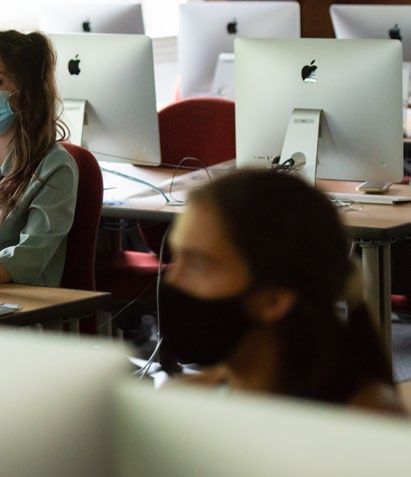
The two courses are a natural
combination. Engineering Design
requires the presentation of design
principles in class. Effective Speech
emphasizes the principles of
presenting problems, solutions, and
processes. Students will apply and
integrate what they learn in both
courses through activities such as
developing speeches about their
design projects.
There are five sections of the
Engineering pride: (1) Lion, (2)
Nittany, (3) Roar, and (4) State.
Students should enroll in one
section.
EDSGN 100 is not required of
students who intend to major
in Architectural Engineering,
Computer Engineering, or
Computer Science. This pride
is only open to students in the
College of Engineering and the
Division of Undergraduate Studies.

English Around the
World
Class 1: APLNG 210 (GH) Remote
Class 2: CAS 100A (GWS) Remote
This pride traces the historical,
social, and linguistic development
of English as the global language
                                         that influence public attitudes on       the health of individuals and                Human
                                         political issues in the United States.   communities. Our leisure and
of business, technology, education,
                                         This pride is only open to students      recreation activities are critical factors   Development
and the internet. The pride focuses
on a bit of history, some linguistics,   aspiring to the Paterno Fellows          in our mental and physical well-             Across the Lifespan
                                         Program. To enroll, contact Barb         being, a way we bounce back from             Class 1: HDFS 239 (GS) Remote
and assorted global locations where
                                         Edwards at bae1@psu.edu.                 life’s challenges, a fundamental part
English is used.                                                                                                               Class 2: HDFS 249N (GHW, GS)
                                                                                  of our quality of life. Communities
                                                                                                                                   Remote
                                                                                  come together around special
Environment and                          Graphic Design                           events, parks, sports, and shared            HDFS 249N provides a basic
                                         Class 1: GD 100 (GA) Remote                                                           introduction to concepts, theoretical
Society                                  Class 2: CAS 100C (GWS) Remote
                                                                                  experiences indoors and outdoors.
                                                                                  We will examine historically and in          perspectives, and key empirical
Class 1: GEOG 30N (GN, GS)                                                                                                     studies on adult development and
                                         GD 100 places emphasis on problem        current society how people make
    Remote                                                                                                                     aging. Students will become familiar
                                         solving and observing design, while      leisure part of their busy lives and
Class 2: ENGL 15 (GWS) Remote                                                     enhance their personal health and            with key developmental trends and
                                         developing intuition and creativity.
This pride introduces students to                                                 community life.                              challenges that must be addressed
                                         Projects focus on the process of
relationships between humans and                                                                                               to achieve healthy growth and
                                         defining the parameters of a design
                                                                                                                               development throughout adulthood
the natural environment. Students
interested in any major can learn
                                         problem, observing examples within       Human                                        and late life. HDFS 239 provides
                                         the design industry, and critically
about ways in which humans think         evaluating examples of effective
                                                                                  Communication                                a basic introduction to concepts,
about, use, and are affected by the                                               Class 1: CAS 101N (GH, GS)                   theoretical perspectives, and key
                                         and ineffective design. GD 100 will
natural environment across settings                                                   Remote                                   empirical studies on adolescent
                                         help students to: 1. Understand the
in the United States and globally                                                                                              development. Students will become
                                         graphic design industry and the          Class 2: CAS 100B (GWS) Remote
and will analyze and evaluate how                                                                                              familiar with key developmental
                                         responsibilities of the profession.      Introduces students to the field
humans have transformed the                                                                                                    trends and challenges that must
                                         2. Develop an appreciation for           of communication studies and
environment in different parts of the                                                                                          be addressed to achieve healthy
                                         the practice of design. 3. Begin to      to the most important concepts,
world, addressing such questions                                                                                               growth and development from the
                                         develop the ability to define and        questions, and ideas that surround
as: How does geography help us                                                                                                 beginning of adolescence (puberty)
                                         solve problems. 4. Increase their        the study of communication today.
understand human-environment                                                                                                   up to the transition to adulthood.
                                         knowledge of the history of graphic      This pride is essential for any
systems and sustainability?              design and typography. 5. Refine         student who wishes to consider a
                                         their conceptual skills. 6. Learn and    major or minor in Communication              Human
Ethics and Politics                      understand the vernacular of the         Arts and Sciences. The pride is              Development and
                                         industry.                                also an important elective for
Class 1: PHIL 119 (GH) Remote
                                                                                  students who want to understand
                                                                                                                               Flourishing
Class 2: PLSC 197 (GS) Remote
This pride explores the intersection     Healthy Lives                            processes of communication in a              Class 1: HDFS 108N (GHW, GS)
                                                                                                                                   Remote
                                                                                  variety of social forms or settings,
of ethical leadership and the study      Through                                  including interpersonal, small group,        Class 2: HDFS 129 (GS) Remote
of peace and conflict. In PHIL 119,
students will explore philosophically
                                         Recreation, Play,                        organizational, intercultural, public,       This pride gives students the
as well as practically the ways          and Leisure                              and technological.                           opportunity to take two courses in
                                                                                                                               Human Development and Family
leaders might identify ethical           Class 1: RPTM 120 (GS) Remote                                                         Studies. In HDFS 108N, students
challenges, analyze them, imagine        Class 2: ENGL 15 (GWS) Remote                                                         explore human flourishing—defined
possible solutions, and be motivated
                                         This pride will provide students with                                                 as a life of deep meaning, fulfillment,
to do the right thing. In PLSC 197,
                                         an introduction to how recreation,
students will learn about the factors
                                         play, and leisure activities impact
                                                                                                                                                    SUMMER 2021 9
and service to others. Students will
be taught about flourishing through
the lenses of science, philosophy,
and their own experience. In HDFS
129, students will be introduced
to developmental theories and
the developmental tasks and
challenges unique to each stage of
development from birth through old
age. Three of the credits students
earn in this pride will be applied
to their integrative studies General
Education requirement.

Information,
People, and
Technology
Class 1: IST 110 (GS) Remote
Class 2: CAS 100B (GWS) Remote
This pride opens an intellectual
journey through the ideas and
challenges that IT professionals
face in the world. It will address
major questions such as: How can
we use technology to organize
and integrate human enterprises?
How can technology help people
and organizations adapt rapidly
and creatively? What can we do
about information overload? Three
perspectives (or facets) address
the core issues: information, or the
                                        to promote a healthy lifestyle.        Severe and Unusual                         or public speaking requirements
                                        Students will be better prepared                                                  including education, healthcare,
basic science of data encoding,
                                        to evaluate nutrition-related issues   Weather                                    law, entertainment, and business.
transmission, and storage; people, or
                                        presented in the media and to          Class 1: METEO 5 (GN) Remote               Students will learn about normal
the interactions among technologies,
                                        make informed choices about their      Class 2: CAS 100A (GWS) Remote             and disordered voice production
institutions, regulations, and users;
                                        diet to promote health throughout      This pride provides a current and          and will learn how to care for their
and technology, or the design and
                                        their lives. Information about         relevant discussion of a range             voices to help maintain vocal
operation of basic information
                                        nutrients is presented and related     of severe and unusual weather              health for a lifetime. This course
technology devices. Students
                                        to such topics as maintenance of       phenomena in a descriptive manner          would be beneficial for students
completing the course will be
                                        ideal body weight, improvement         accessible to students with a wide         who may be considering a major
confident users and consumers of
                                        in physical performance, and the       variety of backgrounds. Topics             in communication sciences and
information technology.
                                        role of nutrients in various disease   include lake-effect snowstorms and         disorders.
                                        states. This course is intended for
Media and                               non-nutrition major students and
                                                                               blizzards; thunderstorms, hurricanes,
                                                                               floods, tornadoes, and hailstorms;         Wellness
Democracy                               will fulfill 3 credits of the GHW      hazardous mountainous weather like         Class 1: KINES 81 (GHW) Remote
Class 1: COMM 110 (GH) Remote           requirement.                           downslope windstorms; and optical
                                                                                                                          Class 2: CAS 203 (GS) Remote
Class 2: CAS 100A (GWS) Remote          This course is intended for            phenomena like rainbows, glories,
                                                                               and halos. METEO 5 will draw               This pride gives students the
                                        students interested in nutrition,
COMM 110 seeks to introduce                                                                                               opportunity to explore two topics
                                        but it is not intended for students    frequently upon significant historical
students to the important role of                                                                                         integral to the success of any new
                                        who plan to major in Nutrition.        and recent severe weather events.
the mass media in developing                                                                                              college student: personal wellness
conceptions of democracy and                                                                                              and interpersonal communication.
democratic participation in             Persuasion and                         Taking Charge of                           In KINES 81, students explore the
contemporary societies. Utilizing       Propaganda                             your Health                                cognitive foundations of wellness
current events, popular culture, and                                                                                      as well as the physical, social,
                                        Class 1: CAS 178 (GH) Remote           Class 1: HPA 57(GHW) Remote
the students’ own relationship to                                                                                         emotional, intellectual, and spiritual
media as the template, this pride       Class 2: CAS 100C (GWS) Remote         Class 2: ENGL 15 (GWS) Remote
                                                                                                                          components. Students will analyze
is designed to stimulate student        This pride will explore the            This pride is designed to provide          personal health behavior and gain
thinking about the interrelationship    distinction—historically and           students with an understanding of          an understanding of the importance
between the dynamics of US culture,     theoretically—between propaganda       the breadth of decisions related to        of prevention. CAS 203 introduces
news, politics, and civil society       and persuasion. In this course         health and health care in the United       students to the theoretical
in order to develop a greater           students will develop a more precise   States. HPA 57 introduces students         perspectives, methods, and practical
understanding and appreciation of       understanding of “propaganda” and      to consumers’ role in health-related       applications of interpersonal
what civic engagement and global        the techniques of the propagandist.    decisions, including assessing health      communication. Among course
awareness can do toward nurturing       Toward this end, we will study the     risks, health benefits, service choices,   topics is the way interpersonal
democracy’s principles and practices.   history of propaganda, as well         and end-of-life care.                      communication contributes to
                                        as contemporary cases of public                                                   managing conflict, influencing
Nutrition                               advocacy that raise questions about    Vocal Health                               others, and providing support.
                                        the distinction between persuasion
Class 1: NUTR 100 (GHW) Remote                                                 Class 1: CSD 100 (GHW) Remote
                                        and propaganda.
Class 2: CAS 100A (GWS) Remote                                                 Class 2: CAS 100A (GWS) Remote
This course introduces students                                                This course would be beneficial
to nutrition principles necessary                                              for students who are planning a
                                                                               career in a field with high vocal use

10 leap.psu.edu
General Information
Student Financial Aid of publication of this brochure, rates for
If your Penn State career begins in summer Summer 2021 are not yet finalized. The
2021 and you want to be considered for most up-to-date tuition rates can always be
financial aid, you will need to complete the found at tuition.psu.edu.
2020-2021 Free Application for Federal
2021 Pennsylvania Residents:
Student Aid (FAFSA). This is in addition to
$747 per credit ($4,482 for 6 credits)
completing the 2021-2022 FAFSA for the
academic year that begins in fall 2021. 2019 Non-Pennsylvania Residents:
$1,458 per credit ($8,748 for 6 credits)
Summer Housing
Mandatory Fees*
LEAP students are housed together. If
IT Fee: estimated $126
your offer of admission is for summer, you
Student Initiated Fee: estimated $134
accept your summer housing contract
when you accept your offer of admission Room and Board*
to Penn State. If your offer of admission Housing: estimated $1,320
was for fall semester and you would like Meal Plan: estimated $1,152
to attend during the summer, contact
*Please note the fees and room/board costs
the Undergraduate Admissions Office to
have not yet been finalized for Summer
make the change. Admissions will notify
2021. Numbers listed are the rates from
the Housing Assignments Office, and you
Summer 2020. You should expect similar
will be offered a summer housing contract
through eliving.psu.edu, usually within rates for Summer 2021.
three business days. You must accept
For the latest information check
that housing contract. For problems or
tuition.psu.edu and hfs.psu.edu/rates.
questions, contact assignments@psu.edu
or call 814-865-7501. Students who register
Students registered for the LEAP program
for LEAP courses after May 4, 2021, or
will receive a bill on the first business day
request a non-LEAP roommate, may be
of June. Payment of the bill is due by June
assigned to a LEAP overflow residence
22, 2021. Payment plan options can be
hall adjacent to the LEAP residence halls,
reviewed at bursar.psu.edu.
but they will still have access to their
LEAP mentor.
Need More Information?
Estimated Costs Contact: Office for Summer Session
(All LEAP prides are 6 credits unless Phone: 814-863-4174
otherwise noted in the pride description) Email: leap@psu.edu
*Please note, tuition in Summer 2020 was
adjusted due to COVID-19. The tuition For the most up-to-date information
and fees listed above are based upon the on LEAP, visit leap.psu.edu.
typical summer tuition rates. At the time
Summer/Fall Calendar
Summer Session II 2021
Arrival Day: Monday, June 28
Classes Begin: Wednesday, June 30
Classes End: Wednesday, August 11
Final Exams: Friday, August 13
Fall Semester 2021
Arrival Day: Friday, August 20–Saturday, August 21
Classes Begin: Monday, August 23
Classes End: Friday, December 10
Final Exams: Monday, December 13–Friday, December 17
For complete academic calendar information, visit
registrar.psu.edu/academic-calendarsLearning Edge Academic Program Nonprofit Org.
Office for Summer Session US Postage
The Pennsylvania State University PAID
301 Bank of America Career Services Center State College, PA
University Park, PA 16802-3800 Permit No. 1
SUMMER 2021
LEAP
Learning
Edge
Academic
Program
LEAP into summer and breeze into your fall semesterYou can also read


