College of Education Teacher Education and Student Services Year-Long Clinical Residency Handbook 2021-2022 - Tennessee ...
←
→
Page content transcription
If your browser does not render page correctly, please read the page content below
College of Education
 Teacher Education and Student Services
Year-Long Clinical Residency Handbook
               2021-2022

                Revised: Fall 2021

                                     1|Page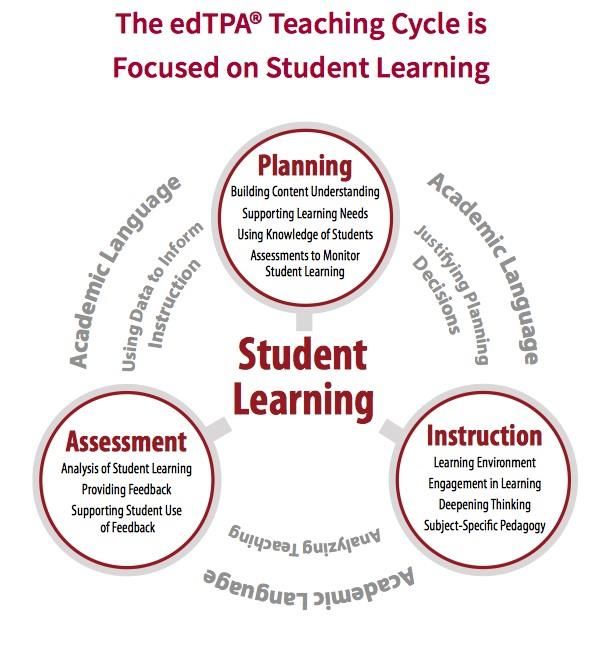
Table of Contents
Content                                                                         Page

Welcome                                                                         3

edTPA Updates and Guidance                                                      4

Clinical Residency Overview                                                     5-6
       Residency I
       Residency II

Candidate Assessment                                                            7-8
      Clinical Semester Seminar
      Candidate In-Residence Self-Evaluation
      Master Clinician/University Supervisor’s Evaluation
      Mentor Teacher’s Evaluation
      Course Grades

Candidate Expectations                                                          9-13
      Calendar / Calendar Dates
      Attendance and School Schedule
      Steps to follow when Candidate is absent
      Absences and Holidays
      Student Discipline
      Software Required
      Code of Ethics
      Principle I
      Principle II
      Field Experience Administrators and Faculty

Co-Teaching Overview                                                            14

Appendix                                                                        16-41
     General Guidelines for Completing Residency Year
     Teacher Candidates / Interns as Substitute Teacher (Guidelines) Clinical
     Residency
            Admission to Teacher Education Program
            Year-Long Residency (Senior Year)
            Graduation
     Application Deadline Dates/ Contact Information
     What edTPA?
     Collaborating to Promote Effective Instruction edTPA
     Lesson Plan Template
     edTPA Lesson Plan Rubric

                                                                                        2|Page
Welcome
       Congratulations Teacher Candidates! You have made it to your Year-Long Clinical Residency. It
is imperative that the materials contained herein are reviewed thoroughly and carefully by you as well as
your Mentor Teacher. We look forward to working with you to ensure that all of your needs are met and
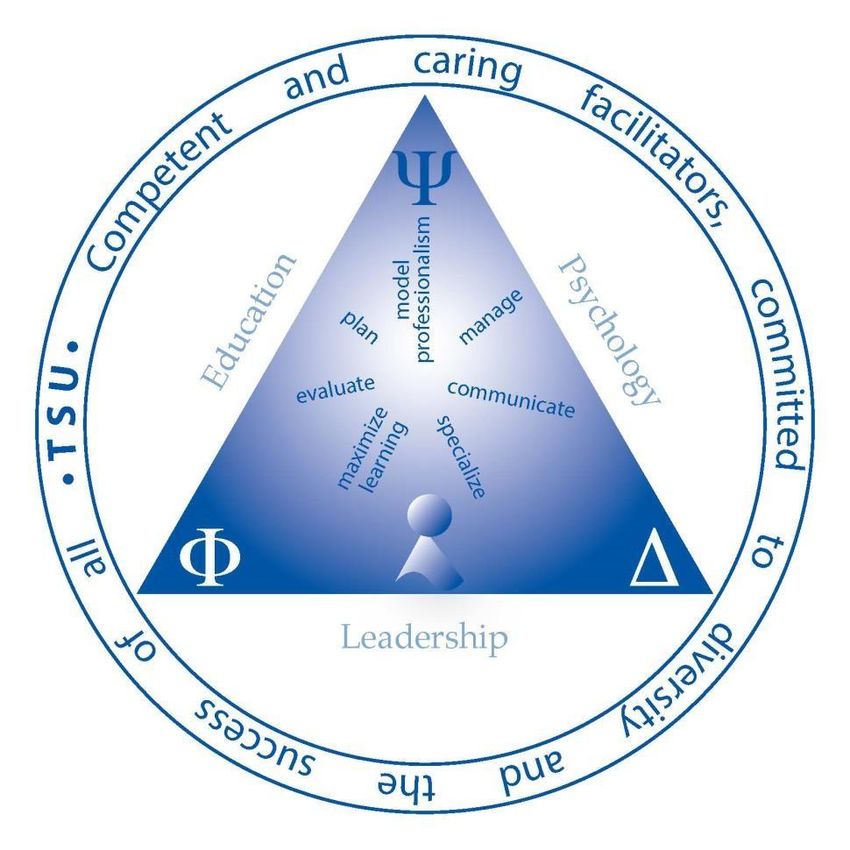
that you are prepared to enter the workforce as competent and caring facilitators, committed to diversity
and the success of all.

Policies related to Student Teaching

Student teaching placement policies: The Teacher Education and Student Services Office (TESS) at TSU
offers a variety of student teaching placements within the counties that have a partnership/Memorandum
of Understanding (MOU) with the university. Every effort is made to place student teachers in schools
which best meet needs of student teaching and the Year-Long Residency requirements. Students are not to
attempt to make their own arrangements or ask to be placed at specific schools for student teaching
assignments; this leads to misunderstanding among all parties involved. Also, except in unusual
circumstances, students will not be allowed to student teach in a school from which they have graduated
or a school in which a relative is a student, staff member, or board member. Every effort will be made to
place students in a location that is no more than 50 miles from their indicated place of residence during
student teaching. Transportation to this placement is the responsibility of the student.

                                                                                               3|Page
edTPA Updates and Guidance
SCALE and Pearson have released a number of updates to the edTPA.com website, including the
following guidance pages and documents:
edTPA 2019-20 Submission and Score Reporting Schedule - Includes two additional submission
and reporting dates.
Subject-Specific Considerations for Completing edTPA in a Virtual Learning Environment -
Provides subject-specific considerations for candidates with approved alternate arrangements in
virtual learning environments.
edTPA Registrations Extended to Candidates - Teacher candidates have 18 months to prepare
and submit a finalized portfolio from the date of edTPA registration, for both initial submissions
and retakes. To provide additional support to teacher candidates impacted by COVID-19, on April
6, 2020 all registrations were extended to expire on December 5, 2021. The extension was applied
to all open registrations (e.g., initial submissions and retakes) without the need for candidates to
contact Pearson.
4|PageClinical Residency Overview
The primary goals of the Clinical Residency:
1. To work with public schools to prepare Teacher Candidates to have a positive impact on student
performance from the first day of teaching.
2. To provide Teacher Candidates with the authentic experience of beginning and closing the school
year.
3. To address the needs of schools.
The objective of the Clinical Residency is to produce graduates with strong academic content knowledge,
effective instructional and classroom management skills, and data-driven assessment strategies. Further,
the Clinical Residency aims to prepare candidates who adhere to professional standards, and demonstrate
a commitment to supporting the academic and social needs of all students.
Our comprehensive, Year-Long Clinical Residency equips teacher education graduates to succeed in
urban and rural public schools. The close partnership between university faculty and public school
faculty promotes professional development and innovation among all participants.
Teacher Candidates’ tasks are aligned with identified school priorities and needs. Faculty work closely
with school administrators and Mentor Teachers to implement meaningful experiences for Teacher
Candidates.
Residency I
The Residency Year is comprised of the final two semesters of the senior year. Candidates enter
Residency I as a cohort and are engaged in authentic field-based experiences for fifty percent of their
semester credit load. The remainder of the semester is designated for participation in professional studies
and continued involvement in Problem-Based Learning and other effective instructional delivery
methods. Candidates are engaged in coursework and experiences designed to develop general and
content specific pedagogy. During Residency I, Candidates initiate efforts toward completion of Task
1(Planning), Task 2(Instruction), and Task 3 (Assessment) of the Teacher Performance Assessment
(edTPA). In addition, Candidates successfully submit a minimum of one Signature Formative)]
Assessment (SFA) as a requirement for admission to Residency II.
During Residency I, Candidates are placed with a classroom teacher 2 days a week who will serve as
their Mentor Teacher during the year-long clinical placement. The program is structured such that it
scaffolds greater responsibility, and sequences observations and participatory experiences, culminating in
full time cohort teaching in Residency II.
The following objectives serve as a guide for observation and participation activities during Residency I:
1. To become acquainted with the Mentor Teacher and Students.
2. To become familiar with classroom procedures, school policy, duties and responsibilities of
the Mentor Teacher.
3. To participate in individual and small group instruction.
4. To assist the Mentor Teacher in grading papers, bus duty, hall duty, cafeteria duty, etc.
5. To begin dialogue relative to Context for Learning i.e,, edTPA, and develop lesson and unit
plans.
5|Page6. To participate in classroom-based activities involving students’ parents and/or family
members (parent conferences, open house, etc.)
7. To attend selected school-wide functions (PTA/PTO events, faculty meetings, in-service
activities, sports events, etc.)
8. To maintain a weekly reflective journal of observation/participation and organize evidence of
performance. (Weekly Logs are to be submitted electronically to Master
Clinician/University Supervisor throughout the year-long placement.)
Residency I Candidates typically report to their first assignment mid-way through the fall semester.
Candidates are required to log their actual hours spent in service to their assigned classroom/school.
Residency II / Student Teaching -
Residency II occurs in the spring semester of the senior year. It begins after Mandatory Spring
Orientation. Candidates spend all day in the classroom five days a week co-teaching. They follow the
same schedule as the mentor teacher.
Residency II provides candidates culminating opportunities on which to transition into the profession as
competent and caring educators. Candidates are engaged in authentic experiences that will include co-
teaching and problem-based learning.
Objectives for Residency II
Engage in effective long range and daily planning.
Maintain an environment conducive to learning.
Maximize the amount of time available for instruction.
Manage learner behavior to provide productive learning opportunities.
Effectively deliver instruction, while presenting appropriate content.
Provide opportunities for student involvement in the learning process.
Effectively assess student progress.
Plan for professional self-development.
Demonstrate professionalism and collegiality in interactions with colleagues.
To model the standard Code of Ethics for educators at all times.
To consistently submit all documents in a timely manner (Lesson Plans and Weekly Logs).
6|PageCandidate Assessment
Clinical Semester Seminar
The Clinical Semester Seminar (EDCI 4705/4706) meets once weekly during the fifteen (15) week
enhanced student teaching experience (Residency II). The seminar provides an opportunity for
Candidates to critically examine their ongoing practicum experience. Journal entries are discussed in the
seminar. This process assists Teacher Candidates in focused reflective thinking. The seminar is a required
course that accompanies Residency II. The course is scheduled after school hours and meets at the
university. Guest Speakers are also included in the seminar program. Mentor Teachers are invited to
attend any of the sessions. A Teacher Performance Assessment (edTPA) portfolio of performance
evidence will be required by the seminar instructor; use of an electronic platform or portal may be
required for housing and submitting the edTPA and other key assignments.
In addition to the maintenance of written records of evaluation, evidence of daily collaboration and verbal
discussions of the Candidate’s performance serve to document progress in the residency. Evaluation of
the Candidate’s professional growth is a continuous, systematic, honest, and comprehensive process
involving the Mentor Teacher, Master Clinician/University Supervisor, Clinical Seminar Instructor, the
Teacher Candidate, and at times, the School Principal.
Candidate In-Residence Self-Evaluation
Candidates should keep an electronic journal and /or an activity log. Reflective thinking should be an
integral part of the Candidate’s self-evaluation. Discussions of journal notes and other self-assessments
are also used in the Clinical Seminar.
Master Clinician/University Supervisor’s Evaluation
A minimum of seven formal visits is required during the Candidate’s placement
The Master Clinician/University Supervisor should make as many visits to a site as deemed necessary,
based on the level of support needed to ensure the Candidate success. A minimum of seven formal site
visits will be scheduled for observation and evaluation. In Residency I, Candidates will be evaluated
three (3) times using the Tennessee Educator Acceleration Model (TEAM) evaluation process. In
Residency II Candidates will be evaluated four (4) times using the TEAM evaluation process. Additional
visits include an introductory meeting with the Mentor Teacher and other school personnel to arrange the
schedule for the Candidate’s activities.
Following an observation, the Master Clinician/University Supervisor will confer with the Mentor
Teacher and the Teacher Candidate relative to the Candidate’s performance and progress. The TEAM
Evaluation is a key component of this formative performance review. The Master Clinician/University
Supervisor records his/her comments, suggestions, and recommendations on the TEAM Educator
Observation form.
If the Teacher Candidate is unable to confer with the Master Clinician/University Supervisor immediately
after the observation, the Candidate should be instructed to call the Master Clinician/University
Supervisor for a telephone conference. For the teleconference, the Candidate must have the TEAM
Observation Form available with the reflection portion of the lesson plan completed. Areas of strength
and areas to be strengthened should be discussed with the Candidate, especially with respect to
7|Pageknowledge of subject matter, classroom management, teaching strategies, planning, etc.
A copy of the form for each formal evaluation must be maintained and available for submission
electronically.
Mentor Teacher’s Evaluation
The primary role of the Mentor Teacher is one of mentor and co-teacher. As such, the evaluation tools
and forms serve primarily as an aid or benchmark and formative documentation for daily debriefing
sessions with the candidate regarding their professional growth, (i.e., lesson plans, teaching strategies,
and classroom management).
All daily lesson plans must be approved and initialed by the Mentor Teacher prior to implementation.
The Mentor Teacher and the Teacher Candidate are expected to arrange weekly conference times for
planning and evaluation purposes.
The Mentor Teacher is encouraged to keep a log of conference meetings and discussions.
The Mentor Teacher will submit a Summative Assessment form at the end of the candidate’s
placement to the TESS Office (via Master Clinician or email ).
Course Grades:
A grade of A, B, C, D, F, W, or I may be assigned to Residency I or Residency II. Any Candidate who
makes less than a grade of “B” in Residency II (the Enhanced Student Teaching course) will not be
recommended for licensure. Candidates who received a grade of C in the Enhanced Student Teaching
course, and have met all other requirements including passing edTPA, may graduate but will NOT be
recommended for licensure.
A Teacher Candidate may be withdrawn from Residency II at any time for just cause. Generally,
Candidates who are withdrawn from Residency during Residency I are allowed to reapply to be placed in
a subsequent semester, after they have demonstrated that all deficiencies have been resolved. However,
Candidates who are withdrawn from their placement during Residency II may be dismissed from the
program and may not be eligible for future placements.
Both the Mentor Teacher and the Master Clinician/University Supervisor are to assign a recommended
grade to the Teacher Candidate. Each must discuss the given grade with the Candidate. In accordance
with Tennessee EdCode, the final decision of a grade is the responsibility of the Master
Clinician/University after consulting with the Director of Teacher Education. Also, the Director of
Education reports /confirms the final grade – A, B, C, D, or F to the Records office.
8|PageCandidate Expectations
*At no time during the Year-Long Clinical Residency should the Candidate be alone with the
student in the classroom.
Calendar
While at the placement school, a Candidate should follow the district calendar for all holidays and
vacation dates. When Candidates are not taking classes at Tennessee State University, they are expected
to participate in their Residency assignment.
Attendance and School Schedule
A general guideline for beginning the school day is that the Candidates required time of arrival coincides
with the expectation for teachers. Two arrival times are important: (1) the time Candidates sign in the
office and (2) the time Candidates are expected to be in their classroom. Before the first day in the school
Candidates must contact Mentor Teachers to learn of these times. Similarly, the end of the school day
will mirror the expectancy for teachers. Of course, there will be conferences and other after school
activities that will require attendance at school beyond the typical departure time (i.e, math night, PTO,
parent night, professional development sessions, etc.). The Candidate should attend all after school
functions that his/her Mentor Teacher is required to attend. Failure to participate may affect the final
grade.
During Residency II, Candidates are expected to be at their assigned school every day of the placement
for the entire teacher workday, including faculty meetings, open-house, parent-teacher conferences and
other assigned duties. There are no excused absences during Residency II and any days missed due
to illness, or bereavement must be made up. If illness or emergency should require a Candidate to
be absent for any period of time, the Candidate must notify the school, the Mentor Teacher and the
Master Clinician/University Supervisor. Should the Candidate miss more than the two (2) consecutive
days, the Office of Teacher Education and Student Services must be notified as well. In cases of
prolonged or repeated absence, the Master Clinician/University Supervisor and the Office of Teacher
Education and Student Services will, after consulting with the Mentor Teacher and School Administrator,
determine whether the Candidate’s clinical experience will be terminated or extended. (note: The
absolute limit for the total number of days away (for any reason) from an assignment is six (6) days; after
6 days the Candidate will be removed from Student Teaching. If school(s) are officially closed this does
not count against the Residency II candidate)
Residency II is a full-day, every-day experience for a full semester (15 weeks/ 75 days). The Teacher
Candidate is expected to follow the arrival and dismissal times established by the school for its regular
teaching staff and follow the Mentor Teacher’s daily schedule, including any assigned lunch, bus, or
playground supervision. The Candidate is expected to be at his/her assigned school at the appointed
hour.. The Candidate is expected to make arrangements to meet the required time needed to complete an
assignment or duty.
Tardiness and leaving the school early are not permitted. Candidates are expected to arrive early and
depart beyond established dismissal times. It is possible, depending on the practice of the Mentor
Teacher, Teacher Candidates will be expected to arrive at least 30 minutes early and leave at least 30
minutes beyond the dismissal time for Mentor Teachers. Candidates cannot avail themselves of the
Mentor Teacher‘s expertise and assistance unless extra time is spent at the school. Candidates must
discuss with their Principal and Mentor Teacher expectations about time of arrival and dismissal.
9|PageSteps to follow when Candidates are absent
When Candidates are absent, they must notify their Mentor Teacher and Master Clinician/University
Supervisor not later than two hours before school starts. Contact each of the following in this order.
1. Candidate’s Mentor Teacher at home or school;
2. Candidate’s Master Clinician or University Supervisor at home or TSU;
3. The School Secretary (have that individual leave a message with the principal about Candidate’s
absence).
4. The Teacher Education & Student Services (TESS) Office.
Absences and Holidays
If at all possible, the Candidate should not be absent from Residency II. Work or family/personal
commitments cannot be excuses for failing to meet the commitments of Residency II and Clinical
Seminar. If such interference occurs, the Candidate will be given the choice of withdrawing from
Residency II or making the personal adjustments necessary to give full attention to the program.
However, should circumstances require an absence, the Candidate must notify the Mentor Teacher and
the Master Clinician/University Supervisor as far in advance as possible. It is the responsibility of the
Teacher Candidate to make sure that lesson plans and materials are available for use by the Mentor
Teacher. Illness, professional activity and professional development seminars may be acceptable
justifications for an absence. The Candidate will notify the Mentor Teacher and Master
Clinician/University Supervisor of any professional activity and developmental seminars that will require
the attendance of the Candidate. Absences in excess of six days during the total Residency II experience
may result in removal from the program. Tardiness is not allowed.
The Candidate will observe the same holiday and faculty in-service schedule as the school district in
which he/she is student teaching, not the University Academic Calendar or Holiday Schedule. If
allowed, participation in district in-service activities is required, even if the Mentor Teacher does not
attend.
Student Discipline
Candidates must attend the orientation session provided by the principal or Mentor Teacher. It is
important for candidates to read the school handbook and become familiar with all rules and regulations
of the school; and abide by not only the general rules and regulations of the school but also the specific
classroom management guidelines established and implemented by the Mentor Teacher. There will be
fewer problems if the Candidate enforces the rules set forth by the Mentor Teacher. Candidates must
practice consistency and fairness with students, and avoid using discipline measures that have not been
approved by the Mentor Teacher.
Software
Student are required to have the latest version of Adobe Reader. This will allow candidates to complete
and process documents provided by the TESS Office. Students need to develop a Digital Signature,
which will allow one to sign documents.(Fill and Sign)
10 | P a g eCode of Ethics*
*Candidate must review and submit the signed agreement of the TN Teacher Code of Ethics (see below) and the
NASDTEC Model Code of Ethics for Educators (MCEE).
Tennessee Teacher Code of Ethics Preamble
An educator, believing in the worth and dignity of each human being, recognizes the supreme
importance of the pursuit of truth, devotion to excellence, and the nurture of democratic principles.
Essential to these goals is the protection of freedom to learn and to teach and the guarantee of equal
educational opportunity for all. An educator accepts the responsibility to adhere to the highest ethical
standards.
The educator recognizes the magnitude of the responsibility inherent in the teaching process. The
desire for the respect and confidence of one's colleagues, of students, of parents and of the
members of the community provides the incentive to attain and maintain the highest possible degree
of ethical conduct.
PRINCIPLE I Educator’s Obligation to the Students
An educator shall strive to help each student realize the student’s potential as a worthy and effective
member of society. An educator therefore works to stimulate the spirit of inquiry, the acquisition of
knowledge and understanding, and the thoughtful formulation of worthy goals.
In fulfillment of the obligation to the student, the educator must:
1. Not unreasonably restrain the student from independent action in the pursuit of learning.
2. Not unreasonably deny the student access to varying points of view.
3. Not deliberately suppress or distort subject matter relevant to the student’s progress.
4. Make reasonable effort to protect the student from conditions harmful to learning or to health and
safety.
5. Not intentionally expose the student to embarrassment or disparagement.
6. Not on the basis of race, color, creed, sex, national origin, marital status, political or religious
beliefs, family, social or cultural background, or sexual orientation, unfairly:
a. Exclude any student from participation in any program.
b. Deny benefits to any student.
c. Grant any advantage to any student.
d. Not use professional relationships with students for private advantage.
e. Not disclose information about students obtained in the course of professional service
unless disclosure serves a compelling purpose or is required by the law.
11 | P a g ePRINCIPLE II Educator’s Obligation to the Education Profession
The education profession is vested by the public with a trust and responsibility requiring
the highest ideals of professional service.
In the belief that the quality of the services of the education profession directly influences the nation and
its citizens, the educator shall exert every effort to raise professional standards, to promote a climate that
encourages the exercise of professional judgment, to achieve conditions that attract persons worthy of
the trust to careers in education, and to assist in preventing the practice of the profession by unqualified
persons.
In fulfillment of the obligation to the profession, the educator shall not:
1. Deliberately make a false statement or fail to disclose a material fact related to competency and
qualifications in an application for a professional position.
2. Misrepresent his/her professional qualifications.
3. Assist entry into the profession of a person known to be unqualified in respect to character,
education, or other relevant attribute.
4. Knowingly make a false statement concerning the qualifications of a candidate for a professional
position.
5. Assist a non-educator in the authorized practice of teaching.
6. Disclose information about colleagues obtained in the course of professional service unless
disclosure serves a compelling professional purpose or is required by law.
7. Knowingly make false or malicious statements about a colleague.
8. Accept any gratuity, gift, or favor that might impair or appear to influence professional decisions
or actions
Links to review Codes of Ethics:
• Tennessee Teacher Code of Ethics
• NASDTEC Model Code of Ethics for Educators (MCEE)
Print, sign and submit at Orientation the Code of Ethics Agreement Form.
12 | P a g eField Experience Administrators and Faculty
Individual responsibilities for all personnel involved in the clinical semester are described below.
Associate Dean for Teacher Education and Student Services
The Associate Dean/Director of Teacher Education is responsible for all operations in the Office of Teacher
Education and Student Services. Placement requests involving public school settings are made through the
Office of Student Services and Teacher Education. Local school systems provide lists of approved schools
and teachers.
Field Placement and Clinical Experience Coordinator
The Field Placement and Clinical Experience Coordinator works collaboratively with University
Instructors, Principals and the appropriate officials designated by each school system in placing
Candidates. Building principals have the final word in selecting teachers who meet the qualifications for
serving as mentor teachers for Residency I and II experiences. A final list of all placements are compiled
and submitted to the appropriate local school system designee. For each school site placement, the
principal is forwarded a copy of the official placement and specifics regarding the field experience. The
Field Placement and Clinical Experience Coordinator and the TESS office Administrative Assistant
facilitate and monitor all aspects of the year-long clinical residency.
Master Clinician/University Supervisor
The role of the Master Clinician/University Supervisor is a critical component in the student teaching
process. The role is primarily one of mentoring the Teacher Candidate, supporting the Mentor Teacher,
and building the Professional Learning Team. The Master Clinician/University Supervisor will serve as a
liaison between the College of Education and the school system. In addition, the Master
Clinician/University Supervisor will assume an active role in orientations, seminars, and evaluations. At
all times the Master Clinician/University Supervisor is to portray the message that Tennessee State
University supports co-teaching as the framework for student teaching. The Master Clinician/University
Supervisor submits the final grade for each student for each semester to the Director of Teacher
Education.
Mentor Teacher (Cooperating Teacher)
The Mentor Teacher provides guidance in assisting the Candidate to develop his/her skills as a classroom
teacher. However, this mentoring process requires the Mentor Teacher and the Candidate to work as
partners. Following a co-teaching framework, the Mentor Teacher and the Candidate share the planning,
organization, delivery and assessment of instruction. Additionally, the Mentor Teacher and Master
Clinician/University Supervisor collaborate to submit one summative evaluation from each semester on
the Teacher Candidate. The Master Clinician/University Supervisor delivers the evaluation to the
Director of the Teacher Education Program.
13 | P a g eTeacher Performance Assessment Overview
edTPA is a pre-service assessment process designed by educators to answer the essential question: "Is a new
teacher ready for the job?" edTPA includes a review of a teacher Candidate's authentic teaching materials as the
culmination of a teaching and learning process that documents and demonstrates each Candidate's ability to
effectively teach his/her subject matter to all students (See Why edTPA? in Appendix for further information).
*
Courtesy of the American Association of Colleges for Teacher Education (AACTE)
One of the most important challenges facing public education is to ensure that the nation’s increasingly
young and inexperienced teacher workforce is prepared to meet the academic needs of all students.
Teachers must be ready to teach, with the necessary skills needed to support student learning, from the
first day they enter the classroom.
Stanford University and the American Association of Colleges for Teacher Education formed a
partnership to develop and share edTPA, formerly the Teacher Performance Assessment. For the first
time, edTPA will give teacher preparation programs access to a multiple-measure assessment system
aligned to state and national standards – including the Interstate Teacher Assessment and Support
Consortium (InTASC) – that can guide the development of curriculum and practice around the common
goal of making sure new teachers are able to teach each student effectively and improve student
achievement.
Recognizing the need for a uniform and impartial process to evaluate aspiring teachers, Stanford
University faculty and staff at the Stanford Center for Assessment, Learning, and Equity (SCALE)
developed edTPA. They received substantive advice and feedback from teachers and teacher educators,
and drew from experience gained over 25 years of developing performance-based assessments of teaching
(including the National Board for Professional Teaching Standards, the InTASC Standards portfolio, and
the Performance Assessment for California Teachers). The more than 120 design and review team
members included university faculty, national subject-matter organization representatives, and K-12
teachers.
Demand for edTPA grew so rapidly that Stanford University engaged Pearson as an operational partner to
help deliver it to the wide educational audience that asked for it. Involvement with edTPA is endorsed by
AACTE and the Teacher Performance Assessment Consortium (TPAC), comprised of 24 states and the
District of Columbia and more than 160 teacher preparation programs participating in edTPA activities.
edTPA was field tested in Spring 2012. Stanford University is the exclusive owner of edTPA.
edTPA is transformative for prospective teachers because the process requires Candidates to actually
demonstrate the knowledge and skills required to help all students learn in real classrooms. edTPA is
intended to be used for teacher licensure and to support state and national program accreditation. edTPA
complements existing entry-level assessments that focus on basic skills or subject-matter knowledge. It is
comparable to the licensing exams that demand applications of skills in other professions, such medical
licensing exams, the architecture exam, or bar exam in law. edTPA is subject-specific with separate
versions for Early Childhood, Elementary, Middle Childhood and Secondary licensure fields. edTPA
includes a review of a teacher Candidate’s authentic teaching materials as the culmination of a teaching
and learning process that documents and demonstrates each Candidate’s ability to effectively teach
subject matter to all students.
Tennessee edTPA Requirements (effective score requirements: January 1, 2022)
Candidates must score a minimum of 42 out of 75 on the edTPA portfolio in order to graduate from the
Tennessee State University Teacher Education Program. If a Candidate fails to achieve the minimum
score, remediation is required before the Candidate resubmits the portfolio in part or total. Candidates are
required to pay all cost associated with resubmission.
14 | P a g e*Co-Teaching Overview
Co-Teaching is defined as two teachers (mentor teacher and teacher Candidate) working
together with groups of students, sharing the planning, organization, delivery and
assessment of instruction, as well as the physical space.
Co-Teaching is an Attitude... Data show Co-Teaching is a way...
An attitude of sharing the classroom
√ to build stronger connections between √ for teacher Candidates to have more
and students
universities and school partners; opportunities to teach;
√ to provide both support and professional √ for teacher Candidates and cooperating
Co-Teachers must always development for cooperating teachers; teachers to enhance their communication
be thinking √ to increase opportunities for placements; skills;
√ to better meet P-12 student needs; √ to induct and mentor teacher Candidates.
We‛re Both Teaching! √ for teacher Candidates and cooperating
Why Co-Teach?
√ Increases instructional options for all students teachers to build strong relationships;
√ Addresses diversity and size of
today‛s classrooms Co-Teaching Strategies
√ Enhances classroom management One Teach, One Observe — One teacher has primary instructional responsibility while the other
gathers specific observational information on students or the (instructing) teacher. The key to this
√ Provides mentoring and guidance strategy is to have a focus for the observation.
throughout the experience
One Teach, One Assist — One teacher has primary instructional responsibility while the other
√ Creates an opportunity to plan, teach and teacher assists students with their work, monitors behaviors, or corrects assignments.
evaluate as a team Station Teaching — The co-teaching pair divide the instructional content into parts and the students
into groups. Groups spend a designated amount of time at each station. Of- ten an independent
√ Helps develop knowledge, skills and
station will be used.
dispositions for teaching
Parallel Teaching — Each teacher instructs half of the students. The two teachers are addressing the
√ Improves the academic performance of same instructional material and present the lesson using the same teaching strategy. The greatest
students in the classroom benefit is the reduction of student to teacher ratio.
Co-Teaching is NOT: Supplemental Teaching — This strategy allows one teacher to work with students at their expected
grade level, while the co-teacher works with those students who need the information and/or
materials extended or remediated.
√ A less rigorous student teaching experience or Alternative/Differentiated Teaching — Alternative teaching strategies provide two different
easier for teacher Candidates; approaches to teaching the same information. The learning outcome is the same for all students,
√ One person teaching one subject or period however the instructional methodology is different.
followed by another who teaches a different Team Teaching — Well planned, team-taught lessons, exhibit an invisible flow of instruction with
subject or period; no prescribed division of authority. Using a team teaching strategy, both teachers are actively
involved in the lesson. From a student‛s perspective, there is no clearly defined leader, as both
√ One person teaching while another person
teachers share the instruction, are free to interject in- formation, and available to assist students and
prepares instructional materials or sits and answer questions.
watches; Adapted from Cook & Friend (1995)
√ When one person‛s ideas prevail regarding Co-Teaching Won‛t Happen Without PLANNING. Pairs Are encouraged to:
what will be taught and how it will be taught. √ Designate a co-planning time. This time is used to determine what co-teaching strategies will be used
and how Candidates will teach collaboratively. Candidates will be responsible for additional planning beyond
this planning time; the focus is on planning for co-teaching. √ Try each co-teaching strategy.
√ Adjust the lead role. Lead of the planning shifts from the mentor teacher (early in the experience) to the
teacher Candidate as the experience progresses.
For more Information:
Teacher Education & Student Services Department
Tennessee State University
3500 John A. Merritt Blvd., Box 9533
Nashville, TN 37209
Office Phone: 615-963-5459
Fax: 615-963-5179
Email: teachercertificaiton@tnstate.edu
*Adapted from St. Cloud State University’s Academy for Co-Teaching and Collaboration (2017), and Friend,
Cook, Hurley-Chamberlain and Shamberger (2010).
15 | P a g eAPPENDIX
16 | P a g eGeneral Guidelines for Completing Residency Year
1. Teacher Candidates must not be assigned to schools where members of their immediate families are
staff members or students, or to high schools where they attended as students.
2. Once assigned to a school, teacher Candidates must adhere to all rules and regulations of that school
and district, and treat their assignment as a contract to fulfill the prescribed responsibilities of a
Teacher Candidate / student teacher at the selected site.
3. Any changes in a Teacher Candidate’s placement can only be done through the Office of Teacher
Education and Student Services only due to the most extenuating circumstances. If there are extreme
extenuating circumstances a written request with specific reason(s) must be submitted to the Director
of Teacher Education & Student Services.
4. Generally, teacher Candidates start their Residency II experience when University classes begin, and
end their residency in the schools during the Final Exam Week. However, for the most part,
Candidates follow the calendar of the school district where they have been assigned (e.g., holidays,
breaks, etc.).
5. Professionalism must be exhibited in work and attitude at all times. Unprofessional conduct may
result in dismissal from Residency placement.
6. During the Residency II semester, Candidates are not allowed to take classes other than Student
Teaching and the Residency II / Enhanced Student Teaching Seminar.
7. Outside employment is discouraged during the Residency 2 semester. Candidates can not be excused
from their Residency II requirements because of employment responsibilities.
8. If a Candidate has a legitimate absence (i.e., illness of the Candidate or a family member, or death of
a family member), the Candidate must notify the Mentor Teacher and Master Clinician / Supervisor
as soon as possible. Any lesson plans required during the period of the absence should be submitted
to the Mentor Teacher and Master Clinician.
9. Teacher Candidates must go to their sites fully prepared at all times, including having completed
lesson plans and applicable materials for conducting the class.
10. Teacher Candidates may not participate in or serve as a witness in the administration of corporal
punishment.
11. Teacher Candidates must provide evidence of comprehensive general liability insurance.
12. Teacher Candidates should not hesitate to ask for assistance or guidance from the Mentor Teacher, or
Master Clinician or University Supervisor when needed.
17 | P a g eTeacher Candidates / Interns as Substitute Teacher (Guidelines)
*Residency-II/Student Teachers ONLY
Policy:
Teacher Candidates may substitute for their Mentor Teacher if their education institution chooses to
participate in this arrangement under the following conditions. This policy is in effect until the teacher
candidate completes the Teacher Education Program.
Steps:
1. When the teacher candidate has completed a substitute application form, has attended a
substitute teacher orientation workshop and has registered with the system, not earlier than
the fourth week of student teaching; and when the Mentor Teacher, Master Clinician /
University Supervisor, Principal and Teacher Candidate feel confident that the teacher
candidate is ready to assume the responsibility; all parties should be involved in the decision,
2. Teacher candidate may only substitute for their Mentor Teacher while completing their
student teaching experience,
3. Teacher candidates may be used as a substitute teacher no more than five times during their
entire student teaching experience.
4. Finally, the decision must be approved by the Director of Teacher Education at Tennessee
State University.
18 | P a g eTSU TEACHER EDUCATION PROGRAM
CLINICAL RESIDENCY
Admission to the Teacher Education Program (Pre-Residency – Junior Year)
Admission typically occurs in the spring semester of sophomore year
Once admitted, Candidates begin Pre-Residency in the fall semester of the junior year
Requirements
1. Minimum GPA - 2.75 on a 4.0 scale
2. Praxis Core Academic Skills for Educators, or ACT, or SAT (only 1 of
the three tests is required)
ACT score of 21
SAT combined score of 1080 (Reading & Mathematics)
CORE Academic Skills for Educators scores: Reading - 5712 (156), Writing 5722
(162), and Math (5732 (150)
3. Clear TBI/FBI Security Clearance
4. Completion of at least 31 semester hours of coursework,
ENGL 1010, ENGL 1020, PSY 2420 (Early Childhood concentration take ECFS 2010),
EDCI 2010, plus appropriate sequence of freshman math and science
5. Two positive recommendations from content advisor and a professional
educator/professor
6. Submission of Application
7. STEA Insurance
8. Admissions Interview
Year-Long Residency (Senior Year)
Residency 1:
• Admission occurs at the end of the junior year
• Approval of advisor confirming that all course requirements to date have been met
• Submission of Permission to Enter into Residency I form
• No interview required
Residency II /Student Teaching:
• Admission occurs in the fall semester of the senior year
Requirements
1. Successful completion of Residency I 4. Minimum GPA - 2.75 on a 4.0 scale
2. Submission of Application 5. Passing scores on required PRAXIS II
3. Admissions Interview Exams
Graduation
Requirements
1.Successful completion of all coursework, including Residency II (Student Teaching)
2.Passing score on edTPA
19 | P a g eTennessee State University edTPA Requirements (rev. Jan 1, 2022)
Candidates must score a minimum of 42 out of 75 on the edTPA portfolio to graduate from the Tennessee
State University Teacher Education Program. If a Candidate fails to achieve the minimum score,
remediation is required before the Candidate resubmits the portfolio in part or total. Candidates are
required to pay all costs associated with resubmission.
What is edTPA?
edTPA is transformative for prospective teachers because the process requires Candidates to actually
demonstrate the knowledge and skills required to help all students learn in real classrooms. edTPA is
intended to be used for teacher licensure and to support state and national program accreditation. edTPA
complements existing entry-level assessments that focus on basic skills or subject-matter knowledge. It is
comparable to the licensing exams that demand applications of skills in other professions, such medical
licensing exams, the architecture exam, or bar exam in law. edTPA is subject-specific with separate
versions for Early Childhood, Elementary, Middle Childhood and Secondary licensure fields. edTPA
includes a review of a teacher Candidate’s authentic teaching materials as the culmination of a teaching
and learning process that documents and demonstrates each Candidate’s ability to effectively teach
subject matter to all students.
edTPA is the assessment and support system designed to provide evidence to states and educator
preparation programs that their teaching Candidates are ready to teach. Through its authentic, performance-
based and educative approach, edTPA helps develop and assess the effectiveness of aspiring teachers. With
a focus on learning for all students, edTPA engages teacher Candidates in developing the
knowledge, skills and abilities they need to meet the needs of today’s diverse
learners.
edTPA assesses subject-specific pedagogy edTPA is a subject-specific performance
assessment that recognizes that teaching and learning are not the same across all subjects and all grades or
levels. A history teacher doesn’t approach inquiry the same way as a science teacher. A kindergarten teacher
doesn’t communicate the same way as a middle school math teacher. That’s why edTPA doesn’t assess all
teachers the same way. As the nation’s first pre-service, subject-specific performance assessment, edTPA
measures relevant skills for each of 27 different teaching fields. But it’s much more than just an assessment
edTPA’s invaluable support resources help teacher preparation programs deepen their focus on the subject
specific skills of aspiring teachers, reflecting the rigors of a real classroom.
20 | P a g eedTPA is embedded in authentic clinical practice
edTPA is designed to provide a realistic and meaningful gateway to the teaching profession, something educators and
policymakers expect. Current course-completion tests of subject-area knowledge alone may not comprehensively
reflect the realities and authenticity of what it takes for a beginning teacher to be effective. edTPA’s integrated
portfolio model and authentic artifacts of practice are prepared by Candidates in a clinical teaching experience and
reflect a cycle of effective teaching. The Candidate demonstrates how s/he plans instruction based on their teaching
context and students’ strengths and needs, engages students in deep subject specific instruction and analyzes student
learning to inform next steps for teaching. This cycle of planning, instruction and assessment mirrors what real teachers
do day-to-day to ensure their students learn.
edTPA provides support for implementation
More than 650 educator preparation programs in 36 states and the District of Columbia already use edTPA. An
important element of the experience gained from the broad use of edTPA is that support to faculty members and
programs is fundamental to fulfilling its educative promise. edTPA’s robust support includes guidelines for
incorporating the learning principles of the edTPA across time to ensure that programs provide Candidates with
formative opportunities to develop their practice and states have baseline data for determining performance standards.
edTPA developers provide numerous resources such as webinars, local evaluation protocols, online and face-to-face
training and professional networks that allow participating faculty, programs and institutions to review their own
practices and curriculum, identify strengths and needs of Candidates, embed edTPA in their multiple measures
assessment systems, and to join new professional communities.
Adapted from: www.edtpa.com
21 | P a g eCOLLABORATING TO PROMOTE
EFFECTIVE INSTRUCTION
Teachers Who Support
Teacher Candidates
edTPA® thanks cooperating teachers for
the essential role they play to support and
mentor teacher Candidates. These
teachers are helping to ensure that all
beginning teachers are prepared to teach
effectively. In many states this work
includes edTPA®, an assessment and
support system that requires Candidates
to demonstrate what they can and will do
in the classroom to help all students learn.
edTPA® is intended to be used at the end
of an educator preparation program for
program completion or teacher licensure
and to support state or national program
accreditation.
P–12 teachers who supervise or support
teacher Candidates in their clinical
experiences will see how the edTPA® process encourages feedback and self-reflection that nurtures
professional growth and preparation for classroom instruction. edTPA® also supports the school in which
Candidates teach. Teacher Candidates will develop lesson plans to engage students in learning consistent
with the host school’s standards and curricula.
Evidence of Effective Practice
Teacher Candidates preparing for edTPA® will document their classroom work by submitting a portfolio
that includes lesson plans, student assignments, assessments, unedited video clips of the Candidate
teaching, and commentaries on student learning and how the Candidate adjusted instruction to meet
student needs.
22 | P a g eResidency Lesson Plan (edTPA aligned)
Student Name: ____________________________________ School: __________________________
Lesson Title: Skill/Content Area/Domain Date: ___Day 1 ___Day 2 ___Day 3
Grade: Subject: # of Students: Mentor Teacher:
Central Focus
(Table will expand as text is entered)
Context for Learning
About the School
What type of school do you serve?
What grade level do you serve?
What special features are used to describe your
school/classroom? (charter, museum, themed magnet,
coteaching, Title 1, bilingual)
What are the district/school/mentor teacher
requirements/expectations that could affect planning or
delivery of instruction?
About the Class
Grade level or course name if middle grades to high
school?
How much time is given to instruction?
Grouping or Tracking used?
Textbooks or instructional programs used for this subject?
Other resources used?
About the Students
Number of students? Female__? Male__?
Number of students needing IEPs/504s Plans including
type of supports, accommodations, modifications, and IEP
goals
Number of students with Language Needs including
supports, accommodations, modifications
23 | P a g eNumber of students with Other Learning Needs including
supports, accommodations, modifications?
Central Focus
What is the central focus for the content in this learning
segment?
Content Standard
What standards are most relevant to the learning goal(s)?
24 | P a g eStudent Learning Goal(s)/Objective(s)
Skills/procedures
What are the specific learning goals(s) / objective(s) for
the students in this lesson?
Concepts and reasoning/problem solving/thinking
strategies
What are the specific learning goals(s) / objective(s) for
the students in this lesson?
Prior Academic Knowledge and Concepts
What knowledge, skills, and concepts must students
already know in order to be successful with this lesson?
What prior knowledge and/or gaps in knowledge do these
students have that are necessary to support the learning of
the skills and concepts for this lesson?
Common Errors, Developmental Approximations,
Misconceptions, Partial Understandings, or
Misunderstanding
What are common error or misunderstandings of students
related to the central focus of this lesson?
How do you plan to address them for this group of
students?
25 | P a g eInstructional Strategies and Learning Tasks
Describe specifically what the teacher (YOU) will be doing and what the students will be doing
Engage TEACHER: STUDENTS:
______ Minutes
How will you start the lesson to engage
and motivate students in learning?
Instruction TEACHER: (every question should STUDENTS: (every question should have a
______ Minutes have a detailed set of actions) detailed set of actions)
1. What will you do to engage the students
in developing an understanding of the
lesson objective(s)?
2. How will you link the new content
(skills and concepts) to the students’
prior academic learning and their
personal/cultural and community
assets?
3. What will you say and how do you plan
for students to respond?
4. What will you do and what will the
students do?
5. What questions will you ask?
6. How will you engage the students to
help them understand the concepts?
7. What will students do?
8. How will you determine if the students
are meeting the intended learning
objective(s)?
26 | P a g eStructured Practice
______ Minutes
How will you give the students an
opportunity to practice so you can provide
feedback?
How will students apply what they have
learned?
How will you determine if the students are
meeting the intended learning objective(s)?
Closure
______ Minutes
How will you end the lesson?
How will you connect the completed
lesson content with the upcoming lesson?
Differentiation / Planned Support How Whole Class:
will you provide students access to
learning based on individual and group Groups of students with similar needs:
needs?
Individual students:
How will you support students with gaps in
the prior knowledge that is necessary to be Students with IEPs or 504s:
successful in this lesson?
Strategies for responding to common errors and misunderstandings, developmental
approximations, misconceptions, partial understandings, or misunderstandings:
Student Interactions
How will you structure opportunities for
students to work with partners or in
groups?
27 | P a g eWhat Ifs
What might not go as planned?
What would likely be your adjusted plan in
the event things do not go as planned?
Theoretical Principles and/or Research
Based Practices
Why are the learning tasks for this lesson
appropriate for the students?
What is the theory or research based
practice that serves as the guidance for this
lesson and the activities?
Materials
What materials are needed by the teacher
for this lesson to be taught?
What materials are needed by the students
for this lesson to be learned?
28 | P a g eAcademic Language Demands (AL)
Describe specifically how the teacher (YOU) will present and explain the AL and what the students will be doing to comprehend the AL
Language Function
What language function do you want
students to develop in this lesson?
What must students understand in order to
be intellectually engaged in the lesson?
Content Specific Terms
What content specific terms (vocabulary)
do students need to support mastering the
learning objective(s) for this lesson?
Using the Academic Language
What specific way(s) will students need to
use language (reading, writing, listening,
and/or speaking) to participate in learning
tasks and demonstrate their learning for
this lesson?
Oral and Written Language
What are the students’ abilities with regard
to the oral and written language associated
with this lesson?
Support for Students
How will you support students so they can
understand and use the academic language
associated with the language function and
other demands in meeting the learning
objective(s) of this lesson?
29 | P a g eAssessments
Describe the tools/procedures that will be used in this lesson to monitor students’ learning of the lesson objective(s). Attach a copy of the assessment
and the evaluation criteria /rubric in the resource section at the end of each lesson segment.
Type of Assessment Description of the Assessment Modifications—how will the Evaluation Criteria—what evidence
(informal or formal) (formative or summative) assessment be modified so that of student learning, related to the
all students can demonstrate learning objective(s) and the central
their learning? focus, does the assessment provide?
30 | P a g eAnalyzing Teaching
Complete this section after the lesson has been taught.
What worked and for whom?
What did not work and for whom?
Adjustments
What instructional changes need to be
made as you prepare for the next lesson?
Proposed Changes Whole class:
If you could teach this lesson to the same
group of students again, what would you Group of students:
change about the instructional plans or the
implementation of the plans? Individual students:
Justification
Why will these changes improve student
learning?
What research or theory supports these
changes?
Resources:
Attach each assessment and associated evaluation criteria/rubric.
31 | P a g eResidency Lesson Plan Rubric
Element Exemplary—4 Proficient—3 Basic—2 Needs Improvement—1
Central The Candidate has attuned to The Candidate provides the The Candidate provided a The Candidate failed to
Focus the context for learning context for learning and really brief context of learning provide background
providing detailed background provides a brief background on simply highlighting information on the students.
information on the students the students and their past demographical information Although the Candidate
and their abilities. abilities. about students. highlights the central focus for
The Candidate highlights the The Candidate highlights the The Candidate highlights the the lesson and provides the
central focus for the lesson and central focus for the lesson and central focus of the lesson and content standards relevant to
provides a clear connection provides the connection simply states the TN and TN and the discipline, it is
between content standards between content standards discipline specific content unclear how the two are
relevant to TN and the relevant to TN and the standards. related.
discipline. discipline. The learning goals/objectives The Candidate has failed to
The learning goals/objectives The learning goals/objectives are identified. provide appropriate learning
are appropriately identified are identified with the The Candidate identifies the goals/objectives. Rather, the
with the skills/procedures used skills/procedures used for the knowledge, skills, and Candidate simply restates the
for the facilitation of learning, facilitation of learning. The concepts that students should standards. It is uncertain what
and the concepts and problem Candidate identifies the already know. problem solving strategies will
solving strategies that will knowledge, skills, and be employed to address the
The Candidate identifies
need to be employed are concepts that students should goals.
student misconceptions.
accurately identified. already know and explains No prerequisite knowledge,
The Candidate also accurately how he/she will handle gaps skills, and concepts that
identified the knowledge, in the knowledge base. students should know are
skills, and concepts that The Candidate identifies identified.
students should already know student misconceptions and No student misconceptions are
and highlights how he/she will provides a brief plan with how identified, and thus, no plan of
deal with any gaps in the to deal with them. remediation is suggested.
knowledge base as they arise.
The Candidate identifies any
student misconceptions and
appropriately plans to deal
with those with individual
students and the group.
32 | P a g eYou can also read


