Learner logbook www.transport.tas.gov.au - Department of State Growth - Transport Tasmania
←
→
Page content transcription
If your browser does not render page correctly, please read the page content below
Learner
   logbook
   www.transport.tas.gov.au

Department of State Growth
Contents
Getting started  4                                    Preparing for your assessment and solo driving   32
Your legal requirements when learning to drive  5     Preparing for your assessment                                  32
Your licensing pathway   6                            Hazard Perception Test                                         33
Building your driving skills                      8   When can I take the P1 Practical Driving Assessment (P1 PDA)?  34
                                                       How do I book an assessment?                                   35
Supervisory drivers                              10
                                                       How long will the assessment take?                             35
For your supervisory driver                      11
                                                       Taking a suitable car to your assessment                       35
Using a driving instructor                       12
                                                       What do I need to bring to the assessment?                     36
Choosing your car                                13
                                                       What will prevent the assessment from starting?                36
Choosing your car – manual or automatic          15   What will I do in the assessment?                              37
Pre-drive car checks                             16   What will I be assessed on?                                    38
Picking a safe and comfortable driving position  16   What will cause me to instantly fail the assessment?           39
Keeping calm and positive                        20   Stopping the assessment once it has started                    39
Stage 1: Car Control   21                             What happens after the assessment?                             40
Stage 1 goals                21                       Logbook  41
How to develop these skills  22                       Why do I need to use this logbook?  41
Selecting places to drive    23                       How to use this logbook             41
Removing distractions        23                       Tracking your driving               42
Stage 2: Basic drives   24                            Two for one instructor lessons      43
Stage 2 goals                      24                 Declaration                         44
Manoeuvres                         25                 Logbook example                     45
Planning Stage 2 driving sessions  26                 Frequently asked questions (FAQ)   68
                                                       Notes  71
Stage 3: Complex drives   28
Stage 3 goals                      28
Vary conditions                    28
Driving at night                   29
Planning Stage 3 driving sessions  30
                                                                                      MR148 – Version 1 – December 2020

                                                                               Learner logbook | Getting started | 3
Getting started
This logbook is produced by the Department of State           The compulsory logbook for novice learner
Growth as a guide for people learning to drive. We have
                                                              drivers is at the back of this book.
done our best to make sure the information is accurate
at the time of publishing however, this book is not a legal
interpretation of legislation.                                This logbook belongs to:

From time to time, the department may update the              Name:
information on its website. That information may then
differ from the information in this logbook.                  Learner Licence No:

If you wish to reproduce information in this logbook,
or inquire about it, phone 1300 13 55 13 or write to          Contact details:
Registrar of Motor Vehicles, Department of State
                                                              Address:
Growth, GPO Box 1002, Hobart, Tasmania 7001.

                                                              Phone:

                                                              If found, this book should be returned to the person above
                                                              or to the Registrar of Motor Vehicles, Department of State
                                                              Growth, GPO Box 1002, Hobart, Tasmania 7001.

4 | Learner logbook | Getting started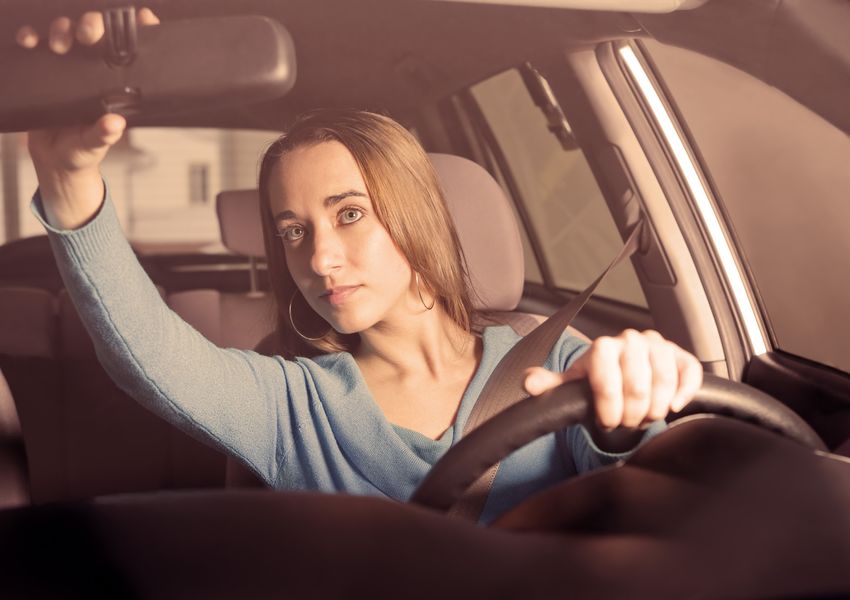
Your legal requirements when learning to drive
You must:

• carry your learner licence when driving
• be supervised by a ‘supervisory driver’ sitting next to you
  – see page 10 for more information
• display L plates so that they are clearly visible from the
  front and back of the car you are driving
• have a zero blood alcohol content
• hold your learner licence for at least 12 continuous months
• not tow another vehicle, including a trailer
• not drive faster than 90 km/h even if a higher speed
  limit applies.

                                                                Learner logbook | Getting started | 5
Your licensing pathway
The learner period has been designed so you can gain car control skills and develop higher-order skills
while you’re still under supervision. You are required to record at least 80 supervised hours including
15 hours at night in the learner stage. The path to obtaining a full licence looks like this:

        Minimum age of 15 years                            Hold licence for minimum                                  Able to sit test three months prior
             & 11 months*                                   12 consecutive months                                        to earliest P1 Assessment

           Driver Knowledge Test                           Compulsory 80 logbook hours                                          Hazard Perception Test
                                                            (including 15 hours at night)
                                                                    No towing
                                                            Maximum speed of 90 km/h                                              (check online if you
        *Licence cannot be issued until
                                                                  Display L plates                                              will need to sit this test)
           16 years of age if you pass

                                                                                            Total ban on all mobile phone use

                                                                                            Zero breath/blood alcohol content

                                          Saving of up to $114 compared to the previous Graduated Licensing System
                                                                  (excludes safer driver reward)

6 | Learner logbook | Getting started
If you have an L2 licence, the requirement to log 80 hours, with 15 hours at night, before you can sit your P1 Practical
Driving Assessment will not apply to you. You will only need to record a minimum of 50 hours with no night time hours requirement.

For more information on the requirements in this diagram see www.transport.tas.gov.au

      Minimum age to attempt P1                                  Hold licence for minimum                 Depending on your age you will
      Assessment is 17 years of age                               12 consecutive months                    have to hold a P2 licence for
                                                                                                           between one and two years
       P1 Practical Driving Assessment                             Peer passenger restrictions
                                                                  Maximum speed of 100 km/h                  No novice speed restrictions

                                                                       Display red P plates                     Display green P plates
                                                                                                              Hands-free mobile phone
                                                                                                                  use permitted

                                                                                                                Safer driver reward
                                                                                                              (free three year full licence
                                                                                                                  valued up to $75.75)
                           Total ban on all mobile phone use

                                                         Zero breath/blood alcohol content

                               Saving of up to $114 compared to the previous Graduated Licensing System
                                                       (excludes safer driver reward)

                                                                                                    Learner logbook | Getting started | 7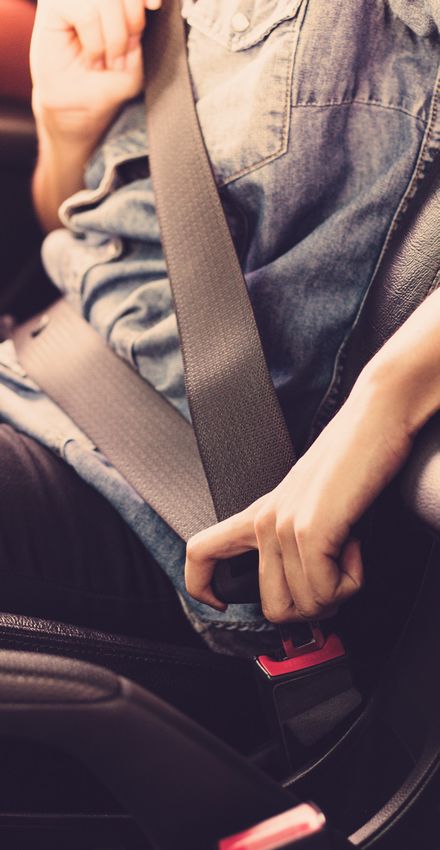
Building your driving skills
You will learn two types of driving skills: ‘lower-order’ and     How can I develop higher-order skills?
‘higher-order’ skills. Everyone develops these skills at a
different pace.                                                   Higher-order skills require a lot of practice and experience.
                                                                  As you gain more driving experience, start challenging yourself
                                                                  by driving in new situations and conditions. For example, drive
When you first begin to drive, you will learn lower-
                                                                  in different weather conditions, drive on gravel roads, do
order skills, such as:
                                                                  highway merges, identify and respond to hazards, and do more
• how to use the car’s controls (such as brakes, steering wheel   complex driving manoeuvres.
  and gears)
                                                                  Some great learn to drive videos are available on the Transport
• how to control the car’s movement                               Tasmania website and they are in five languages. Use these to
• how to use the car’s controls without thinking about them.      reinforce your knowledge of the road rules and find driving
                                                                  tasks to practise. The videos can be found at:
                                                                  www.transport.tas.gov.au/licensing/getting_your_car_licence

                                                                  You can also download the latest Tasmanian Road Rules
   EXCLAMATION-CIRCLE Higher-order skills
                                                                  at www.transport.tas.gov.au or pick up a copy from a
   As you gain more driving experience, you will learn            Service Tasmania shop.
   higher-order skills, such as: perception, decision-making
   and having spare attention.

8 | Learner logbook | Getting started
Higher-order skills

               What is it?                              Why is it important?
Perception     Your ability to see everything           You always need to:
               around you, and judge speed and          • look around at the whole driving scene – as far ahead as possible, behind
               distance                                   you, to the sides and right in front of you (this is called ‘scanning’)
                                                        • be able to judge the distance and speed of other road users, to help you
                                                          select safe gaps for turning and keep a safe following distance.
Hazard         Your ability to recognise things         You always need to respond appropriately to your driving environment.
perception     around you that might be a threat        Good perceptual skills and spare attention help you recognise hazards and
               to your safety or the safety of          give you enough time to respond to them.
               others
Decision-      Your ability to make safe driving        Good driving decisions keep you and others safe.
making         decisions quickly
Self-          Your ability to think critically about   Safe drivers notice their mistakes and know how to fix them. Good self-
improvement    your own driving                         improvement skills help you to learn safely when you drive on your own.
Spare          Your ability to watch and react          Spare attention is important because you must be able to concentrate on
attention      to what’s around you while using         several driving tasks at the same time.
               driving skills that have become
               routine.

                                                                                           Learner logbook | Getting started | 9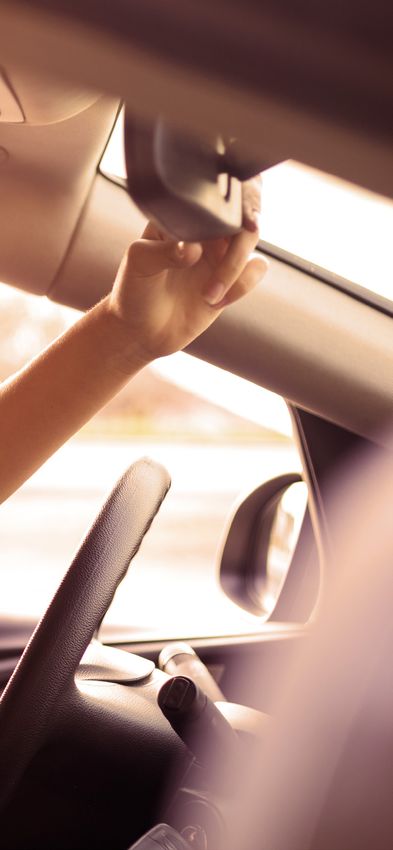
Supervisory drivers
When you’re learning to drive, you must      Your supervisory driver should:              An additional one hour on-road
have a supervisory driver sitting next                                                    Keys2drive lesson is available to
to you. They can be a parent, relative       • be someone you feel                        Tasmanian novice learner licence
or friend. It can also be very valuable to     comfortable with                           holders only. Both lessons will count
get lessons from a professional driving      • have a safe driving record                 towards your logbook hours.
instructor.
                                             • help you learn to drive safely             The program provides information and
                                             • have a good knowledge of the current       strategies for managing the first stages
Your supervisory driver                        road rules.                                of solo driving for learners and their
must:                                                                                     supervisory driver. Find out more at
                                             Driving session help through                 www.keys2drive.com.au
• have a full Australian driver licence      Keys2drive
  (other than a restricted licence)
                                             Take part in the Keys2drive program to
• not have been disqualified for
                                             improve your driving skills. Keys2drive is
  a traffic offence or had their
                                             a program providing learner drivers and
  licence suspended because of the
                                             their supervisory drivers a free driving
  accumulation of demerit points within
                                             lesson with a Keys2drive accredited
  the previous two years
                                             professional driving instructor.
• have a blood alcohol content of less
  than .05 while supervising.

10 | Learner logbook | Getting started
For your supervisory driver
Planning driving sessions                  Begin with simple driving tasks and          Should all driving
                                           progress to more difficult ones as the
                                                                                        sessions be planned?
                                           learner gains experience.
When planning, think about:
                                                                                        It’s a good idea to start each new
                                           This book contains some ideas for
• what driving tasks you will cover                                                     learning stage with a planned session to
                                           planning driving sessions on pages
                                                                                        focus on practising the new tasks. After
• where the session will take place        26 and 30 and there is more information
                                                                                        this, use a mix of planned sessions and
• how long the session will go for –       on lesson planning and what to look
                                                                                        unplanned ones, like driving to school
  15 to 30 minutes is best when            for when supervising your driver at
                                                                                        or to the shops.
  starting out in a new driving stage,     www.transport.tas.gov.au
  or up to an hour later on                                                             Try to keep unplanned sessions at your
                                           Learn to drive videos are also available
                                                                                        learner’s skill level. For example, avoid
• what driving skills your learner has     on the Transport Tasmania website
                                                                                        driving to football training if it involves a
• what driving skills your learner needs   in five languages. They are great for
                                                                                        highway merge and your learner has not
  to learn or revise                       improving your knowledge of the road
                                                                                        practised this skill in a planned session.
                                           rules and finding driving tasks to teach.
• how to give your learner experience      Find them at: www.transport.tas.gov.
  in different driving conditions          au/licensing/getting_your_car_licence
• when to stop so there is time for
  feedback at the end.

                                                                                       Learner logbook | Getting started | 11
For your supervisory driver cont. Using a driving
instructor
Reducing the stress of • plan your driving sessions to be at a
time when you are not rushed
supervising driving sessions An instructor will provide you with
• stay positive – focus on the professional advice on how to drive
Driving sessions can be stressful for the improvements your learner is making. safely and improve your driving skills
supervisory driver as well as the learner.
and habits.
And always keep in mind:
To help reduce your stress levels:
• there’s nothing wrong with a bit of
• allow time to get used to being a stress – it’s a natural reaction to a
EXCLAMATION-CIRCLE Credit hours
supervisory driver challenging situation
• remind yourself that the learner • in small doses stress can help – it One hour of professional driving
period is one of the safest times for makes you more alert and aware instruction, including Keys2drive
your learner to be driving as they are lessons = two logbook hours.
• if you are too stressed, your learner
under supervision may also become stressed. This is capped at 10 sessions,
• only allow your learner to do a for a total of 20 logbook hours.
driving task or drive in a situation
when they have the skills to tackle it
12 | Learner logbook | Getting startedChoosing your car – manual or automatic
When you or your supervisory Pre-drive car checks
driver are choosing the car that
you will learn in, it is a good idea Before you drive a car, you need • around the outside of the car for any
to check the car’s safety rating. to check: dangers (like broken glass)
Visit www.howsafeisyourcar.com.au • the direction of the wheels, to see
for useful advice on car safety. • it’s registered – this can be checked
at www.transport.tas.gov.au which way the car will move
If you use an automatic car when • it’s roadworthy – for example, the • you and all your passengers have
you pass the P1 Practical Driving tyres have enough tread and the seatbelts on
Assessment (P1 PDA) you may only horn, headlights, reverse lights, • that your seat, mirrors and steering
drive automatic cars. brakes and brake lights, steering wheel are adjusted for you.
wheel and windscreen wipers are
If you use a manual car when you pass
in working order
the P1 PDA, you may drive automatic or
manual cars. • its basic maintenance (such as petrol
levels, there are no oil or fluid leaks,
the windscreen is clear, oil and water
are at the correct levels, and there’s
enough air pressure in the tyres)
Learner logbook | Getting started | 1314 | Learner logbook | Getting started
Choosing your car –
manual or automatic
Driving a manual car                       Driving an automatic car
• Drive in a gear that helps you           • When stopped, keep your foot on the
  maintain control of the car. Having        brake when moving the selector, for
  the car in too high or too low a           example from Park to Drive.
  gear will affect how it responds to      • In some circumstances, you may
  the accelerator.                           override the automatic gear selection,
• Keep your foot off the clutch unless       for example when going down a long
  you’re changing gears or stopping the      steep hill.
  car from stalling.                       • Use your right foot to brake and
• When approaching a corner, make            accelerate. Do not use your left foot.
  sure you are in a suitable gear before
  entering the corner.
• Use the correct gear. Over-revving or
  straining the engine can damage it.

                                                                                      Learner logbook | Getting started | 15
Picking a safe and comfortable driving position You should sit in the driver’s seat so that your: • legs are apart and knees are slightly bent • feet can reach the pedals (clutch, brake and accelerator) • back is resting on the seat’s backrest • arms have a slight bend in them when holding the wheel. EXCLAMATION-CIRCLE Tip If you position your seat so that you can sit back in it, then place the base of your palms on the top of the steering wheel with fully extended arms, you will have a slight bend in your arms when holding the wheel correctly for driving. 16 | Learner logbook | Getting started
Learner logbook | Getting started | 17
Picking a safe
and comfortable
driving position

Mirrors
• The rear window is in the
  centre mirror.
• Side mirrors allow you to just see a
  small part of the side of the car and
  a level view of the road behind
  (half land, half sky).
• The centre mirror should be adjusted
  so that you can see as much of the
  road as possible.

18 | Learner logbook | Getting started
Steering wheel                                Driving position                              Seat
• The top of the steering wheel               • Legs are apart and your right foot can      • Upright position that is comfortable.
  should be no higher than the top              operate the brake and accelerator.          • The small of your back should be
  of your shoulders.                          • The seat supports your legs, and you          against the seat.
• You can make a full turn of                   can fully press the cluch pedal with        • You can reach the pedals with
  the steering wheel from where                 your left foot.                               your feet.
  you’re seated.                              • Knees are slightly bent.                    • You can turn the steering wheel
Footwear                                      • Back is against the seat.                     with your arms slightly bent.

• Shoes should be worn when driving.          • When holding the steering wheel,            • Make sure you can still reach all
                                                there’s a slight bend in the elbows when      the controls.
• Make sure shoes are suitable - thongs         your shoulders are against the seat.
  or high heels can make driving difficult.
                                              Seatbelt
Head restraint                                                                                 EXCLAMATION-CIRCLE Other checks
                                              • Low, across your hips.
• Top the of the head restraint               • Flat with no twists.                           • Passengers wearing seatbelts.
  should be level with your ears.
                                              • Firm with no slackness.                        • Doors are properly closed.

                                              • Not tangled or caught on anything.             • Inside of the car is free of
                                                                                                 loose objects.
                                                                                               • No ornaments blocking
                                                                                                 your view.

                                                                                           Learner logbook | Getting started | 19
Keeping calm and positive
Driving can be a stressful activity, particularly while you are Here are some ways to plan your next sessions so
learning. Emotions such as fear, frustration or anger can affect that they are less stressful:
attention, perception and response to everyday situations. This
can limit your ability to make logical decisions and react quickly. • do things before your session that will put you in a relaxed
Feeling frustrated or stressed can also cause you to overreact, and positive mood
which makes things worse. You may also start to display • stick to skills, driving conditions and locations that you feel
aggressive behaviour towards others. comfortable with, to rebuild your confidence
• set a small achievable goal for your next session
If you are feeling stressed or anxious during a • only plan more complex sessions once you feel confident
driving session, talk to your supervisory driver:
• talk with your supervisory driver about how they can help
• tell them you need a break and find somewhere safe you feel calm when driving.
to pull over
• ask them to take over for a bit to let you learn by
watching their driving
• end your driving session early.
EXCLAMATION-CIRCLE Remember
Learning to drive is a long process. Everyone develops
their driving skills and confidence at a different pace.
Everyone makes mistakes at some stage. Be patient with
yourself, and take as much time as you need to become a
better, more confident driver.
20 | Learner logbook | Getting startedStage 1: Car Control
When you first start driving, you will learn car control and the basic
driving skills that are needed to drive safely.
Stage 1 goals
Your goals for this stage are to become familiar with the various
car controls and begin to build your confidence using them.
Aim to:
• be able to adjust your seating, mirrors, steering wheel and any other
controls required to ensure a safe position
• start and stop the car’s engine
• check your mirrors when required
• stop the car on a slope and move off using the handbrake (or parking brake)
• reverse in a straight line and around a curve
• corner smoothly at a low speed
• brake smoothly to bring the car to a stop
• check your blind spot if moving onto the road from a kerb
• smoothly change gears if driving a manual.
Learner logbook | Car control | 21How to develop these skills
To learn how to use your car’s controls, you’ll need to be • Use all the switches and controls (indicators, lights,
shown how and when to use them. Then you need to practise windscreen wipers) so you’re familiar with where they are
in quiet areas. As you get more experience, you will need to and what they do.
practise in more locations and different conditions. • If you’re learning in a manual, apply the clutch and change the
The first step is getting familiar with being in a car. car through the gears (including reverse).
Before setting off on your first drive, you should sit in
the driver’s seat with the engine off. When you feel comfortable sitting in
the driver’s seat, learn how to:
• Get used to the feel of sitting in the driver’s seat.
• start and stop the engine
• Adjust the car mirrors so you have a clear view
of the rear and sides of the car. • steer the car
• Find and apply the handbrake, foot brake, accelerator • move the car forwards and backwards
and gear stick. • drive the car and stop at a certain point.
22 | Learner logbook | Car controlSelecting places to drive Removing distractions
When you first begin, a quiet wide street or carpark is a good Your full attention needs to be on driving while you are learning,
place to start. Your supervisory driver needs to help you scan so it is important you remove all distractions while in Stage 1.
on and around the road for hazards (like pedestrians, cars or Turn off the radio, turn off and put away mobile phones and
motorcyclists pulling out). other devices, and only drive with your regular supervisory
driver if possible.
Once you have begun to build your skills and confidence and
progressed to complex drives, you may slowly introduce some
smaller distractions. Have an extra passenger or turn the radio
EXCLAMATION-CIRCLE Tip
on at low volume to build your experience with these situations
You learn to drive by driving – there is no substitute before solo driving. However, you must always remain focused
for actual driving experience. on the road, and remember that phones in hands-free mode
cannot be used until the P2 stage.
Learner logbook | Car control | 23Stage 2: Basic drives Stage 2 goals
Your car control skills have improved by now and your Your goals for this stage are to:
reactions are becoming more automatic. You can put your
skills into practice to move smoothly into traffic while being • drive smoothly when doing manoeuvres, and when driving
alert to hazards. around bends, on hills, at intersections, when merging and
when changing lanes
In this ‘basic drives’ stage, you will be getting a lot more driving • obey all road rules when driving
experience. Slowly begin to expand this experience to different
situations and road, weather and traffic conditions. Also start to • start making driving decisions (this shows that you’ve started
increase the length of your practice sessions. to think in advance)
• think about where you want to drive next
The basic drives stage consists of: • use clues like information signs, landmarks, and road signs/
markings to help you work out where you need to drive
• starting to increase the length of your driving sessions
• be able to change your driving route to get back on course if
• driving in different areas with more traffic you find you’ve turned into the wrong street
• beginning to practise driving in different weather and traffic • watch out for other road users (including pedestrians, cyclists
conditions (light or heavy traffic, wet weather) and other drivers) when driving
• practising manoeuvres like three-point turns, U-turns, parking • be able to pick gaps in traffic when turning or changing lanes
and reversing.
• adjust your speed to match the road, weather and traffic
conditions.
24 | Learner logbook | Basic drivesU-turn
U-turn
U-turn at a roundabout
U-turn at a roundabout
Manoeuvres U-turn U-turn
U-turn at a roundabout U-turn at a roundabout
Reverse parallel park Three-point turn
Now your car control skills are
automatic, you will be able to link
different controls together to perform Reverse parallel park Three point turnThree-point turn U-turn
different driving manoeuvres.Reverse parallel park Reverse parallel park Three-point turn
U-turn
It is a good idea to go back to a quiet
wide street or carpark when first
learning and practising manoeuvres.
Move to a busier location when you feel Do a reverse angle park, then drive out
Do a reverse angle park, then drive out
Do a forward angle park and reverse out
comfortable. You Do may want to
a forward watch
angle park and reverse out
your supervisory driver demonstrate
U-turn at a roundabout Do a forward angle park Do a reverse angle park and
and talk you through some of the trickier
U-turn and reverse out then drive out
manoeuvres before you try them. U-turn at a roundabout Do a reverse angle park, thenDo
drive out angle park, the
a reverse
Do a forward angle park andDo
reverse out angle park and reverse out
a forward
Manoeuvres are a key component of
the P1 PDA and you will need to be
U-turn
confident in executing themU-turn
before you U-turn at a roundaboutU-turn at a roundabout
can drive solo.
Drive forward into a Drive forward into a drivewayDo a forward angle park and reverse out
driveway on the right, then on the left, then reverse out
reverse and change direction to change direction Drive forward into a driveway on the left,
Drive forward into a driveway on the left, then reverse out to change direction.
then reverse out to change direction.
Drive forward into a driveway on the right,
Drive forward into a driveway on the right, then reverse and change direction.
then reverse and change direction.
Learner logbook | Basic
Drive forward into adrives
driveway|on25
Drive the left, into a dr
forward
Do a reverse angle park, then drive out then reverse out to change direction.
then reverse out to chaPlanning Stage 2 driving sessions
For supervisory drivers, here are some ideas to help you plan: During Stage 2
Starting out in Stage 2 Time (approximately): One hour for formal sessions
Time (approximately): Up to one hour Location (find a location that suits your learner’s ability and
vary the locations so they don’t become boring):
Location (find a location that suits your learner’s ability and
• choose road and traffic situations that suit the tasks
vary the locations so they don’t become boring):
you’re doing
• busy suburban street or country town to do car control tasks
• change the locations so your learner gets experience
• quiet, wide street in the suburbs or country town to in different traffic and road conditions.
practise manoeuvres.
Driving tasks:
Driving tasks:
• change lanes
• car control tasks from Stage 1
• turn at a slip lane
• some manoeuvres (see page 25).
• merge lanes
Feedback: • hill starts
Continue to give your learner positive feedback on their • all the manoeuvres.
driving. Suggest ways to improve those areas of their driving
that still need work. Feedback:
Let your learner know if they forget to make a decision or if
they have made the wrong decision. This may be forgetting to
indicate or deciding to go into a bend at the wrong speed.
26 | Learner logbook | Basic drivesAt the end of Stage 2
Time (approximately): One hour for formal sessions
Location (find a location that suits your learner’s ability
and vary the locations so they don’t become boring):
• choose road and traffic situations that suit the tasks
you’re doing
• change the locations so your learner gets experience
in different traffic and road conditions.
Driving tasks:
• all the manoeuvres
• practise giving way to a pretend emergency vehicle in a
quiet location
• forward parallel park.
Feedback:
Start encouraging your learner to pick up on their
errors – ‘What did you forget to do?’ or ‘Do you know
what went wrong?’
Learner logbook | Basic drives | 27Stage 3: Complex drives
You will now have good car control
skills. You have experience using these Stage 3 goals Vary your driving
skills to perform manoeuvres and
drive for longer. You have begun to
Your goals for this stage are to: conditions
experience different conditions. • drive safely in busy traffic To develop higher-order driving skills,
you need to practise in a wide variety
• be comfortable driving at higher
The ‘complex drives’ stage of conditions. These include:
speed limits (within your learner
consists of: maximum of 90 km/h) • types of road (for example, highways,
• developing higher-order driving skills: • be comfortable driving in different gravel roads, rural roads)
hazard perception, decision-making weather and road conditions • weather conditions (rain, fog)
and risk assessment • decide on when it is safe to enter • times of the day (dawn, dusk, night)
• further expanding your driving to traffic, change or merge lanes
• traffic conditions (light or heavy).
different conditions and unfamiliar • drive at a safe speed for the
locations conditions and distance of other To begin with, try one new condition
vehicles on the road. at a time, so you have time to become
• increasing your night-time driving. familiar with each new situation.
Once you have had this experience,
you can try adding different conditions.
For example, try driving on gravel
roads during the day, then try again
at night. Use your logbook to record
your driving experience in different
conditions.
28 | Learner logbook | Complex drivesDriving at night • avoid glare from cars behind you by flipping the rear vision
mirror to the night position (so that it gives you a reflection
of the cars behind you)
Before you can sit your P1 PDA, you must have a minimum
of 15 hours driving experience at night (as part of the minimum • keep a lookout for other road users including pedestrians and
80 hours requirement), and record it in your logbook. cyclists - it can be hard to see at night
Night includes any time from sunset to sunrise. • keep your windscreen clean – it will make it much easier to
see at night.
When driving at night:
• slow down so you can scan to the sides of the road for
hazards, look especially for animals that might run onto EXCLAMATION-CIRCLE Remember
the road
Driving while tired can be dangerous. It is one of the
• if your lights are on high beam, make sure you dip them at leading causes of crashes on our roads. Although it is
least 200m as other vehicles approach and when you are important to get practice at night, you should never
200m behind a vehicle drive while tired. If you show signs of tiredness, such as
• dip your headlights at the crest of hills and intersections fidgeting in your seat or yawning, postpone your practice
• avoid looking directly into oncoming lights by directing your session.
eyes to the left of the road
Learner logbook | Complex drives | 29Planning Stage 3 driving sessions
Supervisory drivers, here are some tips to help you plan: During Stage 3
Starting out in Stage 3 Time (approximately): One hour for formal sessions
Time (approximately): One hour for formal sessions Location (find a location that suits your learner’s ability and
vary the locations so they don’t become boring):
Location (find a location that suits your learner’s ability and
• choose road and traffic situations that suit the tasks
vary the locations so they don’t become boring):
you’re doing
• choose road and traffic situations that suit the tasks you’re doing
• to challenge your learner more, try different locations with
• to challenge your learner more, try different locations with more traffic
more traffic.
• visit locations at different times of day and in different
Driving tasks: weather conditions.
• tasks from Stages 1 and 2 Driving tasks:
• drive in some of the different conditions, such as on urban • tasks from Stages 1 and 2
and rural roads and on unsealed roads.
• drive in more of the different conditions, including in wet
Feedback: weather and at night.
Even though your learner has been practising for a long time, Feedback:
each time you drive you still need to make time for an after-
Your learner should now be able to evaluate their own driving
drive review.
performance, so encourage them to pick up on their own
mistakes. If they don’t pick up on a mistake, prompt them by
asking ‘Do you know what you forgot to do?’ or ‘What went
wrong there?’
30 | Learner logbook | Complex drivesAt the end of Stage 3
Time (approximately): One hour for formal sessions
Location (find a location that suits your learner’s ability and
vary the locations so they don’t become boring):
• choose road and traffic situations that suit the tasks you’re doing
• to challenge your learner more, try different locations with
more traffic
• visit locations at different times of day and in different
weather conditions.
Driving tasks:
• reverse parallel park in a busy residential area
• practise giving way to a pretend emergency vehicle in an area
with traffic
• drive in a combination of conditions, such as on an unsealed
road in wet weather.
Feedback:
During the feedback sessions, try to get your learner to do
most of the talking – talking about their driving makes them
more aware of their performance on the road.
Learner logbook | Complex drives | 31Preparing for your assessment and solo driving
Preparing ‘Visit a friend’ ‘I left something behind’
for your Instructions: This involves you finding
a safe spot to turn around, and then
Instructions: The supervisory driver will tell the
learner they have just visited a friend’s house and
assessment completing a reverse parallel park remember they have left something behind at
behind a vehicle parked up the street. the house and need to go back to get it.
In the driving sessions
leading up to your P1 First driving task: First driving task:
PDA, you can focus
Turning around if necessary. Turning around to go back.
on the following tasks
The learner may choose to: The learner may choose to:
to make sure you are
prepared. • turn around using a driveway • turn around using a driveway
• do a 3-point turn • do a 3-point turn
• do a U-turn. • do a U-turn.
Second driving task: Second driving task:
Parking outside the house. Turning around to park outside the house again.
The learner may choose to:
The learner will do a reverse
parallel park. • turn around using a driveway
• do a 3-point turn before parking at the start
location
• do a U-turn.
32 | Learner logbook | Preparing for your assessmentHazard
Perception Test
To progress to the P1 stage,
you may first need to pass a
Hazard Perception Test. If you
are successful, and have recorded
the required 80 hours, including
15 hours at night, you will then be
able to sit a P1 PDA.
EXCLAMATION-CIRCLE Important
To see if you are required
to complete the Hazard
Perception Test and for more
information, please visit
www.transport.tas.gov.au
Learner logbook | Preparing for your assessment | 33When can I take the P1 Practical
Driving Assessment (P1 PDA)?
Once you meet the … and you have the • obey all road rules when driving
requirements right skills • identify hazards around you and
continue safe driving practices
You can take the P1 PDA If you’re ready to go for
• fix a mistake and get your driving
when you: an assessment, you must
back to normal (this means you
demonstrate your ability to:
• are 17 years or older must recognise that you have made
• adjust your speed and position on a mistake and understand how it
• have held your learner licence for at
the road to suit the conditions or changed your driving)
least 12 continuous months
situation • drive in a courteous way and
• have recorded in the logbook the
• drive in a way that allows you to recognise you are responsible
required 80 hours driving experience,
consider other road users (maintain a for your driving behaviour
including 15 hours at night
safe following distance, position your • not let your emotions interfere
• have passed the Hazard Perception car so you can see well, predict what with safe driving.
Test if this applies to you – see other road users will do)
www.transport.tas.gov.au for
more information. • make safe driving decisions (like
slowing down and being cautious in
new driving situations, or reducing
distractions in the car)
34 | Learner logbook | Preparing for your assessmentHow do I book Taking a suitable car
an assessment? to your assessment
You can book an assessment: It is important to bring a suitable vehicle to your
assessment. Not all driving assessors or instructors
• with a Government Driving Assessment Officer can provide you with a vehicle, so you need to
• with an Authorised P1 Driving Assessor. check this at the time of booking. If you do not
have a suitable vehicle, you will not be able to sit
For bookings and more information, please visit:
your P1 PDA. You will be automatically failed and
www.transport.tas.gov.au/licensing/driving_assessments
you will need to pay the assessment fee again.
Bookings with a Government Driving Assessment Officer can
also be made at a Service Tasmania Shop.
How long will the EXCLAMATION-CIRCLE Tip
assessment take?
You will find a list of the requirements your car
must meet on the Transport Tasmania website
at www.transport.tas.gov.au/licensing
The P1 PDA will take around 45 minutes (with 35 minutes on
the road).
Don’t be late. If you are more than five minutes late, you may
not be assessed, then you will have to rebook and pay the
assessment fee again.
Learner logbook | Preparing for your assessment | 35What do I need to What will prevent the
bring to the assessment? assessment from starting?
For the assessment you must bring: The Assessor will not proceed with an assessment if:
• your current learner licence • you don’t show a current car learner licence
• a suitable car • your vehicle is not suitable
• your completed logbook* • your vehicle is not appropriate for the class or type of
• confirmation of your booking which you will get when you licence assessment
book your assessment (for example, driving assessment • in their judgement, something that would not normally
confirmation sheet or email or receipt). be present during an assessment adversely affects the
authenticity, fairness, reliability or validity of the assessment
* Your logbook is completed when: (for example, an incident where you are not at fault)
• in their judgement you are not mentally or physically fit for
• it shows that you’ve done at least 80 hours on-road driving
the assessment.
including 15 hours at night
• the declaration is signed by you, and your supervisory
driver(s) have completed and signed the declaration table.
36 | Learner logbook | Preparing for your assessmentWhat will I do in
the assessment?
In the P1 PDA you’ll have to: The P1 PDA is split into six sections and looks
like this:
1. Follow directions
• Drive where your Assessor tells you and follow their 1. Follow directions
instruction, for example, ‘At the next intersection, turn right’.
2. Do driving exercises.
2. Driving exercise
Your Assessor will ask you to:
• merge onto a highway and maintain safe and legal driving on 3. Follow directions
that highway
• do a driving exercise, which may be one of the following:
4. Driving exercise
- ‘Left something behind’ – this involves you finding the first
suitable spot to turn your vehicle around (without driving
around the block) and drive back to the place you stopped 5. Follow directions - highway drive
and park again
- ‘Visit a friend’ – this involves you finding a spot to turn 6. Follow directions
around and then to park outside a house up the street
belonging to your friend.
Learner logbook | Preparing for your assessment | 37What will I be assessed on?
The P1 PDA will check whether you’re Flow These items are the focus of the
ready to start driving safely on your Assesses how well you combine driving assessment and look very closely at
own by looking at how: skills together. how well you can combine all the basic
control skills of driving. You need to get
• well you use your car controls Movement as much driving experience as possible
without thinking about them to do well on these items. The following
Assesses whether the car moves
• well you’re developing higher-order two items assess whether you have
smoothly when you drive it forwards or
driving skills (such as decision-making) developed basic driving routines that
backwards.
have become ingrained habits.
• you put the road rules into practice
Path
• you do manoeuvres Vehicle management
Assesses whether you pick appropriate
• you notice and fix mistakes. Assesses whether you do things
road positioning.
like keeping an eye on your vehicle’s
How do Assessors Look instruments and use the vehicle’s
controls effectively and as necessary
judge these? Assesses whether you keep an eye on
while you are driving.
what’s happening behind and around
To mark your driving skills, Assessors you as you drive. Responsiveness
use a number of assessment items that
you must meet the standard on. More Signal Assesses how you respond to what is
detail on these items can be found at happening around you as you drive. It is
Assesses whether you let other road
www.transport.tas.gov.au an important part of taking care of your
users know what you intend to do.
safety and that of other road users.
38 | Learner logbook | Preparing for your assessmentWhat will cause me to Stopping the assessment
instantly fail the assessment? once it has started
You will automatically fail the P1 PDA if any of the The Assessor will stop an assessment if:
following things occur:
• your vehicle breaks down during the assessment
• your Assessor has to intervene or help you avoid a potentially • in their judgement, something that would not normally
dangerous situation be present during an assessment adversely affects the
• you speed authenticity, fairness, reliability or validity of the assessment
• you disobey any road rule that immediately or potentially • in their judgement you are not mentally or physically fit for
threatens safety the assessment.
• you drive without wearing your seatbelt
• you cause or potentially cause a collision or mount the kerb
• you are unable or refuse to complete a part of the assessment
• you offer a bribe or inducement to the Assessor.
Learner logbook | Preparing for your assessment | 39What happens after the assessment?
When you arrive back at the Applying for your P1 licence If you are not successful
assessment start point, the Assessor
will count up your score to see if you To apply for your P1 licence you will The Assessor will note that you were
were successful. need to take your learner licence and not successful on the assessment sheet
assessment sheet to a Service Tasmania and give you a copy.
shop and pay a fee for your provisional
If you are successful licence card. Licence fees can be found The Assessor will explain to you which
on the Transport Tasmania website: areas of your driving did not meet the
The Assessor will note that you were standard. The assessment sheet will
www.transport.tas.gov.au/licensing/
successful on the assessment sheet and clearly show you and your supervisory
licensing_and_assessments_fees
give you a copy. driver where your performance needs
to improve.
Nobody’s perfect, and even if you are
successful, it is likely you will have made The Assessor will also give you some
some mistakes. The Assessor will tell specific information on how you can
you which areas you should work on improve your driving before you take
as you continue to improve as a solo the assessment again.
driver. Your driving will continue to
improve as you gain more experience.
Even after you pass your P1 PDA,
you should continue to get as much
supervised driving experience
as possible.
40 | Learner logbook | Preparing for your assessmentLogbook
Why do I need to How to use this logbook
use this logbook?
Filling in the 80 hours
As a learner driver, you must have at least 80 hours on-road
driving experience, including 15 hours at night, before taking 1. Fill in a row for each driving session you complete.
your P1 PDA. These hours must be recorded in this logbook.
You must take the logbook to your P1 PDA. 2. After you’ve filled in a row, give the logbook to your
supervisory driver to sign
EXCLAMATION-CIRCLE Important 3. When you’ve completed a page, add up the number of day
and night minutes and fill in the subtotal section
Your logbook is the official record of your progress in
learning to drive – keep it safe and secure. 4. Keep track of the total number of minutes driven by filling
out the table on page 42
5. After you’ve logged at least 80 hours (4 800 minutes),
EXCLAMATION-CIRCLE Note including 900 minutes logged at night, put the total number
of minutes in the table on page 42.
You will not need to enter any information on
the final pages under the Authorised P1 Driving
Assessor section.
Learner logbook | Logbook | 41Tracking your driving
Page Minutes Total
EXCLAMATION-CIRCLE Credit Hours
Day Night Day Night
RYDA
(300 minutes if
course completed)
Driving
instruction
(maximum of ten
credit lessons up to
1 200 minutes)
EXCLAMATION-CIRCLE Tip
4 800 minutes total
80 hours
900 minutes at night
Total day/night minutes logged 15 hours
Total minutes logged
42 | Learner logbook | LogbookTwo for one instructor lessons
Instructor/Driving Instructor’s Driver’s Instructor’s
Lesson No. Date Minutes
School Licence No. signature signature
1.
2.
3.
4.
5.
6.
7.
8.
9.
10.
Total number of minutes
(including two for one credit minutes)
Rotary Youth Driver Awareness (RYDA)
School: Parent/Guardian
Signature: Student Signature:
Course Date:
Course Location:
Learner logbook | Logbook | 43Declaration
Learner driver
I (name), of (address) with learner licence
number (licence no.), certify that I have completed a minimum of 80 hours driving experience,
including 15 night time hours, as recorded in this logbook.
Signature of learner Date
Supervisory Driver
All supervisory drivers that have supervised the learner in the declaration above must record their details in the table below.
Name Address Licence No. Signature Date
Assessor Initials Date
44 | Learner logbook | LogbookLogbook example
Day Night Supervisor
Date Start Finish Conditions Driver’s signature
Minutes Minutes* signature
09/02/2021 9.15am 10am 45 - Fg, I, M, C, MR A. Learner B. Supervisor
09/02/2021 8pm 9pm 30 30 W,l.G,R,H A. Learner B. Supervisor
Sub total 75 30
Weather Traffic conditions Road type * Night includes any time
F fine H heavy Q quiet R rural road from sunset one day to
W wet M medium Mr main road G gravel sunrise the following day
I icy L light C city
Fg fog Hi highway
Learner logbook | Logbook | 45Day Night Supervisor
Date Start Finish Conditions Driver’s signature
Minutes Minutes* signature
Subtotal
* Night includes any time Road type Weather Traffic conditions
from sunset one day to Q quiet C city F fine H heavy
sunrise the following day Mr main road H highway W wet M medium
R rural road I icy L light
G gravel Fg fog
46 | Learner logbook | LogbookDay Night Supervisor
Date Start Finish Conditions Driver’s signature
Minutes Minutes* signature
Subtotal
Weather Traffic conditions Road type * Night includes any time
F fine H heavy Q quiet R rural road from sunset one day to
W wet M medium Mr main road G gravel sunrise the following day
I icy L light C city
Fg fog Hi highway
Learner logbook | Logbook | 47Day Night Supervisor
Date Start Finish Conditions Driver’s signature
Minutes Minutes* signature
Subtotal
* Night includes any time Road type Weather Traffic conditions
from sunset one day to Q quiet C city F fine H heavy
sunrise the following day Mr main road H highway W wet M medium
R rural road I icy L light
G gravel Fg fog
48 | Learner logbook | LogbookDay Night Supervisor
Date Start Finish Conditions Driver’s signature
Minutes Minutes* signature
Subtotal
Weather Traffic conditions Road type * Night includes any time
F fine H heavy Q quiet R rural road from sunset one day to
W wet M medium Mr main road G gravel sunrise the following day
I icy L light C city
Fg fog Hi highway
Learner logbook | Logbook | 49Day Night Supervisor
Date Start Finish Conditions Driver’s signature
Minutes Minutes* signature
Subtotal
* Night includes any time Road type Weather Traffic conditions
from sunset one day to Q quiet C city F fine H heavy
sunrise the following day Mr main road H highway W wet M medium
R rural road I icy L light
G gravel Fg fog
50 | Learner logbook | LogbookDay Night Supervisor
Date Start Finish Conditions Driver’s signature
Minutes Minutes* signature
Subtotal
Weather Traffic conditions Road type * Night includes any time
F fine H heavy Q quiet R rural road from sunset one day to
W wet M medium Mr main road G gravel sunrise the following day
I icy L light C city
Fg fog Hi highway
Learner logbook | Logbook | 51Day Night Supervisor
Date Start Finish Conditions Driver’s signature
Minutes Minutes* signature
Subtotal
* Night includes any time Road type Weather Traffic conditions
from sunset one day to Q quiet C city F fine H heavy
sunrise the following day Mr main road H highway W wet M medium
R rural road I icy L light
G gravel Fg fog
52 | Learner logbook | LogbookDay Night Supervisor
Date Start Finish Conditions Driver’s signature
Minutes Minutes* signature
Subtotal
Weather Traffic conditions Road type * Night includes any time
F fine H heavy Q quiet R rural road from sunset one day to
W wet M medium Mr main road G gravel sunrise the following day
I icy L light C city
Fg fog Hi highway
Learner logbook | Logbook | 53Day Night Supervisor
Date Start Finish Conditions Driver’s signature
Minutes Minutes* signature
Subtotal
* Night includes any time Road type Weather Traffic conditions
from sunset one day to Q quiet C city F fine H heavy
sunrise the following day Mr main road H highway W wet M medium
R rural road I icy L light
G gravel Fg fog
54 | Learner logbook | LogbookDay Night Supervisor
Date Start Finish Conditions Driver’s signature
Minutes Minutes* signature
Subtotal
Weather Traffic conditions Road type * Night includes any time
F fine H heavy Q quiet R rural road from sunset one day to
W wet M medium Mr main road G gravel sunrise the following day
I icy L light C city
Fg fog Hi highway
Learner logbook | Logbook | 55Day Night Supervisor
Date Start Finish Conditions Driver’s signature
Minutes Minutes* signature
Subtotal
* Night includes any time Road type Weather Traffic conditions
from sunset one day to Q quiet C city F fine H heavy
sunrise the following day Mr main road H highway W wet M medium
R rural road I icy L light
G gravel Fg fog
56 | Learner logbook | LogbookDay Night Supervisor
Date Start Finish Conditions Driver’s signature
Minutes Minutes* signature
Subtotal
Weather Traffic conditions Road type * Night includes any time
F fine H heavy Q quiet R rural road from sunset one day to
W wet M medium Mr main road G gravel sunrise the following day
I icy L light C city
Fg fog Hi highway
Learner logbook | Logbook | 57Day Night Supervisor
Date Start Finish Conditions Driver’s signature
Minutes Minutes* signature
Subtotal
* Night includes any time Road type Weather Traffic conditions
from sunset one day to Q quiet C city F fine H heavy
sunrise the following day Mr main road H highway W wet M medium
R rural road I icy L light
G gravel Fg fog
58 | Learner logbook | LogbookDay Night Supervisor
Date Start Finish Conditions Driver’s signature
Minutes Minutes* signature
Subtotal
Weather Traffic conditions Road type * Night includes any time
F fine H heavy Q quiet R rural road from sunset one day to
W wet M medium Mr main road G gravel sunrise the following day
I icy L light C city
Fg fog Hi highway
Learner logbook | Logbook | 59Day Night Supervisor
Date Start Finish Conditions Driver’s signature
Minutes Minutes* signature
Subtotal
* Night includes any time Road type Weather Traffic conditions
from sunset one day to Q quiet C city F fine H heavy
sunrise the following day Mr main road H highway W wet M medium
R rural road I icy L light
G gravel Fg fog
60 | Learner logbook | LogbookDay Night Supervisor
Date Start Finish Conditions Driver’s signature
Minutes Minutes* signature
Subtotal
Weather Traffic conditions Road type * Night includes any time
F fine H heavy Q quiet R rural road from sunset one day to
W wet M medium Mr main road G gravel sunrise the following day
I icy L light C city
Fg fog Hi highway
Learner logbook | Logbook | 61Day Night Supervisor
Date Start Finish Conditions Driver’s signature
Minutes Minutes* signature
Subtotal
* Night includes any time Road type Weather Traffic conditions
from sunset one day to Q quiet C city F fine H heavy
sunrise the following day Mr main road H highway W wet M medium
R rural road I icy L light
G gravel Fg fog
62 | Learner logbook | LogbookDay Night Supervisor
Date Start Finish Conditions Driver’s signature
Minutes Minutes* signature
Subtotal
Weather Traffic conditions Road type * Night includes any time
F fine H heavy Q quiet R rural road from sunset one day to
W wet M medium Mr main road G gravel sunrise the following day
I icy L light C city
Fg fog Hi highway
Learner logbook | Logbook | 63Day Night Supervisor
Date Start Finish Conditions Driver’s signature
Minutes Minutes* signature
Subtotal
* Night includes any time Road type Weather Traffic conditions
from sunset one day to Q quiet C city F fine H heavy
sunrise the following day Mr main road H highway W wet M medium
R rural road I icy L light
G gravel Fg fog
64 | Learner logbook | LogbookDay Night Supervisor
Date Start Finish Conditions Driver’s signature
Minutes Minutes* signature
Subtotal
Weather Traffic conditions Road type * Night includes any time
F fine H heavy Q quiet R rural road from sunset one day to
W wet M medium Mr main road G gravel sunrise the following day
I icy L light C city
Fg fog Hi highway
Learner logbook | Logbook | 65To be completed by Authorised P1 Driving Assessors
Day Night Supervisor
Date Start Finish Conditions Driver’s signature
Minutes Minutes* signature
Subtotal
* Night includes any time Road type Weather Traffic conditions
from sunset one day to Q quiet C city F fine H heavy
sunrise the following day Mr main road H highway W wet M medium
R rural road I icy L light
G gravel Fg fog
66 | Learner logbook | LogbookTo be completed by Authorised P1 Driving Assessors
Day Night Supervisor
Date Start Finish Conditions Driver’s signature
Minutes Minutes* signature
Subtotal
Weather Traffic conditions Road type * Night includes any time
F fine H heavy Q quiet R rural road from sunset one day to
W wet M medium Mr main road G gravel sunrise the following day
I icy L light C city
Fg fog Hi highway
Learner logbook | Logbook | 67Frequently asked questions (FAQ)
What counts as driving when Is there a legal limit to how long Do I have to fill in the
recording hours? I can drive for? shaded section?
When filling out your logbook, driving There is no legal limit, but try not to No. The section on driving conditions
is any time when you’re in the driving make your trips too long. If you drive (shaded grey) is there to help you keep
seat and your car is moving. Driving for more than two hours, you need to track of how much driving experience
also includes being stationary at have a 15-minute break. Breaks can’t you get in different conditions, so you
intersections or in a line of traffic. count as driving time. If you get tired, can become a safer driver. But you
Driving doesn’t include being in the ask your supervisory driver to take must record night-time hours.
driver’s seat of a parked vehicle, unless over the driving.
you are practising parking. Can I do more than one
recommended practice
When I drive to and from a shop, activity at a time?
Can I have more than one how do I fill in the logbook?
supervisory driver complete Yes, but it’s best to stick to one at a
my logbook? If you drive to a shop or somewhere time to start with. Remember, you’ve
where you park the car, you can only got at least 12 months to complete
Yes. Each time you drive, you can fill in the time you spent driving. You them. Combine activities when you
have the same or a different must fill in one row for driving to the have gained plenty of experience.
supervisory driver. shop and another row for driving back
from the shop.
68 | Learner logbook | FAQYou can also read


