Liverpool Commissioning Strategy for Dementia - (FINAL) 2014-2018
←
→
Page content transcription
If your browser does not render page correctly, please read the page content below
Liverpool Commissioning Strategy for Dementia
(FINAL)
2014-2018
Contents
Foreword................................................................................................................................................. 3
Purpose of Paper..................................................................................................................................... 4
   Vision................................................................................................................................................... 4
   Aim of the Strategy ............................................................................................................................. 4
   Ambitions (Objectives)........................................................................................................................ 4
Introduction ............................................................................................................................................ 5
   The Issue ............................................................................................................................................. 5
National Strategic Context ...................................................................................................................... 6
Prevention of Dementia .......................................................................................................................... 7
The Local Case for Change ...................................................................................................................... 7
Progress on Dementia Care in Liverpool............................................................................................... 12
The Strategy .......................................................................................................................................... 20
   So what are we planning to do? ....................................................................................................... 20
   So what does this mean? .................................................................................................................. 21
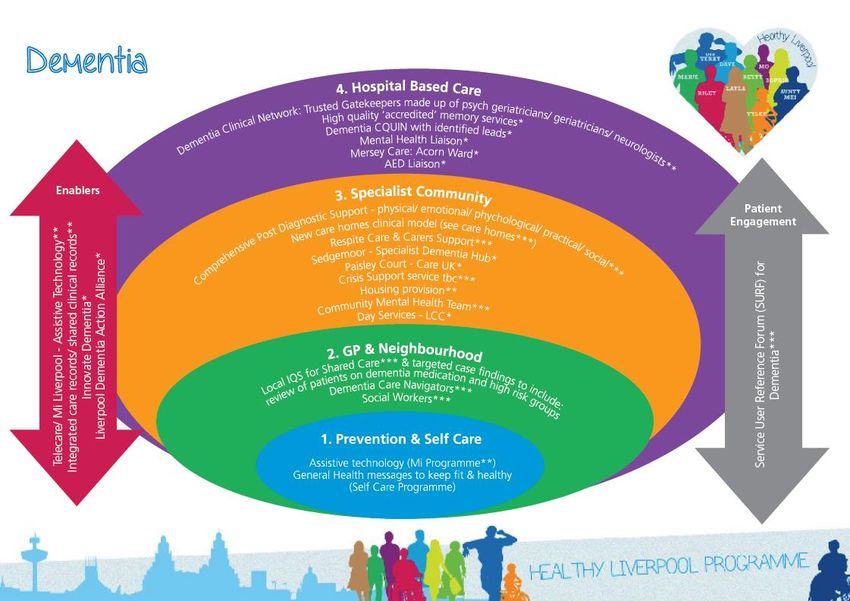
Future Model of Care ............................................................................................................................ 26
   Future Model of Care for Dementia Services in Liverpool................................................................ 27
Key Milestones & Timeframes .............................................................................................................. 28
Expected Health Gains and Outcomes.................................................................................................. 29
   National Outcome Measures ............................................................................................................ 29
   Local Outcome Measures ................................................................................................................. 30
Managing Implementation of the Strategy .......................................................................................... 30
APPENDIX 1: National Dementia Strategy 2009 tabulated against Prime Ministers Challenge 2012 .. 32
APPENDIX 2: All Party Parliamentary Group ......................................................................................... 33
Bibliography .......................................................................................................................................... 36
Foreword

We are all getting older and medical advances mean that we are living longer; this is
a cause for celebration. We are enjoying longer and productive lives but for a portion
of this we are not healthy.

One of the greatest pressures facing the country is dementia and this pressure will
grow as the number of people aged over 65 increases. From 2012 to 2032 the
populations of 65 to 84 year olds and the over 85s are set to increase by 39 and 106
per cent respectively.

There is no cure for dementia but having dementia does not mean that one can no
longer have a good quality of life. To ensure that people with dementia and their
loved ones can still enjoy life, we need a joined up and long-term approach to
support both the people who are living with dementia and the people who care for
them. This joint strategy by Liverpool City Council (LCC) and Liverpool Clinical
Commissioning Group (LCCG) sets out how we will do this.

We are confident that in Liverpool we will face and conquer these challenges. We
have already laid the groundwork to do so successfully. This strategy is about living
well with dementia which depends on people receiving a timely diagnosis and having
access to good post diagnostic care. This includes good health care and social
support.

It is also a question of creating a city where we are all aware of dementia and how it
affects people in their day-to-day lives. We will all be affected by dementia to some
extent over the coming years and we all have a part to play. We need to ensure that
Liverpool is a place where people living with dementia and their carers can help to
deliver improvements and promote a hopeful view of Dementia.

Cllr Roz Gladden                                Dr Nadim Fazlani
Deputy Mayor of Liverpool                       Chair
Cabinet member, adult social care &             Liverpool Clinical Commissioning
health                                          Group

Purpose of Paper
This document sets out the vision and ambition of both Liverpool City Council (LCC) and
Liverpool Clinical Commissioning Group (LCCG) for dementia care over the next 5 years - 2014
to 2019.
The Strategy draws on information provided from the recent Health Needs Assessment for
Dementia produced by the Public Health Department at Liverpool City Council (Kerry Lloyd,
Dec 2013).
Vision
In November 2013 the joint Healthy Ageing Programme between Liverpool City Council and
Liverpool Clinical Commissioning Group agreed the following overarching vision for adult health
and care service provision
‘To keep people in Liverpool living at home for longer by positively maximising
independence supported by carers, families, communities and services. When people do
need care, this will be of high quality, based on personal needs and delivered seamlessly
across health and social care’
Aim of the Strategy
To establish a plan of action that will ensure that by 2016, all people with dementia in Liverpool
will have equal access to high quality integrated services across health and social care, with
excellent post diagnostic support and that Liverpool will be considered by people living with
dementia and their carers to have progressed in its ambition to become recognised as a
‘dementia friendly city’.
Ambitions (Objectives)
Over the next 5 years we will:
Continue to work with community groups, stakeholders and people living with dementia
and their carers, through the Liverpool Dementia Action Alliance, to raise awareness and
understanding of dementia and make progress in our ambition to be recognised as a
‘dementia friendly city’
Ensure that people receive a diagnosis in a timely and appropriate manner. We aim to
increase the diagnosis rate of dementia from 55% to 64% by March 2015, rising to 70%
by March 2016.
4|Page
Work with people living with dementia and their carers to continually improve dementia
care and work towards Liverpool becoming recognised as a ‘dementia friendly city’
Develop an integrated network of care provided by health and care professionals across
community and specialist secondary care services which will offer timely access to
diagnosis and provide accessible specialist support when required. This will include
developing options to deliver access to crisis support 24/7.
Commission high quality post diagnostic support tailored to meet the needs of service
users
Increase the number of carers of people with dementia who are identified and receiving
an annual carers assessment of care needs by 20%
Commission high quality social care to support people living with dementia and their
carers and work to reduce social isolation
Work with our local hospital trusts to ensure good hospital care is provided for people
with dementia
Stimulate housing provision that is supportive of people with long term conditions
including dementia
Introduction
The Issue
Dementia is recognised by the World Health Organisation (WHO) as a global public health
challenge (World Health Organisation, 2012). With improvements in health care and better
standards of life people are living for longer and the number of people affected by dementia is
rising. Globally, the WHO indicates that the number of cases will double by 2030 and triple by
2050. The impact of dementia is significant both on those who have it and for their families and
care givers.
National estimates suggest that there are 800,000 people living with dementia in the UK and by
2021 this number is expected to reach over 1 million. The financial burden of dementia in the
UK is significant and is expected to treble by 2040. Latest estimates for 2012 put the national
cost of dementia at £23 billion, of which 55% is met by unpaid carers, 40% by social care and
5% by health care (Dementia 2010, Alzheimer's Research Trust). This equates to an annual
cost of approximately £27,647 for each person diagnosed with dementia. The greatest
proportion of these costs are attributed to the care provided informally by an estimated 670,000
carers of people living with dementia in the UK (Alzheimers Society).
5|Page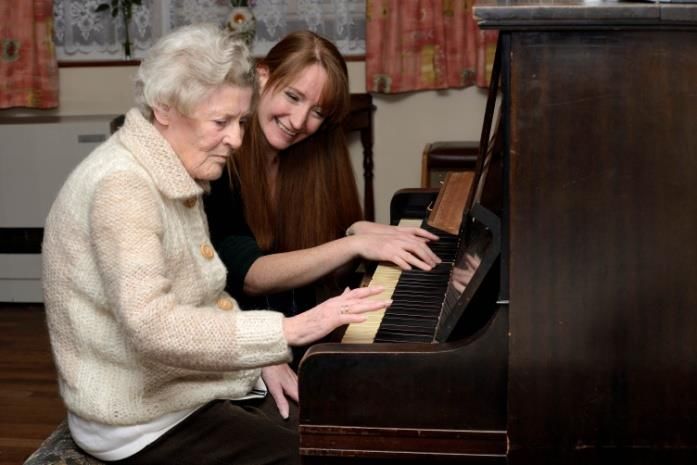
Dementia is a national priority, recognised with the launch of the National Dementia Strategy in
2009 by the former Labour Government and by the Coalition Government with the Prime
Ministers Challenge on Dementia in 2012.
National Strategic Context
The National Dementia Strategy (Department of Health, 2009) set new standards for dementia
care (Appendix 1). The strategy outlines significant improvements to be made to dementia
services across three key areas:
Improved awareness
Earlier diagnosis and intervention
Improved quality of care
Following publication of the national strategy (Department of Health, 2009), The Joint
Commissioning Framework (Department of Health, 2009) looked to integration of health and
social care commissioning as one of the ways to deliver improved outcomes for people with
dementia and their carers’. It provides a framework of best practice guidance on commissioning
each of the service objectives set out in the strategy.
The Prime Minister’s Dementia Challenge launched in March 2012 (Department of Health,
2012) builds upon the national strategy, but with a push to go further and faster in improving
dementia care. The challenge focussed on increasing diagnosis rates and improving the skills
and awareness needed to support people with dementia, as well as providing details of plans to
improve dementia research.
A World Health Organisation (WHO) and Alzheimer's Disease International report (World
Health Organisation, 2012) recommends that programmes need to focus on improving early
diagnosis; raising public awareness about the disease; reducing stigma; and providing better
care and support to caregivers.
The All Party Parliamentary Group (APPG) report (All Party Parliamentary Group Report, 2012)
made a series of recommendations to improve diagnosis rates for those with dementia
including (Appendix 2);
a sustained public dementia awareness campaign,
establishment of a Dementia Action Alliance group to spearhead the creation of a clear
and consistent message on the value of diagnosis,
regular checks for all groups at risk of developing dementia,
prioritisation of training and skill set of the work force,
strengthening the role of the Memory Services National Accreditation Programme
(MSNAP), with accreditation for memory services being mandatory
6|Page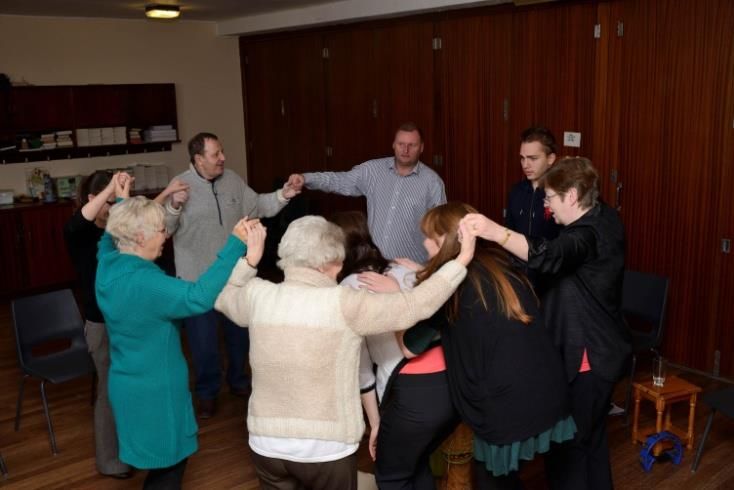
adequate information and one-to-one support should be provided to patients and their
families immediately following diagnosis with additional investment to develop the role of
dementia advisors.
In April 2013 NICE published quality standard guidance which contained a set of ten quality
statements (NICE, 2013) (Appendix 3) which are aimed at supporting people to live well with
dementia. These quality statements should also act as a benchmark for assessing the quality of
care currently provided.
Prevention of Dementia
Although there is presently no cure for dementia recent evidence (Association, 2007) (Daviglas,
2010) (ILC-UK, 2014) suggests that following general principles in relation to healthy ageing
may be associated with the maintenance of cognitive health. These principles include:
Preventing or controlling high blood pressure, cholesterol, diabetes, being overweight or
obese
Preventing or stopping smoking
Being physically active
Depression
Preventing or reducing social isolation
Increased consideration should also be given to certain high risk groups which include; those
with learning disabilities, those with Down’s Syndrome; people who have had a stroke or have a
neurological condition such as Parkinson’s disease.
The Local Case for Change
Dementia has been prioritised by both Liverpool Clinical Commissioning Group and Liverpool
City Council and is a programme of work within the strategic Healthy Liverpool transformation
plans over the next 5 years. The impact of dementia has been reviewed locally and a Public
Health Needs Assessment for Dementia produced. The following points summarise the need
for change to dementia care in Liverpool.
1) The ageing population and projected rise in the number of people living with
dementia
Nationally and locally the population is living longer resulting in an ageing population. This is
undoubtedly a positive consequence of improved health and better standards of living.
Over the next 8 years, it is estimated that the number of people aged over 65 in Liverpool will
increase by approximately 9%, to 73,500 people (by 2021). In particular, the number of people
aged between 70 and 75 and those aged 85+ is expected to rise by more than a fifth.
7|Page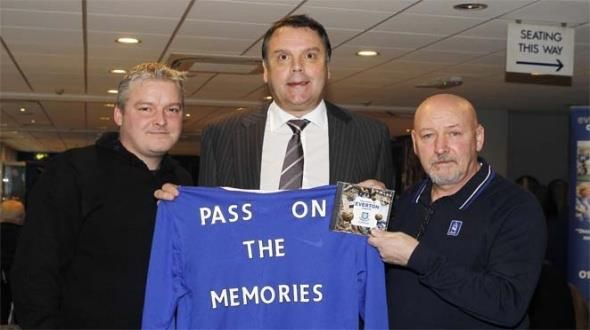
Over the same period, whilst the number of older people in the city increases, the number of
people of working age is expected to decline (Figure 1). This will have a negative impact on
what is described as the ‘old age dependency ratio’. This measures the number of people of
State Pension Age and over for every 1,000 people of working age. The shift in the population
will see increasing prevalence of dementia as the population ages, but also highlights potential
future issues in the ability to meet the needs of people with dementia (or other long term
conditions) through informal care, as the working age population who would ordinarily provide
care and economic support to the ageing population declines.

Figure 1: Projected Population change

As the number of people live longer it is expected that the number of people living with
dementia will also increase.

There are an expected 4883 people living with dementia in Liverpool in 2013 and by 2021, this
number will have risen to an estimated 5407, a 10.7% rise, largely due to increases in the older
population.

                                                                                           8|Page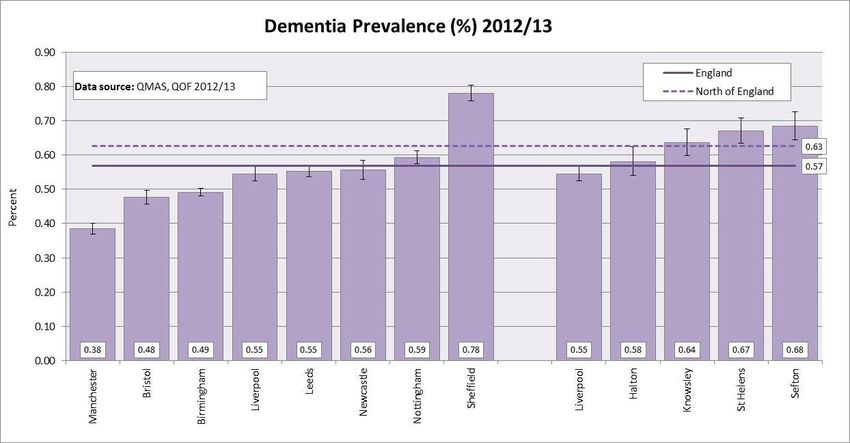
Predicted number of persons with Dementia in 2021

        6000

        5000

        4000                                                                         85+
                                                                                     80-84
        3000                                                                         75-79
                                                                                     70-74
        2000
                                                                                     65-69

        1000                                                                         Early Onset

           0
                                           2016
               2012

                      2013

                             2014

                                    2015

                                                  2017

                                                         2018

                                                                2019

                                                                       2020

                                                                              2021
Figure 2: Predicted number of people with dementia in 2021

Dementia is the greatest cause of years lost due to disability in high-income countries and the
second greatest worldwide (WHO 2012). It is estimated that in 2012, patients in the city will lose
2301 healthy years due to dementia. As can be expected the greatest burden falls among
persons aged 60 and over who account for 92% of total Dementia DALYs.

   2) Only half of the expected cases of dementia in Liverpool have been identified

It is estimated that 1 in 100 people in Liverpool are living with dementia, yet only 1 in 200 have
been identified.

In 2012/13, only 50.9% of the expected dementia cases in Liverpool are diagnosed (NHS
Dementia Calculator (Dementia Partnerships)). This indicates that there are many people in
the city living with dementia who have not been identified, diagnosed or receiving access to
support services. This figure is not peculiar to Liverpool, as less than half of all cases of
dementia nationally are routinely recognised, and when a diagnosis is made, it is often at a
relatively late stage of the disease.

The number of cases being identified and diagnosed is increasing but we must continue to work
to improve both the number of people receiving diagnosis and also to improve the timeliness of
diagnosis. We need to continue some of the high profile national and local work that has taken
place to raise awareness of dementia so that people come forward earlier in the disease
progression. Earlier, timely diagnosis will enable people to access good quality services, be
well prepared and informed and enable people to live positively with dementia.

In 2012/13 there were 2707 registered patients in the city with a diagnosis of dementia, this was
an increase of 250 patients from 2011/12 (QOF, 2012/13). However the Liverpool rate in

                                                                                                   9|Page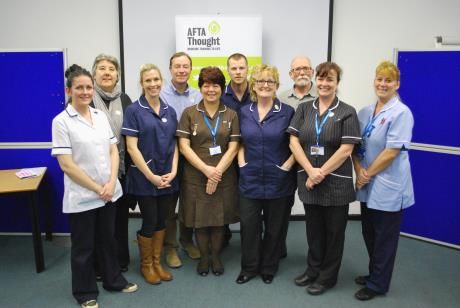
2012/13 was the lowest on Merseyside (2012/13) and within the mid-range among the core
cities.

Figure 3: Dementia Prevalence

   3) Inequitable Service Provision for Dementia across Liverpool

The quality and provision of services to support people with dementia varies considerably
across Liverpool. In particular access to high quality post diagnostic support is currently
dependent on geographical location (postcode) and on the persons point of entry into the health
system.

We need to ensure that regardless of where you live in Liverpool, your ethnic and cultural
background and where you might enter into the health and care system that people receive the
same high quality standards of care, the same information (culturally sensitive) and the same
access to a comprehensive range of high quality post diagnostic support.

   4) Liverpool has high numbers of informal/unpaid carers

The 2013-14 joint strategic health needs assessment identified the value and contribution of
carers to the Liverpool health and care economy and both Liverpool City Council and the
Clinical Commissioning Group through the Health & Wellbeing board have identified carers as a
priority area.

Comparative data reveals Liverpool to have the greatest level of unpaid carers among the eight
core cities being above national levels. The proportion of carers providing >20 hours of care in
Liverpool is substantially above national levels and those providing >50 hours of care is the
highest among the core cities. It is estimated that carers’ in Liverpool are saving the Liverpool
economy £1,114m per year in potential care costs (Univ of Leeds & Carers UK).

                                                                                       10 | P a g e
We need to make sure that carers are identified at all key points in their contact with health and
social care in order that they can be routinely assessed for care needs and provide access to
support options.
5) The cost of care for dementia is high and will continue to rise
The annual statutory expenditure on dementia care services in Liverpool, as identified from
health and social care finance ledgers, is approximately £35 million (2011/12). This figure is
acknowledged to be an under estimate of the true costs of dementia as it excludes in house
provision within LCC, non-specific dementia care within community and hospital trusts and
more importantly the costs of informal care provided by carers/families. Using the national
estimates of £27,647 per person with dementia would put the true costs of dementia care for
the city more in the region of £145M for 2014/15.
Inevitably the cost of care will increase as the number of people with dementia rises. We need
to manage this expected growth by ensuring that services are ready, fit for purpose (designed
with service users) and have high quality standards that promote the independence of the
person with dementia for as long as possible.
11 | P a g eProgress on Dementia Care in Liverpool
Much progress has been made in the City over the last 2-4 years to improve awareness of
dementia and improve health and care provision to support people to live well with dementia. A
sample of action taken and progress is highlighted below.
Raising Awareness of Dementia
Year of Action on Dementia
2013 (YAD)
The year-long campaign was
devised by the former
Liverpool Primary Care Trust
and Liverpool City Council, as
part of the Decade of Health
and Wellbeing. The YAD 2013
aimed to develop an Launch of Liverpool’s Year of Action on Dementia
understanding and awareness
of Dementia and to start
working towards creating
Dementia Friendly
environments in work places,
public areas and communities.
ACHIEVEMENTS
Representatives from over 60
organisations/individuals
make up the YAD group
working to raise awareness,
improve understanding of Production of a dementia schools pack
dementia and provide support including DVD to raise awareness amongst
Development of local YAD school children
bronze awareness award Numerous promotional activities and events
developed by health to raise awareness of dementia
professionals The YAD has recently transformed to
This package has been become the Liverpool Dementia Action
embedded in the induction Alliance
programme of numerous
organisations across the city
to raise awareness
12 | P a g eNational Museums Liverpool - House of Memories
The House of Memories is a museum dementia awareness training programme
developed and delivered by National Museums Liverpool. Liverpool PCT supported
National Museums with the initial programme of training across health and social
care staff.
The House of Memories is about joining the dots that link us through our life
experiences, our dreams and our shared histories. The programme demonstrates
how a museum (or by association a library, arts centre, or theatre) can provide the
health and social care sector with practical skills and knowledge to facilitate access
to untapped cultural resources; often within their locality.
The training centres on the fantastic objects, archives and life stories, held within
National Museums Liverpool. It aims to provide social care staff (in care home and
home care settings) with new skills and resources to share with people living with
dementia, that will positively contribute to their wellbeing and quality of life.
In March 2014 the programme was further extended to the Midlands, with workshops
in Birmingham Museum and Art Gallery, Leicester Guildhall and Wollaton Hall,
Nottingham. The programme has evaluated well, obtained national recognition and
won a number of awards.
13 | P a g eDiagnosis of Dementia
Latest data taken from GP records, relating to January 2014 indicates that the
percentage of estimated cases of dementia being diagnosed has risen to 58% (of
expected cases) in Liverpool. The percentage of people receiving a diagnosis has
risen slowly throughout 2013 but saw a marked rise in January 14 and takes us
above the national average and meets LCCG expected plan.
C
Figure 4: Dementia Diagnosis 2013-14
14 | P a g eBetter Hospital Care
MERSEY CARE TRUST
Mersey Care memory
service (Mossley Hill)
accredited with
‘Excellence’ in Jan
2014. This service is
the only memory
service in the country
to be accredited with
excellence for three
consecutive reviews
(2009, 2011 and
2014).
Implementation of national Care Quality Incentive (CQUIN) for Dementia
The goal of the Dementia CQUIN is to incentivise the identification of patients with dementia and
other causes of cognitive impairment alongside their other medical conditions and to prompt
appropriate referral and follow up after they leave hospital. The dementia CQUIN has been put
into contracts for all hospital trusts & community NHS health care providers in the City since
2012/13. The Trusts have worked hard to implement changes to improve care and support for
people with dementia & their carers during their hospital stay. All hospital trusts have put in
place ongoing training programmes with their staff to raise awareness of dementia and this has
been included in the trusts induction programmes for all new starters. For example ….
Aintree Hospital: Around 70 ward staff took part in AFTA Thought’s “Find Me” event on
Thursday 20th March. As part of the session, actors played roles including patients,
carers, the ambulance service, a porter, a receptionist, health care assistants, Allied
Health Professionals, a nurse, clinicians and a hospital social worker.
15 | P a g e
HOSPITAL LIAISON SERVICES
Dementia Care in hospital settings has been further supported by and enhanced provisionLiving Well with Dementia
Specialist Dementia Centre Sedgemoor
Liverpool City Council’s flagship specialist dementia
centre - Sedgemoor - opened in May 2013, following
refurbishment and extension of LCC former care
home.
Recently won Best Care Complex in the
Healthcare Design Awards 2014, the only
public sector building to be shortlisted
Funded via pooled budget between LCC &
LCCG
The Centre is specially designed based on
best practice in dementia care. Each area
flows in to another so there are no dead ends.
25 place day centre, 12 hours per day, 7 days
per week.
Activities offered include reminiscence, quiz,
music/exercise/dance, memory stimulation and
orientation, arts & crafts, gardening, ping pong,
community outings, weekly sessions from the
Reader Organisation
Everton in the Community
‘Pass on the Memories’
Everton in the Community, one of the country’s most ambitious and
dynamic community charities, set up a pioneering programme to
focus on dementia in May 2012. Alongside a range of partner
organisations, the project, ‘Pass on the Memories’, uses the power of
sport to encourage those with dementia, alongside families/carers,
to come to Goodison Park to reminisce, socialise, relax and above all,
smile!
Weekly sessions include sporting reminiscence, life-story telling,
regional day-trips and intergenerational activities with young people.
ACHIEVEMENTS
200+ people with dementia have accessed the project to date alongside family/carers.
Our dementia-awareness campaigning has engaged thousands of fans nationwide, generating
powerful social media discourse, ranging from football memories to debate around memory-loss
conditions
Public awareness events at Goodison Park have been hugely impactful, with stalls hosted by
regional dementia partners, exhibitions of memorabilia and Q&A’s with players from past and
present.
Everton became the first Premier League club to designate a match as a ‘Memories Game’,
involving Club supporters in a range of sporting memories activities to raise awareness of
dementia.
Minister of State for Care & Support, Norman Lamb has invited EFC to form a taskforce that encourages
other sports clubs to develop similar projects and to create dementia-friendly environments.
EFC is taking a lead in the world of professional sport in our efforts to have Goodison Park stadium
officially recognised as a ‘Dementia Friendly Place’ by the Dementia Action Alliance 16 | P a g ePost Diagnostic Support
(Non Pharmaceutical Intervention)
Alzheimer’s Society
An 18-month pilot Project was funded by the
NHS across North Mersey (Knowsley,
Liverpool and Sefton Boroughs) delivering a
series of social and activity groups to people
living with dementia and their friends, family
and carers. Sessions include:
Dance and Movement
Visual Art Group @ Bluecoats
Singing for the Brain group©
Maintaining Skills Group© “The groups we have been to
- for people with dementia over have been brilliant, they have
the age of 65 years been a massive positive… the
- for people with dementia under impact it has had has been
the age of 65 years brilliant, very positive and I think
Reading Out Loud Group you are going in the right
Music Therapy group direction.” Sam, cares for
Supportive Education for carers Joseph
The project has evaluated well and will
continue for 2014-15 in Liverpool
“The fact that I did my own
thing was different to me… I’ve
loved it.”
Joseph, living with frontotemporal
dementia, attended art, singing,
music and reading.
17 | P a g eDementia Care Navigators – Mersey Care NHS Trust
The Dementia Care Navigator Role became operational in June 2012. The initiative was
developed by leads across Merseyside as part of the Quality Innovation, Productivity and
Prevention (QIPP) programme and in response to the National Dementia Strategy. Mersey
Care NHS Trust was commissioned to deliver the service.
The service provides a point of contact for all those with a diagnosis of dementia, or who
are experiencing memory problems and are waiting for a formal diagnosis.
The Care Navigator can provide information and advice about dementia on an ongoing
basis and does not discharge the person
The Care Navigator can help to sign post service users and their carers to different
services provided for people with Dementia.
Working with GP’s to look at dementia registers and promote awareness of the service
and dementia
Working with the community development workers to make links with BME/faith
communities
The service has evaluated well (Butterworth, Mar 2013) with good feedback from service users.
18 | P a g eInnovation
Innovate Dementia
The Innovate Dementia project is a three year project which commenced April 2012; it is a research- to-
innovation project which explores, identifies and develops sustainable solutions to the everyday
challenges of living with dementia. The project partnership consists of Liverpool John Moores University
working with Mersey Care NHS Trust, as a UK partnership in collaboration with European partners from
the Netherlands, Belgium and Germany.
Dementia care is a good example of where innovative technologies are being used to improve care
outcomes, though the most successful technologies are the ones that ‘fit’ the real needs of the person
with dementia. To ensure this ‘fit’ happens the project places people living with dementia at the centre
of the research-to-innovation process through the use of a living lab approach. The project’s living lab
which is European Network of Living Labs (ENoLL) accredited facilitates the development and testing of
new or existing technologies and services in partnership with people living with dementia.
ACHIEVEMENTS
Worked with 120 young people/school children to increase awareness about dementia and
wellbeing
Started to use lighting as an intervention on a 15 bedded dementia ward to improve the rest-
wake cycle of people with complex needs
Developed a number of films targeted at the general population as well people living with
dementia to promote the living well with dementia theme
Facilitated the adaption of an exercise programme, Liveability, to meet the specific needs of
people living with dementia
Co-commissioned a local SME, Citrus Suite, to co-create a memory enabling product for people
with dementia
Facilitated people living with dementia to co-create the House of Memories app
Delivered ‘have your say’ roadshows across Liverpool to collect the views of people living with
dementia and their experiences of accessing services; this information has been used to shape
the future commissioning of services
“It was fantastic for us as people with
dementia to be given the opportunity to
speak to designers of the House of
Memories app and tell them what works and
what doesn't work for us, but more
importantly they listened, acted and then
came back with the improvements we had
asked for.” Tommy, Service User
19 | P a g eThe Strategy
So what are we planning to do?
Liverpool CCG and City Council have prioritised 7 key areas for action over the next 5 years
specific to dementia care. This follows the completion of a full health needs assessment for
dementia for the city (Kerry Lloyd, Dec 2013).
1. Increased awareness of dementia and work towards Liverpool becoming recognised as
a dementia friendly city
2. Timely identification and diagnosis within targeted high risk groups
3. Delivering improvements to dementia care through participation and engagement
4. Establish joined up working & care between GP and Specialist Dementia services
5. To provide access to high quality post diagnostic support
6. To provide good hospital care for people with dementia
7. To stimulate housing provision that is supportive of people with long term conditions
including dementia
In addition to the above the City Council and the CCG have committed to take action on four
further specific areas which will impact on dementia care over the next 5 years;
1) Prevention & Self Care: A city wide plan (Healthy Liverpool Plan) is currently being
established with a central element focussing on improving health and wellbeing within
the City. This will place a strong emphasis on the prevention of ill health to reduce
smoking and alcohol consumption and increase physical activity. In addition there will
be a strong push to improve self-care amongst people and families with long term
conditions to empower citizens and ensure best use of health services when required.
2) Carers: A commitment to carers with a planned refresh of the Liverpool Carers
Strategy. The focus will be to build and improve on existing services and will work to
identify carers earlier to receive carers assessment and provide access to information
and support services.
3) Care Homes: A commitment to transform the care home sector to ensure high quality
care including the planned introduction of a new clinical model to support care homes.
4) Supportive End of Life Care: A commitment to deliver good quality supportive and end
of life care to ensure that people (and their families) approaching the end of their life are
treated to optimise their quality of life with dignity and respect.
20 | P a g eSo what does this mean?
1. Increased awareness and understanding of dementia and work towards Liverpool
becoming recognised as a dementia friendly city. We will join the local Liverpool
Dementia Action Alliance to promote awareness and understanding of dementia and to
reduce stigma across the health, care social and business sectors. The Liverpool DAA
is made up of over 30 local organisations that are committed to take action on issues
affecting people with dementia and builds on the work undertaken through the Year of
Action on Dementia in 2013. The DAA will work to increase the number of people in the
City who are ‘dementia aware’ this will include the number who are ‘Dementia Friends’.
The Liverpool DAA has signed up to the national recognition process to work towards
becoming recognised as a ‘dementia friendly community’. This involves promoting
dementia awareness across all sectors to increase understanding of dementia. For
example this could mean that local shops might adapt their practices to support people
when they come in to shop, perhaps closing the till lane to enable people to have extra
time or allowing carers to share changing rooms. Particular focus and support will be
provided to continue important work with BAME groups to raise awareness, reduce
stigma and change cultural beliefs of dementia.
2. Timely identification and diagnosis within targeted high risk groups. Timely diagnosis is
important to ensure that people can access support which will help them and their
families to live well with dementia and plan for the future. To do this we will implement a
process to review those groups at a higher risk of developing dementia. At present
under a national scheme, GPs are funded to regularly review specific groups of patients
who are considered high risk of developing dementia (people with learning disabilities,
Parkinson’s, downs syndrome). We plan to expand this scheme locally to include
patients who have had an episode of delirium (aged 75+) and those identified with mild
cognitive impairment with a review of these patients in general practice. We also plan to
ensure that carers are identified at the key contact points with health and care services
to ensure that carers are offered annual assessment for care support. In addition we will
work with community organisations to develop a proposal for service provision which will
support the awareness and understanding of dementia amongst Black, Asian and
Minority Ethnic (BAME) groups across the city and that service redesign and ultimately
care provision will meet the needs of high risk minority groups.
3. Delivering improvements to dementia care through participation and engagement.
Working and engaging with people living with dementia and their carers is an important
part of the Liverpool strategy. The redesign of services will be undertaken with service
users to ensure that changes made reflect the needs of people with dementia. We have
recently established the Service User Reference Forum (SURF) which is chaired and co-
chaired by service users. This group will become a central voice in the redesign process
and will direct the work and action of the DAA.
21 | P a g e4. Establish joined up working & care between GP and Specialist Dementia services. We
will establish new working practices between GPs and specialist consultants working in
secondary care. It is intended that this will bring about greater flexibility and ease of
access for people living with dementia to receive specialist care when needed.
5. To provide access to high quality post diagnostic support. We will commission a
comprehensive range of quality assured, clinically evidenced (where appropriate) post
diagnostic support. Everyone who accesses dementia services will receive information
both pre and post diagnosis, will receive support to allow them to live well with dementia
and will have access to appropriate services, as identified by a personalised care plan,
regardless of type of dementia diagnosed, age, ethnicity or address. The range of
support will be stepped according to level of need and will be flexible to allow support to
be tailored to meet the needs of the person with dementia and carers. It is expected that
the support options will address the emotional/psychological, social, practical and
physical needs of people with dementia. We need to explore options of how we can
routinely introduce assistive technology to people with dementia (and others) to enable
people to maintain their independence and live well.
LCC and LCCG are committed to supporting carers and this has been prioritised through
the Joint Strategic Needs Assessment and a refreshed Carers Strategy is currently being
established.
6. To provide good hospital care for people with dementia. We will continue to work with
our hospitals, mental health and community trusts to improve inpatient care for people
with dementia. This work will be driven by the national dementia CQUIN.
7. To stimulate housing provision that is supportive of people with long term conditions
including dementia. We will ensure that the housing needs of people with dementia are
included within the remit of Health, Care and Housing Sub-Group of the Health &
Wellbeing Board. In addition we will monitor the effectiveness of the new Extra Care
Housing contract in meeting the needs of people with dementia.
22 | P a g ePRIORITIES ACTIONS TO ACHIEVE MEASURES (tbc)
Establish a local Dementia Action Alliance (DAA) to work to promote and target awareness of
dementia, tackle stigma and work towards Liverpool becoming recognised as a ‘dementia a. Mystery Shopper
Increased Awareness feedback from SURF
friendly city’
of Dementia b. Annual self-
Deliver city wide promotion of general health & well-being messages including action to improve assessment & review
self-care for people with long term conditions of action plans
c. Number of
Delivering
Establish a Service User Reference Forum (SURF) for People living with Dementia, their carers & organisations actively
improvements to families to help redesign dementia services, provide feedback on progress and enable DAA to involved in DAA
dementia care through target & promote awareness effectively
participation and
Enhanced service in General Practice to support case finding, review of high risk groups and c. Rise in the diagnosis
engagement
people diagnosed with dementia rate of dementia
d. Rise in the number
Develop a proposal for service provision to improve timely diagnosis in BAME groups diagnosed in
early/moderate stage
Timely Identification Standardise coding of dementia & carers on general practice IT systems with a one off piece of e. Rise in the number of
and diagnosis within work to clean up electronic recording carers (identified) &
target high risk groups receiving annual
Commission a new model of medical/clinical support for Care Homes which will improve
assessment
diagnosis rates of dementia (& other outcomes) through assessment on admission and review
f. Patient & carer
Enhanced Service in General Practice for Dementia (as above)
satisfaction measure
Commission high quality ‘accredited’ memory services of care
g. No.’s attending
Establish joined up Timely access (within 6 weeks) to specialist memory services memory assessment
working & care across Implement new working practices with the establishment of a ‘clinical network’ of care for service
GP and Specialist dementia working across health & care professional/organisational boundaries h. Timeliness measure of
Dementia Services access to care
Systemise the identification of carer(s) for all newly diagnosed patients & onward referral i. Prescribing rates for
anti-psychotic
To work up options to provide access to specialist crisis support 24/7 medication
23 | P a g e
j. No. of carers
Commission a new model of medical/clinical support for Care Homes
identified & assessedPRIORITIES ACTIONS TO ACHIEVE MEASURES (tbc)
Dedicated access to Dementia Care Navigator to support patients, carers and families to access k. Tailored post
services, provide practical support & signposting to enable people to live well with dementia in diagnostic support
the community according to need
l. Length of time
To provide statutorily a comprehensive range of quality assured, clinically evidenced (where person remains at
appropriate), post diagnostic support tailored to meet individual needs and delivered where home from diagnosis
possible in community settings m. Quality of life/
independence
To stimulate community based non-statutory support groups to enable people to live well with
measure for person
dementia, their carers and family within their community such as memory cafes, Everton in the
and their carer
Community etc
n. New admissions to
Provide equal access
To ensure all citizens of Liverpool have access to the same information and services both prior to care homes
to high quality Post
and following diagnosis o. Unplanned hospital
Diagnostic Support admission rate/ bed
Commission a more flexible personal care service to better meet the needs of people with days for people aged
dementia and their carers 75+ with secondary
diagnosis of
Review access to and range of respite /short break services
dementia
Develop a crisis care pathway ensuring a safe place for people living with dementia in crisis
situations
Continue to develop the Sedgemoor dementia service to ensure high quality support for people
living with dementia and their carers
Reduce social isolation and loneliness in order to improve the quality of life of people living with
dementia and their carers
To explore options to promote the adoption and spread of assistive technology to support
people to live well with dementia including their carers and families
24 | P a g ePRIORITIES ACTIONS TO ACHIEVE MEASURES (tbc)
Provide good hospital Delivery of Dementia Clinical Quality Incentive scheme (CQUIN) in all Liverpool hospitals and p. National CQUIN
care for people with community/mental health provider trusts measures
dementia
Establish & embed access to mental health liaison/services for non-mental health hospital beds
& community based reablement beds/services
Ensure that the housing needs of people with dementia are included within the remit of Health,
Care and Housing Sub-Group of Health and Wellbeing Board
To stimulate housing
provision that is supportive
of people with long term Monitor the effectiveness of new Extra Care Housing contract in meeting the needs of people
conditions including with dementia
dementia
25 | P a g eFuture Model of Care
The future model of dementia care is set out below in a pictogram based on the setting that
care (services) will be provided.
Four care settings are described:
1. Prevention & Self Care: what services will be available to enable people to remain
healthy, increase knowledge and understanding of dementia and to self-care and
remain independent in their usual place of residence.
2. GP & Neighbourhood: what services would be expected to be delivered by your
local GP or provided more within your local wider neighbourhood (a group of local GP
practices). This may be a service provided by health or social care.
3. Specialist Community (Neighbourhood Plus): This is the range of services that
are provided by specialist community organisations and teams. These services could
be provided by health, social care, private sector or other agencies and organisations
such as the Alzheimer’s Society, Everton in the Community or PSS.
4. Hospital Based: this is the range of services that will be provided within a hospital
or specialist secondary care provider setting. This could be your local hospital or
could be Mersey Care provision at Mossley Hill or on Aintree Hospital site.
The pictogram also highlights work areas underway that will support and enable the dementia
strategy to be delivered – these are shown in the arrows to the sides.
The introduction of technology offers a vital role to support people to manage and live with their
condition. We need to incorporate digital equipment such as support devices, phone/Ipad
apps, Ipads etc where possible to support people living with dementia and their carers. The Mi
Liverpool programme is important in providing access to approved technology to support
people with dementia and their carers and will support delivery of the dementia strategy.
26 | P a g eFuture Model of Care for Dementia Services in Liverpool
27 | P a g eKey Milestones & Timeframes
28 | P a g eExpected Health Gains and Outcomes
National Outcome Measures
The redesign of dementia services as outlined above will contribute and support progress on a
number of national NHS/Public Health & Adult Social Care outcome standards against which
the Liverpool CCG and Liverpool City Council are measured.
There is just one national indicator that the dementia programme of work will be directly
accountable:
Estimated diagnosis rate for people with dementia (NHSOF 2.6.i / PHOF 4.16)
We expect to see a continued rise in the number and percentage of people receiving timely
diagnosis as a result of the actions we will take. It is planned that the percentage of people
diagnosed with dementia will increase to 64% by March 2015 and that by March 2016 the
diagnosis rate will reach 70%.
Figure 5: Planned percentage of people diagnosed with dementia
The dementia programme of work will contribute to the following generic national indicators
but will not be wholly attributable:
Health related Quality of Life for Carers (NHSOF 2.4 / ASCOF 1d)
Patient experience of hospital care (NHDOF 4a/b/c)
Overall satisfaction of people who use services with their care & support (ASCOF
3a)
Overall satisfaction of carers with social services (ASCOF 3b)
Proportion of carers who report that they have been included or consulted in
discussions about the person they care for (ASCOF 3c)
29 | P a g eLocal Outcome Measures
Specific outcome measures as noted on pages 21/23 still need to be worked up and agreed.
These will need to ensure that we can measure and provide assurance of the quality outcome
statements for people with dementia (Appendix 4) and will be agreed with service users and
professionals.
Managing Implementation of the Strategy
This dementia programme is part of Liverpool CCG’s 5 year strategic Healthy Liverpool
Programme which reports jointly with the City Council to the Health & Well Being Board. A joint
‘Healthy Ageing Programme Board’ between LCCG and LCC has been established and will
oversee delivery of the dementia strategy (Figure 6) and other projects within the programme
including the transformation of Care Homes, Supportive End of Life and Carers (Figure 7).
Programme management tools and processes are in place to report progress on delivery to the
programme board. An implementation plan has been developed which outlines the key
objectives and milestones that will be delivered by the strategy.
Continual engagement and participation of the Service User Reference Group in the redesign
process is vital and will ensure that service redesign meets the needs of people with dementia
and their carers.
Figure 6: Project Reporting structures for Implementation of Dementia Strategy
30 | P a g eFigure 7: Healthy Ageing Programme Reporting structures for Implementation of Dementia
Strategy
31 | P a g eAPPENDIX 1: National Dementia Strategy 2009 tabulated against Prime Ministers Challenge 2012
32 | P a g eAPPENDIX 2: All Party Parliamentary Group
All Party Parliamentary Group (APPG) – Jul 12
4. Primary care workers and other health
1. Invest in a and social care professionals in contact with
sustained public people in groups with an established risk of 7. Across the UK, commissioners
awareness campaign dementia should routinely ask questions to should invest in appropriate memory
identify symptoms of dementia service resources to cater to the needs
of their population
2. A quantified
ambition that increases
the percentage of 5. UK Wide, all health and social care 8. Strengthen the role of the Memory
people with dementia professionals working in a general capacity
Services National Accreditation
who have a formal with people at risk of dementia should
Programme
diagnosis should be have pre and post registration training in
embedded in the NHS identifying and understanding dementia
and used to lever
changed
9. Adequate information and one-to-
one support should be provided to
patients and their families immediately
3. Public health 6.Issues with assessment tools used by UK following diagnosis
directors across the UK
GPs and other primary care professionals
should make early
should be explored and addressed
dementia diagnosis a
priority
33 | P a g eAPPENDIX 3: NICE Quality Standard QS30
People with ..
NICE Quality Standard QS30
..newly diagnosed with
.. suspected dementia are
dementia and/or their
referred to a memory
1
..dementia receive
care from staff
appropriately
2 assessment service
specialising in the
diagnosis and initial
3 carers received written and
verbal information about
their condition, treatment
and the support options in
trained in dementia management of dementia
care their local area
.. dementia while they have
capacity, have the opportunity
.. dementia have an
assessment and on going
personalised care plan,
5 to discuss and make decisions.
Together with their carer/s
about the use of advance
4 agreed across health & social
care, that identifies a named
care coordinator and
statements, advance decisions
to refuse treatment
addresses their individual
needs
.. who develop non cognitive symptoms .. with dementia are offered an
that cause them significant distress, or who assessment of emotional,
develop behaviour that challenges are
Carers of people ..
7 offered an assessment at an early
opportunity to establish generating and
aggravating factors. Interventions to
.. with dementia in the later
6 psychological and social needs
and if accepted receive tailored
interventions identified by a
care plan to address those
9
improve such behaviour or distress should needs.
stages of dementia are assessed
be recorded in their care plan.
by primary care teams to identify
and plan
their palliative care needs
.. Suspected or known dementia using
acute & general hospital inpatient
8 services or emergency depts have
access to a liaison services that
specialises in the diagnosis and
10
.. with dementia have access to a
comprehensive range of
respite/short-break services that
meet the needs of both the carer
management of dementia and older
people mental health and the person with dementia.
34 | P a g eAPPENDIX 4: Mapping of Quality Outcomes for people with dementia Against Local Priorities
Local Priorities QUALITY OUTCOMES for People with Dementia (DH) Local Priorities
I was diagnosed early
Timely Identification and
Increased Awareness of diagnosis within target
Dementia I understand, so I make good decisions and provide for
high risk groups
future decision making
I get the treatment and support which are best for my
dementia, and my life
Establish joined up working &
care across GP and Specialist Provide good hospital care
I am treated with dignity and respect for people with dementia
Dementia Services
I am confident my end of life wishes will be respected. I can
expect a good death
I know what I can do to help myself and who else can help
me
Provide access to high
Delivering Improvements
quality Post Diagnostic
through participation & Those around me and looking after me are well supported
Support
engagement - ALL
OUTCOMES
I can enjoy life
I feel part of a community and I’m inspired to give
something back
35 | P a g eBibliography
Liverpool GP Systems. (2013, March). Audit of GP Systems.
All Party Parliamentary Group Report. (2012). Unlocking Diagnosis: The key to improving the lives of people with dementia.
Alzheimer's Society. (Dec 2011). Learning Disabilities & Dementia FactSheet 430LP.
http://www.alzheimers.org.uk/site/scripts/download_info.php?fileID=1763.
Alzheimers Society. (n.d.). The Alzheimer’s Society. Ahttp://www.alzheimers.org.uk/site/scripts/documents_info.php?documentID=412.
APPG. (2013). Dementia does not discriminate: The experiences of black, Asian and minority ethnic communities.
Association, T. A. (2007). The Healthy Brain Initiative: A National Public Health Road Map to Maintaining Cognitive Health. .
Butterworth, J. (Mar 2013). Evaluation of Care Navigation.
Daviglas, M. e. (2010). National Institues of Health Sate of the Science Conference Statements; Preventing Alzheimers Disease and Congitive Decline. Annals
of Internal Medicine, 153:3;176-181.
Dementia Partnerships. (n.d.). Prevalence Calculator. Retrieved from Dementia Partnerships: http://dementiapartnerships.com/diagnosis/dementia-
prevalence-calculator/
Department of Health. (2009). Living Well with Dementia. A national Dementia Strategy. Crownright.
Department of Health. (2009). National Dementia Strategy Joint Commissioning Framework for Dementia.
Department of Health. (2012). Prime Minister Challenge on Dementia. Delivering major improvements in dementia care and research by 2015.
Gauthier, S. e. (2006). Mild Cognitive Impairment. . The Lancet. Volume 367. Issue 9518., 1262 – 1270.
ILC-UK. (2014). Preventing Dementia: a provocation. ILC-UK.
Jewish Care. (2011).
Kerry Lloyd, P. H. (Dec 2013). Dementia Health Needs Assessment. Public Health, LCC.
36 | P a g eNICE. (2013). Quality Standard for supportin gpeople to live well with dementia QS30. NICE.
Smith DM, A. R. (1995). Alcoholism and dementia. International Journal of Addiction (30), 1843-6.
The Alzheimers Society. (2013). What is Dementia?
World Health Organisation. (2012). Dementia: A Public Health Priority.
37 | P a g eYou can also read


