Mercy University Hospital Campus - A Plan for the Delivery of Expanded Clinical Services and Facilities at MUH (and Distillery Fields) Cork
←
→
Page content transcription
If your browser does not render page correctly, please read the page content below
Mercy University
Hospital Campus
A Plan for the Delivery of Expanded
Clinical Services and Facilities at
MUH (and Distillery Fields) Cork

January 2020
Chair’s Foreword
There is clear proven evidence that the                            The vision for the expanded MUH Campus incorporates a
                                                                   modern general hospital supporting a new elective facility.
Cork hospitals, as currently configured,                                                                                             The manifold advantages of
                                                                   Separating elective and emergency care will deliver better                                                          The Site is:
are unable to meet current and future                              outcomes for the SSWHG, optimising patient safety                 investing in the MUH Campus
growing demographic pressures                                      and patient experience and effectiveness of care and              Site:                                             •   Shovel ready and underutilised;
and the needs of a burgeoning Cork                                 productivity of resources. All the above will build on a long                                                       •   A brownfield site designated for healthcare
                                                                   reputable tradition of teaching and research, supporting
economy. The profile of health service                                                                                               •   Addresses existing infrastructural and            use, within an existing urban area;
                                                                   the principle of a Group wide academic medical centre.
use and growth indicates that services                                                                                                   clinical service needs and risks;             •   Capable of accommodating a multi
                                                                   Healthcare in Cork can be transformed through the                 •   Builds on existing well-developed                 storey car park to meet increased service
in the region will become increasingly                                                                                                                                                     demand;
                                                                   development of the MUH Campus, thus enabling a                        patient pathways and cross city
stretched over the next ten years. It                              systems design approach to developing a pioneering                    networks;                                     •   Accessible by existing and planned city
is recognised that there are a number                              healthcare campus scheme. This incorporates the                   •   Maximises accessibility for the most              infrastructure and public transport;
of options that can be considered for                              implementation of new models of integrated clinical care              deprived sections of the population;          •   In close proximity to Cork University
                                                                   and clinical pathways in line with Sláintecare objectives.        •   Provides optimum utilisation of the               Hospital (CUH), the regional Model 4
future investment in Cork healthcare. In                           This development will complement and support other                    site capacity;                                    hospital and major trauma centre, and
this document we are putting forward,                              healthcare providers in community and primary care in
                                                                                                                                     •   Provides sufficient expansion capacity            University College Cork (UCC), the
in a proactive manner, our proposal for                            Cork which will significantly contribute to the successful
                                                                                                                                         for future development on a phased                academic partner in the Hospital Group;
the development of the Mercy University                            operation of the SSWHG and future, planned Regional
                                                                   Health Areas.                                                         basis (including services that may be         •   Centrally located and close to the Model 1
Hospital and its Distillery Fields site                                                                                                  transferred from other hospitals within           community nursing units in Cork and the
(the Mercy University Hospital (MUH)                               This study outlines one development option, an option                 the SSWHG);                                       city primary care centres.
campus) to assist the South/South                                  which recognises in its design the need to protect                •   Enables affordable phased
                                                                   scheduled and unscheduled capacity, the phased                        development whilst continuing to
West Hospital Group (SSWHG), HSE and                               implementation of Sláintecare in support of community                 provide clinical services.
Department of Health in their strategic                            services reconfiguration, and the development of the
decision making processes for future                               regional Trauma Centre at Cork University Hospital
                                                                   (CUH). The option selected allows for alternative
healthcare investment in the region.                               design approaches in its flexibility. The study clearly
                                                                   demonstrates the future capability and capacity of
I am excited to introduce this study which outlines the            the existing site while allowing for alternative design                                                         I am confident that, with required investment, this hospital
scope and potential for service development on the Mercy           approaches in its flexibility, including the potential transfer                                                 can and will deliver a modern general hospital supporting
University Hospital (MUH) Campus including the Distillery          of selected elective activities from other hospitals.                                                           a new elective facility on the MUH Campus site.
Fields site in Cork. It clearly outlines the substantial capital
development capacity and service delivery potential of this        This document also details the ability of the MUH site                                                          Now is the time to invest ambitiously.
city centre hospital which has over 16 acres available for         to address its existing urgent infrastructural and clinical
development. This study outlines the hospital’s vision for         needs with further options for a schedule of expansion, all
the development of the totality of the MUH site from both          of which can be phased and accommodated to respond
a clinical and infrastructural perspective, while creating         in a timely manner to current and future healthcare
options for future investments as medical interventions            demand.                                                                                                                                     Mr. Neil O’Carroll
evolve in the years to come.                                                                                                                                                                                   Chairman
                                                                   This investment will provide a unique opportunity for major
This study has identified a potential phased investment            transformational reform in how acute hospital care is
approach (maximum of 15 years), with each phase                    planned and delivered in line with National Health policies
capable of being commissioned independently in                     (Sláintecare) and Project Ireland 2040. The investment will
conjunction with the continued operation of the existing           also assist University College, Cork in the delivery of its
hospital. The investment can be delivered in a shorter             Strategic Plan 2017-2022.
time frame if required.
Table of Contents
    1    The Proposal
    2    The Vision
    3    Clinical Service Plan
    4    The Site
    5    Brief Description of Mercy University Hospital
    6    Cork’s Healthcare System
    7    System Risks
    8    Policy
    9a   Site Development: Phase 1 (0-5 years)
    9b   Site Development: Phase 2 (5-10 years)
    9c   Site Development: Phase 3 (10-15 years)
    9d   Clinical Massing
    10   International Bench Marking and Examples
    11   Benefits of the Site

3
Elective /
Ambulatory
1. The Proposal Incorporates new ways of
delivering healthcare by
developing an elective/
ambulatory care centre
Current government and national healthcare Sláintecare
Supports the development of
policy has identified the requirement for a an integrated health system, in
New Elective Ambulatory facility adjacent to a accordance with Sláintecare
General Hospital in Cork.
This plan details the ability to develop the existing MUH site and the
Academic
Is in close proximity to
adjacent land on the Distillery Fields (together referred to as the MUH
University College Cork (UCC),
Campus) to incorporate both a General Hospital and a New Elective
the academic partner in the
Ambulatory Care facility.
Supports the Hospital Group
Any new hospital facility in Cork must function as part of a wider Major Trauma
integrated health system for Cork and the wider region.
Health needs Centre Affordable
Responds to current and future Enables affordable phased
Is in close proximity to Cork
population health needs development whilst continuing to
University Hospital (CUH), the
provide clinical services
National regional Model 4 hospital
and designated major
Planning trauma centre
Framework Accessibility
(ie: Project Ireland 2040) by Maximises accessibility for the
Figure 1.1 Expanded Capacity making use of a publicly most deprived sections of the
owned brownfield site within population
Accommodation Existing MUH MUH Campus an existing urban area.
Inpatient Beds 177 ca.400 Optimises Location Capital
Day Beds 51 ca.100
Optimises patient safety, Is centrally located and close developments
effectiveness of care, productivity to the Model 1 community nursing Includes current capital
Mental Health Beds 50 ca.50 of resources and patient units in Cork and the city developments, which are
Consulting Rooms 16 ca.50 - 60 experience Primary Care centres aligned with this plan
Operating Theatres 4 ca.15
Capacity Transport
Site Details Utilises existing and planned
Provides sufficient capacity for
Existing MUH Campus Site is 3.01 acres city infrastructure and public
future development over time
transport
Total of Distillery Fields site is 19.1 acres
Total of MUH/UCC site is 12.57 acres
Remaining UCC site is 6.53 acres
Expanded Capacity - MUH Campus
Current capacity 22,000m2
Post Phase 1 52,000m2
Post Phase 2 69,400m2
Post Phase 3 90,200m2
1
2. The Vision
The Vision is….. The vision also aligns with and enables the delivery of critical
MUH is offering the hospital campus site of 16
acres for this development.
policy and plans on a national level and as outlined in Chapter
8. A recurring theme across national policy and plans is the
“Together these
1. Transformation of healthcare delivery in Cork
2. Development of Mercy University Hospital in line
need for hospitals to alter their ways of working and function in developments will give
MUH Campus offers an opportunity to quadruple a more integrated manner with other hospitals and healthcare
with the principles of Sláintecare
3. Improved patient outcomes and patient
the size of the hospital. Phased development from services in their region. Cork and the region a
22,000m2 to 90,200m2 of clinical space with the
experience at a sustainable cost
option for ca.400 single occupancy rooms with ca.100 modern, responsive and
The vision is for the development of the MUH Campus to
day case beds, ca.50 single occupancy Mental Health
beds, ca.15 operating theatres, along with diagnostics
integrated healthcare
complement and support other healthcare providers in
community and primary care in Cork. The development
and consulting rooms, allowing scope for potential to system.”
further expand the site over time.
will support new pathways of care whilst also enhancing
and supporting the establishment of the trauma centre in
Cork University Hospital. Together these developments
will give Cork and the region a modern, responsive and
Redevelopment of the existing MUH Campus:
integrated healthcare system.
• Responds to current and future population health National Planning Framework &
The MUH Campus will develop close partnerships Cork City Plans
needs;
to deliver care close to home where appropriate by
• Supports the development of an integrated health
embracing the concept of an ‘hospital without walls’.
system, in accordance with Sláintecare;
• Incorporates new ways of delivering healthcare by Brownfield , population etc
The MUH Campus plans to become the leading
developing an elective/ ambulatory care centre.
provider of:
• Optimises patient safety, effectiveness of care,
productivity of resources and patient experience;
• complex elective, surgical in-patient services; Elective Care
Unscheduled
• Supports the National Planning Framework Policy Care
• a wide range of surgical day-cases;
(Project Ireland 2040) by making use of a publicly
• specialist medical in-patient and day case work; MUH Campus Ambulatory Care
owned brownfield site within an existing urban
• specialist chronic disease ambulatory care • Sláintecare
area; Enabling Slaintecare on Diagnostic Care
across a wide range of services;
• Provides sufficient capacity for further • Capacity Study one site
• urgent ambulatory care; Mental Health
development over time; • Cancer Strategy
• a diagnostics centre for the region;
• Is in close proximity to Cork University Hospital • Trauma System Telehealth
• telehealth schemes, particularly to provide
(CUH), the regional Model 4 hospital and the
access to chronic disease treatment and Report
designated major trauma centre,
support for vulnerable groups; • Clinical Care
• Is centrally located and close to the Model 1
• support to the HSE Mental Health Service
community nursing units in Cork and the city Programmes Other Centres
Primary Care centres; • Trauma Centre
The shift in provision of care away from the current,
• Is in close proximity to University College Cork
predominantly unscheduled acute care, to organised • Community Care
(UCC), the academic partner in the Hospital
planned elective and ambulatory care supports the • Primary Care
Group;
reform deemed a requirement of the Health Service
• Maximises accessibility for the most deprived • Social Care
Capacity Review and Sláintecare. The vision is depicted
sections of the population; • Teaching and
in the graphic overleaf.
• Utilises existing and planned city infrastructure and Research
public transport;
• Enables affordable phased development whilst
continuing to provide clinical services;
• Includes current capital developments, which are
aligned with this plan. Figure 2.1 Realising the vision
2
2. The Vision
Figure 2.2

Transformational Vision in Healthcare Provision                                                                                                                                Future system of care
Note: Graphic is representative and demonstrates shift from current, predominantly                                                                                             provision at MUH
unscheduled acute care to organised, planned, elective and ambulatory care.
                                                                                                                                                                                   See Section 3. Clinical Services Plan
                                                                                                                                                                                   for further details on this system of care

                                                                                                                                     Elective in-patient                       •     Predominantly planned patient episodes;
                  Current system of                                                                                                                                            •
                                                                                                                                                                               •
                                                                                                                                                                                     Multiple supported points of entry for patients;
                                                                                                                                                                                     Multiple patient-centred pathways of care
                  care provision at MUH                                                                                                                                              available
                                                                                                   Scheduling the
                                                                                                   unscheduled into a
                                                                                                   greater number of                                        Daycases
                                                                                                   planned patient care
                      Limited acute care                                                           pathways
                          pathways
                                                                                                                                      Diagnostics

                                                                                                                          Acute
                                                                                          Implementing                Unscheduled                          Ambulatory and Chronic
                                                                                          Sláintecare &                In-patients    Acute Floor           Disease Management
                                                            Elective
                                                           in-patient                    Capacity Review                                                     including outpatient
                                                                                            Reforms                                                                services
                                                                             Daycases
                                                  Diagnostics

                               Acute
                           Unscheduled
                            In-patients
                                              Emergency
                                              Department
                                                              Outpatients

                  •    Predominantly unplanned patient episodes;
                  •    Hospital entry point predominantly through Emergency Department
                  •    Minimal care pathways available
3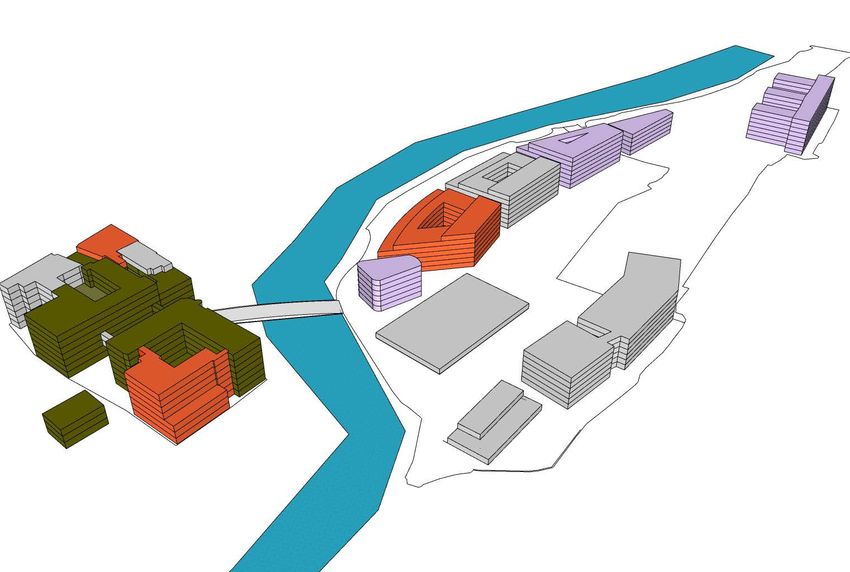
3. Clinical Services Plan

The main objective of the clinical          The development of MUH Campus would:
services plan is to ‘think as one
                                            •   Address systems risks in Cork healthcare (refer to
healthcare organisation’ in Cork, with an       Section 7: System Risks)
integrated service for patients between     •   Improve patient flow throughout the hospitals
all community healthcare providers and      •   Improve the healthcare outcomes for the entire
the hospital sector. The transformation         population served
                                            •   Improve the model of care centre around
envisaged in the development of the MUH         comprehensive community based services
Campus will be key to fully supporting an   •   Improve patients’ experience of care both in terms of
end-to-end patient journey.                     quality of care and satisfaction
                                            •   Improve the experience and well-being of the staff
                                                providing care

                                            The clinical services plan is to transform the service
                                            provision in an incremental fashion from the current
                                            predominance of unscheduled, unplanned, reactive care
                                            provision to a predominantly proactive, person-centred
                                            service of organised planned elective and ambulatory
                                            care.

                                            To achieve the overall vision the development of the MUH
                                            Campus incorporates comprehensive clinical services in
                                            the following areas:

                                            •   Unscheduled Care Incorporating an Acute Floor
                                                Model
                                            •   Elective Surgical Care
                                            •   Ambulatory Care for Chronic Disease Management
                                            •   Diagnostics
“The clinical services strategy             •   Mental Health
        is to transform service             •   Telehealth

  provision in an incremental
                       fashion”

4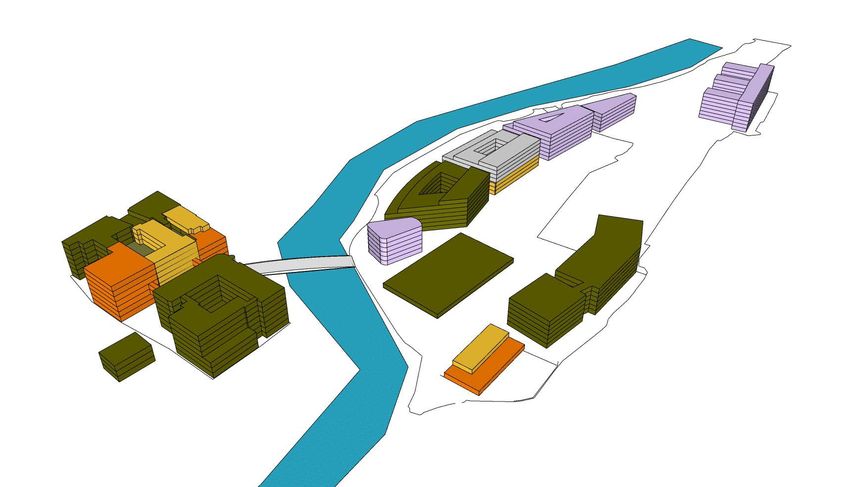
3. Clinical Services Plan
Unscheduled Care Incorporating an Acute Floor Model
The clinical services plan for the newly developed MUH An appropriately designated acute floor facility on the The unit will aim to transform care provision working The MUH Campus will continue to operate the Local
Campus is to have an acute floor assessing urgent and MUH Campus will support a region wide transformation closely with general practice and primary care. GP’s are Injury Unit on St Mary’s Health Campus and with the
emergency presentations with a focus on ambulatory with only the most complex and sickest patients requiring the key enablers to this strategy. Telehealth solutions further development of an ‘hospital without walls’ there
same day management and supporting patients back hospital admission. The acute floor will co-locate a local will be supported to enhance self-care and care in may be opportunity to develop a further off-site local
into the community. emergency department in the MUH Campus, focusing on primary care. The unit will work closely with the National injury unit in the city.
injuries of lesser severity and non-trauma related illnesses Ambulance Service to support and streamline pre-
MUH Campus cannot transform and improve scheduled requiring urgent treatment, with an acute medical hospital care. With appropriate support and telehealth The new acute floor will provide its own self-contained
elective care in isolation from unscheduled care. Both ambulatory care unit providing sub-speciality pathways solutions from the acute floor the ambulance service will diagnostics giving a same day ambulatory assessment,
are inter-related and inter-dependent. The clinical and diagnostics. be enabled to assess, treat, discharge and refer patients diagnosis and management for the vast proportion of
services plan for the newly developed MUH Campus will without resorting to direct hospital care. This will also be patients with no impact on the wider hospital capacity or
be to provide an acute service complementary to and enabled by the development of ambulatory services for capability.
supporting the development of an acute complex care chronic disease as outlined below.
and designated major trauma centre in CUH. The model of care will focus on “scheduling the
unscheduled” where communication with referrers and
patients will be key in ensuring all patients were placed in
a supported, planned and proactive pathway as early as
Local Emergency possible after contact with the hospital.
Department Figure 3.2 Ambulatory Sensitive Conditions –
2 More illness & less injury Potentially Avoidable Admissions with Correct Pathway The acute floor will stream follow-up where required to
Surgical Assessment Unit
Less severe trauma chronic disease ambulatory and out-patient pathways
Post-operative issues
6 Potential for or if necessary schedule further management within the
Self care support; Clinical Condition admission elective pathways in a patient centred manner, supporting
7 Telehealth; Supporting care in avoidance an end-to-end patient journey through the health service.
Acute Mental Health community
Assessment Team Deep venous thrombosis Very high
5 1 Catheter-related complications Very high
Feeding-tube related complications Very high
Scheduling the Lower respiratory infection High
unscheduled; 3
8 Transient ischaemic attack (TIA) High
Streaming to right pathway
Epilepsy – seizures High
Gastroenteritis High
4 Abnormal liver function tests High
Anaemia High
Hypoglycaemia High
Dedicated Medical Urgent Cellulitis High
Diagnostics Ambulatory Care
Streamed to pathways
Falls & syncope High
Radiology - X-ray; U/S; CT
Short-stay beds Cardiology – ECHO; EST Acute Frailty Unit Non-specific chest pain Moderate
Clinical decision unit Respiratory - PFTs Headaches Moderate
High observation beds Laboratory
Urinary tract infection Moderate
Isolation beds
Figure 3.1 Acute Floor Model Telemetry beds Acute mental health crisis Low-Moderate
5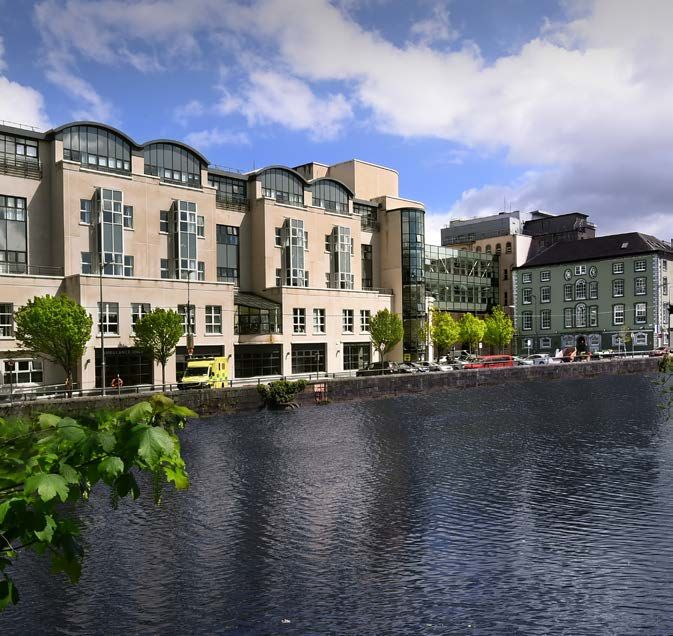
3. Clinical Services Plan
Elective Surgical Care With respect to cancer services, the MUH Campus
would have the capacity to develop scheduled care Ambulatory Care for Chronic Ambulatory care for chronic disease management will focus
on improving population health outcomes and improving
The clinical services plan for elective surgical care is to
models integrated with the current designated Cancer
Centre ( if supported by the National Cancer Control
Disease Management experience of individual patients. This care must be provided
in an integrated fashion between hospital and community
develop local care pathways so that a patient’s elective Programme (NCCP)). Cancer care, from assessment to providers. The development of a regional ambulatory hub
surgical journey is planned, efficient and predictable from The clinical services plan of the developed MUH Campus
diagnosis and onto treatment, will most likely need to be in the developed MUH Campus will allow the provision
start to finish and that care is provided to the highest will see the hospital become the centre for the provision
provided across the Hospital Group in a coordinated and of specialist assessment, diagnostics and treatment in a
clinical standards with the best possible outcomes. The and support of ambulatory care services for chronic
integrated fashion. The development of a new elective purpose-built centre. The hub will support the provision
strategy for elective surgery will be in keeping with the disease management.
facility with enhanced diagnostic capabilities will allow of more complex management in the community through
objective of “thinking as one healthcare organisation” in for more timely assessment and diagnosis of potential outreach by specialist multidisciplinary teams and telehealth
Cork, with all hospitals working together to provide the Ambulatory care services can include outpatients,
cancer. The MUH Campus will also have the elective services. The hub will support general practice, primary
best elective surgical care for our population needs. community based services, ambulatory diagnostic
surgery capacity to support the scheduling of appropriate care teams and other community healthcare providers in
services and primary health care services. Ambulatory
cancer surgery cases within a clinical network if required an integrated fashion through specialist clinical knowledge,
The newly developed elective hospital on the MUH care services do not require an overnight stay in hospital.
by the NCCP. training, research and education. Integrated information
Campus site will become the leading regional provider of These services can encompass services ranging from
communication technology (ICT) systems and telehealth will
elective in-patient surgery and a wide range of day case primary care through to complex tertiary services.
MUH will continue to build upon existing core elective be an important enabler.
surgery. The newly developed site will work closely with Ambulatory Care has as a principal aim the concept
surgical services in upper, mid and lower gastrointestinal
CUH and the Model 2 hospitals in the region to provide of providing care and treatment in a patient friendly
surgery, vascular surgery, urology and men’s health and On the Distillery FIelds section of the MUH Campus
a full range of surgical services. It is recognised that a environment, either in a patient’s home, or at another
general surgery. The development of the MUH Campus a purpose-built ambulatory care centre for chronic
range of complex surgery will continue to be provided location as close to home as possible.
will allow the flexibility in the region to incrementally grow disease management can be developed, separate but
within the planned regional trauma network at CUH. The elective surgery services and accommodate a much complementary to the development of in-patient services.
plan allows for the centralisation of acute emergency wider range of elective surgical work in day surgery, The ambulatory centre will house its own diagnostic
surgical services to CUH. Lower complexity surgery extended day surgery and moderately complex in-patient capability for areas in radiology, cardiac and respiratory
will be provided in the Model 2 hospitals in Mallow or surgical services. tests. This will allow a separation of resources and would
Bantry on a day surgery basis for appropriately selected not impact on the ability to provide in-patient services.
cases. Current work in adjacent hospitals can be Services will be multidisciplinary with the development of
accommodated in the new MUH Campus as required advanced practice in nursing and discrete therapies.
over time. The new development will have the flexibility
to provide all general adult elective procedures with an Specialist reviews, infusion treatments, specialist minor
enhanced range of surgical complexity. In-patient stay required
In hospital
• Schedule the unscheduled procedures and complex assessments will be provided
(supporting ambulatory care) • Elective planned admission
• Specialist review coordination within the ambulatory centre. However, the ambulatory
centre will also aim to support much care, assessment and
management in the community and in patients’ homes.
Provided in the ambulatory centre
• Medical specialist reviews
Specialist Diagnostics • Specialist interventional procedures The centre will act as a back-up for the usual primary care
& Treatment • Infusion suite
• Complex MDT assessment and offer pathways to prevent unnecessary admission. The
ambulatory centre, through specialist knowledge, training
Supported by the ambulatory centre
and education will support the implementation of the HSE
Intensive community • Community case management
case management
• Integrated care programme Living Well with a Chronic Condition: Framework for Self-
• Community specialist clinics
• Multimorbidity management Management Support.
• Outreach services / rehabilitation
Back-up from the ambulatory centre
Primarily • GP / PHN / Primary care team
• Chronic disease care
community care • Single issue community care
• Self management programmes
Figure 3.3 Proposed
Whole population
6 Model for Ambulatory Primary • Routine GP visit
Care for Chronic Prevention
• Obesity management
• Smoking cessation
Disease • Exercise encouragement
3. Clinical Services Plan

Diagnostics                                                                                                           Mental Health                                                  Telehealth
The clinical services plan sees the developed MUH           MUH is the Regional Centre for Gastroenterology. The      The clinical services plan for the MUH Campus                  The clinical services plan for the MUH Campus views
Campus becoming the diagnostic centre for the region.       clinical services plan supported by the development       accommodates an option for an acute mental health              telehealth as an important component of healthcare
An expansion of radiological diagnostics, laboratory        of the hospital site will allow the establishment of an   unit with modern facilities on the Distillery Fields site,     transformation. Telehealth involves the use of
diagnostics, neuro-physiology, gastro-intestinal-           accredited endoscopy unit that meets the endoscopic       providing care for the population we support in the North      telecommunications and virtual technology to deliver
physiology and cardio-respiratory diagnostics will be       diagnostic and therapeutic needs of the population.       Lee catchment area. The development of the acute floor         healthcare outside of traditional healthcare facilities.
required to support the developing clinical services and    The development will allow for the enlargement of the     will support an acute mental health assessment team to         Well-designed telehealth schemes improve healthcare
the population needs. The MUH Campus will continue          capsule endoscopy service and the establishment of        provide urgent acute assessments where required.               access and outcomes, particularly for chronic disease
to establish itself as the regional centre for endoscopic   an appropriately resourced GI physiology laboratory for                                                                  management and for vulnerable groups. These schemes
diagnostics.                                                the region on site.                                       The MUH currently cares for some very vulnerable people        reduce demands on crowded facilities, create cost savings
                                                                                                                      with complex health problems driven by addiction, mental       and make the health sector more resilient.
All three major components of the clinical services         The development of the MUH Campus will support the        health issues, socio-economic difficulties and social
strategy (acute floor, elective surgery, and ambulatory     expansion of non-invasive cardiac testing to support      exclusion, including homelessness. The development             The developed MUH Campus will support the expanded
care centre) will need appropriate timely diagnostic        the acute floor, elective surgery, and ambulatory care.   of the MUH Campus will allow the establishment of              ‘hospital without walls’ model through telehealth and ‘virtual
services. All three areas will have dedicated separate      Respiratory diagnostics including bronchoscopy            integrated pathways between the hospital, mental health        ward’ models of care. Telehealth will be an enabler for acute
radiology services supported by a centralised reporting     services, pulmonary function testing, and sleep studies   services, addiction services and primary care. It will allow   unscheduled care reform, ambulatory care for chronic
department. An expanded on site laboratory service          will also be expanded as part of the clinical services    the planned investment to take place within a managed          disease growth, and patient journey management in elective
will provide timely haematological, biochemical and         plan.                                                     and supported campus environment. The development of           care.
microbiological services.                                                                                             the MUH Campus will allow the realisation of an in-patient
                                                                                                                      stabilisation unit for the addiction services supported by     A telehealth hub can be developed in conjunction with the
The expanded radiological and laboratory services                                                                     mental health and acute hospital services.                     ambulatory care centre on the Distillery Field site and have
will also support the establishment of integrated care                                                                                                                               the size and capability to expand to meet the demands of
pathways with the wider healthcare community services.                                                                The developed MUH Campus envisages establishing                the health service and population for telehealth solutions
An expansion of direct access diagnostics for general                                                                 appropriate proactive supportive pathways for these            over the coming years.
practice is envisaged. These pathways and direct access                                                               vulnerable groups. The hospital will expand its social
will support the ambulatory care and management of                                                                    inclusion services in an integrated manner with mental
patients in the community without the requirement for                                                                 health and acute medicine. Developing the current
hospital admission.                                                                                                   hospital site will allow the growth of these existing
                                                                                                                      services close to the groups of patients most in need.

7
4. The Site
The MUH Campus is offering the existing Existing MUH and Distillery Fields Site
hospital site and the adjacent Distillery
Fields site for development.
Following the phased delivery of the plan the site will
quadruple the hospital capacity from 22,000m2 to
90,200m2.
The redeveloped MUH campus will include a combination
of major new capital developments and the expansion,
conversion and refurbishment of existing buildings. The
end result will be a facility that:
• meets healthcare building standards;
• provides the necessary capacity;
• simplifies inefficient departmental adjacencies and
flows that are the result of historical developments;
• creates clarity of function and accommodates the
acute floor configuration described in Section 3; Figure 4.1 Expanded Capacity There is significant floor area available in the Distillery Recognising the city centre location and the
• provides the opportunity to improve the public realm Fields that can provide flexibility in meeting MUH restriction on parking in the area the plan
and create a new pedestrian area by closing to traffic requirements. The ambition for the site is to locate a includes a proposal to build a multi storey car
the part of Henry St. that currently bisects the site; Accommodation Existing MUH MUH Campus number of clinical buildings such as elective day case, park incorporating the existing staff surface
• provides a direct line of sight to the new pedestrian Inpatient Beds 177 ca.400 outpatient clinics and ambulatory care units, and to parking spaces, on street parking and providing
bridge connection with the Distillery Fields site. the development of an integrated healthcare centre for for the significant increase in day patients from
Day Beds 51 ca.100
academic teaching, research and training. across Munster. The upper levels of the car park
The Distillery Fields site was acquired 20 years ago Mental Health Beds 50 ca.50 will be designed to allow for easy conversion to
and is jointly owned with UCC. As its name indicates, Consulting Rooms 16 ca.50 - 60 In anticipation of the healthcare needs of the region, medical/administrative uses as the number of
it was once a distillery, and is currently a mix of low MUH commissioned a concept study. This study private cars reduces in the decades ahead.
Operating Theatres 4 ca.15
rise, low density existing buildings and green space. led to a detailed capital estates plan. A high level
Some buildings are currently utilised by UCC for various summary of the phased implementation of this plan It should be noted that MUH are aware of the
support functions whilst others are vacant. MUH and Site Details is included in Section 9. This plan demonstrates ongoing OPW flood relief works but anticipate
UCC also currently utilise this part of the site for staff the ability of the MUH Campus to provide all of the these to have a minor impact on development.
Existing MUH Campus Site is 3.01 acres
car-parking. The Distillery Fields site is on the opposite services and facilities required to deliver the proposed Proposed flood protection is limited to the site
bank of the river Lee from the main hospital and benefits Total of Distillery Fields site is 19.1 acres MUH Campus model of care. boundary along the majority of the riverbank.
from a long-curved section of the riverside. There is Total of MUH/UCC site is 12.57 acres The MUH Campus plan efficiently incorporates a
already a pedestrian bridge linking Distillery Fields to the MUH are currently progressing a Mobility Management small number of protected structures consistent
Remaining UCC site is 6.53 acres
main hospital and a second pedestrian bridge directly plan which is considering all alternative modes of with redevelopment of a city centre location.
in front of the main hospital is within Cork City Council’s Expanded Capacity - MUH Campus travel for our staff, patients and visitor journeys to/from
development plans. A joint master plan has been Current capacity 22,000m2 the campus. This plan will be updated regularly and
developed with UCC and the MUH Campus study is will be informed by regular commuter surveys. This
Post Phase 1 52,000m2
complementary to this plan. Mobility management plan will include a car parking
Post Phase 2 69,400m2 strategy which will be developed in line with Cork city
Post Phase 3 90,200m2 Development plan 2015-2021 and will be integrated as
part of the overall mobility management plan for MUH.
85. Brief Description of Mercy University Hospital
“The Mercy” has been a household name MUH is a 16-acre city centre hospital site with good MUH has a workforce of over 1,200 staff providing The Mercy is committed to being an exemplar model
in Cork City, County and beyond for over links and close proximity to UCC. It treats over complex diagnostic, medical and surgical services at of ‘one hospital on multiple sites’ and this is practiced
137,000 patients per annum. It has a visitor footfall of local, regional and national levels. MUH has a strong through the governance of off-site MUH services on
163 years and will continue to be for many approximately 50,000 people per annum. The hospital academic and research portfolio and is a leading provider St Mary’s Health Campus including the Mercy Local
more to come. It began as a hospital with has a long tradition of excellence in patient care, of professional healthcare education which is delivered in Injuries Unit and the Transitional Care Unit. The hospital
forty beds and has progressed to become education, and research. The hospital enjoys a high partnership with a range of academic institutions. It is a now extends into the wider community and continues
a leading healthcare provider in Cork standing in the community it serves, as evidenced in the teaching hospital affiliated with University College Cork for to generate valuable and inclusive cross city links with a
2019 National Patient Experience Survey where 90% of both postgraduate and undergraduate clinical education range of agencies. The hospital values the close working
city. Many people refer to the MUH ethos patients stated that they had either a good or very good and has links to the national GP training scheme. relationship with its GP colleagues and the primary care
of kind, compassionate, patient-centred overall experience during their hospital stay. sector.
care, which is one of its core strengths as The Centre for Nurse Education is the regional nurse
a values-driven organisation. training unit, providing both undergraduate and post The hospital, by virtue of its ethos, heritage and
graduate training for nursing professionals. The Health geographical location, is primed to provide care to the
Research Board Clinical Research Facility, Cork’s most vulnerable and isolated in today’s society.
(CRF-C) administrative centre and its Adult
Research Unit are located in the MUH. Its current operating costs are in excess of €120m. The
hospital is a registered charity and a limited company.
As an urban Model 3 hospital, the clinical It is not for profit but relies heavily on state funding,
services at MUH are vital for training clinical income from private health insurers and generous public
professionals in the region. MUH is affiliated donations through the fundraising arm of the hospital -
with many of the post graduate training the Mercy University Hospital Foundation.
bodies and in recent years MUH consultant
staff have held leadership roles at national The affairs of the company are managed by a Board
level. The hospital is a leading provider of Directors who are responsible to (and appointed
of professional healthcare education in by) a Trustee Company – Mercy Care South. MUH is
Figure 5.1 SSW Hospital Group Locations
SSWHG and supports the community a member of the South/South West Hospital Group
healthcare partner, Cork & Kerry Community (SSWHG) along with eight other hospitals in the region
Healthcare (CKCH), particularly in nursing and is committed to ensuring that patients across the
post-graduate education. SSWHG receive the highest standard of care.
Kilcreene
Clonmel
Kerry General
Mallow General
Waterford
Regional
“Mercy University Hospital is
Mercy University
Bantry General South Infirmary Victoria University
a 16-acre city centre hospital
Cork University/ Cork University Maternity site with good links and close
proximity to UCC”
96. Cork Healthcare System
In keeping with Sláintecare, the This MUH Campus plan highlights how the development MUH will most likely be required to continue to provide CUH is the only hospital in Ireland that currently has most
healthcare system in Cork must move of the new elective and ambulatory hospital on the MUH a comprehensive range of services consistent with its specialties required to function as a Major Trauma Centre.
site can support the regional provision of healthcare, status as the only Model 3 hospital (24/7 acute surgery, However, there will be a need to enhance capacity before
towards one of an integrated acute support the separation of scheduled elective and acute medicine and critical care) in Cork city and CUH can be formally designated as a Major Trauma
hospital and community network which unscheduled emergency care and not compromise safe county for the foreseeable future. However, the acute Centre.
pioneers new forms of acute care. A key acute care in Cork city and county. unscheduled care in the Model 3 hospital needs to move
component is the separation of elective more towards rapid diagnostics and an ambulatory MUH, SIVUH and CUH also work closely together, with
Following the publication of the Reconfiguration provision of care. MUH already focuses to a model of city wide departments for services such as geriatric
and emergency care, and the focussing Roadmap for Cork / Kerry in 2010, a number of ‘one hospital on multiple sites’ and this model will grow medicine, cardiology, gynaecology, microbiology, plastic
of specialist care pathways and services service moves were actioned that have resulted in the with the expanding ambulatory care services. surgery, orthopaedics, ophthalmology and dermatology.
towards the community with an emphasis current position where CUH and MUH are the only two
on ambulatory care. hospitals providing 24/7 emergency care for unselected, CUH is a large regional Model 4 hospital providing There are a number of initiatives already underway that
unscheduled, acute medical and surgical patients for regional and supra-regional tertiary care services for evidence the move towards enhanced integrated care
Cork City and County. This has resulted in progressively Cork and regions well beyond. It is planned that those systems. Two examples are the jointly run integrated
increasing acute, emergency care attendances in both services currently at CUH that can be safely located at nurse training programme and shared admission
these hospitals and the resultant pressures on both alternative city hospitals will be moved in order to allow privileges for acute medicine physicians.
hospitals affects their ability to provide the appropriate CUH to become an efficient tertiary specialist hospital
mix of unscheduled and scheduled care in a timely for those complex conditions – emergency and elective
manner. – that require inputs from multiple specialist services
such as serious trauma, complex cancer, paediatrics and
Figure 6.1 Cork Healthcare System neurosurgery.
The map shows the locations of existing and planned healthcare facilities across the city of Cork including the central location of MUH. The MUH Campus plan shows how the development
of the MUH site can support the separation of elective
10
Centre Locations and emergency care in the region while maintaining safe,
acute urgent care across MUH and CUH. The MUH The MUH is centrally located in Cork city. It is
4
1. Mercy University Hospital (MUH) Campus will continue to provide a comprehensive range an urban hospital that provides care to some
2. Cork University Hospital (CUH) of services consistent with its status as a Model 3 general of the most socio-economically deprived areas
3. South Infirmary Victoria University Hospital (SIVUH) 1 hospital that are complementary and often essential to of Cork. It is ideally situated to support new
4. Cork City North West Primary Care Centre 6
5. Carrigaline Primary Care Centre support elective care. Co-locating close to the general integrated models of care with community
6. Ballincollig Primary Care Centre services of the Model 3 hospital will allow a greater range partners. Its central location means that it is
7. Blackrock Primary Care Centre and more moderately complex planned elective surgery
8. Togher Primary Care Centre
3 well situated to integrate and coordinate care
7 to be supported. with the existing and developing primary care
9. Bishopstown Primary Care Centre 2
10. Cork North East Primary Care Centre centres. It is located close enough to CUH to
9 In February 2018, the report on “A trauma system for provide complementary services and shared
Ireland” recommended that the HSE should designate posts for the new elective and ambulatory
8
CUH as the Major Trauma Centre for the South Trauma hospital in Cork.
Primary Elective only Model 3 Model 4 Network.
care hospital general general
centres hospital hospital 5
0 5 10
Kilometers
107. System Risks
There are significant risks associated Social Deprivation Issues
with maintaining the status quo in terms
of healthcare structures and provision in MUH’s catchment area includes 28 of the most socially
Cork. This section outlines some of the disadvantaged urban electoral districts in Cork City.
These areas have high proportions of marginalised
major risk concerns. groups compared to national averages. Area deprivation
and social marginalisation are known determinants of
Population Trends health, both physical and mental.
MUH’s urban setting, and social deprivation, influences
The Economic and Social Research Institute (ESRI)
the morbidity of the patients attending the acute services
Report “Projections of Demand for Healthcare in Ireland”
especially the emergency department. The psychiatric
published in October 2017, has brought into sharp focus
morbidity of the patients attending MUH is reflected in the
how the unprecedented future growth and increased
annual reports of the Self-Harm Registry. The registry self-
ageing of the population will impact on the health system
harm rate is a proxy indicator of the broader psychiatric
in Ireland. By 2030 there is an expected increase of 14-
morbidity of patients attending acute hospitals. In
23% in general population terms with a 69% growth in
2018 MUH had a very high weighted rate of self-harm
the 65+ years category and a 90% projected increase
presentations of hospitals nationally (weighted by bed
in the 80+ years category. Despite the 65+ years patient
capacity).
cohort representing only 13% of the population, they
received over 40% of day case procedures in 2016
MUH has a strong affiliation with the North side of Cork
and almost 50% of patients receiving care in the health
city and is cognisant of the need to be embedded in
system are aged over 65 years. Based on current trends
the community it serves. It promotes the concept of a
and converting the population health needs into acute
‘hospital without walls’ and wishes to continue to build
hospital service requirements, it is estimated that demand
access through the primary care centres and in direct
for inpatient bed days will increase by 37%, while
integration with community services.
Emergency Department attendances are projected to
increase by over 25% by 2030.
In terms of healthcare provision and equity of healthcare
access, it is important that healthcare facilities are
Health issues in Cork broadly reflect the South/South
provided as close as possible to those in most need.
West regional and national profile. Each year the total
However, the “inverse care law” first reported by Julian
number of people over the age of 65 is growing by
Tudor Hart in The Lancet (1971) suggests that the
around 20,000. The population over 65 will more than
availability of good medical or social care tends to vary
double over the next 30 years with obvious implications
inversely with the need of the population served. All too
for health service planning and delivery.
often healthcare facilities are not provided close to those
with the greatest need thus adding to marginalisation
Developing the new elective and ambulatory hospital
and poor health for those most in need. This is no longer
in close conjunction with a Model 3 general hospital
appropriate in today’s healthcare planning environment.
on the MUH Campus will allow the range of services to
be available to support the increasing older cohort of
It is important that the development of any new
patients.
healthcare facility in Cork is easily accessible to those
most in need, especially the most socially disadvantaged
areas. The MUH Campus gives this opportunity.
117. System Risks
Ongoing Capital Investment Capacity
MUH has made capital submissions to address Detailed scenarios are outlined in the Department of “it is important that
infrastructural and equipment risks, however further Health’s Health Service Capacity Review (2018) in
clarity on the strategic direction of capital investment is terms of future bed requirements, which are stark if no healthcare facilities are
required to progress necessary capital projects on both
a small and large scale. This is leading to lengthening
reform takes place. Together, the baseline and reform
scenario perspectives provide the extremes for a range of
provided as close as possible
timeframes for informed decision making on optimum possibilities for the capacity needed within the system. to those in most need.”
service configuration and capital investment. A robust
planning process will enable the SSWHG to further define The profile of health service use and growth indicates
an integrated model of care and capital investment plan that our hospital services in Cork city are becoming
for the whole of the Group covering the short, medium increasingly stretched. Our hospitals are already
and long term so that all stakeholders have a clear view experiencing a significant capacity issue which will
on future infrastructural developments. worsen if significant reforms in service provision do not
occur and if there is not significant investment to support
The impact of not addressing even the current these reforms.
deficiencies is having an impact on MUH’s ability to
provide appropriate direct patient healthcare to the The increasing number of patients attending in an
people of Cork. There is also a risk that, without unscheduled fashion to emergency departments across
investment, the hospital will not be in a position to Cork city is unsustainable in the longer term. Currently,
maintain current service, or to recruit, train and retain high significant numbers of patients remain for prolonged
calibre staff. periods on emergency department trolleys and there is
also the significant unseen impact of cancelled elective
Capital investment is a scarce resource and one that cases or cases not scheduled due to of the lack of beds.
needs to be made in an informed manner, and against As a result of the lack of alternative pathways, many
the backdrop of recognised Government policy, such as patients with conditions suitable for urgent ambulatory
the National Planning Framework (NPF). The approach care pathways are currently admitted to either MUH or
outlined in the NPF recommends investment be mapped CUH.
against projected population growth. The provision of
modern, accessible and safe healthcare services is a The MUH Campus plan to develop the new elective
key enabler when planning for people and place. MUH ambulatory hospital includes measures to support the
is ideally located in a central urban setting to develop in reforms and scenarios outlined in the Health Service
conjunction with the expected population growth in Cork. Capacity Review (2018) and will allow transformation from
a service focused on unscheduled and unplanned care
to more scheduled and ambulatory care. This will allow
the service provision reforms occur together with the
investment in the new elective and ambulatory hospital.
This will maximise the return in service provision for the
capital investment.
128. Policy
The MUH Campus plan presented in this report is aligned with and supports Figure 8.2 Relevant Policy Frameworks
policy and plans on a national level. A recurring theme across national policy
and planning reports is the need for hospitals to alter their ways of working
and function in a more integrated manner with other hospitals in their region. Sheds light on the crisis within the acute hospital
These reports are prompted by population health needs that are prevalent system where bed occupancy is consistently
across the country and include the unprecedented future growth and running at almost 100%. It suggests a major reform
increased ageing of the population. to ways of working in acute hospitals and the
potential scenario of reforming patient flow through
hospitals to address the issue.
The Sláintecare Implementation Strategy Report, published in August 2018, Discusses the need for health
care provision to shift from
is the most pertinent of all the strategies. It identifies four overarching goals The Sláintecare Describes the incidence
the current hospital-centric
as central to reforming the health system, which are outlined below: and mortality from cancer
system to an integrated Report in Ireland as above OECD
model of care led by
averages and how integrated
community and primary care
care should be employed to
tackle these numbers.
The Health Service A high level and long term
strategic vision that identifies
Capacity Review critical priorities for the
Figure 8.1 Sláintecare Goals
sequencing and delivery of
Discusses the trend of growth that supports the core
hospitals moving towards
MUH Campus Alignment with The Report city area
4 Goals
having specialist roles in their The National
Sláintecare region and recommends four of the National
Cancer Strategy
generic hospital models which Acute Medicine
Deliver improved would offer distinct services 2017-2026
governance and
MUH has developed a phased implementation
and target particular patient
Programme
plan that will ensure patient pathways and
Goal 1 sustain reform groups.
hospital operations are not disrupted during the Trauma System
through a focus on
reform process.
implementation. Report of the
Cork City Plans
The MUH Campus will facilitate the Trauma Steering
Provide high quality, implementation of new models of integrated
accessible and safe clinical care and clinical pathways, separating Recommends the Group for Ireland
Goal 2 care that meets elective and emergency care, thus delivering establishment of an inclusive
the needs of the better outcomes for the SSWHG and optimising trauma system and sets out
population. patient safety, effectiveness of care, productivity key recommendations for the Regional Spatial &
of resources and optimum patient experience. organisation of trauma care
and the provision of patient- Economic Strategy
Unnecessary acute bed occupancy and centred trauma services.
inappropriate emergency department entry carry Provides a long-term regional
Ensure the health huge costs for hospitals. The MUH Campus – level strategic planning and
Goal 3 system is financially and the integrated healthcare system it enables economic framework for the
sustainable. – will prompt an improvement in patient flow that (i.e. Project Ireland 2040) National Planning period 2019-2031.
will see patients accessing care appropriate for discusses making use of Framework
their needs. publicly owned brownfield site
within an existing urban area
The MUH Campus supports the development of
Enable the system to
Goal 4 an integrated health system, in accordance with
deliver its goals.
Sláintecare
138. Policy
The Sláintecare Report The Report of the National Trauma System Report of the The National Cancer Strategy
The Sláintecare Report (Committee on the Future of Acute Medicine Programme Trauma Steering Group for 2017-2026
Healthcare, May 2017) recommends that healthcare
provision shift from the current hospital-centric system The Report of the National Acute Medicine Programme Ireland The National Cancer Strategy 2017-2026 describes the
to an integrated model, with more care provided (2010) recommends four generic hospital models. The incidence and mortality of cancer in Ireland as above
in community and primary care settings. It also purpose of these models is to provide a clear delineation The Trauma System Report of the Trauma Steering OECD averages. Its goals, therefore, are to reduce the
recommends that the focus of healthcare should be on of hospital services based upon the safe provision of Group for Ireland (2018) recommends the establishment cancer burden by providing an integrated model of
planning for the increasing prevalence of chronic disease patient care within the constraints of available facilities, of an inclusive trauma system and sets out key high-quality patient-centred care. This whole-population
such as heart failure, diabetes and COPD which are staff, resources and local factors. The level of service recommendations for the organisation of trauma care based approach aims to ensure that aspects of cancer
expected to rise by over 20% within the next 5 years and that can be safely provided in any hospital will determine and the provision of patient-centred trauma services. services are delivered in a planned way across the eight
account for the majority of GP visits and acute hospital which model applies. There will be a named physician The recommendation suggests the adoption of two designated cancer centres in Ireland.
bed days’ utilisation. The plans for the MUH Campus with responsibility for patients on all aspects of their regional hub-and-spoke Trauma Networks, each with a
align well with Sláintecare as it is a positive step in the pathway. It is recognised that streaming of patients for designated Major Trauma Centre (MTC) for the treatment The National Cancer Control Programme (NCCP), will
direction of Cork’s health system becoming more efficient some medical conditions is already in existence and of major trauma that requires access to specialised work with the HSE and the Department of Health to
and cost effective and service reconfiguration would these practices should continue where they are operating trauma care that will provide the appropriate structures to develop a rolling capital investment plan, to be reviewed
mean less demand on acute hospitals. safely and effectively and be incorporated into the acute meet the needs of trauma patients in Ireland. annually, with the aim of ensuring that cancer facilities
medicine programme locally. meet requirements.
It also suggests the establishment of two Major Trauma
The Health Service Capacity The report recommends the development of an acute Centres corresponding to the two Trauma Networks The clinical model for the MUH Campus will deliver
floor concept (in Model 3 and 4 hospitals) comprising (Central and South) to be located in the most populated specialist chronic disease ambulatory care across a wide
Review a co-located emergency department, acute medicine areas, naming Cork city directly for the south and range of services and will be the main diagnostic centre
unit, and clinical diagnostics unit. In Cork following recommending CUH as the MTC, contingent upon it for the region, aligning efficiently with the National Cancer
The Health Service Capacity Review published in 2018 reconfiguration of services there was a greater move of meeting the recommended designation criteria. This is Strategy and networked to the Regional Cancer Centre.
sets out the crisis within the acute hospital system and patients towards the Model 4 hospital, CUH, that would due to Cork University Hospital being the only hospital
the need for urgent reform. Bed occupancy is running ideally be managed in a Model 2 or Model 3 hospital. in Ireland that currently has most of the specialities
at almost 100% consistently which is above acceptable required to function as an MTC. The development of
international trends and represents an increasing risk of In order for CUH to develop as the supra-regional major the MUH Campus complements the plan for the trauma
harm to patients and staff. Although it is acknowledged trauma centre and tertiary centre for complex care then centre. The new hospital will channel more elective and
that more beds are needed in the short and longer term, MUH must be supported to remain as Cork’s Model 3 ambulatory patients appropriately away from the CUH,
significant change to working practices is the only way of hospital and adopt an appropriate acute floor model on allowing CUH to realise the designation criteria and act as
preventing current trends from continuing or worsening. its expanded site. the region’s MTC.
The review expresses the view that increasing capacity
alone is likely to be counterproductive as new beds are
likely to be occupied by current unmet need and simply
increasing capacity may hinder much needed reform
and improvements in the ways of working that a modern
healthcare system demands. The strategic case for
the MUH Campus supports a regional adoption of an
Ambulatory Care Model from the newly developed Model
3 hospital. This allows the maximum use of capacity in
the MUH and supports the CUH in releasing bed capacity
to develop as the major trauma centre.
14You can also read


