Trenton Psychiatric Hospital - Division of Behavioral Health Services - NJ.gov
←
→
Page content transcription
If your browser does not render page correctly, please read the page content below
Trenton Psychiatric Hospital

   Doctoral
 Internship in
Health Service
  Psychology

                  Division of Behavioral
                  Health Services
Doctoral Internship
in Health Service     Trenton Psychiatric Hospital
Psychology            Highly Rated Among Psychology Interns

                              State of New Jersey
                              Department of Health
                              Division of Behavioral Health
                              Services
                              Trenton Psychiatric Hospital
                              P.O. Box 7500
                              West Trenton, New Jersey 08628
                              (609) 633-1500
                              Philip D. Murphy
                              Governor

                              Sheila Y. Oliver
                              Lt Governor

                              Shereef Elnahal, MD, MBA
                              Health Commissioner

                              Deborah Hartel
                              Deputy Health Commissioner

                              Christopher Morrison,
                              Acting Assistant Commissioner of Behavioral
                              Health Services

                              Robyn Wramage-Caporoso, MA, OT
                              Chief Executive Officer

                              Nicole A. Waldron, PsyD
                              Acting Director of Psychology
                              Director of Psychology Internship Training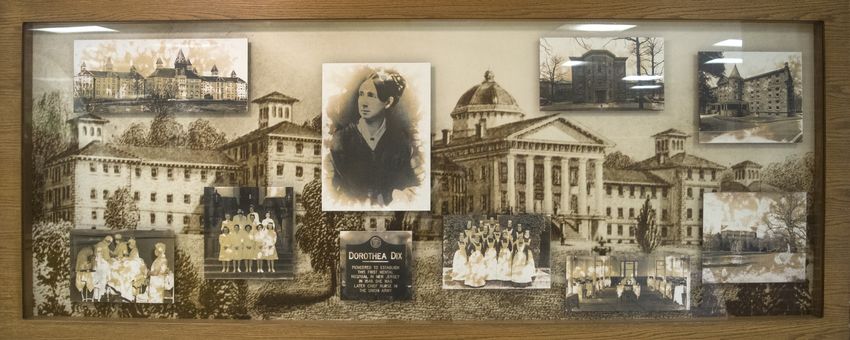
Doctoral Internship
in Health Service               Trenton Psychiatric Hospital
Psychology                     Highly Rated Among Psychology Interns

      The Psychology Department of Trenton
      Psychiatric Hospital (TPH), in conjunction
      with the New Jersey Department of
      Health/Division of Behavioral Health
      Services offers a one year, full-time
      (1750 hours), APA-accredited Doctoral
      Internship in Health Service Psychology.
      The internship program has a rich
      history dating back to 1952 when it
      was founded by Albert Ellis, PhD.
      The program has been APA-accredited
      since 1990. The last site visit occurred
      in August 2017 and the program was
      awarded accreditation for the maximum             Dorothea Lynde Dix
      review period of 10 years.

      TPH is an historic 400-bed psychiatric hospital for
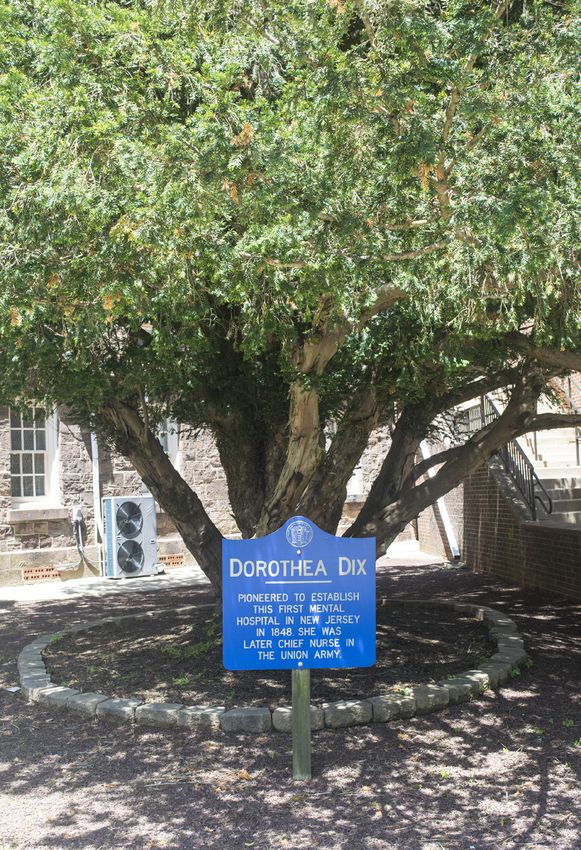
      adults, founded in 1848 by Dorothea Lynde Dix, a pioneer of advocacy
      for people with mental illness. The hospital and its staff continue that
      legacy through a shared mission to provide hope, wellness, recovery, and
      successful community reintegration for patients.

1                                                          Trenton Psychiatric Hospital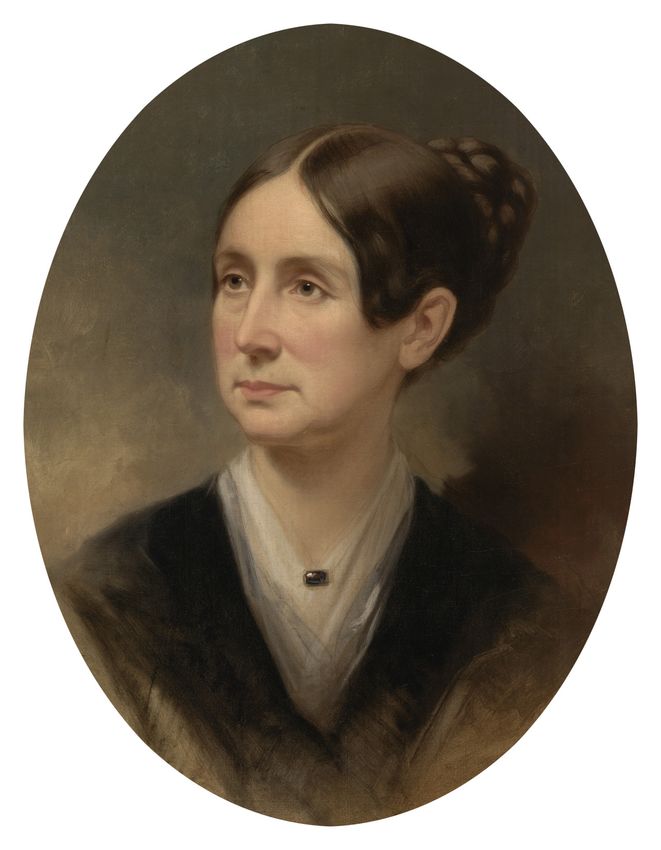
Doctoral Internship
in Health Service            Trenton Psychiatric Hospital
Psychology                   Highly Rated Among Psychology Interns

Commitment to         At Trenton Psychiatric Hospital, we are committed to diversity and
                      developed a Diversity and Inclusion Committee composed of members of
Diversity             the Internship Supervisors Committee. These members are themselves
                      diverse in terms of age, gender, language, ethnicity, culture, etc., each has
                      different areas of expertise, and each has demonstrated a commitment
                      to diversity. The committee has developed several guidelines to ensure
                      consistent and long-term practices to attract and retain diverse interns
                      and staff. In addition, we have identified a Diversity Liaison, who is one of
                      the members of the Diversity and Inclusion Committee. This individual’s
                      role is to advocate for diversity as a core component in recruitment and
                      retention of interns and psychologists. Specifically, the Diversity Liaison
                      will serve as a resource for interns and psychologists to discuss concerns
                      and ideas regarding diversity. Interns will be encouraged to help develop
                      and become part of activities and events planned by the Diversity and
                      Inclusion Committee. We also are committed to the provision of training
                                                           in various areas including diversity. To
                                                           enhance our Colloquia training, we
                                                           collaborated with a psychologist who is
                                                           an expert in Multicultural Training and
                                                           Supervision to develop a three-part series
                                                           on Multicultural Perspectives in Mental
                                                           Health: A Training Guide for Practitioners.
                                                           The Director of Internship Training is also
                                                           the Chair of the CE/CME Committee and
                                                           members of the Diversity and Inclusion
                                                           Committee have been appointed to
                                                           represent the psychology department
                                                           in making recommendations for topics
                                                           and speakers with a focus on individual
                                                           difference and diversity. Our goal is
                                                           to create a welcoming and affirming
                                                           environment for all our staff and interns
                                                           to grow together as professionals.

                      Because of its progressive philosophies and a preferred location in New
                      Jersey’s capital city, between New York City and Philadelphia, TPH’s
                      Doctoral Internship in Health Service Psychology is highly competitive.

2                                                                 Trenton Psychiatric Hospital
Doctoral Internship
in Health Service            Trenton Psychiatric Hospital
Psychology                   Highly Rated Among Psychology Interns

Intern Advantage      The stipend for the 2019-2020 internship class is funded at the gross salary
Competitive           of $37,930.87. Each position is filled at 80% for a salary of $30,344.70 for
                      a four- day work week at TPH and a one-day volunteer outplacement at
compensation and
                      another site. Interns also enjoy:
benefits package
                      o   12 paid State Holidays at 80% pay
                      o   9 vacation days
                      o   11 sick days
                      o   80% of 6 administrative leave days
                      o   Workers’ Compensation
                      o   Deferred Contribution Retirement Program (DCRP)
                      o   Free cafeteria lunch

                      Depending on when the intern’s volunteer day is and whether the volunteer
                      day falls on a holiday or not, the final salary may increase or decrease
                                                                      slightly. No medical/health
                                                                      insurance coverage is provided,
                                                                      but in the event of an injury,
                                                                      interns will receive Workman’s
                                                                      Compensation. Interns will
                                                                      also be enrolled in the DCRP
                                                                      pension plan. If an intern does
                                                                      not become employed by the
                                                                      state after internship, the money
                                                                      withheld for the pension will be
                                                                      reimbursed upon request.

3                                                                 Trenton Psychiatric Hospital
Doctoral Internship
in Health Service          Intern Candidate Requirements
Psychology                                     Setting High Standards for Care

                         To be considered for TPH’s Doctoral Internship in Health Service Psychology,
                         applicants must be graduates of an accredited college or university with a
                         Bachelor’s Degree, enrolled in a doctoral program in applied psychology
                         (clinical or counseling) at an accredited university or professional school and
                         be approved by their University Training Director for the internship. Successful
                         applicants have completed at least 500 hours of therapy experience and 100
                         hours of assessment experience, with graduate course training in each of the
                         following areas:
                         1. Psychotherapeutic techniques and counseling with practicum experience.
                         2. Objective and projective testing with practicum experience.
                         3. Personality development and psychopathology.
                         4. Theories of learning and motivation.
                         5. Research design and statistical analysis.
                         6. Group Therapy.

Doctoral Candidates      Doctoral psychologists interested in changing their specialty to qualify in
(Changing Specialties)   an applied area of psychology must be certified by a director of graduate
                         professional training as having participated in an organized program in which
                         the equivalent of pre-internship preparation (didactic and field experience)
                         has been acquired. (See pre-doctoral requirements for specific work and
                         practicum experience).

4                                                                    Trenton Psychiatric Hospital
Doctoral Internship
in Health Service                           Application Procedure
Psychology

    Application Form   We utilize the online APPIC APPLICATION FOR PSYCHOLOGY
                       INTERNSHIP (AAPI) form available at APPIC’s website, www.appic.org.
                       Click “APPI Online,” complete the application AND submit all supportive
                       materials electronically.

         Supportive    Supportive materials which should be scanned electronically and submitted
          Materials    in addition to the AAPI form include a recent work sample (e.g., a
                       psychological assessment).

           Deadline    The DEADLINE for sending the APPLICATION (AAPI) and all supportive
                       materials is NOVEMBER 1st.

Further Questions      If you have any further questions about our program or the application
   or Clarification    process, contact the Director of Training:
                       Nicole Waldron, PsyD
                       Acting Director of Psychology
                       Director of Psychology Internship Training
                       Trenton Psychiatric Hospital
                       P.O. Box 7500
                       West Trenton, New Jersey 08628
                       nicole.waldron@doh.nj.gov
                       609-633-1630
                       Website:
                       https://www.state.nj.us/health/integratedhealth/documents/
                       hospitals/trenton/TPH_Internship_Brochure_2019-2020.pdf

        APA Contact    For current information on our accreditation status, you may contact us
            Address    directly or contact APA at:
                       American Psychological Association
                       Office of Program Consultation and Accreditation
                       750 First Street, NE
                       Washington, DC 20002-4242
                       (202) 336-5500

5                                                               Trenton Psychiatric Hospital
Doctoral Internship
in Health Service                                        Intern Experience
Psychology                        Concentrated Learning Environment,

    Philosophy and    The aim of the doctoral internship at TPH is to stimulate, support, and shape
      Expectations    the professional growth of psychology interns. We seek both to build upon
                      previously acquired competencies and to facilitate development of new clinical
                      competencies and professional skills. While we seek to enhance development
                      of a broad range of competencies and skills, an important aspect of our
                      training philosophy is to provide all TPH interns with particular expertise in
                      providing psychological services to individuals displaying serious and persistent
                      psychopathology.

                      We expect to graduate interns who will:
                      1. Function as competent psychotherapists, psycho-diagnosticians and
                         interdisciplinary treatment team members.
                      2. Effectively apply literature, supervision and continuing education to
                         their clinical work.
                      3. Conduct themselves in a professional manner, in accordance with
                         ethical and legal guidelines applicable to the setting in which they
                         practice.
                      4. Possess sensitivities to individual and cultural differences that enable
                         them to provide effective psychological treatment for the individuals
                         they serve.

                                                             These expectations are achieved by
                                                             providing interns with a program that
                                                             integrates two broad training dimensions:
                                                             (1) exposure to clinical and professional
                                                             roles and experiences and (2) didactic
                                                             and supervisory experiences. These
                                                             experiences are structured according to
                                                             the unique training needs of each intern.

                                                              The first training dimension, exposure to
                                                              a range of clinical roles and experiences,
                                                              is achieved through clinical and other
                                                              professional role experiences at
                                                              TPH and at training experiences at
                                                              an outpatient or specialized site that
                                                              matches the intern’s training interests.
                      In these settings, interns are exposed to patients representing a broad
                      spectrum of psychopathology and diverse demographic backgrounds. Interns
                      are also exposed to psychologists functioning in a variety of professional roles:
                      multidisciplinary treatment team member, treatment plan facilitator, and
                      hospital committee member.

6                                                                  Trenton Psychiatric Hospital
Doctoral Internship
in Health Service                                         Intern Experience
Psychology

                       The second dimension of training, didactic and supervisory experiences,
                       involves education and guidance. Interns receive both individual and group
                       clinical supervision, including 3 to 4 hours weekly of one-to-one supervision,
                       and up to 1.5 hours of group supervision. Supervisors representing a range of
                       theoretical orientations and areas of expertise provide guidance for interns.
                       Interns also attend a state-wide colloquium series as well as seminars and in-
                       service programs based at TPH.

                       Finally, interns’ experiences are structured according to individualized training
                       plans that incorporate intern, supervisor, and university input. New training
                       plans are developed for interns for each 6-month rotation.

       Practitioner-   We conceptualize our training model as a practitioner-scholar model.
            Scholar    Training at TPH is characterized by intensive clinical experience supported
    Training Model     by didactic programming and supervision that exposes interns to current
                       research and literature relevant to their clinical work. Prior to completing
                       the internship, interns demonstrate integration of clinical work and
                       scholarship through an annual project. Most interns’ Annual Project is the
                       development of new and innovative programming for the patients at TPH.
                       Examples include a cognitive remediation program utilizing the Wii system,
                       Acceptance and Commitment Therapy Groups (ACT), and competency
                       restoration groups. As part of the colloquium series, interns will develop
                       and present either a diagnostic or therapy case utilizing supporting theory
                       and research. Some interns have a particular interest in research. If an intern
                       has such an interest, she/he may develop and carry out an original research
                       project relevant to his/her clinical work with appropriate approvals in place.

    The Context of     TPH is an inpatient psychiatric facility accredited by The Joint Commission.
          Training     TPH maintains a census of approximately 400 adult patients. The hospital
                       is located on the Trenton/Ewing border close to the Delaware River,
                       approximately 20 miles northeast of Philadelphia and 60 miles southwest of
                       Manhattan. It can be easily reached from the New Jersey Turnpike, I-95 or
                       Route 1. TPH is also accessible via public transportation.

                       Mental health services in the state of New Jersey have been transformed by
                       the wellness and recovery philosophy the state has adopted. TPH’s Mission
                       Statement is: “It is our mission to provide hope, healing and successful
                       community reintegration for our patients by assisting them in managing
                       their psychiatric symptoms and developing a personal path of wellness
                       and recovery.” TPH has taken significant steps to assure that a wellness

7                                                                    Trenton Psychiatric Hospital
Doctoral Internship
  in Health Service                                         Intern Experience
  Psychology

                            philosophy shapes hospital treatment. Among the ways the wellness and
                            recovery philosophy is being put into practice are:
      TPH’s Mission         o Staff members are trained to understand and apply a wellness and
       Statement              recovery paradigm
    It is our mission to    o Treatment includes psycho-educational and psychotherapeutic evidence-
provide hope, healing and     based approaches such as “Illness, Management, and Recovery” (IMR),
                              Integrated Technology-based Cognitive Remediation (ITCR), Recovery
  successful community
                              Oriented Cognitive Therapy (CT-R), and Dialectical Behavior Therapy
  reintegration for our       (DBT)
   patients by assisting    o Patients are being reintegrated into the community with the help of
 them in managing their       innovative programs and resources such as Residential Intensive Support
                              Team (RIST) and Supportive Housing, and case management services
psychiatric symptoms and      such as Program of Assertive Community Treatment (PACT) and
  developing a personal       Integrated Community Management Services (ICMS).
   path of wellness and
                            TPH provides inpatient psychiatric services primarily to residents of
          recovery.         Mercer, Middlesex, and Monmouth counties. Residents of other counties
                            presenting special legal or other issues may also receive treatment at TPH.
                            Patients 18 years of age and older, from diverse cultural and socioeconomic
                            backgrounds, and with serious mental illnesses are provided mental health
                            services designed to mitigate debilitating symptoms, enhance adaptive
                            functioning, and facilitate successful reintegration into the community.

  8                                                                  Trenton Psychiatric Hospital
Doctoral Internship
in Health Service Hospital Operations
Psychology Four Treatment Areas
Exceptional Opportunities for Professional Growth
The hospital is The Drake Complex is composed of three coed, locked admissions
units. Psychologists assess and treat involuntarily committed patients
divided into 4 who present with acute symptoms and behaviors including suicidality and
primary sections. aggression. In addition, interns gain a familiarity with the care of patients
Each complex who have significant legal issues including those on Detainer status, those
has unique found Not Guilty by Reason of Insanity (NGRI), those court ordered to be
functions but is evaluated for competence to stand trial, and those who are Megan’s Law
interdependent registrants. One unit is now dedicated solely to forensic patients court-
ordered for competency assessments. Treatment occurs in the context of a
with other parts Treatment Mall setting within the Drake Complex which offers centralized
of the hospital. programming to individuals in all three admissions units and aims to stabilize,
support and ultimately discharge patients. Patients may stabilize quickly
and return to the community or progress to other hospital units for further
treatment. The intern placed in Drake gains experience and training on the
unit where his or her primary supervisor provides psychological services
and gains assessment experience where his or her assessment supervisor is
assigned.
The Raycroft Complex is composed of four locked units and provides
“post- admission” treatment for patients determined to need continued
acute treatment. The Raycroft Complex includes one female unit, two
male units, and one coed unit. In addition to patients needing continued
acute treatment, the Raycroft Complex also may include patients with sex
The Drake Complex offender charges, patients designated as NGRI, and patients being evaluated
for competence to stand trial. Based on their Level of Supervision, patients
may attend programming within the Raycroft Complex or they may go to
the centralized Treatment Mall located in the nearby Lincoln Complex.
At the Treatment Mall, patients attend diverse programming, including
Sex Offender Specific Treatment, Art Therapy, Music Therapy, Anger
Management, Competency Restoration, Dialectical Behavior Therapy (DBT)
Skills Group and Yoga, in addition to traditional process groups. Under the
supervision of the Training Director, the intern assigned to the Raycroft
Complex completes therapy training across all the Raycroft Complex units
and within the Treatment Mall. Interns receive their assessment supervision
from a supervisor working within the Raycroft Complex and may draw
cases from units in Raycroft and throughout the hospital.
The Lincoln Complex contains four locked units including: the Lincoln
Unit providing coed treatment for patients with special medical needs; the
Lazarus Cottage, providing coed DBT and substance abuse treatment; the
King Cottage, providing continued acute treatment to men with chronic
mental illness; and the Kennedy Cottage, considered a less-restrictive
The Raycroft Complex
unit housing a coed population, which benefits from a unit-based positive
9 Trenton Psychiatric HospitalDoctoral Internship
in Health Service Hospital Operations
Psychology Four Treatment Areas
behavioral support program. Patients from all units also attend programming
in the Lincoln Complex Treatment Mall. Approximately 25% of patients
in Lincoln Complex have legal issues or a history of violence. The Lincoln
Complex intern receives therapy supervision in the Lincoln Building, where
the primary supervisor works, and assessment supervision with another
supervisor located on the Lazarus Unit.
The Transitional Living Unit (TLU) is open and unlocked. Patients reside
in 12 renovated homes on the hospital grounds, each housing five to
eight patients who participate in programming on the hospital grounds,
with many patients utilizing off-grounds privileges on weekends. Patients
A Transitional Living Cottage
from TLU are also invited to attend programming in the Lincoln Complex
Treatment Mall. Preparation for discharge into the community is facilitated
in part through residing in this home-like environment. Patients in TLU
may also hold a job through the Vocational Rehabilitation program on the
hospital grounds. The TLU intern receives therapy cases and supervision in
TLU whereas diagnostic cases and assessment supervision will occur in the
Lincoln Complex.
Training Rotations
The year is divided into two, six-month training rotations. Each intern
has two primary assignments based on the intern’s previous experiences,
current training needs, and preferences. Exposure to hospital units outside
of an intern’s primary placement can also be arranged to broaden the
diversity of the training experience.
Outplacement Specialized Training
Depth and variety of experience are further promoted by having our interns
spend one full day per week at an outplacement site that offers outpatient
or specialized training and is affiliated with the internship program. An
effort is made to match each intern’s training interests with his or her
outplacement site. An intern may be placed at an established site or a
new site. New sites are added regularly in response to intern needs and
requests or changes in availability. Sites recently available to interns have
included: Children’s Specialized Hospital Outpatient Program in Hamilton,
NJ; Ann Klein Forensic Center in West Trenton, NJ; the Special Treatment
Unit which serves civilly committed sex offenders in Rahway, NJ; Cooper
Hospital/University Medical Center’s Neurology Group in Camden, NJ;
and college counseling services at Rutgers University. These sites provide
interns with the opportunity to gain experience in outpatient or specialized
inpatient settings serving a variety of populations.
10 Trenton Psychiatric HospitalDoctoral Internship
in Health Service Content of Intern Training
Psychology Six Foci, Hands-on Experience
Supervisory Excellence
The TPH Doctoral Internship in Health Service Psychology has two
broad training dimensions: (1) exposure to clinical and professional
roles and experiences and (2) didactic and supervisory experiences.
Six primary components of training fit into these dimensions.
Psychotherapy, psychological assessment, professional role
development, and outpatient or specialized site clinical experiences fall
into the first dimension. Supervision and educational experiences fall in
the second dimension.
1 Psychotherapy Psychology Interns at TPH gain psychotherapy experience treating a
variety of patients under close supervision. Interns’ caseloads include
patients displaying varying levels of psychopathology and diverse personal,
cultural, and demographic characteristics. All interns gain experience
with a patient population displaying severe and
persistent psychopathology. Interns are exposed
to a variety of theoretical viewpoints and treatment
modalities. Each intern is observed doing individual
and group psychotherapy. Interns meet with their
therapy supervisor between 1 – 1.5 hours per week.
The Training Plans that are developed for each six-
month rotation include identification of competencies
and goals intended to remediate areas of weakness
and promote growth as a psychotherapist. At TPH
therapy cases are chosen from the entire range of acute
psychoses and chronic schizophrenias, major affective
disorders, character disorders, dissociative disorders,
neurological conditions, and substance abuse disorders.
At outplacement sites, interns gain additional supervised
experiences treating populations which may display less
severe psychopathology than the TPH population, such
as college students; they may represent a population that differs from the
TPH patients, such as children and adolescents; or they may present with
particular issues such as forensic involvement. Both inpatient and outpatient
supervisors employ supervision techniques such as direct observation,
monitoring of taped sessions, feedback, case discussion, didactic instruction,
role-playing, and discussion of assigned readings to foster theoretical
understanding and technical competence.
11 Trenton Psychiatric HospitalDoctoral Internship
in Health Service Content of Intern Training
Psychology
2 Psychological
Assessment
Interns gain and improve skills in the administration, scoring and
interpretation of major intelligence, neurological, objective, and projective
test measures, as well as violence and sexual violence risk assessments
and actuarial assessment instruments such as the: WAIS-IV, WASI-II, WMS-
IV, Folstein Mini Mental Status Exam, MMPI-2RF, MCMI-IV, Personality
Assessment Inventory, Beck Scales, Rorschach, TAT, Suicide Risk
Assessment, Static 99-R, VRAG, SORAG, STABLE/ACUTE, and HCR-20 V3.
Interns can access many computerized scoring and interpretive systems for
the aforementioned tests as directed by their assessment supervisor, who
evaluates how to incorporate and utilize these tools based on the intern’s
level of expertise. Interns meet with their diagnostic supervisor between
1 – 1.5 hours per week. Interns are taught how to: select tests to answer
referral questions; learn to use the diagnostic categories of the DSM-5;
develop clinical interviewing skills; and make specific and viable treatment
recommendations. Referrals include questions such as risk to self and
others and differential diagnosis including level of intellectual functioning,
neurological conditions, presence of thought, mood and character
disorders, and PTSD. Interns also identify the content of specific life and
emotional issues unique to the individual being assessed.
3 Professional
Role
Development
Development of a positive professional image through interaction and
identification with professional role models is a significant aspect of our
program. In addition to their more traditional roles as therapists and psycho-
diagnosticians, TPH psychologists act as skilled facilitators at community
meetings, as planners of innovative programming efforts,
and as integral team members on their assigned units.
By virtue of their treatment team experiences, interns
gain exposure to different theoretical points of view and
learn how to work with members of other disciplines.
Psychology is represented in leadership roles on all major
hospital policy committees, including the Executive
Committee of the Medical Staff, the Performance
Improvement Council, the Research Review Committee,
CE/CME Committee, and Violence Prevention
Committee.
At TPH interns are exposed to various supervisory
styles through their own supervision, and supervisors
provide and review literature on supervision models
and approaches to ensure knowledge and competency
in the methods of supervision. In addition, TPH interns
are required to view videos from the APA Psychotherapy Supervision Video
Series. Interns will have opportunities to engage in 1:1 peer supervision and
12 Trenton Psychiatric HospitalDoctoral Internship
in Health Service Content of Intern Training
Psychology
supervision role-plays as well as provide consultative guidance to other
health care professionals on their respective treatment teams, including
members of other professional clinical disciplines (psychiatry, social work,
rehabilitation staff) as well as nursing and paraprofessional staff. Interns also
participate in a weekly, year-long Professional Development Seminar where
they routinely engage in peer supervision in a group format and provide
feedback on cases and a variety of issues that arise during the year. As part
of her facilitation of the Professional Development Seminar, guidance on the
provision of supervision is provided by the Director of Training.
4 Outpatient/
Specialized
Site Clinical
Experiences
Each intern spends one full day per week at an affiliated outplacement site
for the full internship year. Assignment to the outpatient/specialized setting
is designed to bring diversity to intern experiences by bringing them into
contact with patient populations other than psychiatric hospital inpatients.
In addition, these experiences provide interns with opportunities to become
familiar with alternate settings in which psychological services are delivered.
New sites will be added in response to training needs and interests. Interns
receive 1 hour of supervision per week by a licensed psychologist.
5 Supervision The internship program at TPH provides up to 3 hours of one-to-one
supervision and 1 hour of group supervision per week by New Jersey
licensed psychologists. Supervisors maintain a close relationship with their
intern. Supervisors at TPH also have completed a year-long Supervisor
Training Seminar or other seminars and training on the
provision of supervision.
Interns are assigned a TPH psychotherapy supervisor
and a TPH psychodiagnostic supervisor. Interns also
participate in the year-long Professional Development
Seminar which includes weekly supervisory and didactic
components facilitated by the Director of Internship
Training. Additionally, a New Jersey licensed supervisor is
assigned at the outplacement site. Interns also have the
opportunity to participate in weekly peer supervision.
13 Trenton Psychiatric HospitalDoctoral Internship
in Health Service Content of Intern Training
Psychology
6 Educational
Experiences
To supplement their clinical experiences, TPH interns attend two days of
training each month at a colloquium program. This is consistently one of
the most highly rated aspects of the internship program and includes such
experiences as attending presentations by psychologists in areas such as
Conducting Competency to Stand Trial Evaluations, Risk
Assessments, treating patients with addictions and
speakers who are leaders in the field in subjects such as
forensic psychology, cultural diversity, and personality
theory.
Interns also participate in a variety of didactic and
experiential programs at TPH on a monthly-basis
throughout the year. TPH Psychologists provide in-
service trainings on topics that include:
1. The Basics of DBT
2. Acceptance and Committeeman Therapy
3. Ethics and Professional Standards
4. Working with Immigrant Families
5. CBT for Psychosis
6. Cognitive Remediation
7. Private Practice
Interns have additional opportunities for didactic training in TPH’s CE/ CME
Programs. Interns also have opportunities to interact with trainees in other
disciplines.
The Stratton Building
14 Trenton Psychiatric HospitalDoctoral Internship
in Health Service Intern Performance Evaluation, Feedback,
Psychology Retention, Minimal Requirements
High Standards, High Expectations
The internship experience is divided into two six-month rotations. Interns
are assigned to a primary unit for each rotation with a different psycho-
therapy and psychodiagnostic supervisor for each rotation. Training plans
are developed at the beginning of each rotation – at the beginning of the
internship year and approximately six months into the internship year.
At the completion of each six-month rotation, interns receive evaluations
from their supervisors and provide evaluations of their supervisors. In-
terns remain at their specialized outplacement site for the full year. Each
intern’s specialized site supervisor provides input to Training plans and
evaluations.
Training plans and Evaluations include
the following 10 Goals and objectives:
Goal 1 Objective A: Clinical Interview Skills
To Achieve Objective B: Diagnostic Skills
Competence in Objective C: Psychological Test Selection and Administration
Psychological Objective D: Psychological Test Scoring and Interpretation
Assessment Objective E: Assessment Writing Skills
Objective F: Patient Feedback Regarding Assessment
Goal 2 Objective A: Case Conceptualization and Treatment Planning
To Achieve Objective B: Therapeutic Interventions and Confidentiality
Competence in Objective C: Patient Rapport
Psychotherapeutic Objective D: Effective Use of Emotional Reactions (Countertransference)
Intervention Objective E: Group Therapy Skills and Preparation
Objective F: Patient Risk Assessment/Management
Objective G: Safety and Crisis Management
Goal 3 Objective A: Consultative Guidance
To Achieve Objective B: Knowledge of the Treatment Roles of Other Disciplines
Competence in Objective C: Interdisciplinary Treatment Team Functioning
Consultation &
Interdisciplinary
Health Care
Goals continued on next page
15 Trenton Psychiatric HospitalDoctoral Internship
in Health Service Intern Performance Evaluation, Feedback,
Psychology Retention, Minimal Requirements
Goal 4 Objective A: General Psychological Knowledge
To Achieve Objective B: Seeks Current Scientific Knowledge
Competence in Objective C: Develops and Implements Final Project
the Application Objective D: Utilization of Supervision and Continuing Education
of Literature and
Supervision to
Clinical Work
Goal 5 Objective A: Knowledge of Ethics and Law
To Achieve Objective B: Knowledge of Policy, Procedure, and Reporting Guidelines
Competence in Ethics
and Legal Matters
Goal 6 Objective A: Professional Interpersonal Behavior
To Achieve Objective B: Professional Verbal and Written Communication
Competence Objective C: Communication with Supervisor
in Professional
Interpersonal
Behavior
Goal 7 Objective A: Uses Positive Coping Strategies in Dealing with Professional
To Achieve and Personal Challenges
Competence in Objective B: Professional Responsibility and Documentation
Professional Values, Objective C: Responsible and Efficient Time Management
Attitudes, and Beliefs Objective D: Administrative Competency
Goal 8 Objective A: Sensitivity to Patient Diversity
To Achieve Objective B: Patient Rapport/Working Relationships with
Competence in Diverse Patients
Individual and Objective C: Awareness of Own Individual Differences and Cultural and
Cultural Diversity Ethnic Backgroun
Goals continued on next page
16 Trenton Psychiatric HospitalDoctoral Internship
in Health Service Intern Performance Evaluation, Feedback,
Psychology Retention, Minimal Requirements
Goal 9 Objective A: Supervisor Competence
To Achieve Objective B: Diversity
Competence in Objective C: Supervisory Relationship
the Provision of Objective D: Feedback
Supervision Objective E: Problem of Professional Competence
Objective F: Ethical, Legal, and Regulatory Considerations
Goal 10 Objective A: Critical Review of Literature
To Achieve Objective B: Research Guided Intervention
Competence in Objective C: Research Guided Assessment Practices
the Utilization of Objective D: Presentation of Research
Research
In addition interns actively participate in tailoring their training plans by
providing preferences regarding in-house rotations, outplacement sites
and any specific skills, projects or research interests they have. These are
incorporated in the training plans and evaluated by their supervisor at the
end of each rotation.
Supervisors rate interns on each objective applicable
to their rotation on the following five-point scale:
Interns are considered to
5 Advanced Skills – Comparable to autonomous practice at the licensure-
eligible level. This is the highest rating achievable during and at completion
of pre-doctoral training. Competency is consistent with full psychology staff
be in Good Standing at
mid-year if at least 50% privilege level.
of all rated objectives are
at a competence level of
3 or higher. Interns are
4 High Intermediate – Occasional supervision needed. A frequent rating at
completion of internship. Competency attained in all but non-routine cases;
supervisor provides overall management of trainee’s activities; depth of
considered to be in Good supervision varies as clinical needs warrant.
Standing at the end of
the training year if all
rated objectives are at a
3 Intermediate – Common rating throughout internship. Routine supervision
of each activity.
competence level of 3 or
higher and at least 50%
of all rated objectives are
2 Entry level – Continued intensive supervision is needed. Most common
rating for beginning interns. Routine, but intensive, supervision is needed in
most areas.
at a competence level of
4 or higher.
1 Needs remedial work – Requires remedial work as part of supervision
process.
In addition, Supervisors can provide qualitative comments for each
Competency.
17 Trenton Psychiatric HospitalDoctoral Internship
in Health Service Intern Performance Evaluation, Feedback,
Psychology Retention, Minimal Requirements
Feedback and Advisement of interns is ongoing and occurs
throughout the year, both formally, on a weekly basis during
supervision, and informally, as requested by the intern or
determined by the supervisor. It is the goal of the internship
program to retain all interns who begin the internship program.
In the rare situation in which an intern needs remedial work, a
competency assessment form will be completed immediately and
shared with the Intern and Director of Training. In order to allow
the intern to gain competency and meet passing criteria for the
rotation, these areas must be addressed proactively. In doing so, a
remedial plan needs to be developed and implemented promptly.
Due process procedures are followed.
Program Minimal requirements to complete the internship include:
Completion 1. Good Standing rating for all evaluations
Requirements 2. A minimum of 1,750 hours of training, as documented on a Training
Hour Log and in timesheets signed by the interns’ primary supervisor
3. A case presentation (therapy or diagnostic)
4. Submission of an acceptable Annual Project
5. Completion of all required documentation, including supervisor
evaluations, program evaluations, clinical progress notes and
psychological assessments
Interns interested in obtaining more than the minimum 1,750 hours of
training can arrange, with their supervisor and proper documentation, to
accumulate 2,000 hours in the TPH program.
18 Trenton Psychiatric HospitalDoctoral Internship
in Health Service Intern Performance Evaluation, Feedback,
Psychology Retention, Minimal Requirements
Post The long-term objective of our internship program is that our internship
Internship graduates are prepared and expected to work in a variety of professional
settings and roles as psychologists. Many interns apply to our program
specifically because they want to acquire psychological treatment skills
with individuals displaying severe and persistent psychopathology and/
or forensic issues. Most intern graduates are working in staff positions
providing psychological services. Many are providing services in settings
with underserved populations that include individuals who display severe
psychopathology, such as forensic settings and psychiatric hospitals. Some
intern graduates move on to postdoctoral fellowship positions or jobs in
settings such as university psychological counseling centers. Others are
engaged in other professional activities such as consulting or research.
We encourage interns to
continue on the professional
path towards psychology
licensure. We provide whatever
guidance and assistance we can
towards that goal. Many of our
intern graduates have become
licensed psychologists in New
Jersey and other states. Others
are in the process of becoming
licensed.
19 Trenton Psychiatric HospitalDoctoral Internship
in Health Service TPH’s Psychology Department
Psychology Renowned Regional Staff
Attentive Supervisory Support
The Psychology The hospital’s psychology department is comprised of 15 psychologists,
4 psychology interns, 10 Behavioral Support Technicians (BSTs), and
Department 2 Behavior Analysts. Nine full-time psychologists are licensed in New
Regionally renowned Jersey, with several other department members licensed in other states,
staff, progressive including Pennsylvania and New York. Supervisors subscribe to a variety
treatment of theoretical orientations and provide opportunities for exposure to
philosophies diverse supervision styles and professional roles. Qualified supervisors
are New Jersey licensed psychologists who have attended a supervisor
training class led by the former Chief of Psychology Services of New
Jersey or have attended another form of training or supervision in the
provision of supervision.
Acting Director of Psychology and Director of Psychology Internship
Training:
Dr. Nicole Waldron Dr. Nicole Waldron (Supervisor, Stratton Building) received her PsyD in
Supervisor Clinical Psychology from the Georgia School of Professional Psychology
Stratton Building in 2000 and completed her internship at Trenton Psychiatric Hospital.
She is a licensed psychologist in New Jersey, New York and Pennsylvania.
Dr. Waldron has been working for the State of New Jersey for 18 years,
previously at the Special Treatment Unit (civil commitment unit for adult,
male sex offenders) and currently at Trenton Psychiatric Hospital. Her
primary theoretical orientation is cognitive behavioral, but she adopts an
eclectic approach in working with patients in a psychiatric inpatient setting.
Her interests include the treatment of anxiety and depression, disaster
response, and the treatment and assessment of forensic populations. She
has particular expertise in sex offender specific therapy and risk assessment
and worked with administration to develop and expand the sex offender
therapy program at TPH. She is certified in Recovery Oriented Cognitive
Therapy from the Aaron T. Beck Psychopathology Research Center. She has
an interest in Ethics and provides In-service training on Ethical Standards
and Practice.
Regional Staff continued on next page
20 Trenton Psychiatric HospitalDoctoral Internship
in Health Service TPH’s Psychology Department
Psychology Renowned Regional Staff
Supervisors and other Psychology Staff:
Dr. Michele Koschin Dr. Michele Koschin (Assistant Internship Training Director, Supervisor,
Assistant Internship Lincoln Complex) is a licensed psychologist in Pennsylvania and New Jersey.
Training Director She received her PsyD in Clinical Psychology from La Salle University in
Supervisor 2006 following her pre-doctoral internship at Pilgrim Psychiatric Center, a
Lincoln Complex state psychiatric hospital in New York, where she also worked as part of
the DBT team. Dr. Koschin completed her post-doctoral hours with the
University of Medicine and Dentistry of New Jersey (UMDNJ), providing
psychological assessment, crisis intervention, as well as group and individual
psychotherapy across multiple forensic settings in the state prison system.
Prior to joining the Psychology Department at TPH, she had been the
director of ambulatory behavioral health programs at Belmont Northeast,
part of Belmont Behavioral Hospital, providing administrative and clinical
supervision for partial hospital, intensive outpatient, and outpatient
programming for individuals with serious mental illness. Her interests
include clinical supervision, as well as cognitive behavioral therapy and
Acceptance and Commitment Therapy (ACT), particularly as applied to the
treatment of individuals with psychotic disorders.
Dr. Laetitia Dr. Laetitia Baehr-Reed (Lincoln/Raycroft complexes) received her PsyD
Baehr-Reed in Clinical Psychology from the Georgia School of Psychology in 2016
Lincoln/Raycroft and completed her internship at Trenton Psychiatric Hospital (TPH). Dr.
Complexes Baehr-Reed has been working with both a military and forensic population.
She completed her port-doctoral hours through her employment at the
Special Treatment Unit (civil commitment of adult, male Sexually Violent
Offenders), providing individual and group therapy, as well as psycho-
educational sex offender specific modules. Dr. Baehr-Reed recently returned
to TPH where she is providing the following services: psychological
assessments, violence and sexual violence risk assessments, sex- offender
specific treatment, trauma informed treatment, and cognitive remediation
groups. Although using an integrative approach through the application of
Schema Focused Therapy, Dr. Baehr-Reed’s initial training and theoretical
orientation is cognitive behavioral. Her primary interest revolves around
providing quality trauma informed care, including both developmental and
adult/military trauma. She also enjoys providing treatment and assessment
to the forensic population, with a particular interest in sex-offender specific
treatment and risk assessment.
Regional Staff continued on next page
21 Trenton Psychiatric HospitalDoctoral Internship
in Health Service TPH’s Psychology Department
Psychology Renowned Regional Staff
Dr. Clédicianne Dr. Clédicianne Dorvil (Supervisor, Drake Complex) NCSP, ABSNP is a
Dorvil multilingual psychologist with specialties in School and Neuropsychology.
Supervisor She has accumulated a wealth of experience in the field of education and
Drake Complex mental health. She also has a strong background in conducting cognitive,
personality, and neuropsychological assessments of children and adolescents.
Dr. Dorvil completed her Bachelor’s degree at Rutgers University; she
obtained her Master’s degree from Fairley Dickenson University, and her
doctoral degree from Philadelphia College of Osteopathic Medicine (PCOM).
For her dissertation, “Stereotype Threat and Minority Students’ Academic
Achievement,” Dr. Dorvil created a manual program to remediate the negative
effects of stereotype threat in the educational setting. She completed her
pre-doctoral clinical internship at Ewing Residential Treatment Center (ERTC),
a residential facility for adolescent males with legal involvement and Trenton
Psychiatric Hospital (TPH). She received additional postdoctoral training
experiences working with children and adults displaying various psychological
and behavioral difficulties. She is a licensed psychologist in NJ and PA and
utilizes her license to maintain a private practice in Trenton, NJ.
Dr Dorvil’s skills interests include neuropsychological and bilingual assessments,
trauma and resiliency, stereotype threat and learning, mother-tongue based
education, identity formation in ethnic minorities. She is affiliated with the
American Psychological Association, Delaware Valley Association of Black
Psychologists, and National Association of School Psychologists. She seats on
the board of the National Alliance for the Advancement of Haitian Professionals
and The Haitian Community Wellness Center.
Dr. Marie Dr. Marie Dole-Farrell (Travers Complex) received her MS in Psychology
Dole-Farrell from Millersville State College and her PhD in Psycho-educational Processes
Travers Complex from Temple University. She is licensed in the state of Pennsylvania. Dr.
Dole-Farrell has worked in outpatient and inpatient settings. Within the
state system she has worked in the Division of Developmental Disabilities
for 7 years and the Division of Mental Health for 16+ years, primarily at
Ancora Psychiatric Hospital though at Trenton Psychiatric Hospital since
2007. Her training and experience has been mainly in group dynamics and
behavior therapy/analysis. Additionally, she served as a volunteer member of
the back-up crisis team for the National Disaster Medical System during the
Desert Shield/Desert Storm military operations in 1990 and 1991.
Regional Staff continued on next page
22 Trenton Psychiatric HospitalDoctoral Internship
in Health Service TPH’s Psychology Department
Psychology Renowned Regional Staff
Dr. Linda Kavash Dr. Linda Kavash (Drake Complex) received her PsyD in Clinical Psychology
Drake Complex from Wright State University School of Professional Psychology in 1989. She
is a Pennsylvania licensed psychologist. She has been employed by the state
since 1990, having worked previously at Ancora Psychiatric Hospital and North
Princeton Developmental Center. As such, she has worked with both acute
and chronic inpatient populations, in addition to dually diagnosed patients with
developmental disabilities and mental illness. In the past, she has served as the
Psychology Unit Coordinator and provided supervision to psychology interns
and BMPT staff. Her professional interests include working with the DD/
MI population and psychological assessment. Dr. Kavash currently provides
psychological services in the Drake Complex.
Dr. Anna Maleson Dr. Anna Maleson (Raycroft Complex) earned her PhD in clinical psychology
Raycroft Complex from Walden University, graduated top of her class and is a member of PSI
CHI National Honors Society. Dr. Maleson is also an alumnus from The
University of Pennsylvania where she earned her Master of Science degree,
and is an alumnus from the Georgian Court College where she earned her
BA with honors. Her areas of clinical and professional interest are child
and adolescent services, cognitive behavioral therapy, dialectical behavioral
therapy, ABA, autism spectrum disorders, anxiety, bi-polar disorder, social
skills, selective mutism, adult schizophrenia, and conducting cognitive and
personality testing, ADHD evaluations, and risk assessments. Dr. Maleson has
over 16 years of experience working with children and adolescents within
the therapeutic foster care system, juveniles who sexually offend, juvenile and
family court, conducting parenting and psycho-educational workshops and
providing behavioral therapy with children diagnosed with autism spectrum
disorder. She currently provides DBT therapy on an all-female unit.
Dr. Michael Mikitish Dr. Michael Mikitish (Lincoln Complex) holds a PhD in Psychology
Supervisor (Neuro) from the Graduate School of the City University of New York
Lincoln Complex and a postdoctoral MS in Clinical Psychopharmacology (2014) from
Fairleigh Dickinson University. He is a licensed psychologist in New Jersey
and Pennsylvania. He completed his predoctoral internship within the
Neuropsychology Section of North Shore University Hospital, Manhasset,
New York, and his Psychopharmacology Postdoctoral Training Program at
Moss Rehab at ARIA Frankford Hospital, Philadelphia, Pennsylvania. After
earning his PhD, he served over seven years as psychologist on a locked adult
Regional Staff continued on next page
23 Trenton Psychiatric HospitalDoctoral Internship
in Health Service TPH’s Psychology Department
Psychology Renowned Regional Staff
psychiatric unit at the Fairmount Institute in Philadelphia. He then entered the
field of public school education and has served as a school psychologist, special
education director, school principal (for regular and emotionally disturbed
students) and charter school lead person (superintendent). During this time,
he has also worked part time with the Philadelphia Office of Vocational
Rehabilitation within the Pennsylvania Department of Labor and Industry,
serving over 20 years as a Psychological and Neuropsychological Consultant.
He is the recipient of grants from the New Jersey Department of Education
and the Albert Einstein Society. The latter was awarded to study the use of
nirHemoencephalography feedback in the treatment of brain injury. He is very
interested in neuropsychological correlates of learning and behavior and has
been teaching a course on this subject, the Neurological Bases of Educational
Disorders at Rowan University for over 15 years. Prior to joining Trenton
Psychiatric Hospital, he was Neuropsychologist at Moss Rehabilitation Hospital,
a division of the Albert Einstein Healthcare Network in Philadelphia.
Dr. Gina Dr. Gina Radice-Vella (Raycroft Complex) earned her PsyD in Clinical
Radice-Vella Psychology from Xavier University in Cincinnati, OH in 2016. During the
Supervisor course of her training, she received a great deal of experience in inpatient
Raycroft Complex psychiatric settings with individuals diagnosed with severe mental illness,
which became her area of passion. She completed her post-doctoral
fellowship at the Psychiatric Institute of Washington, a private inpatient facility
in Washington D.C. She completed her clinical internship at Spring Grove
Hospital Center, a state hospital located outside of Baltimore, MD. During
internship, she was trained in Cognitive Behavior Therapy for Psychosis
(CBTp) and worked on a unit with individuals with treatment resistant
schizophrenia. Prior to internship, she worked two years in a state hospital
in Cincinnati. Upon becoming licensed in New Jersey, Dr. Radice-Vella
worked in corrections at a county jail. She currently works part time at this
facility, providing psychological services, crisis interventions, and suicide risk
assessments to inmates. She maintains a humanistic theoretical orientation,
placing a strong emphasis on the therapeutic relationship as a catalyst for
personal growth.
Regional Staff continued on next page
24 Trenton Psychiatric HospitalDoctoral Internship
in Health Service TPH’s Psychology Department
Psychology Renowned Regional Staff
Dr. Jonathan Dr. Jonathan Rapaport (Supervisor, Travers Complex) received a PhD in Clinical
Rapaport Psychology from the University of Alabama in 1984. He is a licensed
psychologist in New Jersey, and has supervised interns at TPH since 1985. Dr.
Supervisor
Rapaport supervises individual and group therapy and psychological assessment.
Travers Complex Dr. Rapaport enjoys working with supervisees who are willing to experiment
with different techniques to achieve personal and professional growth. His
eclectic psychotherapeutic approach has varied influences from the realm of
psychodynamic, interpersonal, Acceptance and Commitment Therapy and
pragmatic existentialist schools. He has extensive assessment experience
and has conducted seminars on the MMPI 2. Dr. Rapaport has an interest in
forensic issues, private practice issues and the advancement of the psychology
profession in such areas as the movement to gain mental health parity. He had
served on the Megan’s Law Task Force, which reported to the governor.
Dr. Anna Dr. Anna Rehwinkel-Morfe (Clinical Psychologist 2, Drake Complex) is a
Rehwinkel-Morfe licensed psychologist in New Jersey, New York and Pennsylvania. She received
her BA in Psychology from Johns Hopkins University and her MA & PsyD in
Supervisor
Clinical Psychology from La Salle University. Dr. Morfe completed an APA-
Drake Complex accredited pre-doctoral internship at Southeast Human Service Center in
Fargo, North Dakota and a NRSA-funded primary care research fellowship
at UMDNJ-RWJMS. While on fellowship, she also taught psychology
coursework at Mercer County Community College where she is on faculty.
After fellowship, Dr. Morfe worked for: the Federal Bureau of Prisons
where she functioned as a staff psychologist providing crisis intervention,
individual therapy, group therapy and staff training on suicide prevention
and Motivational Interviewing; and Cooper University Hospital where she
was part of an inpatient consultation-liaison team. Dr. Morfe’s theoretical
orientation is cognitive- behavioral with a strong focus on Acceptance and
Commitment Therapy (ACT). She maintains a private practice in New Jersey.
Dr. Morfe is an active member of the New Jersey Adult Suicide Prevention
Advisory Council.
Regional Staff continued on next page
25 Trenton Psychiatric HospitalDoctoral Internship
in Health Service TPH’s Psychology Department
Psychology Renowned Regional Staff
Dr. Mary Ann Rebel Dr. Mary Ann Rebel (Lincoln Complex) has a BA in Psychology from Siena
Lincoln Complex College and an MA from University of Northern Colorado in Agency
Counseling. She completed her internship at Greystone Park Psychiatric
Hospital. She has a PhD in Counseling Psychology from Seton Hall University.
Dr. Rebel has held positions as a psychologist at Woodbridge Developmental
Center, North Jersey Developmental Center and Hunterdon Developmental
Center where she worked with Developmentally Disabled Clients and
supervised multiple Behavior Support Technicians. She also has experience
working with substance use disorders at Greystone Park Psychiatric Hospital
and Hagedorn Psychiatric Hospital. Some of her interests include stress
management, psychological assessment and neuropsychology.
Dr. Kathleen Tobin Dr. Kathleen Tobin (Supervisor, Lincoln Complex) received her PhD in
Supervisor Clinical Psychology from Alliant International University, San Francisco in
Lincoln Complex 2007. She is a licensed psychologist in both New York (inactive status)
and New Jersey, and completed her internship with the Department of
Veterans Affairs in Northport, NY. Her postdoctoral training focused on the
areas of neuropsychological assessment and the NEAR model of Cognitive
Remediation at Columbia University. Here she also coordinated clinical
research trials and conducted outpatient Cognitive Remediation groups
throughout Bronx and Manhattan. Prior to joining Trenton Psychiatric
Hospital, Dr. Tobin worked in the Department of Genetics at Rutgers
University studying the genetic bases of Schizophrenia, Bipolar and Autism
spectrum disorders. She currently is a treatment team member and
psychologist on the Lazarus Unit and provides DBT individual, group and
milieu therapy.
Dr. Alicia A. Williams Dr. Alicia A. Williams (Raycroft Complex) earned her undergraduate degree in
Raycroft Complex Psychology in 1985 from Princeton University. She then began working with
developmentally disabled sex offenders in New Jersey’s Moderate Security
Unit (MSU). During this time, she entered graduate school at the Graduate
School of Education at Rutgers University. In 1993, Dr. Williams earned her
Master’s in Counseling Psychology, focusing on neuropsychological issues in
developmentally disabled sex offenders. In 2004, she earned her Doctorate,
also in Counseling Psychology. Dr. Williams’ dissertation focused on a
relationship between client sexual orientation and mental health assessment.
Regional Staff continued on next page
26 Trenton Psychiatric HospitalYou can also read


