PRAGATI - National Institute of Rural Development and ...
←
→
Page content transcription
If your browser does not render page correctly, please read the page content below
www.nirdpr.org.in

       NATIONAL INSTITUTE OF RURAL
       DEVELOPMENT AND PANCHAYATI RAJ
       Ministry of Rural Development, Government of India

                                                                               No: 290

                                                            PRAGATI
                                                            Newsletter
                                                            July 2019

Promoting appropriate technologies and entrepreneurship in rural areas:
initiatives     of the Rural Technology Park,
PRAGATI, July 2019                       1    NIRDPR              NIRDPR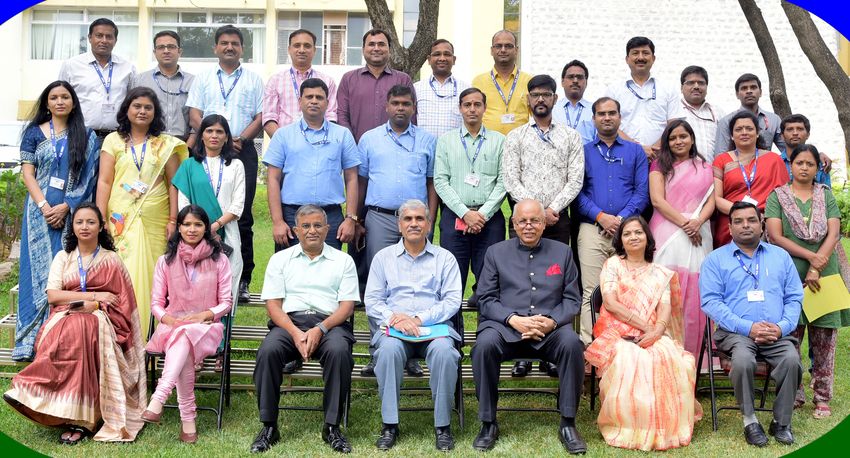
3
                                                                         Promoting appropriate technologies and
                                                                         entrepreneurship in rural areas:
                                                                         initiatives of the Rural Technology Park,
                                                                         NIRDPR

CONTENTS

8                                 11                                15
Convergence meeting               Mid-career training programme     Training Programme on
on POSHAN Abhiyaan                of senior officers of Madhya      MGNREGS and DAY – NRLM:
implementation in Telangana to    Pradesh State Administrative      Promoting Labour Mobility
make Telangana malnutrition-      Service                           and Social Audit with CBO
free                                                                Participation

9                                 12                                16
ToT programme on Promoting        Training Programme on             Programme for bankers
Better Livelihoods through        Geospatial Technologies for       on Credit Management in
Livestock                         Planning and Management of        Agriculture & MSME Sectors
                                  PMGSY Roads

9                                 13                                18
Five-day regional training        NIRDPR off-campus training        Library Talks: Unknown perils of
programme on Geo-Spatial          programme on Research and         table-salt revealed
Technologies for Planning and     Training Methodology for Rural
Management of PMGSY Roads         Development Professionals

10                                14
CFIE organises an awareness       Regional ToT programme on
programme on Financial Literacy   Strategies for E-Governance for
                                  Better Service Delivery

PRAGATI, July 2019                               2                                                   NIRDPR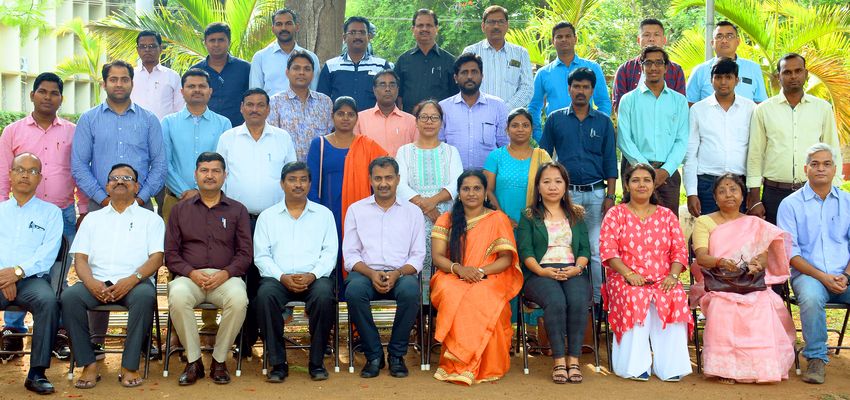
COVER
STORY
The entrance of RTP, NIRDPR
Promoting appropriate technologies and entrepreneurship in rural areas:
initiatives of the Rural Technology Park, NIRDPR
G lobally, the role of science,
technology and innovations is being
considered as a vital component for
promoting better entrepreneurship and
sustainable livelihood of the common
man.
and sustainable technologies with a
specific focus to address the problems
being faced by people in rural India.
promoting national growth. In India, use One of the major challenges is At the same time, strategies such
of science and technology for addressing to address the issues in the sectors as upgrading skills and capabilities;
the developmental issues was actively such as energy, environment, food, supporting micro-enterprise and self-
considered with the introduction of nutrition, water, sanitation, habitat and employment; and creating new models
science policy framework brought out by affordable healthcare affecting people for social protection must be taken- up
the government in 1958. Over the years, in rural India. The other important urgently to address these challenges of
several steps have been introduced by aspect which needs greater attention unemployment. Taking these aspects
the government in furthering this goal. is the issue of unemployment. Despite into consideration, the National Institute
One of the recent steps in this direction India’s sustained average growth of Rural Development and Panchayati
is the declaration of this decade as Raj (NIRDPR), Hyderabad established
the ‘Decade of Innovation (2010- the Rural Technology Park (RTP) in
2020).’ The Government of India The impact of promoting appropriate 2003 to undertake capacity building
has made further pronouncements technology and entrepreneurship by NIRDPR initiatives for promoting sustainable
of its vision by introducing the through the Rural Technology Park has livelihood and entrepreneurship
‘Science, Technology and Innovation been well recognised and appreciated by among people from rural areas.
Policy, 2013’ which underlines the various stakeholders associated with rural
Initiatives of NIRDPR in promoting
importance of promoting social good development
appropriate technology and
and economic wealth among people entrepreneurship
at the outcome level. In order to
a) Rural Technology Park and
translate this important goal into reality, in the recent years, the avenues for technology units
it is important that R&D institutions providing adequate employment
In order to achieve these objectives,
actively engage in identifying issues, generation potential have not grown
a wide range of appropriate and
especially those plaguing development proportionately. These critical issues can
affordable rural technologies have
of people in rural India, and also utilise be addressed effectively by involving
been identified and promoted through
the scientific solutions developed for R&D institutions to develop appropriate
various technology units established
PRAGATI, July 2019 3 NIRDPR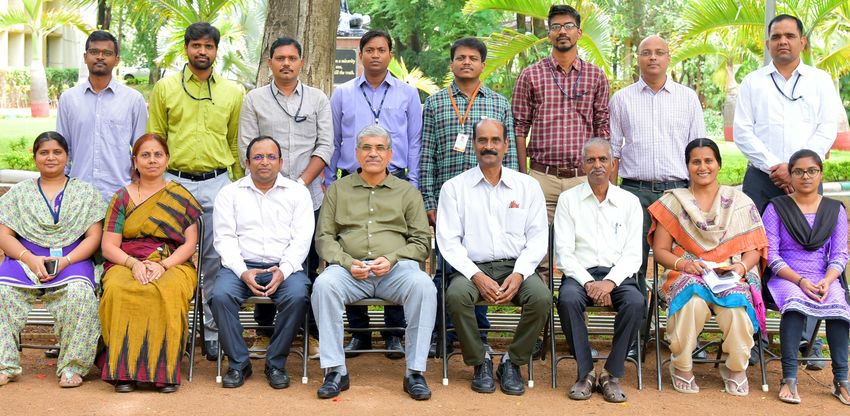
COVER
STORY
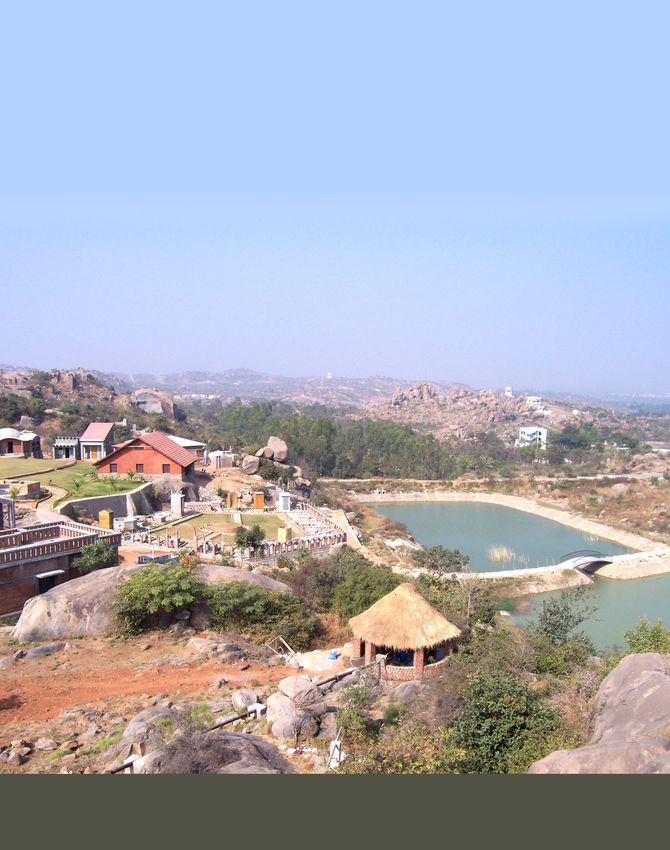
An aerial view of RTP, NIRDPR
at the RTP. For this purpose, NIRDPR variety of materials and technologies, vermicomposting, manufacturing of
has developed a unique partnership blending both the traditional and handmade paper, herbal products, neem
approach with dynamic technology modern materials and techniques. These oil and cake processing, natural dyeing,
development agencies, entrepreneurs structures are chiefly constructed utilising soya and millet processing, aromatic
and non-governmental organisations locally available materials and skills of the oil extraction, etc. In addition, the RTP
for realising this objective. As part of people. The cost of construction of these also conducts several exposure-cum-
this important activity, NIRDPR has structures is around 25 per cent to 50 per orientation programmes to rural people,
been identifying appropriate and path- cent less than that of the conventional officials, college and school students
breaking innovations being developed construction cost depending on the regularly.
by R&D institutions which can be utilised variations in soil type and local availability b) Rural Technology and Crafts Mela
to promote entrepreneurship and of materials. Over 100 technologies are
The RTP has been organising the
sustainable livelihood for the benefit depicted in the 20 different typology
‘Rural Technology and Crafts Melas’
of people from rural areas. Over 20 buildings demonstrated in this centre.
as a part of NIRDPR’s Foundation Day
technology units have been established Every year, nearly 100 training celebrations since 2003. Over the years,
for providing entrepreneurship programmes involving about 3,000 several rural innovators, artisans, self-help
development training programmes, and people on various technologies group members and entrepreneurs from
discussions with numerous potential are conducted. This initiative has various parts of the country participated
agencies are being carried out. In successfully led to the establishment in the mela displaying an amazing range
addition, recently, the Career-cum- of entrepreneurial activities by a large of products. Every year, rural innovators,
Guidance Centre of CAPART in Vaishali number of SHGs and youth in rural areas. self-help groups, artisans, handloom
has been taken over by RTP, NIRDPR and Some of the entrepreneurial initiatives weavers and rural entrepreneurs across
training programmes have been initiated. started by them include manufacturing the country participate in the mela. The
Another important entity established of home-based products, mushroom products displayed and sold include
at the RTP is the National Rural Building cultivation, sustainable housing handicrafts, handlooms, khadi and
Centre (NRBC), which brings together a technologies, mud block making, solar village industries products, medicinal
range of cost-effective and eco-friendly equipment production, leaf plate making, and aromatic products, leather goods,
construction technologies using a honey production and processing, wooden toys, decorative items,
PRAGATI, July 2019 4 NIRDPR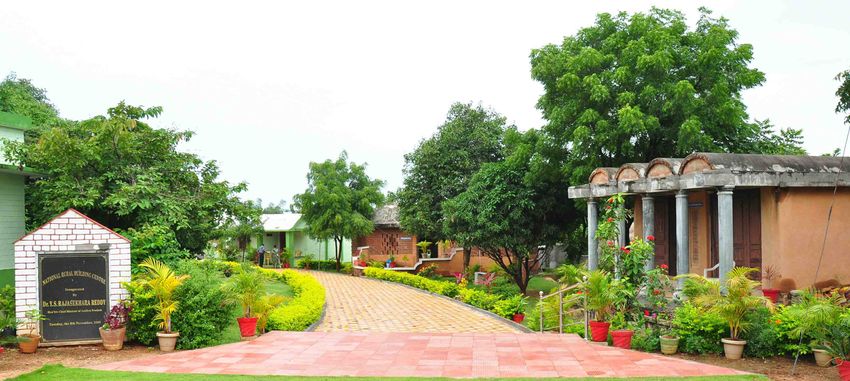
COVER
STORY
processed traditional food items, coir and West Bengal. As a special event, rural innovators. The event functions as
products, wood carvings, brassware, jute the ‘National Fish Festival,’ sponsored a platform to an array of rural innovators
and cloth products, fashion and tribal by the National Fisheries Development and budding start-ups to showcase
jewelry, solar energy- based applications/ Board was conducted to popularise their products, ideas/technologies and
products, etc., which attract huge fish consumption in the country and to connect with mentors and investors.
number of visitors. Primarily, the mela is to create awareness among the people Through this event, NIRDPR aims to
conducted to showcase and promote sale on the health benefits of fish. Fish stalls connect innovators/start-ups with
of products, scope for creating market had served various exotic fish cuisines appropriate institutions, incubators,
linkages and exchange of knowledge on for the visitors. Over 50,000 people investors and financial institutions for
entrepreneurship, dissemination of rural visited the mela during this five-day long their development, scaling up and
technologies and innovations which are event. The event was well appreciated commercialisation of their technologies/
developed by different organisations/ by entrepreneurs, visitors and officials innovations. Keeping in view the good
individuals that are useful to the people of various institutions. The mela is even response and encouraging feedback, the
at one place, and to create awareness being compared with the large SARAS event is being conducted annually. The
and linkages between consumers and melas conducted by the government second edition of RISC was organised for
entrepreneurs/technologists. annually in the State capitals across the two days during 30th – 31st August, 2018
Continuing the tradition, the 16th country for its grandeur and successful at NIRDPR. Hon’ble Vice President of India
Rural Technology and Crafts Mela was outreach. Shri M. Venkaiah Naidu inaugurated the
organised from 29 th
November to 3 rd
c) Rural Innovators Start-up exhibition organised to showcase the
December, 2018 with the theme as Conclave work of innovators and start-ups. Over
‘People`s Planning: A Decentralised 150 stalls were on display during the
In the memory of late Dr. APJ Abdul
Strategy for Sustainable Development.’ event. The dignitaries interacted with
Kalam who championed the cause of
Over 220 stalls were under display by the participants about their technologies
innovations, NIRDPR has initiated the
the participants from 20 States which and encouraged them with their words of
Rural Innovators Start-up Conclave
include Andhra Pradesh, Assam, Bihar, wisdom.
(RISC) in the year 2017 for promoting
Chhattisgarh, Delhi, Haryana, Jammu innovations and creating an ecosystem for The RISC 2018 was organised on
& Kashmir, Karnataka, Maharashtra, accelerating innovations, start-ups/rural seven themes namely, agriculture &
Odisha, Puducherry, Punjab, Rajasthan, technologies towards rural development Allied Activities, Green Energy, Waste
Telangana, Tamil Nadu, Uttar Pradesh and to encourage/muster the support for to Wealth, Sustainable Housing, Health
& Elderly Care, Drinking Water &
Sanitation, and Sustainable Livelihood.
In addition, a sub-event titled ‘Rural
Innovation and Design (RIDe) Challenge’
for students from schools and colleges,
and the general public was organised
to provide an opportunity to come up
with solutions to problems being faced
in rural areas on the themes specified
for RISC 2018. Around 300 innovators,
start-ups and students from 23 States
across the country attended the event
in which 71 innovations, 30 start-ups
and 63 ideas under RIDe Challenge were
displayed. Besides, premier government
institutions such as the National Research
Development Cooperation, Indian
Shri M. Venkaiah Naidu, Hon’ble Vice President of India addressing the gathering on the
Institute of Packaging and National
occasion of the inaugural of RISC-2018
PRAGATI, July 2019 5 NIRDPR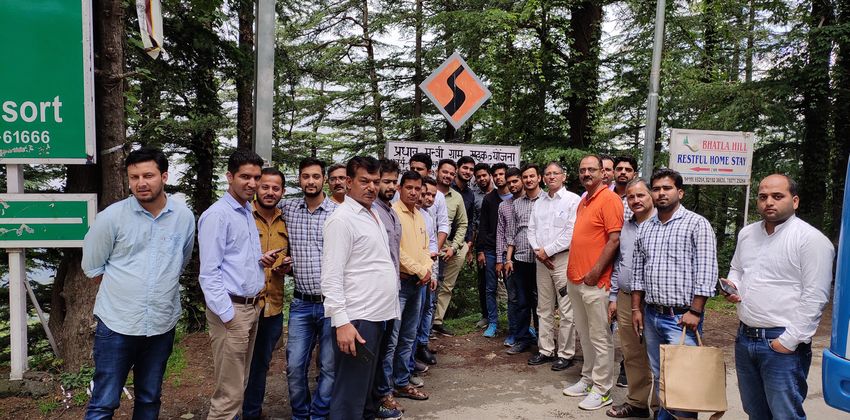
COVER
STORY
Small Industries Cooperation, etc., also promote rural innovations in the country. and relevant for the products developed/
displayed their technologies for the Many innovators identified through manufactured by the rural artisan,
benefit of the participants. The State the platform are being recognised and entrepreneurs, SHGs, are not accessible to
Councils of Science and Technologies of have successfully scaled-up their work the said rural entrepreneurs. NIRDPR, with
different States and the MS Swaminathan as result of the support and recognition its mandate of connecting with the rural
Foundation actively associated and gained from this event. Apart from this, communities and transfer of technology,
supported the efforts for identifying the finalists are being provided exposure is playing vital role in creating a platform
innovators and start-ups across the on packaging, marketing and design for the S&T institutions to showcase the
country. A proceeding based on the through custom-made workshops innovations/products relevant to rural
entries received from the innovators, organised by NIRDPR from time to time. areas. Many a times, the scientific and
start-ups and students has been brought The third edition of RISC will be held in technological institutions may not be
out for sharing the ideas with wider the month of August, 2019. equipped with the social dynamics of
audience. d) Institutional collaborations and rural landscape and application of these
Awards for innovators and startups joint initiatives technologies at grassroots level do not
under each theme of the RISC event take off in view of issues of relevance,
Many a times, the technologies
(totally 14 in number) equivalent technical feasibility, practical applicability
developed by various institutions
to Rs.1.20 lakh and Rs.2.40 lakh for and financial viability for which NIRDPR
are in the shelves of institutions and
innovators and start-ups, respectively, can facilitate the demonstration
laboratories which develop these and
were presented. For the participants of and feedback so as to fine tune the
the same does not reach the people who
RIDe, three awards i.e., Ist - Rs.10,000, IInd innovations/technology for its ultimate
can get benefitted by its application. The
– Rs.5,000 and III rd
– Rs.3,000 for each scale-up.
expertise of some of the Government
category of the participants (i.e. school Institutions such as Indian Institute of In this direction, recently NIRDPR
students, college students and general Packaging (IIP), Hyderabad and National entered into collaboration with the Indian
public) in all seven themes of the RISC Institute of Design (NID), Ahmedabad, Institute of Packaging for utilising their
event were awarded. The event is being etc., are available to big industries and expertise of improving the packaging/
considered as an important platform to the same, though highly appropriate labeling of the products of SHGs across
the country. Two programmes have
been conducted so far and the impact
FRAMEWORK OF RURAL TECHNOLOGY PARK
generated by the programmes among
SHGs and rural entrepreneurs has
SECTORS & ACTIVITIES
been tremendous. Initiatives are being
AGRICULTURE & ALLIED SECTORS SUSTAINABLE HOUSING
Beekeeping National Rural Building Centre
taken up, including collaborations with
Bacillus Thuringiensis Sustainable Typology Houses
Neem Processing
Vermicomposting
Building Material Production Centre
Sales Outlet
government institutions such as DRDO
Dairy and Low Cost Fish Hatchery Building Material Testing facility
Hydroponics and Aquaponics Consulting Services Labs, NFDB, CITD, etc., and industries.
Electro Plating Coating for Agri-Implements
ORGANIC AND HOME PRODUCTS FOOD PROCESSING In the recent discussions held with the
Herbal Products Soya Processing
Soaps and Washing Powders
House Cleaning Products
Mushroom Cultivation & Processing
Food Processing Machineries
representatives of Principal Scientific
Agarbatti & Candle Food Preserving Machineries
Advisor’s Office (PSA) and RuTAG–IITs, it
SUSTAINABLE ENERGY CRAFTS AND ALLIED ACTIVITIES
Solar Lighting
Solar Maintenance & Assembling
Handmade Paper
Natural Dyeing was felt that engagement with the larger
Solar Cooker Leaf Plate Making
Wind Energy
Waster Heat Recovery
Clay Art and Pottery
Tribal & Fashion Jewellery
scientific community of the country could
Solar Wind Hybrid Ethnic Cloth Bags
Bio- Energy provide greater synergy to the initiatives
WATER & SANITATION INCUBATION CENTRE & STARTUP SUPPORT
Sanitation Park
Technologies & Crafts Mela
Rural Technology Alliance
already being taken up at NIRDPR. Based
Watershed Management Incubation Services
Water Treatment Rural Innovators and Startup Conclaves on the above, a consultation workshop
Waterless Urinal & Workshops
Waste Management Design Centre
Bio-mass Briquetting Sales Outlet with S&T institutions such as CSIR,
Website & Newsletter
Innovators Café
DST, DRDO, IIT RuTAGs and other R&D
institutions was conducted to explore
STAKEHOLDERS & SERVICES the potential areas of collaboration at
ESTABLISHED ENTREPRENEURS RURAL YOUTH & WOMEN SHGs INNOVATORS & ENTREPERENEURS DELEGATES & OFFICIALS DEPARTMENTS & NGOs SCHOOLS & COLLEGES
PRAGATI, July 2019
Æ
Æ
Æ
Production Units
Display Outlets
Training Partnership
Æ Exposure Visit
Æ Training cum
Construction
Æ
Æ
Æ
Training Programmes
Mentoring Support
Design Centre Services
Æ
Æ
Æ
Exposure Visit
Training Programmes
ToT Training
Æ
Æ
Æ
Exposure Visit
6
Training Programmes
ToT Trainings
Æ
Æ
Æ
Exposure Visit
Internship
Project Work
NIRDPR
Æ Linkages with Æ Training cum Production Æ Online Marketing Support Æ Liaison Services and Æ Liaison Services and Æ ToT Training
Institutions Æ Mentoring Support Æ Incubation Services Æ Training Support for Æ Training Support for
Æ Transfer of Technologies Æ Entrepreneurial Support Æ Transfer of Technologies Beneficiaries Beneficiaries
Æ Linkage with Institutions Æ Project Planning &
Æ Transfer of Technologies Management Suport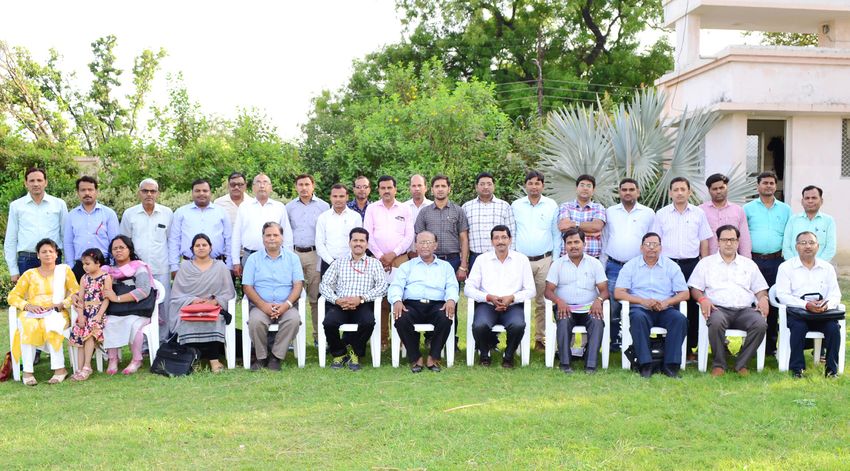
COVER
STORY
Some of the notable works executed
are construction of Medical Sub-centre
in Chhattisgarh, design of houses for
families displaced by Polavaram dam
project, design and construction of model
anganwadis for NATCO Foundation,
testing and establishing mud block
construction project for Pragati Resorts,
technical support and supply of mud
blocks for numerous urban residences in
Hyderabad, etc.
In the fisheries sector, projects
such as establishing eco-hatcheries,
supply of ice block making machines,
deboning machines, solar refrigerators,
and dehydrators for dry fish are being
taken-up. The agencies which availed
A participant demonstrates his innovation at Rural start-up conclave -2018
the services include National Fisheries
NIRDPR, Hyderabad. In addition, a joint institution on an annual calendar basis.
Development Board, West Bengal State
workshop with institutions working on • Organising an ‘Annual S&T
Rural Livelihoods Mission, West Bengal
fisheries technology development was Conclave’ to demonstrate some of the new
State Cooperatives, State Fisheries
held in collaboration with the National and emerging technologies developed
Department of Punjab, Telangana, etc. In
Fisheries Development Board. by government S&T institutions relevant
the front of renewable energy, projects
Some of the recommendations for rural entrepreneurs.
which are related to wind, solar, bio-gas,
which emerged from the consultations • Creation of a knowledge
etc., are being taken up. Notable works
are: management entity for promoting rural
carried out include installations of hybrid
• A collaborative platform of S&T technologies through newsletter/online
wind and solar mills on fishing boats
institutions for promoting technological website/social media.
in Lakshadweep, installation of cage
solutions for entrepreneurship culture with hybrid solar and wind mills
development in rural areas is needed. Consultancies and technical assistance
in Jharkhand, solar lighting solutions
• S&T institutions can undertake The RTP has also been actively for hatcheries in Bhubaneswar, solar
model village development initiative and undertaking consultancies and technical lighting and cooling systems for schools
undertake action research projects on assistance for various clients including in Telangana, etc.
critical issues wherever possible. government bodies and private entities
This unique approach of incubating
• Develop mechanisms for scaling for promoting appropriate technologies.
successful entrepreneurs to mentor large
up innovations developed by RuTAG-IITs Some of the areas in which such services
number of budding entrepreneurs is a
for demonstration and entrepreneurship offered are: in sustainable housing,
path breaking initiative on many grounds.
promotion. fisheries development, renewable energy,
The State Livelihoods Missions can adopt
• Technologies already food processing, preservation, etc. Several
this model to scale-up entrepreneurship
developed by respective S&T institutions projects have been serviced by RTP with
promotion in rural areas for covering
such as CSIR, DST, DRDO, etc., which the help of technology partner units
large number of beneficiaries.
are having big impact potential can be and direct interventions. The activities
identified and promoted. undertaken in the sustainable housing
• Conducting entrepreneurial technology promotion include designing Dr. Ramesh Sakthivel
training programmes on mature and buildings, mud block making and supply, Associate Professor & Head, CIAT
market-ready technologies either at on-site supervision and guidance,
Coverpage Design: Shri V G Bhat
NIRDPR or on the premises of S&T training of masons and engineers, etc.
PRAGATI, July 2019 7 NIRDPR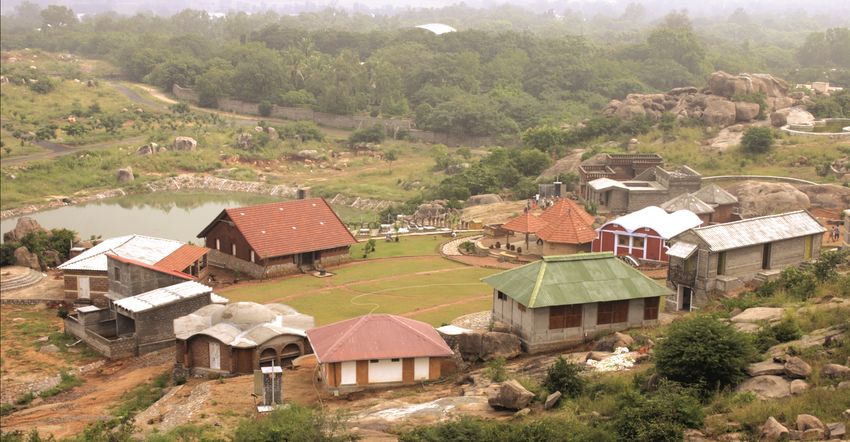
Convergence meeting on POSHAN Abhiyaan implementation in Telangana to
make Telangana malnutrition-free

Dr . W. R. Reddy, IAS Director General , NIRDPR greeting Ms. Meital Rusdia, Chief, Unicef, HFO during the convergence meeting at NIRDPR

A     high-level     convergence
      was organised by Dr. Gyanmudra,
Professor      &     Head,
                                       meeting

                                  CGGPA,    and
                                                   was presented using issues and related
                                                   behaviours around life-cycle approach.
                                                                                                       Other     departments       shared
                                                                                                   work that is being done in the area of
                                                                                                   nutrition. Commissioner, Tribal Welfare
                                                                                                                                             the

                                                          Speaking     on       the   occasion,
Communication Resource Unit (CRU)                  Dr. W. R Reddy, IAS, Director General,          shared their efforts in implementing
team on 18th July, 2019 at National                NIRDPR emphasised that the efforts of the       Giri Poshana programme, which focuses
Institute of Rural Development Panchayat           State government and partners should be         on how diverse food items improve the
Raj (NIRDPR), Hyderabad with key line              towards 100 per cent achievement of the         nutritional status of women and children
departments to augment the efforts to              targets. An advancing state like Telangana      in tribal areas. The Commissioner, Rural
achieve nutritional outcomes in the State          with     its   progressive    administration,   Development & Panchayati Raj suggested
of Telangana. This meeting was attended            infrastructure and good health indicators       to integrate a capsule on health and
by Secretaries, Head of the Departments            such as high percentage of institutional        nutrition in the upcoming trainings of
(HoDs) and officials from Women and                deliveries, must strive to make every child     PRIs and village secretaries at district
Child Development, Rural Development,              and woman healthy. The target is to make        and mandal levels. With smaller GPs, PRIs
Panchayati Raj, Health, Education, Tribal          Telangana a malnutrition-free State by          can play an important role in achieving
Welfare, SERP, and UNICEF. The meeting             2022. This can be achieved by good cross        the health and nutritional outcomes at
was chaired by Dr. W. R. Reddy, Director           linkages at the Gram Panchayat level,           GP level and can provide leadership for
General, NIRDPR, and the participants              motivation of PRIs, community structures        convergence. CEO, SERP, shared details
deliberated on the convergent actions              like SHGs, and other local leaders for          about the behaviour change programme
required     by     the    line   departments,     their active involvement. He suggested          that they were doing with the women
programmes and schemes to achieve the              to integrate a capsule on health and            in self-help groups on issues of health,
POSHAN Abhiyaan targets set for 2022.              nutrition issues in PRI trainings, which can    nutrition, sanitation and gender. Director,
      During       her     welcome    remarks,     start in Telangana as a model.                  School Education updated about the
Dr.   Gyanmudra           Professor   &    Head,                                                   process of co-locating 13,500 AWCs
                                                          “Addressing the nutritional needs
Centre for Good Governance and Policy                                                              on the school premises. He also raised
                                                   of adolescent girls with appropriate
Analysis, NIRDPR briefly introduced the                                                            concerns regarding gap in the continuum
                                                   interventions is the need of the hour,”
Communication Resource Unit (CRU)                                                                  between pre-school and primary school
                                                   said Mr. M. Jagdeeswhar, Principal
at NIRDPR and its work along with a                                                                education. He also emphasised on the
                                                   Secretary, Department of Women and
presentation on POSHAN Abhiyaan, its                                                               need for certification of Aanganwadi
                                                   Child Development. Adding to this, he
components and how each department                                                                 teachers on early childhood education
                                                   emphasised on the need for quality
can contribute towards achieving the                                                               quality.
                                                   data to prioritise the most needed
targets of POSHAN for Telangana by                 interventions to address the issue of               Ms.     Mietal   Rusodia,     Chief    of
2022.      Role of different departments           malnutrition.                                   UNICEF Field Office for Andhra Pradesh,

PRAGATI, July 2019                                                       8                                                             NIRDPR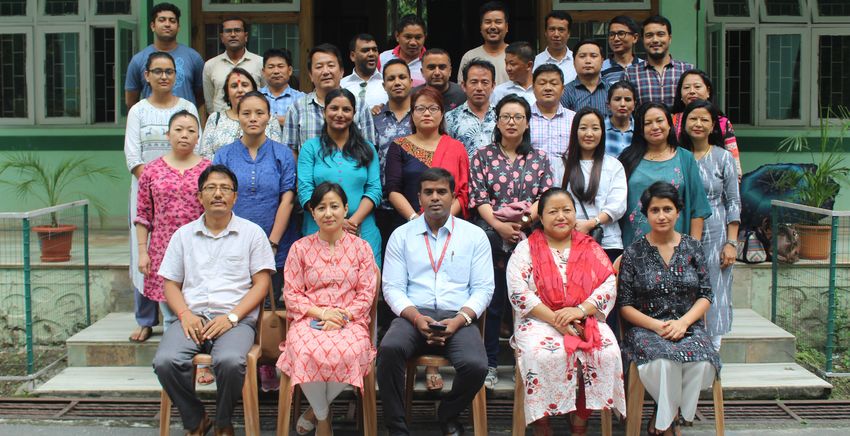
Telangana and Karnataka appreciated            important to drive the behaviour change.         SERP, Ms. Viziendira Boyi, Director, WCD,
the efforts of NIRDPR for organising                Shri Jagadeeshwar, IAS, Principal           Telangana , senior officials from Health
the meeting and assured of UNICEF’s            Secretary, DWCD, Shri Vijaya Kumar,              department Ms. Meital Rusdia, Chief,
support to POSHAN Abhiyaan in devising         Director, School Education, Smt. Neetu           UNICEF, Ms. Seema Kumar, C4D and Ms.
strategies, data analysis, monitoring and      Prasad, Commissioner, Panchayati Raj,            Khyati, Nutrition Specialist from UNICEF,
SBCC. She emphasised that consistency          Dr. Christina Z. Chongthu, Commissioner          Hyderabad and others specialists from
in messaging across the programmes is          Tribal Welfare, Smt. Pasumi Basu, CEO,           UNICEF participated in the meeting.

ToT programme on Promoting Better Livelihoods through Livestock

 Dr. W. R. Reddy, IAS, Director General, NIRDPR (1st row, 4th from left) and Dr. Ramana Reddy, Professor & Head, CFL (1st row, 5th from left)
                                                  with the participants of the programme

A   National level Training of Trainers programme out of which 25 attended it. visit to Mulkanoor Women Cooperative
    (TOT)     repeat    programme
‘Promoting Better Livelihoods through
                                         on    Five participants registered for the training
                                               programme were District Programme
                                                                                                Dairy Union, Mulkanoor, Warangal (urban)
                                                                                                district. During the training programme,
Livestock’ was organised by the Center         Managers (DPM), nominated by the                 the participants were enlightened on
for Livelihoods (CFL), National Institute      Skills Development, Entrepreneurship             current scenario of livestock farming in
of Rural Development and Panchayati Raj        and Livelihood Department, Karnataka.            India, their role in rural livelihoods and
(NIRDPR), Ministry of Rural Development        The training programme comprised of              how we can make better the lives of small
from 22nd to 25th July, 2019 at NIRDPR,        twelve in-house lectures (including one          holder farmers through livestock keeping
Rajendranagar, Hyderabad. Thirty six           on Art of Living), two case studies, a local     in view of the demand for animal- sourced
nominations were received from different       visit (Directorate of Poultry Research,          foods and future changes that are going
State governments for the training             Rajendranagar, Hyderabad) and a field            to take place in India.

Five-day regional training programme on Geo-Spatial Technologies for
Planning and Management of PMGSY Roads

                                                                                               C     entre for Geoinformatics Applications
                                                                                                     in Rural Development (CGARD)
                                                                                                organised a five-day regional training
                                                                                                programme on ‘Geo-Spatial Technologies
                                                                                                for Planning and Management of PMGSY
                                                                                                Roads’ from 22nd-26th, July 2019 at
                                                                                                Gujarat National Law University (GNLU),
                                                                                                Gandhinagar in collaboration with SIRD-
                                                                                                Gujarat.

                                                                                                    On the first day, Dr. M. V. Ravibabu,
Dr. M. V. Ravibabu, Associate Professor, CGARD (4th from right) with the participants of the    Associate Professor (CGARD) and
                                   training programme

PRAGATI, July 2019                                                   9                                                              NIRDPR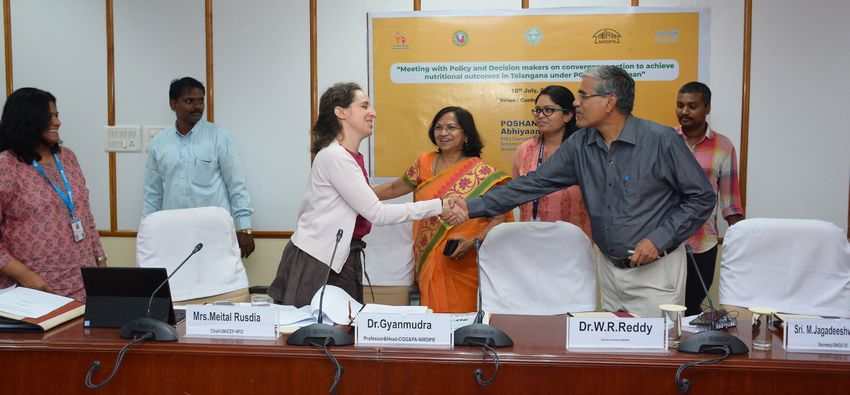
Programme Director highlighted the five-      engineers attended the training.                importance of geo-spatial Technology for
day programme schedule and objectives                                                         infrastructure development, transparency
                                                    A field visit along with SIRD
for the five-day programme. Topics like                                                       and accountability while monitoring
                                              Programme Coordinator, Shri Dhaval
concepts of geoinformatics, mobile                                                            various rural development programmes.
                                              Parikh was organised in the venue
applications for asset mapping, analysing                                                     He also stated that this technology is not
                                              campus for data collection using mobile
the GIS data layers for planning and                                                          to be limited at PMGSY roads, and can
                                              GPS. All participants were divided into
management of rural roads were dealt.                                                         be extended to other field functionaries
                                              teams and collected various assets,
Dr. Kiran Jalem, Assistant Professor                                                          and suggested to use the technology
                                              especially roads and their conditions,
(CRCTN) and Co-director of the                                                                in day- to- day official activities on
                                              while collecting data from the field.The
programme outlined the key-points                                                             the field. Finally, he congratulated all
                                              participants visualised and experienced
of using GIS-based tools in the spatial                                                       the participants and collected their
                                              the field conditions.
planning. Participants had a hands-                                                           valuable feedback, while distributing the
on practical approach with field data              During the last day, in concluding         certificates. All the participants felt that
collection from nearby PMGSY roads            session Shri Victor Macwan, IAS, Special        the training programme was useful to
using mobile-based applications. A            Director, SIRD Gujarat, delivered his           prepare their road information system in
total of 31 officials of PMGSY/PWD/RR         valedictory address and interacted with         the form of spatial planning.
                                              all the participants. He highlighted the

CFIE organises an awareness programme on Financial Literacy

             Dr. M. Srikanth, Associate Professor & Head, CFIE interacting with students at TIME school, Bandlaguda campus

T     he Centre for Financial Inclusion
      and     Entrepreneurship
conducted awareness programmes on
                                     (CFIE)
                                              inaugurated by Smt. Vijaya Lakshmi,
                                              Principal, TIME Bandlaguda and expressed
                                              gratitude to NIRDPR for arranging such
                                                                                              of one’s life.

                                                                                                   The valedictory functions were
                                                                                              presided by Dr. M. Srikanth, Associate
‘Financial Literacy’ at Bharathiya Vidhya     educative programmes for the children.          Professor & Head, CFIE, he narrated an
Bhavan(BVB), NIRDPR, on July 06, 2019                                                         anecdote to make students understand
                                                    During the interaction, Dr. R.V. Prasad
and     at T.I.M.E   School,   Bandlaguda                                                     the value of money. The programmes
                                              explained various aspects of financial
Campus, on July 20, 2019. Students            literacy, savings habit, thrift deposits,       were very well received and appreciated
from classes 6 to 10 attended the             basic needs of human beings linked with         by the students as well as faculty of
programme. The session was handled by         finance, and banking facilities that are        both the schools. They promised to
Dr. R. V. Prasad, Financial Literacy          relevant to students. He emphasised that        share key takeaways with their parents
Counsellor of State Bank of India, RSETI -    after certain stage in life, money should       and neighbours as part of the financial
Chilukuru.                                    work for people and not vice-versa. He          inclusion drive.
                                              mentioned that it is safe to save with
      The programme was inaugurated                                                                 A     team      from      CFIE,   viz.,
                                              banks because of safety, liquidity and
by Shri Ravi Kiran, Principal of Bharathiya                                                   Dr. M. Srikanth, Associate Professor & Head,
                                              returns. He also gave a brief note on
Vidhya Bhavan School, NIRDPR campus                                                           Dr.   A.   Bhavani,   Project    Consultant,
                                              types of accounts, types of cards, types of
and facilitated by Smt. Aruna Jyothi,                                                         Shri G. Anjaneyulu, Project Consultant and
                                              loans available, schemes, etc. Dr. Prasad
a senior faculty BVB, NIRDPR campus.                                                          Smt. A. Sirisha Reddy, Manager, Training,
                                              elaborated advantages of the banking
The programme at TIME school was                                                              co-ordinated these programmes.
                                              habits inculcated during the early phase

PRAGATI, July 2019                                                 10                                                             NIRDPR
Mid-career training programme of Senior Officers of Madhya Pradesh
State Administrative Service
Dr. W. R. Reddy, IAS, Director General, NIRDPR (1st row, 4th from left) and Dr. Gyanmudra, Professor & Head, CGG&PA (1st row, 2nd from
right) with the participants of the programme
D r. Gyanmudra, Professor and Head, programme and requested everyone to Park(RTP) to have an exposure to the
CGG&PA, National Institute of Rural
Development Panchayat Raj (NIRDPR),
utilise the opportunity. various initiatives taken-up by RTP
in uplifting rural people in the areas
Dr. Amitava Mukherjee, Ex. Senior
Hyderabad has organised a two day of capacity building by means like
Adviser, Government of India, Ministry
‘Mid-Career Training programme for affordable construction technologies
of Rural Development, NRLM, New Delhi
senior officers of Madhya Pradesh State introduced, rural employment generation
handled a session on ‘Transforming
Administrative Service” on July 15th, 16th, and livelihood.
India through Social Initiatives’ and
2019 at NIRDPR. There were a total of 22
ignited the minds of the participants. Mr. Somesh Kumar, IAS, Special Chief
officials holding responsibilities various
Dr. V. Bhaskar, IAS (Retd.), took a session Secretary, Revenue (CT & Ex), took an
categories like Zilla Parishad CEOs,
on ‘Understanding the Administrative inspiring session on ‘Improving District
Deputy Commissioners and Additional
System and Its Functioning Style; Administration Through Innovations
District magistrate. etc. that attended
Accountability & Transparency.’ He and Improvisation.’ He motivated all the
the programme. Major objectives of the
emphasised on various challenges officers to utilise the issues of crisis as
training programme were to refresh the
that one could encounter during base to innovate and improvise things.
knowledge of the officers on various
their tenure and gave them insights Shri Jayesh Ranjan, IAS, took a session
developmental programmes along with
as to how these problems could be on ‘Importance of Social Mobilisation
social initiatives, recent rural initiatives
addressed with utmost commitment and for Empowering Rural Poor.’ Ms. Sumita
and to motivate them with the skills to
transparency. Dr. Gyanmudra, Professor Dawara, IAS, presently on deputation to
use their full potential for the welfare of
& Head, CGG&PA took a session on ‘Rural UNICEF-Delhi, took a session on ‘Child-
the people of the State.
Development – Recent Initiatives.’ Various friendly Interventions in Governance.’
Dr. Gyanmudra formally invited recent initiatives of Government of India
The training programme was
everyone and took a session on the were covered which include POSHAN
concluded with the valedictory
overview of the two-day training and gave Abhiyaan, Swachh Bharath Abhiyaan,
session by Ms. Sumita Dawara, IAS and
a brief introduction about NIRDPR and DAY–NRLM, Aayushman Bharath etc. and
awarded all the participants with course
its various initiatives. Dr. W. R. Reddy,IAS emphasising on the role of district- level
certificates. Dr. Gyanmudra thanked all
Director General, NIRDPR inaugurated officials in discharging these welfare
the participants and wished learning out
the programme and explained the programmes. All the participants were
of the programme will hopefully help the
essence and advantage of this training taken on a visit to the Rural Technology
officers in discharging their duties.
PRAGATI, July 2019 11 NIRDPRTraining Programme on Geospatial Technologies for Planning and
Management of PMGSY Roads
A n off-campus training programme
on ‘Geospatial Technologies
Planning and Management of PMGSY
for
and OSMAND were used for hands-on
learning experience.
through Google drive. Participants were
introduced to many online knowledge
platforms, and YouTube channel
Field visit
Roads’ was organised during 15-19 July, (dedicatedly created for the GIS-related
2019 at SIRD, Himachal Pradesh. The A half-day field visit was organised material).
programme was sponsored by NRRDA, on the fourth day of training to track
Feedback and evaluation
MoRD, GoI. and test mobile mapping application in
terrain conditions of Himachal Pradesh on During the valediction, senior
A total of 24 engineers from
a nearby PMGSY road. Three killometres officers from PWD departments working
Public Works Department of the State
of the ‘Sadhoda to Kyarkot (Mohanpur) as nodal officers in PMGSY scheme were
government of Himachal Pradesh
link road’, was tracked. Later, the data invited to interact with participants.
attended the course.
in the mobiles were exported by them Participants discussed all aspects of the
In the initial session, basic concepts through emails and downloaded on PC training and the way forward. Participants
of training, monitoring, evaluation and the next day during classroom exercises. put-forth that they will be able to manage
Gram Panchayat Development Plan Overlaying of the data was done in QGIS all GIS operations directly from office/
(GPDP) were discussed. Further, sessions and Google Earth. All the participants site and, need for coming to the State
dealt with introduction to geo-spatial were satisfied with the quality of data for headquarter and AGiSAC for GIS-related
technology and various open source planning and monitoring purposes. works will be reduced.
GIS tools and the mobile mapping app,
In the second half of the same day, Participants indicated a need for
in a theoretical and practical approach.
an exposure visit was made to Aryabhatta renovation and maintenance of SIRD
Various GIS operations, data creation
Geospatial & Space Application Center hostel, which was duly noted by SIRD
and editing processes, relevant to road
(AGiSAC), Shimla, a nodal centre of the officials. Online feedback of training
features were demonstrated during lab
State government for all GIS-related was taken on the Training Management
sessions.
operations, to have interactions and Portal.
Participants were introduced to exposure with the scientists. Participants
Shri H. K. Solanki, Sr. Assistant
PMGSY National GIS portal, Geospatial interacted and were exposed to key
Professor, CGARD, NIRDPR coordinated
Rural Road Information System (GRRIS) aspects on PMGSY and PWD road projects
the course. From SIRD, Himachal Pradesh
during the exposure visit and class. in particular and major GIS projects
Sh. Pravesh Kumar, Core Faculty Member,
associated with AGiSAC.
In total, three software tools and SIRD, coordinated the course.
mobile app namely QGIS, Google Earth Course material was provided
Shri H. K. Solanki, Sr. Assistant Professor, CGARD (7th from right) with the participants of the training programme
PRAGATI, July 2019 12 NIRDPRNIRDPR off-campus training programme on Research and Training
Methodology for Rural Development Professionals
Dr. Lakhan Singh, Assistant Professor, CHRD (1st row, 5th from left) and Dr. O. P. Pandey, Additional Director, SIRD, Lucknow (1st row, 6th
from left) with the participants of the training programme
T he Centre for Human Resource
Development
off-campus
has
training
organised
programme
an
on
participants on knowledge of research
and training methodology to address the
developmental issues, (2) to enable the
To achieve the set objectives of the
programme, the content and its sessions
were structured in such a way that it
‘Methodology and Techniques of participants to learn appropriate training covered the basic concepts of research
Social Science Research’ at Deen Dayal methods for designing and organising and training methodology. The contents
Uppadhyaya State Institute of Rural trainings, (3) to make the participants of the programme covered were research
Development, Lucknow, Uttar Pradesh learn the basics of research methodology methodology for trainers, concept of
during 27-31 May, 2019. This programme and statistical methods for carrying social science research, principles of
was designed and developed based research, and (4) to equip the participants adult learning, identification of and
on the feedback and demand by the on skills to prepare the research design. defining of research problem, writing
participants of last year’s programme research proposal, sample and sampling
A total of 31 participants working
titled ‘Methodology and Techniques methodology, data analysis: descriptive
as, District Training Officers, Extension
of Social Sciences Research’ which and inferential statistics, tools for research,
Training officers, Senior Instructors,
was held at SIRD, Lucknow during 28- skill to use SPSS for data analysis, group
Instructor of District Institute of Rural
31, August 2018. The programme was exercise and research design followed
Development and Regional Institute
appreciated by the participants and by presentation and inputs by course
of Rural Development attended this
a programme specifically on basics of coordinators, systematic approach to
programme. In addition to faculty from
research and training methodology training, identification of training needs,
NIRDPR, eminent resource persons Prof.
for officials of District Institute of Rural designing of training programme,
B. K. Bajpai, Director, and Dr. Animesh
Development and Regional Institute training methods, and exercise on
Roy, from Giri Institute of Development
of Rural Development was demanded. formulation of training programme. In
Studies, Lucknow, Prof. Madhulika
Keeping in view the above, this training addition, a half- day local visit was also
Dube, Babasaheb Bhimrao Ambedkar
programme conceived and proposed to arranged for the participants. Training
University, Lucknow and Dr. Vivek Kumar,
build the capacities of the faculty who methodologies used in training were
District Training Officer were invited
are working in the institutes of rural in accordance with content of the
to take sessions on concepts of social
development. The objectives of the programme. Mostly, participant- oriented
science research. The programme began
training programme were (1) to orient the such as lecture- cum discussion, group
with a short film on NIRDPR.
PRAGATI, July 2019 13 NIRDPRexercises, presentations by participants, domains of a trainee i.e., knowledge (94 research work. The course team has also
and hands-on experience made the per cent), skill (88 per cent) and attitude come forward to extend their help to all
programme more effective. (90) after attending this programme. faculties in preparing research proposals.
Overall effectiveness of the programme Many of participants have shown their
At the end of the programme, the
was 87 per cent. While interacting with interest in developing research proposals.
course team invited Dr. D. C. Upadhyaya,
participants during the training period,
Additional Director, DDUSIRD, Lucknow The programme was coordinated
majority of the participants expressed
to interact with participants about by Dr. Lakhan Singh, Assistant
that they are not utilised at maximum of
the course and learnings from it. The Professor, Centre for Human Resource
their capabilities in conducting training
programme was well received by the Development, Dr. T. Vijaya Kumar,
and research work. The course team has
participants and demanded more Associate Professor & Head, Centre for
encouraged all the participants to utilise
programmes on this subject in future. At Equity and Social Development, NIRDPR
the research fund of NIRDPR which is
the end, the programme was evaluated Dr. D. C. Upadhyaya, Additional Director,
especially kept for the faculty of ETCs/
by the participants and reported that DDUSIRD, Lucknow was the local
DIRDs/RIRDs to carry out small scale
there is improvement in all the three coordinator for this programme.
Regional ToT programme on Strategies for E-Governance for Better
Service Delivery
Dr. K. Prabhakar, Assistant Professor, CGGPA (1st row, 3rd from left) with the participants of theToT
A regional ToT programme
‘Strategies for E-Governance for
Better Service Delivery’ was organised
on • To draw inferences from the
best practices of e-Governance initiative
transformative in contemporary society
Module 3: E- Governance is leading
• To generate knowledge and to best practices like transparency,
by the Centre for Good Governance and
skills about the role of e-Governance for accountability and better service delivery
Policy Analysis (CGGPA) during 2-4, July
better governance goal achievements
2019 at SIRDPR, Karfectar, Jorethang, Module 4: Strategies for E-Governance as
Sikkim. • To make the participants to an empirical factors of State performance
adopt e-Governance initiatives for better
The Strategies for e-Governance The training programme contents
service delivery
for Better Service Delivery training were delivered through a judicious mix
programme aims at addressing the The training programmes focused to of lecture- cum discussion; role playing;
following objectives: cover the following four modules: debate; exposure visits, group exercises;
mock panchayats; presentation in groups,
• To discuss the need and Module 1: Good Governance: A
individual and report submission.
concept of e-Governance in service disciplinary transformative concepts
delivery This programme was planned to
Module 2: E- Governance: A significant
cover different topics like aspects of
PRAGATI, July 2019 14 NIRDPRe-Governance in India, good governance On the third day, participants were taken one identified, relevant and good e-
-Indian perspectives and significance to 25- Lungchok Kamerey GPU to interact Governance learning practise from the
of e-Governance in rural development, with GP President and members, and all ToT and attempted the SWOT analysis on
e-Governance Strategies by NIC Sikkim, the participants shared their learning how it could be replicated in Sikkim State
e-Governance, ICT in agriculture and on e-Governance ToT knowledge and and second presentation was on field
rural development, PANCHA TANTRA experiences with panchayat PRIs and visit i.e,. during the interaction with the
Grama Panchayat Online System - ZP elected representatives. Participants also GP and PRIs, and elected representatives
Mysuru- Case of Karnataka, Aadhaar- suggested some good e-Governance each group identified e- Governance gaps
Enabled Public Distribution System- initiatives and practices by different in the visited GP and suggested suitable
successful e-Governance service States like AePDS by Andhra Pradesh e-Governance initiatives from the ToT
delivery initiative by State of Andhra State, Panchatantra by Karnataka State learnings to bring more transparency
Pradesh, governance in MGNREGA as best e- Governance models to the GP and accountability in the GP’s day- to- day
programme – specifically on Sikkim State, members to replicate in Sikkim State as activities.
e-Governance strategies for better service well.
A total of 32 people took part in the
delivery- NIRDPR experiences (E-office)
On the final day, participants were programme from various backgrounds
and Smart Meeting System (SMS),
divided into four groups and each Dr. K. Prabhakar, Assistant Professor,
Online Paddy Management System – an
group made a presentation on their Centre for Good Governance & Policy
e-Governance initiative by Telangana
ToT and field visit learning. Each team Analysis (CGGPA) organised the off-
State Civil Supplies and successful cases
made two different group activities and campus regional ToT programme.
for discussion and group work activities.
presentations i.e., first presentation on
Training Programme on MGNREGS and DAY – NRLM: Promoting Labour
Mobility and Social Audit with CBO Participation
Dr. Jyothis Sathyapalan, Professor & Head, CWE (1st row, 5th from left), Dr. D. Suresh Babu, Associate Professor, CCC&DMDM (1st row, 4th
from left), Dr. Neeraj Mishra, Associate Professor , CWE (1st row, 1st from right) and Dr. P. Anuradha, Assistant Professor , CWE (1st row, 5th
from right) with the participants of the programme
T he Centre for Wage Employment,
National
Development
Institute
and
of
Panchayati
Rural
Raj
programme i.e., from Andhra Pradesh,
Bihar, Chhattisgarh, Gujarat, Jammu
& Kashmir, Kerala, Madhya Pradesh,
programme:
• To build the capacities of the
participants in mobilising the women
organised a five-day training programme Maharashtra, Meghalaya, Mizoram, SHGs for active participation in IPPE
on ‘MGNREGS and DAY–NRLM: Promoting Nagaland, Odisha, Telangana and West process and preparation of labour
Labour Mobility and Social Audit with Bengal. The participants were senior and budget, GPDP, social audit and Rozgar
CBO Participation’ from July 8-12, 2019 at middle level officials from State rural Diwas
NIRDPR, Hyderabad. development, panchayati raj and other • To create awareness on
A total number of 29 participants line departments dealing with MGNREGS. sustainable livelihoods through
from 14 States participated in the The broad objectives of the MGNREGS
PRAGATI, July 2019 15 NIRDPR• To identify the importance of • Best practices on women or skilled works in convergence with
involvement of SHGs in labour Budget participation MGNREGS. Interestingly, Ibrahimpur was
preparation and in social audit process As a part of the programme a field also declared Telangana’s first mosquito-
• To familiarise the participants study was organised for the participants. free village in 2015.
with the successful cases/best practices They visited Ibrahimpur model village, Participants expressed their views
in convergence between MGNREGS and Siddipet mandal, Medak district. The that they were content with the field visit;
NRLM impact created by model village was it helped them gain practical knowledge
increasing the livelihood opportunities of in dealing with issues and how well
Contents of the programme: wage seekers by providing employment things could be managed by forming a
• Status of women participation under MGNREGS that is groundwater model village like Ibrahimpur.
in MGNREGA recharge works through water harvesting The programme was coordinated by
• Rozgar Diwas to address the structures and plantation works by Dr. P. Anuradha, Assistant Professor, CWE,
demand from the vulnerable women and convergence with line- departments. and Dr. Jyothis Sathyapalan, Professor
empowering them In the village SHG members are & Head, CWE and Dr. Neeraj Mishra,
• Convergence between participating in different semi-skilled Associate Professor, CWE, NIRDPR.
MGNREGS and DAY-NRLM
Programme for bankers on Credit Management in Agriculture & MSME
Sectors
Dr. W. R. Reddy, IAS, Director General, NIRDPR (1st row, 5th from left) and Dr. M. Srikanth, Associate Professor & Head, CFIE (1st row, 3rd from
left) with the participants of the programme
M SME sector plays an important role
in Indian economy. Its contribution
to sectors like manufacturing, exports
knowledge by bank officials. Therefore,
financing both these sectors is vital for
the country’s economic development.
in Risk Management department, etc.
The said on-campus training programme
was organised during July 22-26, 2019
and employment generation is Considering these aspects, CFIE designed at NIRDPR, Hyderabad. Inaugurating the
prominent. The growth in this sector a five-day training programme on ‘Credit programme, Dr. M. Srikanth, Associate
is likely to reduce the unemployment Management in Agriculture & MSME Professor and Head-CFIE welcomed the
problem in India. Agriculture sector is Sectors’ to enhance the appraisal skills of participants, gave a brief overview of the
also equally important since the major the bank officers like SMEs and Agricultural programme and spelt out its objectives.
chunk of the population, who reside in Credit Officers, Managers of Rural and
Contents of the programme
rural areas, depend on agriculture and Semi-urban Bank branches, newly
allied activities. Agriculture sector is recruited/promoted officers, officers • Financing of MSME and
undergoing tremendous modernisation involved in monitoring and follow up of agriculture: status and overview & priority
which calls for updating of the existing rural credit/MSME loan portfolio, officials sector lending norms
PRAGATI, July 2019 16 NIRDPRField Exposure Visits
With a view to impart practical knowledge and help about the Institute’s activities and offered clarifications to
the participants consolidate the learning made in the their specific queries. The latter appreciated the Institute’s
classroom, the following field visits were organised. unique intervention viz., backyard poultry (types of birds:
vanaraja and gramapriya), which has been helping rural
(a) Rural Technology Park (RTP), NIRDPR: On the livelihoods to have supplemental income. The trainees also
second day of the training programme, the participants had an opportunity to visit a small commercial poultry unit
were taken to Rural Technological Park (RTP) in the NIRDPR attached to the Institute where they could see the birds
campus. Shri Md. Khan, Senior Consultant, Centre for and interact with the technical staff for a comprehensive
Innovations and Appropriate Technology, interacted with understanding of their activities.
the participants. He explained to them about RTP and
its importance in promoting frugal innovations in a big (c) On day-4 of the training programme, the
way and helping the rural entrepreneurs to establish the participants were taken to a farm, established by Shri.
unit, skilling and help in achieving sustainability. He also Venkateswara Reddy, a retired AGM of State Bank of
discussed about the role played by RTP in uplifting the rural India, near Veldurthi, Kurnool district of Andhra Pradesh.
people in all aspects of life such as capacity building, rural The farm has been established in a 10 acre dry land. The
employment generation, livelihoods, etc. Later on, the highlight of the farm is that water from Handri Niva Srujala
participants visited various stalls to learn practical aspects, Sravanthi(HNSS), a back water canal from Srisailam
which included making eco-friendly building blocks reservoir is pumped into farm through lift irrigation. The
material, vermi-compost unit, waste paper recycling unit, farm also has two farm ponds with a total capacity of one
leaf plate making, etc. crore litres and the source of water for these ponds is rain
water harvesting and water lifted and pumped from HNSS
(b) Directorate of Poultry Research (DPR): On canal. The farm also has a Poly house built over one acre.
Day-2 of the programme (July 23, 2019), the participants Mr. Reddy is practicing mixed farming by maintaining a
were taken to DPR, Rajendranagar, Hyderabad. Dr. U. dairy unit of 10 animals in the same farm. He is also growing
Rajkumar, Principal Scientist-Genetics & Breeding, with the napier grass in one acre which is used as fodder for milch
help of a short video film, enlightened the banker-trainees animals.
• Microfinance and SHG bank participated in the programme. Feedback and evaluation
linkage. Ways and means to increase the
CFIE’s in-house faculty members and Participants’ feedback, which is very
coverage
selected guest faculty, who are subject important to evaluate the programme
• Credit appraisal of agri-business
matter specialists-cum-practitioners and to improve the training process, was
projects using financial tools with case
contributed for the programme. collected using the online training portal.
studies
• Financing dairy and poultry A range of training methodologies, The programme was a success, as per
projects with case studies as shown below, were used during the the verbal and written feedback received
• Credit assessment of SME units programme, duly keeping in view the from the participants. The participants
with special reference to MUDRA loans broad and specific objectives of the attributed the success of the programme
• Emerging areas in agriculture programme, duration and expectations to serene training ambience, clean and
finance – structured financing models in of the participants. hygienic surroundings and very good
agriculture finance/ contract Farming – infrastructural facilities in addition to
• Lectures and Interactive
supply and value chain management effective programme-design with good
sessions (PPTs)
• Horticultural projects – fruits mix of classroom sessions and field visits
• Case studies on various topics
and vegetables and meticulous programme-execution.
• Video clips and discussions
• Risk management in agriculture • Individual and group activities/ Under the overall guidance of
and allied activities exercises including quizzes Dr. M. Srikanth, Associate Professor
• NPA and recovery management • Field visits/exposure to - poultry and Centre Head-CFIE, the programme
with case study (institutional visit) and irrigation systems was co-ordinated by Mr. Gangineni
Eight officials from two banks namely etc. Anjaneyulu, Project Consultant at CFIE.
Canara Bank and Syndicate Bank • Recap sessions
PRAGATI, July 2019 17 NIRDPRYou can also read


