Monochorionic-Diamniotic Twin Pregnancy Complicated by Spontaneous Septostomy and Cord Entanglement: A Systematic Review, Evaluation of ...
←
→
Page content transcription
If your browser does not render page correctly, please read the page content below
Clin. Exp. Obstet. Gynecol. 2022; 49(6): 123
                                                                                                               https://doi.org/10.31083/j.ceog4906123

Systematic Review
Monochorionic-Diamniotic Twin Pregnancy Complicated by
Spontaneous Septostomy and Cord Entanglement: A Systematic
Review, Evaluation of Complication Rates and Presentation of an
Additional Case
Chiara Boccherini1 , Valentina D’Ambrosio1 , Eleonora Marcoccia1,2 , Flaminia Vena1,2, *,
Daniele Di Mascio1 , Sara Corno1 , Martina Bartolone1 , Antonella Giancotti1
1 Department of Maternal and Child Health and Urological Sciences, Umberto I Hospital, “Sapienza” University of Rome, 00161 Rome, Italy
2 Department of Experimental Medicine, Umberto I Hospital, “Sapienza” University of Rome, 00161 Rome, Italy
*Correspondence: flaminiavena89@gmail.com (Flaminia Vena)
 Academic Editors: Michael H. Dahan and Johannes Ott
 Submitted: 29 January 2022 Revised: 1 April 2022 Accepted: 11 April 2022 Published: 30 May 2022

Abstract
Background: Our purpose is to describe the ultrasound findings, both with bi-dimensional and three-dimensional imaging, suggestive of
spontaneous septostomy in monochorionic-diamniotic twin pregnancies. Methods: PubMed, Medline and reference lists were searched
using “Spontaneous septostomy and twin pregnancy” as keywords. Seventeen articles reporting a total of 25 cases, adding our own, were
included in the systematic review. Only English full text articles, the main purpose of which was to describe spontaneous septostomy
in twin pregnancies, were included. Results: In our sample the major ultrasound sign arousing suspicion of spontaneous septostomy
was found to be an absent or disrupted inter-twin membrane (79% of cases). Twins close to each-other were described in 33% of cases,
while cord entanglement was suspected only in 27% of cases. We reported a lower antenatal detection of entanglement when compared
with intrapartum evaluation (27% vs 59%). Adverse fetal outcomes occurred in 12% of cases, while 88% of cases were born alive.
Conclusions: Spontaneous septostomy represents a diagnostic and clinical challenge for obstetrics providers. Clinicians must focus on
ultrasound findings to close surveil fetal wellness and reduce both fetal and neonatal impairment.

Keywords: cord entanglement; monochorionic twin pregnancies; pseudo-monoamniotic pregnancy; spontaneous septostomy; ultra-
sound

 1. Introduction                                                                invasive procedures, etc.) and fetoscopic findings suggest
                                                                                that the main mechanism of spontaneous septostomy
      Monochorionic twin pregnancies (MC) have an
                                                                                may be represented by a pressure imbalance given by an
estimated incidence of around 20% of all twin pregnancies,
                                                                                excessive enlargement of one of the two sacs.
with a rate of 3–4/1000 pregnancies for monochorionic-
                                                                                      Overall, the leading cause of septostomy is iatro-
diamniotic (MC-DA) and 1/10,000 pregnancies for
                                                                                genic, due to in utero intervention for TTTS or TRAP Se-
monochorionic-monoamniotic (MC-MM) respectively
                                                                                quence, amniocentesis or cordocentesis [11,12]. When a
[1,2]. MC pregnancies have a higher risk of fetal demise
                                                                                SS occurs, the resultant pseudo-monoamniotic pregnancy
and perinatal mortality, ranging around 75% due to the
                                                                                (PMM) could also be complicated by cord entanglement
consequences of the unique placenta. This could lead to
                                                                                with a little higher incidence, ranging around 72% of cases
several fetal complication such as selective intrauterine
                                                                                [13].
growth restriction (S-IUGR), Twin-to-Twin Transfusion
                                                                                      The aim of the present study is to describe the ul-
Syndrome (TTTS), Twin Reversed Arterial Perfusion
                                                                                trasound findings, both with bi-dimensional and three-
Sequence (TRAP) and fetal congenital anomalies [3,4].
                                                                                dimensional imaging, suggestive of spontaneous sep-
Cord entanglement (CE) is a complication specific for MM
                                                                                tostomy in monochorionic-diamniotic twin pregnancies.
twins, described as a loop of the two umbilical cords [5–7].
                                                                                      We report a case of spontaneous septostomy in a MC-
It can occur approximately in up to 70% of MC-MM
                                                                                DA twin pregnancy complicated by cord entanglement and
pregnancies [5,8]. Spontaneous septostomy (SS) has been
                                                                                provide a review of all antenatal diagnosis of SS cases de-
rarely described in literature as it represents an uncommon
                                                                                scribed in literature.
event. It generally occurs in MC-DA twin pregnancies,
but it has also been described in dichorionic-diamniotic
(DC-DA) pregnancies [9,10]. It could be due to trauma
or physical rupture eventually caused by several possible
factors (infection, developmental disorders, diagnostic

                Copyright: © 2022 The Author(s). Published by IMR Press.
                This is an open access article under the CC BY 4.0 license.
Publisher’s Note: IMR Press stays neutral with regard to jurisdictional claims in published maps and institutional affiliations.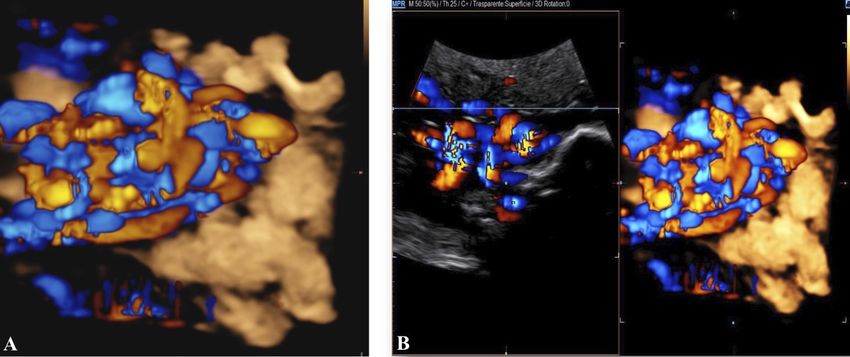
2. Materials and Methods
2.1 Case Presentation
      A healthy 39-year-old woman G4P3 was admitted to
our high-risk pregnancy outpatient service due to a MC-
DA twin pregnancy. Monochorionicity was suspected by
the referring gynecologist during the dating ultrasound scan
(US). The nuchal translucency US at the 12th week of ges-
tation highlighted a “T” sign of the dividing membrane with
a unique anterior placenta confirming a MC-DA twin preg-
nancy, as shown in Fig. 1. Soft markers for trisomy were
found to be normal for both twins. The US performed dur-
ing the 14th week of gestation showed the twins signifi-
cantly closer to each-other standing on the same side of a      Fig. 1. Sonogram depicting the “T” sign of the dividing mem-
free-floating thin membrane inserted on the placenta. This      brane with a unique anterior placenta.
image raised the suspicion for a spontaneous septostomy
(Fig. 2). The patient underwent amniocentesis as the com-
bined serum screen showed an increased risk for Trisomy
21. US assisted invasive procedure did not detect the di-
viding membrane deposing for a PMM twin pregnancy
following SS. A single sample of amniotic fluid was ob-
tained and tested normal for fetal karyotype (46, XX). Ac-
cording to International Guidelines US imaging was per-
formed every two weeks. Anomaly scan was normal and
all subsequent Doppler US showed a normal twin growth
and fetal wellbeing until the early third trimester [14–16].
The US performed at the 27th week of gestation showed a
strict contiguity of the umbilical cords with a suspicion for
cord entanglement on 3-dimensional (3D) US (Fig. 3A,B).
The patient was hospitalized for close pregnancy surveil-
lance. Fetal heart monitoring and US scan were daily per-       Fig. 2. Sonogram depicting a thin free-floating membrane in-
formed. Steroids were administered for prevention of res-
                                                                serting on a unique anterior placenta with the two twins stand-
piratory distress syndrome. The 29th week US scan high-
                                                                ing close to each other on the same side of the membrane.
lighted a growth discordance ranging around 21% (symmet-
ric growth at the 71° centile (estimated weight: 1328 gr) and
at the 36° centile (estimated weight: 1043 gr) for Twin A       fetal outcome were analyzed for each case included: our re-
and Twin B respectively). An episode of prolonged brady-        sults were described by percentages. Reports with missing
cardia was registered for Twin A. An emergency cesarean         data were excluded from the statistical analysis, and per-
section was performed: two healthy girls were born (Twin        centages were reported only for available data.
A: weight 1360 gr, Apgar 4 and 7 at 1st and 5th minute
respectively — Twin B: weight 1000 gr, Apgar 8 and 9 at         3. Results
1st and 5th minute respectively). Cord entanglement was
confirmed as shown in Fig. 4. The mother’s postoperative              Our preliminary literature search identified 15 publi-
recovery was uneventful. Twins’ developmental follow-up         cations. We excluded all articles describing in utero inter-
at 12 months of age was normal.                                 vention as the leading cause of septostomy. We selected 10
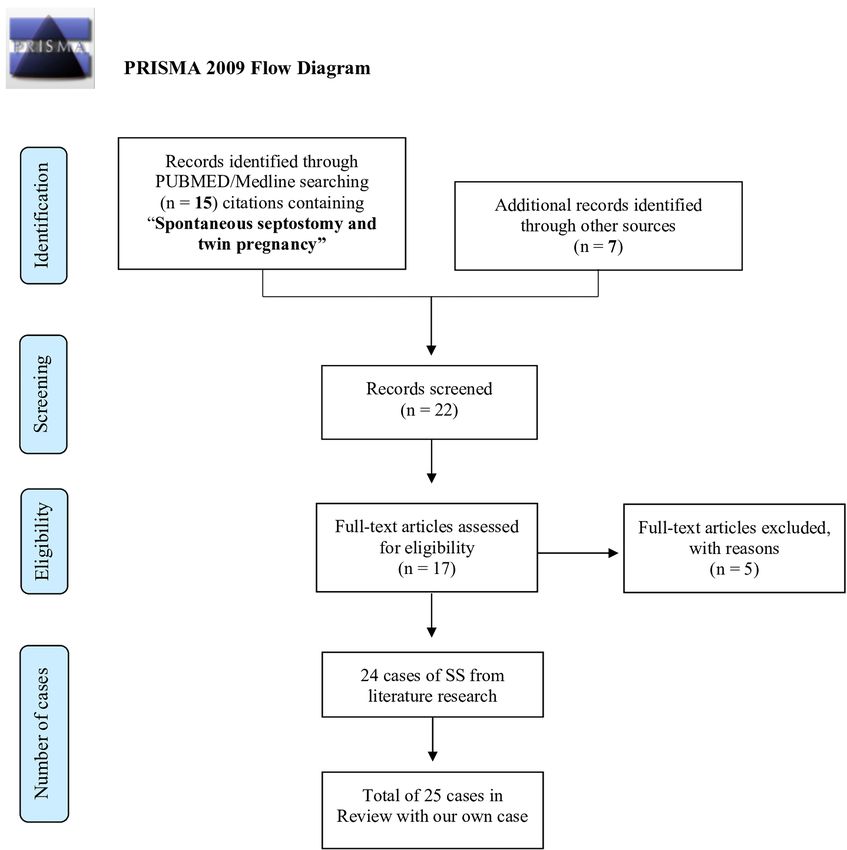
                                                                studies and we added to our analysis seven further articles
2.2 Review of the Literature                                    that had eluded our search but meet the review inclusion
      We searched PubMed, Medline and reference lists to        criteria. In total we stated 17 qualifying articles, with a fi-
identify articles describing antenatal detection of SS. The     nal population of 24 patients. We added our own case in
search was performed using “Spontaneous septostomy and          the statistical analysis (Fig. 5; Table 1, Ref. [5,8–11,13,17–
twin pregnancy” as keywords. Our criteria for including         27]). The majority of SS cases were detected in the sec-
reports were an antenatal detection of SS and the presence      ond trimester [12] SS was suspected at US scan of the third
of data about the fetal and/or neonatal outcome. We ex-         trimester in 6 cases. Timing of US diagnosis was not re-
cluded articles describing iatrogenic causes of Septostomy.     ported in the remaining 7 cases. CE was suspected at the
Chorionicity, timing of US diagnosis of SS, US findings         US evaluation only in 5 cases (5/18; 27%); 6/18 (33%) of
raising suspicion of SS, intrapartum evaluation of CE and       twins were found to be close to each-other and an absent

2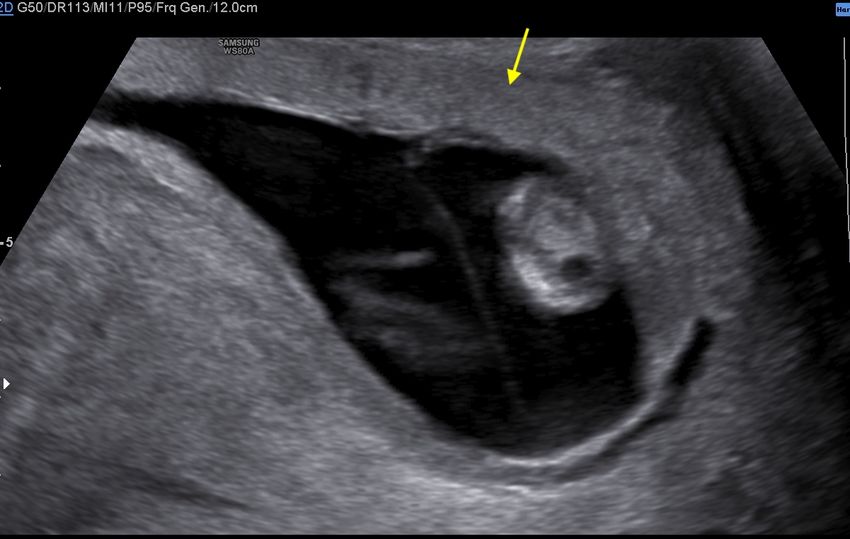
Fig. 3. Sonograms depicting 3-dimensional imaging of cord entanglement suspected during the 27th week US.

Fig. 4. Intraoperative imaging of the cord entanglement dur-
ing emergency cesarean section.

or disrupted inter-twin membrane was described in 15/19
pregnancies (79%). Intrapartum evaluation of CE was re-
ported in 13 cases (13/22; 59%), confirming the US suspi-      Fig. 5. Flow chart for study selection. SS, Spontaneous sep-
cion in 3 cases. The median gestational age at delivery was    tostomy.
32 weeks (range 22–38). There were 42 live births (42/48;
88%); four pregnancies were complicated by intrauterine
                                                               providers. Antenatal diagnosis is rarely described. Chmait
fetal death (IUFD) (4/48; 8%), while one neonatal death due
                                                               et al. [17] reported an estimated incidence of SS ranging
to amniotic band syndrome (ABS) and one case of perinatal
                                                               around 1.8% in a selected cohort of MC-DA complicated
hypoxia were described (2/48; 4%). We reported one case
                                                               pregnancies. The leading cause is often unclear, but several
of elective termination of pregnancy (TOP) due to progres-
                                                               hypotheses have been made: infectious diseases (chorioam-
sive TTTS and fetal central nervous system (CNS) malfor-
                                                               nionitis), excessive fetal movements, a very thin inter-twin
mation, two cases of ABS and one pregnancy complicated
                                                               membrane, polyhydramnios, maternal trauma [5,8]. Sug-
by TRAP sequence. A summary of our results is shown in
                                                               gestive US findings of SS are a free-floating dividing mem-
Table 2.
                                                               brane, twins being close to each-other on the same side of
                                                               an absent or disrupted membrane, the absence of the se-
4. Discussion
                                                               quence polyhydramnios-oligohydramnios when a high sus-
    The diagnosis and management of a twin preg-               picion of TTTS occurs (donor with non-visible bladder or
nancy complicated by SS is a real challenge for obstetric

                                                                                                                         3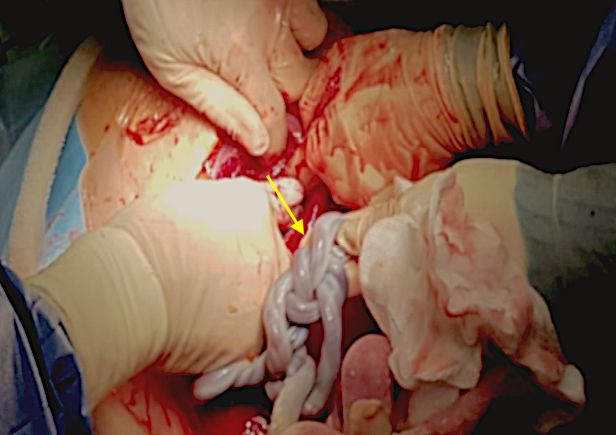
Table 1. Antenatal diagnosis of spontaneous septostomy reported in literature.
                    Cases                  Timing of US    CE             Closer Absent or disrupted Timing of   Intrapartum        Outcome
Author                      Chorionicity                           TTTS
                    of SS                  diagnosis of SS at US          twin inter-twin membrane delivery evaluation of CE Twin A       Twin B
Chen [23]             1       MC-DA              29         –        –      –            +              37           +         Healthy    Healthy
Aisenbrey [24]        1       MC-DA              26         –        –      –            –              30           –         Healthy    Healthy
                                                                                                                                          Perinatal
Nasrallah [20]        1       MC-DA              36         –        –      –            +              36           +         Healthy
                                                                                                                                          hypoxia
Sherer [19]           1       MC-DA              26         +        –      –            +              34           +         Healthy    Healthy
Chmait* [17]          1       MC-DA            18-20        –        +      +            +              27           –         Healthy    Healthy
Chmait* [17]          1       MC-DA              18         –        +      –            +              22           –         TOP**       IUFD
Chmait* [17]          1       MC-DA              20         +        –      –            –              34           –         Healthy    Healthy
                                                                                                                                          Acardic
Chmait* [17]        1***      MC-DA              19         +        –      –            +              38          NA         Healthy
                                                                                                                                            twin
Yoshimura* [11]       1       MC-DA              24         –        +      –            +              32           +         Healthy    Healthy
Jeanty [10]           1       DC-DA              19         –        –      +            +              32           –         Healthy    Healthy
Jeanty [10]           1       DC-DA              21         –        –      +            +              31           –         Healthy    Healthy
Chadha [5]            1       MC-DA              26         –       NA      +            +              29           –         Healthy    Healthy
Fleming [25]          1       MC-DA             NA         NA       NA     NA           NA              36           +          IUFD      Healthy
Lee [21]              1       MC-DA              27         –        –      –            +              35           +         Healthy    Healthy
Abraham [8]           1       MC-DA             NA          –        –      –            +              34           +         Healthy    Healthy
Khalek [26]           1       MC-DA              20         –        +      –            –              24          NA          IUFD       IUFD
Reif [9]              1       DC-DA              12         –        –      +            +              31           –         Healthy    Healthy
Suzuki [22]           1       MC-DA             NA         NA       NA     NA           NA              28           +         Healthy    Healthy
Suzuki [22]           1       MC-DA             NA         NA       NA     NA           NA              35           –         Healthy    Healthy
Suzuki [22]           1       MC-DA             NA         NA       NA     NA           NA              36           +         Healthy    Healthy
Suzuki [22]           1       MC-DA             NA         NA       NA     NA           NA              37           +         Healthy    Healthy
Bevilacqua [13]       1       MC-DA              24        NA       NA     NA            –              24           +          IUFD       IUFD
Ito [18]              1       MC-DA              11         +        –      –            +              32           +         Healthy Healthy§§
                                                                                                                               Neonatal
Hvelplund [27]        1       MC-DA             NA         NA       NA     NA           NA              32          NA                    Healthy
                                                                                                                                death§
Our Case              1       MC-DA            14-16        +        –      +            +              29           +         Healthy    Healthy
Abbreviations: MC-DA, Monochorionic-Diamniotic; DC-DA, Dichorionic-Diamniotic; US, Ultrasound; SS, Spontaneous Septostomy; CE, Cord
Entanglement; IUFD, Intrauterine fetal death; TOP, Elective Termination of pregnancy; TTTS, Twin-to-twin transfusion syndrome; NA, Not re-
ported.
*All the fetuses underwent fetal treatment due to TTTS, selective intrauterine growth restriction (S-IUGR) or Twin Reversed Arterial Perfusion
Sequence (TRAP); **Several ventriculomegaly; ***TRAP sequence; § Amniotic Band Syndrome (ABS); §§ Fingers amputation due to ABS.

Table 2. Summary of ultrasound findings and fetal outcome                        on prenatal morbidity or mortality [15,16]. Anyway, this
      in monochorionic twin pregnancies complicated by                           US finding should always be detected with Color Doppler
                  spontaneous septostomy.                                        and Pulsed Wave, both in bidimensional (2D) and 3D US
    Ultrasound finding                                    n (%)                  imaging. It could appear as a loop between the umbilical
                                                                                 cords with different arterial waveforms within the loop or
    Cord entanglement                                  5/18 (27%)
                                                                                 as crossing vessels; two simultaneous different waveforms
    Twins being close to each-other                    6/18 (33%)
    Absent or disrupted intertwin membrane             15/19 (79%)
                                                                                 could be recorded within the entangled cords at Doppler
                                                                                 evaluation [13,17,18]. The “hanging noose sign”, a pathog-
    Fetal outcome                                         n (%)
                                                                                 nomonic US criterion for a true knot of the umbilical cord,
    Live births                                        42/48 (88%)               could be a finding in PMM pregnancies complicated by en-
    IUFD                                                4/48 (8%)                tanglement [5,19]. Umbilical cords can entangle as early
    Neonatal demise                                     2/48 (4%)                as the SS occurs, while it has been rarely described later
    Abbreviations: IUFD, Intrauterine fetal death.                               in pregnancy due to the physiologically restricted intrauter-
                                                                                 ine space [8,20]. According to our review, CE was de-
fetal growth restriction) and CE [5,8,17]. As reported by                        scribed as an US finding only in 5 cases (5/18, 27%) and
International Guidelines CE is almost always present in                          all the reports were detected in the second trimester. We
MC-MM pregnancies, although it does not seem to impact                           highlighted a low antenatal detection rate of entanglement

4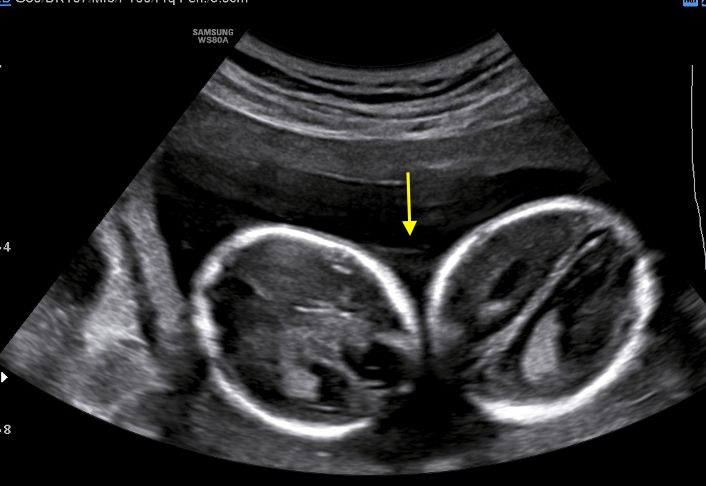
when comparing intrapartum evaluation with antenatal sus-        References
picion (13/22, 59% vs 5/18, 27%), with only 3 cases be-
ing confirmed. In our review the incidence of entangle-          [1] Lewi L, Deprest J, Hecher K. The vascular anastomoses
ment is slightly lower than estimates in previous studies            in monochorionic twin pregnancies and their clinical conse-
(64% vs 72% in PMM) [11,13,20,21]. The main US prena-                quences. American Journal of Obstetrics and Gynecology. 2013;
                                                                     208: 19–30.
tal findings for SS in MC-DA were an absent or disrupted         [2] Shub A, Walker SP. Planned early delivery versus expectant
membrane (15/19, 79%) and twins being close to each-other            management for monoamniotic twins. The Cochrane Database
(6/18, 33%). In our case we found both signs listed above.           of Systematic Reviews. 2015; 2015: CD008820.
The CE diagnosis was easier thanks to 3D US imaging that         [3] Mackie FL, Morris RK, Kilby MD. The prediction, diagnosis
showed a loop of the two different umbilical cords. In case          and management of complications in monochorionic twin preg-
                                                                     nancies: the OMMIT (Optimal Management of Monochorionic
of SS, pregnancy management is similar to MC-MM. The                 Twins) study. BMC Pregnancy and Childbirth. 2017; 17: 153.
resultant PMM showed similar rates of neonatal death, peri-      [4] Pajno C, D’Ambrosio V, D’Alisa R, DI Mascio D, Vena F,
natal morbidity and mortality compared to MC-MM (up to               Corno S, et al. Fetoscopic laser ablation in twin-to-twin trans-
17% until the 28th week of gestation decreasing to 4% af-            fusion syndrome: tips for counselling. Minerva Obstetrics and
ter the 32nd week) [13,15,22]. In our sample we report a             Gynecology. 2021; 73: 247–252.
                                                                 [5] Chadha R, Lange IR, Bratz L, Cooper SL, Roggensack A, John-
rate ranging around 21% for fetal and neonatal demise (6             son J. A Rare Case of Antepartum Spontaneous Septostomy in
cases of intrauterine fetal death—1 elective termination of          a Monochorionic Diamniotic Twin Pregnancy. Case Reports in
pregnancy—1 perinatal hypoxia—1 neonatal death respec-               Obstetrics and Gynecology. 2012; 2012: 1–3.
tively).                                                         [6] Saccone G, Khalil A, Thilaganathan B, Glinianaia SV, Berghella
                                                                     V, D’Antonio F. Weight discordance and perinatal mortality
                                                                     in monoamniotic twin pregnancy: analysis of MONOMONO,
5. Conclusions                                                       NorSTAMP and STORK multiple-pregnancy cohorts. Ultra-
      In conclusion, it is highly recommended to refer these         sound in Obstetrics & Gynecology. 2020; 55: 332–338.
pregnancies in a high-risk pregnancy unit, due to possible       [7] MONOMONO Working Group. Inpatient vs outpatient manage-
                                                                     ment and timing of delivery of uncomplicated monochorionic
fetal and neonatal complications. We encourage clinicians
                                                                     monoamniotic twin pregnancy: the MONOMONO study. Ul-
to carefully focus on US findings of SS and suggest a close          trasound in Obstetrics & Gynecology. 2019; 53: 175–183.
surveillance of fetal wellness if suspicion of PMM arises        [8] Abraham RJ. The protective effect of oligohydramnios in a case
to properly counsel parents and reduce the rate of fetal and         of missed diagnosis of spontaneous septostomy in monochori-
neonatal morbidity and mortality.                                    onic diamniotic twins. Journal of Obstetrics and Gynaecology.
                                                                     2013; 33: 205–206.
                                                                 [9] Reif P, Haeusler M, Gellèn J. Fetal head entrapment through a
Author Contributions                                                 spontaneous chorionic septostomy in a first trimester dichorionic
      CB performed the research and wrote the manuscript.            diamniotic twin pregnancy: a case report. Prenatal Diagnosis.
VD designed the study. EM, FV and DDM analyzed the                   2013; 33: 298–300.
                                                                [10] Jeanty C, Newman E, Jeanty P, Rodts-Palenik S. Prenatal Di-
collected data. SC and MB collected the data. AG designed            agnosis of Spontaneous Septostomy in Dichorionic Diamniotic
the study and critically reviewed the manuscript. All au-            Twins and Review of the Literature. Journal of Ultrasound in
thors read and approved the final manuscript.                        Medicine. 2010; 29: 455–463.
                                                                [11] Yoshimura K, Aiko Y, Inagaki H, Nakata M, Hachisuga T. Pre-
Ethics Approval and Consent to Participate                           natal spontaneous disruption of the dividing membrane in mono-
                                                                     chorionic diamniotic twins detected at the time of fetoscopic
     The local Institutional Review Board deemed the                 laser photocoagulation. Journal of Obstetrics and Gynaecology
study exempt from review. Informed consent has been ob-              Research. 2009; 35: 1129–1131.
tained from the patient.                                        [12] Gordon B, Chon A, Korst L, Llanes A, Miller D, Chmait R. In-
                                                                     cidental Septostomy after Laser Surgery for Twin-Twin Trans-
                                                                     fusion Syndrome: Perinatal Outcomes and Antenatal Manage-
Acknowledgment                                                       ment. Fetal Diagnosis and Therapy. 2018; 44: 285–290.
     Not applicable.                                            [13] Bevilacqua E, Aliberti C, D’Ambrosio V, Giancotti A, Perrone
                                                                     G, La Torre R. Spontaneous septostomy in monochorionic di-
                                                                     amniotic twins: Difficult diagnosis, difficult management. Jour-
Funding                                                              nal of Obstetrics and Gynaecology. 2014; 34: 359–359.
     This research received no external funding.                [14] Società Italiana di Ecografia Ostetrico Ginecologica. La Gravi-
                                                                     danza Gemellare. 2015; 110–132 (Italian)
                                                                [15] Khalil A, Rodgers M, Baschat A, Bhide A, Gratacos E, Hecher
Conflict of Interest                                                 K, et al. ISUOG Practice Guidelines: role of ultrasound in twin
     The authors declare no conflict of interest. FV is serv-        pregnancy. Ultrasound in Obstetrics & Gynecology. 2016; 47:
ing as one of Guest editors of this journal. We declare that         247–263.
FV had no involvement in the peer review of this article and    [16] Kilby MD, Bricker L. Management of monochorionic twin preg-
                                                                     nancy. BJOG. 2016; 124: e1–e45.
has no access to information regarding its peer review. Full    [17] Chmait RH, Aghajanian P, Kontopoulos EV, Quintero RA. Pre-
responsibility for the editorial process for this article was        natal Diagnosis of Spontaneous Septostomy of the Dividing
delegated to MHD and JO.                                             Membranes in Complicated Monochorionic Diamniotic Multi-

                                                                                                                                    5
ple Gestations. Journal of Ultrasound in Medicine. 2009; 28: otic Twin Gestations. ISRN Obstetrics and Gynecology. 2013;
663–668. 2013: 1–3.
[18] Ito A, Nakata M, Oji A, Takano M, Umemura N, Nagasaki S, [23] Chen SE, Trupin L, Trupin S. Antepartum rupture of diamniotic
et al. Diagnosis of umbilical cord entanglement in a monochori- membranes separating monozygotic twins: a case report. The
onic diamniotic twin pregnancy with spontaneous septostomy of Journal of Reproductive Medicine. 1994; 39: 67–70
the dividing membranes using dual-gate Doppler imaging. Jour- [24] Aisenbrey G. Monoamniotic and Pseudomonoamniotic Twins:
nal of Medical Ultrasonics. 2017; 45: 189–192. Sonographic Diagnosis, Detection of Cord Entanglement, and
[19] Sherer DM, Bitton C, Stimphil R, Dalloul M, Khoury-Collado Obstetric Management. Obstetrics & Gynecology. 1995; 86:
F, Abulafia O. Cord entanglement of monochorionic diamniotic 218–222.
twins following spontaneous antepartum septostomy sonograph- [25] Fleming T, Miller T. Spontaneous septostomy in monochori-
ically simulating a true knot of the umbilical cord. Ultrasound in onic diamniotic twins resulting in cord entanglement and fetal
Obstetrics and Gynecology. 2005; 26: 676–678. demise. Australasian Journal of Ultrasound in Medicine. 2012;
[20] Nasrallah FK, Faden YA. Antepartum rupture of the intertwin- 15: 103–106.
dividing membrane in monochorionic diamniotic twins: a case [26] Khalek N, Moldenhauer J, Ozcan T, Hackney D. Twin-Twin
report and review of the literature. Prenatal Diagnosis. 2005; 25: Transfusion Syndrome Presenting as Polyhydramnios in Both
856–860. Fetuses Secondary to Spontaneous Microseptostomy. AJP Re-
[21] Lee KJ, Kim MK, Lee SY, Lee WS, Lee YH. Spontaneous rup- ports. 2013; 3: 83–86.
ture of the dividing membrane in a monochorionic pregnancy [27] Hvelplund C, Pihl K, Trautner S, Pedersen P, Maroun LL. Spon-
resulting in a pseudo-monoamniotic pregnancy with cord en- taneous Septostomy in a Twin Pregnancy Causing Fatal Amni-
tanglement. Journal of Obstetrics and Gynaecology Research. otic Band Syndrome. Case Reports in Pediatrics. 2018; 2018:
2012; 38: 863–866. 1–3.
[22] Suzuki S. Case Series of Monoamniotic and Pseudomonoamni-
6You can also read


