National Education Growth Plan 2030 - Bay of Plenty - Waiariki and Taranaki, Whanganui, Manawatū - Education.govt.nz
←
→
Page content transcription
If your browser does not render page correctly, please read the page content below

National Education
Growth Plan 2030

Bay of Plenty – Waiariki
and Taranaki,
Whanganui, Manawatū

May 2019
The National Education Growth Plan is a new way of
thinking about and co-ordinating the Ministry of Education’s
response to school-aged population growth across New
                                                                 National Education
Zealand.

As communities change, so too do the schooling needs of their
                                                                 Growth Plan to 2030
tamariki and rangatahi. We have developed a National
Education Growth Plan which identifies what we know about
the anticipated location and patterns of growth in school-aged
children between now and 2030, and identified what the           Signalling a longer term view provides direction to the wider
Government may need to consider to meet this growth.             community, including other government agencies, local
                                                                 government, and infrastructure and service providers. This helps
Population growth is placing pressure on our school network in   to support their long-term planning and investment and provides
specific areas of the country. These high growth areas are all   increased confidence to the sector that we are anticipating and
unique and are experiencing growth in different ways. In some    planning for the challenges of a growing population.
areas, we are seeing redevelopment and intensification of
                                                                 We will monitor the plans annually and review as required to
existing urban areas, while in other areas entire new
                                                                 ensure that we are continuing to provide accurate, reliable and
communities are being established.
                                                                 up-to date information and data to inform the right investment
                                                                 decisions into the future.
Each growth area, or “catchment”, requires a specific and
targeted response. This Plan compiles these responses            Investment in our infrastructure has long-term effects and will
across the decade to 2030 and provides the basis for decision-   shape how well infrastructure functions for future generations,
making on investment spend in high growth areas.                 including delivering educational outcomes desired by the
                                                                 community.
We expect to see better value for the investment spend over      This National Education Growth Plan shows how sufficient
the longer term as we articulate a clearer picture of demand     capacity in the school network will be delivered in the right place
and response. With a longer term view, we can assess             at the right time.
whether there are potential investment gaps or affordability
issues beyond the 10-year horizon.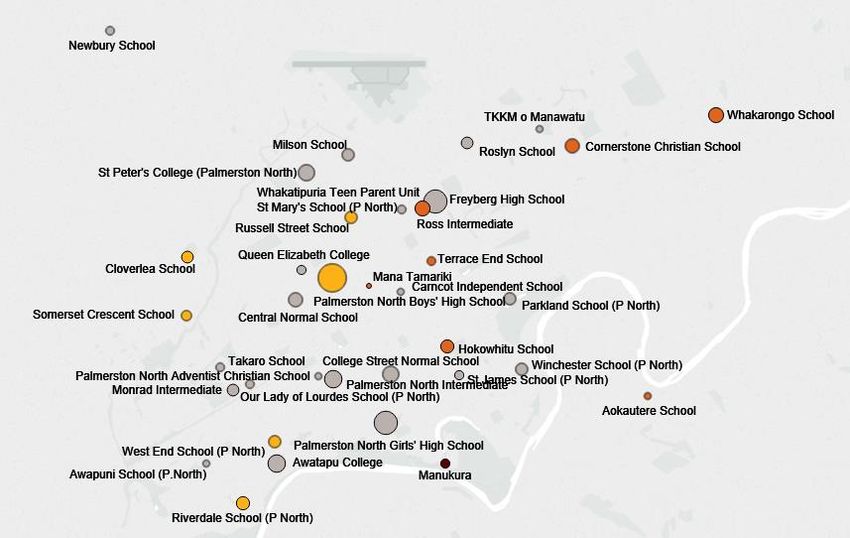
National Education Growth Plan
                    New Zealand Education Growth Plan to 2030

Contents
   o NEGP Framework
   o NEGP Summary
   o Bay of Plenty – Waiariki
   o Taranaki, Whanganui, Manawatū
   o Disclaimers
   o Key to Icons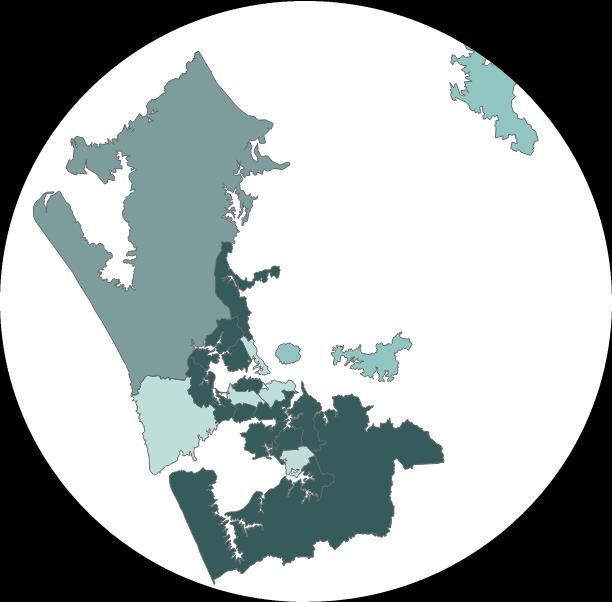
National Education Growth Plan
                                                                                         New Zealand Education Growth Plan to 2030
The National Education Growth Plan (NEGP) is a new way of thinking about and co-ordinating the Ministry of
Education’s response to population growth across New Zealand. The National Education Growth Plan will
ensure that sufficient capacity in the school network is delivered as the right type, in the right place, at the                       A new approach is needed to
right time.                                                                                                                            ensure that the educational
                                                                                                                                       needs are met for every
A Framework For Planning: Three Broad Profiles of Growth                                                                               child in New Zealand.
» There are different types of population growth in different areas of New Zealand. Growth in an area can be a result of net
  migration (people moving into the region) or natural growth from births.                                                              By 2030, students will
» Characteristics of the area influence the response to growth and, in some cases, there is the ability for expansion and new           exceed the number of
  development. In other areas, increasing capacity may require redevelopment or strategic solutions across a school or groups           student places by 100,000
  of schools.                                                                                                                           in high growth areas.
» We have identified 20 growth catchment areas within Auckland and 19 across the rest of New Zealand. For each catchment we
  have categorised them into one of three different profiles of growth: Blueprint for Growth, Complex Growth, Steady Growing.
  These are the three profile definitions:
                                                                                                                                       We have an opportunity to
                                                                                                                                       modernise and expand our network
                                                                                                                                       to support education now and for
                                                                                                                                       decades to come.

                                                                                                                                       Between 2017 and 2030 we have forecast that an additional
  This is where local government planning                                                                                              60,000 student places will be needed in Auckland. 12,000 of
  includes intensive housing development                                                                                               these have been funded through to Budget 18.                                                    Map Key:        HIGH
  and expansion into outer urban areas in
  response to, or causing, a large influx of                                                                                                                                                                                            Predicted
  people to move into a particular area.
                                                                                                                                                                                                                                                      MEDIUM
                                                                                                                                       Historically, we have funded places through the annual                                            growth in
  These are opportunities to master plan
                                                                                                                                       Budget process. Seeking funding annually reduces the ability                                    school age
  education infrastructure collaboratively                                                                                                                                                                                                            STABLE
  across agencies to integrate in new                                                                                                  to plan ahead and make strategic or innovative changes to                                       children by
  communities.                                                                                                                         the network. Flexibility will enable us to be responsive to                                      Territorial
                                                                                                                                                                                                                                         Authority    DECLINE
                                                                                                                                       growth.

Common solution framework across the full network                                                                                   Additional factors influencing solution decisions
Different types of growth require different responses in terms of school network solutions. We have identified a set of responses   There are a range of factors influencing the network solution. For example, in some cases additional classrooms can not be
and pre-determined triggers for when responses will be implemented.                                                                 added to existing schools because there is no physical space available. The likelihood of these factors being present vary across
                                                                                                                                    the different growth profiles. We have illustrated the prevalence of some common factors.
                 » Redirect students to under-utilised                              » Merger, relocation, or school type change
                   schools through zoning solution: e.g. new                          e.g. primary to composite, from single sex
                   zone or shrink zone, managing out-of-                              to co-ed, English medium to bilingual.
                   zone enrolments.                                                 » Considered if changing the network will
 Enrolment       » Zoning solution always first step                   Network        redirect students to other schools with
   zones           considered when schools are at risk of             restructure     student places.                                                          Additional          Parental choice      Demand to        Availability and    Constraints on
                   exceeding student places.                                                                                                                 learners in the         influencing          expand          acquisition of      existing site
                                                                                                                                                               catchment              utilisation      provision type appropriate land sites   capacity

                 » Build new classrooms in existing                                 » Acquire land and build new school -
                   schools to meet capacity, temporary or                             from start to finish takes six to ten          Blueprint for growth
                   permanent.                                                         years.
                 » Considered after zoning options                               » Considered if the network is                      Complex Growth
Roll growth        exhausted and schools still projected to           Establish    projected to exceed capacity within
 funding           be over-utilised.                                 new schools   six years.                                        Steady Growing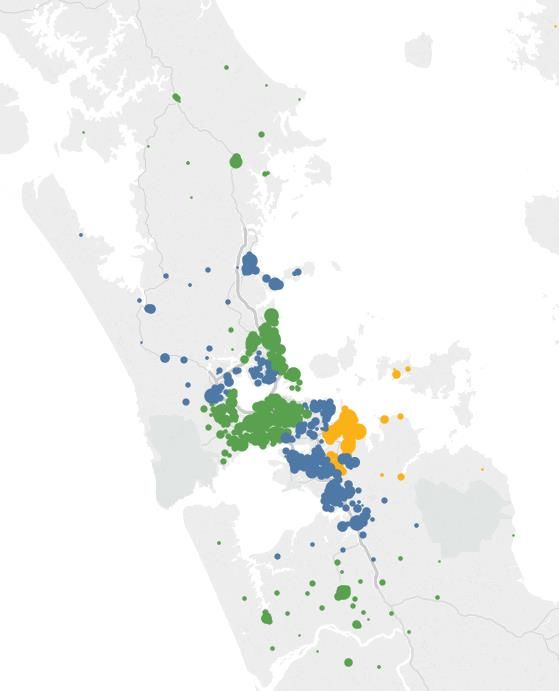
National Education Growth Plan
                                                                                          Summary of the growth catchments

      This is where local government planning
      includes intensive housing development
      and expansion into outer urban areas in
      response to, or causing, a large influx of
      people to move into a particular area.
      These are opportunities to master plan
      education infrastructure collaboratively
      across agencies to integrate in new
      communities.

                                                    National Growth Plans (excluding Auckland)
                                                                                                 Potential New
                                                                                School
                                Student places                New Schools                         Enrolment    Redevelopments
                                                                              Expansions
                                                                                                   Schemes
                         Low           High        Expected      Total            Total                Total                 Total

      To 2030          30,590 48,040                40,000        31                10                  38                     7

                                                                                                                                                                       We have identified
                                                              Auckland Growth Plans                                                                           39 high growth catchments
                                                                                                 Potential New                                                       across New Zealand
                                                                                Schools
                                 Student places               New Schools                         Enrolment           Redevelopments                             Across the catchments of schools,
                                                                              Expansions                                                                       we have identified the type of growth
                                                                                                   Schemes
                                                                                                                                                                          that is the primary driver.
                         Low           High        Expected      Total            Total                Total                 Total                 Blueprints for Growth = 18 catchments with the
                                                                                                                                                               most schools and the highest growth

      To 2030          17,255 63,866                60,000        30                21                  103                     2                     Complex Growth = 11 catchments within the
                                                                                                                                                   next biggest areas of growth with redevelopment
                                                                                                                                                               of existing schools to support growth

Note: The above numbers and forecast schooling infrastructure are correct as of November 2018 ; however are likely to fluctuate or     Steady Growing = 10 areas with change over longer periods
change as growth patterns emerge and develop over time.                                                                                       that will require targeted interventions and responses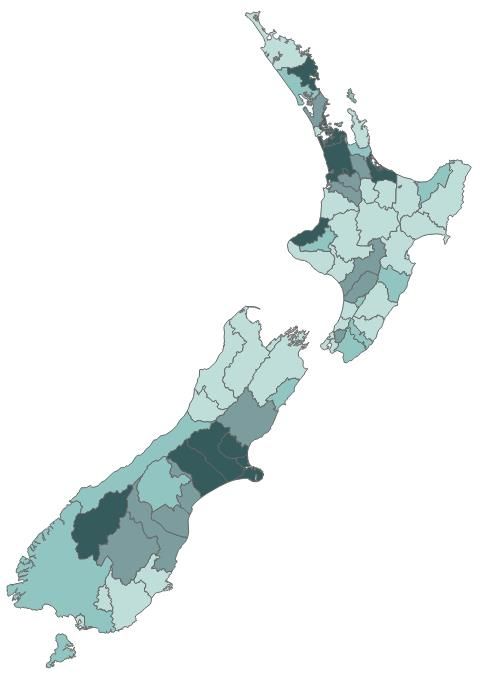
BAY OF PLENTY –
   WAIARIKI
Otumoetai
New
New Zealand
Zealand Education
Education Growth
Growth Plan
Plan to 2030
2020 - 2030
• We will continue to collaborate with our liveable communities partners to
Director’s message: What have we done so far? understand the uptake of future residential growth in the Otumoetai
Tauranga City is one of the fastest growing urban areas • Enrolment schemes are in place at all of the schools in this catchment, catchment.
in the country. This is an exciting time for everyone who apart from the kura and two primary schools. We are exploring • We will also explore the opportunity for a comprehensive review of
has a part to play in planning for this growth. enrolment schemes with schools as a tool to manage growth. enrolment scheme boundaries prior to opening the relocated school, to
We are proud of the strong Kāhui Ako we have in the • Te Wharekura o Mauao (Y7-13) opened in 2012, with Stage 2 in 2015. ensure efficient utilisation of existing infrastructure.
Otumoetai area and the leadership they are showing,
especially in delivering learning support. Our Otumoetai • We have approved an increase of 120 students in the maximum roll at Beyond 2030
community tells us that high quality learning Bethlehem College in 2018 to cater for students from Rotorua.
Beyond 2030, growth in the school-age population of Otumoetai will continue
environments, local options for schooling, and strong • Allocated roll growth funding for 15 classrooms at primary level.
but at a slower rate. We expect there will be a need for additional capacity at
community ties are all important to them.
• Funded $47 million to redevelop Otumoetai College. existing primary and secondary schools within the catchment. The timing and
We are also proud to partner with local Councils, NZTA and the DHB to location of this additional capacity will be informed by ongoing monitoring and
develop livable communities. We are collaborating with our partners to ensure the master planning currently underway.
new and existing communities are focused on improving wellbeing for Planning for short-term growth (3 years)
everyone within them. Māori medium
We’re planning now to accommodate growth in the short-term, including:
I am very pleased to present the following plan for growth for Otumoetai out to In the Otumoetai catchment, there are six kōhanga reo, one full primary kura,
2030. This growth plan complements the other local growth plans for Tauranga • Planning for an additional 520 student places by 2021;
and one wharekura. As at July 2017, the kura had a combined immersion roll
and Papamoa. We’re committed to ensuring that the educational needs of • Assessing a vacant Ministry site to assess suitability for schooling, and of 229 tauira, while there are also 154 tauira enrolled in Māori medium at the
every child in New Zealand are met, and this plan shows how we will do that. the potential relocation (and expansion) of a nearby school onto this site; three rumaki classes in local contributing schools. About 58 tauira from within
Ia manuia, • Acquiring sites for a primary and secondary site in Omokoroa to ensure the Otumoetai catchment also travel outside the catchment to attend Māori
that we have land available in the future should additional provision be immersion education. The Otumoetai catchment provides a clear pathway for
Ezra Schuster
required. The timing of any new school will be informed by ongoing tauira from rumaki to Te Wharekura o Mauao.
Otumoetai’s growth story
monitoring of rolls and capacity, and a review of existing enrolment While there is no formal Māori medium network strategy in place, we plan to
scheme boundaries. develop a Tauranga-wide Māori medium strategy to establish the demand and
The Otumoetai catchment is characterised by the older established suburbs of preference for delivering education in the Māori medium.
• Considering an opportunity to support Māori medium pathways by
western Tauranga, new development in the Bethlehem area that is now almost
providing specialist technology space at the wharekura. Ngāi Te Rangi and Ngāti Ranginui have been engaging with the Kāhui Ako
complete, and the northern corridor that extends beyond the City boundary
• Working with schools to consider a master planning capacity to which over the past decade. They have developed learning hubs and mentoring
towards Omokoroa.
each school can be re-developed. programmes for rangatahi in both literacy and numeracy. They also have a
Local schools in established areas have been under increasing pressure as the successful track record of assisting Māori students to achieve NCEA L2 and
demographics of these neighbourhoods change to include more families with By 2021, we anticipate capacity will need to be increased to accommodate beyond. These two iwi work across Tauranga Moana as a collective, which
school-age children. an additional 120-290 students across the network2. Monitoring school rolls also includes Ngāti Pukenga.
and utilisation are crucial tools we are using to trigger responses to this
Council is planning for new development in Omokoroa to accommodate a
growth. Learning Support
quadrupling of the population to 10,000 by 20431.
The remainder of the catchment is expected to increase from 36,000 in 2018 to The Otumoetai Kāhui Ako is leading the way in delivering positive learning
57,000 by 2043. We know that there will be an increasingly ageing population, support outcomes. A strong collaborative ethic within the Kāhui Ako has
Planning for medium-term growth (3-10 years)
however the number of young people will grow, including Māori. enabled better facilitation and sharing of data, identification of trends and
• We are planning now to accommodate a further 330-1,000 students by management responses, practice changes, and the development of a
The Otumoetai network is nearly at capacity. Both the primary and secondary 20303. By implementing the responses we are working on now, and register that captures one plan for each child through their education
networks are expected to experience increased pressure in 2019 and growth is timely delivery of new capacity where it is needed, we expect that we pathway.
expected to continue. Pressure on the secondary network will continue to can accommodate this growth adequately. New schools in Omokoroa
mount as primary students move into secondary. Brookfield Primary is the only school in the catchment that hosts a satellite
are anticipated to be required towards the latter part of the decade,
unit of Tauranga Special School. There are school-managed learning
Most urban schools are on small sites with limited opportunities for expansion. which will accommodate anticipated growth on the Omokoroa peninsula.
support spaces at several schools, and any new schools will be built with
This challenge underpins our strategic plan for the Otumoetai catchment. provision for learning support space. The Board will then decide whether this
will be a satellite or Board-managed space.
1 Tauranga City Population and household projection review 2017, NIDEA
2,3 SNZ Population Projections 2017 release, v2, 5-17yr olds (High and Medium scenarios)Otumoetai
New Zealand Education Growth Plan to 2030
This growth plan covers the Otumoetai and Omokoroa area of Tauranga City in the Bay of Plenty - Waiariki education region. In the Otumoetai
catchment there are 16 schools including: 15 state schools and a state integrated school; 7 contributing, 5 full primary, an intermediate, a
composite, and 2 secondary schools. As at July 2018, this catchment had a combined school roll of 8,363 students, including 409 Māori Medium
students and 56 ORS students.
What’s influencing the Growth Plan
Demographic changes
Here’s what's already underway that’s giving us a
» Local schools in established areas have been under
head start to meet growth in the region
increasing pressure as the demographics of these
neighbourhoods change to include more families with
» Enrolment schemes are in place at all of the
school-age children.
schools in this catchment, apart from the kura
Current network will reach full capacity and two primary schools. We are exploring
enrolment schemes with schools.
» The Otumoetai network is under pressure from roll growth.
Both the primary and secondary networks are expected to
reach capacity in 2019 and growth is expected to continue. » Te Wharekura o Mauao (Y7-13) opened in
Pressure on the secondary network will continue to mount as 2012, with Stage 2 in 2015.
primary students move into secondary.
Existing site constraints
» Most urban schools are on small sites with limited » Funded $47 million to redevelop Otumoetai
opportunities for expansion. This challenge underpins our College.
strategic plan for this catchment.
Growth Plan to 2030
2019 2022 2030
375 student 175 student places Potential relocation/expansion Potential new primary school Potential new secondary
places of primary school (Omokoroa) Stage 1 school (Omokoroa),
500 student places 1,000 student places
Acquisition of land 120-290 additional students in Further 330-1,000
in Omokoroa catchment students in catchment
» Enrolment schemes are in place at all of the schools in this » Collaborate with Tauranga City and our liveable communities
catchment, apart from the kura and two primary schools. We are partners to understand the uptake of future residential growth
» Considering an opportunity to support Māori medium
exploring enrolment schemes or amendments with schools. and provide a proactive response to growth
pathways by providing specialist technology space at Te
» We will also explore the opportunity for a comprehensive review » Assessing a vacant Ministry site to assess suitability for Wharekura o Mauao.
Enrolment Network
of enrolment scheme boundaries prior to opening the relocated schooling, and the potential relocation (and expansion) of an
zones solutions » While there is no formal Māori Medium network strategy
school, to ensure efficient utilisation of existing infrastructure. existing school onto the site.
in place, we plan to develop a Tauranga-wide Māori
Medium strategy to establish the demand and
preference for delivering education in the Māori medium.
Expanding
» Most urban schools are on small sites with limited » Acquiring land in Omokoroa to ensure that we have land Provision Type » Any new schools will be built with provision for learning
opportunities for expansion. This challenge underpins our available in the future should additional provision be support space. The Board will then decide whether this
strategic plan for this catchment. required. will be a satellite or Board-managed space.
» Fifteen roll growth classrooms have recently been funded. We » The timing of any new school will be informed by ongoing
Roll growth are planning now to accommodate the increase in population Establish New monitoring of rolls and capacity, and a review of existing
funding through additional teaching space provision. Schools enrolment scheme boundaries.Papamoa: Blueprint for Growth
New Zealand Education Growth Plan to 2030
Director’s message: What have we done so far?
Tauranga City has been one of the fastest growing • Enrolment schemes are in place at all of the schools in this catchment, apart • Working with schools to look at master planning capacity.
urban areas in the country for decades. Nowhere is this from the kura. Therefore, there is limited opportunity for non-property
• Consider whether new primary provision could include Y7-8 level to enable
more evident than in Papamoa where the population responses to accommodate future growth.
better utilisation of the network in the interim.
has exploded in recent years. Successfully
• A new Y1-6 primary and Y7-13 secondary school were both opened in 2011,
accommodating more people has a cost, but also
at the same time as we reduced year levels at a full primary. In 2018, we Beyond 2030
exciting potential. We want to champion the
began the decapitation of the last full primary school in the network to address
opportunities that this growth presents and help to build Beyond 2030, growth in Papamoa will be concentrated in the Te Tumu area
the pressure for space for Y1-6 students.
a great city in which to live, work and play. as the existing urban area fills up. We expect to acquire land for a further two
• In recent years, there has also been investment in the redevelopment of three primary and one secondary school in the catchment beyond 2030. The timing
Our Papamoa community has told us that this is
of the primary schools in the area, as a result of ageing infrastructure and of this will depend on how fast development unfolds.
important to them, as is being able to access local schools, the outdoors
weather-tight issues.
lifestyle and enjoy a strong community spirit. As a region, we are planning now
so that we have enough space in our existing schools as well as providing
Planning for short-term growth (3 years) Māori medium
more space where it is needed. This growth plan focuses on Papamoa and
complements the other local growth plans for Tauranga and Otumoetai. By 2021, if our growth projections materialise, we expect there will be an
In the Papamoa catchment, there is one kōhanga reo, one full primary kura,
additional 1,000 students in the local school network. We plan to meet this
I am very pleased to present the following plan for growth for Papamoa out to and one composite kura. As at July 2017, the kura had a combined immersion
demand in a number of ways:
2030. We’re committed to delivering accessible and equitable education for all roll of 220 tauira. The composite kura has been operating from a temporary
our tamariki, and this plan shows how we will do that. • $4 million to deliver the final building stage of Golden Sands Primary, adding location since 2009 and acquisition for a permanent site (possibly outside of
at least another 150 student places, and $21 million to establish a new primary this catchment) is underway. About 26 tauira from within the Papamoa
Ia manuia,
school opening in 2021 (at the earliest) for at least 650 students. catchment also travel outside the catchment to attend Māori immersion
Ezra Schuster education. The pathway for rumaki students to progress to Māori medium
• Temporary primary accommodation is required in the immediate term to
secondary is to attend Te Wharekura o Mauao in Bethlehem. This wharekura
accommodate growth prior to the opening of the new primary school.
draws tamariki from across Tauranga Moana.
Papamoa’s growth story • Planning for the final building stages of Papamoa College to a maximum roll of
We are currently in discussions with a provider about the establishment of a
In the last 20 years, Tauranga has grown by nearly 50,000 people. Tauranga 2,000 is underway.
puna reo and bilingual wharekura in this catchment.
City is identified as a High Growth Urban Area1, and Council has secured $158 As well as the above, we will continue to:
million in MBIE’s Housing Infrastructure Fund to invest in new water and There is no Māori medium network strategy for this area and the development
wastewater infrastructure across the city. This infrastructure will accelerate • Collaborate with Tauranga City and other MOU partners to understand the of kura and mixed medium schools has been ad hoc. As a result, we are
development of 35,000 dwellings across Tauranga City. uptake of future residential growth and provide a proactive response to growth; initiating a Māori medium strategy for Tauranga Moana.
In Papamoa, eight Special Housing Areas have been approved since 2016, fast- • Monitor how school rolls are tracking compared to capacity. Ngā Pōtiki-ā-Tamapahore has been engaging with rangatahi and mokopuna
tracking about 2,750 dwellings. Amongst the existing residential area, there are of the Pāpāmoa region for quite some time. They are proactive across the
also smaller pockets of undeveloped land which are rapidly being turned into Planning for medium-term growth (3-10 years) catchment and lead various educational programmes, support primary
housing. This places pressure on the existing local schools. Further to the east, We are planning now to accommodate a further 485 - 1,080 students by 20302. students in Literacy and Numeracy, and senior secondary students achieve
Te Tumu is a greenfields area anticipated to open from 2021 which will see We already have plans underway to manage this growth. NCEA L2. Ngā Pōtiki have built a strong partnership with Kura, Kāhui Ako and
another 15,000 people living in Papamoa East. This will require significant businesses throughout Pāpāmoa.
• A site acquisition process is underway as we look for another primary school
investment in additional schooling provision to accommodate the anticipated
site in the east of the catchment. Learning Support
school age population.
Both the primary and secondary network reached capacity in 2017 and this Papamoa College is the only school in the catchment that hosts a satellite of
growth is expected to continue. Temporary classrooms have been provided at Tauranga Special School having a roll of 18. There are school-managed
Papamoa College while permanent capacity is delivered. Pressure on the learning support spaces at several primary schools. All new schools will be
secondary network will continue to mount as primary students move into built with provision for learning support space with the Board deciding whether
secondary. this will be a satellite or Board-managed space.
1 National Policy Statement on Urban Development Capacity, an instrument issued under Section 52(2) of the Resource Management Act 1991
2 SNZ Population Projections 2017 release, v2, 5-17yr oldsPapamoa: Blueprint for Growth
New Zealand Education Growth Plan to 2030
This growth plan covers the Papamoa suburb of Tauranga City in the Bay of Plenty - Waiariki education region. In the Papamoa catchment, there
are 7 state schools including: 4 contributing schools, a full primary school, a composite school, and a secondary school. As at July 2018, this
catchment had a combined school roll of 4,022 students, including 216 Māori Medium students and 28 ORS students.
What’s influencing the Growth Plan
Large scale residential developments
» In Papamoa, eight Special Housing Areas have been approved
Here’s what's already underway that’s giving us a
since 2016, fast-tracking about 2,750 dwellings. Amongst the head start to meet growth in the region
existing residential area, there are also smaller pockets of
undeveloped land which are rapidly being turned into housing. » Enrolment schemes are in place at all of the
This places pressure on the existing local schools. schools in this catchment, apart from the kura.
Therefore, there is limited opportunity for non-
Population explosion property responses to accommodate future
» Further to the east, Te Tumu is a greenfields area growth.
anticipated to open from 2021 which will see another 15,000
people living in Papamoa East. This will require significant » A new Y1-6 primary and Y7-13 secondary
investment in additional schooling provision to accommodate school were both opened in 2011, at the
the anticipated school age population. same time as a full primary changed to a
contributing primary.
Current network at full capacity
» In recent years, there has also been
» Both the primary and secondary network reached capacity in
investment in the redevelopment of three of
2017 and this growth is expected to continue. Temporary
the primary schools in the area, as a result of
classrooms have been provided at the College while permanent
ageing infrastructure and weather-tight issues.
capacity is delivered. Pressure on the secondary network will
continue to mount as primary students move into secondary.
Growth Plan to 2030
2019 2022 2030
225 student Papamoa College
New primary school Potential new
places Stages 3 & 4 Potential new
(Te Okuroa Drive) primary school
500 student places secondary A further 485-
Stage 4 400 student places (Papamoa East #2) (Papamoa 1,080 students
Golden Sands Additional primary Additional 1,000 learners in 650 student places East)
site acquired in the network
primary the local school network
Master We expect to acquire land for a further two primary and one secondary school in the Te
planning for Te Tumu development
Tumu area beyond 2030. The timing of this will depend on how fast development unfolds.
schools begins 15,000 people
» All schools in Papamoa are currently » In the Papamoa catchment, there is one kōhanga reo, one full primary kura, and one
» There is limited opportunity for non-property responses
zoned. composite kura. The composite kura has been operating from a temporary location since 2009
to accommodate future growth.
and acquisition for a permanent site (possibly outside of this catchment) is currently underway.
» The new school in Te Okuroa Drive will » Consider whether new primary provision could include
have an enrolment zone and nearby » There is no Māori Medium network strategy for this area and the development of kura and
Enrolment Y7-8 level to enable better utilisation of the network in
school zones will need re-configuring to Network mixed medium schools has been ad hoc. We are initiating a Māori Medium strategy for
zones the interim.
best manage the student population. restructure Tauranga Moana.
Expanding
» All new schools will be built with provision for learning support space with the Board deciding
Provision
whether this will be a satellite or Board-managed space.
Type
» 2019 - Final building stage of Golden Sands Primary
» Temporary primary accommodation is to add another 150 student places.
required in the immediate term to » Planning for the final building stages of Papamoa » A site acquisition process is underway as we look for another site in the east of the
accommodate growth prior to the College is underway. catchment.
opening of the new primary school. Establish Availability of » We anticipate the land acquisition process for up to additional two primary sites and one
Roll growth » 2021 (at the earliest) - Te Okuroa Drive primary opens
New appropriate land
funding for 400 students. secondary site will need to be initiated prior to 2030 for opening post-2030.
Schools sitesTauranga: Blueprint for Growth
New Zealand Education Growth Plan to 2030
Director’s message: Planning for medium-term growth (3-10 years)
What have we done so far?
Tauranga is growing and the established urban areas of In the medium term, we anticipate an additional 1,000-2,000 school-aged
the city are filling up fast as demographics change and Eleven of the 15 state schools in this catchment have enrolment schemes in children will need to be accommodated in the Tauranga catchment by
infill housing increases. While this is an exciting time for place, with an additional scheme commencing in 2019. At this stage, there is 2030. With the addition of a new primary and secondary school in the
Tauranga, it is also putting our existing schools under no need to progress schemes at the remaining schools as a zone would have network, as well as timely delivery of additional classrooms as required, in
pressure. As a region, we are planning now so that we little impact on the capacity issues at these schools. the short to medium term we expect that we can accommodate this growth
have enough space in our existing schools as well as We have opened a new full primary school in the growing area of Pyes Pa. adequately.
providing more space where it is needed. Taumata School opened for Term 1, 2019 with an initial capacity of 400 As well as the above, we will continue to monitor rolls and collaborate with
The Tauranga peninsula has a strong Kāhui Ako for both students. We are already planning for further development of this school as a Council to understand the uptake of development to ensure a proactive
mainstream and Tauranga Moana kura. We know that result of the pace of growth. response to growth is provided.
we need to accommodate growth in these communities of learning. We want to Recently, 12 additional classrooms have been funded at Tauranga Boys’ Beyond 2030
do that in a way that supports our Kāhui Ako to keep delivering excellent College, as have 19 classrooms at various primary schools across the
education outcomes. catchment. In addition to this roll growth investment, significant Beyond 2030, growth is expected to continue at a similar rate. We expect
redevelopment projects are underway at both the colleges and the that by 2043 there will be a further 1,000-2,000 school-age children in the
I am very pleased to present the following plan for central and southern Tauranga
intermediate in order to renew ageing buildings. Tauranga catchment that will require accommodating within the network.
out to 2030. This growth plan focuses on Tauranga and complements the other
We expect that the measures we are putting in place now will mean that
local growth plans for Papamoa and Otumoetai. We’re committed to supporting
Planning for short-term growth (3 years) there will be adequate schooling provision to accommodate this growth to
the wellbeing of our tamariki and ensuring they have every opportunity to access
By 2021, we anticipate that capacity will need to be increased to 2043. This will continue to be monitored to reduce the risk of over- or
an equitable education and achieve to their full potential, and this plan shows
accommodate an additional 400-700 student places across the network. We under-provision in the network.
how we will deliver on that.
will meet this demand through a variety of responses, including building new
Ia manuia, Māori medium
capacity.
Ezra Schuster
We are working to address growth in the short-term. Here’s how: In the Tauranga catchment, there are seven kōhanga reo, and five
mainstream schools providing education in Māori medium. These schools
Tauranga’s growth story • We are planning now for an additional 330 student places by 2021;
have a combined immersion roll of 244 tauira across all year levels. About
Tauranga has grown by nearly 50,000 people in the last two decades and this • We are investigating sites for a new primary school in southern Tauranga, 191 tauira from within the Tauranga catchment also travel to attend Māori
growth is set to continue. Smartgrowth1 is planning now to accommodate to open by 2024, adding about 500 places to the primary network. immersion education in wider Tauranga area. There is no Māori medium
another 20,000 people across the City by 2028, and another 50,000 by 2048. • We are considering options for increasing capacity at Tauriko School strategy for Tauranga Moana and the development of kura and mixed
Some of this growth will be within existing urban areas and Council has recently where the existing site has limited expansion opportunities and significant medium schools has not been planned strategically. As a result, we are
approved an increase in public transport funding to support this. future growth is planned at Tauriko West. NZTA plans for the adjacent initiating a Māori medium strategy.
Within this catchment, growth looks like continued infill development in the state highway are a factor in this assessment. Ngāi Te Rangi and Ngāti Ranginui have been engaging with the Kāhui Ako
established suburbs, and new development on the southern fringe at Pyes Pa, • We are planning to acquire a site for secondary schooling in the southern over the past decade. They have developed learning hubs and mentoring
and to a lesser extent Ohauiti and Welcome Bay. There are also a number of part of the catchment to open within the next decade. Temporary programmes for rangatahi in both literacy and numeracy. They also have a
Special Housing Areas that have been approved which will fast-track accommodation at other secondary schools across the city will be required successful track record of assisting Māori students to achieve NCEA L2
development to the south. Council is currently in the process of changing the to accommodate demand in the meantime. and beyond. These two iwi work across Tauranga Moana as a collective,
urban limits to incorporate 346ha of undeveloped land in Tauriko West to which also includes Ngāti Pukenga.
• We will engage with our Tauranga community about secondary schooling
accommodate about 3,000 dwellings. This development could be open from
options over the next 12 months. Learning Support
2021 and will see another 7,200 people living in this area2.
• We are planning to develop a master plan roll for each school site to Tauranga Special School is located in this catchment, as are three satellite
Mostly, the Tauranga catchment is made up of urban schools, but rural fringe
enable better utilisation of existing spaces. units to the base school. These have a combined roll of 60 students. There
schools are also facing pressure as the city expands outwards. The primary
school network is under significant pressure, meaning the opening of a new is limited opportunity for additional capacity at the base school, however
school this year is well-timed. The secondary network is expected to have capacity exists at some satellite units. We are supporting learning support
sufficient capacity to around early 2020s. provision as demand remains high. Taumata School opened in 2019 with a
dedicated Board-managed learning support space, and future secondary
provision will also have dedicated learning support space.
1 Partnership between Bay of Plenty Regional Council, Tauranga City Council, Western Bay of Plenty District, NZTA and tangata whenua to deliver a spatial plan for managing growth in the Bay of Plenty.
2 http://econtent.tauranga.govt.nz/data/bigfiles/committee_meetings/2017/march/agen_council_28mar2017_attachment_e_dc55.pdf
3 Statistics NZ population projections, 5-17yr olds, 2013 baseTauranga: Blueprint for Growth
New Zealand Education Growth Plan to 2030
This growth plan covers the Tauranga central and southern Tauranga areas in the Bay of Plenty - Waiariki education region. In the Tauranga
catchment, there are 22 schools including: 17 state schools, 4 state integrated schools and a private school; 9 contributing, 6 full primary, an
intermediate, a composite, 3 secondary schools, a teen parent unit and a special school. As at July 2018, this catchment had a combined school
roll of 10,619 students, including 305 Māori Medium students and 172 ORS students.
What’s influencing the Growth Plan
Rapid growth
» Tauranga has grown by nearly 50,000 people in the last two Here’s what's already underway that’s giving us a
decades and this growth is set to continue. Local and regional
head start to meet growth in the region
council are planning to accommodate another 20,000 people
across the city by 2028, and another 50,000 by 2048.
» An additional 12 secondary classrooms
Large scale residential developments and 19 primary classrooms.
» There are a number of SHAs that have been approved
which will fast-track development to the south. In Tauriko
» Significant redevelopment projects are
West a development which could open from 2021, will
underway at both secondary schools and
potentially accommodate about 3,000 dwellings with an
the intermediate in order to renew ageing
additional 7,200 people living in this area.
buildings.
Current network will reach full capacity
» The primary school network is under significant pressure, so » We have opened a new full primary
the opening of a new school this year is well-timed. The (Taumata School) for Term 1, 2019 with
secondary network is expected to have sufficient capacity to an initial capacity of 400 students.
around the early 2020s. Planning for Stage 2 is underway.
Growth Plan to 2030
2019 2022 2030
175 student 150 student 75 student Possible relocation Potential new secondary opens
places places places of primary school 2025 (at the earliest)
Taumata 1,000 student places
Primary School Potential Potential new
400 student Stage 2 primary (southern
places Taumata Tauranga) Additional 1,000-
School 500 student places 2,000 student
Consultation 250 student Additional 400-700
student places required places required
about places
secondary
schooling » We are considering options for possible relocation of a school given
options » Eleven of the 15 state schools in this catchment have enrolment » We are initiating a
proposed future roading network changes.
schemes in place, with a twelfth scheme commencing in 2019. At Māori Medium strategy.
» We are engaging with our Tauranga community about secondary
Acquisition of this stage, there is no need to progress schemes at the remaining » We are supporting
Enrolment schooling options over the next 12 months.
primary site in schools as a zone would have little impact on the capacity issues learning support
southern zones at these schools. Network » We plan to develop a master plan roll for each school site to enable provision as demand
Tauranga, and changes better utilisation of existing spaces. remains high. Taumata
primary and School has opened with
secondary sites Expanding a dedicated Board-
in south-western » Temporary accommodation is required in the immediate term to Provision managed learning
» We are investigating sites for a new primary school in southern
Tauranga accommodate growth prior to the opening of the new primary school Type support space.
Tauranga to open by 2024, adding about 500 spaces to the primary
in southern Tauranga. network.
» Temporary accommodation at secondary schools across the city will Establish » We are planning to acquire a site for secondary schooling in the
Roll growth
be required to accommodate demand until a new school opens. New Schools south-western part of the catchment to open by 2025 (at the earliest).
fundingTARANAKI, WHANGANUI, MANAWATŪ
New Plymouth: Steady Growing
New Zealand Education Growth Plan to 2030
Director’s message:
The majority of primary schools have now maximised their capacity. • We are supporting schools with restricted spaces to effectively manage
The last 10 years has seen accelerating growth in the New Schools with capacity are clustered in the central south-western area. their enrolment schemes to reduce the risk of overcrowding.
Plymouth area supported by the agriculture and oil and gas These schools are expected to accommodate the infill growth in this area
• The secondary schools will require investment to meet the needs of the
sectors. This is an exciting time for the city but it is also a time as enrolment schemes take effect. The other schools with limited capacity
growing secondary population. We are already replacing buildings no
of change, as the city considers options for diversifying the have rapidly increasing rolls.
longer fit for purpose. We will continue to work collaboratively with the
economy.
What have we done so far? secondary sector and closely monitor rolls and growth uptake, including
The underlying student population has increased, as have what role integrated schools should play to manage this peak growth.
school retention rates that are well supported by secondary- • Between 2013-2017, we have spent $6.5 million on 16 additional
teaching spaces across the wider catchment. We established a • While there is no site acquisition currently underway, we will continue to
tertiary partnerships. This will result in continued pressure on
our schools. We have also seen an increased demand for both Māori medium wharekura at Te Pi'ipi'inga Kākano Mai I Rangiātea in 2014 and built work closely with Council to predict when and where we require land to
four new specialist teaching spaces. In Budget 18, an additional make provision for the longer-term developments.
and Catholic education.
teaching space was announced for Vogeltown School.
We know the New Plymouth community is supportive of the growth we’re Beyond 2030
experiencing, but also cautious that we have the right infrastructure in place to • We have supported schools to implement eight new enrolment schemes
Growth beyond 2030 looks likely to be at a slower pace. Following recent
manage it appropriately. We plan to use our existing school network to its fullest and ran a series of workshops to ensure the operation of the enrolment
growth, the region is now considering future growth drivers to reposition
potential and utilise the strong network of walking and cycle ways within the city schemes supports the best use of the schooling network.
itself going forward. This makes the future growth path uncertain, however
to help our learners get safely to their local school. Planning for short-term growth (3 years) Council’s long-term planning for greenfield development and associated
I am delighted to present this plan to support planning for the ongoing growth investment in infrastructure points to the likelihood of additional schooling
• If growth projections materialise as expected, we will need to
within the city and surrounds. Having the right provision in the right place at the provision being required across the New Plymouth region beyond 2030.
accommodate an additional 420-530 student places at the primary level.
right time will help deliver an education system that enables every New This is likely to occur at existing urban schools where infill development
Zealander to achieve and be the best they can be. has seen the schools’ rolls increase significantly. We expect there will Māori medium
Ngā mihi, be a need for the acquisition of land for future primary provision south of
the city in the next 2-3 years. New Plymouth has the region’s second highest Māori student
Jann Marshall population however only 3% of these students access Māori medium
• At the secondary level, an additional 70-140 student places will be
education (MME). The region’s Māori population accounts for a third of
New Plymouth’s growth story needed by 2021. We expect rolls in our single-sex and Catholic the student population and is projected to continue to increase.
secondary schools to be nearing capacity by 2021, with surplus capacity
New Plymouth has been identified as a High Growth Urban Area1, exceeding available at the co-ed college. Māori medium is accessible in the south west of the city but has limited
10% growth over a 10 year period. The city is projected to increase by an capacity and limited opportunities for expansion. In this catchment,
• In 2020, we will begin discussions with secondary schools to implement
additional 7,000-12,840 people out to 2030, taking the population to there are two te kōhanga reo and one composite kura. The kura has a
approximately 89,000-97,0002. enrolment schemes. This presents an opportunity to be innovative, and roll of 99 tauira enrolled in Māori medium immersion (Levels 1 and 2).
we are already engaging with school and community leaders to
Council is planning for more growth within the city through intensification and infill determine what the future of secondary provision could look like. The pathways for MME are very limited and we have a growing Māori
housing. New urban areas are also proposed to the south-west, south and north- population. We will be listening to our iwi partners to determine how to
• We will be working with all secondary schools to ensure network
east of the city in the Upper Carrington and Junction structure plans, and the best support the aspirations of whānau within the education system.
Frankley and Cowling Roads urban growth areas. Longer-term urban solutions (such as enrolment schemes, transport provision and We anticipate the need for land acquisition to support this initiative.
development is proposed for Glen Avon and the Smart Road urban growth area, integrated school maximum rolls) support the best use of the existing
network. Learning Support
with new transport infrastructure required before this proceeds.
To the northeast, there is ongoing development in the coastal corridor between • We’ll also continue to support the revitalisation of schools to improve We know we have increasing demand from students accessing
their education environment and parental appeal. specialist learning support facilities. In response to this, we will need
Fitzroy and Waitara, particularly around Bell Block and Puketapu. Oakura, a
additional provision for these children. We have revitalised some of the
small coastal town south-west of the city, has received significant infrastructure Planning for medium-term growth (3-10 years) property at Spotswood College, including a large purpose-built facility
investment from Council to cater for growth. This area is anticipated to continue
Peak growth is currently predicted between 2024-2026. Beyond this, growth designed to meet the needs of the increasing number of students with
to grow rapidly as a result.
in the school-age population plateaus. Here’s how we’ll manage this: very high learning support needs.
New Plymouth has a strong boarding community at both state and state
integrated secondary schools. Boarding facilities provide approximately 600 out- • We have identified existing schools that have sufficient space to
of-town secondary students with places at the city’s schools. accommodate an increase in students and will work closely with these
schools to deliver additional capacity as demand increases.
1 National Policy Statement on Urban Development Capacity, an instrument issued under Section 52(2) of the Resource Management
Act 1991
2 Statistics NZ population projections, 2013 base (Medium and High scenario)New Plymouth: Steady Growing
New Zealand Education Growth Plan to 2030
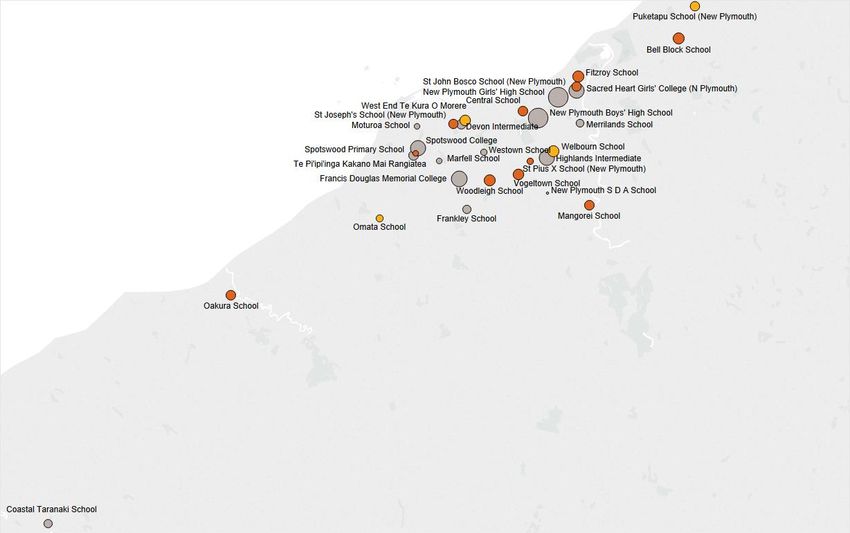
This growth plan covers the New Plymouth network in the Taranaki, Whanganui, Manawatū education region. In the New Plymouth catchment,
there are 30 schools including: 24 state and 6 state integrated schools; 15 contributing primary schools, 6 full primary, 2 intermediates, 2
composite schools and 5 secondary schools. As at July 2018, this catchment had a combined school roll of 11,562 students, including 96
Māori Medium students and 128 ORS students.
What’s influencing the Growth Plan
Infill suburb intensification Here’s what's already underway that’s giving us a head start to
Central City, Mangorei, Whalers Gate and the meet growth in the region
Frankley/Cowling areas are identified as high
infill growth areas. 70% of primary schools have enrolment schemes or
maximum rolls. Further enrolment schemes are in the
exploratory/implementation stage.
Green field developments
The Upper Carrington and Junction areas in the
north-eastern suburbs are experiencing both green Additional roll growth teaching spaces will be added to
field and infill growth. This is our primary growth high growth areas of the network.
area. Bell Block and Puketapu have large planned
developments.
Invested in additional learning support provision.
Satellite township growth Exploring the possibility of expansion of the MME
pathways. Design innovative re-purposing of existing
Growth in Oakura is driven by existing investment in
spaces.
infrastructure and is expected to continue.
Growth Plan to 2030
2019 2022 2030
Planning Consultation Implementation Potential new Potential new primary
225 primary provision provision in northeast,
150 Potential land in south, 350 student places –
student
student acquisition of up 350 student places timing to be
places
places to two primary – timing to be determined based on
Revitalisation school sites – determined based monitoring
for deprived TBC on monitoring
areas
» Growth within the existing state schools can mean the network
» We will work with the sector to co-construct enrolment structure no longer fits the purpose of a quality, accessible,
schemes, re-configure enrolment schemes and support equitable and resource efficient education network. We will
schools to implement enrolment schemes to ensure the best explore with schools whether re-organisation remains a viable
Enrolment option as part of a wider network solution. » Secondary schools will require investment to meet the
use of the existing state network. Network needs of the growing secondary population. We are
zones solutions » Revitalisation of schools has the potential to improve efficiency
already rationalising buildings no longer fit for purpose
of schools across the network.
and understand the need to provide a schooling network
where all students’ needs are met and that is
Expanding reasonably accessible where possible. We will continue
» We will establish new schools where and when required. Provision Type to work collaboratively with the secondary sector and
» We plan to build permanent capacity where it is needed. We » We are collaborating with the New Plymouth District Council
closely monitor rolls and growth uptake.
will also deliver temporary spaces to schools where and when and their partners to understand the future residential
short term capacity is required. growth and proactively plan to ensure the right provision is
Roll growth Establish New in the right place at the right time
funding SchoolsPalmerston North: Steady Growing
New Zealand Education Growth Plan to 2030
Director’s message: What have we done so far? • The secondary schools will require investment to meet the needs of the
growing secondary population. We are already replacing buildings no
Palmerston North is a city steadily growing. The underlying • We have provided seven additional teaching spaces across the catchment.
longer fit for purpose. We will continue to work collaboratively with the
student population has increased, as have school retention We established Manukura in 2016 and Budget 18 allocated $20 million to
secondary sector and closely monitor rolls and growth uptake, including
rates that are well supported by the secondary-tertiary build the school on a permanent site.
what role integrated schools might play to manage this peak growth.
partnerships.
• In 2017/18 we supported schools to implement or amend four enrolment
The growth in primary school rolls over the last five years schemes and held a series of workshops to ensure the operation of the Beyond 2030
has not yet peaked, and we expect the city’s secondary enrolment schemes supports the best use of the schooling network. We are
Growth beyond 2030 looks likely to be at a slower pace. Recently,
school rolls to grow accordingly. We plan to use our currently in the process of implementing a further three enrolment schemes
Palmerston North has experienced significant growth, which has been
existing school network to its fullest potential and invest in and are closely monitoring school rolls.
supported by the healthcare and social assistance, manufacturing and
new infrastructure where required.
• We own land on Ruapehu Drive in Poutoa. However, we are considering logistics sectors. The region has significant development projects in
I am delighted to present this plan outlining how we will manage growth in whether this is the best location for a new school given the location of recent defence, health, food technology, and research. Council’s long-term
Palmerston North. Like the other growth plans across the country, this plan will growth. planning for green field development and associated investment in
deliver the right provision in the right place at the right time, giving our children infrastructure points to the likelihood of additional schooling provision being
the opportunity to be the best they can be. Planning for short-term growth (3 years) required across the Palmerston North catchment beyond 2030.
Ngā mihi, • Stats NZ projections do not account for the recent growth experienced in
Palmerston North. We expect peak growth at the primary level will be in
Jann Marshall
2019/2020, and our best estimates show we’ll need between 200-1,000 Māori medium
additional student places. This is most likely to occur at existing urban The Palmerston North/Manawatū region’s Māori population accounts for a
schools where infill development has seen the schools’ rolls increase third of the total student population and is projected to increase. The highest
Palmerston North’s growth story significantly. We expect there will be a need for the acquisition of land for at Māori student population within the region is in Palmerston North, where
least one new primary school in this catchment. 11% of the Māori students access Māori medium education.
In 2017, Palmerston North was identified as a growth area, exceeding 10%
growth over a 10 year period. The city is projected to increase by an additional • At the secondary level, we will need between 235-320 student places by Whilst Māori medium education is accessible through Kura Kaupapa Māori
7,000-12,800 people out to 2030, taking the total population to 95,000- 2021. We know that secondary school capacity in our single sex secondary and Level 1 and 2 classes within English Medium state schools, there has
103,0001. schools has already been exceeded. We will work with the schools to ensure been additional demand for designated character education to meet the
solutions support the best use of the existing network. We’ll also continue to needs of Māori secondary students.
The majority of growth within the city is expected to occur in Kelvin Grove and support the revitalisation of schools to improve their education environment
Whakarongo to the north-east, Ashhurst to the east, and Poutoa on the Manukura has been established as a result of whānau demand for
and parental appeal.
southern side of the Manawatū river. Growth in the Kelvin Grove area is alternative academic and sporting pathways. A second campus of the
expected to slow as the area fills up, with the adjacent Stoney Creek area • We’ll continue to monitor roll growth and work with Palmerston North City Hamilton kura, Tai Wānanga is also situated in Aokautere.
accelerating. In the longer term, greenfield developments are planned in the and Manawatū District Councils to understand development uptake and
west of the city. ensure the right provision is in the right place at the right time. Learning Support
In the last five years, state primary school rolls have increased by about 700 Planning for medium-term growth (3-10 years) We know we have increasing demand from students accessing specialist
students. As a result, the majority of urban primary schools have now reached learning support facilities. In 2018 Palmerston North had 242 ORS and High
Peak growth for the secondary population is currently predicted between 2024
or exceeded their capacity. As these students move into secondary, there is Health Needs students, a 6% increase on the previous year.
and 2026. Beyond this, growth in the school-age population is expected to
some capacity. Co-ed options are fully accessible across the city. However, the plateau. Four schools have specialist learning support facilities. Central Normal
single-sex secondary schools are at capacity, have small enrolment schemes School, Freyberg High School and Awatapu College have direct funded
that do not reflect the school catchments, and consequently have many of out- • We have identified existing schools that have sufficient space to
specialist units with a combined roll of 116 students. Arahunga Special
of-zone students. accommodate an increase in students and will work closely with these
School (Whanganui) has a satellite unit at West End School catering for 15
schools to deliver additional capacity as demand increases. We are
Palmerston North has well established school boarding facilities that serve the students. Arahunga Special School has also established an outreach
supporting schools with restricted spaces to effectively manage their
wider rural area between Ruapehu and Levin. This adds significant student service based at Queen Elizabeth College to support students in the
enrolment schemes to reduce the risk of overcrowding.
numbers to the secondary population. mainstream schools across the city.
• We expect new primary provision will be required in the Poutoa area to the
southeast in the next decade. Additional primary provision in the north may
1,2
be required in the next decade. We will continue to monitor rolls and
Statistics NZ population projections, 2013 base (Medium and High scenario)
development uptake to inform potential timing in both of these locations.You can also read


