National Network of Partnership Schools: Ohio - District Leaders Webinar March 10, 2021 10 - 11:30 AM
←
→
Page content transcription
If your browser does not render page correctly, please read the page content below

National Network
of Partnership
Schools: Ohio

District Leaders Webinar
March 10, 2021
10 – 11:30 AM
Barbara Boone, Ph.D.
Director, Ohio Statewide Family
Engagement Center

                        Joyce L. Epstein, Ph.D.
                        Director,
                        National Network of Partnership Schools
                        Professor of Education and Sociology
                        at Johns Hopkins University.

                                                              2
Ohio Partnership Districts: 2019-2021
Cohort 1
  Toledo Public Schools         Trotwood – Madison City Schools
  Oberlin City Schools          Columbus City Schools
  Wickliffe City Schools        North College Hill City Schools
  Sebring Local Schools         Greenfield Exempted Village Schools
  Mansfield City Schools        Adena Local Schools
  Brunswick City Schools        Alexander Local Schools
  Alliance City Schools
  Cleveland Hts. – Univ. Hts. City Schools

Ohio Partnership Districts:2021-2022
Cohort 2
Discovery Academy & Summit         Windham Schools
Academy, Toledo                    Sandy Valley Local Schools
Toledo Public Schools              Piqua City Schools
Wellington Exempted Village        Licking Heights Local Schools
Schools
                                   Union Local Schools
Shaker Heights City Schools
                                   Franklin Local Schools
Fairport Harbor Exempted Village
Schools                            Clermont Northeastern Schools
Leetonia Exempted Village Schools Ohio Valley Schools, Adams Co.
Kenton City Schools               South Point Local Schools
Ashland City Schools               Southern Local Schools
Agenda
1. Welcome to the Ohio NNPS Network
2. Introduction to the National Network
   of Partnership Schools, Dr. Joyce
   Epstein
3. Your role as a district leader
4. Next steps for your district and
   schools, Dr. Barbara Boone
5. Q&A

Ohio Partnership Schools
Network Lifts Off!

                           6
• Evidence-based
             • Flexible for learning environments
Why Ohio     • Flexible based on each school’s goals
Chose NNPS   • Implementing partnership programs and
               practices to engage all families
             • Can be expanded, continuously
               improved, & sustained locally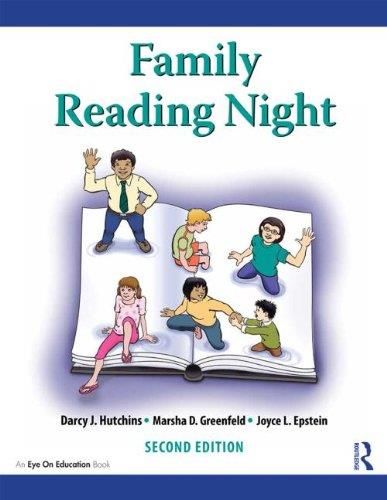
Cohort 1 District Leaders said…

Biggest successes so far:
• “Putting our plan down on paper and sharing ideas with a broader-base
  parent group has been a plus.” – Cohort 1 District Leader
• “The silver lining has been having a research-based framework that has
  equitable outcomes built-in & clearer pathway forward that supports
  student learning & assistance for families navigating learning at home.” –
  Cohort 1 District Leader
Main district level supports they provided:
• Developing a Leadership Plan for Partnerships for this school year
• Presenting NNPS to other district administrators and staff
Main school supports they provided:
• Checking in with school ATPs at least monthly
• Helping schools identify research-based family engagement practices.
• Schools with stronger partnership
                  programs before COVID-19 reported
                  more/better communication with
2020 NNPS         students & families when school
Annual Report     doors closed.
                • Schools with stronger partnership
                  programs also had better
                  communication between teachers
                  and families speaking different
                  languages at home.
                **Significantly correlated ( r =.37 )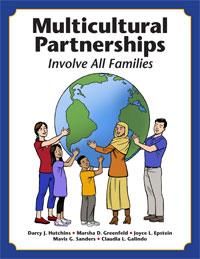
Objectives of this Webinar
•   Prepare participants for the full, 2-day workshops:
    April 19 or 21: Workshop for District Leaders
    April 28 or 30: Workshop for School-based
                    Action Teams for Partnerships (ATPs)
•   Preview NNPS research-based structures and
    processes that YOU must know to succeed in
    implementing an excellent partnership program.
    We will follow up with more details on these
    components at the workshops in April.

•   Address your questions about this webinar and
    about the 2-day workshops.

•   Outline next steps for the OhSFEC-NNPS Network.
How Can Educators and Parents
STRENGTHEN and SUSTAIN
HEALTHY SCHOOLS?
What do we mean by a HEALTHY SCHOOL?
1. We mean a safe and nurturing PLACE.
• A welcoming school environment for ALL
• A Partnership School
• A “family-like” school and “school-like” families
• An EXCELLENT school that students, teachers,
parents, and others WANT to attend and supportWhat do we mean by a Healthy School?
2. We mean a place that produces positive RESULTS
for STUDENTS.
Academic Results Intellectual Development
Curricular and Other AchievementS
High Graduation / Low Dropout Rates
College or Career Plans and Actions
Physical Health Good Nutrition, Exercise
Prevention of Alcohol, Tobacco,
Drug Abuse and Risky Behaviors
Good Attendance
Emotional Growth Positive Attitudes about School
Self Concept, Behavior,
Good Relationships with Peers,
Friends, Family, Teachers
Appreciation of OthersWhy is it important to engage families and
community partners in children’s education?
Research shows that:
• Students with involved parents – regardless of their
income or background – do better in school,
like school, and stay in school longer.
• Partnership programs can increase
student achievement, improve
attendance, behavior, and social skills.
• Partnership practices linked to school goals engage
more and different families in ways that improve
students’ learning and behavior.
See NNPS research at www.partnershipschools.org in the section
Research and Evaluation, see NNPS Publication List.WHY is it important for DISTRICTS to have
LEADERS for PARTNERSHIPS?
Research shows that:
When Leaders for Partnerships provide training and
facilitation to schools’ Action Teams for Partnerships
(ATPs), their schools:
• Have higher quality partnership programs
• Address more challenges to involve all
families, including those who are
typically “hard to reach.”
Source: Epstein, Galindo, & Sheldon, 2011. Article in Education Administration Quarterly
Epstein & Sheldon, 2016. Article in Russell Sage Foundation Journal of the Social Sciences.Everyone wants
EXCELLENT and SUCCESSFUL
SCHOOLS and STUDENTS.
How will we reach these goals?
Theoretical Model: Overlapping Spheres of InfluenceWhat is important to know about
school, family, and community partnerships?
Not only THAT partnerships are important.
But also WHAT is needed in an excellent
partnership program.
HOW to organize high-quality
and effective programs.
and… HOW to customize programs to
engage all families with
diverse backgrounds.
We must think in new ways about
leadership for partnerships?DEFINITION
THEN NOW
Parent School, family,
involvement and community
partnershipsRESPONSIBILITY
THEN NOW
Up to parents Shared
responsibility
Part of school
and classroom
organization
Organized by Organized by
one person or Action Team for
just a few PartnershipsAction Team for
Partnerships (ATP)
At least…
✓2-3 teachers
✓3 parents/family members
✓Principal
✓Others (PTA or PTO representative,
nurse, counselor, parent liaison,
community partners)
✓1-2 students at the high school levelWhat does the Action Team for Partnerships DO? ATP MEMBERS work together to . . . • Review school goals. Select 2 academic goals; 1 behavioral goal; and 1 goal for a welcoming school climate. • Write a One-Year Action Plan for Partnerships with engagement activities that contribute to the selected goals for student learning and development. • Implement and evaluate the quality of the activities, outreach to families, responses, and results. • Continually improve partnership plans, program, and practices.
PROGRAM DESIGN

    THEN              NOW
Incidental or         Part of
  accidental      comprehensive
                      school
                   improvement
Off to the side   Goal-oriented
                  Framework of
                    6 types of
                   involvement
Framework of Six Types of Involvement
Keys to School, Family, and Community Partnerships
EPSTEIN’s FRAMEWORK OF SIX TYPES OF INVOLVEMENT

                              PARENTING
  Type 1   Understand child development. Educators know families.

  Type 2
                          COMMUNICATING
            Two-way. On school programs and children’s progress.

  Type 3
                           VOLUNTEERING
               At school, in class, at home, and as audiences.

  Type 4
                        LEARNING AT HOME
           Connections on homework, course choices, other talents.

                         DECISION MAKING
  Type 5     All major groups represented on school committees.

             COLLABORATING WITH COMMUNITY
  Type 6   Resources and volunteers from many groups, agencies.
Solve Challenges to Engage ALL Families
CHALLENGES
         THEN                    NOW
      “Barriers”              “Realities”
Diverse family structures,   Solutions sought
      racial, economic,
      linguistic, and        Solutions found
  cultural backgrounds
                             Solutions shared
  Mobile, migratory, or
  homeless families

   Deficit model and         Strengths model
 treatment programs           and prevention
                                programs
IMPLEMENTATION
THEN NOW
PreK-K All grades, PreK-12
Separate groups of All groups in an
parents integrated program,
Special Education,
Title I, PTA or PTO,
others
Isolated activities Sense of
communityIMPLEMENTATION
THEN NOW
School by Multi-level leaders:
School, District
school State, Organization,
decisions and Federal
Meet requirements
for official policies
on family involvement
“Nested” networksDISTRICT Leaders for Partnerships
have TWO Major Responsibilities
1. Conduct Leadership-Level Activities
on Family and Community Engagement PARTNERSHIP
PROGRAM
2. FACILITATE each school’s GOALS
Action Team for Partnerships (ATP)
SSTs
guide district leaders on
these 2 responsibilities.How does “NESTED” Leadership
Promote Successful Partnership Programs?
WHOSE RESPONSIBILITY IS IT?
REGIONAL LEADERS—SST Coaches
for Family and Community Engagement
District Leaders for Partnerships
School Action Teams for Partnerships
Engage all families and community partners
in goal-linked activities
More successful students.What Do Leaders for Partnerships Do?
Leadership & Facilitation Strategies
⚫ Create awareness
Promote your partnership program with key stakeholders.
Share your own and NNPS website to show connections
to research-based approaches.
⚫ Align program & policy
Integrate leadership and school partnership plans
with YOUR policies, priorities, and Strategic Plans.
Help schools link partnership practices to school goals
for student achievement, behavior, and school climate.
⚫ Guide learning & program development
Conduct the NNPS One-Day Team Training Workshops
for schools’ ATPs. Conduct other professional
development on partnerships.Leadership & Facilitation Strategies (continued) ⚫ Share knowledge Communicate on a regular schedule (e.g., weekly, monthly) with school ATP chairpersons to increase knowledge about effective partnership programs. Collect best practices. Network with others—locally and nationally. ⚫ Celebrate milestones Recognize progress and excellence. ⚫ Document progress & evaluate outcomes Evaluate YOUR program quality and progress Help schools evaluate their partnership programs. Keep records of plans, activities, and evaluations. Use the NNPS service for annual evaluations.
Reach
            Results
Welcoming School

         Parents as Partners

                      Results for Students
RESULTS
THEN NOW
Parent Student
outcomes achievement and
success in school
Public relations Link practices to
results for all
students, parents,
Focus on a few teachers, and
parent leaders communityAnnual, Written Action Plans for Partnerships Linked to Goals for Student Success
Evaluate Results
EVALUATION
  THEN                NOW
Minimal or         Essential
 Optional
               Evaluate quality,
                 results, and
   For           progress of
“compliance”    programs and
                  practices
 Focus on      Focus on student
  parents      achievement and
               success in school
NETWORKING
THEN NOW
Success stories Success stories
shared locally, shared
if at all nationally and
internationally
to benefit all
“Networking”
to improve
programsEQUITY ISSUES
THEN NOW
Labels for ACTION to
HAVE and involve all
HAVE NOTs, families
Communicate
“Blame game” in languages
parents
Finger-pointing understandBUDGETS for PARTNERSHIPS
THEN NOW
$$ $$
Not well allocated For goal-linked
activities in
schools’ annual
plans to engage
all families
Fragmented Capacity building
spending and program
developmentSUMMARY
In this webinar, we reviewed the major changes from the
“old way” to the “new way” of organizing effective and
equitable programs of family and community engagement.
We will revisit these components at the Leadership Workshops for
district leaders and school teams.WHICH CHANGE from THEN to NOW
do you think is most important for
improving YOUR program of
family and community engagement?
. . . and WHY?
Write your answer in the CHAT Box NOW!NNPS PUBLICATIONS
From Corwin Press From Corwin Press From Taylor and Francis
4rd Edition and CD 2019 2009 2012
From Taylor and Francis TEXT, SECOND EDITION
2nd Edition, 2015 Westview Press-2011Training 2021 – 2022: Cohort 2
3/10/21 10:00 – 11:30 NNPS District Leader Webinar
4/19/21 9:00 – 12:30 NNPS District Leader Training: Option 1
4/21/21 1:00 – 4:30 NNPS District Leader Training: Option 2
4/28/21 9:00 – 3:30 NNPS School Team Training: Option 1
4/30/21 9:00 – 3:30 NNPS School Team Training: Option 2
“Colleague Connect”
Virtual Learning Community
10:00–11:00 (monthly dates)
43Getting Started
Next Steps
• Register for:
    • District Leader Training
    • School Teams Training
    • By March 26, 2021
• Submit NNPS District Form
    • Send forms to meek-hennon.1@osu.edu
    • By this Friday, March 12, 2021
• Submit NNPS School Membership Forms
    • Send forms to NNPS at nnps.jhu.edu, copy meek-hennon.1@osu.edu
    • By March 19, 2021
• Recruit your school team
    •   3 parents
    •   3 school staff
    •   Principal
    •   1-2 Students (if high school)
Questions?
46MORE NNPS PUBLICATIONS
FROM NNPS 2020 FROM NNPS FROM NNPS
E-Book (18 Booklets)
SAMPLERS
Summary of Research & Interactive
Sample Engagement Homework
Activities
Elem Literacy K-3
READING, MATH Math K-5
SCIENCE, WRITING
ARTS, HEALTH, Middle Grades
ATTENDANCE, BEHAVIOR, Language Arts 6-8
HOMEWORK, Science 6-8
TRANSITIONS, FATHERS Math 6-8
COLLEGE and CAREERS,
2018 PRESCHOOLS,
See TIPS RESOURCES
MIDDLE SCHOOLS,
HIGH SCHOOLS on the
GRANDPARENTS, NNPS website
SUMMER LEARNING,
TESTS & ASSESSMENTSConnect with NNPS!
www.partnershipschools.org
E-mail: nnps@jhu.edu
https://www.facebook.com/partnershipschools
https://twitter.com/NNPS_JHU
Working Together for Student SuccessOhio Statewide Family Engagement Center OhioSFEC@osu.edu @OhioEngage Ohiofamiliesengage.osu.edu
You can also read


