New England Weeds Authority Annual Operational Plan 2018 2019 - Adopted by Council: 19 June 2018 - New England Weeds ...
←
→
Page content transcription
If your browser does not render page correctly, please read the page content below
New England Weeds Authority

   Annual Operational Plan
        2018 – 2019

  Adopted by Council: 19 June 2018

                                     Our Environment
                                      Our Community
                                        Our Council
                                     Our Responsibility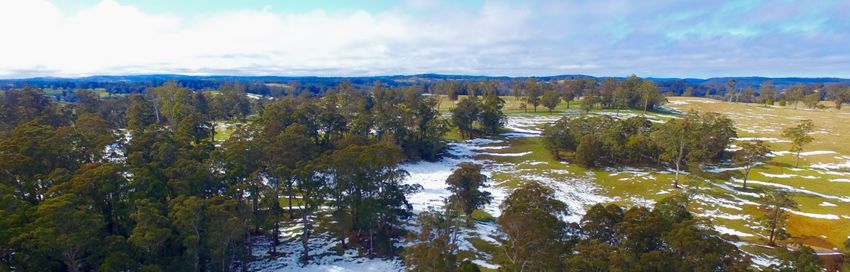
This page is left intentionally blank.
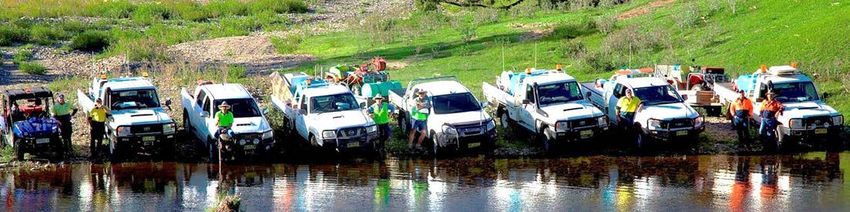
TABLE OF CONTENTS
1.     Annual Operational Plan ....................................................................................... 4

 a. Overview ......................................................................................................................... 4

2.     Legislative requirements of the Annual Operational Plan....................................... 5

3.     Our Council ........................................................................................................... 5

4.     Our Organisation .................................................................................................. 6

5.     Our Vision, Mission and Values ............................................................................. 7

 a. Vision Statement ............................................................................................................. 7

 b. Mission Statement .......................................................................................................... 7

 c. We Value ......................................................................................................................... 7

6.     New England Weeds Authority Region – Profile ..................................................... 8

 a. Area ............................................................................................................................... 10

 b. Climate .......................................................................................................................... 10

 c. Population breakdown.................................................................................................. 10

 d. Land use patterns.......................................................................................................... 10

7.     Business Activity Strategic Plan, 4 Year Delivery Plan & Annual Operation Plan
       connections .........................................................................................................11

8.     Principal Activities................................................................................................12

 a. Principal Activity - P.A.1. Civic Leadership/Governance / Administration / Finance / Risk
    Management ................................................................................................................ 12

 b. Principal Activity- P.A.2 Environment - Scheduled Priority Weed Management and
    Control.......................................................................................................................... 12

 c. Principal Activity- P.A 3 Economic Affairs – Private Works and Other Business
    Undertakings ................................................................................................................ 13

 d. Principal Activity- P. A 4 NSW Weeds Action Program – Northern Tablelands Regional
    Weed Committee (NTRWC) ......................................................................................... 13

9.     Annual Operational Plan and Budget 2018/19 ......................................................14

 a. Annual Operational Plan ............................................................................................... 14

                                                                                                                                      Page 1 of 34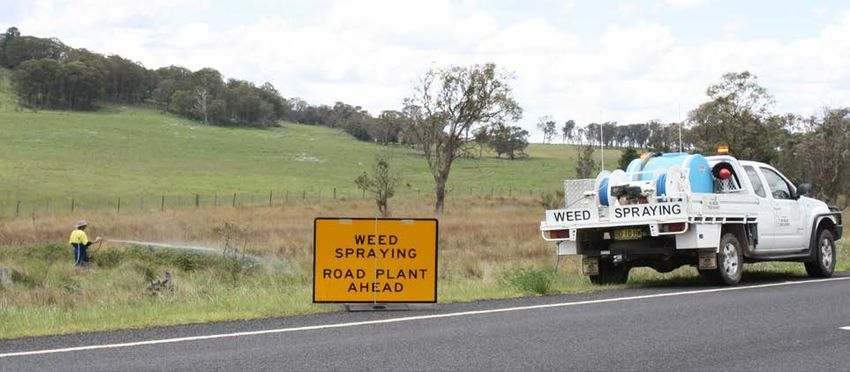
b. Annual Operational Plan Budget 2018- 2019 ............................................................... 25

 10.     Revenue Policy.....................................................................................................30

   a. Rating Policy .................................................................................................................. 30

   b. Constituent Council’s contributions ............................................................................. 30

   c. Grants from Government Departments and other Authorities ................................... 31

   d. Other commercial activities including private works for landholders ......................... 31

   e. Interest on investments ................................................................................................ 31

   f.    Fees and charges........................................................................................................... 31

 11.     Reporting on Progress – Annual Reporting ...........................................................34
Diagrams
    1. 4 Year Delivery Plan & Annual Operational Plan Connections                                                                      11
    2. Integrated Planning & Reporting Framework                                                                                       14

Maps
   1.      Member Councils of the New England Tablelands (Noxious Plants) County                                                       8
           Council
    2 – 4. Member Council areas                                                                                                        9

Schedules
   1. Annual Control Program                                                                                                           21

Tables
   1. Annual Operational Plan Principal Activities PA1 – Civic                                                                         15
       Leadership/Governance/Administration/Finance/Risk Management
   2. Annual Operational Plan Principal Activities PA2 – Environment                                                                   19
   3. Annual Operational Plan Principal Activities PA3 – Economic Affairs                                                              22
   4. Annual Operational Plan Principal Activities PA4 – NSW Weeds Action Program                                                      23
       (WAP)
   5. Private works charges                                                                                                            32
   6. Other Fees and Charges                                                                                                           33

Charts
   1. Organisational Structure                                                                                                         6
   2. Land use patterns on the New England Weeds Authority area                                                                        10
Photos
   1.  Councillors of the New England Tablelands (Noxious Plants) County Council                                                       5
   2.  Typical New England grazing property                                                                                            7
   3.  Serrated Tussock Field Day with local graziers and landholders                                                                  13
   4.  Weeds of the New England – Serrated Tussock, St Johns wort, Nodding Thistle,                                                    18
       Blackberry
    5. Control work on roadsides                                                                                                       20
    6. Vehicle fleet – TSA control program                                                                                             33
    7. Typical New England winter landscape                                                                                            34

                                                                                                                                    Page 2 of 34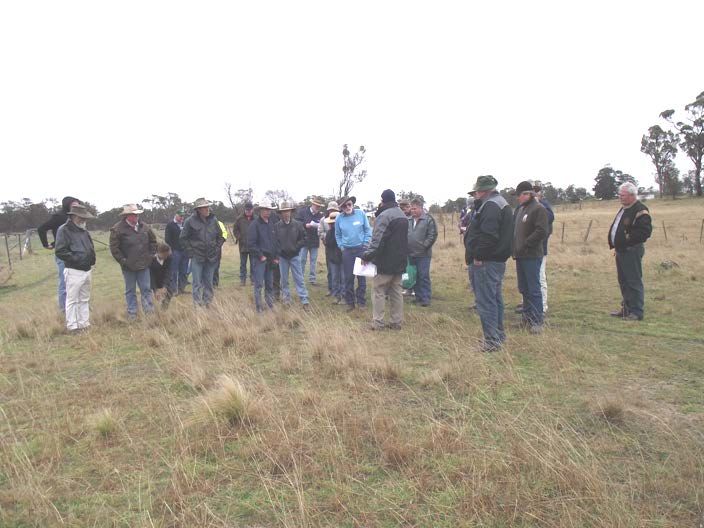
GLOSSARY OF TERMS & ABBREVIATIONS
BASP           New England Weeds Authority Business Activity Strategic Plan 2017-2027
BIS            Biosecurity Information System
BSA 2015       Biosecurity Act 2015
BO             Biosecurity Officer ( Weeds)
CLR            Councillor
Constituent    Armidale Regional Council, Uralla Shire Council and Walcha Council. These local
Councils       government areas constitute the area of operation for the New England Weeds
               Authority.
Council        New England Tablelands (Noxious Plants) County Council,
               trading as New England Weeds Authority
CPI            Consumer Price Index
DBO            District Biosecurity Officer (Weeds)
GM             General Manager
ISP            Invasive Species Plan 2015 - 2022
LGA 1993       NSW Local Government Act 1993
MERI           Monitoring Evaluation Reporting and Improvement
NIWAC          Northern Inland Weeds Advisory Committee
NT LLS         Northern Tablelands Local Land Services
NEWA           New England Weeds Authority
NTRWC          Northern Tablelands Regional Weed Committee
NSW DPI        NSW Department of Primary Industries
QBL            Quadruple Bottom Line
RWC            Regional Weed Coordinator
RSWMP          Regional Strategic Weed Management Plan 2017 - 2022
SBO            Senior Biosecurity Officer(Weeds)
SOE            State of the Environment
WAP 1520       NSW Weeds Action Program 2015 – 2020
WONS           Weeds of National Significance

COUNTY COUNCIL CONTACT DETAILS
New England Weeds Authority
129 Rusden St                                         Telephone: (02) 6770 3602
ARMIDALE NSW 2350                                     Fax:       (02) 6771 1893
                                                      Email: newa@newa.nsw.gov.au
All Correspondence to be addressed to:                Web site: www.newa.com.au
General Manager
New England Weeds Authority
PO Box 881, Armidale NSW 2350

                                                                                             Page 3 of 34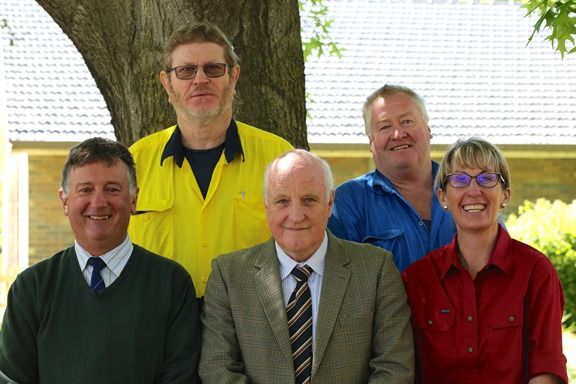
1.     ANNUAL OPERATIONAL PLAN

a.   Overview

The New England Tablelands (Noxious Plants) County Council, trading as New England Weeds
Authority, Annual Operational Plan identifies the actions outlined in the 4 Year Delivery Plan of
Council’s 10 Year Business Activity Strategic Plan 2017 - 2027. These actions are reviewed annually
within each year’s Annual Operational Plan, as they relate to our single purpose authority for the
management and control of scheduled priority and invasive weed species for our constituent member
Council’s of Walcha, Uralla, and Armidale Regional Council.
This Annual Operational Plan details to our constituent member Councils and the community what we
will do in the 2018/2019 financial year and how this will be funded.
In preparing this Annual Operational Plan for 2018/19 Council has been mindful of the NSW Local
Government’s reform of local government under the “Fit for the Future” program that took place in
2016.
On the 12th May 2016 the then NSW Premier, the Hon Mike Baird and then Minister for Local
Government the Hon Paul Toole announced that Armidale Dumaresq and Guyra Shire Councils were
amalgamated as of that date to form the new Armidale Regional Council under the Local Government
(Council Amalgamations) Proclamations 2016. Dr Ian Tiley was appointed as the Administrator and
held the functions of the elected Council and Mayor until the election for Councillors of the new
Armidale Regional Council on 9th September 2017. As a result of these elections Council has three
delegates from the Armidale Regional Council.
In addition to this has been the State Government’s response to the Natural Resource Commission’s
recommendations into the Review of Weed Management in NSW conducted in 2014 resulting in the
previous 14 Regional Weeds Advisory Committees being reduced to 11, based on Local Land Services
(LLS) boundaries, as from 1 July 2015.
As a consequence our Council now comes under the Northern Tablelands Local Land Services area
with the establishment of a new Regional Weed Committee in December 2015.
Council was previously the lead agency for the Northern Inland Weeds Advisory Committee (NIWAC)
which has now been split into the Northern Tablelands and North West Local Land Services regions.
Our Council through agreement with the Northern Tablelands Local Land Services (NTLLS) will
remain the Regional Coordination Services provider for the next round of funding under the NSW
Department of Primary Industries NSW Weeds Action Program 2015-2020 (WAP 1520).
Furthermore following a request from Glen Innes Severn Council in April 2015, Council has entered
into a Memorandum of Understanding with their Council for a period of 3 years to undertake their
scheduled priority weed functions and responsibilities on their behalf.
In September 2015 the new Biosecurity Act 2015 (the Act) was assented to with the supporting
Biosecurity Regulation 2017 coming into force on 1 July 2017. This resulted in some 14 previous Acts
including the Noxious Weeds Act 1993 being repealed and coming under the new legislative
framework.

                                                                                           Page 4 of 34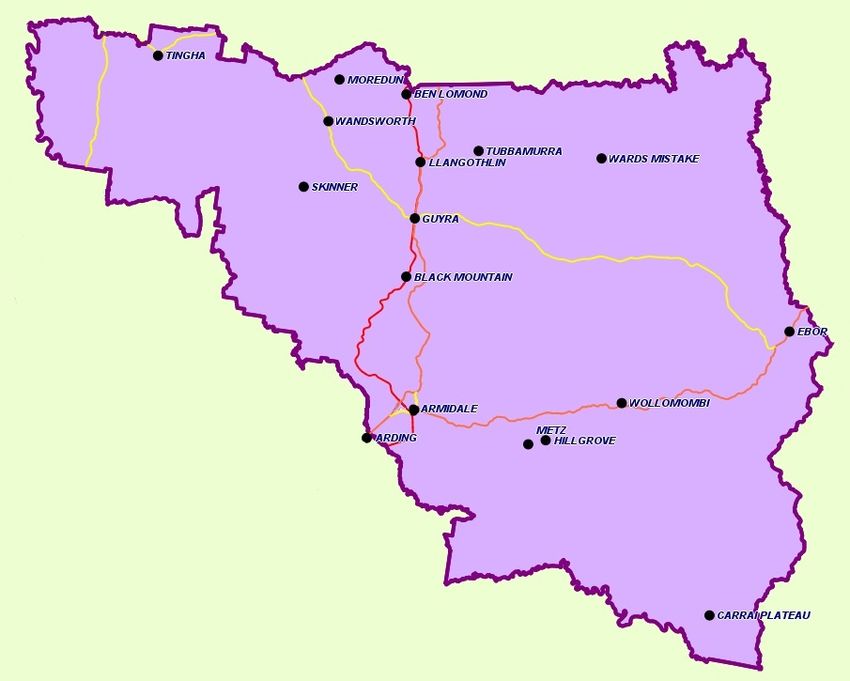
The broad objectives of biosecurity in NSW as outlined in the NSW Biosecurity Strategy 2013 – 2021
and reflected in the Act and Regulation are to manage pests, diseases and weed risks by:

     •   Preventing their entry into NSW,
     •   Quickly funding, containing and eradicating any new entries and
     •   Effectively minimising the impacts of these pests, diseases and weeds that cannot be managed.

The Act and Regulation provides for a range of tools and powers that can support a risk based
management approach and are compatible with other biosecurity legislation across Australia.

The Annual Operational Plan reflects the operational and budgetary outcomes of these decisions.

2.       LEGISLATIVE REQUIREMENTS OF THE ANNUAL OPERATIONAL PLAN

In accordance with Section 405, Local Government Act 1993, Council is required to develop an Annual
Operational Plan which:
         •   Must be adopted before the beginning of each financial year, and must outline the activities
             to be undertaken that year, as part of the Delivery Plan.
         •   Must include the Statement of Revenue Policy.
         •   Must be publicly exhibited for at least 28 days, over which period public submissions can be
             made to Council.
         •   Must not be adopted before Council has accepted and considered any submissions made on
             the draft Annual Operational Plan.
         •   Must be posted on the Council’s website within 28 days of the plan being adopted.

3.       OUR COUNCIL

The New England community is represented by five Councillors from the constituent Councils of
Uralla Shire (1 member) and Walcha Council (1 member) and Armidale Regional Council (3 members)
under the leadership of an annually elected Chairperson.

  Photo 1: Councillors/Delegates of the New England Tablelands (Noxious Plants) County
  Council 2017-2021: Bottom left: Clr Scott Kermode (Deputy Chairman), Clr Mark Dusting
  (Chairman) Clr Libby Martin, Top Left: Clr Andrew Murat, Clr John Galletly.
                                                                                              Page 5 of 34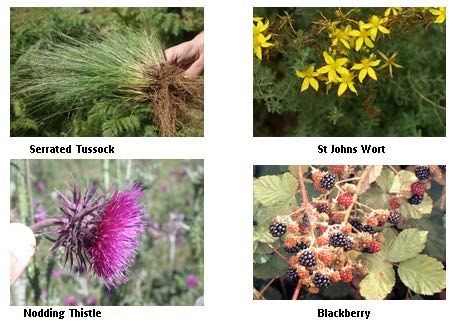
4.        OUR ORGANISATION

As previously mentioned, New England Tablelands (Noxious Plants) County Council trades as the New
England Weeds Authority (NEWA). The General Manager has overall accountability to Council for the
organisation’s delivery of the Annual Operational Plan 2018/2019.

                               NEWA
                       New England  Organisational
                                   Weeds  AuthorityStructure
                                                      Organisational Structure

                Walcha Council            Uralla Shire Council                Armidale Regional Council
                (1 Councillor)               (1 Councillor)                        (3 Councillors)

               New England Tablelands (Noxious Plants) County Council
                 Trading as New England Weeds Authority

                                       Council Chairperson

                                        General Manager                              Regional Weed Coordinator/
                                                                                        Administration Officer

                                 Senior Biosecurity Officer (Weeds)

     Biosecurity Officer     Biosecurity Officer        Biosecurity Officer      Biosecurity Officer
     Armidale District         Walcha District            Uralla District          Guyra District

                                           Control Supervisor

                                              Casual Spray
                                             Seasonal Staff

Chart 1: NEWA Organisational Structure

                                                                                                          Page 6 of 34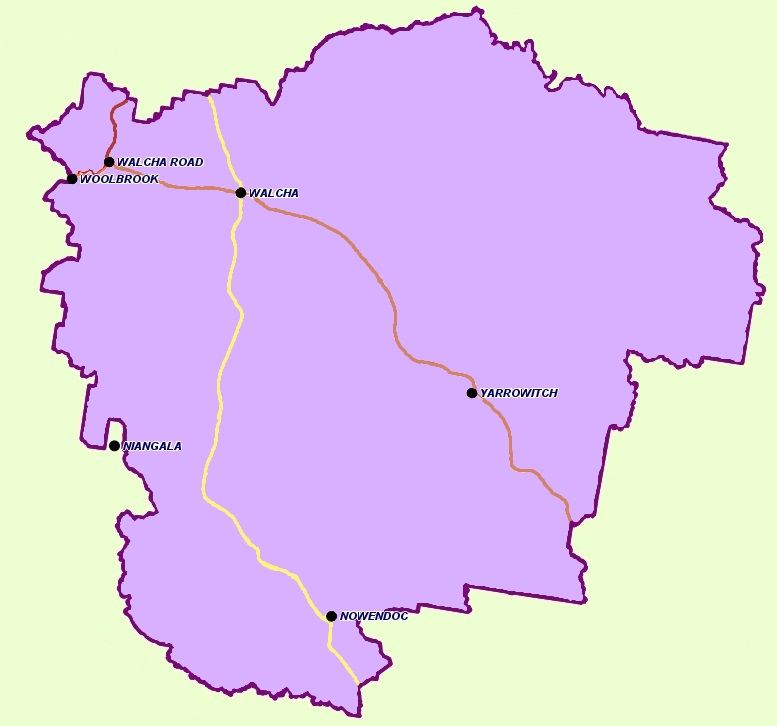
5.     OUR VISION, MISSION AND VALUES

a.   Vision Statement

To protect the natural environment, agricultural activities, the economy and community from the
impacts of scheduled priority and invasive weeds within the New England and Northern Tablelands
region of NSW.

b.   Mission Statement

To be recognised as a leader in the weed management and control industry by our member Councils
and the community.

c.   We Value

Our Business & Partnerships – managing all aspects of our business in a transparent and sustainable
manner while providing best value for money to our member Councils, the community and partners.

Our Community – providing a weed management and control service in a way that is accountable to
the community/stakeholders and supports our constituent Councils’ regional community plans in
natural resource management.

Our Employees – developing staff committed to quality, professional team work and safety, while
striving for continuous improvement and accepting personal responsibility.

Our Customers – meeting the needs and expectations of our customers.

Our Relationships – being open, supportive and constructive in all our relationships.

Our Environment – conserving resources, protecting and enhancing our agricultural and natural
environment.

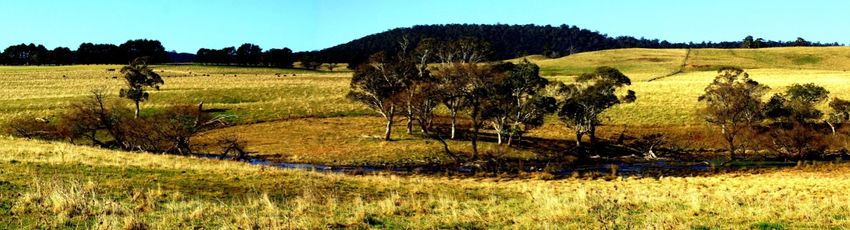
Photo 2: Typical New England grazing property

                                                                                         Page 7 of 34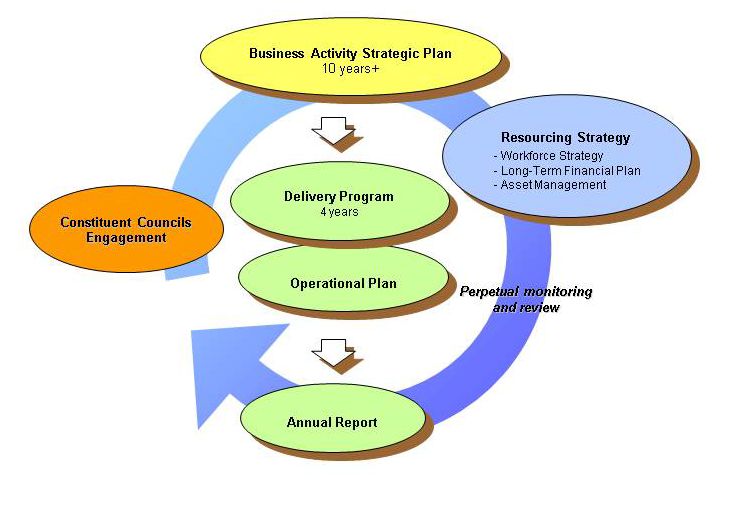
6.     NEW ENGLAND WEEDS AUTHORITY REGION – PROFILE

The New England Weeds Authority area comprises the constituent member local government areas of
Armidale Regional, Uralla Shire and Walcha Council which forms part of the Great Dividing Range and
New England Plateau.

The following Map 1 indicates the County Council’s member councils and adjoining council areas.

Map 1: NSW Local Government regions and Member Councils of the New England Tablelands
(Noxious Plants) County Council.

                                                                                         Page 8 of 34
Map 2: Armidale Regional Council
Map 3: Uralla Shire Council area Map 4: Walcha Council area
Page 9 of 34a. Area
The New England Weeds Authority area covers some 18,255 km² (Armidale Regional Council 8,630
km², Uralla 3,215 km², Walcha 6,410 km² ) stretching from Ben Lomond in the north and Ebor in the
east of Armidale Regional Council area to Nowendoc in the south of Walcha Council and west to
Bundarra in Uralla Shire.
b. Climate
Climatic conditions in the region range from sub humid temperate to cool temperate climates with
snow falling on some occasions. Elevation ranges from just below 1,000m to just over 1,300m above
sea level, with pleasant warm summers, extended spring and autumn seasons and a long cold winter
period.
Rainfall in the region ranges from 700mm to 1,200mm annually with approximately 60% falling in the
summer and 40% falling in the winter.
c. Population breakdown
The total population for the County Council’s area is 39,452 1 which is broken down into member Council
areas of Armidale Regional 30,311, Uralla 6,049 and Walcha 3,092.
d. Land use patterns
The following chart summarises the land use patterns according to the Australian Natural Resources
Atlas for the County Council region. The majority is devoted to livestock grazing (53.6%) and dryland
agriculture (18%), reinforcing the significance of the regions economy being based on agricultural
pursuits and highlighting the importance to the area of well planned weed management and control.
Only a small portion of this land area (0.1%) is devoted to urban and residential use.
*Minimal use:
nature conservation
encompasses reserved
crown land (stock routes, (1.1%)
defence reserves and mine
reserves) and vacant and other protected areas
institutional crown land.
including indigenous use
Also includes private land
with open or closed native
(0.1%)
forest with unknown use minimal use (17.9%) *
(most likely remnant native
cover).
livestock grazing (53.6%)
Chart 2: Land use patterns in the New England Weeds Authority area.
1
2016 Census
Page 10 of 347. BUSINESS ACTIVITY STRATEGIC PLAN, 4 YEAR DELIVERY PLAN &
ANNUAL OPERATION PLAN CONNECTIONS
The following Diagram 1 highlights the connections between Council’s 10 Year Business Activity
Strategic Plan, the 4 year Delivery Plan and the Annual Operational Plan.
Business Activity
Strategic Plan
• Takes a 10 year outlook for the management
and control of scheduled priority and
invasive weeds.
• Defines Council/community priorities.
• Outlines strategies to achieve
Council/community priorities.
OUTCOMES
STRATEGIES
4 Year Delivery Plan
• Takes a 4 year outlook for the
management and control of
scheduled priority and invasive
weeds – the length of a Council’s
term. A new 4 Year Delivery Plan is
adopted by each new Council.
• Looks at Council/community
priorities and activities Council will
undertake to achieve them.
• Sets medium timelines to achieve
Council/ community priorities.
ACTIVITIES (PROGRAMS & PROJECTS)
Annual Operational Plan
• Takes a 1 year outlook for the
management and control of scheduled
priority and invasive weeds.
• Looks at activities (programs & projects) Diagram 1: Overview of components of
Council will undertake to achieve the Council’s Business Activity Strategic Plan
Council/community priorities during a 2017 – 2027, 4 Year Delivery Plan and
specific financial year in relation to the Annual Operational Plan.
management & control of scheduled
priority and invasive weeds.
• Sets the performance measures to ensure
the activities are being achieved.
Page 11 of 348. PRINCIPAL ACTIVITIES
The Business Activity Strategic Plan Strategic Objectives provide a framework for the coordinated and
co-operative management and control of scheduled priority and invasive weeds across our County
Council area for the ten year period of the Plan 2017 - 2027.
The Strategic Objectives are translated into actions through the principal activities to be undertaken by
the Council to implement the strategies established by the Plan within the resources available under the
Resourcing Strategy.
A summary of principal activities to be undertaken by Council and the objective/s under each are
detailed as follows with a more comprehensive breakdown provided in the separate 4 Year Delivery
Plan document and the Business Activity Strategic Plan.
This Annual Operational Plan identifies the actions outlined in the 4 Year Delivery Plan, being clear
with our member Councils and the community about what activities and expectations that can be
achieved in the financial year 2018/19.
a. Principal Activity - P.A.1. Civic Leadership/Governance / Administration /
Finance / Risk Management
Civic Leadership/Governance
To provide effective, relevant civic leadership and local governance through community consultation,
availability of information to the public and Council, public assess to Councillors and liaison with
member Councils and relevant government agencies.
Administration
To implement financial and administrative policies and procedures to allow the management of all
Council activities in a manner that ensures the economic sustainability of the Council and protects
Council and community assets.
Finance
To provide the framework for Council to undertake its activities in a financially responsible and
economically sustainable manner that protects Council and community assets.
Risk Management
To minimise Council’s exposure to risk and provide a safe working environment for staff, contractors
and for county landholders.
b. Principal Activity- P.A.2 Environment - Scheduled Priority Weed Management
and Control
Scheduled Priority Weed Management and Control
To act in a regulatory and advisory role to stakeholders and landholders to improve the agricultural and
natural environment through a reduction in scheduled priority and invasive weeds species as identified
in the Northern Tablelands Regional Strategic Weed Management Plan 2017 – 2022.
Page 12 of 34c. Principal Activity- P.A 3 Economic Affairs – Private Works and Other Business
Undertakings
Private Works
To provide a contract spraying and inspectorial service to generate revenue and to assist landholders
and government agencies to control scheduled priority and invasive weeds.
Other Business Undertakings
To promote the interests of County Council stakeholders through active interaction and participation
with other authorities (such as Northern Tablelands and North West Regional Weed Committees,
Local Government NSW and NSW Department of Primary Industries) through advocacy and political
pursuits.
d. Principal Activity- P. A 4 NSW Weeds Action Program – Northern Tablelands
Regional Weed Committee (NTRWC)
To provide Regional Coordination Services on behalf of the Northern Tablelands Local Land Services
for the implementation of the NSW Weeds Action Program 2015-2020 for the member Councils
(including NEWA) of the Northern Tablelands Regional Weed Committee (NTRWC) region.
Photo 3: Serrated Tussock Field Day with local graziers and landholders.
Page 13 of 349. ANNUAL OPERATIONAL PLAN AND BUDGET 2018/19
a. Annual Operational Plan
The Annual Operational Plan is a sub-plan of the 4 Year Delivery Plan 2017 – 2021 as it directly
addresses the actions outlined in the 4 Year Delivery Plan and identifies Council’s activities in relation
to the management and control of scheduled priority and invasive weed species that will be undertaken
within the financial year 2018/19. The Annual Operational Plan is connected to the 10 Year Business
Activity Strategic Plan 2017-2027 through the 4 Year Delivery Plan. Diagram 2 below shows an
overview of the interconnection with the Business Activity Strategic Plan, the 4 Year Delivery Plan and
the Annual Operational Plan.
A plan prepared by
each newly elected
Council, outlining the
activities it will
undertake in its term of
office towards
achieving the BASP
strategic objectives.
An Annual Plan outlining
which activities will be
completed each year
towards achieving the
BASP’s long-term goals.
Diagram 2: Integrated Planning and Reporting Framework
Council will continue to meet its statutory reporting requirements, delivering an accurate and
meaningful report on the progress and results each year of its Annual Operational Plan. In achieving
this, the General Manager will be responsible for providing quarterly reports to Council on the
activities and financial statements relating to the Annual Operational Plan.
Page 14 of 34ANNUAL OPERATIONAL PLAN
PRINCIPAL ACTIVITY - P.A.1 – CIVIC LEADERSHIP/GOVERNANCE /
ADMINISTRATION / FINANCE / RISK MANAMGENT
STRATEGIC OBJECTIVE S.O.3 EFFECTIVELY MANAGE
Program Goals:
• To ensure finance, accounting and administration requirements are performed in a professional and timely
manner meeting relevant standards.
• Ensure that the County Council complies with legislative reporting and regulatory requirements.
• To ensure effective and continuous communication, co-ordination and co-operation with member
constituent Councils and the Department of Primary Industries.
• To secure the appropriate levels of contributions and grants from constituent Councils and Department of
Primary Industries are received.
Responsibility Target date Performance Measures
Operational Tasks
GM August 4th Quarterly Review
2018 Refer accounts to audit
Pecuniary Interest Returns.
GM November 1st Quarterly Review
2018 Adopt Financial Statements
Annual Report.
Statutory Financial Plans and Returns are
completed and lodged by due date.
GM February 2nd Quarterly Review.
2019
3rd Quarterly Review
GM April Adopt Draft Annual Operational
2019 Plan and Budget.
Adopt Final Annual Operational
Statutory Financial Plans and Returns are GM June Plan and Budget.
completed and lodged by due date 2019 Review & update 4 Year Delivery
Plan. GST Certificate to ATO.
Prepare reports for Council’s consideration GM Ongoing Reports that are timely, concise,
that are thorough and comprehensive. with recommendations.
GM 14 Days prior to Timely distribution of business
Distribute business papers prior to meetings.
each meeting. papers.
GM Ongoing Information provided to Council
Ensure Council is informed of changes to
in a timely manner.
legislation that impact on the business of
Council.
Risks identified and safety
Review, identify and update procedures,
GM Annually associated with functions of
processes for WH & S and risk management.
Council reported and remediated.
Page 15 of 34ANNUAL OPERATIONAL PLAN CONT’D
PRINCIPAL ACTIVITY - P.A.1 – CIVIC LEADERSHIP/GOVERNANCE /
ADMINISTRATION / FINANCE / RISK MANAMGENT
STRATEGIC OBJECTIVE S.O.3 EFFECTIVELY MANAGE
Major Operational Tasks Responsibility Target date Performance Measures
GM November Council’s Annual Report
Present Council’s Annual Report to
2018 distributed.
member councils.
Refer relevant matters from constituent
Councils, New England Group of Timely receipt of relevant
Councils, Joint Organisation and Local GM As required matters by Councillors.
Government NSW to Council for their
consideration and decisions.
Arrange for relevant biosecurity officer SBO/BOs Ongoing Contact new property owners
(weeds) to meet with all new rural Minimum 60 per year.
property owners and introduce
themselves and the work of the
Council.
Participate in other selected events SBO/BOs Various Attend Local Area Committee
which afford good exposure to the meetings, Landcare events and
work of the Council. others as requested.
Provide articles for local newspapers on SBO/BOs Quarterly Minimum of 6 media releases
the work of the Council and scheduled issued per year.
priority weed issues.
Staff Council office in Armidale to All staff Ongoing Roster prepared and
ensure regular advertised opening implemented.
hours. Office hours 7.30am to 4.30pm
Maintain staff presence at Uralla, BOs Ongoing Regular attendance at
Walcha and Guyra offices at designated outlying offices.
times.
Review Council’s policies and GM Annually Identified Policies and
procedures. Procedures updated.
Prepare Annual Operational Plan for GM / June Annual Operational Plan
consideration and adoption by Council. Councillors 2019 adopted by Council.
Review and update Four Year Delivery GM / June Four Year Delivery Plan
Plan reflecting adopted Annual Councillors 2019 reviewed.
Operational Plan.
Update Long Term Financial Plan as GM / June Long Term Financial Plan
part of the preparation of the Annual Councillors 2019 updated annually.
Operational Plan.
Page 16 of 34ANNUAL OPERATIONAL PLAN CONT’D
PRINCIPAL ACTIVITY - P.A.1 – CIVIC LEADERSHIP/GOVERNANCE /
ADMINISTRATION / FINANCE / RISK MANAMGENT
STRATEGIC OBJECTIVE S.O.3 EFFECTIVELY MANAGE
Major Operational Tasks Responsibility Target date Performance Measures
Maintain a motivated and skilled GM/SBO Bi-monthly Minimum of 6 meetings per year.
workforce. Hold regular staff meetings All staff
with all staff to encourage an engaged and Well informed and trained staff
inclusive team environment, and provide able to respond to community
opportunities for staff to benefit from needs.
collaborative learning.
Provide a safe, healthy and productive GM Ongoing WH & S Management System,
workplace. All staff Policy, procedures and systems
current.
Review Council’s Asset Management Plan GM/SBO January Asset Management Plan and
and equipment replacement programs and 2019 Maintenance Schedules
maintain all plant and equipment in good Ongoing implemented.
operational working order.
Review Council’s workforce Strategy. GM January Council Workforce Strategy
2019 current.
Provide staff with a variety of work GM Ongoing Annual training plan
opportunities to develop a high level of June 2019 implemented.
multi-skilling. Review and update Annual
Training Plan.
Participate in training program under the SBO/BOs Ongoing Increased competency based
NSW Weeds Action Program 2015 -2020. qualifications.
Target dates for submission to
Maintain accounting standards that meet GM Ongoing Auditors and Dept of Local
statutory Australian and auditor standards. Government achieved.
Payment of contributions by constituent GM / September Contributions received from
Councils. Admin Officer 2018 member Councils in a timely
manner.
Advice to constituent Councils on Annual GM June Annual Operational Plan and
Operational Plan and Budget. 2019 Budget forwarded to constituent
Councils.
Secure annual grant funding from NSW GM/SBO/ November Funding contribution received.
Department of Primary Industries under Admin Officer 2018
the NSW Weeds Action Program.
Page 17 of 34ANNUAL OPERATIONAL PLAN CONT’D
PRINCIPAL ACTIVITY - P.A.1 – CIVIC LEADERSHIP/GOVERNANCE /
ADMINISTRATION / FINANCE / RISK MANAMGENT
STRATEGIC OBJECTIVE S.O.3 EFFECTIVELY MANAGE
Responsibility Target date Performance Measures
Operational Tasks
Provide acquittal return form for grant GM/SBO/ August Grant funding acquittal form
funding received to NSW Department of RWC 2018 provided to NSW DPI in a
Primary Industries. timely manner.
Pursue opportunities for securing grant GM Ongoing External funding received meets
funds from other available sources. or exceeds budget targets.
Review Council’s investment and long term GM April Review completed and strategies
financial strategies. 2019 updated as required.
The risk potential will be
The development and implementation of measured in terms of frequency,
an operational framework ensuring tangible likelihood and severity covering
and measurable risk management GM/SBO Ongoing acts or omissions for financial
procedures are in place as part of the operations, personal injury,
decision making process. damage to assets, damage to the
environment and damage to the
positive reputation of Council.
Photo Collection 4: Weeds of the New England
Page 18 of 34ANNUAL OPERATIONAL PLAN
PRINCIPAL ACTIVITY P.A.2 ENVIRONMENT – SCHEDULED PRIORITY WEEDS
MANAGEMENT & CONTROL
STRATEGIC OBJECTIVE S.O.2 ERRADICATE OR CONTAIN
Program Goals:
• To control scheduled priority weeds on public roads, recreation areas and other lands controlled by
constituent Councils in accordance with the Biosecurity Act 2015, Northern Tablelands Regional Strategic
Weed Management Plan 2017 - 2022 and other regional and local weed plans.
• To ensure that other weeds do not adversely affect the health and welfare of the community.
• To inspect public and private properties and to advise land managers on the implementation of scheduled
priority weed control programs.
• To report the existence, type and extent of scheduled priority weed infestations.
• To monitor the effectiveness of each land manager’s scheduled priority weed control program.
• Where control programs are not put in place or are ineffective commence consultation and/or legal action
under the Biosecurity Act 2015.
• To promote an effective level of understanding of weed awareness and management strategies amongst all
stakeholders.
Operational Tasks Responsibility Target date Performance Measures
Yearly inspection and control
Inspect each year, a third of all private program achieved.
properties and make contact with their SBO/BO’s May Percentage of properties
owners and /or managers. 2019 inspected meeting targets.
Develop relationships with land owners
and/or managers that enhance
SBO/BO’s Ongoing Number of landholders engaged.
engagement with biosecurity officers
(weeds) and encourage them to seek
advice and assistance from the Council.
Maintain an appropriate balance Annual Performance Indicators
between invasive and scheduled priority for inspection and control
SBO Ongoing
weed management to ensure that program achieved.
Council’s core business of inspection
and controlling scheduled priority
weeds is not compromised.
Meet the objectives of the NSW GM/SBO/ August Annual report on activities to
Biosecurity Act 2015 and NSW Weeds NTRWC and NSW DPI on
RWC 2018
Action Program as it applies to Council. targets achieved.
Implement the Council’s Compliance &
Enforcement Policy by the issue of GM/SBO/ As appropriate Compliance with enforcement
Biosecurity Directions & approving BO’s or required requirements of the Biosecurity
Biosecurity undertakings, on the spot Act 2015.
fines and instigate legal proceedings.
Use existing software and IntraMap
technology to provide fully electronic SBO/BO’s Ongoing Reports generated for Quarterly
records of weed inspection and and Annual Reports.
customer requests.
Page 19 of 34ANNUAL OPERATIONAL PLAN CONT’D
PRINCIPAL ACTIVITY P.A.2 ENVIRONMENT – SCHEDULED PRIORITY WEEDS
MANAGEMENT & CONTROL
STRATEGIC OBJECTIVE S.O.2 ERRADICATE OR CONTAIN
Operational Tasks Responsibility Target date Performance Measures
Use IntraMap to develop GIS layers to GIS Mapping capabilities
show the extent and severity of scheduled SBO/BO’s Ongoing updated and current.
priority and invasive weeds.
Use IntraMap to comply with NSW Timely reports to NSW DPI
Biosecurity Information System (BIS) RWC Monthly BIS by due date.
reporting requirements.
Armidale Show
Between Guyra Show
Attend and participate in local agricultural October 2018 Walcha Show
shows and Agquip. SBO/BO’s and Uralla Show
March 2019 Glen Innes Show
Agquip
Northern District - 1
SBO/BO’s Scheduled dates Central District - 2
Conduct field days.
Annually Southern District - 1
Liaise with LLS and Landcare groups on SBO/BO’s Ongoing Minimum of 4 interactions
weed issues. per year.
25% of Guides reviewed
Review Council’s Weed Management Best GM/SBO annually. Policies and Procedures
November
Practice Guides, Policies and Procedures reviewed and updated as
2018
Manual. required.
Targets within weed control
May
Treat all weeds identified in the annual SBO/BO’s program achieved.
2019
control program (refer Schedule 1). (refer Schedule 1)
Safe working environment. No
Comply with the requirements of the
SBO/BO’s breaches of operations under the
Pesticide Use Notification Plan and related Ongoing
Plan or related Acts.
Acts.
Page 20 of 34
Photo 5: Control work on roadsides Page 20 of 34Schedule 1: Annual Control Program
Weeds Treated August September October November December January February March April
Serrated Tussock Roadside Roadside Follow Up If Follow Up
Program Program Required Completed
Completed
nd
Chilean Needle Grass Urban Areas Roadsides 2 Pass if
Required
st st nd
St Johns Wort 1 Pass 1 Pass 2 Pass
Commenced Completed Completed
Paterson’s Curse Roadside Program
Vipers Bugloss
Blackberry/Sweet Program Ongoing Program Completed
Briar Commenced
st nd
Giant Parramatta 1 Pass 2 Pass Macleay Valley
Grass Macleay When Condition Suitable
Valley
African Lovegrass Roadside When Conditions Suitable Roadside Program Completed
Program
Commenced
Cape/English Broom Known Rural Areas
Grass Weeds Walcha Known Rural Areas
Lantana Roadside Program Completed
Private Works As Required
Page 21 of 34ANNUAL OPERATIONAL PLAN
PRINCIPAL ACTIVITY P.A 3 – ECONOMIC AFFAIRS – - PRIVATE BORKS AND OTHER
BUSINESS UNDERTAKINGS
STRATEGIC OBJECTIVE S.0.3 EFFECTIVELY MANAGE
STRATEGIC OBJECTIVE S.0.4 BUILD CAPACITY
Functional Objectives: (Private Works)
• To generate additional revenue.
• To maximise the use of Council’s resources when not required for core business activity.
• To provide owners of small holdings with an affordable option for scheduled priority weed control.
Strategic Tasks:
• To carry out control works that reduces scheduled priority and invasive weeds on private property.
• To investigate and develop ways to increase the revenue of Council from sources other than the annual
State Government Grants and constituent member Council contributions.
Major Operational Tasks Responsibility Target date Performance Measures
Carry out private work as requested Revenue received equal to or in
without compromising Council’s core SBO/BO’s As scheduled addition to budget forecast.
business activity of scheduled priority
weed inspection and control.
Actively seek additional revenue sources Revenue received equal to or in
from external agencies for contract GM/SBO Ongoing addition to budget forecast.
services in weed management and control.
Comply with the reporting requirements of NSW Weeds Action Program
the NSW Department of Primary GM/SBO Ongoing (WAP 1520) implemented.
Industries (DPI).
Host the NTRWC Regional
Support the Work of the Northern GM/SBO Ongoing Weed Coordinator. Act as
Tablelands Regional Weed Committee Regional Services Coordinator
(NTRWC). for regional funding and NSW
Weed Action Program 1520 in
the NTRWC area.
Attend meetings (min 4 per year).
Work with Local Land Services who have Seek funding for Natural
an involvement with Council’s area of Resource Management projects
GM/SBO Ongoing
operation. relating to scheduled priority and
invasive weeds.
Contribute to the work of the constituent Contribute to constituent
Councils by being actively involved in Councils State of the
meetings, workshops, common policy and Environment Reports and
process development as well as working on GM/SBO/ Ongoing
participate in natural resource
their natural resource management BOs management joint venture
initiatives. initiatives.
Liaise with other weed control Minimum of 4 interactions per
organisations. SBO/BOs Ongoing year.
Carry out delegated scheduled priority weed GM/SBO/ Ongoing Requirements of Memorandum
management and control functions, and BOs of Understanding met, including
responsibilities on behalf of Glen Innes compliance with the
Severn Council. requirements of the Biosecurity
Act 2015.
Page 22 of 34ANNUAL OPERATIONAL PLAN
PRINCIPAL ACTIVITY P.A 4 – NSW WEED ACTION PROGRAM (WAP 1520)
STRATEGIC OBJECTIVE S.01 – EXCLUDE
STRATEGIC OBJECTIVE S.O.4 – BUILD CAPACITY
Program Goals:
To maintain membership of and/or provide assistance to:
• Northern Tablelands Regional Weed Committee (NTRWC).
• To act as Regional Services Coordinator on behalf of the Northern Tablelands Local Land Services in the
implementation of the NSW Weeds Action Program 1520 for member Councils of the Northern Tablelands
Local Land Services region.
• Department of Primary Industries
• Landholders, Property Managers, Landcare groups and wider community.
Major Operational Tasks Responsibility Target date Performance Measures
As Regional Coordination Services GM/SBO/ Ongoing Timely and functional activities
provider auspice, support and actively RWC of NTRWC met in accordance
participate in the work of NTRWC. with the NTRWC Partnership
Agreement 2015 – 2020.
SBO/RWC Reviewed
High risk species and pathways identified Regional high risk pathways
annually
and managed. identified and documented.
Effective regional management
protocols of high risk pathways
reviewed.
SBO/RWC Reviewed
List of high priority weeds
annually
developed.
Develop and implement early detection Incursion plans for high priority
capabilities. weeds developed in line with the
NSW Incursion Plan for Invasive
species.
Regional Inspection program
reviewed.
SBO/RWC Annually Regional inspection program
Ongoing implemented.
Best Practice Weed Management
Timely detection of new weed incursions.
Guides reviewed and monitored
using MERI principles.
New incursions reported
regionally & to NSW DPI BIS.
Rapid response plans reviewed
including on-going monitoring.
Provide a rapid response and eradicate or SBO/RWC Ongoing Implement appropriate
contain new weeds. surveillance on high risk
pathways.
Monitor the effectiveness of
eradication programs.
Page 23 of 34ANNUAL OPERATIONAL PROGRAM CONT’D
PRINCIPAL ACTIVITY P.A 4 – NSW WEED ACTION PROGRAM (WAP 1520)
STRATEGIC OBJECTIVE S.01 – EXCLUDE
STRATEGIC OBJECTIVE S.O.4 – BUILD CAPACITY
Major Operational Tasks Responsibility Target date Performance Measures
Annually Regional management plans linked to
SBO/RWC NTLLS Regional Strategic Weed
Ongoing Management Plan 2017 – 2022 and other
Provide effective and targeted on- key stakeholder Plans.
ground control. Monitoring programs developed using
MERI principles.
Reduce the impact of invasive weeds at
priority sites.
Private landholders motivated to SBO/BO’s Ongoing
manage invasive species Invasive weeds effectively managed on
proactively. private lands.
Review Regional Communication
Increase community acceptance of SBO/BO’s/ Ongoing Strategy.
and involvement and ownership in RWC Information distributed on high priority
effective weed management. weeds.
Maintain and build on existing volunteer
networks.
GM/SBO/ Ongoing An increase in the number of operators
Increase the skill of the workforce
RWC holding competency based qualifications.
implementing weed management.
Review Education Pathway Management
Plan.
Review all projects outcomes using
GM/SBO/ MERI principles.
Ability to measure the RWC Mapping conducted on all new invasive
effectiveness of invasive species Annually species in the region & reported through
management. NSW DPI BIS.
Common reporting across stakeholders
on implementation of invasive species
management.
Roles and responsibilities defined GM/SBO/
RWC Ongoing Maintain and strengthen NTLLS
for invasive species management.
Regional Weed Committee.
Legislation and Policies SBO/BO’s Ongoing Legislation integrated with local policies
implemented and enforced and procedures. Compliance &
consistently for effective species Enforcement Policy consistent with
management. Biosecurity Act 2015 and Biosecurity
Regulation 2017.
Collaborative approach with GM/SBO/ Ongoing WAP 1520 mandatory documents
Northern Tablelands LLS in RWC incorporated into NTLLS Regional
implementing requirements of Strategic Weed Management Plan
NSW WAP 1520. 2017 – 2022.
Page 24 of 34b. Annual Operational Plan Budget 2018- 2019
New England Weeds Authority
Annual Operating Budget
2017_18 2018_19
Budget Budget
INCOME
Government Grants - WAP
Grant - N.T. Lead Agency/ Regional Project officer 85,000 85,000
Grant - Control 212,000 230,000
Grant - WAP 1520 Glen Innes 59,500 62,000
Grant - WAP TSA 20,000 40,000
376,500 417,000
Council Contributions
Annual
Cont Annual - ARC 191,890 196,303
Cont Annual - USC 77,550 79,334
Cont Annual - WC 77,550 79,334
Cont Annual - Glen Innes Severn 92,630 94,760
439,620 449,731
Fees and Charges
Section 64 Fees - Constituent Councils 3,500 1,000
Section 64 Fees - Glen Innes Severn Council 1,000 1,000
4,500 2,000
Investment Interest
Interest - 11 am 3,000 2,000
Interest - Fixed 27,000 25,000
30,000 27,000
Profit on Sale of Assets 5,000 -
5,000 -
Private Works
Private Works (Council's, NPWS, Private propetry, Crown, LLS) 100,000 100,000
100,000 100,000
Other Income
LLS / Crown Land Projects 60,000 50,000
Sundry Income / Insurance Rebate 5,000 5,000
Glenn Innes Severn LLS / Crown Land Projects 1,000 1,000
NSW Biennial weeds Conference 5,000 -
71,000 56,000
Total Income 1,026,620 1,051,731
Page 25 of 34New England Weeds Authority
Annual Operating Budget
2017_18 2018_19
Budget Budget
EXPENDITURE
Bank Charges 600 500
Audit - Financial 8,500 9,700
9,100 10,200
OFFICE
Armidale
Staff - Armidale 78,500 80,000
Rent - Armidale 12,000 12,000
Computers M&R - Arm Off 1,000 1,000
Other M&R - Arm Off 500 1,000
Insurance 22,000 23,000
Light, Power, Heating 4,000 4,000
Postage 500 1,500
Printing and Stationery 1,500 2,000
Telephone and Communications 7,000 6,000
Legal Costs 1,000 1,000
Advertising - General 2,400 2,500
Office Equipment Depreciation 4,000 4,000
134,400 138,000
Guyra
Computers M&R - Guyra 500 500
500 500
Walcha
Computers M&R - Walcha 500 500
500 500
Glen Innes Severn
Administration Expenses 75,100 76,500
75,100 76,500
DEPOTS
Depot - ARC 3,000 3,500
3,000 3,500
MEMBERS
Member - Chair Allow 6,600 6,800
Member - Fees & Allow 13,100 13,500
Member - Expenses 2,900 3,000
22,600 23,300
Page 26 of 34New England Weeds Authority
Annual Operating Budget
2017_18 2018_19
EXPENDITURE CONT'D Budget Budget
ADC SERVICES
Consultants - Finance 10,000 10,000
ARC - IT 7,200 7,500
ARC - Enterprise Risk Mngt 1,000 1,000
ARC - Internal Audit 1,000 1,000
19,200 19,500
INSPECTIONS
Inspections - Field
Insp NDist - Field 37,000 37,000
Insp CDist - Field 108,000 108,000
Insp SDist - Field 34,000 35,000
Glen Innes Severn - Property Inspections 34,900 35,000
213,900 215,000
Inspections - Office
Insp NDist - Office 9,000 9,000
Insp CDist - Office 58,000 62,500
Insp SDist - Office 11,000 15,000
78,000 86,500
MAPPING
Mapping/GIS - Support 5,000 6,000
5,000 6,000
COMMUNICATION / REPORTING
Communication - Sundry 1,000 1,000
1,000 1,000
EXTENSION/EDUCATION
Extension - Sundry 7,000 8,000
7,000 8,000
TRIALS
Trials - Sundry 500 500
500 500
Page 27 of 34New England Weeds Authority
Annual Operating Budget
2017_18 2018_19
EXPENDITURE CONT'D Budget Budget
TRAINING
Training
Training - Sundry 7,000 7,000
First Aid Training 2,000 4,000
WHS 1,000 1,000
10,000 12,000
Conferences
Biennial Weeds Conference 12,000 7,000
12,000 7,000
Publications and Subscriptions
Subscriptions 700 700
Publications 500 500
1,200 1,200
CORPORATE PLANNING
Membership
LGNSW Membership 1,800 1,800
NERGOC/Joint Organisation 500 1,000
2,300 2,800
POLICY DEVELOPMENT
REGIONAL PLANNING
NTRWC
NTRWC - Lead Agency / Regional Weed Coordinator 81,800 85,000
81,800 85,000
OPERATIONS
Council Land
African Lovegrass 12,000 12,000
Blackberry 72,000 72,000
Chilean Needle Grass 9,000 9,000
Giant Parramatta Grass 3,000 3,000
Tropical Soda Apple 15,000 15,000
Gorse 500 500
Nodding Thistle 5,000 5,000
Privet 3,000 3,000
St John's Wort 33,000 33,000
Serrated Tussock 7,000 7,000
Sundry Weeds 13,000 13,000
Glen Innes Local Expenses 15,800 15,800
Glen Innes Regional Expenses 32,900 32,900
221,200 221,200
Page 28 of 34New England Weeds Authority
Annual Operating Budget
EXPENDITURE CONT'D
2017_18 2018_19
Crown Land Budget Budget
Crown - Sundry Weeds
PW - Miscellaneous 20,000 25,000
PW - ARC 35,000 30,000
PW - USC 2,000 2,000
PW - WC 20,000 20,000
PW - GI - 5,000
LLS - Crown Lands works 50,000 50,000
127,000 132,000
OTHER
Loss on Sale of Assets - 5,000
- 5,000
PLANT
Plant Minor 8,000 8,000
Plant No 1 - CD 90 QW - Isuzu D Max 9,000 9,000
Plant No 2 - CF 36 ES - Isuzu D Max 6,000 6,000
Plant No 3 - CI 07 FM - Toyota Landcruiser 8,000 8,000
Plant No 4 -CA 78 TN - Isuzu D Max 6,000 6,000
Plant No 5 - BV 50 RD - Isuzu D Max 7,000 7,000
Plant No 6 - CA 77 TN - Isuzu D Max 8,000 8,000
Plant No 7 - BR 70 CP - Toyota Landruiser 8,000 8,000
Plant No 8 - BV 31 RD - Toyota Landcruiser 8,000 8,000
Plant No 9 - CF 37 ES - Isuzu D Max 8,000 8,000
Plant No B1 -Yamaha Quad Bike 3,000 3,000
Plant No W - Wolverine 3,000 3,000
Depreciation 85,000 85,000
167,000 167,000
Oncost Expenses
Public Holidays 22,000 25,000
Sick Leave 15,500 15,000
Long Service Leave 12,000 12,000
Annual Leave 36,000 36,000
Superannuation 46,000 46,000
Workers Compensation 16,000 16,000
Other Employee Costs (PPE) 4,000 4,000
151,500 154,000
Total Expenditure 1,343,800 1,376,200
Net Cost - 317,180 - 324,469
Add Plant Hire 167,000 172,000
Add Oncost 151,500 154,000
- -
Final Profit (Loss) 1,320 1,531
Page 29 of 3410. REVENUE POLICY
The County Council model has proved to be a very effective institutional structure for the management
and control of scheduled priority and invasive weed species, as the governance arrangement of the
Council. The Council comprises elected representatives from each of the constituent Councils which
maintain a close relationship between the communities’ expectations and the policy decisions of the
Council.
As a single purpose Council, our revenue is derived from the following main sources:
• contributions from constituent Councils;
• grants from Government Departments and other authorities;
• other commercial activities including private works for landholders;
• interest on investments in accordance with Council’s Investment Policy and
• fees and charges.
In setting its financial objectives, Council is aware of the financial constraints that the current economic
environment imposes.
The NSW Weeds Action Program 2010 – 2015 (concluded June 2015) has been replaced by the NSW
Weeds Action Program 2015 – 2020 (WAP 1520) together with new Guidelines on meeting the
outcomes under the NSW Biosecurity Strategy 2013 – 2021, the NSW Invasive Species Plan
2015 – 2022 (ISP), the Biosecurity Act 2015 and the Northern Tablelands Regional Strategic Weed
Management Plan 2017 – 2022.
Coupled with this has been the release in 2014 of the State Government’s response to the Natural
Resources Commission’s recommendations into the Review of Weed Management in NSW, resulting in
the previous 14 Regional Weeds Advisory Committees being reduced to 11, based on Local Land
Services boundaries.
As a consequence this has resulted in our Council coming under the Northern Tablelands Local Land
Services (NTLLS) area and the establishment of a new Regional Weed Committee in December 2015.
Fortunately our Council will by way of a Delivery Contract with the NTLLS continue to provide
Regional Coordination services for WAP1520 for the financial year 2018/19.
The consequences of this new funding regime on Council’s finances in the medium to long term will
require close monitoring to ensure financial sustainability. This program closely aligns itself to the goals
and targets of the NSW Invasive Species Plan and Council’s 10 Year Business Activity Strategic Plan
2017 - 2027.
a. Rating Policy
Council does not levy any rates but relies on contributions from its constituent Councils.
b. Constituent Council’s contributions
Through the Proclamation and the long standing agreement with the constituent Councils forming the
county area, each Council contributes funds in accordance with an agreed formula increasing each year
based on the rate pegging limit.
Page 30 of 34c. Grants from Government Departments and other Authorities
The main grants that the Council receives are provided by the Minister for Primary Industries. As from 1
July 2010 these grants are made available under the NSW Weeds Action Program.
As in the past Council intends to actively pursue the availability of grants from other sources, including
Local Land Services, and to attract more grant funds to the Council’s area. This strategy has previously
resulted in the Council obtaining special purpose grants from the Northern Tablelands and North West
Local Land Services as well as Macleay Valley Landcare and the Office of Environment and Heritage.
d. Other commercial activities including private works for landholders
Council will assist Public Authorities, landowners and occupiers, particularly in meeting their obligations
under the Biosecurity Act 2015, by making available the expertise and knowledge of its workforce and its
specialist plant and equipment to provide a contract weed control service. The service is provided at
times suitable to Council’s weed control works program. This policy allows for more continuity and
hence efficient use of resources.
This service also expands the revenue base and has positive offsets against contributions from
constituent Councils. Pricing for private works is on the basis of full cost recovery plus a margin for
profit and, goods and services tax of 10%.
e. Interest on investments
Whilst Council aims to have a balanced budget for each year of the Plan, where surplus funds are
available, such funds will be invested in accordance with Council’s Investment Policy.
f. Fees and charges
i) Private Works
Where the owner/occupier of private land or a public authority requests the Council to treat scheduled
priority and invasive weeds on their behalf, the following rates shall apply for 2018/2019:
FEE GST INC GST STATUS
Labour - spraying $45.00/ hr $49.50/ hr Taxable
Labour – supervisor / professional $70.00 / hr $77.00/ hr Taxable
Plant with spray equipment $45.00 / hr $49.50 / hr Taxable
Plant – transport only $30.00 / hr $33.00 / hr Taxable
Chemical and other materials Cost plus 50% Plus 10% Taxable
Administrative / quote charge based on $60.00 / hr $66.00 / hr Taxable
time/km
Minimum Charge $80.00 $88.00 Taxable
* In cases of hardship, especially relating to pensioners on small lots, the Authority may upon written
application, waive/reduce the charge.
Page 31 of 34ii) Other fees and charges
The following fees and charges shall apply:
FUNCTION OR SERVICE FEE GST INC GST STATUS
Application for certificate from Council as to
weed control notices, expenses and charges on $90.00 Exempt
land (Biosecurity Act 2015 Clause 28 (2) of
Schedule 7 – Savings, transitional and other
provisions).
Certificate - special urgent property report. $200.00 $220.00 Taxable
Entry onto private land to carry out treatment
work for fail to comply with individual $80.00/hr $88.00 Taxable
biosecurity direction (under Sections 128 & 133
of the Biosecurity Act 2015) if undertaken by
Council (per inspector plus cost of chemical).
Entry onto private land to carry out treatment Contractor charge plus GST plus
work for fail to comply with individual cost of chemical (if not included Taxable
biosecurity direction (under Sections 128 & 133 in contractor’s cost plus 15% of
of the Biosecurity Act 2015) if undertaken by a contractors charge or $100.00,
contractor engaged by Council (per contractor whichever is the higher) for
plus cost of chemical). administration and supervision.
Inspection of private property as part of
Council’s regulatory function after the service of $80.00/hr $88.00 Taxable
an individual biosecurity direction (under Section
128 & 133 of the Biosecurity Act 2015).
Preparation and accepting a biosecurity
undertaking by a person (under the provisions of $220.00 $242.00 Taxable
Sections 142 & 146 of the Biosecurity Act 2015).
Entry onto premises to carry out work where a
person fails to comply with a biosecurity $80/hr including $88.00 Taxable
undertaking (under Section 147 of the travelling time plus
Biosecurity Act 2015), by Council. 80 cents per km.
iii) Other Services Provided
Other services provided:
a) Advice
Council provides advice to the general public on weed management and control matters. Council
produces numerous brochures, press releases, pamphlets and other scheduled priority and invasive weed
species literature which are distributed free of charge throughout the region.
b) General Enquiries
No charge is made for general enquiries.
Page 32 of 34c) Sale of chemicals
Council does not promote the sale of chemical to the public or others. The use of chemicals is restricted
to Council’s own use on public and private works in association with the use of Council’s plant.
iv) Capital Works Projects
Council makes capital purchases (plant and equipment) only and the following works are planned for
2018/19.
• Motor vehicle replacement in accordance with Council’s Plant Replacement Program 2017 - 2027.
• Spray equipment replacement in accordance with Council’s Plant Replacement Program 2017 - 2027.
The details of the Plant Replacement Program are found in the Asset Management section of the Business
Activity Strategic Plan 2017 – 2027. It is noted that Council’s Plant Replacement Program is reviewed and
updated on an annual basis to ensure vehicles, plant and equipment meet contemporary standards.
v) Borrowing of Funds
Council does not propose to raise any loans during the life of the Business Activity Strategic Plan 2017-2027.
Therefore, Council will not be borrowing any funds in the 2018/19 financial year.
vi) National Competition Policy
In April, 1995, representatives of the Commonwealth and all state and territory governments met and
ratified the National Competition Policy. The policy is aimed at increasing consumer and business
choice, reducing costs, improving competitiveness and lowering prices. A major reform required by the
policy is the separation of non-contestable regulatory and other functions from those commercial
activities, which can be subject to competition.
Separation of commercial from core-government activities is necessary if performance is to be easily
compared to other organisations. Separation can however be difficult where the mixing of commercial
and governmental objectives in the past has impacted on legal arrangements created.
A Council is required to determine which of its activities, if any, are to be classified as “Category One
Business Activities”. When a Council determines its Category One Business Activities, information must
be reported on how these activities might perform if they were subject to all taxes, and required to make
a commercial profit. In practice this means estimating a commercial profit and equivalent taxes, then
determining if a subsidy would need to be paid to the operation in order to achieve a positive result.
Category One Business Activities are those generating revenue of $1m or more per annum. Hence,
Council has no such business undertaking.
A “Category Two Business Activity” has been identified for the small private works activity and Council
has adopted the concept of “Competitive Neutrality” which means that “full cost” pricing, i.e., all direct
costs and overhead costs, taxes and a margin for profit will be priced into the private works activity.
Photo 6: A regional rapid response to Tropical Soda control work in the Macleay, 2017
Page 33 of 34You can also read


