New EU Device Legislation Information Pack - LOT - HPRA
←
→
Page content transcription
If your browser does not render page correctly, please read the page content below

New EU Device Legislation
                                                 Information Pack

                            i                                             i

LOT
                                             R                                             R
                                2                                             2
           2
         STERILIZE
                                                               2
                                                             STERILIZE

                                    EC REP                                        EC REP

                                                                    LOT

  Kevin O’Malley House
  Earlsfort Centre
  Earlsfort Terrace
  Dublin
  D02 XP77
  Phone: (01) 676 4971
  Fax:    (01) 676 7836
  E-mail: devices@hpra.ie
  www.hpra.ie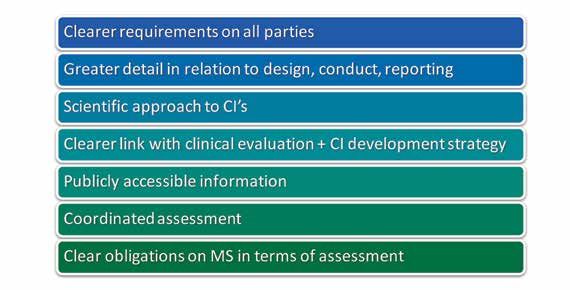
Incoming Process Changes Stakeholder Communication and Engagement Practical Application of
Figure 6: Time frames for reporting serious incidents
The HPRA’s implementation plan for both of the new
regulations is currently in the final drafting stages.
and methods of communication seek to deliver relevant and
timely communications to each group within the regulated
New EU Device Regulations
sector. We encourage engagement from all stakeholders on
An essential part of this implementation plan is engagement
the new legislative requirements.
with all stakeholders to clearly communicate the relevant
requirements of these new Regulations to ensure they are Stakeholders wishing to receive legislative updates including
Introduction
correctly understood and implemented in a timely manner. regular communication on the new Regulations can sign up
by emailing eudr@hpra.ie.
The HPRA is committed to working closely with stakeholders
throughout the sector on implementation and will continue All planned future stakeholder events will be published in
On 26th May 2017, Regulation (EU) 2017/745 on medical devices (MDR) and Regulation
our regular dialogue with all stakeholder groups within the the “News and Events section” of our website.
regulated sector. The HPRA will, through a variety of events (EU) 2017/746 on in-vitro diagnostics (IVDR) entered into force. Both Regulations will have a
staggered transitional period with some aspects, such as the notified body requirements,
becoming legally binding after 6 months on 26th November 2017.
Further information The Health Products These new EU Regulations will replace the current Directives1 which have been in place for over
25 years. The MDR will become fully applicable from 26th May 2020 while the IVDR will be fully
Regulatory applicable from 26th May 2022.
Authority (HPRA)
See the ‘New EU Device Legislation’ tab in the Medical
Devices section of www.hpra.ie for detailed information.
MEDDEV 2.12-1 REV 8
Changes to Scope Table 1: examples of
3
In addition, the HPRA has a dedicated email address
(eudr@hpra.ie) for queries relating to the Regulations. Our role is to protect and enhance public and animal aesthetic products that
5. Clinical Investigation Process This is one in a series of information leaflets that you can
health by regulating medicines, medical devices and other will now be considered
The scope of the Regulations has changed and now extends to all economic
Clinical investigations are studies carried out in human the public to improve transparency. Figure 7 outlines some get from the HPRA and from our website: www.hpra.ie.
health products. We provide guidance to companies and as a medical device
individuals in relation to regulatory requirements particularly operators in the supply chain as well as broadening the range of products
subjects to verify the safety and/ or performance of of the key changes for CIs in the MDR and includes clear
subject to the requirements of the Regulations. The MDR will now include certain
(Annex XVI MDR)
if they are developing new and innovative medical devices
a specific medical device. The purpose of a Clinical requirements on the application and assessment process
or diagnostics that will benefit patients. aesthetic products without an intended medical purpose, commonly used in the Aesthetic Products
Investigation (CI) is to verify the performance claimed by the (with defined timelines), the conduct of the study and on
What does the
beauty industry (outlined in Table 1). Medical devices incorporating non-viable
manufacturer under normal conditions and to determine any all stakeholders involved in CIs such as subjects, sponsors, Liposuction equipment
human tissues and certain devices comprised of substances which are ingested
undesirable side effects and assess whether these constitute competent authorities and for the principal investigator. Coloured contact lenses
HPRA do?
to achieve their intended action will be included. The MDR also contains specific
a risk when weighed against the expected benefits. For multi-site investigations, the MDR introduces a voluntary Dermal fillers
optional provisions for the reprocessing of single-use devices. The IVDR includes
The Cl process has been poorly defined in the Medical coordinated procedure where the sponsor submits a single
broader definitions relevant to genetic tests and, like the MDR, places additional Collagen implants
Device Directives4. The requirements for CIs are significantly application which is transmitted via an electronic system
As the regulatory authority, we monitor the safety and requirements on medical devices manufactured within hospitals (e.g. laboratory Laser hair removal equipment
enhanced in the MDR and include many specific provisions to all Member States in which the CI is to be conducted.
compliance of all medical devices available in Ireland. Our developed tests).
to ensure that people enrolled in clinical studies are The coordinated procedure means that there is one lead Skin resurfacing equipment
appropriately protected. In addition a clinical investigation or coordinating member state responsible for coordinating aim is to make sure that these products do not compromise The new Regulations specify obligations and responsibilities for all economic Tattoo removal equipment
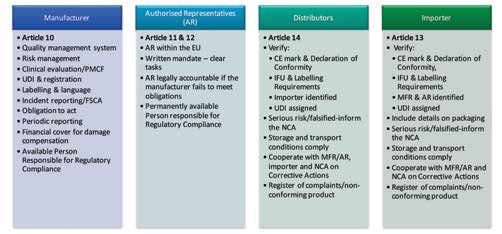
report summarising the study results will be available to the assessment of the CI application. the health and safety of the patient or the person using operators including manufacturers, importers, distributors and authorised
them. We are the designating authority for notified bodies representatives. Figure 1 illustrates some of the key obligations outlined in Note: tattooing and
in Ireland and we also work to ensure that medical device the Regulations. It is important that economic operators ensure that they have piercing products are
Figure 7: Key changes in the Clinical Investigation process in the MDR manufacturers are informed of and comply with the appropriate resources, processes and systems in place to fulfil their obligations excluded from this list.
requirements laid down in the Regulations. under the new Regulations.
Figure 1: Key obligations of Economic Operators
4
Directive 93/42/EEC and Directive 90/385/EEC
Kevin O’Malley House, Earlsfort Centre, Earlsfort Terrace, Dublin 2, Ireland.
1
Directive 93/42/EEC, Directive 98/79/EEC and Directive 90/385/EEC
T: +353 1 676 4971 E: devices@hpra.ie www.hpra.ie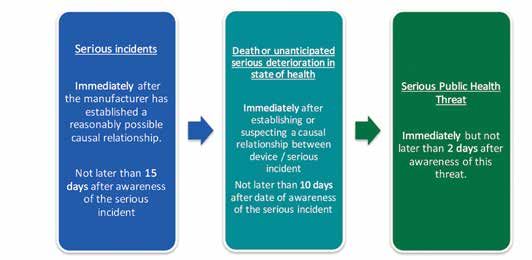
Certificate Validity during Transition Incoming Process Changes Figure 4: The scrutiny process defined in the MDR, Chapter V
The transition periods outlined in the Regulations are However in the event that a certificate is issued under the While the fundamental principle of the
established to afford economic operators, notified bodies Directives just before the new Regulation comes into full 1. Notified Body Designation
regulatory framework has not changed,
and competent authorities adequate time to put in place the application it will become void after 4 years for the MDR and The requirements in the new Regulations build on the
appropriate resources, processes and systems by the dates 2 years for the IVDR. Devices covered by such certificates the two Regulations bring increased
work already carried out under the European Commission’s
of application to ensure devices placed on the market are in (becoming void in May 2024) can continue to be made clarity, definition and enhanced assessment Joint Assessment Scheme to help ensure that notified
compliance with the new requirements. During this transition available once in the supply chain up until May 2025. These procedures to a dynamic medical device bodies across Europe perform to a consistent and high
phase medical devices CE marked to the Directives2 can devices will be subject to the new post market surveillance
sector. Some of the key process changes standard. Obligations have also been introduced for national
continue to be placed on the market in accordance with the requirements (e.g. reporting requirements) specified under authorities to ensure effective oversight of notified bodies
criteria specified in Chapter X of both Regulations. the MDR/ IVDR. are outlined in the following section.
based in their territory on an on-going basis.
Figure 2 illustrates the key timeframes for certificate validity. Once a notified body has been designated under the From the 26th November 2017, a conformity assessment
Certificates which have been issued under the existing new Regulations it can begin to certify devices to the new body can submit an application to the authority responsible
Directives will be valid for the period specified on the Regulations. for notified bodies (the HPRA) to be designated under
certificate which can be up to a maximum of 5 years. the new Regulations as a notified body in Ireland. The
designation process, which involves national and European
assessments, is expected to take a minimum of 18 months
Figure 2: Timeline for certificate validity after which notified bodies can begin to certify devices to
the new requirements (Figure 3).
A similar process has been introduced for IVDs in the
case of Class D IVDs where no common specifications are
3. IVD Classification
available and where it is also the first certification for that The IVDR introduces a rule-based classification system for
type of device. In such cases, the notified body consults IVDs. IVDs will now be classified into four different classes
Figure 3: Timeline for the notified body designation process from class A (low risk) to class D (high risk).
the expert panel on the performance evaluation report of
the manufacturer and the timeframe for the expert panel
IVDs in accordance with the IVDR will be subject to
to deliver an opinion is the same as that specified in the
conformity assessment based on the classification of the
MDR (i.e. 60 days). In the conformity assessment procedure
device. In line with the new classification system additional
for Class D IVDs, at the same time, a designated EU
classes of IVDs will be required to undergo assessment and
reference laboratory verifies the performance claimed by the
certification by a notified body (appropriately designated
manufacturer who shall provide an opinion within 60 days.
for IVDs) prior to being placed on the market. This is a
significant change as most IVDs are currently self-declared
without assessment by a notified body.
Figure 5: Classification summary for IVDs
2
Directive 93/42/EEC, Directive 98/79/EEC and Directive 90/385/EEC
Until the date of full application of the new Regulations,
26th May 2020 for medical devices and 26th May 2022 for
2. Scrutiny
IVDs, devices can continue to be certified and placed on Novel high risk devices, Class III implantable devices and
the market according to the current Directives. Alternatively devices intended to administer or remove a medicine
manufactures can, on a voluntary basis, certify their devices that do not have common specifications identified, will
to the new Regulations in advance of the date of full now be subject to an extra layer of scrutiny, or pre-market
application. assessment, by an expert panel during the notified body
assessment (Figure 4). The scrutiny process will provide
It is recommended that manufacturers talk with their
an additional independent review of the manufacturer’s
notified body to ensure they understand the process for
clinical data to ensure the performance and safety of these
re-certification and are fully prepared for the MDR and
IVDR. Both IVD manufacturers and IVD designated notified
devices. This process will ensure safe patient access to 4. Vigilance Reporting
new and innovative therapies, however, it may result in an
bodies will be particularly impacted by the IVDR. Under the The new Regulations set out specific requirements for to that specified in the European Commission guidelines
additional premarket review process step for manufacturers.
new Regulation the majority of IVDs will now be subject manufacturers to establish and maintain a post market on a medical devices vigilance system3. If after becoming
Manufacturers should examine their product portfolio to
to assessment and certification by a notified body prior surveillance and vigilance system. As part of their system aware of a potentially reportable incident, the manufacturer
identify devices that may be subject to this new scrutiny
to being placed on the market. IVD manufacturers should there is a requirement to report serious incidents and is uncertain about whether the incident is reportable, the
process.
review their product portfolios to determine which devices Field Safety Corrective Actions to the relevant Competent manufacturer should submit a report within the timeframes
will now require a Notified Body assessment. Authority (the HPRA in Ireland) through the centralised required as set out in Figure 6. Medical device users are
database. As a general rule, the time period for reporting also encouraged to report incidents. Suspected incidents
shall take account of the severity of the serious incident or complaints may also be reported to the importer or the
(see Figure 6). It is important to note that the timeframe for distributor of the device. This information shall be shared
reporting serious incidents has been reduced compared with the manufacturer of the device.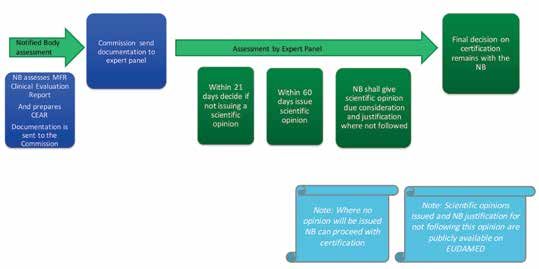
Certificate Validity during Transition Incoming Process Changes Figure 4: The scrutiny process defined in the MDR, Chapter V
The transition periods outlined in the Regulations are However in the event that a certificate is issued under the While the fundamental principle of the
established to afford economic operators, notified bodies Directives just before the new Regulation comes into full 1. Notified Body Designation
regulatory framework has not changed,
and competent authorities adequate time to put in place the application it will become void after 4 years for the MDR and The requirements in the new Regulations build on the
appropriate resources, processes and systems by the dates 2 years for the IVDR. Devices covered by such certificates the two Regulations bring increased
work already carried out under the European Commission’s
of application to ensure devices placed on the market are in (becoming void in May 2024) can continue to be made clarity, definition and enhanced assessment Joint Assessment Scheme to help ensure that notified
compliance with the new requirements. During this transition available once in the supply chain up until May 2025. These procedures to a dynamic medical device bodies across Europe perform to a consistent and high
phase medical devices CE marked to the Directives2 can devices will be subject to the new post market surveillance
sector. Some of the key process changes standard. Obligations have also been introduced for national
continue to be placed on the market in accordance with the requirements (e.g. reporting requirements) specified under authorities to ensure effective oversight of notified bodies
criteria specified in Chapter X of both Regulations. the MDR/ IVDR. are outlined in the following section.
based in their territory on an on-going basis.
Figure 2 illustrates the key timeframes for certificate validity. Once a notified body has been designated under the From the 26th November 2017, a conformity assessment
Certificates which have been issued under the existing new Regulations it can begin to certify devices to the new body can submit an application to the authority responsible
Directives will be valid for the period specified on the Regulations. for notified bodies (the HPRA) to be designated under
certificate which can be up to a maximum of 5 years. the new Regulations as a notified body in Ireland. The
designation process, which involves national and European
assessments, is expected to take a minimum of 18 months
Figure 2: Timeline for certificate validity after which notified bodies can begin to certify devices to
the new requirements (Figure 3).
A similar process has been introduced for IVDs in the
case of Class D IVDs where no common specifications are
3. IVD Classification
available and where it is also the first certification for that The IVDR introduces a rule-based classification system for
type of device. In such cases, the notified body consults IVDs. IVDs will now be classified into four different classes
Figure 3: Timeline for the notified body designation process from class A (low risk) to class D (high risk).
the expert panel on the performance evaluation report of
the manufacturer and the timeframe for the expert panel
IVDs in accordance with the IVDR will be subject to
to deliver an opinion is the same as that specified in the
conformity assessment based on the classification of the
MDR (i.e. 60 days). In the conformity assessment procedure
device. In line with the new classification system additional
for Class D IVDs, at the same time, a designated EU
classes of IVDs will be required to undergo assessment and
reference laboratory verifies the performance claimed by the
certification by a notified body (appropriately designated
manufacturer who shall provide an opinion within 60 days.
for IVDs) prior to being placed on the market. This is a
significant change as most IVDs are currently self-declared
without assessment by a notified body.
Figure 5: Classification summary for IVDs
2
Directive 93/42/EEC, Directive 98/79/EEC and Directive 90/385/EEC
Until the date of full application of the new Regulations,
26th May 2020 for medical devices and 26th May 2022 for
2. Scrutiny
IVDs, devices can continue to be certified and placed on Novel high risk devices, Class III implantable devices and
the market according to the current Directives. Alternatively devices intended to administer or remove a medicine
manufactures can, on a voluntary basis, certify their devices that do not have common specifications identified, will
to the new Regulations in advance of the date of full now be subject to an extra layer of scrutiny, or pre-market
application. assessment, by an expert panel during the notified body
assessment (Figure 4). The scrutiny process will provide
It is recommended that manufacturers talk with their
an additional independent review of the manufacturer’s
notified body to ensure they understand the process for
clinical data to ensure the performance and safety of these
re-certification and are fully prepared for the MDR and
IVDR. Both IVD manufacturers and IVD designated notified
devices. This process will ensure safe patient access to 4. Vigilance Reporting
new and innovative therapies, however, it may result in an
bodies will be particularly impacted by the IVDR. Under the The new Regulations set out specific requirements for to that specified in the European Commission guidelines
additional premarket review process step for manufacturers.
new Regulation the majority of IVDs will now be subject manufacturers to establish and maintain a post market on a medical devices vigilance system3. If after becoming
Manufacturers should examine their product portfolio to
to assessment and certification by a notified body prior surveillance and vigilance system. As part of their system aware of a potentially reportable incident, the manufacturer
identify devices that may be subject to this new scrutiny
to being placed on the market. IVD manufacturers should there is a requirement to report serious incidents and is uncertain about whether the incident is reportable, the
process.
review their product portfolios to determine which devices Field Safety Corrective Actions to the relevant Competent manufacturer should submit a report within the timeframes
will now require a Notified Body assessment. Authority (the HPRA in Ireland) through the centralised required as set out in Figure 6. Medical device users are
database. As a general rule, the time period for reporting also encouraged to report incidents. Suspected incidents
shall take account of the severity of the serious incident or complaints may also be reported to the importer or the
(see Figure 6). It is important to note that the timeframe for distributor of the device. This information shall be shared
reporting serious incidents has been reduced compared with the manufacturer of the device.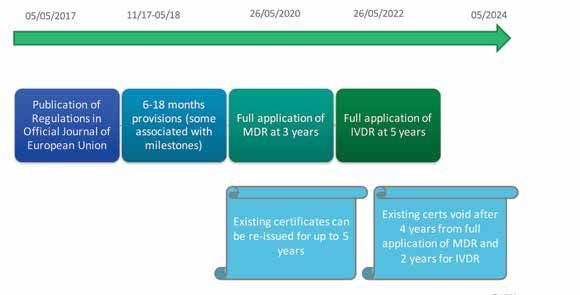
Certificate Validity during Transition Incoming Process Changes Figure 4: The scrutiny process defined in the MDR, Chapter V
The transition periods outlined in the Regulations are However in the event that a certificate is issued under the While the fundamental principle of the
established to afford economic operators, notified bodies Directives just before the new Regulation comes into full 1. Notified Body Designation
regulatory framework has not changed,
and competent authorities adequate time to put in place the application it will become void after 4 years for the MDR and The requirements in the new Regulations build on the
appropriate resources, processes and systems by the dates 2 years for the IVDR. Devices covered by such certificates the two Regulations bring increased
work already carried out under the European Commission’s
of application to ensure devices placed on the market are in (becoming void in May 2024) can continue to be made clarity, definition and enhanced assessment Joint Assessment Scheme to help ensure that notified
compliance with the new requirements. During this transition available once in the supply chain up until May 2025. These procedures to a dynamic medical device bodies across Europe perform to a consistent and high
phase medical devices CE marked to the Directives2 can devices will be subject to the new post market surveillance
sector. Some of the key process changes standard. Obligations have also been introduced for national
continue to be placed on the market in accordance with the requirements (e.g. reporting requirements) specified under authorities to ensure effective oversight of notified bodies
criteria specified in Chapter X of both Regulations. the MDR/ IVDR. are outlined in the following section.
based in their territory on an on-going basis.
Figure 2 illustrates the key timeframes for certificate validity. Once a notified body has been designated under the From the 26th November 2017, a conformity assessment
Certificates which have been issued under the existing new Regulations it can begin to certify devices to the new body can submit an application to the authority responsible
Directives will be valid for the period specified on the Regulations. for notified bodies (the HPRA) to be designated under
certificate which can be up to a maximum of 5 years. the new Regulations as a notified body in Ireland. The
designation process, which involves national and European
assessments, is expected to take a minimum of 18 months
Figure 2: Timeline for certificate validity after which notified bodies can begin to certify devices to
the new requirements (Figure 3).
A similar process has been introduced for IVDs in the
case of Class D IVDs where no common specifications are
3. IVD Classification
available and where it is also the first certification for that The IVDR introduces a rule-based classification system for
type of device. In such cases, the notified body consults IVDs. IVDs will now be classified into four different classes
Figure 3: Timeline for the notified body designation process from class A (low risk) to class D (high risk).
the expert panel on the performance evaluation report of
the manufacturer and the timeframe for the expert panel
IVDs in accordance with the IVDR will be subject to
to deliver an opinion is the same as that specified in the
conformity assessment based on the classification of the
MDR (i.e. 60 days). In the conformity assessment procedure
device. In line with the new classification system additional
for Class D IVDs, at the same time, a designated EU
classes of IVDs will be required to undergo assessment and
reference laboratory verifies the performance claimed by the
certification by a notified body (appropriately designated
manufacturer who shall provide an opinion within 60 days.
for IVDs) prior to being placed on the market. This is a
significant change as most IVDs are currently self-declared
without assessment by a notified body.
Figure 5: Classification summary for IVDs
2
Directive 93/42/EEC, Directive 98/79/EEC and Directive 90/385/EEC
Until the date of full application of the new Regulations,
26th May 2020 for medical devices and 26th May 2022 for
2. Scrutiny
IVDs, devices can continue to be certified and placed on Novel high risk devices, Class III implantable devices and
the market according to the current Directives. Alternatively devices intended to administer or remove a medicine
manufactures can, on a voluntary basis, certify their devices that do not have common specifications identified, will
to the new Regulations in advance of the date of full now be subject to an extra layer of scrutiny, or pre-market
application. assessment, by an expert panel during the notified body
assessment (Figure 4). The scrutiny process will provide
It is recommended that manufacturers talk with their
an additional independent review of the manufacturer’s
notified body to ensure they understand the process for
clinical data to ensure the performance and safety of these
re-certification and are fully prepared for the MDR and
IVDR. Both IVD manufacturers and IVD designated notified
devices. This process will ensure safe patient access to 4. Vigilance Reporting
new and innovative therapies, however, it may result in an
bodies will be particularly impacted by the IVDR. Under the The new Regulations set out specific requirements for to that specified in the European Commission guidelines
additional premarket review process step for manufacturers.
new Regulation the majority of IVDs will now be subject manufacturers to establish and maintain a post market on a medical devices vigilance system3. If after becoming
Manufacturers should examine their product portfolio to
to assessment and certification by a notified body prior surveillance and vigilance system. As part of their system aware of a potentially reportable incident, the manufacturer
identify devices that may be subject to this new scrutiny
to being placed on the market. IVD manufacturers should there is a requirement to report serious incidents and is uncertain about whether the incident is reportable, the
process.
review their product portfolios to determine which devices Field Safety Corrective Actions to the relevant Competent manufacturer should submit a report within the timeframes
will now require a Notified Body assessment. Authority (the HPRA in Ireland) through the centralised required as set out in Figure 6. Medical device users are
database. As a general rule, the time period for reporting also encouraged to report incidents. Suspected incidents
shall take account of the severity of the serious incident or complaints may also be reported to the importer or the
(see Figure 6). It is important to note that the timeframe for distributor of the device. This information shall be shared
reporting serious incidents has been reduced compared with the manufacturer of the device.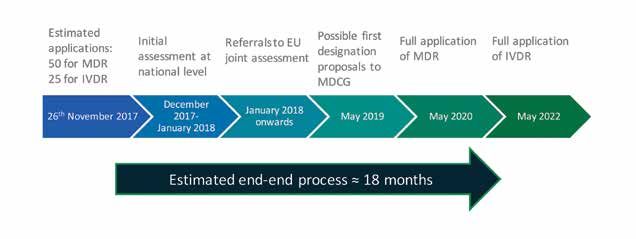
Incoming Process Changes Stakeholder Communication and Engagement Practical Application of
Figure 6: Time frames for reporting serious incidents
The HPRA’s implementation plan for both of the new
regulations is currently in the final drafting stages.
and methods of communication seek to deliver relevant and
timely communications to each group within the regulated
New EU Device Regulations
sector. We encourage engagement from all stakeholders on
An essential part of this implementation plan is engagement
the new legislative requirements.
with all stakeholders to clearly communicate the relevant
requirements of these new Regulations to ensure they are Stakeholders wishing to receive legislative updates including
Introduction
correctly understood and implemented in a timely manner. regular communication on the new Regulations can sign up
by emailing eudr@hpra.ie.
The HPRA is committed to working closely with stakeholders
throughout the sector on implementation and will continue All planned future stakeholder events will be published in
On 26th May 2017, Regulation (EU) 2017/745 on medical devices (MDR) and Regulation
our regular dialogue with all stakeholder groups within the the “News and Events section” of our website.
regulated sector. The HPRA will, through a variety of events (EU) 2017/746 on in-vitro diagnostics (IVDR) entered into force. Both Regulations will have a
staggered transitional period with some aspects, such as the notified body requirements,
becoming legally binding after 6 months on 26th November 2017.
Further information The Health Products These new EU Regulations will replace the current Directives1 which have been in place for over
25 years. The MDR will become fully applicable from 26th May 2020 while the IVDR will be fully
Regulatory applicable from 26th May 2022.
Authority (HPRA)
See the ‘New EU Device Legislation’ tab in the Medical
Devices section of www.hpra.ie for detailed information.
MEDDEV 2.12-1 REV 8
Changes to Scope Table 1: examples of
3
In addition, the HPRA has a dedicated email address
(eudr@hpra.ie) for queries relating to the Regulations. Our role is to protect and enhance public and animal aesthetic products that
5. Clinical Investigation Process This is one in a series of information leaflets that you can
health by regulating medicines, medical devices and other will now be considered
The scope of the Regulations has changed and now extends to all economic
Clinical investigations are studies carried out in human the public to improve transparency. Figure 7 outlines some get from the HPRA and from our website: www.hpra.ie.
health products. We provide guidance to companies and as a medical device
individuals in relation to regulatory requirements particularly operators in the supply chain as well as broadening the range of products
subjects to verify the safety and/ or performance of of the key changes for CIs in the MDR and includes clear
subject to the requirements of the Regulations. The MDR will now include certain
(Annex XVI MDR)
if they are developing new and innovative medical devices
a specific medical device. The purpose of a Clinical requirements on the application and assessment process
or diagnostics that will benefit patients. aesthetic products without an intended medical purpose, commonly used in the Aesthetic Products
Investigation (CI) is to verify the performance claimed by the (with defined timelines), the conduct of the study and on
What does the
beauty industry (outlined in Table 1). Medical devices incorporating non-viable
manufacturer under normal conditions and to determine any all stakeholders involved in CIs such as subjects, sponsors, Liposuction equipment
human tissues and certain devices comprised of substances which are ingested
undesirable side effects and assess whether these constitute competent authorities and for the principal investigator. Coloured contact lenses
HPRA do?
to achieve their intended action will be included. The MDR also contains specific
a risk when weighed against the expected benefits. For multi-site investigations, the MDR introduces a voluntary Dermal fillers
optional provisions for the reprocessing of single-use devices. The IVDR includes
The Cl process has been poorly defined in the Medical coordinated procedure where the sponsor submits a single
broader definitions relevant to genetic tests and, like the MDR, places additional Collagen implants
Device Directives4. The requirements for CIs are significantly application which is transmitted via an electronic system
As the regulatory authority, we monitor the safety and requirements on medical devices manufactured within hospitals (e.g. laboratory Laser hair removal equipment
enhanced in the MDR and include many specific provisions to all Member States in which the CI is to be conducted.
compliance of all medical devices available in Ireland. Our developed tests).
to ensure that people enrolled in clinical studies are The coordinated procedure means that there is one lead Skin resurfacing equipment
appropriately protected. In addition a clinical investigation or coordinating member state responsible for coordinating aim is to make sure that these products do not compromise The new Regulations specify obligations and responsibilities for all economic Tattoo removal equipment
report summarising the study results will be available to the assessment of the CI application. the health and safety of the patient or the person using operators including manufacturers, importers, distributors and authorised
them. We are the designating authority for notified bodies representatives. Figure 1 illustrates some of the key obligations outlined in Note: tattooing and
in Ireland and we also work to ensure that medical device the Regulations. It is important that economic operators ensure that they have piercing products are
Figure 7: Key changes in the Clinical Investigation process in the MDR manufacturers are informed of and comply with the appropriate resources, processes and systems in place to fulfil their obligations excluded from this list.
requirements laid down in the Regulations. under the new Regulations.
Figure 1: Key obligations of Economic Operators
4
Directive 93/42/EEC and Directive 90/385/EEC
Kevin O’Malley House, Earlsfort Centre, Earlsfort Terrace, Dublin 2, Ireland.
1
Directive 93/42/EEC, Directive 98/79/EEC and Directive 90/385/EEC
T: +353 1 676 4971 E: devices@hpra.ie www.hpra.ie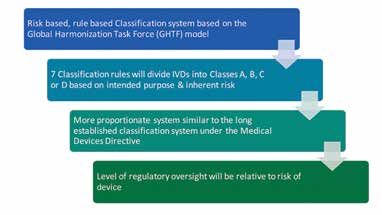
Incoming Process Changes Stakeholder Communication and Engagement Practical Application of
Figure 6: Time frames for reporting serious incidents
The HPRA’s implementation plan for both of the new
regulations is currently in the final drafting stages.
and methods of communication seek to deliver relevant and
timely communications to each group within the regulated
New EU Device Regulations
sector. We encourage engagement from all stakeholders on
An essential part of this implementation plan is engagement
the new legislative requirements.
with all stakeholders to clearly communicate the relevant
requirements of these new Regulations to ensure they are Stakeholders wishing to receive legislative updates including
Introduction
correctly understood and implemented in a timely manner. regular communication on the new Regulations can sign up
by emailing eudr@hpra.ie.
The HPRA is committed to working closely with stakeholders
throughout the sector on implementation and will continue All planned future stakeholder events will be published in
On 26th May 2017, Regulation (EU) 2017/745 on medical devices (MDR) and Regulation
our regular dialogue with all stakeholder groups within the the “News and Events section” of our website.
regulated sector. The HPRA will, through a variety of events (EU) 2017/746 on in-vitro diagnostics (IVDR) entered into force. Both Regulations will have a
staggered transitional period with some aspects, such as the notified body requirements,
becoming legally binding after 6 months on 26th November 2017.
Further information The Health Products These new EU Regulations will replace the current Directives1 which have been in place for over
25 years. The MDR will become fully applicable from 26th May 2020 while the IVDR will be fully
Regulatory applicable from 26th May 2022.
Authority (HPRA)
See the ‘New EU Device Legislation’ tab in the Medical
Devices section of www.hpra.ie for detailed information.
MEDDEV 2.12-1 REV 8
Changes to Scope Table 1: examples of
3
In addition, the HPRA has a dedicated email address
(eudr@hpra.ie) for queries relating to the Regulations. Our role is to protect and enhance public and animal aesthetic products that
5. Clinical Investigation Process This is one in a series of information leaflets that you can
health by regulating medicines, medical devices and other will now be considered
The scope of the Regulations has changed and now extends to all economic
Clinical investigations are studies carried out in human the public to improve transparency. Figure 7 outlines some get from the HPRA and from our website: www.hpra.ie.
health products. We provide guidance to companies and as a medical device
individuals in relation to regulatory requirements particularly operators in the supply chain as well as broadening the range of products
subjects to verify the safety and/ or performance of of the key changes for CIs in the MDR and includes clear
subject to the requirements of the Regulations. The MDR will now include certain
(Annex XVI MDR)
if they are developing new and innovative medical devices
a specific medical device. The purpose of a Clinical requirements on the application and assessment process
or diagnostics that will benefit patients. aesthetic products without an intended medical purpose, commonly used in the Aesthetic Products
Investigation (CI) is to verify the performance claimed by the (with defined timelines), the conduct of the study and on
What does the
beauty industry (outlined in Table 1). Medical devices incorporating non-viable
manufacturer under normal conditions and to determine any all stakeholders involved in CIs such as subjects, sponsors, Liposuction equipment
human tissues and certain devices comprised of substances which are ingested
undesirable side effects and assess whether these constitute competent authorities and for the principal investigator. Coloured contact lenses
HPRA do?
to achieve their intended action will be included. The MDR also contains specific
a risk when weighed against the expected benefits. For multi-site investigations, the MDR introduces a voluntary Dermal fillers
optional provisions for the reprocessing of single-use devices. The IVDR includes
The Cl process has been poorly defined in the Medical coordinated procedure where the sponsor submits a single
broader definitions relevant to genetic tests and, like the MDR, places additional Collagen implants
Device Directives4. The requirements for CIs are significantly application which is transmitted via an electronic system
As the regulatory authority, we monitor the safety and requirements on medical devices manufactured within hospitals (e.g. laboratory Laser hair removal equipment
enhanced in the MDR and include many specific provisions to all Member States in which the CI is to be conducted.
compliance of all medical devices available in Ireland. Our developed tests).
to ensure that people enrolled in clinical studies are The coordinated procedure means that there is one lead Skin resurfacing equipment
appropriately protected. In addition a clinical investigation or coordinating member state responsible for coordinating aim is to make sure that these products do not compromise The new Regulations specify obligations and responsibilities for all economic Tattoo removal equipment
report summarising the study results will be available to the assessment of the CI application. the health and safety of the patient or the person using operators including manufacturers, importers, distributors and authorised
them. We are the designating authority for notified bodies representatives. Figure 1 illustrates some of the key obligations outlined in Note: tattooing and
in Ireland and we also work to ensure that medical device the Regulations. It is important that economic operators ensure that they have piercing products are
Figure 7: Key changes in the Clinical Investigation process in the MDR manufacturers are informed of and comply with the appropriate resources, processes and systems in place to fulfil their obligations excluded from this list.
requirements laid down in the Regulations. under the new Regulations.
Figure 1: Key obligations of Economic Operators
4
Directive 93/42/EEC and Directive 90/385/EEC
Kevin O’Malley House, Earlsfort Centre, Earlsfort Terrace, Dublin 2, Ireland.
1
Directive 93/42/EEC, Directive 98/79/EEC and Directive 90/385/EEC
T: +353 1 676 4971 E: devices@hpra.ie www.hpra.ieEconomic Operators Obligations
under the new EU Device Regulations 1
(EUDR) Legislation
The new EUDR elaborates and strengthens the responsibilities and obligations of all economic operators. For the first time
distributors are included within the scope of the new EUDR and distributor obligations are specifically called out within the
Regulations and confers additional obligations and responsibilities on all economic operators. The Regulations build on
the New Legislative Framework for the Marketing of Products and provide economic operators with greater legal clarity,
in particular, where they assume the manufacturers’ obligations or when an operator is considered the manufacturer when
certain activities are carried out.2 This will help improve regulatory compliance by economic operators and help ensure the
safety and performance of the device throughout the supply chain. The EUDR obligations range from ensuring proper storage
and transportation of devices while under their care to greater verification, traceability and reporting requirements.
Who are Economic operators?
Economic operators under the EUDR refers to manufacturers, importers and distributors. It includes the manufacturers’
authorised representative established within the EU who has received and accepted a written mandate to act on behalf of a
manufacturer based outside of the EU. The manufacturer is ultimately responsible for ensuring that a device is compliant with
the relevant legislation. A summary of other economic operators’ responsibilities can be found below.
Summary of the responsibilities of Authorised Representatives, Distributors and Importers:
Economic operator Authorised Distributor Importer
Representative
Verify:
Devices is CE marked X X X
EU Declaration of Conformity & X X X
technical documentation are drawn up
Correct conformity assessment procedure has been carried out X
Labelling & accompanying information (IFU) X X
MFR has assigned the UDI X X
Importer has included name & contact details (Art. 13.3 EUDR) X X
MFR is identified & authorised representative has been assigned X
Additional requirements:
Have a person responsible for regulatory compliance in place X
Storage and transportation requirements fulfilled X X
Maintain a register of complaints X X X
Inform MFR when device presents a serious risk or is not in conformity X X X
Eudamed Registration obligations X X
Reporting requirements (serious incidents/serious risk) X X X
Note: Reporting is encouraged by all Economic Operators
Cooperation with Competent Authorities X X X
(preventative/corrective action)
Store UDI for Class III implantable devices X X X
Identification within the supply chain (Art. 25 EUDR) X X X
1
Regulation (EU) 2017/745 on medical devices [MDR] and Regulation (EU) 2017/746 on in vitro diagnostics [IVDR].
2
Regulation (EU) 2017/745, Regulation (EU) 2017/746, Article 16.
This guide does not purport to be an interpretation of law and/or regulations and is for guidance purposes only.
Kevin O’Malley House, Earlsfort Centre, Earlsfort Terrace, Dublin 2, Ireland.
T: +353 1 676 4971 E: devices@hpra.ie www.hpra.ieClassification under the Medical
Devices Regulation (MDR)
Regulation (EU) 2017/745
Medical devices are stratified according to risk into four classes with Class I being
the lowest risk and Class III the highest:
DEVICE CLASS EXAMPLES OF APPLICATION
Class III Complex joint implants, drug eluting stents, coronary valves,
breast implants, surgical meshes, active implantables
Class IIb
RISK
Peripheral Bare Metal Stents (BMS), bone fixation plates,
dressings for chronic ulcerated wounds
Class IIa Contact lenses (short-term), ECG machines, electronic BP monitoring, dental fillings
Class I Wheelchairs, simple wound dressings, stethoscopes, ECG electrodes, syringes.
Sub-divided into sterile
devices (Is) and those with
a measuring function (Im)
The MDR sets out 22 classification rules1 which are used to classify devices based on risk criteria:
Degree/type of invasiveness
Duration of contact
Site of contact/anatomical locations
Specific characteristics- active/non-active, single use/reusable; combined
with medicinal substance; incorporating animal tissues.
The application of these rules will depend on the intended purpose of the device and will replace the 18 rules2 currently
used under the General Medical Devices Regulation. This rule based classification system covers 30,000 difference types of
medical device and influences: pre-market requirements, the conformity assessment route, clinical data requirements as well as
post-market obligations.
The new rules primarily relate to:
Software
Nanomaterials
Ingested products
Non viable human tissues, cells & derivatives
In addition, certain existing devices have been up-classified due to the nature of risk associated with the specific devices.
Examples of up-classifications can be found in Rule 8.
Devices used together (e.g. same procedure) are classified in their own right. Device accessories are classified
in their own right and separately to the device with which they are used.
Software which drives or influences a device falls automatically into the same class as the device.
1
Regulation (EU) 2017/745, Article 51 & Annex VIII
2
Directive 93/42/EEC, Article 9 & Annex IX
This guide does not purport to be an interpretation of law
and/or regulations and is for guidance purposes only.
Kevin O’Malley House, Earlsfort Centre, Earlsfort Terrace, Dublin 2, Ireland.
T: +353 1 676 4971 E: devices@hpra.ie www.hpra.ieClassification under the In-Vitro
Diagnostics Regulation (IVDR)
Regulation (EU) 2017/746
The classification system for IVDs in accordance with the IVD Directive differs from the medical
devices classification system as it is list based rather than a risk based rules approach. This list
based system is provided in Annex II of the IVD Directive.3
With the introduction of the IVDR the classification system has been modelled on the Global
Harmonisation Task Force (GHTF) Guidelines with some modifications. IVDR classification adopts
a similar system to the MDR risk based rules approach with four distinct classes now introduced.
Class A is the lowest risk and Class D is the highest.
IVD CLASS EXAMPLES
Class D HIV, ABO blood grouping, Rhesus testing
Class C
RISK
Companion diagnostics, tests for screening, diagnosis & staging of cancer
Class B Pregnancy or fertility self-test
Class A Products for general laboratory use & Specimen receptacles
Annex VIII of the IVDR sets out the 7 classification rules based on intended purpose & inherent risk:
7 IVD Classification Rules
Blood/Tissue screening & high risk, life-threatening diseases
Blood/Tissue compatibility, high risk blood groups
Pre-natal screening, cancer, companion diagnostics, genetic tests, congenital screening
Devices not covered by Rule 1-5
Products for general laboratory use, general culture media, instruments, specimen receptacles
Self-testing devices, exceptions listed, near- patient tests classified in their own right
Controls without a quantitative or qualitative assigned value.
The new classification system and the broadening of the scope of the IVDR means that approximately 90% of IVDs will be
subject to review by a notified body to some degree for the conformity assessment process under the IVDR. This includes,
for example, genetic tests that provide information on predisposition to a medical condition or disease and tests that provide
information to predict treatment response or reactions (companion diagnostics). The conformity assessment for each device
class is set out in Chapter V of the IVDR.
3
Directive 98/79/EC on in vitro diagnostic medical devices
This guide does not purport to be an interpretation of law
and/or regulations and is for guidance purposes only.
Kevin O’Malley House, Earlsfort Centre, Earlsfort Terrace, Dublin 2, Ireland.
T: +353 1 676 4971 E: devices@hpra.ie www.hpra.ieInnovation in the MedTech sector
What is medical device innovation?
The European medical technology sector is globally (detailed below) will preserve and nurture this innovation-
recognised as highly innovative. Medical device innovation friendly environment through initiatives like: coordinated EU
plays an important role in the enhancement of public health assessment of clinical investigation applications (research),
by allowing new diagnostic and treatment options to be clearer and better defined requirements for clinical data
developed while simultaneously increasing the practical and EU level advisory services for new product and clinical
benefits for patients and health providers. While much development strategies. These new Regulations will further
medical technology innovation is iterative, new technologies protect and enhance public health by ensuring the safety
frequently emerge offering new possibilities and addressing and performance of medical devices throughout their
unmet or underserved clinical needs. lifecycle while supporting innovation and facilitating market
access in an appropriate and timely manner.
The European regulatory system for medical devices has
always facilitated a suitable environment to promote The primary function of the HPRA is the protection,
high levels of innovation. Indeed based on the number of and enhancement of public health. The interplay of this
patents filed on an annual basis at the European Patents responsibility with the need to ensure that innovative
Office, the medical technology sector exceeds innovation medical device technology is made available to European
levels in comparison to other health products and related patients is a key focus for us as regulators.
sectors. The new European Regulations on medical devices
Why is medical device The interplay between
innovation important? the new Regulations
and innovation
Innovation plays an important role in medical device
development for a number of reasons:
The Medical Devices Regulation 2017/745 (MDR) and In
• Medical devices tend to develop through iterative Vitro Diagnostic Devices Regulation 2017/746 (IVDR) were
change – i.e. they evolve and are often modified. formally published in the Official Journal of the European
• The lifecycle for a typical medical device is less Union on 5th May 2017. These Regulations incorporate a
than 2 years. number of important improvements to the regulatory system
in Europe. The importance of innovation is recognised in
• The technology is rapidly changing.
both the MDR and IVDR which note that a revised regulatory
• The medical device industry drives innovation. framework can ensure a high level of safety and health whilst
supporting innovation.
How does the HPRA support Medical Device
innovation?
Supporting innovation is a strategic priority for the HPRA. these groups are often scientifically focussed and may
This reflects both the high density of innovative companies have a limited knowledge of regulations.
across the life sciences sector in Ireland and the presence of
• Pre-submission meetings. In these meetings, the HPRA
an extensive research, development and innovation sector
offers general advice to sponsors of clinical investigations
within academia and other areas. Strong links between
planning a submission to HPRA in the near future.
academia, industry and regulators will help to encourage
and support innovation. • The HPRA accepts requests from manufacturers for
the classification of a medical device, drug- device
The HPRA offers support to medical device innovation in the
combination or borderline product prior to the intended
form of:
submission of an application for CE marking to a notified
• Preliminary meetings with device innovators. In these body or prior to notification regarding the register of
meetings, the HPRA offers general regulatory support Class I devices. All classification requests are subject
to SMEs / academic research groups or spin-outs etc. as to a fee.• The HPRA Innovation office. This is a facility whereby a • The medical devices team at the HPRA can be contacted
question can be submitted to the HPRA Innovation Office to discuss specific questions or queries about the
relating to any of the healthcare products which the HPRA Regulations and requirements for medical devices at any
regulates. time.
• The Innovation Office will also publish general updates
and information about regulatory and scientific issues
related to innovation.
How do I submit an innovation query to the HPRA?
• Anyone developing an innovative product can submit a • Alternatively you can e-mail us at
query to the HPRA. innovationoffice@hpra.ie
• Our Innovation Office will act as an initial point of contact • We aim to respond to all queries as soon as possible
for such queries and requests for advice in relation to and within 20 working days. If a longer review period
innovative health products or technologies. is necessary, we will contact you to inform you of the
expected timeline for responding.
• Queries related to innovative medical technology or other
health products should be submitted using our online • All queries will be treated as confidential.
enquiry form. This is available via the Innovation Office
webpage which can be accessed through our website
www.hpra.ie
The Health Products Regulatory Authority (HPRA)
- What we do?
HPRA INNOVATION OFFICE
Our role is to protect and enhance public and animal health Supporting
We use our scientific and clinical innovation
expertise to review and
by regulating medicines, medical devices and other health throughinregulation
monitor health products available and
Ireland or exported
products. abroad. Our aim is to make science
sure that the health products
we regulate are as safe as possible and do what they are
intended to do.
Further information HPRA
Innovation
Office
If you have any questions about the innovation supports Innovative
products
available from the HPRA, please e-mail:
innovationoffice@hpra.ie
Specific queries relating to medical device legislative National
support
requirements, clinical investigations (research) or other Submit
a query
HPRA device services please contact devices@hpra.ie.
Specific queries on the new medical device Regulations
on medical devices can be submitted to eudr@hpra.ie www.hpra.ie/innovation-office
This guide does not purport to be an interpretation of law
and/or regulations and is for guidance purposes only.
Kevin O’Malley House, Earlsfort Centre, Earlsfort Terrace, Dublin 2, Ireland.
T: +353 1 676 4971 E: devices@hpra.ie www.hpra.ieNew EU Device Legislation
Information Pack
i i
LOT
R R
2 2
2
STERILIZE
2
STERILIZE
EC REP EC REP
LOT
Kevin O’Malley House
Earlsfort Centre
Earlsfort Terrace
Dublin
D02 XP77
Phone: (01) 676 4971
Fax: (01) 676 7836
E-mail: devices@hpra.ie
www.hpra.ieYou can also read


