New Zealand North Island Endemics - Rockjumper Birding
←
→
Page content transcription
If your browser does not render page correctly, please read the page content below
New Zealand
                       North Island Endemics
               16th November to 24th November 2021 (9 days)
                        South Island Endemics
               24th November to 3rd December 2021 (10 days)

                                      Whitehead by Adam Riley

New Zealand supports a host of unusual endemic land birds and a rich assemblage of marine birds and
mammals. Our North Island tour is designed to seek almost every possible endemic and take full
RBL New Zealand – South Island Endemics & Extension Itinerary                                        2

advantage of fabulous scenery. Beginning in Auckland, we target North Island Brown Kiwi, Whitehead
and North Island Saddleback as well as a visit to the fabled Tiritiri Matangi Island where we will bird
this predator-free reserve for the prehistoric South Island Takahe, strange North Island Kokako and
Stitchbird, before combing the Miranda shoreline for the bizarre Wrybill and numerous waders. A
pelagic excursion then takes place in the Hauraki Gulf in search of the Black and Cook’s Petrel, Buller’s
Flesh-footed and Fluttering Shearwater. From here we visit the scenic Tongariro National Park in the
centre of the North Island where we check fast-flowing streams for the rare Blue Duck while nearby
forests hold Rifleman and Tomtit. We finish our time on the North Island visiting the famous Zealandia
Reserve searching for the endangered Little Spotted Kiwi, New Zealand Falcon, Red-crowned Parakeet,
New Zealand Kaka and Stitchbird

We start our South Island tour in the beautiful grasslands of the Mackenzie region of the South Island
where we will take in the beauty of the Southern Alpine rang, while looking for the critically endangered
Black Stilt, before hiking through pristine Red Beech forest surrounded by breath-taking glacier-lined
mountains, where the massive Kea (an Alpine parrot) can be found. In Fiordland National Park we will
have a boat tour of the stunning Milford Sound while our targets will include Blue Duck, the cute New
Zealand Rockwren and New Zealand Falcon, before catching our ferry to the rugged Stewart Island in
search of Southern Brown Kiwi, Yellow-eyed and Fiordland Crested Penguins and a pelagic outing
visiting several nearby islands in search of a variety of seabirds including 8 species of albatross! Our
final destination will be Dunedin, where a visit to a Northern Royal Albatross colony will certainly be
amongst the many highlights of this rewarding tour.

With excellent lodging and meals, awe-inspiring scenery and fantastically friendly “Kiwis”, this is sure
to be a tour of a lifetime!

                                   THE TOUR AT A GLANCE…

NORTH ISLAND WINTER EXTENSION
 Day 1    Auckland to Snells Beach
  Day 2         Pelagic off Hauraki Gulf
  Day 3         Day trip to Tiritiri Matangi Island
  Day 4         Snells Beach and surrounds
  Day 5         Warkworth to Turangi via Miranda
  Day 6         Turangi area
  Day 7         Turangi to Wellington
  Day 8         Wellington area
  Day 9         Final departure

THE ITINERARY
 Day 1     Arrival in Queenstown, transfer to Omarama
  Day 2         Mount Cook area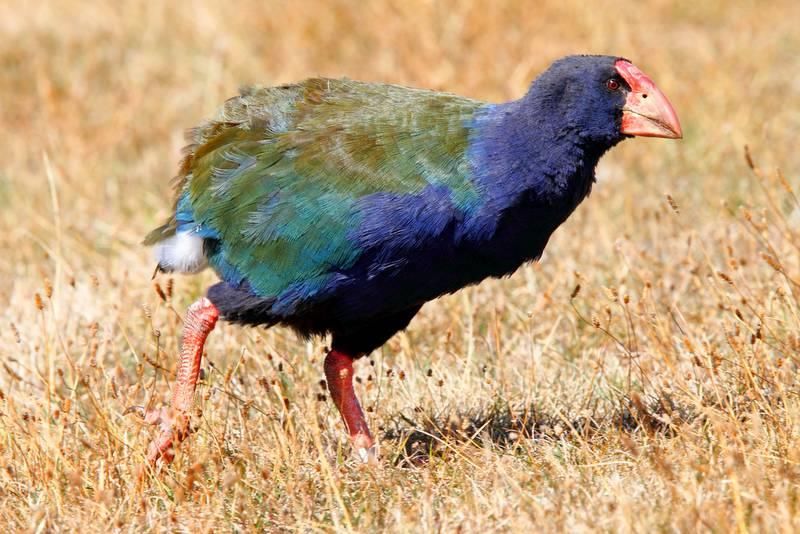
RBL New Zealand – South Island Endemics & Extension Itinerary   3

  Day 3       Omarama to Te Anau
  Day 4       Fiordland National Park
  Day 5       Te Anau to Stewart Island
  Day 6       Stewart Island Pelagic
  Day 7       Stewart Island
  Day 8       Stewart Island to Dunedin
  Day 9       Dunedin area
  Day 10      Final departure

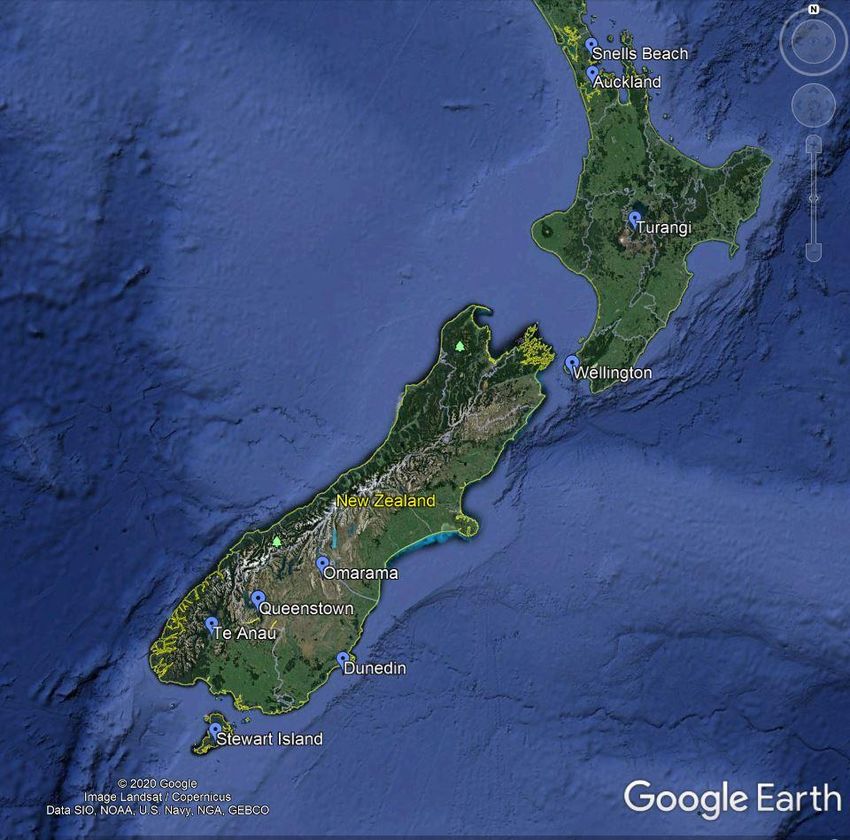
                                   TOUR ROUTE MAP…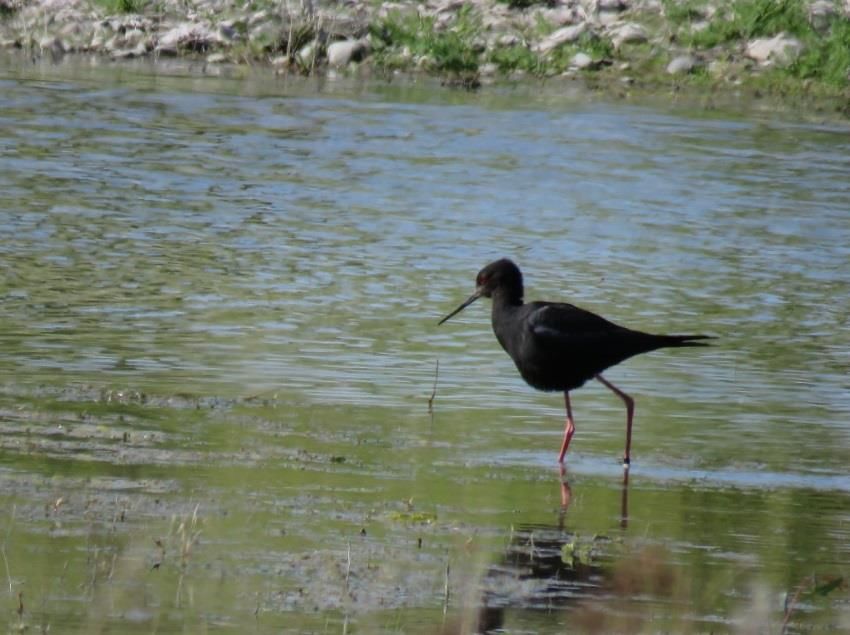
RBL New Zealand – South Island Endemics & Extension Itinerary                                           4

                          North Island Endemics
                                                              Day 1: Auckland to Snell’s Beach. We
                                                              expect to depart Auckland shortly after
                                                              arriving from the main South Island Winter
                                                              Highlights tour and head straight to a nearby
                                                              estuary to look for the endemic New Zealand
                                                              Plover, Variable and South Island
                                                              Oystercatchers and if we are lucky, the
                                                              scarce Wrybill. Often present and feeding on
                                                              the flowering Flax bushes are the outrageous
                                                              Tui (an endemic honeyeater), New Zealand
                                                              Fantail and gorgeous New Zealand Pigeon.
                                                              After a packed lunch, we will drive
                                                              northward      through      Helensville     to
                                                              Warkworth on the east coast. We will then
                                                              drive to Snell’s Beach for a four-night stay.
            New Zealand Bellbird by Adam Riley
                                                              Day 2: Pelagic off Hauraki Gulf. Another
leisurely breakfast (due to the kiwi excursion the previous night) We drive a short distance to Sandspit
Harbour for a pelagic seabird tour of the Hauraki Gulf. In the gulf, there are a wealth of breeding seabirds,
including the endemic Buller’s, Fluttering as well as Flesh-footed Shearwaters, Cook’s and the localised
Black Petrels are present along with the active Fairy Prions. Little Blue Penguin, Australasian Gannet,
Silver Gull and White-fronted Tern are often seen at some point throughout the day. We head back to
Sandspit in the afternoon with plenty time for refreshments before dinner.

Day 3: Day trip to Tiritiri Matangi Island. We depart today by water taxi, a short 20 minutes crossing
for the fabled Tiritiri Matangi Island. Several highly endangered endemic species can be seen here,
including rare species sadly extirpated from the mainland. One of the Jewels of the Hauraki Gulf, Tiri is
an amazing example of habitat
restoration with over 200,000 native
trees meticulously replanted. We will
explore this predator-free haven for
some of New Zealand’s most
endangered wildlife, including the
outrageous North Island Saddleback,
localised Stitchbird, New Zealand
Bellbird, the spectacular North Island
Kokako, and the prehistoric looking
Takahe. Throughout our time on the
island photographic opportunities will
be endless especially at the bird baths
and feeders. We will also see New
Zealand Pigeon, Red-crowned Parakeet,
Tui, Whitehead flitting through the
undergrowth, the north island forms of                   Buller’s Shearwater by Erik Forsyth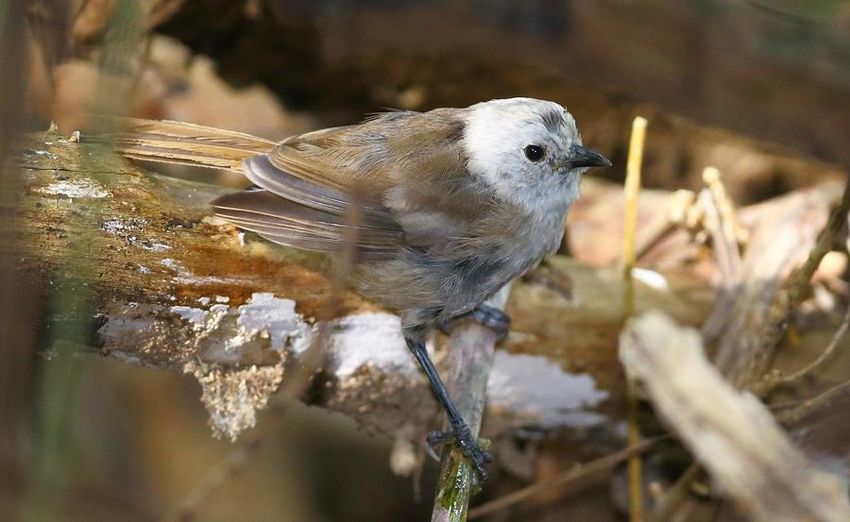
RBL New Zealand – South Island Endemics & Extension Itinerary                                          5

                                                                  New Zealand Robin, Brown Quail and
                                                                  New Zealand Fantail. In addition, we’ll
                                                                  be on the lookout for Brown Teal and
                                                                  Spotless Crake, which are sometimes
                                                                  seen at a small pond near the jetty. After
                                                                  a delicious packed lunch, at the
                                                                  education centre, we will search for
                                                                  Rifleman, a scarce resident, before we
                                                                  make our way back to the ferry for our
                                                                  trip back to Sandspit.

                                                               Day 4: Snell’s Beach and surrounds.
                                                               After a relaxing breakfast, we will
                                                               explore a beautiful Regional Park nearby
                                                               for some of New Zealand’s most
               South Island Takahe by Adam Riley
                                                               endangered wildlife, including the
endangered North Island Saddleback, New Zealand Bellbird, and the prehistoric looking and critically
endangered Takahe. We will walk along a lovely tree-lined stream to look for Brown Teal, New Zealand
Pigeon, Red-crowned Parakeet, Tui, Whitehead flitting through the undergrowth, the north island forms
of New Zealand Robin, Brown Quail, Silvereye and New Zealand Fantail. Afterwards, we will have
lunch at a nearby country town where there will be time for visiting several craft shops and enjoy the
country atmosphere. After a relaxed day there will be an optional night walk for our first opportunity to
look for the amazing North Island Brown Kiwi, one of five representatives of this terrestrial bird family
that is endemic to New Zealand. Morepork are often seen here.

Day 5: Warkworth to Turangi via Miranda. Early this morning we will drive southwards through the
city of Auckland to Miranda. The mud flats and shell banks near the Miranda Trust Wildlife Centre are
a fantastic place to find large flocks of shorebirds, and here we will diligently scan while searching
especially for Wrybill. This small, bizarre plover is confined to New Zealand and is the only bird species
with a laterally asymmetrical bill uniquely curving to the right. Its total population has been estimated at
a mere 5,000 individuals. It nests on stony
riverbeds in South Island and winters in
flocks on wetlands with marsh and expansive
tidal flats, Miranda being its favoured area.
Other potential species here include Variable
and South Island Oystercatchers, Eastern
Curlew, Bar-tailed Godwit, Red Knot,
Whimbrel and Ruddy Turnstone. From
Miranda, we then head southwards through to
the vast Lake Taupo where we will enjoy a
short break, looking for the endemic Black-
billed Gull, before continuing to Turangi. In
the late afternoon, we will visit the nearby
Tongariro River to look for the endemic Blue
Duck. They enjoy fast-flowing streams and
we will search the best areas for this species.
This will be a long day with several stops at                       Wrybill by John Graham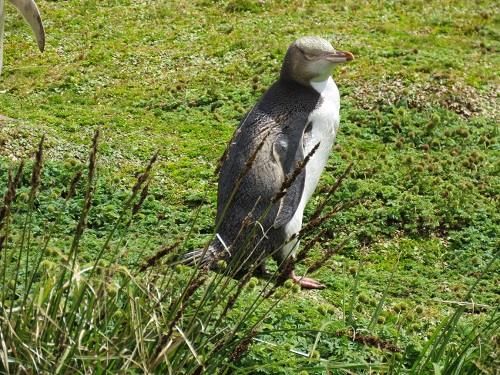
RBL New Zealand – South Island Endemics & Extension Itinerary                                       6

                                                             for coffee and lunch at a cafeteria.

                                                            Day 6: Turangi area. This morning, we
                                                            will visit a nearby reedbed to look for a
                                                            resident pair of Australasian Bittern, which
                                                            can often be heard calling and with luck,
                                                            seen in flight over this reedbed. Fernbird
                                                            also occur, and we hope for sightings of
                                                            either of these species. Other species often
                                                            seen here at the lake include Little Black
                                                            and Pied Cormorants, White-faced Heron,
                                                            Masked Lapwing, Paradise Shelduck,
                                                            Australasian Shoveler, Grey Teal, endemic
                                                            New Zealand Scaup and New Zealand
                                                            Grebe, Swamp Harrier, Royal Spoonbill
           New Zealand Kaka by Erik Forsyth                 and Caspian Tern. After a leisurely lunch
                                                            there will be an excursion to Lake
Rotopounamu to enjoy a walk through a stunning forest with large Ferns and several species of native
New Zealand and trees. Target birds will be New Zealand Falcon, Yellow-crowned Parakeet, and Tomtit.

Day 7: Turangi to Wellington. This morning we drive south through to Wellington, the capital city of
New Zealand. On the drive today we pass through many small quaint towns that have a variety of
restaurants and fast-food outlets due to trade from the passing vehicles. Names such as Taihape, Bulls,
Foxton and Paraparaumu to name a few, where will have several stops for coffee and lunch today. Our
final destination will be a hotel on the outskirts of Wellington.

Day 8: Wellington area. This morning we will visit Zealandia Reserve, well-known for its Conservation
education programme and a predator-proof fence surrounding over 300 hectares of native bush. This area
protects many of New Zealand’s threatened wildlife and reptiles including the endangered Tuatara. Birds
are particularly confiding as they are use, to many visitors and photographic opportunities are endless
especially at several well -placed feeders.

Birds that we should see well are the
dazzling North Island Saddleback, the huge
New Zealand Kaka, New Zealand Bellbird
and Tui, Red-crowned Parakeet, New
Zealand Robin, Grey Warbler, New Zealand
Fantail and possibly New Zealand Falcon,
plus other more widespread bush species.
We will enjoy lunch at the reserve’s cafeteria
over-looking the park. In the afternoon there
will be time to relax or a walk through the
botanical gardens.

In the evening we will return to Zealandia
Reserve and partake on a guided tour to look
for the Little Spotted Kiwi. This species was               Stitchbird by David Shackelford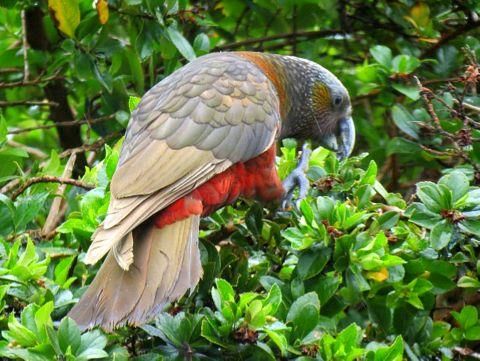
RBL New Zealand – South Island Endemics & Extension Itinerary                               7

                                                                re-introduced to Zealandia as it
                                                                became extinct on the mainland
                                                                due to introduced predators
                                                                such as stoats. To save the
                                                                species it was placed on several
                                                                offshore predator-free islands.
                                                                We will hope for a sighting here
                                                                as the birds are breeding and
                                                                population increasing.

                                                                Day 9: Final departure. This
                                                                morning we will transfer to the
                                                                local airport after breakfast
                                                                where the tour will conclude.
                                                                Those continuing onwards for
                                                                our South Island Endemics tour
                 Little Spotted Kiwi by Adam Riley              will take a flight to
                                                                Queenstown.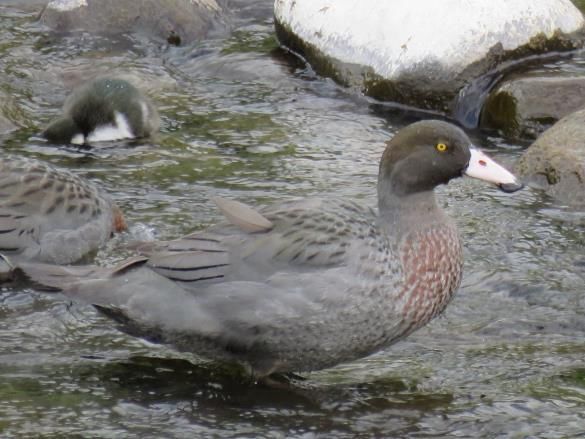
RBL New Zealand – South Island Endemics & Extension Itinerary                                               8

                         South Island Endemics
                                                              Day 1: Arrival in Queenstown, transfer
                                                              to Omarama. After breakfast today, we
                                                              will begin our drive to Omarama in the
                                                              MacKenzie Country, so-named after an
                                                              early pioneer. On the drive we will see our
                                                              first endemics such as Paradise Shelduck
                                                              and Black-billed Gulls. We should arrive in
                                                              Omarama in the late afternoon in time to
                                                              settle in and enjoy the fantastic scenery
                                                              from our country hotel in the Mackenzie
                                                              region. A visit toa nearby site may produce
                                                              New Zealand Falcon or Little Owl.

                                                            Day 2: Mount Cook area. Today, we will
                                                            search in earnest for Black Stilt. This is one
            South Island Saddleback by Adam Riley           of New Zealand’s most endangered species
                                                            and thought to be the world’s rarest wader
at less than 200 individuals. We also have chances for the beautiful endemic Double-banded Plover
(Banded Dotterel) Black-fronted Tern and Wrybill, which nest on the braided riverbeds. The scenery is
breath-taking, and we will see New Zealand’s highest peak, the snow-covered Mount Cook at (3724m).
Other species possible in this area may include New Zealand Falcon, Swamp Harrier, Paradise Shelduck,
New Zealand Scaup, Grey Teal, Eurasian Coot, Great Crested Grebe, Masked Lapwing, New Zealand
(Australasian) Pipit, Australian Magpie, Yellowhammer and Common Redpoll.

Day 3: Omarama to Te Anau. This morning we visit several wetlands, again searching for Black Stilt
in case we missed it the previous day. While searching for this enigmatic species, we will also look for
other river-loving species which may include further chances for the endemic Double-banded Plover,
Black-fronted Tern, Black-billed Gull and
New Zealand Pipit. Small passerines
introduced from Europe are another feature
of this area, with possibilities for
Yellowhammer, European Greenfinch,
European Goldfinch, Common Redpoll,
Song Thrush and Dunnock. From here we
will drive along the southern shores of Lake
Wakatipu and then through rolling open
country to Te Anau for a two-night stay.

Day 4: Fiordland National Park. This
morning we head through to Fiordland
National Park, allowing for breath-taking
views of this area, New Zealand’s largest
national park, also rightfully declared as a
World Heritage Area. En route we’ll be on           The critically endangered Black Stilt by Erik Forsyth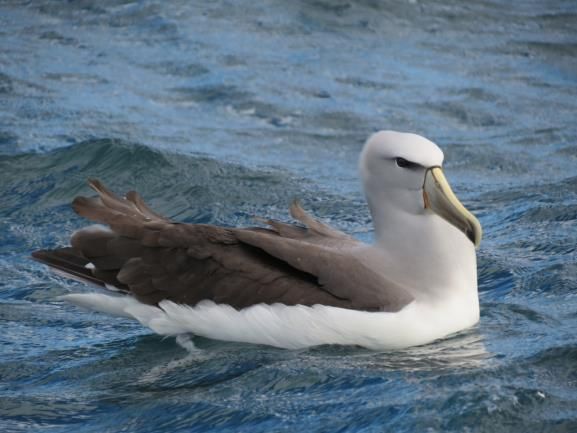
RBL New Zealand – South Island Endemics & Extension Itinerary                                         9

                                                              the lookout for the scarce New Zealand
                                                              Falcon and also for Blue Duck. Near the
                                                              Homer Tunnel, we will take a short hike to
                                                              look for the rare and localised New Zealand
                                                              Rockwren. We will have to be patient and
                                                              scan the large boulders carefully for this
                                                              tiny bird! Afterwards, we will take various
                                                              stops in Beech Forest to look for New
                                                              Zealand Kaka, Yellow-crowned Parakeet,
                                                              New Zealand Robin, Tomtit, Pipipi (Brown
                                                              Creeper) and Rifleman, a member of the
                                                              endemic family of New Zealand Wrens.
                                                              The fantastic Kea, a true Alpine parrot are
                                                              also found here. There are also some
                                                              beautiful forest walks in this area, so we
              New Zealand Robin by Adam Riley                 will take our time before heading back to
                                                              our accommodation.

Day 5: Te Anau to Stewart Island. After driving down to Invercargill, we will catch a ferry from Bluff
to Stewart Island, New Zealand’s third largest island and newest national park. Stewart Island is wild
and rugged, with few roads and high numbers of birds, making it a very exciting place indeed! During
one of our two evenings in this area, we will search for the localised Stewart Island form of Southern
Brown Kiwi.

Day 6: Stewart Island Pelagic. A highlight on Stewart Island is the opportunity for a pelagic tour
exploring nearby islands and the spectacular coastal scenery. Again, those who require motion sickness
medication will want to plan ahead as our trip will take us around the south-eastern side of the island, to
South Cape and the Southern Muttonbird Islands. En route out of the harbour we will scan the large rocky
shoreline carefully for the endemic Fiordland Penguin. While further out we will venture close to Bench
Island to look for the very rare and endemic, Yellow-eyed Penguin as they scramble over rocks en route
to their burrows. There will also be the
opportunity to see a colony of Foveaux
Shags on their breeding Island.

Day 7: Stewart Island. This morning we
will catch a water taxi to Ulva Island in
Paterson Inlet, a forested jewel, which will
put us into some of the best avian bush
walking in New Zealand. Ulva Island is a
predator-free haven for a variety of birds,
including the Stewart Island form of Weka,
Tui, New Zealand Bellbird, the south island
form of New Zealand Kaka, both Red-
crowned and Yellow-crowned Parakeets,
South Island Saddleback, the endangered
Yellowhead, New Zealand Robin and New
Zealand Pigeon (locally known as the                       Blue Duck with chick by Erik Forsyth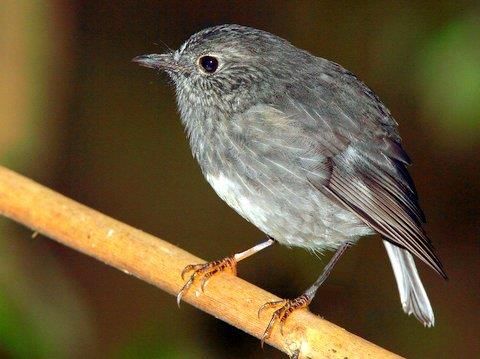
RBL New Zealand – South Island Endemics & Extension Itinerary                                       10

                                                             Kereru). There is an excellent series of
                                                             paths around the island and we’ll be out for
                                                             several hours before taking the water taxi
                                                             back to Golden Bay on Stewart Island for
                                                             lunch. The afternoon will be free-time and
                                                             there are a few shops, cafeterias and walks
                                                             available close to our hotel.

                                                              We will encounter a variety of albatross,
                                                              shearwaters and petrels today, with
                                                              possibilities     including     Wandering,
                                                              Southern and Northern Royal, Campbell’s,
                                                              Black-browed, Salvin’s and possibly
                                                              Buller’s      Albatross,    Northern    and
                                                              occasionally Southern Giant Petrel, White-
                                                              chinned Petrel, Brown Skua, Sooty
        Salvin’s Albatross off Kaikoura by Erik Forsyth       Shearwater, Cape and occasionally Mottled
Petrels, Common Diving Petrel, Little (Blue) Penguin as well as chances for Grey-backed Storm Petrel.
After what promises to be an exciting outing, we will return to Oban arriving in the afternoon. There will
be relaxing time after our boat tour before meeting for dinner.

Day 8: Stewart Island to Dunedin. This morning, we will catch the ferry to Bluff and drive to Dunedin
for two-night stay. There will be several stops in small towns to enjoy a coffee break and lunch before
we arrive in the city of Dunedin. The city centre has kept many of its old buildings and the architecture
is quite stunning, especially the old train station. We will settle into our hotel for a relaxing evening.

Day 9: Dunedin area. Once in the Dunedin
area we will visit Taiaroa Head and spend
time at the headland looking for Northern
Royal Albatross, here at their only mainland
breeding site. Depending on the conditions
(the windier the better), we can admire these
gigantic and extremely impressive birds
(weighing up to 9kg!) as they fly past the
headland. Active colonies of endemic Otago
and Spotted Shags, Silver Gulls, White-
fronted Terns and a few Royal Spoonbills
will vie for our attention on a nearby cliff
face.

Day 10: Departure day. After breakfast, we
transfer to the airport at Dunedin where our
tour of New Zealand concludes.                              Yellow-eyed Penguin by Erik Forsyth
RBL New Zealand – South Island Endemics & Extension Itinerary 11
FINANCIAL ARRANGEMENTS:
Tour dates, prices, single supplement rates, approximate flight costs and spaces available for this
tour are displayed on our website. Please see under IMPORTANT NOTES below.
This includes:
• All meals from lunch on day 1 to breakfast on day 9 of the North Island Endemics tour and from
lunch on day 1 to breakfast on day 10 of the South Island Endemics tour;
• All lodgings;
• All ground transportation;
• All national park entrance fees; and
• All guiding services (including tips for local guides and services.)
The tour fee does not include:
• ANY flights (see above);
• Visa fees;
• Any drinks;
• Special gratuities; and
• Telephone calls, laundry and other items of a personal nature.
• Optional Royal Albatross hide visit
Single Supplement: The single supplement cost for this tour will be charged if you wish to have single
accommodation. If RBL cannot provide you with a rooming partner for these nights although you choose
to share, the single supplement will become applicable. We will make all reasonable efforts to ensure that
a rooming partner is found if you do wish to share.
IMPORTANT NOTES:
a) Due to constantly fluctuating exchange rates, we quote our tours in 4 currencies. The tour price
is however fixed only in the currency printed in bold (New Zealand Dollar - NZ$), and the actual
cost in the other currencies listed will be adjusted according to prevailing exchange rates at the
time of final invoicing (usually 4 months before the tour.) The same applies to approximate flight
and single supplement rates, which are also quoted in the respective fixed currency.
b) Rates are based upon group tariffs; if the tour does not have sufficient registration a small party
supplement will have to be charged.
c) Furthermore, these costs are subject to unforeseen increases in tour related costs and may have
to be adjusted as a result.
d) Lastly, we may be forced to change or alter the itinerary and / or the designated Rockjumper
leader/s at short or no notice due to unforeseen circumstances; please be aware that we will attempt
to adhere as close to the original program as possible.
Tipping: As noted above, gratuities (drivers, hotel staff, restaurants etc) are included on this tour.
However, this does NOT include your Rockjumper leader. If, therefore, you feel that he has given you
excellent service, it is entirely appropriate to tip him.
Please note:
• It is important for the comfort of your fellow travellers that you do not over-pack. Kindly stick to
20kg (44lb) for check in luggage and 8kg (+-18lb) for hand luggage.RBL New Zealand – South Island Endemics & Extension Itinerary 12
• Accommodation throughout the trip is of a good standard and the hotels and resorts that we make
use of range from comfortable to good. There is no camping on this trip.
• Please note that the seas during the various pelagic trips can be unpredictable and participants
who opt of these pelagics must, therefore, bear this in mind. If you have any medical conditions
or physical limitations relating to balance and mobility, please do let the Rockjumper office know.
Furthermore, it is essential that you bring along some motion sickness medication if you suspect
that you could be prone to seasickness. We suggest that you contact your travel doctor for
information regarding the various medication options.
ARRIVAL & DEPARTURE DETAILS:
This tour does not include ANY airfares. The North Island Endemics tour will begin in Auckland on day
1, with a transfer from the airport to Snell’s Beach. Please arrive in Auckland before 13:00. The tour will
conclude after breakfast at Wellington airport.
The South Island Endemics tour will begin in Queenstown on day 1, with a transfer from the airport to
Omarama. Please arrive in Queenstown before 11:00. The tour will conclude after breakfast at Dunedin
International Airport on Day 10.
The above information in respect of arrivals and departures is a guide only. Precise arrival and departure
information will be sent to you in your Tour Confirmation package once the tour has been officially
confirmed. If you wish to arrive early and/or depart late and would like assistance in this regard, kindly
contact the Rockjumper office.
FLIGHTS:
Auckland Airport, Auckland (IATA: AKL) is the main port of entry for international flights into New
Zealand and is well serviced by many of the world’s major airlines. Dunedin International Airport,
Dunedin (IATA: DUD) and Queenstown Airport (IATA: ZQN) are both easily reached via internal
flights from Auckland. Please DO NOT book any flights until you have consulted the Rockjumper
office for confirmation on the status of the tour.You can also read


