Non-Chronological Reports
←
→
Page content transcription
If your browser does not render page correctly, please read the page content below
Non-Chronological Reports
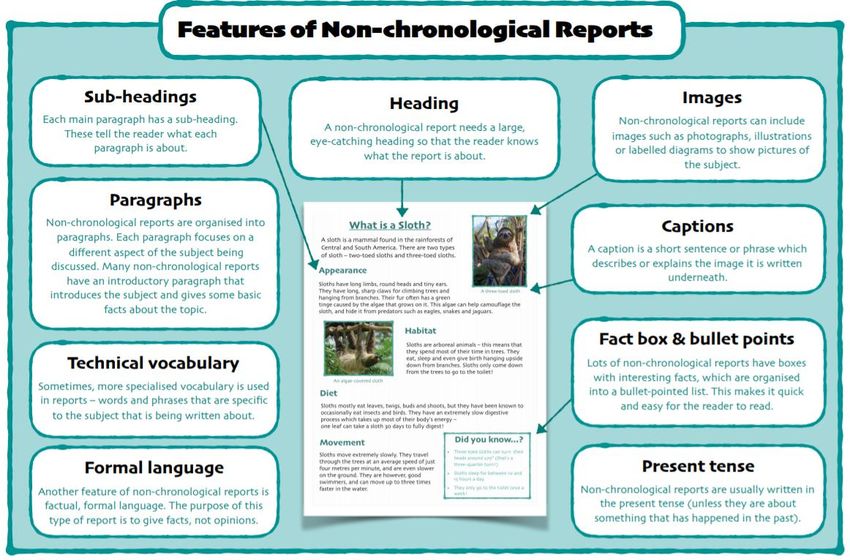
We will be writing a non-chronological report this week about an animal that
was in England during the Viking era.
These video clips and web pages will help you to understand what a non-chronological
report is:
https://www.theschoolrun.com/what-is-a-non-chronological-report
(great for adults to understand what we are writing)
https://www.bbc.co.uk/programmes/p030bdk0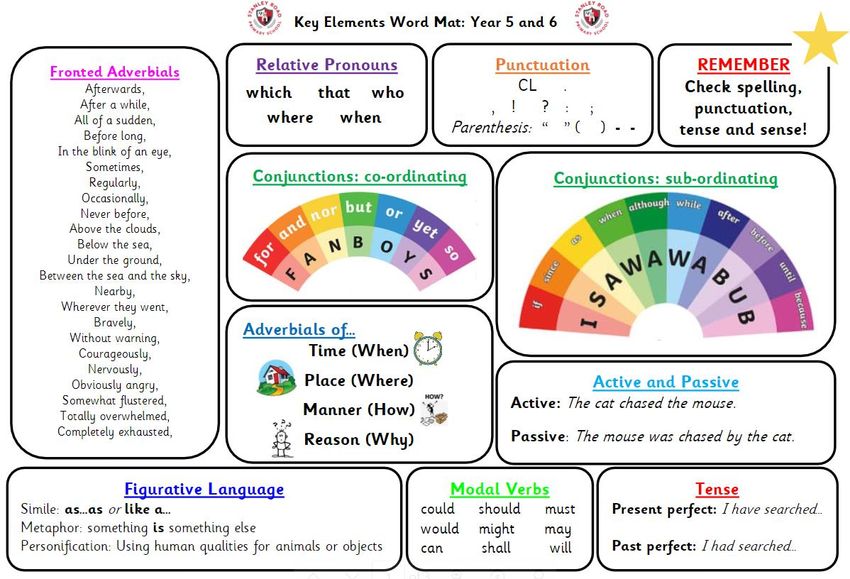
LO: To identify features of a non-chronological report Self-Assessment
Read text Monday 1st
Identify and highlight features in the text
Write examples / explain February
Find sentence skills in the text Together
Which features and skills can you spot in this report?
Can you spot:
Title
Paragraphs
Subheadings
Information
grouped in
paragraphs
Non-chronological
order
Opening statement
Present tense
Technical
vocabulary
Passive voice
Explanation to
clarify ideas
Highlight
any features
you can find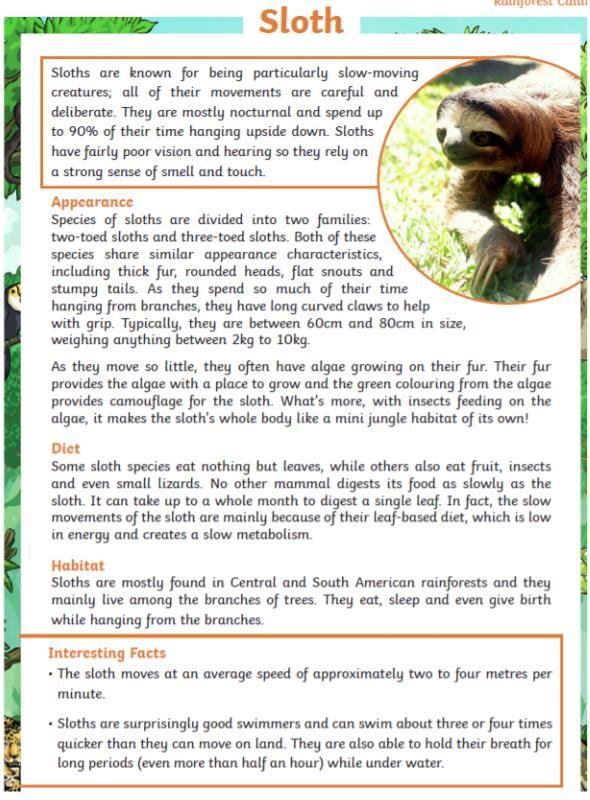
Use this if you are in the Teams lesson – we will complete this one together.
Using the text ‘Storing Food’ find examples of the following features
and write them in the table:

     Feature                             Example or explanation
 Title
 Subheadings
 Ideas grouped
 in paragraphs
 (How many
 paragraphs are
 there?)
 How do you
 know it is not in
 chronological
 order?
 Opening
 statement
 Technical
 vocabulary
 Explanation to
 explain or
 clarify for the
 reader
 Passive voice
 (where
 something is
 done to the
 subject of the
 sentence)
 Use of the
 present tense

What other sentence skills can you identify?
 Subordinate
 clause
 Adverbial
 phrase
 Expanded noun
 phrase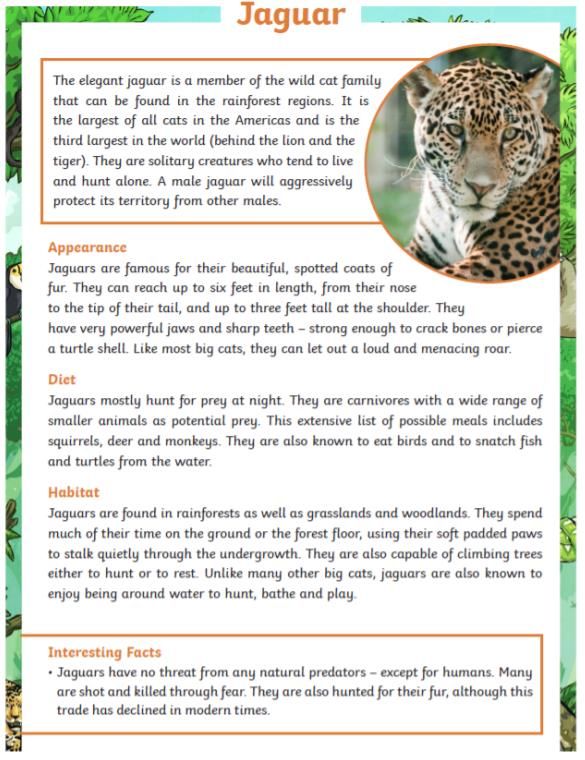
LO: To identify features of a non-chronological report Self-Assessment
Read text Monday 1st
Identify and highlight features in the text
Write examples / explain February
Find sentence skills in the text Independently
Which features and skills can you spot in this report?
Can you spot:
Title
Paragraphs
Subheadings
Information
grouped in
paragraphs
Non-
chronological
order
Opening
statement
Present tense
Technical
vocabulary
Passive voice
Explanation to
clarify ideas
Highlight
any
features
you can
find?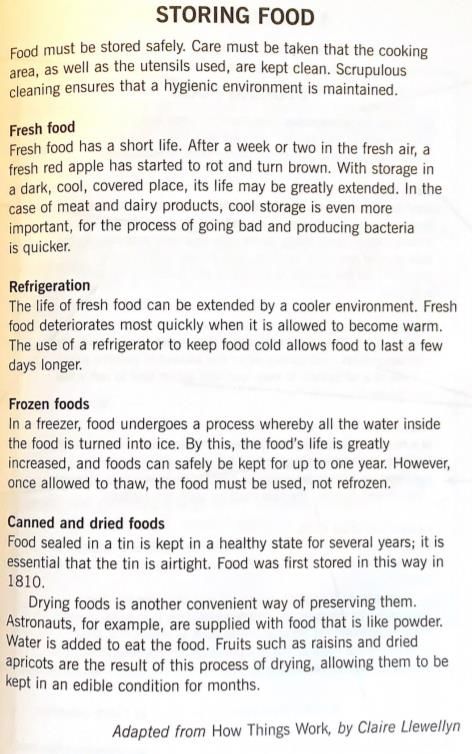
Using the text ‘Storing Food’ find examples of the following features
and write them in the table:

    Feature                       Example or explanation
Title
Subheadings
Ideas grouped
in paragraphs
(How many
paragraphs are
there?)
How do you
know it is not in
chronological
order?
Opening
statement
Technical
vocabulary
Explanation to
explain or
clarify for the
reader
Passive voice
(where
something is
done to the
subject of the
sentence)
Use of the
present tense

What other sentence skills can you identify?
Subordinate
clause
Adverbial
phrase
Expanded noun
phrase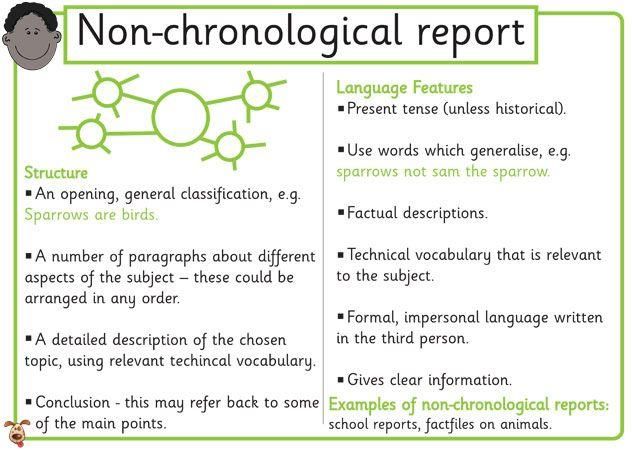
Challenge:
If you want to challenge yourself can you find all the features in this
report too?
LO: To research and write notes                                Self-Assessment
Read / listen                                                                    Tuesday 2nd
What are the key areas? Topics?                                                   February
Write notes
                                                                                  Together
Organise notes

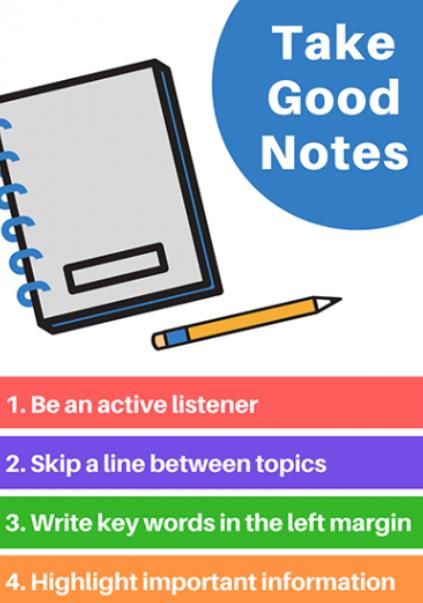
Today we will be practising and improving our note taking skills.
                          Our non-chronological report is going to be about an animal that
                          could be found in England during Viking times.
                          We are going to take notes about 1 animal together over Teams.
                          You will make your notes on a different animal by yourselves.

                                  The video we are using is:

                                  https://www.bbc.co.uk/programmes/p00574b2

                                  https://kids.nationalgeographic.com/animals/mammals/brown-
                                  bear/

https://www.nationalgeographic.com/animals/mammals/b/brown-bear/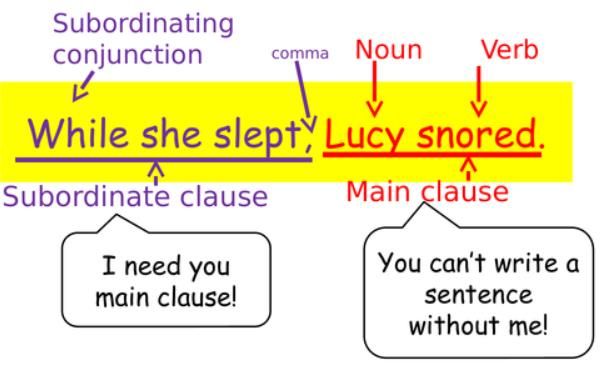
BROWN BEAR While the black bear is found only throughout North and Central America, the brown bear family is spread all over the world. They live in dense forests in mountains, valleys and meadows and can be found in Canada, in central regions of the U.S. And throughout Europe and Asia. Brown bears can be recognized by their most distinctive feature, their shoulder hump. Super strong shoulder muscles help this bear to dig up roots and tear apart logs to find food. These muscles are located in the ‘hump’ of the brown bear. Brown bears can move rocks and logs and dig through hard soil and rocky ground using their long sharp claws, when making their dens. The brown bear’s diet is quite similar to all other bears. They eat grass, fruit, insects, roots and bulbs of plants along with carrion and, when hungry enough, they will hunt small animals. Brown bears that live near the coast feed on fish, particularly salmon. These bears will grow much larger than others because of their protein rich diet. The entrance of a Brown Bear's den is a tunnel that goes down to a small ‘bedroom’. The female bear will hibernate all winter long, not even waking up to give birth! The baby cubs will find their way to their mother’s chest and nurse and sleep until the mother bear wakes up. By the time she does wake up her teeny little cubs are much larger and quite playful! The den will probably be used only once. A Brown Bear cub’s life is dangerous. There are many animals that don’t mind eating bear cubs and male adult bears are one of them! The Brown Bear, like it’s relative, the Black Bear, has many sub-species: Alaskan Asiatic European Grizzly bear (North America) Himalayan snow bear Kodiak bear (Alaska) Hokkaido brown bear (Japan) Siberian bear (Russia) Red bear (India and the Himalayas) (Source: https://www.kidzone.ws/lw/bears/facts-brownbear.htm)
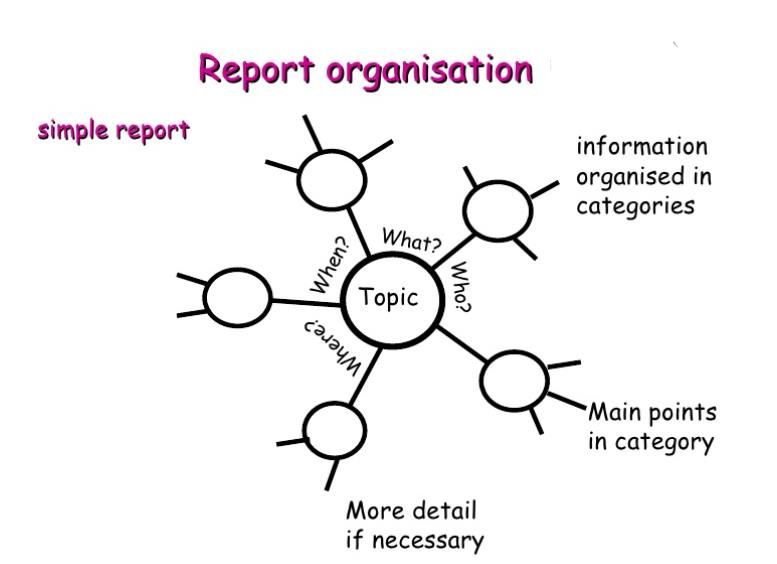
Task: Notes about Bears
What topics have you found out about?
You could write your notes like this (this is a little harder to complete online)

If you are working on a computer, you might find it easier to organise your notes like this…

                                        Brown Bears
 Topic                      My notes

 Appearance
 What do they look like?

 Habitat / location
 Where can you now
 find them?

 Purpose
 What do they do?
 What are they for?

 Significance
 Why are they
 important?

 Other useful
 information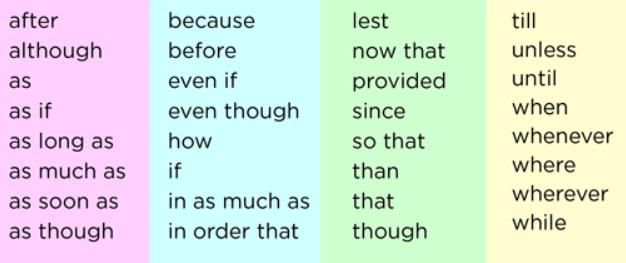
LO: To research and write notes Self-Assessment
Read / listen Tuesday 2nd
What are the key areas? Topics? February
Write notes
Independently
Organise notes
Today we will be practising and improving our note taking skills.
Our non-chronological report is going to be about an animal that
could be found in England during Viking times.
You can choose your own animal if you would like to.
Animals which were around during the Viking Era were:
Wolves
Lynxes
Deer
Badgers
Foxes
Ravens
Birds of Prey
These resources are about grey wolves but you might choose to research a different animal
from the list above.
Video Clips:
https://www.bbc.co.uk/programmes/p0592qb5
https://www.nationalgeographic.com/animals/mammals/g/gray-wolf/
Information:
https://www.nationalgeographic.com/animals/mammals/g/gray-wolf/
https://www.britannica.com/animal/gray-wolf
https://kids.nationalgeographic.com/animals/mammals/gray-wolf/
https://www.bbc.co.uk/programmes/profiles/3YGrhtwGmq993gCDFPdSHjX/grey-or-gray-
wolf
https://www.bbc.co.uk/bitesize/articles/zj88cqt
Several of these websites are American – some of the spellings are different to the way we
spell words in English (Grey = Grey, behaviour = behaviour)
This is also a great website for BBC clips:
https://www.naturalcurriculum.co.uk/Grey Wolf Wolves live in groups called packs. A pack is a family of seven to eight wolves with a mom, dad, and offspring. The wolves' communication skills are very important to the pack's survival. Wolves work together to hunt, raise their young, and protect their territory. Wolves communicate with more than howls. They whimper and whine, growl and bark, yelp and snarl. They also use scents produced by their bodies to communicate. A wolf’s sense of smell is 100 times stronger than a human’s. One source of scent is urine, which they use to mark territory and to tell other wolves in their own pack where they are. Another way wolves communicate is through body language. If a wolf feels confident, it will approach another wolf with its head and tail held high and ears perked up. If you saw a wolf slinking toward another with its body lowered, its tail between its legs, and its ears flattened, you'd know it was approaching a dominant animal. When a pack of wolves does howl, it can be heard from ten miles away. The howl is used as a way to call to another pack or warn of danger. Each pack has a unique howl, and while they don’t howl at the moon, wolves howl more when the moon is full and bright. When a wolf wants to play, it prances about happily and bows—lowering the front of its body while its rump stays up in the air with its tail wagging. When its angry, a wolf may furrow its forehead, show its fangs, or growl. A wolf's body language may remind you of another animal: a pet dog. Wolves and dogs are closely related, and the ways they communicate are similar. Young wolves stay in their parents' pack for at least two years before some of them take off to join other packs or to start their own. They may stay close to their parents or go far away. Wolf pups play a lot as they're growing. They leap and pounce, chase and wrestle, play hide-and-seek and tag—a lot like you do! A new wolf couple will produce one litter of pups every year. Just like a human older brother or sister looks after its younger sibling, the older wolf offspring care for their younger brothers and sisters by finding them food. In some areas, grey wolfs are classified as endangered, but in most places, they are seen to have healthy population numbers.
Task: Notes about ________________
What topics have you found out about?
You could write your notes like this (this is a little harder to complete online)

If you are working on a computer, you might find it easier to organise your notes like this…

                                           Wolves
 Topic                      My notes

 Appearance
 What do they look like?

 Habitat / location
 Where can you now
 find them?

 Purpose
 What do they do?
 What are they for?

 Significance
 Why are they
 important?

 Other useful
 information
LO: To shape a sentence – subordinate clauses Self-Assessment
Read sentence Wednesday 3rd
Identify main clause (includes a noun and a verb) February
Identify subordinate clause (doesn’t make sense by itself)
Together
Add subordinate clauses
We are going to start to change some of our notes into sentences.
We are going to improve our notes by using subordinate clauses.
A main clause must have a noun and a verb.
A subordinate clause adds extra detail to the sentence, but does not make sense by itself.
A subordinate clause can appear anywhere in the sentence.
----------------------------------
Spot the main clause and the subordinate clause. Label each one.
When they are hungry, brown bears hunt salmon.
Subordinate clause main clause
Try these:
Found all over the world, brown bears live in forests.
Brown bears can move rocks and logs and dig through hard soil
rocky ground using their long sharp claws, when making their dens.
Brown bears that live near the coast feed on fish, particularly salmon.We are now going to add a subordinate clause to each of
these sentences.
Remember to use a comma (,) to show the main and subordinate
clause.
The female brown bear will hibernate all winter long.
Brown bears enter their den through a tunnel.
Brown bears can dig through hard soil.
Brown bears enter their den through a tunnel.
The bears can hunt small animals.
Did you use any conjunctions?
Do you think these are important? Why?LO: To shape a sentence – subordinate clauses Self-Assessment
Read sentence Wednesday 3rd
Identify main clause (includes a noun and a verb) February
Identify subordinate clause (doesn’t make sense by itself)
Independently
Add subordinate clauses
We are going to start to change some of our notes into sentences.
We are going to improve our notes by using subordinate clauses.
A main clause must have a noun and a verb.
A subordinate clause adds extra detail to the sentence, but does not make sense by itself.
A subordinate clause can appear anywhere in the sentence.
----------------------------------
Write you own sentences about your animal using your notes for
ideas.
Remember to:
Write a main clause – a sentence which makes sense by itself.
Use a subordinate clause to add detail.
Use a comma (,)
You might include a conjunction:Create your own sentences with a main clause and a subordinate clause. Remember to use a comma (,) to show the main and subordinate clause. Try to label the main clause and the subordinate clause. Challenge: Use one or two of your sentences above to write an introduction to your non-chronological report:
LO: To plan a non-chronological report                       Self-Assessment
 Identify key features of text                                                     Thursday 4th
 Read ‘hints’ on plan                                                                February
 Organise notes – use subheadings
                                                                                     Together
 Choose key skills to include

Today we are going to organise our ideas ready to write our non-chronological report
tomorrow.
We are also going to explore vocabulary choices we could make and sentence skills we
could use.

Remember:

We are also trying to use some of these skills in our writing:

 Expanded noun phrases          Adding adjectives to describe a noun
                                The graceful, reserved brown bear…
 Subordinate clauses            See yesterday’s work
 Relative clauses
 Adverbial phrases
                                                       See word mat on next page
 Passive voice
 Modal verbs
 Conjunctions
Our plan:
Section / Key skills and
Think About My notes and ideas
Features vocabulary
The subject of your report
Title in no more than 4 words
Brown Bears Alliteration
Tell the reader…
What they are
Introduction What group / species they Relative clause
belong to
Think about where and when
Consider key features you
want to write about.
Main text Use a new paragraph for each
paragraphs feature
Include a subheading for each
new feature.
What is special about your
Significance subject?
Link to alive during Viking era.
Summary End your report with a short
reminder of the main points,
statement use different words this time!Independent Task – Write your plan for the animal you have researched independently. If you are finding this a
little tricky you can always write your own plan for Brown Bears.
Section / Key skills and
Think About My notes and ideas
Features vocabulary
The subject of your report in
Title no more than 4 words
Tell the reader…
What they are
Introduction What group / species they
belong to
Think about where and when
Consider key features you
want to write about.
Main text Use a new paragraph for each
paragraphs feature
Include a subheading for each
new feature.
What is special about your
Significance subject?
Link to alive during Viking era.
Summary End your report with a short
reminder of the main points,
statement use different words this time!LO: To write a non-chronological report Self-Assessment
Use plan Friday 5th
Use key features – see below
Write in full sentences
February
Use appropriate layout Together
Include a range of sentence skills
Remember:
We are also trying to use some of these skills in our writing:
Expanded noun phrases Adding adjectives to describe a noun
The graceful, reserved brown bear…
Subordinate clauses See yesterday’s work
Relative clauses
Adverbial phrases
See word mat on next page
Passive voice
Modal verbs
ConjunctionsTogether:
Brilliant Brown Bears
Brown bears, which could be found in Britain
during the Viking era, are still commonly
found in America and Europe. There are many
sub-species of brown bear, who are also
known as ‘Ursus Arctos’.
AppearanceIndependently: You can use this writing frame for you report – or you can create your own.
You can also read


