North Central London Local Digital Roadmap - University ...
←
→
Page content transcription
If your browser does not render page correctly, please read the page content below
North Central London Local Digital Roadmap
1   Executive Summary

Health and care services are facing unprecedented challenges with an ageing population, increasing prevalence of long term and complex conditions and
persistent inequalities in health outcomes based on ethnicity, geography and socioeconomic status. There is significant variation in the quality of care
delivered and increasing financial pressures maintaining sustainable and high quality clinical services.

North Central London (NCL) is a complex landscape of 5 Clinical Commissioning Groups, 5 Local Authorities and 12 acute, community, mental health and
specialist providers who, until recently, have predominantly operated independently with no shared digital strategy. Digital maturity across the health and
care system is therefore variable and information exchange across the whole system is limited.

Although individual organisations have collaborated on digital projects, working collectively across all organisations remains a relatively new endeavour and
we continue to build the trust required to enable us to do so. This is reflected in a number of local achievements but no current whole system projects.

Through the development of this local digital roadmap the 22 partner organisations and the North East London Commissioning Support Unit (NELCSU) have
come together to agree how we can use digital technologies and information to move from our current models of care to deliver proactive, predictive,
participatory, person-centred care for the population we serve in NCL.

We are proposing a model that requires NCL to completely transform the way digital services are currently delivered. Our plans are based on developing an
NCL Population Health Management Model which includes the technology, data and analytics required to manage the health and wellbeing of the NCL
population, underpinned by a move from paper to digital care processes within provider organisations.

Five digital themes underpin our vision and ambition.

    1. Digitally activated population: We will provide our citizens with the ability to transact with healthcare services digitally, giving them access to their
       personal health and care information and equipping them with tools which enable them to actively manage their own health and wellbeing

    2. Connected care: We will create and share care records and plans that can be shared across health and care systems seamlessly to enable integrated
       care delivery across organisations

    3. Insights driven health system : We will use data collected at the point of care to identify populations at risk, to monitor the effectiveness of
       interventions on patients with established disease and deliver whole systems intelligence so the needs of our entire population can be predicted and
       met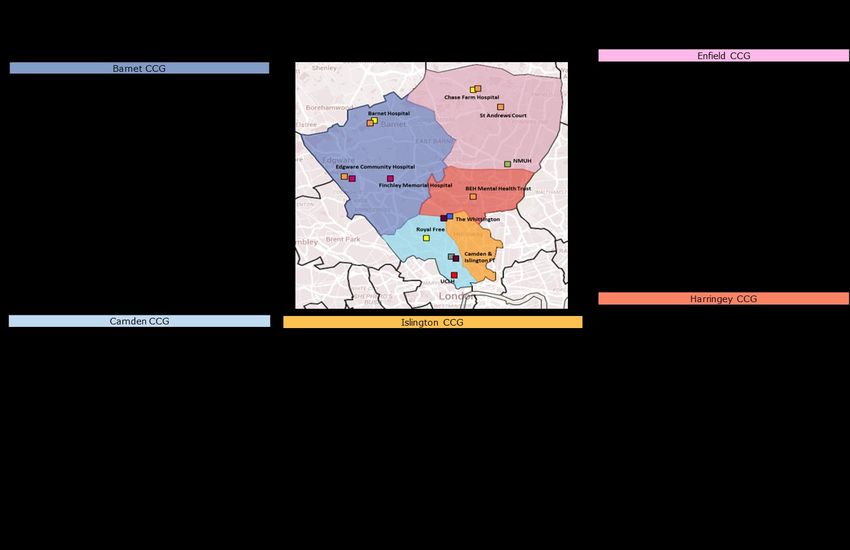
4. Digitally enabled workforce: We will support our providers to move away from paper to fully digital care processes and provide infrastructure which
enables our care professionals to work and communicate effectively, anywhere at any time
5. Sustainable Care: We will improve efficiency and productivity through consolidation of digital services, applications and projects
This supports our STP prevention, service transformation and productivity objectives and will enable us to meet the national mandate of operating paper free
at the point of care. Through this model we will move from a landscape of diversity and variation to one of shared principles, consolidation and joint working
for the benefit of the population.
This roadmap sets out our baseline position and current state of readiness to achieve our ambitions.
Delivery of our NCL digital roadmap has a number of strategic risks
The programme requires a significant level of investment
The future operating model and organisational structure of the STP is undetermined as yet
We are starting from a position of limited collaboration and readiness to deliver
While we have made good progress defining a digital strategy, and have identified the level of investment likely to be required, there is a dependency of
having clarity about the STP operating model and availability of resources before we can finalise our plans.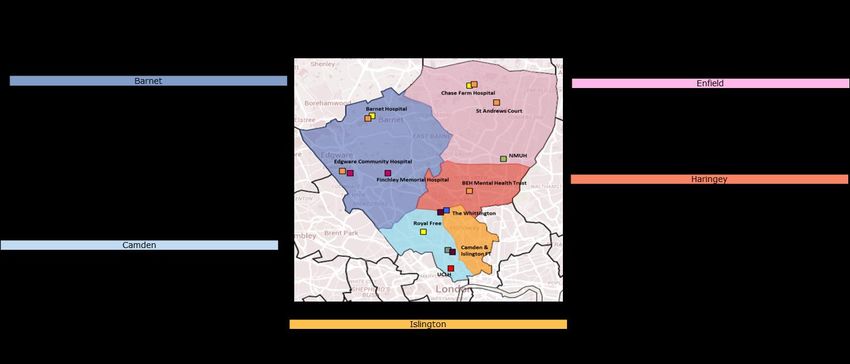
Contents
1       Executive Summary ...................................................................................................................................................................................................................................................................... 3
Contents ................................................................................................................................................................................................................................................................................................ 5
2       Introduction ................................................................................................................................................................................................................................................................................. 8
3       NCL Context .................................................................................................................................................................................................................................................................................. 9
4       NCL Sustainability and Transformation Plan .............................................................................................................................................................................................................................. 11
5       The digital vision and ambition for North Central London ......................................................................................................................................................................................................... 13
6       NCL digital maturity baseline ..................................................................................................................................................................................................................................................... 19
    6.1          Digital maturity assessment .............................................................................................................................................................................................................................................. 21
    6.2          Key achievements .............................................................................................................................................................................................................................................................. 23
        6.2.1        I:HUBs ............................................................................................................................................................................................................................................................................ 23
        6.2.2        Centre of Global Digital Excellence ............................................................................................................................................................................................................................... 23
        6.2.3        CIDR ............................................................................................................................................................................................................................................................................... 23
7       NCL Digital Strategy .................................................................................................................................................................................................................................................................... 24
    7.1          Activate: Digitally activated population ............................................................................................................................................................................................................................ 26
    7.2          Analyse: Insights driven healthcare system ...................................................................................................................................................................................................................... 28
    7.3          Share: Integrated and connected care .............................................................................................................................................................................................................................. 30
    7.4          Link: Integration and messaging to connect care .............................................................................................................................................................................................................. 33
        7.4.1        Interoperability principles ............................................................................................................................................................................................................................................. 34
        7.4.2        Integration architecture ................................................................................................................................................................................................................................................ 35
        7.4.3        Standards ...................................................................................................................................................................................................................................................................... 37
    7.5          Digitise: Applications to enable paper free working at the point of care ......................................................................................................................................................................... 40
        7.5.1        Records, assessments and plans ................................................................................................................................................................................................................................... 40
        7.5.2        Transfers of Care ........................................................................................................................................................................................................................................................... 43
        7.5.3        Orders and Results Management ................................................................................................................................................................................................................................. 45
        7.5.4        Medicines Management and Optimisation................................................................................................................................................................................................................... 46
        7.5.5        Decision Support ........................................................................................................................................................................................................................................................... 47
        7.5.6        Remote and Assistive Care ............................................................................................................................................................................................................................................ 48
        7.5.7        Asset and Resource Management ................................................................................................................................................................................................................................ 49
7.5.8       Capability trajectory ...................................................................................................................................................................................................................................................... 50
     7.6         Enable: Infrastructure to digitally enable new models of care ......................................................................................................................................................................................... 51
         7.6.1       Collaborative working ................................................................................................................................................................................................................................................... 55
8        Universal capability deployment plans ...................................................................................................................................................................................................................................... 56
9        Information sharing .................................................................................................................................................................................................................................................................... 58
     9.1         Plans for establishing a common information sharing agreement ................................................................................................................................................................................... 58
10       Capability Deployment Plan ....................................................................................................................................................................................................................................................... 60
11       Sustainable Care ......................................................................................................................................................................................................................................................................... 62
         11.1.1          Local Authorities ....................................................................................................................................................................................................................................................... 62
         11.1.2          CCGs .......................................................................................................................................................................................................................................................................... 62
         11.1.3          Providers ................................................................................................................................................................................................................................................................... 62
12       Readiness to deliver ................................................................................................................................................................................................................................................................... 64
     12.1        Leadership ......................................................................................................................................................................................................................................................................... 64
     12.2        Clinical Leadership ............................................................................................................................................................................................................................................................. 65
     12.3        Governance ....................................................................................................................................................................................................................................................................... 65
     12.4        Delivery Model .................................................................................................................................................................................................................................................................. 67
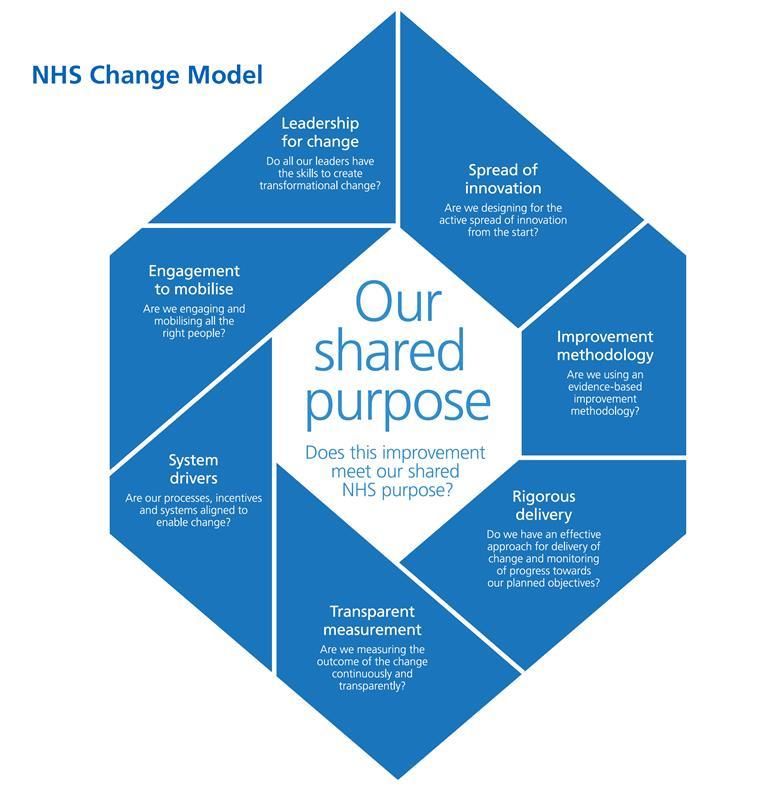
     12.5        Change and benefits realisation ........................................................................................................................................................................................................................................ 70
         12.5.1          Change approach ...................................................................................................................................................................................................................................................... 70
         12.5.2          Benefits Management and Measurement ................................................................................................................................................................................................................ 71
         12.5.3          Sources of funding .................................................................................................................................................................................................................................................... 73
     12.6        Risk Management .............................................................................................................................................................................................................................................................. 74
13       Next steps................................................................................................................................................................................................................................................................................... 77
14       Local Digital Roadmap development ......................................................................................................................................................................................................................................... 79
Appendix A: Capability Deployment Schedule .................................................................................................................................................................................................................................... 80
Appendix B: Regional Initiatives ......................................................................................................................................................................................................................................................... 87
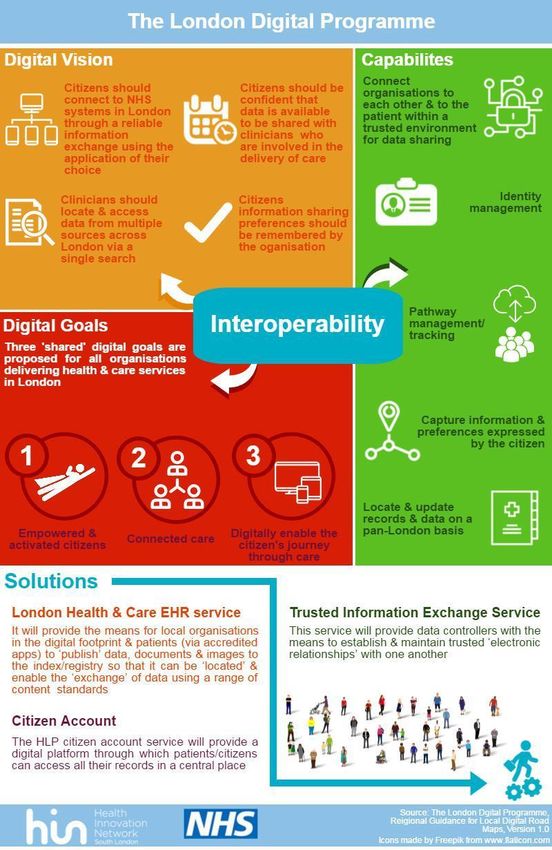
     London Digital Programme ............................................................................................................................................................................................................................................................. 87
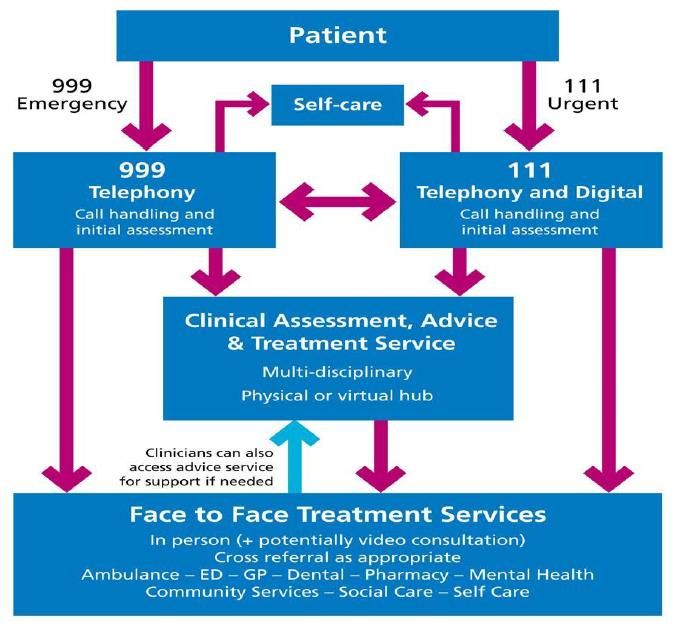
     Integrated Urgent Care................................................................................................................................................................................................................................................................... 90
     London Ambulance Service ............................................................................................................................................................................................................................................................ 95
Appendix C: Baseline system landscape ............................................................................................................................................................................................................................................. 96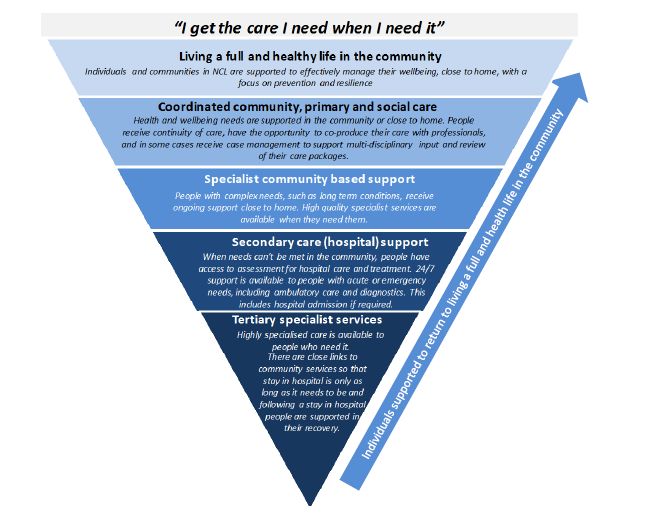
2   Introduction
Effective delivery of health and care services is threatened by a changing population demographic and unsustainable affordability of current service delivery
models, where the emphasis is on managing illness rather than promoting wellness. The future state must empower citizens to take more control over
managing their own health and wellbeing and enable integrated care delivery across organisations. We must address the holistic physical and emotional
needs of our population, reduce the ethnic, geographical and socioeconomic inequalities in care that exist today and assure the financial sustainability of our
local heath and care services.

There is significant and immediate opportunity for digital to transform our current delivery models and seed completely new, integrated models of health
and social care. We recognise the strength of both the clinical and financial case for digital and its potential impact in strengthening productivity, providing
ease of access to our services, minimising waste and improving care. Investment in digital technology is recognised to be central to the transformation of
services that is needed in North Central London (NCL) to address the gaps in service quality, access and finance, and wholly consistent with the Five Year
Forward View and requirement to be paper-free at the point of care by 2020.

Our roadmap describes the current digital landscape across NCL, our plans to enable whole system transformation and to improve digital maturity across our
local health and care economy.
3    NCL Context
                                                                                           North Central London comprises of five Clinical Commissioning
                                                                                           Groups (CCGs): Barnet, Camden, Enfield, Haringey and Islington,
                                                                                           each is coterminous with the local London Boroughs.
                                                                                           There are approximately 1.44m people living in the five NCL
                                                                                           boroughs. We spend around £2.5bn on health and £800m on
                                                                                           social care to deliver high quality services for them. The
                                                                                           population is diverse and highly mobile, with a large number of
                                                                                           people living in deprivation.
                                                                                           There are four acute trusts within NCL: The Royal Free London
                                                                                           NHS Foundation Trust (sites include Barnet Hospital, Chase Farm
                                                                                           Hospital and the Royal Free Hospital), University College London
                                                                                           Hospitals NHS Foundation Trust, North Middlesex University
                                                                                           Hospital NHS Trust, and the Whittington Health NHS Trust. There
                                                                                           are three single specialist hospitals: Moorfields Eye Hospital NHS
                                                                                           Foundation Trust, Great Ormond Street Hospital for Children NHS
                                                                                           Foundation Trust and the Royal National Orthopaedic Hospital
                                                                                           NHS Trust.
                                                                                           Community services are provided by Central and North West
                                                                                           London NHS Foundation Trust, the Whittington Health NHS Trust,
                                                                                           and Central London Community Healthcare NHS Trust.
                                Figure 1: NCL Digital Footprint

Mental health services are provided by the Tavistock and Portman NHS Foundation Trust, Camden and Islington NHS Foundation Trust and Barnet, Enfield
and Haringey Mental Health Trust.

There are 220 GP practices and the out-of-hours services contract was recently awarded to the London Central and West Unscheduled Care Collaborative.
There are 497 active social care sites registered across NCL, including 273 registered care homes. In addition, there are 214 registered domiciliary care
providers in NCL.
NCL Local Digital Roadmap 3.0                                          December 2016                                                                   Page 9
There is a particularly high concentration of specialised services across multiple providers covering a small geographic area. This means many of the patients treated in NCL do not live in NCL and consequently, the ability to exchange information digitally beyond both NCL and London boundaries is essential. NCL is home to two national vanguards: The Royal Free London NHS Foundation Trust is developing a provider chain model; University College London Hospitals NHS Foundation Trust is improving the end-to-end experience for people with cancer. There are also two devolution pilots: one seeking to optimise the use of health and social care estate in NCL, and another focused on prevention in Haringey. In primary care, GP practices are already working together in a number of GP Federations to provide extended services to our residents. As individual organisations in NCL, we have a history of working together in different ways to meet the needs of our population, and there are numerous excellent examples of collaboration as a result. However, working collectively across all organisations remains a relatively new endeavour and we continue to build the trust required to enable us to do so. NCL Local Digital Roadmap 3.0 December 2016 Page 10
4 NCL Sustainability and Transformation Plan
We face significant challenges around the health and wellbeing outcomes 20% of deaths in NCL are potentially preventable
for our population, the quality of our services and the financial It is estimated there are around 20,000 people in NCL who do not
sustainability of the health and care system. know they have diabetes, while 13% of the population are thought
to be living with hypertension
Health and wellbeing gap Many people with long term conditions do not feel supported to
NCL has a diverse and highly mobile population. manage their condition
There are large populations of people from a range of Black and Too many people are admitted to hospital who could be cared for
Minority Ethnic groups with differing health needs and risks closer to home
There are challenges in the provision of cancer care, with low levels
There is widespread deprivation and inequality, with high levels of
of cancer screening, low awareness of the symptoms in some
homelessness and households in temporary housing.
minority ethnic groups and late diagnosis.
Almost 50% of people in NCL have at least one lifestyle-related Referrals to specialists have doubled in five years but waiting times
clinical problem for specialist review and diagnostics are long
Indicators of health at the start of life are poor, with 30% of There are workforce challenges and lack of services in the
children growing up in child poverty and 1 in 3 children classed as community especially at weekends
obese by the age of 11. The current approach to commissioning and providing health and
People in NCL are living longer but are in poorer health for the last care services across NCL does not support the delivery of a
20 years of their lives compared with the rest of the country. population health approach and integrated care
There are high rates of mental illness amongst both adults and
Financial gap
children and three boroughs have the highest rates of child mental
There is a substantial financial challenge facing health organisations
health admissions in London
in NCL resulting from advances in science, an increasingly ageing
population with multiple morbidities and rising public expectation
Care and quality gap
and choice for specialised treatment
There is too little focus on prevention and addressing the wider
Spending on specialised services has increased at much greater a
determinants of health such as poverty, housing and employment,
rate than other parts of the NHS, and this is expected to continue
all of which have a significant impact on individuals’ health and
Funding increases in NCL over the next 5 years will not meet the
wellbeing.
likely increases in numbers of local people and growth in demand
Disease and illness could be detected much earlier, and managed
for health services, plus increases in the cost of delivering health
better in the community
care.
NCL Local Digital Roadmap 3.0 December 2016 Page 11NCL’s vision is to be a place with the best possible health and
wellbeing, where no-one gets left behind.
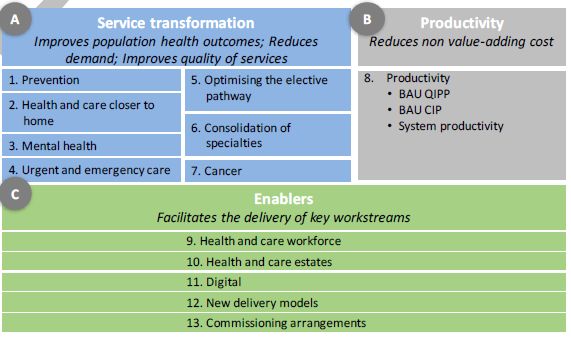
The STP transformation programme has four fundamental aspects:
1. Prevention: We will increase our efforts on prevention and early
intervention to improve health and wellbeing outcomes for our
whole population.
2. Service transformation: To meet the changing needs of our
population we will transform the way that we deliver services.
3. Productivity: We will focus on identifying areas to drive down unit
costs, remove unnecessary costs and achieve efficiencies, including
working together across organisations to identify opportunities to
deliver better productivity at scale.
4. Enablers: We will build capacity in digital, workforce, estates and
new commissioning and delivery models to enable transformation.
Figure 2: NCL Care Model
Delivering the plans outlined in our STP will result in improved outcomes
and experience for our local population, increased quality of services and
significant savings.
Figure 3: STP workstreams
NCL Local Digital Roadmap 3.0 December 2016 Page 125 The digital vision and ambition for North Central London
NCL has collectively agreed a vision “To be the most digitally integrated and intelligent health and care economy across the NHS.”
We will use digital technologies We will explore new digital alternatives
and information to deliver that will transform our services, with
proactive, predictive, the aim of moving care closer to home,
participatory, person-centred enabling virtual consultations and
care for the population we serve providing our patients with the
information and resources to self-
manage effectively, facilitating co-
We will prioritise and increase ordinated and effective out of hospital
pace of appropriate digital care
technology adoption within our
organisations, realigning the We will utilise opportunities for real
demand on our services by time, fully interoperable information
reducing the emphasis on exchanges to provide new, flexible and
traditional face to face care responsive digital services that deliver
models integrated, proactive care that
improves outcomes for our patients
We will deliver person-centred, cost Five digital themes underpin our vision and ambition.
effective and outcome focused services
1. Digitally activated population
2. Connected care
3. Insights driven health system
4. Digitally enabled workforce
5. Sustainable care
NCL Local Digital Roadmap 3.0 December 2016 Page 13By 2020 our citizens will:
Have secure access to health and social care services online
Book appointments and order repeat prescriptions online
Be supported to navigate to the services they need
Digitally activated population
Have access to a personalised digital care plan within a Person
Provide our citizens with the ability to transact with
healthcare services digitally Health Record
Facilitate remote and virtual consultations and Consult with care professionals using email, Skype or other online
therapies tools
Share information which is personalised and relevant Use their choice of device or app to access information and manage
to the individual their own conditions
Equip our citizens with tools which empower them to Have access to information which helps them manage their own
stay healthy long term conditions
Use technology to empower our patients to take a Be supported by a network of digital champions to ensure those
more active role in managing their own long term who are less comfortable using digital technologies are not
conditions in partnership with their health and care disadvantaged
professionals Know how we are using their information, why we need to share it
Ensure patient preferences are respected, shared with others, who has access to it and what safeguards we have put
appropriately and acted upon in place to keep it secure
Co-design with our citizens
Control who can see or use their health and care information
NCL Local Digital Roadmap 3.0 December 2016 Page 14By 2020:
Health and care professionals will have access to the information
Connected Care they need to deliver care safely, wherever they are working, at any
Facilitate care delivery closer to home in the most time of day or night
appropriate facility for a person’s needs Professionals across all care settings will have access to an
Ensure health and care professionals can access up integrated digital care record
to date, accurate and complete information Patients will not need to tell their story repeatedly
Share information seamlessly across health and Crisis and end of life care plans will be available to the Integrated
social care Urgent Care Service
Create and share care records and plans that Care Closer to Home Integrated Networks will use case
enable integrated care delivery across management tools to coordinate care for people with long term
organisations conditions or complex needs
Move from paper-based to fully digital care Providers will use electronic health records to capture information
processes within provider organisations digitally at the point of care
Track patient pathways across the whole system Transfer of care summaries will no longer be received on paper
Work with other STP footprints in London to Medications will be prescribed digitally
“connect the capital” Decision support tools will be available to make care safer
Adopt nationally recommended interoperability Documents and images will be available to providers in other STP
standards footprints via a London Health Information Exchange
Multidisciplinary teams will track cancer patient journeys across the
whole system
We will adopt information and messaging standards that support
information sharing and will ensure any applications we procure
meet these standards
NCL Local Digital Roadmap 3.0 December 2016 Page 15By 2020 we will:
Insights driven healthcare system Use data to improve population health outcomes and reduce
health inequalities
Promote a data driven culture across NCL and a
Identify populations at risk of developing one or more long
cultural shift from reactive response to
term conditions
retrospective information to a proactive approach
Establish registries of people with long term conditions,
to predictive data
including multiple morbidities, to facilitate proactive
Diagnose long term conditions earlier management
Proactively manage patients with established Link health and social care data to manage demand across
disease the system and improve outcomes
Deliver whole systems intelligence so the needs of Use data better to understand the impact of wider
our entire population can be predicted and met determinants, such as poverty, housing, education and
Develop a learning health system for NCL to ensure employment, on our citizens’ health and wellbeing
continual quality improvement and rapid Monitor health outcomes and treatment effectiveness to
implementation of actionable insights into clinical enable value based commissioning
care Identify and manage variation in care pathways across NCL
Harness data from the Internet of Things Use predictive modelling to identify needs earlier within
Work with social care colleagues to deploy new our local population and optimise whole system capacity
and emerging technologies to promote and demand management
Support the acceleration of precision medicine through
independent living
collaborations with Higher Education Institutes who have
expertise in advanced analytics and bioinformatics
Establish academic and industry collaborations to drive
innovation and keep up to date with international digital
trends in healthcare and other industry sectors
Share knowledge, capability and insights
NCL Local Digital Roadmap 3.0 December 2016 Page 16By 2020:
Health and care professionals will be able to connect to a
corporate Wi-Fi from all health and social care locations
Health and care professionals will have access to the clinical
applications they need from any PC or mobile device across
Digitally enabled workforce NCL
Ensure health and care professionals can work at
Our workforce will have access to relevant clinical
any site, have access to the clinical applications
applications from a patient’s home or other community
they need and can collaborate effectively
Equip our multidisciplinary workforce with setting
technology so they can operate as a virtual and Our workforce will communicate and collaborate using
mobile team delivering care closer to home secure email, shared calendars, instant messaging,
Provide shared online learning resources so that videoconferencing and shared telephony solutions
our clinical workforce know how to use clinical User experience will be enhanced by state of the art end
applications safely and effectively user technology
Identify digital champions who will engage, Our workforce will have shared online access to training
encourage and support colleagues material for clinical and corporate systems
Promote attainment of a common set of Each NHS organisation will have appointed a Chief Clinical
competences by all clinical informatics staff Information Officer, supported by a wider network of
clinical informatics champions and engagement leads
We will support training and accreditation of our CCIOs
through links to the Digital Academy and Faculty of Medical
Informatics
NCL Local Digital Roadmap 3.0 December 2016 Page 17By 2020:
We will work in a new way as a whole system, sharing risk,
Sustainable care resources and reward
Reduce unit costs through purchasing and We will increase efficiency and productivity and will consolidate
managing services at scale where appropriate
Adopt a more innovative approach to delivering We will commit to doing things once and doing them together well,
digital services for NCL, learning from other where this benefits our population
industry sectors who have delivered digital We will implement innovative new ways of delivering digital
transformation at scale services across NCL, reducing cost, duplication and variation
Develop a unified approach to networks and
We will create an application strategy which reduces system
infrastructure
diversity across care sectors
Rationalise clinical applications, reducing diversity
across the sector All local digital strategies will be aligned to the NCL digital roadmap
Reduce duplication of projects and siloed working
Learn lessons from successes and failures
NCL Local Digital Roadmap 3.0 December 2016 Page 186 NCL digital maturity baseline
Digital is recognised to be a key enabling workstream for our STP. currently have a platform to link these data to health and care data
However, there are a number of challenges to overcome to progress from so we can analyse the impact of intervention
our current baseline position of digital maturity to one which enables There is differing ability to access and take advantage of
whole system transformational change. technologies due to low health and IT literacy across NCL
Knowledge sharing across the system to identify which
Health and wellbeing: Prevention technologies and apps offer the most benefits to our population
We do not create NCL population datasets to support prevention with one or more long term conditions is limited
and outcome based population health management
We are not able to understand the needs and demands across the Care and quality: Service transformation
whole system as we do not have linked health and social care Clinical information remains predominantly siloed in applications
datasets across NCL within separate organisations
We need to better understand the impact of wider determinants, Primary care data collection is significantly more developed than
such as poverty, housing, education and employment, on our other parts of our health system but the quality of data and
citizens’ health and wellbeing information still varies between practices
There is no systematic monitoring of patients’ risk factors and The level of digital maturity of secondary care provider
interventions to enable action to be taken across the different organisations across NCL is variable, with the majority scoring
health and care providers in NCL below the national average for digital capabilities in the national
The skill sets required to create linked, validated datasets and digital maturity assessment
undertake more complex analytics are generally in short supply Local authorities mainly have stand-alone systems with limited
across NCL but are currently dispersed across Public Health, CSU, ability to digitally share information with providers or with other
CCGs and providers. boroughs
We do not take advantage of the internationally acclaimed Health and care information sharing across NCL is immature and
informatics academic expertise within our local Higher Educational patchy and there is still a dependence on paper-based processes
Institutions and the Farr Institute who could help us achieve our Although progress has been made creating integrated digital care
ambitions records for Camden and Islington CCG residents there is still no
Despite the increasing trend in the consumer market for wearable single source of truth for an NCL citizen
devices and mobile apps which collect a wealth of data we do not Adoption of national information and messaging standards to
facilitate interoperability is below the national average
NCL Local Digital Roadmap 3.0 December 2016 Page 19 There are a multitude of data sharing agreements in existence and
no consistent approach across NCL to information sharing or to identify trends in digital innovation both in healthcare and other
consent industry sectors
It is not possible to track patient journeys along whole pathways of Financial gap: Productivity
care across organisations and ensure interventions are carried out Organisations predominantly procure and manage their own
in appropriate timescales infrastructure and applications, with variability in contractual and
Uptake of existing national applications, such as Summary Care service level agreements for the same systems
Record, eReferral System, Child Protection Information System and CCGs have procured separate integrated digital care record
Patient Online is variable and lower than many other parts of the solutions, which support integrated care management within their
country local geography, but lead to duplication of effort across NCL and
The number of patients digitally accessing their own GP records increased costs to providers who must develop interfaces to share
remains low data with each
Digital strategies are organisation rather than person-centric Providers have their own separate eRostering systems which do
Each organisation is independently considering how it can improve not support efficient resource management across the whole
its digital transaction offer to NCL citizens without identifying how system
to do this at scale for the entire population There are multiple point to point interfaces created to meet the
Digital innovations remain restricted to individual organisations, data demands of organisational focused projects, resulting in
with limited shared learning or collaboration replication of effort and cost
Our workforce is not enabled to be mobile or to easily access There is significant diversity in the application and infrastructure
information at the point of care outside of their employing landscape
organisation There is no whole system governance structure to ensure local
There is significant diversity of clinical applications across the digital strategies and procurement of technologies align to a
provider landscape which is challenging for clinical teams working common set of agreed principles and standards
across number of organisations and who are often offered limited There is no established digital leadership and delivery team who
training on those systems with which they are not familiar have the delegated authority to take forward the programme of
There is limited focus on learning from success stories in other work required to enable digital transformation across NCL for the
geographies, both national and international, and horizon scanning benefit of the entire population
NCL Local Digital Roadmap 3.0 December 2016 Page 206.1 Digital maturity assessment
NCL providers completed a self-assessment of their current digital maturity status at the end of 2015. Whittington Health completed two separate
assessments for its acute and community services, therefore there are 13 providers represented on the chart. The results are shown in Figures 4.
Figure 4: Provider Digital Maturity Assessments
NCL Local Digital Roadmap 3.0 December 2016 Page 21Readiness
Nine providers, including all four specialist providers, scored below the Achievement of the transfer of care capability is variable across NCL, with
national average with North Middlesex being a particular outlier. North scores ranging from 12% at GOSH to 79% at Camden and Islington NHS
Middlesex will soon align more closely with Royal Free London. Seven Foundation Trust.
providers scored below average for four of the five readiness domains Orders and results management is generally good in the acute sector but
assessed. Many of the providers who scored poorly in the leadership poorer in community, mental health and some specialist providers. This
domain did not have a Chief Clinical Information Officer (CCIO) in post at reflects the fact that most of these organisations order very few
the time the assessment was carried out, however some of these have diagnostic tests and diagnostic services are usually provided by one of the
now appointed clinicians to these roles. acute providers.
Providers across NCL scored particularly poorly in the domains of
Most of the acute providers are in the process of implementing
resourcing, governance and information governance compared to the
ePrescribing solutions and are at varying degrees of roll-out, reflecting
national average, suggesting there may be opportunities for shared
the variation in scores for this capability. ePrescribing scores are low in
approaches to address some of these challenges.
community, mental health and some specialist providers as medications
Capabilities and fluids are not routinely prescribed, therefore ePrescribing capability
Nine providers scored below the national average for digital capabilities, is not required.
with seven scoring below average for four or more of the seven domains The majority of providers have limited decision support in place and 5
assessed. Electronic health records are more mature in community and providers do not have any projects relating to remote and assistive care.
mental health providers than acute and specialist providers. The low Asset and resource optimisation is also highly variable across NCL, with
scores reflect the low prevalence of ordering/results reporting and scores ranging from 0% to 60%.
ePrescribing capabilities in community, mental health and some specialist Current compliance with standards is generally low, with eight providers
provider Trusts, even though these capabilities are rarely applicable or are scoring lower than the national average
provided by alternative routes.
All acute and specialist providers were below the national average for the Enabling infrastructure
records, assessments and plans capability. Maturity in community and Ten providers scored below the national average for enabling
mental health providers is better, although still variable. infrastructure.
NCL Local Digital Roadmap 3.0 December 2016 Page 226.2 Key achievements
As NCL organisations have not worked together on any digital programmes there are no key achievements at whole system level. Three of the achievements
by individual CCGs or providers are summarised below.
6.2.1 I:HUBs
Islington CCG is one of a small number of national sites piloting extended access to primary care. There are six practices used as hubs, which offer access to
primary care from 18:30-20:00 Monday to Friday and 08:00-20:00 Saturday and Sunday. A patient’s home GP practice books a hub appointment and gains
patient consent for the hub GP to access the patient’s record via EMIS Community. Currently there is full read view of the record but write back is undertaken
via a note attached to the record with notification to the home practice. Third party applications are not yet supported. Full read and write access is intended
the future.
6.2.2 Centre of Global Digital Excellence
The Royal Free has been chosen as one of the wave 1 Centres of Global Digital Excellence and proposes to focus on six main areas of activity during the next
two years.
Completion of Cerner Millennium roll out across all sites
Working with Intermountain to reduce clinical variability across care pathways and digitise the optimum pathways in Cerner’s EHR.
Procurement of HealtheIntent population health platform to enable analytics
Development of a number of mobile apps with a third party supplier to identify patients at risk of deterioration and enable early intervention
Knowledge acquisition and sharing across the wider digital footprint
Supporting connectivity and information exchange across NCL
6.2.3 CIDR
Camden’s Integrated Digital Care Record system (CIDR) currently enables over 1200 care professionals to access to health and care data from across the
Camden provider spectrum. This includes mental health data from Camden and Islington NHS Foundation Trust, community health data from Central and
North West London NHS Foundation Trust, pathology results and Patient Administration System data from The Royal Free London NHS Foundation Trust and
University College London Hospitals NHS Foundation Trust, adult social care data from Camden Social Services and GP data from Camden practices. Single
sign-on through EMIS Web enhances accessibility and integration with Cerner Millennium and Servelec RiO is in development.
NCL Local Digital Roadmap 3.0 December 2016 Page 237 NCL Digital Strategy
Although individual organisations have collaborated on digital projects, working collectively across all organisations remains a relatively new endeavour and
we continue to build the trust required to enable us to do so. This is reflected in a number of local achievements but no current whole system projects.
We are proposing a model that requires
NCL to completely transform the way
digital services are currently delivered.
The system is agnostic of potential future
Accountable Care Partnerships but
assumes the maximum benefit to the
health and care system would be achieved
by working together. This is evidenced
through the benefits achieved by
international leaders in population health
management enabled by digital
technology and data.
Our plans are based on developing an NCL
Population Health Management Model
which includes the technology, data and
analytics required to manage the health
and wellbeing of the NCL population,
underpinned by a move from paper to
digital care processes within provider
organisations.
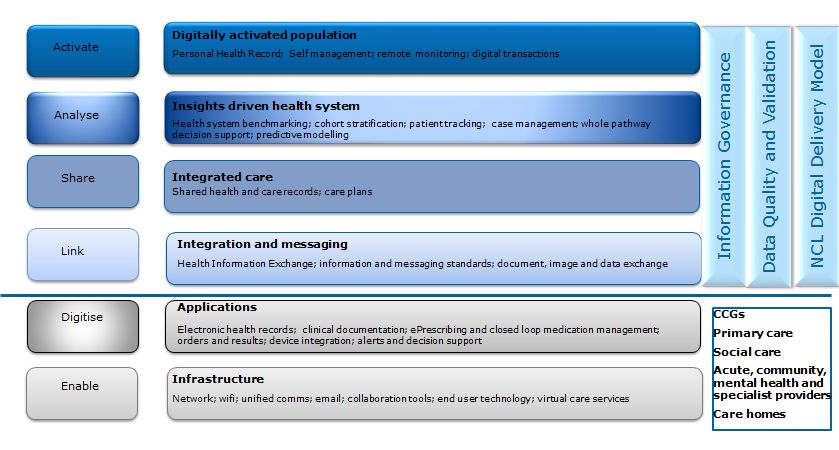
Figure 5: NCL Population Health Management Model
NCL Local Digital Roadmap 3.0 December 2016 Page 24This supports our STP prevention, service transformation and productivity objectives and will enable us to meet the national mandate of operating paper free
at the point of care. Through this model we will move from a landscape of diversity and variation to one of shared principles, consolidation and joint working
for the benefit of the population.
The 6 workstreams that make up our digital strategy are:
The Population Health Management Model consists of six individual
Activate: We will provide our citizens with the ability to transact with building blocks. The bottom two blocks provide the foundations and are
healthcare services digitally, giving them access to their personal health predominantly within the control of local organisations. However,
and care information and equipping them with tools which enable them to opportunities for consolidation or collective delivery across NCL should be
actively manage their own health and wellbeing. considered.
It is proposed that projects in the top four blocks are undertaken
Analyse: We will use data collected at the point of care to identify collectively for the benefit of the NCL population
populations at risk, to monitor the effectiveness of interventions on
patients with established disease and deliver whole systems intelligence so These focus on:
the needs of our entire population can be predicted and met enabling document, image and data exchange across NCL and
beyond
Link: We will enable information to be shared across health and care roll out of an integrated digital care record to support cross-sector
systems seamlessly
care pathway management
Share: We will create and share care records and plans that enable implementation of a population health informatics platform
integrated care delivery across organisations creating a personal health record and enabling citizens to use a
range of digital technologies
Digitise: We will support our providers to move away from paper to fully
digital care processes, including documentation, ordering, prescribing and Achievement of this NCL Population Health Management Model is
to implement decision support tools that help to make care safer. predicated on having an NCL digital leadership team to lead and deliver
this large and complex whole-system transformation programme.
Enable: We will provide infrastructure which enables our care Resources to support information governance, business transformation,
professionals to work and communicate effectively, anywhere at any time, data quality assurance, data validation and analysis will be required.
and facilitate new and enhanced models of care closer to home
NCL Local Digital Roadmap 3.0 December 2016 Page 257.1 Activate: Digitally activated population
Current Initiatives Planned Initiatives
London wide Hold “show and tell” workshops to identify all current separate patient
London Digital Programme to create a citizen portal where citizens can view portal and person health record plans
local digital records using a single log-in and trusted identity; can register
their information sharing preferences allowing these preferences to be
viewed and used by health and care professionals to enable/disable
different types of data processing; can access an extended range of digital
services via a trusted community of connected apps
Individual organisations
Increase utilisation rates of Patient Online across NCL so that patients can
access their GP record, book GP appointments on line and order repeat
prescriptions
Person Health Record is being developed as part of Islington CCG’s Care My
Way programme which will enable citizens to access information in
Islington’s Integrated Digital Care Record (IDCR)
Patient portal proposed by Camden CCG as part of Camden Integrated
Digital Care(CIDR) programme
Patient portals being explored separately by several Trusts
Various self-care / remote monitoring pilots across the STP but these are
not co-ordinated
NCL Local Digital Roadmap 3.0 December 2016 Page 26Strategic Overview There are currently no coordinated digital patient initiatives being carried out across NCL. Citizens are potentially faced with having to access multiple systems to view different aspects of their own health and care information. There are a number of solutions being implemented, including Patient Online services to enable access to the GP held record, Person Health Records, provider patient portals, specialty-specific digital records and a London citizen portal. There have been recent initial discussions between Camden and Islington CCG to explore how a common solution for a Person Health Record might be achieved. Similarly there is a need to bring together all providers considering implementation of separate patient portals to identify whether there are opportunities to consolidate approach. During the next few months we will be undertaking work to agree a collective approach which is in the best interest of our citizens. We will also engage with key stakeholders on how we scale up and collaborate on the various self-care / remote monitoring initiatives. Whilst there are a few local initiatives in progress to try and deliver services through remote monitoring, or telecare, these are small pilots with short term funding therefore it is hard to scale up and resource appropriately. There are currently no collective projects in progress to drive the channel shift required for new and sustainable ways of working. This must change and opportunities to address this will be considered during the next phase of scoping and planning. NCL Local Digital Roadmap 3.0 December 2016 Page 27
You can also read


