OneNYC 2050 BUILDING A STRONG AND FAIR CITY - VOLUME 1 OF 9 APRIL 2019
←
→
Page content transcription
If your browser does not render page correctly, please read the page content below
OneNYC
2050
BUILDING A STRONG
AND FAIR CITY
VOLUME 1 OF 9
APRIL 2019

             THE CITY OF NEW YORK
             MAYOR BILL DE BLASIO
             DEAN FULEIHAN
             FIRST DEPUTY MAYOR

             DOMINIC WILLIAMS
             CHIEF POLICY ADVISOR

             DANIEL A. ZARRILLI
             OneNYC DIRECTOR
ONENYC 2050 IS A STRATEGY TO SECURE OUR CITY’S
FUTURE AGAINST THE CHALLENGES OF TODAY AND
TOMORROW. WITH BOLD ACTIONS TO CONFRONT OUR
CLIMATE CRISIS, ACHIEVE EQUITY, AND STRENGTHEN
OUR DEMOCRACY, WE ARE BUILDING A STRONG AND
FAIR CITY. JOIN US.

  OneNYC 2050                                    OneNYC 2050                                          OneNYC 2050                            OneNYC 2050
  BUILDING A STRONG AND FAIR CITY                BUILDING A STRONG AND FAIR CITY                      BUILDING A STRONG AND FAIR CITY        BUILDING A STRONG AND FAIR CITY

  A VIBRANT                                      AN INCLUSIVE                                         THRIVING                               HEALTHY
  DEMOCRACY                                      ECONOMY                                              NEIGHBORHOODS                          LIVES
  VOLUME 2 OF 9                                                                                       VOLUME 4 OF 9                          VOLUME 5 OF 9
                                                 VOLUME 3 OF 9

  New York City will involve                     New York City will grow and                          New York City will foster              New York City will reduce inequities
  every New Yorker in the civic                  diversify its economy so that                        communities that have safe and         in health outcomes by addressing
  and democratic life of the city,               it creates opportunity for all,                      affordable housing and are well-       their root causes in residents’ daily
  welcoming immigrants, advancing                safeguards the American                              served by parks, cultural resources,   lives, guaranteeing health care, and
  justice, and leading on the                    dream and addresses the                              and shared spaces.                     facilitating both healthy lifestyles
  global stage.                                  racial wealth gap.                                                                          and a healthy physical environment.

  OneNYC 2050                                    OneNYC 2050                                          OneNYC 2050                            OneNYC 2050
  BUILDING A STRONG AND FAIR CITY                BUILDING A STRONG AND FAIR CITY                      BUILDING A STRONG AND FAIR CITY        BUILDING A STRONG AND FAIR CITY

 EQUITY AND                                                                                                                                  MODERN
 EXCELLENCE                                      A LIVABLE                                            EFFICIENT
                                                 CLIMATE                                              MOBILITY                               INFRASTRUCTURE
 IN EDUCATION                                    VOLUME 7 OF 9                                        VOLUME 8 OF 9
                                                                                                                                             VOLUME 9 OF 9
 VOLUME 6 OF 9

  New York City will have a diverse              New York City will lead a just                       New York City will enable reliable,    New York City will invest in
  and fair school system that delivers           transition to achieve carbon                         safe, and sustainable transportation   reliable physical and digital
  a high-quality education to children           neutrality and adapt the city to                     options so that no New Yorker needs    infrastructure that is readyto meet
  of all backgrounds and serves as a             withstand and emerge stronger from                   to rely on a car.                      the needs of a 21st century city.
  national model.                                the impacts of climate change.

  OneNYC                                                                              Learn more about how we are
  2050                                                                                building a strong and fair city:
  BUILDING A STRONG
  AND FAIR CITY
  VOLUME 1 OF 9
                                                                                      NYC.GOV/OneNYC
  APRIL 2019

                  THE CITY OF NEW YORK
                  MAYOR BILL DE BLASIO

                                                                                      Join the conversation on social
                  DEAN FULEIHAN
                  FIRST DEPUTY MAYOR

                  DOMINIC WILLIAMS
                  CHIEF POLICY ADVISOR

                  DANIEL A. ZARRILLI
                  OneNYC DIRECTOR

                                                                                      media and tag us at #OneNYC.

Cover: Michael Appleton for The New York Times

2 | OneNYC 2050                                                                                                                                                                      NYC.GOV/OneNYC
ONENYC 2050
LETTERS                               4

A VISION OF NYC IN 2050               6

EXECUTIVE SUMMARY                     8

NEW YORK CITY TODAY                16
   FUNDAMENTAL STRENGTHS           18
   MOUNTING CHALLENGES             24
   HOW WE GOT HERE                 36

THE STRATEGY                       42

APPENDIX                           54
   REFERENCES                      55
   GLOSSARY                        56
   ACKNOWLEDGMENTS                 57
   ADVISORY BOARD                  58

3 | OneNYC 2050            NYC.GOV/OneNYC
FRIENDS,
                     FRIENDS,
                    MY ADMINISTRATION IS COMMITTED TO ADVANCING OUR WORK
                     MYBUILD
                    TO   ADMINISTRATION
                               A FAIRER AND IS COMMITTED    TO ADVANCING
                                               MORE PROGRESSIVE              OUR
                                                                      CITY, and ourWORK
                                                                                     ambi-
                     TO  BUILD  A FAIRER  AND   MORE   PROGRESSIVE    CITY, and our
                    tious OneNYC plan is based on the conviction that the fights for am-
                     bitious OneNYC plan is based on the conviction that the fights for
                    environmental   sustainability, economic equality, and social justice
                     environmental sustainability, economic equality, and social justice
                    are deeply intertwined.
                     are deeply intertwined.
                    With this renewed OneNYC 2050 strategic plan, we are pushing
                     With this renewed OneNYC 2050 strategic plan, we are pushing
                    ourselves to go further and faster to fight global warming on ev-
                     ourselves to go further and faster to fight global warming on ev-
                    ery front, from our buildings to our streets. New laws will reduce
                     ery front, from our buildings to our streets. New laws will reduce
                    emissions from heating homes and offices. We’re encouraging more
                     emissions from heating homes and offices. We’re encouraging more
                    New Yorkers to walk, bike, and use public transit while ensuring the
                     New Yorkers to walk, bike, and use public transit while ensuring the
                    vehicles that remain on our roads run cleaner. We’re also taking on
                     vehicles that remain on our roads run cleaner. We’re also taking on
                    Big Oil by divesting our pension funds from fossil fuels and elimi-
                     Big Oil by divesting our pension funds from fossil fuels and elimi-
                    nating the plastics, polystyrene, and other single-use waste that big
                     nating the plastics, polystyrene, and other single-use waste that big
                    corporations have pushed on us all to the detriment of the planet.
                     corporations have pushed on us all to the detriment of the planet.

                    Alongside our sustainability goals, we are fighting for equity — be-
                     Alongside our sustainability goals, we are fighting for equity — be-
                    cause this must be a city for everyone. Together, we are working
                     cause this must be a city for everyone. Together, we are working
                    to build a city with fewer families in poverty and a place where
                     to build a city with fewer families in poverty and a place where
                    everyone is welcomed in civic life. We are taking steps to create
                     everyone is welcomed in civic life. We are taking steps to create
                    an
                     aneconomy
                         economythat
                                   thatworks
                                         worksfor
                                                forevery
                                                    everyNew
                                                           New Yorker,
                                                                Yorker, ensuring
                                                                        ensuring that
                                                                                   that safety
                                                                                        safety
                    and
                     and respect coexist in every community, and that schools in every
                          respect coexist in every  community,    and  that schools  in every
                    neighborhood
                     neighborhood are preparing kids for success. This is a path we must
                                     are preparing   kids for success. This  is a path we  must
                    all travel together, leaving  no  one  behind.
                     all travel together, leaving no one behind.

                    New
                     NewYork
                           Yorkhashasalways
                                      alwaysbeen
                                              beenaabeacon
                                                     beacon to to the
                                                                  the world,
                                                                       world, and
                                                                               and wewe hope  this
                                                                                        hope this
                    plan
                     planwill
                           willserve
                                 serveas
                                       asan
                                          anantidote
                                             antidotetotothe
                                                          the challenges
                                                               challenges facing
                                                                             facing not
                                                                                     not only  our
                                                                                         only our
                    city,
                     city,but
                           butalso
                                alsoour
                                     ournation
                                         nationand
                                                 andthe
                                                     theglobe.
                                                          globe. II invite
                                                                     invite you
                                                                            you to
                                                                                 to join
                                                                                    join us
                                                                                         us as we
                                                                                            as we
                    strive
                     strivetotobecome
                                becomethethefairest
                                             fairestbig
                                                    bigcity
                                                         cityin
                                                              in the
                                                                 the nation
                                                                       nation –– OneNYC.
                                                                                 OneNYC.

                    Sincerely,
                     Sincerely,

                     MAYORBILL
                    MAYOR  BILLDE
                                DEBLASIO
                                   BLASIO

4 | OneNYC 2050                                                                     NYC.GOV/OneNYC
  4 | OneNYC 2050                                                                   NYC.GOV/OneNYC
FELLOW NEW YORKERS,

                  OneNYC 2050 IS THE RESULT OF A NEARLY YEAR-LONG effort to
                  explore and evaluate the most important local and global challenges
                  facing our city, to craft a strategic plan to address those challenges,
                  and to offer a vision for New York City in the 21st century.

                  Your voices helped us understand the issues and identify solutions.
                  We heard from thousands of New Yorkers at dozens of events held
                  in all five boroughs. What you told us was clear: We must take
                  action now to confront critical problems so we can secure a better
                  future for the next generation.

                  With OneNYC 2050, we choose a path that brings all New Yorkers
                  on a journey to strengthen our democracy, rebuild our infrastruc-
                  ture, address inequities in health and education, confront the global
                  climate crisis, and ensure our neighborhoods will always be places
                  we can call home.

                  Join us and help to build OneNYC, a strong and fair city.

                  DANIEL A. ZARRILLI
                  OneNYC DIRECTOR

5 | OneNYC 2050                                                            NYC.GOV/OneNYC
A VISION OF NEW YORK CITY IN 2050

New York City will be a very different place
in the middle of the 21st century. How will
a child born today experience that future?
Let’s take a look.

IN 2050, NEW YORK CITY HAS MORE THAN 9                                IN 2050, NEW YORKERS ARE SECURE IN THEIR
MILLION RESIDENTS.                                                    HOMES AND NEIGHBORHOODS.

The streets are bustling with people of all nationalities – some      Safe, affordable housing is available in all five boroughs, and
were born here, some are visitors, and some have chosen to            our neighborhoods are more diverse and dynamic than ever.
make their home here. More than a million more flow into              Communities are safe, the air and water are clean, and there are
the city every day to work and explore the city’s culture and         abundant open spaces for all to enjoy. In every neighborhood, there
neighborhoods. A dramatic skyline, bridges, and iconic buildings      are cultural centers and libraries, small businesses and corner
rise from world-famous islands and waterways. And there’s a           groceries open for late night shopping. No longer threatened by
familiar, palpable sense of dynamism and creativity — people are      harassment or eviction, families can choose to raise their children
in a hurry to accomplish great things.                                in the neighborhoods that best meet their needs.

IN 2050, NEW YORK CITY IS PREPARED FOR                                IN 2050, NEW YORK CITY’S ECONOMIC
A CHANGING CLIMATE, AND IS NO LONGER                                  STRENGTH PROVIDES SECURITY AND
RELIANT ON FOSSIL FUELS.                                              OPPORTUNITY FOR ALL.

Buildings, transportation, and our economy are powered by             All New Yorkers can find a good job with fair wages, benefits, and
renewable energy — wind, solar, and hydropower — through a            the chance to advance. Young people, trained to think critically
modern, fully electric grid. We can’t avoid every impact of climate   and ready to learn new skills, excel in their work and easily find
change, but our infrastructure, public services, and residents are    jobs in a diversified and evolving economy. From big businesses to
protected from the ravages of extreme weather. Every New Yorker       local start-ups, in manufacturing, technology, creative industries,
benefits from these changes, which were undertaken in a fair way,     New Yorkers are entrepreneurial and open to new opportunities,
and our adapted city is a model for the world to follow.              driving a growing economy in which everyone can take part and
                                                                      be rewarded.
IN 2050, NEW YORKERS NO LONGER RELY
ON CARS.                                                              IN 2050, HEALTH CARE IS A RIGHT FOR EVERY
                                                                      NEW YORKER.
Our streets are safe and easy to navigate, reclaimed for people.
Subways and buses are fast and reliable, taking people where they     New Yorkers are healthy because quality health care is
need to go and connecting our city to the wider metropolitan          guaranteed, and our holistic approach means healthy lifestyles
region. Bicycle lanes abound and walking is a favorite way of         — good nutrition, clean air, nearby parks — are available to
getting around town. For many New Yorkers, the daily commute          everyone regardless of race, gender, ethnicity, or disability. New
to work is a scenic ferry ride. New modes of transportation,          mothers, seniors, children with asthma, people struggling with
enabled by technology and responsibly deployed, add to the            substance misuse or mental illness — all have access to care
mobility options throughout the five boroughs.                        and treatment across the five boroughs. New Yorkers interact
                                                                      regularly with their natural environment through an extensive
                                                                      network of trails and waterfront greenways.

6 | OneNYC 2050                                                                                                         NYC.GOV/OneNYC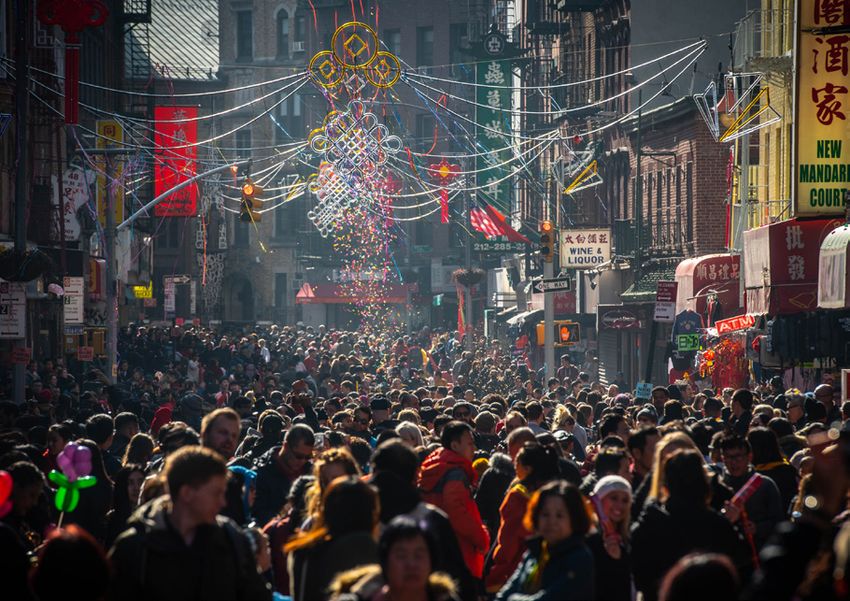
IN 2050, EVERY CHILD IN NEW YORK CITY HAS
EQUAL ACCESS TO AN EXCELLENT EDUCATION.

Our large public school system provides every child a chance to
learn and discover the world, regardless of where they live or their
race or their family’s income. We give students every opportunity
to succeed, with the best teachers and facilities, and recognize
and respect that each child has their own needs and talents.
High school graduates are prepared for higher education and the
challenges and opportunities awaiting them.

IN 2050, NEW YORK CITY’S INFRASTRUCTURE
IS MODERN AND RELIABLE.

Roads and rail lines, tunnels and bridges, our water supply and
our electric grid are ready for the demands of a growing, thriving
city. Strategic investment and capital planning policies mean
infrastructure projects are delivered on budget and on time, and
new digital infrastructure gives New Yorkers equal access to the
digital world. Millions of New Yorkers bike, run, and relax along
miles of waterfront parks, which also function as a barrier to
coastal flooding.

IN 2050, NEW YORKERS ACTIVELY PARTICIPATE                              This is a vision of New York City three
IN A VIBRANT DEMOCRACY.
                                                                       decades from now. It is ambitious and
New York remains a beacon to the world for those seeking refuge        exciting and requires that we overcome
and a new start in life — and immigrants from every culture are
warmly welcomed. Residents actively participate in elections and       seemingly insurmountable challenges.
join civic institutions, volunteer to help neighbors, and proudly
stand up to make their voices heard. New Yorkers may not all
                                                                       Easy? No. Idealistic? Think again. Read
agree on the best direction for their city, but all communities feel   on as we describe what the journey will be
their voices are heard by government, including communities
historically left out of decision-making. Across the city, young       like, and how we will create a strong and
people feel invested in the future of their community and city,        fair city in the 21st century. Join us as we
and train to be future leaders in a democracy that is stronger
than ever.                                                             create our future together.

7 | OneNYC 2050                                                                                       NYC.GOV/OneNYC
EXECUTIVE
SUMMARY

8 | OneNYC 2050   NYC.GOV/OneNYC
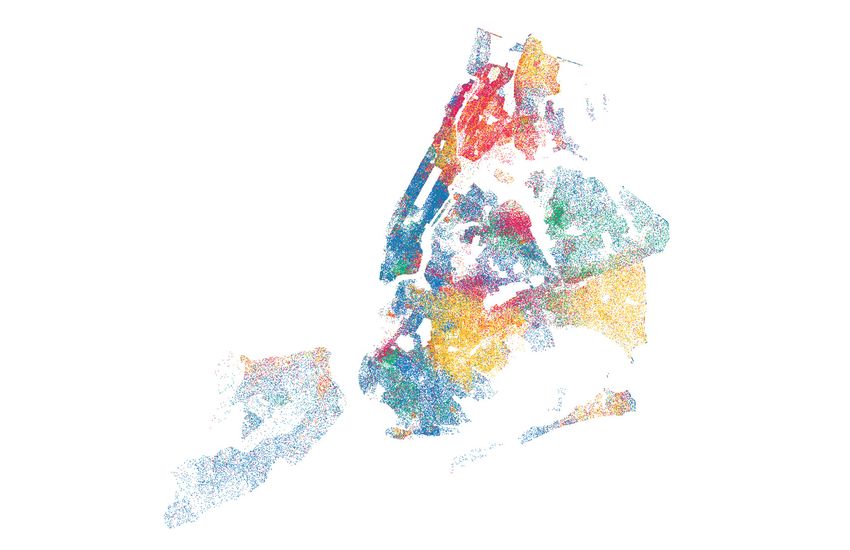
THESE CONTRADICTIONS EXIST AGAINST THE
FOR NEARLY 400 YEARS, NEW                               BACKDROP OF NATIONAL AND INTERNATION-
                                                        AL POLITICAL TRENDS THAT HAVE LED TO
YORK CITY HAS SERVED AS A                               BROAD DISTRUST IN GOVERNMENT. There is a
BEACON TO THE WORLD.                                    disturbing rise in nationalism, intolerance, and
                                                        authoritarianism in many countries, including
FROM OUR EARLIEST DAYS AS NIEUW                         ours; this impacts New Yorkers personally, reflects
AMSTERDAM THROUGH WAVES OF IMMIGRA-                     a turning away from the values we hold dear, and
TION OVER DECADES, the Big Apple has attracted          contributes to voter apathy. Across the globe,
so many seeking refuge, economic security, the          governments are failing to take necessary actions
American Dream, or, simply, acceptance. As an           to protect the climate, address economic inequi-
iconic metropolis, people look to New York City         ty, and secure basic human rights, requiring that
for inspiration and ideas — and for generations,        global cities such as New York take the lead and
the culture, values, and talent incubated in            form partnerships to address these issues.
New York City have influenced and helped shape
the world.                                              As we look to 2050, the challenges facing New
                                                        York City are significant, but we have faced chal-
YET, LIKE ALL GREAT CITIES, NEW YORK IN 2019            lenges of equal measure before and prevailed.
IS A PLACE OF STRIKING CONTRADICTIONS. We               Today, we are stronger than at any time in our
have extreme wealth alongside dire poverty and          history. In recent years, we have embraced pro-
homelessness. There is unmatched cultural and           gressive policies that address our most pressing
population diversity amid some of the most racial-      challenges head-on. And as we look ahead, we are
ly segregated urban neighborhoods in the United         committed to resolving our city’s contradictions
States. Our landmark skyscrapers are recognizable       without compromising or relinquishing our lega-
worldwide, and towering high-rises are reshap-          cy of openness, inclusion, and progress.
ing our skyline. Yet in many neighborhoods most
buildings are just a few stories tall.                  WE STRIVE TO TRANSFORM OUR CITY FOR THE
                                                        FUTURE, BUILDING ON PAST ACHIEVEMENTS
Our city gave rise to social justice movements and      AND USING OUR UNPARALLELED TALENT AND
influential figures fighting for equality, and our      RESOURCES AS AN ANTIDOTE. OneNYC 2050
streets are hotbeds of public activism. But we are      aims high to achieve these goals. As New York has
still confronting injustice and social and economic     done so many times in the past, our city will serve
inequities and a lack of faith in civic institutions.   as a model for the nation and the world, to repair
New York City’s subway system is one of the largest     divisions and create a better society.
in the world, but it is decaying due to neglect and
disinvestment. We have hundreds of miles of ma-
jestic waterfront, and a natural harbor, both built
for commerce, but which now, in an era of climate
change, are exposed and endangered.

                      Together we will build
                      a strong and fair city.
9 | OneNYC 2050                                                                              NYC.GOV/OneNYC
PROGRESS SINCE 2015
Since the launch of the original OneNYC strategy in 2015,     • COMMITTED TO DIVEST $5 BILLION of the City’s pen-
New York City has made significant progress toward our          sion funds from fossil fuels, and invest $4 billion into
goals of strength and fairness, implementing progressive        climate solutions, becoming a global leader in the divest-
policies that serve all New Yorkers, provide global leader-     ment movement.
ship, and secure a sustainable future.
                                                              • REDUCED PEDESTRIAN FATALITIES BY 45 PERCENT
AMONG THE HIGHLIGHTS, NEW YORK CITY HAS:                        with the Vision Zero initiative, making New York City’s
                                                                streets the safest they’ve been since the dawn of the
• ENROLLED 70,000 CHILDREN EACH YEAR IN UNIVER-                 automobile.
  SAL PRE-K and launched 3-K for All, providing a solid
  foundation for their education and improving the oppor-     • LAUNCHED A CITYWIDE FERRY NETWORK to address
  tunities available to the next generation.                    transit gaps in communities in all five boroughs.

• SUCCESSFULLY ADVOCATED FOR A $15-PER-HOUR                   • REDUCED INCARCERATION RATES to the lowest level
  MINIMUM WAGE and strengthened worker protections              in decades while maintaining record-low crime rates,
  and benefits, putting us on track to lift 800,000 New         enabling the long-overdue commitment to close Rikers
  Yorkers out of poverty or near poverty by 2025.               Island, and bringing neighborhood policing to every
                                                                neighborhood in New York City.
• DELIVERED AFFORDABLE HOUSING TO 275,000 New
  Yorkers through the most ambitious affordable housing       • EXPANDED NEIGHBORHOOD POLICING to every neigh-
  plan in the city’s history, with tens of thousands more       borhood in New York City, contributing to the lowest
  units on the way.                                             number of major crimes in the modern era.

• LAID THE GROUNDWORK FOR 19,000 GOOD-PAYING                  • ACHIEVED THE CITY’S HIGHEST-EVER HIGH SCHOOL
  JOBS in high-growth sectors through New York Works,           GRADUATION RATE, the lowest-ever dropout rate, and
  with plans to create 100,000 jobs over 10 years.              double-digit increases in college readiness and English
                                                                proficiency, with notable gains for students of color.
• CUT GREENHOUSE GAS (GHG) EMISSIONS BY 17 PER-
  CENT below 2005 levels amid significant population and      • LAUNCHED THRIVENYC, A MENTAL HEALTH SYSTEM
  economic growth.                                              THAT WORKS FOR EVERYONE by ensuring New Yorkers
                                                                who need mental health support have access to it, where
                                                                and when they need it.

                                                              • INVESTED BILLIONS OF DOLLARS in all five boroughs to
                                                                strengthen core infrastructure and support vibrant public
                                                                spaces, and committed billions more to adapt our city for
                                                                a changing climate.

10 | OneNYC 2050                                                                                          NYC.GOV/OneNYC
OneNYC 2050 AT A GLANCE
New Yorkers can be proud of the progress we’ve made. Yet 5. GUARANTEEING HEALTH CARE for every New Yorker,
we also know there is much to be done to address critical to create the most comprehensive, universal coverage
challenges such as climate change, increasing unaffordabil- in the nation for uninsured New Yorkers, regardless of
ity, and failing infrastructure that have been decades, if not ability to pay or immigration status.
generations, in the making. Now we must go further.
The following pages outline 30 strategic initiatives New 6. ENDING THE OPIOID EPIDEMIC by treating substance
York City will undertake to achieve this vision for 2050. misuse as the public health emergency it is, investing
$60 million to distribute naloxone kits and provide
HIGHLIGHTS OF THE STRATEGY, WHICH LAY THE FOUN- training, expanding peer counseling at hospitals, and
DATION FOR TRANSFORMATIONAL CHANGE, INCLUDE: deploying engagement teams alongside first responders
to support people with mental health and substance
1. COMMITTING TO CARBON NEUTRALITY BY 2050, misuse needs.
and a just transition that benefits all New Yorkers. We
will be a leader among global cities by pursuing steep 7. EXPANDING THE IDNYC municipal ID card to enable
cuts in greenhouse gas emissions from buildings and banking access for more than 1 million underbanked
sourcing 100 percent clean electricity, while creating New Yorkers, saving low-income households as much as
green jobs and holding polluters responsible for cli- 10 percent of their paychecks from avoided fees.
mate-related costs.
8. SUPPORTING WORKING NEW YORKERS by aggressive-
2. LEADING BY EXAMPLE ON CLIMATE CHANGE by ly enforcing fair wage and work regulations, supporting
ending City purchases of unnecessary single-use plastic mandated paid personal time, expanding retirement
foodware and phasing out the purchase of processed and other benefits for workers not covered through
meat, cutting beef purchasing in half, committing to a their employer, and promoting business models,
carbon neutral City fleet by 2040, pursuing expanding including M/WBE and worker-owned businesses, that
mandatory organics collection citywide, and undertak- help generate community wealth and address the racial
ing comprehensive projects to mitigate climate risk, wealth gap.
including Lower Manhattan Coastal Resiliency.
9. PROTECTING TENANTS FROM DISPLACEMENT by
3. INTRODUCING CONGESTION PRICING, to reduce guaranteeing legal counsel to all New Yorkers facing
traffic in Manhattan and generate funds for essential eviction by 2022, creating a new office to coordinate
subway repairs and enhancements, while dramati- anti-harassment efforts with advocates and community
cally improving bus service through expanded and organizations, and more aggressively monitoring and
improved bus lanes, stronger bus lane enforcement, penalizing unscrupulous landlords.
and signal improvements that prioritize buses as they
10. SECURING THE CITY’S FINANCIAL STABILITY by
travel through city streets.
delivering capital projects on budget and on time and
4. RECLAIMING STREETS TO MEET THE NEEDS OF THE targeting operational efficiencies to free up funds to in-
PUBLIC by creating People Priority Zones that restrict vest in equity strategies and preserve essential services
vehicular access, create public spaces, improve safety, during downturns.
reduce congestion, and improve air quality. We will
start with a zone in Lower Manhattan to test a potential
expansion citywide.
11 | OneNYC 2050 NYC.GOV/OneNYCNEW YORK CITY’S GREEN NEW DEAL
THE NATION IS NOW ENGAGED IN AN In OneNYC 2050, we demonstrate a model for
IMPORTANT CONVERSATION ABOUT THE inclusive growth and CLIMATE ACTION with a
GREEN NEW DEAL, a bold vision to meet the focus on:
twin challenges of climate change and inequality
across the nation. Here in New York City, we • CREATING GOOD-PAYING JOBS, including
have long recognized the connection between green jobs, and promoting prosperity and eco-
environmental and economic justice, and that nomic security for all.
work is already under way.
• ENSURING EQUITABLE ACCESS TO NATURE,
clean air, and water; climate and community
With the launch of OneNYC in 2015, New York
resiliency; and healthy food.
City demonstrated the fundamental link
between climate action and inclusive growth • GUARANTEEING THE RIGHT to quality health
by introducing an equity lens into the city’s long- care and education in all communities.
term planning.
• PROMOTING JUSTICE by recognizing, and
Four years later, OneNYC 2050 is raising the bar. repairing the damage caused by, historic op-
We recognize that we face a true climate emer- pression of communities of color, migrant
gency, one that requires us to transform how we communities, youth, and other frontline and
live. We also recognize that effectively mobilizing marginalized communities.
to confront climate change requires a new social
compact – one that strengthens our democracy, By taking action on these strategies, New York
invests in our communities, promotes an inclu- City will demonstrate not only the effectiveness
sive economy, and addresses historic inequities. of this model, but also its necessity. Our nation,
Everything we do to combat climate change and and indeed our planet, deserves nothing less if we
support growth must also advance human rights, hope to secure a livable future for humanity.
public health, and economic prosperity for all
New Yorkers.
Effectively mobilizing to confront climate
change requires a new social compact.
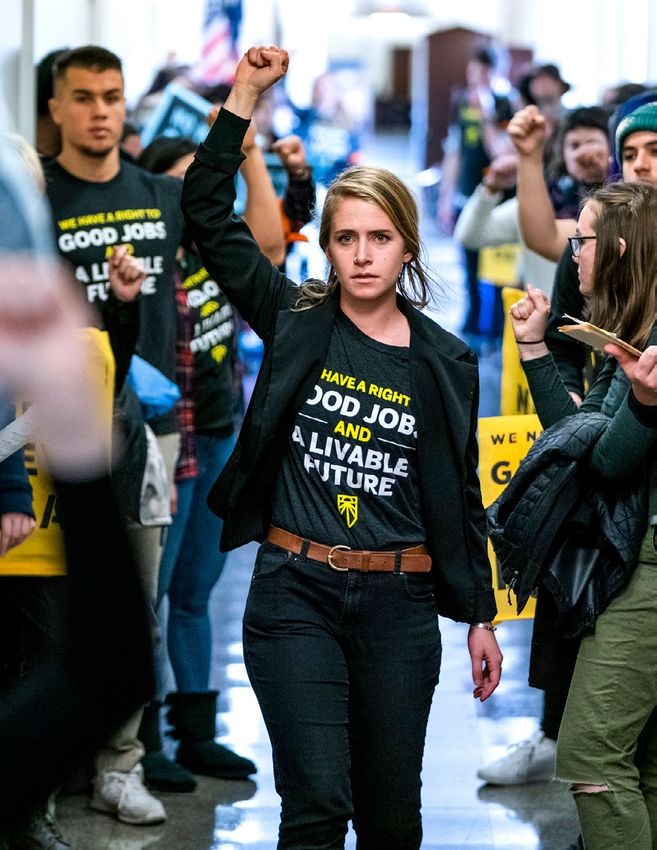
12 | OneNYC 2050 NYC.GOV/OneNYCMEMBERS OF THE SUNRISE MOVEMENT ADVOCATE FOR GREEN NEW DEAL LEGISLATION IN THE HALLS OF CONGRESS IN LATE 2018. Source: Jim Lo Scalzo/EPA 13 | OneNYC 2050 NYC.GOV/OneNYC
ABOUT THE STRATEGY
ONENYC 2050 CONSISTS OF 8 GOALS AND 30 INITIATIVES THAT TOGETHER COMPRISE A STRATEGY TO PREPARE NEW YORK CITY
FOR THE FUTURE. These goals reflect both our core strengths as a city — our growing, diverse population, strong economy, and global
leadership — as well as the significant challenges we must address: growing unaffordability, economic insecurity, inequity, and the
existential threats posed by climate change, decaying infrastructure, and rising global intolerance.
OneNYC 2050 outlines bold actions New York City will take to overcome these challenges and create a strong and fair future for all New
Yorkers. SUPPORTED BY THE INITIATIVES OUTLINED IN THIS PLAN, THE FUTURE NEW YORK CITY WILL HAVE:
OneNYC 2050
BUILDING A STRONG AND FAIR CITY
A VIBRANT DEMOCRACY, OneNYC 2050
BUILDING A STRONG AND FAIR CITY
AN INCLUSIVE ECONOMY,
where every New Yorker is welcomed where economic growth creates
A VIBRANT AN INCLUSIVE
DEMOCRACY
VOLUME 2 OF 9
into the civic and democratic life ECONOMY
VOLUME 3 OF 9
opportunities for all New Yorkers
of the city. Because an empowered and safeguards the American Dream.
public is the foundation of a successful Because economic security and
New York City will involve New York City will grow and
every New Yorker in the civic diversify its economy so that
and democratic life of the city, it creates opportunity for all,
welcoming immigrants, advancing safeguards the American
justice, and leading on the dream and addresses the
democracy, both locally and nationally dignity are essential to overcome long-
global stage. racial wealth gap.
standing inequities and create a city
where everyone can succeed
OneNYC 2050
BUILDING A STRONG AND FAIR CITY
THRIVING NEIGHBORHOODS, where OneNYC 2050
BUILDING A STRONG AND FAIR CITY
HEALTHY LIVES, where health
THRIVING
all communities have safe, affordable inequities based on race and ethnicity
HEALTHY
NEIGHBORHOODS
VOLUME 4 OF 9
housing and are well served by parks, LIVES
VOLUME 5 OF 9
are eliminated, and all residents have
cultural resources, and other shared equal access to health care, clean air,
spaces. Because our lives are better and and healthy food. Because health care
New York City will foster
communities that have safe and New York City will reduce inequities
affordable housing and are well- in health outcomes by addressing
served by parks, cultural resources, their root causes in residents’ daily
and shared spaces. lives, guaranteeing health care, and
and our social connections are stronger facilitating both healthy lifestyles
and a healthy physical environment.
is a human right
when New Yorkers feel secure in their
communities
OneNYC 2050
BUILDING A STRONG AND FAIR CITY
EQUITY AND EXCELLENCE IN OneNYC 2050
BUILDING A STRONG AND FAIR CITY
A LIVABLE CLIMATE, where we no
EQUITY AND EDUCATION, where diverse and fair longer rely on fossil fuels and have
EXCELLENCE A LIVABLE
IN EDUCATION
VOLUME 6 OF 9
schools provide a quality education for CLIMATE
VOLUME 7 OF 9
mitigated the risks posed by climate
every student, and New York serves change. Because inaction will have
as a model for educating children of devastating consequences, with
New York City will have a diverse New York City will lead a just
and fair school system that delivers transition to achieve carbon
a high-quality education to children neutrality and adapt the city to
of all backgrounds and serves as a withstand and emerge stronger from
the impacts of climate change.
national model.
all backgrounds. Because education is disproportionate harm on our most
essential for a fulfilling life vulnerable populations
OneNYC 2050
BUILDING A STRONG AND FAIR CITY
EFFICIENT MOBILITY, where affordable, OneNYC 2050
BUILDING A STRONG AND FAIR CITY
MODERN INFRASTRUCTURE,
reliable, safe, and sustainable MODERN
where reliable physical and digital
EFFICIENT
MOBILITY
VOLUME 8 OF 9
transportation options mean no New INFRASTRUCTURE
VOLUME 9 OF 9 infrastructure allows New Yorkers
Yorker needs to rely on a car. Because to flourish. Because up-to-date,
New York City’s transit system and modern, resilient infrastructure is the
New York City will enable reliable, New York City will invest in
safe, and sustainable transportation reliable physical and digital
options so that no New Yorker needs infrastructure that is readyto meet
to rely on a car. the needs of a 21st century city.
walkability are core to our identity, foundation on which we build a strong
economic competitiveness, and quality and fair city
of life
14 | OneNYC 2050 NYC.GOV/OneNYCOneNYC 2050 CONSISTS OF 8 GOALS AND 30 INITIATIVES TO SECURE OUR CITY’S FUTURE.
1. Empower all New Yorkers to participate in our democracy
2. Welcome new New Yorkers from around the world and involve them fully in civic life
A VIBRANT
DEMOCRACY 3. Promote justice and equal rights, and build trust between New Yorkers and government
4. Promote democracy and civic innovation on the global stage
5. Grow the economy with good-paying jobs and prepare New Yorkers to fill them
6. Provide economic security for all through fair wages and expanded benefits
AN INCLUSIVE
ECONOMY 7. Expand the voice, ownership, and decision-making power of workers and communities
8. Strengthen the City’s fiscal health to meet current and future needs
9. Ensure all New Yorkers have access to safe, secure, and affordable housing
10. Ensure all New Yorkers have access to neighborhood open spaces and cultural resources
THRIVING
NEIGHBORHOODS 11. Advance shared responsibility for community safety and promote neighborhood policing
12. Promote place-based community planning and strategies
13. Guarantee high-quality, affordable, and accessible health care for all New Yorkers
14. Advance equity by addressing the health and mental health needs of all communities
HEALTHY
LIVES 15. Make healthy lifestyles easier in all neighborhoods
16. Design a physical environment that creates the conditions for health and well-being
17. Make New York City a leading national model for early childhood education
EQUITY AND
EXCELLENCE 18. Advance equity in K-12 opportunity and achievement
IN EDUCATION
19. Increase integration, diversity, and inclusion in New York City schools
20. Achieve carbon neutrality and 100 percent clean electricity
21. Strengthen communities, buildings, infrastructure, and the waterfront to be more resilient
A LIVABLE
CLIMATE 22. Create economic opportunities for all New Yorkers through climate action
23. Fight for climate accountability and justice
24. Modernize New York City’s mass transit networks
25. Ensure New York City’s streets are safe and accessible
EFFICIENT
MOBILITY 26. Reduce congestion and emissions
27. Strengthen connections to the region and the world
28. Make forward-thinking investments in core physical infrastructure and hazard mitigation
MODERN 29. Improve digital infrastructure to meet the needs of the 21st century
INFRASTRUCTURE
30. Implement best practices for asset maintenance and capital project delivery
15 | OneNYC 2050 NYC.GOV/OneNYCNEW YORK CITY TODAY 16 | OneNYC 2050 NYC.GOV/OneNYC
NEW YORKERS CELEBRATE LUNAR NEW YEAR FESTIVITIES ON MOTT STREET.

Source: Mayor’s Office of Photography

NEW YORK TODAY IS A GROWING, THRIVING CITY THAT
CONTINUES TO ATTRACT PEOPLE FROM AROUND THE
COUNTRY — AND THE WORLD — WHO SEEK OPPORTUNITY
                                                                     New York City is
AND THE CHANCE TO BUILD A NEW LIFE. THE CITY’S
POPULATION IS AT A RECORD HIGH. OUR STREETS ARE
                                                                     a strong and
SAFER THAN EVER. OUR ECONOMY IS FLOURISHING. YET
AT THE SAME TIME, PROSPERITY REMAINS OUT OF                          growing city, yet
                                                                     local and global
REACH FOR FAR TOO MANY NEW YORKERS, AND WE FACE
EXISTENTIAL THREATS.

Racist, sexist, and classist policies of the past, and regressive
current national policies, have left us with stubborn inequalities   challenges prevent
                                                                     all New Yorkers
in wealth, income, health, and education. Disinvestment in our
infrastructure is making life harder for New Yorkers as they
commute to work and rely on critical public services. Looking
to the future, we are facing not only the risks posed by climate
change, but also rising nationalism and intolerance on a national
                                                                     from benefiting
and global level, which threaten the social fabric of our city.
                                                                     equitably.
Together, these strengths and challenges set the context for the
action we must take through OneNYC 2050.

17 | OneNYC 2050                                                                    NYC.GOV/OneNYC
in formerly commercial and industrial neighborhoods such as
Lower Manhattan, Downtown Brooklyn, and the Williamsburg
WE ARE FUNDAMENTALLY STRONG, waterfront, as well as neighborhoods that only a few decades ago
AND GROWING. experienced severe population decline, including the South Bronx
and East New York.
NEW YORK CITY’S POPULATION IS AT A RECORD HIGH AND As population continues to reach all-time highs, new housing
IS PROJECTED TO SURPASS 9 MILLION BY 2050, as New York construction has reached its highest levels since the 1960s. More
continues to be a magnet for people searching for opportunity. than 350,000 residential units have been built since 2000, most of
This is true across the metropolitan region as well: The current which are along subway lines, reversing historic patterns of sprawl.
regional population of 23 million is expected to swell to over 26 New York City is adding more units in larger apartment buildings
million by 2050. than ever before. This high-density growth is concentrated in
certain neighborhoods, such as Long Island City, Hudson Yards, and
As New York grows, so does our diversity. Today, New York is Flushing.
the only major American city in which white, black, Hispanic,
and Asian populations each comprise at least 10 percent of the To support this growth, the City has invested billions of dollars
population, and no group makes up a majority. More than 3 in affordable housing, schools, parks, and infrastructure to serve
million New Yorkers, or 37 percent, were born outside of the new and existing residents. We have also begun to reform our
United States, and our residents speak more than 200 languages. approach to capital planning to make sure we’re investing in step
with growth rather than playing catch-up, aiming to reduce the
Neighborhoods in all five boroughs are adding residents, with very real growing pains our city has experienced over the past
new population centers emerging alongside a new economy two decades.
New York City’s population is projected to surpass 9 million by
2050, with the fastest rate of growth in the Bronx and Brooklyn.
Source: Decennial Census, ACS 5-Year 2017, NYMTC 2050 borough population projections
9M+
9M 8.6M*
(2017) PROJECTED RATE
8.0M OF GROWTH BY
8M 7.9M
BOROUGH
7M
6%
6M STATEN ISLAND
5M
4%
QUEENS
4M
3M
3.4M
3%
MANHATTAN
2M
10%
BROOKLYN
1M
0
11%
BRONX
1900 1910 1920 1930 1940 1950 1960 1970 1980 1990 2000 2010 2020 2030 2040 2050
* Shortly before the publication of this plan, the Census Bureau revised its estimation methodology, which is under review. The decennial 2020 Census will determine the official
New York City population count.
18 | OneNYC 2050 NYC.GOV/OneNYCBetween 2010 and 2017, population
has increased in neighborhoods across
all five boroughs.
GROWTH OF MORE THAN 5,000 RESIDENTS
GROWTH OF 2,500–5,000 RESIDENTS
GROWTH OF 0–2,500 RESIDENTS
NO GROWTH OR LOSS OF POPULATION
SHARE OF
POPULATION BY
RACE/ETHNICITY
As New York City has grown, we’ve become TODAY
more racially and ethnically diverse than ever.
29%
9M HISPANIC
8M
7M
1%
OTHER
6M
5M 14%
ASIAN
4M
3M 23%
2M BLACK
1M
0
33%
WHITE
1970 1980 1990 2000 2010
19 | OneNYC 2050 NYC.GOV/OneNYCTHE CITY’S ECONOMY IS ROBUST. MORE JOBS
HAVE BEEN CREATED IN THE LAST DECADE
THAN DURING ALMOST ANY PERIOD SINCE
AFTER WORLD WAR II, AND MEDIAN WAGES
ARE ON THE RISE FOLLOWING DECADES OF
STAGNATION.
Today, New York City boasts 4.5 million jobs — the most in
our history — and employment opportunities are increasingly
diversified, from traditional sectors such as finance, insurance,
and media, to technology, fashion, and digital industries, for
which New York City is now a global hub. Moreover, we have seen
the beginning of job creation in transit-accessible neighborhoods
closer to where New Yorkers live in Brooklyn, Queens, and the
Bronx, as well as in Manhattan, a pattern that, if it can continue DIANA, OWNER OF NOT JUST BAGELS ON STATEN ISLAND, IS ONE OF THOUSANDS OF
to grow, will give more New Yorkers access to higher-quality jobs. NEW YORK CITY’S SMALL BUSINESS OWNERS.
Source: SBS
Median wages are rising, due in part to the success of the
movement for a $15 minimum hourly wage, which has benefited Economic growth in the city is supported by a dynamic region,
more than 1.5 million New Yorkers since it was enacted statewide with jobs, commerce, and residential neighborhoods that
in January 2019. New York State now leads the nation with together support the nation’s largest metropolitan economy,
the lowest wage gap between men and women. High school with a $1.9 trillion gross domestic product. The city’s large role in
graduation rates and college admissions are at all-time highs, supporting regional growth demonstrates the need for continued
helping more New Yorkers prepare for the jobs of the future. partnerships throughout the region. As the counties surrounding
Since 2014, the City has more than tripled the number of children New York City continue to add workers and residents, there will
in free, full-day, high-quality pre-K, to nearly 70,000 4-year-olds be broad implications for our transit system, housing strategies,
today, setting up the next generation for success. and overall economic strength.
New York City has added more than 700,000 jobs since the Great
Recession, leading to the lowest-ever unemployment rate.
NEW YORK CITY JOBS AND UNEMPLOYMENT, 2000–2018
Source: NYS DOL Historical Employment
JOBS UNEMPLOYMENT RATE
18%
4.5M
16%
14% 4M
12%
10% 3.5M
8%
3M
6%
4% 2.5M
2%
0% 2M
2000 2001 2002 2003 2004 2005 2006 2007 2008 2009 2010 2011 2012 2013 2014 2015 2016 2017 2018
20 | OneNYC 2050 NYC.GOV/OneNYCTHE CITY’S GROWTH — IN POPULATION AND benefits across the five boroughs. For every dollar of revenue
we receive, the City spends 27 cents on education, 17 cents on
ECONOMY — HAS ENABLED INVESTMENTS IN
safety-net programs such as health care and homeless services,
EDUCATION, HOUSING, AND INFRASTRUCTURE, and 11 cents on police and fire services. Tax revenues also support
AMONG OTHER PRIORITIES ESSENTIAL FOR A housing, transit, and dozens of other important public functions
STRONG AND FAIR CITY. that benefit all New Yorkers, including vulnerable populations.
New York City is uniquely able to fund and sustain programs that
Today, nearly half of the City’s budget is funded by property and make the city a fairer place for all because we can rely on our own
personal income taxes, up from 30 percent in 1980. By comparison, independent tax streams, many of which are tied closely to our
support from the federal government has declined significantly economic growth.
over the same period, from more than 15 percent in 1980 to 9
percent today, as Congress has retrenched from infrastructure and New York’s growing population and strong economy are founda-
housing investments, primarily impacting urban centers. tional to meeting our aspirations for the future, and will provide
opportunities to improve the well-being of all New Yorkers in the
Population growth and increased tax revenue provide the City decades to come.
with additional resources to enact a diverse range of policies and
The City increasingly relies on taxes related to New York City spends more than 40 percent of
economic and population growth to fund core our capital budget on education, housing, and
services and investments, as support from the economic development, more than three times
federal government has declined significantly as much as in 1985.
since 1985. NEW YORK CITY CAPITAL EXPENDITURES,
SHARE OF CITY REVENUES BY SOURCE BY FUNDING CATEGORY (IN REAL DOLLARS)
Source: Independent Budget Office Source: Independent Budget Office
PERSONAL AND PROPERTY TAXES
FEDERAL CATEGORICAL AID $10B
$9B
$8B
40%
$7B
$6B
30%
$5B
OTHER
$4B
20% ENVIRONMENTAL
PROTECTION
$3B & SANITATION
TRANSPORTATION
$2B SERVICES
10%
EDUCATION
$1B
HOUSING &
ECONOMIC
0% $0 DEVELOPMENT
1985 2000 2018 1985 2000 2018
21 | OneNYC 2050 NYC.GOV/OneNYCTHE IMPORTANCE OF THE REGION
New York City continues to
lead the region in housing
production. The ability of
the region to grow and add
jobs relies on the capacity
of cities and counties
outside of New York City to
add a supply of diverse and
affordable housing options
for the region’s workers.
Source: DCP
60 MINUTE TRAVELSHED
90 MINUTE TRAVELSHED
CONSTRUCTION PERMITS
FOR MULTIFAMILY HOUSING
NEW YORK CITY IS PART OF A STRONG, GROWING, AND Municipal leaders are focused on how to attract jobs, support
CLOSELY CONNECTED REGION. Since our founding, New York small businesses, and prepare students for the changing economy.
City has served as the economic core of the region, providing Health inequities — often defined by race and income — as well
jobs, opportunity, and cultural destinations for tens of millions as the opioid crisis, are not limited to the city, nor are issues of
of metro area residents, who are well connected by rail and other community safety and poverty. The entire region depends on
forms of transit. In turn, New York City relies on the region continuing investment in transportation and infrastructure.
to meet the city’s housing needs by providing a broader range
of housing types and price points than what is possible within Regional collaboration and partnership are essential to
the city. Increasingly, the economic relationship also works in maintaining a strong region. Since 2015, the City has worked
reverse, as New Yorkers reverse-commute by rail and car to jobs to strengthen relationships with our neighbors to align around
in Westchester, Northern New Jersey, Long Island, and beyond. common causes and share best practices. As we deepen these
The region is anticipated to add nearly 4 million people and 2 efforts, we will also advocate for policies that support responsible
million jobs. Where and how we grow as a region will affect our growth. For the region’s long-term health, New York City
ability to address housing affordability, broaden access to good alone cannot meet the housing needs of the region. Jobs and
jobs, and keep the region moving on increasingly constrained housing must grow in tandem throughout the region or we
roadways and infrastructure. risk exacerbating the housing shortage and making the region
unaffordable for the workforce we need to stay strong.
New York City and surrounding counties, cities, and towns
face similar challenges. Coastal communities are vulnerable As New York City works to builds a strong and fair future, both
to climate change and are struggling to adapt to sea-level rise. the city and the region benefit.
22 | OneNYC 2050 NYC.GOV/OneNYCBENCHMARKING NEW YORK CITY
TODAY, MORE THAN HALF OF THE WORLD’S POPULATION lives realities, and new expectations for the role city governments
in cities, a share that is expected to surpass two-thirds by 2050. should play in responding to global challenges. As a global leader
Amid this growth, New York City’s competition is increasingly in climate and technology, our peers look to us as a role model.
global. Cities around the world are growing rapidly, attracting New York City too must continue evolving if we are to meet the
talent and capital from a global marketplace. They are also needs of New Yorkers into the future. How do we stack up today?
innovating, rapidly adapting to new technology, new climate
Benchmark population and economic data for major urban regions around the world
(based on U.N. urban agglomeration areas)
TOTAL REGIONAL POPULATION IN MILLIONS
1995 11.3 17.0 20.8 10.4 8.3 9.5 6.0 4.5 6.1 6.1 33.6
2015 12.3 21.0 22.7 12.9 10.3 10.8 13.1 9.4 9.3 7.3 38.0
2025 12.8 22.9 23.5 13.8 11.2 11.6 20.3 11.0 11.0 7.7 37.9
RATE OF POPULATION CHANGE (%)
1995 to
2015 41 105 46 106 107 66 393 365 209 87 62
LONDON
NEW YORK CITY
PARIS
LOS ANGELES TOKYO
HONG KONG
MEXICO CITY
LAGOS
BANGKOK
RIO DE JANEIRO
JOHANNESBURG
GROSS DOMESTIC PRODUCT IN BILLIONS OF DOLLARS
Latest 404 197 778 94 511 171 131 83 307 310 925
Report
ANNUAL METRIC TONS OF CO2E* PER CAPITA
Latest
Report 7.4 3.5 6.0 2.7 4.7 2.4 1.4 5.2 5.9 5.5 5.0
2013 2014 2014 2012 2013 2014 2015 2014 2013 2015 2013
Sources: New York regional population is based on New York Metropolitan Transportation Council; World Cities Report 2016. United Nations Habitat Division / C40
Greenhouse Gas Protocol for Cities Interactive Dashboard 2019. C40 Cities
*CO2e represents one unit mass of carbon dioxide (CO2) based on the global warming potential of the gas
23 | OneNYC 2050 NYC.GOV/OneNYCAS WE PLAN FOR THE NEXT 30 YEARS, WE MUST
CONFRONT 6 CORE CHALLENGES:
WE FACE MOUNTING LOCAL AND
GLOBAL CHALLENGES. 1. Rising Unaffordability
2. Economic Insecurity
WHILE THE CITY’S STRENGTHS UNDERSCORE OUR DYNAMISM
AND DIVERSITY, NEW YORK CITY HAS NOT BEEN SHIELDED 3. Wealth and Health Disparities
FROM SIGNIFICANT CHALLENGES, BOTH LOCAL AND GLOBAL. 4. A Climate Emergency
IN MANY CASES, THESE CHALLENGES HAVE EXACERBATED
LONG-SIMMERING TENSIONS AND UNRESOLVED INEQUITIES 5. Failing Infrastructure and
IN WEALTH AND INCOME. AT THE SAME TIME, WE ARE Shifting Needs
CONFRONTING THE IMPACTS OF A CHANGING CLIMATE,
WHICH THREATENS OUR CITY AND WAY OF LIFE. 6. Threats to Democracy
24 | OneNYC 2050 NYC.GOV/OneNYCChallenge #1 The impacts of the housing crisis are severe. Rent-burdened, low-
income residents are forced to compromise on housing quality or
RISING UNAFFORDABILITY
overextend themselves to make ends meet. Some residents have been
forced to leave New York, and many others who might otherwise
New York City is a magnet for people from around the country consider moving here stay away. Businesses may struggle to attract
and the world. At the same time, we are naturally growing, potential employees, who have difficulty finding suitable housing
as more New Yorkers are born every year than die. While this they can afford. Rising rents also push out small businesses, many
growth reinforces our diversity and fuels the economy, it also of which are family owned, as well as community organizations that
creates greater competition for the city’s spaces and services, can no longer find space. In an increasingly dynamic and rapidly
drives a need for more housing, and transforms neighborhoods. changing environment, people and businesses often struggle to
To ensure New York City remains a safe, welcoming, and maintain their place.
exciting place that attracts a broad mix of people, we must
make investments to proactively accommodate this growth. To meet the demands of a growing population and economy, more
Otherwise the competition will only intensify, and the city housing units and commercial spaces are needed to ease pressure
will become increasingly unaffordable, particularly for our on the existing housing stock and stabilize and reduce rents over
most vulnerable residents, including the elderly, low-income time. While it may appear as though New York is constantly
households, and immigrants. building, housing construction over the last decade is lower than
during past growth spurts, and is still making up ground from
Supplying more housing is key to affordability. Despite record previous dips. In addition, while significant development has been
construction of affordable housing since 2014, we face an acute concentrated in Manhattan and in the western portions of Brooklyn
housing shortage and rising rents in many neighborhoods. Overall and Queens, more housing is needed in neighborhoods across the
housing development has not kept pace with the rising population city, particularly in transit-rich neighborhoods that can support a
and the number of people in need. Today, more than half of New larger population and more mixed-income rental housing, but where
Yorkers are rent burdened, spending more than 30 percent of current land use rules restrict new construction, contributing to the
their income on housing; more than a quarter are severely rent rise in rents.
burdened, spending more than half their income on housing.
The number of rent-burdened New Yorkers continues to grow. With a connected housing market, New York City cannot address
unaffordability entirely on its own. Regional forecasts suggest that,
collectively, our region might grow by more than 2 million people
by 2040, which translates into about 40,000 new households a
More than half of New Yorkers are rent year. As the region’s largest city, we must find ways to support our
burdened, spending more than 30 percent regional neighbors also working to address housing demand and
accommodate the region’s growth equitably.
of their income on housing, and more than
a quarter are severely rent burdened, A growing population and economy are critical to addressing
spending more than half. affordability, so we must leverage our strengths to close the
affordability gap. If New York City becomes too expensive and out
RENT-BURDENED HOUSEHOLDS BY INCOME GROUP, 2017
of reach for many residents, the benefits of living here will belong
Source: HPD
to only a small segment of the population. We would become a
city that is less welcoming and less fair.
250,000
NUMBER OF RENTER-OCCUPIED
SEVERELY RENT BURDENED
MODERATELY RENT BURDENED
200,000
PUBLIC HOUSING/RENTAL ASSISTANCE
HOUSEHOLDS
NOT BURDENED, NO RENTAL ASSISTANCE
150,000
100,000
50,000
10
0
0
0
0
0
0
0
0
0
0
0
0
0
0
0
0
0
0
0
11
-7
17
-2
12
-3
-5
13
15
-6
-9
-8
16
18
19
-10
20
-4
14
0-
0-
60
10
20
0-
40
80
0-
0-
0-
0-
0-
50
70
30
0-
0-
0-
90
10
11
16
12
17
15
14
18
13
19
% OF HUD INCOME LIMIT (FISCAL YEAR 2017)
25 | OneNYC 2050 NYC.GOV/OneNYCNearly two-thirds of the land
used for housing in New
York City is for one- and two-
family homes. Some of these
neighborhoods have strong
transit access.
CITY RESIDENTIAL LAND USE WITHIN A
15-MINUTE WALK OF A SUBWAY STATION
Source: PLUTO
1-2 FAMILY HOUSING
MULTI-FAMILY WALK-UP HOUSING
MULTI-FAMILY ELEVATOR HOUSING
MIXED-USE COMMERCIAL
& RESIDENTIAL BUILDINGS
= 100 ACRES
MAKING ROOM FOR MORE NEW YORKERS
THE ROUGHLY 300 SQUARE MILES THAT COMPRISE New York As more people call New York City home, we will still have only
City house roughly 8.6 million people, support 4.5 million jobs, and 300 square miles of land. To accommodate our children and the
allow us to learn, play, and build community. The city’s density is next generation of newcomers, the City must find ways to use land
key to this, and to our city’s identity. more efficiently, and to make the key investments we need to grow
both sustainably and equitably. Without finding places to locate more
New York City has the highest population density of any major city housing, we would be unable to provide options for all the people
in the United States, with more than 27,000 people per square mile. searching for a place to live every year, forcing increasing competition
Density comes in many shapes and sizes, and creates thriving, for existing housing and leading to rent hikes. Many New Yorkers
mixed-use neighborhoods, where New Yorkers from different unable to afford these increased housing costs would be displaced and
backgrounds live together and streets are filled with retail and the city will become more unwelcoming and less fair.
community uses. It enables one of the largest transit systems in the
world, which helps New Yorkers maintain the lowest per-person Making room for additional residents can occur in many ways,
carbon footprint of any big city in the country. Density supports suited to the needs of different neighborhoods and the capacity of
unparalleled cultural offerings, renowned schools and universities, our transportation and other infrastructure. Today it consists of
and leading health care institutions. The city we enjoy exists duplexes in Elmhurst, mid-rises in Bedford-Stuyvesant, and towers
because density contributes to a vibrant economy, a walkable city, in Murray Hill. Looking ahead to future growth, high-density,
and world-famous nightlife less dense cities simply cannot sustain. transit-rich neighborhoods can add more residents through
innovative building practices such as micro-units. Lower-density
New York City is also unique because it is the only large, old U.S. neighborhoods can support growth through incremental additions
city that has grown far beyond its historical peak population – to the housing supply, such as East New York’s pilot basement
since 1970, we have added more than half a million new residents. apartment program, or through zoning changes to allow for
This growth has been possible because of the strong infrastructure multifamily housing near transit. As we plan for more mixed-use
we inherited, and our ability to use it more efficiently and extend projects in the boroughs, we will bring not only new housing but
its capacity. Our capacity to grow is not infinite – we expect also jobs and services closer to new population centers.
growth to slow as we approach and exceed a population of 9
million by 2050 – but as long as the city’s economy and quality of As we strive to become a strong and fair city, we must continue to
life are strong, we can expect existing residents seeking to stay, and find ways to accommodate this growing family and leverage the
new immigrants wishing to move here. benefits of our density and dynamism to protect our city’s legacy.
26 | OneNYC 2050 NYC.GOV/OneNYC27 | OneNYC 2050 NYC.GOV/OneNYC
Challenge #2                                                                                 and the like. This number is expected to increase, especially in
                                                                                             service sectors, with the growth of app-based hiring. This gig
ECONOMIC INSECURITY
                                                                                             economy brings flexibility and autonomy to independent workers,
                                                                                             but also creates challenges around job stability, financial security,
The city’s economy is evolving in parallel with global trends,
                                                                                             and access to health and other benefits.
creating unrivalled opportunities for new businesses and jobs. Yet
this boom also raises questions about unequal access to prosperity
                                                                                             As a center of tech innovation, New York City has an opportunity
and social mobility, and how to ensure everyone benefits from
                                                                                             to lead in developing 21st-century employment models that
economic growth.
                                                                                             reward hard work while embracing productivity gains. This is
                                                                                             especially important amid trends toward automation that by
Overall, poverty and unemployment are down and earnings are
                                                                                             some estimates could impact up to 40 percent of jobs, requiring
up, and the hallmarks of a robust economy—economic output and
                                                                                             workers in many fields to develop new skills. This is already being
productivity — are rising. Still, many New Yorkers are excluded
                                                                                             felt in the manufacturing sector, retail occupations, and back-
from this boom and face economic insecurity. Wages for low- and
                                                                                             office operations of major financial firms. The greatest risk of
middle-income earners have not risen at the same pace as the
                                                                                             displacement is to low-barrier, low-skill jobs that are predominantly
economy as a whole. The top 0.1 percent of New Yorkers by income,
                                                                                             held by New Yorkers with the least financial security.
in aggregate, earn four times more than the bottom 50 percent,
while nearly 50 percent of New Yorkers live in or near poverty. And
                                                                                             Preparing the workforce for the 21st century by expanding economic
slow wage growth and the rising cost of living threaten to displace
                                                                                             opportunities, developing skills and digital literacy, raising wages,
New York’s middle class.
                                                                                             and increasing protections for workers across industries will
                                                                                             contribute to economic security for all New Yorkers. Without
The changing nature of work, if not properly managed, has the
                                                                                             these efforts, more and more New Yorkers will find it increasingly
potential to worsen insecurity. At least 400,000 New Yorkers are
                                                                                             difficult to make it here.
full-time freelancers, working across industries as home health
aides, for-hire drivers, graphic designers, hospitality professionals,

Poverty and near poverty rates have only                                                     While transit access to jobs is highest in
begun to return to pre-Recession levels, and                                                 Manhattan, job centers have grown in downtown
remain higher among New Yorkers of color.                                                    Brooklyn and Long Island City.
Source: NYC Opportunity                                                                      Source: DCP

60%

50%

40%

30%

20%

10%

0%
             2006

                           2008

                                  2009
      2005

                    2007

                                         2010

                                                                       2014

                                                                                     2016
                                                               2013

                                                                              2015
                                                        2012
                                                 2011

                                                                                                                                         TRANSIT ACCESSIBILITY TO JOBS*
   HISPANIC                ASIAN                BLACK                 WHITE
                                                                                                                                          LOW                                       HIGH
     TOTAL POPULATION                                                                       *Index of number of jobs and accessibility by public transit or walking within 60 minutes

28 | OneNYC 2050                                                                                                                                                    NYC.GOV/OneNYC
You can also read


