Online Content Study: Changes in the distribution, discovery and consumption of lawful and unauthorised online content - Ofcom
←
→
Page content transcription
If your browser does not render page correctly, please read the page content below
Online Content Study: Changes
in the distribution, discovery
and consumption of lawful and
unauthorised online content
MC 359 (Lot 3 Label 9 and Label 13)
Appendix
For OFCOM
50090 – November 2015
IDATE Project Manager
Vincent BONNEAU
+33 (0)4 67 14 44 53
v.bonneau@idate.org
"
About IDATE and DigiWorld Institute

Founded in 1977, IDATE has gained a reputation as a leader in tracking telecom, Internet and media markets, thanks to the
skills of its teams of specialized analysts. Now, with the support of more than 40 member companies – which include many
of the digital economy’s most influential players – the newly rebranded DigiWorld Institute has entered into a new stage of
its development, structured around three main areas of activity:
• IDATE Research, an offer of market intelligence publications
• IDATE Consulting, time-tested analysis
• DigiWorld Institute, a think tank on the digital economy.

Copyright IDATE 2015, CS 94167, 34092 Montpellier Cedex 5, France
All rights reserved. None of the contents of this publication may be reproduced, stored in a retrieval system or transmitted in any form, including
electronically, without the prior written permission of IDATE.
IDATE, DigiWorld, DigiWorld Institute and DigiWorld Yearbook are the international registered trademarks of IDATE.
Online Content Study: Changes in the distribution, discovery and consumption of lawful and unauthorised online content - Appendix

Contents
1.     Regulations against piracy ............................................................................................... 5
1.1.    Example of policies in various countries ....................................................................................................... 5
1.2.    Graduated responses schemes ....................................................................................................................... 5

2.     Content delivery techniques ............................................................................................. 6
2.1.    P2P solutions .................................................................................................................................................... 6
2.2.    Facebook strengthening anti-piracy after complaints from rights holders ............................................... 11
2.3.    Popcorn Time .................................................................................................................................................. 12
2.4.    Periscope......................................................................................................................................................... 12
2.5.    UltraViolet ........................................................................................................................................................ 14
2.6.    Licensed Digital Rights Cloud ....................................................................................................................... 18
2.7.    Digital copy ..................................................................................................................................................... 20
2.8.    Procedure to set up private game servers ................................................................................................... 21

3.     Benchmark of lawful offerings ....................................................................................... 22
3.1.    Content catalogue........................................................................................................................................... 22
3.2.    Technical limits ............................................................................................................................................... 30
3.3.    Reasons for infringing.................................................................................................................................... 36

4.     Unauthorised content techniques .................................................................................. 37
4.1.    Detection solution providers ......................................................................................................................... 37
4.2.    Case of wrong detections .............................................................................................................................. 38
4.3.    List of major privacy techniques ................................................................................................................... 42
4.4.    Blocking by legitimate services..................................................................................................................... 45
4.5.    Freenet & F2F .................................................................................................................................................. 46
4.6.    BGP blocking .................................................................................................................................................. 47
4.7.    DPI techniques ................................................................................................................................................ 48
4.8.    Hybrid blocking ............................................................................................................................................... 50

5.     Estimates and forecasts of lawful and unauthorised content ...................................... 52
5.1.    Main objectives ............................................................................................................................................... 52
5.2.    First module: breakdown of files consumed per category of content ....................................................... 53
5.3.    Breakdown of time spent per device............................................................................................................. 54
5.4.    Dataset ............................................................................................................................................................. 56

www.idate.org © IDATE 2015                                                                                                                                                    3
Online Content Study: Changes in the distribution, discovery and consumption of lawful and unauthorised online content - Appendix

Tables & Figures
Table 1:      Main characteristics of antipiracy policies in Common Law and Civil Law countries ................................. 5
Table 2:      Examples of graduated response implemented by selected countries ...................................................... 5
Table 3:      Delivery modes and limitations for the different solutions ........................................................................ 35
Table 4:      Storage options for the different solutions................................................................................................ 35
Table 5:      Assessment of the different detection solutions ....................................................................................... 37
Table 6:      Analysis of cases ending up in detection errors ....................................................................................... 42
Table 7:      Main add-on privacy techniques are the following: .................................................................................. 42
Table 8:      Main “new” piracy systems include the following ..................................................................................... 44
Table 9:      Categories of content and scope of products and services covered ........................................................ 52
                         st
Table 10:     Sources, 1 module ................................................................................................................................. 53
                         nd
Table 11:     Sources, 2 module ................................................................................................................................ 54
                              st
Table 12:     Results of the 1 module: Volumes of content legally and illegally consumed par category of content ... 56
                              st
Table 13:     Results of the 1 module: Volumes of content consumed through illegal distribution channels .............. 57
                              nd
Table 14:     Results of the 2 module: Volumes of content consumed per device ..................................................... 57

Figure 1:     Publishing the file with BitTorrent............................................................................................................... 8
Figure 2:     Receiving the file with BitTorrent ............................................................................................................... 8
Figure 3:     Receiving the file after the source has left the swarm ................................................................................ 9
Figure 4:     Integration of DHT, PEX and Magnet Links on a P2P and trackerless network ....................................... 10
Figure 5:     Operating principles of Content ID ........................................................................................................... 12
                                                                                                                                    rd
Figure 6:     Screenshot of a Periscope stream, from a TV set (Mayweather-Pacquiao fight, 3 May 2015) .............. 13
Figure 7:     UltraViolet offering ................................................................................................................................... 15
Figure 8:     UltraViolet satisfaction ............................................................................................................................. 15
Figure 9:     Upgrade of the DRL account by the user for digital content purchase ..................................................... 16
Figure 10:    Disc to digital process .............................................................................................................................. 17
Figure 11:    General scheme for the consumption of content from one device ........................................................... 18
Figure 12:    The Disney Digital Copy service .............................................................................................................. 20
Figure 13:    Reasons for infringing .............................................................................................................................. 36
Figure 14:    Perception of content availability ............................................................................................................. 36
Figure 15:    Man-in-the-middle attack ......................................................................................................................... 41
Figure 16:    Operating principles of VPN..................................................................................................................... 43
Figure 17:    Operating principles of TOR .................................................................................................................... 43
Figure 18:    Operating principles of seedboxes ........................................................................................................... 44
Figure 19:    Anonymous P2P file transfer (with an Anti-Piracy peer) .......................................................................... 45
Figure 20:    Applications identifications with DPI ........................................................................................................ 49
Figure 21:    Deep Packet Inspection mechanism ........................................................................................................ 49
Figure 22:    DPI and policy management market, 2015-2019 (million EUR) ............................................................... 50
                                                                        st
Figure 23:    Illustration of calculation principles of the 1 module ............................................................................... 54
                                                                        nd
Figure 24:    Illustration of calculation principles of the 2 module .............................................................................. 55

www.idate.org © IDATE 2015                                                                                                                                             4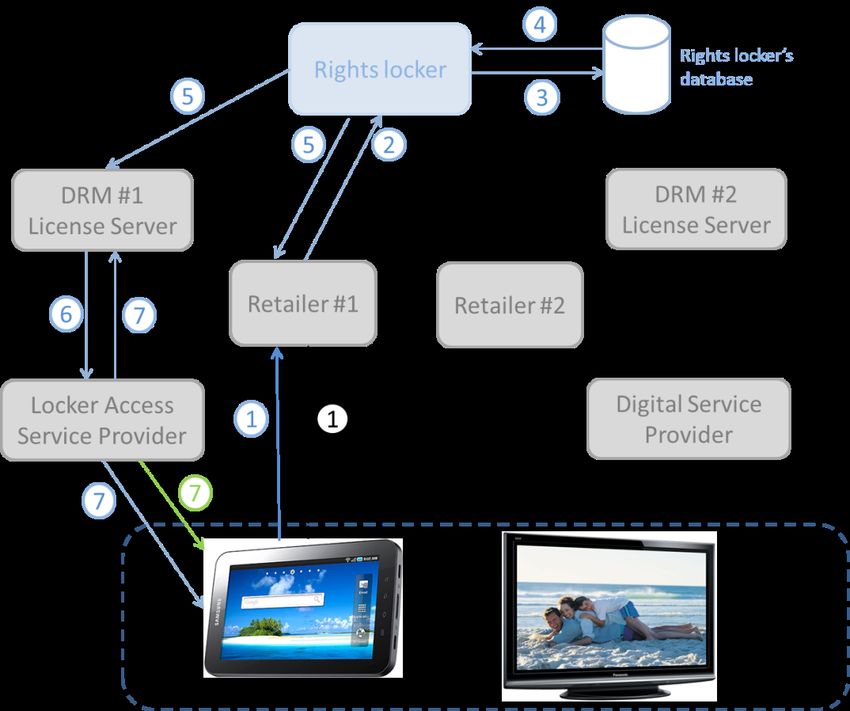
Online Content Study: Changes in the distribution, discovery and consumption of lawful and unauthorised online content - Appendix

1. Regulations against piracy
1.1. Example of policies in various countries
     Table 1:        Main characteristics of antipiracy policies in Common Law and Civil Law countries
                             Common Law countries                                Civil Law countries
                             •    No specific law or minimal             legal
                                  framework ;                                    •   Enactment of specific laws pointing OTT
     Regulation system
                                                                                     services.
                             •    Strict appliance of copyright.
                             •    No specific organism ;
     Competent bodies                                                            •   Creation of dedicated organization(s).
                             •    Civil and criminal courts.
                                                                          •          Public organizations;
                             •    Publishers / right-holders associations •          Non-commercial organizations;
     Initiative
                                  and/or federations.                     •          Publishers / right-holders associations
                                                                                     and/or federations.
                             •    Preventing illegal commercial uses;            •   Limiting personal illegal practices;
     Main objectives
                             •    Limiting personal illegal practices.           •   Providing legal support to right-holders.
                             •    USA;                                           •   France;
     Country sample          •    UK;                                            •   Germany;
                             •    Canada;                                        •   Netherlands
     Source: IDATE, 2015

1.2. Graduated responses schemes
     The table below provides an example of various graduated response implemented by few countries.

     Table 2:        Examples of graduated response implemented by selected countries

     Country           Name of the law           Aim of the law

     Canada            Copyright                 The new law states that infringer will get notices from their ISP asking them
                       Modernization Act         to stop. Latter proceeding can be intended by right holders on the bases of
                       (2011)                    the received mails.

     France            HADOPI law (2009)         This law states the creation of a dedicated organization called HADOPI to
                                                 track infringers and to implement the graduated response.

     New Zealand       Copyright Infringing      In this Act, the copyright owner has to determine the fixed-line infringing the
                       File Sharing              law through a file-sharing network, and to notify it to the ISP. The graduated
                       Amendment Act             response is then done by the ISP.
                       (2011)

     South Korea       Korean Copyright Act      In South Korea, the ISP is in charge of the graduated response: it has to
                       (2009)                    send a notification to both the infringer and the right holder for the copyright
                                                 infringement.

     Taiwan            Copyright Act (2009)      Taiwan graduated response is similar to the Korean one, as the ISP is in
                                                 charge of it. The termination of Internet service for an infringer can occur in
                                                 case of 3 infringements.
     Source: IDATE, 2015
     Another popular method against infringing individuals is fines, for example the German system based on
     immediate financial sanctions of 1 000 EUR per infringed item on average.

     www.idate.org © IDATE 2015                                                                                                      5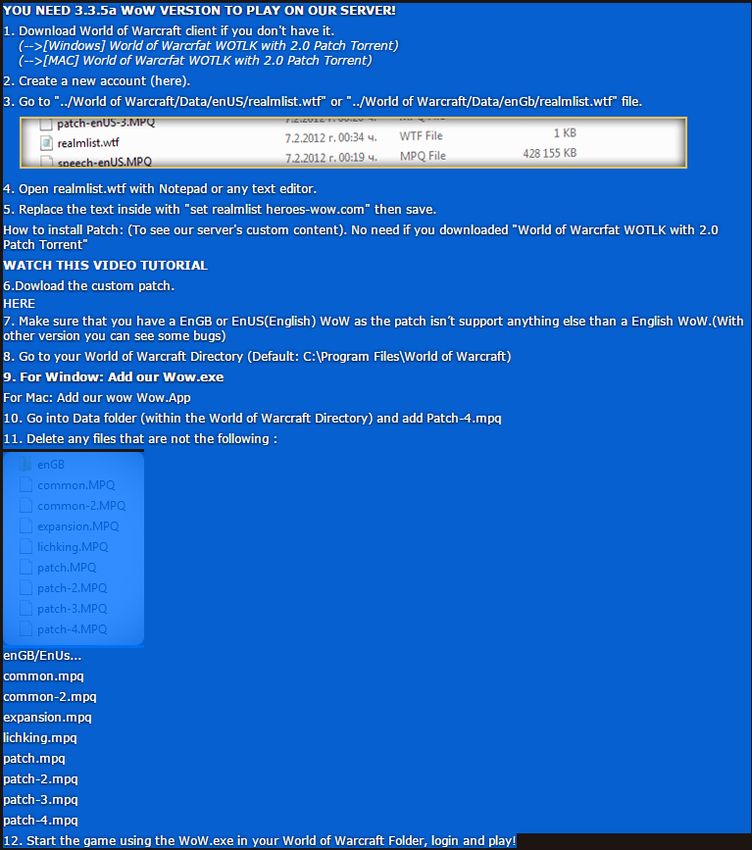
Online Content Study: Changes in the distribution, discovery and consumption of lawful and unauthorised online content - Appendix

2. Content delivery techniques
2.1. P2P solutions
    Napster
    With first P2P solutions like Napster, the discovery mechanism for peers and resources was based on a
    central index that would index all files (without having a copy of them) and associated peers with their IP
    addresses. Without the central index server, no peer would have been able to find a file.
    Any new file to be shared was then declared to the central server. Any Internet user wanting to get a
    specific file would look for it in the central server through a search engine and connect to the IP address
    of the peer that has the file. The download of the file itself occurred only between peers (and did not go
    through the central index). The central index server, hosted within the P2P architecture, was clearly seen
    as a major drawback of the solution when facing legal procedures and was abandoned by later P2P
    solutions.
    With Napster, the solution was also mono-source, which means that the content was downloaded from
    only one peer. This has been improved since then. It should also be noted that with Napster, peers that
    want to download do not need to upload any content or share any content.

    Gnutella
    In Gnutella versions (up to version 0.4), there is no need for a central server. Each peer indexes its own
    files. To look for a file, each peer makes some request to its closest peers. Requests go then step by step
    through a tree-like approach and results are returned in the opposite way. Peers then exchange content
    directly.

    Gnutella stopped this approach, which proved to be too inefficient to handle both connections from
    narrowband and broadband users. The data propagation (for requests) was slow due to the bottlenecks
    created by narrowband users.

    eDonkey
    To solve the bottlenecks problem of Gnutella, eDonkey introduced an “intermediate mechanism” (in this
    case the eD2k servers), so that files could be searched independent of nodes. Servers are used to
    discover content, but they do not actually host it

    www.idate.org © IDATE 2015                                                                                                      6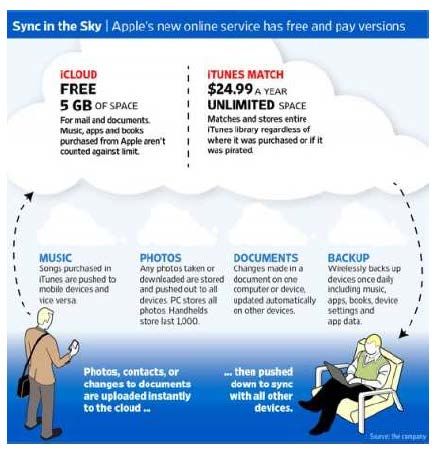
Online Content Study: Changes in the distribution, discovery and consumption of lawful and unauthorised online content - Appendix

Kad Network
The Kad Network involves no servers, but each computer within the network communicates with each
other acting like a mini server. An important concept here is “bootstrapping”: to join the Kad network, the
user is required to know the IP address and port number of any other computer within the network.

BitTorrent
BitTorrent is designed around the connection of peers and the exchange of resources for a specific
content file. With BitTorrent, peers look first for specific content then connect to a non-generic tracker, in
charge of that specific content, before exchanging with relevant peers.

www.idate.org © IDATE 2015                                                                                                      7

Online Content Study: Changes in the distribution, discovery and consumption of lawful and unauthorised online content - Appendix

First publication; A to “upload” the file

Figure 1:       Publishing the file with BitTorrent

1.    A either creates a new tracker, or uses an existing tracker run by various torrent communities. (The latter case
      is much simpler for A and is the majority case, and thus this will be assumed for the diagram. But should A
      create its own tracker, then A acts as the tracker as well as the original seed)
2.    A creates a torrent file, which includes metadata on the file and the tracker
3.    A uploads the torrent file onto a web server, usually through the website of the tracker used (but the content file
      stays on the computer A)
4.    Using a BitTorrent client, A starts seeding (allowing for other peers to connect in order for the file to be
      distributed)
5.    The tracker is updated (to know that A is seeding)

Receiving the file part 1; how a peer receives parts of the file from the seed

Figure 2:       Receiving the file with BitTorrent

6.  B finds torrent file created by A inside the torrent website
7.  B downloads the torrent file
8.  B opens the torrent file with a BitTorrent client
9.  B connects to the tracker specified in the client
10. B receives information on the seeds and peers currently present in the swarm (in this example, it is just the
    original seed A)
11. B is registered as a peer by the tracker
12. B connects to A directly

www.idate.org © IDATE 2015                                                                                                      8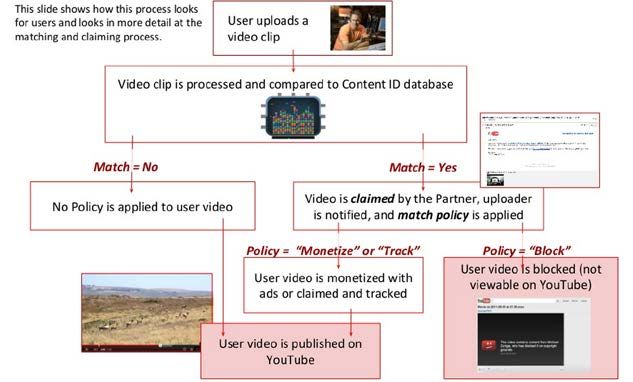
Online Content Study: Changes in the distribution, discovery and consumption of lawful and unauthorised online content - Appendix

13. B downloads a part of the desired file
14. B remains connected as a peer to receive further pieces of the file, either from A or other peers who may have
    joined during the download in process 13.

The original seed A may disconnect, but file sharing can still be completed through file sharing of peers.
Underlying operations are detailed in Appendix.

Receiving the file part 2; original seed A may disconnect, but file sharing can still be completed
through file sharing of peers

Figure 3:       Receiving the file after the source has left the swarm

15. A disconnects from the swarm (whilst A can remain in the swarm as long as it likes in order to continue
     distributing parts of the file, once it has delivered all parts of the file to other machines, it no longer needs to
     remain in the swarm)
16. The tracker is updated to exclude A from the swarm
17. D finds, downloads and opens the torrent file (process 6 to 8)
18. D connects to the tracker specified in the client
19. D receives information on the seeds and peers currently present in the swarm; peers B and C are present who
     have parts of the file
20. D is registered as a peer by the tracker
21. D connects to B and C directly, but not to A
22. D exchanges files with B and C (B and C may also be exchanging files with each other during the process of D
     joining the swarm)
23. So long as B, C, and D are connected, they remain peers accessible by other peers and seeds for further file
     exchange
Notes:
- For simplicity reasons, the diagram has only 4 computers, but in reality many more computers can take part
   simultaneously, exchanging data between each other.
- BitTorrent relies on the web (in the general sense) for the distribution of its torrents. Thus users search for torrents
   via a search on the Internet, rather than within a specified website.

www.idate.org © IDATE 2015                                                                                                      9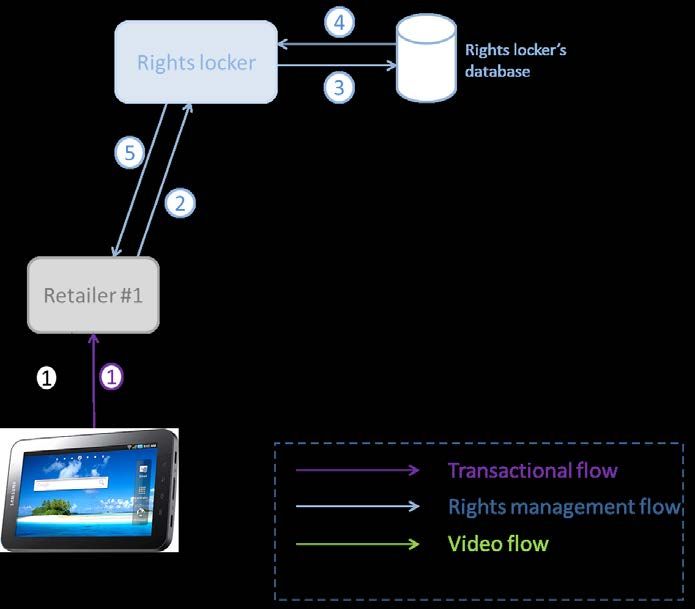
Online Content Study: Changes in the distribution, discovery and consumption of lawful and unauthorised online content - Appendix

It should also be noted that the tracker may not be updated (operation 16) during a certain time. D would
then connect to the tracker and would try to connect to A (without success) but would still be able to
connect to B and C and exchanges files with them.

Interface
On a more practical level, for a user to use BitTorrent, he or she must first download a client. A popular
client is, for example, utorrent, easily downloadable from utorrent.com. Once the client is downloaded,
then the next step is to look for the desired content (discovery). Once the desired .torrent file has been
downloaded, by double-clicking it the utorrent client will open automatically, and the file can be
downloaded through BitTorrent file sharing. It is worth noting that there are many guides available on the
Internet, readily available, explaining how to use BitTorrent and download contents.

DHT, PEX and magnet links
As explained in the main text, internal indexes typically use techniques such as DHT, PEX and magnet
links. The figure below shows the integration of the 3 techniques in a P2P and trackerless network.

Figure 4:       Integration of DHT, PEX and Magnet Links on a P2P and trackerless network

Source: IDATE

DHT – Distributed Hash Table
The concept of DHT has been developed, in the P2P area, to avoid the use of centralized trackers (or
user database) on P2P networks (and especially Torrent). Rather than having a database of all peers
including the list of content provided by each peer centralized in a unique (or few) server, developers
made a new kind of decentralized database.
With DHT, the content of the whole database is spread on all peers. Each one owns a part of the global
database (about 100 peers listed for 1 P2P client user). To avoid that a part of data disappears when a
peer is disconnected, each part of the database is duplicated to other peers.

www.idate.org © IDATE 2015                                                                                                     10
Online Content Study: Changes in the distribution, discovery and consumption of lawful and unauthorised online content - Appendix

    In the case of BitTorrent, a content index outside the network is still necessary. Indeed, with a trackerless
    system using DHT, the traditional torrent file is replaced by a Magnet Links (cf. description below). This
    link allows a peer to find other peers who own the specified content.
    In the case of P2P clients (such as eMule or the Kademlia network) that use an internal content search
    engine, there is no centralized content index anymore as they use a DHT to list content stored by peers.

    However, most of those clients can work with a DHT and with a centralized tracker. The aim of this idea
    may be to maximize the probability to find the content on a peer computer.

    Magnet Links
    As explained in the main text, the magnet link is actually the next generation of the torrent file. A magnet
    link contains a “hash” that can be considered as an ID, unique to a content. It can also contain a tracker
    address if necessary.
    Magnet links are actually not “links” but rather a metadata containing at least the content ID. It is not a
    hyperlink or a link toward a webpage or a server. A magnet link looks like:
    magnet:?xt=urn:btih:f105dd901e63e3319c2b259b055fbb6e08a65ab5&dn=Star+Wars%3A+Episode+I++
    The+Phantom+Menace+%281999%29+1080p+BrRip+x26&tr=udp%3A%2F%2Ftracker.openbittorrent.co
    m%3A80&tr=udp%3A%2F%2Ftracker.publicbt.com%3A80&tr=udp%3A%2F%2Ftracker.istole.it%3A6969
    &tr=udp%3A%2F%2Ftracker.ccc.de%3A80

    However, these links are unique for specific file and not for a specific “content”. For instance, the movie
    Star Wars episode 1 in its original language may have multiple file versions even if the movie and the
    song are still the same.

    PEX – Peer Exchange
    PEX is a technique allowing peers to exchange their data stored on their part of DHT, typically peers
    information. Without any central tracker or entity, peers have to communicate automatically in order for
    new peers to join the network. PEX then have an important role in the bootstrapping process of a
    “decentralized” P2P, but cannot be used alone in this process. The initial contact is usually done with the
    help of a server giving a part of the DHT (usually not up to date) and then a first peer to contact.
    If a tracker is still available, PEX allows reducing the tracker load, and allows peers to exchange
    information that they already get from the tracker with other peers. Such a system makes the exchange of
    information faster, as the tracker may take time to answer a request, in case of a heavy load of tracker.

2.2. Facebook strengthening anti-piracy after complaints from rights
     holders
    In May 2015, major TV stations in France (TF1, M6, Canal+ and France Télévisions) sent an official letter
    to both Facebook and Twitter requesting more measures be taken to fight piracy through social media.
    The complaint was that their programs were being illegally shared on the social media sites. In June
    Facebook responded by deploying Audible Magic, a system which uses audio fingerprinting technology to
    help identify and prevent unauthorized videos from being uploaded (a system whereby uploaded videos
    are matched against a database containing information on copyrighted contents, provided to Facebook by
    the rights holders). There are also tools whereby content owners can report to Facebook, upon which
    illegal videos can be removed by Facebook, and IP policies are in place so that serial offenders can be
    identified. The idea here is to combat not just TV programs but all “freebooting” activities, where third
    parties “steal” video content from elsewhere and upload it to Facebook, potentially gaining huge and
    unfair view counts.
    Then in August 2015, as explained in the main text, Facebook declared updates to their video
    management through its blog, enhancing the Audible Magic system and building new video matching
    technology that will evaluate millions of video uploads quickly and accurately, and when matches are
    surfaced, publishers will be able to report them to Facebook for removal. This is expected to be tested
    through a beta launch (as of August 2015). It is in fact similar to the process YouTube has gone through
    (which in itself could be considered as a social network), which applies a Content ID system scanning
    uploaded videos against a vast database of videos submitted by copyright holders.

    www.idate.org © IDATE 2015                                                                                                     11
Online Content Study: Changes in the distribution, discovery and consumption of lawful and unauthorised online content - Appendix
Figure 5: Operating principles of Content ID
Source: Google/YouTube
2.3. Popcorn Time
As detailed in the main text, Popcorn Time offers P2P streaming in an easy-to-use Netflix-style interface.
Below is a description of the operating principle of Popcorn Time.
Operating principle
As it is based on P2P, the movies are not hosted in any server and are streamed using the P2P Bit
Torrent protocol. All movies are pulled in from the YIFY movie database. Depending on the content, the
application uses different torrents, as for illustration:
• Movies are uploaded by YTS. As of June 2015, YTS is the 2 ranked torrent site, as ranked by
nd
Alexa, subsidiary of Amazon Web Service. With a global ranking of 777 (at the time of writing) and
India rank of 275, yts.to is one of the most popular torrent websites for movie and TV show addicts.
The website is quite popular in India, the United States, Saudi Arabia, Egypt and Pakistan, to name a
few.
• TV Show episodes from EZTV. TV-torrent distribution group EZTV was a niche site specializing in TV
content only. Because of its narrow focus, EZTV’s traffic varies in line with the TV seasons. Despite
posting only a few dozen torrents per week it attracts millions of visitors. Created in 2005, it was
dissolved in April 2015, after a hostile takeover of their domains and brand by "EZCLOUD LIMITED".
EZTV and its RSS website ezRSS are currently blocked by multiple ISPs in Italy and in the UK at the
request of MPA and FACT
2.4. Periscope
Periscope is a live video streaming application for iOS and Android systems. The service allows users to
stream live video from their phones, by using the embedded camera. In March 2015, Twitter paid slightly
less than 100 million USD to purchase the company.
Periscope claims 10 million accounts, as of early August 2015.
Periscope lists the current live broadcast with large, full-width images.
During a live stream, the watcher can comment and the broadcaster sees the comments. However, as so
few people watch each stream, broadcasters often respond directly on camera. Periscope does not pull in
live Twitter responses during Periscope broadcast. Instead, all the comments are Periscope-only.
Moreover, those who follow the Periscope link on the original Tweet will be able to watch and engage with
the live video in the app (if they have it on their iOS device) or in a pop-up screen (for Desktop and
Android users) where they'll still see comments and hearts, but not be able to add any of their own.
www.idate.org © IDATE 2015 12Online Content Study: Changes in the distribution, discovery and consumption of lawful and unauthorised online content - Appendix
Different features are included:
• Replay: When the broadcast is over, the broadcaster can make it available for replay so viewers can
watch later. Viewers can replay the broadcast with comments and hearts to relive the full experience.
Replays currently last 24 hours. The broadcaster can delete the replay at any time.
• Private: If the broadcaster wants to broadcast to specific people, he needs to press the ‘Private’ option
before going live and choose who he wants to invite to his broadcast.
• Twitter: the broadcaster can choose to share his Periscope broadcasts on Twitter by tapping the bird
icon before he starts broadcasting. When he goes live, he’ll tweet a link so that his Twitter followers
can watch on the web (or in the app). As a reminder, Twitter is the owner of the Periscope application.
• Manage notifications: Periscope will suggest people for the broadcaster to follow based on his Twitter
network. He can always follow new people, or unfollow them if he doesn’t want to be notified when
they go live. He can also adjust notification preferences in Periscope Settings.
Adapted to piracy, the service allows people who did pay for the content to use their smartphones (or
tablets) to re-transmit it to users of Periscope. It could also be provided by a person who broadcasts a
pirate stream from his TV set.
For live events (sports or music concert), this could also be done even by an attendee of the show who
has effectively paid his entrance ticket.
The quality of the video usually, (very) far away from HD quality, even though the quality of the
smartphone camera is improving. Nevertheless, it is free. Indeed, this wouldn't necessarily be acceptable
video quality for a movie but for a short-term, highly expensive live event, it has proved workable for many
fans.
One of the peak consumption moments occurred during the very popular boxing fight in early May 2015,
in Las Vegas, between Pacquiao and Mayweather.
The Mayweather-Pacquiao fight cost up to 100 USD to purchase in-home, with exponentially higher fees
for bars showing the fight (people paid a 20 USD entrance fee to get into the bar to watch the fight).
HBO and Showtime had been aggressive in chasing down sites illegally streaming the fight, filing
lawsuits well before Saturday night.
So Periscope was privileged by many internet users to circumvent traditional streaming websites.
rd
Figure 6: Screenshot of a Periscope stream, from a TV set (Mayweather-Pacquiao fight, 3 May 2015)
Source: Periscope
Even fight attendees became broadcasters for the Periscope audience.
www.idate.org © IDATE 2015 13Online Content Study: Changes in the distribution, discovery and consumption of lawful and unauthorised online content - Appendix
2.5. UltraViolet
Description
UltraViolet concept features are described in the table below. Updated information on the system are
mainly provided from UltraViolet FAQ (UVDemystified.com/UVfaq.html ) written by Jim Taylor.
Ultraviolet Details
Availability Service launched commercially in the US in 2011
Available in the other following countries: Australia, Austria, Belgium, Canada, France,
Germany, Ireland, Luxembourg, Netherlands, New Zealand, Switzerland and United
Kingdom
Phased launch: streaming commercially available, download available on UV players
only. Common File Format (CFF) still waiting for approval was expected to be launched
end of 2014.
Origin Initiative started in 2007 with a project called Open Market (from Mitch Singer from Sony)
and went public in 2008 under the name Digital Entertainment Content Ecosystem
(DECE)
DECE is non-profit organization. [Not chartered as a non-profit for tax purposes, but set
up as a cost-recovery organization to be self-funding, not to make a profit.]
Backed more than 80 members of the DECE consortium including major movie studios,
retailers, consumer electronics manufacturers, cable companies, ISPs, network hosting
vendors and security vendors
Promoted under the brand name UltraViolet in 2010
1
The Digital Entertainment Group (DEG) that promotes home entertainment products is
also supporting UltraViolet
Main stakeholders • Studios/content providers including Sony Pictures, Universal, 20th Century Fox,
Paramount Studios, DreamWorks, BBC
• Consumer electronics manufacturers: Philips, Sony, Panasonic, Samsung
• Cable companies: Comcast
• Technology providers: Rovi, Akamai
• Retailers: Amazon, Flixster/Warner, Wal-Mart/Vudu, Barnes&Nobles/Nook, M-Go,
CinemaNow/Best Buy, Blinkbox, Target, Sainsbury’s, Nolim/Carrefour
Characteristics
Type of content Movies and TV shows from UV-enabled vendors (both online and physical retailers).
Some services like Flixster may focus on some types of videos (movies only)
Only commercial video contents (no personal contents)
Still some discussions to extend to music, ebooks, video games and smartphones apps in
2
UV roadmap but with no clear development or plan yet
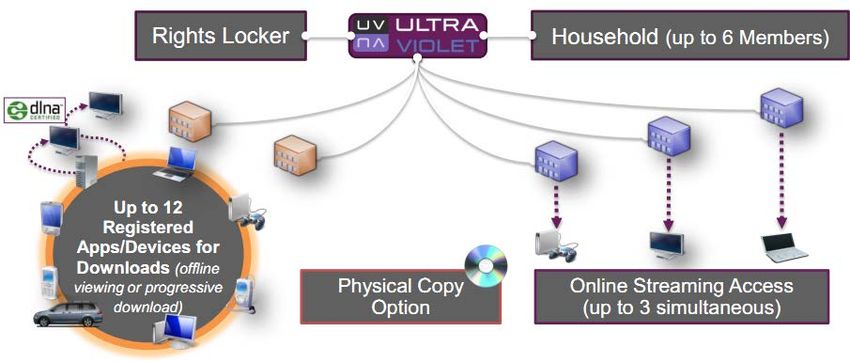
Limitations • Up to 6 members within the household (per account)
regarding devices • Up to 12 devices for download as offline viewing or progressive download (requiring
registered account)
Delivery modes • Streaming (up to 3 simultaneous access)
• Download (up to 3 simultaneous download files from the same selling retailer)
Compatible devices • Windows
• Mac
• iOS (iPhone and iPad, including AppleTV
• Android (including Kindle Fire and Nook tablets)
• PlayStation 3 and 4
• Xbox 360 and Xbox One
• Roku
• Chromecast
• Google TV
• Plus, connected Blu-ray players, connected TVs, and home media hubs
1
The DEG pushed the launch of DVD and Blu-ray.
2
Jim Taylor, DECE, 2015 “We’ve talked about adding support for music, ebooks, games, and anything else that gives consumers a
better experience with UltraViolet’s open ‘digital library’ model.”
www.idate.org © IDATE 2015 14Online Content Study: Changes in the distribution, discovery and consumption of lawful and unauthorised online content - Appendix
Ultraviolet Details
Retro-compatibility The feature allowing consumer to add content previously acquired is now supported
An "upgrade" with disc-to-digital can be made available from a studio enabling the
conversion of an existing purchase to UltraViolet.
However, the number of upgradable movies is limited to the content catalogue of
UltraViolet.
Content location Cloud, physical (DVD, Blu-Ray) and local storage
DRM compatibility 5 DRM systems selected allowing restrictions management on a broad range of devices
• Google Widevine
• Marlin
• CMLA-OMA V2
• Microsoft PlayReady
• Adobe Primetime DRM
Only 2 DRMs were really operable with UltraViolet when it was launched commercially in
2011 It is still the case; Adobe Primetime and Marlin are waiting final approval.
Figure 7: UltraViolet offering
Source: Irdeto
Figure 8: UltraViolet satisfaction
Source: NPD survey on UltraViolet, February 2014
www.idate.org © IDATE 2015 15Online Content Study: Changes in the distribution, discovery and consumption of lawful and unauthorised online content - Appendix
UltraViolet operating principles
The operating principles encompass three main stages:
1. account registration and account/content linking
2. acquisition of rights of the content
3. consumption of content in streaming and/or download modes through a different provider and/or a
different device
The first stage is the registration of the user (first member) basically made through an online registration,
with a login and a password. This first member of the UltraViolet account can add other members with the
same account (up to 6 members).
The acquisition of rights of the content stage differs depending how the content title was purchased:
physically (physical support, like DVD, Blu-rays) or digitally. This part distinguishes the DRL account
upgrade for each case.
Figure 9: Upgrade of the DRL account by the user for digital content purchase
Source: IDATE
Hence, the phase (1) corresponds to the online content purchase of digital content. As illustrated on the
figure below, partnered retailers (like Vudu here) allow the user to link their retail account with the
Ultraviolet account. Once content is purchased, the Ultraviolet account is automatically upgraded (with
the newly purchased title).
During the phase (2), the retailer #1 records the transaction in the locker. The phase (3) refers to the
registration of the consumer rights defining, for each piece of targeted content, the associated usage
rights in terms of access (for instance subscription, video on demand, rental) and in terms of devices
authorized (and type of DRM supported). Then the DRL code of the purchased title has been added to
the Ultraviolet content library (corresponding to the user’s DRL account). Phases (4) and (5) are
confirmation links.
The other option is to manually upgrade directly the user’s account. When the user purchases its physical
content (a DVD or a Blu-ray with the UV sticker), he upgrades its account by entering itself a code. The
objective here is to upgrade purchased discs to the DRL (Disc to Digital). Users are also allowed to
purchase the UltraViolet version of their existing physical disc for 2$ for standard definition and 5$ for HD.
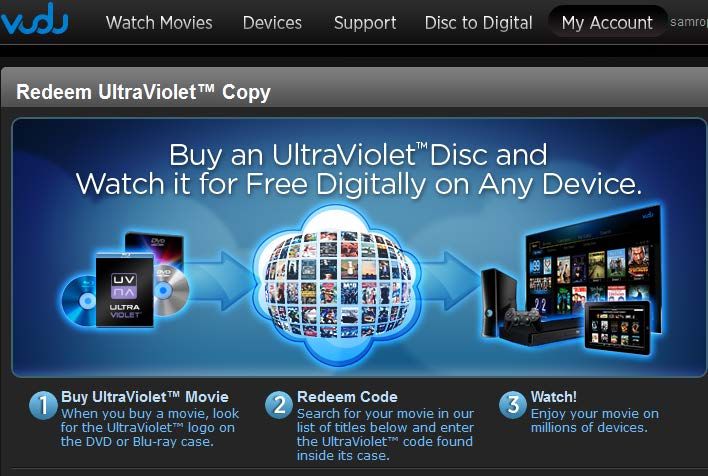
www.idate.org © IDATE 2015 16Online Content Study: Changes in the distribution, discovery and consumption of lawful and unauthorised online content - Appendix Figure 10: Disc to digital process Source: Vudu The last stage of UltraViolet principle is the consumption of the content. Today, members are allowed to stream content purchased or downloaded it on UV players from any device and regardless of the content providers. There are five ways for the consumption: • Content consumption in streaming mode from the same device (detailed below) • Content consumption streaming mode using another device • Content consumption streaming mode through different providers • Content consumption in download mode • Additional copy already downloaded In the first case illustrated below, the consumption of the content is purchased from retailer #1 on a first device (tablet on the figure). The operating principle is quite simple, very similar to usual cloud-based solutions. For the other ways, another device and another provider have been added. So, when streaming from the dame device, once the content is purchased on a retailer site and rights acquired in the UltraViolet account of the consumer, the content can be accessed. The phase (1) indicates the launch of a request to the retailer #1 by the device to play the content by streaming, embedding device specifications (screen’s size, resolution, throughput, etc). Actually at this point, the DRM client requests for a license using an URL that points to the DRL (UltraViolet) as shown in the phase (2). Phases (3) and (4) verify information regarding the account and associated rights. Once verified, the DRL requests the appropriate license to the DRM License Server in the phase (5) while confirming to the Retailer its request. In the same time, the Right Locker gives access of the whole customers' UV collection to the Retailer #1 though an overlay, hence this latter has updated information of the content of the user and associated rights (purchased or not at the given Retailer). The DRM License Server then authorizes content delivery and informs the Locker Access Service Provider to generate the license as well as to stream the content targeted by the user (Phase (7)). Once delivered, the DRM client validates the user and usage rights (descrambling if required). Then the content can be played. It should be noted that usually the Locker Access Service Provider role is done directly by the Retailer. www.idate.org © IDATE 2015 17
Online Content Study: Changes in the distribution, discovery and consumption of lawful and unauthorised online content - Appendix

     Figure 11:       General scheme for the consumption of content from one device

     Source: IDATE.

2.6. Licensed Digital Rights Cloud

     www.idate.org © IDATE 2015                                                                                                     18
Online Content Study: Changes in the distribution, discovery and consumption of lawful and unauthorised online content - Appendix
Solution Main features Content accessibility
CatchMedia Legally delivery of users' licensed content Contents are scanned and matched
across multiple devices from anywhere with the Smart Cloud that includes:
Features include the synchronization of home • A registry of users and their devices
user library • A registry of the users’ content
B2B service, CatchMedia is now available in • Digital Service Providers to deliver
UK via Carphone Warehouse, in the US via content to specific devices
BestBuy and in India via Hungama
• The post-acquisition content
Contents include: music, video, book digital licences
games
Compatible with PC, Android, Blackberry,
iPhone, TV sets, cable & satellite receivers and Physical to Digital option available
in-car entertainment systems
iTunesMatch/iCloud Music purchased from iTunes store (with Music collection stored in iCloud
rights) available on every devices • up to 25000 songs
Users' music collection stored in iCloud
including music from CD or purchased
elsewhere from iTunes
24.99$/year (no free option)
Compatible devices: iPhone, iPad, iPod touch,
Mac, PC, or Apple TV
Amazon Cloud player With the Amazon Cloud Player Plus plan Music is stored in the Amazon cloud
premium (24.99$/year), users can “store” (scan & match player, accessible through the web, or
process) (including music from CD or illegal mobile/dedicated application
MP3) in addition to Amazon MP3 files. • Up to 250 000 songs
Compatible devices: iPhone, iPad, iPod touch,
Mac, PC, Kindle fire, and some connected
audio/video devices (e.g. Roku)
Google Play Music This service allows users to “store” with a scan Music is stored in the Google Play
& match process. Only music from a computer Music cloud
can be scanned. • Up to 50000 songs
Free option, upgrade for free-ad option and
offline mode for 9.99€ per month
Contents can be streamed or downloaded from
the web platform or through a mobile
application.
Content can also be shared with Google+
users.
The service is only available through the web
(PC and Mac) and using an Android App.
Apple devices cannot access this service.
Source: IDATE
www.idate.org © IDATE 2015 19Online Content Study: Changes in the distribution, discovery and consumption of lawful and unauthorised online content - Appendix
2.7. Digital copy
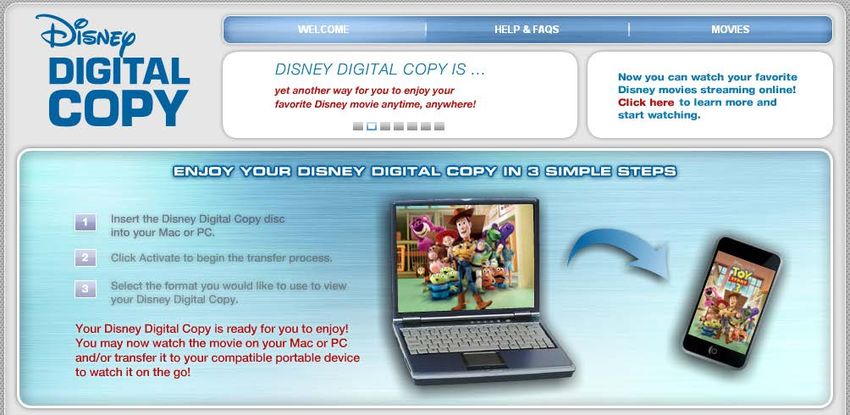
Figure 12: The Disney Digital Copy service
Source: Disney
Solution Main features Content accessibility
Blinkbox Based on UltraViolet digital copies service The user can redeem an UV code
(2$ for standard definition and 5$ for HD) from DVD or Blu-Ray
It requires the creation of UV account
Vudu (Walmart) Based on UltraViolet digital copies service The user needs to use Vudu To Go
(2$ for standard definition and 5$ for HD) application application when
It requires the use of Vudu To Go converting DVD or Blu-Ray
application Users can also go into any
Walmart stores with physical disc
where digital copies are created
and stored in the Vudu digital
locker
Disney Disney allows its users to redeem a digital The user has to insert the DVD or
copy of some of its titles. The digital copy BluRay Disc on his computer, and
can only be downloaded on the user then enter the redemption code.
computer, but can be transferred then into The movie is then transferred on
multiple devices. The digital copy is a the computer.
Windows Media file or an iTunes file (both
with DRM).
The service is only available in the USA.
Video files are compatible with Apple
devices and with Windows Media files
player.
Source: IDATE
www.idate.org © IDATE 2015 20Online Content Study: Changes in the distribution, discovery and consumption of lawful and unauthorised online content - Appendix
2.8. Procedure to set up private game servers
Source: heroes-wow
www.idate.org © IDATE 2015 21Online Content Study: Changes in the distribution, discovery and consumption of lawful and unauthorised online content - Appendix
3. Benchmark of lawful offerings
3.1. Content catalogue
Benchmark of online video services (October 2015)
Model Bundled SVOD Rental VOD & EST Rental VOD & EST Stand-alone SVOD Stand-alone SVOD
OTT linear channels
Parent company Amazon.com, Inc. Tesco PLC Apple Inc. Netflix Inc. Sky PLC
Country of origin USA UK USA USA UK
Price range Amazon Prime Instant video Rental: from 0.99 GBP to Rental: from 0.99 GBP to Free trial for a month then: Entertainment pass: 1 GBP
is bundled with Amazon's 3.49 GBP 3.99 GBP • 5.99 GBP per month for the first month then 5.99 GBP
Prime membership SD content on 1 screen per month
Buy: from 1.89 GBP to Buy: from 5.99 GBP to • 7.49 GBP per month for
Free trial for a month then 10.99 GBP 13.99 GBP HD content on 2 screens Movies pass: Free trial for a
three plans: • 8.99 GBP per month for month then 9.99 GBP per
• 5.99 GBP per month HD content on 4 screens month
• 79 GBP per year
• 39 GBP per year for Sport pass: from 6.99 GBP to
students 9.99 GBP per day
Content volume 15 000+ movies & episodes 15 000+ Movies (including 45 000+ films (including 1 000+ movies and 400 TV Entertainment: 13 Pay-TV
of TV shows premieres) and TV shows premieres) and 190 000 series channels and 250TV series
episodes of TV shows on demand
Movies pass: 1 000+ movies
(including up to 16 premieres
per month + exclusivity on
Sport pass: 24 hour Sky sport
access
www.idate.org © IDATE 2015 22Online Content Study: Changes in the distribution, discovery and consumption of lawful and unauthorised online content - Appendix
Availability PC, Mac PC, Mac PC, Mac PC, Mac PC, Mac
Smartphones: Fire Phone, Smartphones: iPhone, Smartphones: iPhone Managed Networks: Virgin Smartphones: iPhone,
iPhone, Android phones Android phones, Windows Media Android phones
phone
Tablets: Kindle Fire, iPad, Tablets: iPad, Android Tablets: iPad Smartphones: Android Tablets: iPad, Android tablets
Android tablets tablets, Windows tablets phones, iPhone, Windows
smartphones Smart TV sets: LG
OTT boxes: Apple TV
Smart TV sets: Samsung, Smart TV sets: Samsung,
LG, Panasonic and Sony LG, Toshiba Tablets: Kindle Fire, iPad, Game Consoles: Xbox 360,
Android tablets, Windows Xbox One, PS3, PS4
Game Consoles: Wii, Wii U, Game Consoles: Xbox 360, tablets
Xbox 360, Xbox One, PS3, Xbox One, PS3
OTT boxes: Now TV box,
PS4 Smart TV sets: Gründig, LG, Google Chromecast, Roku,
OTT boxes: Fire TV, Fire TV OTT boxes: Google Panasonic Philips, Samsung, Youview
Stick, Apple TV Chromecast Sharp, Sony, Toshiba
DVD players: Samsung, LG, DVD players: Samsung, LG Game Consoles: Wii, Wii U,
Panasonic, Sony Xbox 360, Xbox One, PS3,
PS4
OTT boxes: Apple TV, Roku
3, Youview, Google
Chromecast, Nexus Player
DVD players: Panasonic,
Samsung, Toshiba, Sony,
LG.
IDATE according to service publishers
www.idate.org © IDATE 2015 23Online Content Study: Changes in the distribution, discovery and consumption of lawful and unauthorised online content - Appendix
Benchmark of online music streaming services (October 2015)
Model Bundled subscription Media center + stand-alone Media center + stand-alone Stand-alone FTA and Stand-alone subscription
streaming service audio streaming service linked audio streaming service subscription audio streaming audio streaming service
to proprietary ecosystem linked to proprietary service
ecosystem
Parent company Amazon.com, Inc. Apple Inc. Google Inc. / Alphabet Inc. Spotify Ltd. Aspiro AB.
Country of origin USA USA USA Sweden Norway
Price range Amazon Prime Instant 9.99 GBP/month per individual 9.99 GBP/month per Free trial for a month, 20 GBP/month
video is bundled with individual then 9.99 GBP/month
Amazon's Prime Family plan: 14.99 GBP/month 4.99 GBP for students
membership for up to 6 people Family plan:
14.99 GBP/month for up to 6
Free trial for a month then people
three plans:
• 5.99 GBP per month
• 79 GBP per year
• 39 GBP per year for
students
Content 1 million tracks 30 million tracks 18 million tracks 30 million tracks 30 million tracks
Availability PC, Mac, Fire Phone, Mac, PC, iOS Smartphones Mac, PC, Android phones, PC, Mac, iPhone, iPad, PC, Mac, iPhone, iPad,
iPhone, Android phones, and tablets, WatchOS, Android Android tablets, iPhone, Android Phones, Android Android Phones, Android
Kindle Fire, iPad, Android devices (coming autumn 2015) iPad, iPod Touch. tablets. tablets.
tablets
IDATE according to service publishers. Extra source: Dailymail.co.uk 3.
3
http://www.dailymail.co.uk/home/event/article-3119837/Apple-s-launching-new-music-streaming-service-does-stack-rest.html
www.idate.org © IDATE 2015 24Online Content Study: Changes in the distribution, discovery and consumption of lawful and unauthorised online content - Appendix
Music: availability of best-selling artists, albums and songs on selected audio streaming services (September 2015)
UK all time best-selling artists UK all time best selling Albums UK 2015 best-selling Artists UK 2015 best-selling Songs
1 The Beatles Queen – Greatest Hits Sam Smith – In the lonely Hour Marc Ronson ft. Bruno Marts – Uptown Funk
Av.: None Av.: Av.: Av.:
2 Elvis Presley ABBA – Gold: Greatest Hits Ed Sheeran – X Hozier – Take me to Church
Av.: Av.: Av.: Av.:
3 Cliff Richard The Beatles – Sgt. Pepper's Lonely Hearts Club Band George Ezra – Wanted on Voyage OMI - Cheerleader
Av.: Av.: None Av.: Av.:
4 Madonna Adele – 21 Taylor Swift – 1989 Ellie Goulding – Love me like you do
Av.: Av.: Av.: Av.:
5 Michael Jackson Oasis – (What's the Story) Morning Glory? Hozier – Hozier Wiz Khalifa ft. Charlie Puth – See you again
Av.: Av.: Av.: Av.:
6 Rihanna Thriller – Michael Jackson James Bay – Chaos and the Calm James Bay – Hold Back the River
Av.: Av.: Av.: Av.:
Elton John Pink Floyd – The Dark Side of the Moon Noel Gallagher's High Flying – Chasing Yesterday Rihanna/Kanye West/Mc Cartney – Fourfive
7 Seconds
Av.: Av.: Av.: Av.:
8 Queen Dire Straits – Brothers in Arms Meghan Trainor – Title Maroon 5 – Sugar
Av.: Av.: Av.: Av.:
9 ABBA Bad – Michael Jackson Paloma Faith – A perfect Contradiction Years & years – King
Av.: Av.: Av.: Av.:
10 David Bowie Queen – Greatest Hits 2 Mumford & Sons – Wilder Mind Ed Sheeran – Thinking Out Loud
Av.: Av.: Av.: Av.:
Officialcharts.com as of 09/21/2015. Services' websites.
Colour code: Amazon Prime; Apple Music; Google Music; Spotify; Tidal.
www.idate.org © IDATE 2015 25Online Content Study: Changes in the distribution, discovery and consumption of lawful and unauthorised online content - Appendix
Benchmark of eBook subscription services (October 2015)
Model Subscription online library Reading app linked to online bookstore Subscription online library & online bookstore
Parent company Amazon.com, Inc. Apple Inc. Oyster / Highland Capital Partners
Country of origin USA USA USA
Price range Free trial for a month, From 0.99 GBP Free trial for a month,
then 7.99 GBP/month then 9.95 GBP/month
Content 700 000 eBooks and Audiobooks 2.5 million eBooks 1+ million eBooks
Availability Kindle, Kindle Fire Android, iOS, Windows Mac, iPad, iPhone, iPod Touch. iPhone, iPad, Android, Kindle Fire, Nook HD, Mac,
Phone and Blackberry Devices PC
IDATE according to service publishers
www.idate.org © IDATE 2015 26Online Content Study: Changes in the distribution, discovery and consumption of lawful and unauthorised online content - Appendix
Books: availability of physical and online best-selling books on subscription services (October 2015)
Amazon UK bestselling books for The Guardian UK top 10 bestselling The Guardian UK top 100 bestselling The Telegraph UK bestselling authors
2015 books of 2014 books of all time of the decade
Ella Woodward – Deliciously Ella: Awesome Guinness World Records 2015 Dan Brown – The Da Vinci Code J.K. Rowling
1 ingredients, incredible food that you and your body
will love
Av.: × Av.: × × Av.: × × Av.:
2 Paula Hawkins – The Girl on the Train David Walliams – Awful Auntie J.K. Rowling – Harry Potter and the Deathly Hallows Roger Hargreaves
Av.: × × Av.: × Av.: Av.:
E.L. James – Fifty Shades of Grey Jeff Kinney – The Long Haul: Diary of a Wimpy Kid J.K. Rowling – Harry Potter and the Philosopher's Dan Brown
3 Stone
Av.: × × Av.: × Av.: Av.: ×
Amelia Freer – Eat. Nourish. Glow: 10 easy steps Lynda Bellingham – There’s Something I’ve Been J.K. Rowling – Harry Potter and the Order of the Jacqueline Wilson
4 for losing weight, looking younger & feeling Dying To Tell You Phoenix
healthier
Av.: × × Av.: × × Av.: Av.: ×
5 Harper Lee – Go Set a Watchman Zoe Sugg – Girl Online E.L. James – Fifty Shades of Grey Terry Pratchett
Av.: × × Av.: × × Av.: × × Av.: ×
6 Mary Berry – Mary Berry's Absolute Favourites Gillian Flynn – Gone Girl J.K. Rowling – Harry Potter and the Goblet of Fire John Grisham
Av.: × Av.: × × Av.: Av.: × ×
Emma Healey – Elizabeth is Missing Jamie Oliver – Jamie’s Comfort Food J.K. Rowling – Harry Potter and the Chamber of Richard Parsons
7 Secret
Av.: × Av.: × × Av.: Av.: ×
Jasmine Hemsley – The Art of Eating Well Boris Johnson – Churchill Factor J.K. Rowling – Harry Potter and the Prisoner of Danielle Steel
8 Askaban
Av.: × Av.: × × Av.: Av.: × ×
9 Harper Lee – To Kill A Mockingbird Guy Martin – My Autobiography Dan Brown – Angels and Demons James Patterson
Av.: × × Av.: × Av.: × Av.: × ×
10 Jessie Burton – The Miniaturist Tom Kerridge – Best Ever Dishes J.K. Rowling – Harry Potter and the Half Blood Prince Enid Blyton
Av.: × × Av.: × Av.: Av.: × ×
UK bestselling books for 2015: http://www.amazon.co.uk/gp/bestsellers/2015/books/ref=zg_bsar_cal_ye ; excluding colouring books.
UK top 10 bestselling books of 2014: http://www.theguardia n.com/books/2014/dec/23/readers-turn-over-new-leaf-celebrity-memoirs-slip-out-booksellers-top-10
UK top 100 bestselling books of all time: http://www.theguardian.com/news/datablog/2012/aug/09/best-selling-books-all-time-fifty-shades-grey-compare
UK bestselling authors of the decade: http://www.telegraph.co.uk/culture/books/6866648/Bestselling-authors-of-the-decade.html
Colour code: Amazon Kindle Unlimited; × Amazon.com; Apple iBooks; × iTunes Store; Oysters Unlimited × Oysterbooks (sales); .
www.idate.org © IDATE 2015 27You can also read


