LOOKING FURTHER WITH FORD - 2017 TRENDS Europe, Middle East and Africa Edition - Ford Media Center
←
→
Page content transcription
If your browser does not render page correctly, please read the page content below
5 TH
                                             AN
                                                  N

LOOKING
                                                      IV
                                                           ER
                                                              SA
                                                                 RY

FURTHER
WITH FORD
2017 TRENDS
Europe, Middle East and Africa Edition
LOOKING BACK AND
LEANING FORWARD.
Five years ago, when we created our first annual trend book, Looking Further With Ford,
the world was reeling from the Great Recession. Even if the economy fully recovered,
it seemed society would never be the same: expansion had stalled; optimism was
tempered; and the era of excess was well on its way to extinction. The micro trends
identified that year, and every year since, have reflected the changing times.

This year, in our fifth anniversary edition, we highlight new trends, but we also revisit past
trends that are as compelling and relevant today as they were when they emerged.

Indeed, the first trend we published, “Trust is the New Black,” is shaping our society more
profoundly than ever. Consumers today are skeptical of institutions and wary of privacy
infringements. And trust and truth are inextricably marbled as consumers question the
veracity of information they get from sources. The role of women and water, visited in
“Female Frontier” and “Sustainability Blues,” are still immensely critical in transforming
our society and planet.

As we enter 2017, consumers once again face unprecedented change and uncertainty.
Technology continues to unfold at breakneck pace, but it’s also prompting greater
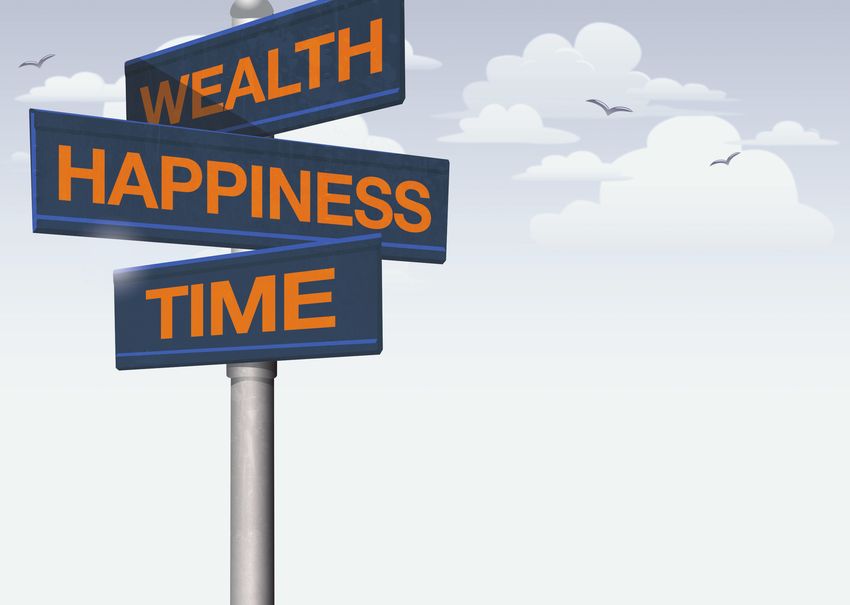
reflection on the impact it has on our lives. Time and wealth, once staples of prosperity,
are become more muddied as we rethink what it means to “live the good life.”

And with greater choice comes greater accountability, as we call on our fellow citizens and
institutions to choose actions and behaviors that benefit not just themselves, but also
society at large. This is prompting a renewed focus on community – where common good
creates a common bond.

As you turn the pages, we invite you to rethink life as you know it – and reflect on how
these changes will impact the world at your fingertips and beyond.

Sheryl Connelly
Global Consumer Trends and Futuring
Ford Motor Company

                                                                                                 3
CONTENTS

    Revisiting “Trust Is     Revisiting the
    the New Black”           “Female Frontier”
    p.6                      p.10

    Revisiting               The Good Life 2.0
    “Sustainability Blues”   p.18
    p.14
4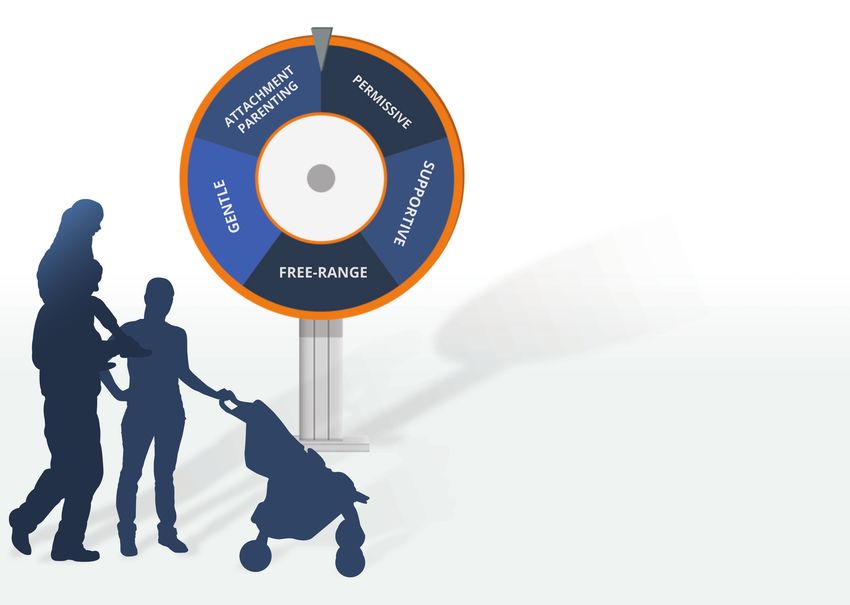
Time Well Spent      Decider’s Dilemma    The Tech Spiral
p.22                 p.26                 p.30

Championing Change   The Parenting Trap   Community Ties
p.34                 p.38                 p.42

                                                            5
Revisiting “Trust Is the New Black”
    When we launched our first annual trend book, we declared that
    “Trust Is the New Black.”
    We wrote that the social contract as we know it had been
    broken, and people’s mistrust of corporations, governments
    and media was making integrity a new – if rare – form
    of competitive advantage. 85% of consumers we
    surveyed say they fear that personal data is often
    collected without their knowledge or consent.
    Fake news sites have become rampant, and
    Oxford Dictionaries recently selected “post-
    truth” as 2016’s international word of the
    year, defining it as “relating to or denoting
    circumstances in which objective facts are
    less influential in shaping public opinion than
    appeals to emotion and personal belief.”
    Today, decoding integrity is increasingly a
    matter of perspective – is the glass half full,
    or half empty? Both are accurate, but opinion
    is inherently subjective. Where truth was once
    indisputable and often self-evident, today’s “truths” are
    often heavily influenced by perceptions and reinforced by
    like-minded viewpoints.

6      CONTENTS
“I say what I
     really think on
     social media.”

                              (percent of adults
                              globally who agree)
   China                                            83%

   India                                      76%

   Spain                            57%

   Brazil                        55%                          “I find social media
                                                              is more about optics   80% of adults
   U.S.                       50%                             than substance.”       globally agree
   Germany               45%

   Canada                45%

   Australia            42%

   U.K.                39%

                                                “People today are less likely to
                                                consider opposing viewpoints.”

                                                65% of adults globally agree
CONTENTS                                                                                              7
TRUE
                                                                                                      AND
              TRUTH-O-METER

    “Finding information that’s objective and
    fact-based has never been more difficult.”                           Turns out, spending those precious minutes flossing before bed
    (percent of adults globally who agree)                               isn’t necessary, per recent guidelines from the U.S. Department
                                                                         of Agriculture and Department of Health and Human Services.
     India                                            75%                England’s National Health Services is looking into whether
                                                                         flossing should still be recommended.
     U.S.                                          71%
                                                                         New research confirms germs are transferred instantaneously
                                                                         upon hitting a dirty surface. Sorry, five-second rule.
     Australia                                     70%
                                                                         Many people believe blood is blue when it is in the body, then
     Canada                                     67%
                                                                         turns red when exposed to oxygen, but blood is always a shade
                                                                         of red.
     Germany                                    67%
                                                                         While we tend to grow up thinking humans have five senses,
     China                                     64%                       we have quadruple that number. A sense in the human body
                                                                         is created by a sensor – of which we have almost 20, including
     Brazil                                  62%                         sensations of hunger, thirst and movement.

     U.K.                                    61%

     Spain                               56%

                                      “You can be authentic without being truthful.”
                                      (percent of adults who agree)
                                                                                            41  %
                                                                                                              36   %
                                                                                                                                32  %
                                                                                           Germany             U.K.             Spain

8      CONTENTS
What if white and gold is black and blue?
                                                    A photo of a striped dress posted on Tumblr launched an online feud
                                                    about its true color. Thanks to differences in human color perception,
                                                    the dress appeared white and gold to some, and blue and black to
                                                    others. Within hours, #TheDress was a global phenomenon, with
                                                    conversations about the photo in languages ranging from Spanish to
                                                    Japanese to Arabic.

                                                    What if telecommuters got a makeover?
                                                    Japanese beauty retailer Shiseido teamed up with Microsoft to create
                   “Truth is indisputable.”         Telebeauty, an augmented reality app that makes your face appear fully
                                                    made-up on Skype. This is intended to boost productivity in meetings

               75% of adults globally agree         by eliminating the “appearance barrier” – people being distracted by the
                                                    appearance of their face on screen.

                                                    What if hidden fees didn’t fly?
                                                    Southwest Airlines’ latest ad campaign is making a statement about
                                                    its rates and character. Dubbed #Transfarency, it breaks down fees
                                                    for customers up front. The website includes a fee-or-fake game that
                                                    compares the airline’s price structure to what other airlines offer – calling
                                                    them out on superfluous costs.

                                                    What if fact-checking was cool again?
                                                    In the U.S., 2016 could be dubbed the year of the fact check. In the most
                                                    contentious presidential election in modern history, voters called for a
                                                    glimmer of normality – truth. The Washington Post reports traffic to its
                                                    fact-checking blog was five times higher for the 2016 election than
                                                    2012, while the PolitiFact candidate page racked up over 2.7 million views
                                                    this year. A similar fact-checking surge came during the Brexit vote, with
                                                    London-based fact-checking site Full Fact reporting that their content
                                                    related to the U.K.’s EU membership fee attracted three times more
                                                    viewers than all of other articles on the site, representing 10% of the site’s
                                                    overall traffic.
             “Today’s media outlets offer more
           opinion than objective news coverage.”   Why does this matter to Ford?
                                                    As a 113-year-old company, Ford considers trust the foundation of its

              80   %
                       of adults globally agree
                                                    longevity. We take great care and pride in being transparent and honest
                                                    with our customers, and in standing up for what’s right.
CONTENTS
Revisiting the “Female Frontier”
                Three years ago, we wrote about the female frontier – an upsurge
                in recognition across women and men alike that rigid gender
                constructs hinder cultural, social and economic development.
                                 78% of people across the globe say women
                                 have more opportunities today than they did
                                three years ago. Yet the World Economic Forum’s
                              2016 report on the global gender gap attests
                           that “more than a decade of data has revealed that
                         progress is still too slow for realizing the full potential of
                         one half of humanity within our lifetimes.” In our survey,
                       82% of adults agree that women and men are still not
                    viewed as equals.
                But women globally – along with many of their male
                counterparts – are stiffening their resolve to push for gender
                  parity, so that not just their own lives are improved, but the
                        world at large.

10   CONTENTS
“I feel women have more opportunities
today than they did three years ago.”
(percent of adults globally who agree)
India 90%
Brazil 83%
China 82%
U.S. 78%
Canada 77%
Australia 77%
Germany 73%
“I think the roles of men and women
U.K. 73% are becoming more blurred.”
Spain 67% (percent of adults globally who agree)
75 %
72 %
Men Women
CONTENTS 11“I think the world would be a better place if it were run by women.”
(percent of adults globally who agree)
57 %
41 %
Women Men
Liechtenstein is home to the highest percentage
of female entrepreneurs in Europe, clocking in at 43%
“I plan on raising my children
differently from how I was raised.”
Today, nearly half of European Union (percent of adults globally who agree)
countries provide paid paternity leave.
In the U.K., new fathers are given up 76 %
70 %
to £139.58 a week for two weeks, with Men Women
the option to take longer leave unpaid.
12 CONTENTSWhat if it was never a dress?
Axosoft, a business-to-business software company, launched
“Women and #ItWasNeverADress at the 2015 Girls in Tech Catalyst Conference in
men are still Phoenix. The campaign was designed to raise awareness about women
who are overlooked in typically male-dominated tech, science and
not viewed as mathematics fields, using the slogan, “When we see women differently,
equals.” we see the world differently.” Tania Katan, Axosoft curator of code and
campaign spokeswoman, says, “People are very excited to see that they
(percent of adults aren’t just a symbol of the mundane, but they’re actually a symbol of
the extraordinary.”
globally who agree)
What if more women held office?
88 %
77 % In Saudi Arabia, women still cannot drive, nor can they marry or travel
abroad alone without permission from a male guardian. Yet in December
Women Men 2015, nearly 1,000 women had their name on municipal council ballots in
the first nationwide election in which women had the right to vote – and
run for office. Nearly 20 female candidates were elected. Despite these
new rights, critics say restrictions still make it hard on women who want
to run for office and vote. While nearly 1.36 million men are registered to
vote in Saudi Arabia, roughly just 130,000 women are registered.
What if equal work got equal pay?
On October 24, 2016, thousands of women across Iceland walked out of
the workplace at exactly 2:38 p.m. The mass exit was a coordinated effort
to protest Iceland’s persistent wage gap – on average, women in Iceland
What percent of the world’s earn 14% to 18% less than their male colleagues, despite living in a country
billionaires are female? that’s among the best in the world for gender equality. This essentially
means women are working “for free” from 2:38 p.m. onward. For a similar
9.7 %
10.7 %
10.4 % protest in 2005, women left work at 2:08 p.m. In 2008, it was 2:25 p.m. If
progress continues at the current rate, it will be another 52 years until the
earnings gap closes entirely.
2014 2015 2016
Why does this matter to Ford?
As demographic shifts continue to change household and work dynamics,
women and men will redefine roles and responsibilities in 2017 and beyond.
At Ford, we have long recognized that women have a growing influence both
in the marketplace and in society at large.
CONTENTSRevisiting “Sustainability Blues”
In our 2014 trend book, we addressed the world’s increasing
concerns about water. We had just witnessed devastating
floods from a typhoon in the Philippines, debilitating
droughts in Lima and contamination in China’s Yangtze River.
Sadly, this trend has not subsided.
In 2015, the World Economic Forum declared the water crisis
to be the most devastating risk to society and now, it looms
even larger. Sri Lanka, São Paulo and the U.S. were devastated
by floods this year. And Flint, Michigan, is a reminder that water
contamination is as pressing an issue for developed nations as it is
for emerging ones.
14 CONTENTS“I have changed my behavior in
the last year as a direct result of
my concerns related to water.”
73%
(percent of adults globally who agree) 70%
64%
India 81%
Brazil 76%
“I have or know
China 62% someone who has
Spain 54% suffered from a
water shortage in
Australia 50% the last year.”
Canada 48% 32% 31% 31%
28%
U.S. 44%
Germany 39% 21%
16%
U.K. 35%
Germany
Australia
Canada
China
Spain
Brazil
India
U.K.
U.S.
What if your faucet was a conservation tool?
Tired of wasting water while you wash hands or rinse dishes? Described as “the
(percent of adults globally who agree)
world’s most extreme water-saving nozzle,” Altered:Nozzle is designed to transform
tap water into a mist that’s suitable for most household sink needs. It’s equipped
with two settings – mist mode, which releases 0.047 gallon of water per minute,
and super saver mode, which releases 0.32 gallon per minute. By turning water
into mist, the nozzle provides users with greater surface area, which can then be
adjusted per the demands of a given task. Developed in Stockholm, Altered:Nozzle is
targeted to ship globally in December 2016.
15In 2010, the United Nations officially declared water and sanitation to be “human rights.”
1.8 billion people around the world don’t An estimated 2/3 of the world’s
have access to safe water – that’s nearly 25% of
population may face water shortages by 2025.
the world’s population.
Water problems cause estimated annual The average American consumes more than
economic losses of up to
300 gallons of California water
7% GDP in some countries. each week by eating food that was produced there.
Poor sanitation, water and hygiene In developing countries, the burden of hauling water
rests primarily on women and girls. In Africa and Asia,
lead to about675,000 the average haul is roughly 3.5 miles.
premature deaths annually.
16 CONTENTSWhat if your car created clean water?
In 2014, we wrote about a billboard in Peru that converted moisture in the
“I am more aware of drought air into clean drinking water. Inspired by this, Ford employee Doug Martin
and flooding concerns today invented a system to convert the fluid leaking from a car’s air conditioner
than I was two years ago.” into clean drinking water – pumping it from a faucet in the center console
into a filter that removes organic impurities. Martin is one of 4,500 Ford
employees who submitted innovation ideas to push the company beyond
its corporate goals.
What if beer took less water?
When beer company SABMiller decided to calculate its water footprint
eight years ago, it learned that 90% of its water use went toward growing
ingredients such as barley and hops. The company resolved to cut its
water consumption – it now uses 3.5 liters of water on average to produce
one liter of beer, with the goal of cutting use down to three liters by 2020.
SABMiller is committed to working with its vendors to reduce pollution and
minimize runoff into local rivers.
70 % ofglobally
adults
agree
What if a little water education went a long way?
UNICEF and the European Union are teaming up to save water in Iraq. This
new project is dedicated to promoting efficient water use among nearly
10 million Iraqis, teaching them effective methods of water conservation
– from cooking to hygiene practices. The hope is that impact at the
household level will inspire change across the government.
Why does this matter to Ford?
We are committed to improving our approach to sustainability in ways that
preserve our planet. We were the first automotive company to have a water
strategy, and we are proud to lead the industry with an “A” rating from the
CDP, the world’s only global environmental disclosure agency. We have a
long term goal of using zero potable water in our manufacturing processes.
CONTENTSThe Good Life 2.0
Today, bigger isn’t always better, and ownership isn’t equated with
happiness. More and more consumers are finding joy in less,
taking advantage of access-over-ownership service models and
wealth is an increasingly outdated measure of success. These
shifts are prompting global citizens to rethink what it means to live
the good life, where “good” encompasses not just possessions, but
also experiences and values.
18 CONTENTS“Prosperity today is more about
happiness than wealth.”
(percent of adults globally who agree)
India 82%
Germany 78%
China 77%
Australia 71%
Canada 71%
U.S. 70% “I’m annoyed by people who are showy with their money.”
(percent of adults who agree)
Spain 69%
Brazil 67% 88 %
86 %
81 %
Germany Spain U.K.
U.K. 64%
CONTENTS 19“I define prosperity differently from
how my parents did.”
71% of adults globally agree
“Wealth is an outdated measure of success.”
(percent of adults who agree)
73 %
66 %
65 %
Spain U.K. Germany
20 CONTENTSWhat if purpose precedes profit?
Rustam Sengupta was fulfilling the traditional measures of success – an
MBA from a top business school, a well-paying consulting career – when
he discovered a higher calling after visiting his native village in India and
finding deep problems with electricity, drinking water and other necessities.
Motivated to help, Rustam founded Boond, a social enterprise dedicated to
supporting alternative energy throughout northern India.
When Sam Polk was disappointed by his $3.6 million bonus, he realized
he’d been on Wall Street too long. He gave two-weeks notice, spent time
traveling the world, and then moved to San Francisco to start a nonprofit
called Groceryships, which provides nutrition education along with
scholarships for groceries to help families incorporate more healthful foods
into their diets.
When New York City lawyer Zan Kaufman began working at her friend’s
burger shop on weekends to break up the monotony of her weeks, she
never imagined it would become her life’s passion. When Zan had an
opportunity to move to London a year later, she didn’t apply to law firms,
she bought her own food truck – and Bleecker Street Burger was born.
What if vacation was medicine?
“I care less about material To escape the pressures of urban life and the stresses of constant
possessions than I did in the past.” connectivity, Millennials (those born between 1980 and 2000) are not
turning to five-star hotels or Michelin Star restaurants. Instead, they’re
(percent of adults who agree) using vacation to boost their well-being – from yoga retreats to boot camps
to healthy cooking tours in Italy. Wellness travel is now a $563 billion global
74 %
73 %
51 % industry, after growing 14% in the last two years. More than 690 million
wellness-focused trips were taken in 2015 worldwide.
U.K. Spain Germany
Why does this matter to Ford?
The automobile means different things to different people – for some, it’s
status; for others, it’s a love of the open road; and for many, it’s simply a
ride. At Ford, we continually explore the intersection of need and desire to
help fulfill our customers’ “good life” aspirations.
CONTENTSTime Well Spent
Has the New York minute gone worldwide? In our on-
demand world, patience seems to be less of a virtue,
perhaps because it’s so rarely needed. Historians don’t
know when the notion of time was invented or who
created it, but today’s conventional ideas about time –
and the rules that accompany it – are often discarded.
Time is a currency that we spend, and value, differently
than we did in the past. Punctuality is a dying art.
Procrastination can be a strength. And there are more
and more ways to rationalize how we spend our time –
rather than declaring it “wasted.”
22 CONTENTS“My definition of wasting time is different than it was in the past.”
72% of adults globally agree
Which of the following do you consider a productive use of time?
(percent of adults globally who agree)
Sleeping 57%
Surfing the internet 54%
Reading fiction 43%
Watching TV 36%
Social media 24%
Daydreaming 19%
CONTENTS 23HO
UR
S
Ave
n
ra
spe ge t
im
Fac ds pe e a u
MIN
UT
ES 98% of kids
who have taken
ebo r s
and ok, day o er a “gap year” agree
Me Fa In s n
sse ceboo tagra the experience
nge k m “helped me
r
develop as a
person.”
Long a tradition for students in the U.K., the
gap year is becoming a trend among students
in the U.S. – according to the American Gap Association, the
number of students taking a gap year increased 22% between
2014 and 2015. U.S. President Obama’s daughter, Malia,
announced plans to take a gap year before attending Harvard
in fall 2017.
“I find I am more impatient today
than I was in the past.”
(percent of adults ages 18-29 who agree) 68 %
61 %
50 %
24 CONTENTS U.K. Spain GermanyWhat if you could save distractions for later?
Ever searched online to discover a specific piece of information you need,
only to find yourself hours later down a highly engaging, yet nonetheless
wholly irrelevant, rabbit hole? We’ve all been there. Pocket saves those
delightfully distracting finds for later so you can skip the fear of missing
out and stay focused on the task at hand while surfing the web. The app
works across browsers, devices and operating systems to seamlessly
collect the articles, videos and podcasts in one place. Across its 22 million
users, over two billion articles have been saved.
NOW LATER SOMEDAY SOON
What if detention time is replaced with
“Procrastination helps me be
more creative or productive.” meditation time?
Delinquent students at one Baltimore elementary school are no longer
(percent of adults globally who agree) punished by spending afterschool hours counting down the minutes in a
bleak detention room. Instead, the school has implemented a Holistic Me
India 63% afterschool program that uses that time proactively – with activities like
yoga, mindfulness and meditation to teach students how to manage their
Spain 48% emotions. Since the launch of the program in 2014, the school reports zero
suspensions.
U.K. 38%
Brazil 35% What if overtime had no place at the office?
At Heldergroen, an ad agency near Amsterdam, the workday ends
Australia 34% abruptly at 6 p.m. with the turn of a key – literally. Steel cables hoist
the desks into the air, complete with computers, notepads and desktop
U.S. 34% miscellany. With the floor vacated, the space is free for yoga, dance parties
and other activities that people are free to enjoy when they spend less
Germany 31% time working and more time living. “It’s a ritual which says there is a time
and a space to start working,” Sander Veenendaal, the firm’s creative
Canada 31% director, told BBC Radio.
China 26%
Why does this matter to Ford?
Each year, 160 million hours are taken up by daily commutes and traffic
jams. Ford’s Smart Mobility efforts are designed to address this issue,
helping turn wasted time into meaningful time for travelers.
CONTENTSDecider’s Dilemma
Whether you shop online or in-store, at local mom and pop shops or
big box retailers, today there is an abundance of choice – a situation
as remarkable as it can be overwhelming. This impacts our attitudes
toward commitment. People are reluctant to commit when they
have so many options at their fingertips – and increasingly,
they don’t have to. Products, services and values are adapting to
accommodate a sampling society that prioritizes trying over buying.
26 CONTENTS“The internet
creates more choice
than I need or want.”
China 99%
“After I buy something, I worry that I
India 90% should have kept looking for a better
(percent of adults globally who agree)
product or deal.”
Brazil 74%
(percent of adults globally who agree)
Australia 70%
Canada 68%
Germany 68%
Spain 67% 60% 51% 34%
U.K. 66%
Ages 18-29 Ages 30-44 Ages 45+
U.S. 57%
CONTENTS 27“I don’t plan to live in the same “I don’t plan to work for my current
place for more than five years.” employer for more than five years.”
(percent of adults globally who agree)
43% Ages 18-29 49%
41% Ages 30-44 35%
16% Ages 45+ 29%
“In the last month, I have walked away (percent of adults globally who agree)
from a purchase decision because there
were so many options, I couldn’t choose.”
49 %
39 %
27 %
Ages 18-29 Ages 30-44 Ages 45+
28What if you could test drive an Apple Watch?
The art of sampling is going high-tech with Lumoid, a short-term
electronics rental service. For $60 a week, you can test out an Apple Watch
before making the $550 purchase. For just $5 a day, you can rent a drone
to find the model that’s best for you.
“Online dating sites
make it harder for
people to commit to What if you could own a share of a property,
relationships.” or have access to many properties?
54% of adults globally agree
Property Partner is taking crowdfunding to the residential real estate
market in London. Individuals can put as little as £50 into a house,
forming part of a group of investors who serve as “co-owners.” Each
investor receives portions of rental income and capital growth while they
own the property, and their investments can then be bought, sold and
traded like shares.
And then there’s Roam, a housing service that allows customers to sign
one lease and live in any of its properties across three continents for as
little as a week at a time. With modern amenities such as high-speed Wi-Fi,
luxury kitchens and coworking spaces included, Roam-ers can travel easy
knowing their needs will be taken care of wherever they choose to go.
What if you could work up a sweat anywhere?
Founded in 2015, ClassPass grants members limited access to more
“New sharing services than 8,000 fitness studios in 35-plus cities – all through one monthly
make it easier for me to membership. Prices and plans vary, so members can choose how many
times a month they’d like to hit certain gyms and classes. In Asia, KFit
avoid commitment.” is embracing this serial sampling approach by providing members with
47% of adults
access to more than 1,000 fitness partners across six cities. London’s
Somuchmore is expanding its network beyond fitness to include holistic
wellness, with classes for nutrition, meditation and yoga.
globally ages 18-29
agree
Why does this matter to Ford?
Consumers are faced with a plethora of transportation options – a choice
between public transportation or personal vehicle, which route to take, what
time to leave, and more. Our Ford Pass and emerging mobility solutions are
specifically designed to help each traveler plan his or her journey.
CONTENTSThe Tech Spiral
Is technology improving our way of life – or eroding it?
In many ways, tech has made life more convenient
and efficient, and yet we also have shorter attention
spans, lower retention, and greater likelihood to
allow technology to do our thinking for us. The more
we read, it often feels, the less we know. There is an
underbelly to technology that has become increasingly
apparent to users, who are now beginning to grapple
with the impact.
30“The quest to find ‘something better’ is never-ending.”
(percent of adults globally who agree)
China 94%
India 87%
Brazil 83%
Spain 82%
U.S. 78%
Canada 77%
U.K. 76%
Australia 75%
Germany 74%
“Our increased reliance on technology
has resulted in higher rates of obesity.”
77% of adults globally agree
CONTENTS 31NO
YES MAYBE
See you tonight!
Sorry, just not that “I find information online is
into u. Cheers. frequently contradictory.”
(percent of adults who agree)
“I know someone
who has ended a 80 %
68 %
64 %
relationship via text U.K. Spain Germany
message.”
67% of adults ages
zz
18-29 globally agree
z
“Technology is contributing to sleep deprivation.”
(percent of adults globally who agree)
78 %
69 %
Women Men
32 CONTENTSWhat if a scarf saved you from the paparazzi?
Dutch designer Saif Siddiqui is combining a growing desire for privacy
with luxury design. In 2015, he founded ISHU, which offers fashionable
accessories that shield wearers from flash photography. From scarves to
hoodies to joggers, the stylish designs are gender-agnostic and come in a
variety of colors and patterns.
What if Facebook protected your insurance
“Technology is making us dumber.” premiums?
47 % In the U.K., Facebook has stepped in to block insurance companies from
of adults globally agree setting premiums based on users’ posts. The intent among insurance
companies was to look for users who showed indications of responsible
driving, like being conscientious and organized.
“Technology is making us less polite.” What if cars could save petextrians?
63
According to the U.S. National Highway Traffic Safety Administration, a
% pedestrian is injured every eight minutes in a collision with a car. One cause
of adults globally agree of this rise in accidents is “petextrians” – pedestrians who are distracted by
texting. To keep roads and sidewalks safe, Ford is pioneering technology
that predicts human movement to reduce the severity of frontal collisions,
and in some cases, even eliminate these accidents. Using 12 vehicles, Ford
conducted 500,000-plus miles of development testing in Europe, China and
the U.S., racking up more than one year – 473 days – of data logging. In just
15 weeks in North America alone, the technology recorded more than three
million scans of roadside objects, vehicles and pedestrians across roughly
70% non-highway and 30% highway miles.
Why does this matter to Ford?
When it comes to technology, we recognize that more isn’t always better.
We are deliberate and purposeful with our innovation – and as we push the
boundaries of technology, we do it in ways that are seamless, integrated
and intuitive.Championing Change
Who has the greatest opportunity – and influence – to make
a difference today? On the environment? On social issues? On
health and wellness? For decades, the buck has been passed
back and forth between individuals and institutions, be they
government or enterprise. Increasingly, we are holding each
other – and ourselves – accountable for making the right
decisions for society at large.
34 CONTENTSing
elie ve boycott
b e
Which of the following do you feel has the most “I
a n d can chang for
a br vior
power to effect positive change on society?*
orp ora te beha
c
ter.”
(percent of adults globally who agree) the bet
47% Individual consumers
(percent of adults who agree)
70 %
66 %
58 %
28 %
Governments U.K. Germany Spain
17% Companies
*8% of respondents chose “none of the above”
CONTENTS 35“Who is most to blame for excess
consumerism?”
(percent of adults globally who agree)
39% 37% 24%
Media Individual Companies
consumers
“I feel no guilt or
remorse when (percent of adults who agree)
throwing away
clothes because
they are no
longer in style.”
39 %
30 %
29 %
China Spain U.K.
36 CONTENTSWhat if algorithms can’t be accountable?
Machine learning can make transactions more efficient, but can it be
accountable to customers? While a bank teller can explain why an
application for a credit card is declined, automated systems often are unable
to answer the simple question “Why?” These machines may be able to learn
day-to-day tasks, but the mechanics of their decision-making process are
not clear – resulting in calls for regulation around algorithmic accountability.
The European Union recently passed a “right to an explanation” regulation
for all decisions made by machine-learning systems.
What if vaccinations were more affordable?
International humanitarian group Doctors Without Borders is sticking to
its guns on the issue of high vaccination prices, so much so that the group
recently declined a donation of one million pneumonia vaccines. The
formula for these medicines is patented, which prevents competition and
drives up prices – making the vaccine largely inaccessible to many parts of
the world, including organizations like Doctors Without Borders. The group
forgoing this short-term assistance demonstrates its commitment to the
long-term distribution of the medicine at a fair price.
What if we charged our phones with a
conscience?
“I should pay closer attention to the 60% of the world’s cobalt, an essential ingredient for making lithium-ion
batteries used in cell phones and cars, is sourced from one African country
production ethics of the products I buy.” – Democratic Republic of Congo. Every day, 100,000 cobalt miners use hand
tools to dig deep underground in poor conditions that often lead to death
86% of adults globally agree and injury; mining communities are exposed to toxic metals, leading to
breathing problems and birth defects. Apple acknowledges that about 20%
of the cobalt it uses is sourced from Congo, so the company is stepping in
to help clean up conditions there. Ford’s battery supplier, LG Chem, has
indicated that it does not source cobalt from Congo.
Why does this matter to Ford?
Our mission is to make customers’ lives better. In so doing, we are
constantly mindful of what’s best for them economically, socially and
environmentally. We are unwaveringly committed to progress.
CONTENTSThe Parenting Trap
Why did the act of parenting become such a hotly
debated topic? Today, there are thousands of schools
of thought on parenting – and they are all right there on
the internet for everyone to see, adopt or critique. Many
parents have abandoned the script, recognizing every kid
is different and requires a unique approach to parenting. As
parenting styles proliferate, so, too, has judgement – yet parents
are more open and forthcoming about their struggles, looking
for empathy and advice from their peers.
38 CONTENTS“The success of my parenting is measured
by the success of my children.”
(percent of parents globally who agree)
India 81%
Parenting Tricks Around the World
Germany 77%
Vietnamese parents potty-train their babies by nine months
by teaching them to go at the sound of a whistle.
China 71%
Norwegian children follow strict schedules and regimens that
U.S. 69% include napping outside – even in subzero temperatures.
Brazil 66% In Kenya, the Kisii avoid looking their babies in the eye, which is
considered an act bestowed with a lot of power. Researchers say Kisii kids
Canada 62% are less attention-seeking as a result.
U.K. 62% While Danish parents shop, they may leave their kids outside to get some
fresh air, considered essential for healthy development.
Australia 60%
Japanese parents let their kids ride the subway solo at age 7.
Spain 50%
French kids eat everything that’s on the table, with the
expectation that if you try something enough times, you’ll come
to like it. The result is French kids who eat what adults eat –
everything from foie gras to stinky cheese.
CONTENTS 39(percent of adults globally who agree)
“The influence China 81%
of technology India 71%
on children’s
development is Spain 69%
more positive
Brazil 64%
than negative.”
Germany 59%
“Until what age should a parent take U.K. 57%
financial responsibility for his or her child?” Australia 51%
(percent of adults globally who agree)
Canada 51%
U.S. 46%
4 %
Ages 15-17
24%
As long as
possible
39%
7 %
Ages 18-22 “Parents today are more open
Ages 27-30 about the difficulties of parenting.”
26 % 82% of adults globally agree
Ages 23-26
40 CONTENTSWhat if it was safer to put your baby in a box?
In Finland, the government sends every new mother a box filled with
supplies such as clothing and bathing products to help them care for their
new little ones. It also includes a small mattress that transforms the box
itself into the baby’s bed. This approach has been credited with helping
the country achieve one of the lowest infant mortality rates in the world.
Baby boxes are now being made in the U.S., South Africa and many other
countries, tailored to local needs and customs. The Duke and Duchess of
Cambridge even received one for Prince George.
“I feel people constantly judge my parenting style.”
(percent of parents globally who agree)
What if dads and moms were equal caregivers?
60 52 32
In June 2015, the first-ever “State of the World’s Fathers” report debuted at
% % % the United Nations headquarters in New York. The report calls attention
to men’s participation in caregiving and parenthood, asserting that
Ages 18-29 Ages 30-44 Ages 45+ when men become more involved in children’s lives, child development
improves. Specific areas of focus include participation in maternal health
during the prenatal period; paternity leave; fathers’ presence though
children’s adolescence; and equality at home.
What if there’s no way to know what you can
be when you grow up?
Parents aren’t just faced with uncertainty about how to raise their kids –
they’re faced with not knowing what kind of world they are raising them
“I believe nature is more to survive and thrive in. According to World Economic Forum, the pace of
important than nurture in change in our global society is so rapid and disruptive that 65% of children
determining a child’s future.” entering school today will work jobs that don’t currently exist.
50 %
40 %
Why does this matter to Ford?
of men of women Every day, new and young drivers take to the road for the first time. Our
globally agree globally agree goal is to develop programs, vehicles and services that afford parents peace
of mind when their loved ones are behind the wheel.
CONTENTSCommunity Ties
Today, community takes on many forms, shapes
and sizes – both online and off.But the best of these
communities don’t happen simply by accident. Instead,
they are the result of citizens, educators, economic
leaders and governments acting in concerted and
coordinated ways to build societies that give its
members both purpose and hope.
42 CONTENTSPURPOSE PROFIT
“I’m more likely to support companies that
prioritize purpose over profit.”
(percent of adults globally who agree)
88 %
83 %
Women Men
In the U.K. 14.2 million people volunteered in 2015.
The average volunteer gave 11.6 hours per month.
CONTENTS 4372% of companies use their online communities to get feedback and
insights into how existing products are used.
67% of companies use online communities to collect ideas for new
products or features directly from customers.
81% of people in Cyprus say they feel close to others in their local area.
85% of people in Slovenia say they feel safe walking home at night.
63% of Europeans rate their life satisfaction as better than 7 out of 10.
44 CONTENTSWhat if building a library took a century?
A Norwegian town is responding to the high-speed pace of today’s world by
building a locally centric “slow space.” Future Library is a public art project
that will be built from a special plot of 1,000 pines reserved to be turned
into books by the community over the next 100 years.
“Companies are responsible for improving
the lives of their customers.”
(percent of adults globally who agree)
What if you got a local perspective on a layover?
81% As community is often in the eye of the beholder, many travel services
79%
are stepping up to give that eye a local perspective. Dutch airline KLM
is connecting travelers with layovers in Amsterdam with a local guide –
70% 69%
covering the cost of a train into the city and the first round of drinks for
both the tourist and the local. IcelandAir’s Stopover Buddy program offers
experiences facilitated by its own employees during 24-hour layovers
55% 54% in Reykjavik. Singapore’s BeMyGuest travel site offers complete travel
51% 50% experiences across Asia facilitated by local tour guides and agencies.
48%
What if banks were rated on community?
Mighty is an online tool that makes choosing a bank as easy as reading a
Germany
Australia
Canada
nutrition label, helping consumers understand what banks are doing for
China
Spain
Brazil
their community. It sorts through a myriad of annual reports, certifications
India
U.K.
U.S.
in the community, and values-based accreditations, such as B Corp status,
to highlight banks providing the most community bang-for-the-buck.
Why does this matter to Ford?
Ford recognizes that our work is not just with customers, but with
communities. This is why we’ve teamed up with major global cities to help
solve congestion issues and help people move more easily, today and in
the future.Citations
Revisiting “Trust Is the New Black” • What if fact checking was cool again? (CNN.com, • What if equal work got equal pay? (The Independent,
• Percent of adults who agree “I say what I really think “How Donald Trump Made Fact-Checking Great “Iceland’s Women Leave Work at 2:38pm To Protest
of social media.” (BAV Consulting, Global Survey Again,” Nov. 7, 2016; Poynter, “Lessons from Fact- Gender Pay Gap,” Oct. 25, 2016)
2016) Checking the Brexit,” Jun. 23, 2016)
• Percent of adults who agree “I find that social Revisiting “Sustainability Blues”
media is more about optics than substance.” (BAV Revisiting the “Female Frontier”
• Percent of adults who agree “I have changed my
Consulting, Global Survey 2016) • Percent of adults who agree “I feel that women have behavior in the last year as a direct result of my
• Percent of adults who agree “People today are more opportunities today than they did three years concerns related to water.” (BAV Consulting, Global
less likely to consider opposing viewpoints.” (BAV ago.” (BAV Consulting, Global Survey 2016) Survey 2016)
Consulting, Global Survey 2016) • Percent of adults who agree “I think the roles of • Percent of adults who agree “I have or know
• Percent of adults who agree “Finding information men and women are becoming more blurred.” (BAV someone who has suffered from a water shortage in
that’s objective and fact-based has never been more Consulting, Global Survey 2016) the last year.” (BAV Consulting, Global Survey 2016)
difficult.” (BAV Consulting, Global Survey 2016) • Percent of adults who agree “I think the world would • What if your faucet was a conservation tool?
• Fact or Fiction? (The Guardian, “Everyone be a better place if it were run by women.” (BAV (alteredcompany.com)
Recommends Flossing, But There’s Hardly Any Consulting, Global Survey 2016)
• In 2010, the United Nation’s officially declared water
Proof It Works,” Aug. 2, 2016; New York Times, “’Five • Liechtenstein is home to the highest percentage of and sanitation to be “human rights.” (un.org)
Second Rule’ for Food on Floor is Untrue, Study female entrepreneurs in Europe, clocking in at 43%.
Finds,” Sept. 19, 2016; BuzzFeed, “32 Things You (European Commission, “Statistical Data on Women • 1.8 billion people around the world don’t have
Always Believed That Simply Aren’t True,” Feb. 7, Entrepreneurs in Europe,” Sept. 2014) access to water. (World Health Organization,
2014) “Drinking-Water,” November 2016)
• Today, nearly half of European Union countries
• Percent of adults who agree “The truth is something provide paid paternity leave. In the U.K., new fathers • An estimated two-thirds of the world’s population
that is indisputable.” (BAV Consulting, Global Survey are given up to £139.58 a week for two weeks, with may face water shortages by 2025. (World Wildlife
2016) the option to take longer leave unpaid. Fund, “Water Scarcity,” 2016)
• Percent of adults who agree “You can be authentic • (The Telegraph, “Paid Paternity Across the EU,” Apr. • Water problems cause estimated annual economic
without being truthful.” (BAV Consulting, Global 18, 2016) losses of up to 7% of GDP in some countries.
Survey 2016) (worldbank.org)
• Percent of adults who agree “I plan on raising my
• Percent of adults who agree “Today’s media outlets children differently from how I was raised.” (BAV • The average American consumes more than 300
offer more opinion than objective news coverage.” Consulting, Global Survey 2016) gallons of California water each week by eating food
(BAV Consulting, Global Survey 2016) that was produced there. (New York Times, “Your
• Percent of adults who agree “Women and men are Contribution to the California Drought,” May 21,
• What if white and gold is black and blue? (CNBC, still not viewed as equals.” (BAV Consulting, Global 2015)
“The Dress That Broke the Internet,” Feb. 27, 2015; Survey 2016)
BuzzFeed, “2/26: The Oral History,” Feb. 26, 2016) • Poor sanitation, water, and hygiene lead to about
• What percent of the world’s billionaires are female? 675,000 premature deaths annually. (worldbank.
• What if telecommuters got a makeover? (The Japan (Forbes, “Forbes 2016 World Billionaires: Meet the org)
Times, “Shiseido App Adds Make-Up to Faces on Richest People on the Planet,” Mar. 1, 2016)
Video Conferences,” Oct. 11, 2016) • In developing countries, the burden of hauling water
• What if it was never a dress? (itwasneveradress.com) rests primarily on women and girls. In Africa and
• What if hidden fees didn’t fly? (tranfarency.com) • What if more women held office? (BBC, “Saudi Asia, the average haul is roughly 3.5 miles. (un.org)
Arabia’s Women Vote in Election for the First Time,”
Dec. 12 2015)
46 CONTENTS• Percent of adults who agree “I am more aware of Time Well Spent • Percent of adults who agree “I don’t plan to live
drought and flooding than I was two years ago.” • Percent of adults who agree “My definition of in the same place for more than five years.” (BAV
(BAV Consulting, Global Survey 2016) wasting time is different than it was in the past.” Consulting, Global Survey 2016)
• What if your car created clean water? (Ford Motor (BAV Consulting, Global Survey 2016) • Percent of adults who agree “I don’t plan to work for
Company) • “Which of the following do you consider a my current employer for more than five years.” (BAV
• What if beer took less water? (BBC, “Companies Get productive use of time?” (BAV Consulting, Global Consulting, Global Survey 2016)
Serious About Water Use,” Apr. 13, 2012) Survey 2016) • Percent of adults who agree “In the last month, I
• What if a little water education went a long way? have walked away from a purchase decision because
(United Nations Iraq, “UNICEF and European Union • Average time a user spends per day on Facebook, there were so many options, I couldn’t choose.” (BAV
Fund Water Conservation Project in Iraq,” Jan. 19, Instagram, and Facebook Messenger. (New York Consulting, Global Survey 2016)
2015) Times, “Facebook Has 50 Minutes of Your Time Each • Percent of adults who agree “Online dating
Day. It Wants More,” May 5, 2016) sites make it harder for people to commit to
• 98% of kids who have taken a “gap year” agree relationships.” (BAV Consulting, Global Survey 2016)
The Good Life 2.0
the experience “helped me develop as a person.”
• Percent of adults who agree “Prosperity today (Forbes, “Some Students Headed to College Take a • Percent of adults who agree “New sharing services
is more about happiness than wealth.” (BAV Gap Year First,” Apr. 28, 2016) make it easier for me to avoid commitment.” (BAV
Consulting, Global Survey 2016) Consulting, Global Survey 2016)
• Percent of adults who agree “I find I am more
• Percent of adults who agree “I am annoyed by impatient today than I was in the past.” (BAV • What if you could test drive an Apple Watch?
people who are showy with their money.” (BAV Consulting, Global Survey 2016) (lumoid.com)
Consulting, Global Survey 2016)
• Percent of adults who agree “Procrastination • What if you could own a share of a property, or have
• Percent of adults who agree “I define prosperity helps me be more creative or productive.” (BAV access to many properties? (propertypartner.co;
differently from how my parents did.” (BAV Consulting, Global Survey 2016) roam.co)
Consulting, Global Survey 2016)
• What if you could save distractions for later? • What if you could work up a sweat anywhere?
• Percent of adults who agree “Wealth is an outdated (TechCrunch, “Pocket Wants You To Read Ads Later, (classpass.com; kfit.com, somuchmore.co.uk)
measure of success.” (BAV Consulting, Global Survey Too,” Feb. 23, 2016)
2016)
• What if detention time is replaced with meditation The Tech Spiral
• Percent of adults who agree “I care less about time? (Newsweek, “The Movement of Meditation
material possessions than I did in the past.” (BAV Replacing Detention in Schools,” Sept. 20, 2016) • Percent of adults who agree “The quest to find
Consulting, Global Survey 2016) ‘something better’ is never-ending.” (BAV Consulting,
• What if overtime had no place at the office? (BBC, Global Survey 2016)
• What if purpose precedes profit? (The Guardian, “Would We Be More Productive If We Worked
“What Is It Like to Quit Your Life and Start Again?” Shorter Hours?” Jun. 14, 2016) • Percent of adults who agree “Our increased reliance
Jun. 12, 2015; My Venture India, “Entrepreneurs Who on technology has resulted in higher rates of
Quit High Paying Jobs to Start Their Own Ventures,” obesity.” (BAV Consulting, Global Survey 2016)
Nov. 16, 2015; groceryships.org) Decider’s Dilemma
• 67% of adults 18-29 agree “I know someone who
• What if vacation was medicine? (Fast Company, • Percent of adults who agree “The internet creates has ended a relationship via text message.” (BAV
“Burned-Out Americans Are Helping Wellness more choice than I need or want.” (BAV Consulting, Consulting, Global Survey 2016)
Tourism Flourish,” Oct. 29, 2016) Global Survey 2016)
• Percent of adults who agree “I find information
• Percent of adults who agree “After I buy something, online is frequently contradictory.” (BAV Consulting,
I worry that I should have kept looking for a better Global Survey 2016)
product or deal.” (BAV Consulting, Global Survey
2016) • Percent of adults who agree “Technology is
contributing to sleep deprivation.” (BAV Consulting,
Global Survey 2016)
CONTENTS 47• Percent of adults who agree “Technology is making • What if we charged our phones with a conscience? Community Ties
us dumber.” (BAV Consulting, Global Survey 2016) (Washington Post, “The Cobalt Pipeline: Tracing • Percent of adults who agree “I’m more likely to
• Percent of adults who agree “Technology is making the Path from Deadly Hand-dug Mines in Congo to support companies that prioritize purpose over
us less polite.” (BAV Consulting, Global Survey 2016) Consumers’ Phones and Laptops,” Sept. 30, 2016) profit.” (BAV Consulting, Global Survey 2016)
• What if a scarf saved you from the paparazzi? • In the U.K. 14.2 million people volunteered in 2015;
(theishu.com) The Parenting Trap he average number of hours each volunteer gave
• What if Facebook protected your insurance • Percent of adults who agree “The success of was 11.6 per month. (UK Civil Society Almanac,
premiums? (Slate, “Facebook Says Insurance my parenting is measured by the success of my “Volunteering Rates and Overview,” 2016)
Company Can’t Set Premiums Based on Users’ children.” (BAV Consulting, Global Survey 2016) • 72% of companies use their online communities to
Posts,” Nov. 2, 2016) • Parenting Tricks Around the World (NPR, “Global get feedback and insights on how existing products
• What if cars could save petextrians? (Ford Motor Parenting Habits That Haven’t Caught On In The are used; 67% collect ideas for new products or
Company, “As ‘Petextrian’ Injuries Mount, Ford U.S.,” Aug 12, 2014) features directly from customers. (Huffington Post,
Technology Can Predict Human Movement,” Oct. 24, “6 Qualities of Great Online Communities,” Aug 13,
• “Until what age should a parent take financial 2014)
2016) responsibility for his or her child?” (BAV Consulting,
Global Survey 2016) • 81% of people in Cyprus feel close to others in
Championing Change their local area, 85% of people in Slovenia feel safe
• Percent of adults who agree “The influence of walking home at night, 63% of Europeans rate their
• Percent of adults who agree “Which of the following technology on children’s development is more life satisfaction as better than 7 out of 10. (Daily
do you feel has the most power to effect positive positive than negative.” (BAV Consulting, Global Mail, “Lonely Britain: EU League Table Shows We
change on society.” (BAV Consulting, Global Survey Survey 2016) don’t Know Our Neighbours and Have No-One to
2016) • Percent of adults who agree “Parents today are Turn to in a Crisis,” Jun. 18, 2014)
• Percent of adults who agree “I believe boycotting more open about the difficulties of parenting.” (BAV • Percent of adults 18-29 who agree “Companies
a brand can change corporate behavior for the Consulting, Global Survey 2016) are responsible for improving the lives of their
better.” (BAV Consulting, Global Survey 2016) • Percent of parents who agree “I feel people customers.” (BAV Consulting, Global Survey 2016)
• “Who is most to blame for excess consumerism?” constantly judge my parenting style.” (BAV • What if building a library took a century? (The
(BAV Consulting, Global Survey 2016) Consulting, Global Survey 2016) Guardian, “Into the Woods: Margaret Atwood
• Percent of adults who agree “I feel no guilt or • Percent of adults who agree “I believe nature is Reveals Her Future Library Book, Scribbler Moon”
remorse when throwing away clothes because more important than nurture in determining a May 27, 2015)
they are no longer in style.” (BAV Consulting, Global child’s future.” (BAV Consulting, Global Survey 2016) • What if you got a local perspective on a layover?
Survey 2016) • What if it was safer to put your baby in a box? (BBC, (AdWeek, “KLM Organizes Amsterdam Meetups
• Percent of adults who agree “I should pay closer “Why Babies All Over the World are Now Sleeping in Between Locals and Flyers with Long Layovers,” Feb.
attention to the production ethics of the products I Boxes,” Apr. 4, 2016) 24, 2016)
buy.” (BAV Consulting, Global Survey 2016) • What if dads and moms were equal caregivers? • What if banks were rated on a community
• What if algorithms can’t be accountable? (WIRED, (sowf.men-care.org) commitment? (Fast Company, “This New Tool Will
“Sure, A.I. Is Powerful—But Can We Make It Help You Find a Bank Doing Social Good,” Oct. 27,
• What if there’s no way to know what you can be
Accountable?,” Oct. 27, 2016) 2016)
when you grow up? (World Economic Forum, “How
• What if vaccinations were more affordable? (The Technology Will Change the Future of Work,” Feb. • What if an app welcomed refugees? (Brazil USA
Atlantic, “Why Doctors Without Borders Refused a 24, 2016) News, “Students Design App to Help Refugees in
Million Free Vaccines,” Oct. 14, 2016) Brazil,” Jun. 14, 2015)
48 CONTENTSYou can also read


