OUR ACTION for the Ocean, the Earth and Humanity - Monte ...
←
→
Page content transcription
If your browser does not render page correctly, please read the page content below
OUR ACTION for the Ocean, the Earth and Humanity
PRINCE ALBERT II
                                       OF MONACO FOUNDATION

                                       Inspired by his own observations and in the light of the alarming scientific
                                       evidence, HSH Prince Albert II of Monaco made a personal commitment by
                                       launching, in 2006, his Foundation to act against the environmental dangers
                                       threatening our planet and making populations vulnerable.

                                       The Foundation focuses its efforts on three principal domains of action: climate
                                       change, biodiversity and water resources as well as funds initiatives in the fields
                                       of research and studies, technological innovation and socially aware practices.

                                       To protect the environment, the Foundation supports projects
                                       in    three      main      geographical      regions:   the     Mediterranean
                                       Basin, the Polar Regions and the Least Developed Countries.
                                       Thanks to the personal involvement of HSH Prince Albert II of Monaco and the
                                       ongoing valuable support of like-minded environmentalists, NGOs, corporate
                                       partners and individuals, the Foundation achieved to conduct, since 2006, over
                                       700 projects for a total amount of 84 million euros.

                                       The funds raised enable the Foundation to support projects to protect
                                       endangered species, develop energy efficiency and renewable energies, study
                                       ocean acidification, combat desertification and manage water resources.

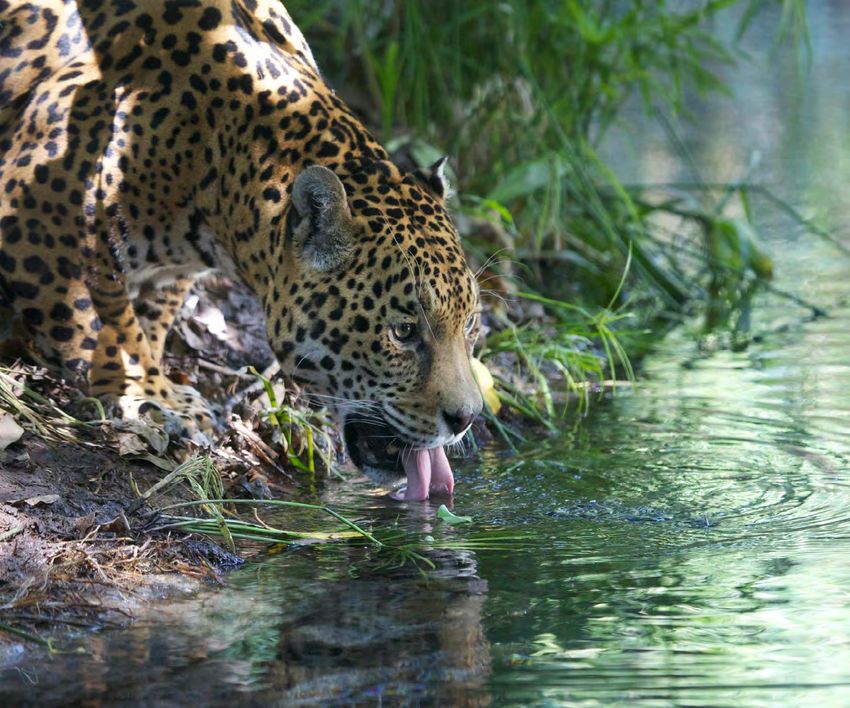
©Gerardo Ceballos PeopleVSExtinction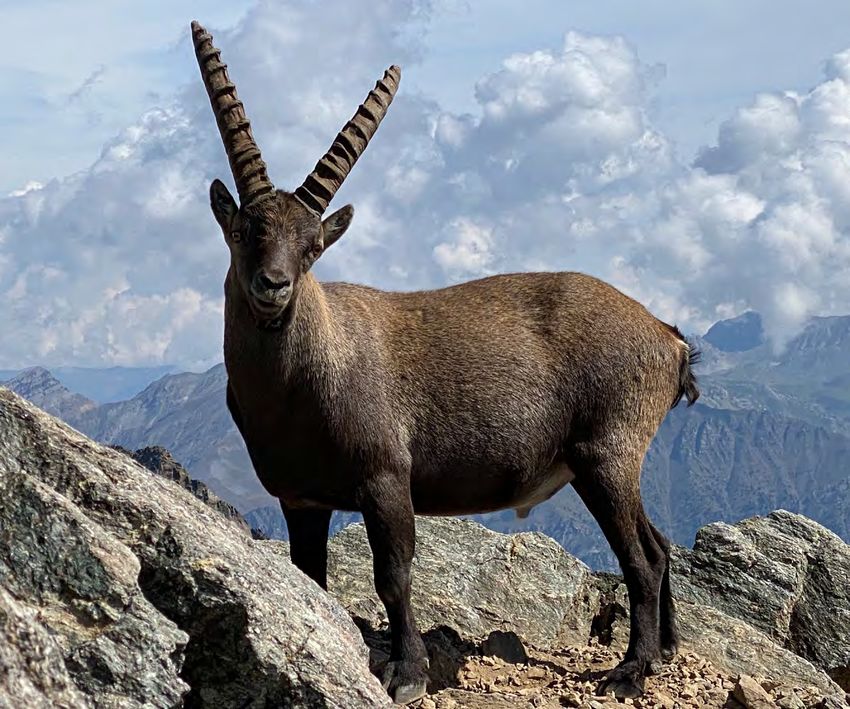
FROM TRADITIONAL
                             KNOWLEDGE TO
                             NON-INVASIVE INNOVATION

                             Indigenous people who share their keen observations and knowledge,
                             generation after generation - about forest protection, glacial melt, ocean
                             chemistry, marine wildlife population dynamics, or ground water recharge cycles
                             - have a lot to teach us about how to optimally monitor the health of our planet.
                             At the same time, the development of new technology must be an asset to move
                             towards a more sustainable world. We believe at the Prince Albert II of Monaco
                             Foundation that traditional knowledge and innovation can work jointly to create
                             a better future.

                                    €1 070 000 invested

©Université Grenoble Alpes
                              €

                                    4 projects supported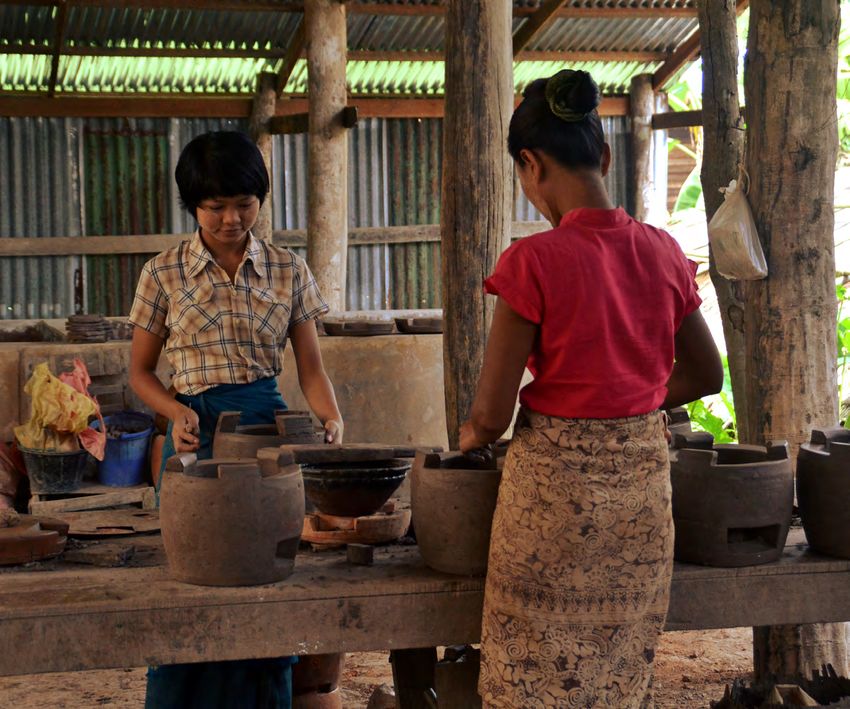
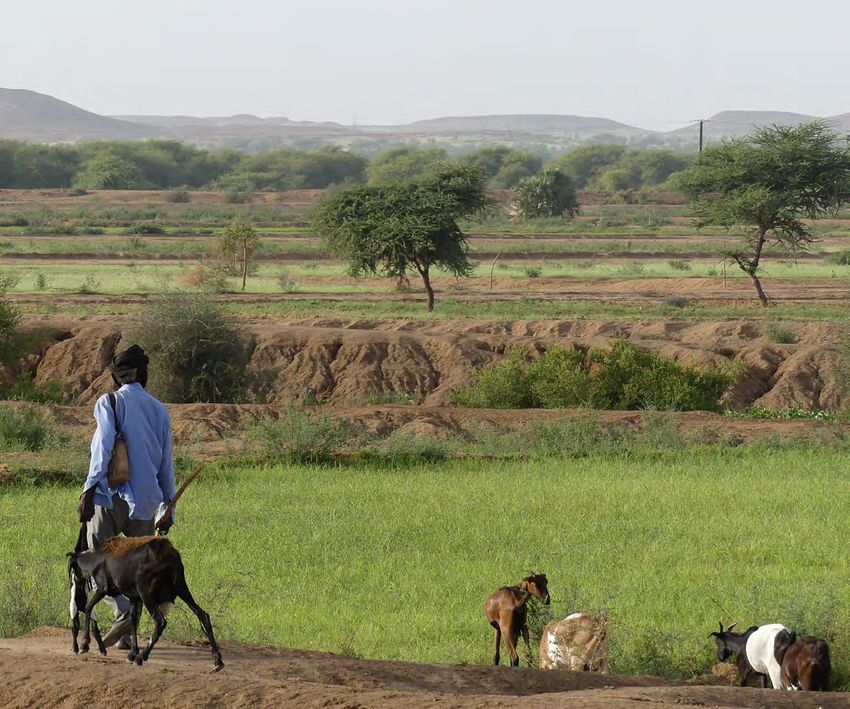
ICE MEMORY :                                                    Pastoral Satellite Surveillance System
Preserving the memories of our glaciers                                     Climate change is calling into question the practice of
                                                                            transhumance by nomadic pastoralists in the Sahel. Action
  Mountain glaciers capture memories of our climate and                     Contre la Faim uses satellite images and a network of
  our environment, providing valuable information to help us                observers to continuously monitor the state of water and
  better anticipate future environmental changes. The project               pasture resources.
  enables researchers to drill, analyze and store ice cores
  from glaciers in temperate zones for scientific and cultural              The objective is to help breeders to adapt their routes and to
  interest.                                                                 guide interventions in support of state services and NGOs.

  These ice cores will constitute a database on the environment                                  Action contre la Faim
  and terrestrial climate from tens of thousands of years up to                                          Sahel
  today.

             Fondation Université Grenoble Alpes
                        International

     Getting Forests Out of the Box                               Reconnect with the traditional rules of water management
  Packaging is ubiquitous in modern life. From food to                      The Siroua Massif is a semi-arid mountain range in Morocco.
  electronics, cosmetics to clothing, all come wrapped in
  packaging.                                                                The project supported aims to mobilize the municipalities
                                                                            and the Berber tribes to relaunch and adapt the traditional
  The project engages companies to use responsible                          rules of water management and carry out installations
  packaging solutions that have less impact on forests. It                  adapted to the preservation of the grounds and the recharge
  develops alternative solutions by enabling the construction               of the aquifers.
  of a supply chain and production of packaging from
  agricultural cuttings residues.                                                            Migrations et Développement
                                                                                                       Morocco
                     Canopy Planet Society
                         International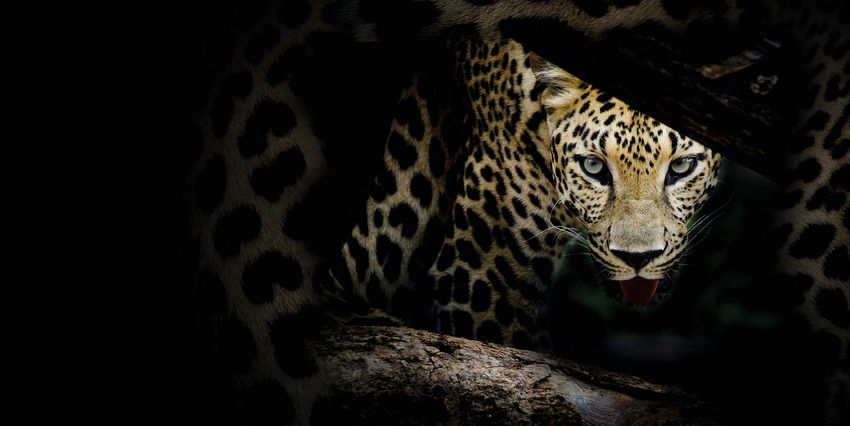
DEVELOPING LABORATORY
                   ISLANDS TO TEST
                   SOLUTIONS

                   The islands are unique territories characterized by strong isolation, space
                   and resource management constraints and significant seasonal variations in
                   populations.

                   These constraints are a challenge but also represent an opportunity for the
                   development of solutions: the islands are small-scale laboratories for finding
                   solutions that can be applied to large nations.

                   The Prince Albert II of Monaco Foundation through several projects and initiatives
                   contributes to the sustainable development of these islands and focuses on the
                   themes of water resources, the development of non-carbon energy and waste
                   treatment.

                    €     1 425 000 € invested
                          1 initiative undertaken

©Lucile Courtial
                          2 projects supported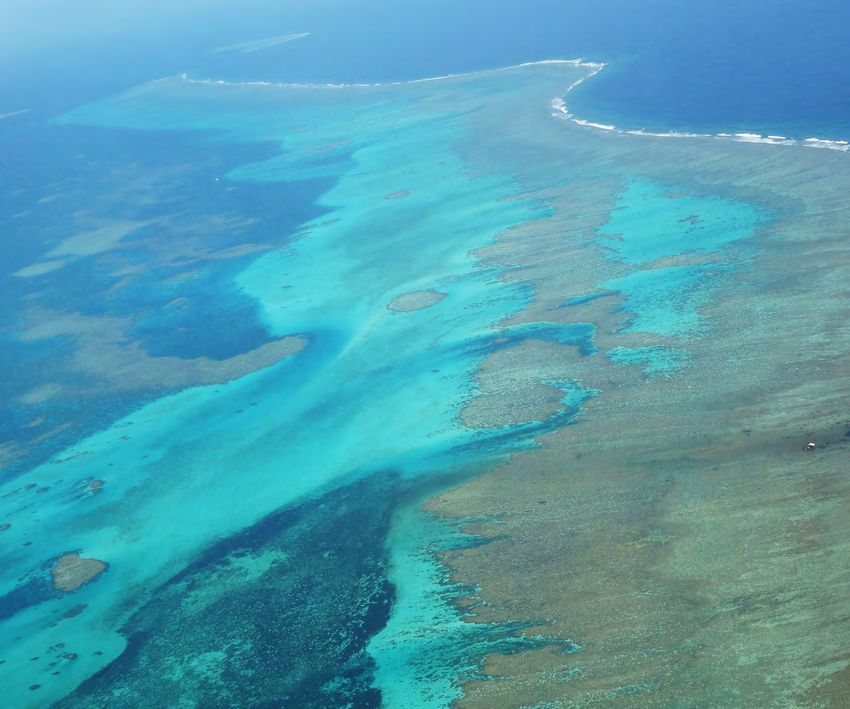
Support the research in the territory
                                                                                  of Port-Cros National Park
                Beyond Plactic Med                                          Created in 1963, Port-Cros National Park is the oldest Marine
                                                                            Protected Area in the European Union. Knowing the history as well
Plastic pollution is one of the greatest environmental disasters            as understanding the processes, past and present, ecological and
affecting the Ocean. Once discarded into the natural environment,           social, that have contributed and contribute yet to shape these
plastic can take up to 500 years to disappear.                              remarkable territories is the key to properly manage them.

Every year, more than 8 million tons of plastic litter is thrown into       The aim of the project is to boost basic and applied research
the ocean. Drifting between waters, it can be ingested and can              through support for doctoral students whose research topics
strangle or suffocate many animal species. Under the effect of              concern the area and the challenges of promoting knowledge of
the sun, it breaks into fragments called microplastics that can be          the Park.
ingested by fishes and enter the food-chain with potential impacts
on human health.                                                                                National Park of Port-Cros
                                                                                                  Mediterranean Area
Beyond plastic Med’s objectives:

•   Implementing effective and sustainable solutions and
    supporting the research of novel alternatives.
•   Engaging stakeholders and the public by raising awareness
    and disseminating best practices.                                   Integrated management of natural resources of
•   Supporting and developing a network of Mediterranean
    stakeholders committed to curbing plastic pollution.                          small Mediterranean islands
Beyond plastic Med Islands:                                                 Although islands represent only 5% of the earth’s surface, they
Creating a local dynamic to respond to a regional issue is one of           are home to 20% of terrestrial species and 600 million inhabitants
the major axes of Beyond Plastic Med. To achieve this concrete              depend on the ecosystem services of island environments for their
objective, BeMed is launching a call to reduce plastic pollution in         sustainable development.
Mediterranean islands.
                                                                            The general objective of the project is to implement concrete
              Prince Albert II of Monaco Foundation,                        and lasting actions in the field in order to illustrate the capacity
            Tara Ocean Foundation, Mava Foundation,                         of small Mediterranean islands to bring exemplary and replicable
            Surfrider Foundation European and IUCN                          solutions. for the preservation and sustainable management of
                       Mediterranean Area                                   natural resources, while promoting dialogue among themselves,
                                                                            and with other islands in the world.
                                                                                             France, Greece, Croatia and Italy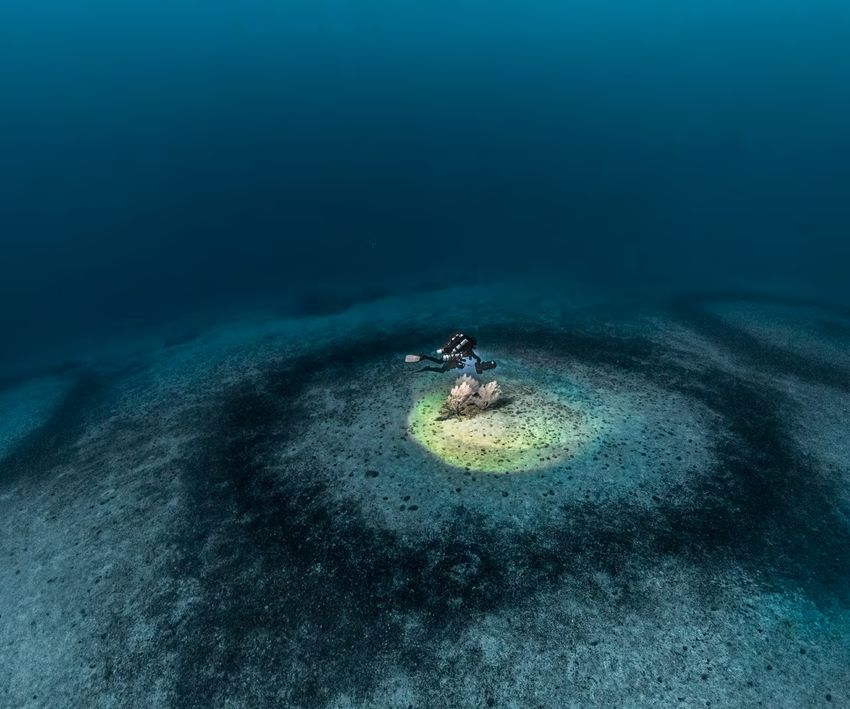
OPTIMIZING CO-HABITATION
                   OF HUMANS AND WILDLIFE

                   By developing land for agriculture, mining, logging or urbanization; humans
                   have degraded and destroyed animal habitat, responsible for 70% of biodiversity
                   loss. Illegal, unsanitary, high-risk trade and consumption of wildlife are linked to
                   the increase of pandemic outbreaks and to the increased risk to human health.

                   It is primordial that we establish a healthy relationship to wildlife and nature. The
                   Prince Albert II of Monaco Foundation is committed to improve social acceptance
                   and healthy interrelations among fishers, farmers, wildlife managers, ecologists,
                   tourists and wildlife.

                    €      1 712 000 € invested

©Ludovic Arneodo
                           2 initiatives undertaken
                           1 project supported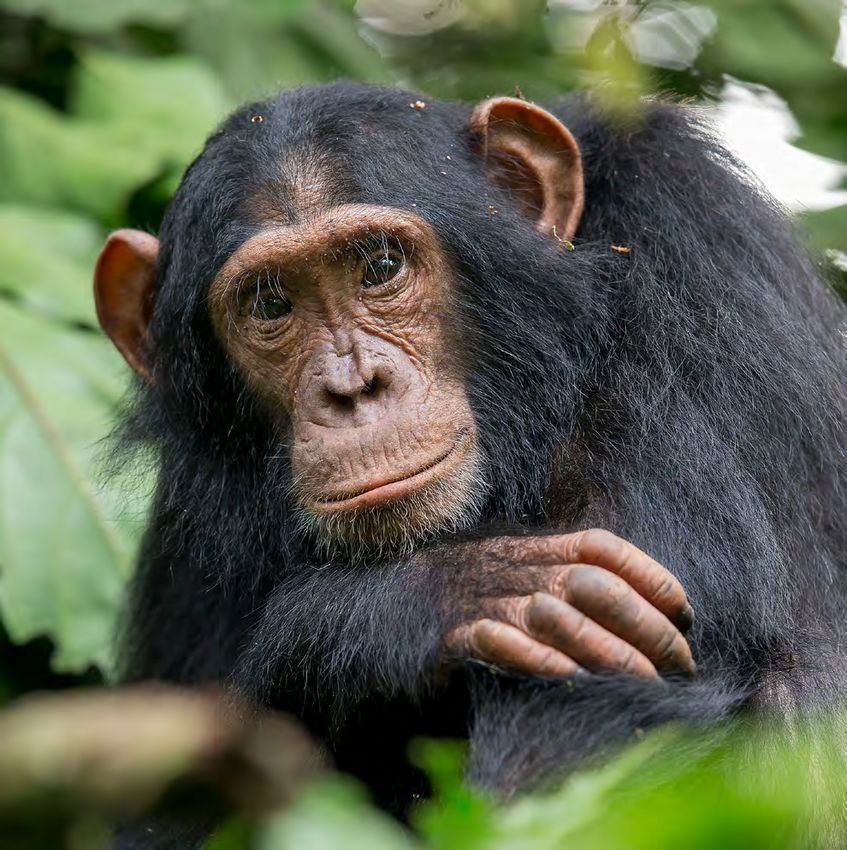
Initiative for the Cohabitation                                                       Monk Seal Alliance
      between Humans and Wildlife                                       The Mediterranean monk seal is one of the most endangered mammals
                                                                        in the world. The monk seal population is estimated at around 800
In 2017, the Foundation organised a participatory forum in
                                                                        individuals, divided into 4 subpopulations.
Monaco focused on giving greater consideration to large fauna in
territorial management.
                                                                        In 2013, with the support of the European Commission, the Prince Albert
                                                                        II Foundation, WWF Greece and six other partners have initiated the
It has been decided to prolong these efforts by identifying and
                                                                        LIFE+ Nature project. This project is located on Gyaros Island, a former
mobilising players ready to become actively involved to facilitate
                                                                        unpopulated military prison in the northern Cyclades, home to the
cohabitation between humans and wildlife in the South-PACA
                                                                        largest and most dynamic population of Mediterranean monk seals.
region.
                                                                        The holistic management of this area has resulted in the creation of a
This initiative is focused on several species of large wild animals:
                                                                        Marine Protected Area which promotes the environment (preservation
wolves, deer, wild boar, mouflon, ibex.
                                                                        of biodiversity) and, by extension, the local economy (more sustainable
The purpose is to bring about innovative proposals and concrete
                                                                        fisheries, enhanced knowledge of communities regarding ways of
projects to improve the social acceptance and management
                                                                        generating income whilst limiting the impact on the environment, better
of interrelations between fauna and human activities (farming,
                                                                        controlled tourism offering a rewarding experience to visitors…).
tourism, hunting, management of the environment).
                                                                        In addition to support for field projects, the Foundation has also played
The initiative will be implemented in three phases:
                                                                        an important role in mobilizing experts, with the aim of fostering dialogue
1. Launch a call for projects to identify and offer financial support
                                                                        and the sharing of experiences between players in the field and assessing
to players in the field ready, at their level, to implement action to
                                                                        priority needs for the protection of the species. Consequently, several
improve cohabitation
                                                                        expert workshops have been organized. At the same time, relationships
                                                                        have been established with foundations working to protect biodiversity
2. Identify the most committed players among the selected project
                                                                        in the Mediterranean.
initiators to support and encourage them to take things further via
workshops
                                                                        These experts and foundations met in April 2018 during Monaco Ocean
                                                                        Week. This is how the idea of the Monk Seal Alliance came about, uniting
3. Create one or several common projects, on a larger scale, with
                                                                        five of the main funders in this area, officially launched in April 2019.
the group mobilized in Phase 2.
                                                                        The goal of the Monk Seal Alliance is to attract other foundations and to
The initiative is coordinated by a steering committee which
                                                                        increase the scope of support to geographical areas, beneficiary players
includes players representing all opinions, whether openly in
                                                                        and the priority needs identified by the experts.
favour of strong wildlife presence or, on the contrary, feeling
that cohabitation is impossible because too detrimental to their              Prince Albert II of Monaco Foundation, Mava Foundation,
activities.                                                             Segré Foundation, Sancta Devota Foundation and Thalassa Foundation
             Prince Albert II of Monaco Foundation                                                   International
                      Mediterranean Area
Of Chimpanzees and Men: cohabitation and
 sustainable agriculture in the tropical forest
   Chimpanzees, our closest relatives are indicators of the state of
   the tropical forests and contribute towards the proper functioning
   of the ecosystem.

   They help to disperse the seeds of species that they are sometimes
   the only ones to eat and thus promote the regeneration of their
   habitat.

   Reducing threats to forests in northern Uganda: poaching,
   deforestation, use of pesticides harmful to the ecosystem by
   carrying out awareness-raising actions, prevention of poaching
   but also creation of income-generating activities, to protect
   wildlife, especially the Chimpanzees.
               Museum National d’Histoire Naturelle
                           Uganda

                                                                        ©Jean-Michel Krief
TOOLING REMOTE
COMMUNITIES FOR
SELF-SUFFICIENCY
It is critical for remote, isolated communities to manage their natural resources
in consistently sustainable and entirely self-sufficient ways. Deforestation and
conversion to agriculture has contributed nearly 30% of total global greenhouse
gases, hence, optimizing the sustainable management of forest and water
resources in these rural communities is a critical priority for mitigating climate
change.
Thus, the Prince Albert II of Monaco Foundation supports several projects to tool
remote communities for sustainable self-sufficiency.
950 000 € invested
©Action contre la Faim
€
4 projects supportedStrengthen governance to reduce deforestation Maintain water points in Kenya
in the Colombian Amazon Our support will permit to equip and train a team of Kenyan technicians
whose role is to monitor and maintain 160 water points to guarantee their
This program improves the management of the Chiribiquete Park
sustainability. In addition to its water missions, the team will mobilize local
in Colombia, the largest tropical forest protection area in the world,
communities around hygiene and waste management good practices.
through coordination with the Colombian authorities and training
local communities in monitoring forest conservation and combating Caritas Lodwar
deforestation. Kenya
WWF International
Colombia
Protect the people and the ecosystems Conserve the primary forests in Sierra Leon,
of the forest of Gabon Sao Tome and Principe
The project supports loggers and local communities in Gabon for The project supports the long-term protection of two globally important
responsible exploitation of forests through FSC certification. FSC Guinean Forests, contributes to landscape-scale sustainability models
engages with forest stakeholders and government officials across the and builds capacity to align these with wider cross-sector forest
country through robust trainings and communications to support the conservation regionally and globally.
successful implementation of Gabon’s decision to certify all forests
managed by concessions. It contributes to the development and refinement of models of
Forest Stewardship Council (FSC) sustainability across the region and will help people living on the forest
Gabon edges to adopt forest-compatible livelihoods.
BirdLife International
GuineaGENERATING GOOD JOBS IN
RURAL GREEN ECONOMIES
As important as it is to protect land and ocean ecosystems for the collective
commons and for the health of the biosphere; it is also important to create
economic stability and good, green jobs in local communities that support and
reinforce our conservation and sustainable living objectives.
€ 840 000 € invested
5 projects supported
©GERESGender Equality and Access to Renewable energies to develop economic activity
Electricitry in Senegal Mali is an extremely fragile country, especially in economic terms. It
has a poverty rate of 47% and struggles to provide basic services to its
10 market gardening schemes in Senegal, managed by women, will be population (access to education, drinking water, electricity).
supported to diversify and secure their production. Market gardening in
the region (Casamance) tends to collapse for lack of water resources and The idea is to develop an activity zone entirely powered by renewable
skills. These activities will be revitalized through the installation of solar energies in an isolated region of southern Mali. Solar energy and
irrigation systems and training in agroecology. vegetable oil from a local plant, jatropha, will help set up small businesses
Fondation Energies pour le Monde to benefit local employment and the deployment of green energy.
Senegal
GERES
Mali
Improving Small Hybrid Energy
Installation of a mini electric grid powered by a hybrid solar power plant
coupled with a backup generator for 3,500 inhabitants of a rural area of
Guinea. A local operator is set up to manage the power station thanks to Plant seeds to protect trees: Reforestation
appropriate pricing. At the same time, a study is being carried out on the
prospects for pico hydroelectricity in Middle Guinea. around and inside the Masoala National Park
Fondation Energies pour le Monde Located in the northeast of Madagascar, the Masoala National Park,
Guinea created in 1997, is the largest forest reserve in the country. This project
aims at establishing plant nurseries and planting trees to reduce
the exploitation of these forests, but also awareness-raising of local
populations to conserve and restore their environment.
Safeguarding Saharan oases Graine de vie
Madagascar
The oases of the Sahara are threatened by the decline of the human
activities which they shelter. CARI works to preserve them by
strengthening skills and supporting the actions of small oasis associations
through access to water and development of new agricultural activities.
Centre d’Actions et de Réalisations Internationales (CARI)
Algeria, Morocco, Mauritania and TunisiaPROTECTING THE
BIODIVERSITY OF THE
OCEAN
Globally, only 7% of the world’s ocean, which covers more than 70% of our
Blue Planet, is protected. Why is this important? When we protect the ocean
ecosystem, then we protect the entire living marine community inhabiting the
Ocean; thereby optimizing wildlife biodiversity and health. The Prince Albert II
of Monaco Foundation focuses current efforts to protect the biodiversity of the
Ocean on creating platforms for communication, collaboration, and common
funding to effectively integrate and scale urgent ocean protection measures.
©Andromède Océanologie
€ 1 210 000 € invested
3 initiatives undertaken
1 project supportedGlobal Fund for Coral Reefs
Healthy coral reefs are among the most biologically diverse and
economically valuable ecosystems on the planet, yet the world has lost
Formation of coral atolls and study of angelsharks half of its coral reefs over the last 30 years.
in the Western Mediterranean Even as coral reefs face unprecedent threats from climate change and
other stressors, a recent assessment conducted by the Conservation
The secret waters of Cap Corse and the eastern coast harbor mysteries. for Biodiversity High-Level Panel, estimated that the global investment
Little understood and rarely seen, the “coral atolls” and the angel shark required for coral reefs is at least five times greater than current levels.
will be the focus of this expedition taking place in summer 2021, at
depths of between 110 and 130 meters. In response to this funding gap, the Prince Albert II of Monaco
Foundation and Vulcan, Microsoft cofounder Paul G. Allen’s company
All of the scientific data collected will be used to develop a management and philanthropy, decided to jointly establish a Global Fund. The Global
tool to help conserve the coral atolls and protect the habitat of the angel Fund will offer critical risk equity capital and grant funding to deliver
shark. on exciting, impactful blue infrastructure projects. New solutions to the
Andromède Océanologie climate threat facing coral reefs are beginning to emerge, including
France, Monaco enhancing coral resilience to warming waters.
Prince Albert II of Monaco Foundation, Vulcan
InternationalThe MedFund:
Supporting Marine Protected Areas
The oceans and services provided by their ecosystems are under
increasing pressure from human activities. 15% of the world’s biodiversity
Pelagos Initiative is found in the oceans and 90% of the coastal populations depend
on the latter to survive. However, 90% of commercial fish stocks have
The Pelagos Sanctuary is the first cross-border area in the Mediterranean significantly dropped due to overfishing and 55% of coral reefs have
designed to protect marine mammals. Its governance is shared between been adversely affected by this phenomenon.
France, Italy and the Principality of Monaco. Covering 87,500 km2, the
sanctuary extends well beyond the coastal area of the three countries To address this anthropogenic pressure, the Prince Albert II of Monaco
making it one of the largest conservation challenges ever launched in Foundation is involved in the development of marine protected areas
the Mediterranean. (MPAs). These are recognised geographical areas managed in a way
to ensure the long-term conservation of nature, whilst protecting the
The Pelagos Sanctuary is common heritage which should be valued for interests of the local populations.
its major scientific, socio-economic, cultural and educational interest.
Pelagos, because of its territory and the conservation issue it represents, In order to improve MPA management efficiency in the Mediterranean,
could become an exemplary success model extending beyond cetaceans France, Monaco, Tunisia and the Prince Albert II of Monaco Foundation
only and thus serving as a guide for the implementation of future MPAs have launched an environmental fund initiative dedicated to
on the High Seas. Mediterranean MPAs called MedFund, created in 2015.
MedFund is a private non-profit organization based in Monaco which
However, a non-binding agreement, differing opinions regarding the provides sustainable funding for the conservation of marine biodiversity.
common management policy and limited resources, hinder the effective This special conservation trust fund raises and invests financial resources,
management of the sanctuary. This is why NGOs – in association with and uses the return to grant subsidies to NGOs and national authorities
the MPA managers – working in France, Italy and Monaco, within the managing MPAs in various Mediterranean countries.
perimeters of the Pelagos Sanctuary, are keen to coordinate their efforts
to give new impetus to the Sanctuary through a participatory approach. The goal of MedFund is to contribute to the long-term management
The involvement of civil society to support the sanctuary’s efforts of Mediterranean MPAs by strengthening their financial viability. It is a
(through its secretariat) in protecting marine mammals simply needs to unique and innovative tool. It promotes political dialogue between the
be developed. It is the only way for Pelagos to become an international countries of the Mediterranean region and the stakeholders concerned,
example in the conservation of marine biodiversity. and provides multiple services to MPAs, particularly by covering their
running costs.
Prince Albert II of Monaco Foundation,
MedPAN, WWF Mediterranean Programme Office The fund brings together States and civil society – 6 countries and 9
and IUCN Center for Mediterranean Cooperation regional organisations are part of this initiative which recently received
Mediterranean Area the Union for the Mediterranean (UfM) label. By 2025, 20 MPAs will
be supported by MedFund in Albania, Algeria, Lebanon, Morocco,
Montenegro, Tunisia and Turkey, representing 7,000 km2 of coastal and
marine protected areas.
Prince Albert II of Monaco Foundation
Mediterranean AreaYou can also read


