Parent-Student-Teacher Guide - What are we learning in Term 1 at Swindon Academy? 2019-20 - Year 10
←
→
Page content transcription
If your browser does not render page correctly, please read the page content below

What are we learning in
          Term 1 at Swindon Academy?
                     2019-20
Year 10

                                         Year 9
          Parent-Student-Teacher Guide
What is the Parent-Student-Teacher-                                                           How to use this guide
              Guide?                                                               We encourage you to read this guide and use it as
At Swindon Academy we strongly believe that the                                    an opportunity to;
partnership between parent, student and teacher
is important in supporting our young people to                                     • Ask your child questions about the content of
achieve their very best.                                                             what they are learning in each of their subjects
                                                                                     and open up a conversation for wider
This guide is written by subject teachers. It                                        discussion.
provides you with information about what
students will be learning in each of their subjects                                • Support and encourage the completion of prep.
over the next term. It also contains information
about prep arrangements and highlights out of                                      • Check what out of classroom opportunities are
class learning opportunities which are coming up.               About this guide     available and encourage students to take up
                                                                                     these opportunities.
We hope that the information in this guide will
provide you with an opportunity to open up                                         • Frequently test your child on the spelling and
conversations at home about what your child is                                       meaning of key words/calculations for each of
learning in school.                                                                  the subject areas found in this guide.

E-Praise
E-praise is web based programme that parents/guardians can log on to at
www.e-praise.co.uk. You can access prep information by logging using
the e-mail address you supplied the school at point of registration and no
password is required. When logging on please ensure you select the
parent tab. For any username related issues please contact your college
manager.
What do students need to do each week to
                                                          Why literacy and vocabulary size so important?           What can I do to help improve students vocabulary
              improve their literacy?
                                                          A students vocabulary size is the greatest indicator     and literacy?
  Students are expected to complete two literacy          for success at GCSE. To improve vocabulary size,         1. Be inquisitive-ask questions about what they are
                  preps each week.                        students need to read widely and also try and               reading and ask them to share their new words
  1. Daily Reading: Students are expected to read         learn new vocabulary. To support students we have           they have learnt. Perhaps reward them every
          for 20 minutes every day. This will be
                                                          two key literacy prep tasks that will help students         time they can use a new word and explain it.
      monitored by Accelerated Reading and library
                                                          improve their vocabulary
     records and parents will be notified of students
                        progress.
   2. Bedrock Vocabulary Prep-this is a new prep                                                                   2. Log into Bedrock and read what they are writing
       that students need to complete each week.                                                                      in their notebook-you will receive a letter with a
        They need to complete two lessons every                    Literacy Prep at                                   parent access code to your child’s Bedrock
                         week.
                                                                  Swindon Academy                                     notebook and progress information.

              Support with Bedrock                                                                                 3. Ask students to explain Word of the Week to
                                                              What happens if prep is not completed?                  you. Each week, students will be taught 1 word
    If students are experiencing any issues with                                                                      of the week that they are expected to know and
                                                           We expect all students to complete the prep set in
 Bedrock-they should press the support button at                                                                      use. They will be taught the word in depth.
                                                        accordance with the prep timetable. Prep detentions will
   the bottom of the screen and this will let the
                                                                             be issued if:;
 company know the issue and they can help to fix
the problem. It is the quickest way to get support.       •      Bedrock prep work is not completed on time.       4. TOP TIPS
                                                               Students must finish it on Tuesday evening as the
Students can go to prep support everyday if they                new Bedrock prep week starts on Wednesdays.        Bedrock vocabulary works best with a Google
      need any more help with Bedrock.                                                                             Chrome browser and with headphones as students
                                                                                    .                              can listen to the information being read to them.
  If they have any further issues or need log in
information they need to speak to Mrs Hendra or
   parents can email krisha.hendra@swindon-
                   academy.org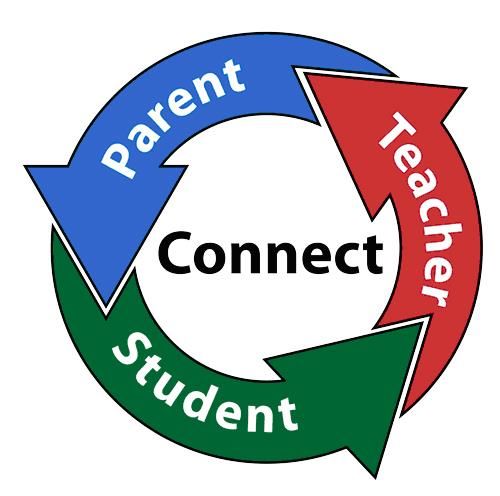
What is prep?
                                                                                                                           What can I do to help?
‘Prep’ includes any activity set by teachers that is
to be completed outside of class time. We strongly         How much prep will be set?                                      •    Check that you are able to log onto E-praise
believe that by setting regular prep for students          In years 7-8, students can expect each piece of                      and monitor the prep work being for your
gives them an opportunity to think independently           prep to take approximately 30 minutes to                             children. For any log on issues please contact
of their teachers, prepare them for the learning           complete and in years 9, 10 and 11, each piece                       your college manager.
ahead and in turn makes them more                                                                                          •    Ask your son/daughter about the prep they
                                                           should take approximately 45 minutes to
knowledgeable and confident learners.                                                                                           have been set and discuss a suitable time for it
                                                           complete.
                                                                                                                                to be completed at home.
                                                                                                                           •    Ensure that your son/daughter has a
                                                                                                                                designated area at home away from
                                                                                                                                distractions in which to complete their prep.
When will prep be set?
                                                                Prep at Swindon                                            •    Remind students that prep club runs from
                                                                                                                                7.30-8.15am every morning and after school
Prep should be set for every subject on a weekly                   Academy                                                      from 3.35-4.30pm in the library if they need
basis in accordance with the academy prep                                                                                       access to computers or other resources
timetable on the next page of this guide. It is                                                                                 including an adult that can help.
expected that prep is set and collected on the         What happens if prep is not completed?                              •    Read the Parent-Student-Teacher Guides
same day for each subject.                                                                                                      (PSTGs) that are circulated each term via e-
                                                       We expect all students to complete the prep set in accordance
                                                                                                                                mail and paper copy through the students for
                                                       with the prep timetable. Prep detentions will be issued if;
Students in years 7-11 will be issued with A4                                                                                   an overview of what students are learning in
exercise books for each of their subjects in which     •     Prep work is not completed,                                        their subjects each term.
to complete their prep. You can expect students        •     A student forgets their prep book and therefore fails to      •    In cases where students do not understand the
                                                             hand the work in,                                                  prep set and can be seen struggling at home
to bring these exercise books home and to see
                                                       •     Prep work is not completed to the same standard as seen            encourage them to go back to their teachers
them completing their prep work in them. It is
                                                             in classwork.                                                      and ask for help. We unfortunately cannot
important that students have a school bag large
enough and strong enough to transport these                                                                                     accept lack of understanding as an excuse for
                                                       Students at KS3 can expect prep detention to last 30 minutes
books to and from school and to keep them well         for each piece of prep work due that day and not completed.
                                                                                                                                not handing prep in by the deadline and this
protected from wet weather. We encourage               Prep detentions will end no later than 5pm daily. Parents will be        will result in a detention. We ask that students
parents to support younger students in looking at      contacted in the usual way by text or phone, to notify you if a          speak to teachers in advance of any prep
the timetable attached and ensuring that they          prep detention has been set.                                             deadlines for additional support if needed.
pack the right prep books for the following day.
The timetable below shows when prep work should be set for each subject. Prep is set and collected on the same day. Teachers
Prep timetable         can request prep work in earlier to check it but detentions will not be issued until the day in which in the prep work is due.

                 Year 10 (KS4)

                    Group        Monday     Tuesday     Wednesday     Thursday      Friday
                  All groups                Option A      English      English     Option C
                                            Option B       Maths        Maths      Option D
                                                          Science      Science
                                                         BEDROCK

                 Option Subject lists
                 OPTION A                                     OPTION B
                 Geography                                    Art
                 Spanish                                      Business Studies
                 Art                                          Preforming Arts – Drama
                 Health and Social Care                       Engineering
                 Computer Science                             Geography
                 Performing Arts – Dance                      History
                 Food                                         Humanities
                 Religious Studies                            PE
                 OPTION C                                     OPTION D
                 Business Studies                             Computer Science
                 History                                      Engineering
                 Humanities                                   Food
                 Music                                        Geography
                 Product Design                               History
                 PE                                           PE
                 Photography                                  Spanish
                 Spanish                                      Photography
Swindon Academy Pupil Charter

We aim to develop character, compassion and service. Young people are expected to contribute to the academy and to society; to try things which
they think they cannot do; to persist in the face of difficulty; to become resilient in overcoming obstacles; to manage themselves; to work
independently on things which challenge them; to work with others and in teams; to be courageous and caring; to lead.

We want young people to look back on a joyful school experience which has inspired and challenged them, given them wide opportunities and
prepared them for the ups and downs of life.

In addition to my lessons, I will have:

1. Participated in a sporting activity for at least half a term.      Pupil
2. Participated in a performance activity for at least half a term.
3. Committed to other Swindon+ activities for at least half a term.
4. Helped others by participating in a social action campaign or by volunteering my time.
5. Attended cultural, artistic or sporting events.
6. Performed/represented my Academy/College/Year Group by taking part in a cultural, artistic, charitable or sporting event for an audience.
7. Demonstrated the academy expectations and attributes.
8. Demonstrated my leadership skills.
9. Attended a residential trip.
10. Heard from an inspirational speaker.

11. Participated in experiences that help me make informed decisions about my future and how to get there .

What careers related events take
                                  What can I do to support?                                          place in this year?
                                                                                             • Work Inspiration week (CV
                Regular careers related conversations with your son/daughter
                                                                                               writing workshop, mock
                  can be really helpful to get them thinking about how their                   interviews, workplace
                               interests can related to job roles.                             conference and mentoring with
                 You may also like to take your son/daughter to College/Sixth                  local business people)
                Form open evenings in Year 10 to get an idea of which training               • Honda Workplace visit
                    provider may be right for them at the end of Year 11.                    • BP Workplace visit
                                                                                             • Spotlight on careers events
                                                                                             • Green Pioneer Project
                                                                                             • University Challenge
                What shall I do if my son/daughter              Careers                      • ‘A Day in the life of’ Tour
                     needs additional support?                                               • Cameron Parker Talk
                 Please encourage them to contact      What else can my son/daughter get     • Marlborough College Residential
                  Miss Cook (based in Sixth Form        involved in if they’re unsure what   • Biomedical Science Day
                    Office or available by email:                 they want to do?           • Lauren Steadman Talk
                      Jessica.cook@Swindon-               Every term we hold an industry     • Science...get me out!
                academy.org) or Mr Warren (on the           insight event where an local
                school gate at the end of the day or                                         • Women in engineering
                                                       business comes in and explains what
                      nick.warren@Swindon-                 they do and routes in to their
                  academy.org) to make a Careers                                             Please note, not all students will take part in all
                                                                      industry.              activities.
                   Club appointment. This is held       These events are advertised on the
                every Friday morning from 0920am-       screens around school and on their
                       1105am in the library.          tutor PowerPoints. Students sign up
                                                         to attend by emailing Miss Cook.

For more information on anything careers related, please contact Jessica Cook on Jessica.cook@Swindon-academy.org
What are we learning this term?                                                                                           What can I do to support?
                                                                            How will students be tested?
    Students will study ‘Macbeth’. They will explore the                                                                  After reading an extract or text ask your child:
                                                                    • During lesson students will be expected to
    characters, plot and context. They will also study                                                                    • What do you think of this play? Do you like the
                                                                      apply the knowledge and understanding
    unseen non-fiction and learn how to write their own                                                                      characters, or find them impressive? What can
                                                                      learned in lesson and write extended answers.
    non-fiction texts.                                                                                                       you learn from it?
                                                                                                                          • How does your life, culture and experience affect
                                                                    • There will be two mock examinations,
    By the end of the term students should:                                                                                  your reaction to the story?
                                                                      Language and Literature at the end of term
                                                                                                                          • Are these ideas still relevant to your life today?
                                                                      consisting of reading and writing questions on
    Know: a range of terminology relating to the Shakespeare          everything the students have learnt this term.
    and the play; the plot and characters in play; how to answer                                                          Frequently test your child on the meaning and
    an extract question                                                                                                   spelling of the key words below.

    Understand: How Shakespeare has used structure and
    literary techniques and how other writers use it in unseen
    literature.
                                                                                   English
                                                                                                                                  The key words for this topic are:
    Be able to: analyse language and structure in seen and                                                                • Ambition seen as a purely negative quality
    unseen literature; support ideas with a range of appropriate
                                                                                                                          • Guilt - the play shows the terrible consequences
    evidence; explain why Macbeth’. was written, the writer’s                What homework is there?                        of murdering a king.
    viewpoint and what the text makes the audience think
    and/or feel.                                                                                                          • Kingship vs tyranny – Duncan and Macbeth
                                                                   • 45 minutes of homework will be set on a bi-
                                                                                                                            embody the qualities of a good king and a tyrant
                                                                     weekly basis, one with a Language focus and
                                                                                                                            respectively.
                                                                     one with a Literature focus.
                                                                                                                          • Order vs chaos Natural order is disrupted then re-
                                                                                                                            established
                                                                   • A revision guide for this topic will published and
                                                                                                                          • Blood – a symbol of guilt and violence
                                                                     sent home with students in the school revision
                                                                                                                          • Pathetic fallacy – unnatural events are usually
                                                                     pack.
                                                                                                                            echoed by unnatural weather
What out of classroom opportunities are there?                                                                            • The supernatural – belief in witchcraft was
•      KS4 Catch up                                                                                                         widespread and Shakespeare uses prophesy,
•      Debating Club see Swindon + for more details                                                                         hallucinations, ghosts and magic to give the play
•      Library is open from 7am-5pm daily for homework                                                                      a menacing, unnatural feel.
       support                                                                                                            • Oxymoron – opposites & contradiction recur
                                                                                                                            throughout the play
What are we learning this term?
10g1 and 10g2 (Higher Sets)
Know: and describe arithmetic and geometric sequences/know                 How will students be tested?                                What can I do to support?
how to find a formula for the nth term of a linear and geometric
sequences/How to use surds/How to Rationalise
denominators/How to Change recurring decimals into their            Students will examined on the topics covered in
                                                                            during the Term 2 exam series.                  • Check the quality of homework your child is
corresponding fractions and vice versa/How to use recurrence
formulae                                                                                                                      handing in. Does this homework look like an hour
Understand: the meaning of higher powers and know how to              Students will sit either a foundation or higher         has been spent on it?
find these, and corresponding roots, using a calculator when
necessary/the difference between decimal approx and exact
                                                                          exam depending on their own setting
                                                                                       arrangements.                        • Encourage your child to use Hegarty Maths to
values of roots/and use the rules of indices with integer
                                                                                                                              consolidate classroom learning on a regular basis
values/the meaning of iteration and use iterative processes/and
use index notation for powers greater than three
Be able to: to perform calculations involving standard form,                                                                • Encourage your child to have the highest
with and without a calculator as appropriate/Solve problems                                                                   aspirations, having a good mathematics grade will
involving simple and compound interest/Solve other problems                                                                   increase your child's employability in the future.
involving repeated change, such as depreciation/Solve problems
involving growth and decay/Generate terms of a sequence given
a rule/Estimate powers and roots of any given positive number/
                                                                                    Maths
Calculate with fractional indices/Find the formula for the nth
term of a quadratic sequence/Find missing terms in, and find
the formula for the nth term of, geometric sequences with
ratios that are surds                                                       What ‘prep’ work is there?
10g3, 10y1, 10y2 and 10y3 (Foundation Sets)
Know: How to find fractions of a quantity/How to Increase and      • Students will be issued with a special prep        What out of classroom opportunities are there?
decrease by a given percentage/how to recognise and calculate        book, in this book students will complete their    •     Tuesday and Thursday afterschool mathematics club
with square numbers and cube numbers, knowing square and             weekly prep task set by their classroom teacher          supports students with topics they struggle with.
cube roots as appropriate                                                                                               •     www.mymaths.co.uk can support students in any
Understand: fraction notation, recognising when fractions are
equivalent/the meaning of higher powers and know how to find
                                                                   • Students receive two pieces of prep work per             year. Login: swindon Password: maths123
these, and corresponding roots, using a calculator when              week each lasting 60 minutes. It is compulsory     •     Hegarty Maths – simply search for topics on the
necessary/the difference between decimal approx and exact            for students to come to class with their prep            website to access online tuition and quizzes based on
values of roots                                                      book!                                                    the topics being covered.
Be able to: Convert between improper fractions and mixed                                                                •     On Tuesday, after school Hegarty mathematics club
numbers/Apply the four rules of number to fraction/Express
one number as a percentage of another, including percentage
                                                                   • Students will be provided with revision material         supports students with topics they struggle with and
changes/Multiply and divide numbers by any power of 10/              prior to the exams.                                      supports their prep work via HegartyMaths.com. This
Convert numbers to and from standard form/Solve problems                                                                      takes place in D3.
involving simple and compound interest/Solve other problems
involving repeated change, such as depreciation/Solve problems
involving growth and decay.
What can I do to support?
                                                                    How will students be tested?
           What are we learning this term?                 • During lesson students will be expected to       Discuss the impact poor diet, lack of exercise,
                                                             apply the knowledge and understanding            smoking and alcohol have on health.
Biology: B2.7, 2.8 and 2.9                                   learned in lesson to short exam style            Discuss the importance of plants in the food
B2.7- This module looks at non-communicable diseases         questions.                                       chain.
including cancer and heart disease and the lifestyle       • There will be an end of unit assessment at the   Discuss times in your daily lives where your body
factors associated with them.                                end of each module. These assessments take       uses aerobic respiration and anaerobic
B2.8- This module looks at how plants harness the Sun’s      place during science lessons.                    respiration.
energy in photosynthesis in order to make food and         • The content of both of these modules and the     Discuss the uses of aluminium in everyday life.
release oxygen as a waste product.                           content will be assessed during CEAT week.       Discuss things in the home that involve reactions
B2.9- This module looks at how both animals and plants
                                                                                                              that get hotter or colder (e.g. self-heating food
use the oxygen made during photosynthesis during
                                                                                                              packaging, hand warmers sherbet, cold packs for
respiration.
                                                                                                              injuries).
Chemistry: C2.6 and 2.7
C1.6- This module looks at the process of electrolysis
                                                                         Science
and its use in the extraction of aluminium and the
products made during the electrolysis of brine.                                                                    The key words for this topic are:
C2.7- Chemical reactions involve energy being released
to the surroundings or taken in from the surroundings.                                                            Cause Correlation Cancer Benign
We will learn how these happen, represent these                What prep. work is there?                              Malignant Heart Diabetes
reactions as energy level diagrams, and be able to                                                            Photosynthesis, Respiration, Glucose, Oxygen
calculate amounts of energy involved.                                                                           Respiration, Glucose, Oxygen, Anaerobic
                                                                                                               respiration, Energy, Lactic acid, Oxygen debt
                                                          Quizzes are set on www.doddlearn.co.uk
                                                                                                                 Electrolyte    Anode     Cathode     Ion
                                                                                                                          Anion Cation Brine
                                                                                                                  Reactants, Products, Activation Energy,
What out of classroom opportunities are there?
                                                                                                                  Exothermic, Endothermic, Bond Energy
Swindon+ After school:
Doddle drop in for prep in R8.
Discovery club with Miss Low.
What are we learning this term? How will students be tested? What can I do to support?
• During lesson students will be expected to Discuss different viewpoints around the use of
Biology: B2.6 and B2.7 apply the knowledge and understanding vaccinations.
learned in lesson to short exam style Discuss the impact poor diet, lack of exercise,
B2.6- This module examines the use of vaccination to questions. smoking and alcohol have on health.
prevent diseases and antibiotics and painkillers to treat • There will be an end of unit assessment at the Discuss how different materials are bonded – why is
diseases. It ends by looking at the discovery and end of each module. These assessments take diamond used in jewelry and graphite in pencils. Find
development of medicinal drugs. place during science lessons. out about modern uses of fullerenes or graphene-
B2.7- This module looks at non-communicable diseases • The content of both of these modules and the how it was 2004 before scientists were able to get a
including cancer and heart disease and the lifestyle factors content will be assessed during CEAT week. single layer of graphite- graphene"
associated with them. Discuss the processes of producing chemicals such as
medicines, food additives and electronic
Chemistry: C1.3 and 1.4 components.
C1.3- This module covers different states of matter and
how it changes state. Students evaluate the particle
Science
model, leading them on to looking at how different The key words for this topic are:
bonding occurs. The module considers why are metals
hard but flexible? Why does graphite conduct electricity?
What are particles in a diamond like? And why doesn’t salt Vaccination Immunity Herd immunity
melt in the oven? What prep. work is there? Antibody Antigen Placebo Double blind
C1.4 This module looks at how scientists compare the trial Antibiotic Painkiller
amounts of chemicals involved in reactions – using maths Cause Correlation Cancer Benign
skills to work out how much reactants are needed and Malignant Heart Diabetes
Quizzes are set on www.doddlearn.co.uk
how much product will be produced.
Atom, electron, ion, molecule, covalent, ionic,
metallic, intermolecular force, properties,
conductor, insulator
What out of classroom opportunities are there? Reactants, Products, Relative Mass Moles,
Swindon+ After school: Yield, Titration, Concentration
Doddle drop in for prep, in R8.
Discovery club with Miss LowWhat are we learning this term? How will students be tested? What can I do to support?
• Watch the news for any recent updates on any natural
• Students will be expected to complete a 20 minute hazards occurring around the world and discuss them.
This term students will be starting the New AQA GCSE
multiple choice quiz once per week. Consider the nature and extent of the hazard and how
Geography course which includes the study of three
the world is responding the event.
aspects:
• During lessons students will be expected to apply • Ask students why there are no active volcanoes in the
• Paper 1: Living with the physical environment- Sections
the knowledge and understanding learned in lesson UK and why earthquakes are a rare occurrence.
A, B and C.
• Ask students to explain to you why we experience
• Paper 2: Challenges in the human environment to practice GCSE exam questions.
unstable weather in the UK.
• Sections A, B and C.
• Students will complete a 50 minute mock • Ask students to explain to you the likely effects of
• Paper 3: Geographical applications and skills
examination at the end of every term. climate change in the future.
This term we are focussing on Paper 1- Section A.
By the end of the topic students should: The key words for this topic are:
• Natural hazard: A natural event that has huge social
Know: What a natural hazard is and what is meant by
hazard risk. Geography impact.
• Hazard risk: The chance or probability of being affected
Understand: The cause, effects and responses to both by a natural event.
tectonic and weather related hazards including; • Distribution: How something is spread
volcanoes, earthquakes, tropical storms and river flooding. • Tectonic hazard: A natural hazard caused by the
How the UK is affected by weather hazards and how What homework is there? movement of tectonic plates i.e. earthquakes and
extreme weather events in the UK impact human activity. • At the start of term students will be provided with volcanoes.
The causes of climate change and how the impacts can be an extended reading pack for Geography including a • Earthquake: A sudden or violent movement within the
managed. collection of articles relating to the topic they are Earth’s crust followed by a series of shocks.
Be able to: Draw and annotate diagrams and sketches to studying. • Volcano: An opening in the Earth’s crust from which lava,
show physical processes, describe and interpret ash and gases erupt.
information from maps, photographs and graphs. • Students will be expected to complete one reading • Tropical storm (hurricane, cyclone, typhoon): An area of
piece per week and answer a set of questions low pressure with winds moving in spiral around a calm
relating to this in their prep books. central point called the eye of the storm- winds are
powerful and rainfall is heavy.
What out of classroom opportunities are there? • Students are expected to highlight and annotate • Extreme weather: When a weather event is significantly
their reading booklets with key information as they different from the average or usual weather pattern, and
Students will participate in a 1 day field visit to Swanage Bay on complete each piece. is especially severe or unseasonal.
Friday 23 June. Details will follow in a letter to parents. • Climate change: A long-term change in the Earth’s
climate, especially a change due to an increase in the
average atmospheric temperature.What can I do to support?
How will students be tested?
What are we learning this term? • Discuss with your child how and why Medicine is
• During lesson students will be expected to important. How important is the NHS to us and
Our topic this term is all about the development of apply the knowledge and understanding why?
Medicine through time, from Ancient Greece to the learned in lesson to short GCSE exam style
present day. questions. • Direct them towards any clips on the internet (if
available) that explain the key issues surrounding
Know: The key definitions of medicine related • There will be a 50 minute mock examination at the development of medicine. The current issues
terminology, and the role of famous healers such as the end of term consisting of 4, 6, 9, 12 and 16 with junior doctors is a great conversation starting
Galen and Hippocrates. mark questions. point.
Understand: The significance of the role of
• Encourage them to conduct structured revision
individuals and other factors in either hastening or
using their guide at home on a regular basis.
slowing the development of medicine through time.
Be able to: Critically analyse and evaluate sources
History
and testimony in order to be able to make balanced
The key words for this topic are:
judgements and answer a variety of questions on the Anaesthetic A drug given to patients
to put them into a deep
subject of Medicine, including being able to focus on What homework is there? sleep so that they can
the development of a scientific approach to feel no pain.
treatment and the evolution of the medical Anatomy The parts that make up
• 60 minutes of homework will be set on weekly the body.
profession to the standard we have today. basis on a four-weekly rotation.
Aquaduct A channel used to carry
clean water to towns and
• A revision guide for this topic will published and cities (used by the
sent home with students in the school revision Romans).
pack. Humours Four fluids that the
Greeks believed were
What out of classroom opportunities are there? important for keeping the
• Homework is set in an easy to use pack, with body healthy.
• Additional catch up work is available from W3 or W10, exam style questions. Blood, Phlegm, Black Bile
some students have accessed this already. and Yellow Bile.
• There is a set of podcasts that have been downloaded Immune To protect against
disease often by
onto the school system, see Mr Crocker for more vaccination.
details.What are we learning this term? How will students be tested? What can I do to support?
Your child will often be given lists of words to learn.
This term is about understanding Spanish customs • Students will complete an exam testing their The best support is testing your son or daughter on
and festivals. By the end of the unit students should: Reading, Listening, Speaking and Writing skills. these words by asking them to translate a word from
English→ Spanish or Spanish → English or by asking
Know: information about a variety of different • Students will also be given a grammar test them to spell out a word in Spanish from the
Spanish festivals, including those from Spanish testing knowledge of grammar on verbs and vocabulary list below.
speaking countries around the world. They will know tenses.
key vocabulary relating to each festival.
The key words for this topic are:
Understand: different past tenses, including both
regular and irregular verb conjugations which will Below are words students should know the
assist them in their writing. meaning of by the end of the unit.
Be able to: create extended pieces of work on the Spanish •
•
Conmemorar – to commemorate
La costumbre – custom
topics using a large variety of tenses and new
• El desfile – parade
grammatical phrases. Listening and reading skills will • Divertirse – to enjoy oneself
be improved through the various activities in class • El encierro – the bull run
and translation skills will be tested in prep work and What homework is there? • El traje – suit, costume
through classwork. • Vestirse (de) – to dress (in)
• 60 minutes of homework will be set on a • Los antepasados – ancestors
weekly basis. Homework will be a mixture of • La calavera – skull
writing and word/spelling memorisation. • Disfrazado – dressed up, disguised
• El regalo – present
• A revision guide for this topic will published and • Vender – to sell
sent home with students in the school revision • Asistir (a) – to attend
• Contratar – to employ
pack.
What out of classroom opportunities are there? • El desorden – the mess
• Los festjos – festivities
Using the internet to listen to or watch Spanish
• Los fuegos artificiales – fireworks
programmes and songs. Using www.linguascope.com to • La hoguera – bonfire
explore the vocabulary seen in lessons. • Prender fuego – to set fire
Username: swacademy / password: funspanish • Quemar – to burnWhat are we learning this term? How will students be tested? What can I do to support?
Human Lifespan Development– How do people grow • During lessons students will be expected to • Discuss with your child what they have learnt
and develop throughout their lives? How can factors apply the knowledge and understanding about the human lifespan development
such as lifestyle choices, relationships and life events learned in lesson to aim towards a final exam in
affect your growth and development? January. • If you have any health and social care
experience or work in that industry talk to your
The students will explore how we grow and develop child about it… they often come in and tell me
throughout our lives and investigate the factors that all about it!
affect growth and development. The students will
learn about the four distinct aspects to human • Ask your child to explain the life changes of
growth and development, physical, intellectual, people of different ages of your family or
emotional and social development. These four friends.
aspects are closely related to each other, and a
change in one can affect another. Health and Social Care
Know: the 4 areas of development
The key words for this topic are:
Understand: How we the four areas of development What homework is there?
impact on each other Life stages – a number of distinct phases people
• A question sheet on different aspects of pass through during their lives.
Be able to: Assess the importance of understanding lifespan development that links with the Gross Motor Skills – the ability to control and
how we develop at different lifestages. lessons. coordinate the movement of the large limbs of
• A revision workbook to work through practice the body, e.g. crawling, walking
exam questions. Fine Motor Skills – the ability to control and
coordinate movements of the hands and fingers,
What out of classroom opportunities are there?
e.g. writing, painting
Bond – to form an attachment with a parent/
• Discuss human lifespan development in regards to
carer
family, friends and colleagues. The students will also
Abstract thinking – the ability to think about
have the opportunity to take home a virtual baby for
something that might not be there or exist
the weekendWhat are we learning this term? How will students be tested? What can I do to support?
This term students will be starting their first main GCSE • Students will sit a one hour practical exam in • Visit local art galleries and museums if possible.
project with the title ‘Mechanical Animals’. This project December in exam conditions. • Help your child to take their own photographs of
will form part of their GCSE coursework. They will explore animals and mechanical forms
their initial reactions to this through mind mapping and • Students will sit a 5 hour mock exam just • Ask your child about homework and help them to
mood boarding, before completing research pages on before Easter (date to be confirmed.) complete by getting them to explain what they
different artists linking directly to the theme. They will have to do
learn about the structure of a GCSE project, including the • Students will use the time leading up to the • Regularly test your child on the key words below
breakdown of the assessment objectives. They will exam to ensure they are fully prepared.
practice their drawing skills using the grid method, before
starting to record using various materials.
Know: how to explore initial reactions to a theme using
mind mapping and mood boarding techniques, and the Art The key words for this topic are:
names of different artists who have dealt with the theme.
Brainstorm – to think of as many ideas as possible to do
with a theme
Understand: how to research an artist effectively and the Mindmap- to organise ideas around central theme and
process of using a grid to draw accurately What homework is there? sub topics
60 – 80 minutes of homework will be set on a Creative mindmap – using colour, interesting fonts,
Be able to: research their theme and different artists, weekly basis. This may include: drawings
develop and improve their drawing skills and start to • Reading Prep for the next lesson Moodboard – a collection of images related to a theme
record using different materials • Extended activity homework based on Composition – how the elements of an artwork are laid
learning in class out
• Completion of coursework Mechanical – anything related to something
• Annotation of work in sketchbook operated by a machine or machinery.
• Presentation of sketchbook Grid method – a technique used to achieve an
What out of classroom opportunities are there? • Additional research accurate drawing by use a grid to focus on one
There are various clubs happening in the art department: section at a time
• Year 10/11 Art catch up – every day before school Outline – the outside line in an image
(7:45-08:15), at lunch time (13:05-13:35) and after detail – the small lines and elements within an image
school on selected days (15:35- 16:30)What are we learning this term? How will students be tested? What can I do to support?
Students will be reflecting on the skills that they • Get your child to practice skills at home where
• Students will be assessed by a past paper
learnt last year. They will be building on what they possible such as their knife skills in preparing
exam. This will run over two lessons and a
have learnt so far and they will start to prepare for vegetables.
grade will be given to students based on this
their controlled assessment coursework. Before they paper being completed.
begin the actual coursework they will complete • Ask them to help by washing up, this will enable
practice pieces. This will prepare them for their them to work quickly in practical lessons.
• Students class work will also be assessed for
actual coursework and will ensure that they achieve understanding of the topics being covered.
the best possible grade. • Watch cookery programmes together on TV to
We will be completing various practical pieces and pick up important skills from celebrity chefs.
we be looking at how food needs to be presented to
make it look as appetising as possible.
Students will still be focussing on exam topics for the Design Technology
main part of this term. This is to continue to prepare
them for their exam in year 11 and ensure that they (Food)
The key words for this topic are:
have a solid knowledge of the theory content of their
food course. • Equipment – utensils that you will use to
What homework is there? complete tasks.
To know: what research is. • Mood Board - a collage of pictures based on a
• There will be various homework worksheets for project.
To understand: the importance of creating research
students to complete. These homework sheets • Method – how to make a product
and applying this to a design task.
will be based on health and safety, hygiene, • Hygiene – the cleanliness of your
To be able to: complete detailed research tasks that
equipment, practical skills, design skills and environment.
will be linked with the design brief.
many others. • Analysis – where you will analyse an item.
• Practical – the making of an item.
• Students will also be expected to complete • Cross Contamination – where a raw product
focussed revision based on the revision pack touches a cooked product.
What out of classroom opportunities are there?
they are given in preparation for their end of • Design Specification – a list of things your
• Miss Hicks runs an after school cooking club every
unit exams. product should be or do.
Thursday in S1.
• Evaluation – when you reflect upon a piece of
work that you have completed to improved it.What are we learning this term? How will students be tested? What can I do to support?
This terms students will be completing mini product • During lesson students will be assessed on • Ask your child to explain to you the tools and
design projects that will follow the design process written work, design pages and practical work processes they have used that week.
that will be used in their GCSE coursework. laid out in a similar way to a GCSE coursework
For example one of these projects will be using portfolio. • Ask your child when they last met with their client
further examples of CAD and CAM when and what they are making
manufacturing. They will also be looking at new and • At the end of term students will complete an
emerging technologies that could be potentially used exam structured in the same way as a shorter • Frequently test your child on the meaning and
in their final product. GCSE Exam. spelling of the key words below.
By the end of the unit students should:
Know: what research is and how to use that research Design Technology
in their work
(Product Design) The key words for this topic are:
Understand: how to research different aspects of a • Softwood: Woods from evergreen trees.
product before designing • Hardwood: Woods from deciduous trees.
What homework is there? • Manufactured Boards: Wooden boards that
Be able to: create a design idea based on their have been man made.
research and analysis of that research • Homework will be set on a weekly basis and • Ferrous: Metals containing Iron. Can rust.
will often involve client meetings and research. • Non Ferrous: Metals with no Iron. Won’t rust.
This can often be done over email if necessary • Alloy: A metal made up from several different
metals.
• This should take a minimum of 30 minutes per • Renewable energy – solar, wind, tidal, hydro
week. and biomass energy
• SMART Materials – materials that change due
What out of classroom opportunities are there? to their surroundings
• Composite Materials – combining materials to
• Students have the opportunity to improve and develop make them stronger
their work on a Wednesday afterschool in S3.What are we learning this term? How will students be tested? What can I do to support?
Students will be continuing with their investigation • Look at the role of textiles in everyday life from
• During the lesson students will have to recall
into the theme of ‘natural forms. They will research furnishings in cars to the clothes they wear
processes learnt in Year 9 in order to apply
various textile artists who have dealt with this theme, • Discuss your views on whether you think graffiti is
them to their own work.
before completing responses to these artists and artwork or vandalism to help extend students
experimental recording using a range of textiles thinking.
• There will be an assessment at the end of term
techniques, materials and processes. • Frequently test your child on the meanings and
based on GCSE questions to test them on all
spellings of the key words below
content covered
• Encourage students to attend catch up club on a
To know: the structure of the mock coursework unit, Wednesday after school to extend or complete
how to approach a theme and how to explore how any practical work where necessary.
other textile artists have approached a similar theme
Art Textiles
To understand: how to use different textiles
recording techniques and how to research and
The key words for this topic are:
respond to textile artists
• Thought-Shower: exploring a theme
To be able to: explore a theme through textile artists What homework is there?
• Mood Board: selection of images on a theme
and a variety of sources both primary and secondary. • Primary research: own photographs
Present their work creatively. Produce a variety of • There will be various homework worksheets for • Secondary research: images and info from the
sampling and experimental recording work using students to complete. These homework sheets internet
varied textile materials, techniques and processes. will be based on health and safety, hygiene, • Textile artist: someone who produces textiles
Annotate their work. equipment, practical skills, design skills and based artwork
many others. • Natural forms: anything found in nature including
flowers, plants animals.
• Students will also be expected to complete • Recording: producing any textile or other work
focussed revision based on the revision pack from a source either primary or secondary
What out of classroom opportunities are there?
they are given in preparation for their end of
GCSE Textiles Club after school on Wednesdays.
unit exams.What are we learning this term? How will students be tested? What can I do to support?
Enterprise and entrepreneurship • Students will continually be assessed Talk to your child about your place of
The topics we will cover within this term during lessons. work. Tell them how it works from the
include: building, paying electricity to what you
• They will sit online mini tests to check
do for a job. Check the topics that are
- The dynamic nature of business their understanding of the topics
- Why new business ideas come about covered to be covered during the term and talk
- How new business ideas come about to them about these topics.
- Risk and reward
- The role of business enterprise
-
-
Adding value
The role of entrepreneurship Business Studies
The key words for this topic are:
Dynamic nature of business – the idea that
What homework is there? business is ever-changing because external
factors, such as technology, are always
• Students will receive 45-60 minutes changing.
Venture Capital – risk capital provided by
of prep work as per the schools
an investor willing to take a risk in return
policy. for a share in any later profits.
• Students will be given tasks to Demand – the number of units that
complete which will prep for the customers want and can afford to buy
What out of classroom opportunities are there? next lesson. Entrepreneur – business people who see
• Students should look at the businesses all around
opportunities and are willing to take risks in
them, from the local shop, to large supermarkets, to
retail outlets, factories, service providers etc. making them happen.
• Students should think about the people that work
there.What are we learning this term? What can I do to support?
• Research topics covered so that parents
In term 1 students will start How will students be tested? can quiz their child on those topics.
their computer science • Parents could ask their child to explain
journey by learning about • During lessons students will produced what topic they are currently studying
computational thinking, written work which will be assessed. and how it would work in the world of
what components are computing.
needed to build a computer • Students will complete online tests. • Ask them to show you revision notes.
and what each components
job is. Students will also
learn about the hardware The key words for this topic are:
and software which helps
the computer function. Computer Science Hardware: a collection of physical
parts/components
Software: is a program that enables a
In addition we will be looking at exams, computer to perform a specific task.
particularly working on questioning and What Prep Homework is there? Boolean logic: These are logical expressions
how to interpret exam questions. which include AND, NOT and OR.
Students will be set an array of tasks. Truth tables: these are used to check the
These will be either a worksheet, research logic of Boolean gates
to be completed either in the library or on Software classification: there are two in the
What out of classroom opportunities are the internet, reading and producing work GCSE, system software and application
there? from that reading or revising previous software.
In this term of Computer Science students are topics and proving notes. These sheets System software: This is the name given to a
encouraged to revise during before and after would then need sticking into their prep group of software. This software is to do with
school sessions in the library or they can come books for marking. the system itself, i.e. operating systems etc.
to see Mrs Hopkinson after school. Application software: this is software that is
used to perform a task on the computer, i.e.
WordWhat can I do to support?
How will students be tested?
What are we learning this term? • Help with homework tasks
• Weekly practical performances, theory work,
By the end of this term students should: semiotics tests and evaluations. • If your child opts to perform encourage daily
practice / line learning either during lunchtimes
Know: the requirements for being an dancer • End of term examination: knowledge test, and break times at school and/or at home
research task and whole class performance
Understand: a range of performance styles. You will assessment. • Ask your child about their progress and get them
look at elements such as roles, responsibilities and to perform what they are learning for you and
the application of relevant skills and techniques. You other family members
will broaden your knowledge through observing
existing repertoire and by learning about the • Check their knowledge of key word definitions
approaches of practitioners, and how they create and
influence performance material. Dance
Be able to: Perform in a large group by rehearsing a The key words for this topic are:
chosen part, working effectively in an ensemble and
as an individual; take part in a practice regime whilst What homework is there? UNISON: A group using the same action, movement or
maintaining and developing the invaluable skills of gesture at the same time.
learning to interpret text and express complex HOMEWORK which includes challenges/tasks with REPETITION: When a movement happens more than once
to highlight its importance.
emotions on stage. the estimated time of one challenge/task per
CANNON: When a group of people all complete the same
week e.g :- action, movement or gesture one after another.
• Identify key features of practitioners work MARCHING: When the chorus marches on the spot.
• Defining key words DANCE: When the chorus uses dance movement to
• Evaluations of personal and group communicate the story to an audience.
performances REWIND / FAST FORWARD: When action is played
• Set designing backwards or forwards quickly – can be used to skip
What out of classroom opportunities are there? sections or to go back to particularly important sections.
• Costume designing
SLOW MOTION: When the movement is performed
• Reading comprehension tasks about the history significantly slower than it would be in reality. This helps
• Lunchtime & after school clubs of Dance and practitioners the audience to appreciate the movement.
• Trips to performance venues MOVING MOTIFS: A sequence of movements joined
• Dance workshops with professional actors together.What can I do to support?
How will students be tested?
What are we learning this term? • Help with homework tasks
• Weekly practical performances, text work,
By the end of this term students should: semiotics tests and evaluations. • If your child opts to perform encourage daily
practice / line learning either during lunchtimes
Know: the requirements for being an actor • End of term examination: knowledge test, and break times at school and/or at home
research task and whole class performance
Understand: a range of performance styles. You will assessment. • Ask your child about their progress and get them
look at elements such as roles, responsibilities and to perform what they are learning for you and
the application of relevant skills and techniques. You other family members
will broaden your knowledge through observing
existing repertoire and by learning about the • Check their knowledge of key word definitions
approaches of practitioners, and how they create and
influence performance material. Drama
Be able to: Perform in a large group by rehearsing a The key words for this topic are:
chosen part, working effectively in an ensemble and
as an individual; take part in a practice regime whilst VOCAL TECHNIQUES:
What homework is there? UNISON: A group speaking as “one voice”
maintaining and developing the invaluable skills of ECHO: A sound that is repeated and gradually becomes quieter.
CANNON: A sound that is made by a number of people one after another.
learning to interpret text and express complex HOMEWORK which includes challenges/tasks with the WHISPER: Speech that is spoken softy in a low volume.
emotions on stage. estimated time of one challenge/task per week e.g :- REPETITION: When a particular word or phrase is spoken more than once for
• Identify key features of practitioners work emphasis.
CHANTING: A section of text that is spoken in a strong rhythm.
• Defining key words SINGING: Any section of text that is put to music.
• Evaluations of personal and group performances EMPHASIS: When a particular word is stressed to highlight its importance.
MOVEMENT TECHNIQUES:
• Set designing UNISON: A group using the same action, movement or gesture at the same time.
• Annotating texts REPETITION: When a movement happens more than once to highlight its
importance.
• Costume designing CANNON: When a group of people all complete the same action, movement or
• Reading comprehension tasks about the history of gesture one after another.
What out of classroom opportunities are there? Theatre and practitioners
MARCHING: When the chorus marches on the spot.
DANCE: When the chorus uses dance movement to communicate the story to an
audience.
REWIND / FAST FORWARD: When action is played backwards or forwards quickly –
• Lunchtime & after school drama clubs can be used to skip sections or to go back to particularly important sections.
• Trips to performance venues SLOW MOTION: When the movement is performed significantly slower than it
would be in reality. This helps the audience to appreciate the movement.
• Drama workshops with professional actors MOVING MOTIFS: A sequence of movements joined together.What can I do to support?
• For this topic in particular you can hold discussions with your child about how
What are we learning this term? How will students be tested? the music industry works. Ask them what is involved in managing a music
product and enquire about the particular job roles which have been assigned to
MANAGING A MUSIC PRODUCT • Weekly practical rehearsals and performances, them.
• If your child opts to play a music instrument, encourage daily practice either
By the end of the unit students should: composition work, written evaluations, during lunchtimes and break times at school and/or at home
research and presentation tasks. • Ask your child about their progress and get them to perform what they are
learning for you and other family members
Know: the concepts of managing a music product. • Check their knowledge of key word definitions
•
• End of term examination: Knowledge and •
Ask your child about their learning in the classroom
Help with homework tasks
Understand: how to manage the planning, delivery & Listening test, instrumental/vocal performance
promotion of a live concert, CD or other music product. and completed composition work.
The key words for this topic are:
•
Be able to: plan, develop, deliver, promote & review the • Submission of assignment work for BTEC UNIT •
Backline – the onstage amplification & support equipment in a concert
Bouncing down – taking a number of recorded tracks & recording them on to a
management of a music product. 2: Managing a Music Product single track to save space or to minimise complexity
• Copyright – ownership of intellectual property & the permission or refusal to use it
for financial gain. See also PIRACY
• Listen to music of all genres and evaluate, analyse • Cue – in media composition, this refers to a piece of music composed for a
Music
particular scene
musical characteristics and features such as tempo, • Direct Injection (DI) boxes – these are used to convert between line & mic levels
texture, timbre, duration, dynamics, structure, use of signals
• Distribution – the role of storage, warehousing & delivery of product (CDs, vinyl,
silence, pitch and devices. Discover a range of games etc); this now includes digital online distribution such as i-Tunes & Amazon
compositional & performance techniques. MP3
• Format – the final shape of the product: 7-inch vinyl, 12 – inch vinyl CD, MP3, WMA
etc
• Perform as part of an ensemble and as a soloist. • Front of house – the area of the venue for the audience (the opposite of backstage)
Continue to develop instrumental and vocal What prep is there? • Licensing – the requirement to obtain permission, legally & formally, to use music
for financial gain
performances skills. • Marketing mix – the 4 Ps: price, product, promotion & place
• Mastering – the final process in recording, this involves taking the finished & mixed
• Learning key words and their definitions track, & making it suitable for broadcast & pressing on to CD or vinyl
• Compose music in the here and now. Find creative • Worksheets about how the music industry • Piracy – illegal copying, distribution & sale of copyrighted material such as songs &
movies
routes through the compositional process and develop works • Promoter – a role in the music industry that refers to the person or agency who
own creative style. Use of real instruments and the finances & organises events
• Composition & Performance tasks • Promotion – the publicizing of a product, organization, or venture so as to increase
notation music software SIBELIUS for inclusion in the
• Research work related to job roles and •
sales or public awareness.
CD product and/or live music event. Publishing – this used to refer to sheet music but now is essentially a company that
organisations in the music industry which may handles the performing & mechanical royalties & rights in behalf of an artist
• Set up, derig, strike – some of the many terms for setting up equipment & then
include watching educational video clips and taking it apart & putting it away
What out of classroom opportunities are there? summarising the key points. • Social media – media that is shared between friends, contacts & groups through
networks using smartphones, tablets & computers. Social networking includes
• Instrumental lessons with visiting teachers • Revision Facebook, Twitter & SoundCloud
• Stereo field – the position of instruments panoramically placed between the left
• Lunchtime & after school music clubs loudspeaker & the right loudspeaker
• Trips to performance venues • SWOT analysis - a study undertaken by an organization to identify its internal
strengths and weaknesses, as well as its external opportunities and threats.
• Music workshops with professional musicians and • Workflow - the order & hierarchy of events in a task
other music industry professionalsYou can also read


