Part of Your Lifestyle - WORKSHOP 5 Making Healthy Eating - Eat Healthy Be Active - Office of ...
←
→
Page content transcription
If your browser does not render page correctly, please read the page content below

WORKSHOP
           Making Healthy Eating
 5         Part of Your Lifestyle

                ·
  Eat Healthy Be Active
  Community Workshops

           Office of Disease Prevention
           and Health Promotion           Eat Healthy · Be Active | Workshop 5 — Page 1
WORKSHOP
                      Table of
   5                  Contents
Instructor Guide . . . . . . . . . . . . . . . . . . . . . . . . . . . . . . . . . . . . . . . 5

Workshop Lesson Plan . . . . . . . . . . . . . . . . . . . . . . . . . . . . . . . . . . 7

Handouts . . . . . . . . . . . . . . . . . . . . . . . . . . . . . . . . . . . . . . . . . . . . 15

                                                      Eat Healthy · Be Active | Workshop 5 — Page 3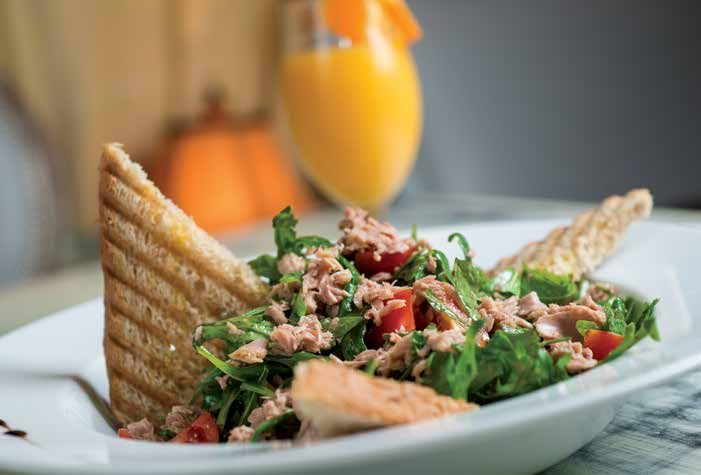
Eat Healthy · Be Active | Workshop 5 — Page 4
WORKSHOP
                          Instructor
      5                   Guide

BEFORE WORKSHOP BEGINS
•    Thoroughly read entire workshop and become             •   Photocopy handouts (one per participant):
     familiar with the lesson plan.
                                                                1. Making Healthy Eating Part of Your
•    Gather materials needed for the icebreaker                    Lifestyle (2 pages)
     and activity.
                                                                2. How to Build a Healthy Eating
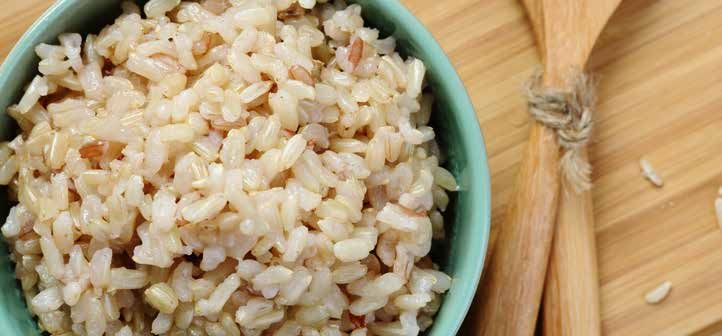
•    Icebreaker: A variety of whole grain foods, such              Pattern (3 pages)
     as whole wheat pasta (cooked prior to class), brown
                                                                3. Shift to Healthier Food & Beverage
     rice (cooked prior to class), whole wheat bread (cut
                                                                   Choices (2 pages)
     into portions to try), whole grain crackers, whole
     grain cereal, etc.; serving plates and utensils for        4. MyPlate Daily Checklist (2 pages)
     participants to try foods offered                          5. Understanding and Using the Nutrition Facts
•    Activity: No supplies necessary                               Label (1 page)
                                                                6. MyPlate 10 Tips to Build a Healthy
                                                                   Meal (2 pages)
                                                                7. Workshop Evaluation (1 page)

                                                                Eat Healthy · Be Active | Workshop 5 — Page 5
WORKSHOP OUTLINE
   The workshop should last ~1 hour, including activities.   •   Objective 3: Identify 5 aspects of the Nutrition
   • Icebreaker activity (5 minutes) – do this while             Facts label that make it easier for you to make
       people are coming into the workshop                       informed food choices that support a healthy diet
   •   Introduction (5 minutes)                                  (5 minutes)
                                                             •   Activity (5–10 minutes)
       ° Explain the purpose of the workshop
       ° Review the Learning Objectives                          ° Review handout: Understanding and Using the
                                                                   Nutrition Facts Label
   •   Objective 1: Identify 5 concepts of a healthy
       lifestyle (10 minutes)                                •   Increasing Physical Activity (1–2 minutes)

       ° Review handout: Making Healthy Eating Part              ° Review handout MyPlate 10 Tips to Build a
         of Your Lifestyle and Shift to Healthier Food &           Healthy Meal (2 minutes)
         Beverage Choices                                    •   Wrap-Up/Q&A (5 minutes)
   •   Stretch Break (5 minutes)                                 ° Reminders of things to try at home:
   •   Objective 2: Identify the 5 food groups and a                 • Read the Nutrition Facts labels to compare
       healthy choice from each (5 minutes)                            food at the grocery store
       ° Review handout: MyPlate Daily Checklist                     • Continue to build up the amount of physical
                                                                       activity you do each day
                                                             •   Ask participants to complete the evaluation form
                                                                 (5 minutes)

   ICEBREAKER ACTIVITY
   Taste Testing (5 minutes)
   Whole Grain Tasting: Gather a variety of different
   whole grain foods (try items such as pasta, rice,
   cereal, crackers, bread, etc.) and have participants
   taste a few as they come into the workshop.
   Supplies necessary: A variety of whole grain
   foods, such as whole wheat pasta (cooked prior to
   class), brown rice (cooked prior to class), whole
   wheat bread (cut into portions to try), whole grain
   crackers, whole grain cereal, etc.; serving plates and
   utensils for participants to try foods selected

Eat Healthy · Be Active | Workshop 5 — Page 6
WORKSHOP
                            Workshop
      5                     Lesson Plan
TALKING POINTS
Purpose of the Workshop (2–3 minutes)
•    Today’s workshop and handouts will give you tips        Find your healthy eating pattern and maintain it for a
     for incorporating a healthy diet and regular physical   lifetime. This means:
     activity into your lifestyle.
                                                             •   Make half your plate fruits and vegetables–focus
•    This workshop is based on the Dietary Guidelines            on whole fruits and vary your veggies
     for Americans and the Physical Activity Guidelines
                                                             •   Make half your grains whole grains
     for Americans. The Dietary Guidelines provides
     science-based advice for making food choices that       •   Move to low-fat or fat-free milk or yogurt
     promote good health and a healthy weight and help       •   Vary your protein routine
     prevent disease. The Physical Activity Guidelines
     provides recommendations on the amount, types,          •   Drink and eat less sodium, saturated and trans fats,
     and level of intensity of physical activity needed to       and added sugars
     achieve and maintain good health.                       Healthy eating and physical activity are the building
•    The Dietary Guidelines supports these selected          blocks of a healthier life. The Physical Activity
     consumer messages. More information                     Guidelines recommends that adults be physically
     about the messages can be found at                      active for at least 2 hours and 30 minutes each
     www.ChooseMyPlate.gov.                                  week – children need 60 minutes each day.

Everything you eat and drink over time matters. The          •   You can stay physically active by doing activities
right mix can help you be healthier now and in the               such as walking, dancing, bicycling, or gardening
future. Start with small changes to make healthier               and by reducing the amount of time you
choices you can enjoy.                                           spend sitting.

TALKING POINTS
Learning Objectives
(2–3 minutes)
•    Identify 5 concepts of a healthy lifestyle.
•    Identify the 5 food groups and a healthy
     choice from each.
•    Identify 5 aspects of the Nutrition Facts
     label that make it easier for you to make
     informed food choices that support a
     healthy diet.

                                                                 Eat Healthy · Be Active | Workshop 5 — Page 7
WORKSHOP LESSON PLAN
EAT HEALTHY YOUR WAY
Making Healthy Eating Part of Your Total Lifestyle
Short on time? Try these tips for making healthier meals...fast!
See how it worked for Dwayne Davis DIETARY How to Build a
TALKING POINTS
“My doctor said I needed to eat better to help me stay GUIDELINES
FOR AMERICANS
healthier longer. But I wasn’t sure where to start after
years of eating whatever I wanted. Then she told me how
it really isn’t about going on a diet at all — but a way of
2015-2020
EIGHTH EDITION
Healthy Eating Pattern
life. The bottom line is to eat healthy most of the time.
Handouts: Making Healthy Eating Part
“I stopped thinking of foods as either ‘all good’ or ‘all bad.’
“First, I focused on all five food groups including fruits, There are many different ways to eat healthy. You can eat healthy in a way that works for you and your
DIETARY
vegetables, grains, protein foods, and dairy to get all the family. Healthy eating can fit all tastes and traditions — and can be affordable, too.
nutrients I need. Then, I used the food label to check that
my choices aren’t too high in added sugars, sodium, or
GUIDELINES
The key is to build a healthy eating pattern, which means choosing
right amounts for you — and making these choices part of your FOR
a variety of nutritious foods in the
AMERICANS
everyday routine.
Shift to Healthier Food
of Your Lifestyle, How to Build a Healthy & Beverage Choices
saturated fats — and chose the healthier option.
2015-2020
“I didn’t eat much fast food, but when I did, I picked the Follow these tips — based on the 2015–2020 Dietary Guidelines EIGHTH for Americans — for making choices
EDITION
smaller and lower calorie menu items.” that can help you reach or keep a healthy body weight, get the nutrients you need, and lower your risk of
health problems
Ready to like heart disease, type 2 diabetes, and some types of cancers.
try more
I committed to make a change. “I was ready. So I
vegetables?
Eating Pattern, and Shift to Healthier Food
challenged myself to make new small changes to what Here’s some good news: Eating healthier doesn’t mean you have to give up all the foods you love.
I ate and drank each week for a month. If I could do Go for all types to get the
It doesn’t have to be confusing or complicated either. The 2015–2020 Dietary Guidelines has a better
that, then I knew I was on my way to following a healthy most nutrients – dark green
approach—make small shifts in the foods you eat. Here’s how to do it.
eating pattern for life.”
– Dwayne –
(broccoli, spinach, Romaine
Get a lettuce),
variety oforange
red and nutritious foods and beverages.
(sweet potatoes, carrots,
and Beverage Choices (10 minutes)
Dwayne’s Week 1:
Eating a variety of foods and beverages is important. It helps you get the range of nutrients you need to be healthy.
tomato juice), legumes (pinto,
Add more vegetables and fruits! black,oforfoods
• Eat a mix kidneyacross
beans; split
peas or lentils; edamame),
What Are Healthy Shifts?
all food groups.
“Adding vegetables was easier than I thought. I started Choose foods and beverages from all food groups — vegetables, fruits, grains, dairy, and proteins — not just 1
by trying new vegetables and found that I actually starchy (corn, green peas, It’s simple. When you can, swap out a food or ingredient for a healthier option. For example, you could:
or 2 of plantains),
them. and other
like spinach, cauliflower, and split peas, which I never
vegetables (onions, iceberg
thought I did! Half of a sweet potato cooked in the
Note: These talking points cover many of the key
lettuce, green beans). Fat-free and low-fat dairy, including milk, yogurt,
microwave makes a sweet and healthy snack. For dessert, Vegetables cheese, and fortified soy beverages
I replaced my usual cookies at lunch with a piece of
fresh fruit.” Protein foods, like seafood, lean meats and poultry,
Want to eat whole
Fruits, especially Shift from whoeggs,
le milk to low-fat
legumes Shift from
(beans and peas), soda with
nuts, seeds, added
and soy Shift from a cream-based pasta
consumer behaviors and potential strategies for
Dwayne’s Week 2: grains too?
Bring on the whole grains! whole fruits eakfast cereal
milk in your brproducts sugars to water during lunch dish to one with a lighter sauce
Good choices include 100% and more vegetables for dinner
“Eating 100% whole-wheat bread took some getting used whole-wheat pastas, breads,
to, but now I really like the taste. Since most of us don’t and tortillas.Grains,
Try rolled oats,
especially
get enough fiber, I look for breads that are higher in fiber.
professionals in the Dietary Guidelines. Depending on
popcorn, and brown rice too.
whole grains
I even prefer other whole grains like brown rice over Read labels. Look for the
words “100% whole wheat”
How Will Making Shifts Help?
white rice and choose whole-grain pasta over the kind I
used to use.” or “100% whole grain” on • Healthy eating patterns can help prevent chronic diseases like obesity, heart disease, high blood pressure,
the package.
For more information, visit healthfinder.gov. • Eat a mix of foods within each food group.and Type 2 diabetes.
time/participant questions, you may choose to cover For example, each week try eating several •types
Shifting to healthier
of vegetables,
ones, legumes, and others. Switch up the protwhole eating
ein foods
and peanut butter, not just lean meats and poultry.
pattern.
you eat,
choices
including darkdoesn’t
too —Shifts
mean
green, red andyou
can be easier
for example,
orange,
considertofish,
to change your
havestarchy
stickblack
withbeans,
over time—
you’re just making small changes to the way you’re already eating.
Eat Healthy · Be Active | Workshop 5 — Page 17 About half of all American
just a few bullets under each heading.
adults have one or more
chronic diseases—and
Make Shifts Throughout the Day
2015 –2020 Dietar y Guidelines for Americans — How to Build a Healthy Eating Pat tern — Page 1
they’re often related to
eating a poor quality diet.
You have a chance to make a healthier choice whenever you:
Add More Fruits and Vegetables
• Open your fridge for a snack • Pack a lunch
• Shop in the grocery store • Look at a menu in a restaurant
Eat Healthy · Be Active | Workshop 5 — Page 19
• Stand at a vending machine • Cook a favorite recipe
Take advantage of these everyday opportunities to make a shift. Everything you eat and drink matters. Over time,
Vegetables
little changes in the foods and drinks you choose can have big health benefits.
• Healthy eating patterns include a variety of
vegetables from all 5 subgroups: dark green, red • Keep raw, cut-up vegetables handy for quick
and orange, starchy, and other vegetable and snacks. If serving with a dip, choose lower-calorie
legumes (beans and peas). options, like some yogurt-based dressings, instead
of sour cream– or cream cheese–based dips.
• Make half your plate fruits and vegetables–vary
Hummus also makes a great dip while contributing
your veggies and focus on fruits.
to meeting vegetables, protein foods, and oils
• Choose frozen vegetables without added sauces, recommendations.
gravies, butter, or cream.
• When eating out, choose a vegetable as a side
• Prepare vegetables in healthful ways: steamed, dish. With cooked vegetables, request that they be
sautéed, roasted, or raw. prepared with little or no fat and salt. With salads,
• Include vegetables in meals and snacks. Fresh, ask for the dressing on the side so you can decide
frozen, and canned vegetables all count. When how much you use.
eating canned vegetables, read the Nutrition Facts • When adding sauces, condiments, or dressings
label and choose versions lower in sodium. Also to vegetables, use small amounts. Sauces and
look for options labeled as reduced sodium or no- dressings can make vegetables more appealing,
salt-added. but often add extra calories from saturated fats and
• Add dark green, red, and orange vegetables to added sugars.
soups, stews, casseroles, stir-fries, and other main • For more information about vegetables, visit:
and side dishes. Use dark leafy greens, such as www.choosemyplate.gov/vegetables.
romaine lettuce and spinach, to make salads.
Fruits
• Focus on dietary fiber – legumes (beans and peas) • Focus on whole fruits, including fresh, frozen, dried,
are a great source. Add legumes like kidney or or canned without added sugars.
garbanzo beans to salads and split peas or lentils
to soups, or serve baked beans or pinto beans as • When choosing juices, always select 100% fruit
side dishes or in a main dish. juice. Consume juice in moderation; at least half of
fruit intake should come from whole fruits.
Eat Healthy · Be Active | Workshop 5 — Page 8
WORKSHOP LESSON PLAN

•   Use fruits as snacks, salads, or desserts.             Bring on the Whole Grains
•   Instead of sugars, syrups, or other sweet toppings,    •   Make half your grains whole grains by choosing
    use fruits to top foods such as cereal and pancakes.       whole grain products, including whole grain breads,
                                                               cereals, and pastas, and brown rice. Choose whole
•   Enjoy a wide variety of fruits, and maximize taste         grains instead of refined grains and products made
    and freshness by adapting your choices to what is          with refined grains. Refined grains are common in
    in season.                                                 cookies, cakes, and many snack foods. White pasta,
•   Keep rinsed and cut-up fruits handy for                    white rice, and white bread are refined grains.
    quick snacks.                                          •   For example, choose 100% whole-grain breads;
•   Unsweetened fruits or fruits canned without added          whole-grain cereals such as oatmeal; whole-
    sugars are better choices because light or heavy           grain crackers and pasta; and brown rice. Check
    syrup adds sugar and calories.                             the ingredient list on product labels for the
                                                               words “whole” or “whole-grain” before the grain
•   For more information about fruits, visit:
                                                               ingredient’s name.
    www.choosemyplate.gov/fruit.
                                                           •   Note that foods labeled with the words “multi-
                                                               grain,” “stone-ground,” “100% wheat,” “cracked
                                                               wheat,” “seven-grain,” or “bran” are usually not
                                                               100% whole grain products, and may not contain
                                                               any whole grains.
                                                           •   Use the Nutrition Facts label and the ingredient list
                                                               to choose whole grains that are a good or excellent
                                                               source of dietary fiber.
                                                           •   Good sources of fiber contain 10–19% of the Daily
                                                               Value per serving, and excellent sources of dietary
                                                               fiber contain 20% or more.
                                                           •   For more information about grains, visit:
                                                               www.choosemyplate.gov/grains.

                                                               Eat Healthy · Be Active | Workshop 5 — Page 9
WORKSHOP LESSON PLAN

   Vary Your Protein Routine                                   Putting It All Together
   •   Mix up your protein foods to include seafood,           •   Start by making small changes and eating a variety
       legumes (beans and peas), unsalted nuts and seeds,          of foods that your body needs for good health.
       soy products, eggs, and lean meats and poultry.
                                                               •   Swap out a food or an ingredient for a healthier
   •   Aim to eat seafood twice a week. Select some                option such as switching from whole milk to fat-
       seafood higher in omega-3 fatty acids, such as              free milk in your cereal, from a soda with added
       salmon, trout, herring, Pacific oysters, and Atlantic       sugars to water at lunch, or from a cream-based
       or Pacific mackerel.                                        pasta dish to one with lighter sauce and more
                                                                   vegetables at dinner.
   •   Choose lean or low-fat meats and poultry. Remove
       poultry skin and use cooking methods like grilling
       and baking.
   •   Processed meats such as ham, sausage, hot dogs,
       and deli meats have added sodium. Check the
       Nutrition Facts label to help limit sodium intake.
   •   Add variety by incorporating protein foods like
       legumes (e.g., black beans, kidney beans, black-
       eyed peas), soy (e.g., tofu), or unsalted nuts and
       seeds into dishes and as snacks. Choosing unsalted
       nuts and seeds helps lower sodium intake.
   •   For more information about protein foods, visit:
       www.choosemyplate.gov/protein-foods.
   Move to Low-Fat or Fat-Free Dairy
   •   Choose fat-free or low-fat milk, yogurt, and
       cheese or soy beverages (soy milk). Fat-free and
       low-fat choices help to cut back on calories from
       saturated fats.
   •   Limit choices with added sugars like flavored
       milk, yogurt, drinkable yogurt, or desserts. Flavor
       plain yogurt with fresh fruit for breakfast, a snack,
       or dessert.
   •   For those who are lactose intolerant, smaller
       portions (such as 4 fluid ounces of milk) may be
       well tolerated. Lactose-free and lower-lactose
       products are available. These include lactose-
       reduced or lactose-free milk, yogurt, and cheese,
       and calcium-fortified soymilk (soy beverage).
   •   For more information about dairy, visit:
       www.choosemyplate.gov/dairy.

Eat Healthy · Be Active | Workshop 5 — Page 10
WORKSHOP LESSON PLAN
STRETCH BREAK (5 MINUTES)
“Fruit Basket”—a nutrition-themed version of musical chairs
This is a simple game that’s best for a group of at least 8 players. Set up a circle with enough chairs for all of
your players minus one. Next, you’ll need to assign each player a fruit, labeling players as strawberry, orange,
banana, etc. Two players should be assigned to each fruit. One person should remain standing,
and everyone else should sit in the chairs. The standing person will call out a fruit
name, and any player sitting in the circle assigned to that fruit then has to
jump up and try to find a new seat. The caller also should try as fast as
possible to sit in one of the open seats. In the end, a player will be
left without a seat. That player (left standing) will then call out
another fruit, and the game continues. For fun, try calling out
more than 1 fruit at a time. The caller also has the option
of calling out “fruit basket!” When that happens, all
players get up from their chairs and find a new
one. It gets a little crazy as everyone tries to
get a seat. If needed, you can set a rule that a
player getting up from a chair must find a new
one at least 2 seats away (to encourage players
to get up and run around).
TALKING POINTS
Handout: MyPlate Daily Checklist (5 minutes) United States Department of Agriculture
• Everything you eat and drink matters. Find your healthy eating style that MyPlate Daily Checklist
Find your Healthy Eating Style
reflects your preferences, culture, traditions, and budget – and maintain Everything you eat and drink matters. Find your healthy eating style that reflects your preferences, culture, traditions,
and budget—and maintain it for a lifetime! The right mix can help you be healthier now and into the future. The key is
it for a lifetime! The right mix can help you be healthier now and into choosing a variety of foods and beverages from each food group—and making sure that each choice is limited in
saturated fat, sodium, and added sugars. Start with small changes—“MyWins”—to make healthier choices you can enjoy.
Food Group Amounts for 2,000 Calories a Day
the future. Fruits Vegetables Grains Protein Dairy
• The key is choosing a variety of foods and beverages from each food
Eat Healthy · Be Active | Workshop 5 — Page 25
2 cups 2 1/2 cups 6 ounces 5 1/2 ounces 3 cups
Focus on whole fruits Vary your veggies Make half your grains Vary your protein Move to low-fat or
whole grains routine fat-free milk or yogurt
group – and making sure choices are limited in saturated fats, sodium,
Focus on whole fruits that Choose a variety of colorful Find whole-grain foods by Mix up your protein foods Choose fat-free milk, yogurt,
are fresh, frozen, canned, or fresh, frozen, and canned reading the Nutrition Facts to include seafood, beans and soy beverages (soy milk)
dried. vegetables—make sure to label and ingredients list. and peas, unsalted nuts and to cut back on your saturated
include dark green, red, and seeds, soy products, eggs, fat.
and added sugars.
orange choices. and lean meats and poultry.
Limit Drink and eat less sodium, saturated fat, and added sugars. Limit:
• Sodium to 2,300 milligrams a day.
• Saturated fat to 22 grams a day.
• Added sugars to 50 grams a day.
• The MyPlate Daily Checklist shows how much to eat from the food Be active your way: Children 6 to 17 years old should move 60 minutes every day. Adults should be physically active at least 2 1/2 hours per week.
Use SuperTracker to create a personal plan based on your age, sex, height, weight, and physical activity level.
SuperTracker.usda.gov
groups for a sample 2,000 calorie eating pattern. It shows how much to
eat from the 5 food groups and how to limit sodium, saturated fats, and
added sugars.
• The food plan that is right for you is personalized, based on your age,
sex, height, weight, and physical activity level. Use the MyPlate Daily
Checklist calculator to create a personal plan at www.choosemyplate.
gov/MyPlate-Daily-Checklist-input.
Eat Healthy · Be Active | Workshop 5 — Page 11WORKSHOP LESSON PLAN
Understanding and Using the
Nutrition Facts Label
The U.S. Food and Drug Administration has finalized a new Nutrition Facts
label for packaged foods and beverages that will make it easier for you
to make informed food choices that support a healthy diet.
ACTIVITY
Explore it today and discover the wealth of information it contains!
Servings Per Container
Servings per container shows the total number of servings
in the entire food package or container. One package of food
may contain more than one serving. Some containers may
also have a dual column label, which shows the amount of
calories and nutrients in one serving and the entire package.
Understanding and Using a Nutrition Facts Label (5–10
Serving Size
Serving size is based on the amount of food that is
customarily eaten at one time. The nutrition information
listed on the Nutrition Facts label is usually based on one
serving of the food; however, some containers may also have
information displayed per package. When comparing calories
minutes)
and nutrients in different foods, check the serving size in order
to make an accurate comparison.
Calories
Calories refers to the total number of calories, or “energy,”
supplied from all sources (fat, carbohydrate, protein, and
alcohol) in one serving of the food. To achieve or maintain a
healthy weight, balance the number of calories you consume
with the number of calories your body uses. 2,000 calories a
Nutrition Facts label: Pass out handout Understanding and Using the
day is used for general nutrition advice. However, your calorie
needs may be higher or lower and vary according to age,
gender, height, weight, and physical activity level. Check your
calorie needs at http://www.choosemyplate.gov.
As a general rule:
Nutrition Facts Label and review the talking points listed below. Depending
100 calories per serving is moderate
400 calories per serving is high
Percent Daily Value
The percent Daily Value (%DV) shows how much a nutrient
in one serving of the food contributes to a total daily
on the size of the group, you may want to pass out a label for each group of
diet. Use the %DV to determine if a serving of the food is high
or low in an individual nutrient and to compare food products
(check to make sure the serving size is the same).
As a general rule:
5% DV or less of a nutrient per serving is low
20% DV or more of a nutrient per serving is high
2–3 people to work together to identify components of the food label, such as Nutrients
The Nutrition Facts label can help you learn about and compare the nutrient content of many foods in your diet. Use it to choose
products that are lower in nutrients you want to get less of and higher in nutrients you want to get more of.
Nutrients to get less of: saturated fat, trans fat, sodium, and added sugars. Diets higher in these nutrients can increase the
portion size, sodium, etc.
risk of developing high blood pressure and/or cardiovascular disease. Get less than 100% DV of these each day.
(Note: trans fat has no %DV, so use the amount of grams as a guide)
Nutrients to get more of: dietary fiber, vitamin D, calcium, iron, and potassium. Most Americans do not get the recommended
amount of these nutrients, and diets higher in these nutrients can decrease the risk of developing diseases, such as high blood
pressure, cardiovascular disease, osteoporosis, and anemia. Get 100% DV of these on most days.
Supplies necessary: A variety of Nutrition Facts labels from food containers http://www.fda.gov/nutritioneducation December 2016
Eat Healthy · Be Active | Workshop 5 — Page 27
TALKING POINTS
Handout: Understanding and Using the Nutrition Facts Label (5 minutes)
• Look at the serving size and determine how many • Look for foods low in saturated and trans fats.
servings you are actually eating.
° Choose healthier fats, such as polyunsaturated
° If you eat 2 servings of a food, you will consume and monounsaturated fats, found in fish, nuts,
double the calories. and vegetable oils. By replacing saturated fats
with unsaturated fats, you may lower your risk
• Choose foods with no added sugars or that are low
of getting heart disease.
in added sugars.
• Compare sodium in products and choose the option
° “Added sugars” is now required on the label lower in sodium.
in grams and as a percent Daily Value (%DV).
Added sugars include sugars that have been ° Most sodium comes from processed foods.
added during processing or packaging. By reading the Nutrition Facts label to make
choices lower in sodium and preparing your
° Getting more than 100% of the DV for added own meals, you can better control and limit the
sugars makes it difficult to meet nutrient needs
amount of sodium you eat.
without consuming too many calories.
• Get less than 100% of the Daily Value for saturated
and trans fats, sodium, and added sugars.
Eat Healthy · Be Active | Workshop 5 — Page 12WORKSHOP LESSON PLAN
TALKING POINTS
Increasing Physical Activity (1–2 minutes)
• The Physical Activity Guidelines for Americans recommends that
everyone engage in regular physical activity for health benefits.
• Here are the recommendations for adults:
Moderate Activity Vigorous Activity
Type of Walking briskly, biking on flat ground, Jumping rope, basketball, soccer,
Activity line dancing, gardening swimming laps, aerobic dance
If you choose activities at a moderate level, If you choose activities at a vigorous level,
Amount do at least 2 hours and 30 minutes a week do at least 1 hour and 15 minutes a week
Source: 2008 Physical Activity Guidelines for Americans
• You can combine moderate and vigorous activities. • Keep track of your physical activity and
In general, 1 minute of vigorous activity is equal to nutrition goals!
2 minutes of moderate activity.
° Track your physical activity and take small steps
• Children need 60 minutes of physical activity to improve your eating habits. You can keep
each day. track with a journal or notebook, a website, or a
mobile app.
• TODAY’S TIP: Slowly build up the amount of
physical activity you do. • Presidential Active Lifestyle Award (PALA+): An
awards program of the President’s Council on
° Start with 10 minutes of activity, and then Fitness, Sports & Nutrition that promotes physical
add time so you are being active for longer
activity and good nutrition. The 8-week program
each time.
can help you maintain or improve your health, and
° As you feel more comfortable, do more by being is a great way to help manage and reach your
active more often and increasing the pace of health goals.
your activity.
° For more information about PALA+, visit www.
fitness.gov/participate-in-programs/pala/
° See the Appendix for a PALA+ log that you
can print.
Eat Healthy · Be Active | Workshop 5 — Page 13TALKING POINTS
Handouts: MyPlate 10 Tips to Build a Healthy Meal (2 minutes)
MyPlate, MyWins
United States Department of Agriculture
10 MyPlate Based on the
tips
MyWins
Dietary
Nutrition Guidelines
Education Series for Americans
Build a healthy meal
Healthy Eating Solutions for Everyday Life Each meal is a building block in your healthy eating style. Make sure to include all the food groups
throughout the day. Make fruits, vegetables, grains, dairy, and protein foods part of your daily meals and snacks.
Also, limit added sugars, saturated fat, and sodium. Use the MyPlate Daily Checklist and the tips below to meet
ChooseMyPlate.gov/MyWins
your needs throughout the day.
1 6
Make half your plate veggies Get creative in the kitchen
and fruits Whether you are making a sandwich, a stir-fry, or a
Vegetables and fruits are full of nutrients casserole, find ways to make them healthier. Try
that support good health. Choose fruits and red, using less meat and cheese, which can be higher in
orange, and dark-green vegetables such as saturated fat and sodium, and adding in more veggies
tomatoes, sweet potatoes, and broccoli. that add new flavors and textures to your meals.
2 7
Include whole grains Take control of your food
Aim to make at least half your grains whole Eat at home more often so you know exactly
grains. Look for the words “100% whole what you are eating. If you eat out, check and
grain” or “100% whole wheat” on the food label. compare the nutrition information. Choose options that are
Whole grains provide more nutrients, like fiber, than refined lower in calories, saturated fat, and sodium.
8
grains.
Try new foods
3
Don’t forget the dairy Keep it interesting by picking out new foods you’ve
Complete your meal with a cup of fat-free or never tried before, like mango, lentils, quinoa, kale,
low-fat milk. You will get the same amount of or sardines. You may find a new favorite! Trade fun and
calcium and other essential nutrients as whole milk but fewer tasty recipes with friends or find them online.
9
calories. Don’t drink milk? Try a soy beverage (soymilk) as
your drink or include low-fat yogurt in your meal or snack. Satisfy your sweet tooth in a healthy way
4
Indulge in a naturally sweet dessert dish—fruit!
Add lean protein Serve a fresh fruit salad or a fruit parfait made with
Choose protein foods such as lean beef, yogurt. For a hot dessert, bake apples and top with
pork, chicken, or turkey, and eggs, nuts, cinnamon.
10
beans, or tofu. Twice a week, make seafood the
protein on your plate. Everything you eat and drink matters
5
The right mix of foods in your meals and snacks
Avoid extra fat can help you be healthier now and into the
TALKING POINTS
Using heavy gravies or sauces will add fat and future. Turn small changes in how you eat into your
calories to otherwise healthy choices. Try steamed MyPlate, MyWins.
broccoli with a sprinkling of low-fat parmesan cheese or a
squeeze of lemon.
DG TipSheet No. 7
Center for Nutrition Policy and Promotion Go to ChooseMyPlate.gov June 2011
USDA is an equal opportunity provider, employer, and lender. for more information. Revised October 2016
Wrap-Up/Q&A (5 minutes)
Things to Try at Home
• Read the Nutrition Facts labels to compare food at the
grocery store.
• Slowly build up the amount of physical activity you do each day.
COMPLETE EVALUATION FORM WORKSHOP TODAY’S DATE
(5 minutes) 5 Evaluation
1 = Strongly Disagree 2 = Disagree 3 = Neither Disagree nor Agree 4 = Agree 5 = Strongly Agree
Fill out the form and give to instructor. 1. The workshop covered useful information.
Comments:
1 2 3 4 5
2. The workshop activities were helpful.
Comments:
1 2 3 4 5
3. I will look at the Nutrition Facts label when food shopping
this week.
Comments: 1 2 3 4 5
4. I plan to change my eating habits based on
the information I learned today.
Comments: 1 2 3 4 5
5. I plan to become more active based on
the information I learned today.
Comments: 1 2 3 4 5
6. The instructor presented the information in a helpful way.
Comments:
1 2 3 4 5
7. Overall, I found the workshop to be very helpful.
Comments:
1 2 3 4 5
8. Please tell us which materials you found most useful.
Eat Healthy · Be Active | Workshop 5 — Page 31
Eat Healthy · Be Active | Workshop 5 — Page 14WORKSHOP
5 Handouts
1. Making Healthy Eating Part of Your Lifestyle
2. How to Build a Healthy Eating Pattern
3. Shift to Healthier Food & Beverage Choices
4. MyPlate Daily Checklist
5. Understanding and Using the Nutrition Facts Label
6. MyPlate 10 Tips to Build a Healthy Meal
7. Evaluation
Eat Healthy · Be Active | Workshop 5 — Page 15EAT HEALTHY YOUR WAY
Making Healthy Eating Part of Your Total Lifestyle
Short on time? Try these tips for making healthier meals...fast!
See how it worked for Dwayne Davis
“My doctor said I needed to eat better to help me stay
healthier longer. But I wasn’t sure where to start after
years of eating whatever I wanted. Then she told me how
it really isn’t about going on a diet at all — but a way of
life. The bottom line is to eat healthy most of the time.
“I stopped thinking of foods as either ‘all good’ or ‘all bad.’
“First, I focused on all five food groups including fruits,
vegetables, grains, protein foods, and dairy to get all the
nutrients I need. Then, I used the food label to check that
my choices aren’t too high in added sugars, sodium, or
saturated fats — and chose the healthier option.
“I didn’t eat much fast food, but when I did, I picked the
smaller and lower calorie menu items.”
Ready to try more
I committed to make a change. “I was ready. So I
vegetables?
challenged myself to make new small changes to what
I ate and drank each week for a month. If I could do Go for all types to get the
that, then I knew I was on my way to following a healthy most nutrients – dark green
(broccoli, spinach, Romaine
eating pattern for life.”
lettuce), red and orange
– Dwayne –
(sweet potatoes, carrots,
Dwayne’s Week 1: tomato juice), legumes (pinto,
Add more vegetables and fruits! black, or kidney beans; split
“Adding vegetables was easier than I thought. I started peas or lentils; edamame),
by trying new vegetables and found that I actually starchy (corn, green peas,
plantains), and other
like spinach, cauliflower, and split peas, which I never
vegetables (onions, iceberg
thought I did! Half of a sweet potato cooked in the lettuce, green beans).
microwave makes a sweet and healthy snack. For dessert,
I replaced my usual cookies at lunch with a piece of
fresh fruit.”
Want to eat whole
Dwayne’s Week 2: grains too?
Bring on the whole grains!
Good choices include 100%
“Eating 100% whole-wheat bread took some getting used whole-wheat pastas, breads,
to, but now I really like the taste. Since most of us don’t and tortillas. Try rolled oats,
get enough fiber, I look for breads that are higher in fiber. popcorn, and brown rice too.
I even prefer other whole grains like brown rice over Read labels. Look for the
white rice and choose whole-grain pasta over the kind I words “100% whole wheat”
used to use.” or “100% whole grain” on
the package.
For more information, visit healthfinder.gov.
Eat Healthy · Be Active | Workshop 5 — Page 17SMALL CHANGES CAN MAKE A BIG DIFFERENCE
Dwayne’s Week 3:
Cut back on salt (sodium) and sugar Looking to lower
your sodium?
“Once I started reading labels, I was surprised at how
much sodium is in packaged foods. High blood pressure Eat less of these salty
runs in my family and cutting back on salt makes a lot foods: pickles, soy sauce,
of sense health-wise. And sugar? I stopped drinking hot dogs, lunch meats,
chips, and pretzels.
my daily super-sized 64-ounce soft drink. Turned out
Look for the words “low
the drink had 800 calories — about half of what many sodium” or “no salt added”
people need for the whole day!” on canned vegetables,
Dwayne’s Week 4: Put it all together vegetable juices,
for a successful healthy eating pattern
“By making small changes over time I was beginning to
follow a healthy food plan I knew I could stick to. And Ready to eat less
you know what? I felt better and I also lost weight.” added sugars?
The Dietary Guidelines suggests eating a variety of Added sugars contribute
foods that give you what your body needs for good calories, but no essential
health. No food is forbidden — the key is to make far nutrients. Cut back on calories
from added sugars. Look for
more choices that support a healthy eating pattern and
added sugars on the Nutrition
fewer choices that don’t. Facts label and make choices
with little or no added sugars.
The bottom line? Eat fruits instead of sugary
Watch how much you have of each food or drink. For desserts. Swap sugary cereals
more about portions and serving sizes, visit www. for unsweetened cereals and
add your own fruit on top.
niddk.nih.gov/health-information/health-topics/weight-
Drink water or other drinks
control/just-enough/Pages/just-enough-for-you.aspx without added sugars instead
Include these foods in your food plan: of sugary sodas.
• Vegetables — a variety of dark green, red and
orange, legumes (beans and peas), starchy, and
other vegetables Food experts suggest eating a variety of
foods that give you what your body needs for
• Fruits — especially whole fruits
good health. No food is forbidden—the key is
• Grains — at least half of which are whole grains to eat far more of the foods that are good for
• Fat-free or low-fat dairy — including milk, yogurt, you and less of the foods that aren’t.
cheese, and/or fortified soy beverages
• Protein foods — a variety of seafood, lean meats
and poultry, eggs, legumes (beans and peas), and
nuts, seeds, and soy products
Now that you’ve read Dwayne’s story . . .
What tips will you try as you follow a healthy total diet?
Check out www.choosemyplate.gov for online tools,
recipes, and more.
Eat Healthy · Be Active | Workshop 5 — Page 18DIETARY
GUIDELINES
FOR AMERICANS
How to Build a
2015-2020
EIGHTH EDITION
Healthy Eating Pattern
There are many different ways to eat healthy. You can eat healthy in a way that works for you and your
family. Healthy eating can fit all tastes and traditions — and can be affordable, too.
The key is to build a healthy eating pattern, which means choosing a variety of nutritious foods in the
right amounts for you — and making these choices part of your everyday routine.
Follow these tips — based on the 2015–2020 Dietary Guidelines for Americans — for making choices
that can help you reach or keep a healthy body weight, get the nutrients you need, and lower your risk of
health problems like heart disease, type 2 diabetes, and some types of cancers.
Get a variety of nutritious foods and beverages.
Eating a variety of foods and beverages is important. It helps you get the range of nutrients you need to be healthy.
• Eat a mix of foods across all food groups.
Choose foods and beverages from all food groups — vegetables, fruits, grains, dairy, and proteins — not just 1
or 2 of them.
Fat-free and low-fat dairy, including milk, yogurt,
Vegetables cheese, and fortified soy beverages
Protein foods, like seafood, lean meats and poultry,
Fruits, especially eggs, legumes (beans and peas), nuts, seeds, and soy
whole fruits products
Grains, especially
whole grains
• Eat a mix of foods within each food group.
For example, each week try eating several types of vegetables, including dark green, red and orange, starchy
ones, legumes, and others. Switch up the protein foods you eat, too — for example, consider fish, black beans,
and peanut butter, not just lean meats and poultry.
2015 –2020 Dietar y Guidelines for Americans — How to Build a Healthy Eating Pat tern — Page 1
Eat Healthy · Be Active | Workshop 5 — Page 19Try to eat and drink the right amounts for you.
How many calories you need to eat depends on your age, sex, height, weight, and how active you are. Use the
MyPlate Daily Checklist at www.choosemyplate.gov/calculator to find a plan that is right for you.
Limit foods and beverages higher in saturated fats, added sugars,
and sodium.
Aim to get:
• Less than 10% of calories each day from saturated fats
Foods higher in saturated fats include butter, cheese, whole
Small changes = big benefits
milk, meats higher in fat (like beef ribs, sausage, and some
processed meats), poultry skin, and tropical oils like coconut Small shifts in your daily eating
and palm oil. Instead, go for foods with unsaturated fats — habits can improve your health
over the long run. For example,
like seafood, avocados, most nuts, and canola or olive oil.
try swapping out white bread
• Less than 10% of calories each day from added sugars for whole-wheat bread and
Added sugars are syrups or other sweeteners with calories reach for a handful of nuts
that are added to foods and drinks when they’re being made instead of potato chips.
or prepared. Stick mostly to foods and drinks with naturally
occurring sugars — like ones in unflavored milk and fruits —
or no sugar at all. Choose water instead of sugary drinks and
limit sweet treats like cake, cookies, brownies, and candy.
• Less than 2,300 milligrams of sodium each day for adults
and children ages 14 and up (less for younger children)
Sodium comes from table salt — but most of the sodium we eat comes from foods that are packaged or served
in restaurants. When buying foods in the store, check the Nutrition Facts label and choose the option with the
lowest amount of sodium. To cut down on sodium, cook more at home or ask not to have salt added to your meal
when eating out.
Stick with it.
A lifetime of healthy eating can help prevent health problems like obesity, heart disease, type 2 diabetes, and some
types of cancer. Think of every day and meal as an opportunity to make a healthy choice.
Want to learn more about how to find a healthy eating pattern that works for you?
Check out DietaryGuidelines.gov for more information on the Dietary Guidelines and find recipes for
healthy meals at www.whatscooking.fns.usda.gov/.
2015 –2020 Dietar y Guidelines for Americans — How to Build a Healthy Eating Pat tern — Page 2
Eat Healthy · Be Active | Workshop 5 — Page 20What’s in a Healthy Eating Pattern?
The 2015–2020 Dietary Guidelines has recommendations for a healthy eating pattern.
For someone who needs 2,000 calories a day, a healthy eating pattern includes:
Fruits Grains
Grains, at least half of which are
Fruits, especially whole fruits whole grains
2 cups 6 ounces
A variety of vegetables — A variety of protein foods, including
dark green, red and orange, Vegetables Protein seafood, lean meats and poultry,
starchy, legumes (beans and eggs, legumes (beans and peas), soy
peas), and other vegetables products, and nuts and seeds
2½ cups 5½ ounces
Fat-free or low-fat dairy, Dairy Oils Oils, like canola and olive oil or foods
including milk, yogurt, cheese, that are sources of oils, like nuts and
and/or fortified soy beverages avocados
3 cups 5 teaspoons
And it has limits on:
Saturated and trans fats — limit
saturated fats to less than 10% of Limit
daily calories and keep trans fat Sodium — limit to less than 2,300 mg
intake as low as possible a day for adults and children 14 years
and up (less for younger children)
Added sugars — limit to
less than 10% of daily calories
A variety of meals and snacks can fit within healthy eating patterns. Many meals have several
food groups within one dish. Check out these examples.
Taco salad Tofu-vegetable stir-fry Tuna salad sandwich
½ cup avocado
Fruits Grains
2 ounces
Fruits Grains
1 cup cooked Fruits Grains
2 slices whole-
tortilla chips ¼ cup pineapple brown rice 1 medium peach wheat bread
1 tsp lime juice (2 ounces dry)
½ cup chopped
Chinese cabbage 1 Tbsp chopped
1 cup chopped Vegetables Protein
2 ounces Vegetables Protein
celery
Vegetables Protein
lettuce cooked ¼ cup sliced 4 ounces firm tofu 2 ounces
ground turkey bamboo shoots ½ cup shredded canned tuna
2 Tbsp salsa lettuce
¼ cup chopped sweet
red and green peppers
½ ounce low-fat
Dairy Oils
2 tsp corn oil 1 cup fortified
Dairy Oils
1 Tbsp canola oil 1 cup fat-free
Dairy Oils
1 Tbsp
cheddar cheese for cooking soy beverage for cooking stir-fry milk mayonnaise
turkey
2015 –2020 Dietary Guidelines for Americans — How to Build a Healthy Eating Pat tern — Page 3
April 2017
Eat Healthy · Be Active | Workshop 5 — Page 21DIETARY
GUIDELINES
FOR AMERICANS Shift to Healthier Food
2015-2020
EIGHTH EDITION
& Beverage Choices
Here’s some good news: Eating healthier doesn’t mean you have to give up all the foods you love.
It doesn’t have to be confusing or complicated either. The 2015–2020 Dietary Guidelines has a better
approach—make small shifts in the foods you eat. Here’s how to do it.
What Are Healthy Shifts?
It’s simple. When you can, swap out a food or ingredient for a healthier option. For example, you could:
Shift from whole milk to low-fat Shift from soda with added Shift from a cream-based pasta
milk in your breakfast cereal sugars to water during lunch dish to one with a lighter sauce
and more vegetables for dinner
How Will Making Shifts Help?
• Healthy eating patterns can help prevent chronic diseases like obesity, heart disease, high blood pressure,
and Type 2 diabetes.
• Shifting to healthier choices doesn’t mean you have to change your
whole eating pattern. Shifts can be easier to stick with over time—
you’re just making small changes to the way you’re already eating.
About half of all American
adults have one or more
chronic diseases—and
Make Shifts Throughout the Day they’re often related to
eating a poor quality diet.
You have a chance to make a healthier choice whenever you:
• Open your fridge for a snack • Pack a lunch
• Shop in the grocery store • Look at a menu in a restaurant
• Stand at a vending machine • Cook a favorite recipe
Take advantage of these everyday opportunities to make a shift. Everything you eat and drink matters. Over time,
little changes in the foods and drinks you choose can have big health benefits.
2015-2020 Dietar y Guidelines for Americans — Shift to Healthier Food & Beverage Choices — Page 1
Eat Healthy · Be Active | Workshop 5 — Page 23Try Out These Shifts
The Dietary Guidelines has key recommendations for how we can all improve our eating patterns.
The shifts below will help you stay on track.
How to Eat More Whole Grains:
• Choose whole-wheat bread instead of white
• Have popcorn for a snack instead of potato chips
White Bread Whole-Wheat (just leave out the butter)
Bread
How to Cut Down on Saturated Fats:
• Twice a week, have seafood instead of fatty cuts of meat for dinner
• When you’re making chili or stew, reduce the amount of meat
Fatty Cut of Meat Seafood or Beans and add more beans and vegetables
How to Cut Down on Added Sugars:
• Give your kids 100% juice or water instead of fruit punch
• Have a homemade fruit smoothie instead of ice cream
Ice Cream Homemade Smoothie
How to Cut Down on Sodium (Salt):
• Switch to unsalted nuts
Potato Chips Unsalted Nuts • Shift from regular canned soups to low-sodium
How to Use Oils Instead of Solid Fats:
• Dip your whole-wheat bread in olive oil instead of spreading on butter
Butter Olive Oil • Choose an oil-based salad dressing instead of cream-based
What Shift Will You Make Today?
Want to learn more about shifts and how to find a healthy eating pattern that works
for your family? Check out ChooseMyPlate.gov, which has more information from the
Dietary Guidelines, online tools, recipes, and more.
2015-2020 Dietar y Guidelines for Americans — Shift to Healthier Food & Beverage Choic es — Page 2
March, 2016
Eat Healthy · Be Active | Workshop 5 — Page 24United States Department of Agriculture
MyPlate Daily Checklist
Find your Healthy Eating Style
Everything you eat and drink matters. Find your healthy eating style that reflects your preferences, culture, traditions,
and budget—and maintain it for a lifetime! The right mix can help you be healthier now and into the future. The key is
choosing a variety of foods and beverages from each food group—and making sure that each choice is limited in
saturated fat, sodium, and added sugars. Start with small changes—“MyWins”—to make healthier choices you can enjoy.
Food Group Amounts for 2,000 Calories a Day
Fruits Vegetables Grains Protein Dairy
Eat Healthy · Be Active | Workshop 5 — Page 25
2 cups 2 1/2 cups 6 ounces 5 1/2 ounces 3 cups
Focus on whole fruits Vary your veggies Make half your grains Vary your protein Move to low-fat or
whole grains routine fat-free milk or yogurt
Focus on whole fruits that Choose a variety of colorful Find whole-grain foods by Mix up your protein foods Choose fat-free milk, yogurt,
are fresh, frozen, canned, or fresh, frozen, and canned reading the Nutrition Facts to include seafood, beans and soy beverages (soy milk)
dried. vegetables—make sure to label and ingredients list. and peas, unsalted nuts and to cut back on your saturated
include dark green, red, and seeds, soy products, eggs, fat.
orange choices. and lean meats and poultry.
Limit Drink and eat less sodium, saturated fat, and added sugars. Limit:
• Sodium to 2,300 milligrams a day.
• Saturated fat to 22 grams a day.
• Added sugars to 50 grams a day.
Be active your way: Children 6 to 17 years old should move 60 minutes every day. Adults should be physically active at least 2 1/2 hours per week.
Use SuperTracker to create a personal plan based on your age, sex, height, weight, and physical activity level.
SuperTracker.usda.govEat Healthy · Be Active | Workshop 5 — Page 26
MyPlate Daily Checklist
Write down the foods you ate today and track your daily MyPlate, MyWins!
Write your food choices for Did you reach
Food group targets for a 2,000 calorie* pattern are: each food group your target?
Fruits 2 cups Limit Limit:
1 cup of fruits counts as Y
• Sodium to 2,300 milligrams a day.
• 1 cup raw or cooked fruit; or
• Saturated fat to 22 grams a day.
• 1/2 cup dried fruit; or N
• Added sugars to 50 grams a day.
• 1 cup 100% fruit juice.
Y N
Vegetables 2 1/2 cups
1 cup vegetables counts as
Y
• 1 cup raw or cooked vegetables; or
• 2 cups leafy salad greens; or N
• 1 cup 100% vegetable juice.
Activity Be active your way:
6 ounce equivalents Adults:
Grains
1 ounce of grains counts as Y • Be physically active at least
• 1 slice bread; or 2 1/2 hours per week.
• 1 ounce ready-to-eat cereal; or N
• 1/2 cup cooked rice, pasta, or cereal. Children 6 to 17 years old:
• Move at least 60 minutes every day.
Protein 5 1/2 ounce equivalents
1 ounce of protein counts as Y Y N
• 1 ounce lean meat, poultry, or seafood; or
• 1 egg; or N
• 1 Tbsp peanut butter; or
• 1/4 cup cooked beans or peas; or
• 1/2 ounce nuts or seeds.
Dairy 3 cups
1 cup of dairy counts as
Y
• 1 cup milk; or
• 1 cup yogurt; or N
• 1 cup fortified soy beverage; or * This 2,000 calorie pattern is only an estimate of your
• 1 1/2 ounces natural cheese or 2 ounces needs. Monitor your body weight and adjust your
processed cheese. calories if needed.
MyWins Track your MyPlate, MyWins
Center for Nutrition Policy and Promotion
January 2016
USDA is an equal opportunity provider and employer.Understanding and Using the
Nutrition Facts Label
The U.S. Food and Drug Administration has finalized a new Nutrition Facts
label for packaged foods and beverages that will make it easier for you
to make informed food choices that support a healthy diet.
Explore it today and discover the wealth of information it contains!
Servings Per Container
Servings per container shows the total number of servings
in the entire food package or container. One package of food
may contain more than one serving. Some containers may
also have a dual column label, which shows the amount of
calories and nutrients in one serving and the entire package.
Serving Size
Serving size is based on the amount of food that is
customarily eaten at one time. The nutrition information
listed on the Nutrition Facts label is usually based on one
serving of the food; however, some containers may also have
information displayed per package. When comparing calories
and nutrients in different foods, check the serving size in order
to make an accurate comparison.
Calories
Calories refers to the total number of calories, or “energy,”
supplied from all sources (fat, carbohydrate, protein, and
alcohol) in one serving of the food. To achieve or maintain a
healthy weight, balance the number of calories you consume
with the number of calories your body uses. 2,000 calories a
day is used for general nutrition advice. However, your calorie
needs may be higher or lower and vary according to age,
gender, height, weight, and physical activity level. Check your
calorie needs at http://www.choosemyplate.gov.
As a general rule:
100 calories per serving is moderate
400 calories per serving is high
Percent Daily Value
The percent Daily Value (%DV) shows how much a nutrient
in one serving of the food contributes to a total daily
diet. Use the %DV to determine if a serving of the food is high
or low in an individual nutrient and to compare food products
(check to make sure the serving size is the same).
As a general rule:
5% DV or less of a nutrient per serving is low
20% DV or more of a nutrient per serving is high
Nutrients
The Nutrition Facts label can help you learn about and compare the nutrient content of many foods in your diet. Use it to choose
products that are lower in nutrients you want to get less of and higher in nutrients you want to get more of.
Nutrients to get less of: saturated fat, trans fat, sodium, and added sugars. Diets higher in these nutrients can increase the
risk of developing high blood pressure and/or cardiovascular disease. Get less than 100% DV of these each day.
(Note: trans fat has no %DV, so use the amount of grams as a guide)
Nutrients to get more of: dietary fiber, vitamin D, calcium, iron, and potassium. Most Americans do not get the recommended
amount of these nutrients, and diets higher in these nutrients can decrease the risk of developing diseases, such as high blood
pressure, cardiovascular disease, osteoporosis, and anemia. Get 100% DV of these on most days.
http://www.fda.gov/nutritioneducation December 2016
Eat Healthy · Be Active | Workshop 5 — Page 27MyPlate, MyWins
Healthy Eating Solutions for Everyday Life
Eat Healthy · Be Active | Workshop 5 — Page 29United States Department of Agriculture
10 MyPlate Based on the
tips
MyWins
Dietary
Nutrition Guidelines
Education Series for Americans
Build a healthy meal
Each meal is a building block in your healthy eating style. Make sure to include all the food groups
throughout the day. Make fruits, vegetables, grains, dairy, and protein foods part of your daily meals and snacks.
Also, limit added sugars, saturated fat, and sodium. Use the MyPlate Daily Checklist and the tips below to meet
your needs throughout the day.
1 6
Make half your plate veggies Get creative in the kitchen
and fruits Whether you are making a sandwich, a stir-fry, or a
Vegetables and fruits are full of nutrients casserole, find ways to make them healthier. Try
that support good health. Choose fruits and red, using less meat and cheese, which can be higher in
orange, and dark-green vegetables such as saturated fat and sodium, and adding in more veggies
tomatoes, sweet potatoes, and broccoli. that add new flavors and textures to your meals.
2 7
Include whole grains Take control of your food
Aim to make at least half your grains whole Eat at home more often so you know exactly
grains. Look for the words “100% whole what you are eating. If you eat out, check and
grain” or “100% whole wheat” on the food label. compare the nutrition information. Choose options that are
Whole grains provide more nutrients, like fiber, than refined lower in calories, saturated fat, and sodium.
8
grains.
Try new foods
3
Don’t forget the dairy Keep it interesting by picking out new foods you’ve
Complete your meal with a cup of fat-free or never tried before, like mango, lentils, quinoa, kale,
low-fat milk. You will get the same amount of or sardines. You may find a new favorite! Trade fun and
calcium and other essential nutrients as whole milk but fewer tasty recipes with friends or find them online.
9
calories. Don’t drink milk? Try a soy beverage (soymilk) as
your drink or include low-fat yogurt in your meal or snack. Satisfy your sweet tooth in a healthy way
4
Indulge in a naturally sweet dessert dish—fruit!
Add lean protein Serve a fresh fruit salad or a fruit parfait made with
Choose protein foods such as lean beef, yogurt. For a hot dessert, bake apples and top with
pork, chicken, or turkey, and eggs, nuts, cinnamon.
10
beans, or tofu. Twice a week, make seafood the
protein on your plate. Everything you eat and drink matters
5
The right mix of foods in your meals and snacks
Avoid extra fat can help you be healthier now and into the
Using heavy gravies or sauces will add fat and future. Turn small changes in how you eat into your
calories to otherwise healthy choices. Try steamed MyPlate, MyWins.
broccoli with a sprinkling of low-fat parmesan cheese or a
squeeze of lemon.
DG TipSheet No. 7
Center for Nutrition Policy and Promotion Go to ChooseMyPlate.gov June 2011
USDA is an equal opportunity provider, employer, and lender. for more information. Revised October 2016
Eat Healthy · Be Active | Workshop 5 — Page 30You can also read


