Paying for Crossrail 2 - July 2018 - London First
←
→
Page content transcription
If your browser does not render page correctly, please read the page content below

Paying for
Crossrail 2
July 2018

Executive Summary

    Executive Summary                                                                                  Experience from Crossrail 1 indicates that a sizeable proportion
                                                                                                       of these homes would be built in advance of the new line
    If London is to grow sustainably and remain globally                                               opening.
    competitive, then its transport system also needs to grow
    to keep London moving. Crossrail 2 was first identified as a                                       Crossrail 2 has cross-party support in London and the south
    priority for London back in 1974, alongside a new East-West                                        east and backing across the London and wider business
    Crossrail line. With Crossrail due to come into operation from                                     community. It is supported by the Mayor of London, has
    the end of 2018, London business now sees Crossrail 2 as the                                       been endorsed by the National Infrastructure Commission
    priority major new transport scheme for London and the south                                       and its case has been acknowledged by government. We
    east for the 2020s.                                                                                believe Crossrail 2 is an essential part of a national transport
                                                                                                       investment programme for the 2020s, alongside significant
                                                                                                       improvements to rail links across the North and in other English
    The case for Crossrail 2                                                                           cities. With the scheme projected to cost somewhere between
    Crossrail 2 will increase the capital’s rail capacity by around                                    £25bn to £30bn, the key challenge facing us now is paying
    10 per cent, enabling an additional 270,000 people to travel                                       for it.
    into central London each peak-time morning. It will tackle
    congestion on the South West and West Anglia Main lines and                                        The funding and financing challenge
    key tube lines, and at major stations such as Waterloo, Victoria
    and Euston. It will also cut journey times across southern                                         To address this challenge an Independent Affordability Review
    England from the Solent to the Wash. In total, around a third of                                   into Crossrail 2, chaired by Mike Gerrard, has been set up to
    the transport benefits will fall to users starting or ending their                                 report to the Transport Secretary and Mayor in summer 2018.
    journeys outside London.                                                                           The review will explore options for improving the affordability
                                                                                                       of the scheme in three areas: cost and scope, funding and
    Yet Crossrail 2 is much more than just a transformational                                          financing. It is likely that action will be required on each of
    transport project. It could simultaneously support significant                                     these fronts for Crossrail 2 to proceed, but at the very least
      Crossrail 2growth,
    economic       could unlock an
                         help address London and the wider south                                       some additional sources of funding are likely to be required.
      additional   200,000 new  homes
    east’s housing shortage and provide new jobs.
     across London and the south east,                                                                 This report provides a view from London business as to
    Crossrail 2 could
     30 per cent       unlock
                  of which    an additional
                           could  be        200,000 new homes                                          just how such a fair and affordable funding and financing
     outside
    across    London’s
           London    andboundaries.
                         the south east, 30 per cent of which could                                    package for Crossrail 2 could now be constructed. It builds
    be outside London’s boundaries.                                                                    on the successful experience of developing a mixed funding
                                                                                                       package for Crossrail 1, on TfL’s previous work on Crossrail 2
                                                                                                       funding and financing, and on London First’s own earlier report
                                                                                                       on funding Crossrail 2 from 20141. London business was
                                                                                                       instrumental in helping to develop a fair funding package and
                                                                                                       forge agreement for Crossrail 1 to proceed. Our ambition is to
                                                                                                       now do the same for Crossrail 2.

                                                                                                       Recreating the Crossrail 1 funding package

    200,000
                                                                                                       The logical start point is to draw on the successful experience
                                                                                                       of the Crossrail 1 funding package. This gives us several
                                                                                                       credible, good-quality funding streams for Crossrail 2:

                                                                                                       • Crossrail  2 net operating surplus – once in operation,
                                                                                                         Crossrail 2 will generate a surplus from operations. As with
    new homes across London                                                                                 Crossrail 1, this projected surplus could be used to fund debt
    and the south east                                                                                      that would part-finance the scheme’s construction.

                                                                                                       • Business Rate Supplement – medium-sized and large
                                                                                                         businesses are contributing towards Crossrail 1 through a
                                                                                                            Business Rate Supplement (BRS) at 2 pence per £ of rateable
                                                                                                            value. This provided around £4.1 billion towards the costs of

1
    Funding Crossrail 2, a report from London First’s Crossrail 2 Taskforce, London First, February 2014.

    Crossrail 2 will increase                                                                      2
3

                                                                                                             Executive Summary

  the project. BRS revenues are helping to support additional       towards Crossrail 1 and are expected to continue doing so
  borrowing by the GLA, which is forecast to have been paid         under the likely core funding package for Crossrail 2 through
  down fully in the early 2030s. Continuing with the BRS beyond     both a continuation of the existing BRS and the continued
  this date could help support additional borrowing to help pay     (and higher) Mayoral CIL. However, the government has been
  for the construction of Crossrail 2.                              clear on the need to look beyond this package, and if Crossrail

• Mayoral   Community Infrastructure Levy (MCIL) – Developer
  contributions have provided £600m worth of funding for
                                                                    2 is now to happen, supporters of the scheme must explore
                                                                    possible components of a funding package which all parties
                                                                    might ultimately be prepared to live with, in exchange for the
  Crossrail 1, primarily through the MCIL. This is an upfront
                                                                    significant transport improvements Crossrail 2 would bring.
  charge on development applied to net additional commercial
  and residential floor space granted planning permission in        Those funding options which the working group identified as
  London. TfL has consulted on an enhanced MCIL2 to help            having greatest potential to help support Crossrail 2 are set out
  fund Crossrail 2, which would supersede MCIL1 and the             below. For any funding package to be affordable, equitable and
  associated planning obligation/section 106 charge scheme          sustainable, it will need to knit together funding contributions
  from April 2019. TfL’s Crossrail 2 proposals then assume a        from across the various beneficiaries of the scheme, including
  further stepped increase in MCIL rates in the mid-2020s. Taken    but not exclusively, business. The options identified below
  together this would enable a significantly greater contribution   should be seen as a menu from which any final funding
  from MCIL to Crossrail 2 than was the case for Crossrail 1.       package could potentially be negotiated.

• Over  station development – As with Crossrail 1, a funding
  contribution can be made through development gain from
                                                                    The working group identified three ‘tried and tested’ funding
                                                                    options:
  land acquired for the project, including over-site development
  at stations on the route. Learning from Crossrail 1 on, for       • Fares – One of the biggest beneficiaries of the scheme will be
                                                                      those passengers who use it. A one-off London-wide fares rise
  example, density of development, TfL believes a higher level of
                                                                        of 1% on Tube and TfL rail in the early 2020s would generate
  contribution could come from this source for Crossrail 2.
                                                                        around £30m per annum. A similar rise on South Western
London business believes that these four funding options                Railway and West Anglia Main Line services could generate
should form the core of any Crossrail 2 funding package. TfL            an additional £5–10m p.a. These national rail passengers will
estimates that these funding streams could provide around               also see their services improve significantly, as moving existing
half of the overall funding needed for the project. However,            suburban services onto Crossrail 2 will free up capacity to run
only part of this funding is available in the 2020s when                quicker and more frequent commuter services from further
construction will be at its peak. With central government               afield.
funding constrained and TfL and the GLA near the limits of
their borrowing capacity, government has challenged London          • Council  tax – Given the benefits to residents in London and
                                                                      the south east, a funding contribution could be made through
to fund half of the scheme “during construction”.
                                                                        council tax bills, as was done for the London Olympics. A
Meeting the government’s challenge will be tough, as it                 Crossrail 2 precept of £40 for a band D London property – less
requires London to find additional funding and/or finance               than a pound a week – could generate around £150m p.a. A
during the construction period. Putting a precise figure on             similar precept for districts in Hertfordshire and Surrey with a
the level of additional funding required is a matter for the            Crossrail 2 station could raise around £8.5m p.a.
Independent Affordability Review, but to give a broad order
of magnitude, we estimate that new revenue streams in the           • Business    rates – Businesses are already expected to make
                                                                      a significant contribution through the BRS as part of the core
order of a couple of hundred million pounds per annum during
                                                                        funding package, so securing further contributions will be
construction over the 2020s would help provide sufficient
                                                                        difficult. It was put to the group that as part of a wider package
confidence to enable the full scheme to go ahead.
                                                                        one possible option would be for a higher BRS in the 2020s to
                                                                        help provide upfront funding for the scheme. The existing BRS
Additional funding options for Crossrail 2                              is forecast to bring in £270m p.a. in the 2020s – so an extra
In light of the government’s challenge to identify additional           0.5p increase would be worth around £68m p.a.
funding and financing options, London First established a
working group of its members to explore potential options.
London businesses are already making significant contributions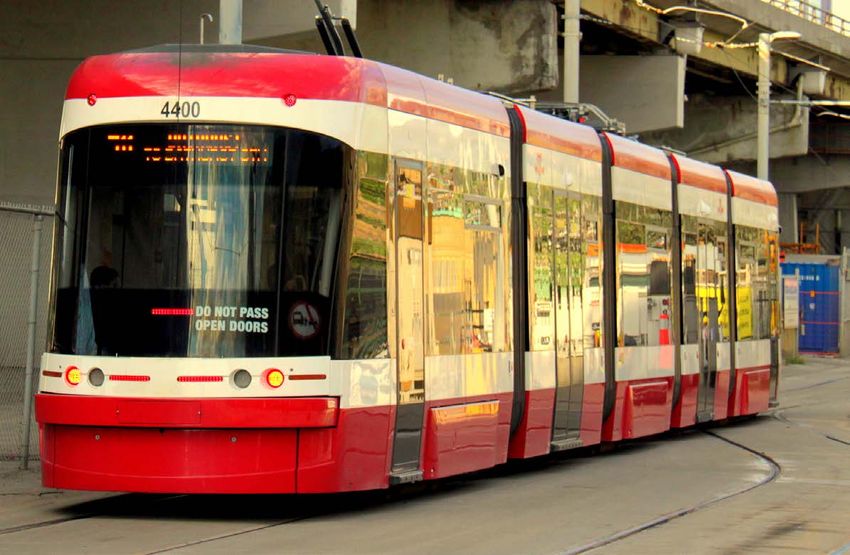
Executive Summary

Beyond this, the working group also examined some other                     Cost and scope
sources of funding and financing:
                                                                            Although not considered in any detail by the working group,
•   Station development – The working group was struck by the
    successful experience of Canary Wharf station on Crossrail
                                                                            additional funding and financing options should be considered
                                                                            alongside measures to reduce the costs of the scheme,
    1, which saw Canary Wharf group take on responsibility for              for example by drawing on the experience gained during
    the costs of constructing the station box and development               construction of Crossrail 1. Changes to scope, timing and
    overhead. Similar deals for Crossrail 2, particularly for the           phasing could also have a role to play, though business would
    central London stations, could materially reduce the upfront            be very concerned about any proposals which undermined the
    construction costs of the scheme – lessening the pressure for           core objectives and benefits of the scheme.
    new funding streams.

• Sharing    in future growth – Crossrail 2 will generate significant
  uplifts in future tax revenues for the Exchequer, such as
                                                                            Conclusion
                                                                            London business accepts that for a scheme of this scale
    business rates and stamp duty, which would simply not occur
                                                                            London will need to help shoulder the funding burden, and we
    without the scheme. A proportion of these uplifts could be
                                                                            recognise government’s challenge to London to pay for half of
    ringfenced to help pay for the scheme, as was the case with
                                                                            the cost during construction. London has greater scope to help
    the Northern Line Extension to Battersea. Giving London
                                                                            fund transport infrastructure than other English cities and by
    government a share in future tax uplifts would also be a strong
                                                                            doing so can help ensure that overall transport investment goes
    incentive to maximise development and economic activity
                                                                            further in supporting transport improvements across the country
    along the route.
                                                                            as a whole.
• Land  value capture – new transport schemes generate
  windfall gains for land and property owners along the route.
                                                                            Crossrail 2 would bring significant benefits to the UK economy,
                                                                            and to land and property owners and commuters across
    TfL has identified a number of potential new mechanisms for
                                                                            London and the south east, as well as businesses themselves.
    capturing value uplifts, including a transport premium charge.
                                                                            An affordable, equitable and sustainable funding package
    While such measures could in principle release substantial
                                                                            for Crossrail 2 must secure contributions from across these
    additional resources for transport investment, they face
                                                                            beneficiaries. A funding package should be diverse and broad-
    significant practical and political obstacles before they could
                                                                            based, both for reasons of fairness and to maximise resilience
    be implemented. The working group therefore encourages the
                                                                            to changing economic and political circumstances. We believe
    Review to explore and develop these measures further.
                                                                            that evidence from London and cities beyond shows that people
                                                                            and businesses are willing to contribute towards transport
Financing options                                                           improvements if money is ringfenced.
As well as exploring potential additional sources of funding                Following receipt of the Independent Affordability Review’s
for Crossrail 2, the working group identified scope for greater             findings in the summer, we encourage central and London
creativity around financing options to help bridge the upfront              government to provide a positive response to the Crossrail 2
need for cash during construction. Potential options include:               business case by the end of 2018, as part of a wider package

• Re-assessing     existing financing assumptions – the working
  group felt that some of the existing financing assumptions
                                                                            of national rail investment. This would enable a revised route
                                                                            consultation to take place next year, and a hybrid bill to be
    being used for Crossrail 2 were excessively cautious and                deposited by 2021. Detailed negotiations with business and
    resulting in unnecessary costs being added on to the scheme.            other parties on the composition of a final funding package

• Use
                                                                            should take place alongside this process. Crossrail 2 could then
       of private finance – by following industry norms, which
                                                                            open in the early 2030s, alongside and complementary to HS2,
  see rolling stock and depots owned by the private sector and
                                                                            as recommended by the National Infrastructure Commission.
    leased to train operators, the upfront construction costs of
    the project could be reduced further. Other global cities have          As London recovered from the financial crisis of 2008, Crossrail
    gone further still and used private finance for new tunnels and         1 represented an important vote of confidence in London’s
    stations.                                                               future. As Britain grapples with the transition to life outside the

• Asset
                                                                            European Union, we believe giving the go-ahead to Crossrail
         sales – upfront funding could also be released from the
                                                                            2 would send a powerful signal that London is determined to
  sale of existing publicly owned assets such as the Crossrail 1
                                                                            remain the best city in the world in which to do business.
    tunnel (as happened with the HS1 high speed line). Selling the
    Crossrail 1 tunnel to long-term investors such as pension funds
    could release a significant sum which could be recycled to help
    pay for Crossrail 2.

                                                                        4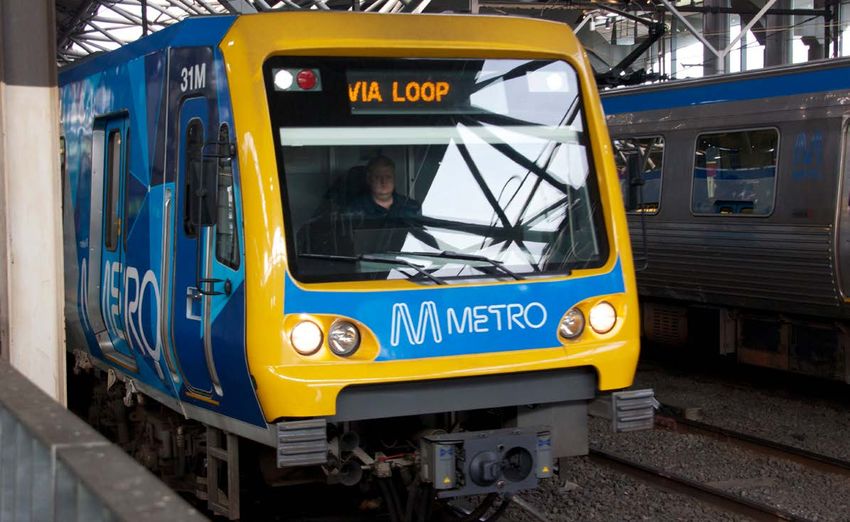
5

    Executive Summary
1. CONTEXT
7
Context
If London is to grow sustainably and remain globally into Crossrail 2, led by Mike Gerrard, is presently underway
competitive, then its transport system also needs to grow to and due to report in summer 2018.
keep London moving. Crossrail 2 – which has been developed
This report provides a view from London business as to
from a scheme originally called the Chelsea-Hackney line
just how such a fair and affordable funding and financing
– was first identified as a priority for London back in 1974,
package for Crossrail 2 could now be constructed. It builds
alongside a new East-West Crossrail line. With Crossrail due
on the successful experience of developing a mixed funding
to come into operation from the end of 2018, Crossrail 2 is
package for Crossrail 1, on TfL’s previous work on Crossrail
now widely acknowledged as the priority major new transport
2 funding and financing, and on London First’s own earlier
scheme for London and the south east for the coming decade.
report on funding Crossrail 2 from 2014. London business was
Crossrail 2 is supported by the Mayor of London Sadiq Khan, instrumental in helping to develop a fair funding package and
as it was by his predecessor Boris Johnson. It is described forge agreement for Crossrail 1 to proceed. Our ambition is to
as “essential” in the Mayor’s Transport Strategy, has been now do the same for Crossrail 2.
identified as a priority scheme by Network Rail and has
been subjected to extensive analysis and consultation led by
Transport for London (TfL), who submitted a detailed business
case for the scheme to the Department for Transport (DfT)
in March 2017. It has cross-party support in London and
the south east and backing across the London and wider
business community. It has been endorsed by the National
Infrastructure Commission (NIC) who concluded that it “should
be taken forward as a priority” (alongside rail improvements
in northern England). Its case was acknowledged by the
government in July 2017 (see box below).
Joint Statement by the Transport Secretary and
Mayor of London on Crossrail 2
“Last week the Transport Secretary Chris Grayling and
Mayor of London Sadiq Khan had a productive meeting
to discuss the way forward for Crossrail 2. They agreed
that there is no doubt London needs new infrastructure
to support its growth and ensure it continues as the
UK’s economic powerhouse – boosting productivity
and attracting investment. While London has shown
how it could pay for half of the scheme over its life, the
Mayor and Transport Secretary want to see how London
could fund half of the scheme during construction. They
agree on the need to ensure a funding package which
works for both London and the rest of the country and
recognises other priorities, but also delivers the new
capacity and connectivity that London needs.”
The key challenge now facing Crossrail 2, with the most recent
public scheme option estimated to cost circa £30bn (2014
prices), is its funding and financing. This was emphasised by
HM Treasury in the November 2017 Budget: “The government
recognises the need for investment in London’s infrastructure
to support its growth, and will continue to work with
Transport for London on developing fair and affordable plans
for Crossrail 2, including through an independent review of
funding and financing”. An Independent Affordability Review
2. THE CASE FOR
    CROSSRAIL 2
9

                                                                                                                                                       The case for Crossrail 2

Before exploring the merits of potential funding and financing                                        Whilst most recent public transport demand forecasts have
options, we first provide a short recap of why London business                                        shown slight reductions in demand, principally in the off-peak,
supports the case for Crossrail 22. Crossrail 2 is a proposed                                         these are against a background of substantial and sustained
new railway serving London and the wider south east. It would                                         growth in the long term. The Mayor’s Transport Strategy has
connect national rail networks in Surrey and Hertfordshire via                                        an aspiration for 80 per cent of all trips in London to be made
new tunnels and stations between Wimbledon, Tottenham                                                 on foot, by cycle, or using public transport by 2041. If this
Hale and New Southgate, linking in with the underground,                                              is to be achieved, more people will need to make more trips
London Overground, Crossrail, national and international                                              than ever before by public transport. In serving 45 stations
rail services. The map on p.10 shows the route at the time                                            and interchanging with all but three Tube lines and all but four
of the most recent public consultation in autumn 2015.                                                National Rail routes, Crossrail 2 will have a positive effect right
(We understand that TfL has subsequently proposed                                                     across the region.
some changes to its preferred route option, based on the
                                                                                                      The case for Crossrail 2 is not only a transport one. London’s
recommendations of the National Infrastructure Commission
                                                                                                      success is built on attracting talent – both from home and
and its own further feasibility work).
                                                                                                      across the world. Yet London has a serious housing shortage,
                                                                                                      undermining its competitiveness. Analysis for the Mayor’s draft
Why Crossrail 2 is needed                                                                             London Plan shows that London needs to build at least 66,000
London and the south east is continuing to grow, resulting in                                         homes a year to sustain its population growth. However, it is
worsening overcrowding and congestion on rail and the Tube.                                           currently building substantially below that rate. New transport
Planned improvements, like Crossrail 1, and Tube signalling                                           infrastructure like Crossrail 2 can help unlock substantial new
and rolling stock upgrades, will ease the pressure over the                                           housing across London and the wider south east.
coming decade. But they will not in themselves be enough,
particularly on the SW-NE corridor running through London.
On some routes, such as the Victoria Line, the maximum levels
of achievable capacity have effectively already been reached.
Unless overcrowding is addressed, London will increasingly be
placed at a competitive disadvantage.

• On the Tube, overcrowding and station closures are an
  everyday occurrence already. This is particularly true on the
      Northern and Victoria Lines, and at key National Rail termini,
      where tens of thousands of passengers change trains each
      day. Notwithstanding other planned improvements, by 2030
      TfL predicts that mass congestion will result in regular station
      closures and delays. Only new railways and platforms will
      address such bottlenecks.

• The   South West Main Line into Waterloo is the busiest national
  rail corridor, accommodating nearly 20 per cent of London’s
      total National Rail termini demand. On a like-for-like basis, it is
      also the most overcrowded. Even with planned improvements,
      by 2031 the worst crowding levels are predicted to be around
      five passengers standing per square metre.

• Atthousands
       Euston, unless we add more capacity, the tens of
               of passengers arriving daily on HS2 will have to
      wait for several Victoria Line trains to pass before they can
      squeeze on to one.

2
    See also Crossrail 2: Supporting London’s Growth, Final report of London First’s Crossrail 2 Taskforce, London First, February 2013 for our earlier work on this topic.
The case for Crossrail 2
Crossrail 2 route (autumn 2015)
Crossrail 2 route
Proposed Crossrail 2 route as of October 2015
Key HERTFORDSHIR E
Broxbourne
Cheshunt
Stations
London Underground Waltham Cross
London Overground
Enfield Lock
Crossrail 1
National Rail
Brimsdown
High Speed 1 ENFIEL D
High Speed 2 Ponders End
London Trams
Tunnel portal Angel Road
Intermediate shaft New Southgate Wood Green
Tunnelled section depots and stabling HARING E Y Northumberland Park
BA RNE T
Central core of route Alexandra Palace
HA RRO W Tottenham Hale
Turnpike Lane
Regional branches WA LTHA M
Seven Sisters FORES T
Potential future Eastern branch
Route previously consulted on via Tooting Broadway
ISLING TO N HACKNE Y
Newly proposed route BREN T CAMDEN
Option via Turnpike Lane and Alexandra Palace Dalston
Hackney Central
Option
HILLINGDON via Wood Green
Euston St. Pancras NEWHA M
Angel
WESTMINSTE R TOWE R
EALIN G Tottenham Court Road CITY O F HAMLET S
LONDO N
HA & F
MM ULH
ER AM
Victoria
SM
KENSING TO N
King’s Road A
& CHELSE
IT
Chelsea SOUTHWA R K
H
es
ham
er T
Riv
HOU NSLO W
Clapham Junction
LA MBET H
RIC HMON D
WANDSWORT H LEWISHA M
UP ON
THA ME S
Balham
Fulwell
SURRE Y Kempton Teddington
Park Tooting Broadway
Sunbury Raynes
Norbiton Park
Upper Halliford Hampton New Wimbledon
Hampton Wick Malden
Kingston
MERTO N
Shepperton Hampton Court Berrylands Motspur Park
Malden BROMLE Y
KING STO N
Thames Ditton Manor
UP ON
Surbiton THA ME S
Tolworth CROYDO N
Worcester Park
Chessington North
SUTTO N
SURRE Y
Stoneleigh
Chessington South
Ewell West
SURRE Y
Epsom
Subject to finalisation
MAYOR OF LONDON
October 2015
10£200
11
£ million in new revenue
The case for Crossrail 2
streams would help
What Crossrail enable
2 will the
deliverfull economic growth and future tax revenues, help address
London and the wider south east’s housing shortage and
scheme
Crossrail 2 will increase to go
the capital’s ahead
rail capacity by around 10 provide new jobs. With supportive planning policies, Crossrail 2
per cent, enabling an additional 270,000 people to travel in to could unlock an additional 200,000 new homes across London
central London in each morning peak. It will tackle congestion and the south east, 30 per cent of which would be outside
at key pinch points and transform the connectivity of the wider London’s boundaries. Experience from Crossrail 1 and other
network. projects indicates that a proportion of the associated homes
would be built in advance of the new line opening.
Crossrail 2 will increase the Crossrail 2 should be an essential part of a national transport
capital’s rail capacity by around
10%
investment programme for the 2020s, alongside significant
improvements to rail links across the north and other English
cities.
Summary
Comparison with conceptual alternatives to Crossrail 2 shows
that no other project tackles so many problems; extra seats
on key Home Counties corridors, additional connectivity
between key housing and employment centres, and unlocking
chronic congestion on multiple routes, while boosting capacity
on such a scale. Not proceeding with Crossrail 2 would still
require significant transport investment to tackle rail and
tube congestion hotspots, while only generating a fraction of
the benefits. Crossrail 2 should be given the green light by
• On the South West Main Line, it will free up space for around
15 more trains into Waterloo in the morning peak from
government to proceed to a hybrid bill, enabling construction
to begin in the early 2020s and allowing the scheme to open in
Hampshire and Surrey – providing thousands of extra seats, the early 2030s as currently planned. Any delay to the project
on top of the more than 50 extra suburban trains into central would place unbearable strain on the transport network,
London. It will also bring significant benefits to services relying especially on the South West Main Line, key Tube lines and at
on the congested West Anglia Main Line. HS2’s terminus at Euston.
• Crossrail 2 will tackle Tube overcrowding, improve interchanges
with key Tube lines, the Elizabeth Line, Overground and
National Rail services, and bring more than 800 stations on the
national rail network within just one interchange. In the future,
planned station control measures, including closures, could be
required at around 30 key stations. Crossrail 2 could remove
the requirement at around 20 of them.
• from
Crossrail 2 will cut journey times across southern England
the Solent to the Wash. In total, around a third of the
transport benefits will fall to users starting or ending their
journeys outside London.
• Crossrail 2 will increase onward interchange capacity at Euston
for the tens of thousands of additional passengers using HS2
phase 2 from 2033.
But Crossrail 2 is much more than just a transformational
transport project. It could simultaneously support significant3. FUNDING AND FINANCING OPTIONS FOR CROSSRAIL 2
13

                                                                                                                Funding and financing options for Crossrail 2

    The critical role of transport infrastructure in supporting                                            and residential floor space granted planning permission in
    economic growth is now widely recognised by politicians and                                            London. TfL has consulted on an enhanced MCIL2 to help
    policymakers alike. Yet while the business case for investing in                                       fund Crossrail 2. This would supersede MCIL1 and the
    London’s transport infrastructure is extremely strong, funding                                         associated planning obligation/section 106 charge scheme
    is always a challenge. Many of the costs of new transport                                              from April 2019. TfL’s Crossrail 2 proposals then assume a
    infrastructure fall on TfL, while the benefits are widely spread                                       further stepped increase in MCIL rates in the mid-2020s, as
    across society, although many are captured in increased tax                                            described in the recent consultation4. Taken together this
    take by government.                                                                                    would enable a significantly greater contribution from MCIL
                                                                                                           towards Crossrail 2 (including through borrowing against MCIL
    Compared to its international peers, London has much lower
                                                                                                           receipts post construction) than was the case for Crossrail 1.
    fiscal and political autonomy and is highly dependent on
    national funding. Regardless of the strong business case
    for Crossrail 2, the Mayor of London does not have the
                                                                                                       • Over  station development – As with Crossrail 1, a funding
                                                                                                         contribution can be made through development gain from
    capacity to fund and finance it himself. Funding from central                                          land acquired for the project, including over-site development
    government faces stiff competition from other priorities,                                              at stations on the route. Learning from Crossrail 1 on, for
    including other cities and regions within the UK. Uniquely                                             example, density of development, TfL assumes a higher level
    amongst English cities, London will therefore need to                                                  of contribution could come from this source for Crossrail 2.
    demonstrate that it can help shoulder a significant proportion
                                                                                                       Clearly, funding is only part of the equation. If scheme costs
    of the funding burden of Crossrail 2 for it to go ahead
                                                                                                       can be brought down through value engineering, construction
    alongside vital transport improvements in other parts of the
                                                                                                       and design innovation, and benchmarking against similar
    country.
                                                                                                       schemes, then the funding and financing challenge will be
                                                                                                       eased. Changes to scope, timing and phasing could also
    Revisiting the Crossrail 1 funding package                                                         have a role to play, though London business would be very
    for Crossrail 2                                                                                    concerned about any proposals which risked undermining the
    In identifying potential funding options for Crossrail 2, the                                      core objectives and benefits of the scheme. For the purposes
    logical start point is to draw on the successful experience of                                     of this report, we assume that TfL can take out a proportion
    the Crossrail 1 mixed funding package. This was the approach                                       of the costs of the scheme. We also assume that the north-
    taken in TfL’s submission to the National Infrastructure                                           western branch to New Southgate will be taken forward as a
    Commission in February 20163, and gives us the following                                           later phase, as recommended by the National Infrastructure
    funding streams:                                                                                   Commission. Other cost and phasing options will be assessed
                                                                                                       by the Independent Affordability Review into Crossrail 2, but
    • Crossrail  2 net operating surplus – once in operation,
      Crossrail 2 will generate a surplus from operations (i.e. fares
                                                                                                       are not considered further here.

       income less operating and maintenance costs) as additional                                      Taken together, on a net present value basis, TfL estimate
       capacity and connectivity increases the demand for travel, and                                  that reusing the core Crossrail 1 funding streams for Crossrail
       new development is unlocked along the route corridor. As with                                   2 could provide over half of the overall funding needed for
       Crossrail 1, this projected surplus could be used to fund debt                                  the project over time. However, only a part of this funding is
       that would part-finance the scheme’s construction.                                              available in the 2020s, when construction will be at its peak.
                                                                                                       With central government funding constrained and TfL and the
    • Business Rate Supplement (BRS) – Medium-sized and large
      businesses are contributing towards Crossrail 1 through a
                                                                                                       GLA near the limits of their borrowing capacity, government
                                                                                                       has challenged London to fund half of the scheme “during
       Business Rate Supplement (BRS) at 2 pence per £ of rateable                                     construction”.
       value. This provided around £4.1 billion towards the costs of
       the project. BRS revenues are helping to support additional                                     Meeting the government’s challenge will be tough, as it
       borrowing by the GLA which is forecast to have been paid                                        requires ‘London’ to find additional funding during the
       down fully in the early 2030s. It would be possible to extend                                   construction period. Achieving this will require additional
       the BRS significantly beyond this date (perhaps for around a                                    funding sources to be identified that generate sufficient reliable
       further 40 years) to support additional borrowing to help pay                                   revenue streams during the 2020s, resilient to downside
       for the construction of Crossrail 2.                                                            scenarios, that would cover the interest costs of the additional
                                                                                                       borrowing that would need to be undertaken (by TfL, the GLA
    • Mayoral   Community Infrastructure Levy (MCIL) – Developer
      contributions have provided £600m worth of funding for
                                                                                                       or another entity) to fund half of the scheme’s costs during
                                                                                                       construction. It also requires consideration of financing options
       Crossrail 1, primarily through the MCIL. This is an upfront                                     which could help smooth funding pressures in a fair and
       charge on development applied to net additional commercial

3
    Crossrail 2 NIC Supplementary Submission, February 2016.
4
    See https://www.london.gov.uk/sites/default/files/final_mcil2_viability_evidence_for_dcs.pdf, Section 12.
Funding and financing options for Crossrail 2
newway.
equitable revenue streams
Putting in thefigure on the level of additional
a precise the submission of a hybrid bill. The key point at this stage is
fundingorder of a couple
required of hundred
is a matter for the Independent Affordability that potential options should not be discarded prematurely.
million pounds per annum during
Review, but to give a broad order of magnitude, we estimate Any successful package will need to knit together a number
construction over the 2020s would
that new revenue streams in the order of a couple of hundred of distinct funding contributions from across the various
help provide sufficient confidence
milliontopounds
enable per
the annum during
full scheme to construction
go over the 2020s beneficiaries of the scheme.
wouldahead.
help provide sufficient confidence to enable the full
scheme to go ahead. 3.1 Fares
£200
One of the biggest beneficiaries of Crossrail 2 will be those
passengers who use it. Broader London and south east rail
and Tube passengers will also see benefits given the significant
£ million
congestion relief benefits that Crossrail 2 would bring to the
overall London and south east transport network.
Following successive years of above-inflation increases, the
in new revenue Mayor of London has committed to freeze those fares set by
streams would help the Mayor for this Mayoral term, so any fare increases are
assumed not to come into effect until 2021 at the earliest.
enable the full
scheme to go ahead A one-off London-wide fares rise of 1% on Underground and
TfL rail would generate around £30m per annum, which would
be rolled forward into the baseline for future years. Additional
Additional funding options fares income could potentially support additional TfL borrowing
for Crossrail 2.
In light of the government’s challenge to identify additional
funding and financing options beyond the core package, Looking beyond the London boundary, a similar fare rise on
LondonCrossrail 2 will
First established increase
a working group ofthe
its members to South Western Railway and West Anglia Main Line services
(which would benefit significantly from Crossrail 2) could
capital’s rail capacity by around
help explore potential options. We also discussed options
10%
through bilateral conversations and through roundtable generate an additional £5–10 million per annum, depending on
meetings with a cross-section of business interests as well as the scope of services to which the increase was applied.
with TfL and government (see the acknowledgements section
at the end of this report).
Pros Cons
The conclusions of our analysis are presented below. We
have set out deliberately to present the pros and cons of Contribution from prime Unpopular with passengers,
different options in an objective way. London businesses are beneficiaries – London & SE particularly in a period when
already making significant contributions towards Crossrail 1 Tube and rail users incomes are being squeezed
and are expected to continue doing so under the likely core
Generates revenues up front Risks of policy change
funding package for Crossrail 2 through both a continuation
under future Mayors or
of the existing BRS and the continued (and higher) Mayoral
governments
CIL. However, the government has been clear on the need to
look beyond this package and if Crossrail 2 is now to happen Fares income reasonably
supporters of the scheme must explore possible components stable and hence able to
of a funding package which all parties might ultimately be support borrowings
prepared to live with, in exchange for the significant transport
improvements Crossrail 2 would bring. Would require co-ordination and co-operation between
Mayor and SoS
This report should therefore be seen as a contribution towards
further thinking on funding and financing, particularly through
the Independent Affordability Review into Crossrail 2, rather
than as the final word on a definitive funding package at
3.2 Council Tax
this stage. More detailed negotiations will be needed to Given the significant benefits Crossrail 2 would bring to
develop and agree a fair and affordable package ahead of residents in London and the wider SE, a funding contribution
could also be made through council tax bills, as was the case
1415
Funding and financing options for Crossrail 2
for the London Olympics. Between 2006–07 and 2016/17
the GLA raised a council tax precept on residential properties Pros Cons
across London specifically to help fund the Olympic and
Residents will benefit from Potentially unpopular with
Paralympic Games. The annual precept amounted to £20 for
transport improvements residents, particularly in a
a band D property whose average council tax was around
provided by Crossrail 2 period when incomes are
£1300.
being squeezed
A Crossrail 2 precept of £40 for a band D London property
– less than a pound a week – could generate around £150m Generates stable revenues Council tax precept also
per annum. Over a twelve-year period from the early 2020s up front, capable of being used to help pay for
this would generate around £1 billion in present value terms, supporting borrowing social care and policing
or if extended beyond construction could support more
Powers already exist Perceived fairness issues
than this through borrowing. One proposal put to us was
(although are subject to for residents further away
that any increases in council tax should be skewed towards
referendum provisions) – from Crossrail 2 route. More
higher-value bands. This would not be possible under current
and were used for Olympics targeted measures (e.g. just
legislation, but merits further exploration, as it could help
with limited opposition in certain boroughs) would
strengthen the perceived equity of any funding package.
require significant legislation.
Given that residents along the route outside London will also
benefit, a council tax precept in Hertfordshire and Surrey Doesn’t directly capture land
should also be considered. A similar level of precept for value uplifts in zones around
districts in these counties with Crossrail 2 stations would raise stations
around £8.5m per annum, or £60m in present value terms. A
case could also be made for seeking a contribution from areas
beyond the Crossrail 2 route which will benefit from significantly
improved transport services, though this would undoubtedly
be more challenging politically.Funding and financing options for Crossrail 2
3.3 Business rates Pros Cons
London businesses are already expected to make a significant
contribution through an extended BRS as part of the core Generates revenues up front Business rates more
funding package, so further contributions will be difficult. controversial and unpopular
As part of a wider package, a possible option would be to than a decade ago
consider a higher BRS from a defined point in the 2020s to
Reliable income stream that Potential hit on London
provide additional upfront funding for the scheme. The existing
can be borrowed against business competitiveness at
BRS is forecast to bring in £270m per annum in the 2020s –
time of Brexit, with particular
so a 1p increase would be worth in the order of £135m per
impacts on certain sectors
annum, while an extra 0.5p would be worth around £68m per
such as retail
annum.
Business support for any use of BRS for Crossrail 2 would Would need legislation to
of course be contingent on the precise scope and timetable allow additional BRS, which
of any scheme, as well as contributions also being made by could include a business
other beneficiaries of the scheme. There is also a case for vote. Complex to extend
businesses on the
BRS is forecast routeinoutside
to bring £270mLondon contributing through beyond London
local BRSs. in
per annum This
theis2020s
more –practically
so a 1p challenging and unlikely to
increase
raise would sums,
significant be worth
butinworth
the further consideration as part
order of £135m per annum,
of an equitable overall package. while 3.4 Development – MCIL
an extra 0.5p would be worth
BRS is forecast
around £68m perto annum.
bring in £270m per annum in the 2020s – TfL’s existing core funding package already assumes increases
so a 1p increase would be worth in the order of £135m per in Mayoral CIL in 2019 and again in the 2020s, designed
annum, while an extra 0.5p would be worth around £68m per to support borrowing against future MCIL revenues during
annum. construction. This means that this funding source is already set
to make a significantly greater contribution towards Crossrail
2 than it did towards Crossrail 1. Taking this alongside the
London Plan’s target for 50% affordable housing, we do not
BRS is forecast consider it viable to assume additional contributions could be
to bring in made towards Crossrail 2 through this policy. TfL also already
£270
assumes a contribution from land and property deals around
stations significantly above what was agreed as part of the
million
Crossrail 1 funding package. We likewise do not consider it
prudent to assume additional funding contributions from this
source beyond that.
per annum in 3.5 Development – stations
the 2020s We would strongly encourage further exploration of how
Crossrail 2 stations could be procured, funded and financed,
and delivered, drawing on the Crossrail 1 experience. Bespoke
station deals were negotiated with Canary Wharf and with
Berkeley Homes at Woolwich, which saw these private
developers take on responsibility for the costs of constructing
the station box and then their own development overhead.
Similar deals for Crossrail 2 could materially reduce the upfront
construction costs of the scheme – though of course these
could reduce the potential contribution anticipated from Over
Station Development.
1617
Funding and financing options for Crossrail 2
Pros Cons
3.7 Land value capture
New transport schemes like Crossrail 2 generate windfall gains
Reduces upfront costs of Reduces scope for public for land and property owners along the route who benefit from
the scheme sector to capture value value increases as a result of improved transport links. Recent
uplifts in longer term analysis for TfL5 estimates that Crossrail 2 could produce land
value uplifts in the order of £61bn6 through increasing the value
Enables effective Requires clarity around
of existing properties and by inducing new development. Some
integration with surrounding interface between public
65% of these value uplifts will accrue on existing residential
development and private sector at early
property. Yet only a fraction of these overall value uplifts would
stage
be captured through existing mechanisms such as Stamp
May enable a more Duty, while over-station development and development taxes
ambitious or innovative such as CIL and MCIL only relate to new development.
approach to construction or TfL has previously identified two new potential mechanisms
the associated development for capturing land value uplifts. The first, a transport premium
charge, would capture a proportion of the premium paid
to landowners by new purchasers or tenants of residential
3.6 Development – green belt property for access to new transport links. The second, the
One additional option which should be pursued would be to development rights auction model (DRAM), would be aimed
allow targeted development in specified areas of green belt at areas with high potential for housing development. The
along the route, either within or outside London, particularly in key feature of this proposal is the integrated planning and
areas of previous development or low environmental quality. consenting of land use and density in a defined zone around a
In these places additional housing could be planned around new station, in parallel with the planning of the new scheme.
new or existing stations which would benefit from significantly Development rights would then be auctioned to developers,
enhanced train services into central London. (Our 2014 with gains shared between landowners and the planning
Crossrail 2 funding report highlighted the potential for a new authority.
housing development at Chessington South, for example.) While both mechanisms could, in theory, release significant
This would be done on the condition that all new development resources for transport investment, both would face significant
would pay a contribution towards Crossrail 2. While in principle obstacles before they could be implemented in practice.
such a contribution could be significant, in practice the need to Indeed, subsequent work on the DRAM by TfL suggests other
also pay for other forms of economic and social infrastructure value capture mechanisms are likely to have greater potential
would likely reduce the funds available for Crossrail 2 alone, in London7. We do not therefore believe it prudent to assume
particularly up front. So while we support this proposal being at this point that either could make a significant contribution
pursued as a means of enabling significant amounts of to funding Crossrail 2, particularly up front – though we would
additional housing, we do not think it prudent to attribute a firm encourage the Independent Affordability Review into Crossrail
funding contribution to this source at this time. 2 to explore options further, as the revenues generated could
also fund future schemes.
Pros Cons
Pros Cons
Potential to make a Controversial
significant funding Targets beneficiaries of new Likely to be politically
contribution through land transport infrastructure contentious – particularly if
uplift they affect existing residents
Could also help unlock Additional development In principle could generate Limited ability to contribute
significant additional housing likely to generate other significant revenues funding in early years
infrastructure costs which
would also need to be met Requires legislation
Limited ability to contribute
funding in early years
5
Land Value Capture, Final Report, Transport for London, February 2017
6
Over a 30-year period from 2019 to 2048. Expressed in present value terms.
7
Development Rights Auction Model, Final Report, Transport for London, March 2018.Funding and financing options for Crossrail 2
3.8 Land value capture – through Northern Line Extension funding
greater fiscal devolution
The Northern Line Extension (NLE) to Battersea is
As noted above, compared to its international peers, London estimated to cost around £1 billion. Whilst the borrowing
has much lower fiscal and political autonomy and is highly will be undertaken by the Greater London Authority and
dependent on national policies and funding. For example, supported by a UK Guarantee, the funding to repay this
London government funding is highly dependent on spending borrowing will come from incremental business rates
allocated from central government: 74% of GLA and borough generated and retained within a new Enterprise Zone
expenditure is based on intergovernmental transfers. This is covering the Battersea area for a period of 25 years,
considerably more than the proportion for key peers such as supplemented with £266 million of early receipts from
New York (31%) and Paris (18%).8 developer contributions from section 106 and borough
London government has responsibility for only one tax, council CILs.
tax (and even this is in practice highly regulated by central
government), whereas peers retain and set many more, We therefore encourage government and the Mayor to work
enabling better long-term planning and flexibility. The London together to explore options for capturing a proportion of value
Finance Commission has previously recommended that the uplift in business rates or stamp duty along the Crossrail 2
full suite of property taxes, including council tax, business route as part of a fair overall funding package (see box on the
rates and stamp duty, be devolved to the capital. Specifically Northern Line extension). The key point about these value
with regard to Crossrail 2 the Commission concluded that the uplifts is that they would simply not occur without the scheme.
retention of a proportion of the growth in business rates could TfL’s previous work on land value capture has identified this
help facilitate its funding and financing. to be a potentially significant source of funding for Crossrail
We support the conclusions of the London Finance 2, with stamp duty uplifts potentially contributing some £4.3
Commission and agree that greater fiscal devolution (potentially billion of funding and business rates £4.8 billion (net present
including new revenue raising powers) would increase value, over a 30-year timeframe from 2023).
London government’s capacity to raise revenues locally and
accountably.
Pros Cons
Fiscal devolution would increase the certainty as well as
range of funding streams and, perhaps most importantly, it Provides significant Potential loss of some
would strengthen the financial incentives for London and local additional revenues which growth in income to HM
government to take what are often locally difficult decisions could be borrowed against Treasury over time –
over housing and infrastructure investment as they would see offset by net additional
a greater share of the rewards. Such an alignment of incentives development
has strong potential to support higher levels of economic
Strengthens incentives for Will take time to generate
growth than would otherwise take place. This need not be a
London government to additional revenues above
zero-sum game.
support development existing base
Plausible that London
Greater fiscal government would be willing
to be bolder than central
devolution would government
increase London
government's
capacity to raise The London Finance Commission also argued that London
government should have permissive powers to develop new
revenues mechanisms for raising revenue, subject to consultation
with those who would pay. Cities in other countries have
used a range of additional taxes to help fund new transport
infrastructure, from a payroll levy in Paris, to sales taxes in
Los Angeles. The working group did not see these measures
8
London 2036: An agenda for jobs and growth, London First, January 2017, p.64.
1819
Funding and financing options for Crossrail 2
as funding Crossrail 2, as they opened up far wider tax and stock companies or financial institutions which lease them to
competitiveness issues which go beyond any particular train operators. For Crossrail 1, TfL originally bought the trains
project. We do not therefore consider them further here. The themselves, but is now planning to sell and lease back the
group also briefly considered the potential of mechanisms fleet, as it has previously done on the London Overground, to
such as a wider congestion or road charging scheme to raise allow
BRS itisto purchase
forecast new trains
to bring on the Piccadilly Line.
in £270m
additional funding for Crossrail 2. Given the funding deficit per annum in the 2020s – so a 1p
If Crossrail 2 rolling stock and depots were procured by private
facing London’s roads, roads-related spending would likely increase would be worth in the
finance, this
order of wouldper
£135m reduce thewhile
annum, upfront costs of the project,
be seen as the first call on any such revenues, though public
though
an extra 0.5p would be worth be higher operational costs
one consequence would
transport would also be a legitimate target for spending.
and thus a£68m
around lowerper
future operating surplus. Overall, this appears
annum.
However, introducing a revised charging scheme in London
a potentially attractive proposal, though the wider value for
poses wider challenges, so we do not at this stage treat it as a
money of such an approach should be further assessed.
bankable potential funding stream for Crossrail 2.
Private finance could in principle also be used for new tunnels,
line and stations. Metro projects in other global cities, such as
Financing options
Melbourne and Toronto, have adopted just such an approach
Our main focus in this report has been on identifying potential BRS is forecast
(see case studies overleaf). This could have a significant impact
additional sources of funding for Crossrail 2. We believe greater
creativity around financing options could play a significant
to bring in
in reducing the upfront cost of Crossrail 2, though would need
£270
to be justified on value for money grounds. The Independent
complementary role in bridging the upfront need for cash Affordability Review should now assess the overall value for
during construction, alongside the identification of new funding money of such an approach to explore whether the additional
million
sources. costs of using private finance could be justified through
securing greater cost certainty and risk transfer.
Assessing existing financing assumptions
As a starting point, we would encourage the Independent If Crossrail 2 rolling stock and
per annum in
Affordability Review to thoroughly assess existing financing depots were procured by private
the 2020s
assumptions to ensure they are not excessively cautious.
We would similarly encourage them to be creative in testing finance, this would reduce the
constraints deriving from self-imposed rules around borrowing
on the part of either London or central government. This could
upfront costs of the project
include drawing down additional debt against the current BRS
before the existing Crossrail debt is fully repaid, and examining
whether interest can be rolled up during construction.
Government support should ideally be targeted at where it can
be most cost effective in de-risking the project.
Using private finance
Central government can raise finance at a significantly lower
cost than the private sector so any additional costs would
need to be outweighed by efficiency gains in the delivery of
the project and/or over its operational life. Local government
also has access to cheap finance (via the PWLB), however
the margin charged for projects (60 basis points over gilts) is
significantly higher than the PWLB’s administrative costs, and
introduces an additional and unnecessarily high cost of finance
for national priority projects such as Crossrail 2.
In principle, private finance could potentially be used to buy
rolling stock, tunnels, new line and stations. In the UK rail
sector, the vast majority of trains are owned by private rolling20
Case studies
Case study:
Melbourne Metro availability PPP
The AUS$11bn Metro Tunnel project will tackle Melbourne’s
biggest bottleneck by running three of the city’s busiest train
lines through a new tunnel. The project will deliver twin nine-
kilometre tunnels and five new underground stations across
the city centre.
In December 2017, the Victorian state government signed a
contract with Cross Yarra Partnership (CYP) to finance, design,
construct and maintain the $6bn Tunnel and Stations Package
for approximately 25 years. The state will make regular
payments to CYP in return for making the asset available for
use for public transport operators and passengers.
2021
Case studies
Case study:
Eglinton Crosstown Line, Toronto
The Eglinton Crosstown light rail transit (LRT) is a new 19km
line currently under construction in Toronto. It will serve 25
stations and stops, connecting with existing public transport
services, and includes a 10km underground tunnelled section.
The scheme’s budget is CAN$5.3bn (2010 prices) and is due
to open in 2021.
The project was procured by Infrastructure Ontario through the
Province’s Alternative Finance and Procurement programme
(AFP).Crosslinx Transit Solutions were chosen to design,
construct and finance the 25 stations and stops, the tracks
and signals, and the maintenance and storage facility. They
will also maintain the LRT system for 30 years. Toronto Transit
Commission will be responsible for the day-to-day operation of
the LRT, integrated as part of their transit system.You can also read


