CLIMATE PLAN 2016-2020 - City of Aarhus - Lokalcentre
←
→
Page content transcription
If your browser does not render page correctly, please read the page content below
CLIMATE PLAN 2016-2020
                 City of Aarhus
CONTENTS

                             Foreword                                       3

                             The transformation of Aarhus                   5

                             Focus                                          8

                             Foundation                                    10

                             Climate Plan 2016-2020                        12

                             Energy                                        16

                             Transport                                     22

                             Buildings                                     28

                             Industry                                      34

                             Local engagement and growth                   40

                             Our workplace                                 46

                             Relationships to other plans and programmes   54

2   |   CLIMATE PLAN 2016-2020
FOREWORD
The world faces a major climatic challenge. A challenge that re-       As we integrate sustainable energy from solar and wind power into
quires global leadership and local action. The urban centres of        our lives over the next few years – in the transport sector for exam-
the world will play a key role, as that's where the majority of the    ple – more than just technological progress and major investment
world's population live, meaning that they account for the major-      is going to be needed. Public support and greater mobilisation
ity of the world's consumption. Cities are also better able than       of know-how and competences will be called for, in a long-term
states to react quickly, to create the changes needed.                 strategic campaign to create the foundations on which we can
                                                                       collectively take the next important steps working towards 2030.
Aarhus has the will to create such changes. The Aarhus Goal of
CO2-neutrality by 2030 adopted by the City Council, sets ambi-
tious targets which have already yielded results. We've come far       Let's create the green Aarhus of the future together.
with energy renovation of the city's own buildings, and the first
stretch of the new light railway will open in 2017. District heating   Enjoy your read.
and electricity production were switched to biomass in 2016, able
to deliver green heat and power to city residents and businesses.      Kristian Würtz
All these achievements can mean significant positions of strength      Alderman for Technical Services and Environment,
for Aarhus. They represent huge steps along the way, and are ex-       City of Aarhus.
cellent examples of how green transition helps solve the climate
problem, and make Aarhus a cleaner, healthier and more attrac-
tive city to live and work in.

Yet despite the good results so far, there's still a long way to our
goal. The lowest-hanging fruits have been picked, and the next
step requires everyone in the city taking part. Most CO2 emissions
are outside the City Council's direct influence. An important part
of the task lies therefore in creating common ownership for cli-
mate management, in which everyone is able to understand how
the city's transformation create opportunities, not limitations.

                                                                                                                               CLIMATE PLAN 2016-2020 |   3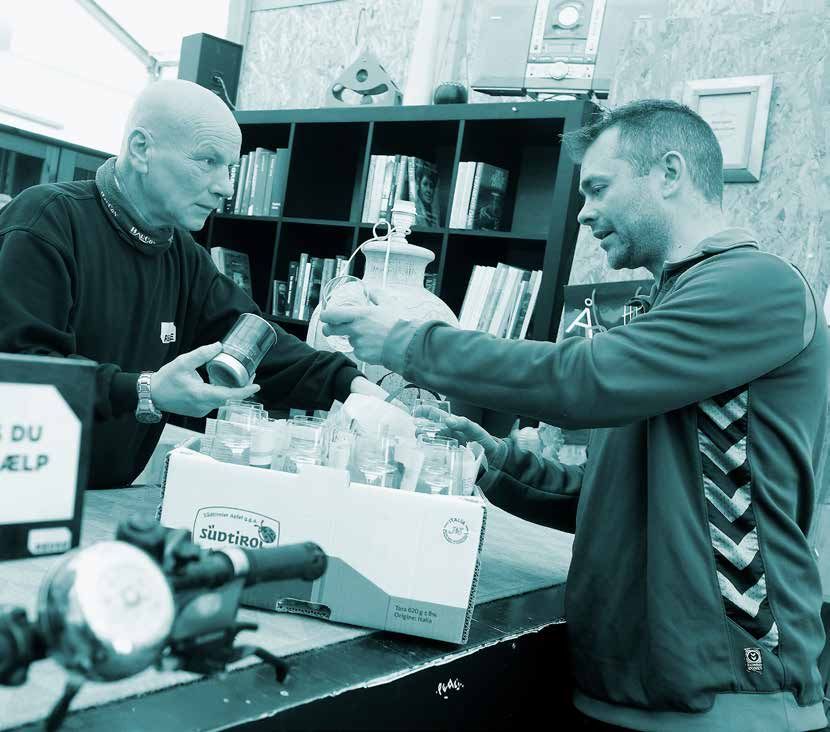
THE TRANSFORMATION OF AARHUS
Change in Aarhus is already rapid. The city is expected to grow by       The Climate Plan 2016-2020 has social involvement as a consist-
a total of 50,000 new inhabitants by 2030. The city will become          ent and recurring focus area. There's a lot of work to do engaging
denser, and we will need to make optimum use of the space and            members of the community in a manner that enables them to see
resources we have.                                                       progress themselves – and to make it plain that green transfor-
                                                                         mation is not just something we're doing because we have to, but
Aarhus is also a city in a world undergoing change at alarming           that it also offers opportunity and can create a better city. By lead-
speed - with rising temperatures as a result of CO2 emissions de-        ing the way over the last few decades, we've created the right con-
manding action now. Consequently, national and regional targets          ditions for growth and jobs. We have created positions of strength
are being set throughout the world to ensure sustainable develop-        within those areas where the rest of the world still faces massive
ment and care for the world.                                             investment. Green transition has become an important part of the
                                                                         way we earn our living. But we can only maintain that lead by stay-
Denmark's own target is to be a low-emission nation by 2050 –and         ing one step ahead. Aarhus has created a whole range of success-
Aarhus is playing an active role with its own target of CO2-neutral-     ful solutions, projects, technologies and innovative communities,
ity by 2030. Our society is currently based on the use of fossil fuels   and we need to activate them even more.
for almost everything. That's why nothing less than total transfor-
mation is needed to reduce our CO2 emissions. And that's why we          That's why Climate Plan 2016-2020 was put together in consul-
need the green transformation.                                           tation with the business community, academic institutions and
                                                                         knowledge centres, public sector bodies, grassroots and stake-
Green transformation covers a number of things, including new            holder organisations, residents interested in climate change and
technologies, better use of resources, more eco-friendly products,       council employees from just about every department. The plan is
new business models and a high degree of social involvement.             also based on a number of projections and technical scenarios
That takes time. But it's important that we start where it makes         developed with the Siemens Global Center of Competence Cities
most sense for Aarhus. The City Council has been actively work-          - Urban Development.
ing on a number of climate plans since 2008, each of which has
brought us closer to our goal. We've focused on quantifying and          Climate Plan 2016-2020 is based on the City Council's climate
monitoring CO2 emissions in the city, building partnerships with         strategy "On the way to fossil freedom". It brings direction and
the business community and looking at ways we can make an                focus to those areas where special efforts will be made in the years
impact through investment in those areas where the City Council          to come to promote transition in the community, and to reduce
has direct influence. Combined, all these initiatives have created a     CO2 emissions in Aarhus.
strong network for climate management, and have generated the
encouraging results it stands on.

The next step will demand even greater social involvement. Most
CO2 emissions are outside the City Council's direct influence. To
reach even further with green transformation over the next few
years, common ownership is going to be vital - giving the public
and the business community the knowledge and means of taking
action that will empower everyone to contribute.
                                                                                                                                CLIMATE PLAN 2016-2020 |   5
THE TRANSFORMATION OF AARHUS

                    STATUS
                    Since the City Council adopted its goal of CO2-neutrality, total CO2    As the figure indicates, energy consumption has been steadily
                    emissions have fallen. The figure shows progress from 2009 to           falling since 2009. The transition to sustainable energy does of
                    2013 (latest accounting year) and a projection based on forecasts       course mean problems, as large amounts of energy are dependent
                    and planned initiatives. The result of climate focus to date is an      on whether the sun is shining or the wind blowing. The increase in
                    historically low level of CO2 emissions. The main contributor is        electrification - e.g. within transport - also puts more pressure on
                    a change in the way energy is generated. Identifying the way to         energy supplies. If we continue to reduce energy consumption, we
                    CO2-neutrality in 2030 cannot be positively identified at this time.    can reduce investment in new energy infrastructure and plant, e.g.
                    Considerable changes will be needed in the transport sector, in         wind turbines and electricity cables in the city. That will make tran-
                    energy and eliminating the last fossil fuels used in electricity and    sition cheaper and easier. That's why work on continuing to reduce
                    heat production (seen as continued emissions in buildings).             energy consumption and create balance in the energy system is a
                                                                                            cornerstone of climate management.
            2.500.000

            2.000.000
                                                                                           35

                                                                                           30
            1.500.000
                                                                                           25

                                                                                           20
            1.000.000
                                                                                           15

                                                                                           10
             500.000
                                                                                            5

                                                                                           0

                          2009             2013            2020           2030                  2009              2013                    2020                2030

                                                                                            Gross energy consumption MWh, per resident.

                         Buildings      Transport      Industry

6   |   CLIMATE PLAN 2016-2020
The City Council can exercise direct influence on around 24% of
total CO2 emissions in the community through district heating
and its own energy consumption. Conversion to biomass for heat
and electricity production plus energy renovation of its own build-
ings have enabled the City to take giant strides within the areas
it has direct influence. To reach its targets, focus is necessary on
broad social involvement, so that we can also make an impact on
areas in which the City does not have direct influence, e.g. homes,
the business community and private motoring.

                               76
             5
                     19

CO2 emissions and areas where the City Council has influence.

     Residents and      Municipal       District heating
      the business     buildings etc.
       community

                                                                       CLIMATE PLAN 2016-2020 |   7
FOCUS

                  OPTIONS
                  The focus of earlier climate plans has taken us far in areas where      ▪ The incentives created or removed nationally and international-
                  it has been possible to influence CO2 emissions directly through        ly have a lot of influence on choice of green solutions by the public
                  investment. But there are a still a number of levers the City Council   and businesses. The City Council can therefore promote green
                  can use to support green transition in Aarhus:                          transition by striving for better framework conditions. These
                                                                                          could include national funding schemes, duties, legislation etc.
                  ▪ Greater awareness and competences in the community to set
                  the scene for residents and businesses to take part in green transi-    SETTING BOUNDARIES
                  tion. For example: educating the next generation or running high        The target of CO2-neutrality set by Aarhus means that we are aim-
                  profile activities such as the REUSE project - a recycling station      ing for a level of CO2 emissions within the city boundaries that
                  at which residents can come and take second-hand products for           does not affect the global level of CO2 in the atmosphere. That
                  reuse, whilst learning more about recycling and "upcycling". Sup-       makes it possible to be CO2-neutral, even though there are still
                  porting the movers and shakers in the community who are already         local CO2 emissions. In accounting terms, this is balanced out
                  engaged and contributing to the creation of public ownership of         by the absorbance of carbon by planting trees or replacement of
                  green transition.                                                       'black' electricity (from fossil-fuelled power stations in other local
                                                                                          authorities) through the export of green electricity.
                  ▪ Lead from the front as a good example. The City Council is the
                  biggest employer in Aarhus – with plenty of interfaces in the com-      There are many overlapping agendas, such as sustainability and
                  munity – giving us ample opportunity to create awareness. We            creating a better city for everyone, which the City Council has de-
                  need to provide the means for our workforce to get involved to          fined in its 'Aarhusfortællingen' (the story of Aarhus) and Plan
                  do so.                                                                  Strategy. It's therefore important to define clear boundaries for
                                                                                          climate management as a supplement and support for the Coun-
                  ▪ Continue to expand our work with strong climate partners. Do-         cil's overall vision for the development of Aarhus.
                  ing so will mean that the City Council can create opportunities
                  for businesses and academic institutions to engage in climate           Climate management focuses primarily on direct CO2 emissions
                  management, creating chances for more exports and green work-           within the city boundaries, including the import and export of
                  places.                                                                 electricity. The illustration on the next page shows that focus in re-
                                                                                          lation to a number of key statements on the way to CO2-neutrality,
                  ▪ Setting standards for climate and eco-friendly solutions through      fossil-freedom and associated agendas.
                  purchasing and procurement by tender and as a major buyer, to
                  drive progress and increase demand for the best products and            MILESTONES FOR 2020
                  solutions. One example is the City Council's test of hydrogen-pow-      Climate Plan 2016-2020 contains a number of milestones that
                  ered cars and its focus on circular processes and total economy via     will help concentrate focus on indicators for green transition in
                  public procurement by tender.                                           Aarhus. In general terms, the plan has the following milestones
                                                                                          for 2020:

                                                                                          ▪▪ CO2 emissions per resident 2.3 tons p.a. (7.5 tons p.a. in 2008).
                                                                                          ▪▪ Energy consumption per resident of 19 MWh (21 MWh in 2008).
8   |   KLIMAPLAN 2016-2020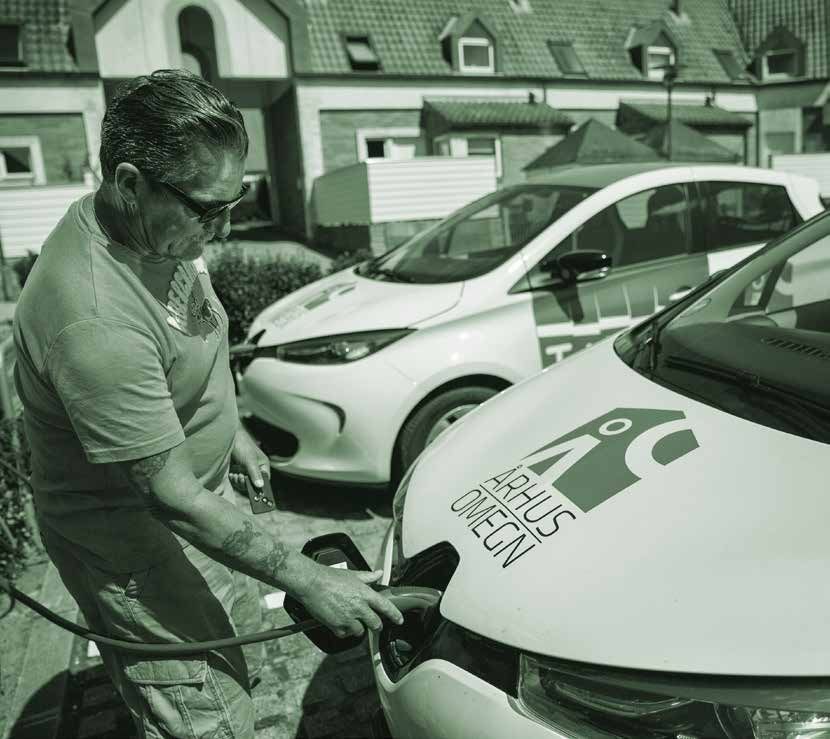
CO2-neutral 2030                      On the way to fossil freedom
 Climate management is about finding        Climate management is about change in
     balance in technical accounts.                    the community

             Moderation                           The light green future
 By cutting back consumption, we can            Technology can solve the climate
                                              crisis and create a better, sustainable
        solve the climate crisis.                          community.

        Sustainability plan                             Climate Plan
                                             The Climate Plan focuses in particular
 All aspects of sustainability have to be     on the climate angle, and the way to
      covered by the Climate Plan.                       fossil-freedom.

    Symptomatic treatment                         Combating the causes
We need to adapt to the consequences of      We need to combat the cause of global
global warming with climate adaptation.     warming by reducing our CO2 emissions.

          Global footprint                             Local influence
 We will focus on every source of emis-       We will focus on local CO2 emissions,
 sions, including those we are indirectly   and on which we have direct influence as
the cause of outside the city boundaries.   residents, businesses or the City Council.

                                                                             CLIMATE PLAN 2016-2020 |   9
FOUNDATION

                  Climate Plan 2016-2020 is based on the work within climate management over the last few years. A number of activities are already
                  under way designed to promote transition within the community.
                  You can read more about them at our portal www.gogreenwithaarhus.dk.

                  To follow are examples from five major projects making a difference in their own way.

                                                  READY
                                                  In partnership with the local authorities of Växjö in Sweden and Kaunas in Lithuania and a number of
                                                  external partners, Aarhus is taking part in a pilot project designed to develop and demonstrate inno-
                                                  vative solutions able to support effective green transition. The objective is to test solutions that can
                                                  help preparer Aarhus for the energy system of the future, based on sustainable energy and build the
                                                  foundation for growth and progress in the area. Around 500 houses and 400 apartments are involved
                                                  in Aarhus. The project started in 2014 and is expected to end in 2019.

                                                  AA+
                                                  Aarhus City Council has launched a major campaign to achieve energy savings in its own buildings
                                                  by energy-renovating a total of approx. 1.3 million m2. The result will be a total reduction of energy
                                                  consumption of 25% in those buildings by 2019 – costing an estimated investment of approx DKK 300
                                                  million. Right from the start, CO2 reduction has been the primary focus, but since Aarhus is well on the
                                                  way to becoming self-sufficient within green heat and electricity. It has shifted to energy-efficiency and
                                                  interfacing with the intelligent energy system that will underpin the energy balance in the city.

10   |   CLIMATE PLAN 2016-2020
FOSSIL-FREE DISTRICT HEATING
The district heating system in Aarhus has an exceptionally high level of energy efficiency, because it
covers 90% of the city's housing, and uses surplus heat from electricity production to produce heat.
An ambitious plan will reduce CO2 emissions from here significantly over the next few years, forming
a cornerstone towards a CO2-neutral Aarhus. The first move was to switch production from coal to
fossil-free fuels in 2016. That year, Aarhus became one of the first cities able to offer almost all its
residents and businesses heat and electricity with very low CO2 emissions. In fact, emissions were cut
by over 1 million tons.
LIGHT RAILWAY IN AARHUS
Denmark's first light railway will be opened in Aarhus in 2017. Existing diesel trains and buses on the
route will be replaced by the electric light railway, supporting efforts to bring sustainable energy into the
transport sector. Construction of the first phase has a budget of DKK 3.5 billion, split between the City
Council, region and state. The first phase can be powered with the electricity produced from a single
wind turbine.
BIKE CITY AARHUS
When city residents bike instead of using their cars, they are making a massive impact on CO2 emis-
sions. That's why it's important to develop infrastructure that encourages and protects cyclists. But
providing them with good conditions is not enough on its own. Sometimes, they need to be persuaded
to get their bikes out and that's why an important part of the campaign is to motivate and inspire cy-
clists - including greater awareness and involvement. Bike traffic in the city increased by 29% between
2000 and 2015.
KLIMAPLAN 2016-2020 | 11CLIMATE PLAN 2016-2020
CLIMATE PLAN 2016-2020
The Climate Plan contains focus areas and ideas for new activities        The plan describes existing and new activities. Existing activities
right up to 2020. Focus areas are where the City Council intends          are those within other disciplines that support climate manage-
to support change in the community in concert with national and           ment, or that have been carried on from the earlier Climate Plan.
international activities. These are presented on the following pag-       New activities are those launched as a result of the current Cli-
es. More details of all activities and ideas are collected in a special   mate Plan – marked with the word 'New'.
catalogue.

                                                                                                                                 KLIMAPLAN 2016-2020 |   13
CLIMATE PLAN 2016-2020
FOCUS AREAS LINKED TO THE SIX MAIN ELEMENTS OF THE CLIMATE STRATEGY:
ENERGY
One important element of moving towards fossil freedom is energy supply, which has been the biggest source of CO2
emissions. We took a major step forward with the switch of district heating production to biomass. 90% of Aarhus residents
now have access to green heat with low CO2 emissions, and the city is almost self-sufficient in green electricity. In the long
term, electricity is expected to play a much larger role in the move to a fossil-free community, e.g. as the source of power in
the transport sector. That will mean even more demand on sources of energy supply system and the infrastructure. Major
decisions will therefore need to be taken with regard to energy supply as we move towards 2030, to be able to maintain
energy balance based on sustainable energy. We also need to develop new solutions to take over from biomass and the fossil
fuel element in refuse incineration.
TRANSPORT
The switch in energy production makes the transport sector the biggest contributor to CO2 emissions, and therefore the
biggest obstacle on the way to a fossil-free community. Transport demand in Aarhus is rising rapidly in line with the growth
of the city. The Council's strategy for city growth focuses heavily on smart solutions. Built-up areas will be denser, distances
to public transport will be shorter, as will the distance between work and home. Demand for transport will be reduced
accordingly. Focus on the infrastructure is another factor, such as the light railway and bike paths, along with influencing
choice of transport from cars to other forms. To achieve targets for transition, a comprehensive change in technology is re-
quired. Transport needs to be electrified to bring sustainable energy into use. This is a big job, but will provide many benefits
– e.g. a city with less pollution and noise, thereby improving public health and wellbeing.
BUILDINGS
Buildings play a decisive role when seeking balance between producing and consuming sustainable energy. In line with the
increase in demand for electricity in the transport sector, demand for the overall amount of sustainable energy rises, If we
are to minimise the need for new investment in energy infrastructure and plant, we need to continue to work hard on reduc-
ing consumption in buildings. The transition to sustainable energy sources will also entail buildings being flexible and able
to cope with fluctuating energy production from the sun and wind. That requires technology able to even out production
and consumption. We also need to ensure that new buildings are sustainable in the long term, and built with the lowest CO2
emissions possible. All the above are part of the overall green transition in buildings that can cut the costs of change in the
community with involvement of local resources, whilst becoming a commercial advantage for Aarhus.
14 | CLIMATE PLAN 2016-2020INDUSTRY
Industrial processes in Aarhus must be switched to the use of sustainable energy. A large element of process energy current-
ly comes from fossil fuels. There is also huge potential in streamlining industrial processes and reducing resource consump-
tion. By-products and refuse can be good raw materials for other businesses. By supporting developments within circular
resource use, we can reduce the impact on the environment of industry, and improve the economics involved. Switching
processes to sustainable energy or recycling to a greater degree is a big step for many businesses. The complicated tax
structure also makes it difficult for businesses to understand their options. They need advice on what their options are, and
support to test new solutions.
LOCAL ENGAGEMENT AND GROWTH
Most CO2 emissions come from the activities of city residents and businesses. The green transition will therefore require an
increase in local ownership to create change. First and foremost, we need to encourage local people and companies already en-
gaged and contributing. Residents, businesses, academic institutions and grassroots organisations can help to support Aarhus
in its green transition. But there are also many people who are not motivated by the climate agenda, a situation that will never
change. Surveys indicate that greater awareness does increase the motivation to take part and that's why we need to make the
green transition relevant and understandable for as many people as possible. We have a special obligation in terms of educating
children and adolescents, who will influence change moving towards 2030 through their choices and behaviour. We also need
to focus on competence-building for business and industry, where greater awareness can give rise to strategic innovation and
commercial success.
OUR WORKPLACE
Even though most CO2 emissions in Aarhus occur outside the direct sphere of influence of the City Council, we play a
leading role in green transition. There are many areas in which we can influence progress through our own initiatives, pro-
cesses, partnerships and urban development programmes. When working within the specific focus areas, where we expect
to achieve the greatest possible effect, visibility and synergy with the community around us in the years to come. In the next
Climate Plan period, the most important thing will be that we show the way, leading within key areas such as transport and
buildings, setting standards through our purchasing and tender invitations, e.g. for building and construction work. We will
do so in a manner which involves our personnel actively, and keeps them informed of new initiatives. Aarhus City Council
is the biggest employer in the area, with plenty of interfaces within the community. By involving our employees actively, we
create greater awareness, ownership and important ambassadors for climate management.
CLIMATE PLAN 2016-2020 | 15ENERGY 16 | CLIMATE PLAN 2016-2020
6000
  STATUS
  Coal was phased out in 2016, when the majority of district heating
  and electricity production was switched to biomass. The result was               5000
  a massive fall in CO2 emissions from district heating. The figure
  shows trends from 2009 to 2013 (the latest climate accounting                    4000
  year) and projected trend in emissions based on forecasts for de-
  velopments in the community and planned initiatives locally and
  nationally                                                                       3000

450.000                                                                            2000

400.000
                                                                                   1000
350.000

300.000

250.000                                                                                       2009               2013             2020      2030

200.000
                                                                                  Electricity consumption and production, TJ, Aarhus.

150.000
                                                                                  A large proportion of electricity in Aarhus is produced in combi-
100.000                                                                           nation with district heating, which became green in 2016. Accord-
 50.000
                                                                                  ing to current forecasts, Aarhus will therefore be self-sufficient in
                                                                                  green electricity, as increasing demand is expected to be evened
                                                                                  out by growing energy-efficiency in the community. In the long
                                                                                  term however, a big increase in consumption is expected as a re-
             2009                     2013             2020          2030         sult of the electrification of the transport sector, district heating
                                                                                  and industry. This can be expensive in terms of new energy plant
                                                                                  and infrastructure, e.g. in the form of new wind turbines and ca-
  CO2 emissions from district heating production (tons).                          bles in the city. Long-term planning and continued efforts to re-
                                                                                  duce energy needs will therefore be needed, along with adaptation
                                                                                  to an energy system based on sustainable energy.

  Oli            Coal           Refuse       Biomass          Wind          Sun   MILESTONES FOR 2020
                                                                                  ▪▪ Devise long-term and strategic plans for the energy infrastruc-
            Electricity consumption                                                  ture of the future for the City of Aarhus.
                                                                                  ▪▪ Recycle 4,500 tons of refuse more per year.

                                                                                                                                         CLIMATE PLAN 2016-2020 |   17
GREEN DISTRICT HEATING ENERGY SUPPLY OF THE FUTURE
Aarhus has one of the world's best district heating grids. 90% Switching heating to biomass is a huge step along the way to the
of Aarhus residents are connected. District heating is one of the sustainable energy supply of the future in Aarhus. But full conver-
areas in which the City Council can influence the switch to fossil sion of the energy sector requires much bigger and more extensive
freedom with the greatest effect. changes.
Biomass Strategic energy planning
The fuel used for district heating within Aarhus was switched from The switch to sustainable energy makes heavy demands of plant
coal to biomass in 2016. The boilers at the Studstrup power sta- and the energy infrastructure in Aarhus. And there are a host of
tion were converted to be able to burn sustainable wood pellets, unanswered questions to be answered. Should Studstrup - the
and the new power station in Lisbjerg will use the same. The result supplier of most of the heating and electricity to Aarhus - close
will be a huge fall in total CO2 emissions from district heating pro- in 2030? Is there sufficient electrical infrastructure in the city for
duction and from concurrent electricity generation. the electrical-powered transport of the future? Is there enough bi-
omass, and what's the best way to use it? Where should power
ENERGY
Expected effect: plants be sited, and which technology should we put our faith in?
Total CO2 reduction per year, approx 1.3 million tons. To answer such questions and make the right decisions at the right
time, requires a comprehensive plan for energy supply.
Activities:
▪▪ Biomass at Studstrup and the biomass-fired Kraftvarmeværk Expected effect:
A/S in Lisbjerg. Reliable supply and savings from timely decisions and synergy
with other investments.
Activities:
▪▪ Strategic energy plan for Aarhus (new).
18 | CLIMATE PLAN 2016-2020REFUSE AS A RESOURCE
Development of the solutions of the future An important element in the transition of the community is sus-
The switch to sustainable energy in all parts of the community tainable use of resources. The vast amount of refuse generated
requires the development of new solutions. The City Council will nowadays is an important resource.
play a key role in developing and testing them. Not only because
we need such solutions, but also because local businesses need Aarhus without refuse
somewhere to test and demonstrate their solutions 1:1 in a city The amount of refuse needs to be reduced. And this can be done
such as Aarhus – with a view to exporting products and systems. by changing the throw-away culture to one of recycling. Recycling
refuse is an important key to an Aarhus without refuse. It requires
Expected effect: better sorting at home and in the way refuse is processed. Because
Boost know-how, competences and new technology. Aarhus is growing, there are a lot of new buildings going up. Plan-
ning urban development in consultation with the developers to
Activities: enhance easier sorting and disposal of refuse is important. There
▪▪ Common data platform for consumer data. will also be focus on supporting business and industry with train-
▪▪ READY, low temperature district heating and heat pumps. ing and practical schemes designed to make it easier to recycle
▪▪ Research and development at the Department of Waste and refuse. About one-third of the refuse from business and industry
Heating, Aarhus. currently incinerated could be recycled - so there is plenty of po-
tential.
Expected effect:
Reduction of 7,000 tons CO2 p.a.
Activities:
Refuse plan, Aarhus without refuse.
CLIMATE PLAN 2016-2020 | 19Existing projectt
New project
Decision on the future of Studstrup
Studstrup to close
2017 2018 2019 2020 2022 2025 2030
GREEN DISTRICT HEATING
ENERGY
Biomass at Studstrup and Lisbjerg
ENERGY SUPPLY OF THE FUTURE
Strategic energy planning for Aarhus (new Climate Heating Plan and City Plan Theme) Project planning, approval and financing Construction and commissioning
Electricity, gas, heat, biomass, refuse, traffic, buildings, infrastructure, recreational areas, tree planting, open land, city
Research and development at the Department of Waste and Heating, Aarhus
Common data platform for consumer data
READY, low temperature and heat pumps
AFFALD SOM RESSOURCE
Refuse plan, Aarhus without refuse New refuse plan
20 | CLIMATE PLAN 2016-2020CLIMATE PLAN 2016-2020 | 21
TRANSPORT

22   |   CLIMATE PLAN 2016-2020
STATUS
Moving towards 2030, the transport sector will be the biggest         Cars will generate the biggest share of CO2 emissions from trans-
source of CO2 emissions in Aarhus. The figure shows progress          port. A breakthrough with more efficient hybrid cars and cheaper
from 2009 to 2013 (latest accounting year) and a projection for       electric cars is expected within the next few years. But the switch
emissions. As can be seen from the figure, CO2 emissions from         to new technologies able to utilise green energy in transport has
transport are expected to rise in the long term due to total trans-   not yet fully occurred in Denmark. For example, only 4 out of 1000
port demand expected to rise between 2020 and 2030.                   cars in Aarhus are electrically-powered. On a national basis, the
                                                                      figure is only 3 out of 1000.

                                                                      Out of   1000 cars in Aarhus, only 4 are electric.
600.000
500.000
400.000
300.000
200.000
100.000

          2009                 2013                   2020    2030

CO2 emissions from transport (tons).

           Cars        Vans and trucks   Trains and Buses

                                                                      MILESTONES FOR 2020
                                                                      ▪▪ The number of electric cars is still above the national average.
                                                                      ▪▪ Continue to increase the number of city residents who bike,
                                                                         walk or use public transport.

                                                                                                                          CLIMATE PLAN 2016-2020 |   23
REDUCE TRANSPORT AND ENERGY CHANGE TRANSPORT COMPOSITION
DEMAND The Council's plans for climate management must support a
By reducing and streamlining urban transport, overall energy con- change in the composition of transport to reduce the use of cars
sumption is reduced along with the cost of converting remain- in favour of cycling and public transport.
ing transport to fossil-free technologies. This is where municipal
planning is most important, along with the use of new, efficient Habits, behaviour and mobility services
technologies and transport concepts in the next few years. The City Council is working with ’Smart Mobility’, which concerns
influencing traffic composition to increase mobility within the city.
Urban planning Smart Mobility breaks transport habits and influences behaviour
Increasing the urban density of Aarhus is the subject of strategic patterns through innovative means, involving the public and busi-
planning, which can reduce transport demand over time. A denser nesses using demonstrations. E.g. on car-sharing and combina-
city can encourage more use of bikes and public transport, provid- tion travel.
TRANSPORT
ing it is expanded sufficiently to cope.
A new initiative in Smart Mobility is qualifying the debate on pub-
Expected effect: lic transport. What is public transport and how can the public help
Reduction in transport demand. knit the system together to make it a real alternative to private
motoring?
Rationalisation
The City Council is introducing Intelligent Traffic Management Bike City Aarhus is also working to get more people to bike instead
and upgrading streetlights with LED, which will reduce energy of drive.
consumption related to the transport sector.
Expected effect:
Expected effect: More motorists will switch to bikes or public transport.
Reduction in energy consumption.
Activities:
Activities: ▪▪ Activities under Smart Mobility.
▪▪ Intelligent Traffic Management. ▪▪ Activities under Bike City Aarhus.
▪▪ Upgrading street lighting to LED.
24 | CLIMATE PLAN 2016-2020TECHNOLOGY CHANGE
Climate management in Aarhus is intended to work towards a
change in technology - from fossil fuels to sustainable energy in
the transport sector. Technology change is the field we expect to
have the biggest effect on CO2 emissions as we move towards a
fossil-free society.
Electrification
Denmark is investing heavily in wind energy as a sustainable
source of energy. That's why electrification of the transport sector
is an important part of the cohesive energy and transport system
of the future. The City Council intends to support this by increas-
ing electrification of public transport, ensuring the necessary
infrastructure and playing an active role in projects and partner-
ships that will pave the way for new technologies and technology
change.
Expected effect:
Local mobilisation of know-how and initiatives within electrifica-
tion and infrastructure.
Activities:
▪▪ Electrification of public transport: Light railway and electric
buses.
▪▪ READY, recharge infrastructure and smart energy.
▪▪ "Displace 1,000 fossil-fuelled cars" – a car sharing partnership
(new).
CLIMATE PLAN 2016-2020 | 25Existing project
New project
2017 2018 2019 2020
REDUCED TRANSPORT AND ENERGY DEMANDS
TRANSPORT
Intelligent Traffic Management
Upgrading street lighting with LED
CHANGE TRANSPORT COMPOSITION
Smart Mobility
Bike City Aarhus
TECHNOLOGY CHANGE
Electrification of public transport: Light railway and electric bus test line
READY, recharging infrastructure and smart energy
Displace 1,000 fossil-fuelled cars
26 | CLIMATE PLAN 2016-2020▪▪ ▪▪
CLIMATE PLAN 2016-2020 | 27BUILDINGS 28 | CLIMATE PLAN 2016-2020
S▪TATUS
▪

    INDEX
140

120
                                                                                                 Energy requirements and building rules

100

 80

60

 40

 20

  0
      1910       1920        1930         1940        1950        1960        1970        1980          1990        2000         2010     2020     2030

District heating consumption (ave.) in homes in Aarhus by year built, based on Dept. of Waste and Heating meter data and BBR register.

Energy consumption in buildings is an important factor in creating balance in the energy system of the future, when electric cars will in-
crease our electricity consumption. Lower energy consumption in our buildings means lower investment in sustainable energy sources,
such as wind turbines. That makes the job of managing transition cheaper and easier. One of the ways to reduce energy consumption
is tougher criteria for renovation and new-build projects. The figure shows the average heating consumption in buildings connected to
the district heating grid in Aarhus by build year (house age). As can be seen from the figure, the introduction of tougher energy criteria
in building rules has a major impact on energy consumption.

MILESTONES FOR 2020
▪▪ Continued reduction in building energy consumption.
▪▪ Enhanced collaboration for green building in the local building industry.

                                                                                                                                                 CLIMATE PLAN 2016-2020 |   29
RENOVATION AND SMART ENERGY
The City Council will support energy optimisation for buildings to Business and industry
bring overall consumption down. It is important that this is done There is massive potential for commercial and industrial build-
in partnership with the energy infrastructure of the city. The ener- ings, where consumption to a large degree can be programmed in
gy infrastructure is undergoing change, and flexibility, control and relation to peak loading in the energy system. A pilot project has
storage will become key themes in the years ahead. been started that addresses the relationship between buildings
and the district heating system, looking at how intelligent building
Homes management and programmed consumption can reduce or elim-
The City Council has joined the pilot project READY, dealing with inate peak demand. This will eliminate peak fossil fuel produc-
energy renovation and intelligent coordination with the energy tion and the need for laying new district heating pipes. Lessons
system. The project will create energy optimisation itself in the learned will be applied in new initiatives aimed at large business
900 homes that could potentially be included in it. In addition, the customers.
know-how and experience gained will encourage new initiatives
BUILDINGS
for other existing buildings. Expected effect:
Reduced peak demand for district heating.
Expected effect:
Competence boost and energy optimisation in homes. Activities:
▪▪ Reducing peak demand by exploiting the relationship between
Activities: municipal buildings and district heating.
▪▪ READY, energy optimisation in private homes and social ▪▪ Smart energy in commercial and industrial buildings (new).
housing.
30 | CLIMATE PLAN 2016-2020GREEN TRANSITION IN THE COMPETENCE AND KNOW-HOW
CONSTRUCTION INDUSTRY ENHANCEMENT
Green transition will make new demands of the way we build. The Many different companies, authorities and people are involved in
relationship with the city's energy infrastructure will be at the the construction process from start to finish. A greater degree of
forefront, but we also need to ensure that buildings are sustain- joint competence enhancement and knowledge sharing in Aarhus
able long-term, and that they are built with the lowest CO2 emis- itself will mean better chances for raising the overall construction
sions and impact on the environment as possible. standard, driving progress within the industry. It will also mean
greater growth and export opportunities for businesses, through
Strategic and physical planning new alliances and innovative projects.
The City Council works with sustainable urban development us-
ing a 360 degree model for planning. How green transition as a Alliances and partnerships
theme can become an integrated part of the process, and put on The construction industry in Aarhus is not short of engagement.
the agenda for the numerous construction projects in the city is People interested in taking an active part in the development of
closely examined. This includes the City Council's sustainability their industry. By bringing them together in a local network con-
model for construction, the transport infrastructure in relation to centrating on green transition, the construction industry can be
buildings and energy supplies for the future in planning construc- further strengthened. The City Council will work to put more focus
tion and conversion projects. on further education for the trades, and to build networks around
new pilot projects.
Expected effect:
To promote green transition through construction. Expected effect:
Growth and development within the local construction industry.
Activities:
▪▪ Green transition through urban planning (new). Activities:
▪▪ Enhanced climate management in social housing (new).
Circular processes in construction ▪▪ A strengthened construction industry, through networking,
Sustainable urban development implies careful selection of ma- competence enhancement and growth (new).
terials and an increased degree of recycling. New processes and
business areas within the circular economy will be needed. Sharing know-how
A database of 'best practice experiences' is compiled and updated
Expected effect: from the City Council's own and external construction projects, as
Competence enhancement and method-development. part of the process of enhancing the local construction industry.
The database is made available through some of the City Council's
Activities: central interfaces, including Byggesagsbehandlingen (case man-
▪▪ Construction using recycled materials – project with external agement, construction), Planafdelingen (planning department)
partners. and Alment Byggeri (social housing).
Expected effect:
Know-how enhancement for individuals within the local construc-
tion industry. CLIMATE PLAN 2016-2020 | 31Existing project
New project
2017 2018 2019 2020
RENOVATION AND SMART ENERGY
BUILDINGS
READY, energy optimisation in private homes and social housing
Smart energy in commercial and industrial buildings
GREEN TRANSITION IN THE CONSTRUCTION INDUSTRY
Use of recycled building materials
Green transition through urban planning
COMPETENCE AND KNOW-HOW ENHANCEMENT
Enhanced climate management in private homes
A strengthened local construction industry
32 | CLIMATE PLAN 2016-2020CLIMATE PLAN 2016-2020 | 33
INDUSTRY

34   |   CLIMATE PLAN 2016-2020
FACTS                                                                        MILESTONES FOR 2020
Aarhus is the biggest industrial city in Denmark measured by                 ▪▪ Reduction in the use of oil in industrial processes.
number of industrial employers. Fossil fuels are used for energy
in a range of processes. That's why there is potential for reducing
energy consumption and the use of fossil fuels. The figure shows
progress from 2009 to 2013 (latest accounting year) and a projec-
tion based on forecasts and planned initiatives.

6000

5000

4000

3000

2000

1000

           2009               2013              2020          2030

Energy consumption for industrial processes, MWh.

   Coal             Oil              Refuse         Biomass    Natural gas       Electricity

                                                                                                                                 CLIMATE PLAN 2016-2020 |   35
EFFECTIVE, FOSSIL-FREE PROCESSES UTILISING SURPLUS HEAT
The consumption of fossil fuels in industrial processes has to be One of the world's most comprehensive district heating grids
cut, which is why we need to work at phasing in sustainable ener- gives Aarhus the chance to lead and find new methods of utilising
gy sources. But phasing in sustainable energy presents industry surplus heat from industrial processes. The City Council will look
with a technological challenge. Climate management in Aarhus at how a district heating infrastructure can be ensured that makes
must support greater collaboration to tackle that problem. It can use of surplus heat. It will also be important to encourage the
help boost innovation within industrial production methods, and greater use of heat pumps by industry, and to look at opportuni-
reduce vulnerability to rising fossil energy prices. A lot of focus ties of supplying heat to companies not connected to the existing
will also be placed on conditions and business models. grid.
Collaboration, optimisation and a change of technology in indus- Expected effect:
try. Identifying potential and experience enhancement.
Maintaining focus on energy-saving measures for industrial com-
INDUSTRY
panies is important. Energy companies, consultants and govern- Activities:
ment bodies (e.g. the Energy Agency) provide consultancy and ▪▪ Utilisation of surplus heat at DNU.
funding to continue the process of realising potential savings in ▪▪ Green district heating for the light railway via mobile heat
industry, and the City Council will support such measures. The pumps.
city authorities will exploit the already close dialogue with indus-
try from the provision of advice, environmental inspections and
permits. Testing and implementation of new technologies for
phasing in sustainable energy in industry will continue. Climate
management has to support businesses being able to collaborate
to a greater degree and to learn from each other's experiences.
Expected effect:
Energy consumption will be reduced, and switched to new energy
sources.
Activities:
▪▪ Setting up an Industry Task Force - a joint initiative between
environmental authorities, energy consultants and industry
itself (new).
36 | CLIMATE PLAN 2016-2020CIRCULAR ECONOMY
The need for cheap raw materials and sustainable production
processes is on the rise, creating new opportunities to find symbi-
oses between different industrial bodies. This will also create the
opportunity to regard recycled materials, refuse etc. as valuable
resources. But we need to encourage opportunities for utilisation
of the resources available to a greater degree and more efficiently,
whilst developing new circular business models.
Strategic initiatives
Better understanding is still needed for how Aarhus can support
circular business models, and symbiosis between businesses.
Expected effect:
Increased recycling within industry.
Activities:
▪▪ Refuse plan, Aarhus without refuse
▪▪ Circular economy and business models (new).
CLIMATE PLAN 2016-2020 | 37Existing project
New project
2017 2018 2019 2020
EFFECTIVE, FOSSIL-FREE PROCESSES
Industry Task Force and increased environmental inspections
INDUSTRY
UTILISING SURPLUS HEAT
Surplus heat from heat pumps at University Hospital
Heat supply for the light railway workshop
CIRCULAR ECONOMY
Refuse plan, Aarhus without refuse
Circular economy and business models
38 | CLIMATE PLAN 2016-2020CLIMATE PLAN 2016-2020 | 39
LOCAL ENGAGEMENT AND GROWTH

40   |   CLIMATE PLAN 2016-2020
S
▪▪TATUS

Total employment in Denmark related to GREEN PRODUCTS AND SERVICES in 2014 equalled

					                                                                                             59,000 JOBS.

Global annual investment requirement up to 2035 to achieve a goal of an increase in temperature of max. 2 degrees is estimated at
approx.:

                                                                 DKK 17,000,000,000,000.

For the sake of comparison, Denmark's export of cleantech in 2014 amounted to

                                                                            DKK 72,000,000,000.
                                                                   (Equivalent to 0.4% of the estimated annual global requirement).

			                          60 % of the Danish population perceive green transition wholly or partly as a vital
				                                        precondition for the creation of growth and welfare in the future.

MILESTONES FOR 2020
▪▪ Greater awareness of climate management amongst the population of Aarhus.
▪▪ Strong, active climate partnerships.

                                                                                                                    CLIMATE PLAN 2016-2020 |   41
LOCAL ENGAGEMENT AND GROWTH
ENGAGEMENT AND SOCIAL SUPPORTING INDUSTRY AND GREEN
RESPONSIBILITY GROWTH
In order to create the green transition in Aarhus, the active partic- The Aarhus area is a world leader within the development and sale
ipation of the public and businesses is vital. Public involvement, of innovative cleantech solutions, but the potential is still vast
making use of the high level of research and education at local when it comes to creating new businesses, jobs and international
academic institutions, support for the city's businesses and pro- sales of green solutions and cleantech products.
filing the city's wide range of activities within the climate area will
place more focus on local cohesion within climate management. The City Council as a green platform
The City Council has a unique role as the focal point of the chal-
Social responsibility lenges faced and finding the solutions able to support a sustain-
By involving the public, businesses and academic institutions, able community model. It can set up and facilitate new network
the City Council wants to create broad, public ownership of the groups able to support collaboration, alliances, networking and
transition that will take place as Aarhus moves towards a fossil innovation. It can act as the host, bringing relevant people and
free community. Ensuring a greater degree of openness and in- businesses together to find new solutions and business opportu-
volvement in climate management and continuously identifying nities.
opportunities for how different target groups can best be involved
will be required, to ensure that it becomes natural to contribute Expected effect:
and bear responsibility. Enhanced commercial collaboration and export support for the
cleantech sector.
Expected effect:
Enhanced ownership of the green transition within the commu- Activities:
nity. ▪▪ Climate partnerships: Climate and innovation platform.
▪▪ Network support: Membership of CLEAN.
Activities: ▪▪ Export promotion to China.
▪▪ European Capital of Culture 2017: Presentation of climate ac- ▪▪ International visiting service (new).
tivities.
▪▪ Strategy for public involvement (new).
▪▪ The green city residents of the future (new).
▪▪ Energy on the school curriculum (new).
42 | CLIMATE PLAN 2016-2020VISIBLE GREEN TRANSITION
There is considerable need to explore the technical problems in-
herent in climate management.
A clear message and professional marketing will ensure that more
members of the public and business communities can relate to
the programme, and that Aarhus will be perceived by the outside
world as an attractive marketplace for green solutions and inno-
vation.
Presentation and promotion of cleantech beacons
The City Council can encourage engagement in the transformation
of Aarhus via clear presentation and exploration of the complex
issues, making them relevant to every sector of the community.
Green transition has to be integrated into the community via vis-
ibility - including relevant events able to contribute to profiling
Aarhus as the city taking an active role in climate management.
Aarhus is the home of well-established businesses with interna-
tional market share, and of small entrepreneurs and SMEs with
the potential to take over the lead in the future. Climate manage-
ment has to support and help position everyone and everything
relevant able to create growth and jobs based on their involve-
ment in green transition.
Expected effect:
Greater awareness of Aarhus as a green city nationally and inter-
nationally.
Activities:
▪▪ Climate City: CO2 mapping, DN climate city, WindMade, Cove-
nant of Mayors – reporting and analyses.
▪▪ GoGreenWithAarhus: debate and profiling of activities.
▪▪ Annual conference and Climate Award (new).
CLIMATE PLAN 2016-2020 | 43LOCAL ENGAGEMENT AND GROWTH
Existing project
New project
2017 2018 2019 2020
ENGAGEMENT AND SOCIAL RESPONSIBILITY
The green citizen of the future
IEnergy ontrafik
Intelegent the school
styringcurriculum
Strategy for public involvement
European Capital of Culture 2017
SUPPORTING INDUSTRY AND GREEN GROWTH
Climate partnership and networks (member of CLEAN, VClimate KIC Nordic etc.)
Export promotion to China
International visiting service
VISIBLE GREEN TRANSITION
Web portal (GoGreenWithAarhus: debate and presentation of initiatives)
Climate City
Annual conference and Climate Award
44 | CLIMATE PLAN 2016-2020CLIMATE PLAN 2016-2020 | 45
OUR WORKPLACE

46   |   CLIMATE PLAN 2016-2020
STATUS
The City Council has worked hard to reduce its own CO2 emissions since 2008, and has an agreement with the Danish Society for
Nature Conservation on an annual reduction of        2% per year.
                        140.000
                        120.000
  Actual
 emissions              100.000
                         80.000

  Projected              60.000
                         40.000
                         20.000
 Target as
Climate City                    -
                        -20.000
                                      2008    2009   2010   2011     2012      2013     2014     2015              2020      2030

The City of Aarhus as a business CO2, tons.

The figures shows the city's CO2 accounts from 2008 to 2015 (latest accounting year) and projected CO2 emissions. Energy consump-
tion in the form of electricity and heating are expected to drop by 25% by 2020, and that transportation in the city will be fossil free by
2030. Woodlands and wetlands within the city boundaries bind the equivalent of around 14,000 tons of CO2 per year. If the projections
hold, the city as a business will be CO2-neutral by 2030.

MILESTONES FOR 2020
▪▪ The Council's adopted plan for making its own vehicle fleet and contracted transportation services fossil free by 2030.
▪▪ 25% reduction in energy consumption in its own buildings (2009 reference).
▪▪ Minimum 2% annual reduction in CO2, equivalent to max. 100,000 tons by 2020 (2008 reference).

                                                                                                                           CLIMATE PLAN 2016-2020 |   47
FOSSIL FREE TRANSPORT
Transportation will be the biggest obstacle to achieving the city's Best practice experience-gathering
CO2 target in the years up to 2030. As a business, the City Council The City Council has already taken its first steps towards fossil
can seek to influence developments through its own initiatives, free transportation by investing in new technology, rationalisation
and define a direction for the necessary conversion of transpor- programmes and behavioural change via a number of initiatives
tation. A strategic programme will be needed of measures to in- and projects. Systematic follow-up will support ongoing conver-
crease transport efficiency and conversion of its own fleet to fossil sion with practical know-how.
free alternatives.
Expected effect:
OUR WORKPLACE
Towards fossil free transport by 2030 Know-how enhancement amongst city employees.
We are working on a comprehensive plan to convert the fleet by
2030, using rationalisation programmes to cut costs inherent in Activities:
a change of technology. ▪▪ Electric cars for Health and Care.
▪▪ Use of electric bikes via a leasing concept for Social Affairs and
Expected effect: Employment.
Decision-making facts for implementation of fossil free transpor- ▪▪ Testing hydrogen-powered cars in Technical Services and En-
tation. vironment.
▪▪ Fleet management in Nature and Road Services.
Activities: ▪▪ Best practice, transport: qualification of transportation conver-
▪▪ Pilot transport plan at the Centre for Environment and Energy. sion (new).
▪▪ Green transportation plan, Aarhus City Council (new).
48 | CLIMATE PLAN 2016-2020ENERGY OPTIMISATION IN BUILDINGS
The City Council will continue its efforts to reduce consumption in Tools and know-how
buildings, and ensure the correct future energy balance by linking The programmes already launched by the City Council within
consumption to the needs and production capacity of the energy buildings will help create focus and direction when the next plan-
system. ning period looks even further forwards for green transition. Own-
ership of the know-how achieved must be spread throughout the
Energy consumption organisation.
The energy renovation program Aa+ will continue to create energy
savings in many of the city's own buildings. Coupled with energy Expected effect:
management as a separate focus area, overall energy saving po- Competence enhancement across every municipal department.
tential will be further increased. Energy management is a neces-
sary tool to realise, maintain and increase the energy savings that Activities:
finance energy renovation programmes. ▪▪ Sharing experience – Aa+ and energy management.
Expected effect:
Optimisation of energy consumption and financial savings.
Activities:
▪▪ Aa+ energy renovation.
▪▪ Energy management.
CLIMATE PLAN 2016-2020 | 49CITY COUNCIL SETS STANDARDS
By setting standards in purchasing and procurement by tender, Environment and energy management at Technical Services and
the City Council can influence manufacturers and suppliers. Environment
This will include putting a value on specific climate initiatives The City Council will phase-out all fossil fuels it uses itself, and ap-
that demonstrate how the best effect and value are achieved in ply environmental management systematically. More focus will be
relation to investment, enhanced know-how and experience, by put on targets and following them up during the next plan period
stimulating developments through the way we offer procurement for phasing-out fossil fuels in Technical Services and Environment.
VORES ARBEJDSPLADS
by tender.
Expected effect:
Procurement by tender and purchasing The development of environment and energy management at
The City Council will reinforce its climate management programme Technical Services and Environment.
with regard to purchasing and procurement by tender, by setting
up a strategic, multi-discipline team, able to work with identifying Activities:
potential, common competence enhancement and tool develop- ▪▪ Environment and energy management at Technical Services
ment. Its work will be coordinated with existing programmes in and Environment.
the same area, such as participation in the "Partnership for Pub-
lic Green Procurement" and activities with the national "Flying Criteria for the climate targets for city enterprises
Squad for Green Procurement". Integrating and profiling the results from city-owned companies
in our own reporting is important, to create more synergy within
Expected effect: our common efforts to achieve our CO2 targets by 2030.
Competence enhancement, tool development and market influ-
ence. Expected effect:
Greater collaboration and common strategy with regard to pro-
Activities: grammes and results.
▪▪ Participation in the "Partnership for Public Green Procure-
ment". Activities:
▪▪ Activities with the national "Flying Squad for Green Procure- ▪▪ Following-up on targets for city-owned companies (new).
ment".
▪▪ Multi-disciplinary team for purchasing and procurement by
tender (new).
50 | CLIMATE PLAN 2016-2020EMPLOYEE INVOLVEMENT
Greater awareness and profiling of the many climate-related pro-
grammes across the municipal departments will increase engage-
ment in climate management amongst our employees. It should
be easy to get involved – and there has to be a relationship be-
tween core services.
The City Council's own input
The City Council will profile and celebrate initiatives within climate
management, making it more comprehensible for our employees.
We will do so by looking at the work they do individually.
Expected effect:
Awareness of and pride in their own work.
Activities:
▪▪ Easy-to-understand climate management – a programme for
presentation (new).
Involvement and education
The process of employee involvement will focus on setting up net-
works, inter-departmental knowledge sharing and common inspi-
ration – especially within those programmes related to the work
and specific ability to act of our employees.
Expected effect:
Greater ownership of the climate agenda amongst employees.
Activities:
▪▪ Climate-related support for activities in the City of Aarhus.
▪▪ Know-how and competence enhancement in the city – involve-
ment and debate (new).
CLIMATE PLAN 2016-2020 | 51You can also read


